
Stanley Plowman’s Garble is machine-executed typography filled with human mess
Break out the sweet, sweet memories of spirographs, stencils and felt tip pens with Stanley Plowman’s inventive pen plotter typeface and zine.
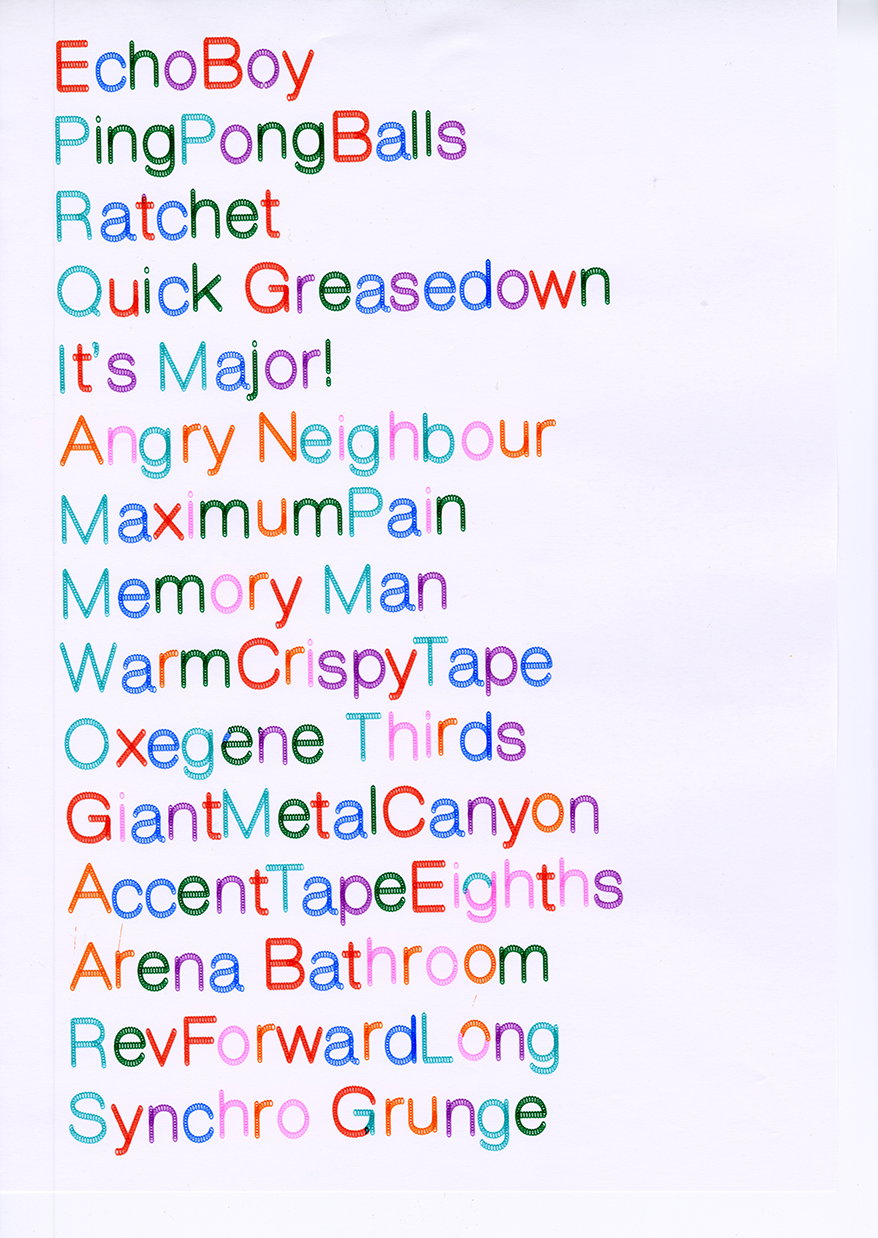
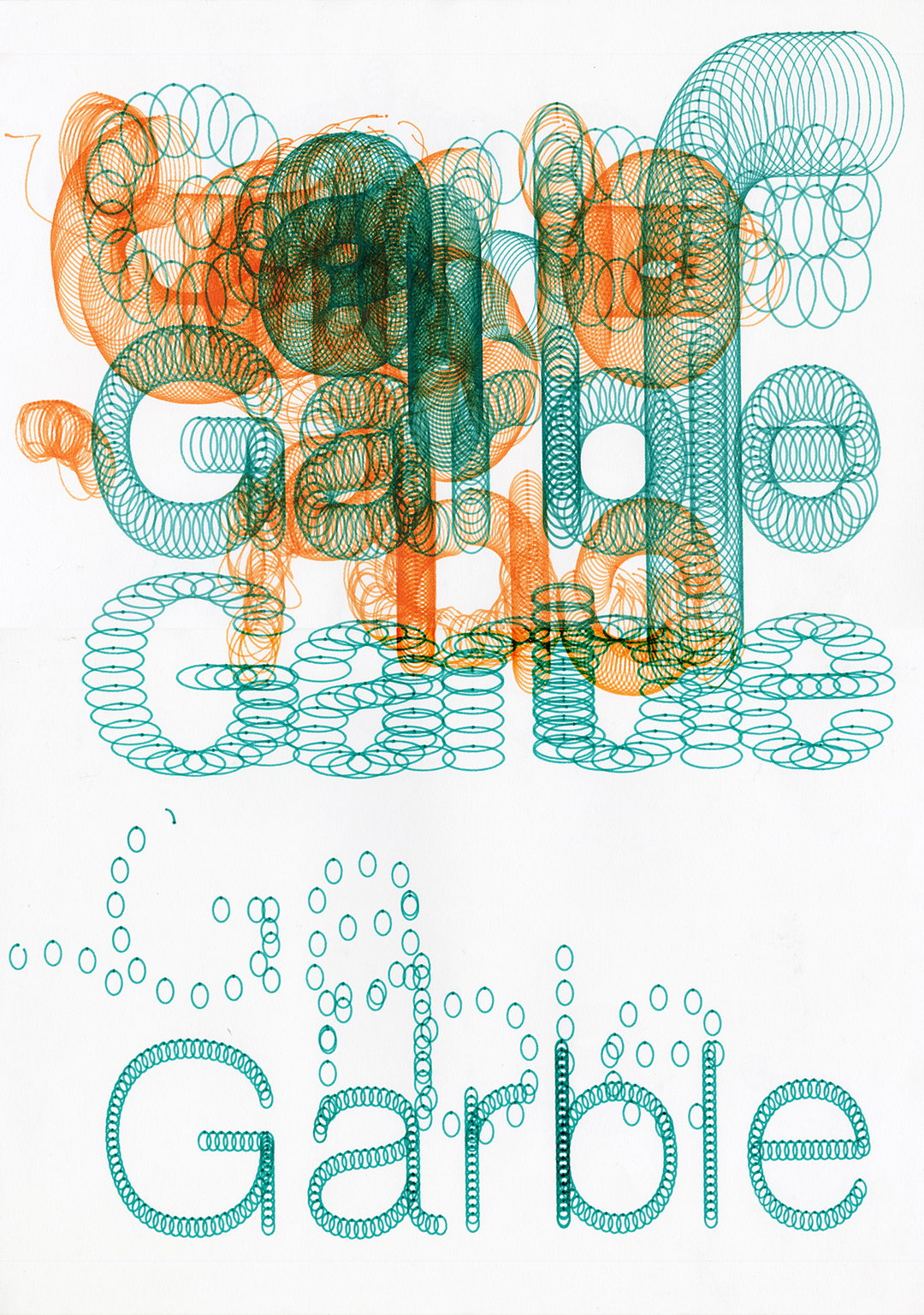
With image-based media sinking a little bit further down the AI-slop slope every day, we find ourselves yearning for the analogue simplicity of our childhood drawings. Blow pens, which allows for randomness and freckles of felt tip spraying across the page, and multicoloured graphite pencils that allow you to draw in rainbow streaks. One particular forgotten box of artistic goodies you may have had is the spirograph, a collection of stencils that allows you to draw eccentric patterns and overlay several times with different colour pens, creating something trippy in the process. In Stanley Plowman’s new typeface Garble and its accompanying zine, the creative possibilities of the pen plotter and analogue type design throws us back to the days of infinitely clarting about with all of the tools at our disposal.
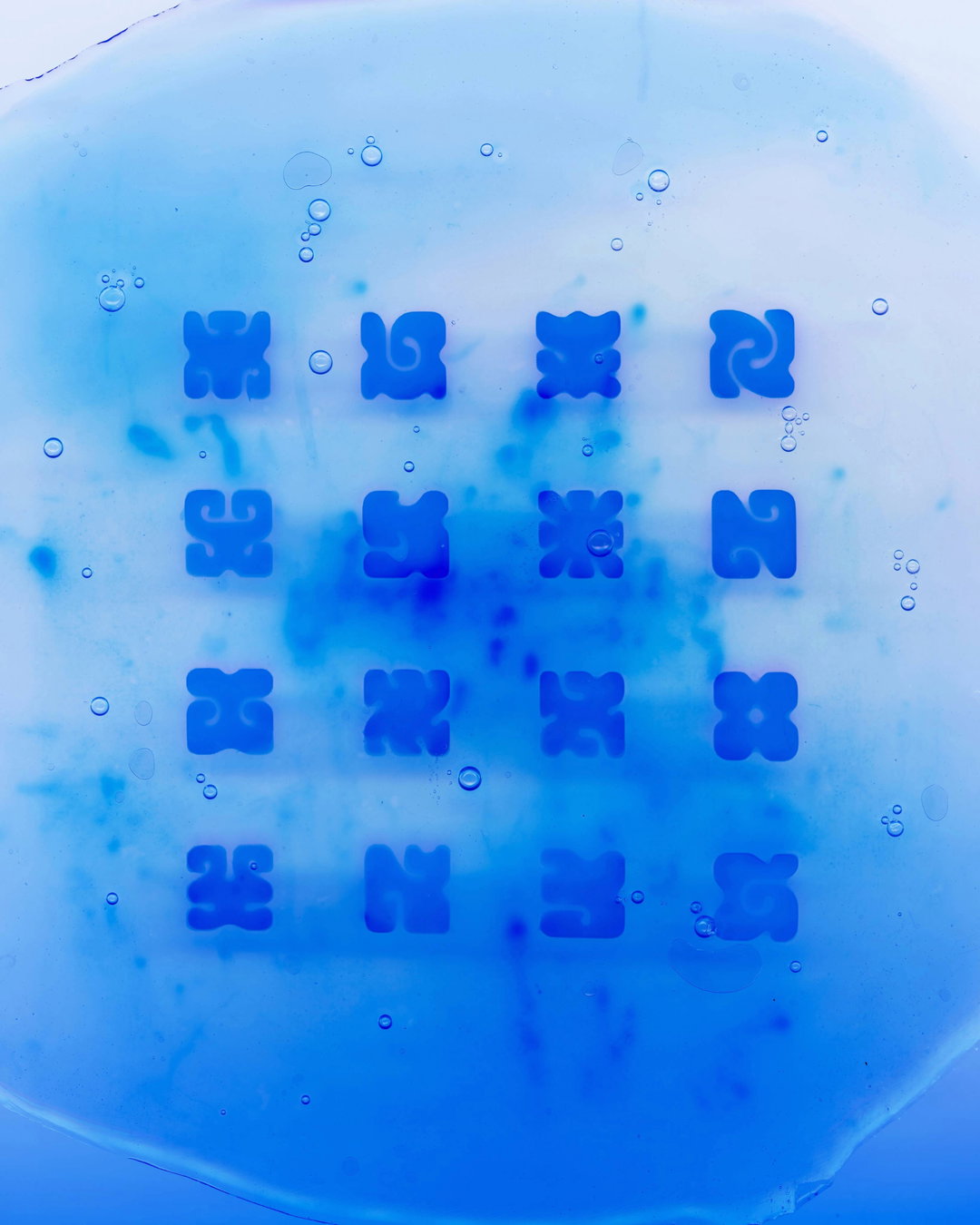
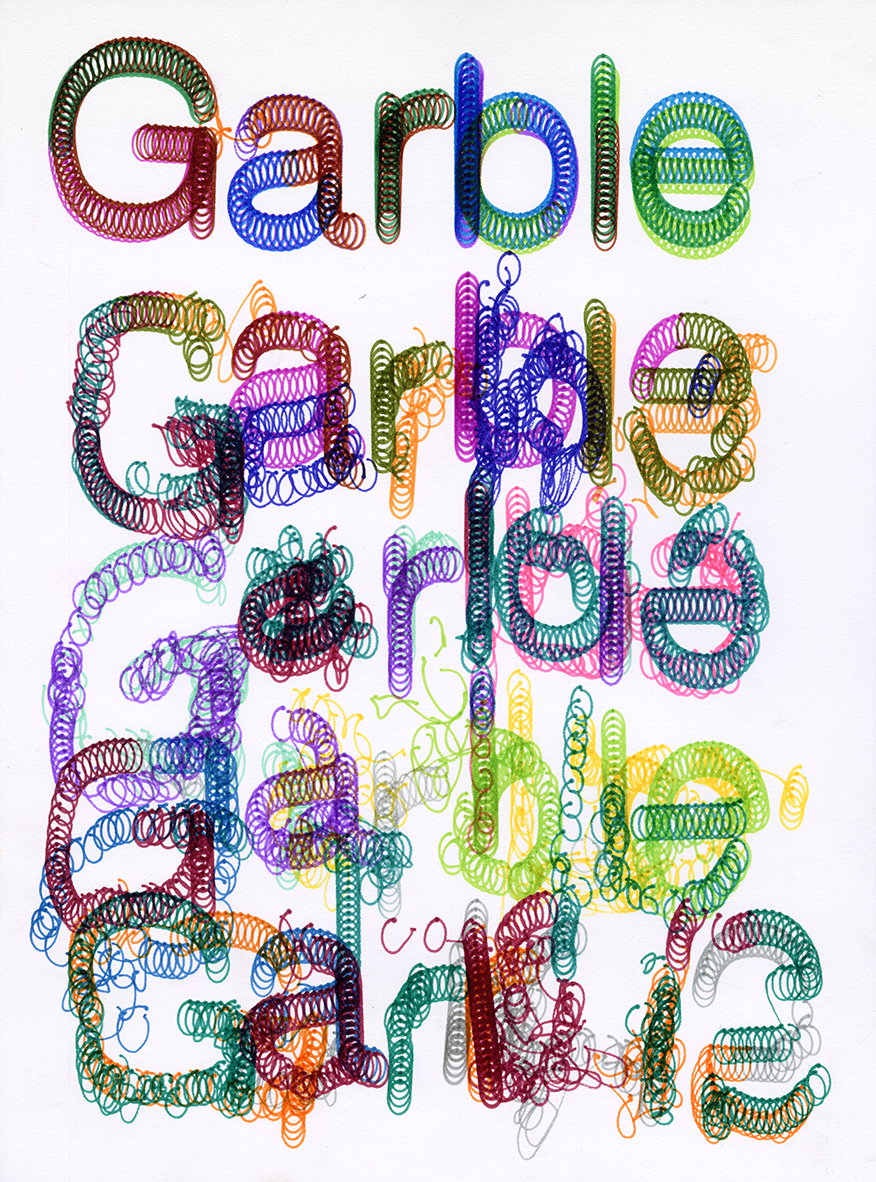
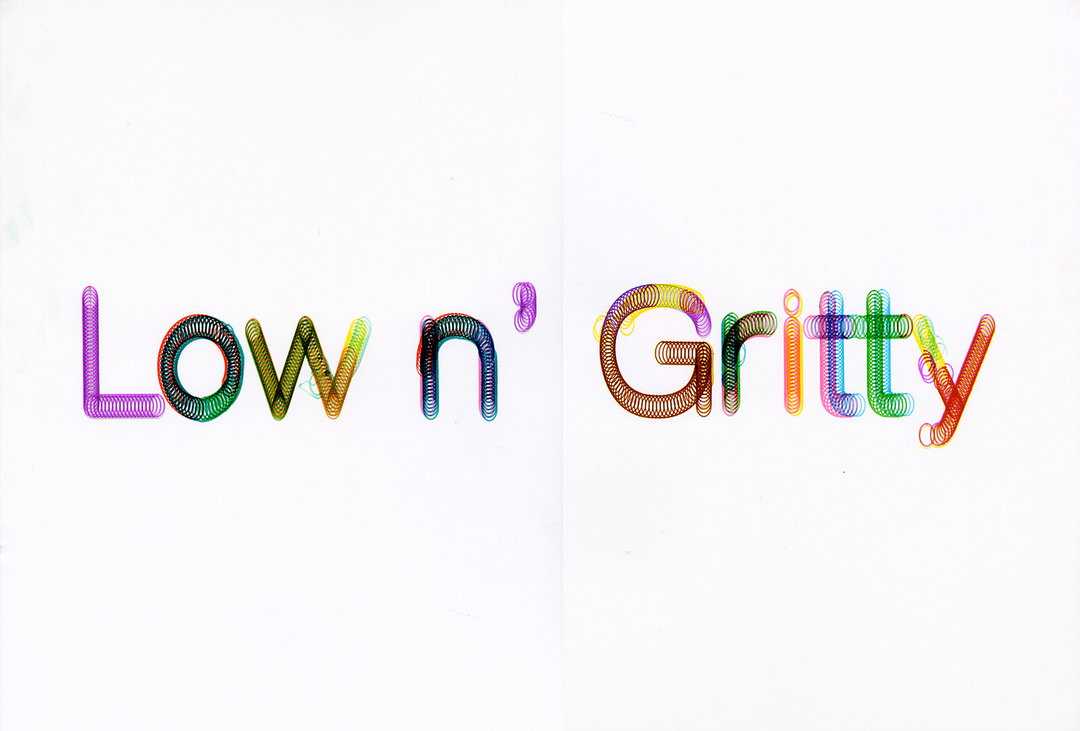
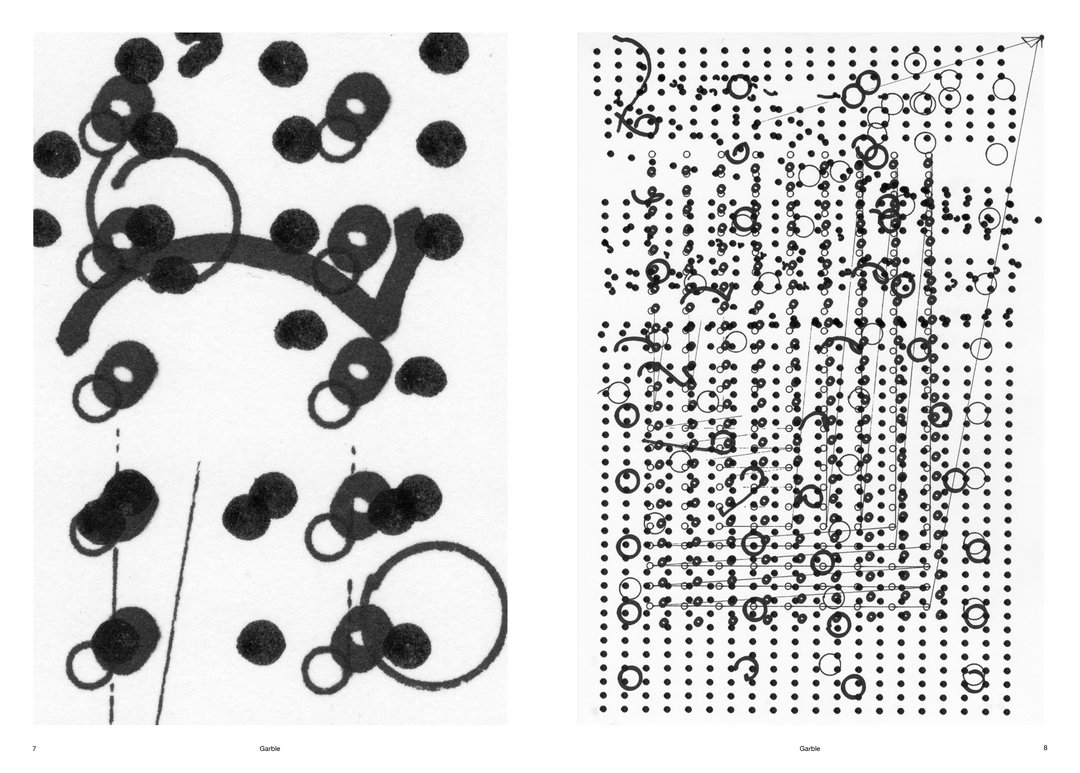
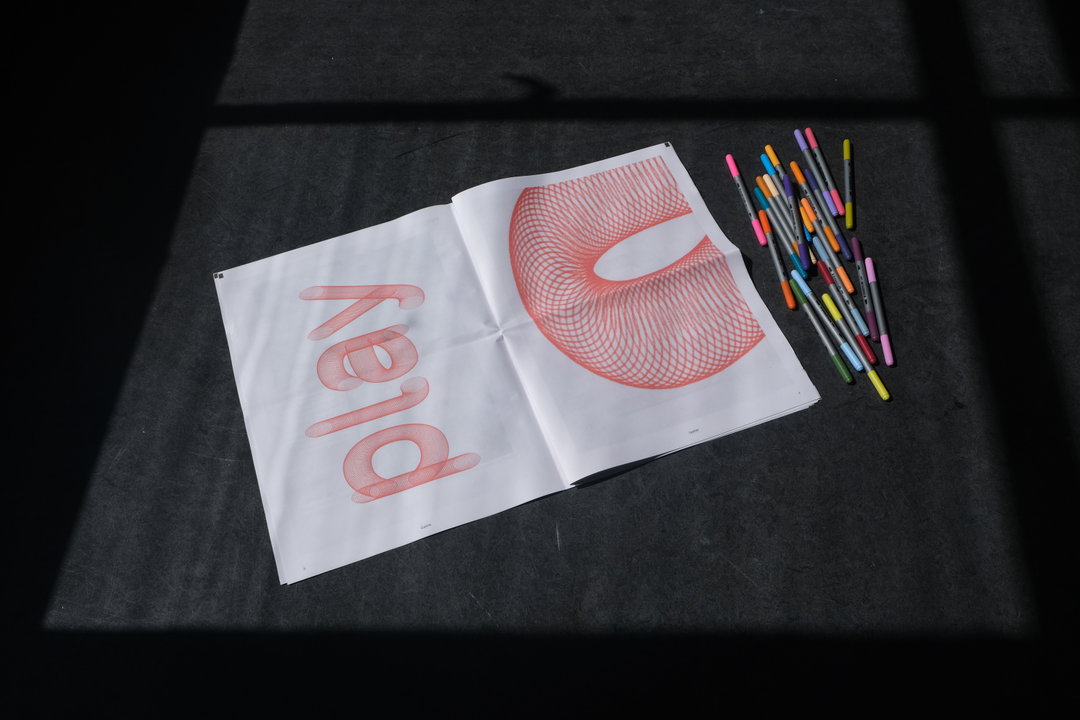
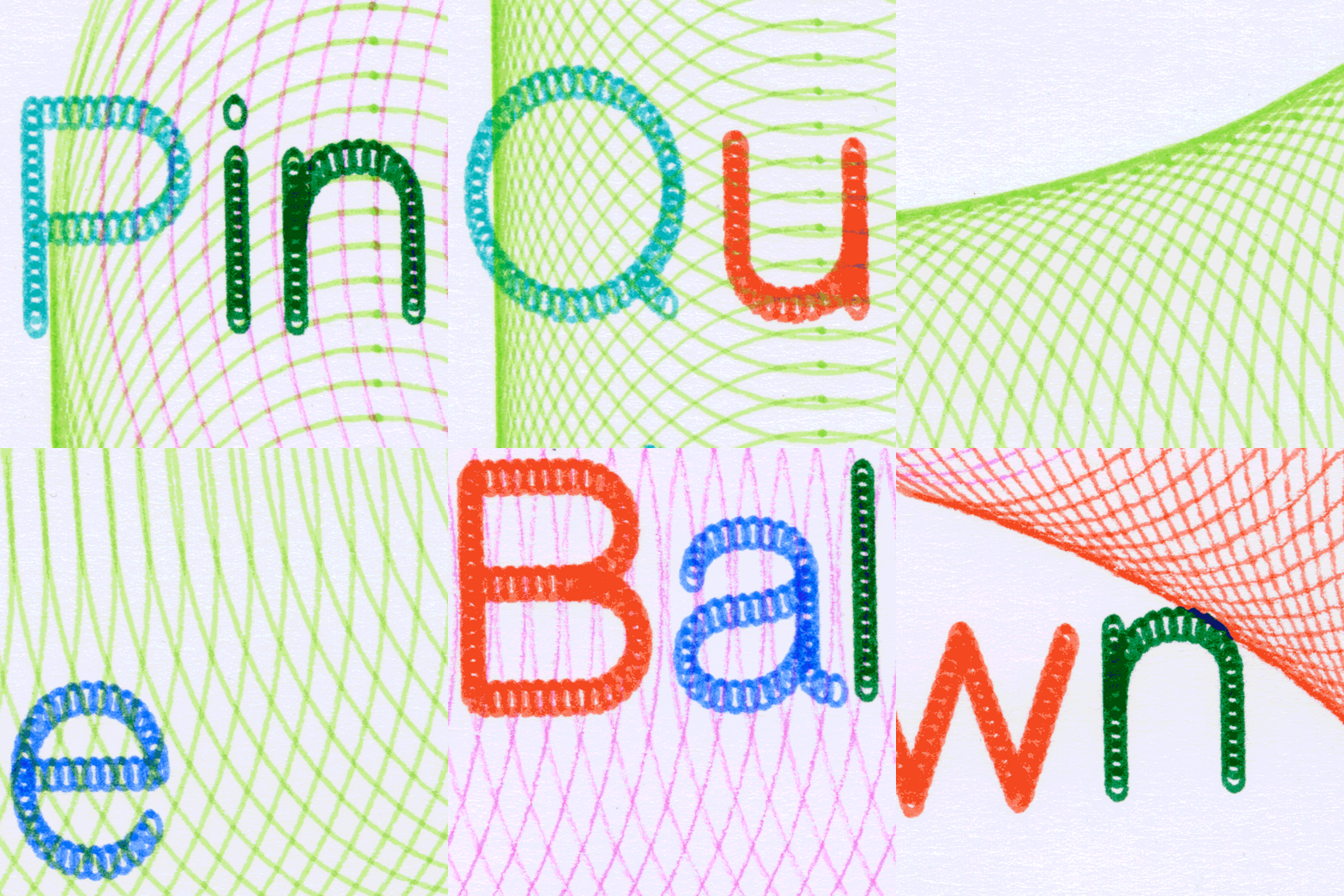
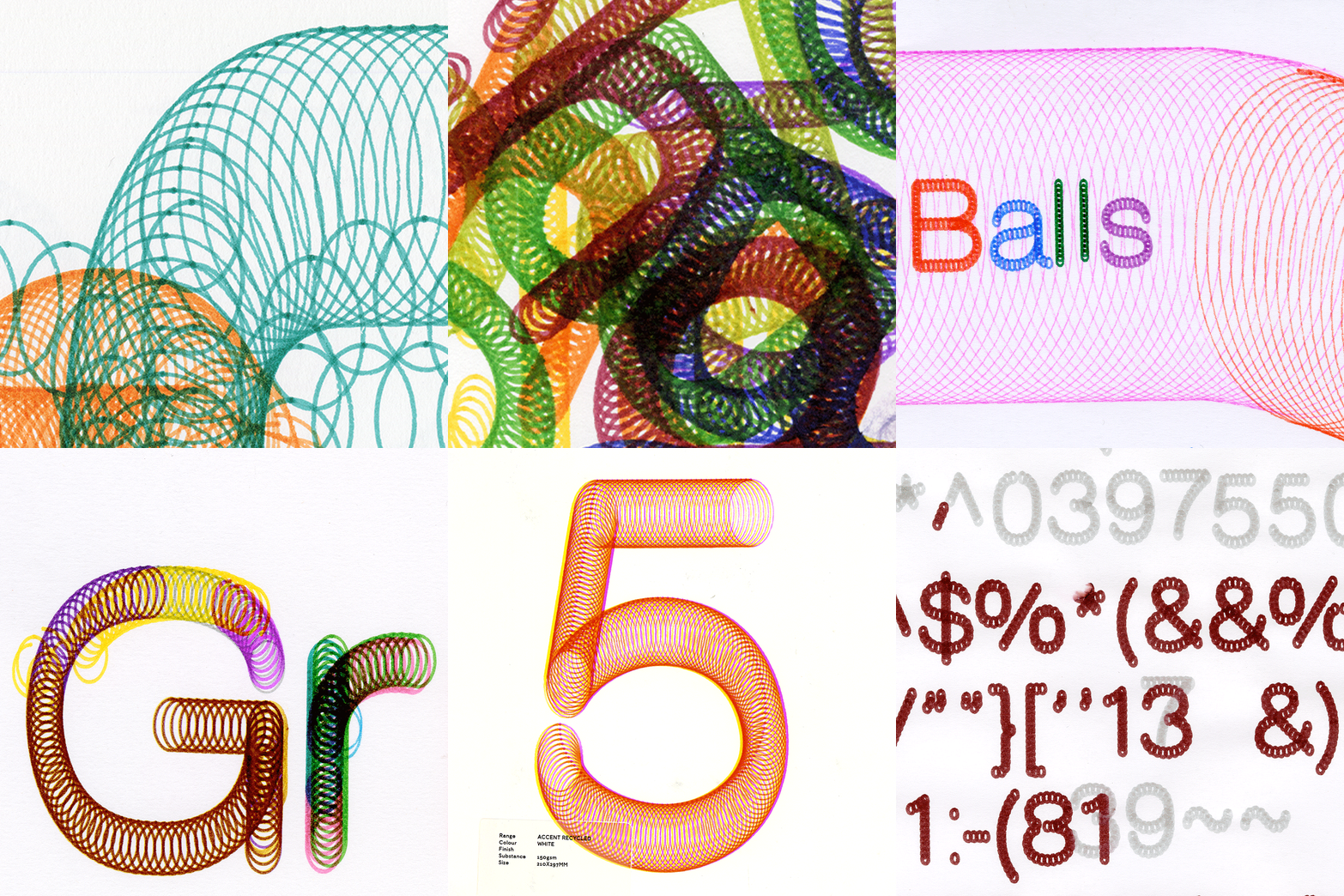
“I came up with the name Garble after watching a YouTube video about electronic music production. The creator of the video mentioned creating something he called ‘garble loops’. I felt the word garble resonated with the playful experimental energy of this pen plotter project that I was working on,” says Stanley. Using electronic music formulas as a way of reimagining the stencil, Garble is the manifestation of the sort of language people use to describe sound – it’s playful and capable of making a big mess. Stanley set out to use Helvetica as a path, then through using a pen plotter machine, distributed a range of shapes across the path, allowing for disruption and unexpected results. He messed with the size of the plot, the pen size, spacing, scale of the artwork, making a range of discoveries by working within its limitations.
Stanley Plowman: Garble (Copyright © Stanley Plowman, 2026)
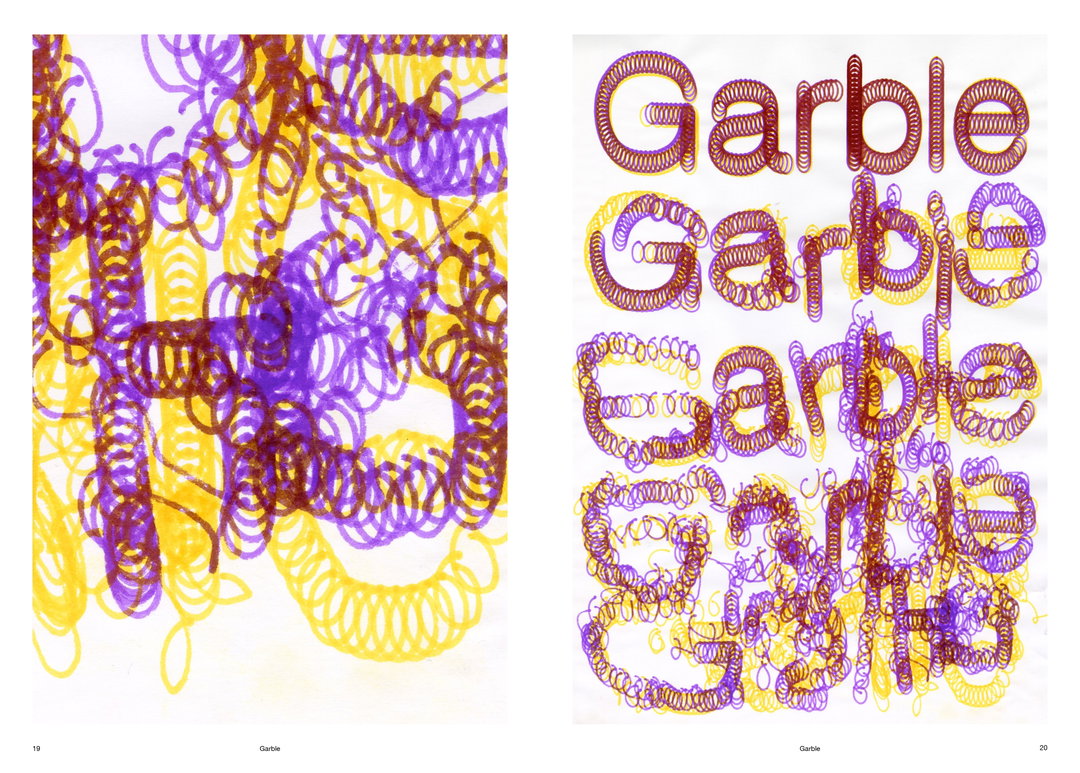
“During this lengthy process I sometimes got bored watching the plotter do its thing. Because of this boredom I started to manipulate the process and do things to alter the outcome whilst it was drawing, almost like collaborating with the plotter,” says Stanley. “I would swap pens halfway through, move the paper whilst it was still drawing and overprint multiple layers on top of each other. These human interventions where the machine overlaps with human error is what fascinates me.”
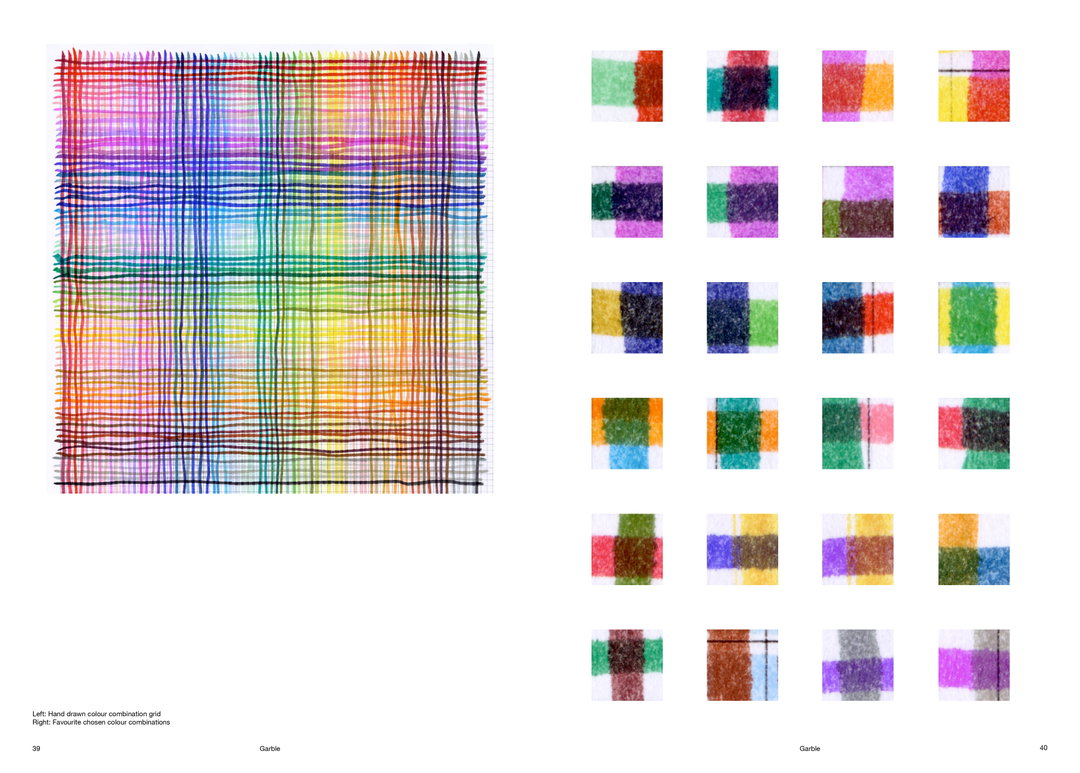
The rigidity of the pen plotter’s mark making makes for fascinating results, it’s essentially the closest thing to ethical machine-executed art, the digital made analogue – unfortunately, it’s not explored enough in today’s over-reliance on purely digital fakery. It almost doesn’t look quite right, the way mathematically perfect circles exist through ink pens, like a robot child playing with felt tips. Other times, the human intervention with the pen plotter allows for humanity’s penchant for flaws to become apparent, as text falls apart into a literal garbled pile of illegible type design. When comparing Stanley’s hand-drawn cross stitches of different coloured pens, it’s apparent that the hand is far from perfect – then again, machines are too perfect. That’s why the two are in constant collaboration, with Stanley’s human input and attention to detail making terrific colourplay and compositional intrigue.
GalleryStanley Plowman: Garble (Copyright © Stanley Plowman, 2026)
Hero Header
Stanley Plowman: Garble (Copyright © Stanley Plowman, 2026)
Share Article
Further Info
About the Author
—
Paul M (He/Him) is a Junior Writer at It’s Nice That since May 2025. He studied (BA) Fine Art and has a strong interest in digital kitsch, multimedia painting, collage, nostalgia, analogue technology and all matters of strange stuff. pcm@itsnicethat.com
To submit your work to be featured on the site, see our Submissions Guide.