


Amber Pjongluck’s two-metre-long book catalogues the designer’s entire life in objects
In her final thesis project, the designer tackles publishing as a tool to gather, sort and reorient personal memories in a catalogue of objects past and present.
Amber Pjongluck’s practice primarily surrounds the collection and curation of archives, and they very often end up taking the form of books: “Books serve as design artefacts from periods in my life,” the designer says, each is “a visual library with its own language and system”. The way Amber approaches book design has been shaped by the time she spent in her school library as a kid, she tells us. Back then, it wasn’t really the design of the individual books she browsed across the shelves that enamoured her but more so “the methodical system of a library” that was her primary fascination.
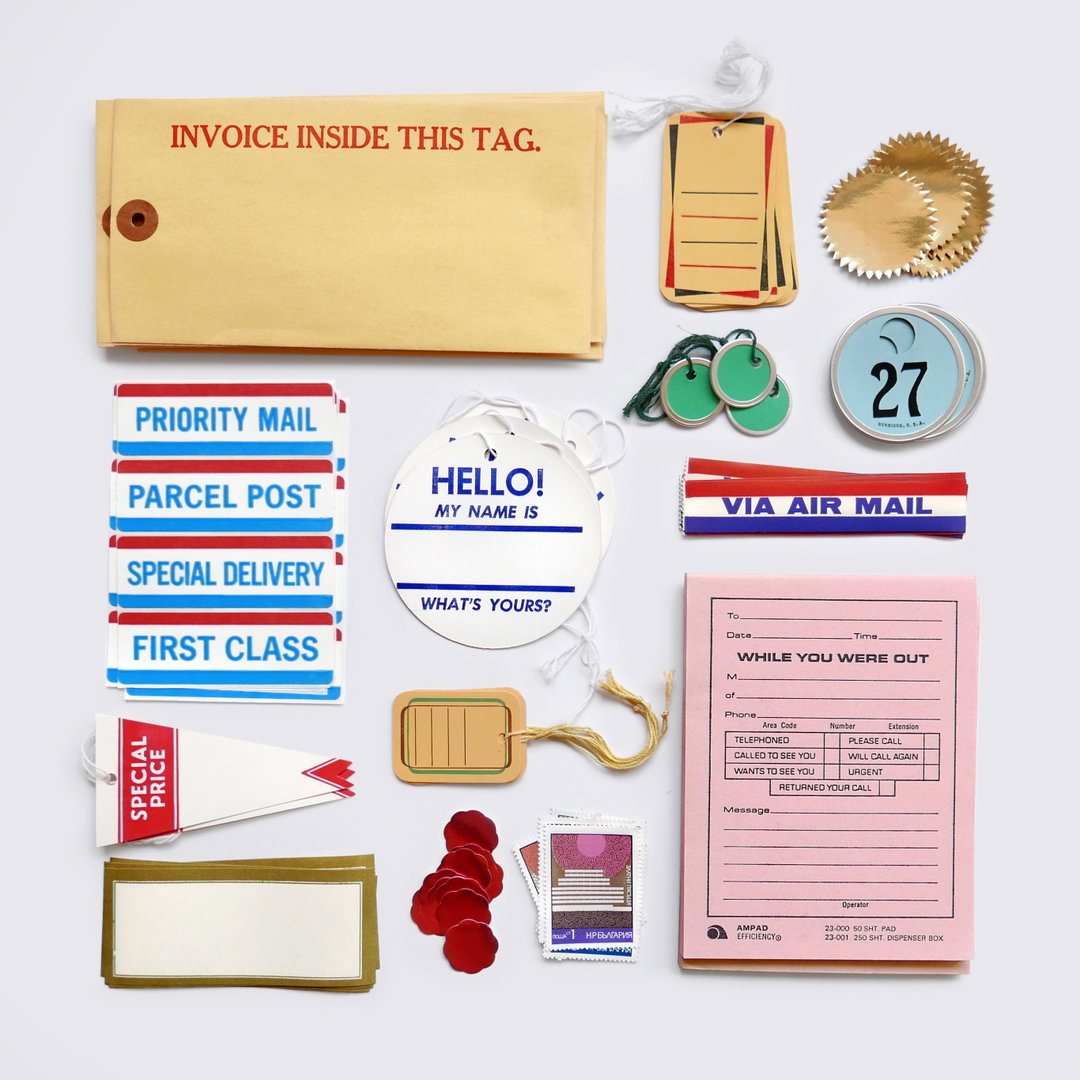
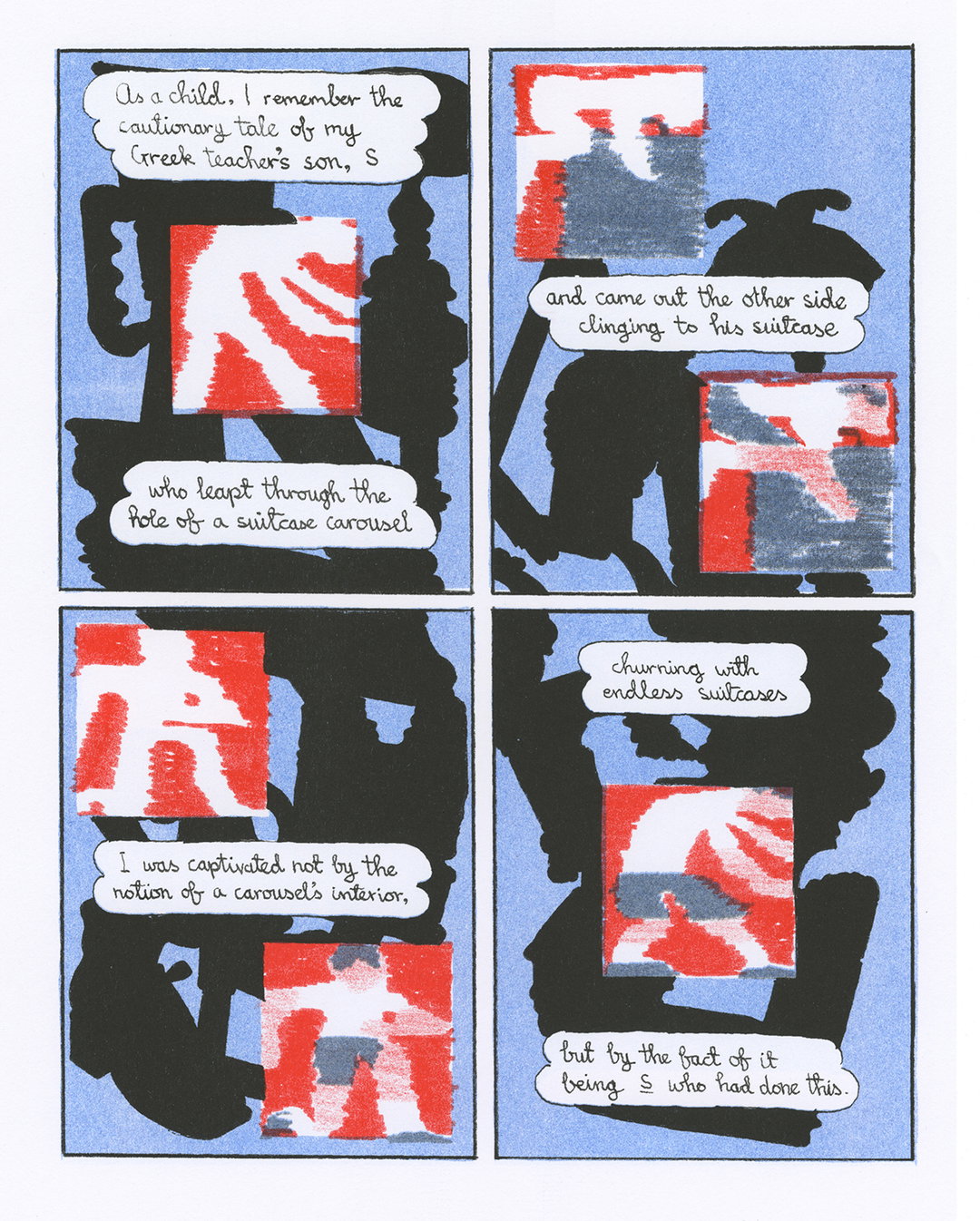
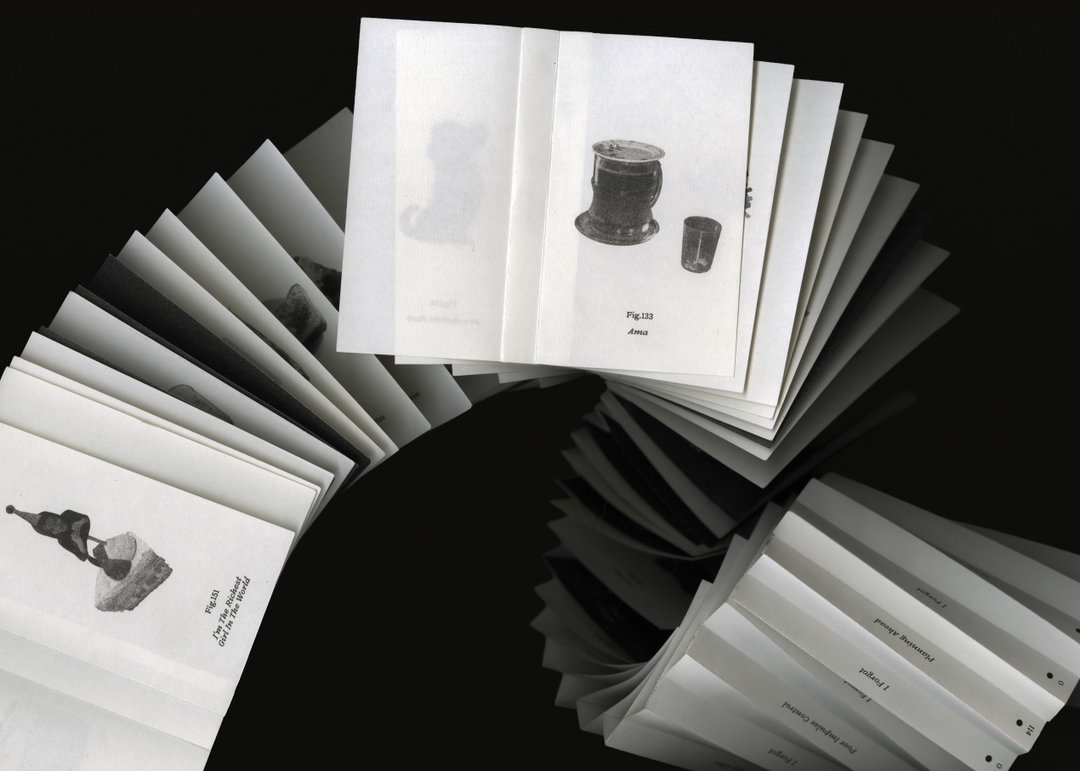
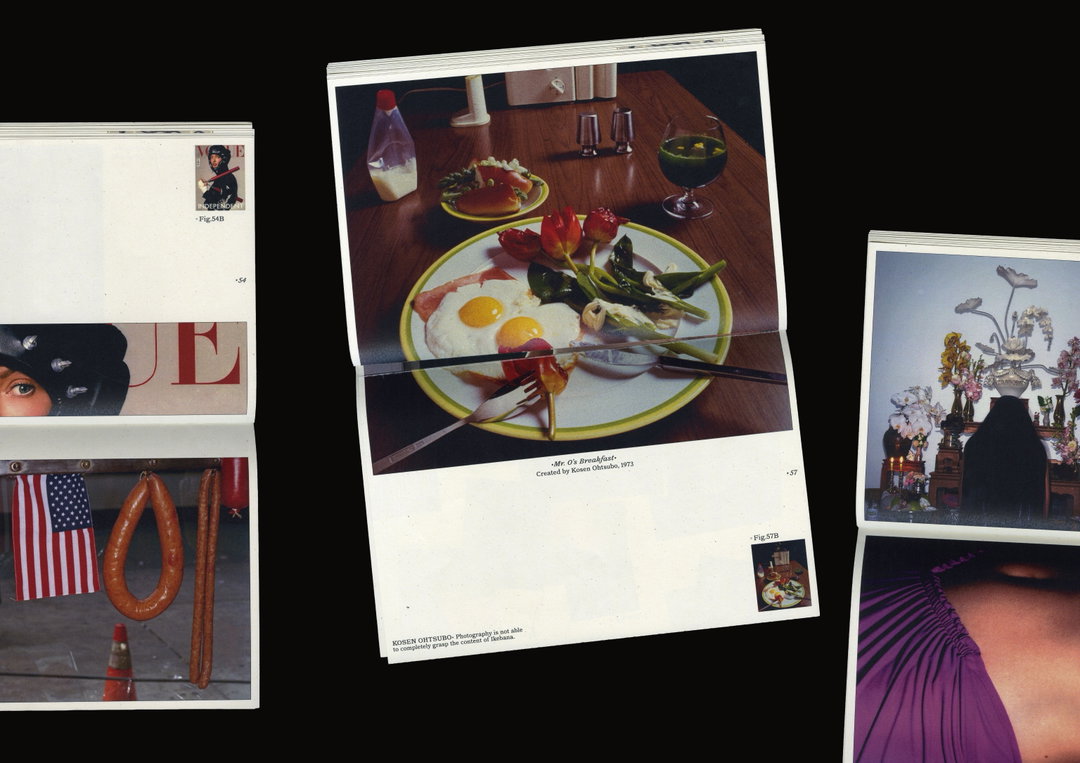
This childhood interest in systems that organise words and images resurfaced in the designer’s year-long thesis project for Parsons School of Design: Find The Earth. A two metre long, Risograph-printed book that seeks to “gather, sort and reorient” the designers personal memories, the publication is a library of objects that serve as printed keepsakes in Amber’s own self-contained archive. The book is curated into distinct categories to structure the book’s flag bound pages, ordering objects by “remembered, forgetting and forgotten, as an attempt to lay out all of which my life has been”, says the designer. The collection of these artefacts was a deeply personal search for an answer to the questions of “how certain events defined me, how situations I thought I overcame resurface,” says the designer, “drawing parallels between how memories (years apart) can mirror each other”.
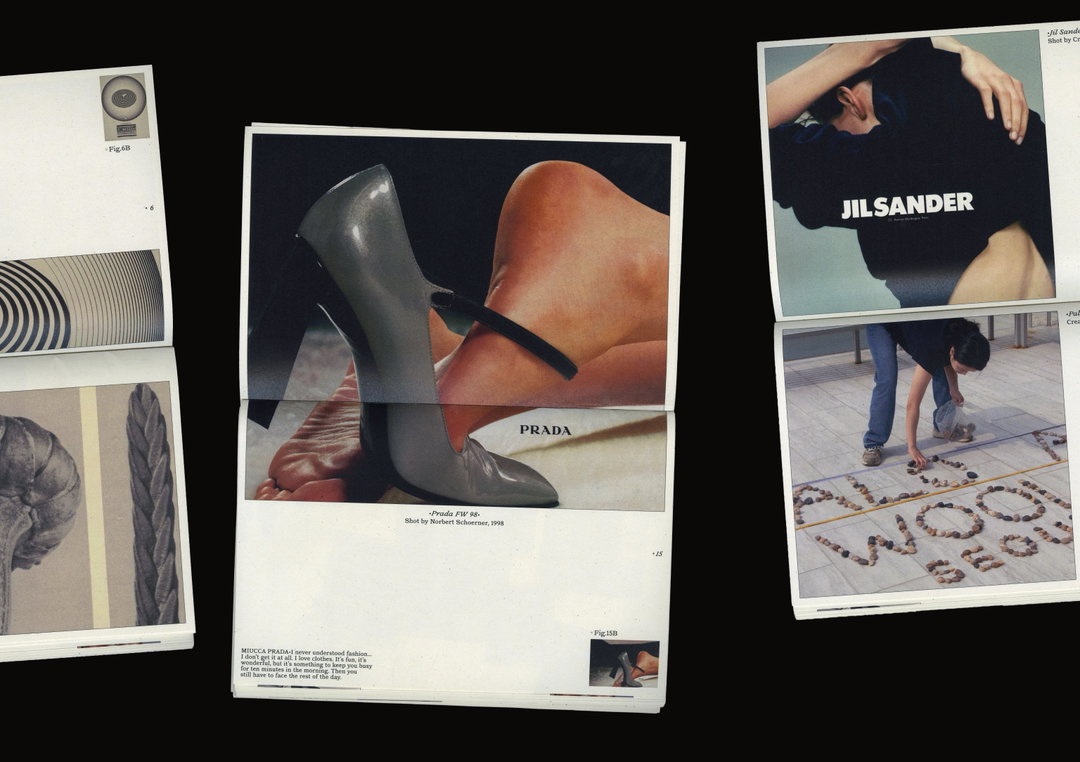
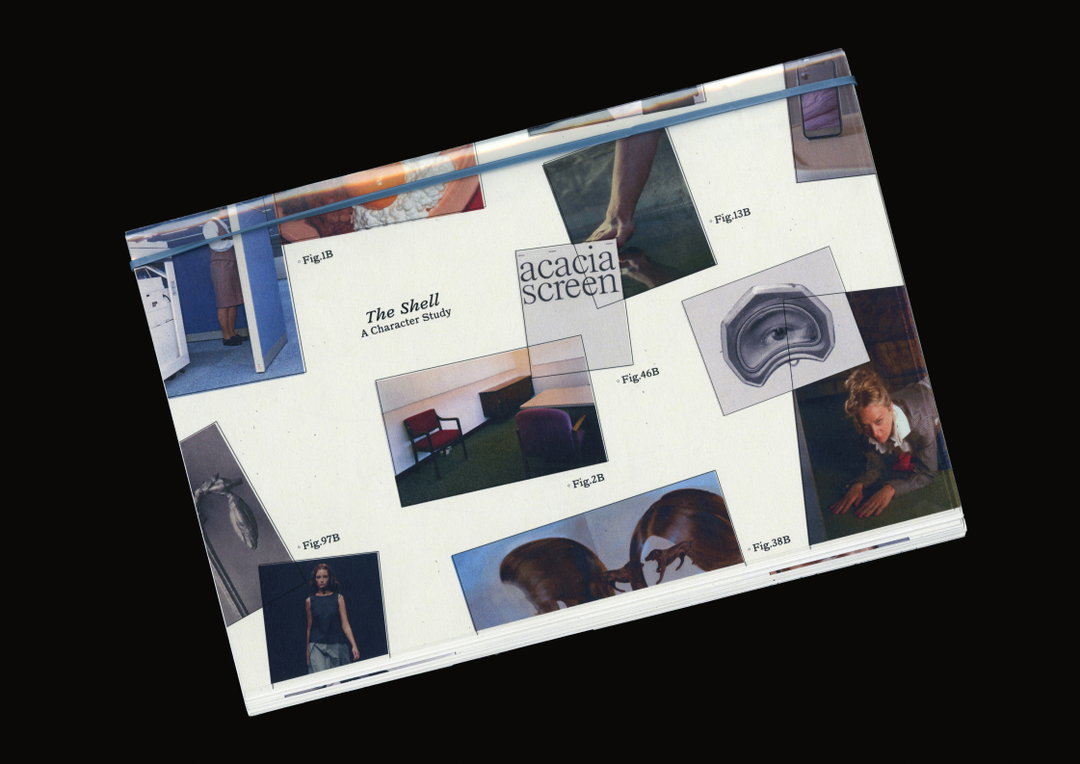
The task of forming visual connections between images and artefacts that at first might seem disparate is key to the designer’s process. In her book The Shell, she accumulates a mass of images: film stills, paintings, fashion campaigns and neatly organised them “into four distinct archetypes”, she tells us: “the shell, mind windmills, Mary Shelley and the matriarchy”. Amber’s hoarding of imagery and her imaginative reuse of it is the undercurrent of each of her curated archives and her experimentation with their contents. “Everything is guided by the materiality of printed matter, visual research and analogue processes,” the designer ends.
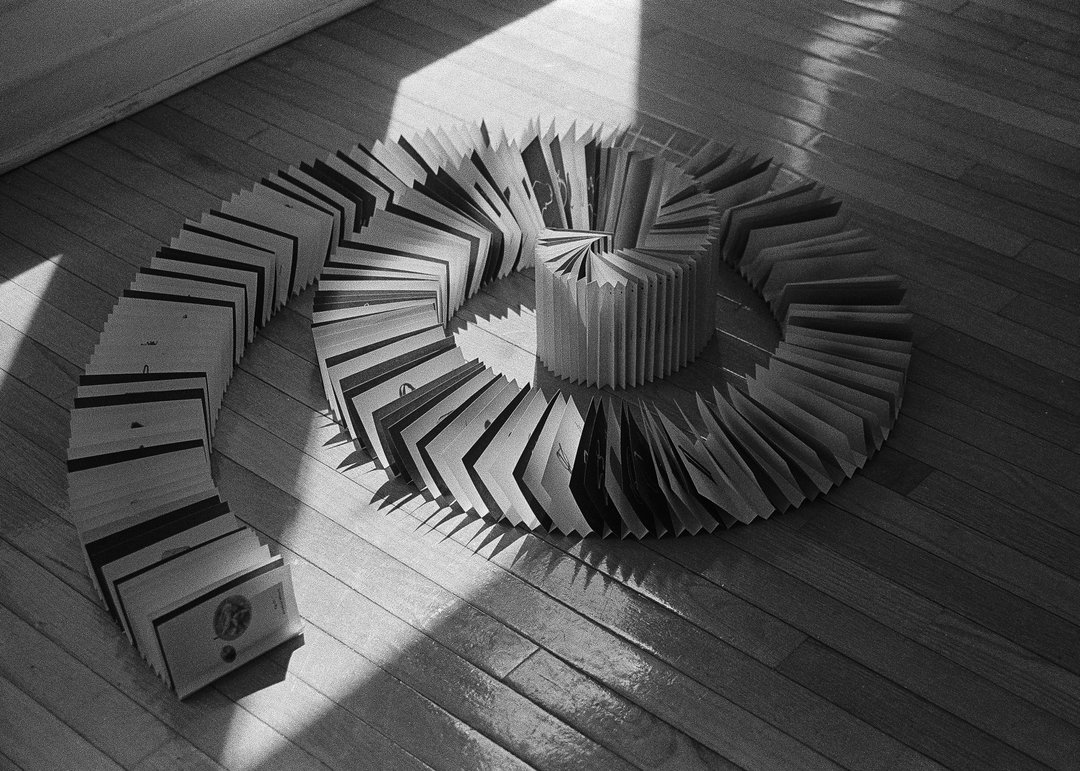
Amber Karn Pjongluck: Find The Earth (Copyright © Amber Karn Pjongluck, 2026)
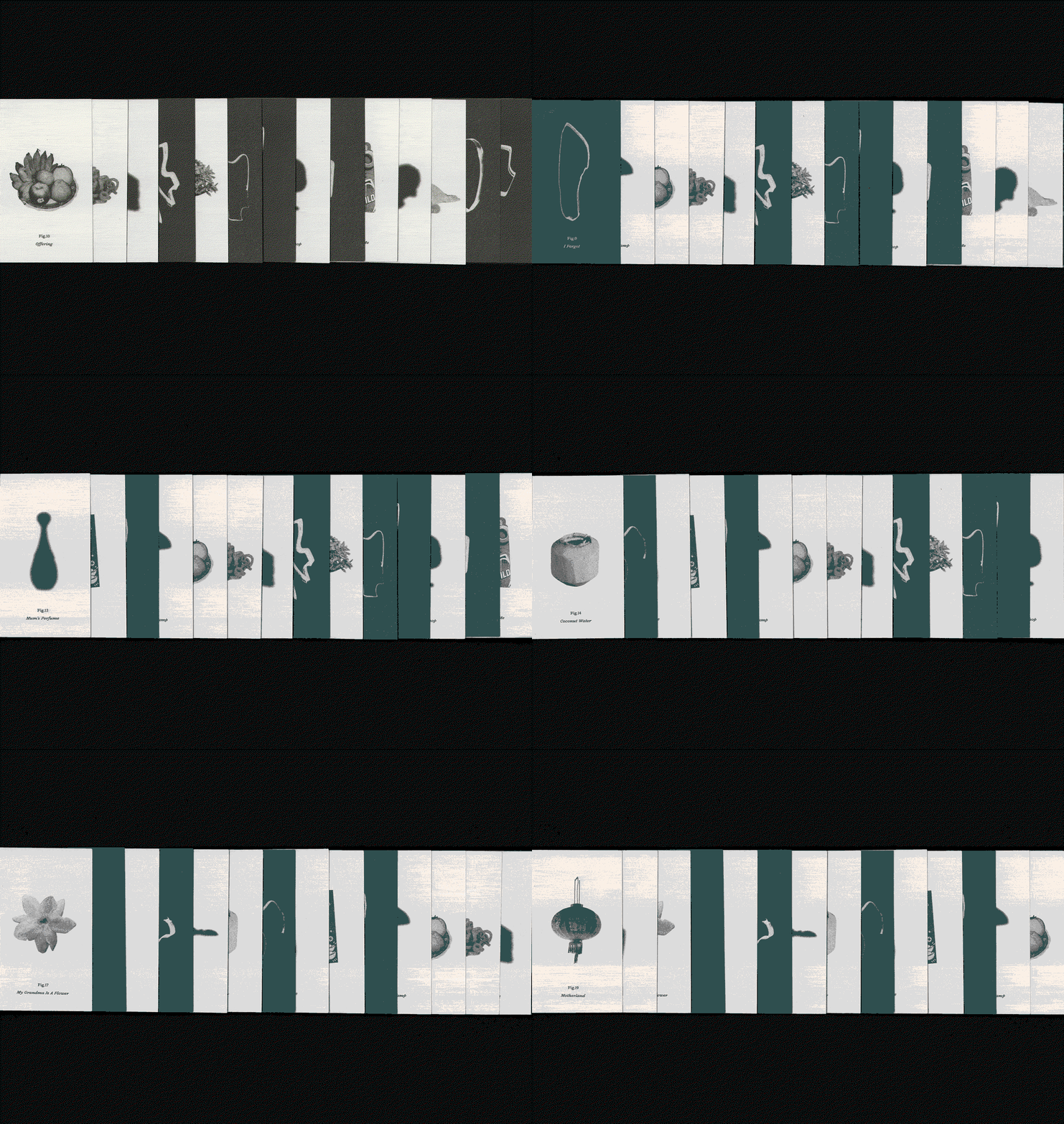
Amber Karn Pjongluck: Find The Earth (Copyright © Amber Karn Pjongluck, 2026)
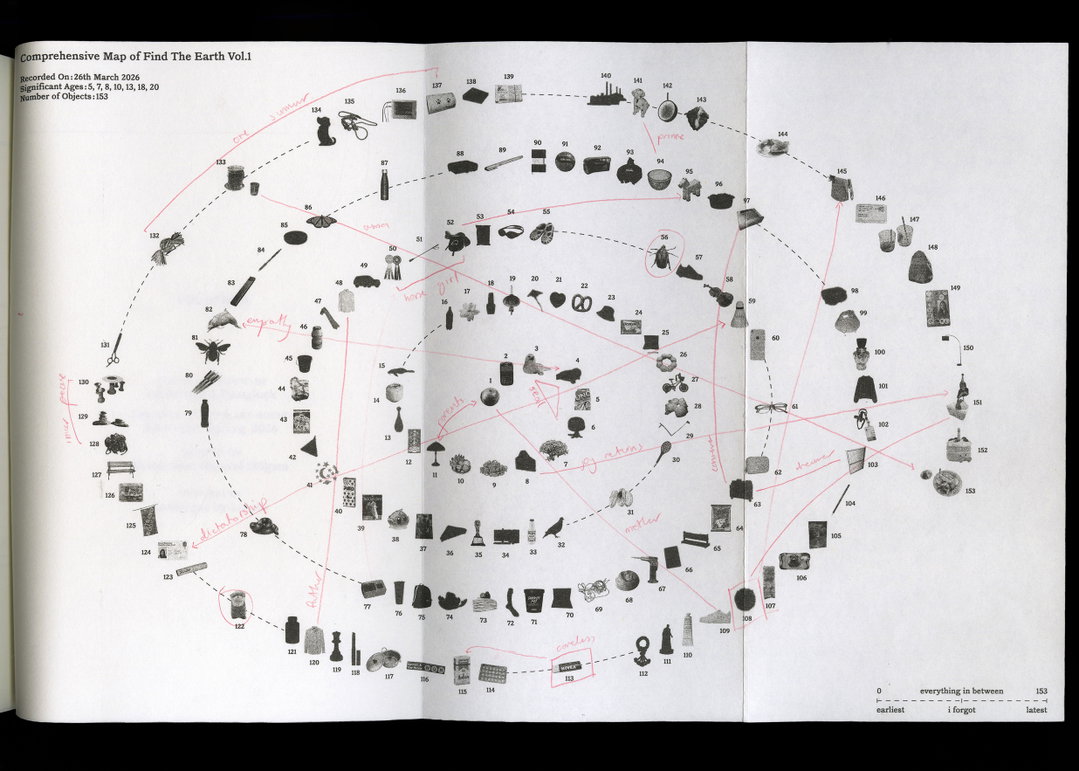
Amber Karn Pjongluck: Find The Earth (Copyright © Amber Karn Pjongluck, 2026)
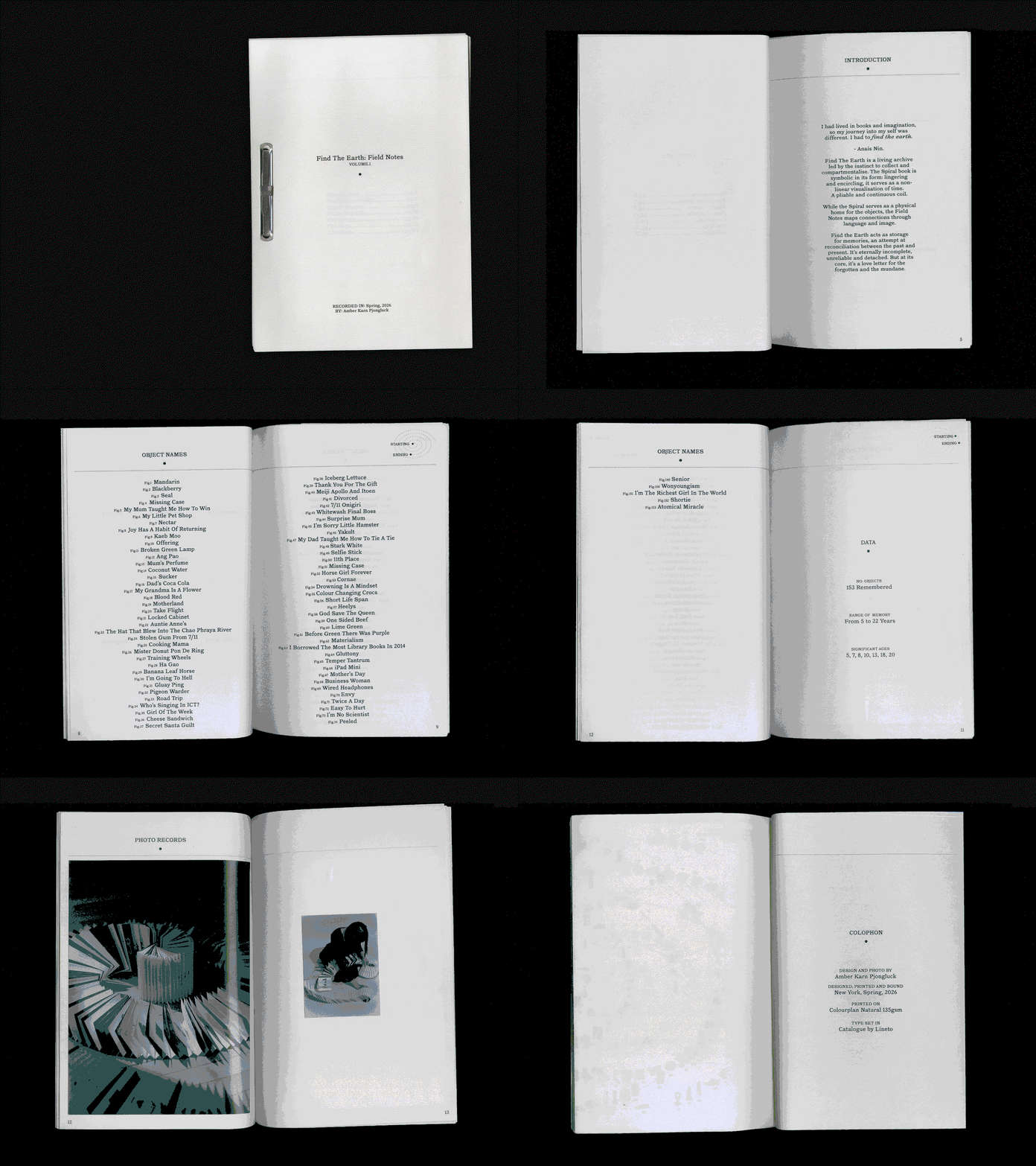
Amber Karn Pjongluck: Find The Earth (Copyright © Amber Karn Pjongluck, 2026)
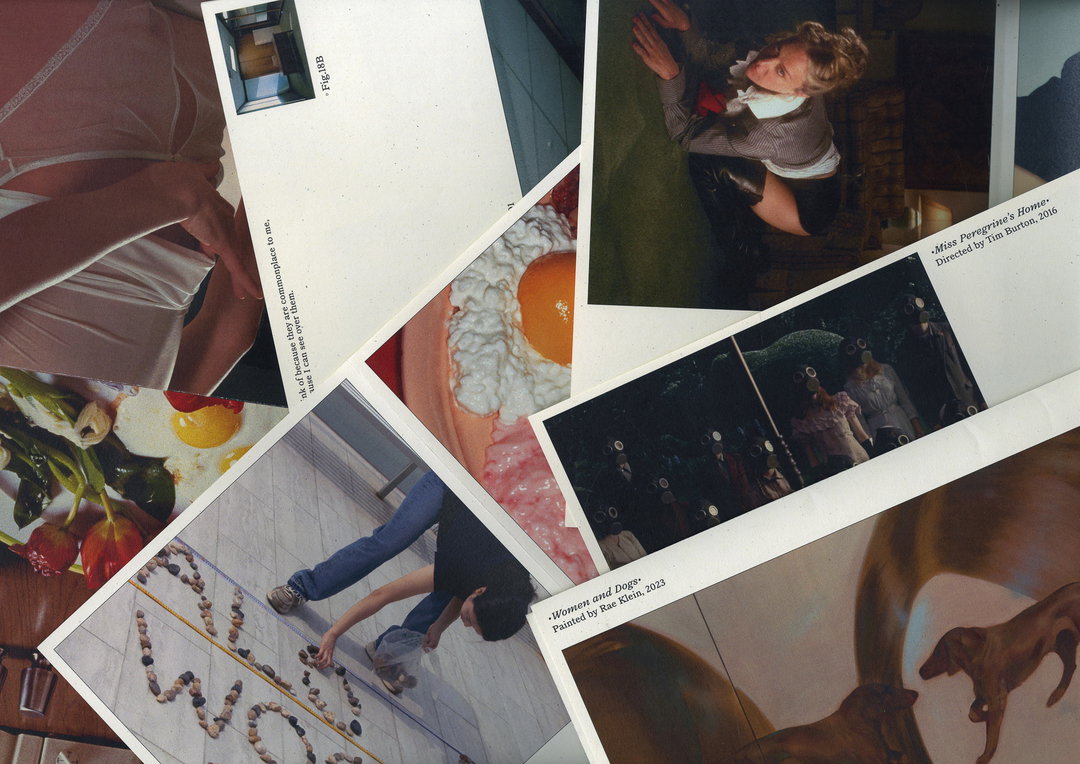
Amber Karn Pjongluck: The Shell (Copyright © Amber Karn Pjongluck, 2025)
Amber Karn Pjongluck: The Shell (Copyright © Amber Karn Pjongluck, 2025)
Amber Karn Pjongluck: The Shell (Copyright © Amber Karn Pjongluck, 2025)
Amber Karn Pjongluck: The Shell (Copyright © Amber Karn Pjongluck, 2025)
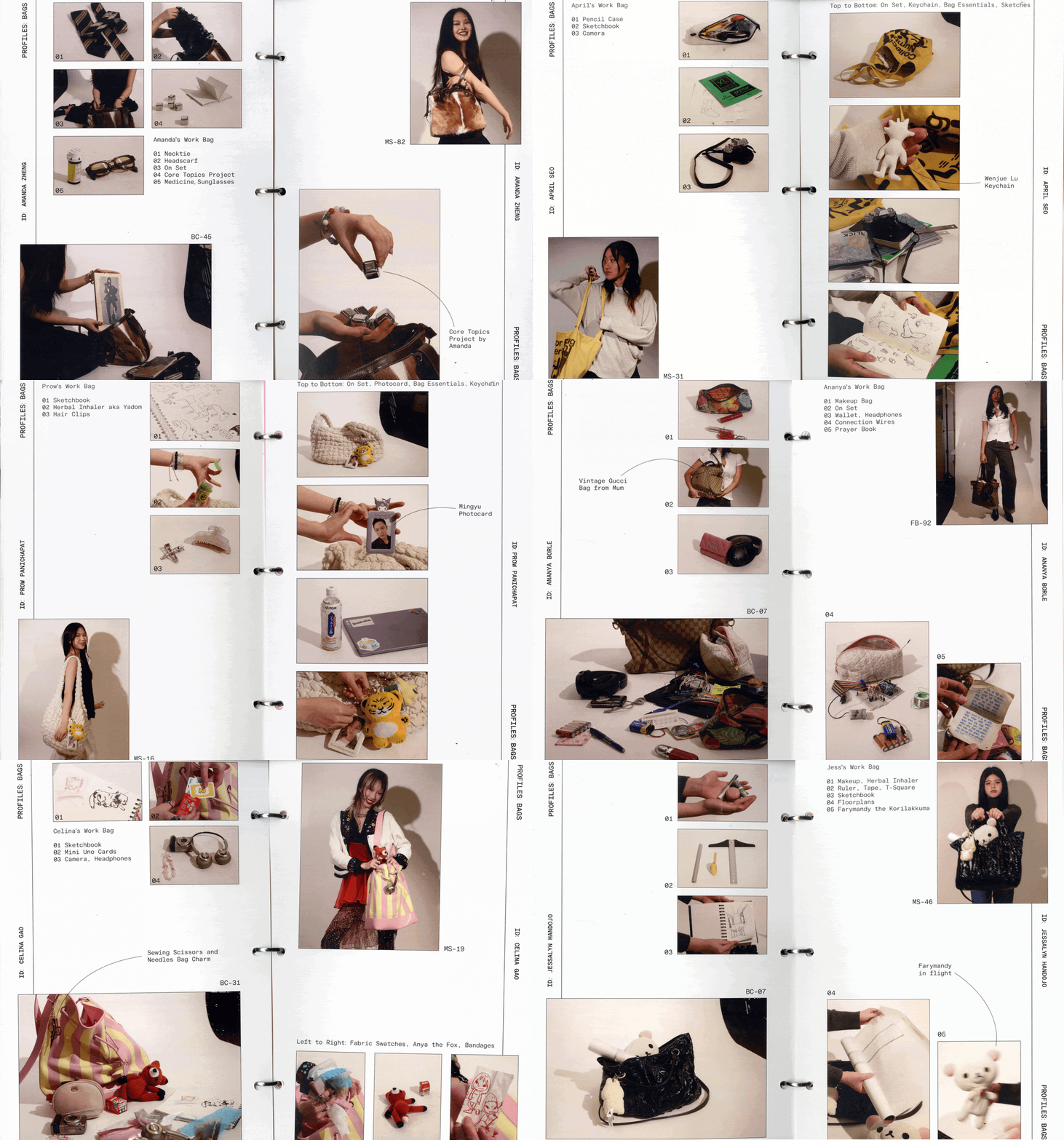
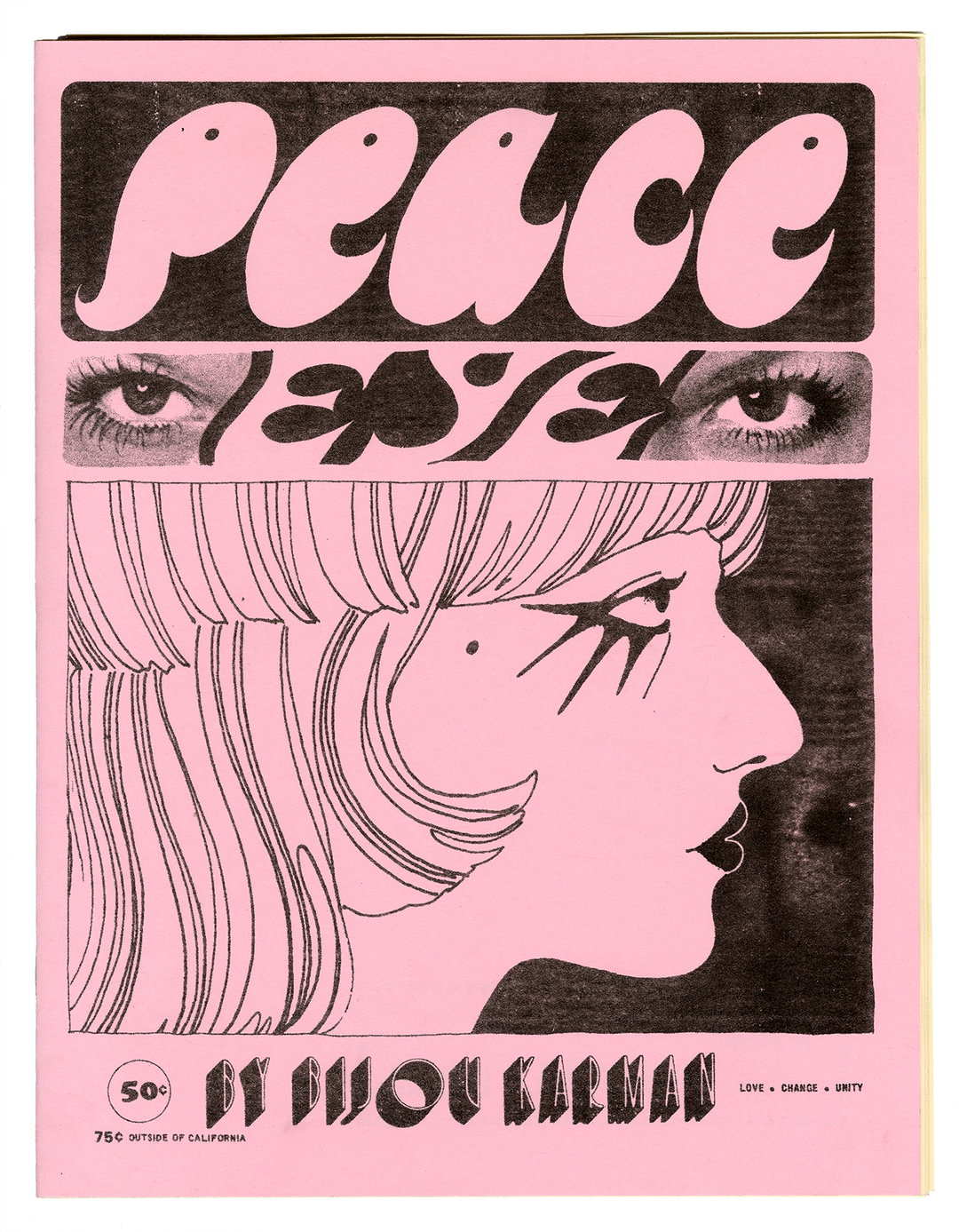
Amber Karn Pjongluck: PROFILES: (Copyright © Amber Karn Pjongluck, 2024)
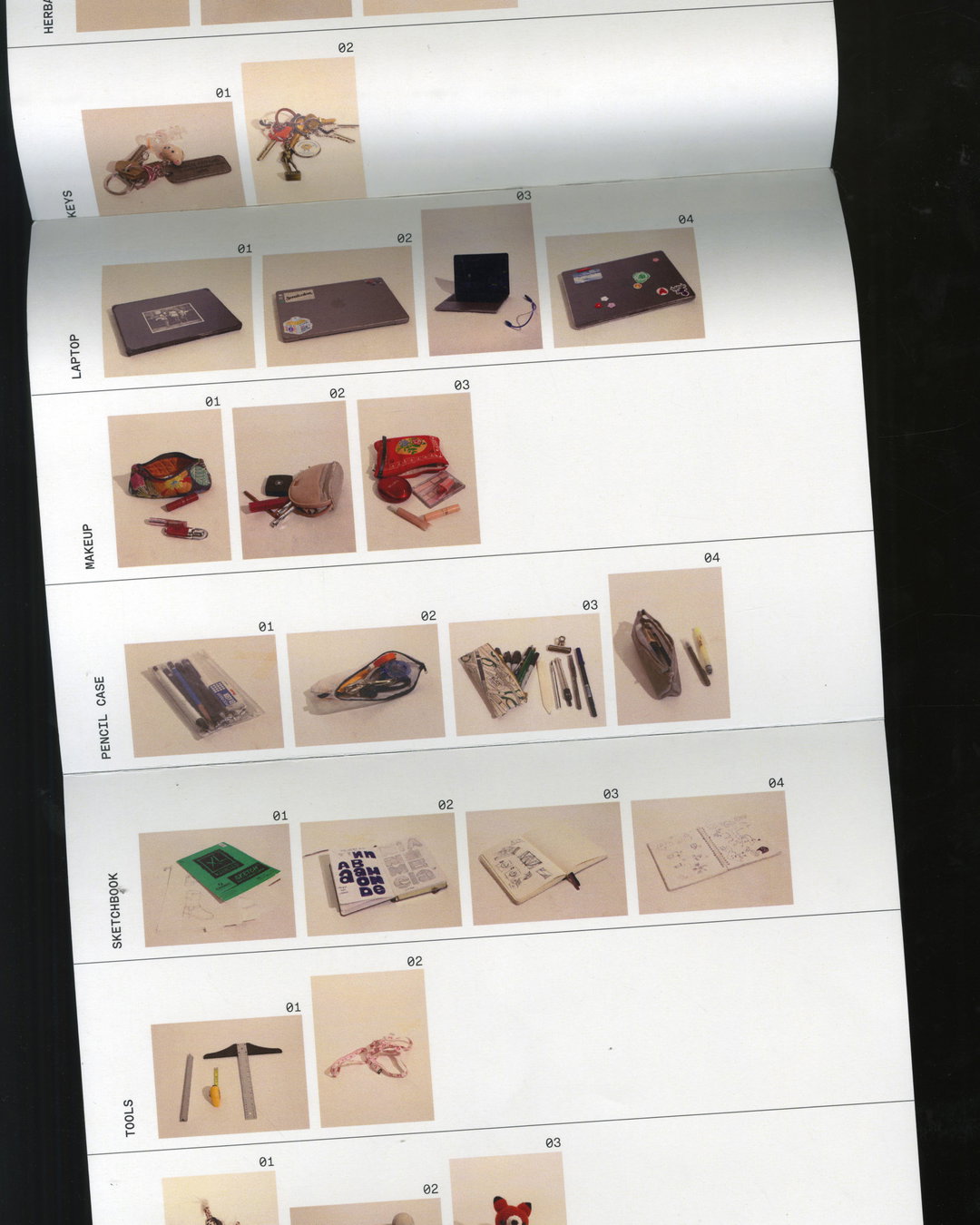
Amber Karn Pjongluck: PROFILES: (Copyright © Amber Karn Pjongluck, 2024)
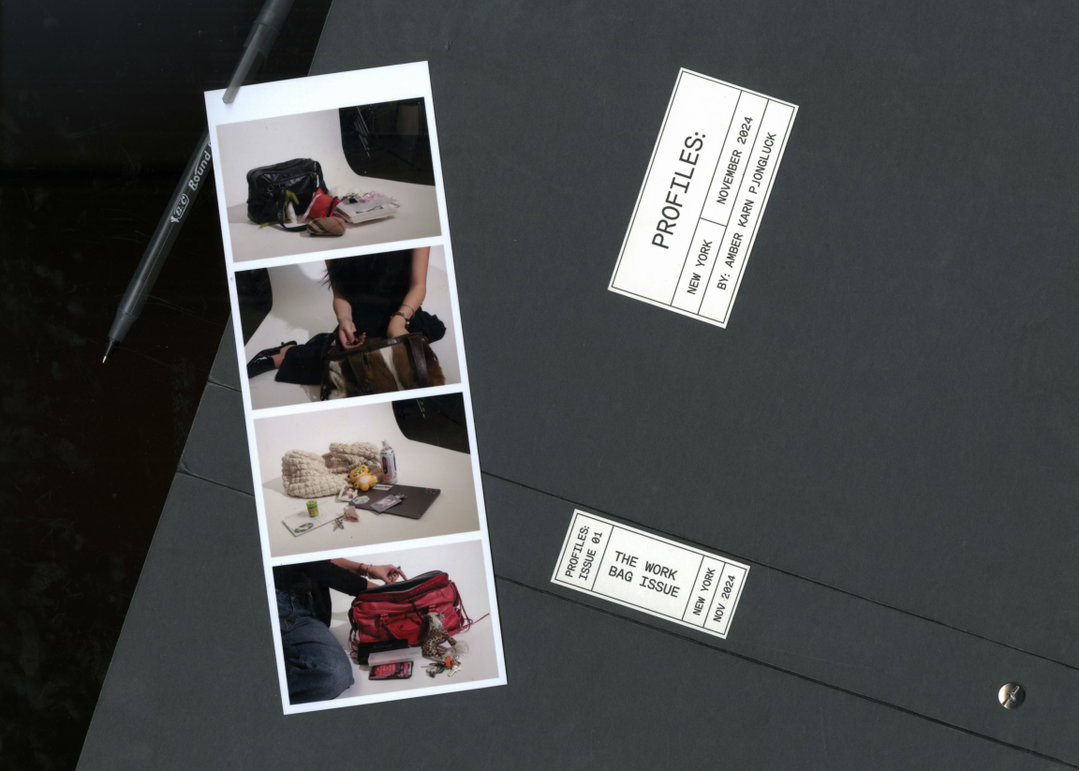
Amber Karn Pjongluck: PROFILES: (Copyright © Amber Karn Pjongluck, 2024)
Hero Header
Amber Karn Pjongluck: Find The Earth (Copyright © Amber Karn Pjongluck, 2026)
Share Article
Further Info
About the Author
—
Ellis Tree (she/her) is a staff writer at It’s Nice That. She joined as a junior writer in April 2024 after graduating from Kingston School of Art with a degree in Graphic Design. Across her research, writing and visual work she has a particular interest in printmaking, self-publishing and expanded approaches to photography. ert@itsnicethat.com
To submit your work to be featured on the site, see our Submissions Guide.