


Look up! Parallel Press’ Astro Black archives and protects the dazzling visual history of Black astronauts
Drawing on a cultural “fascination Black people have had with the planets and stars”, as well as the racial tensions surrounding the space race, this catalogue doesn’t just aim to pay homage to Black excellence in astrophysics, but to urgently protect Black history too.
Share
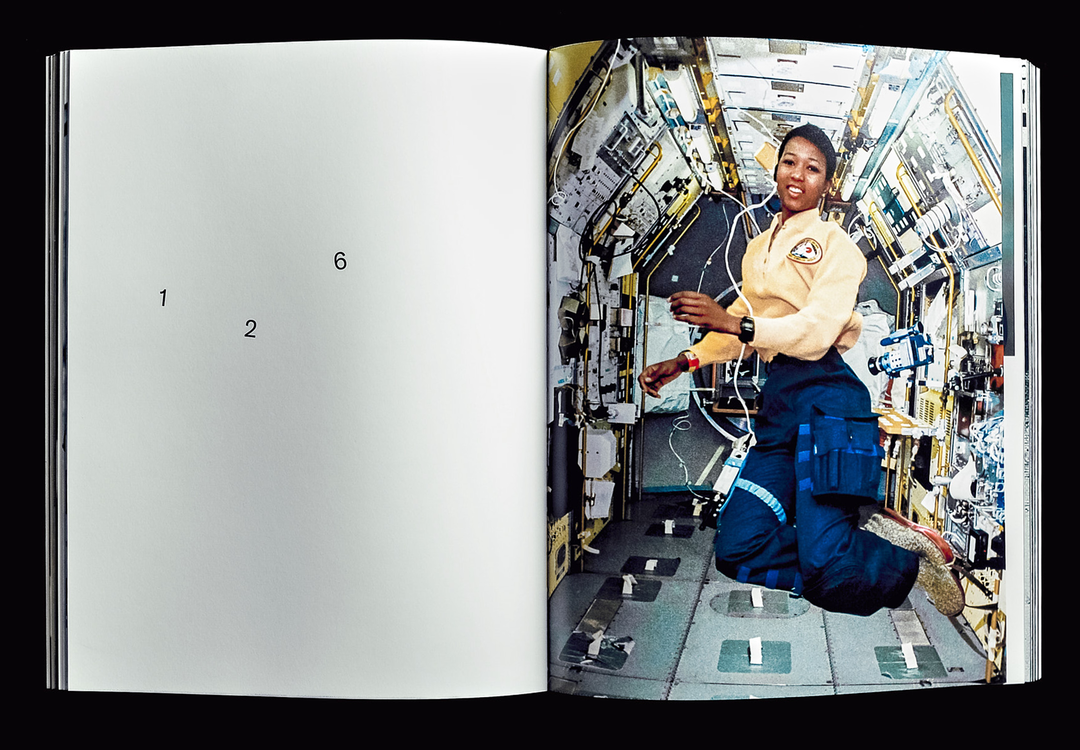
Astro Black is the first book to catalogue the stories of 18 Black astronauts. The stories of pilots, scientists and engineers who have shaped not just the face of space exploration, but also science itself – and therefore, design. When Parallel Press was created, one of its core goals was to organise and document Black accomplishment in every industry. Co-founders Akoua Smith and renald Louissaint, who had an incredible talk at June’s Nicer Tuesdays in New York City (soon to be on It’s Nice That’s YouTube), felt that there was not enough written about the extraordinary obstacles that Black professionals face in the US. For Akoua, these people weren’t just heroes, but fixations of her childhood, ever since her late father passed on a book about the Hubble Space Telescope. From there on, Akoua was shooting for the stars – and now they’ve been printed in this book.
To help trawling through Howard University’s Black Press Archive with materials sourced from the National Archives Catalog and the NASA Image & Video Library, the pair recruited an editor (as they do for every project), Taryn Finley, and they became a neat trio. The Black Press Archive became the foundation of the entire book, informing the sorts of experts they interviewed and cited throughout. The team found a doorway into new visual possibilities when they found that public domain imagery of space is stunning – but it was under threat. As the Trump administration brought more and more damage to federal programs such as the NASA image library, the team felt the urgency to print these images, to preserve history. You can’t delete a book. “Our goal is always to document Black achievement, so naturally, we wanted to make our first cultural index about our biggest feat yet,” says Akoua. “Looking up.”
Parallel Press: Astro Black (Copyright © Parallel Press, 2026)
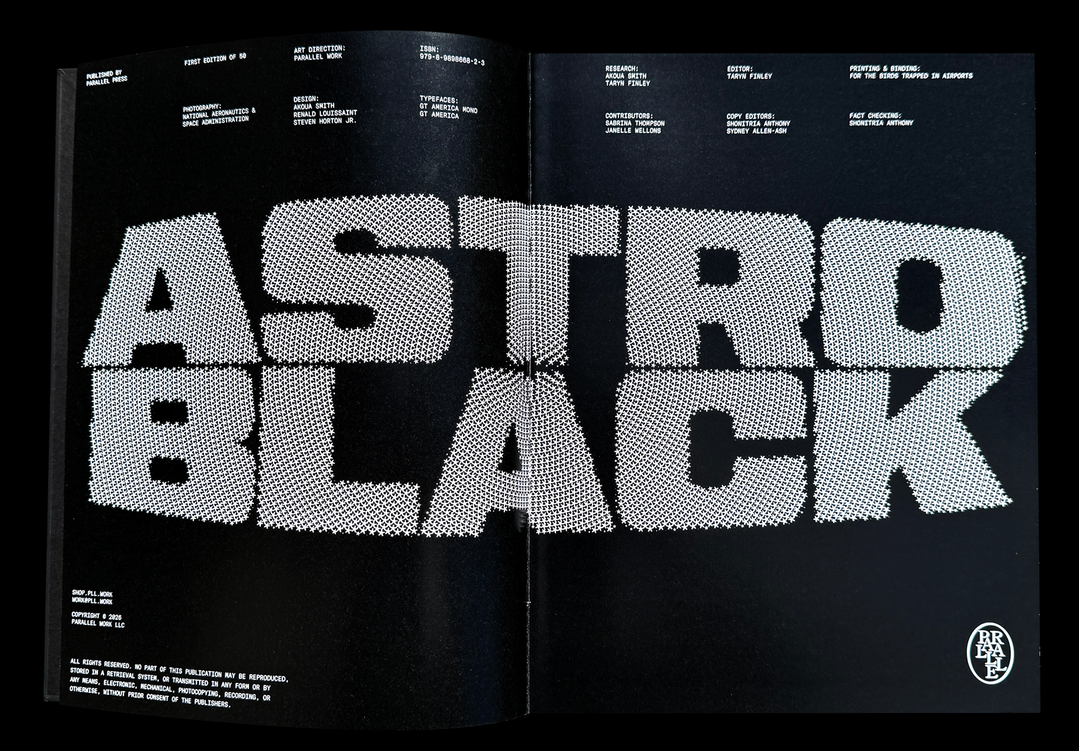
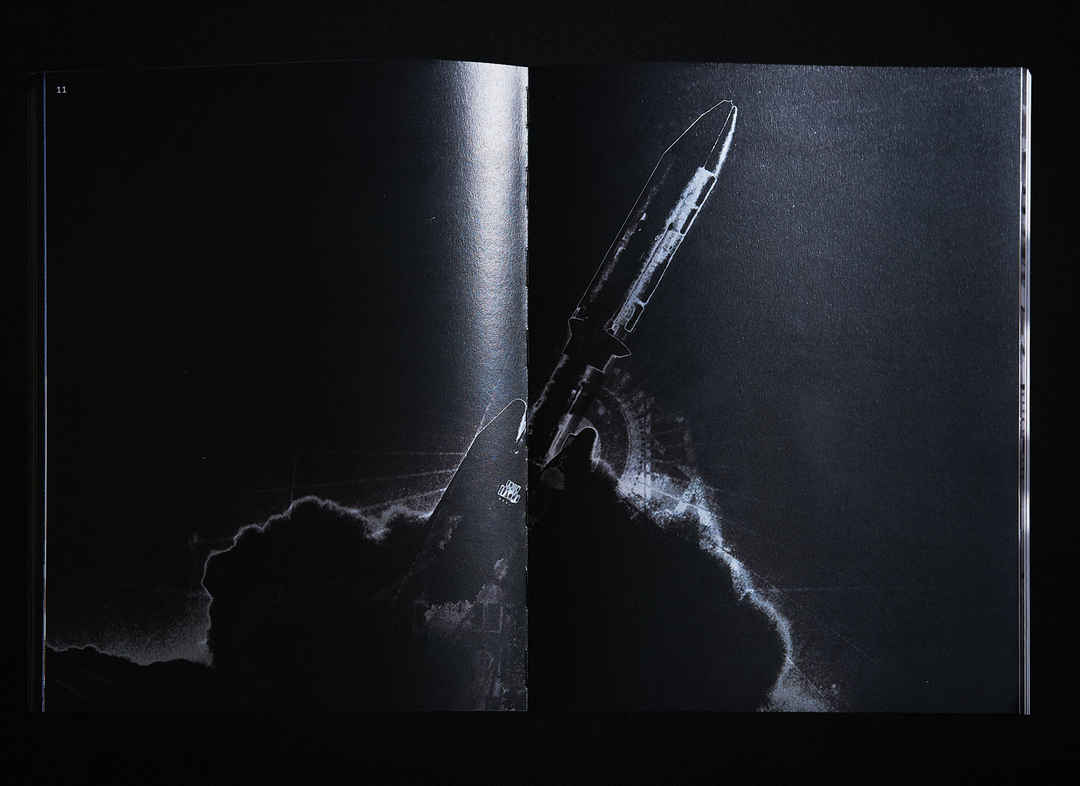
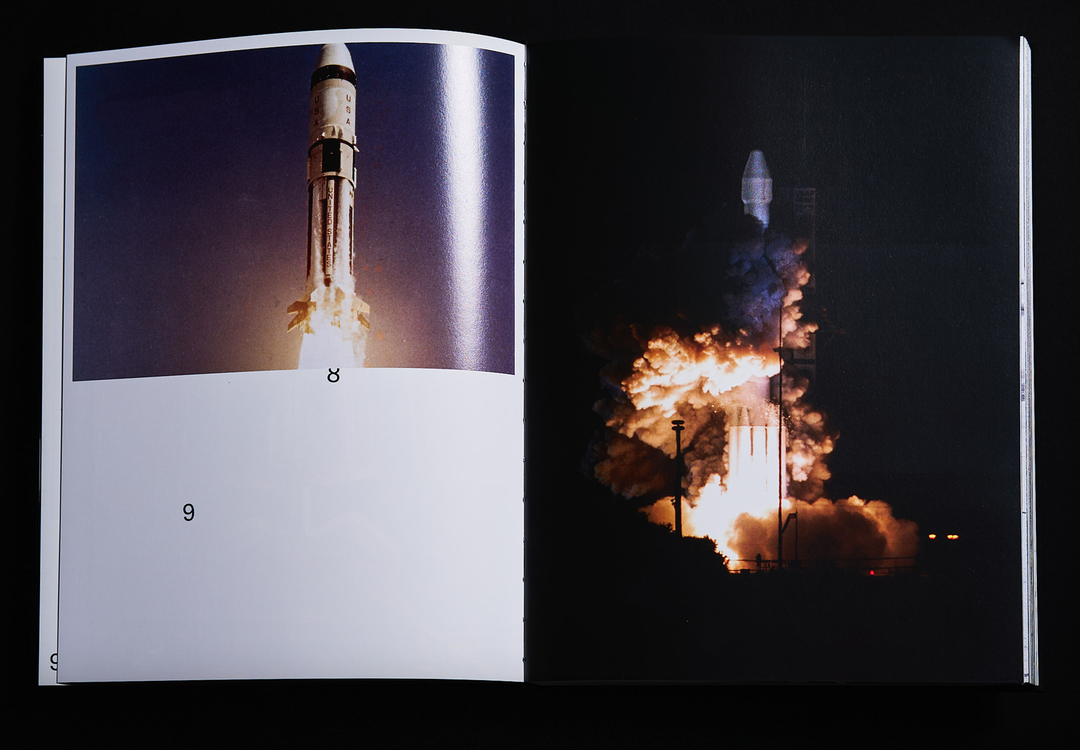
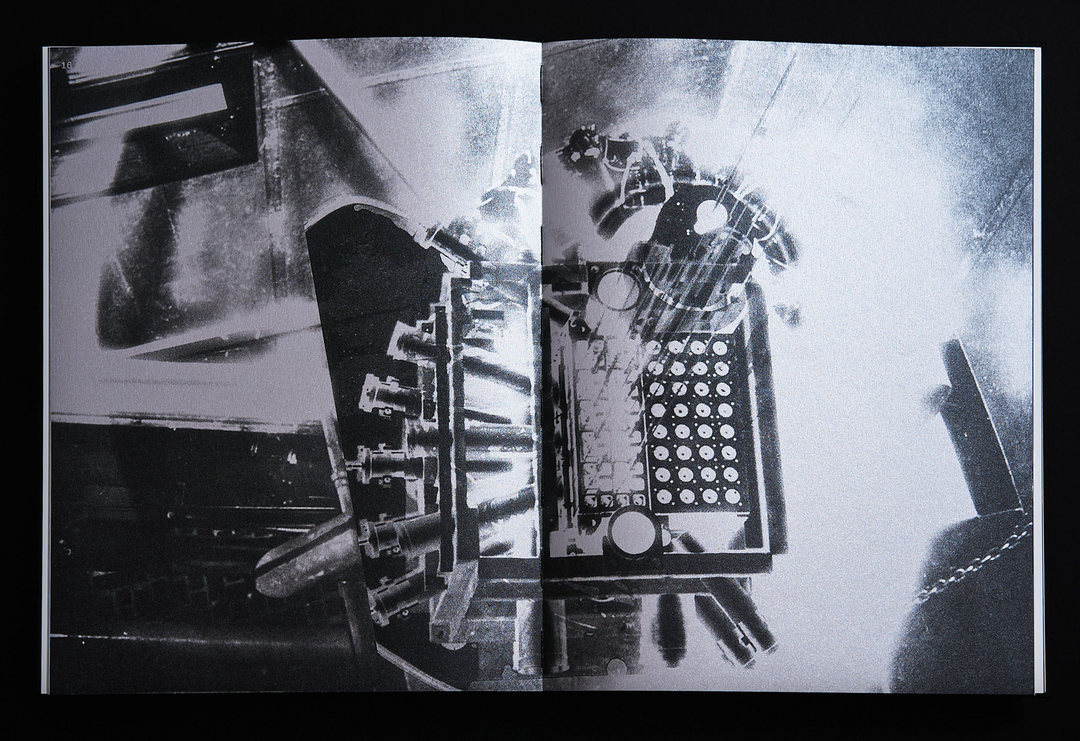
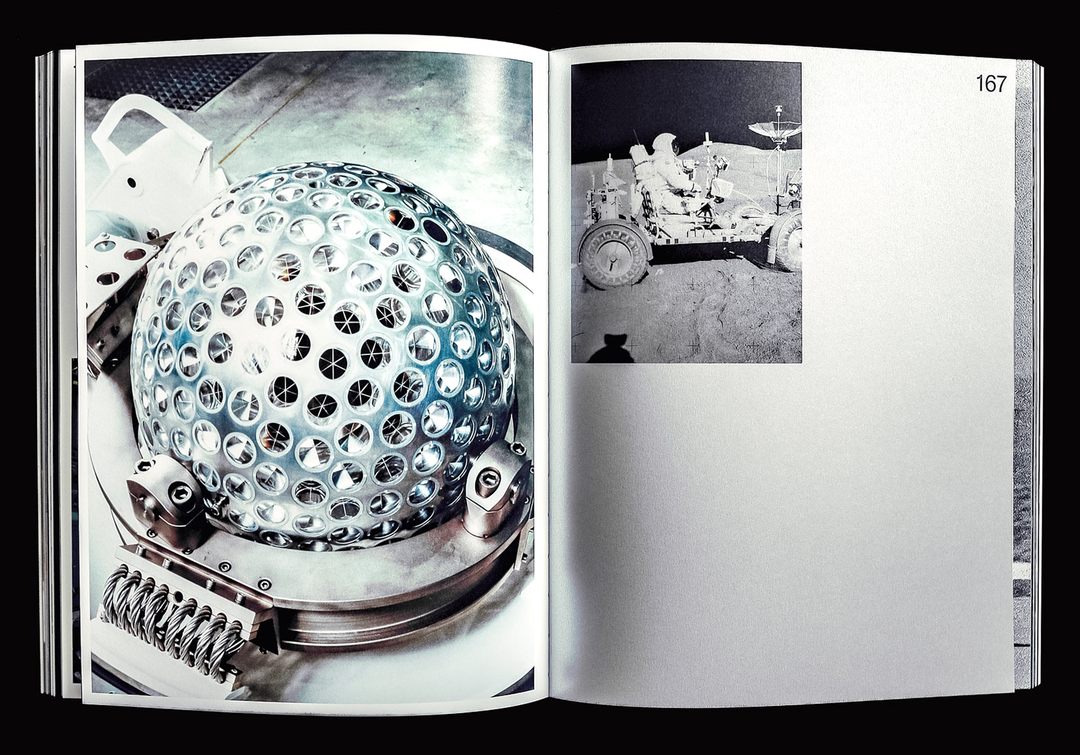
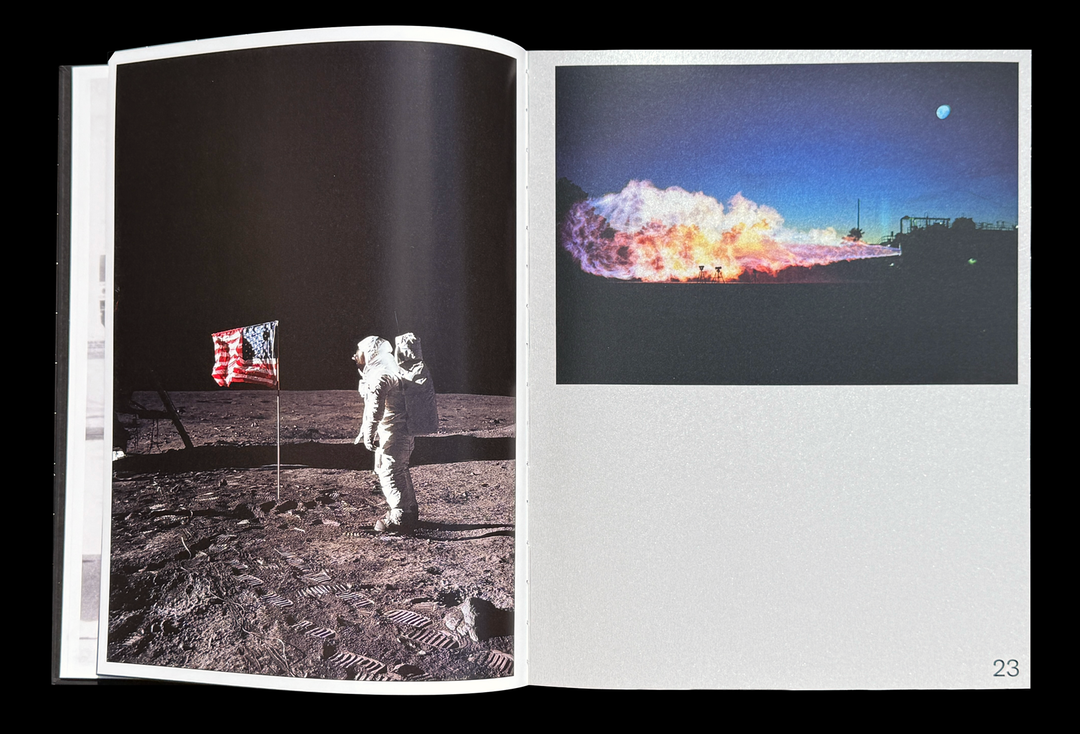
Astro Black takes a lot of cues from space-age futurism and the dark colour schemes of space, but the book moves away from the flocculent galaxy-dust aesthetics we’ve seen for decades and instead shifts a focus to metallic textures, helping the book feel mechanical through images of boundary-pushing technology set against the black blanket of the solar system, massive rockets and rovers that remind us of how small we are. Thanks to Steven Horton Jr., friend of Parallel Press, the divider pages made use of a mesmerising monochromatic collage style that interprets constellations as ephemeral passages of time in space, making the process of flicking through the book feel like space travel itself.
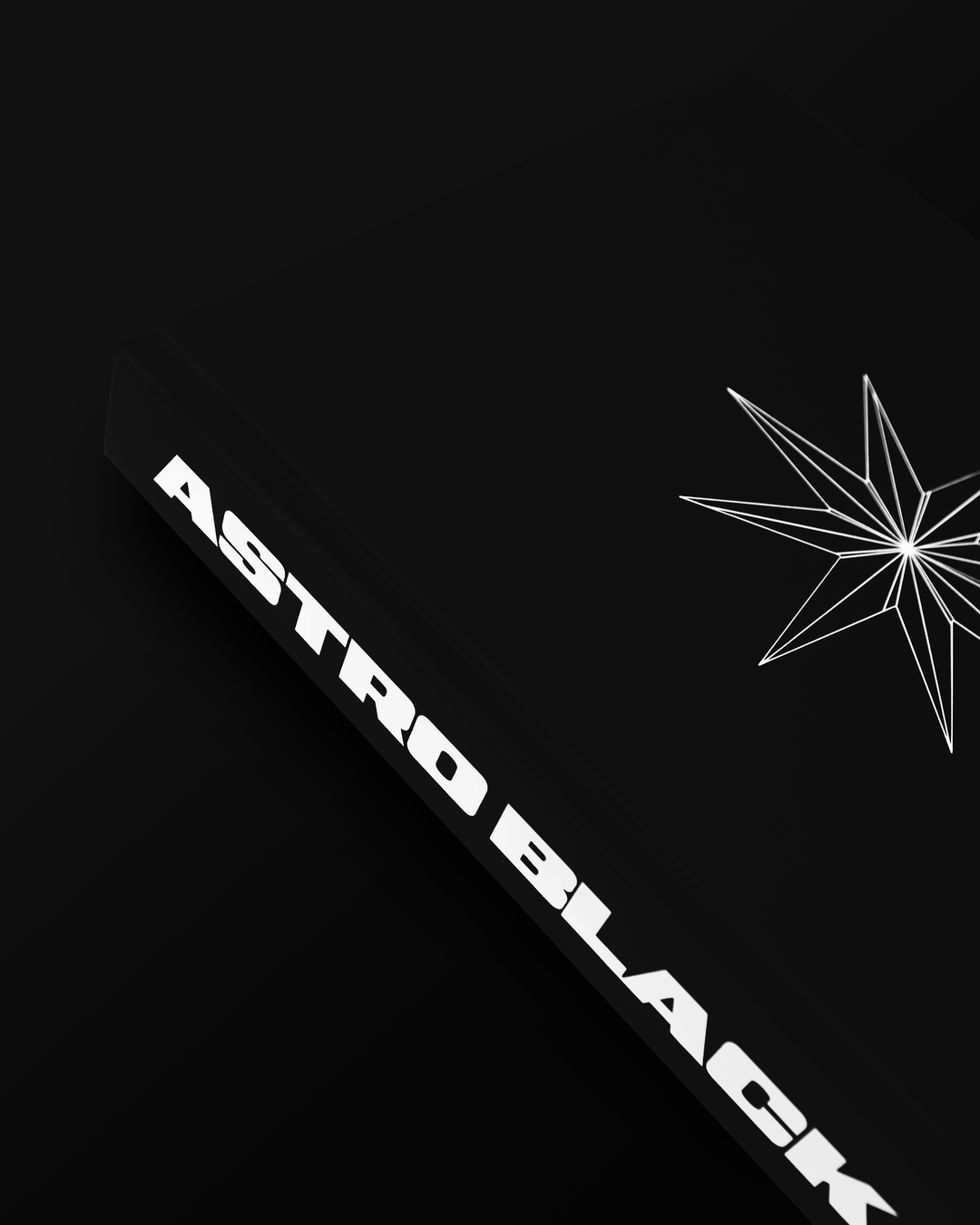
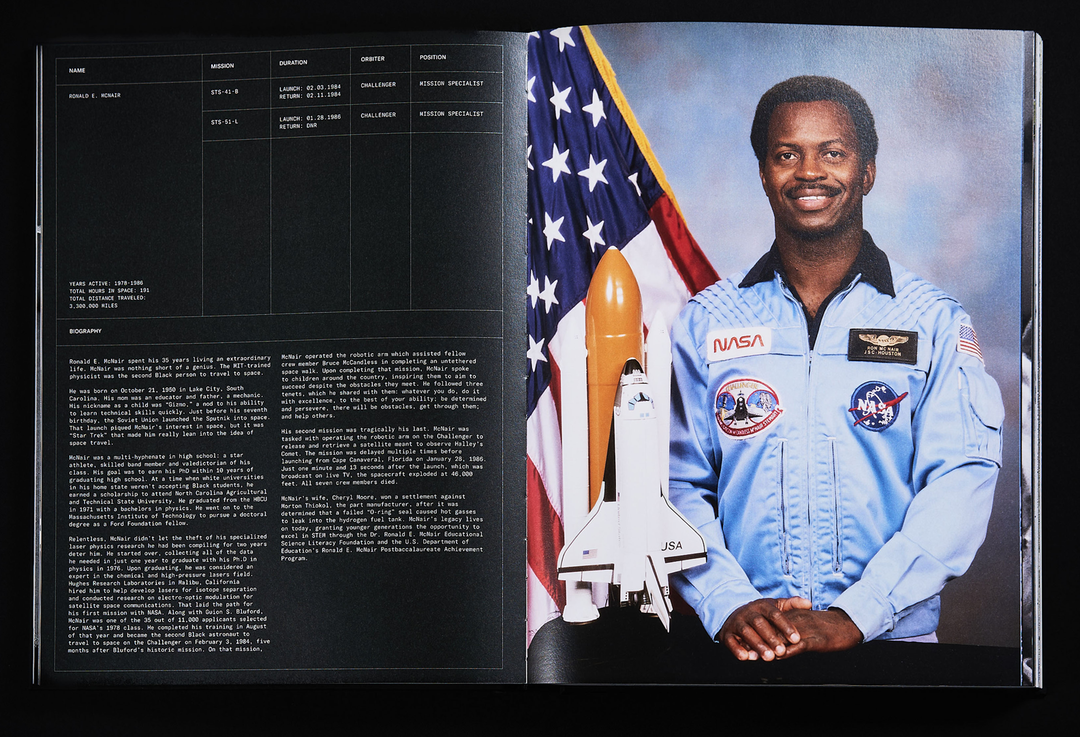
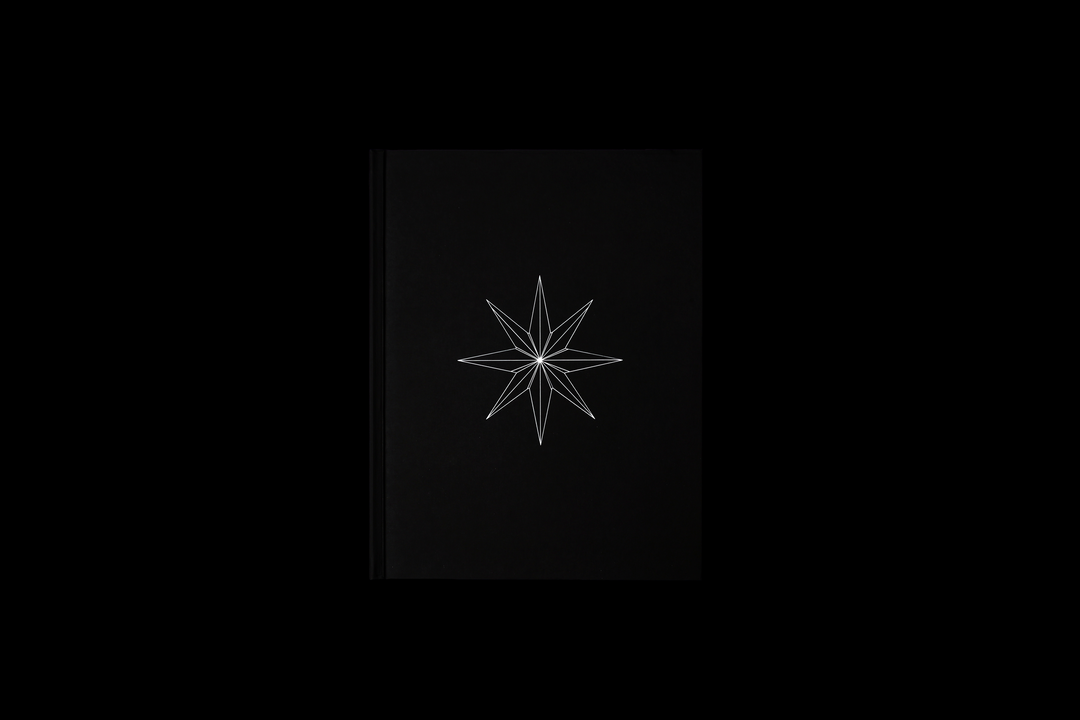
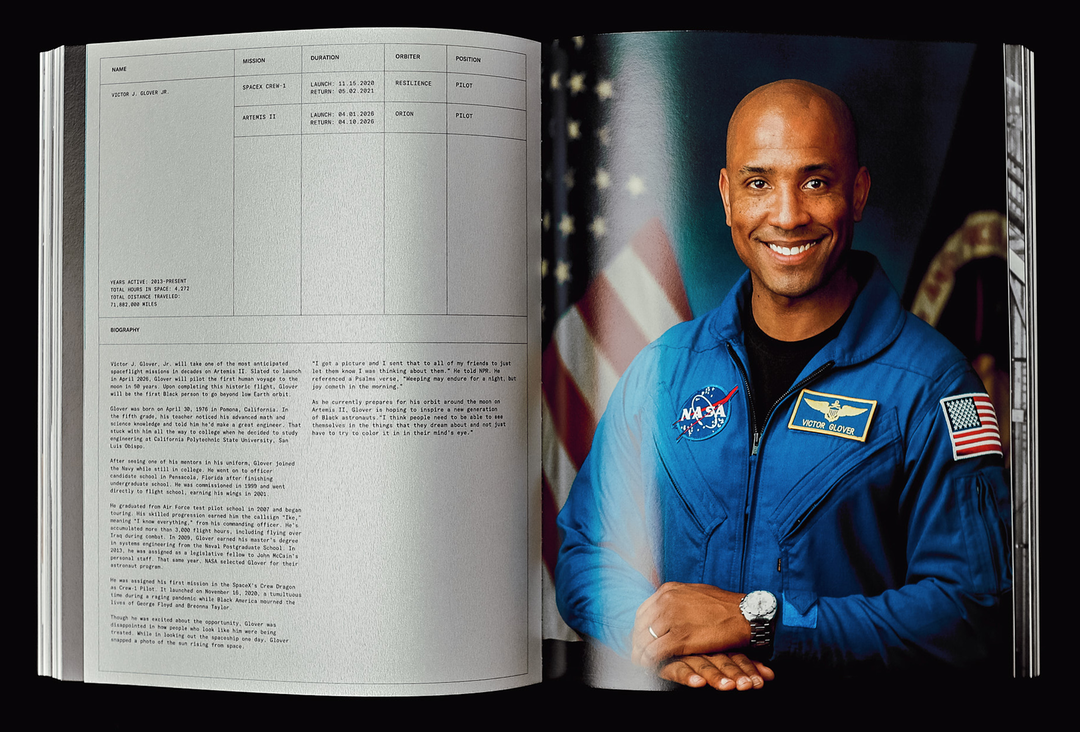
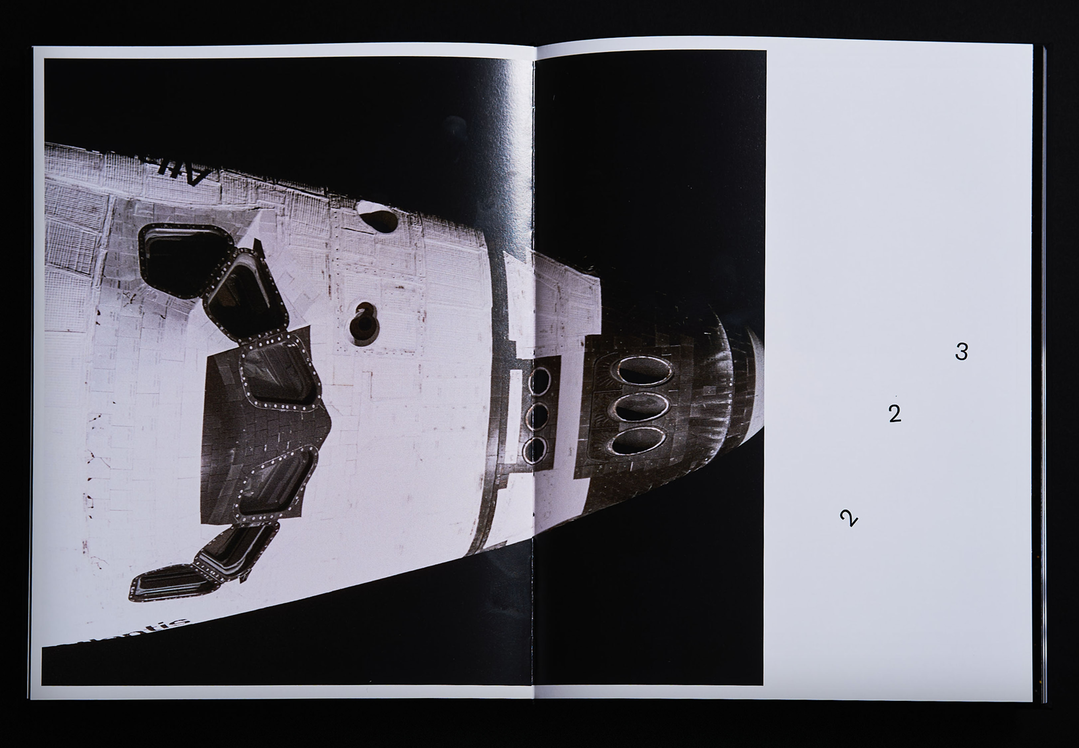
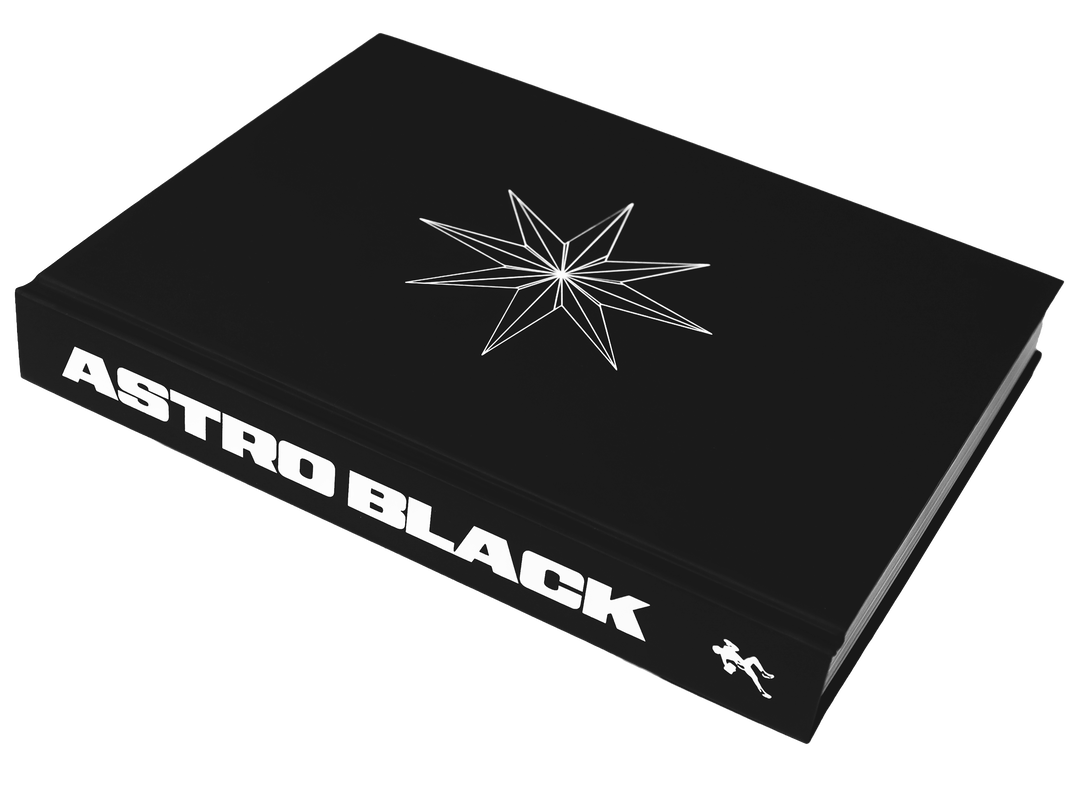
“After two and a half years of research and development, we set out to have the content shine without any interference from the exterior, yet the white star on the soft matte black cover piques curiosity on a coffee table,” says Akoua. The page numbers float as the book moves forward. The indexes are rich with texture. The biographies are tactical and concise. The photography entrenches us in the confined world of Black human space travel and vast star-scapes.”
The book also makes brilliant use of the media surrounding the space race, which included race politics. Around the same time, an explosion of blaxploitation films and urgent music surfaced to meet with the technological revolutions at the head of Western culture. “With Boris Gardiner’s Every N****r is a Star at the forefront of our minds, we chose to create our own symbol to represent the achievements of these 18 Black astronauts. For the title of the book, we reference the album Astro Black from Sun Ra’s Arkestra and the subsequent sample from producer Madlib’s album Quasimoto: The Unseen,” says renald. “We then turned to Gil Scott Heron’s poem Whitey on the Moon to help guide our tone. These references were integral to help ground ourselves in cultural history as we began to explore the wonder and fascination that Black people have had with the planets and the stars.”
GalleryParallel Press: Astro Black (Copyright © Parallel Press, 2026)
Hero Header
Parallel Press: Astro Black (Copyright © Parallel Press, 2026)
Share Article
Further Info
About the Author
—
Paul M (He/Him) is a Junior Writer at It’s Nice That since May 2025. He has a strong interest in graphic design, digital kitsch, multimedia painting, collage, nostalgia, analogue technology and all matters of strange stuff. pcm@itsnicethat.com
To submit your work to be featured on the site, see our Submissions Guide.