

- Words
- Paul Moore
- —
- Date
- 2 July 2026
- Tags
At Warsaw’s The Poster Festival, a new school of artists emerge alongside an overlooked history of graphic design
Spanning the hidden Polish design pioneers of modern history, to the next generation of visual innovators, we report back from our visit to this expansive event dedicated to the humble but mighty medium of posters.
Share
Share
It’s Nice That was invited to The Poster: Festival of Posters, Post-Poster Forms and Experimental Graphic Design (11–14 June, 2026), a one-off celebration of new and classic generations of graphic design. On the plane over, I wondered “what is a poster in the age of screens and AI?” and “how does the humble poster remain relevant today?” But most of all: “what is the Warsaw graphic design scene like?” Little did I know, I was about to step into a new world of Polish design, from propaganda to playful plagiarism, digital grunge and experiments in legibility to ink-stained dance floors and celebrations of female graphic designers across the nation.
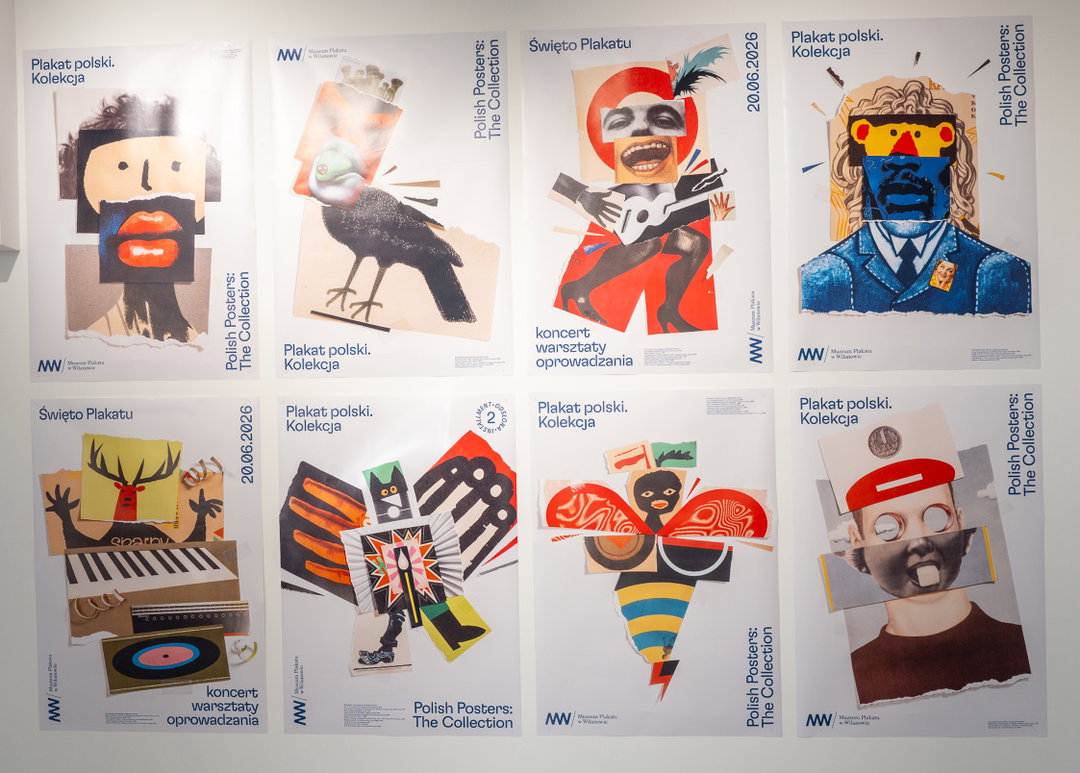
The first thing I see when I come into the exhibition is a picture of Keanu Reeves, Willem Dafoe and Meryl Streep. This is an exhibition of posters exploring the boundaries of authorship, inspiration and remix. It has a non-author. It makes it very clear to me that the author is not (wink wink) Kuba Sowiński. The works on display were created between 2017 and 2026 for the Poster Museum in Warsaw, the Kraków Film Festival and the Nówka Sztuka art fair in Kraków. The exhibition presents posters and graphic works that show how authorship and originality can be understood in contemporary design today – questions that are especially relevant in the time of the artificial intelligence revolution.
There is a great variety of different styles at the exhibition, including blue-biro ink pen drawings of celebrities, which touch on how we perceive celebrities, bringing the red carpet to the poster world. As well as that, the visual references taken for the collage works range from contemporary graphic design to World War II propaganda, in some parts even remixing some of the Nazi symbology that oppressed Poland and bravely turns it into something new in the era of the remix. At London Gallery Weekend there were a great number of artists who were also touching upon the assemblage and collage of materials and artists pinching and purloining wherever they saw fit. In Poland, it’s no different. Not the Artist takes the image and makes it into its own plaque. The political undertones become overtones. The methodology is the paint.
Kuba Sowiński: But It’s Not Me! (2026) Photography by Patryk Wisniewski
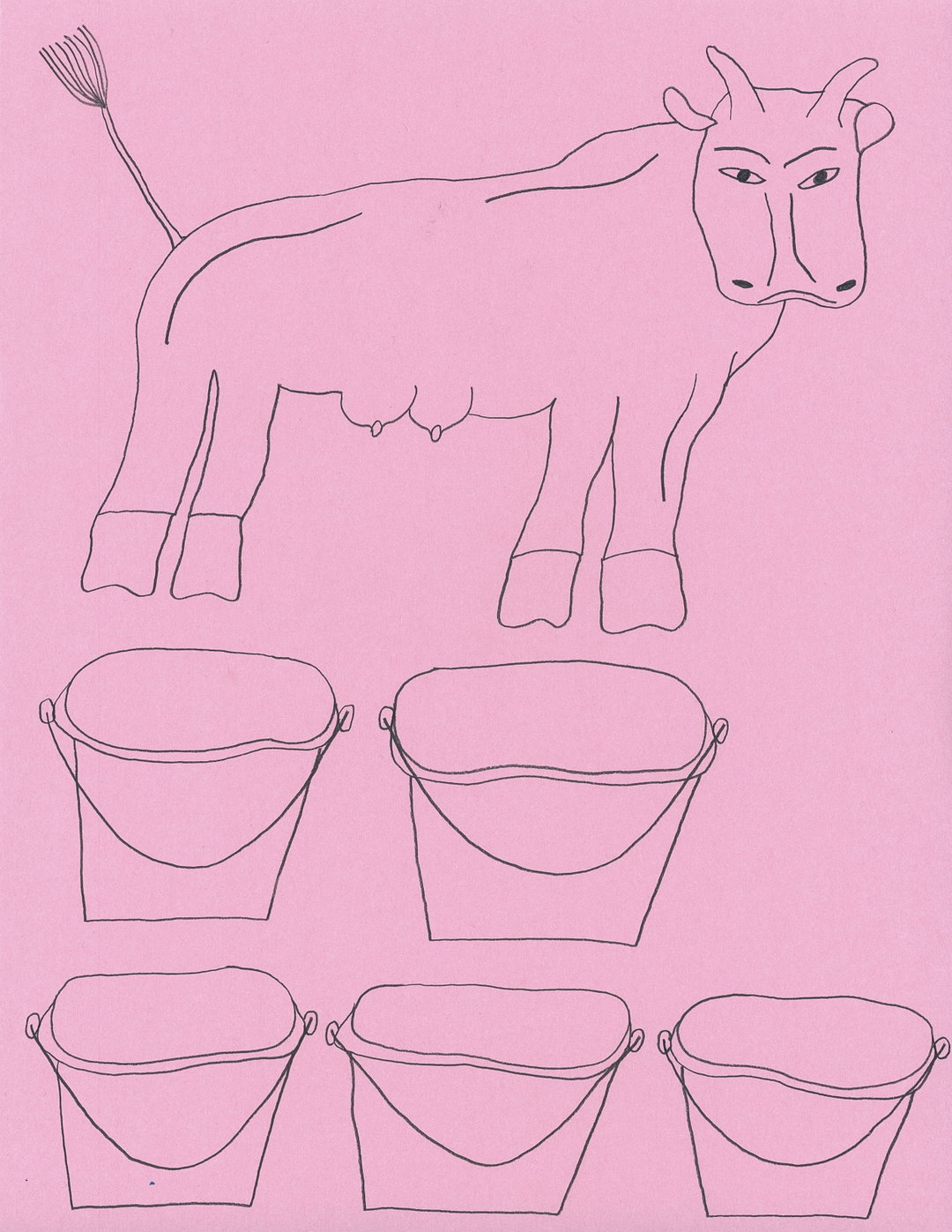
Not the Artist's interpretations use chalk and graphite and pen to reinterpret faces we’ve seen our entire lives. As I stared into the menacing gaze of the villainous Willem Dafoe, I immediately picked up on his likeness. But there’s something playfully elementary about these drawings, like they were found in the back of a bored teenager’s maths book and brought to life through poster work, giving the impression that anyone can make a poster as long as they have a pair of scissors or pen or they simply have the means to amplify and enlarge images to the size of a poster. Perhaps the artist prefers to not be acknowledged to avoid copyright infringement malarkey. But on the other hand, the playfulness of authorship, which is constant hot topic in the graphic design world, is welcome, and the exhibition offered a reprieve from the litigious world of image and wage theft. Lovingly mocking our visual design through mock-ups, it was a fitting beginning to a festival that is fascinated by images and how we use them.
“Not the Artist takes the image and makes it into its own plaque. The political undertones become overtones. The methodology is the paint.”
Paul Moore
Kuba Sowiński: But It’s Not Me! (2026) Photography by Patryk Wisniewski
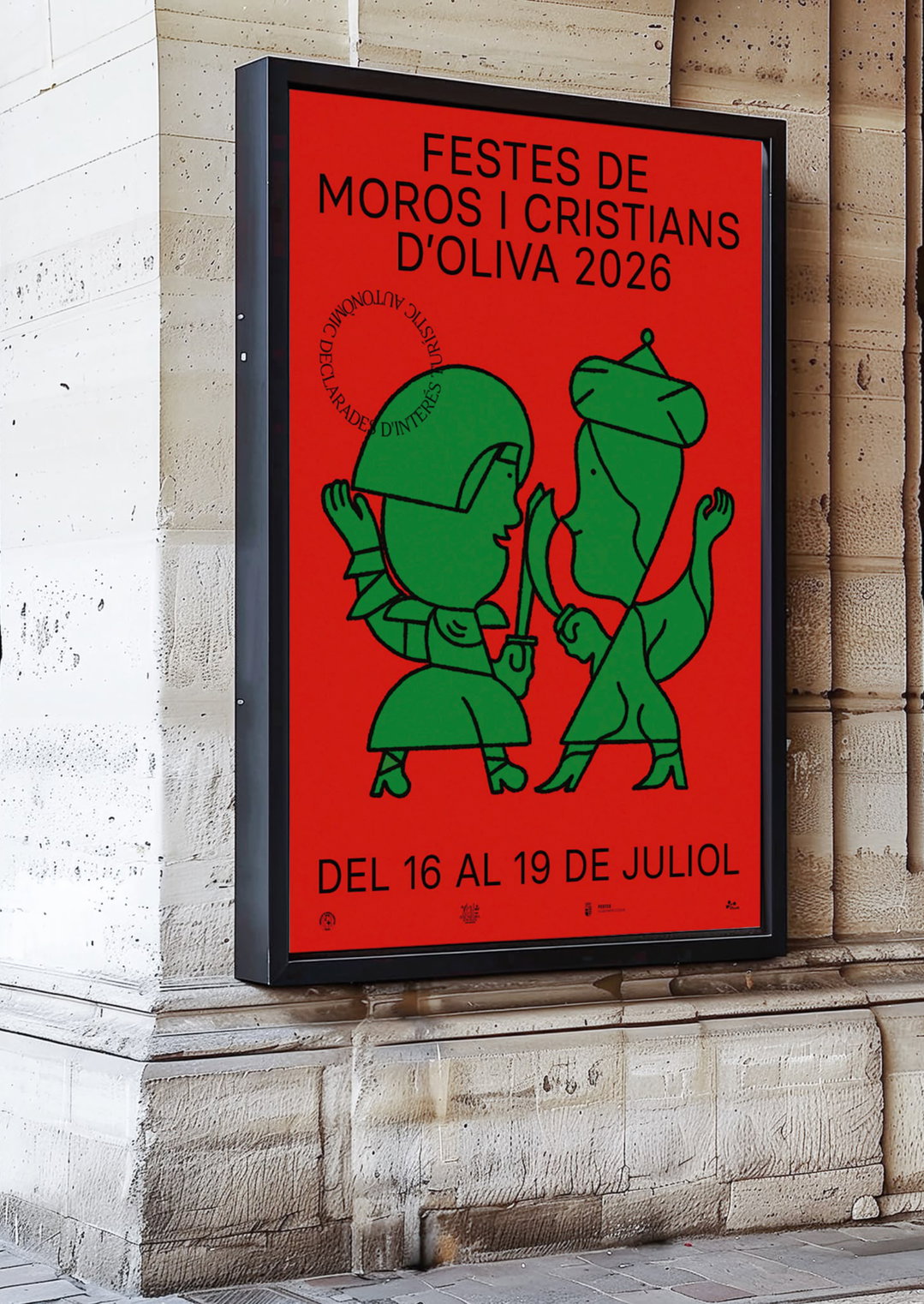
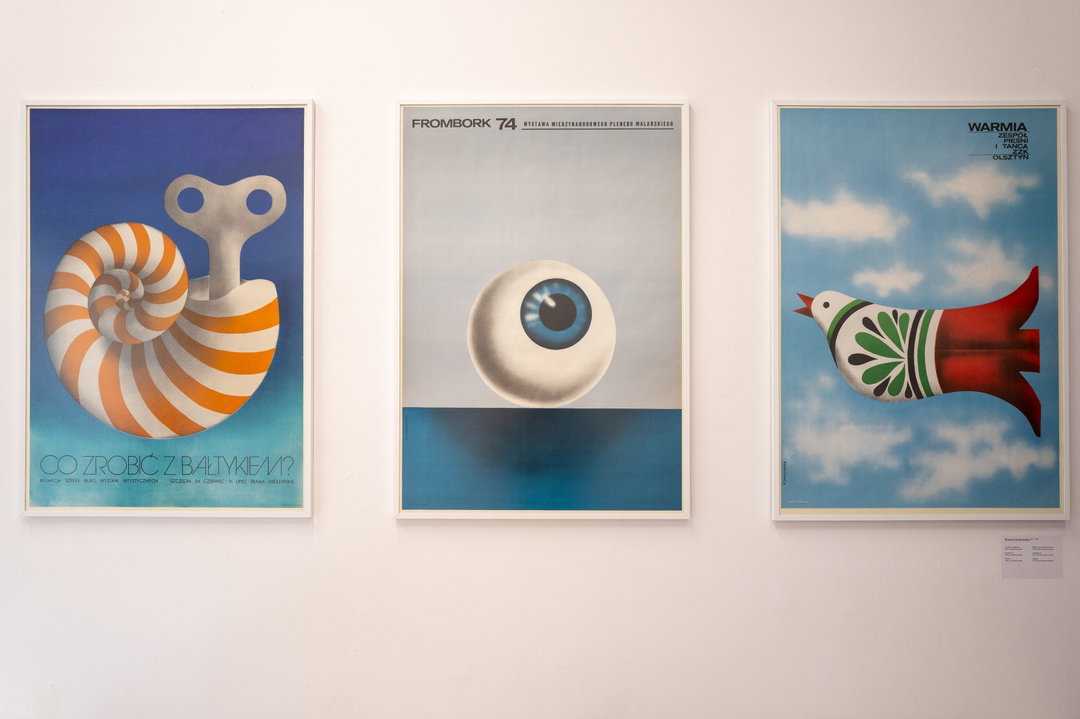
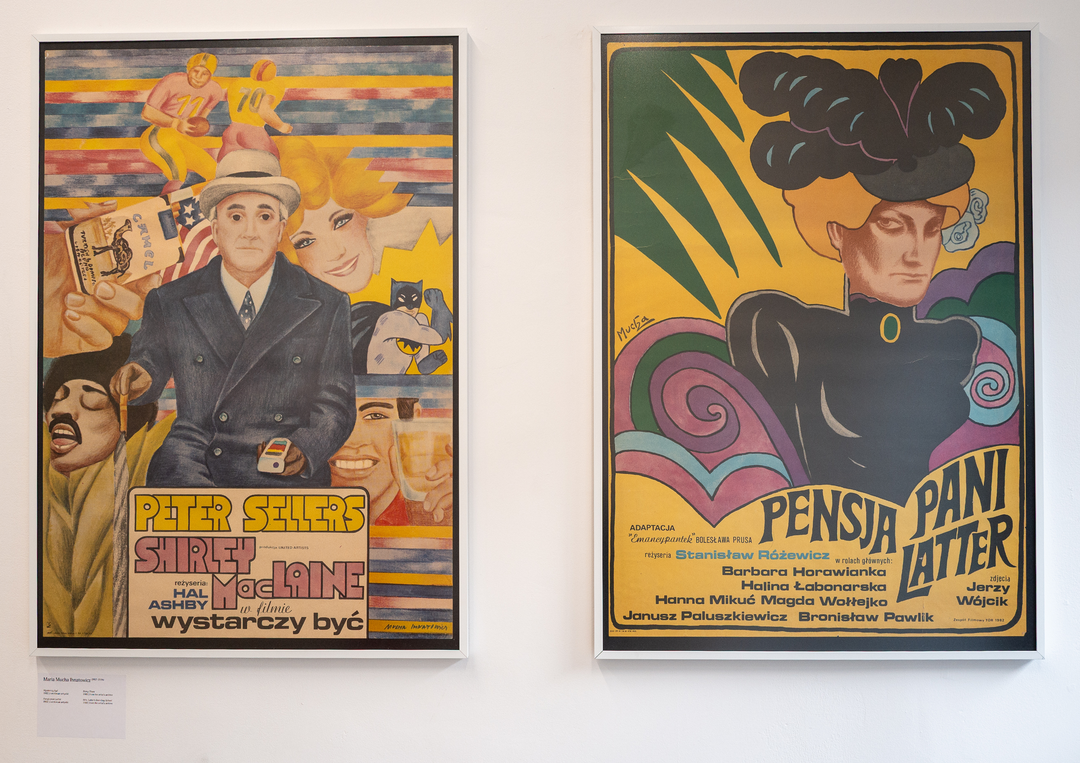
One of the central exhibitions to the festival, titled Polish Female Graphic Designers 1945–1989, is indebted to Alicja Kobza’s Graphic Designers: The Untold Stories of Polish Female Graphic Designers 1945–1989 – the first comprehensive study dedicated to recovering the forgotten history of female graphic designers in post-war Poland. She investigated why accomplished women were overshadowed by male colleagues, historical narratives that focused on men and how domestic responsibilities impacted women’s careers (for instance, Maria “Mucha” Ihnatowicz was her family’s main breadwinner and worked on the floor between the kitchen and dining table, while her husband occupied their studio and received all the historical recognition).
The exhibition featured works by Lilian Baczewska-Lampert, Barbara Baranowska, Hanna Bodnar, Zofia Darowska and Ewa Frysztak, as well as Alicja’s diligent efforts to track down dispersed archives which resulted in discovering long-lost works by Julitta Gadomska (which were still in pristine condition thanks to her son). Among many others, the exhibition is a natural extension of Alicja’s efforts, combined with a passionate community of Polish designers who care deeply about an area of graphic design that remains to be fully seen.
I met Katarzyna “Kasia” Matul, a Polish design historian and curator responsible for the international poster collection at the Poster Museum in Wilanów (2008–2010). Her book The Artistic Legitimisation of the Poster in the Polish People’s Republic 1944-1968 opens with: “few artistic phenomena from the communist period in Poland have enjoyed as much recognition, both at home and abroad, as the poster. It is most commonly associated with the ‘Polish School of Posters’, which, according to art critics and historians, is characterised by its expressive, authorial, and highly subjective approach, manifested through the immediacy of graphic gesture in both illustration and typography.” Kasia believes that the disappearance of the “poster’s commercial function as a consequence of the absence of a free market made it possible to value the medium primarily for its artistic qualities”, neutralising a utilitarian character and moving it towards personal expression (which I saw in full effect later on) – but the poster in Poland is entrenched in a fascinating history, one that has economic, political and artistic dimensions far beyond my comprehension. Luckily, the exhibitions were here to introduce me to Poland’s legacy of artistic legitimacy through the poster.
Alicja Kobza: Polish Female Graphic Designers 1945–1989 (2026) Photography by Patryk Wisniewski
Alicja Kobza: Polish Female Graphic Designers 1945–1989 (2026) Photography by Patryk Wisniewski
Alicja Kobza: Polish Female Graphic Designers 1945–1989 (2026) Photography by Patryk Wisniewski
“The poster’s commercial function as a consequence of the absence of a free market made it possible to value the medium primarily for its artistic qualities.”
Kasia Matul
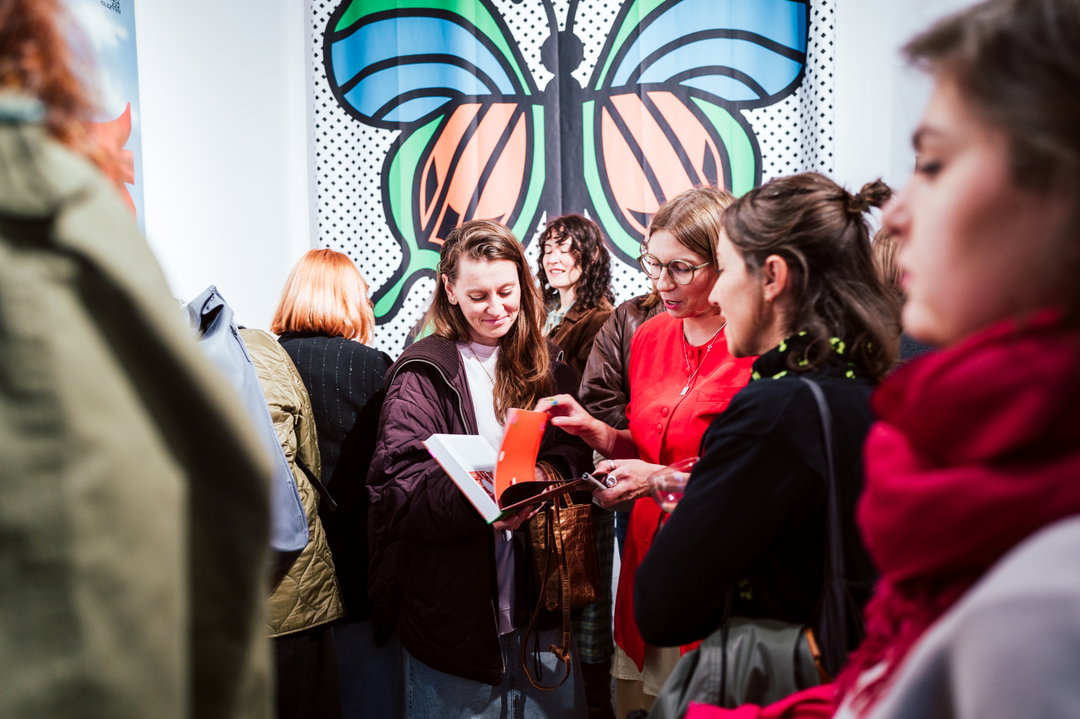
The festival saw the launch of the second issue of Polish design magazine Plop – Polish Design Revue, edited by Rene Wawrzkiewicz, Lars Harmsen and Marian Misiak. Saddle-stitched and published by Slanted Publishers, the mag asks ‘is Polish design polished or is polish the design?’ Digging into tension between Polish identities and global aesthetics through critical perspectives, the quarterly revue investigates the overpolished and the depolished, in collaboration with Three Dots Type Foundry and the Polish Graphic Design Foundation. The launch was met with a packed room of graphic designers gathered by The Poster Festival to look at current themes in modern Polish design and especially the poster; is it a tool of struggle or zombie design, or is it a monument to past glory. Is it simply a decoration for apartments? What is the relevancy of the poster nowadays? It’s not a polite magazine, that’s for sure – it’s razor-sharp and honest about tools of communication and artistic expression and how those work in modern contexts. It led brilliantly into the nearby exhibition, aptly titled the New School of Posters, where young designers are redefining the poster through illegibility and explosive visual ideas.
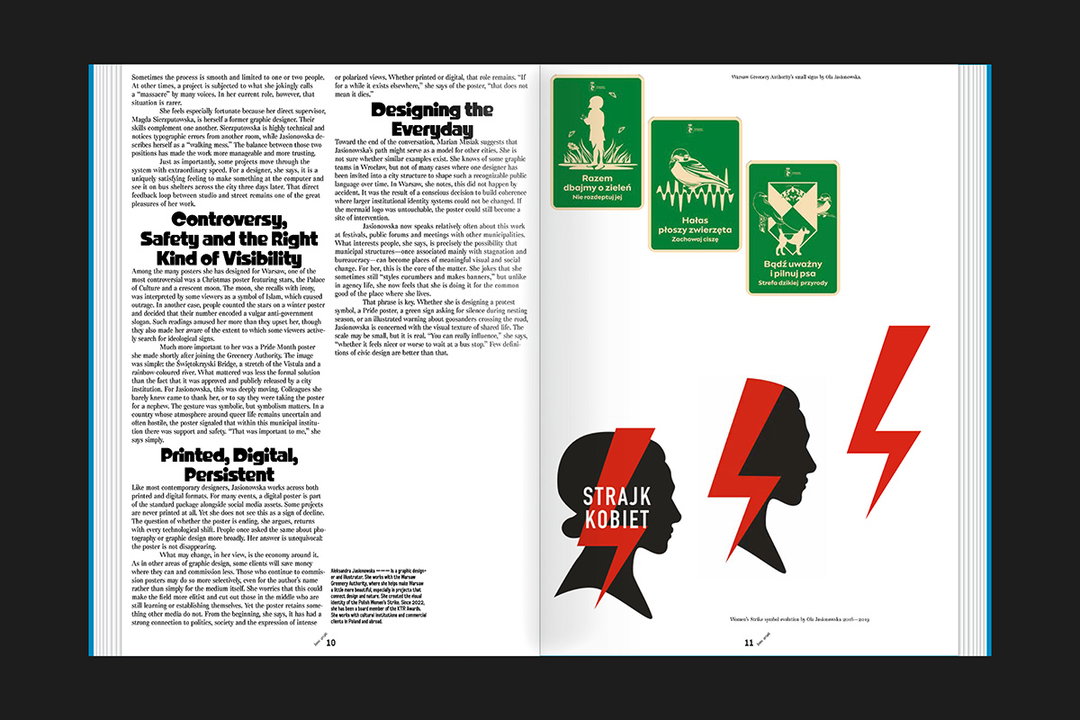
Lars Harmsen, Marian Misiak, Rene Wawrzkiewicz: Plop Issue 2 (Copyright © 2026)
Lars Harmsen, Marian Misiak, Rene Wawrzkiewicz: Plop Issue 1 (Copyright © 2026)
Lars Harmsen, Marian Misiak, Rene Wawrzkiewicz: Plop Issue 1 (Copyright © 2026)
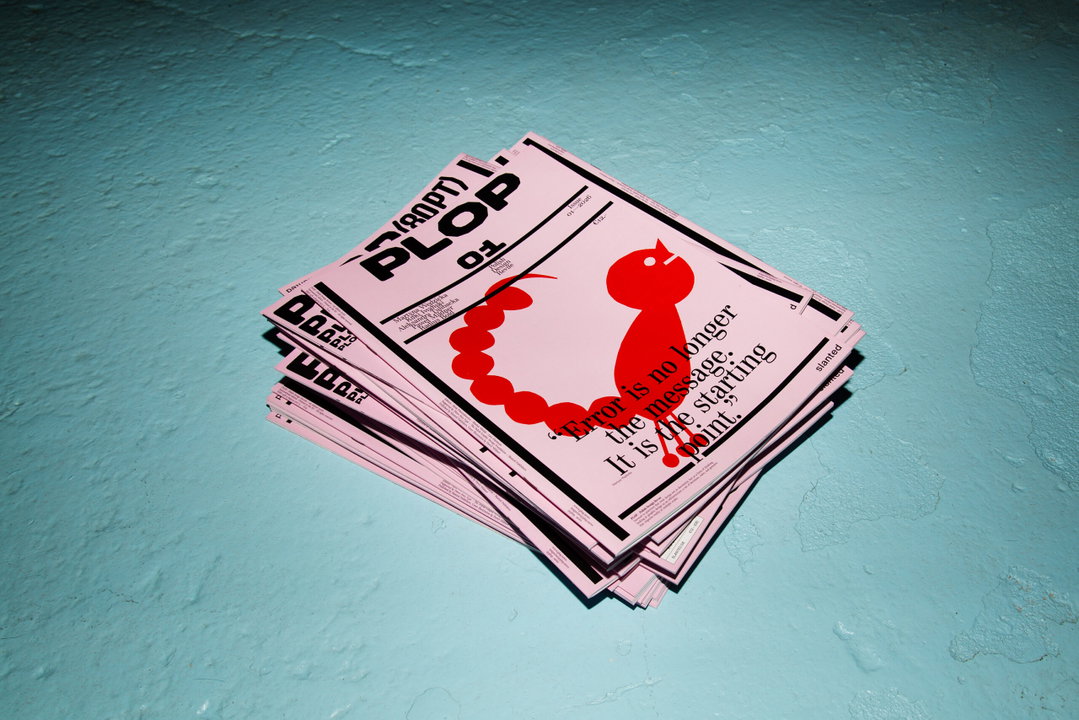
Lars Harmsen, Marian Misiak, Rene Wawrzkiewicz: Plop Issue 1 (Copyright © 2026)
Lars Harmsen, Marian Misiak, Rene Wawrzkiewicz: Plop Issue 1 (Copyright © 2026)
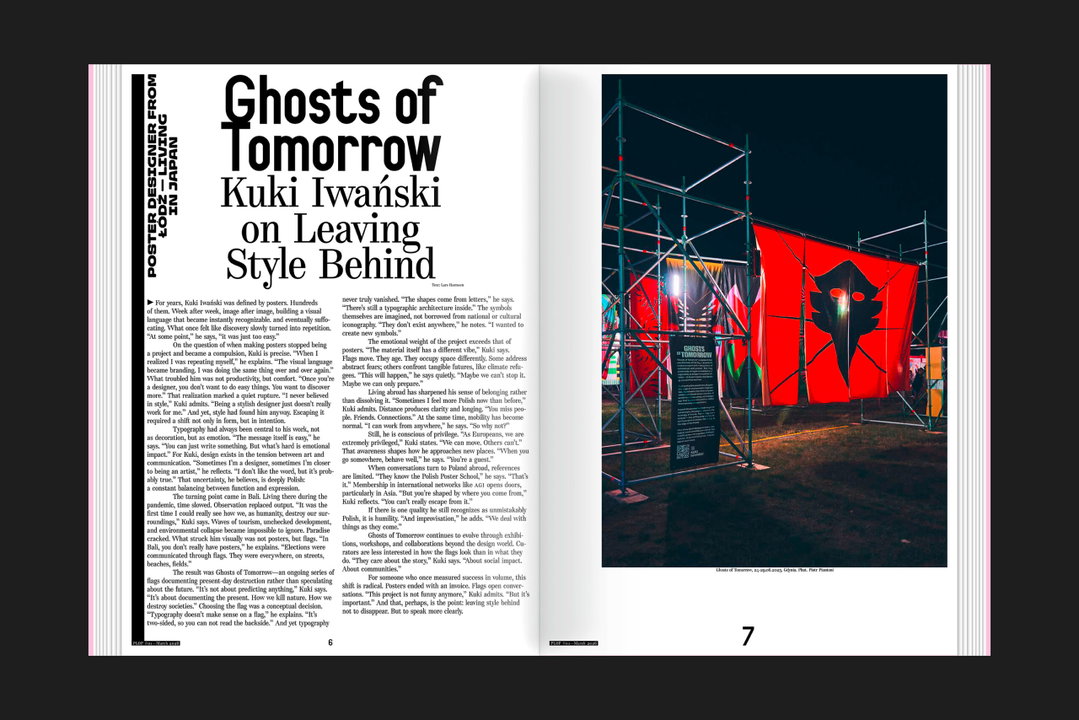
Lars Harmsen, Marian Misiak, Rene Wawrzkiewicz: Plop Issue 1 (Copyright © 2026)
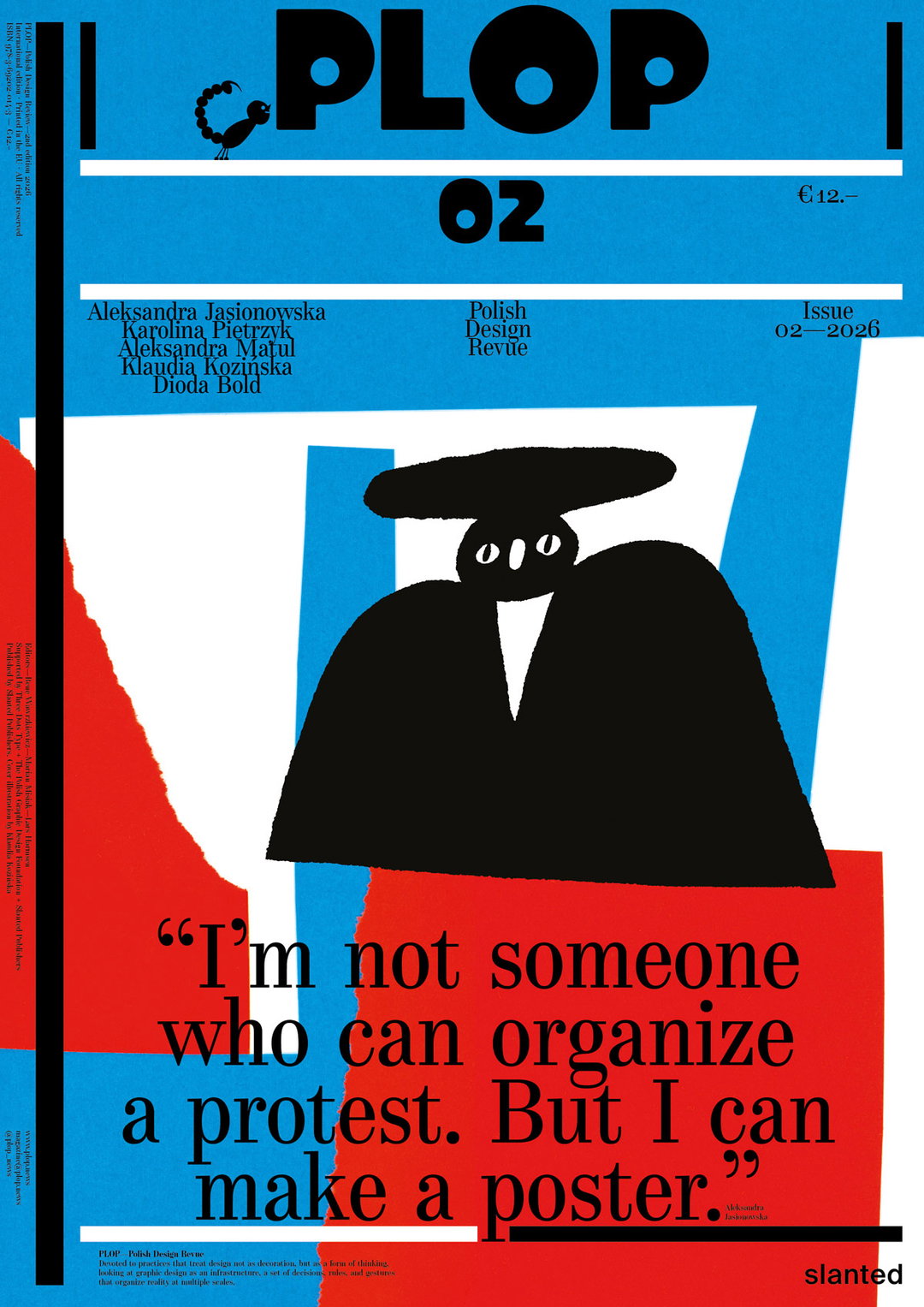
Lars Harmsen, Marian Misiak, Rene Wawrzkiewicz: Plop Issue 2 (Copyright © 2026)
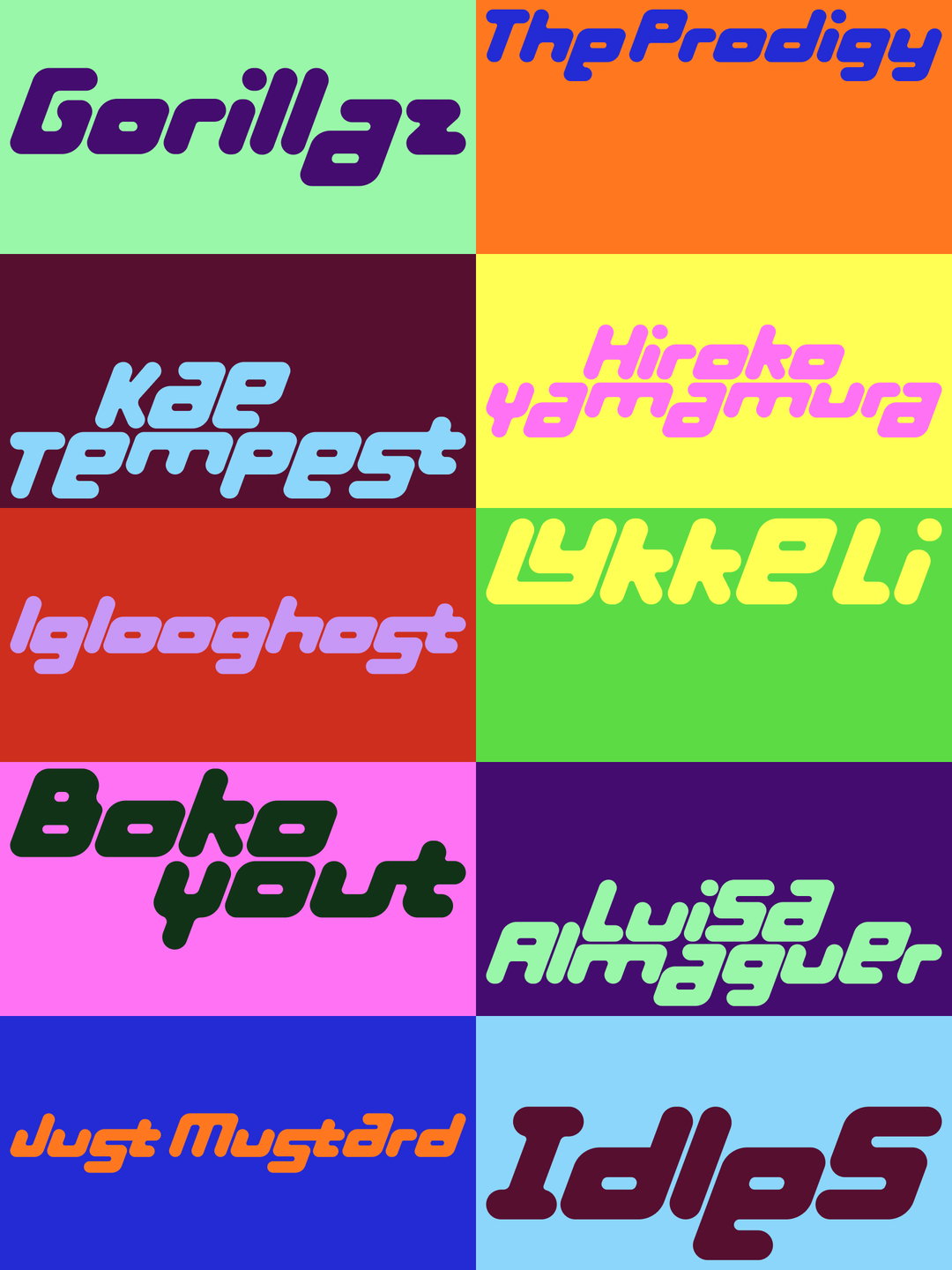
The poster feels particularly important nowadays. As we’ve moved into a progressively more image-based visual culture, where words are easily replaced with emojis, and social media feeds us infinite scrolls of images and videos (long gone are the days of the text-based forum), the poster not only proves its vitality and eternal relevance, but also finds new ways to merge text with images in imaginative ways. The event poster can be purely functional; legible and informative, but it can also be hyper-stylised, challenging, as artistic as a painting in a museum. At the New School of Posters exhibition, a presentation of the newest clubbing posters and indie graphics from neo-rave to digital grunge were eye-opening and brilliant.
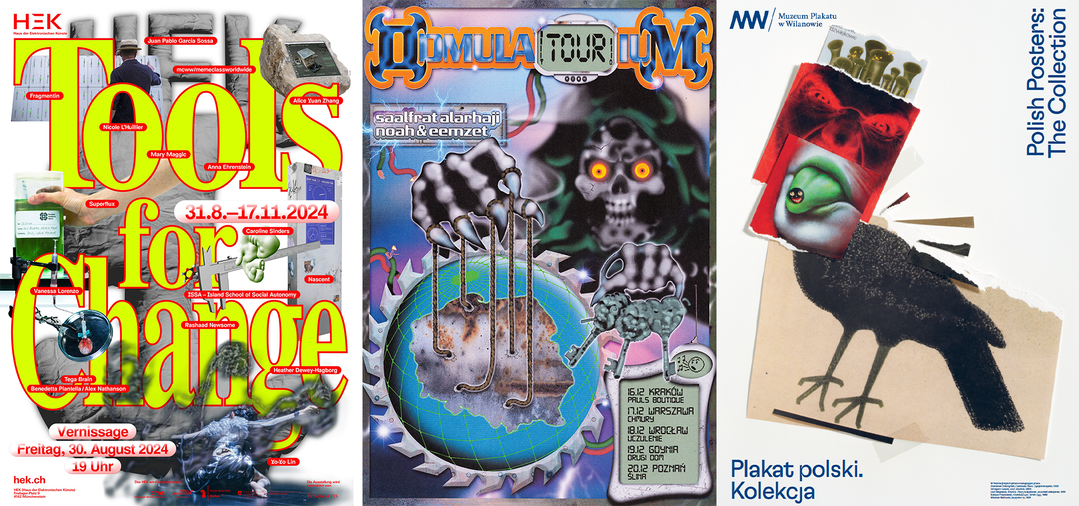
Some posters felt more like fine art – flurries of modular shapes, networks of circles, squares, lines, stretched and blown up, purely decorative. Plop magazine’s Rene Wawrzkiewicz, one of the curators of the exhibition, tells me that their designs are in stark contrast to the history of Polish design – and I can see it.
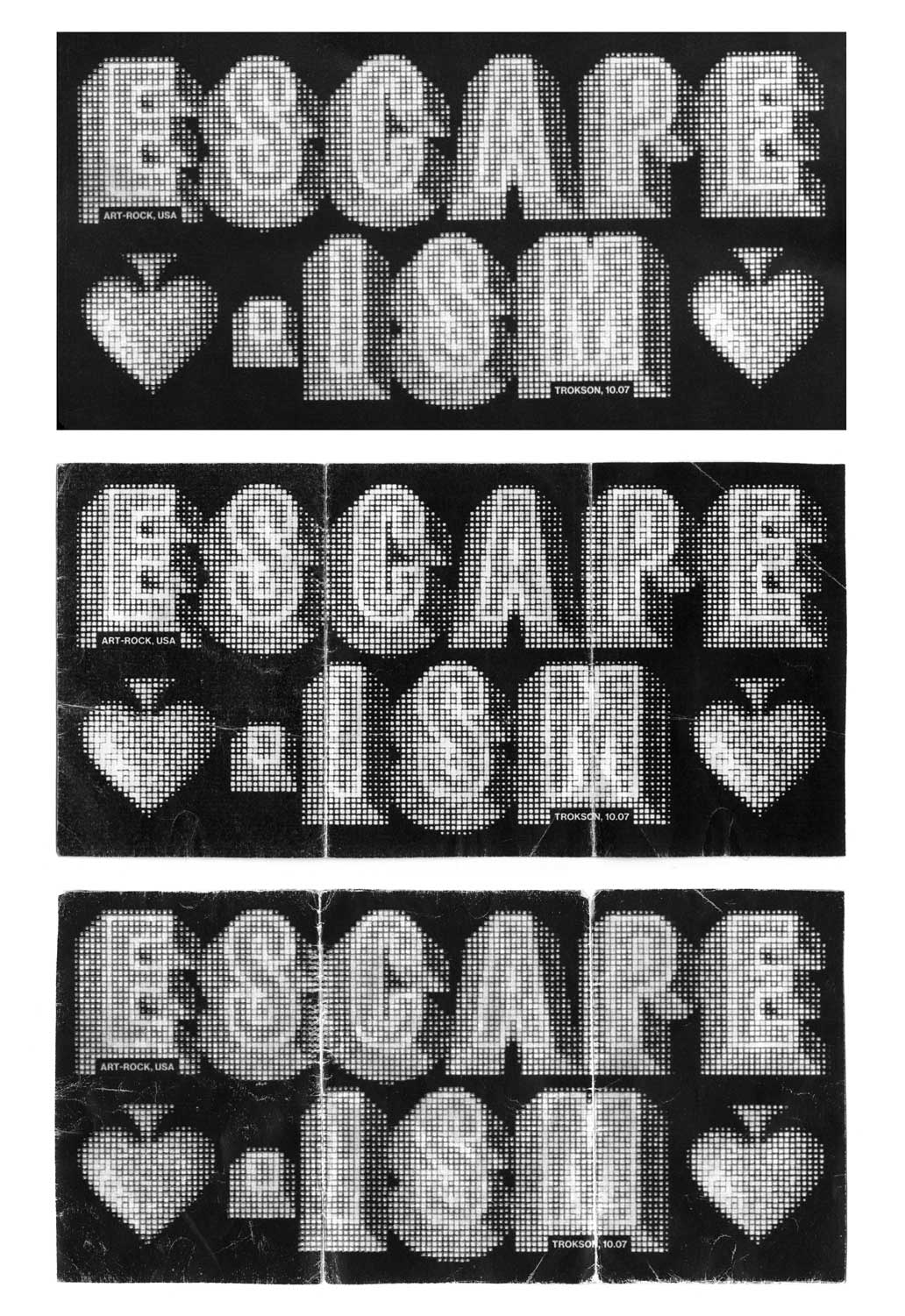
Instead, these designs are mirroring London, Japanese and NYC styles of graphic design; hyper-stylised, youthful, cybernetic, futuristic – but in ways that aren’t indebted to previous generations’ ideas of the future, but entirely our own. The exhibition was an introduction to a new Xerox generation: a little grungy and messy, analogue media being used in exciting ways, Gen-Z to a T.
Karolina Pietrzyk, part of swamp.center, featured posters that moved away from her signature twig-like designs to a poster that used melting gradient abstraction to block almost all of the information. As well as that, other styles showed gothic airbrushed designs of Doctor Doom puppetmasters by Łukasz Matuszewski and digital collages of found photography and glacial pools of liquified images by Anna Wacławek.
What the poster is, a way to aestheticise information and communicate visually, has been reimagined. Now, the modern Polish clubbing poster renders the image itself as the crucial information – it communicates more than event, date, place, etc, but mood, emotion, style, culture, all delivered with the urgency of a brick through a window. According to the curator, Warsaw’s creative scene is becoming rapidly progressive; she tells me “we've never seen this before, but perhaps you, the younger generation, understand it very well.”
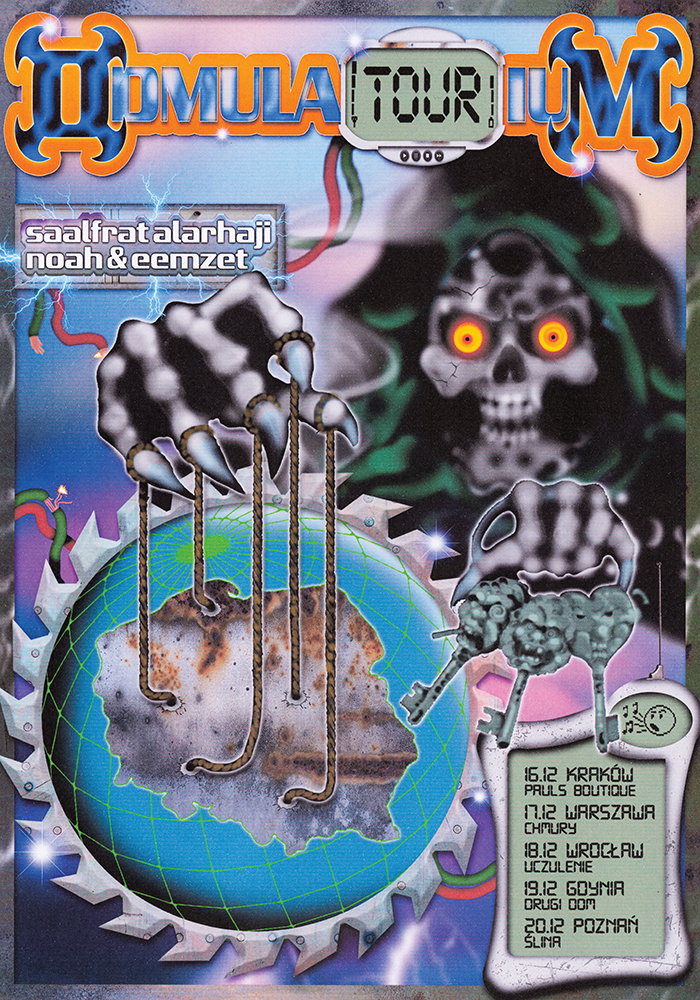
Łukasz Matuszewski : The New School Of Poster (Copyright © Łukasz Matuszewski, 2026)
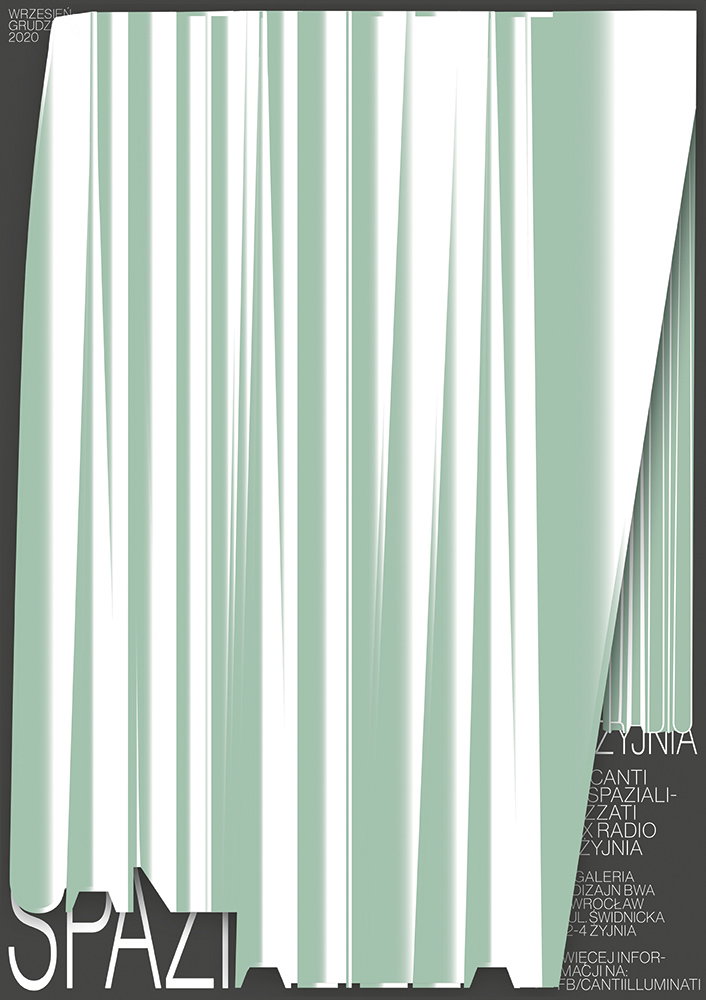
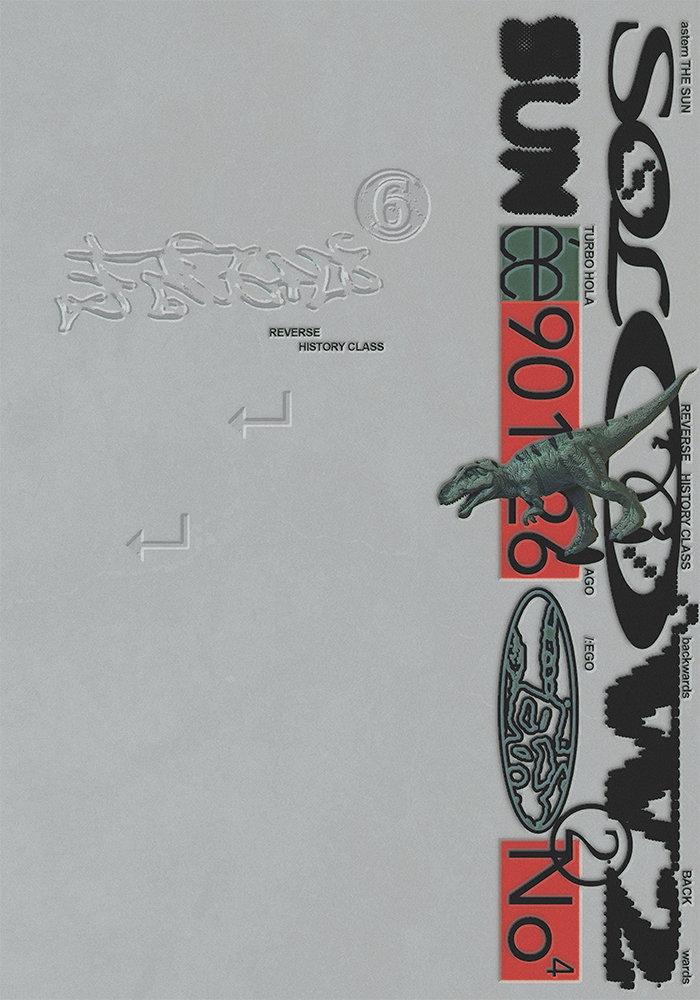
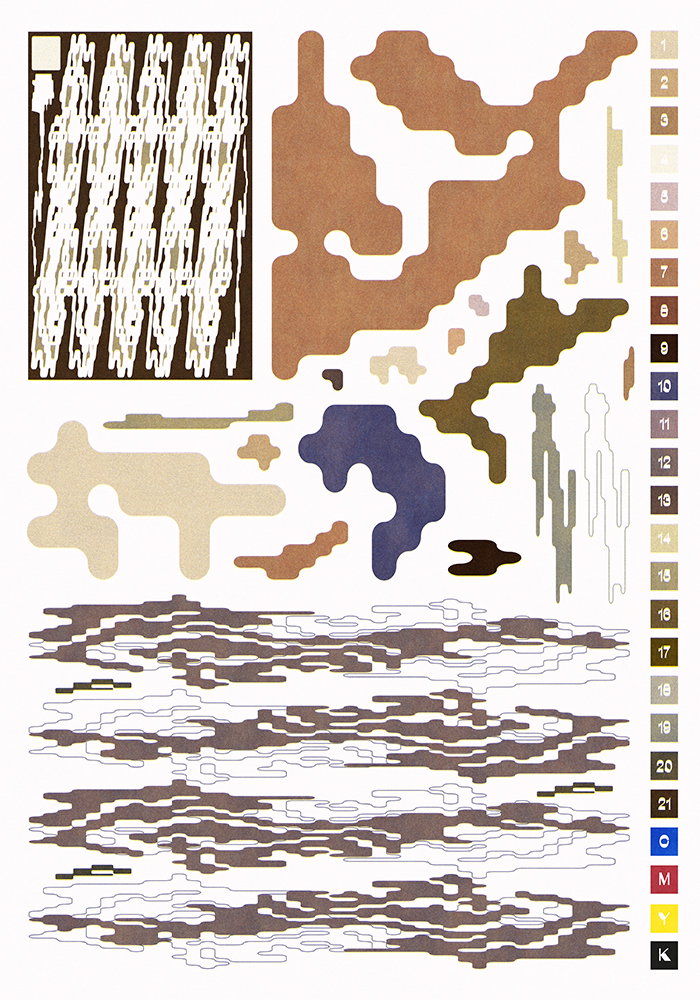
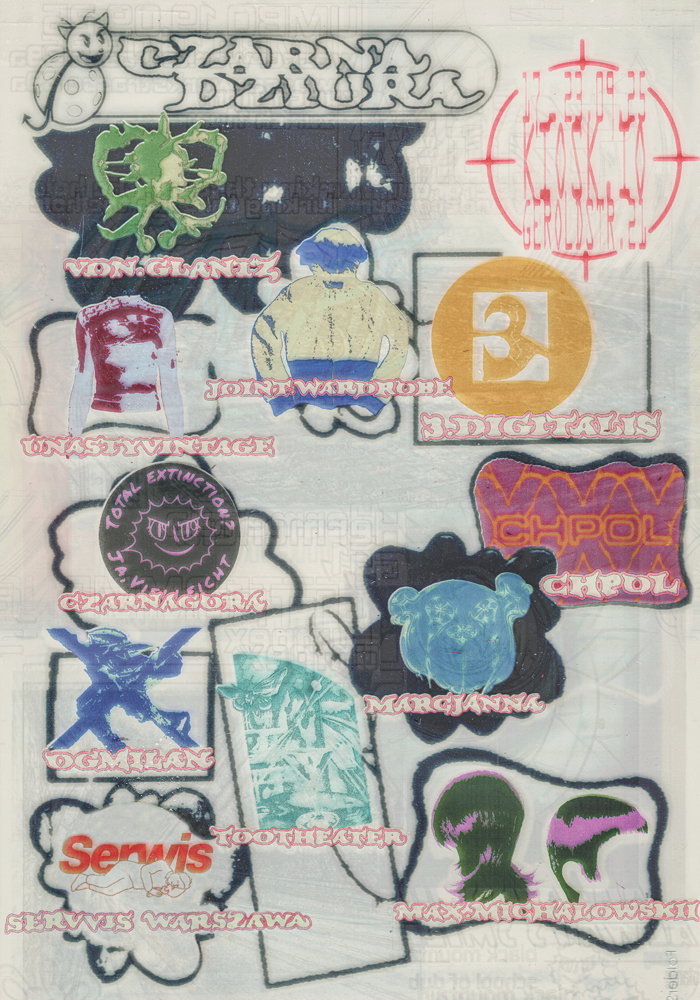
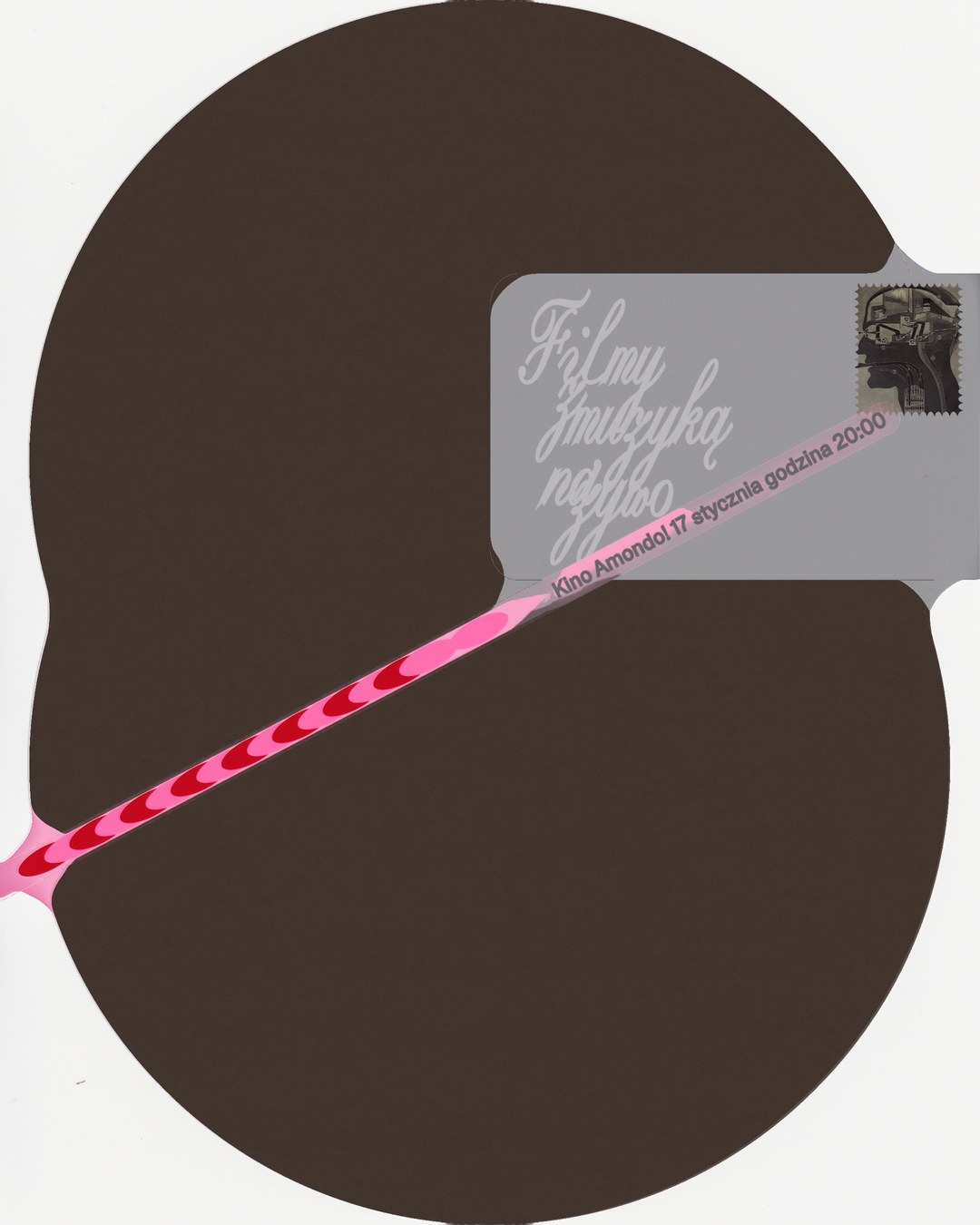
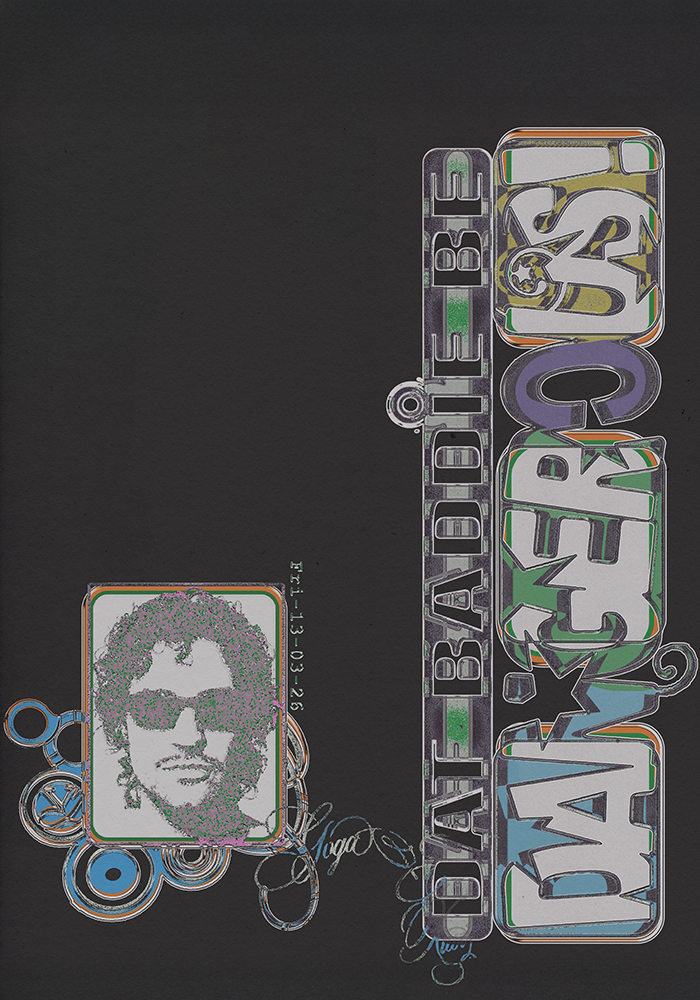
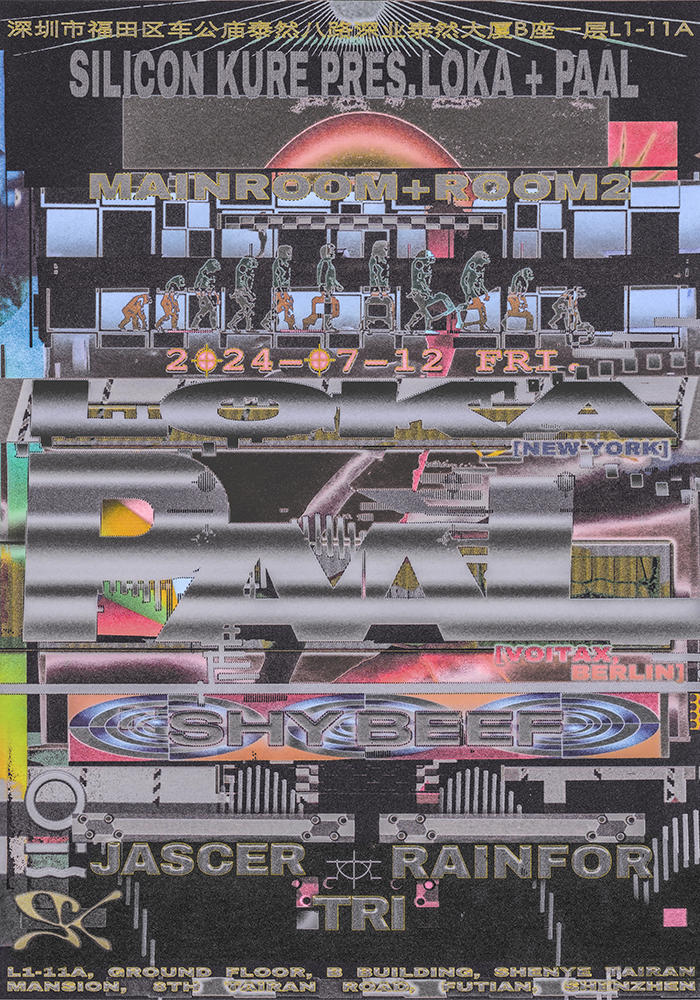
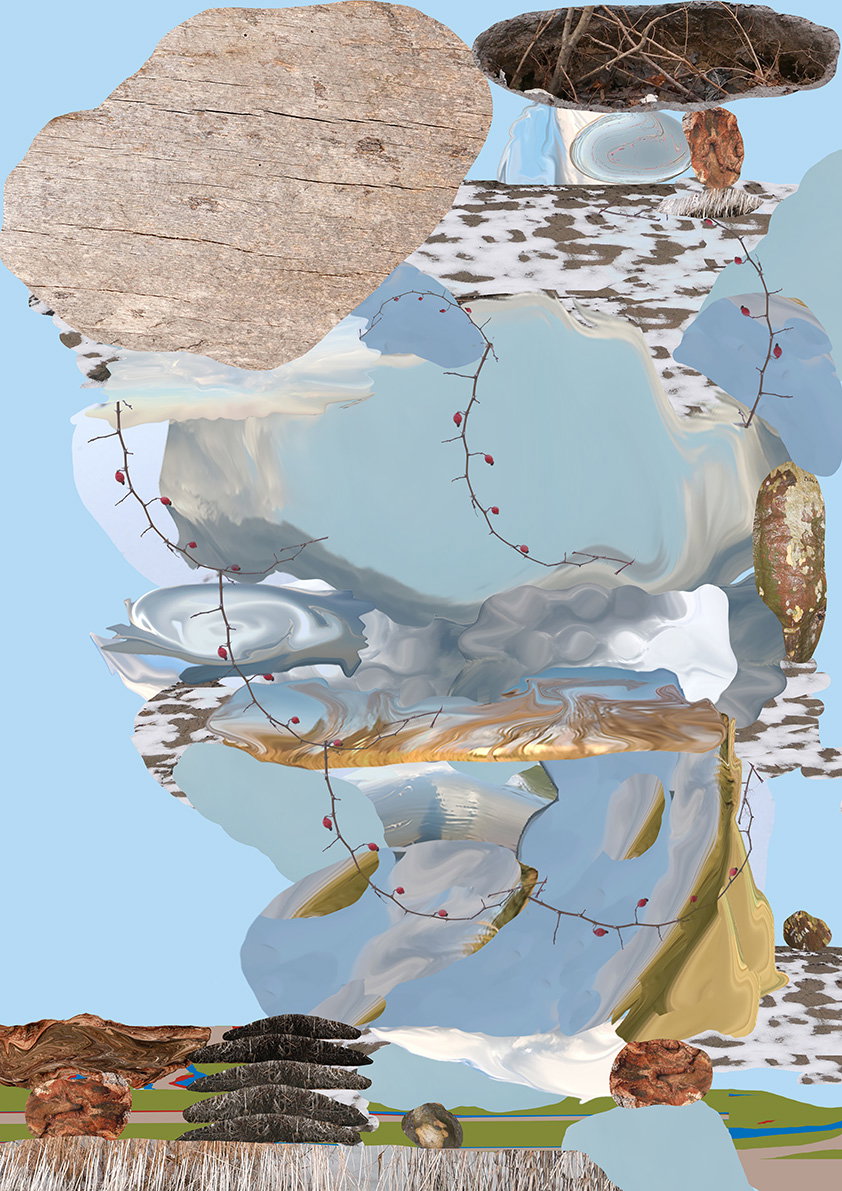
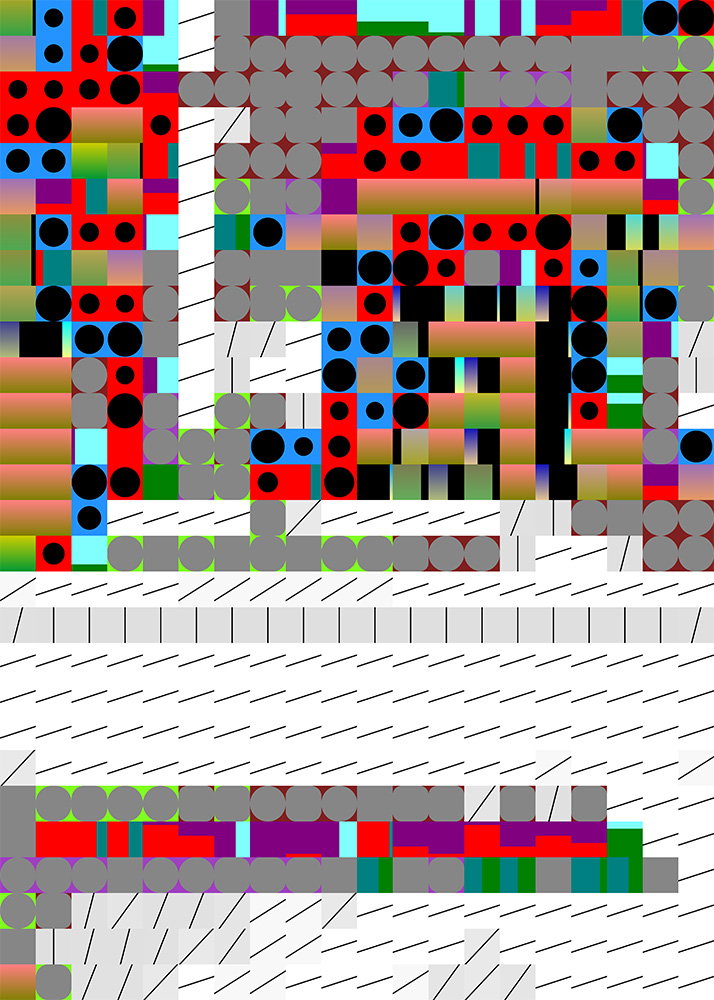
1 of 9
Karolina Pietrzyk, Gilbert Schneider, Mateusz Zieleniewski: The New School Of Poster (Copyright © Karolina Pietrzyk, Gilbert Schneider, Mateusz Zieleniewski, 2026)
1 of 9
Karolina Pietrzyk, Gilbert Schneider, Mateusz Zieleniewski: The New School Of Poster (Copyright © Karolina Pietrzyk, Gilbert Schneider, Mateusz Zieleniewski, 2026)
Part of the festival was a whopping eight-hour conference bringing together a wealth of designers from across Europe, from Switzerland’s ‘atelier’ Kolly Gujer and Graphic Matters to institutions such as the Academy of Fine Arts in Warsaw and the International Poster Biennale. The discussions, talks and panels reached topics such as ‘is the poster dead?’ and ‘does the poster still make sense in the age of screens?’ Of course, AI was always lingering.
Some design studios, such as designers Ivan Weiss and Michael Kryenbuhl of Johnson/Kingston, showed the audience how they use AI to create images from unreal realms for its event posters, feeding generative models until they break, digitally blending images through long processes of finding the dysfunctions of image generation and how that can be used to transport the viewer into previously unseen visual worlds. Designer Eunbee Lee took the audience through the entire process of working with AI prompts, from testing the intelligence’s ability to create legible fonts to identifying visual attitudes. Others, like James Gilchrist of Warriors Studio, argued that AI is a threat to lower-tier designers whose jobs will be taken over completely, and Coding Systems, a hybrid design practice led by Tim Rodenbröker and Martin Lorenz, argued that the danger with AI is the minimisation of human input – the code is all written for you. “Automation is death and the enemy of creativity,” said Tim, who is “in favour of the unfinished, for every gap is an invitation to the viewer to be part of the process.” The design duo asked ‘why use AI when you can customise the code itself?’ Coding can be just as human as painting or collage, a constant surprise that brings joy in the process, even if long and frustrating.
The question of community came up, with the creatives wondering what makes a community, and what a community even is. The feedback was affirming, with each one saying that they can see a huge community, filling out rooms, receiving submissions from over 110 countries for their respective competitions, etc. In our accelerated visual culture, questions were raised around what is ‘new’ or ‘original’ – especially in the age of AI. One designer had to google what ‘new’ is, because what really is it? Perhaps it’s something no one knows until it’s already done. It suggested that nothing is actually new, but the feelings in reaction to art are new. It’s all about creating a feeling of ‘newness.’
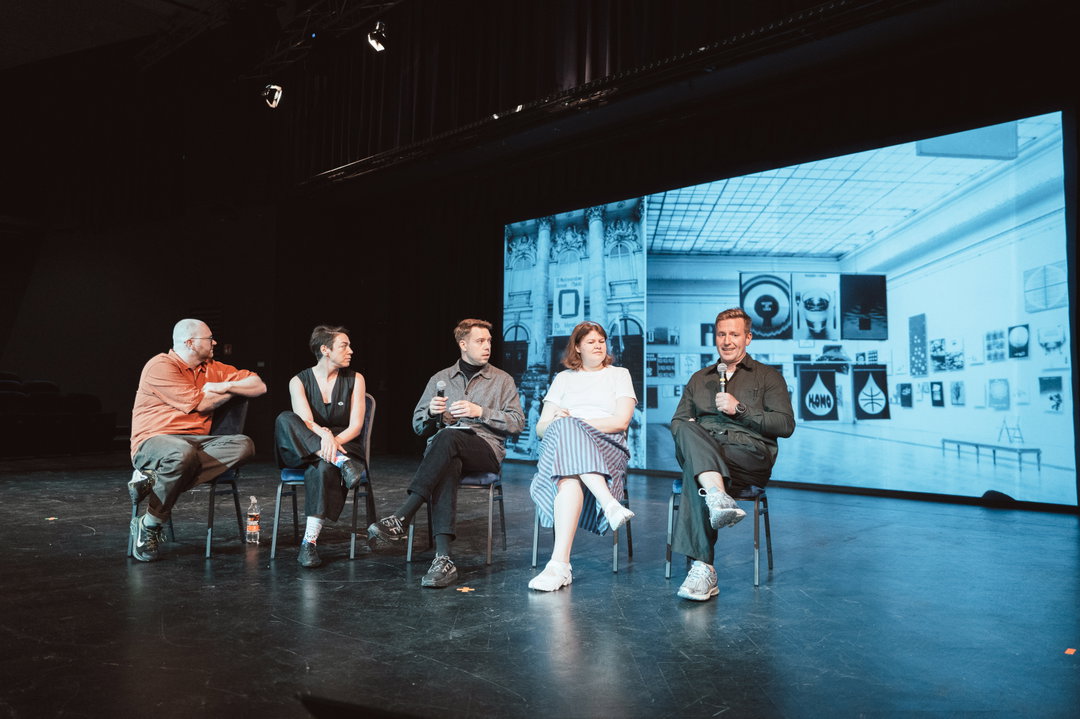
The Poster Conference (2026) Photography by Patryk Wisniewski
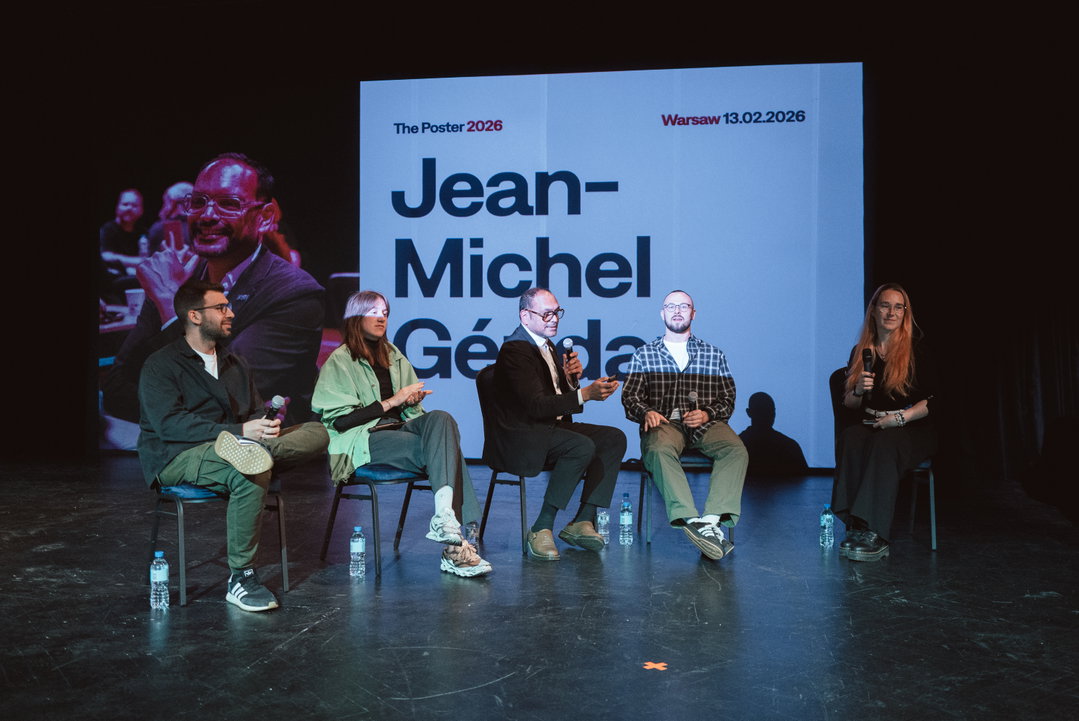
The Poster Conference (2026) Photography by Patryk Wisniewski
To polish (no pun intended) off the festival, I was invited to an afterparty which was a t-shirt and poster printing event. Let me illustrate this for you: imagine a mini printing factory in the middle of the room whilst two DJs towered above them, playing an onslaught of European rave music as people giddily screen-printed white shirts with fluorescent paint, emblazoning even their own clothes. In the other room, young DJs glided effortlessly from Pixies to Katy Perry to German happy hardcore music. It was difficult to not feel like several generations were being united, fused together with a powerful political weld based in print and protest.
The festival was designed to not just be a string of exhibition galleries for people to float around in, but to show how poster design holds significant meaning off the page. It’s in coding, politics, discourse, technology and sentiment. Poland is evolving alongside the poster – no longer solely Communist artefacts, no longer in the shadow of famous male counterparts and no more of the same we have come to expect. The street is brought to the exhibition space, the print shop is in the rave, the political is magnified and legibility to remixed. Newcomers to Polish print like myself can now look at classic and modern posters alike and see emerging subcultures, new artistic ideas and most importantly, a brand new audience.
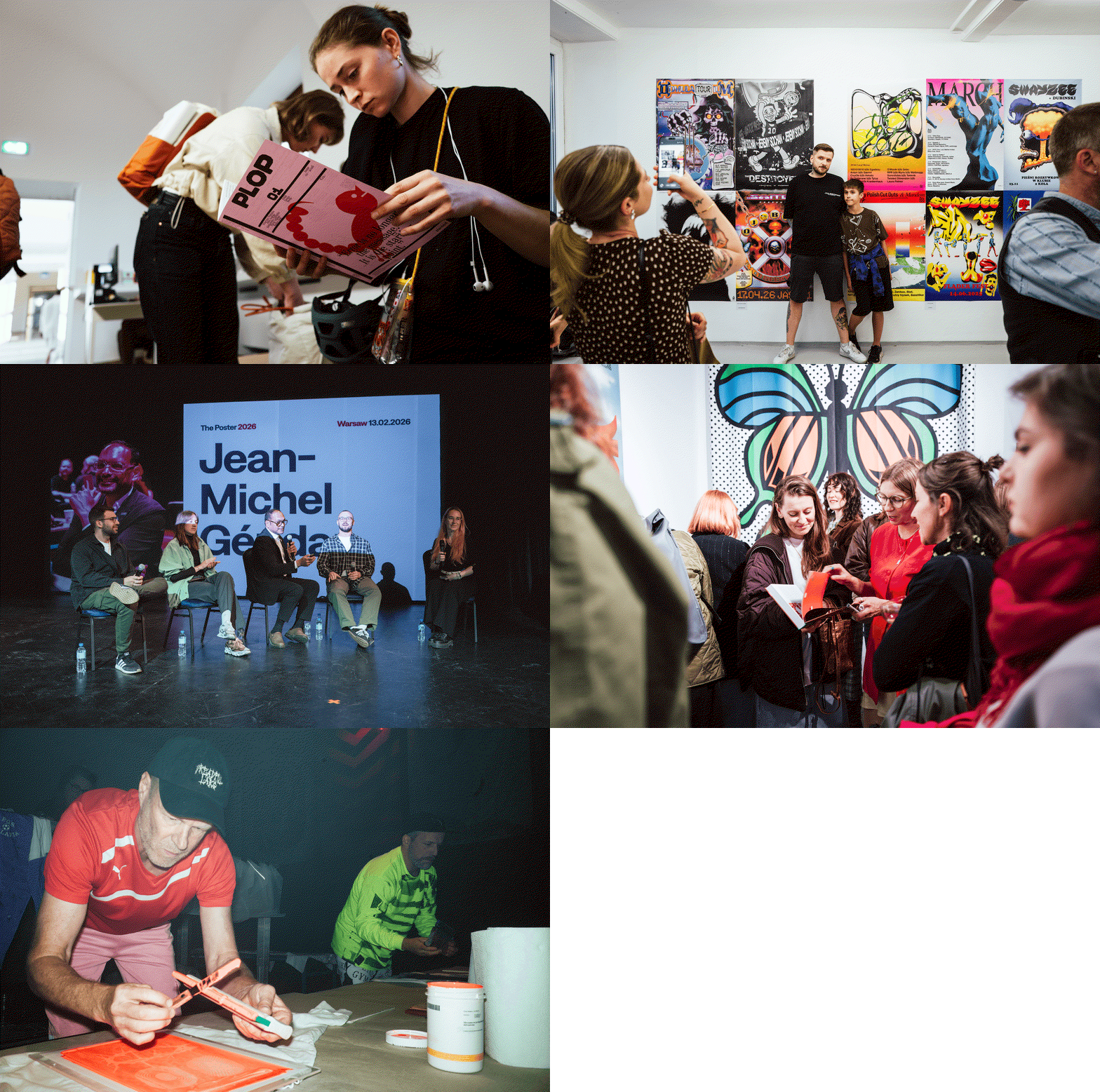
The Poster Festival (2026) Photography by Patryk Wisniewski
Hero Header
The Poster Festival (2026) Photography by Patryk Wisniewski
Share Article
Further Info
About the Author
—
Paul M (He/Him) is a Junior Writer at It’s Nice That since May 2025. He has a strong interest in graphic design, digital kitsch, multimedia painting, collage, nostalgia, analogue technology and all matters of strange stuff. pcm@itsnicethat.com
To submit your work to be featured on the site, see our Submissions Guide.