


- Words
- Paul Moore
- —
- Date
- 20 July 2026
- Tags
Robert Beatty on retro Photoshop, creative friction and designing album covers that feel almost primeval
On the occasion of Robert Beatty’s newest work for the cult-favourite trip-hop duo Boards Of Canada, It’s Nice That does a deep dive into his vast career of video collage, noise rock, alternative tech and iconic album covers.
Share
Share
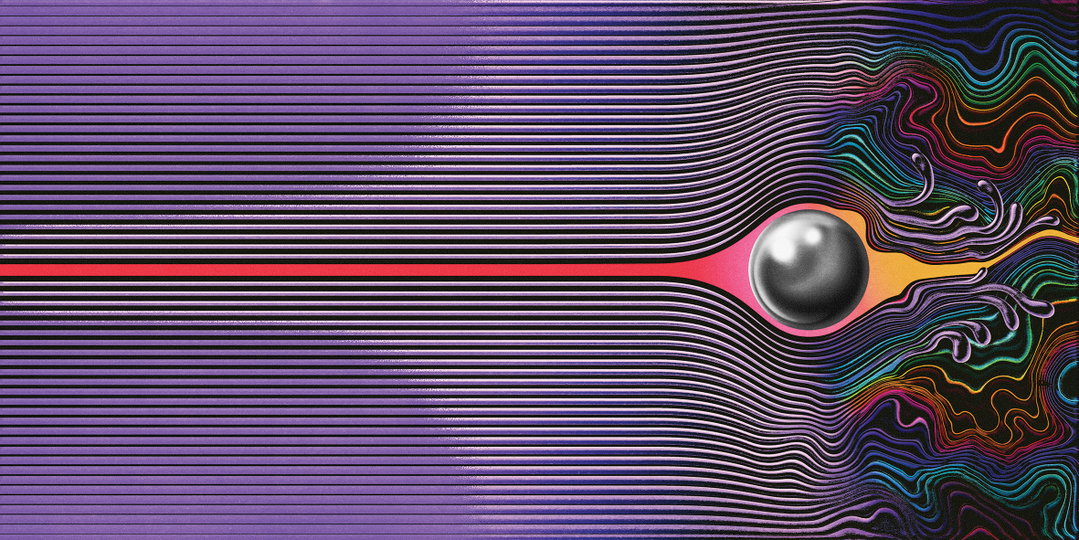
Robert Beatty is more than just the hands that created one of our century’s most recognisable album covers with Tame Impala’s 2015 album Currents – complete with a metallic pinball falling into melting moiré patterns – and Oneohtrix Point Never’s evocative, minimalist R Plus Seven (which was lifted from an obscure VHS tape, fitting nicely with OPN’s proclivity towards visual and audio sampling). Robert is also a video collagist and a veteran zine-maker, a noise-rocker behind outfits such as Hair Police and Ulysses, who makes music on old iPhones. He’s also the artist behind Kesha, The Weeknd, Neon Indian and Thee Oh Sees’ album artworks and a seasoned analogue modder, who takes to circuit-bending (messing around with the circuit boards usually found inside of guitar pedals, cameras and toy instruments). Let’s put it this way: Robert is an all-round image maker extraordinaire, with his cursor in many visual pies – and he wants to keep it that way.
Growing up on analogue technology and oddball MTV shows, he prefers to make art on archaic versions of Photoshop – creative processes that invite friction and resist instant gratification. His digital airbrush style is rooted in media of the past as well as looking like it’s from the future. His newest projects include meditative music videos for the legendary trip-hop duo Boards Of Canada, so It’s Nice That sat down with the multi-hyphenate wizard to chat about his career, where music bleeds into art and how he feels about the modern state of music visuals.
It’s Nice That:
I’ve read that your childhood was filled with Liquid Television, Mad Magazine and Fantastic Planet, which means I’m talking to a fellow “indoor child”. How did this lay the foundation for your future work and interests?
Robert Beatty:
It sounds counterintuitive to say, but I feel that it was way easier to unexpectedly come across weird things lurking on cable TV, the radio or in a store before the internet made everything so accessible. With everything being so easily accessible now, it can be overwhelming to sort through it all and figure out what you actually connect with. There was so much stuff that I saw just once – experimental animated shorts, music videos, public access shows from other countries – with absolutely no context that I wasn’t able to see again or find any information about until years or decades later. I think seeing something and not being able to immediately replay it or look up every bit of information about it and having that gestation period where you sit with it and are able to think about how it makes you feel – that distance was really important to how I developed as an artist. Trying to figure out how to make something myself based on my memories of something I saw or heard is basically still how I work to this day.
An example is a memory of seeing part of the Nicolas Roeg movie Walkabout on the cable channel Bravo (back when it was an arts channel and not just reality television) when I was a teenager and being so confused and excited and waiting around until it came on again early in the morning so that I could record it. The use of music, editing and the story abstracted in the way it is was unlike anything I had ever seen and it totally rearranged my brain. Just seeing that movie and not knowing that something like that could even exist was a huge deal to me.
I’m definitely not trying to romanticise that world with limited access to information, but I think we could all do with a bit more patience to digest things rather than having some immediate reaction, evaluation or classification of the art we take in. I remember buying so many CDs by bands I had heard about and then getting home and immediately being disappointed when I listened to them, but given time I eventually would come around and appreciate them. Difficult art isn’t meant to be digested immediately, and I think the way things are now, it’s easy to have the impulse to simplify or dumb things down so that it’s immediately digestible and I am constantly fighting that.
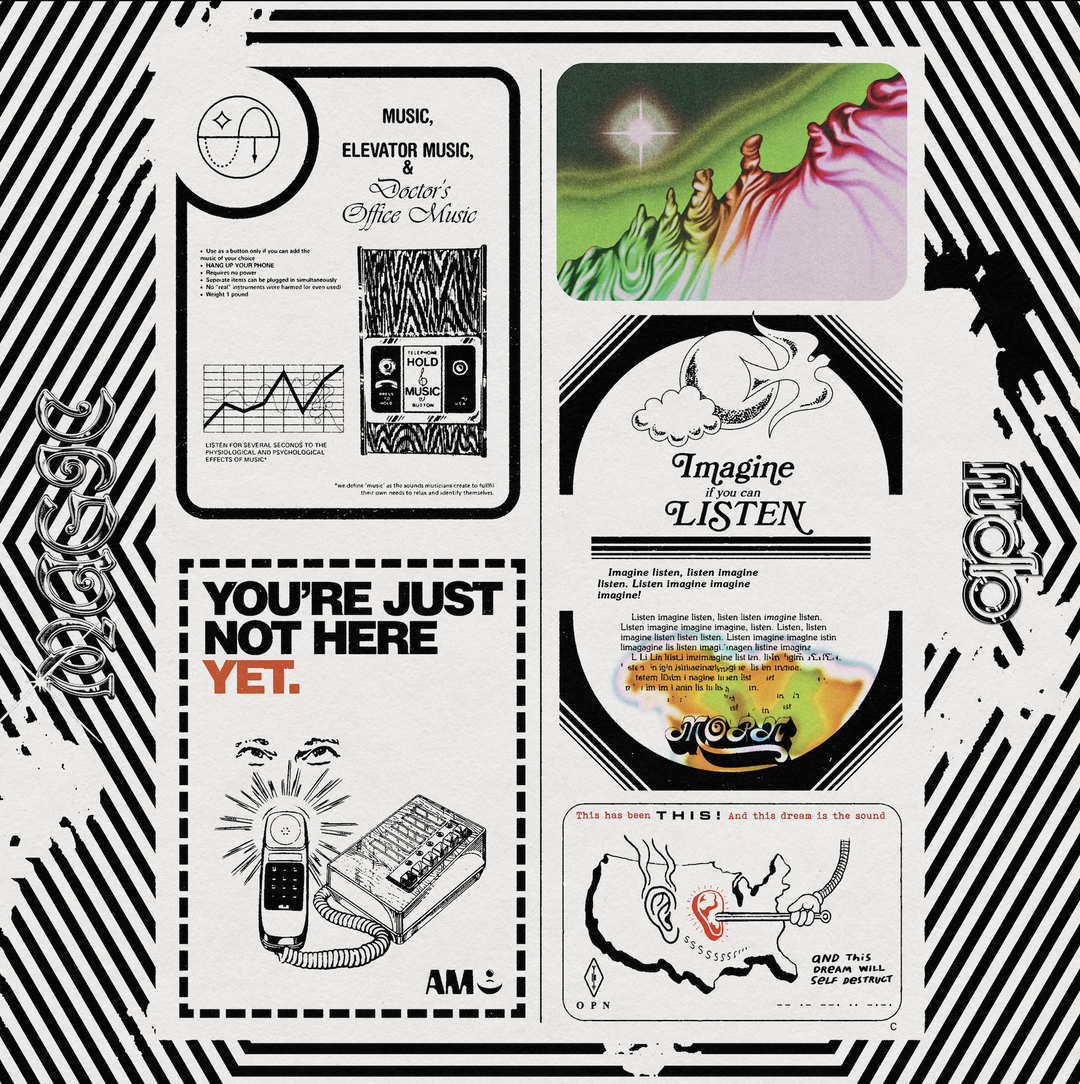
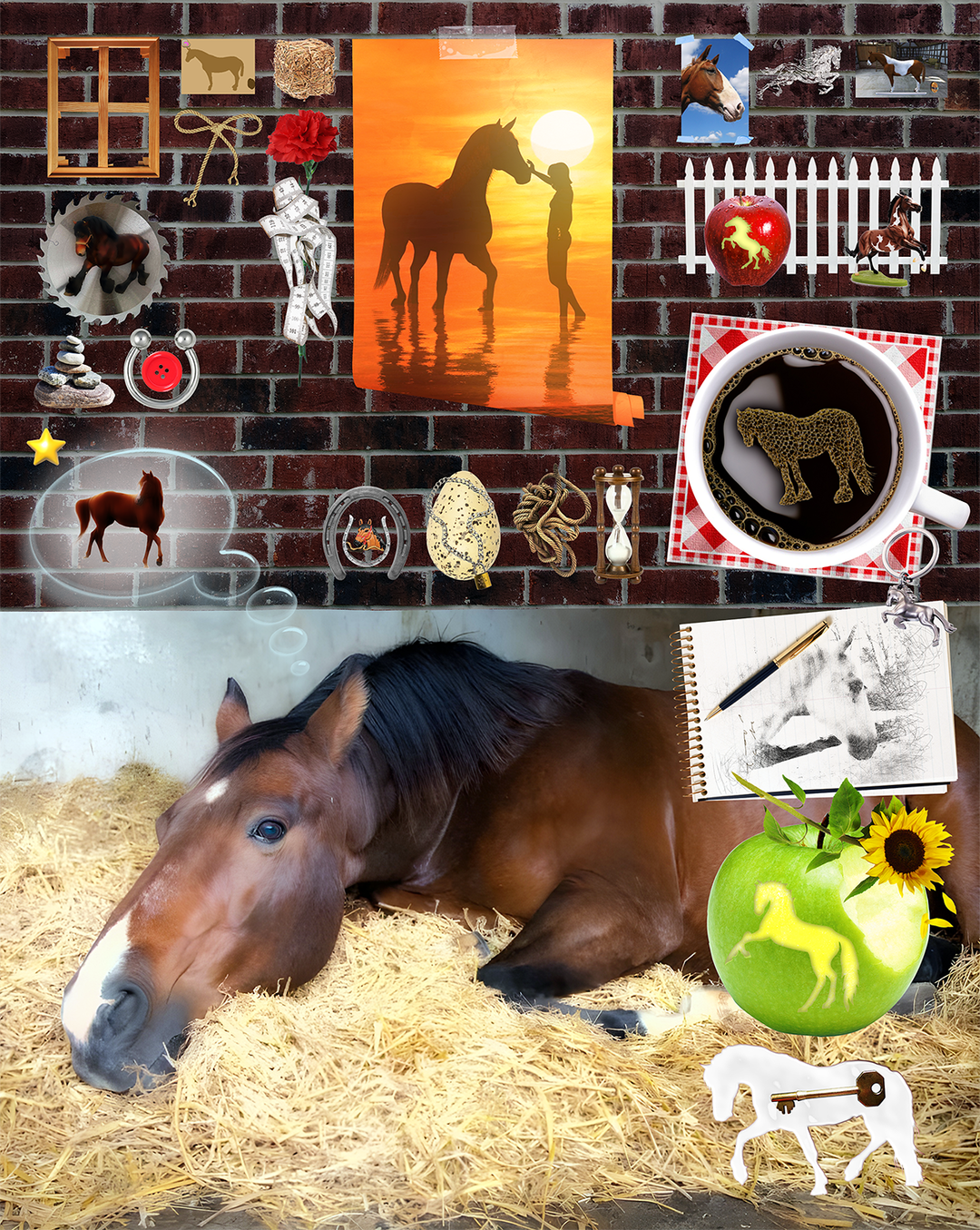
Robert Beatty: Magic Oneonetrix Point Never (Copyright © Oneonetrix Point Never, 2020)
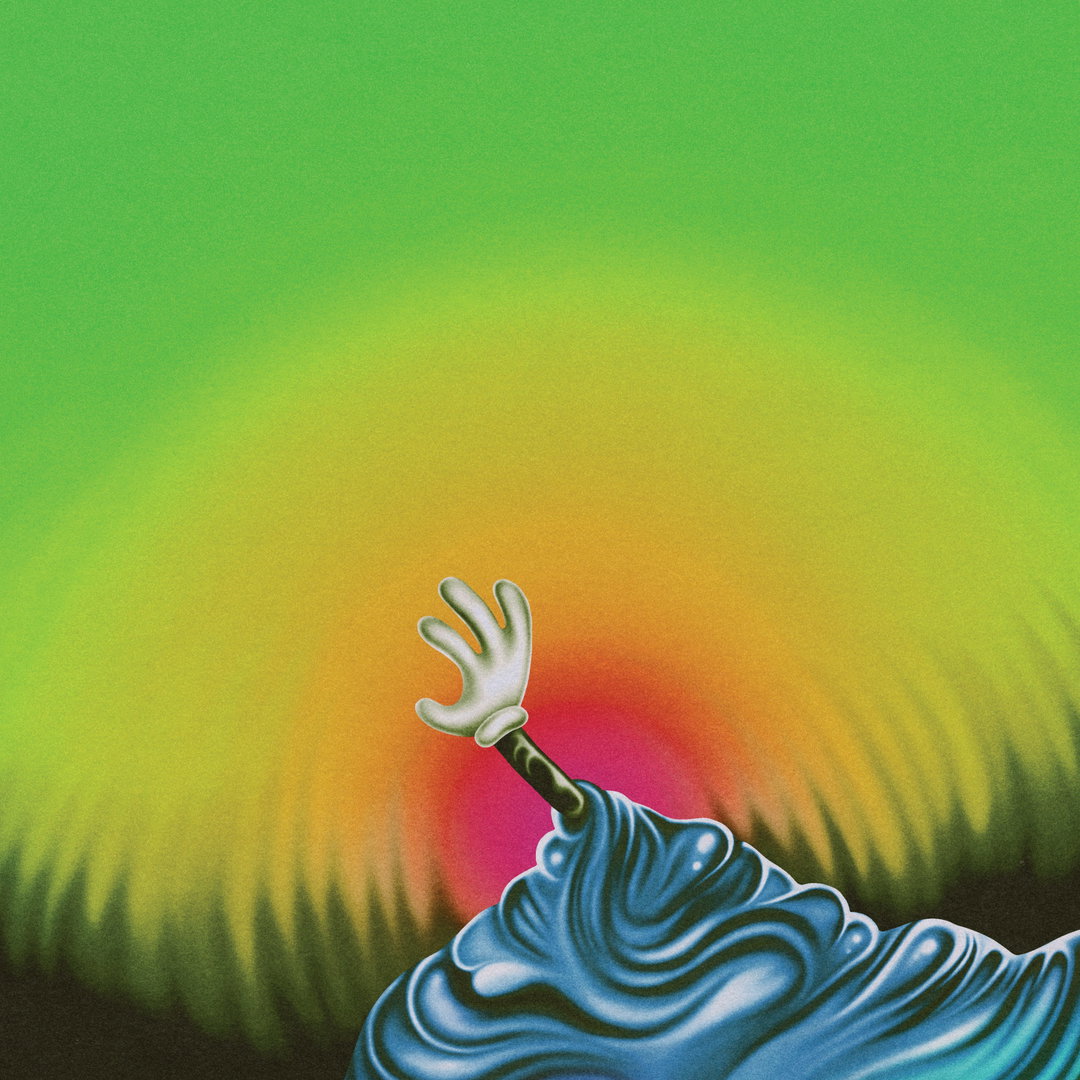
Robert Beatty: Magic Oneonetrix Point Never (Copyright © Oneonetrix Point Never, 2020)
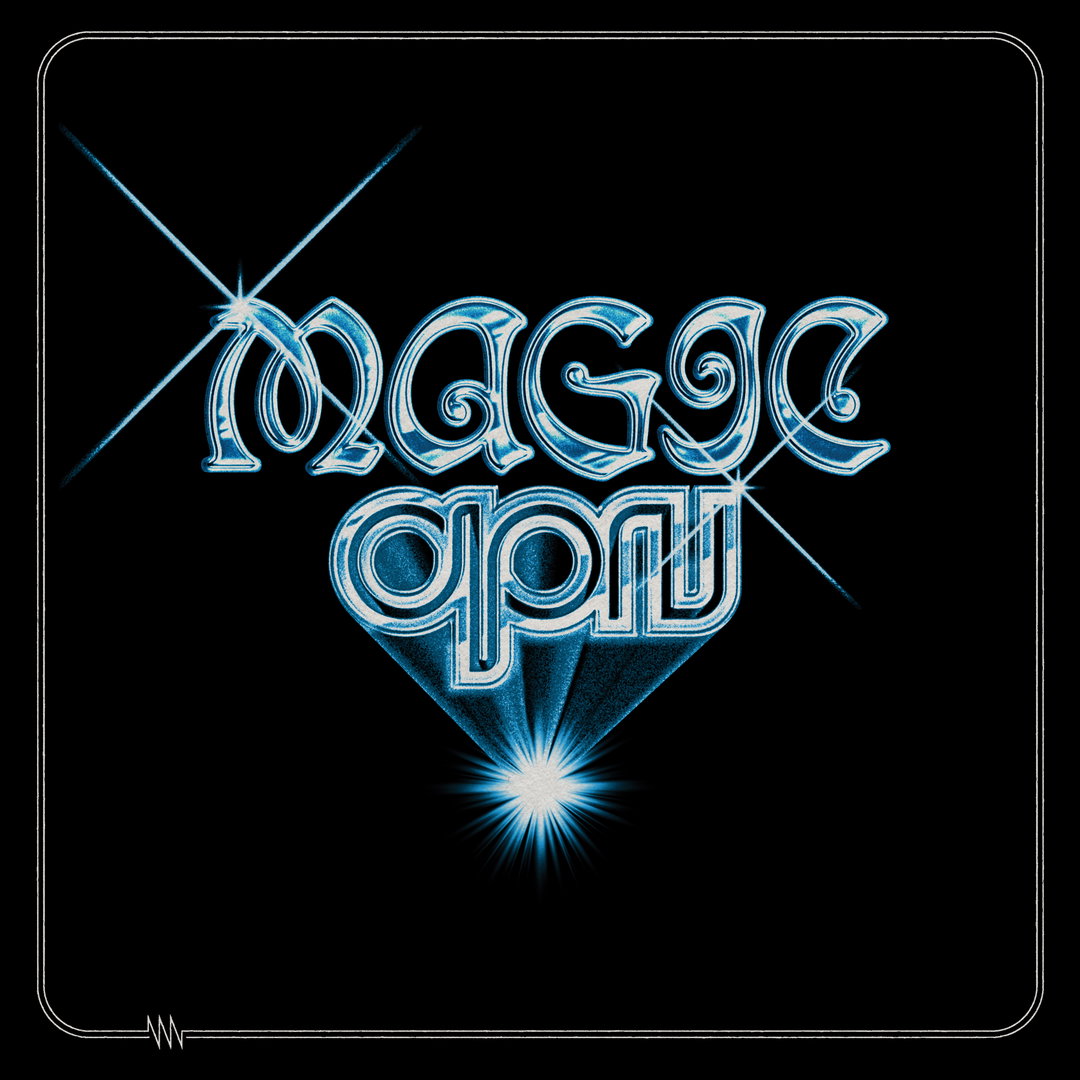
Robert Beatty: Magic Oneonetrix Point Never (Copyright © Oneonetrix Point Never, 2020)
INT:
During your teen years, you were a big fan of Warp Records, and now you’ve designed loads of album covers for them. How does it feel to be designing for a label that you admired since you were a youngster?
RB:
There are so many things I’ve been able to do as an artist that, if you had told me when I was younger that I was doing now, I would not have believed you. I’ve crossed paths with so many things that have informed what I do or have been an influence on me. I used to spend a ton of time looking at Squarepusher and Aphex Twin CD sleeves when I was a teenager and their art has definitely made its way into what I do. I started working with Warp through Dan Lopatin (Oneohtrix Point Never), who was someone I met playing noise music shows and the whole thing felt very organic and natural. Warp is one of my favourite labels to work with and I think I’ve done some of my best work for them. There’s something about the way they work that I feel opens things up a bit more, so I’m able to do work that feels more expansive and a bit less limited than a lot of more standard indie labels or whatever. I’m grateful they’ve come to me for projects aside from OPN and I’m always excited when they have something for me to work on.
INT:
I have to be selfish and ask this question purely for myself: how did you come up with the R Plus Seven album cover? It’s kind of a master study on telling a story, and communicating a mood, with the least amount of shapes possible.
RB:
That one is interesting because it was me recreating a still from an animation by Swiss animator Georges Schwizgebel called Le ravissement de Frank N. Stein from 1982. I had been working with Dan Lopatin on the artwork for that record for months and nothing was really coming together, and he had that still in the references for the art and kept coming back to it. He ended up having Warp reach out to the animator about licensing it, but there wasn’t a still that matched the patina of the image or was suitable for the cover so I ended up recreating it totally from scratch based on this low-res jpeg of a VHS screenshot. So what you see was totally made by me, but it’s based on that. It’s been interesting to see the way people have interpreted that over the years. Lots of people credit the cover to Schwizgebel and not as my recreation of his work. With the way Dan often works with found sound and samples, I find the whole thing really interesting and an example of the difference in which people perceive sampling and authorship in visual culture versus that same thing in music and audio. There’s a thread I posted when the album turned ten that goes into it a bit more if anyone is interested.
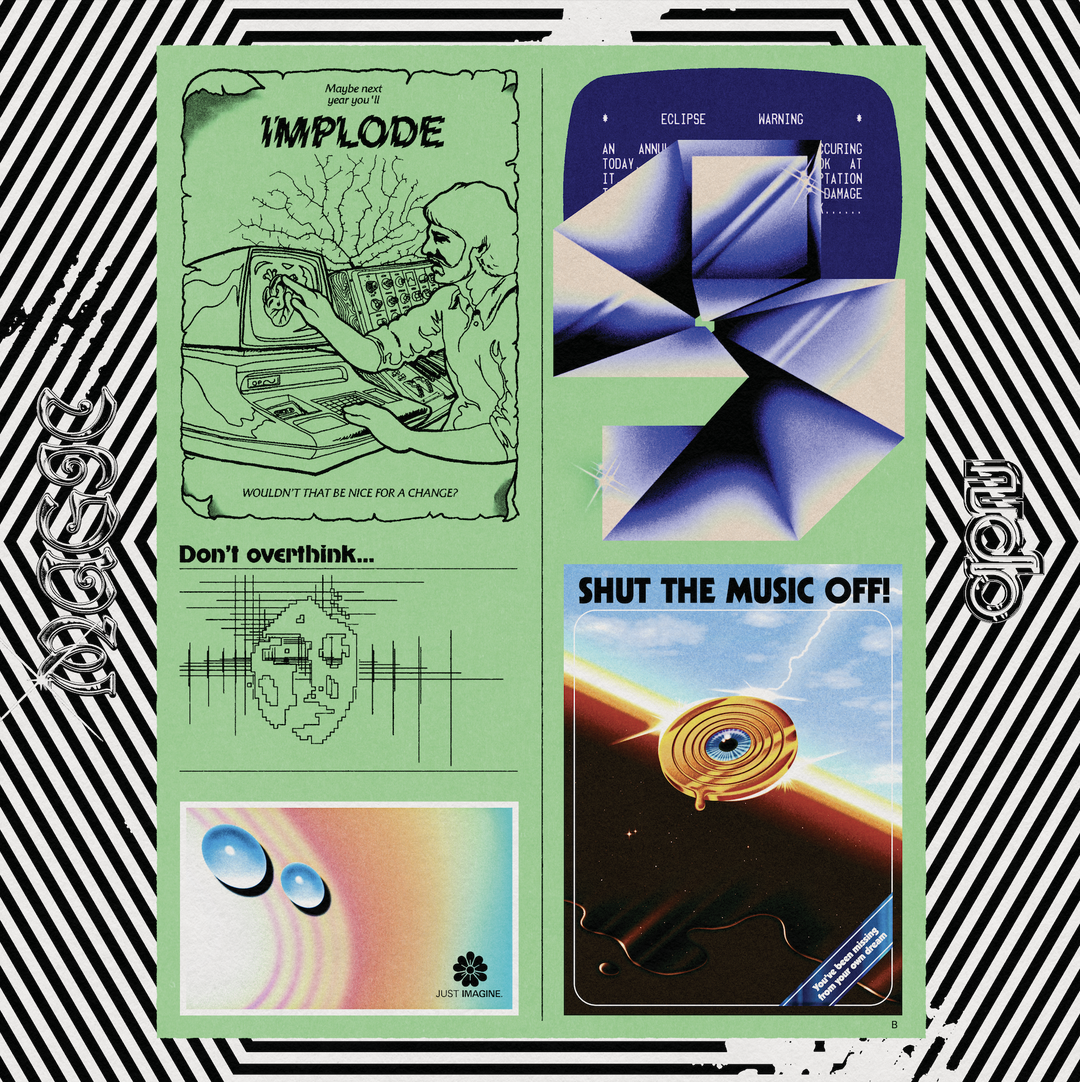
Robert Beatty: Magic Oneonetrix Point Never (Copyright © Oneonetrix Point Never, 2020)
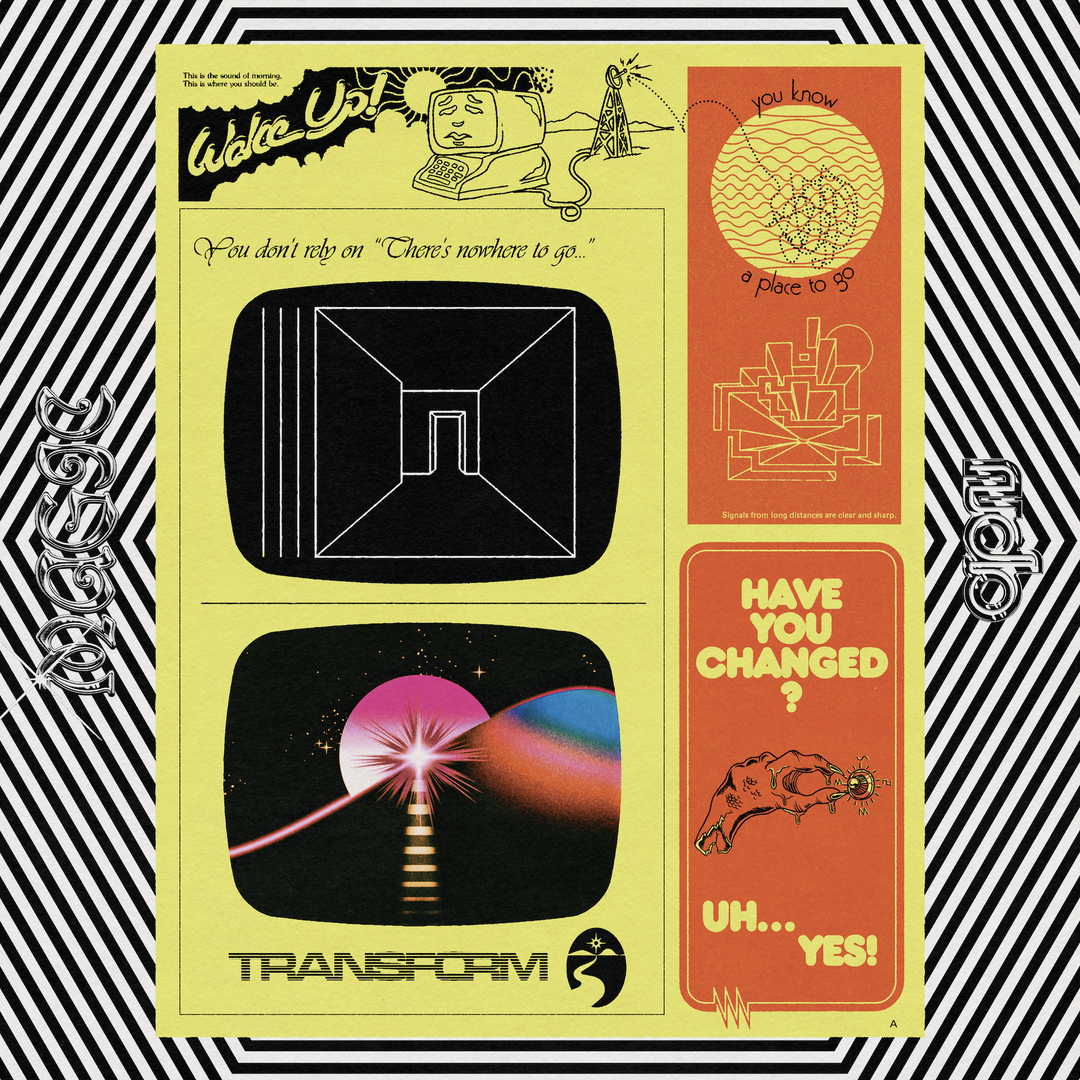
Robert Beatty: Magic Oneonetrix Point Never (Copyright © Oneonetrix Point Never, 2020)
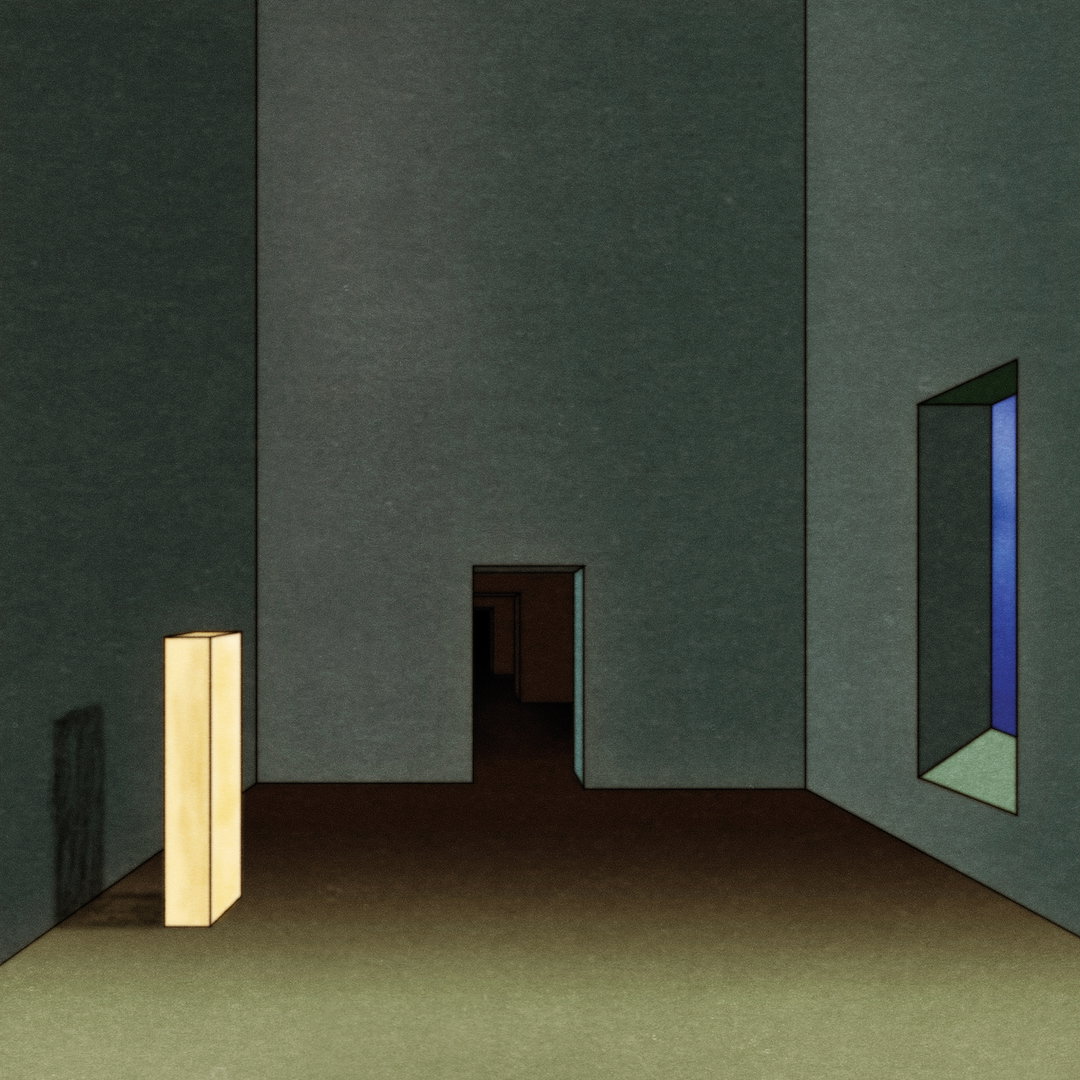
Robert Beatty: R Plus Seven (Copyright © Oneonetrix Point Never, 2013)
“It’s not that analogue is better than digital, it’s just that analogue stuff has a longer lifespan.”
Robert Beatty
INT:
You have a big interest in analogue technology; you’ve made music on old iPhones, you have a proclivity towards circuit bending and you work with older versions of Photoshop on ancient computers. Can you explain your connection to the type of creative tools you’ve chosen?
RB:
I think it’s as much an economic or maybe even political choice as anything. I am not a great consumer and find it a bit revolting, and I would always prefer to work with what I have or something that I scavenged from the trash and secondhand stuff that I am able to make work rather than buy whatever the newest, supposedly best thing is. I think there’s also some element of just going with the flow and letting things come my way rather than seeking them out. A kind of passive way of approaching technology where I find things by chance and they end up making their way into my work and usually give more interesting results than if I’d used whatever I’m expected to use to do the job. And it’s not that analogue is better than digital, it’s just that analogue stuff has a longer lifespan and there was a period where that stuff was easy to find for basically free. That’s definitely changed now with interest in analogue video and synthesisers at what seems like an all-time high.
So much of what is forced upon us with technology now is intentionally disposable or so locked down that there’s always some new thing to buy or subscribe to and I find it hard to trust anyone who has blind faith that new technology is going to be the answer to our problems, especially with the way AI is accelerating all of the issues that have been developing over the past couple of decades.
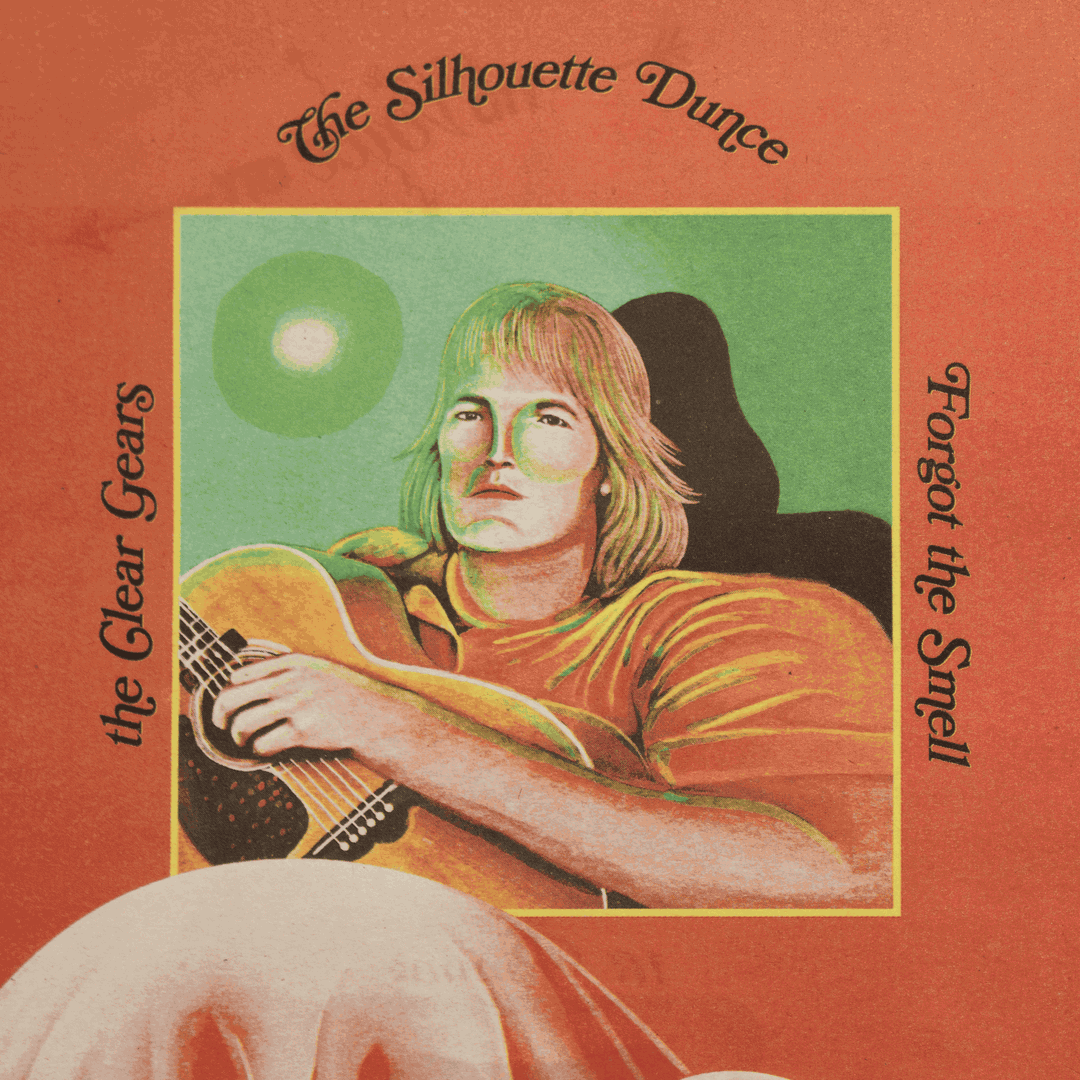
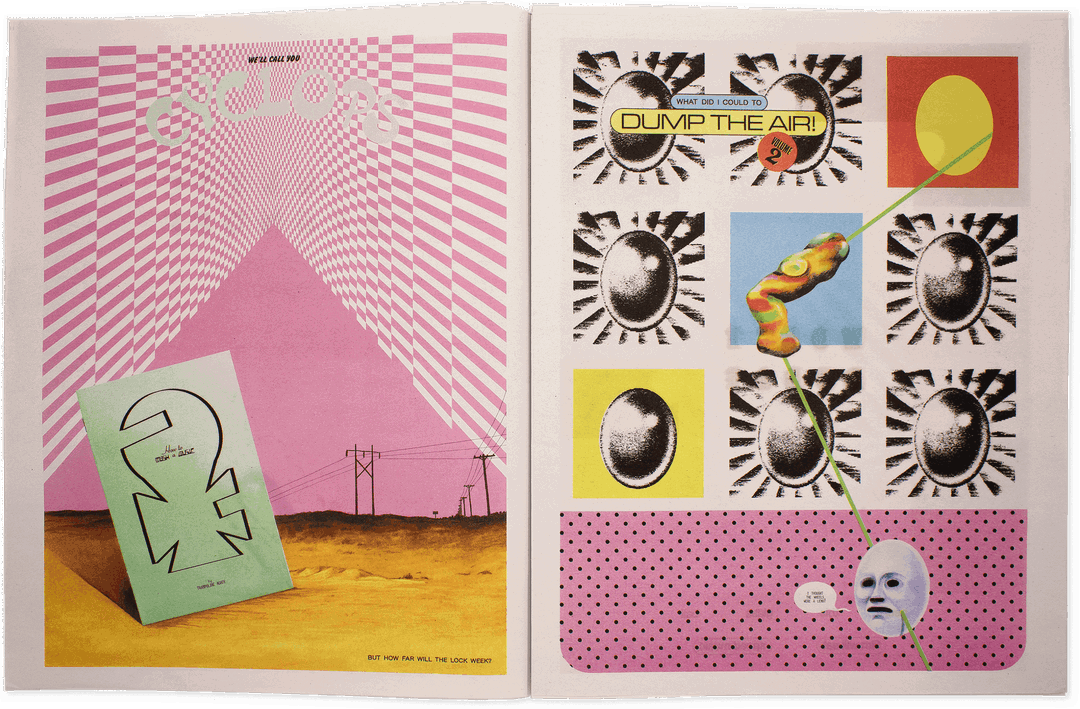
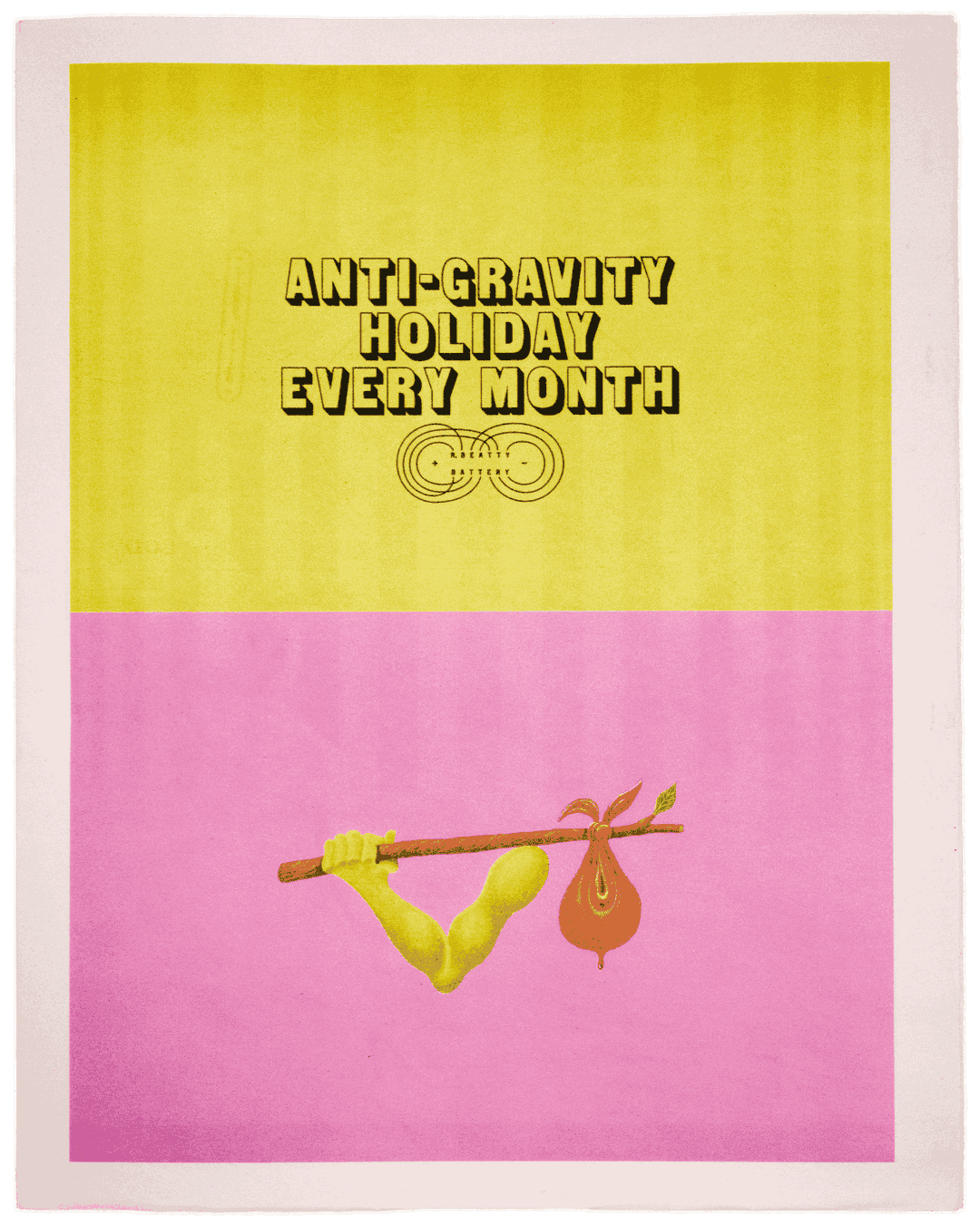
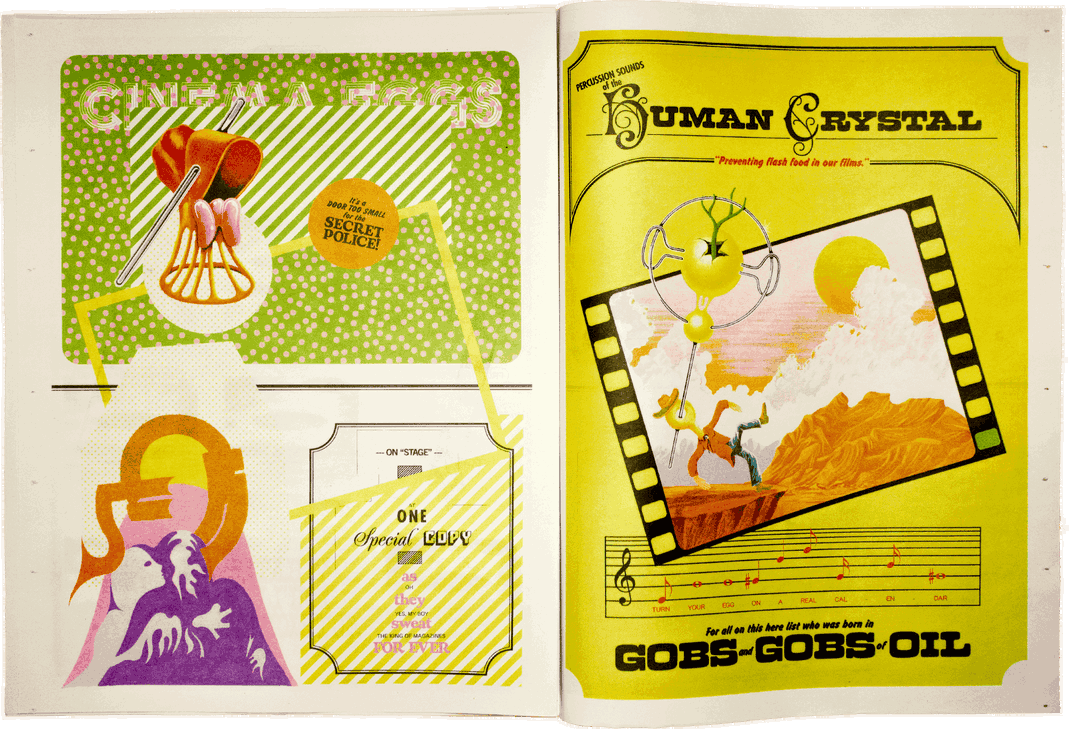
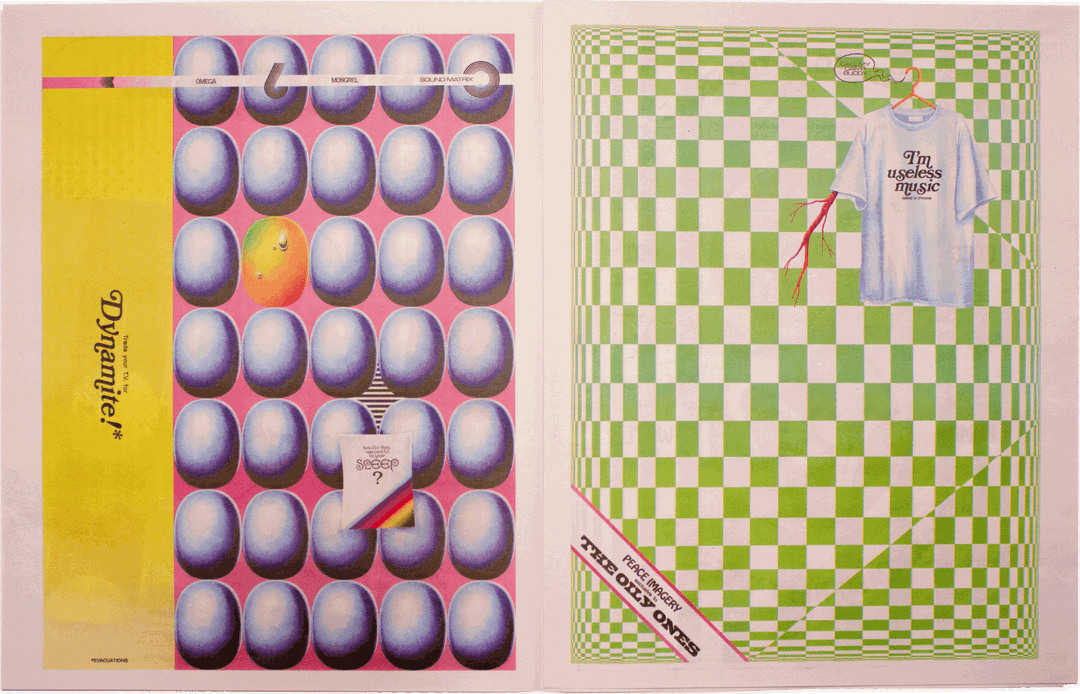
1 of 6
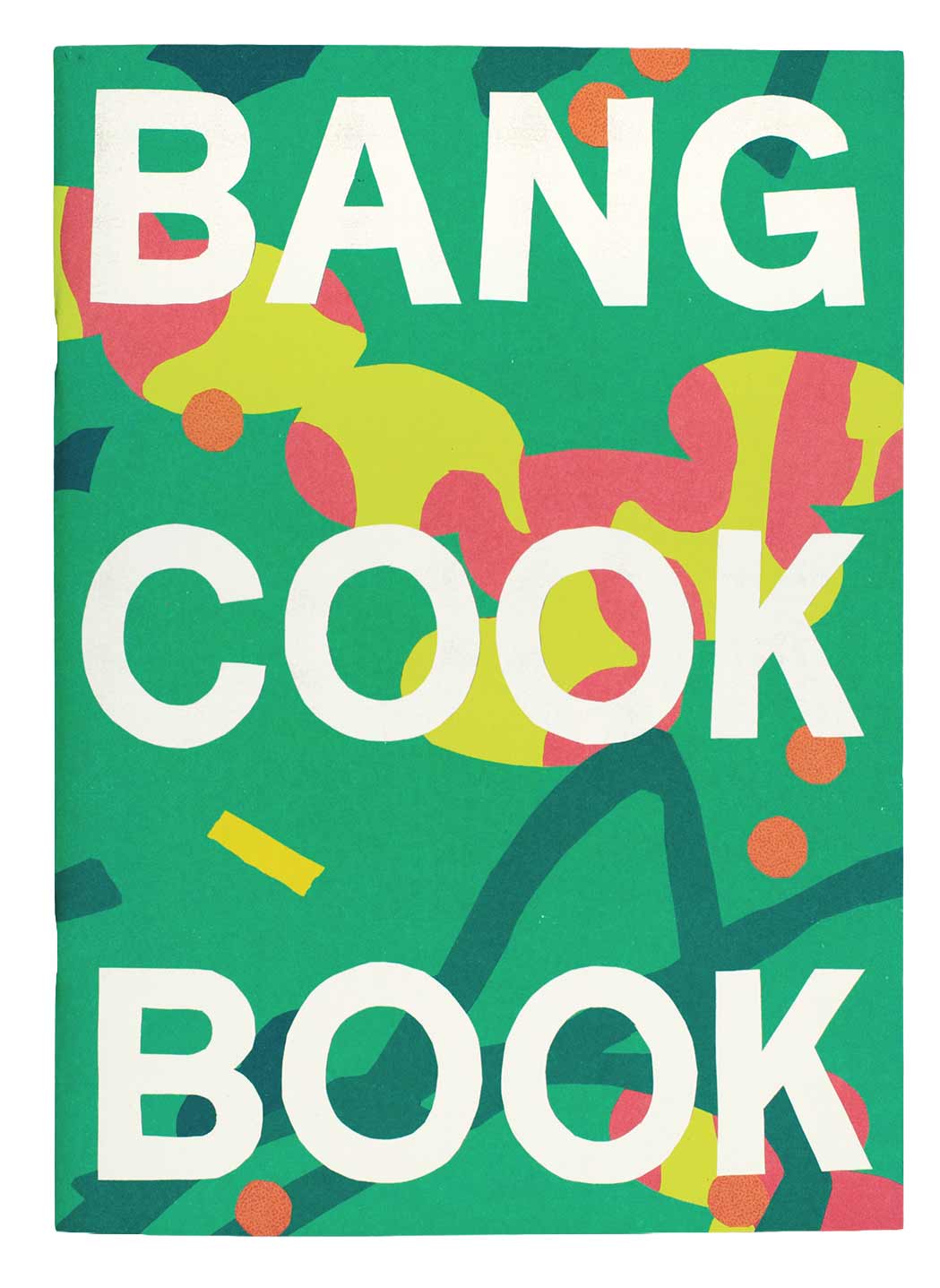
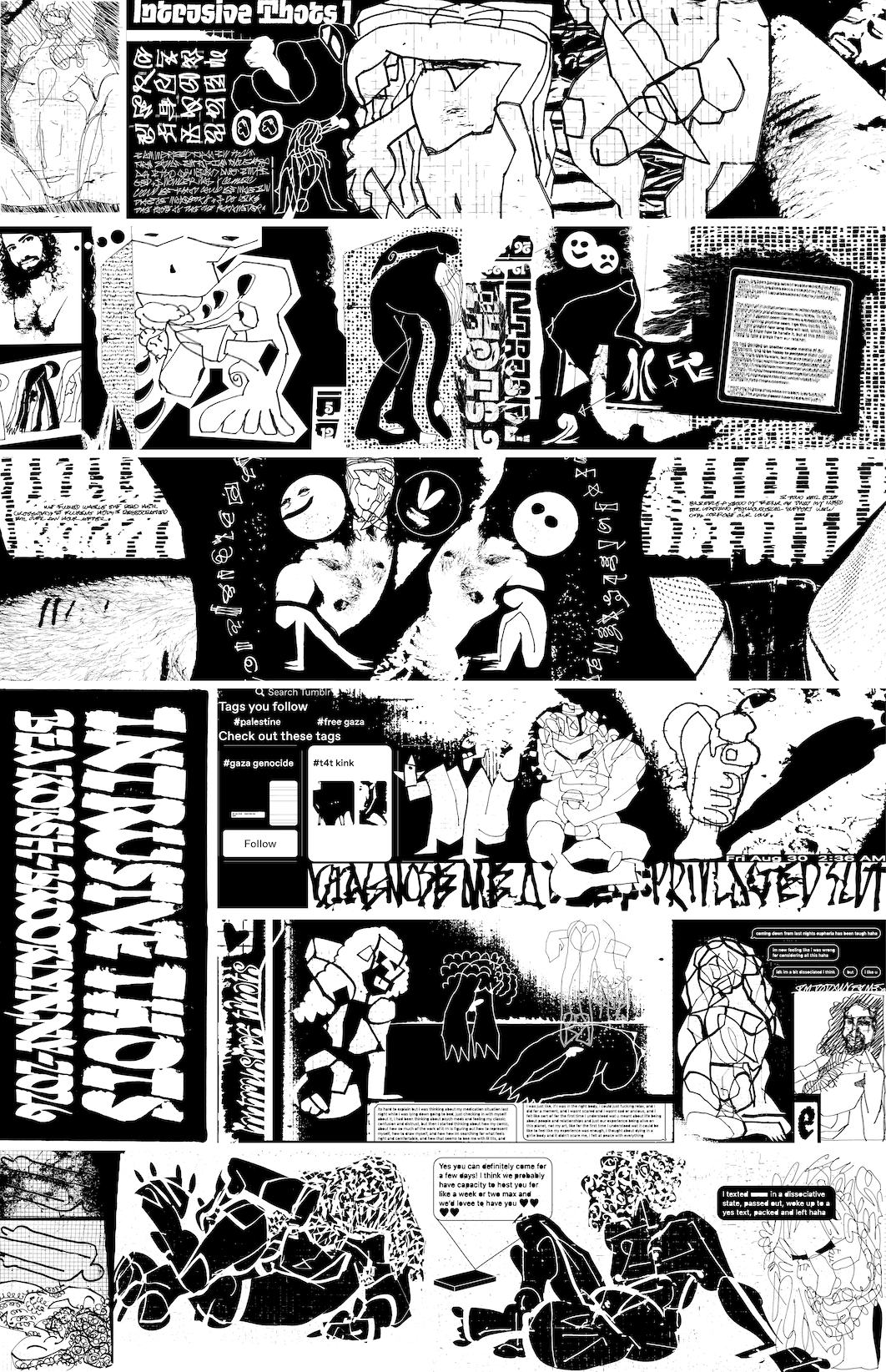
Robert Beatty: Caustic Signoff (Ahem Editions) (Copyright © Robert Beatty, 2026)
1 of 6
Robert Beatty: Caustic Signoff (Ahem Editions) (Copyright © Robert Beatty, 2026)
INT:
You’ve been in a butt-load of bands, from harsh noise music to indie rock – how does being a musician inform how you take on assignments from artists as idiosyncratic as The Weeknd, Oneohtrix Point Never and Tame Impala?
RB:
Honestly there’s not really a huge difference in the way I approach things based on the genre of the music, it’s more what the artist is trying to accomplish or get across than the way it sounds. It’s often the way the artist communicates their ideas or aren’t able to that really informs the way I approach making album artwork. It’s definitely rare that a musician has as much understanding and articulation when talking about visual art as they do music, which is I guess why people come to me to help figure out how to convey their music in a visual medium. I don’t know if having an understanding of both music and art really changes the way I make art for music, but I approach them the same way with a very improvisatory and open mind. And sometimes it’s the contrast between the music and the art that makes something interesting. Also it’s often hard to predict how a project will go based solely on the popularity of the artist. Sometimes the bigger bands are easier to work with and the smaller bands end up being more difficult.
INT:
In extension to that, where do you begin when designing album covers? I suppose you must be moved by the music to conjure some images up, but then how do you know those images will represent the album for the masses?
RB:
It’s often just figuring out what the music evokes and trying to convey that with the art. I definitely try to listen to the music while I work, but a lot of times there’s some outside reference or idea that leads the way and that ends up being more important. I work in relative isolation and don’t share the work with many people before it’s finally put out into the world so it’s hard to predict how it will land with people. There are things that I think are some of my best work that kind of go unnoticed and things I think aren’t as good that people latch onto.

Robert Beatty: Walk Out On This World (Copyright © Hunx And His Punx, 2025)
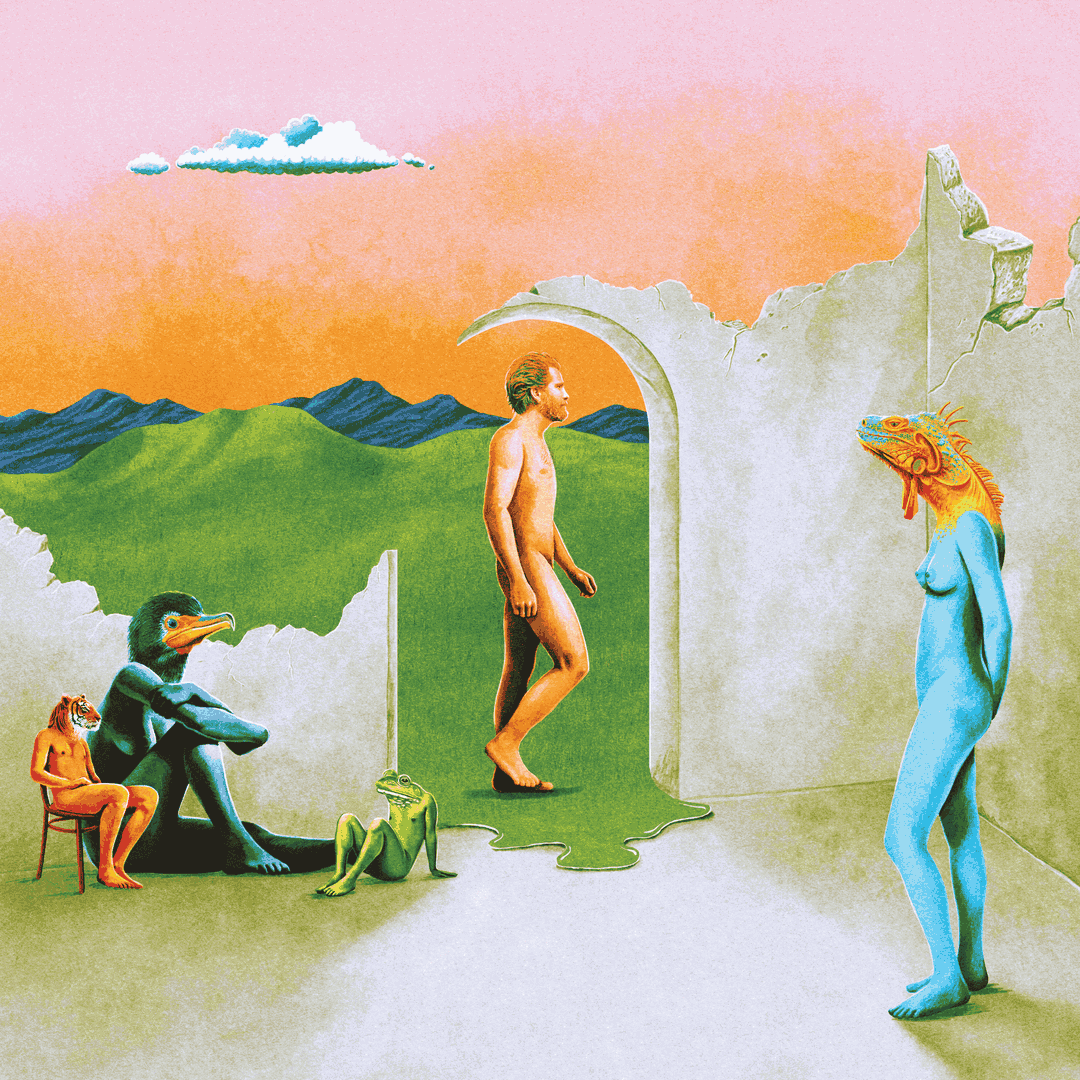
Robert Beatty: Joe Westerland (Copyright © Thee Oh Sees, 2025)
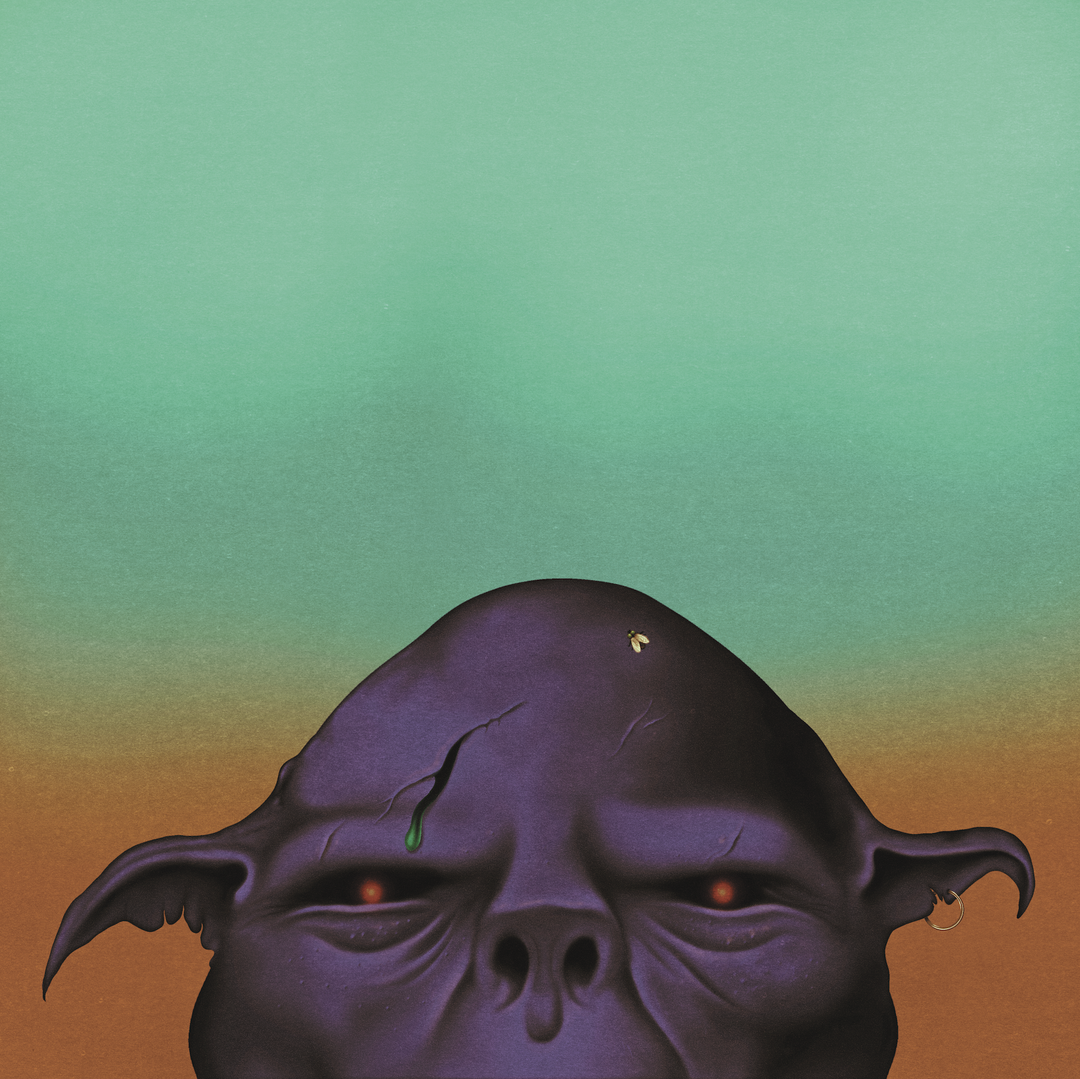
Robert Beatty: Orc (Copyright © Thee Oh Sees, 2017)
“I’m trying to make something that works on an almost primeval level.”
Robert Beatty
INT:
With a portfolio like yours, your style is embedded into pop culture, from the melting moiré patterns of Tame Impala’s Currents and OPN’s Magic Oneohtrix Point Never to the digital airbrushing of The Weeknd’s Dawn FM and the Oh Sees’ Orc. What brings you back time and time again to geometry, fantasy and the phantasmagorical?
RB:
I think there are things about a lot of what I’m trying to convey with what I do that are a bit elemental or primitive. I’m trying to make something that works on an almost primeval level. The style isn’t as important as it may seem and it’s more about what is there at it’s core and the ideas that got me there. And just the context of the things I’m referencing or the styles I’m working in that have a lot of history behind them. Something like the signifying elements of 20th century advertising are so ingrained in people at this point that they resonate on some basic level where it’s almost subliminal. It makes you feel some way on a surface level, but once you dig a little deeper you realise something is slightly wrong about it. I see a lot of work that may seem to be coming from a similar place as I am, but it just doesn’t have anything to give it more depth than what’s there on the surface. When I started doing the digital airbrush stuff, it was not really a thing, and I was taking something that was at its core a more commercial art form and putting it on the covers of underground noise music so it felt subversive or contradictory in a way. Now it’s fully swung all the way back around where so much advertising and commercial art looks like stuff I was putting on album covers 10 or 15 years ago, which looked like advertising art from the 60s and 70s. It a weird thing, but culture happens in cycles. I think that friction is what makes things interesting and I’m definitely always trying to get back to that. Obviously making artwork for other people or brands, there is an element of compromise and I don’t always succeed, but it’s always on my mind.
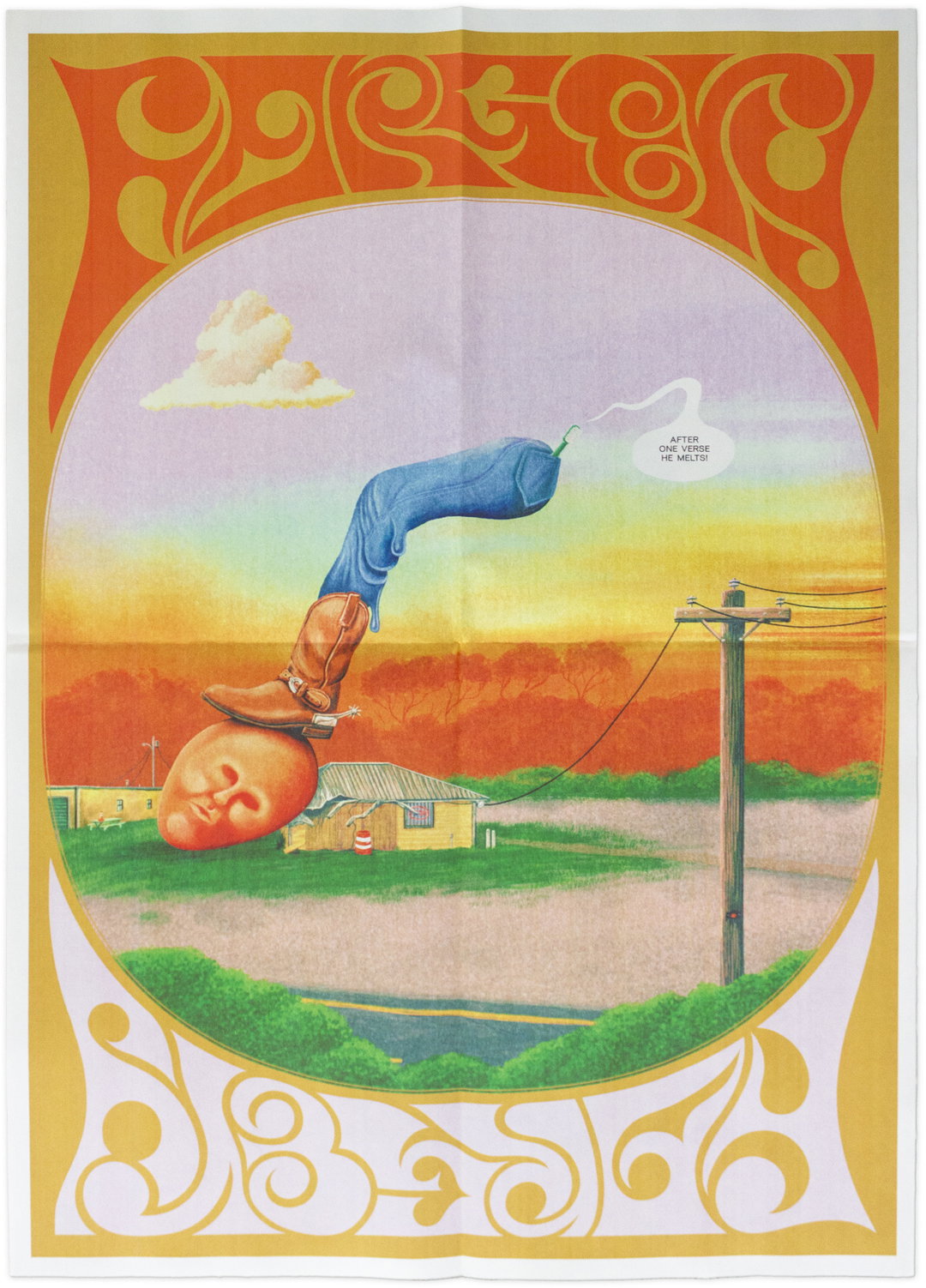
Robert Beatty: 3 Day Gallon (Ahem Editions) (Copyright © Robert Beatty, 2026)
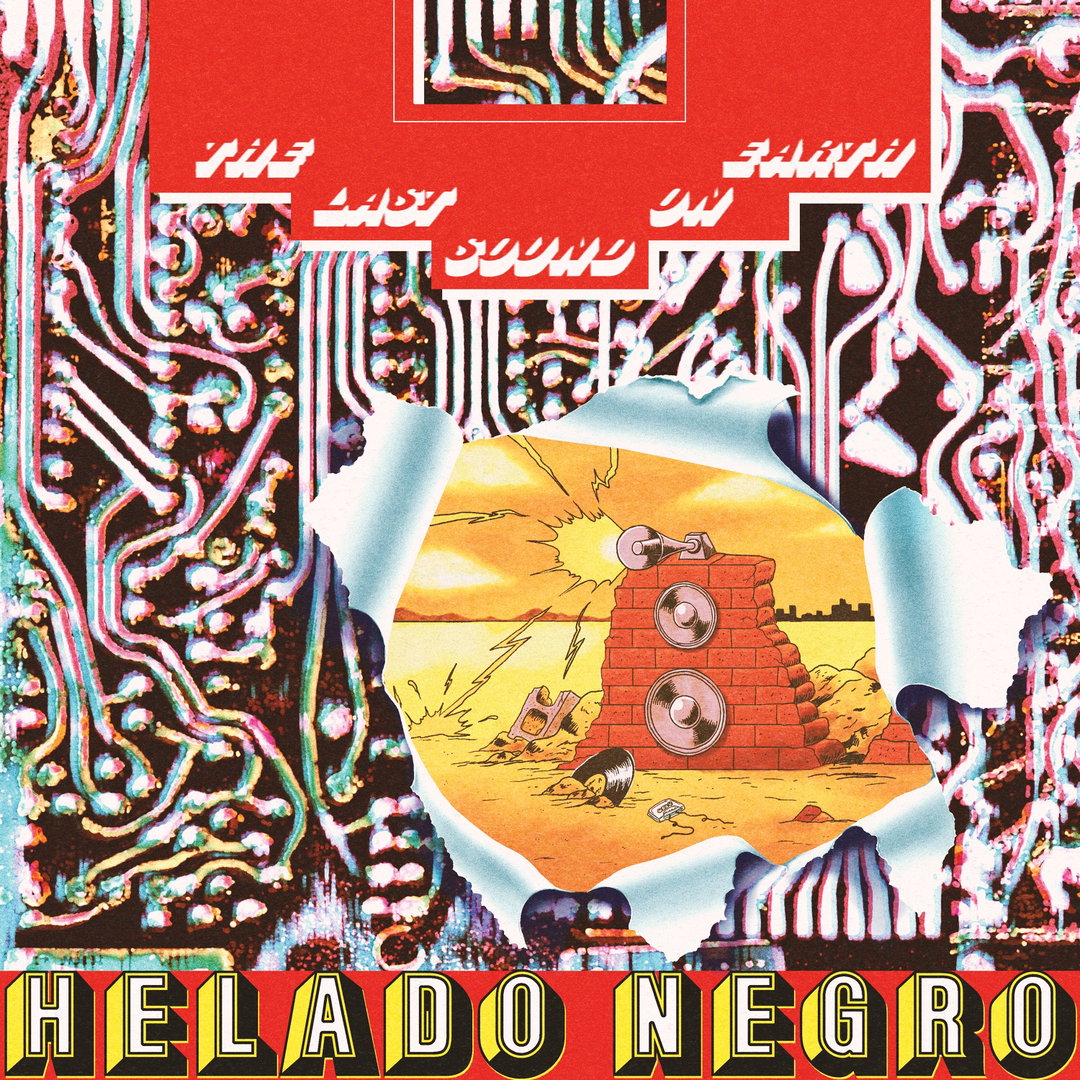
Robert Beatty: The Last Sound On Earth (Copyright © Helado Negro, 2025)
INT:
I’m interested in how you approach creating visualisers – what’s the process of syncing it up, conceptualising the motion design of the song(s)? Does it piggyback off ideas from the album cover, do you read into lyrics?
RB:
I always try to not think of them as “visualisers”. That term and the kind of throwaway promotional aspect of things classified that way has really corrupted videos made for music in the past decade or so. It’s kind of defeating to think you’re making something just so there’s something moving on their phone screen while they listen to a song. I despise the way Apple Motion and Spotify Canvas have made it so everything is expected to be animated. Obviously there are different levels to videos that accompany music, but I basically approach anything I’m doing as a film to go along with the music. Sometimes it’s a bit more a direct translation of album art but often it can be a totally different approach. I tend to think of videos in the same way I do music, so I’m thinking about rhythm and repetition and things that they have in common. Or the emotions they convey and how I can translate that into video.
I made a music video for my friend Tashi Dorji late last year that was using a lot of footage I’ve shot over the years while travelling, combined with some more recent macro light refraction experiments that I’ve been making with some lenses I built myself using salvaged parts I’ve collected. The music is somber and meditative electric guitar, but free-flowing and without a constant tempo. I tried to make something that kept with the pace and mood of the song without being too synced up, so your mind can flow freely between the music and visual. I still think it’s one of the best things I’ve done, and that video led directly to me working on the Boards of Canada videos. All of the footage was shot by me – some of it from years ago in locations all over the US and elsewhere, and plenty of stuff filmed this year at home and combined in ways to make something that feels familiar but otherworldly.
“It’s kind of defeating to think you’re making something just so there’s something moving on their phone screen while they listen to a song.”
Robert Beatty
INT:
In the spirit of tinkering with old tech, what’s one of the best things one could pull apart and mess around with for their creative practice?
RB:
I think that’s something that people have to figure out for themselves. I know if I find something I like, I always try to figure out how it was made or a way to recreate it from the ground up. When I was a kid, I was always taking my toys apart to see what was inside. I think there’s something to be said for breaking things down to their most elemental form and then reconstructing them with the tools you have at your disposal, or applying those ideas to a completely different thing. Like just learning that a lot of the way that airbrush art looks is based on the fact that it is built up using masking was a huge breakthrough for me about how to approach making art on the computer.
I often think about something my friend Christopher Forgues said, where he described the way he approached storytelling in his comics as building a circuit. We both have a background in messing electronics for making music and I definitely have less of an understanding of it than he does, but I think it’s an ingenious way to approach things. You have all the pieces and are trying to control the way the energy flows and depending on how you arrange them you can get different results. I definitely think about things in a similarly abstract way where I’m moving things around until they feel right.
INT:
Where do you see your work going in the future? I’ve noticed more of a Paul Clipson, ethereal video-collage style to your work recently… I’d love to see a movie directed by you. How ’bout it?
RB:
It’s been funny doing something as high profile as these Boards of Canada videos. How many people have said they didn’t know I worked in video. I’ve made dozens and dozens of music videos over the years and lots of work for exhibitions and screenings, but none of it is getting over a million views on Youtube. That’s something I’m always working on, but the work I’m doing for other people often gets in the way of finishing things.
I am definitely fully immersed in the world of experimental film and video and spend a lot of my time reading about it or watching stuff, so it’s something I’m constantly thinking about and really informs everything I do. It’s cool you see Paul Clipson in what I’m doing, I love his work and he’s definitely one of the best modern examples of a long thread of abstract experimental film and was a master at what he did.
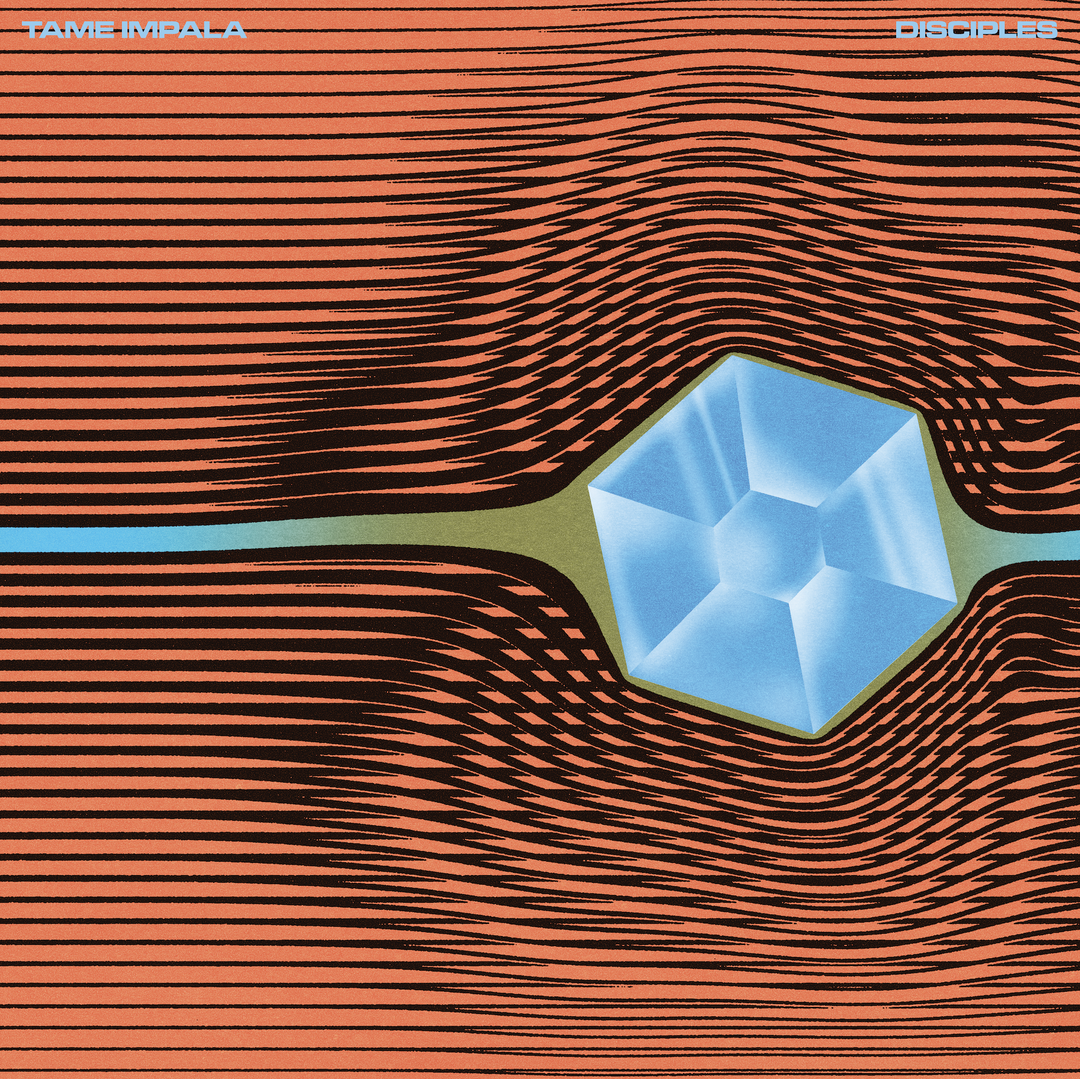
Robert Beatty: Disciples (Copyright © Tame Impala, 2015)
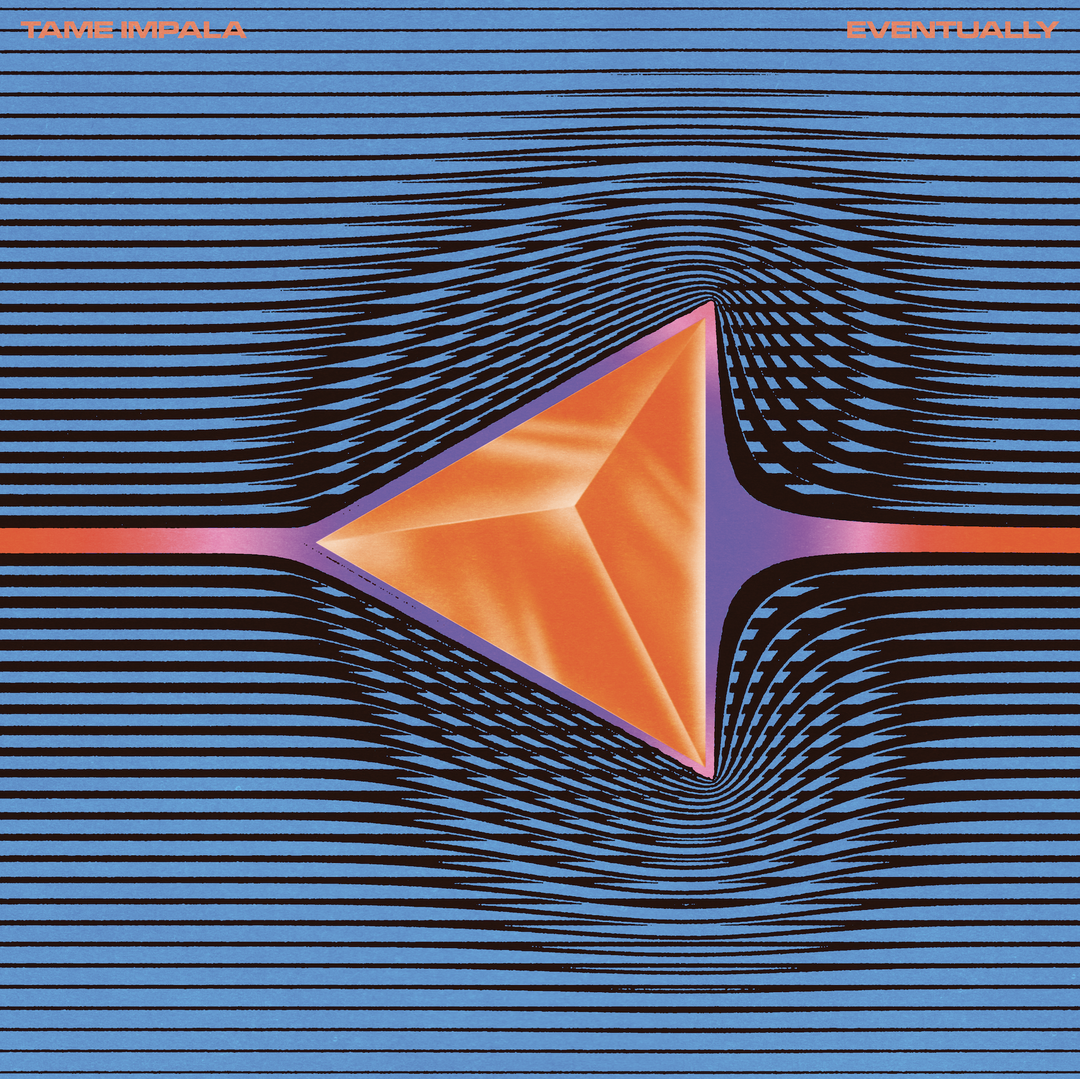
Robert Beatty: Eventually (Copyright © Tame Impala, 2015)
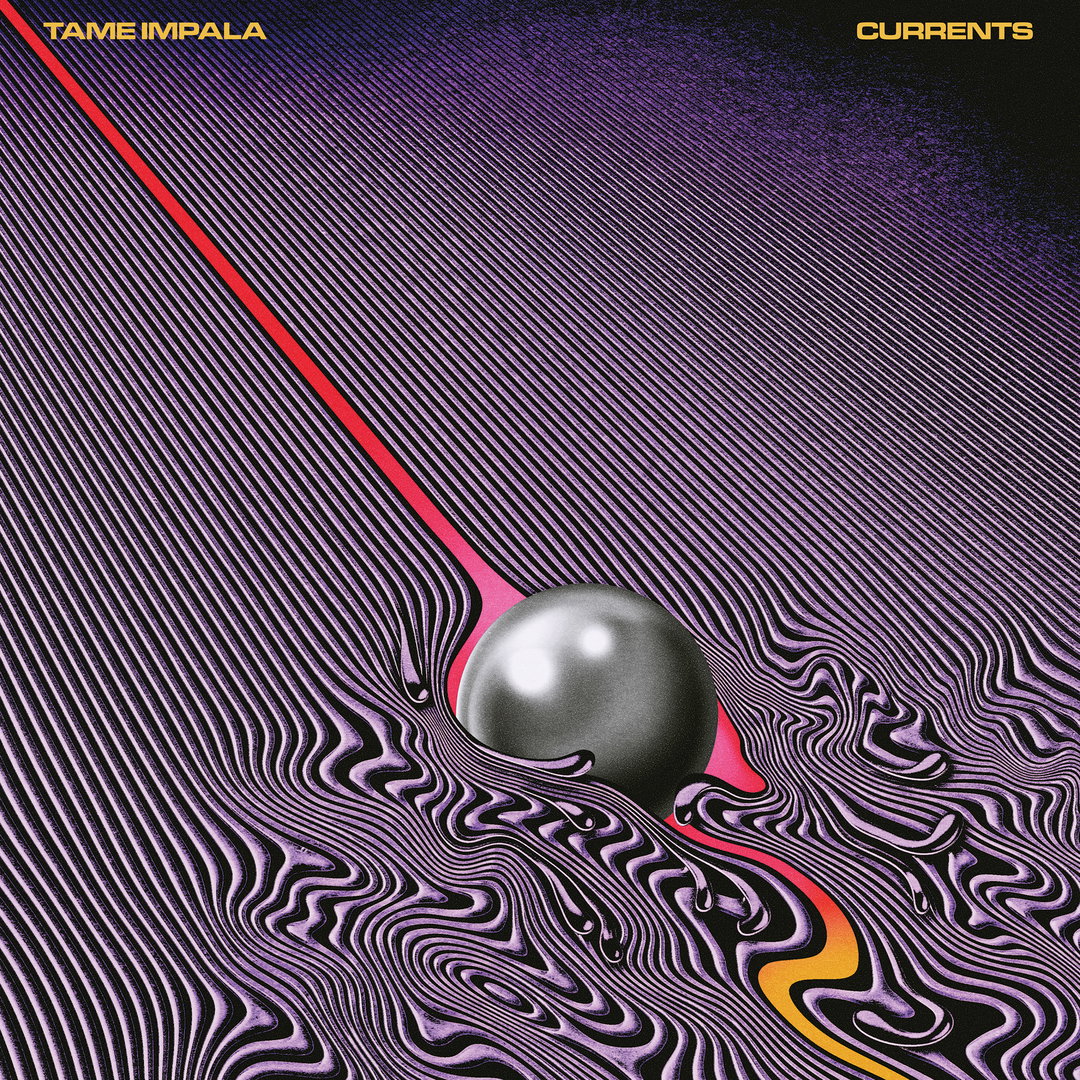
Robert Beatty: Currents (Copyright © Tame Impala, 2015)
RB:
I’ve been taking a camera with me when I travel for years now and I’m constantly filming stuff to do something with later. I am constantly making videos and animation, and I’m working on turning that into something that I can screen somewhere eventually. They will definitely have more in common with the newspapers I’ve been self-publishing the past few years. I’ve been working with text in a very abstract way and I don’t really have any interest in making anything that is narrative, it’s always way more of a free-form collage-based approach. I don’t think I’d ever try to make something that would be distributed in a commercial way, that just sounds like a nightmare and I don’t think anything I would make would be for a mass audience. I’m also constantly working on music and will hopefully have some new stuff out there soon. I’m grateful to be able to do what I do, but it’s hard spending so much time working for other people so I have been trying to prioritise making more work for myself, which will be in the form of books, videos and music.
Hero Header
Robert Beatty: Currents (Copyright © Tame Impala, 2015)
Share Article
Further Info
About the Author
—
Paul M (He/Him) is a Junior Writer at It’s Nice That since May 2025. He has a strong interest in graphic design, digital kitsch, multimedia painting, collage, nostalgia, analogue technology and all matters of strange stuff. pcm@itsnicethat.com
To submit your work to be featured on the site, see our Submissions Guide.