



- —
- Date
- 17 June 2026
- Tags
From Olivetti to Instagram: a short history of modern brand design
In an excerpt from Taschen’s The Elements of Brand Design, Katharina Sussek and Jens Müller chart the genesis and evolution of modern branding and visual identities, from the 19th century to how we experience them today.
Share
Share
With the emergence of highly complex language among early Homo sapiens, it is plausible to think that the practice of using names to identify individual people within social groups also emerged. The handprints and abstract engravings seen in prehistoric cave paintings may, according to research, well be the first ways in which individuals visually represented their personal ‘signatures’. Surely, it would not be going out on a limb to say that expressing identity using words and images fulfils a primal human need.
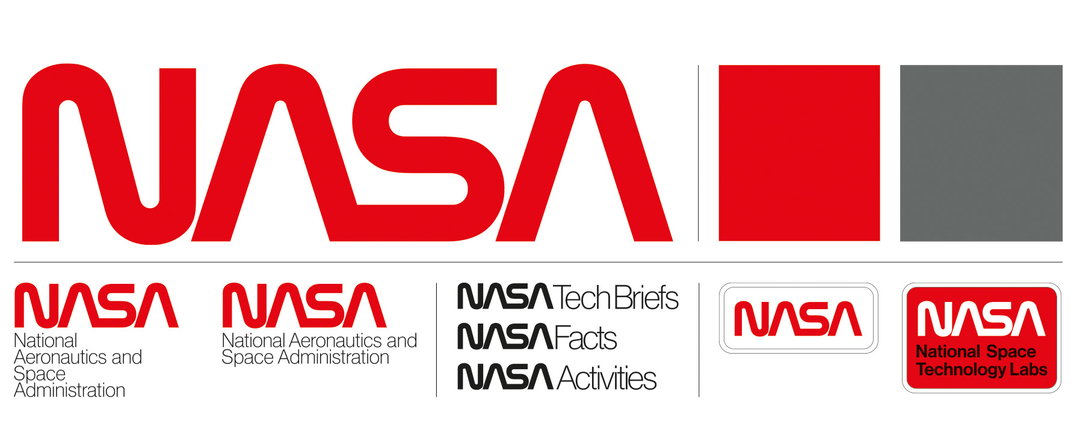
(Copyright © Nasa / Danne & Blackburn; Nasa, Washington D.C., USA, 1975)
In addition to the profound economic, societal and technological changes brought on by the advent of the industrial age in the second half of the 19th century, the time period also saw the introduction of symbols and brand names for distinguishing and identifying products. Logos began as representational symbols, according to various regional traditions, and became increasingly abstracted and stand as the core element of a brand to this day. The use of colour was also soon regarded as another important element for identifying brands, following the example of national colours. As legend has it, barrels of Coca-Cola were painted red to help tax officials more easily differentiate them from barrels filled with alcohol, which was subject to heavy taxation. The world-famous trademark colour thus resulted from a purely practical consideration.
The laundry detergent manufacturer Persil, by contrast, very deliberately made its packaging green in 1907 to bring to mind the then-common practice of laying laundry out on the grass in order to bleach it in the sun. These brands and many others have used largely the same colours for decades to best maintain brand recognition, a factor that emerged as the highest goal of successful brands in the 20th century. At the turn of the century, the developments in design and advertising professions led quickly to innovations and to the professionalisation of brand communications.
One example, considered groundbreaking to this day, was the hiring of Peter Behrens (1868–1940) as the artistic adviser for the Berlin electronics company AEG in 1907 – a role that would be comparable to a chief design officer in a modern-day tech firm. Alongside his team, which included many of the foremost pioneers of modernism, like Ludwig Mies van der Rohe, Walter Gropius and Le Corbusier, Behrens developed the world’s first corporate identity. Not only did all of the printed matter coordinate, the products and even the factory buildings were also designed in line with the corporate image. And there were other innovations, like the first in-house corporate typefaces and the knowledge that consistent, custom-designed typography greatly contributes to a brand’s recognition factor.
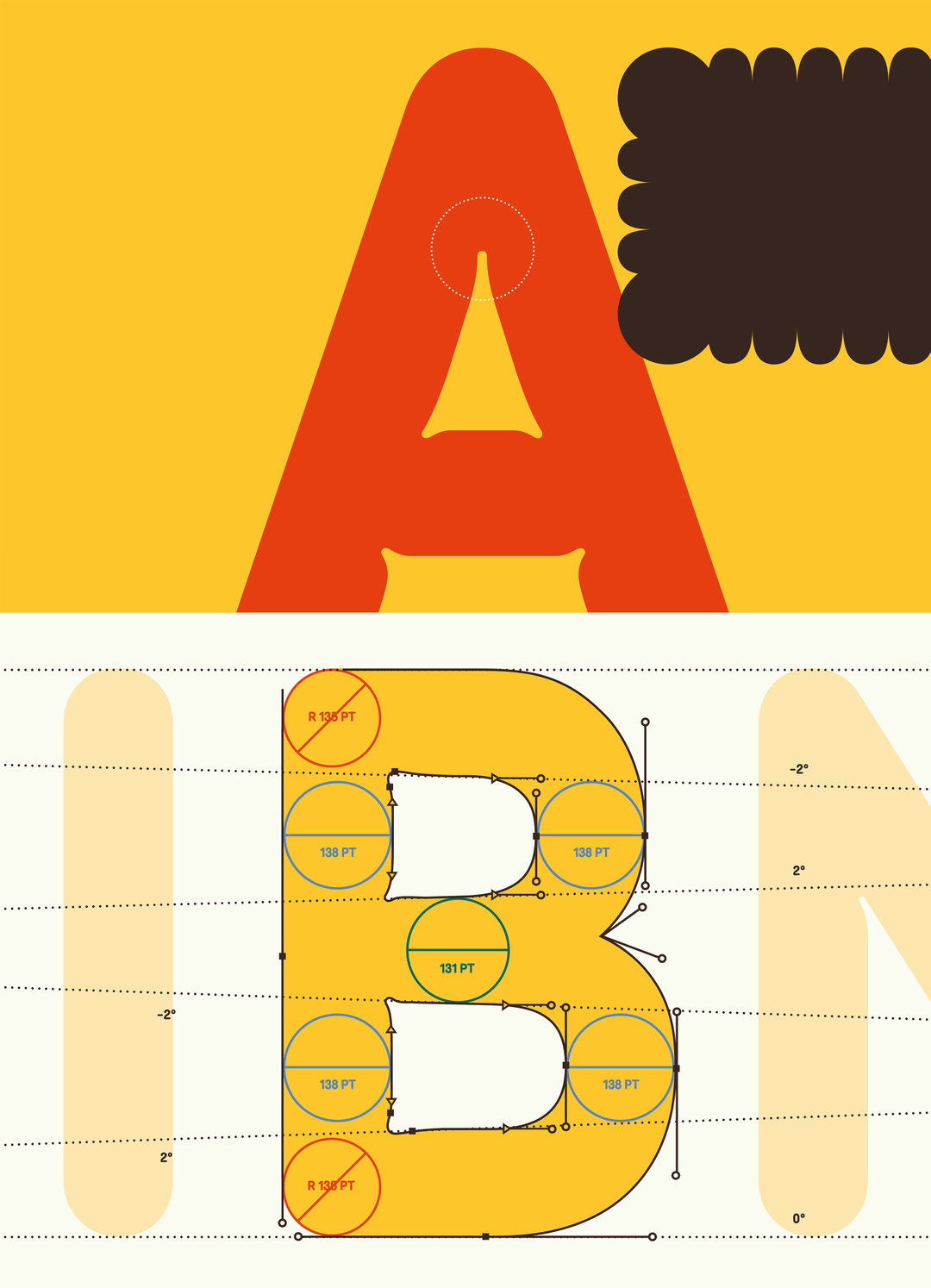
(Copyright © Leibniz / Auge Design Leibniz, Hanover, Germany, 2022)
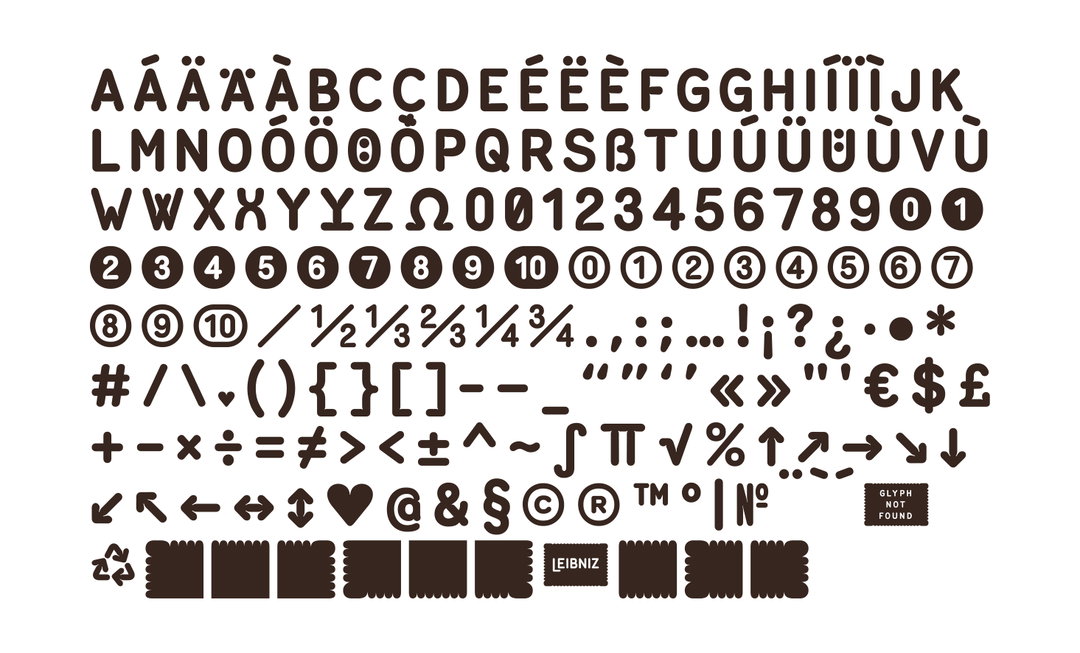
(Copyright © Leibniz / Auge Design Leibniz, Hanover, Germany, 2022)
“Olivetti’s unique corporate identity did not come about through following norms but through an expansive understanding of design.”
Katharina Sussek and Jens Müller
A few years later, the London Underground introduced this same principle even more systematically with the trendsetting typography of Edward Johnston (1872-1944), whose work is today still considered a paragon of brand design. Despite there being a number of breakthrough examples, most early corporate identities in the first half of the 20th century were based on the creative signature of an individual designer who produced, for example, posters, brochures and packaging in the same style. An important impetus in design history thus emerged with the approach of the Italian typewriter manufacturer Olivetti. In the early 1930s, Adriano Olivetti (1901-1960), the son of the company founder, established the principle of working with not just the best engineers but also the most innovative architects and product and graphic designers in Europe.
Out of the totality of its designs a unique corporate identity developed over several decades, one that did not come about through following norms but through an expansive understanding of design. In the mid 1950s, IBM would follow a similar approach. The American company found itself smack in the middle of transforming from a typewriter manufacturer into a world-leading computer supplier. The architect and industrial designer Eliot Noyes (1910-1977) was appointed as the consulting director of design. In developing a holistic corporate image for IBM, he gave contracts for projects to the leading figures of mid-century design, including Charles and Ray Eames and Eero Saarinen. As the graphic designer, he hired Paul Rand (1914–1996), who started by overhauling the logo and moved on to developing a comprehensive identity based on a set of guidelines for use across all media applications of the company – from the printed matter to the labels on the machines.

(Copyright © Benoit Bonnemaison-Fitte and Adèle Bonnemaison-Fitte, 2016-2025)
(Copyright © Dino Burger / Untitled Macao, Macao, China, 2021)
(Copyright © Dino Burger / Untitled Macao, Macao, China, 2021)
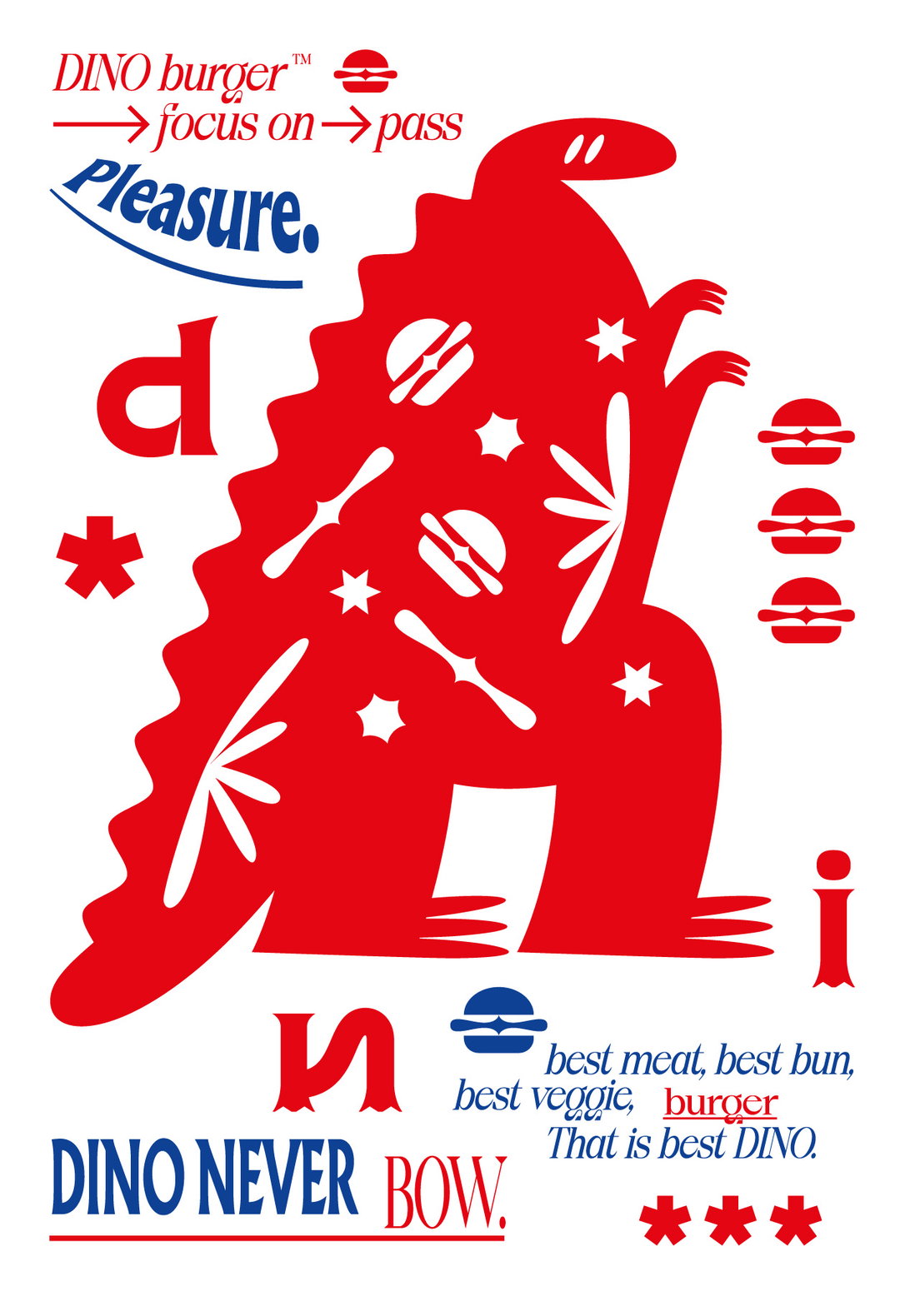
(Copyright © Dino Burger / Untitled Macao, Macao, China, 2021)
(Copyright © Dino Burger / Untitled Macao, Macao, China, 2021)
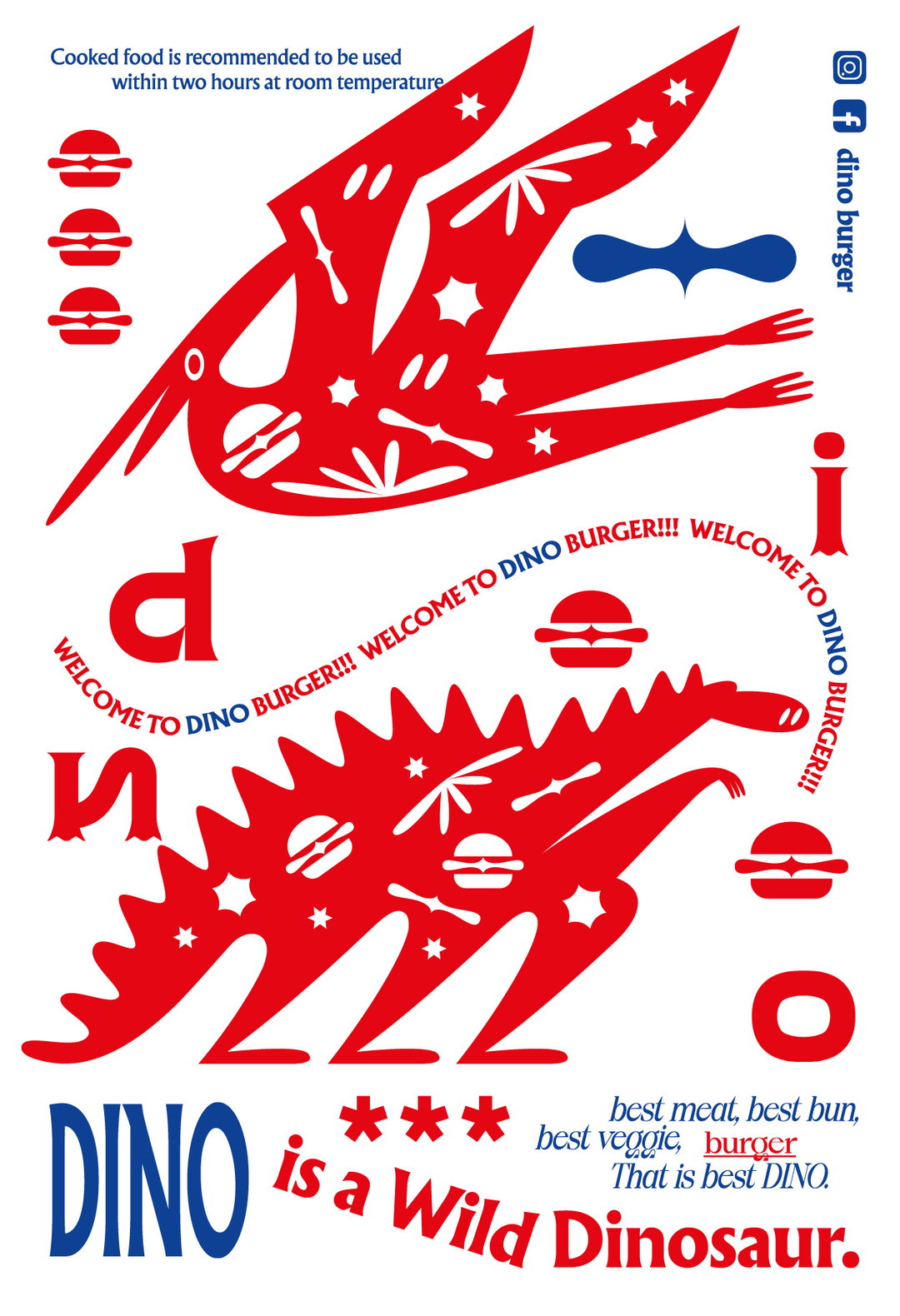
(Copyright © Dino Burger / Untitled Macao, Macao, China, 2021)
An idea that bubbled up in many places simultaneously at the end of the 1950s was the concept of a coordinated design, or a house style, as it was initially often still called in the literature of the time, before terms like corporate design or brand identity caught on. In the book Design Coordination and Corporate Image, which in 1967 was one of the first reference texts on the subject, a new understanding of the systematic approach to the standardisation of design was described using examples from the United States, Japan and many European countries. In their introductory text, the two authors, FHK Henrion and Alan Parkin, developed a remarkably prescient vision of modern brand design: “There is a tendency to regard a house style as a static, once-and-for-all set of rules. But market situations and corporations themselves change continually; and these changes should be expressed visually,” [it says in the book.]
In reality, though, most of the corporate design systems of the 1960s were extremely rigid due to analogue production processes. Standardised layouts were at the time seen as an important guiding element for a brand. Usually once the position and size of the logo was fixed in each medium this did not change. This indeed created a high level of visual congruity, but it did not necessarily lead to a dynamic perception of the company. Furthermore, the designers who had the task of implementing the designs across various media found that these too stringent rules often got in the way of good graphic solutions. By the 1970s, establishments from outside the commercial world also discovered the merits of a consistent visual appearance. Cultural institutions like museums, libraries and music festivals were especially fertile ground for highly creative solutions which had the advantages of a high recognition factor combined with a distinctive graphic signature. What initially developed in the Netherlands was known as ‘public design’, which placed a focus on functional solutions accessible to the general public.
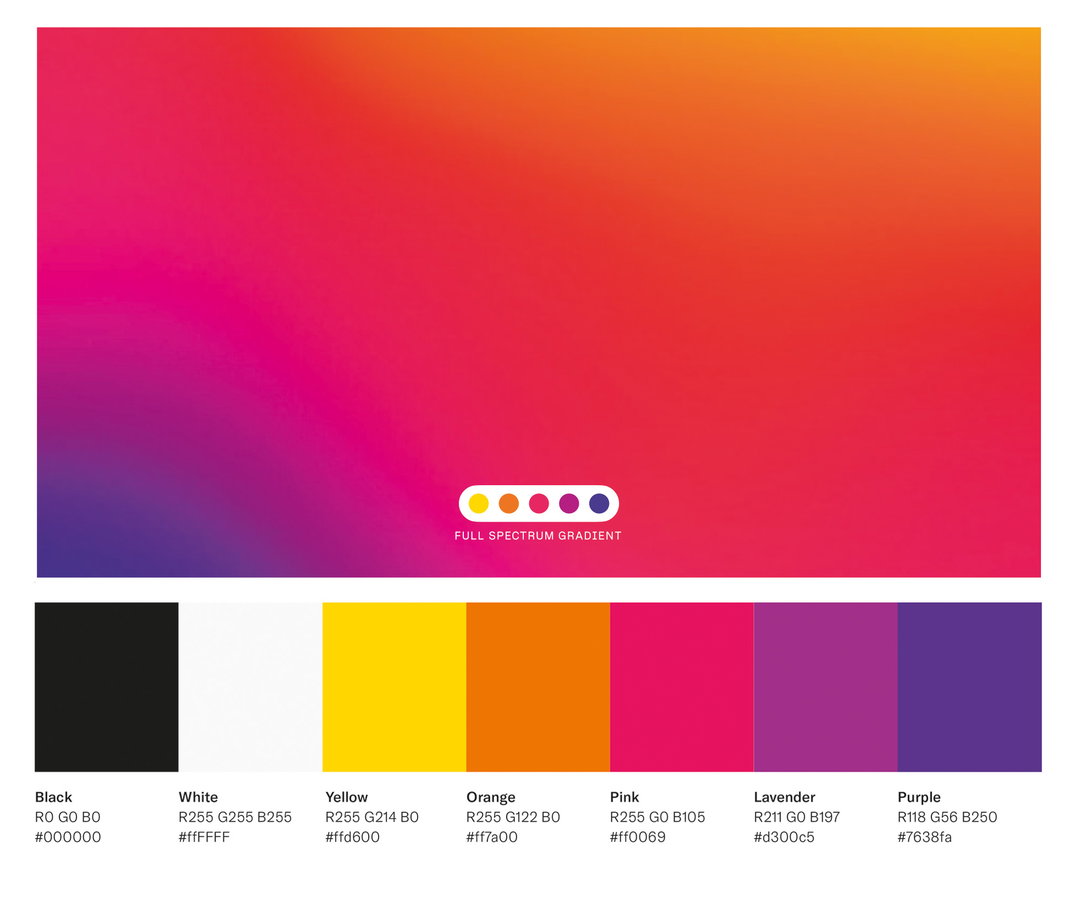
(Copyright © Instagram gradient / 2×4 / Rose Pilkington Studio, Menlo Park, California, USA)

(Copyright © Instagram / 2×4, Menlo Park, California, USA, 2022)
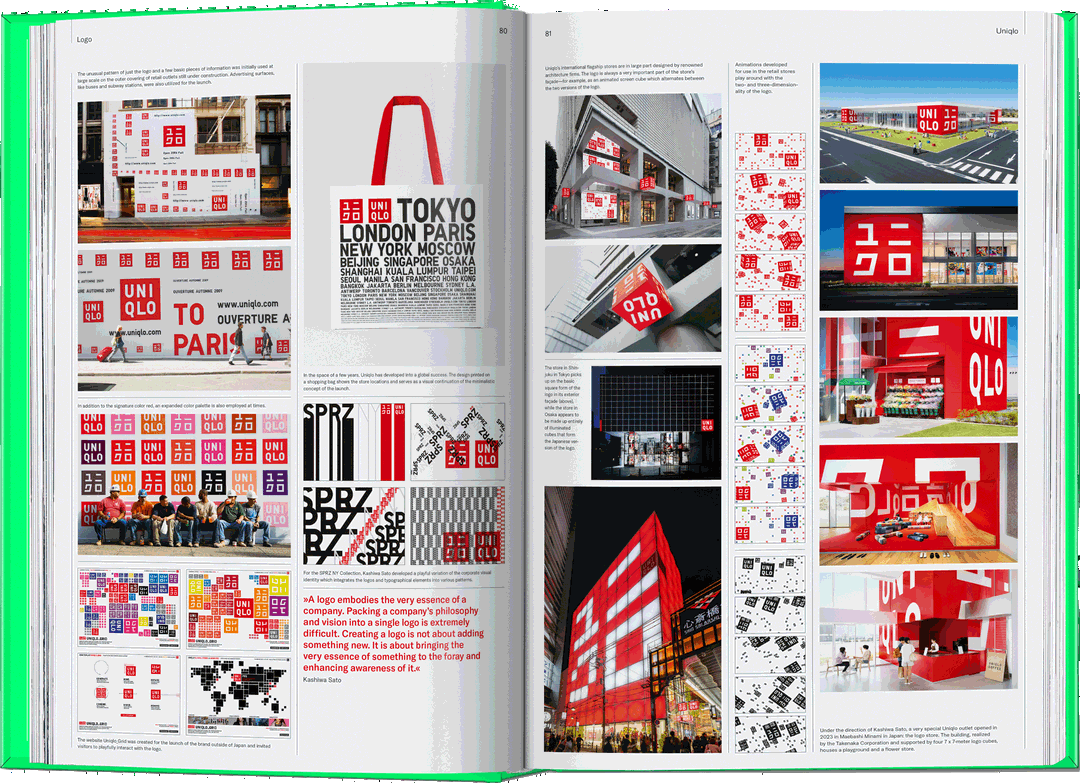
Elements Of Brand Design: Spread (Copyright © Taschen, 2026)
“A look at the collected work proves that the development and redesign of brands, regardless of size, demands conceptual individuality and artistic originality.”
Katharina Sussek and Jens Müller
The corporate images and signage systems made for national railway companies, post offices and hospitals were areas in which to apply the new systematic understanding of design in ways oriented toward the public good. The commodification of public space and the power of global brands in the economy, culture and politics have, however, aided the development of a rather woeful counterdynamic. Not to mention that, over the course of the 20th century, fascist regimes used brand design principles to their own advantage. Today, environmental and human rights organisations benefit from the use of modern brand communications, too, but this should not distract from the fact that the flames of humanity’s urgent problems have been fanned in part with the help of design.
Through the evolution of digital technology, brand design has been further perfected in the last decades and must today presumably more than ever face criticism of conveying a too unproblematic, too harmonious, and too polished view of the world. The changing possibilities in the production of media in conjunction with a growing spectrum of digital media forms have led, in the last decades, to a previously unknown wealth of potential in the field of brand design. In this book, we take a look at more than a hundred brands and their latest corporate designs. Rather than examining the brands merely in terms of their superficial appearance or basic structure, each of the case studies here is focused on just one of the many elements that shape and sustain brand design today. From the design of a logo to the creation of a pictogram system to the thoughtful application of sound or moving images, we provide deeper insight into the multifaceted work of design studios and in-house design departments at companies and institutions from around the world.
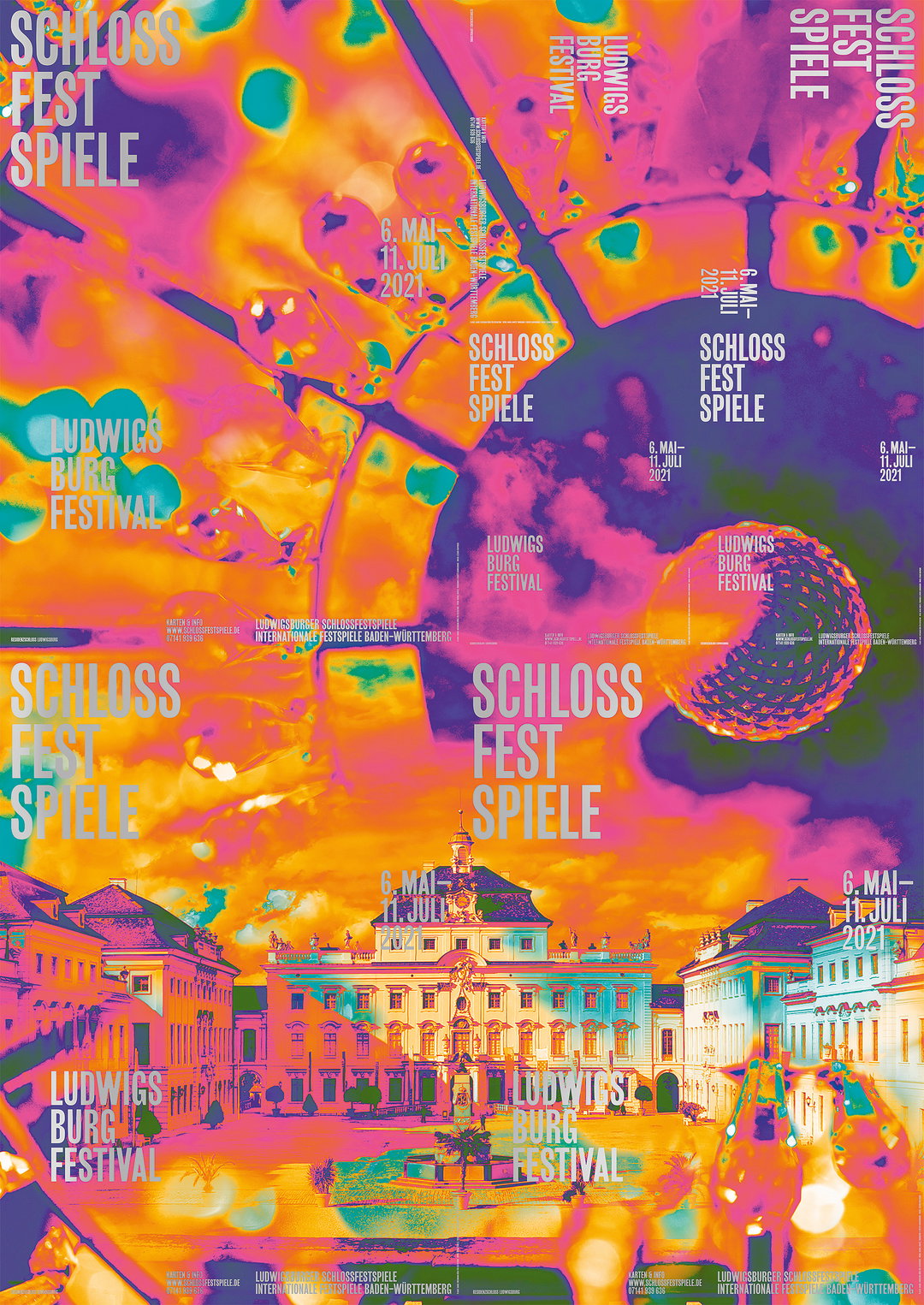
(Copyright © Ludwigsburg Festival / Studio Daniel Wiesmann, Ludwigsburg, Germany, 2020)

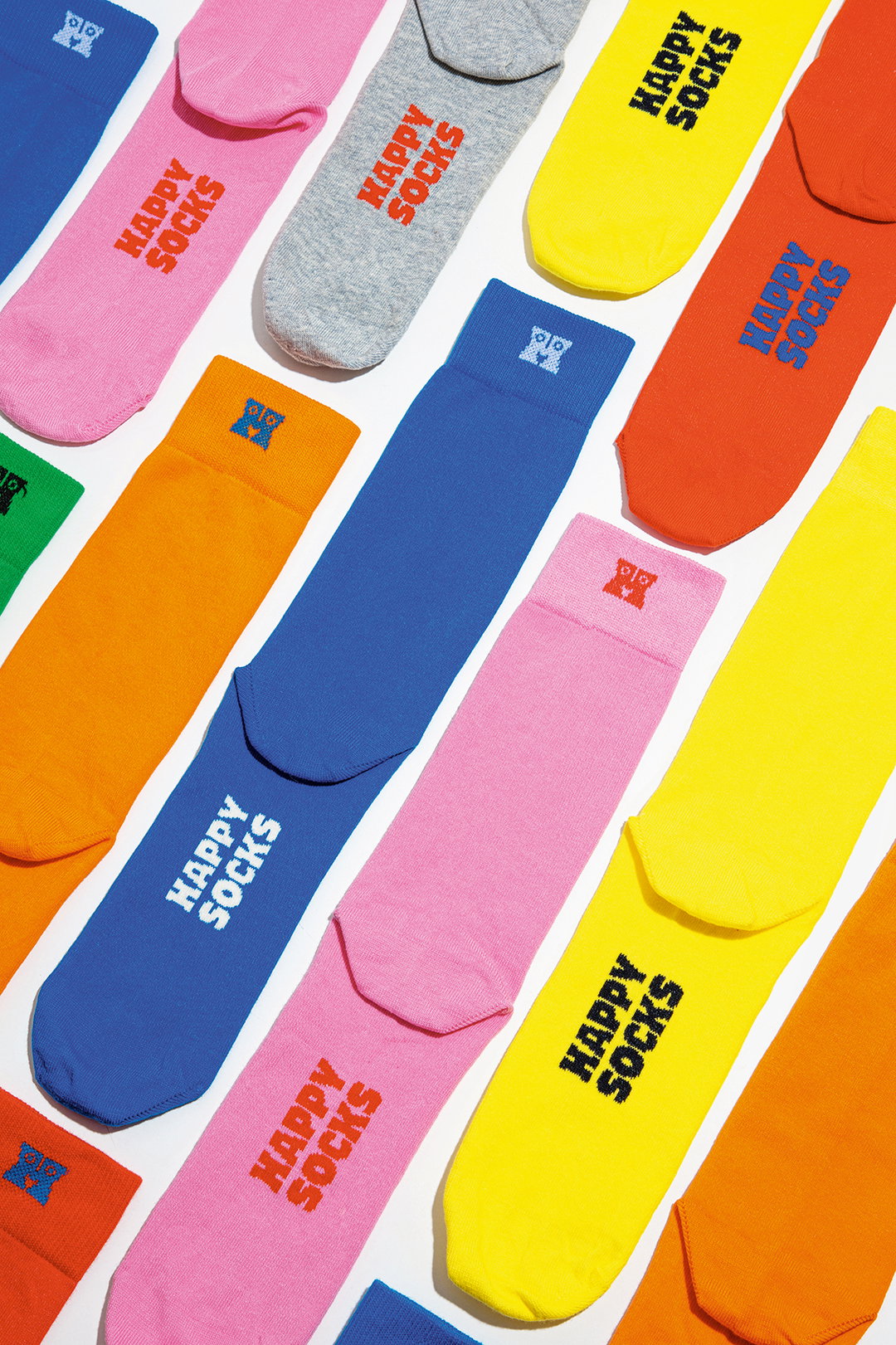

1 of 8
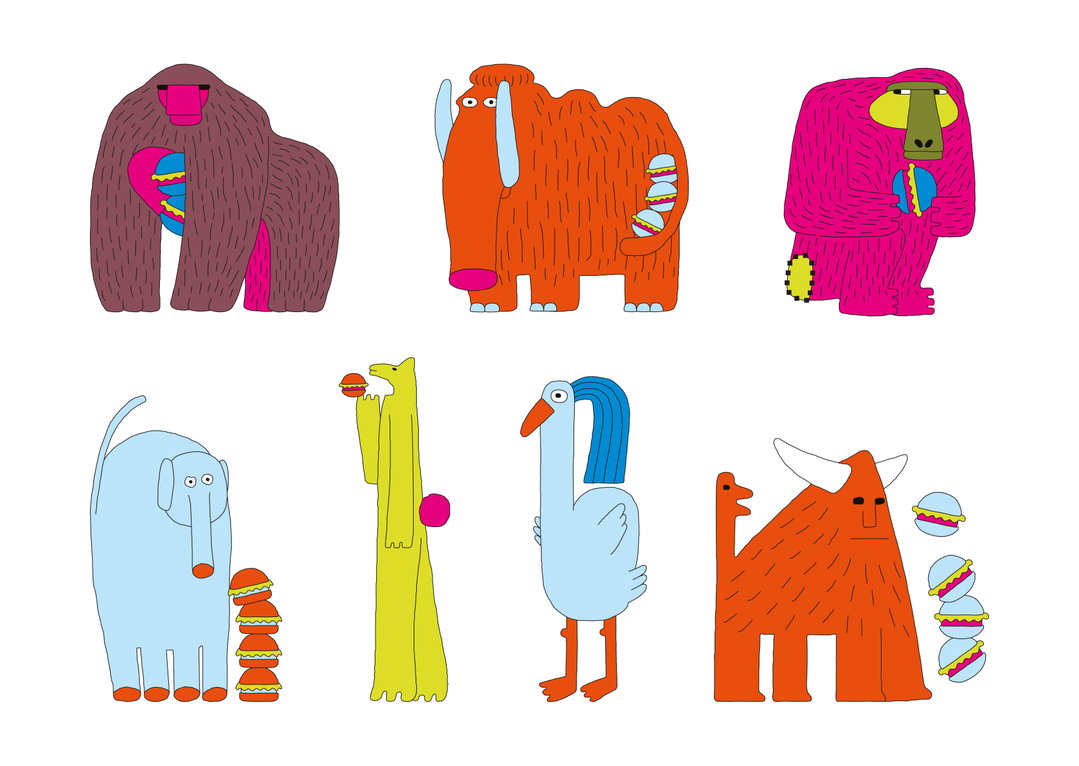
(Copyright © Dino Burger / Dino Kiddo / Untitled Macao, Macao, China, 2021)
1 of 8
(Copyright © Dino Burger / Dino Kiddo / Untitled Macao, Macao, China, 2021)
In recent years, with the wide availability of artificial intelligence, another phase of the digital age has begun. For visual identities this has opened up a multitude of new playing fields. Examples shown here give an impression of how brands use these fresh possibilities – whether to achieve a new dimension of modularity or as a highly effective tool for creating solutions in line with the brand. At the same time, design as a profession has been challenged yet again, along the lines of ‘Can’t we just use AI instead?’. A look at the work collected in this book proves, however, that the development and redesign of brands, regardless of size, demands conceptual individuality and artistic originality. In the age of AI, these are two capabilities of designers that will become even more important, not less.
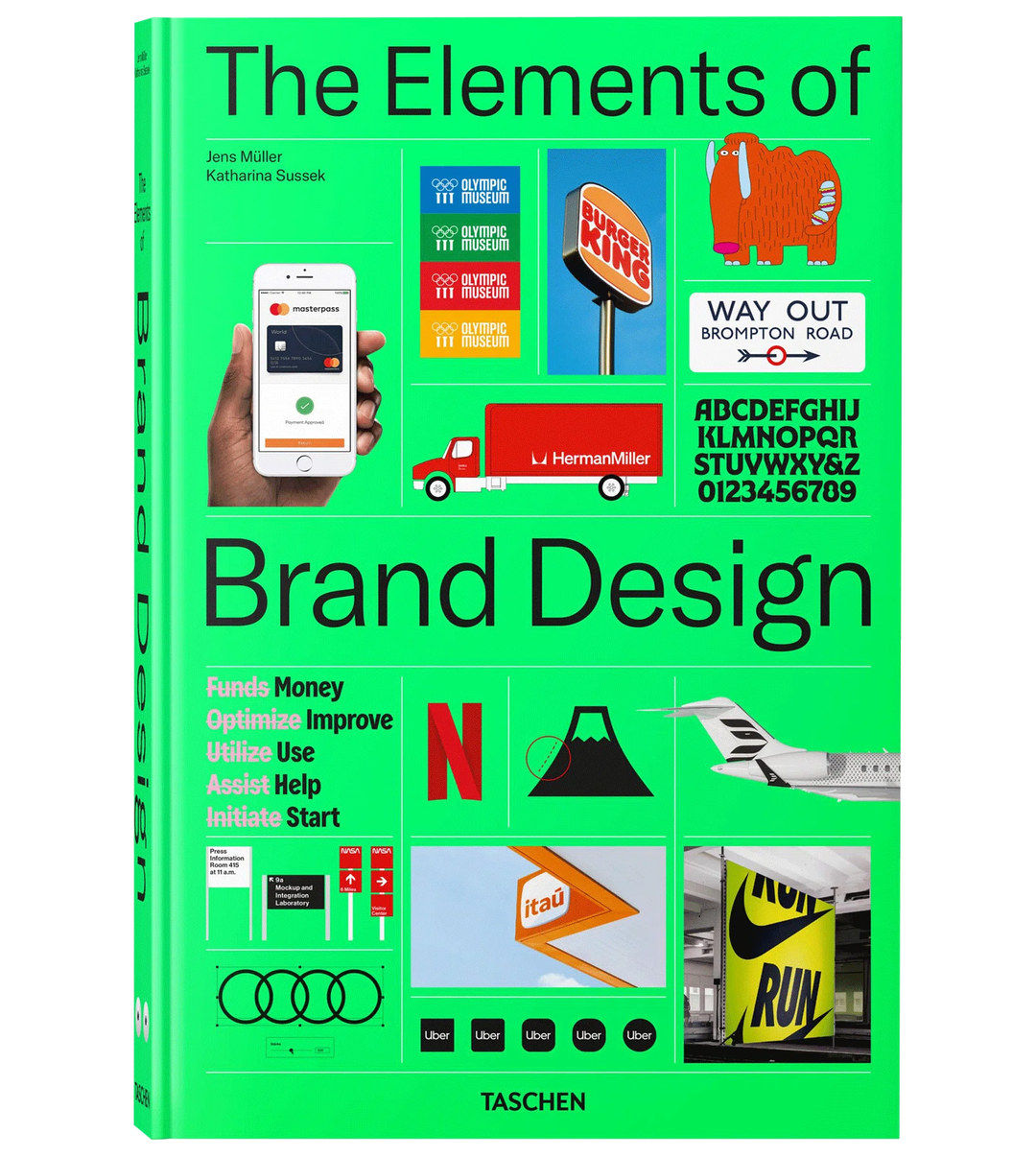
Elements Of Brand Design: Front Cover (Copyright © Taschen, 2026)
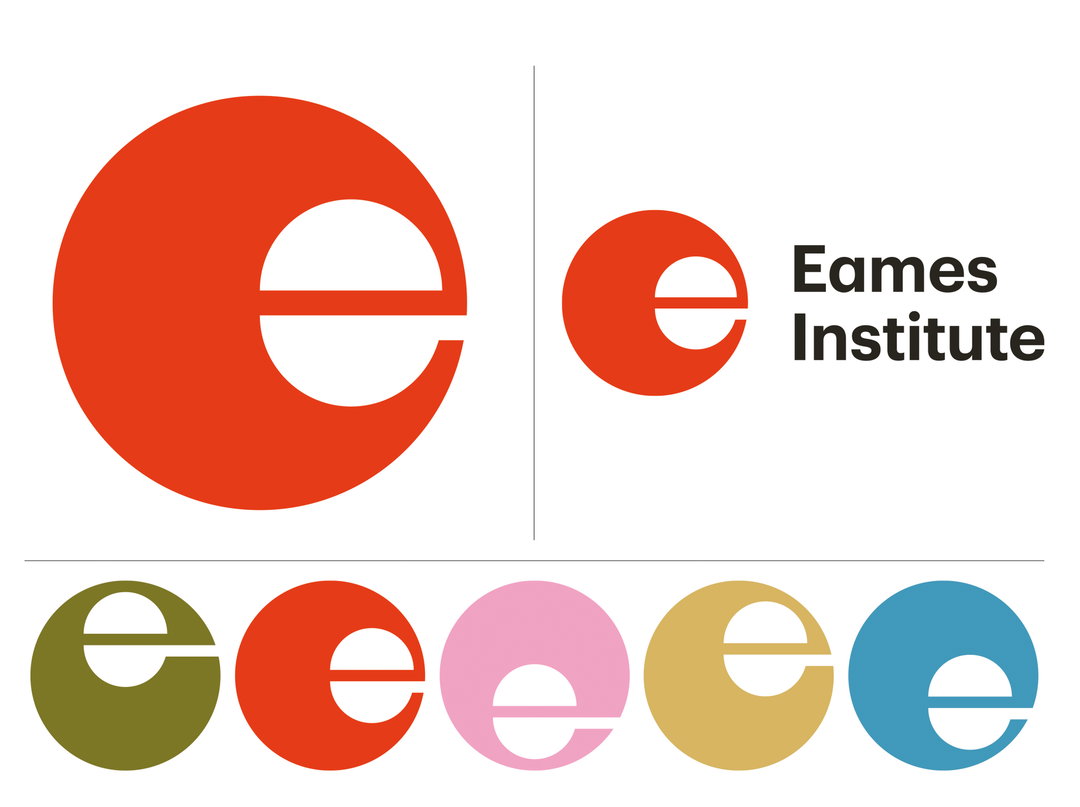
(Copyright © Eames Institute / Manual, Petaluma, California, USA, 2022)
Hero Header
Taschen: Elements Of Brand Design spread featuring Braun icons (Copyright © Braun Design Team / iconwerk / Stefan Dziallas)
Share Article
Further Info
The Elements of Brand Design by Katharina Sussek and Jens Müller is out now, published by Taschen.
About the Author
Katharina Sussek and Jens Müller
—
Katharina Sussek and Jens Müller have both studied communication design at the University of Applied Sciences in Düsseldorf. After graduating, they founded their own design studios independently of each other. In 2019 vista was established. The studio, which has won several national and international awards, works for large and small clients and focuses on projects in the areas of corporate and editorial design. Müller was appointed professor of corporate design in the department of design at Dortmund University of Applied Sciences and Arts in 2019. They have published a number of books on graphic design and visual culture, including Taschen’s Logo Modernism and The History of Graphic Design.