

- Words
- Olivia Hingley
- —
- Date
- 7 September 2026
- Tags
How do you illustrate arguments? Igor Bastidas on illustrating You Be The Judge, The Guardian column that settles the nation’s disputes
You Be The Judge is the series that sees two parties go head-to-head to fight their corner in an argument that’s being scrutinised by the court of public opinion. For three years, the Venezuelan illustrator Igor Bastidas has been tasked with distilling these disagreements into a single image.
Share
Share
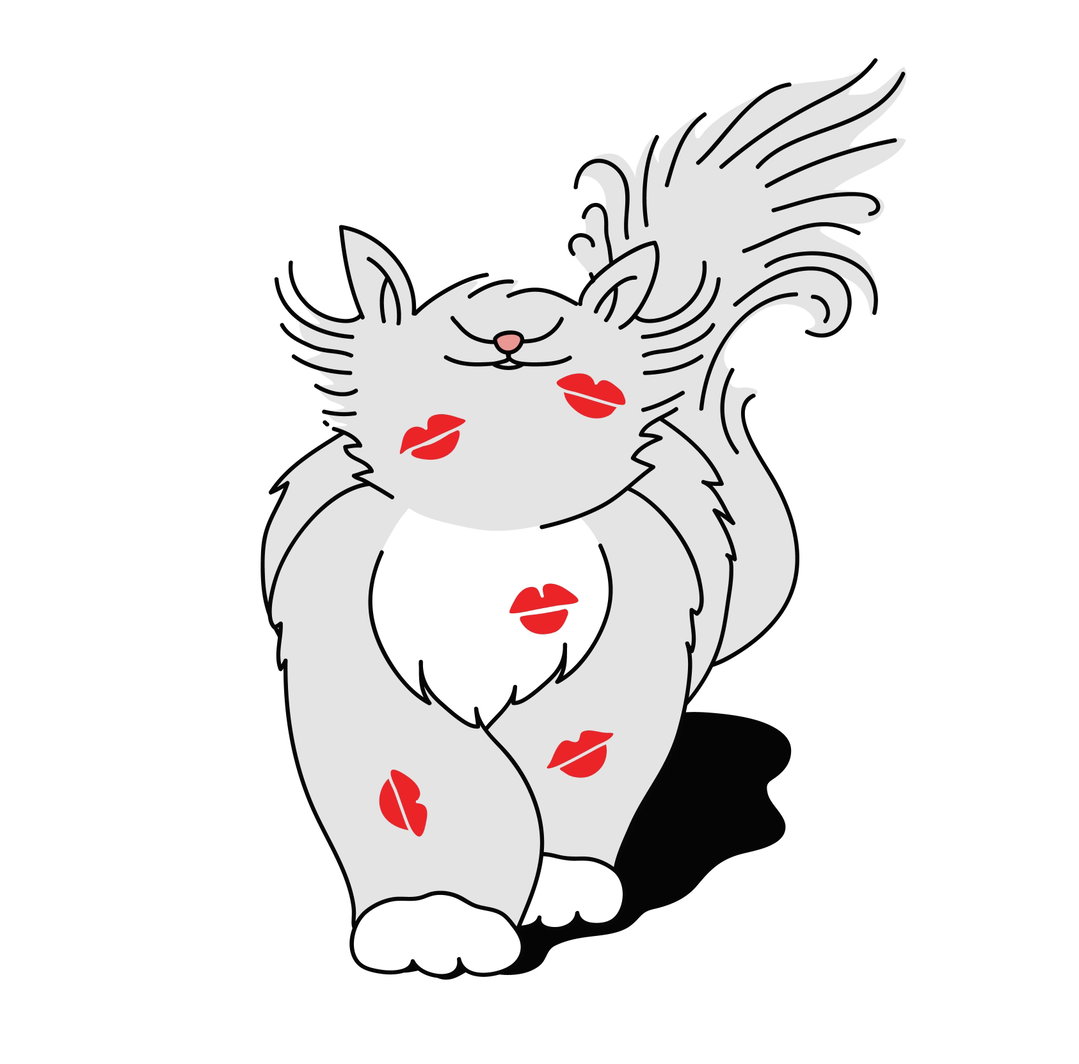
Once in a while, when I’m brushing my teeth, my mind wanders to a column from The Guardian’s You Be The Judge series. In it, prosecutor Edward takes his wife Alice (and her family, both parents and siblings) to the metaphorical court of public opinion, because all of them keep using his toothbrush behind his back. It’s a dispute that caused a lot of stir amongst my friends and colleagues when it was first published in 2024, mainly in disgust at such blatant disregard for the sanctity of someone’s personal hygiene, but also because my flatmate (worryingly) didn’t see it as an issue at all. Sorry, but what?
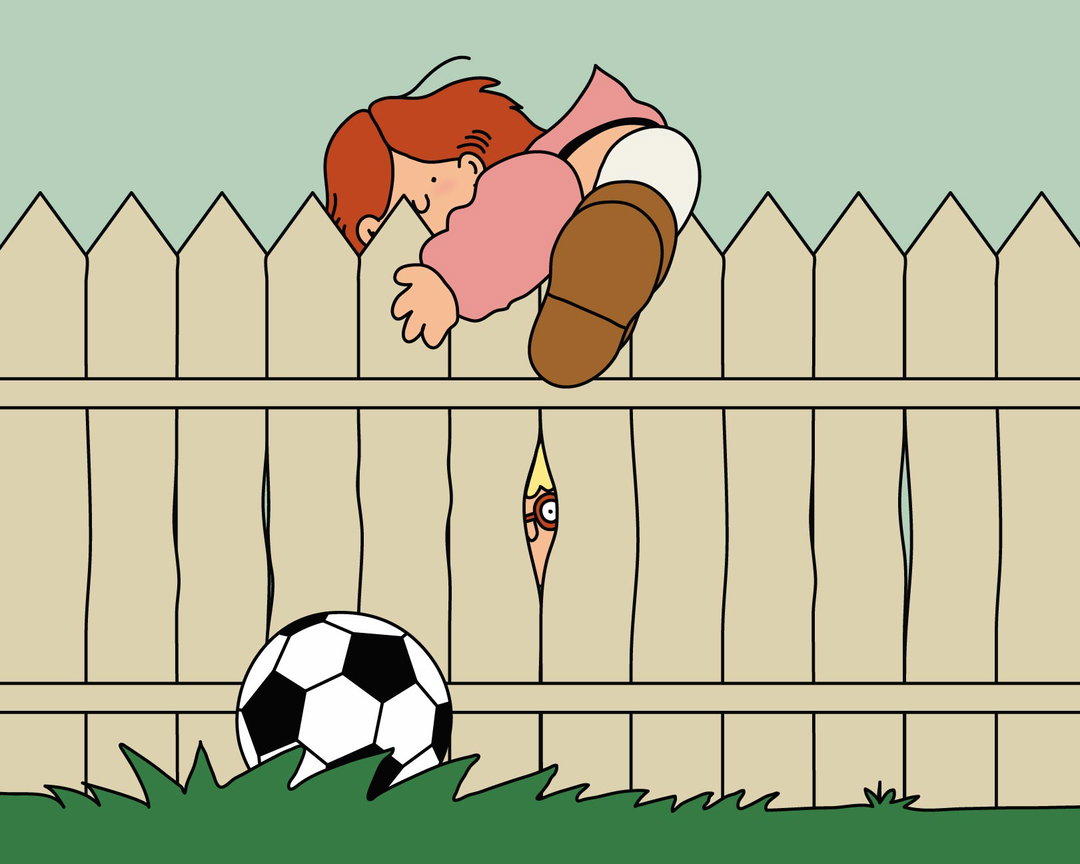
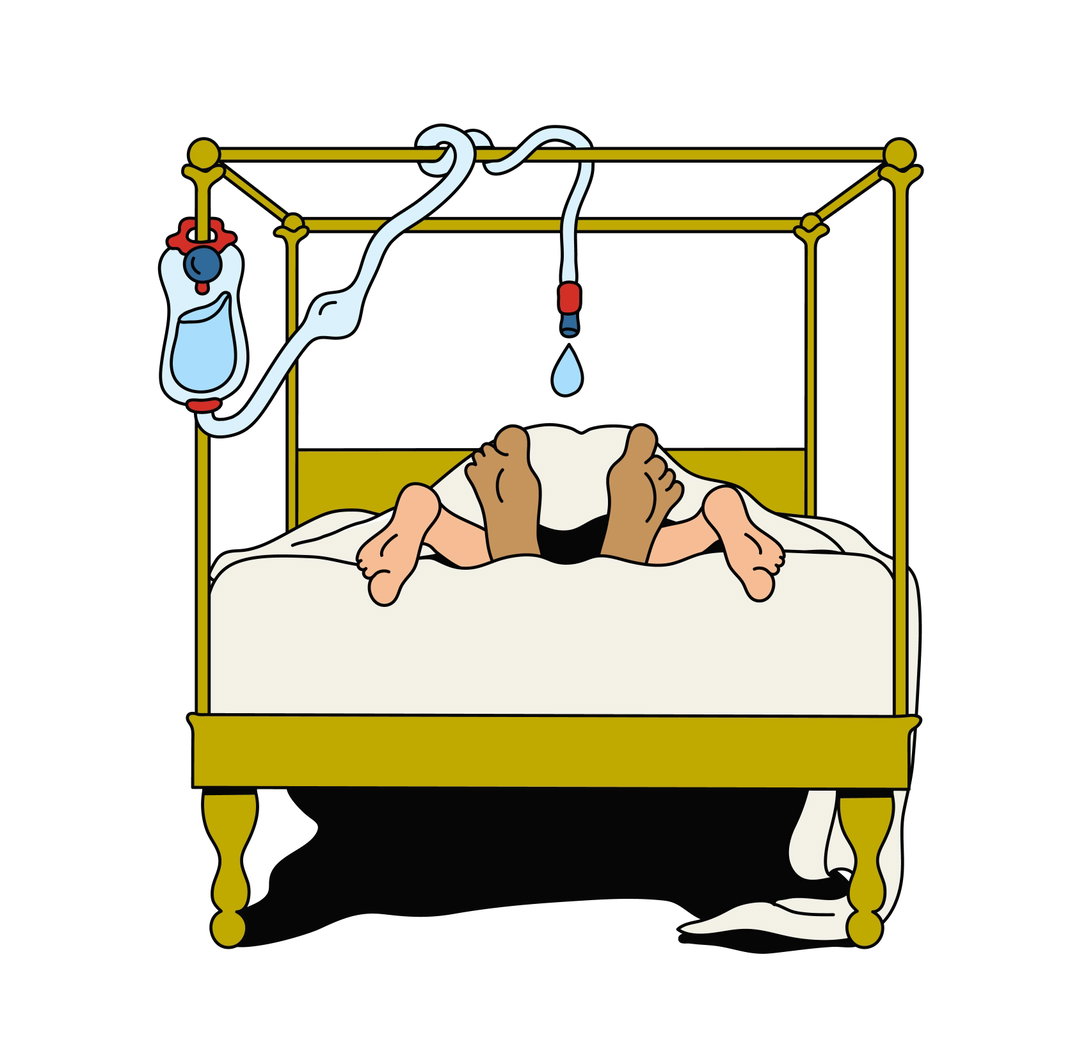
The column is well versed in conjuring up some bizarre conflicts, like – perhaps most memorably – a man who drank from a water bladder during sex with his partner. But more often than not, the column (led by journalist Georgina Lawton) deals with more mundane gripes that many will recognise: a friend imploring her friend to text back more quickly; a mum who wants the dad to stop their kids jumping over the fence to collect wayward balls; a boyfriend who’s dismayed at his girlfriend’s continual scrolling while they watch TV.
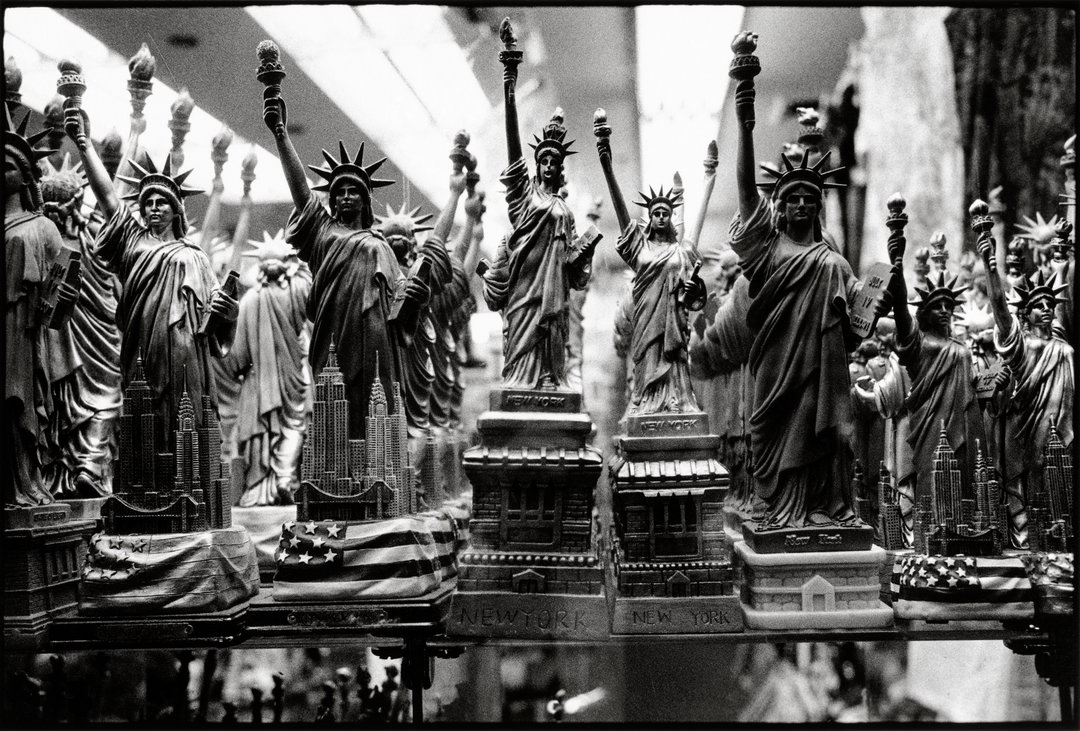
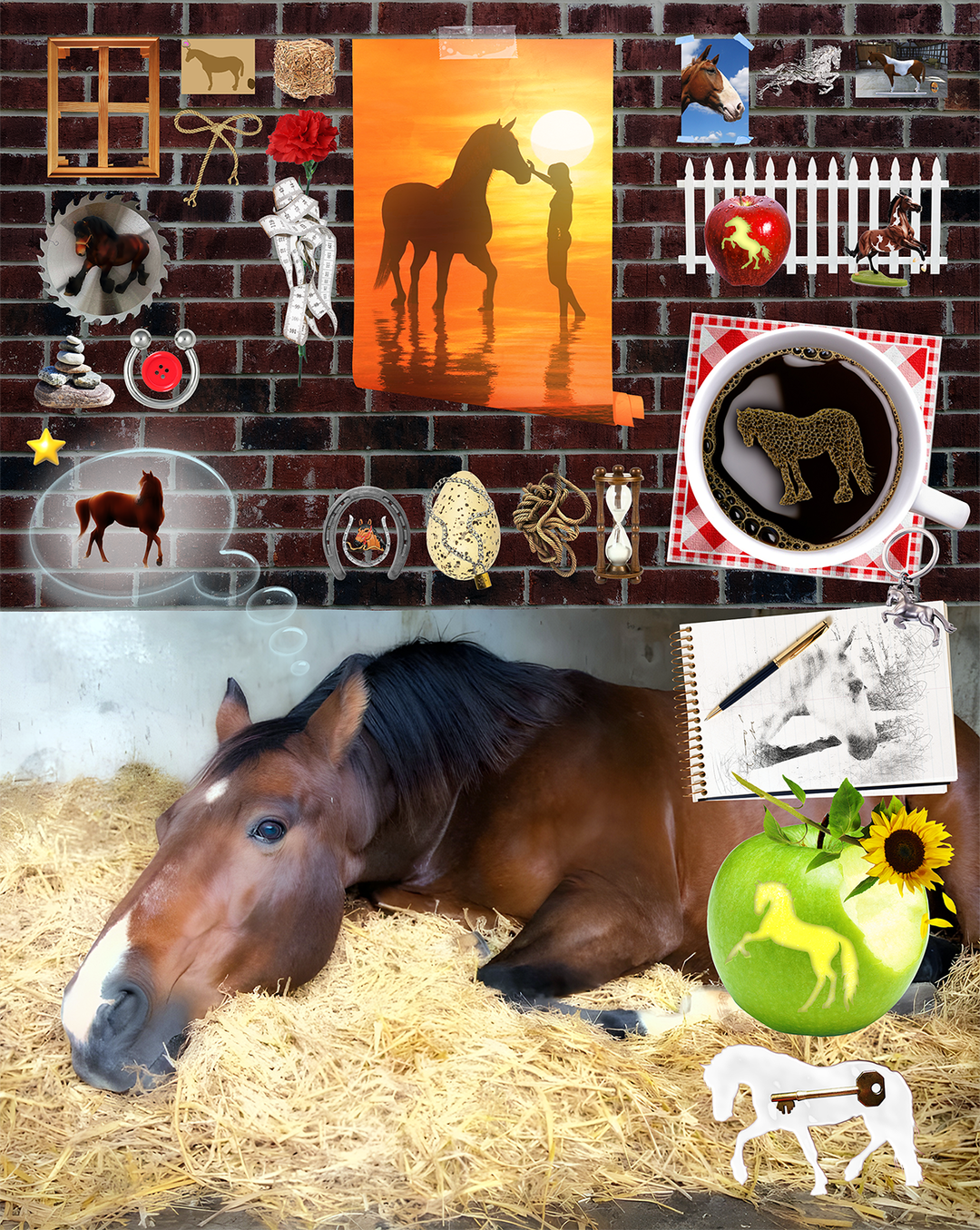
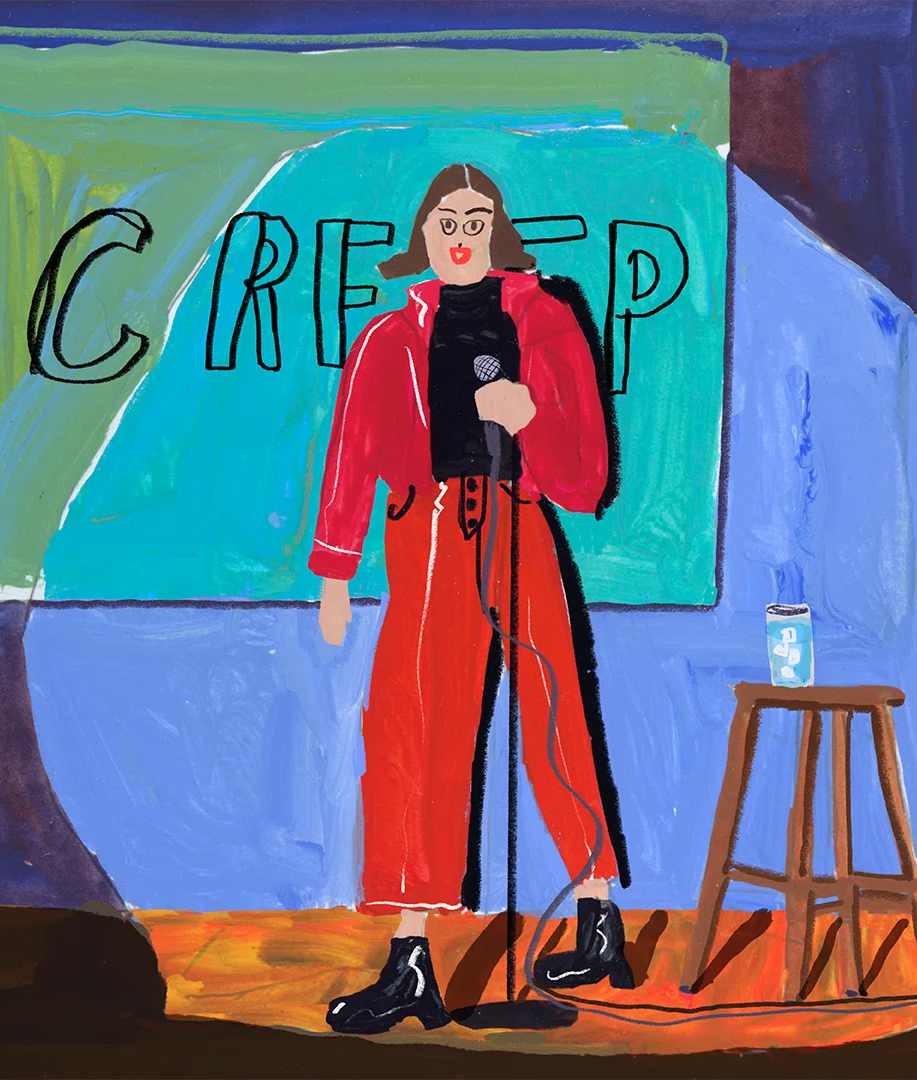
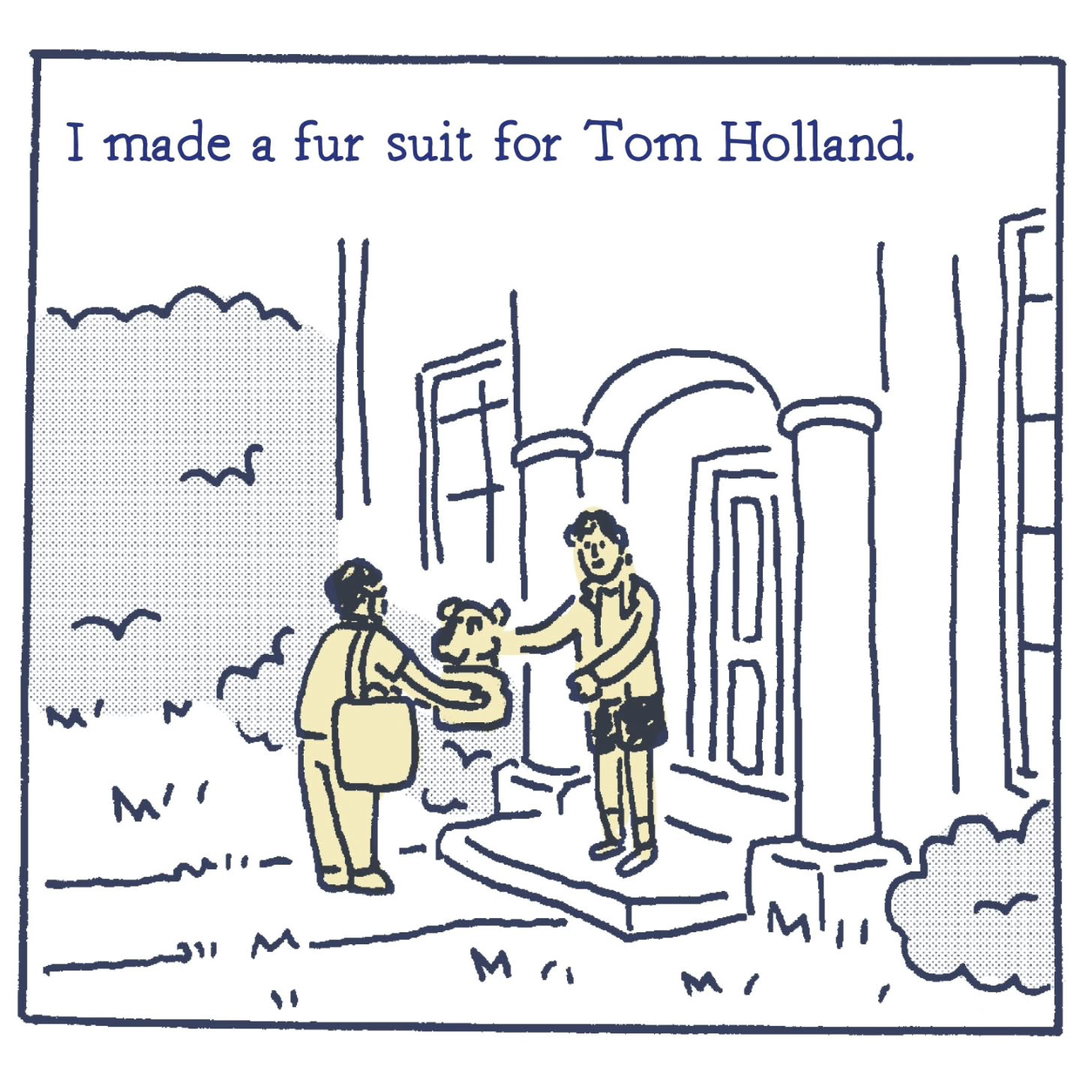
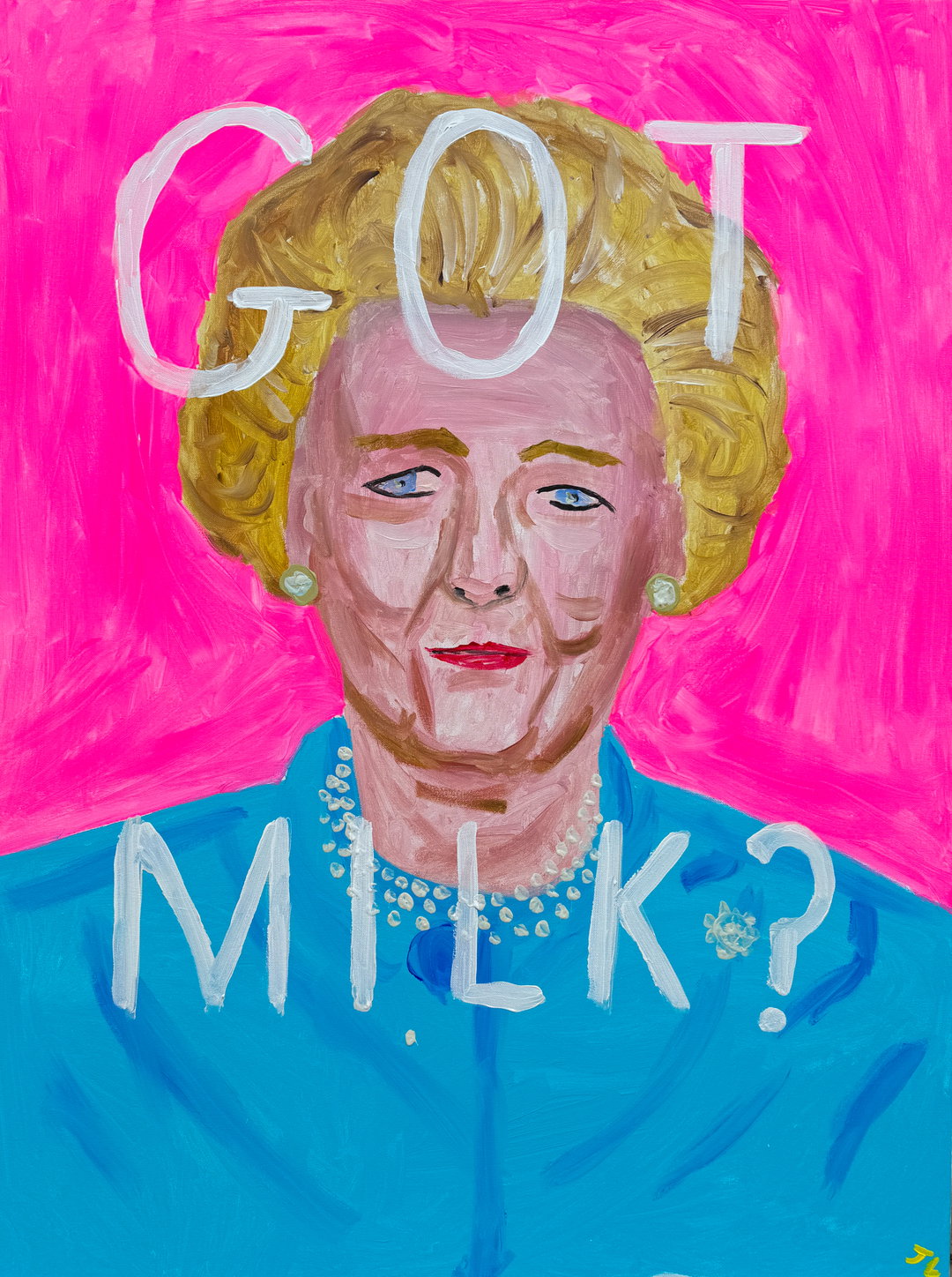
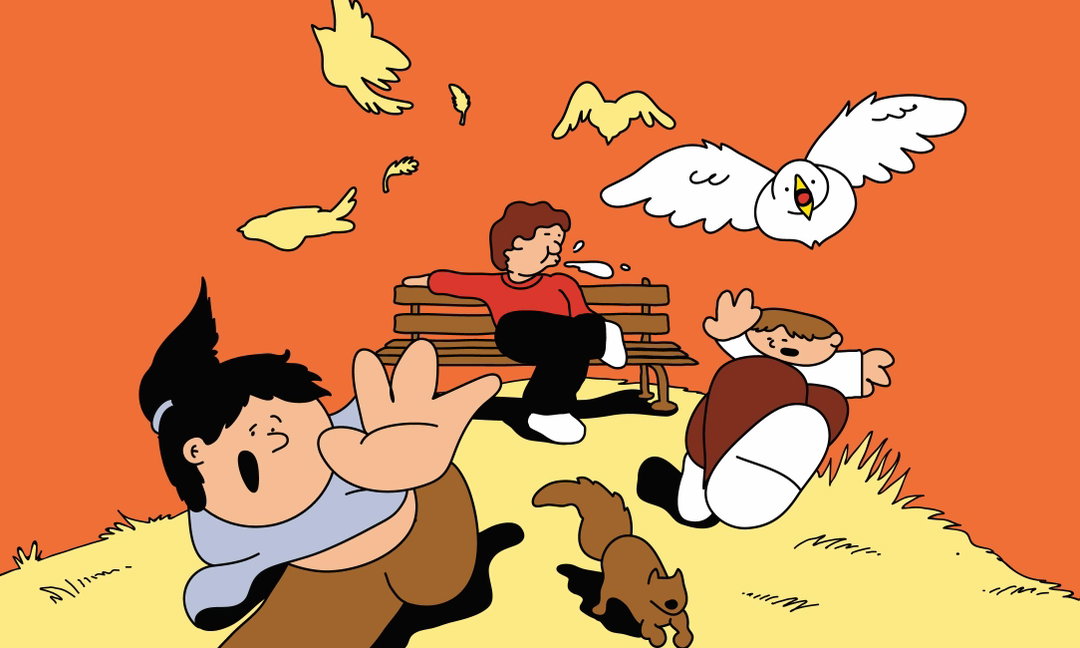
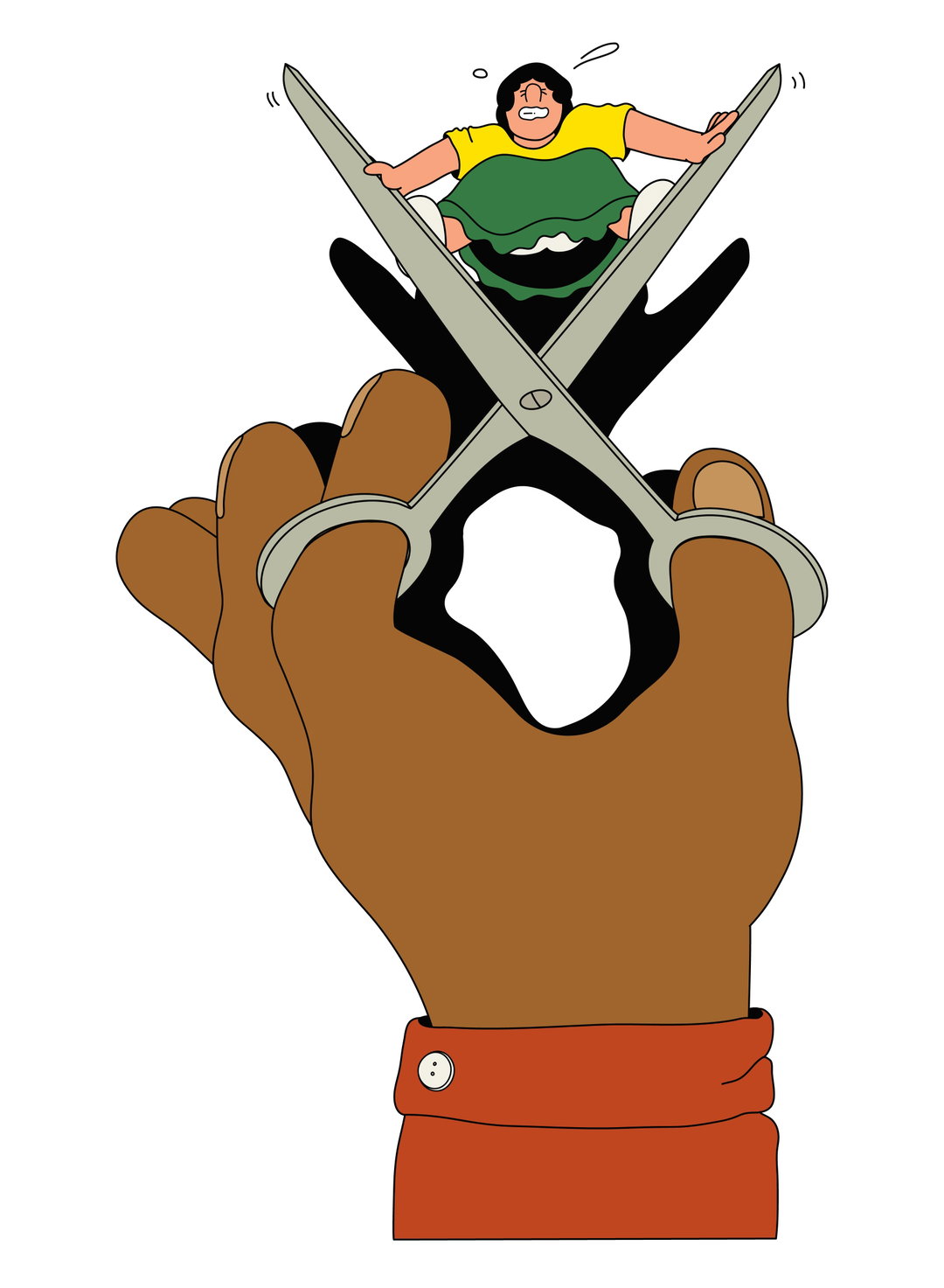
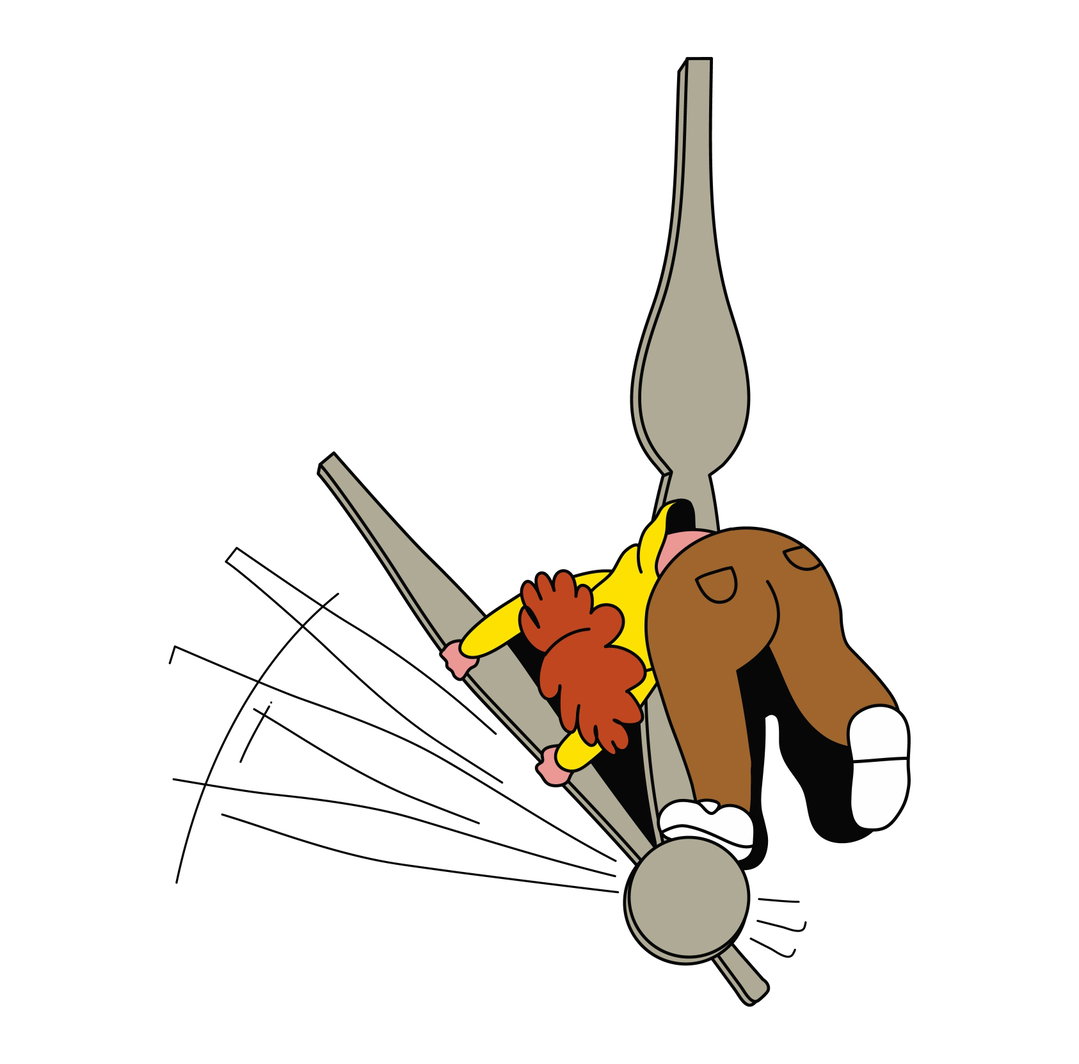
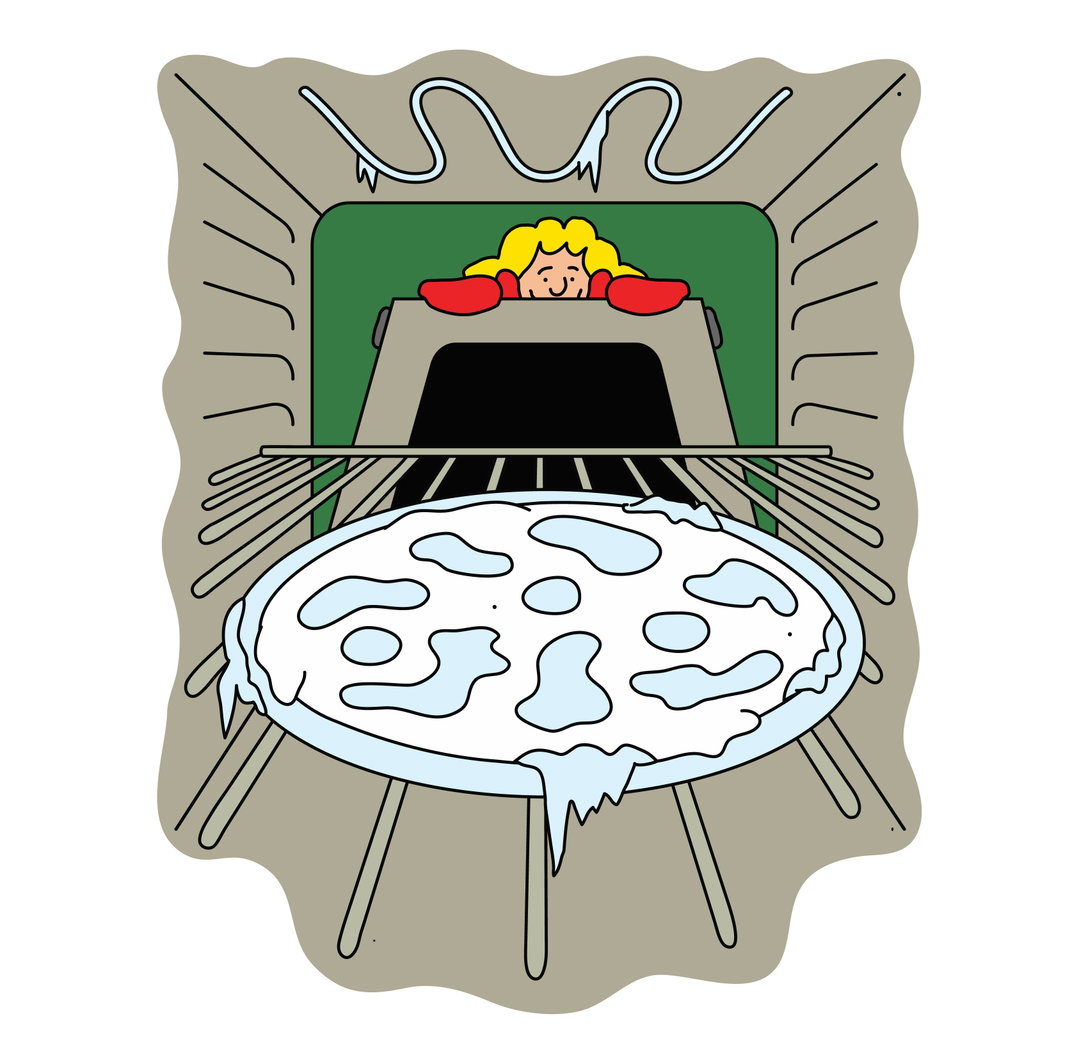
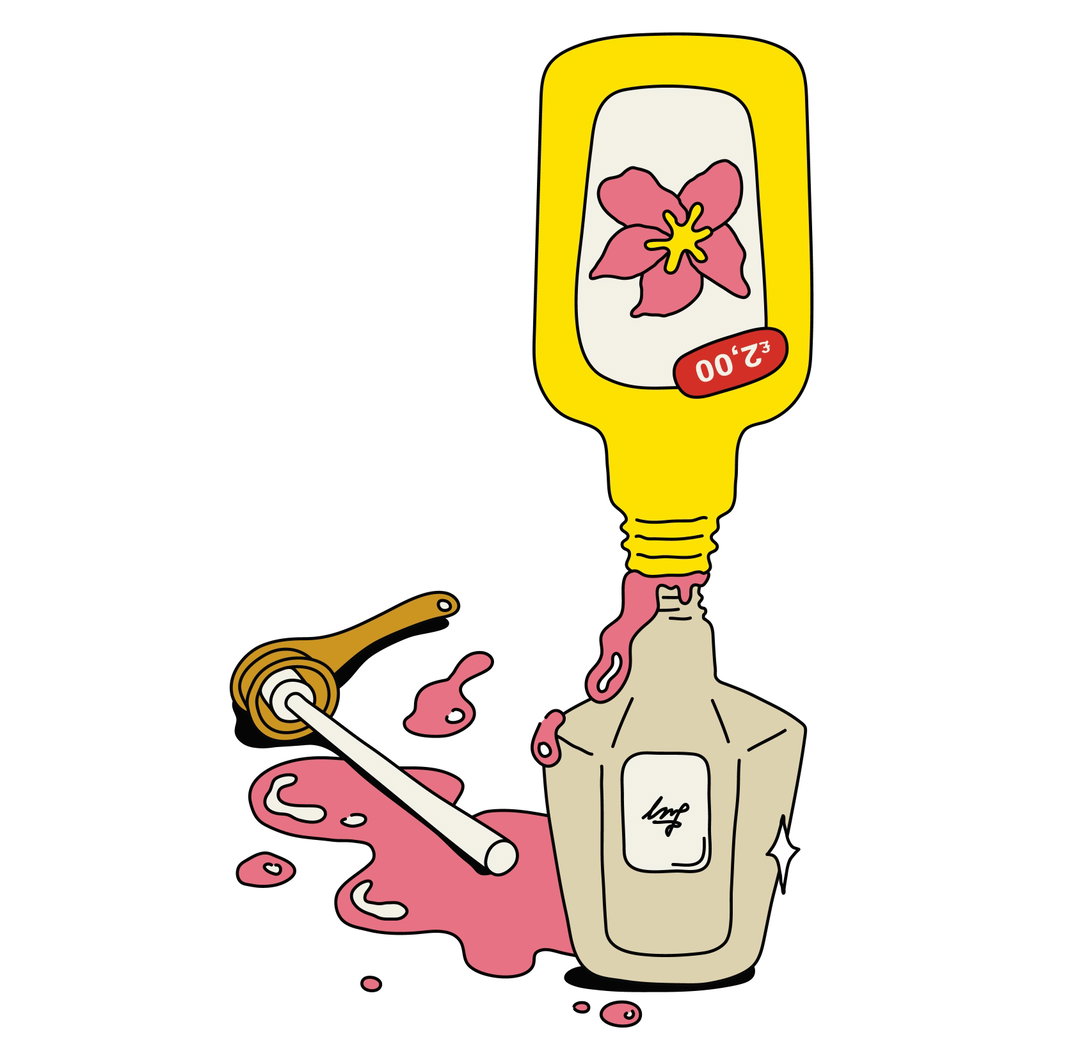
It’s the Brooklyn-based illustrator Igor Bastidas’ job to take these one-to-ones and distill them into a single image to be used online and in print, in The Guardian’s Saturday supplement. Using his signature style of block colours and fine black lines, Igor brings humanity and humour to his weekly drawings. Over the past three years, the illustrator has learned that simplicity – rather than seeking out complex metaphors – and reading between the lines to uncover the real tension at the heart of every story, is the key to making something fitting. But, here at It’s Nice That, we wondered: how do you stay fresh and evolve your approach when working on the same commission every single week? And how do you not let your own judgement on the disagreements cloud your creativity? Igor answers all of these questions and more below.
Copyright © Igor Bastidas
It’s Nice That (INT):
You’ve been working on this commission for three years now. How does it feel to have hit the milestone of 156 illustrations?
Igor Bastidas (IB):
I’m really proud and happy. It was something completely unexpected, and I love how the column has evolved over the past three years.
When I accepted the commission, I didn’t imagine it would become such a significant part of my workflow. Looking back at the illustrations, I can see there is some sort of evolution of a visual language that gradually found its own identity. What makes me happiest is that, even after all this time, I haven’t been bored. Each week brings a different story, and there’s always something new to solve.
INT:
How did the commission first land on your desk, and why did you want to work on it? What attracted you to the brief?
IB:
I was first approached by Suzanne Lemon, an art director at The Guardian, who I had already worked with on a few commissions for the Saturday magazine. In 2023, she reached out to ask if I’d be interested in taking on a weekly column called You Be the Judge, which runs every Saturday in print and online. Each week, two people present opposing sides of a real-life disagreement, and readers are invited to decide who’s in the right. Suzanne encouraged me to make the column my own by developing a visual language that felt authentic to me, and I loved that freedom.
The brief itself was unlike anything I’d worked on before. Every week presents a small human conflict – sometimes funny, sometimes surprisingly emotional, sometimes completely absurd – and my initial challenge was to create a visual language flexible enough to embrace all of those different situations while still feeling like part of the same series. That’s what attracted me the most. I love editorial illustrations that invite people into an idea or a conversation. You Be the Judge is built around exactly that principle. Each illustration must acknowledge different perspectives while also being engaging.
I found the weekly rhythm really appealing. As a freelancer, every project is usually different, so there’s something satisfying about returning to the same column every week. It creates a sense of routine while still presenting a completely new creative challenge each time. I’ve always admired and got inspired by artists who developed a long-term relationship with their audience through recurring work, like Pedro León Zapata with his daily cartoons in El Nacional or Quino with his comic Mafalda. There’s something beautiful about that discipline and consistency, about showing up regularly and gradually building a visual world over time.
I remember thinking that if I could keep finding fresh ways to solve that visual puzzle week after week, it would be a fun project. Three years later, that’s still how it feels.
Copyright © Igor Bastidas, 2023
Copyright © Igor Bastidas, 2024

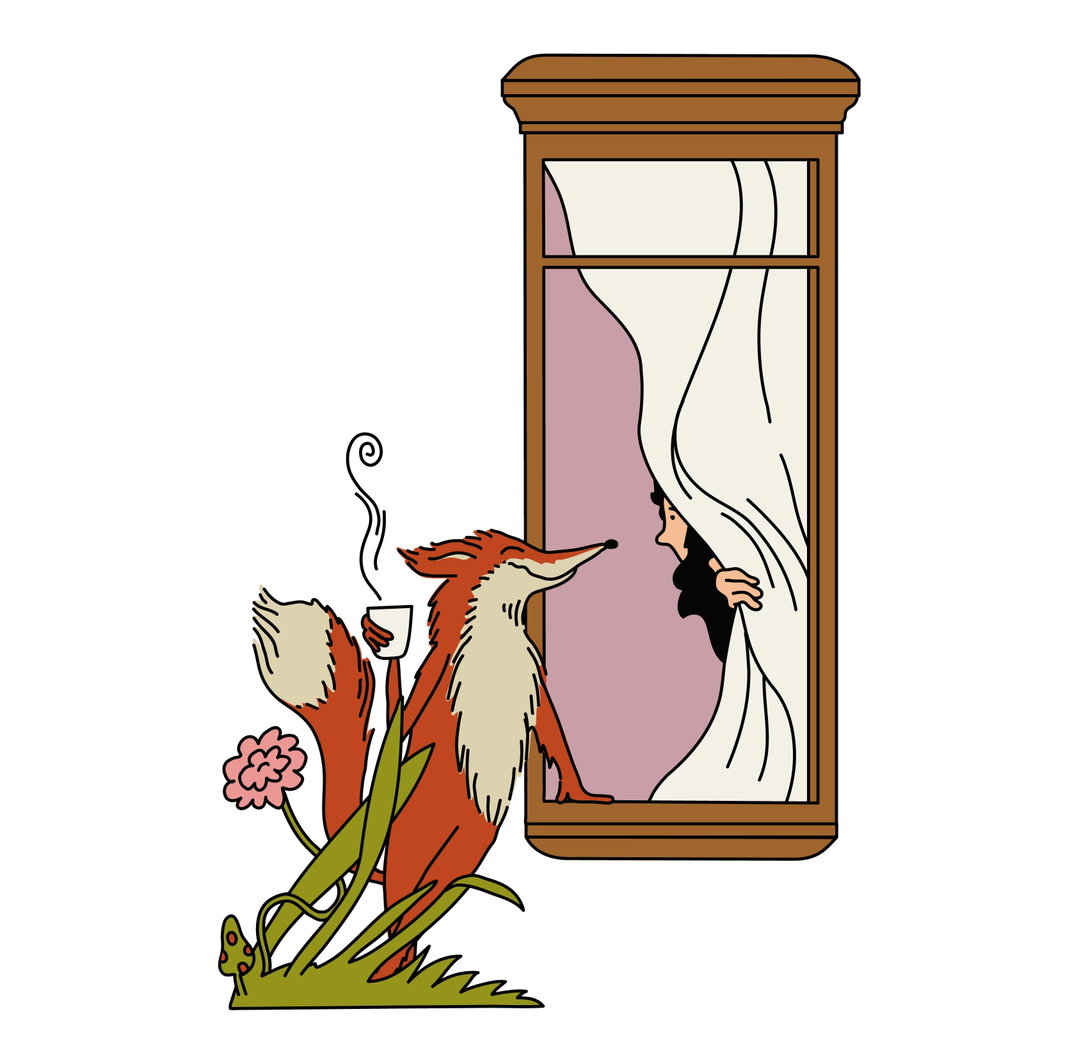
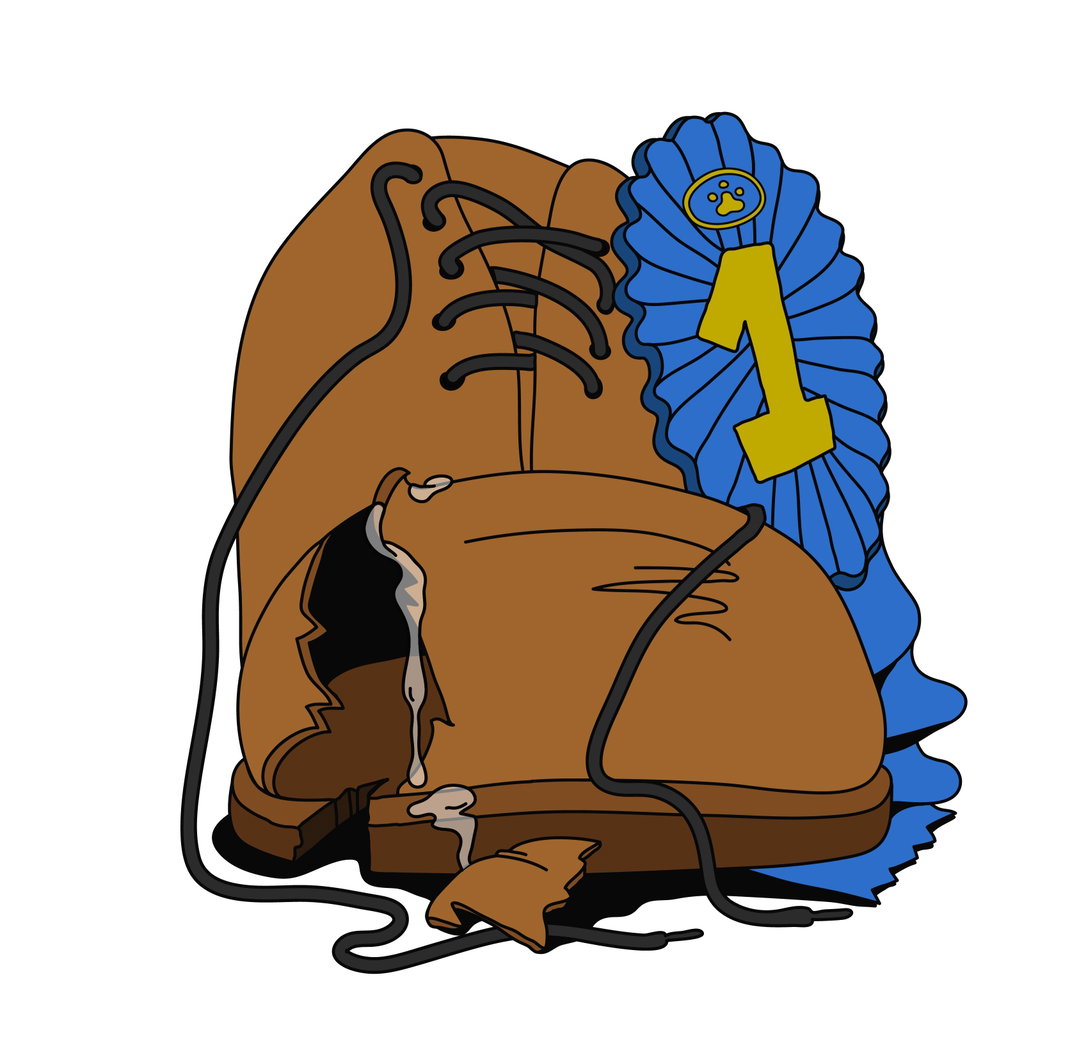
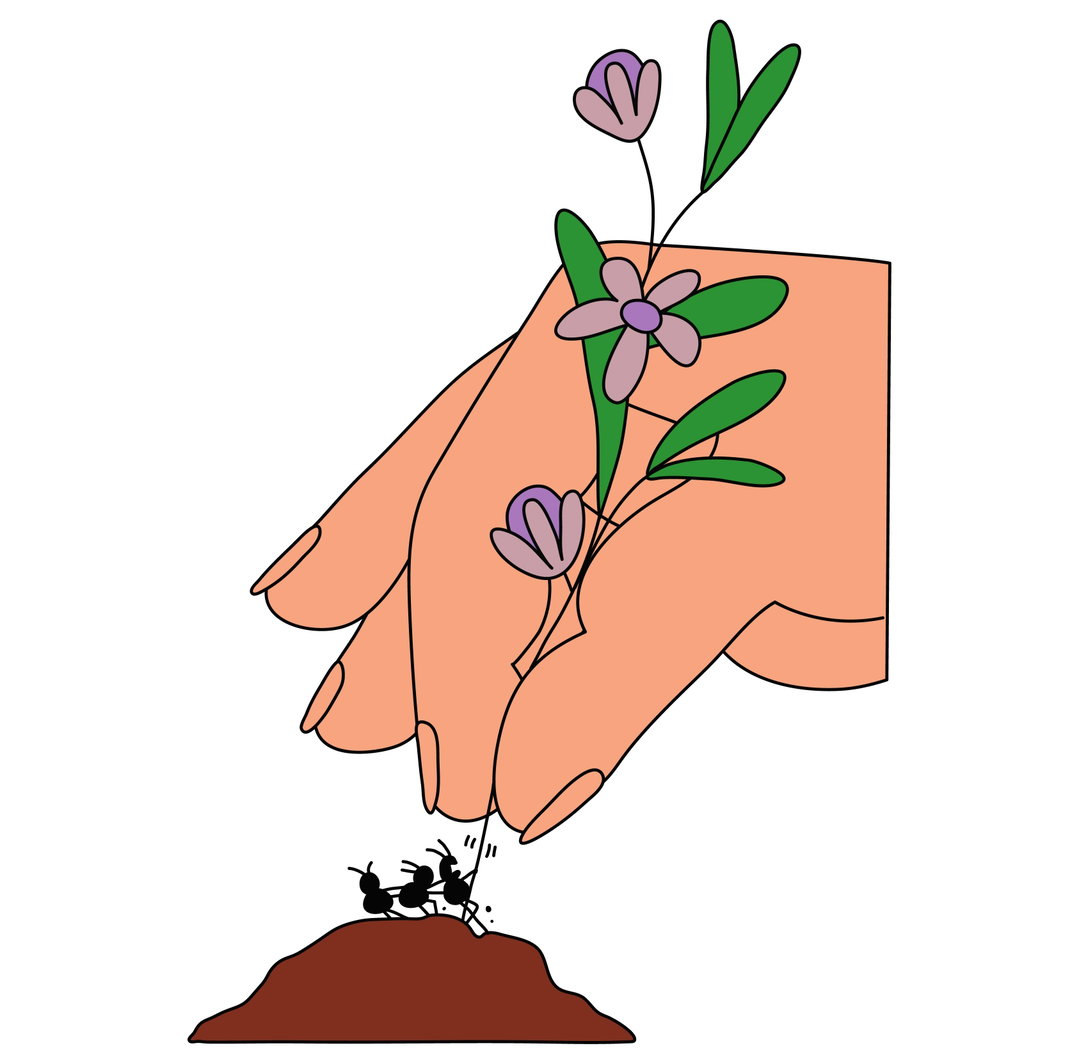
1 of 9
Copyright © Igor Bastidas, 2024
1 of 9
Copyright © Igor Bastidas, 2024
INT:
Can you tell us about your process? How do you take the overarching narrative of the disagreement and the two points of view and distill it all into one illustration?
IB:
The process is pretty standard and fast: I read the story then work around the week on two sketches. During this process I ask myself if there’s anything I can take away without losing the idea, to be simpler. Most of the work happens in that editing process. Then The Guardian picks one and we move forward to the finals for both online and print. If neither idea feels quite right, Suzanne’s feedback helps a lot in finding a stronger direction. Most of the time, the argument isn’t actually about the object in the headline, it’s about pride, generosity, control, fairness, habits or expectations. Once I understand the real tension, the illustration becomes easier to find.
“I’ve learned that not every image needs a visual trick if the story itself is compelling.”
Igor Bastidas
Early on, I probably approached every commission looking for the cleverest visual metaphor, where the idea itself does most of the work. With You Be the Judge, I’ve loosened the reins a bit and embraced a more literal, narrative approach. Some weeks the strongest illustration is a conceptual one, but other times it’s simply finding the right moment in the story and letting the narrative do the work. I’ve learned that not every image needs a visual trick if the story itself is compelling.
The design of the column has evolved too. In the beginning, the illustration lived in a very tall, vertical space, which was quite limiting. Over time, The Guardian and I found much more flexibility in how the artwork could occupy the left side of the page. Now I can work with square compositions or divide the illustration into different sections (within the same mag space) when the story benefits from it. That extra freedom has opened up many more possibilities to me.
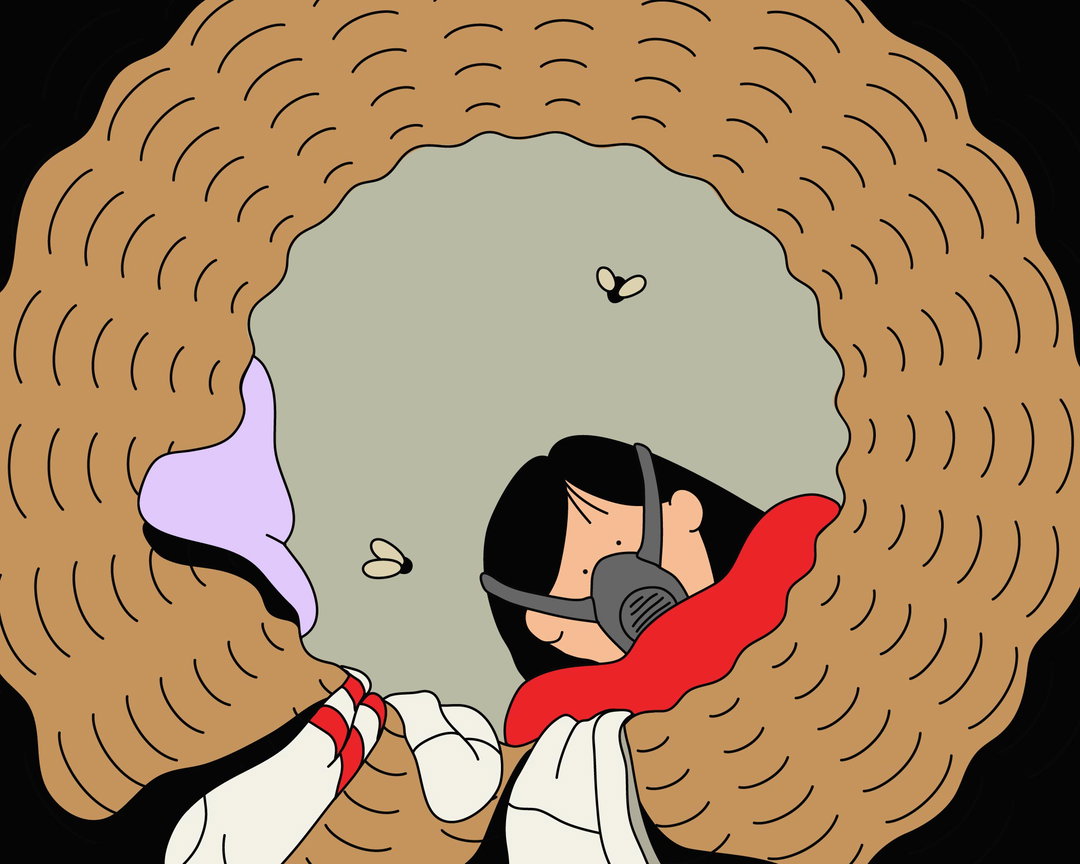
Copyright © Igor Bastidas
INT:
How would you describe the visual style you’ve developed for the series?
IB:
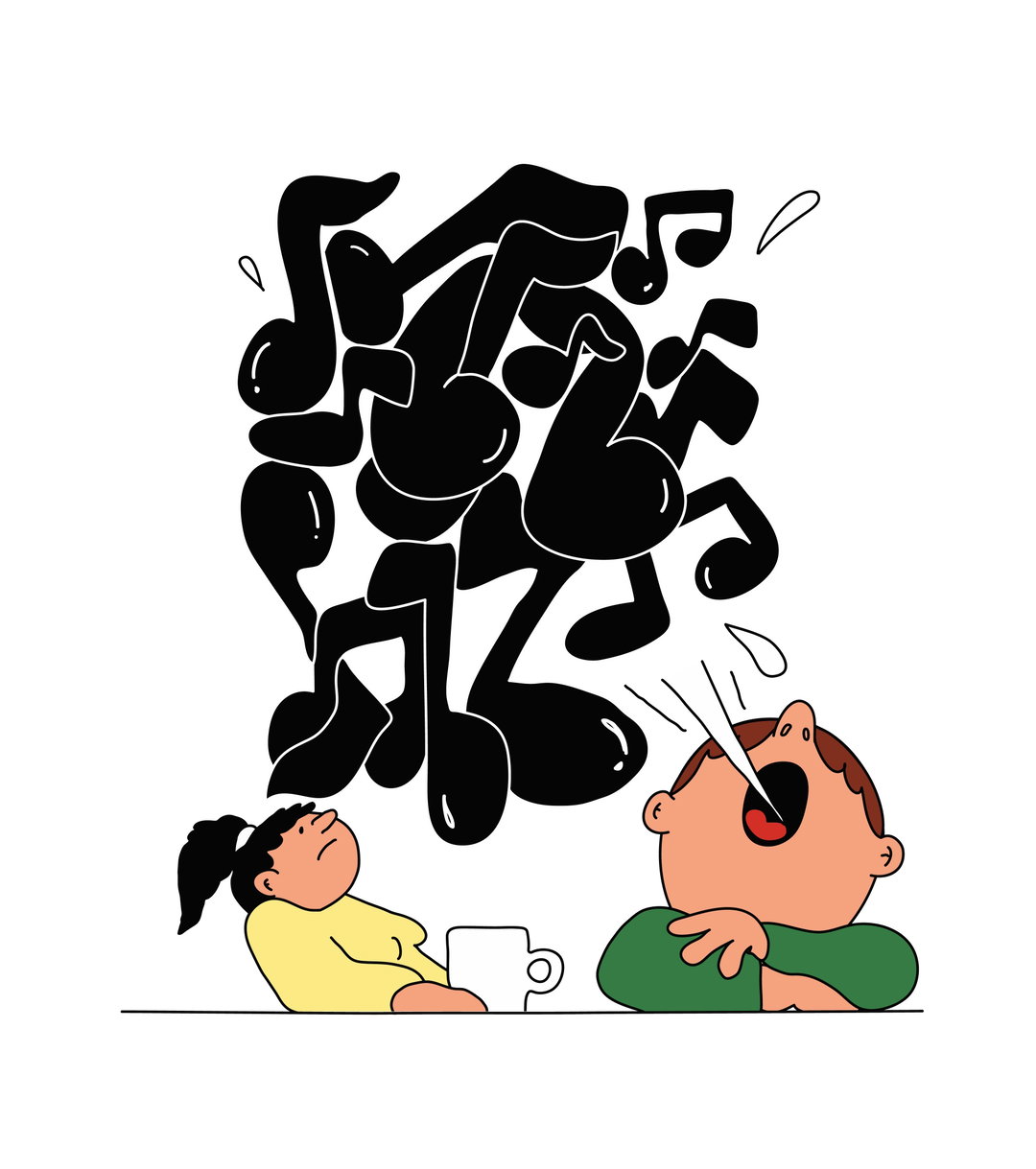
I think the series has developed a visual language that’s simple and bold, but also more expressive and flexible than my other work. Working on the column week after week has pushed me to move between conceptual illustration and storytelling, always trying to find the clearest and most engaging way to visualise each disagreement.
Because the column covers such a wide range of situations, from everyday domestic arguments to emotional dilemmas, I wanted the style to be flexible enough to embrace all of them while still feeling like part of the same body of work. There has also been a clear move toward qualities associated with cartooning. I began setting aside some of the neutral facial expressions and restrained proportions that were more present in my earlier work, embracing more exaggerated anatomy and more playful approaches to perspective and scale. I’m not sure whether that evolution came from the needs of the column or simply from trying not to get bored of myself. It’s probably a bit of both.
I look for a visual metaphor, unexpected perspective or a nice narrative that invites the reader into the story. Humour is usually there, but I want to create an image that sparks curiosity and leaves room for readers to form their own opinion before they even begin reading the article.
INT:
How hard is it not to let your own opinion – who you think is wrong or right – inform your piece? Or do you sometimes let it seep in?
IB:
It’s definitely something I’m conscious of. Like anyone reading these stories, I usually have an immediate reaction and instinctively find myself agreeing with one side. But I’ve learned not to trust that first impression too much. Quite often, after reading the full story, I end up changing my mind completely.
What interests me creatively isn’t deciding who’s right or wrong. It’s figuring out what the story is really about. Once I find that, the illustration starts to reveal itself. The interpretation is inevitable, but the curiosity is intentional. Every illustration is, in some way, my own response to the story. The choices I make, from the metaphor I pursue to the moment I choose to depict, inevitably reflect what resonates with me. That’s probably unavoidable. What I consciously try to do is approach both sides with the same level of empathy, curiosity and visual attention.
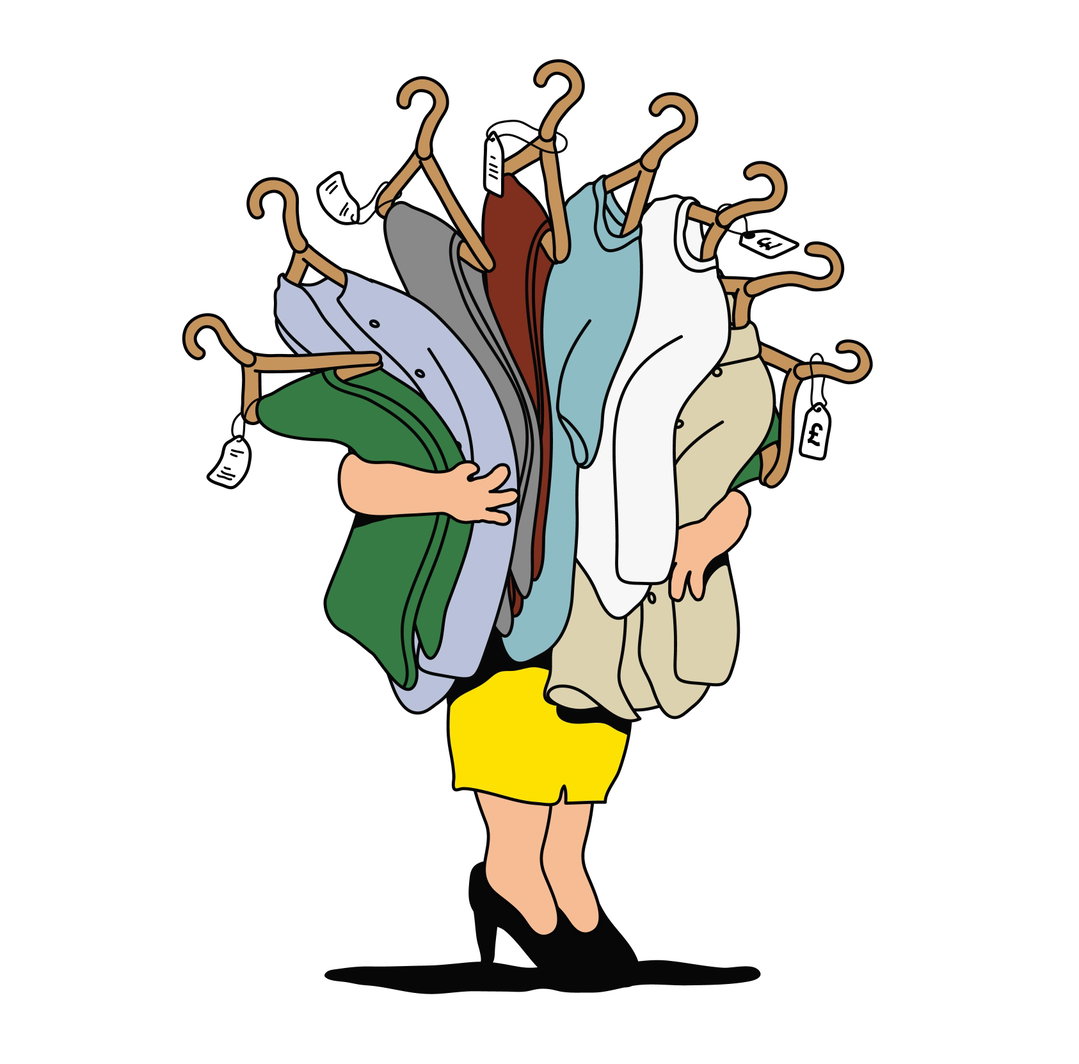
Copyright © Igor Bastidas, 2025
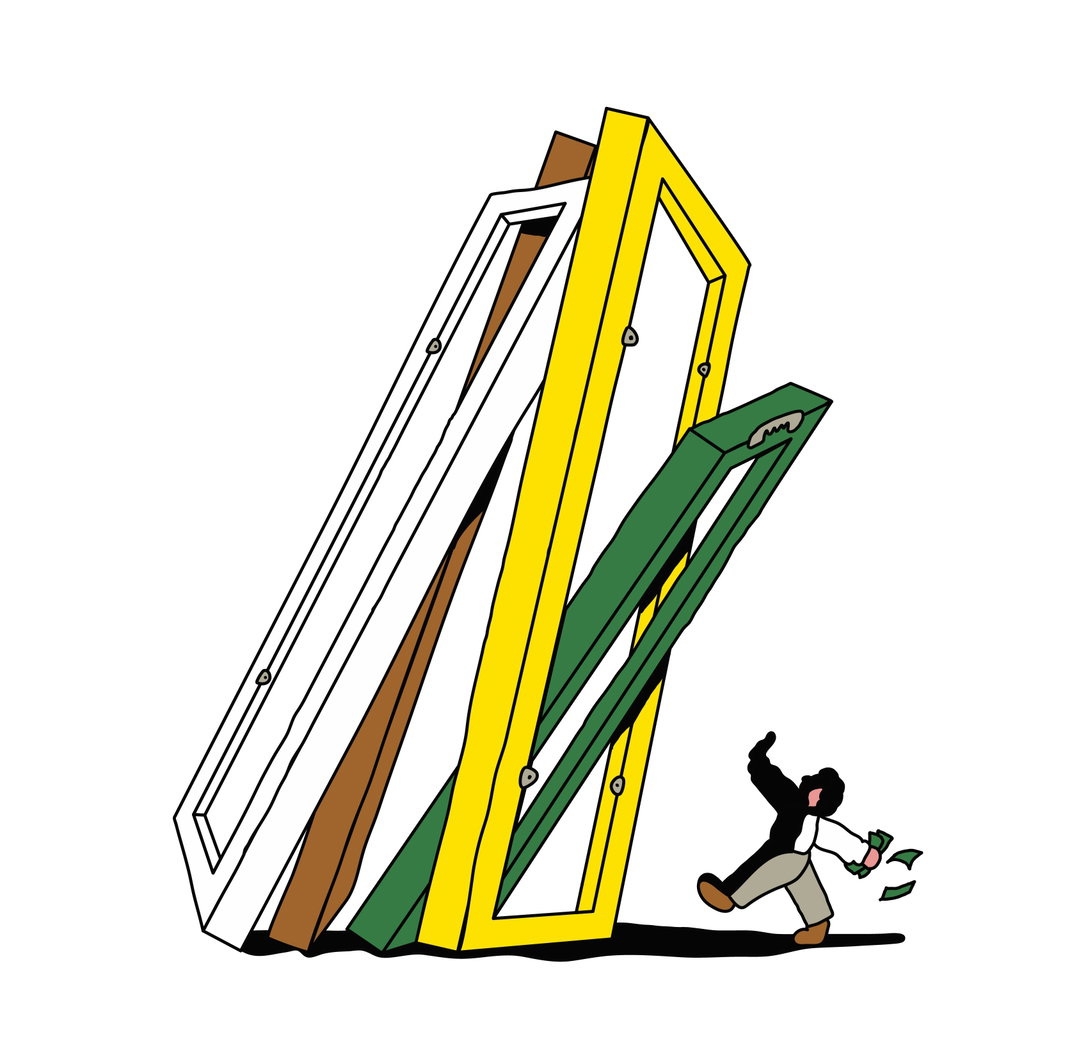
Copyright © Igor Bastidas, 2025
“I want to create an image that sparks curiosity and leaves room for readers to form their own opinion before they even begin reading the article.”
Igor Bastidas
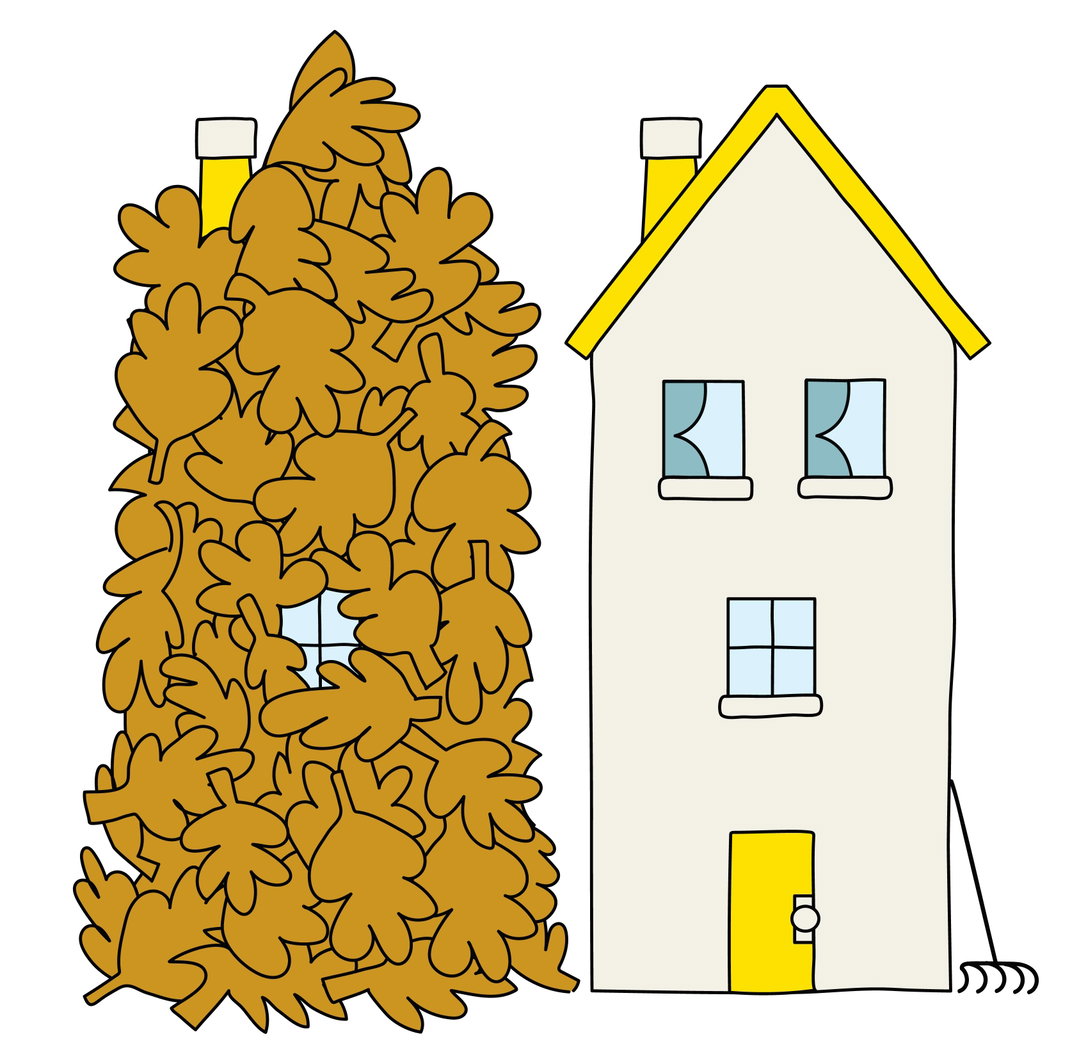

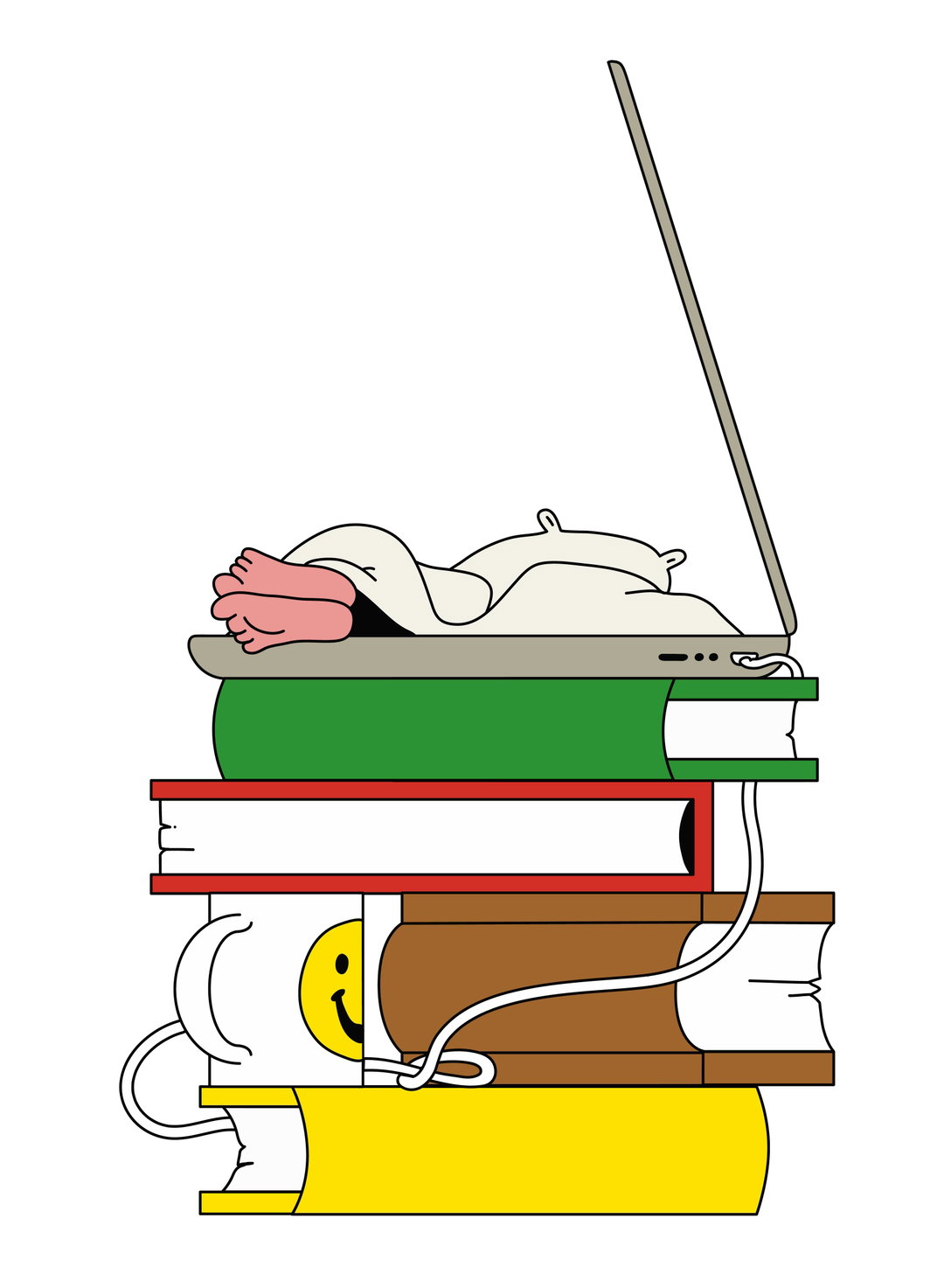
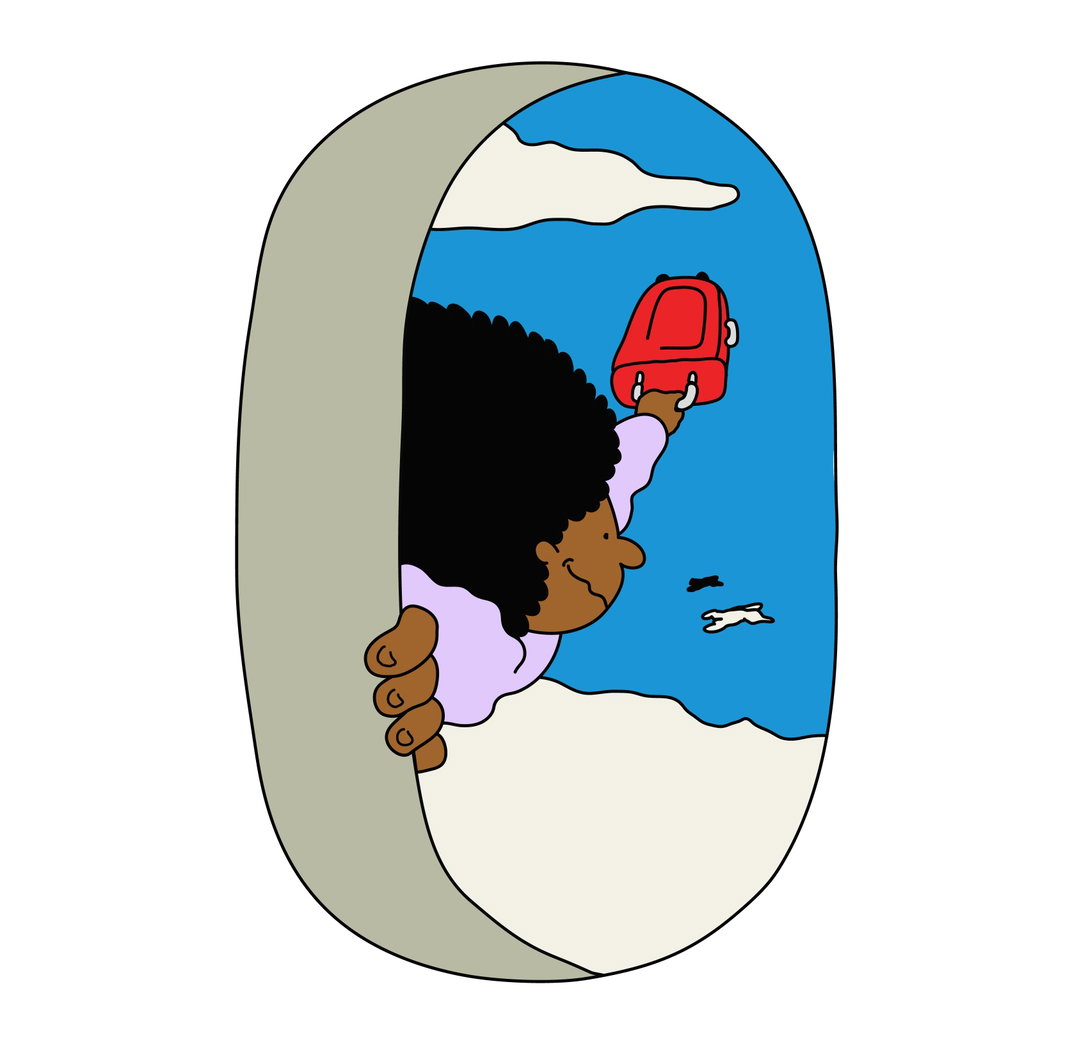
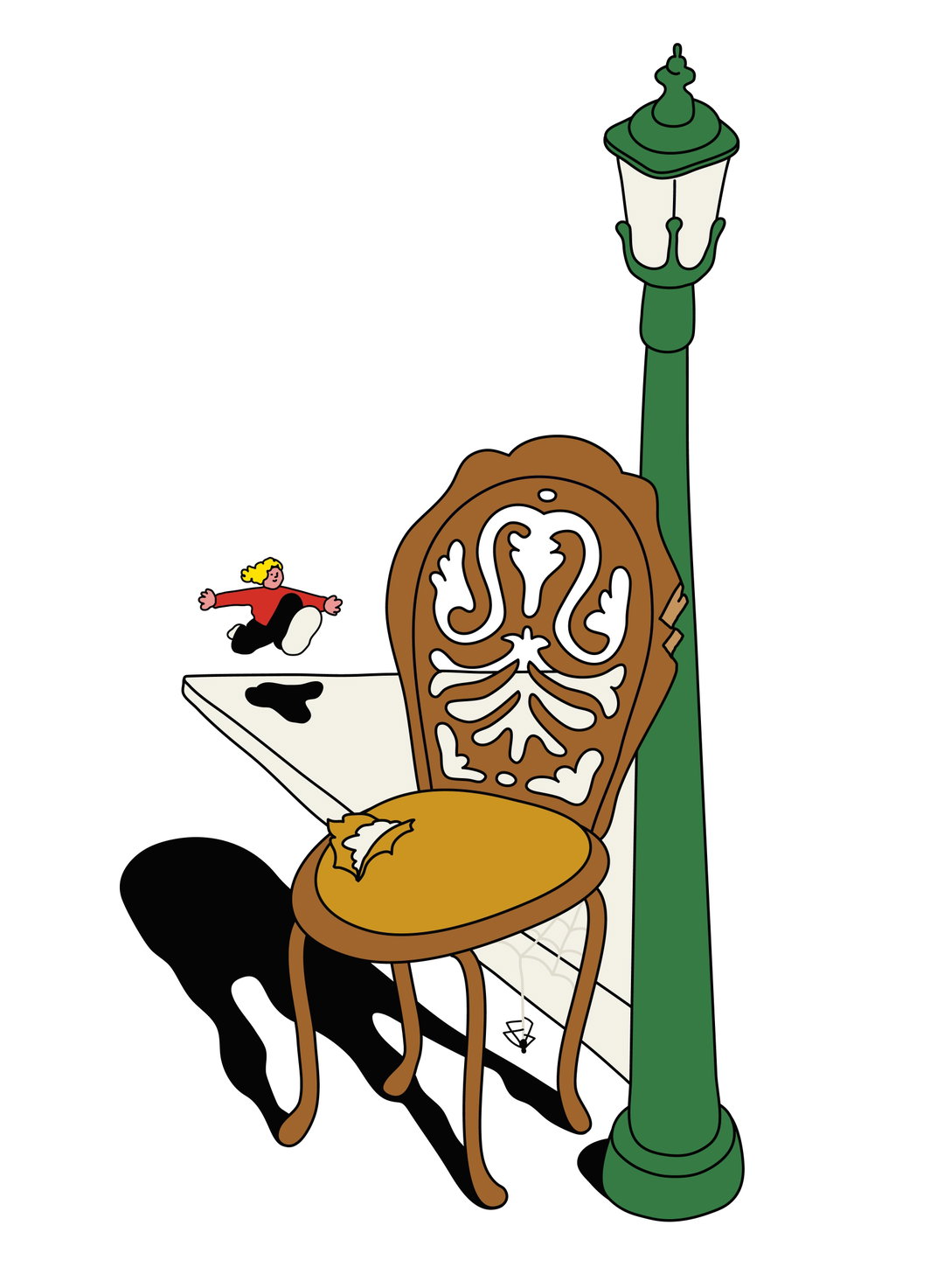
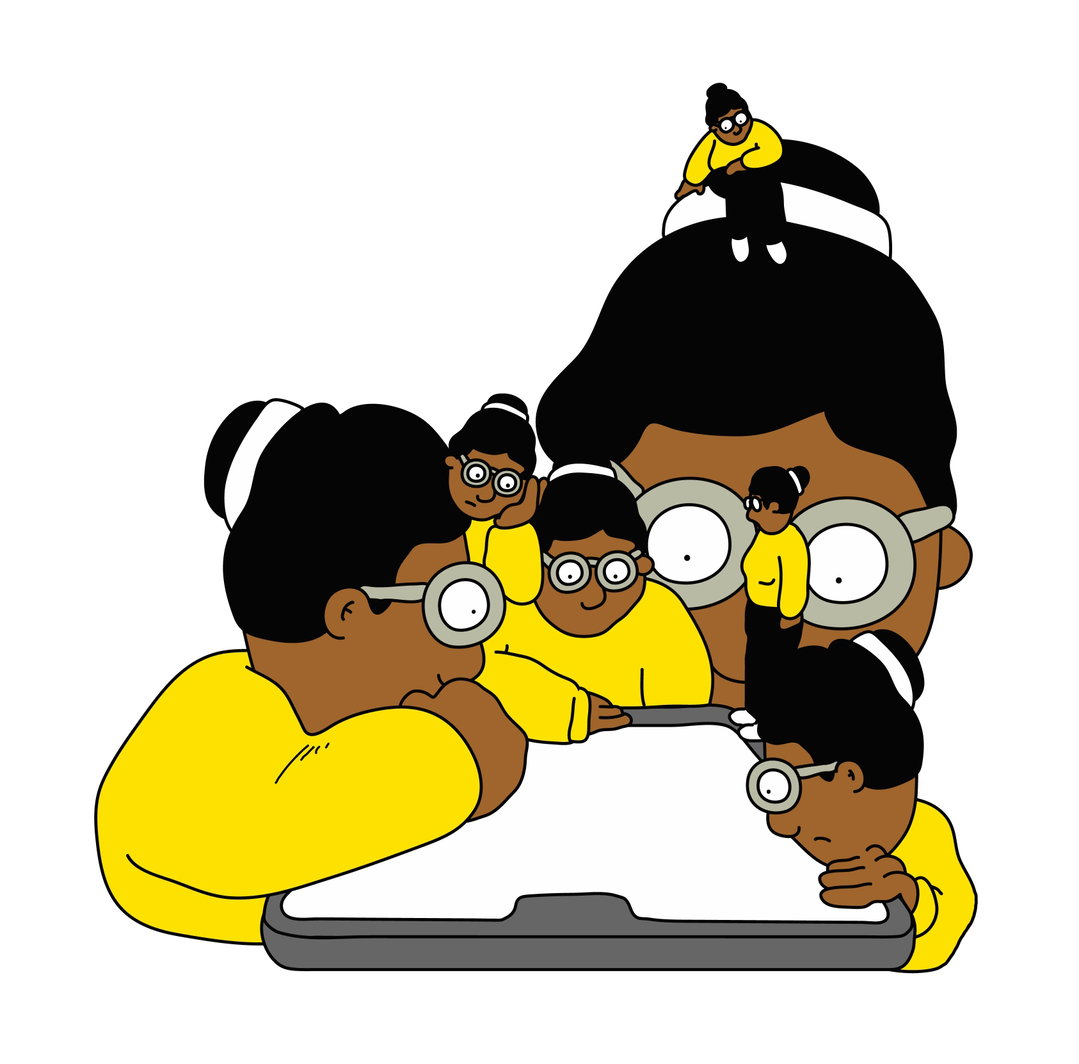
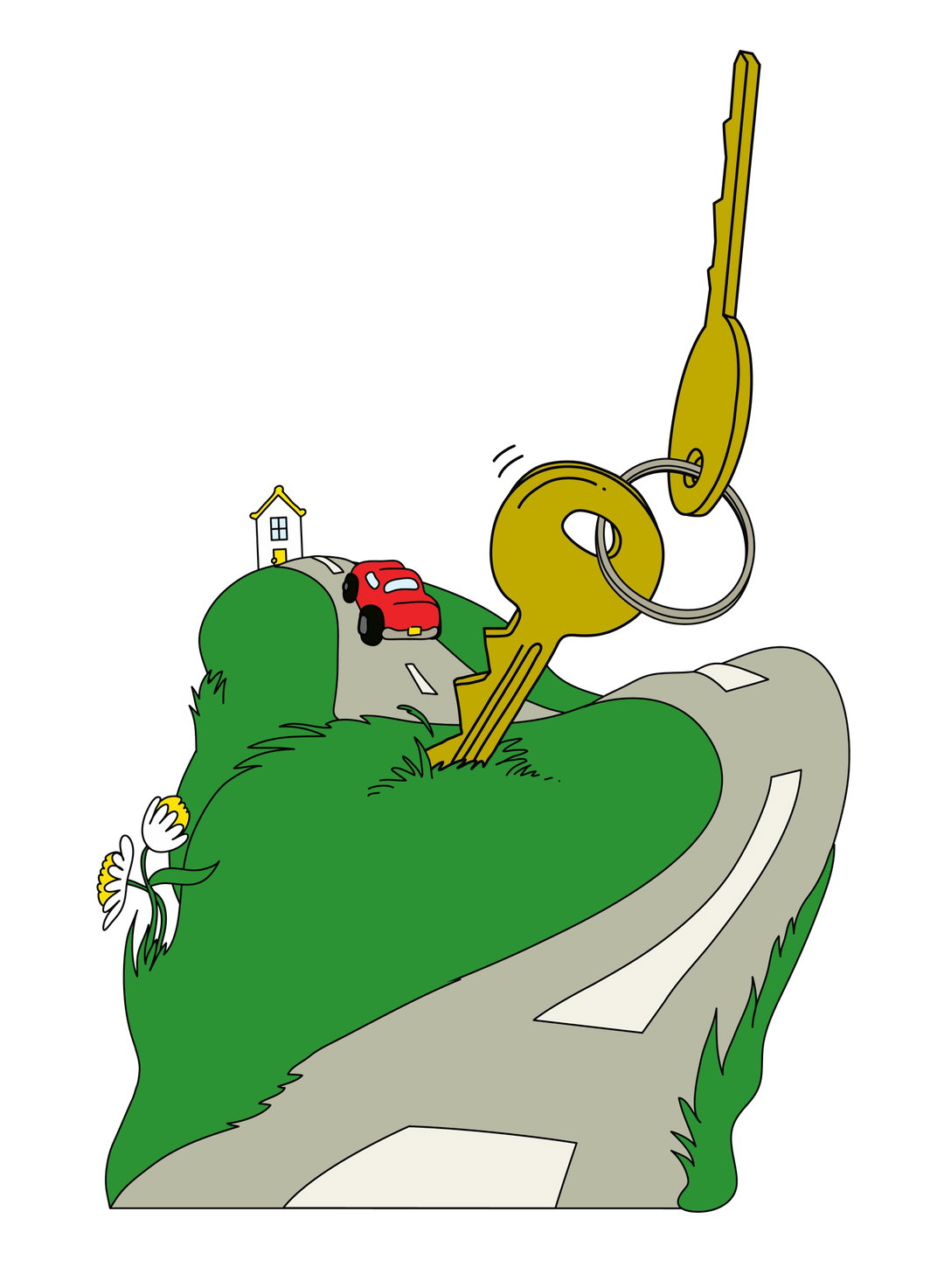
1 of 9
Copyright © Igor Bastidas, 2026
1 of 9
Copyright © Igor Bastidas, 2026
INT:
Has there been one story you’ve particularly enjoyed illustrating?
IB:
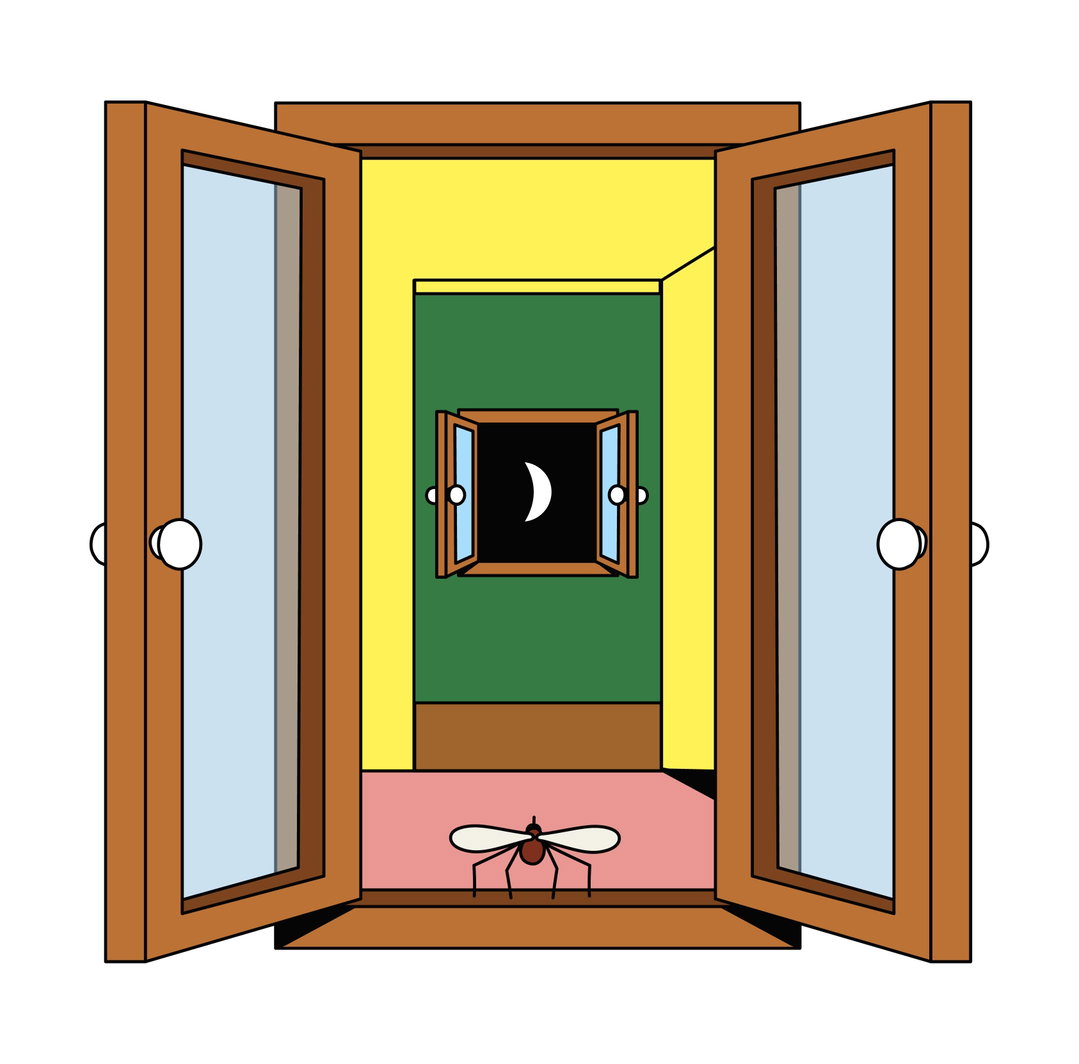
Certain stories stay with me, they connect to my own memories. Sometimes I send You Be the Judge pieces to my wife as a subtle way of saying, “Look, same argument we had, I was not crazy”. The ones that remind me of something I’ve lived, witnessed or heard growing up. Like the story about letting your kids climb over the neighbour’s fence to retrieve a ball. My brother and I did that almost every day, except we took it a step further and jumped from rooftop to rooftop. I can still remember my grandma leaning out of our fifth-floor window, screaming at us to get down. Or the story about Lucinda insisting on leaving the windows and doors open. That reminded me of my family. Those personal connections don’t necessarily give me the idea for the illustration, but they help me understand the emotional truth behind the disagreement.
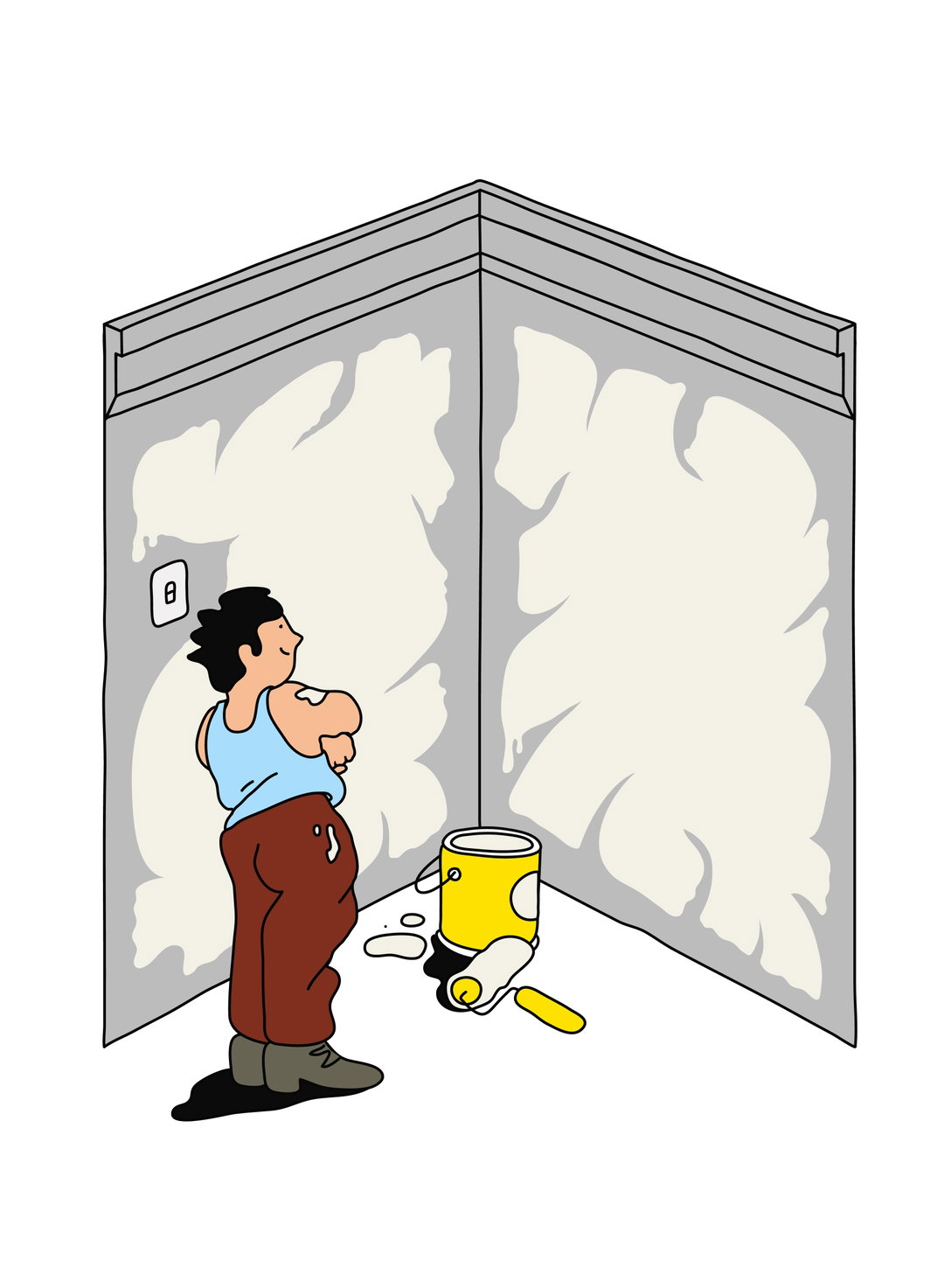
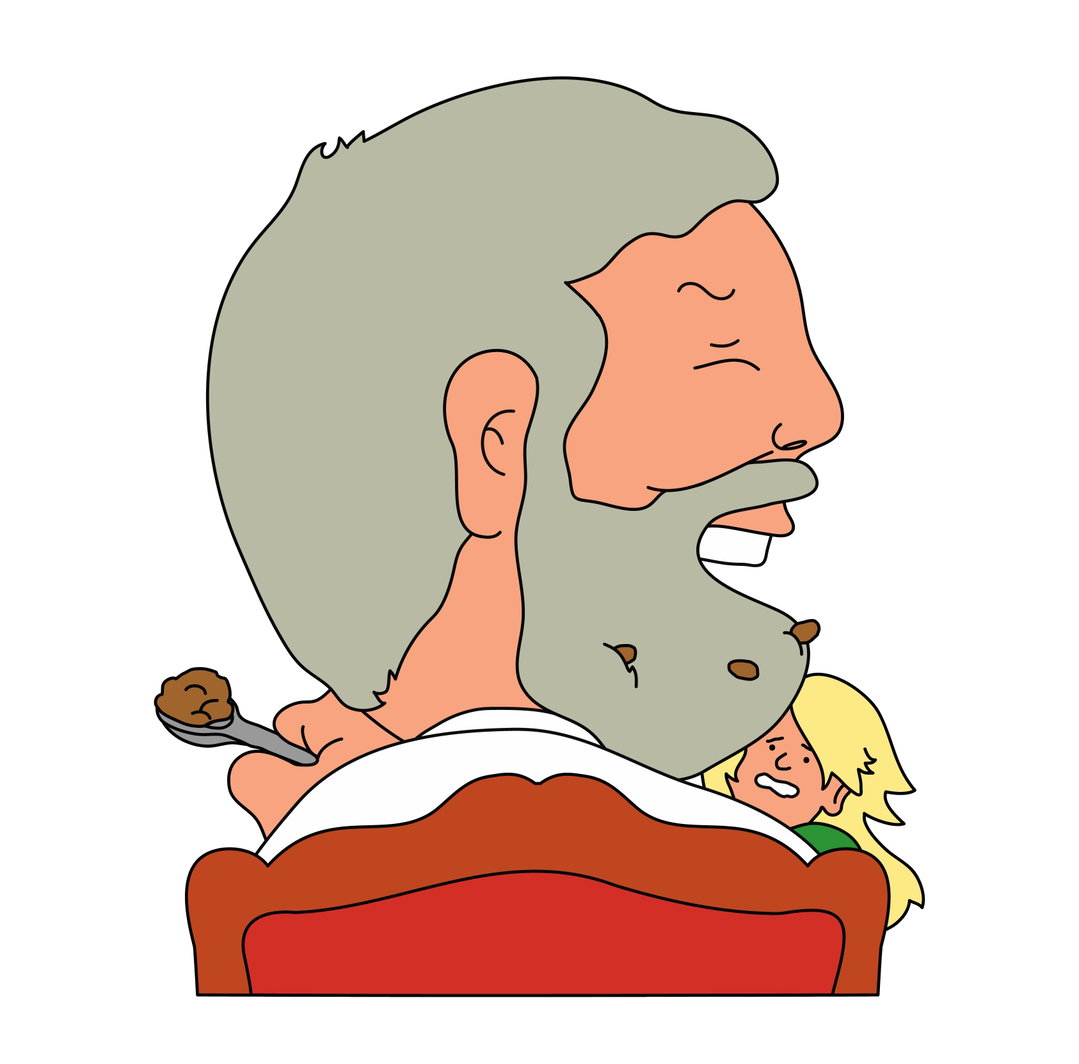
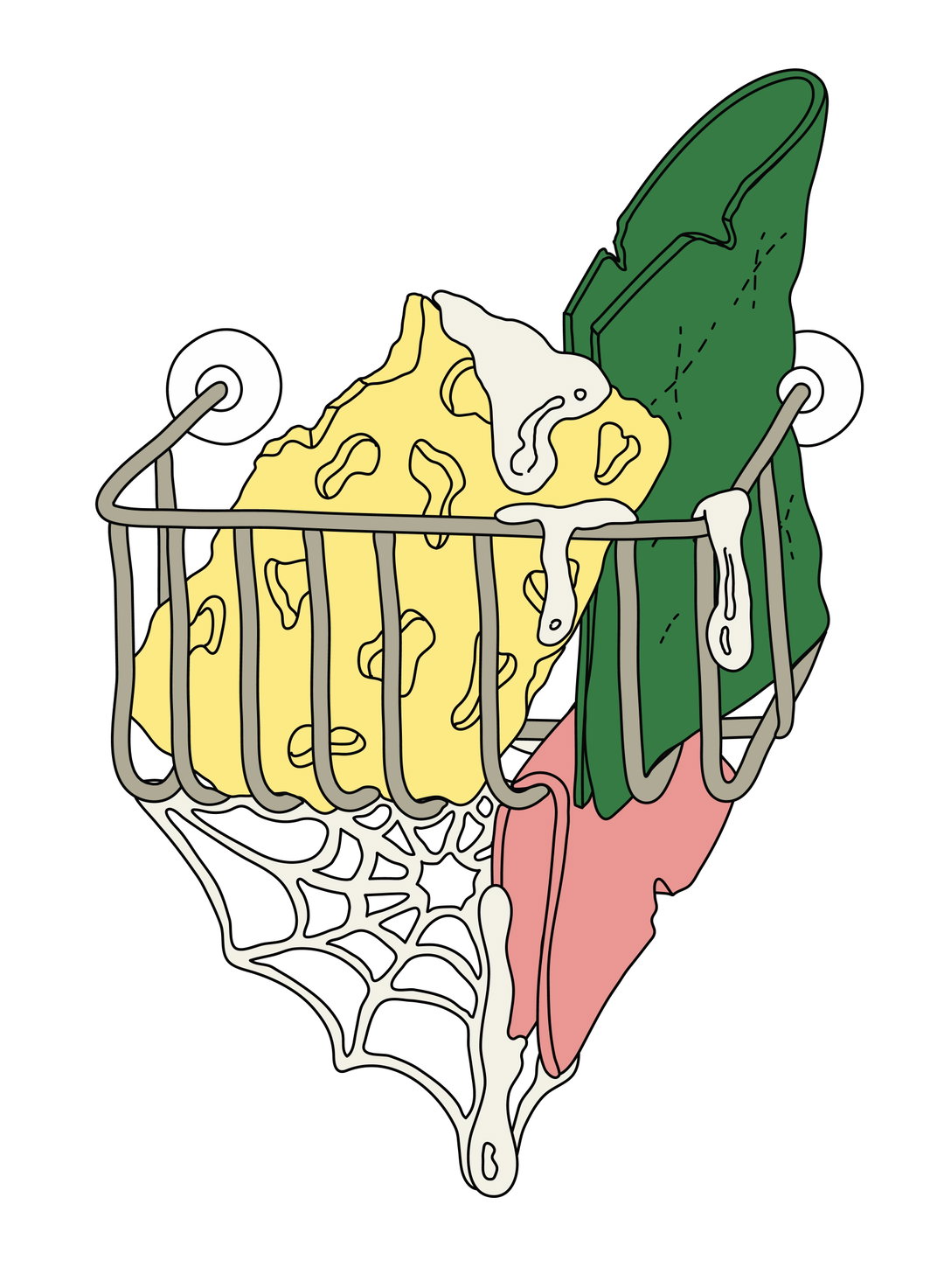
I also love the stories that seem completely at odds with common sense. The boyfriend who proudly painted the apartment walls but left the edges untouched. The guy who insisted on drinking from a hydration bladder during sex. Or the housemate who packs kitchen appliances every time he travels. They reveal how wonderfully strange people can be. Everyone involved usually has a perfectly logical explanation for their behavior, even when it sounds completely absurd to everyone else. Those stories almost illustrate themselves. My first instinct is always to look for a visual metaphor or an unexpected angle, then I realise they don’t need help. Reality is already weird, funny and oddly relatable all at the same time.
Copyright © Igor Bastidas, 2025
“Reality is already weird, funny and oddly relatable all at the same time.”
Igor Bastidas
INT:
On the flipside, is there one you’ve found particularly difficult to illustrate?
IB:
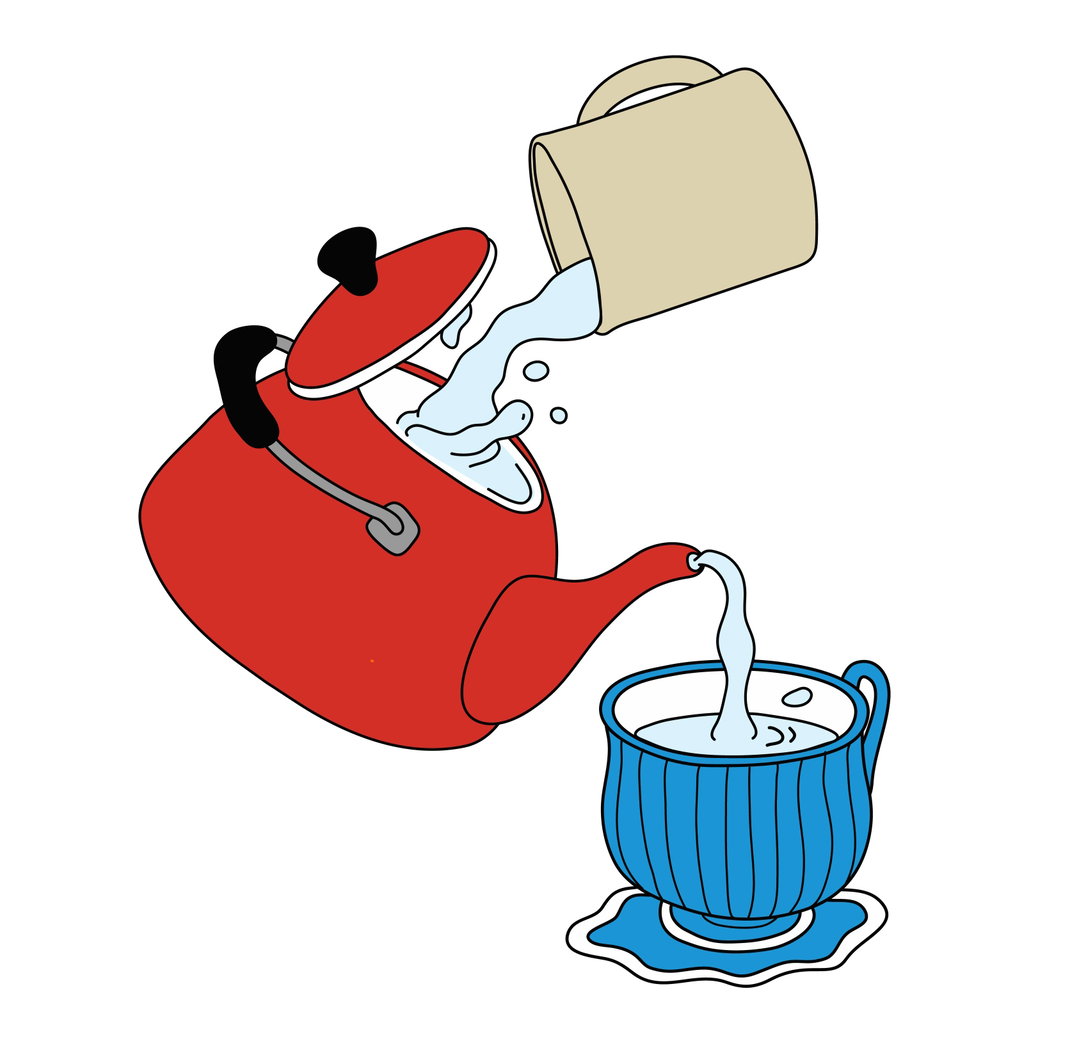
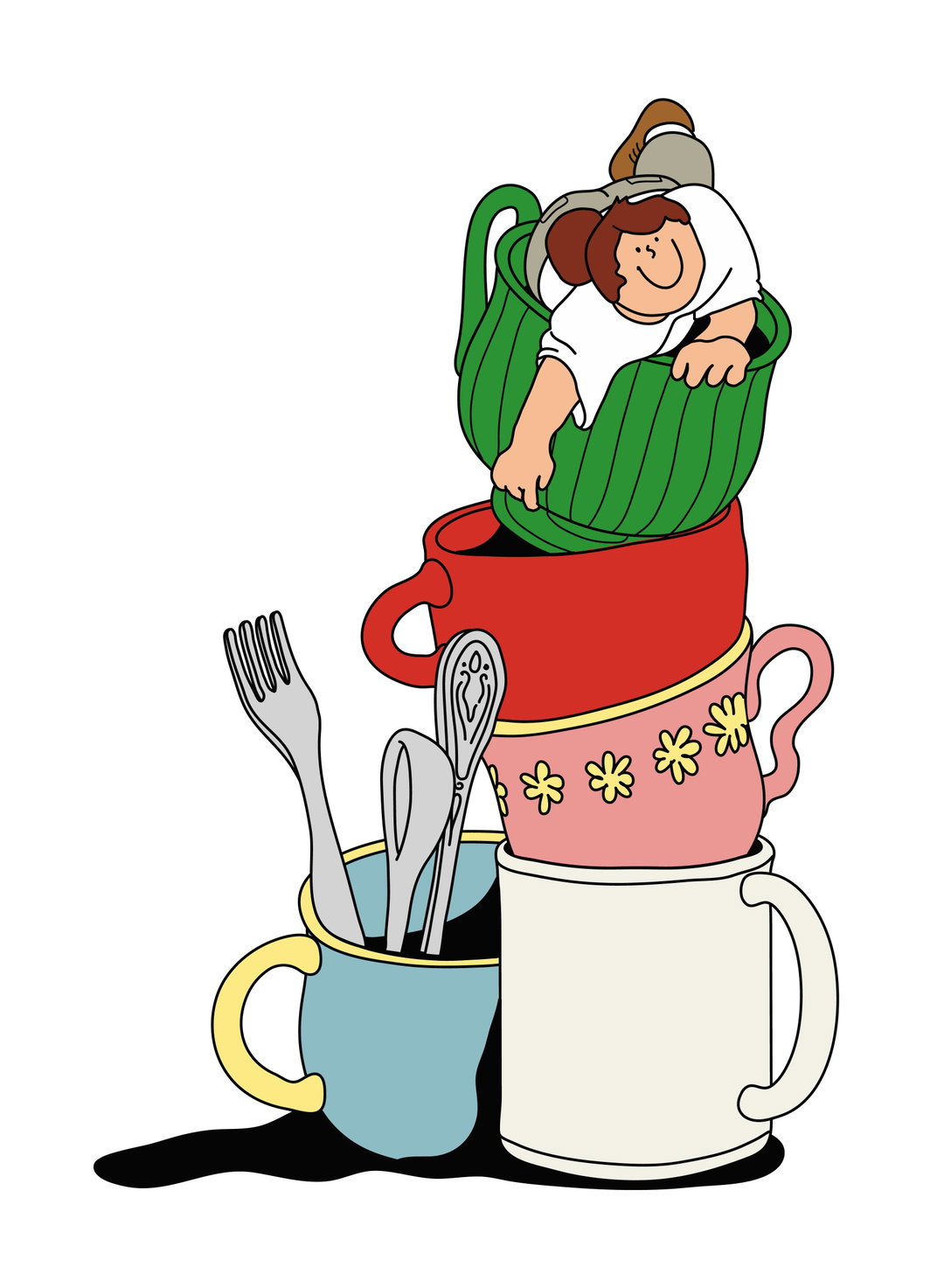
I think this one was particularly difficult because it’s about water. The whole disagreement revolves around whether water that’s been used to warm a mug is somehow different from the fresh water still in the kettle. Visually, though, they’re exactly the same. On top of that, the story is really a sequence of actions, pouring water into the mug, back into the kettle and then into another mug, rather than a single defining moment. The challenge was finding one image that could communicate the entire debate without relying on labels or explanation. It’s somehow like making an invisible idea visible.
Copyright © Igor Bastidas, 2026

INT:
Is there one piece that you think summarises the best of your work on the series, when the story and the visuals work in perfect harmony?
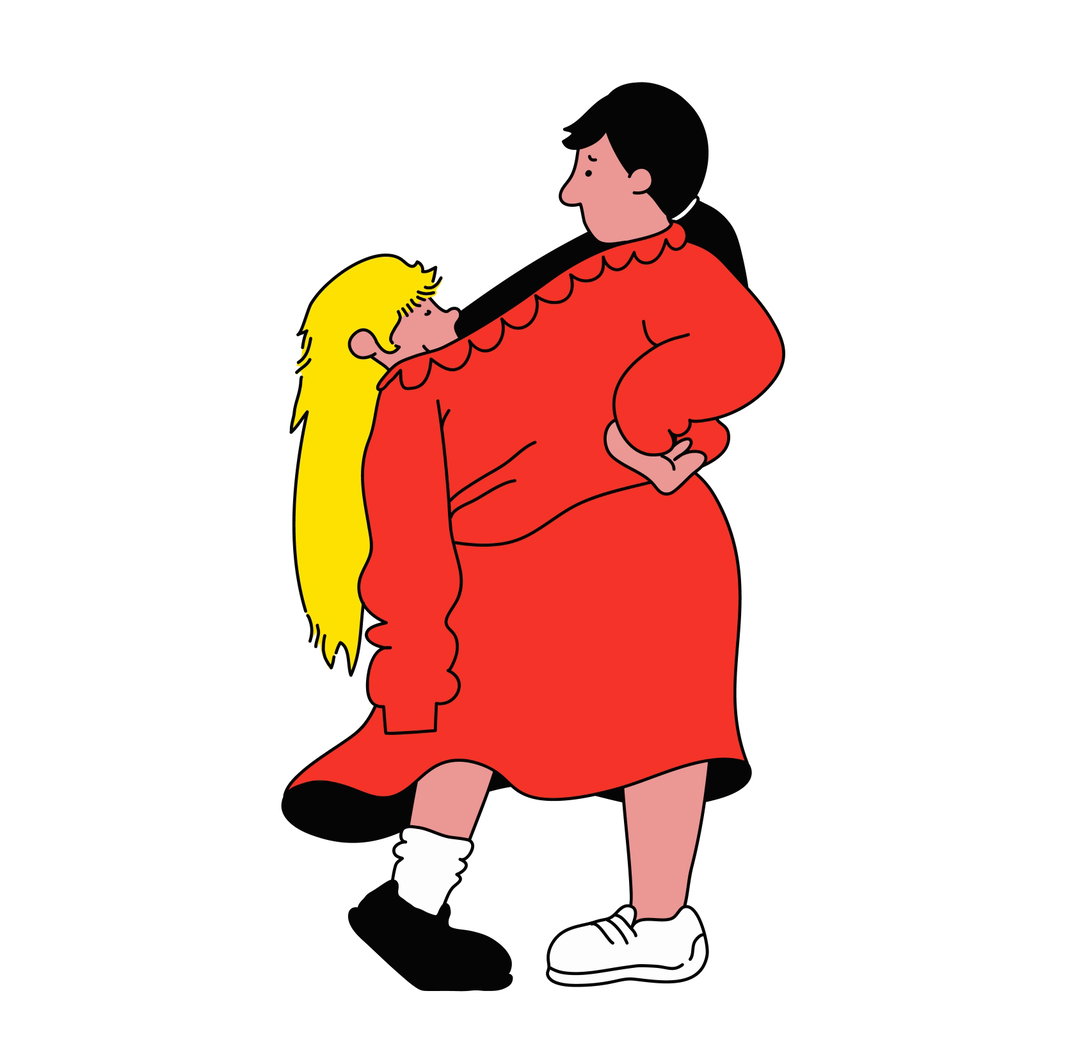
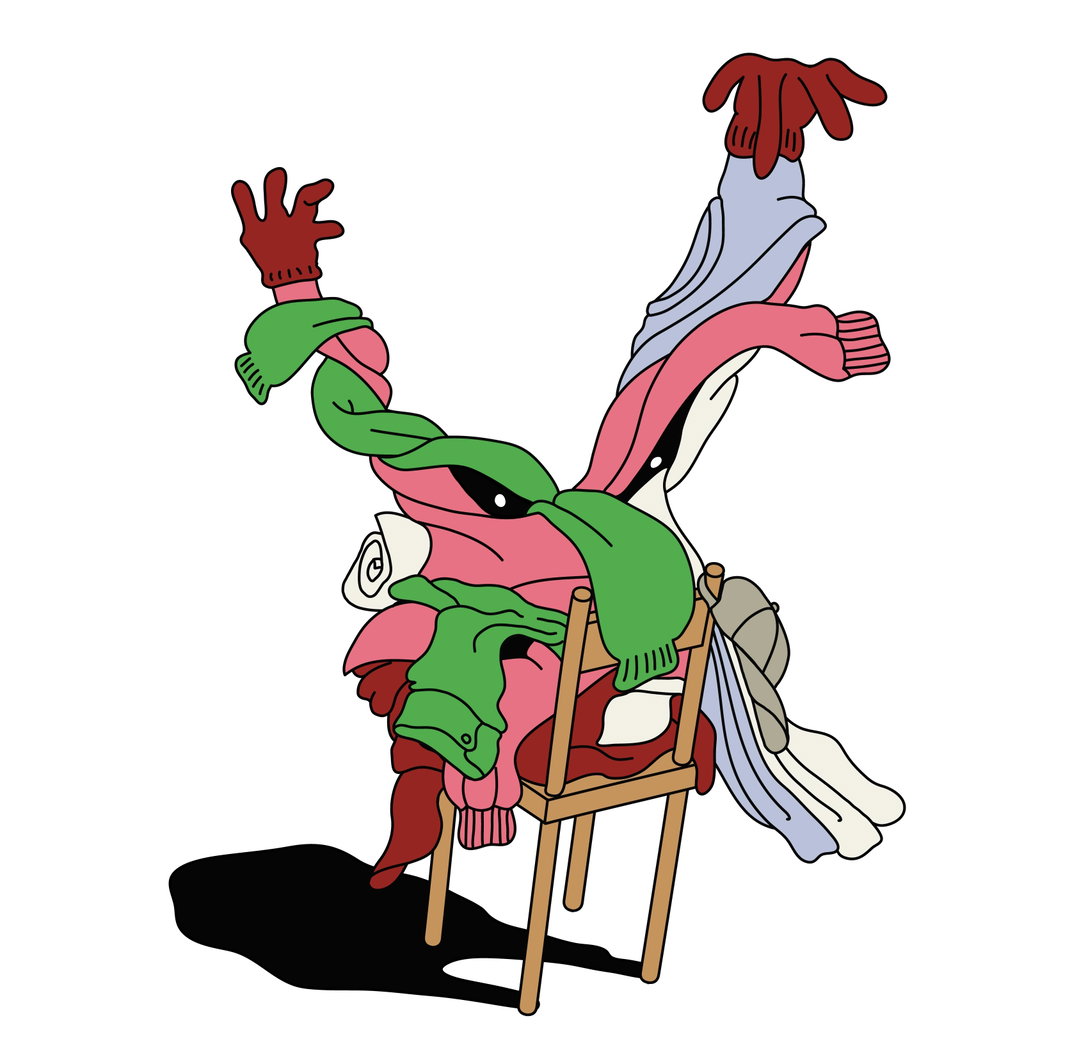
IB: I’m not sure I have a single favourite, but I always lean towards the simpler ones. During my first year working on the column, I remember finishing the illustration about the daughter borrowing her mum’s clothes and thinking, “This is the level of simplicity and fun I want this column to have”. It felt effortless in the best way.
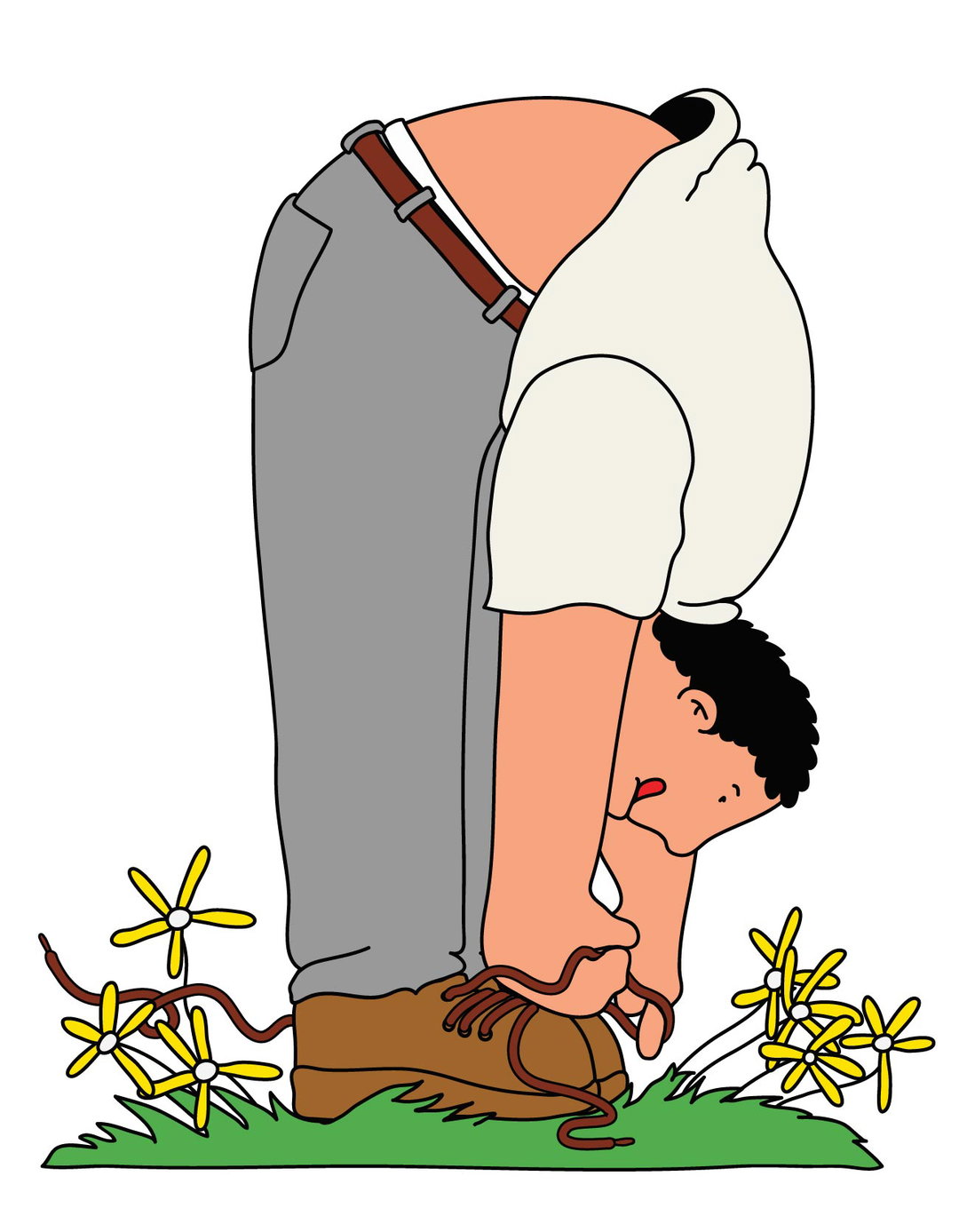
Another one I’m particularly happy with is the story about the man who refuses to double-tie his shoelaces because he enjoys the excuse to stop and tie them again later. It’s an illustration that isn’t trying to be conceptually clever. There’s no visual metaphor or hidden trick, it’s simply a man appreciating that small pause in his day. I like that the illustration has the same calm feeling as the story itself. There’s something almost meditative about bending down to tie your shoes – it reconnects you with the ground and gives you a brief moment to slow down. I think that piece captures both humour and humanity.
INT:
What’s it like building a professional relationship with art directors, and fine-tuning the art of feedback and revision?
IB:
When I started working on the column three years ago, we were still figuring out the rhythm of a weekly commission: the pace, the feedback and the delivery schedule. Suzanne and I gradually fine-tuned all of those details, week after week. At the beginning, I probably spent more weekends working than I should have because I was still learning how to organise myself with my other clients around a weekly deadline. Eventually, though, we found the precious balance that a recurring column needs.
I feel very lucky to have worked with Suzanne for all these years. She is an incredibly open art director who is great at managing communication between both sides – the editors’ and mine. One thing I really appreciate is that she’s always looking out for the human side of the job. Every year she asks if I’m planning to take time off over the summer or Christmas, making sure we can plan ahead so I actually get a break. That kind of thoughtfulness goes a long way in a weekly collaboration.
Copyright © Igor Bastidas, 2024
Copyright © Igor Bastidas, 2026

1 of 6
Copyright © Igor Bastidas, 2026
1 of 6
Copyright © Igor Bastidas, 2026
INT:
How do you think having a regular commission like this has impacted and informed the rest of your practice?
IB:
I don’t know if it necessarily makes me a better illustrator, but it has certainly made me more confident in my creative process. There's something satisfying on solving that visual puzzle week after week and I guess that mindset somehow carries over into the rest of my work, editorial, commercial and personal.
Hero Header
Copyright © Igor Bastidas, 2026
Share Article
Further Info
About the Author
—
Olivia (she/her) is associate editor of the website, overseeing the day-to-day editorial projects as well as Nicer Tuesdays events. She joined the It’s Nice That team in 2021. ofh@itsnicethat.com
To submit your work to be featured on the site, see our Submissions Guide.