


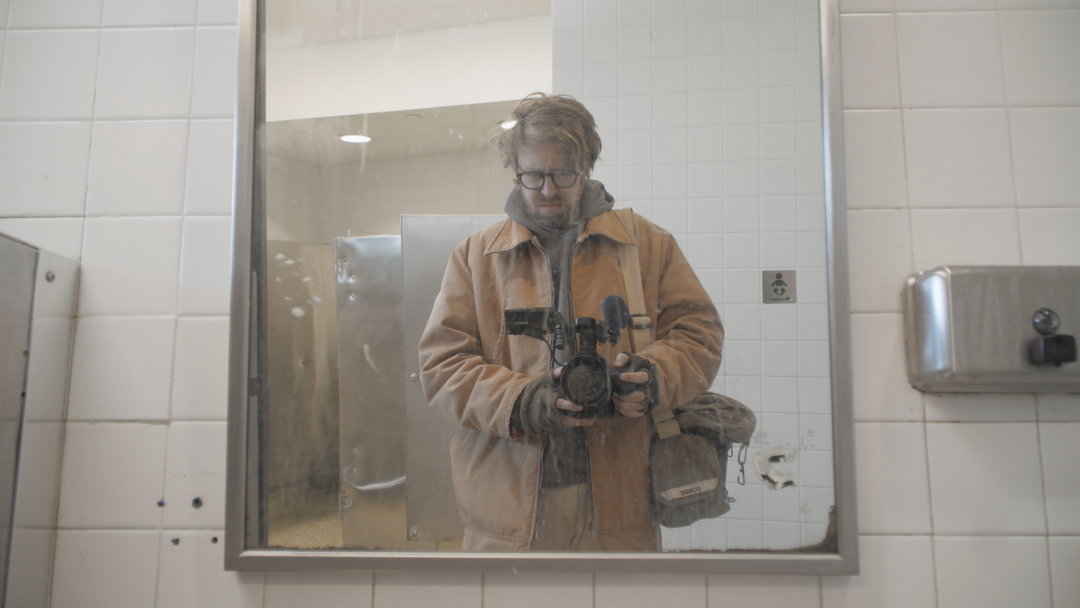
- Words
- Jenny Brewer
- —
- Date
- 21 September 2026
- Tags
“It’s weirdly helpful to get lost along the way” – how to make a film with John Wilson
The director chats to It’s Nice That about his first feature film, The History of Concrete, and the process by which his comedic explorations of the banal become so beautiful.
Share
Share
To the uninitiated, it’s quite hard to describe John Wilson’s singular style of filmmaking. It’s both documentary and comedy, a satirical yet sincere celebration of the eclecticism of humankind, a demonstration of how beauty and humour can be found in the mundane. It seems meandering and never ends up going where you think it’s going to go, but always wraps up in a satisfying way, making a profound comment on society with the subtle irony only John Wilson can deliver.
After three hugely successful series of How To with John Wilson on HBO, where the director gave viewers life lessons on How to Cook the Perfect Risotto, How to Find a Spot and How to Watch the Game, John is back (hooray!) with his first feature-length film: The History of Concrete. It starts off self-referential: the How To series is over, the royalty cheques are getting smaller, and he wants to make a film, so he goes to a Hallmark Movie workshop to learn how. He then deploys its teachings to make a genuine documentary investigating concrete, the second-most-used material on the planet after water, all the while figuring out how to get his movie made. Like the series did so well, it uses a ubiquitous subject to go on a journey of discovery, to address grander themes such as preservation, sustainability, creative freedom and capitalism, and importantly for John, to tell the human stories at the ground level.
On the release of the film, I got the chance to speak to John about his filmmaking process. We discuss his humble, disarming way of making people feel comfortable in front of the camera; how he weaves narrative through serendipitously gathered footage; the encyclopaedic shot library that lives inside his head; why contrasting visuals and voiceovers is such a funny device; and how he continues to find himself in such brilliant and bizarre situations.
It’s Nice That (INT):
What’s the film about, and what’s it really about?
John Wilson (JW):
The film, on its surface, is about concrete. I really did want to make the definitive movie about concrete, in my own style. And that movie is still in there. But the film is more about impermanence and routine and cyclical behavior, and also the kind of structures that we need to produce art and exist in the world as normal people. That’s kind of the abstract answer. It’s about self-motivation, it’s about disintegrating industry and civic infrastructure. It’s about sand. It’s kind of a million things at once.
INT:
What made you choose concrete as a theme, as a way to link the story together?
JW:
I always have a few ideas swimming around in my head, but this felt like a nice foundation, because concrete is just such an elemental part of cities, especially New York City. I’m usually trying to look for some kind of umbrella topic that I can fit a lot of other ideas into. I wanted to make the movie about sidewalks and development, and I think settling on this idea of exploring concrete felt correct at the time because it was a container for all these other ideas that I wanted to explore. But it was kind of tough because I feel like people do talk about concrete, especially in the design world, pretty fondly, but I didn’t want to humour that in the film. I wanted to ignore this larger brutalism fetish that a lot of people seem to have and associate with concrete initially. I like the way that a lot of those buildings look, too, but I think the actual material is never investigated or critiqued as this imperfect substance that needs to constantly be repaired. Especially within historic, design-heavy, concrete buildings, like Fallingwater, the Frank Lloyd Wright house. That constantly needs to be repaired, and it’s tough because it’s, you know, next to water! There’s this kind of romance attached to it recently that I wanted to investigate.
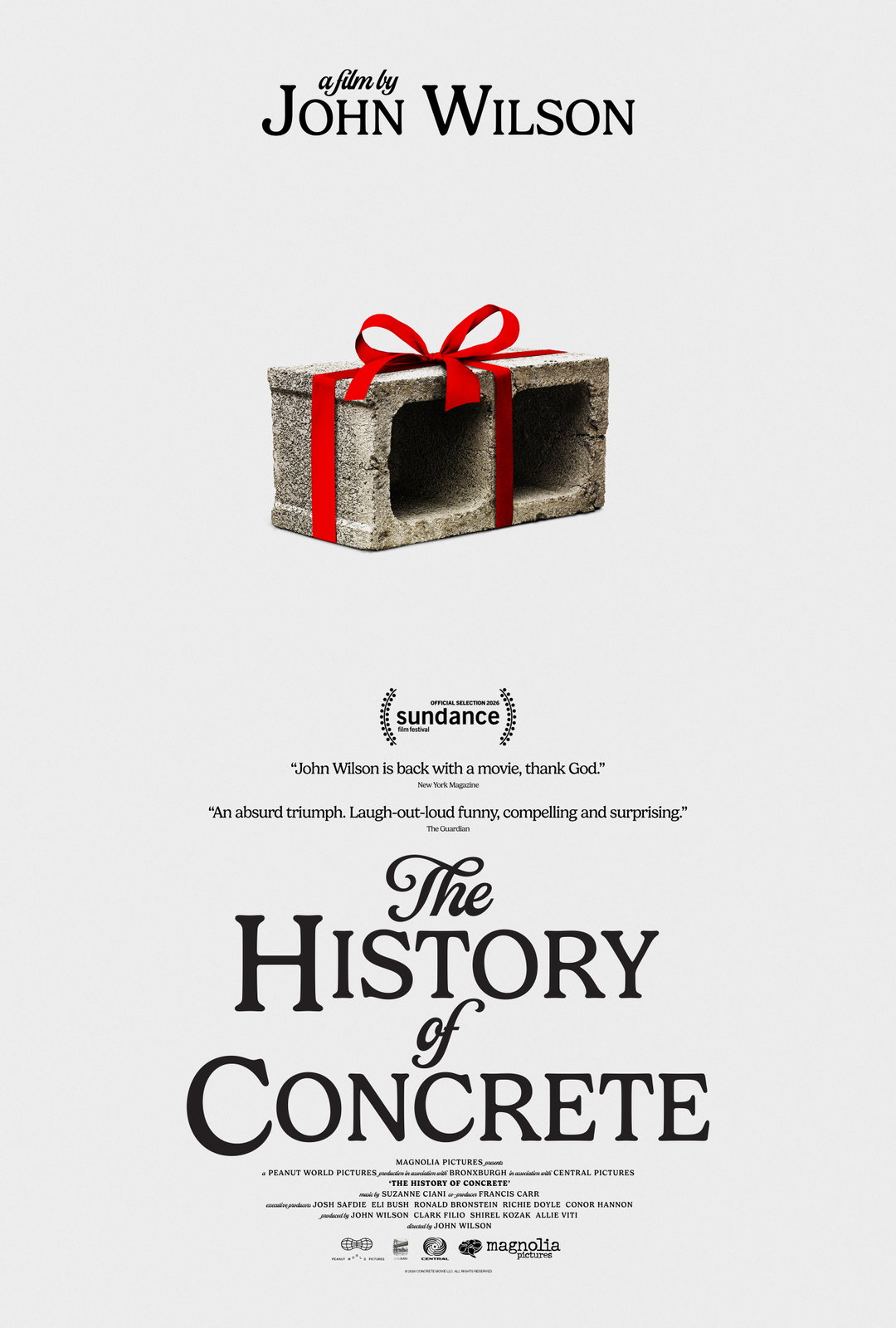
Poster for John Wilson’s The History of Concrete, a Magnolia Pictures release. Photo courtesy of Magnolia Pictures.
“Something happens to everybody. You spend enough time with someone, something’s going to happen.”
John Wilson

John Wilson: The History of Concrete, a Magnolia Pictures release. Photo courtesy of Magnolia Pictures.
INT:
The film took you to some unexpected places... when you’re building a narrative, how much is serendipitous and following your nose, and how much is constructed?
JW:
I mean, I didn’t really have the resources to do anything funny or complex this time! It really just had to be what was in front of me. That’s the way I usually structured the show as well. I was shooting a lot just by myself on the streets, and you see a part of that, but it was nice to be able to structure a few travel shoots, which I think helped the narrative a lot. Like, we flew to Ohio to go to the oldest concrete street in America, and then it’s like, all right, what else is here? There’s a driving school – let’s shadow them. And then through that, there’s this tattoo preservation specialist in the area. Let’s go to that. I don’t know how anything’s going to fit in, but once you have all the material, then analyse it for its thematic strengths, and you cut the stuff that doesn’t feel relevant or just feels like too much of a non-sequitur, and then you keep in the stuff that seems to fit. Then after you have enough of these set-piece interviews, you can line them all up and see what loose narrative you have, and then you just kind of fill in the gaps with musings about our built environment.
You know, I met one of the main characters in this movie completely by chance just at a liquor store because he was giving away free shots, and then I ended up spending the next year and a half together with him. You’ve got to pick something at one point and just stick with it. I was a ball of nerves the entire time, but he was always really optimistic, and he never really doubted his art or his career, so it was really inspiring and made me feel a little less anxious to be around. That may not have gone anywhere, but it’s like, something happens to everybody. You spend enough time with someone, something’s going to happen.
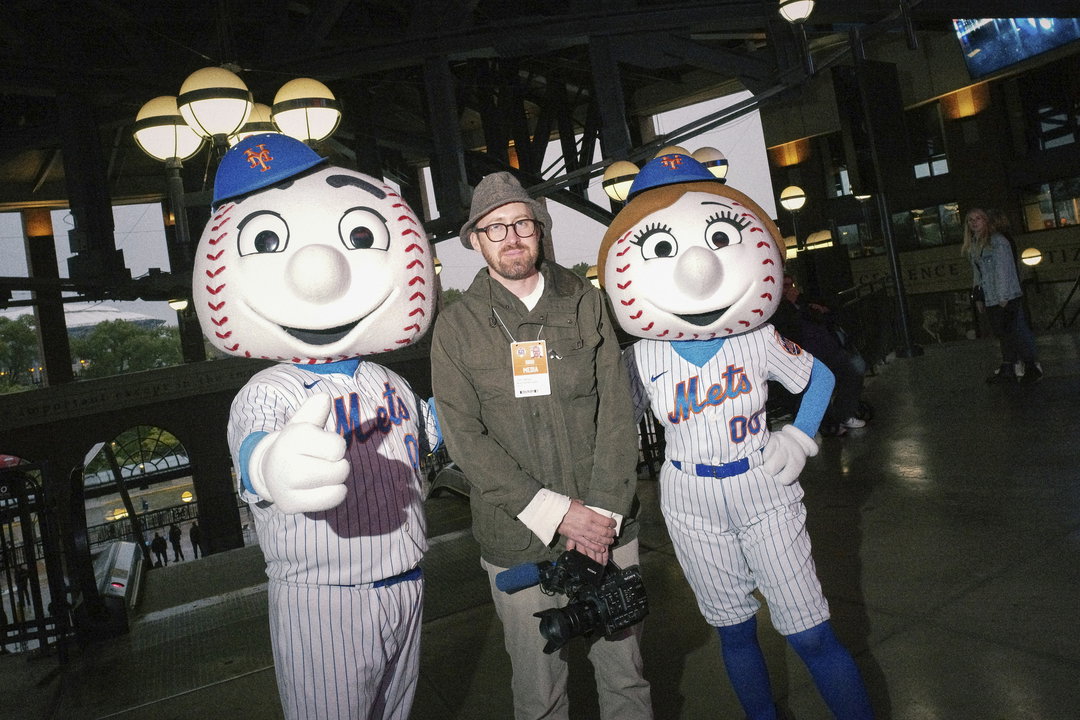
How To with John Wilson, season 3 (Courtesy HBO, Warner Bros. Discovery)
How To with John Wilson, season 3 (Courtesy HBO, Warner Bros. Discovery)
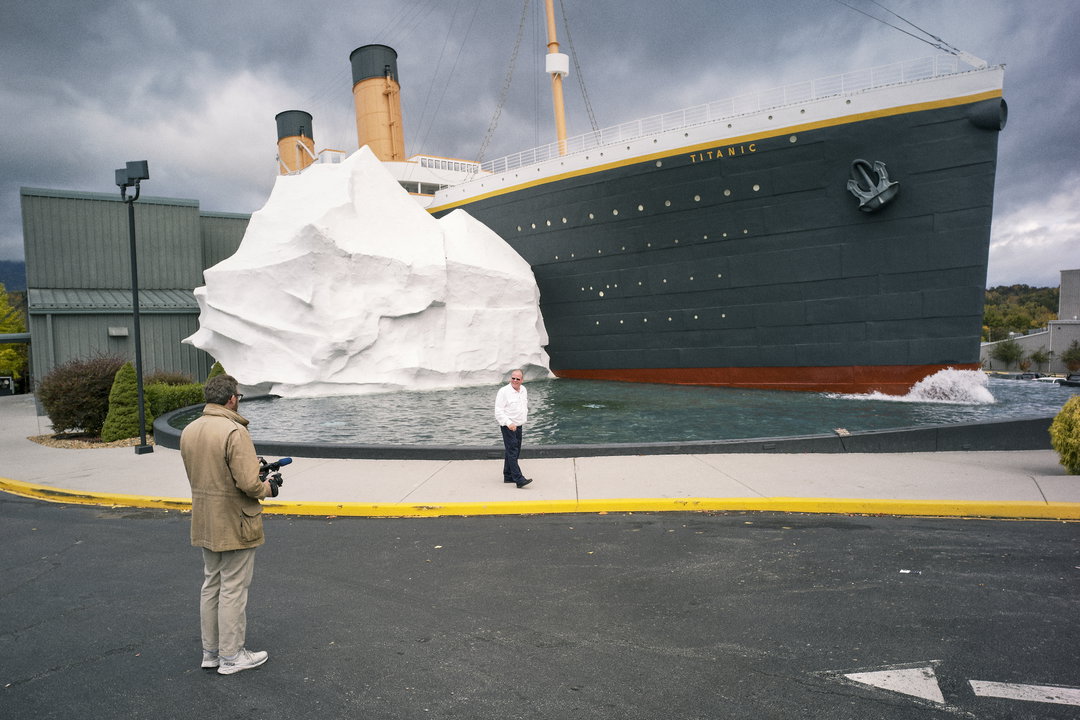
How To with John Wilson, season 3 (Courtesy HBO, Warner Bros. Discovery)
“I did acappella all through college, and once you do something that mortifying... you don’t feel as embarrassed doing anything else.”
John Wilson
INT:
That’s what’s so beautiful about what you do, you find something in everyone. You have this way of getting people to just chat and be themselves around you and in front of the camera. How have you honed that skill, do you still find it difficult?
JW:
I am still very awkward when I approach people, in certain ways, but I also believe in what I’m doing and I know tonally that it will be fine in the end. So I’m more just determined to capture something unique and that drives me, and helps to eliminate a lot of the second-guessing or whatever you might have when you approach somebody. I wasn’t that great at it at first. I remember in the first season of the TV show, Nathan [Fielder] would be by my side and just be like, “Just go up and talk to that person. Just pick a person and just ask them about ice cream, you know. It doesn’t matter.” And I would be like, “Oh, I don’t know, maybe they’re in the middle of something.” And he would be like “Just get over it. It’s fine. If they say no, it’s not a problem. Just let it roll off.”
I mean, I did acappella all through college, and once you do something that mortifying on stage over and over again, you don’t feel as embarrassed doing anything else. Also I think it helps in a way when you’re a bit marble-mouthed and you’re trying to explain what you’re doing while you have this big camera on the street.
At the same time, people just love to talk. This is something you can’t underestimate. Think of the number of times you’ve just been in a conversation with anyone at a bar or… people love to talk about themselves and that has not changed! You know, also, I find that I would rather not talk a lot of the time because people just want to talk instead.
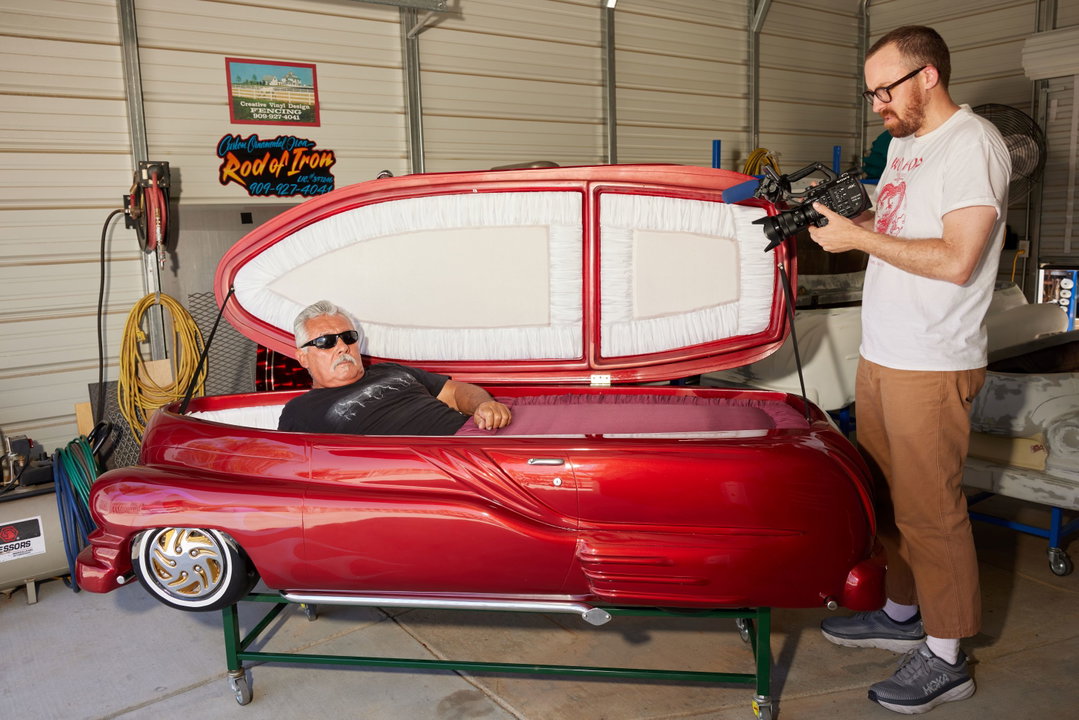
How To with John Wilson, season 2

How To with John Wilson, season 3
“I’m usually looking for some kind of glitch in the Matrix or poetic imagery somewhere.”
John Wilson
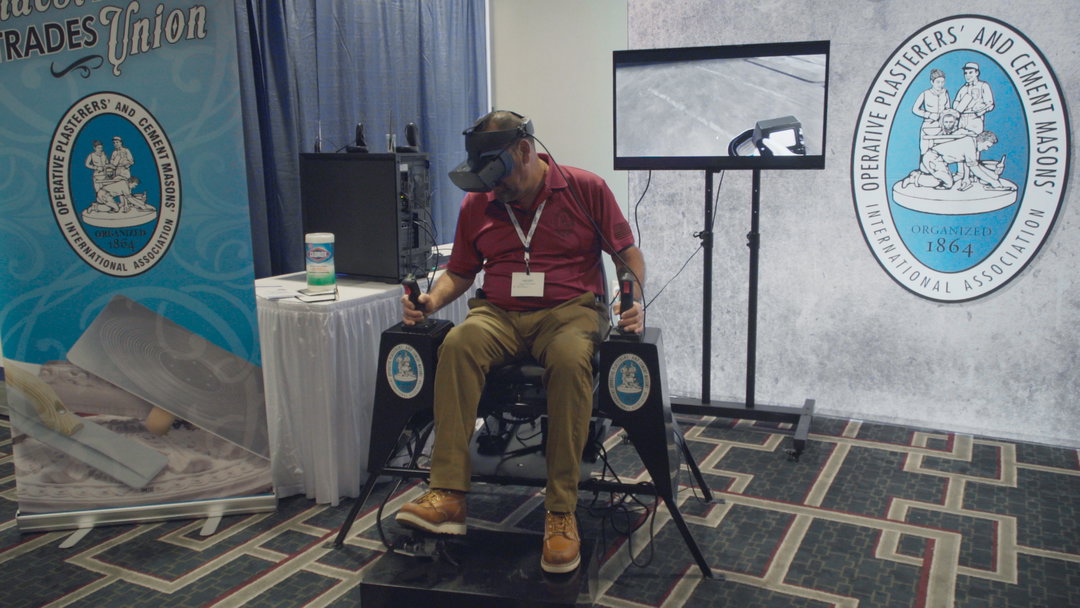
John Wilson: The History of Concrete, a Magnolia Pictures release. Photo courtesy of Magnolia Pictures.
John Wilson: The History of Concrete, a Magnolia Pictures release. Photo courtesy of Magnolia Pictures.

John Wilson: The History of Concrete, a Magnolia Pictures release. Photo courtesy of Magnolia Pictures.
INT:
I read somewhere that you go out and film every single day, and sometimes you go with a theme or an idea in mind. What are you looking for when you’re filming, and what would you say grabs your attention the most?
JW:
I’m usually looking for some kind of glitch in the Matrix or poetic imagery somewhere. But that definition is constantly shifting because I get a bit jaded by my own pursuit and my own sense of humour. I constantly want to surprise myself with the kind of jokes I’m telling, and how the footage is reinterpreted. And that really never ends. That’s a constant source of joy for me – treating it like a larger collage that I quilt together. Like, someone’s random arm sticking out of a door, you know… like, whose arm is that?!
Or, thinking in terms of patterns really helps, because once you have one thing, then you happen to see a second version of it, then it’s like, okay great, now if I get a third, I could put those three shots together into a sequence, and then I’ll have that as a little triptych. Then I will have a ton of those lined up over the course of a couple years, and then I can go into it and play around in the edit, which is my favourite thing to do. Because I worked as an editor professionally for a long time before the show, and I always just wanted to do what I wasn’t allowed to do at work.
So there was a bit of rebellion against the commercial editing that I became so used to, but then I’m also trying to rebel against my own intuitions and whatever kind of cliche comes to my mind at first. I think of the first version of the joke and then I throw it out, and then I try to figure out what the deeper joke is in there.
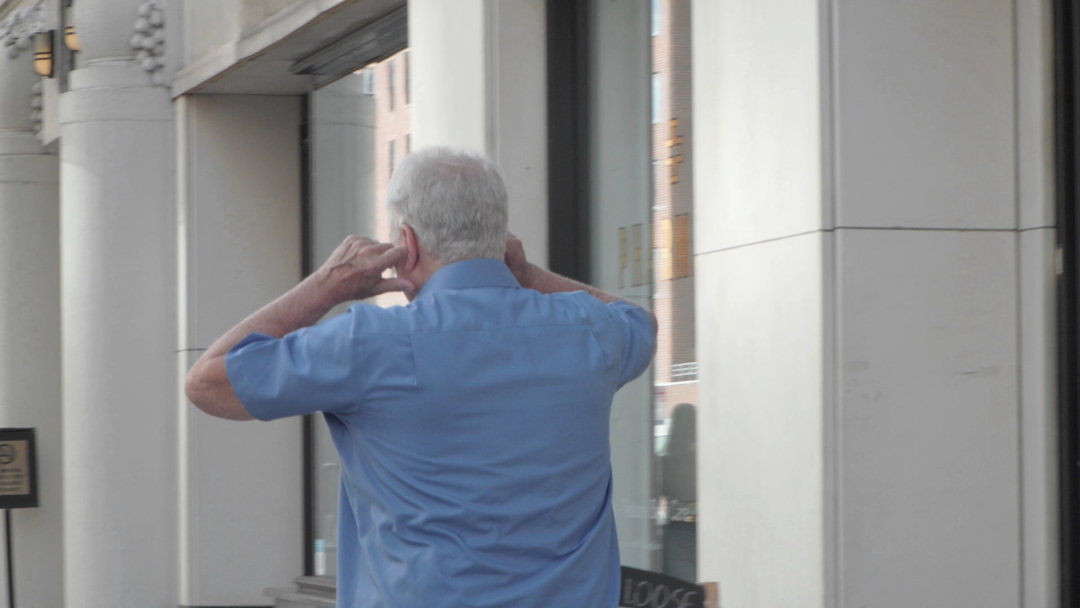
How To with John Wilson, season 3 (Courtesy HBO, Warner Bros. Discovery)

How To with John Wilson, season 3 (Courtesy HBO, Warner Bros. Discovery)
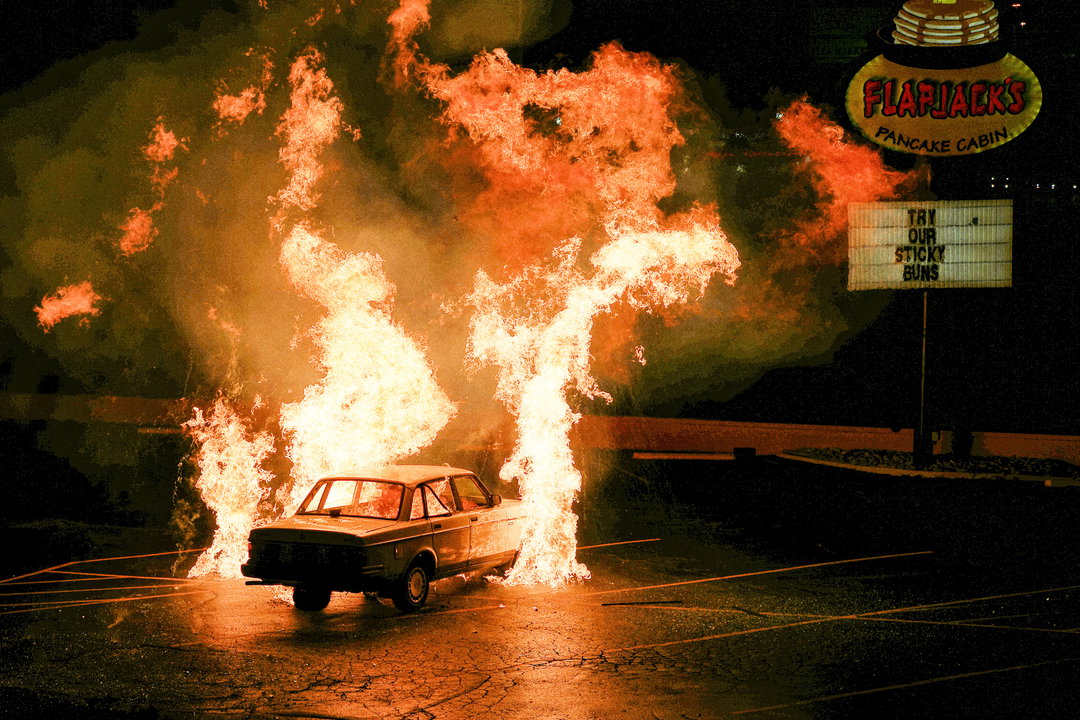
How To with John Wilson, season 3 (Courtesy HBO, Warner Bros. Discovery)
“The dissonance between the drama of the image and the lack of drama in the voiceover can produce interesting comedy sometimes.”
John Wilson
INT:
You make these great visual metaphors, where your voiceover is saying something and the footage is the punchline. What do you like about that as a device, and what does the footage add, that the words can’t?
JW:
I mean, if you just read the script on its own, it would read like an earnest educational video, potentially! But the visuals add a really strong layer of irony, a lot of the time, where I satirise my own thoughts to make fun of myself, in a way, and us as a species, and the way that we all think about certain things. I think there’s so much comedy in this really banal stuff. I’d just never really seen it done in this way before, and it just came naturally to me to capture an image and then almost imagine: what if this person was doing something other than you thought at first?
So you have the initial impression of the image, which I try to keep pretty bold and you don’t have to do too much math to figure out what’s happening in the the image itself – like if you see a dog in the rain, waiting for its owner, that is a naturally very sad shot. Then if you put a voiceover on that about some petty annoyance of yours that you’re going through, like you left your keys at home or something, the dissonance between the drama of the image and the lack of drama in the voiceover can produce interesting comedy sometimes.

How To with John Wilson, season 2 (Courtesy HBO, Warner Bros. Discovery)

How To with John Wilson, season 3 (Courtesy HBO, Warner Bros. Discovery)
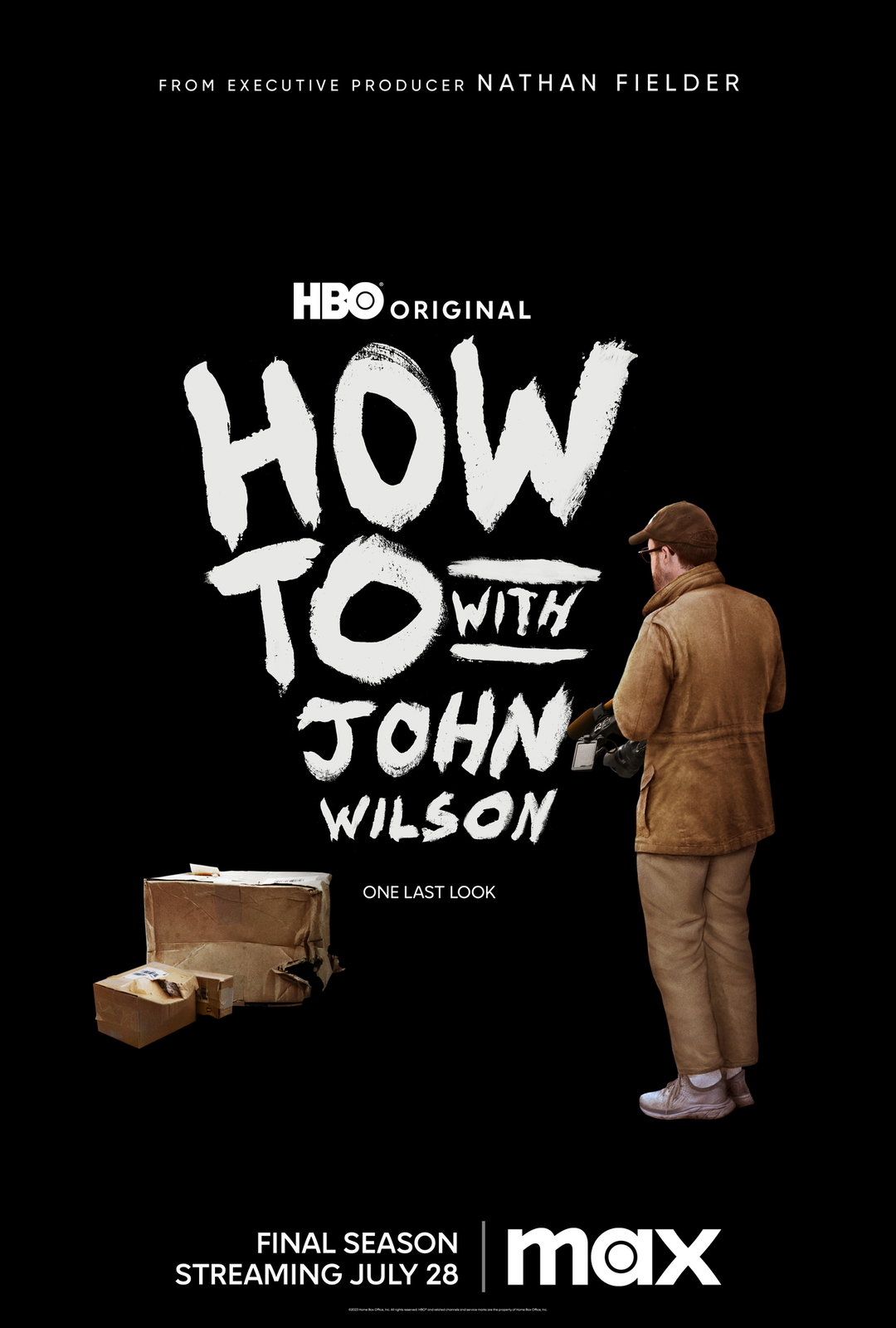
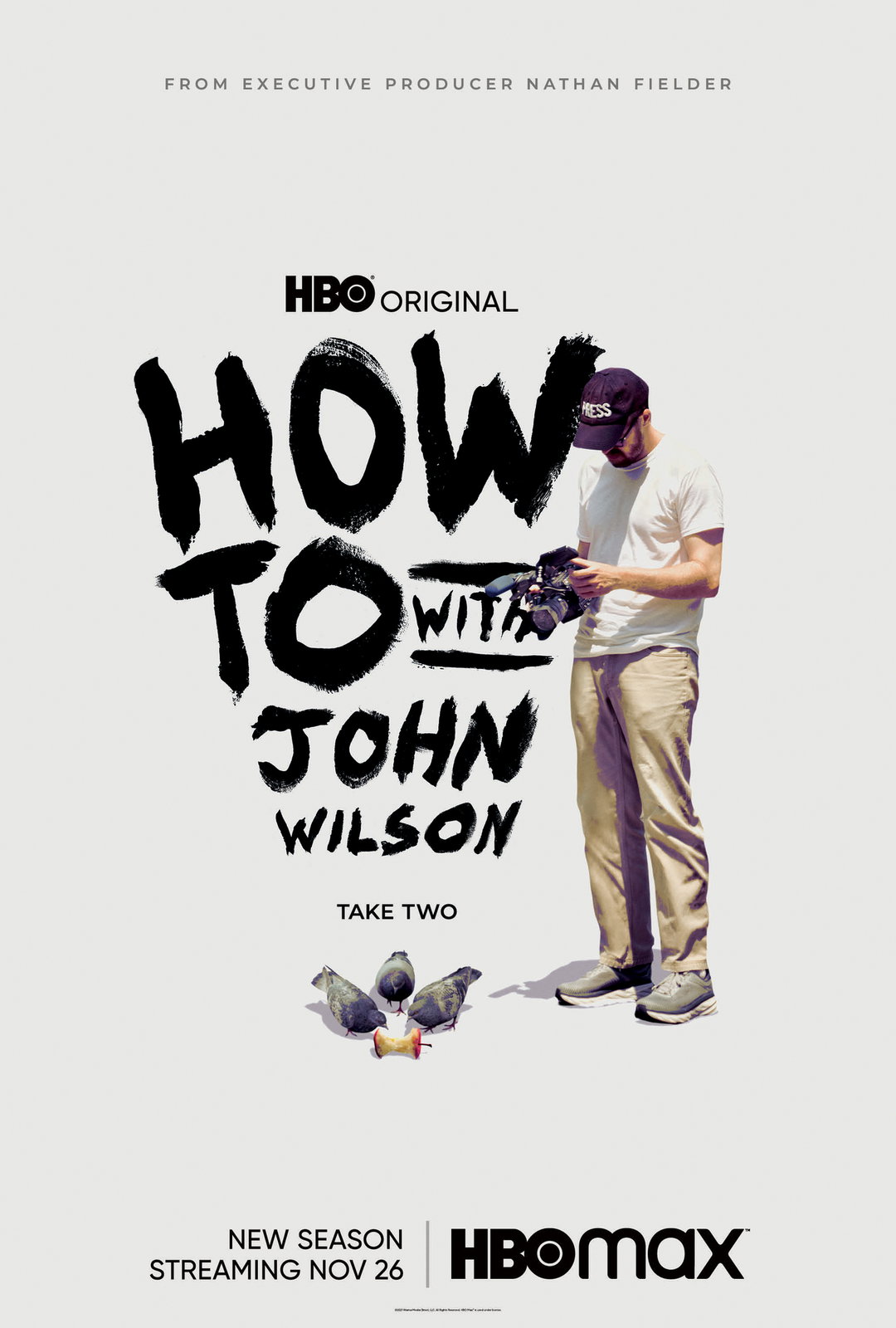
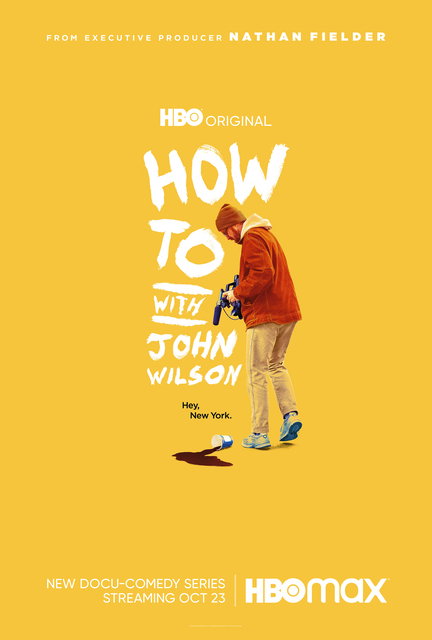
1 of 3
How To with John Wilson, season 3 poster (Courtesy HBO, Warner Bros. Discovery)
1 of 3
How To with John Wilson, season 3 poster (Courtesy HBO, Warner Bros. Discovery)
INT:
I love that, so well put. This is a kind-of niche side question, but can I ask you about archiving – if you’re filming this much, how are you keeping it all somewhere that you can find and refer back to, and dig out at the right moment, like that dog in the rain shot?
JW:
When left to my own devices, my setup at home, there’s no organisation, pretty much. For all my favorite shots, I’ll set an in-and-out point on a larger piece of footage, so a ten-second select from that, and then I’ll put it into my master sequence. That sequence has every single shot that I like, with no organisational principle, and I just scrub through that furiously whenever I’m trying to find a shot that I had in mind – because you do remember every shot, in a very weird way, because a lot of the imagery is pretty unique. It’s the idea that in your quest to find that shot in this mountain of footage, you get lost along the way and you’re reminded of another shot that you didn’t want to lose and wanted to incorporate into something. So I’ll take that shot and put it in a workbench timeline, and then I’ll go try to find the original shot again, and then I’ll get lost again, and I’ll think of something else. I’ll eventually get to what I was looking for, but it’s weirdly very helpful, when you’re generating ideas, to get lost along the way and find something that maybe inspires you a bit more than that initial thing you were trying to do. I think that is kind of the way I operate on foot, also, where I’ll be going to Midtown to film some building that’s falling apart, but then along the way, if something better happens, I’ll just do that, and maybe get to where I’m going.
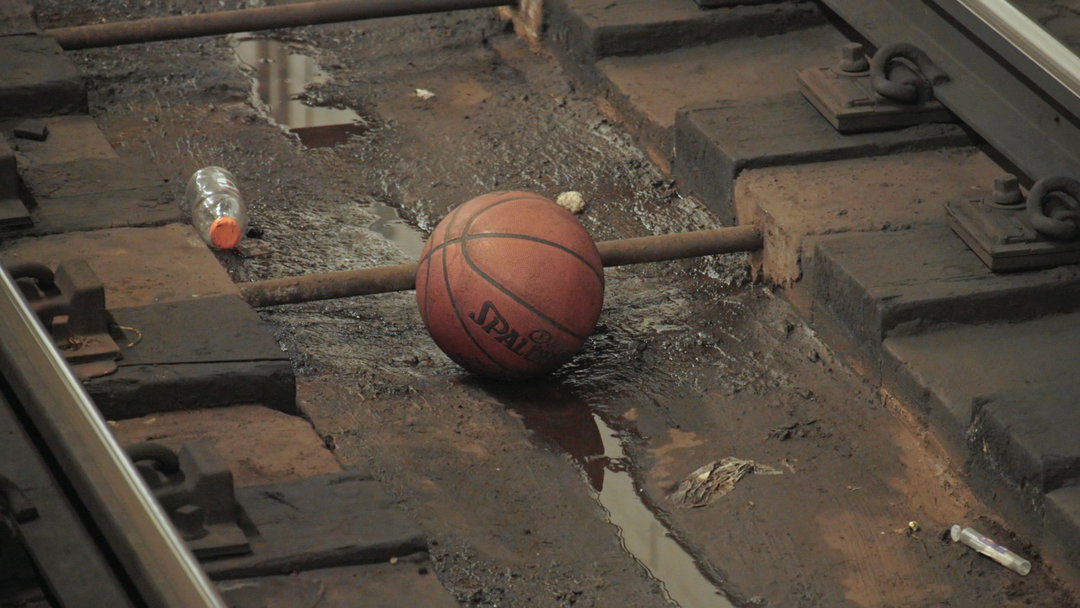
How To with John Wilson, season 3 (Courtesy HBO, Warner Bros. Discovery)
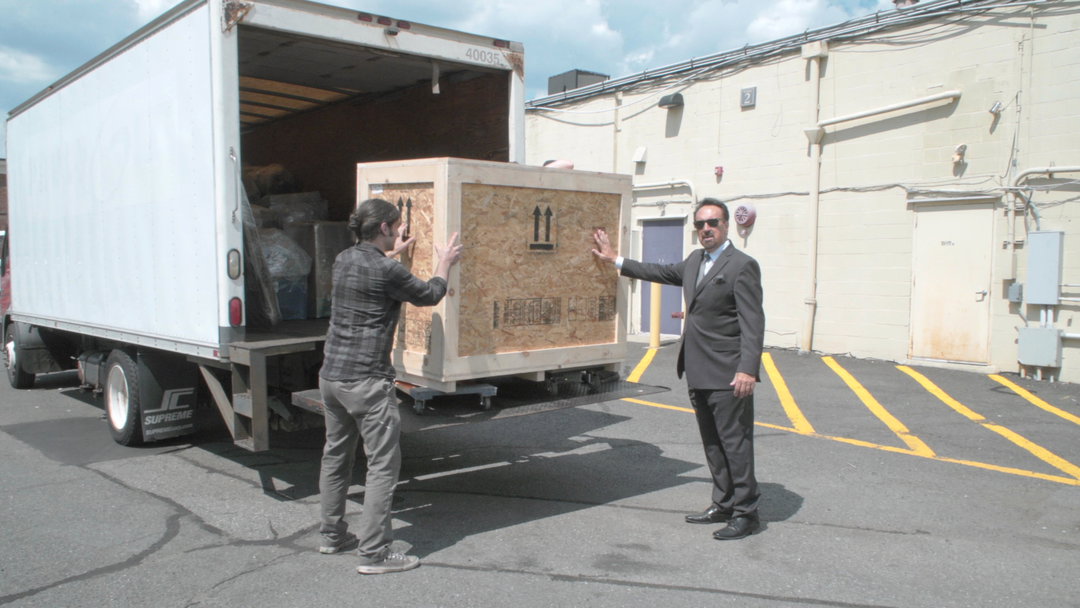
How To with John Wilson, season 3 (Courtesy HBO, Warner Bros. Discovery)
“It’s weirdly very helpful, when you’re generating ideas, to get lost along the way.”
John Wilson
INT:
So it’s about letting go of control a little bit.
JW:
Yeah, you just need the tiniest little assignment to give yourself, it could be arbitrary and dumb, it could be the lowest-hanging fruit in the world, but in that pursuit, something else will happen because you have an instrument in your hands that is not a phone. It’s like when you have a gun, you want to shoot it – when you have a camera with you… the way that I see the world transforms a bit, you become bored and you’re looking around and you’re trying to figure out how to reinterpret your environment visually.
INT:
Finally, what are you working on now, and what would you like to do next?
JW:
I’d like to continue working in non-fiction. I have a couple of projects I’m working on right now, a couple of plates spinning. And, you know, it’s going to be similar, I think. I like to film and I want to keep doing it.
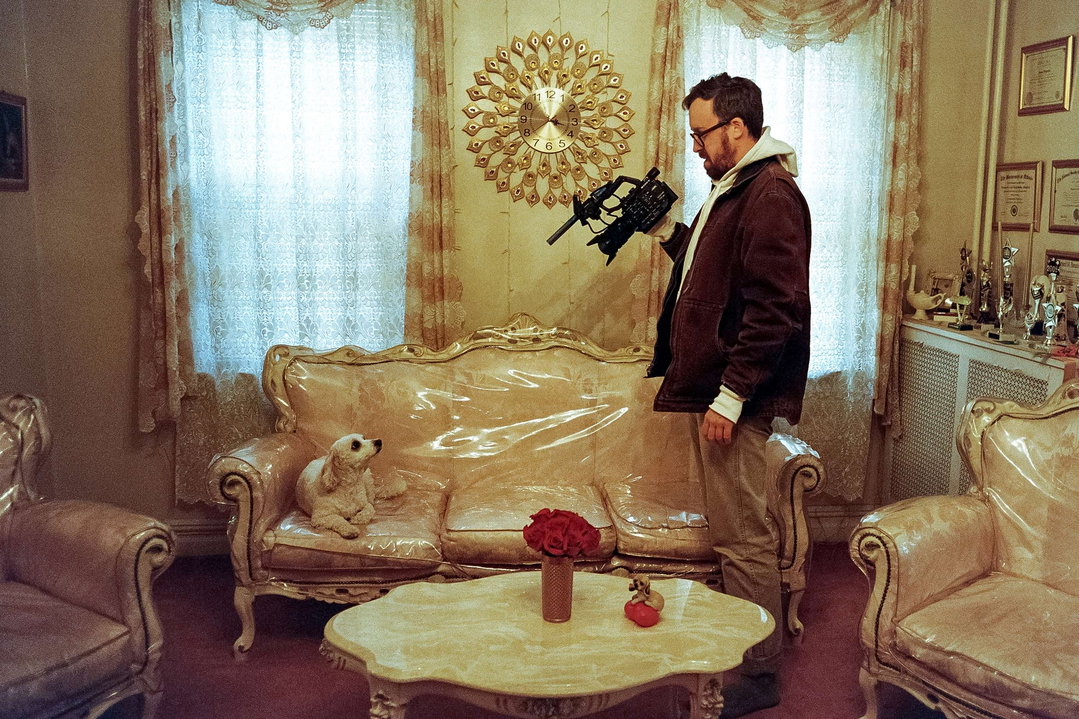
How To with John Wilson (Courtesy HBO, Warner Bros. Discovery)
Share Article
About the Author
—
Jenny oversees editorial output across It’s Nice That. Get in touch with writing pitches for features or opinion pieces, big creative story tips, or questions about all things editorial. jb@itsnicethat.com
To submit your work to be featured on the site, please see our Submissions Guide.