

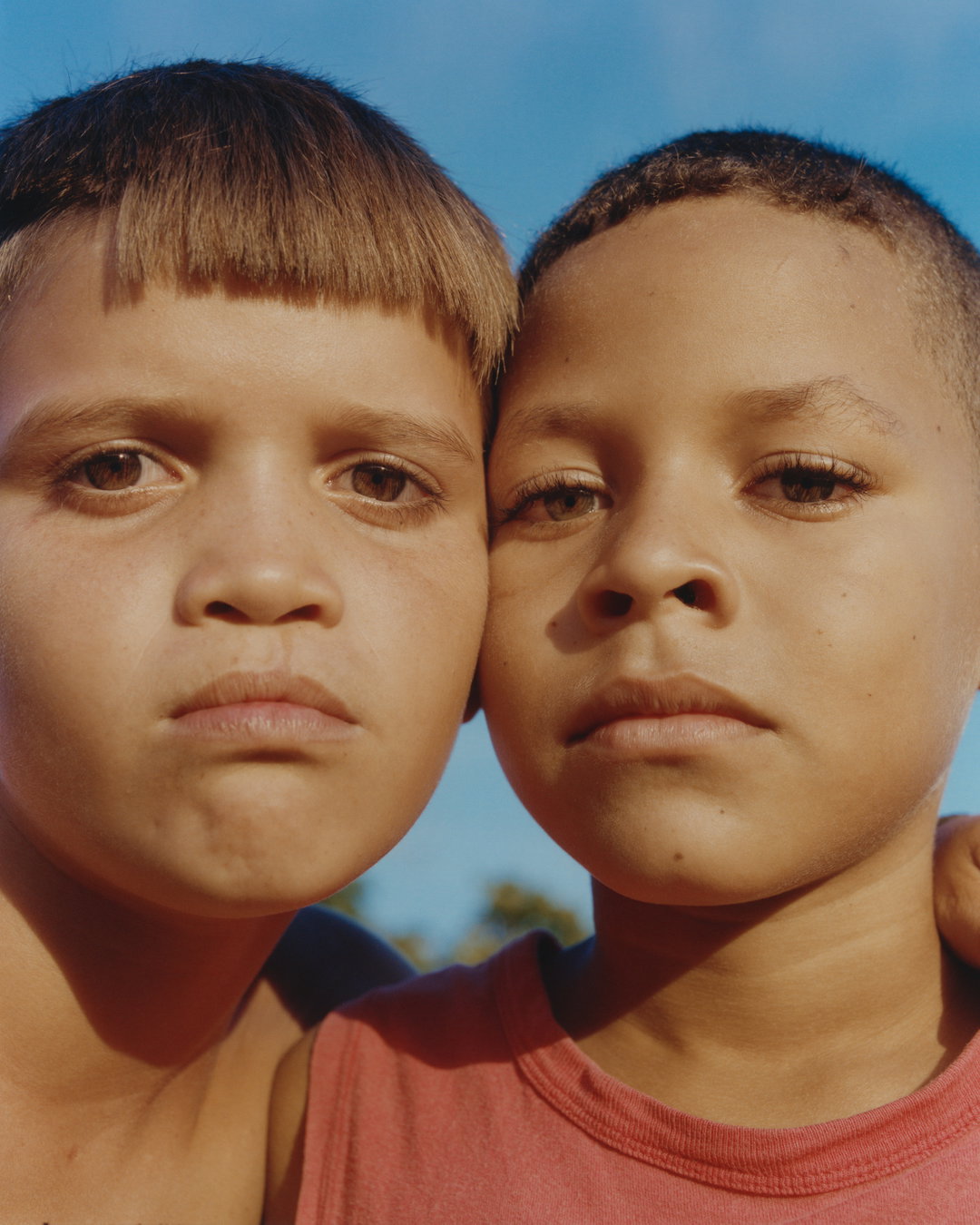
Silvana Trevale’s photographs of Venezuelan youth are a love letter to a generation growing up in uncertainty
After almost a decade returning to Venezuela, the Silvana’s long-term series is now published as a book – a home for a beautiful project that’s helped the photographer reconnect with home.
Two kids press their faces together against a flat blue sky, deadpan as they gaze directly into the lens. A girl glides past pastel houses on a skateboard, the heat of the town sizzling off the road behind her. An older boy carries a younger child on his shoulders through a grove of palm trees. These are the kinds of moments Silvana Trevale has spent the better part of ten years chasing across Venezuela – and they’ve now found their way into Venezuelan Youth, her first book, published by Guest Editions.
When It’s Nice That first caught up with Silvana in 2021, and again in 2022, she was mid-way through this same project, turning her camera onto Venezuela’s young people through a period of economic collapse that has, over the past decade, pushed more than seven million Venezuelans to leave the country. The work has since grown into a full monograph of 93 colour plates shot between 2016 and 2025, designed by Caracas-based Rizardo Baez. When asked about how her practice has evolved since we last spoke, she says, “many things in my life have changed. I have moved to different countries, but what stayed the same is that I kept going back home to Venezuela to continue my project and continue photographing.”
Venezuelan Youth is a documentation of the crisis, but it’s also about her homeland, her relationship to it and Venezuelan identity reflected in the people she photographs. “It’s a testament to how resilient we are,” Silvana explains. “It’s a project, a book, that I hope brings joy, hope and love. It’s a love letter to my country.” She describes the work as an act of preserving the traditions, faces and stories that are slowly disappearing. “This project has also been a way to understand my own identity as a Venezuelan since I left. I think as an immigrant once you leave, it becomes very complex to understand who you are. This project helped me regain that identity.”
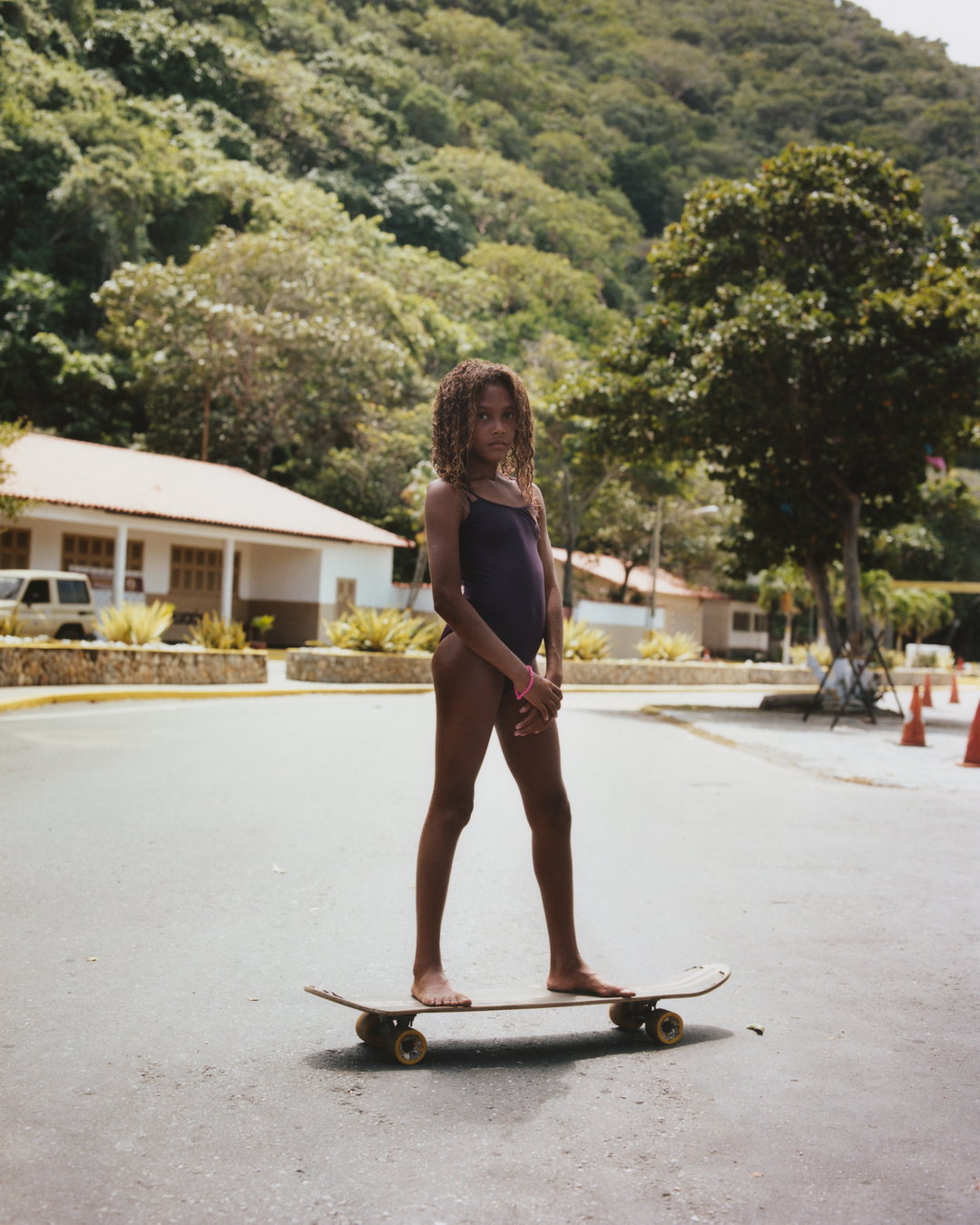
Silvana Trevale: Los Caracas, 2022. Courtesy Guest Editions (Copyright © Silvana Trevale 2022).
The decision to focus on youth grew out of an earlier project, Nosotras, which celebrated the women of Venezuela and “how hard they worked to keep their families afloat”, Silvana says. Returning to Venezuela afterwards, she found herself thinking about beach days with friends as a child, and the realisation that the country’s youth – the generation most affected by the crisis – were also its future. “When I had to leave, it was the biggest heartbreak of my life, having to leave my family, my friends and a place that I love deeply,” she says. Photographing young people in Venezuela became, in her words, “the most genuine way for me to feel like I never left.”
The project’s early years unfolded in Sucre, a state where Silvana spent long days connecting with new people. “Every place slowly became familiar through the people I met. The images would naturally develop throughout the day, as I moved through the spaces and conversations around me.“ As the book came together, fashion crept further into that process too, bringing in costume, styling and bigger crews into some of the imagery. “I wouldn’t call it fashion photography,” she clarifies, “but fashion becomes a vehicle to explore the narrative.”
There are two photographs that have particularly stayed with Silvana. The first breaks her own rule that the project must stay entirely inside Venezuela: a portrait taken in Mexico City, during a commission photographing refugees, of a Venezuelan girl having her hair done by her mother. “I wasn’t too sure about including the image at first,” she admits, “but I kept thinking about the interaction I had with her and her mum. It highlighted the reality that so many Venezuelans have gone through. You could feel the heartbreak, the anger and the pain they carried.” The second image is of Hendry, a barber she met while driving in Caracas, photographed cutting his friend Omar’s hair on the terrace of her own grandmother’s building in Petare – a place she would often visit growing up. “Having Hendry cut Omar’s hair with such care, it resembled that brotherhood that I witnessed the days I spent with them. They took care of each other, and that is what it's all about, companionship in hard times.” Hendry has since emigrated to Spain.
Nearly a decade on, Silvana doesn’t speak about the project as something finished so much as something she keeps revisiting. “I find myself always trying to come back to the images I first made for this project in 2016,” she says, recalling the slowness of working with a medium format camera for the first time – a quality she’s guarded carefully as the work has grown around her. As Venezuelan Youth becomes a book, that approach hasn’t changed. “The core of everything, in the end, is still to explore our identity as Venezuelans.”
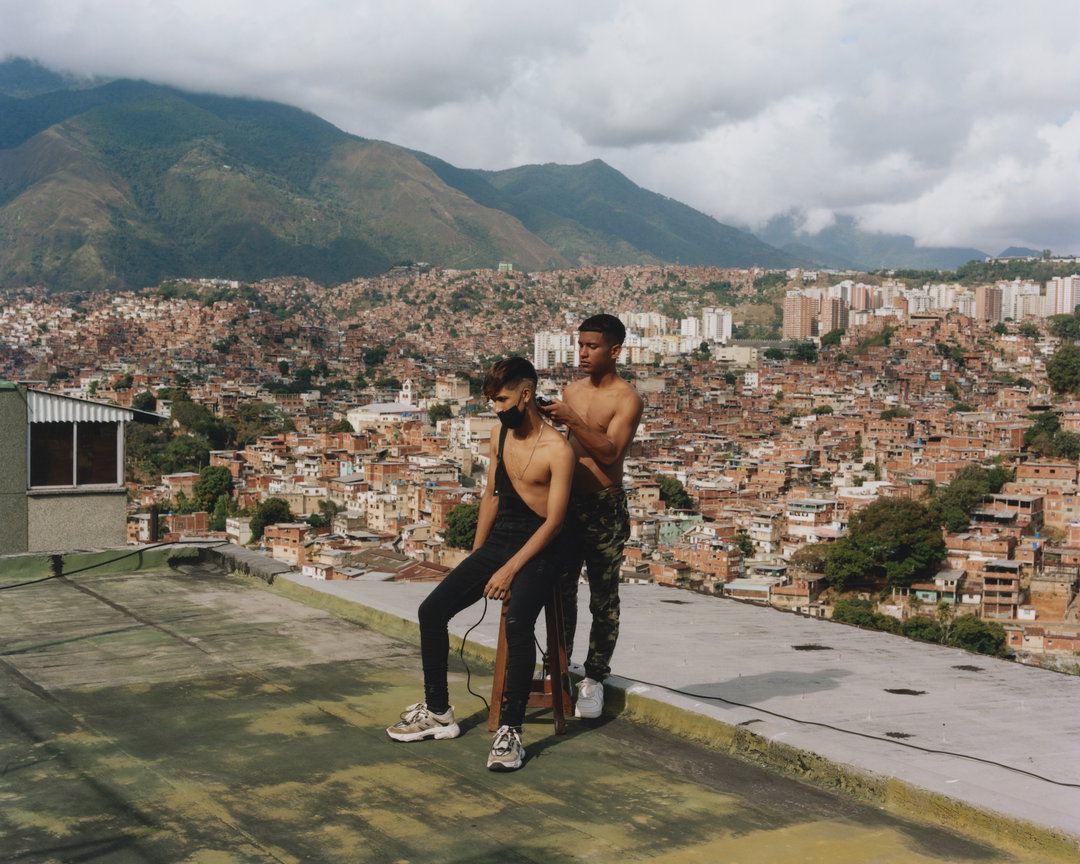
Silvana Trevale: Petare, 2021. Courtesy Guest Editions (Copyright © Silvana Trevale, 2021)
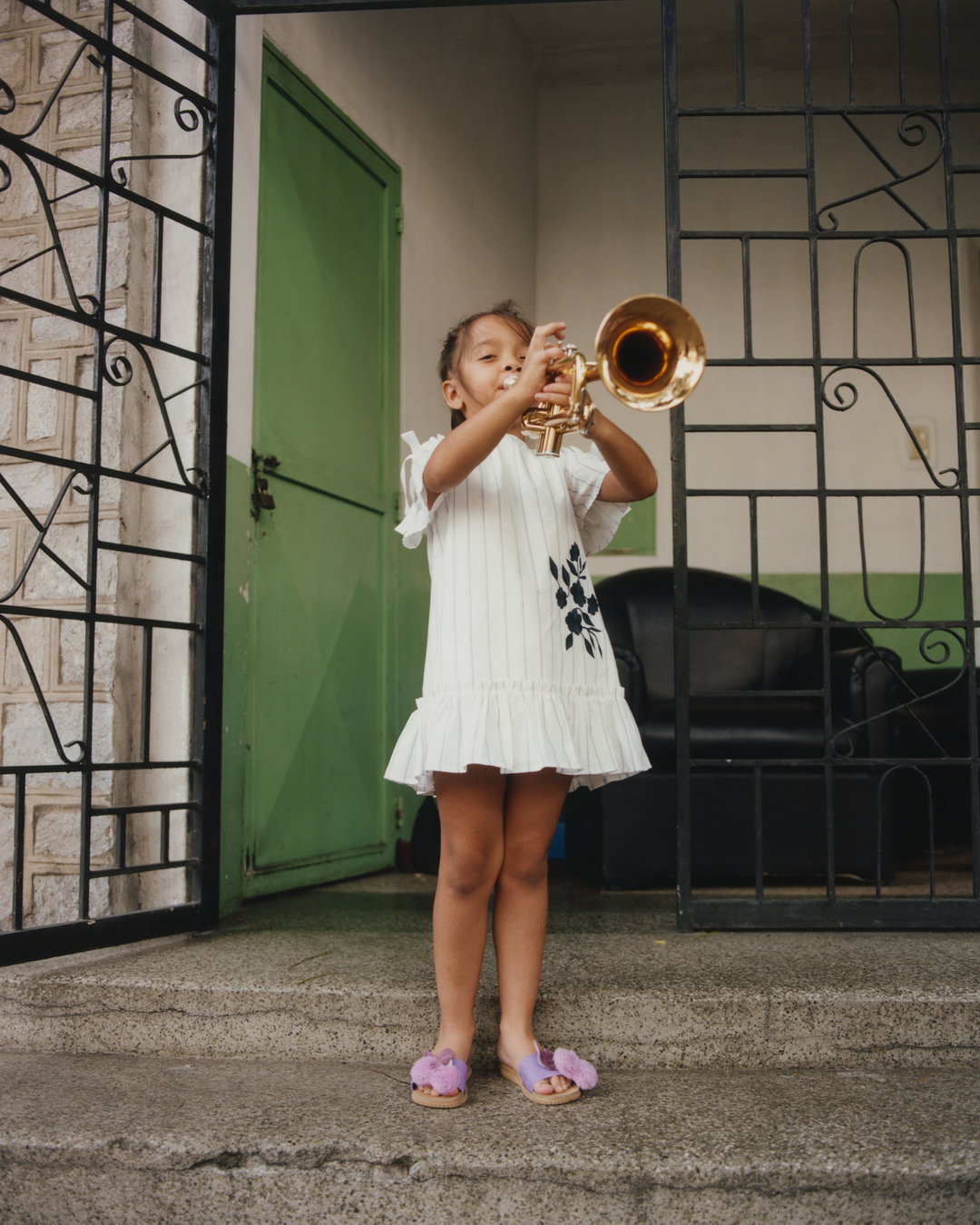
Silvana Trevale: Avenida libertador al viento de trompeta, 2022. Courtesy Guest Editions (Copyright © Silvana Trevale, 2022)
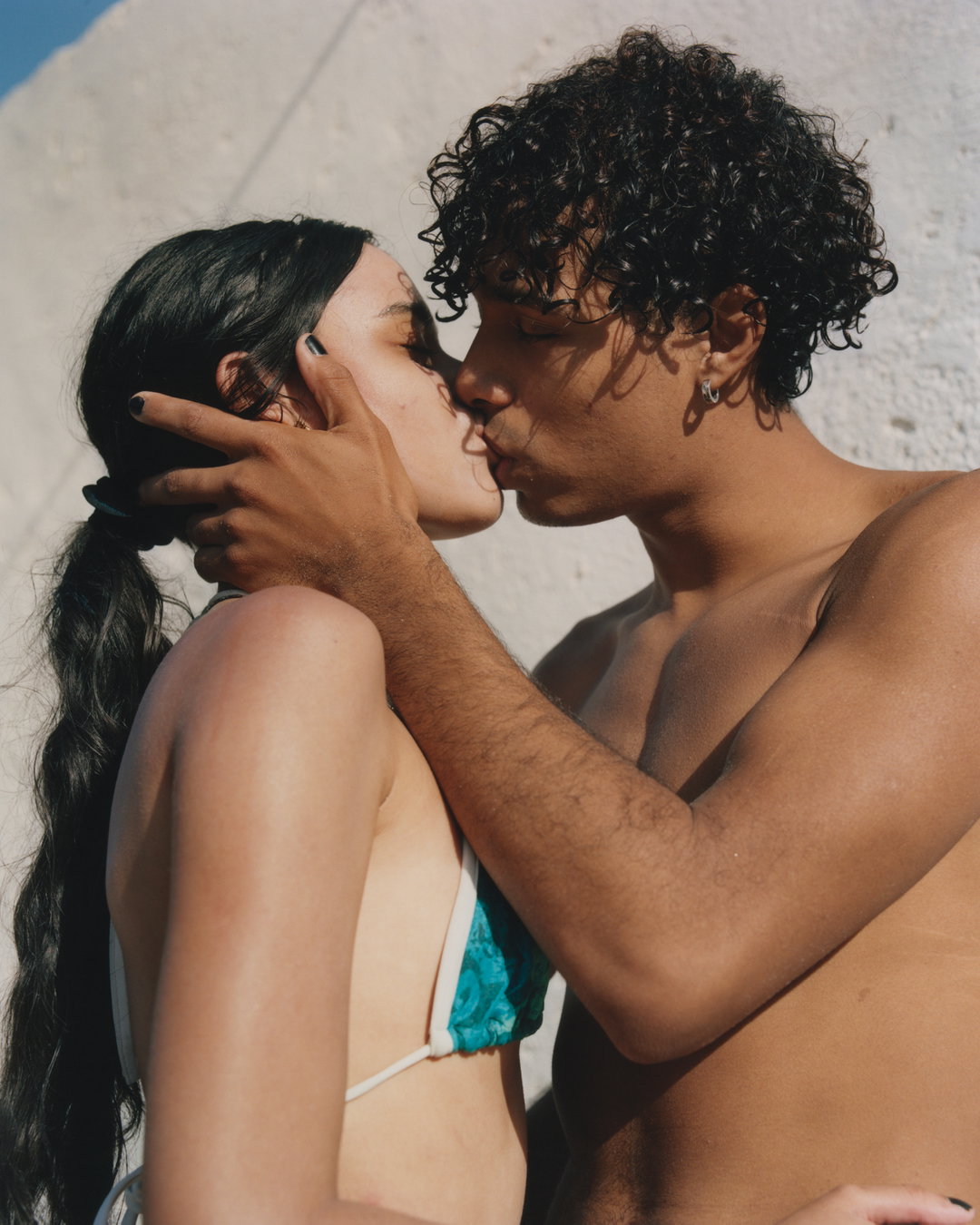
Silvana Trevale: Beso playero, 2021. Courtesy Guest Editions (Copyright © Silvana Trevale, 2021)
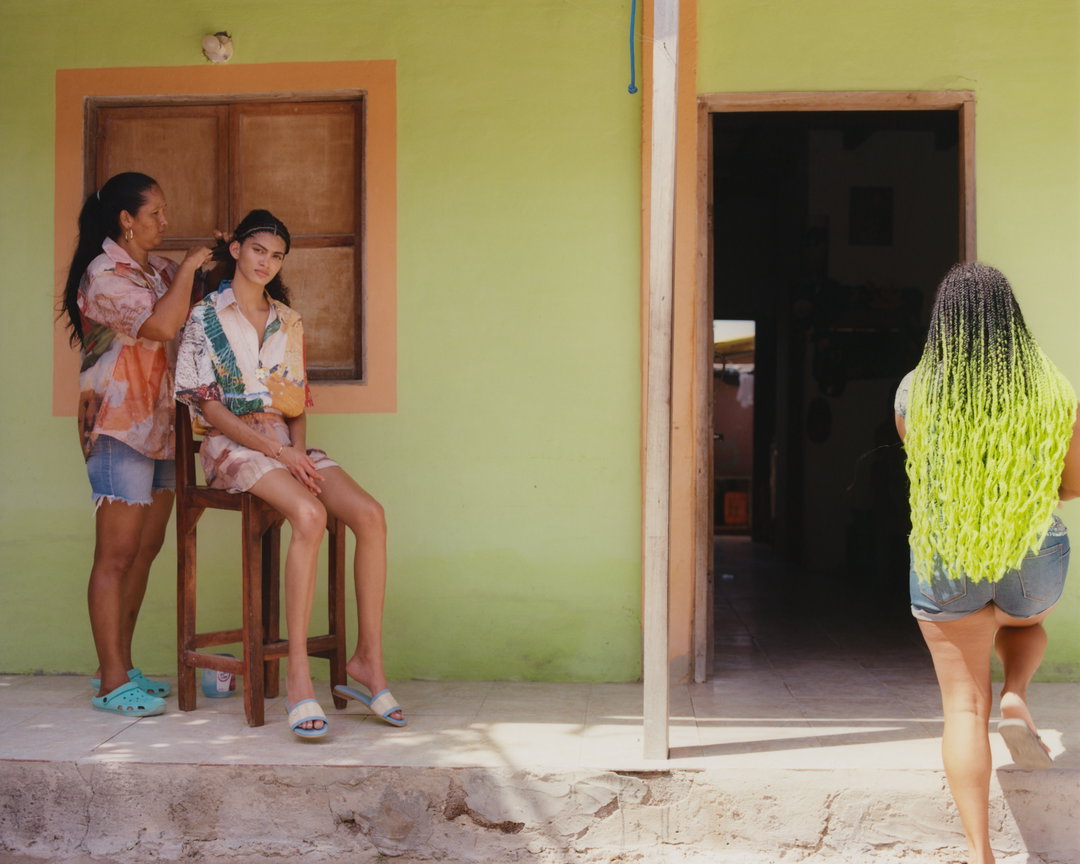
Silvana Trevale: Los Roques, 2022. Courtesy Guest Editions (Copyright © Silvana Trevale, 2022)
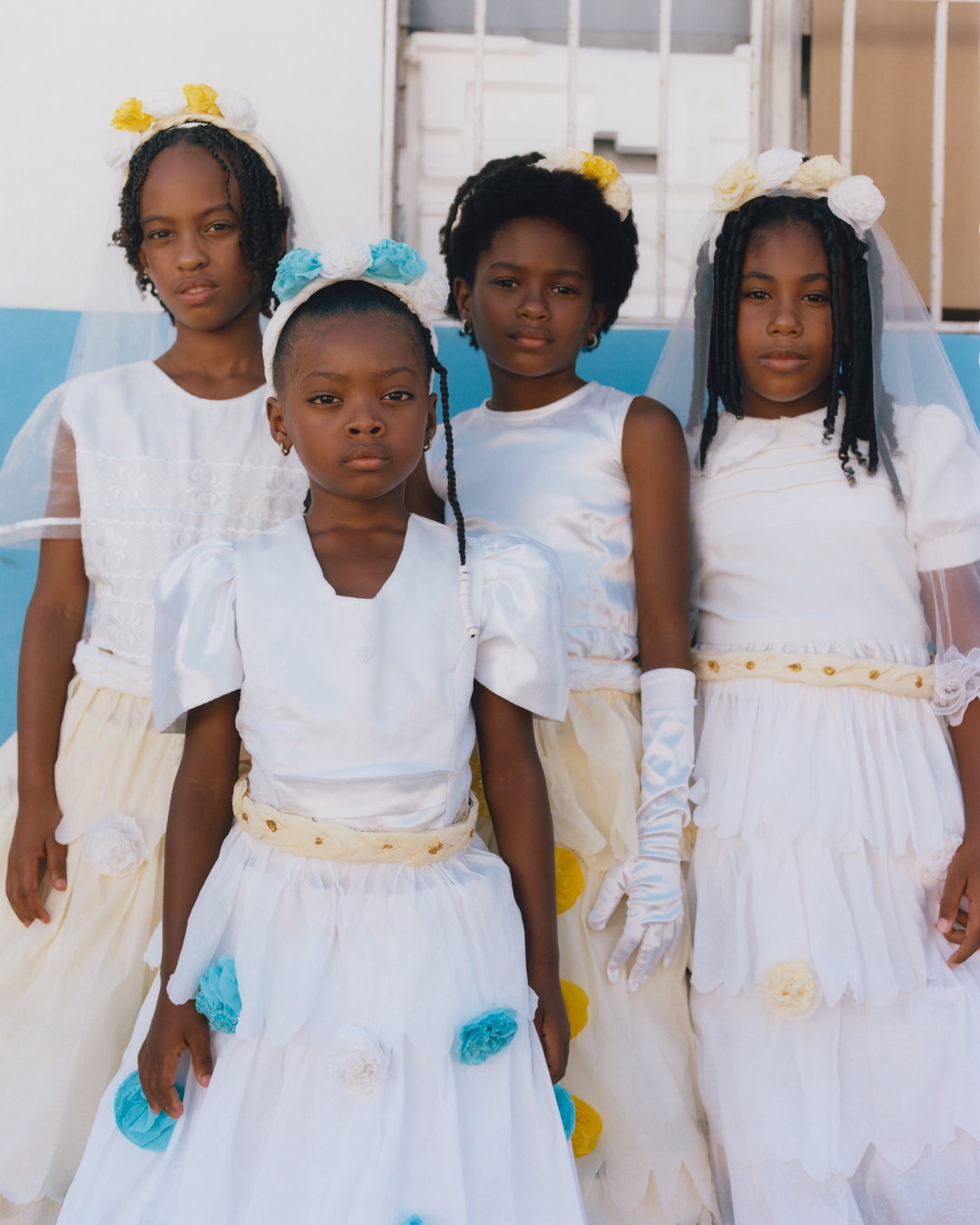
Silvana Trevale: Comunión, 2023. Courtesy Guest Editions (Copyright © Silvana Trevale)
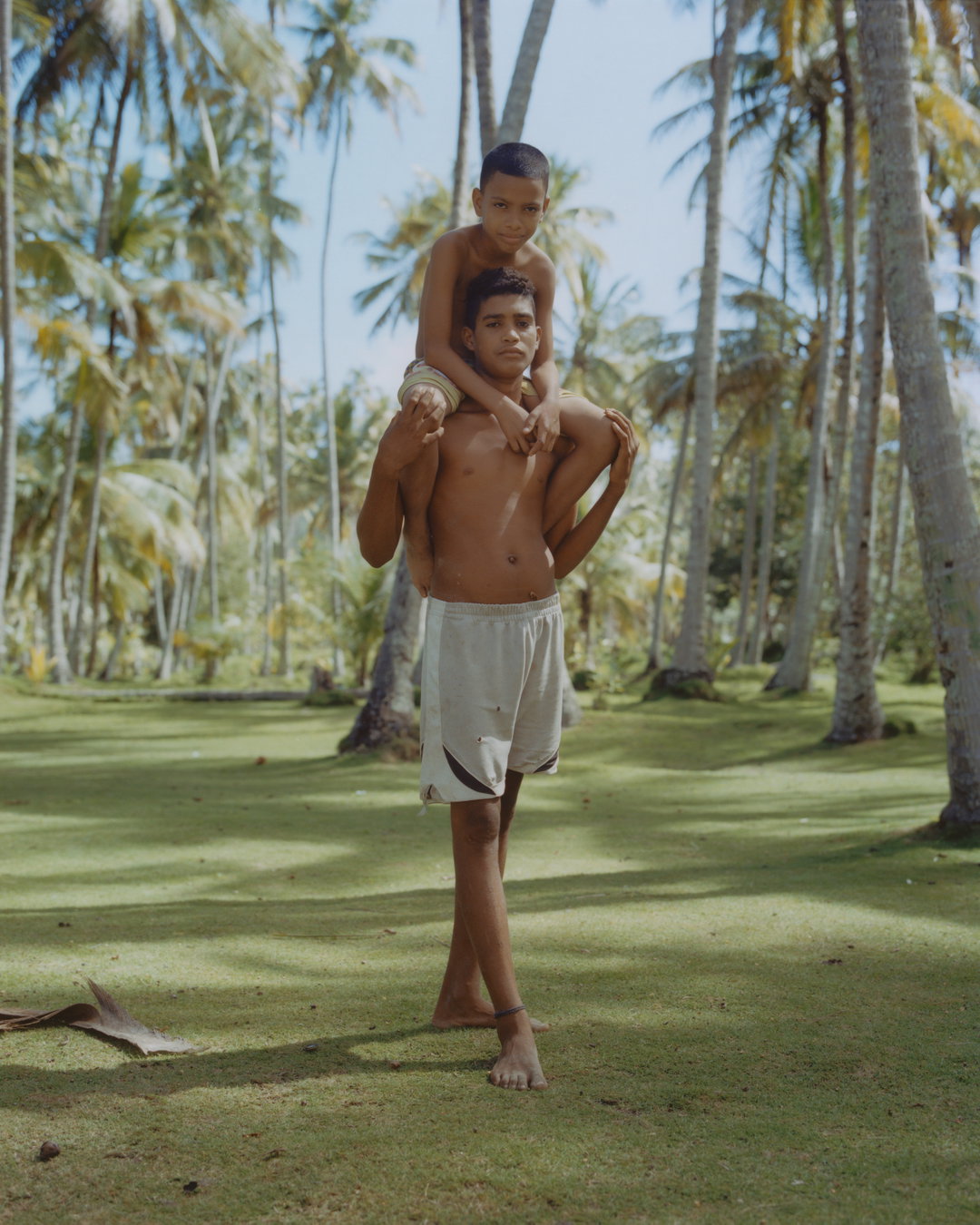
Silvana Trevale: Hermanos en playa Medina, 2018. Courtesy Guest Editions (Copyright © Silvana Trevale, 2018)
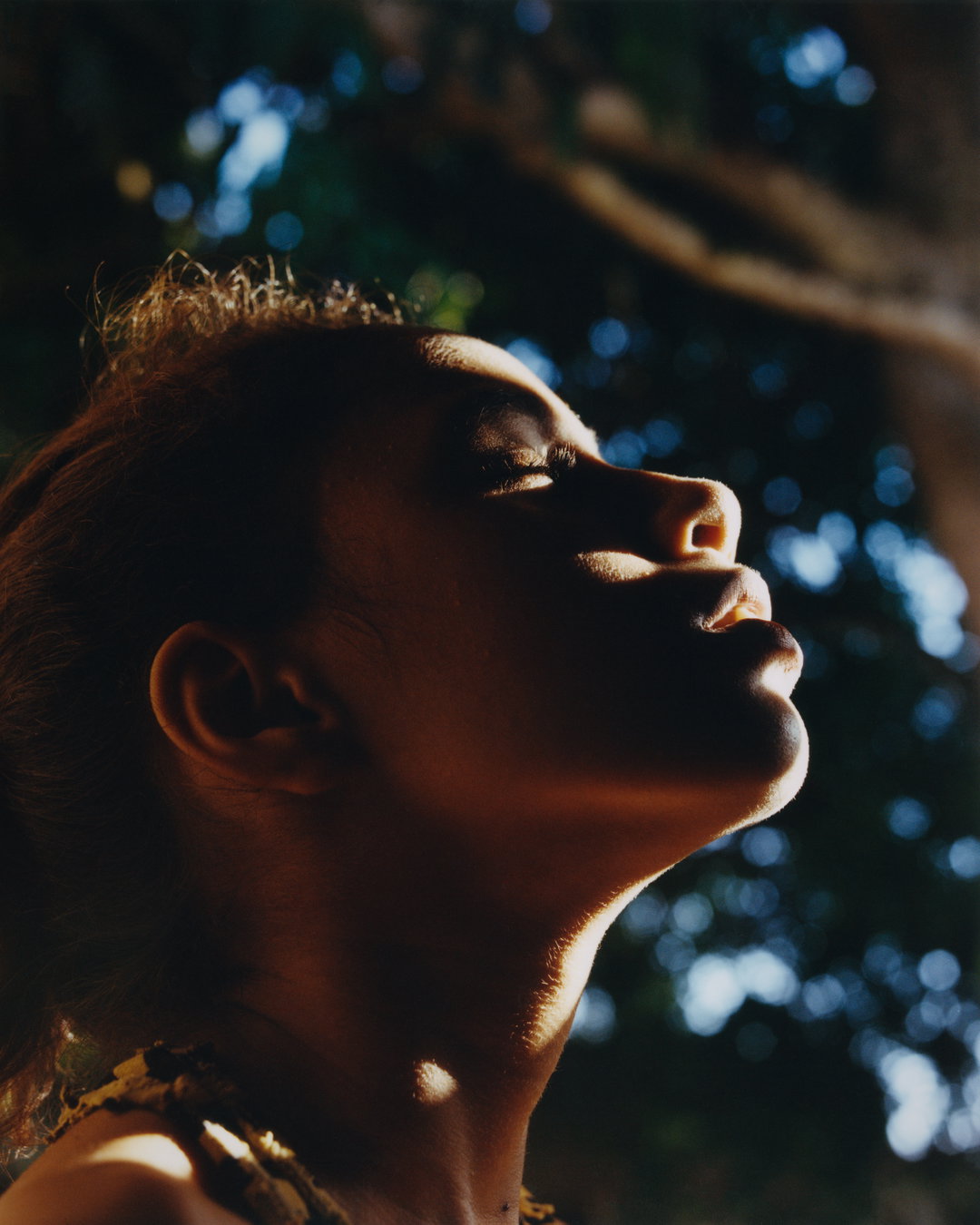
Silvana Trevale: Respiro, 2019. Courtesy Guest Editions (Copyright © Silvana Trevale, 2019)
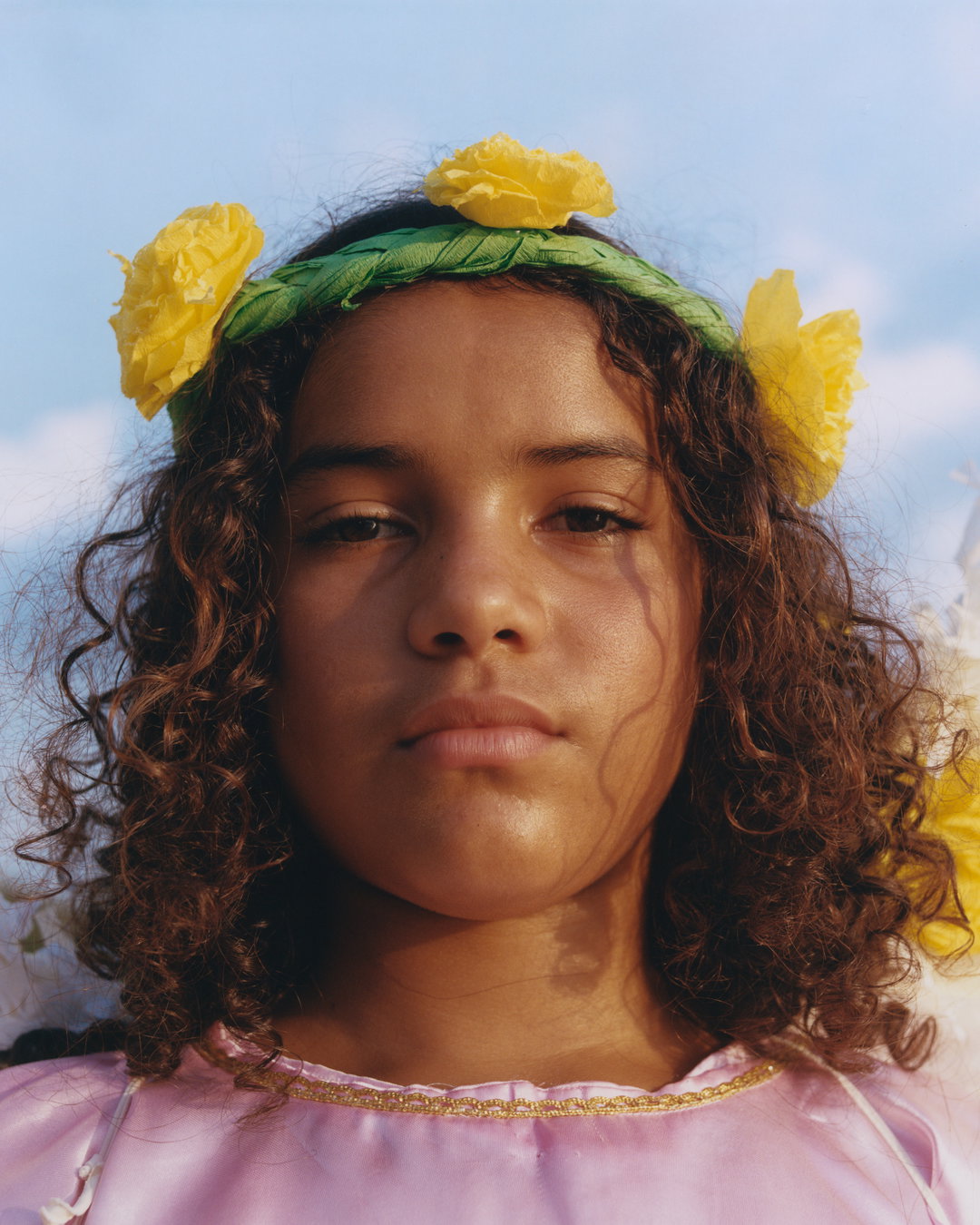
Silvana Trevale: Daryeicy, 2023. Courtesy Guest Editions (Copyright © Silvana Trevale, 2023)
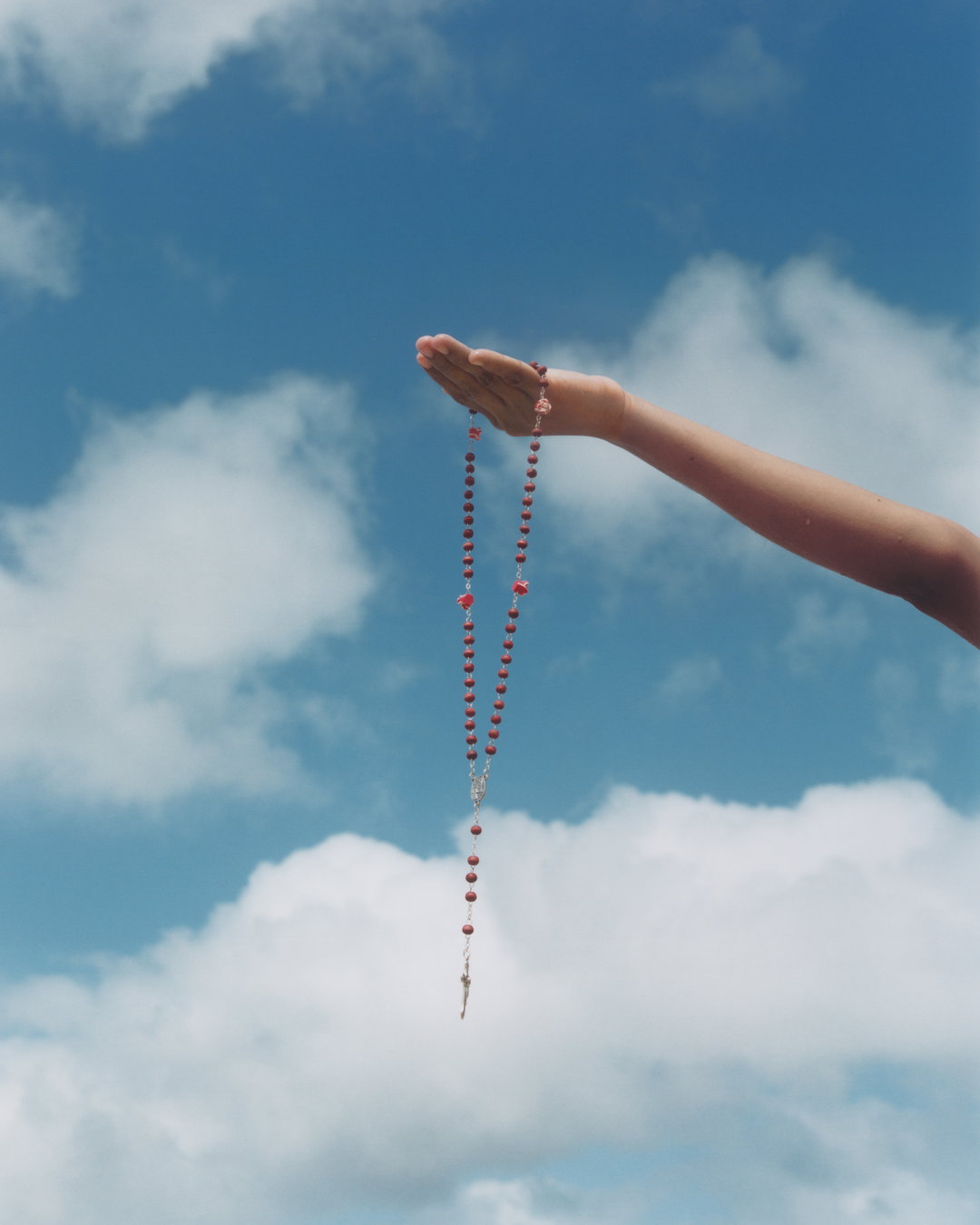
Silvana Trevale: Rosario, 2019. Courtesy Guest Editions (Copyright © Silvana Trevale, 2019)
Hero Header
Silvana Trevale: Isaac and Yonaiker, 2021. Courtesy Guest Editions (Copyright © Silvana Trevale, 2021)
Share Article
Further Info
About the Author
—
Ayla is a London-based freelance writer, editor and consultant specialising in art, photography, design and culture. After joining It’s Nice That in 2017 as editorial assistant, she was interim online editor in 2022/2023 and continues to work with us on a freelance basis. She has written for i-D, Dazed, AnOther, WePresent, Port, Elephant and more, and she is also the managing editor of design magazine Anima.