


- Words
- Ellis Tree
- —
- Date
- 30 July 2026
- Tags
The story behind Present & Correct, the perfectly curated stationery shop that’s every graphic designer’s dream
We catch up with co-founder Neal Whittington as the fan favourite print ephemera and stationery brand makes its first foray into the publishing world with a debut title from P&C Additions and uncover some of the stories behind the shop’s legendary stock.
Share
Share
I find it hard to coherently put into words my love for the London-based stationery store Present & Correct. I’ll readily admit that to somehow translate in just a few paragraphs the joy its lovingly hand-picked collection gives me as a designer felt like a daunting task. So I turned to the store’s (beautiful) Instagram page to see what love notes had been left in the comments for some inspiration... and got quite carried away. Alongside Pentagram partner Marina Willer’s: “OMG!!!!!” in response to the opening of the brand’s new store location in Bloomsbury in 2023 (which sums things up pretty well), many have declared it to be “the most wonderful and unique stationery store in the world”, or their “all time favourite space to be”. On this expertly shot pano of the store, someone has asked: “Would you have a place for me to sleep?”. Even the comments that might, at first glance, appear to be negative are actually just self preserving: “It’s a good thing I don’t live close to you (for my bank account).”
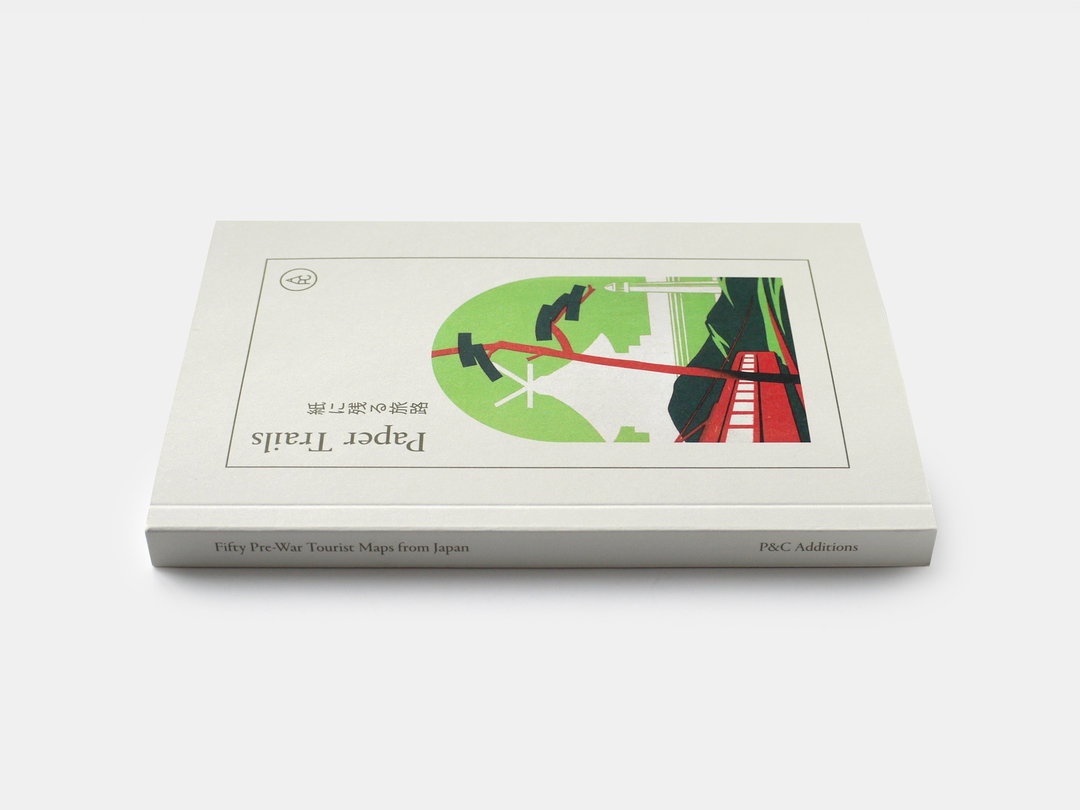
As fellow print ephemera lovers and self-professed stationery nerds at It’s Nice That, we’ve been itching to interview the store’s co-founders and graphic designers, Neal Whittington and Mark Smith, about their exquisitely curated collection for quite some time. There seemed to be no better occasion to do this than the recent release of Present & Correct’s very first book: Paper Trails: Pre-war tourist maps from Japan, an archive of illustrated maps Neal came across rummaging in Tokyo’s famous book town Jinbocho last year, before photographing and collating them into a 136 page paperback, now available in store or on the shop‘s site. Released under the brand’s new imprint P&C Additions, this first foray into publishing has developed as quite a natural offshoot to Mark and Neal’s constant collecting – one that the pair plan to expand upon with each new ephemeral discovery that they make.
To talk more about this publishing journey and the designers’ joint practice, we spoke to Neal about the story of Present & Correct to date, tracing his habits of collecting and archiving all the way back to a childhood spent carefully putting away scrapbooks of sugar sachets, napkins, postcards and coasters, his final major project at art school (a paper concept store called… Present & Correct), to their joint travels across the world today, foraging for original vintage stationery to curate the shop’s stocks from over 18 different countries.
The brand, creative project and ongoing archive filled us with hope that childhood dreams actually do come true. Our conversation with Neal was also a reminder that setting out to collect or create something purely to satisfy your own creative itch can often be the very thing that ends up connecting to people the most. Present & Correct really is a place built on the mining of childhood interests and personal joys for material instead of thinking about a particular audience or customer. It just so happened to become more than one graphic designer’s dream shop.
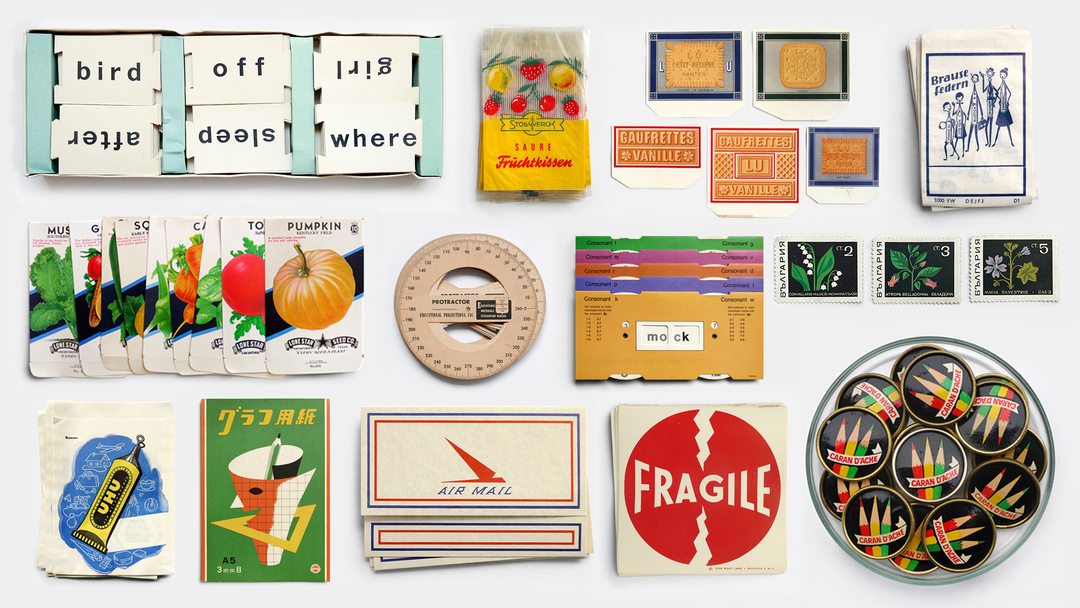
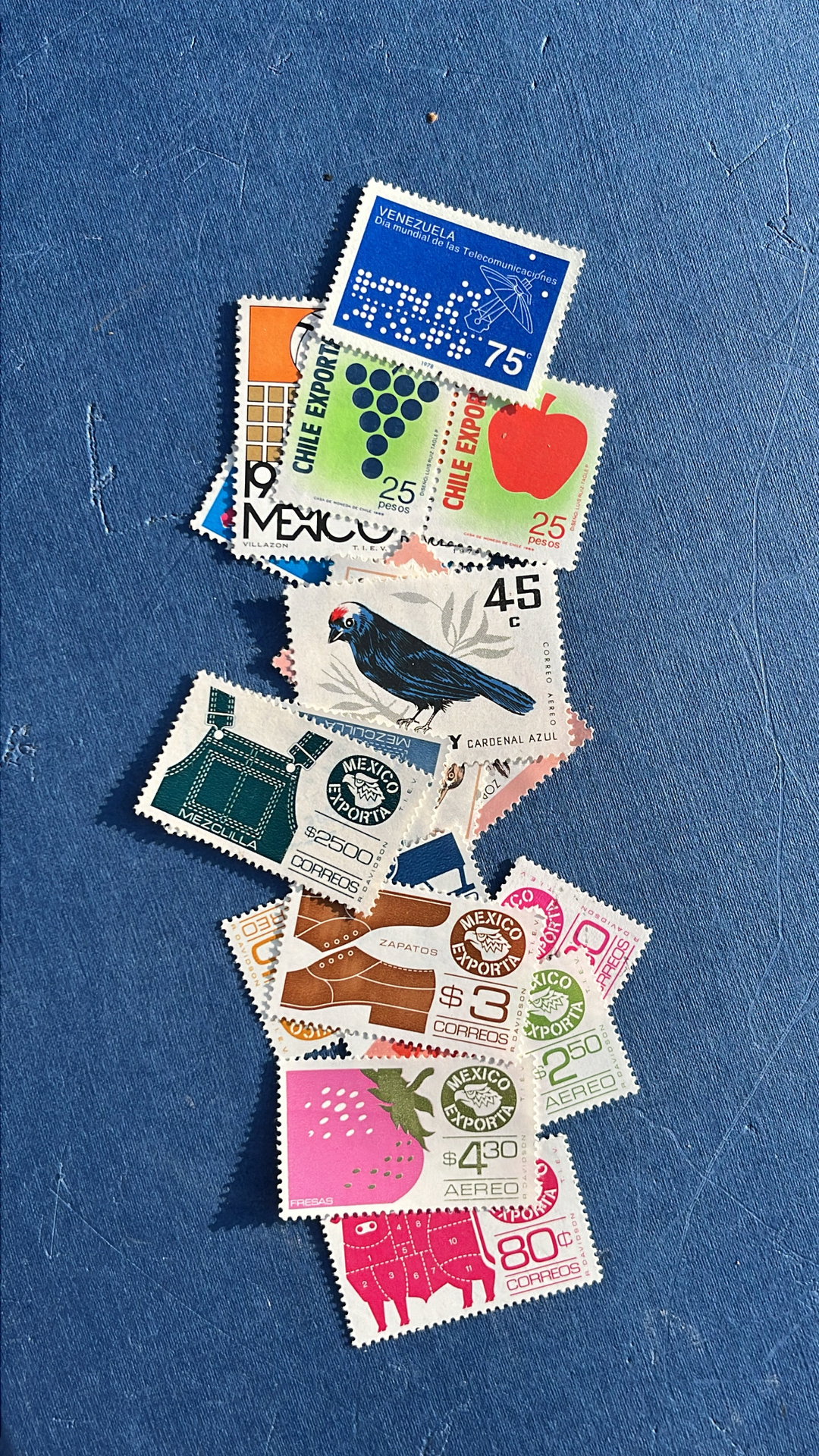
Present & Correct: Mixed vintage ephemera (Copyright © Present & Correct)
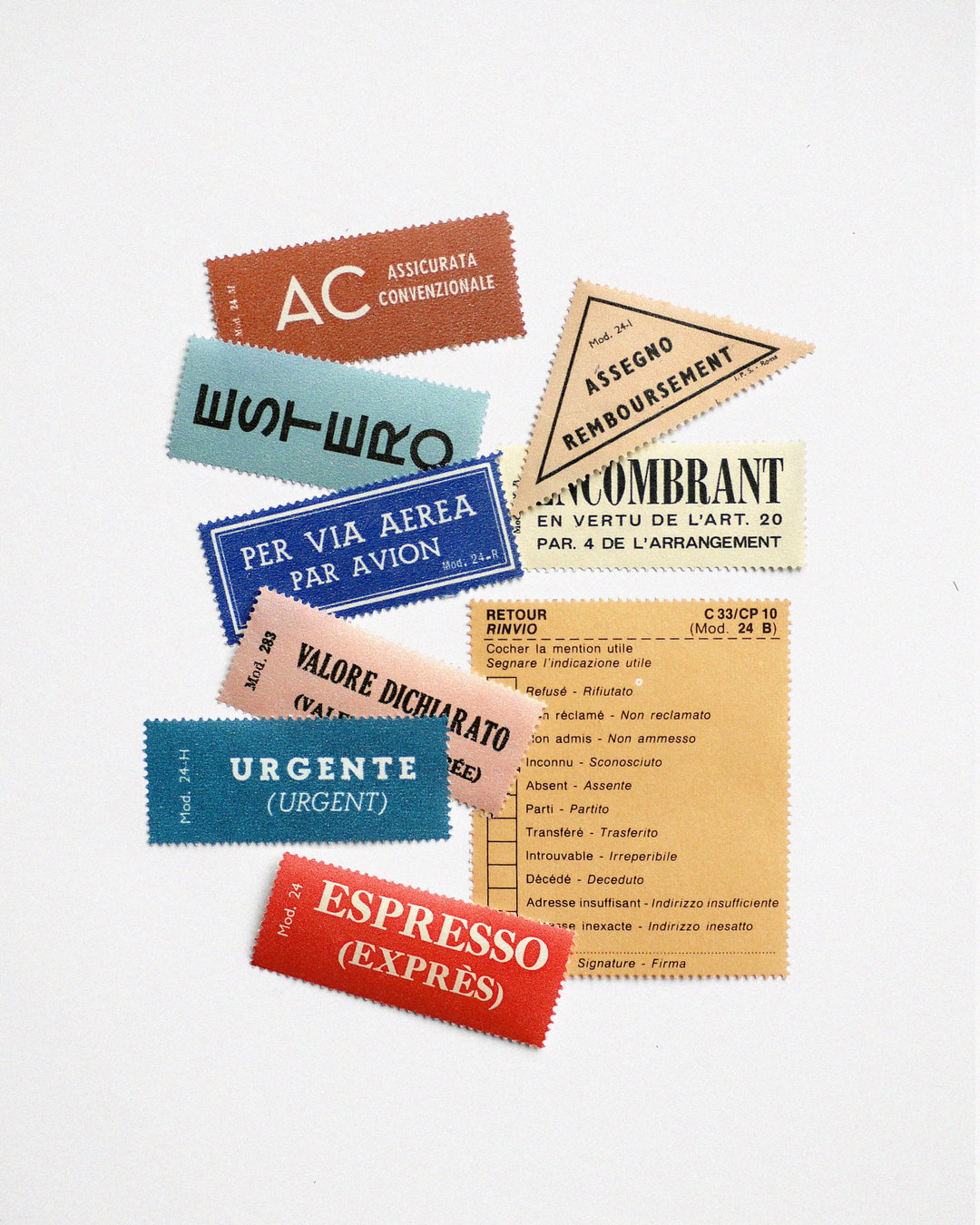
Present & Correct: 1970s Italian postal labels (Copyright © Present & Correct)
1 of 8
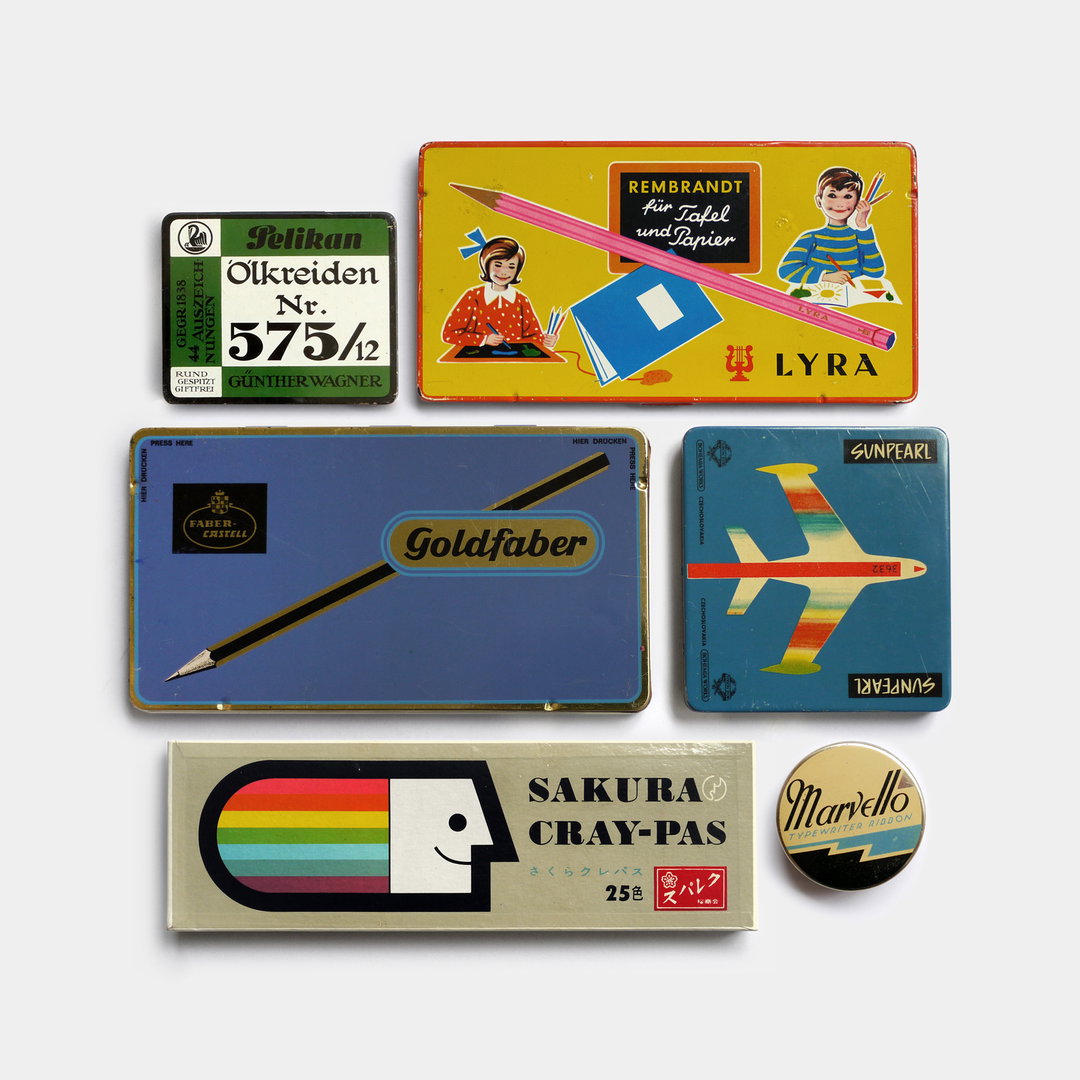
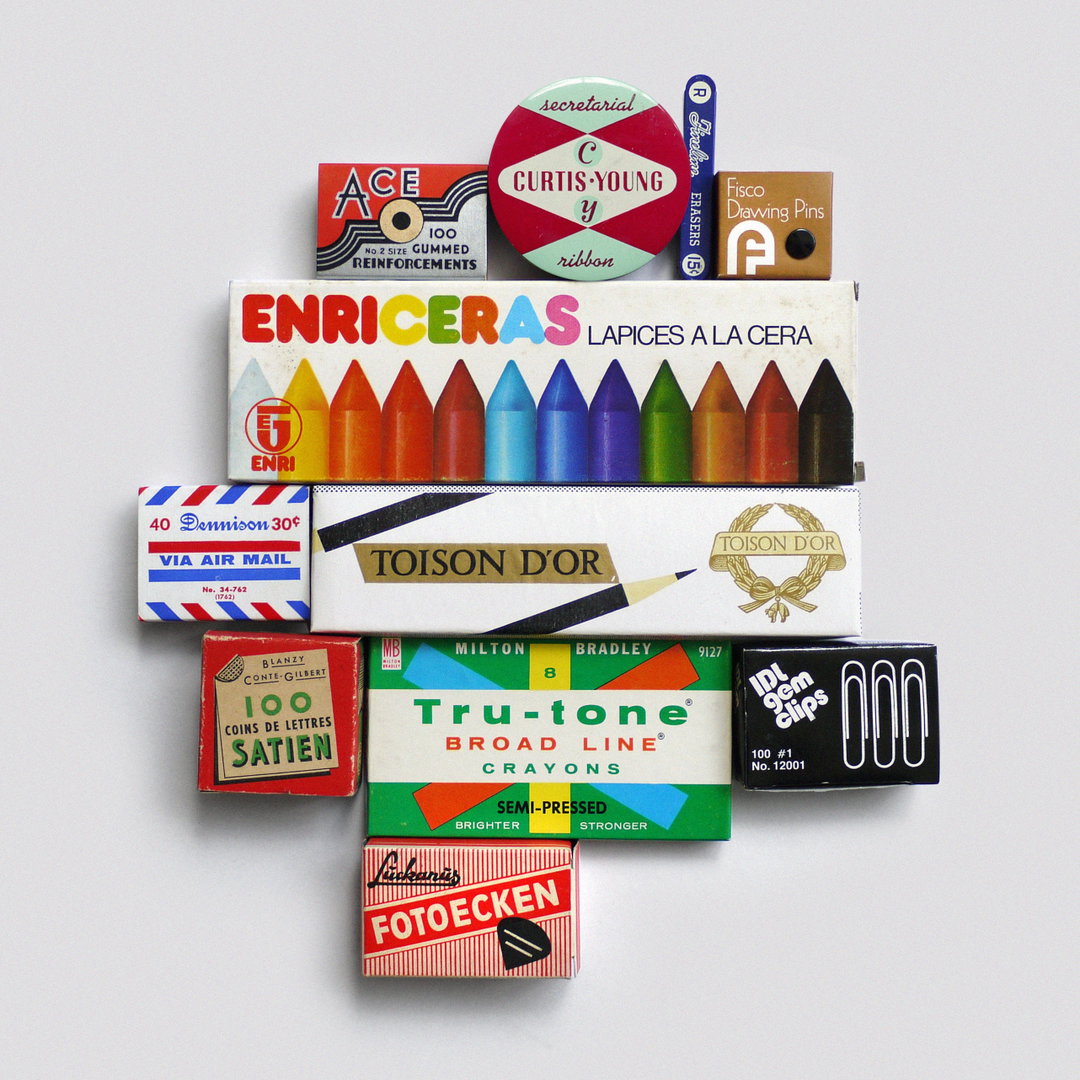
Present & Correct: Tins and boxes for crayons and pencils, mixed eras. Germany, USA & Japan (Copyright © Present & Correct)
1 of 8
Present & Correct: Tins and boxes for crayons and pencils, mixed eras. Germany, USA & Japan (Copyright © Present & Correct)
Q&A with Neal Whittington co-founder of Present & Correct
It’s Nice That (INT):
Firstly, we’d love to find out a bit about the start of P&C – what led you and Mark to open the online store back in 2009? Was opening a stationery shop a spontaneous idea that sparked between the two of you or had it always been a bit of a dream?
Neal Whittington (NW):
It definitely wasn’t spontaneous (I’m too cautious of a person!) and yes it had always been a bit of a dream. Since I was a child I have bought stationery and craft supplies more than anything else. I loved the village post office and WHSmith vouchers on my birthday. My final major project at art college was a paper concept store called… Present & Correct.
In 2009 I was working in a branding studio, and had been there for maybe 6 years or so, and during the day I was online a lot. At this time there was a real culture of small online stores, largely in the US. Rudimentary sites where people were making their own stationery, selling vintage things etc, and there was a great blog network that supported these businesses.
It looked so fun and I saw it as a way to develop what I had been doing in real life, which was making envelopes, notebooks, cards and selling them alongside vintage stationery in shops around London and on market stalls. I got to travel a lot with my job at that time and had been collecting stationery along the way, becoming familiar with brands (also much credit to my old boss for introducing me to many Japanese and Korean companies, and having me work on the branding for one).
The first iteration of P&C was based in a tiny flat with most of the stock under the bed, sofa and in kitchen cupboards. The second was in a spare room when Mark & I moved in together and the 3rd was my first shop in 2012.
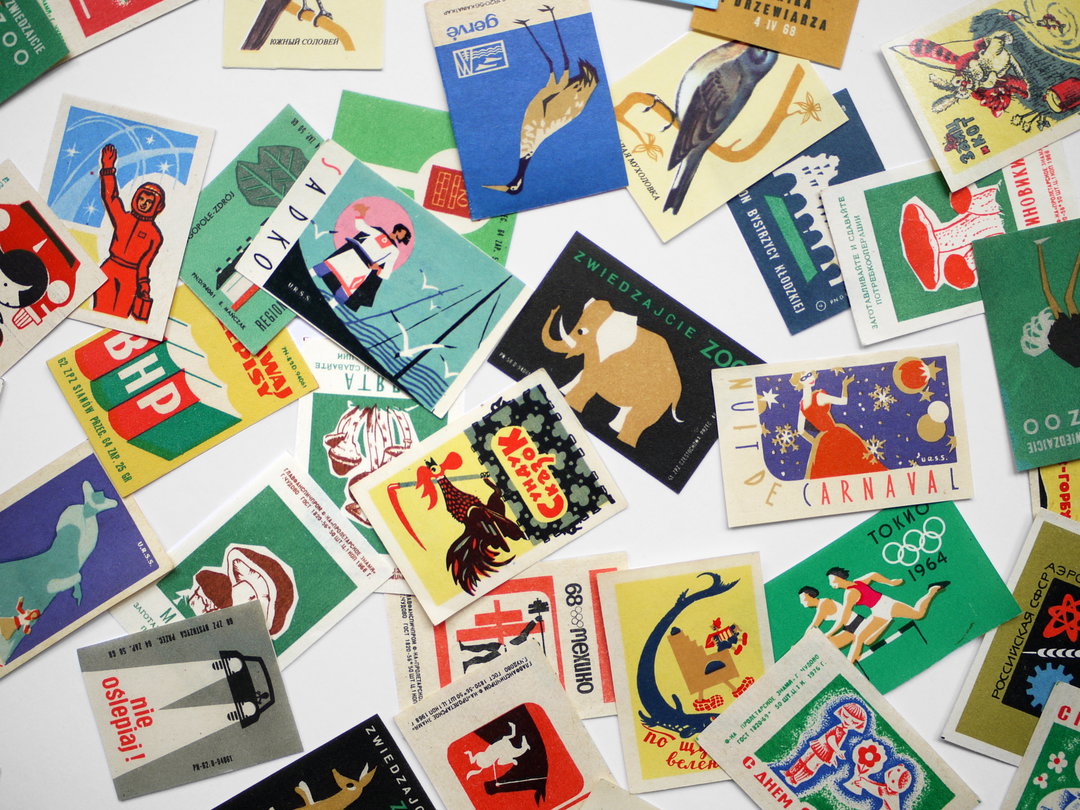
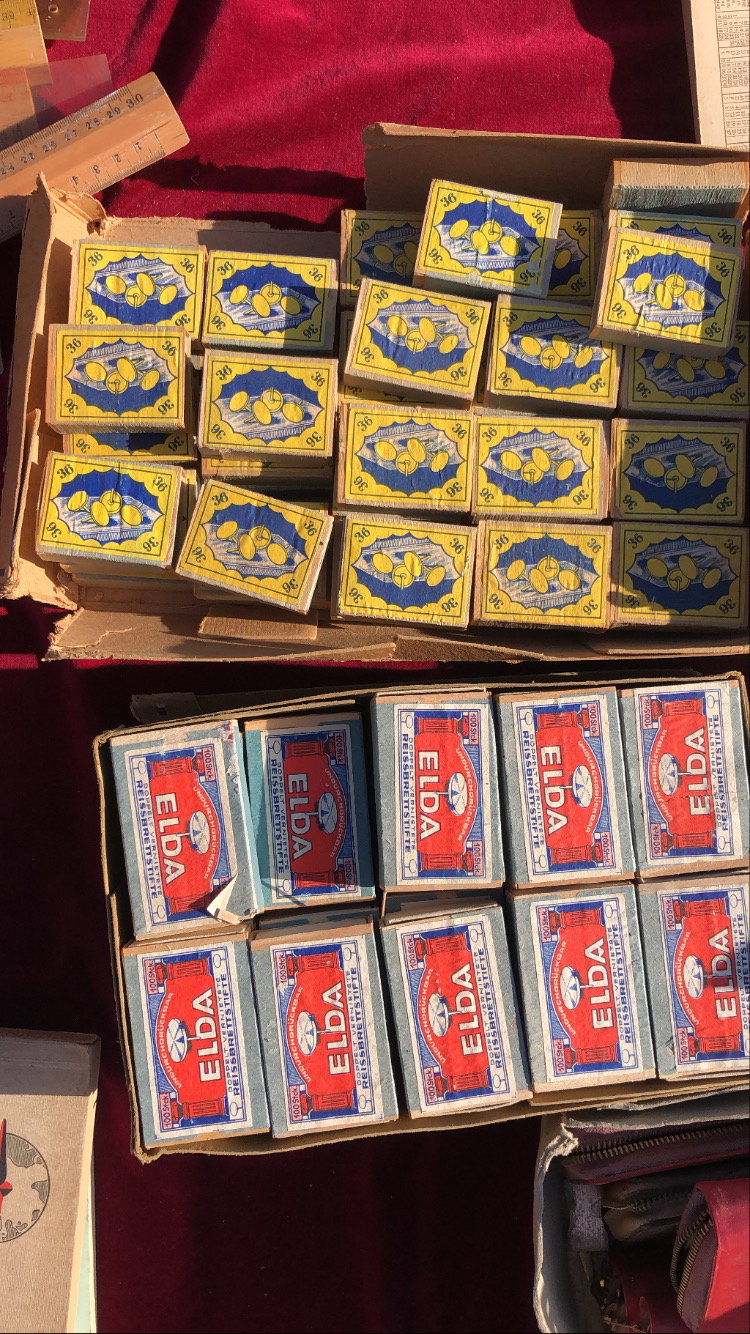
Present & Correct: A selection of Eastern Bloc matchbox labels (Copyright © Present & Correct)
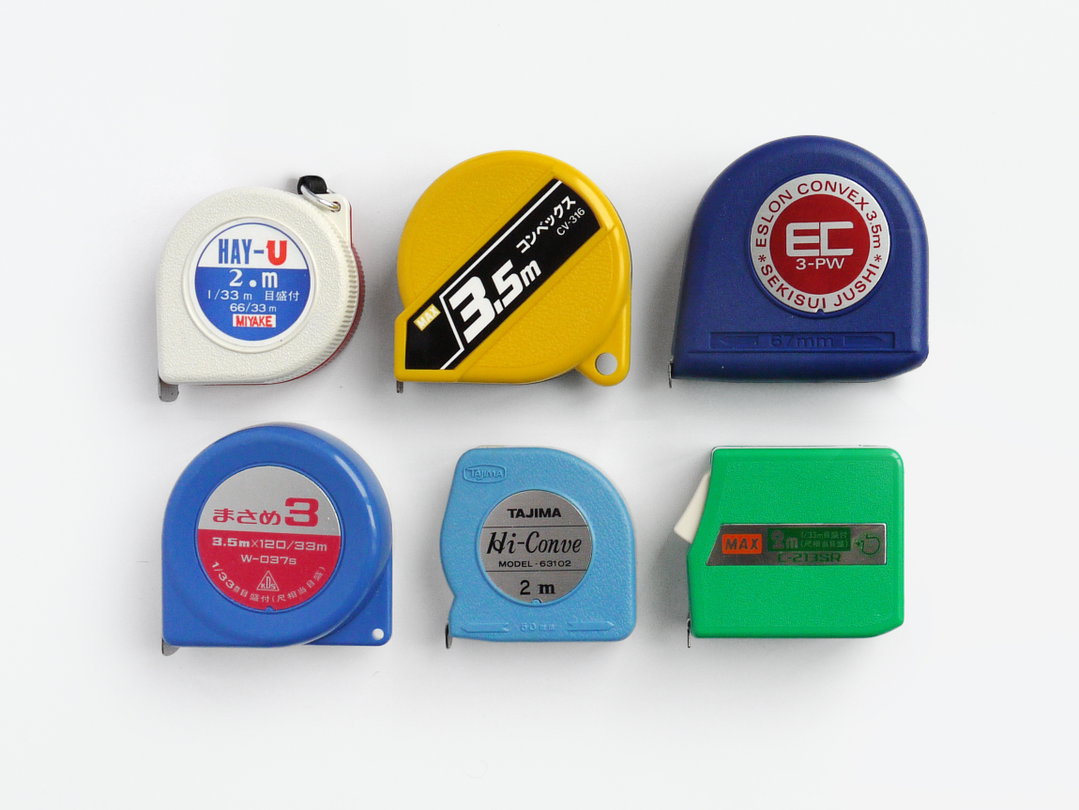
Present & Correct: Old Japanese tape measures found in Tokyo and Hong Kong. (Copyright © Present & Correct)
“Since I was a child I have bought stationery and craft supplies more than anything else. I loved the village post office and WHSmith vouchers on my birthday.”
Neal Whittington
INT:
It almost goes without saying that both of you are graphic designers – the shop is a complete dream for anyone in that category (myself included!) How do you think this creative background has informed how you curate the distinctive mix of ephemera and stationery you sell and the way you’ve built a brand around P&C?
NW:
It’s hard to define that process because it feels like a natural, personal, auto-pilot response. An instinctive yes or no, and knowing what you like. Those instincts have no doubt been formed by old studio jobs, work and life seniors introducing you to books, designers, eras, ways of looking. As well as the living (and age) that allows you to travel, collect and over time edit down what it is that you like.
Running any small business is predominantly a single view point, if you translate that visually there will be a natural coherence regardless of whether something is old or new. It’s really about having the access to enough things to select what works together and sticking to your aesthetic guns. You will never please everyone and you shouldn’t try to.
Not long ago I heard a customer say ‘Only a graphic designer could run this shop!’ I see that, with all the type dotted around, graphic covers, random labels and bits. Not everyone is going to love an old form or paper bag with a bit of offset printing but there are also a lot of us that do.
Primarily, I would say it is informed by the enjoyment of it, that counts for so much and translates into what you do. Single mindedness (or stubbornness) is also useful, and having a nice time can be enough to develop a brand. “Find out who you are and do it on purpose” is one of my all time favourite quotes, thank you Dolly Parton for that gem.
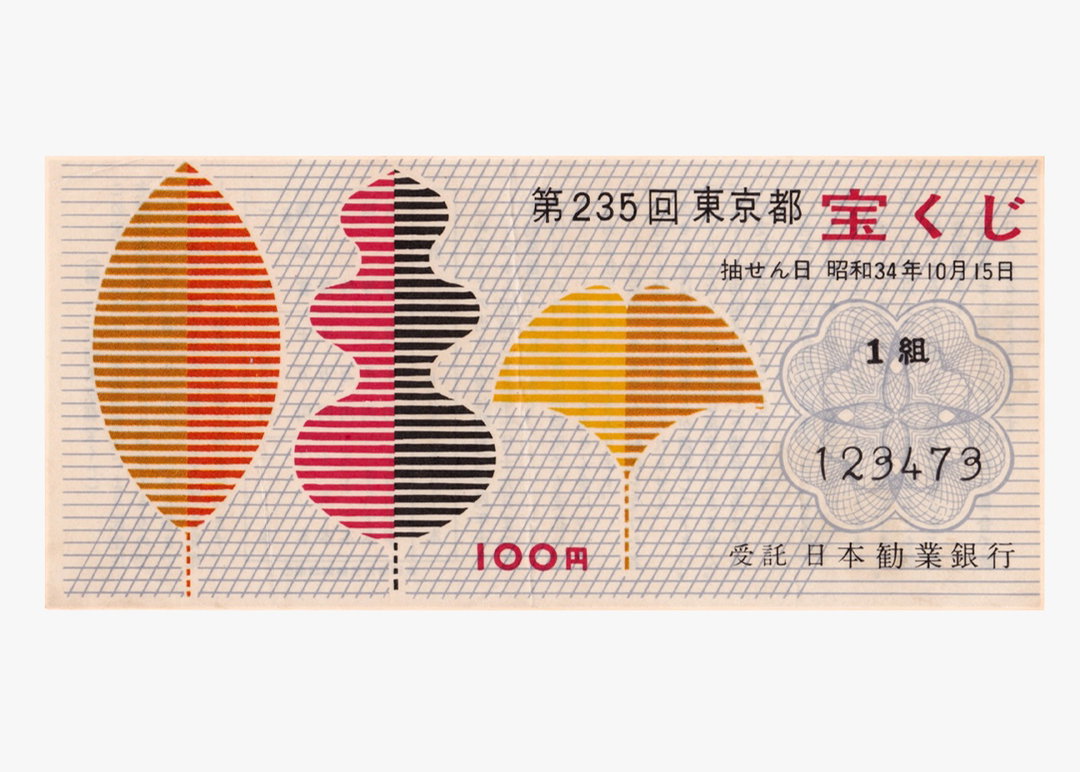
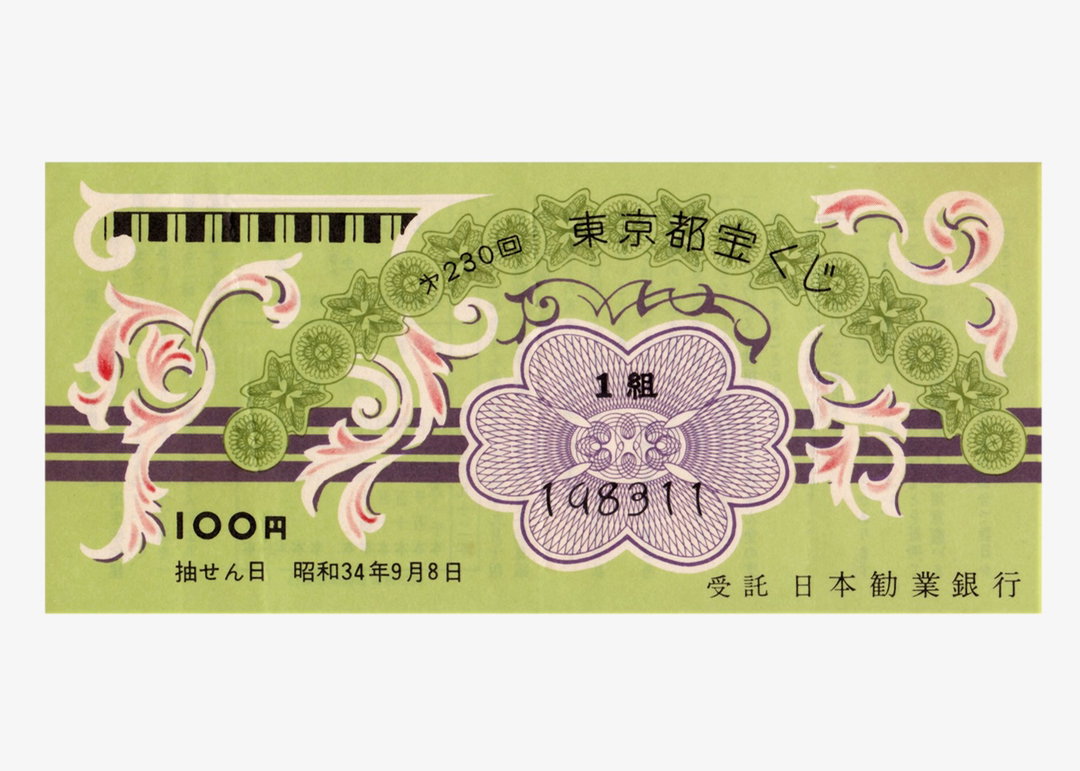
1 of 5
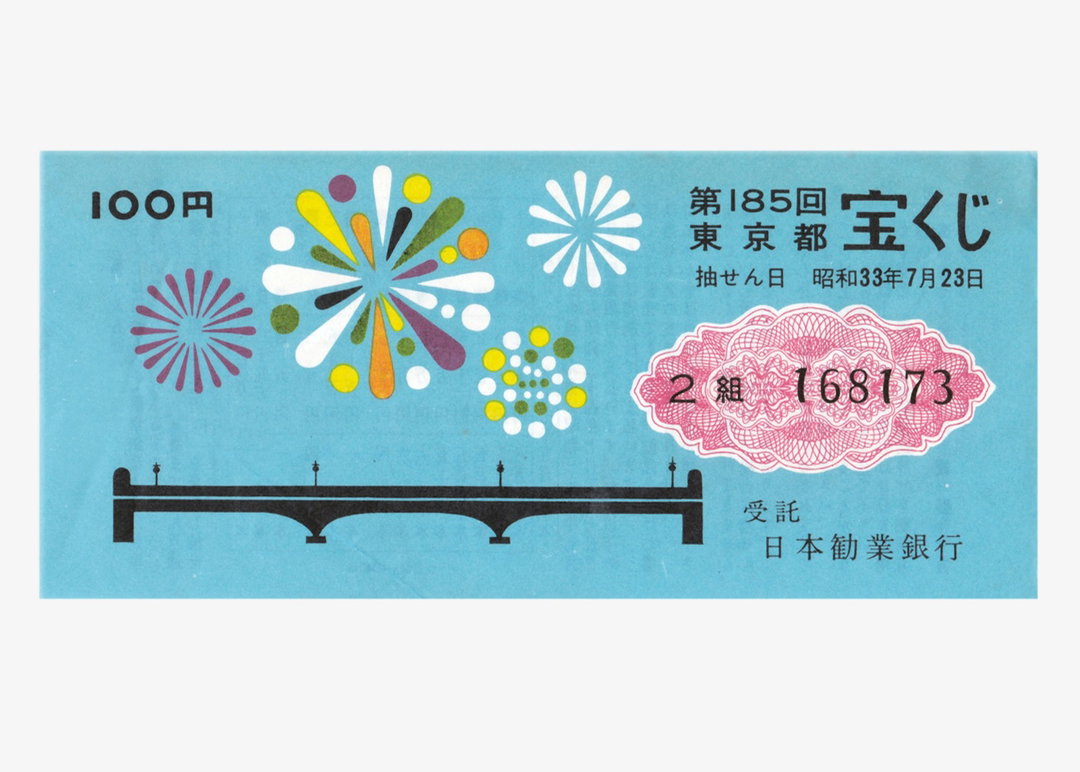
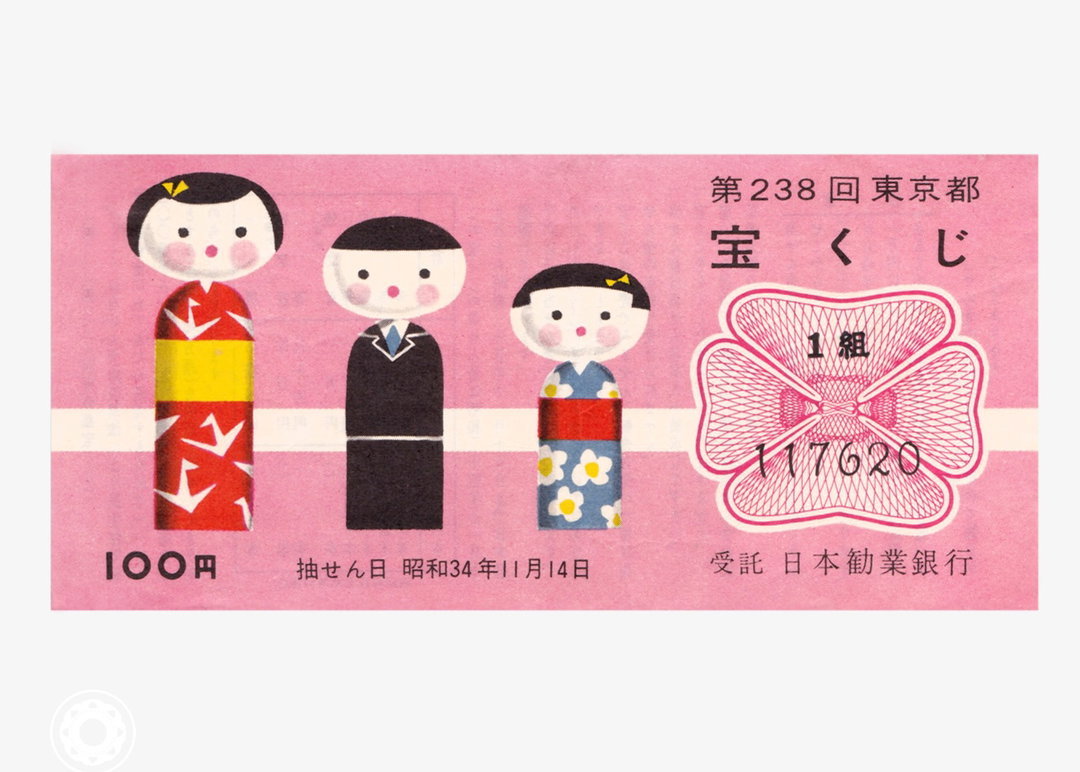
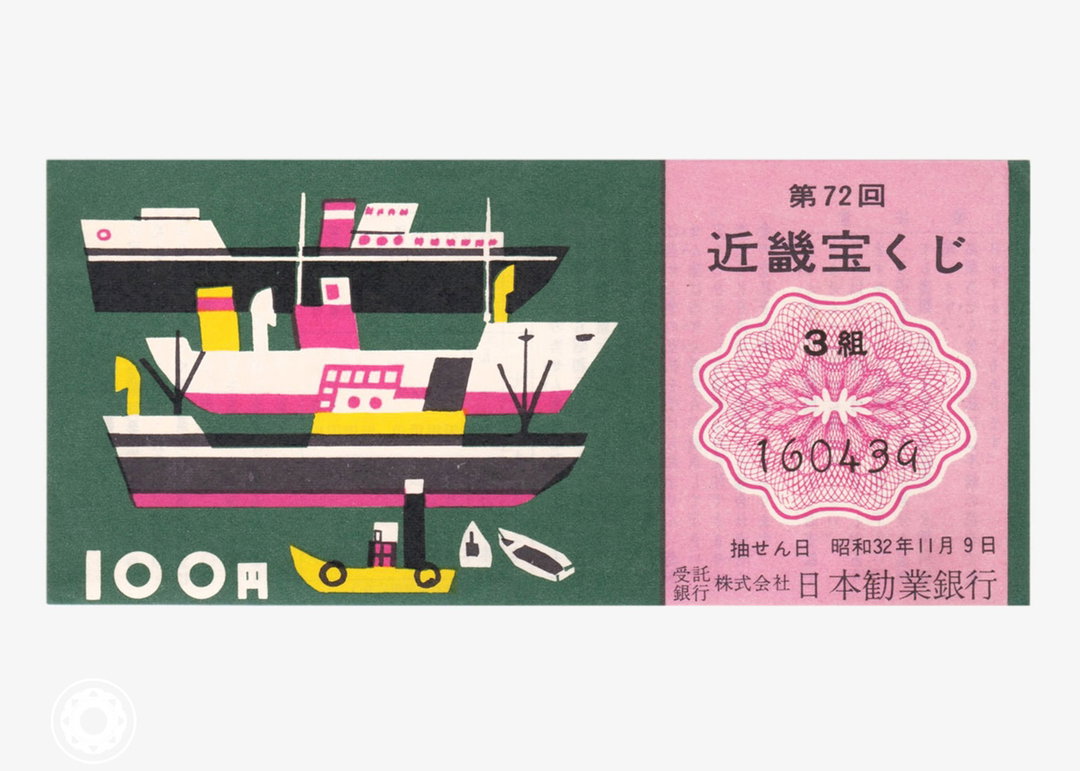
Present & Correct: Showa era lottery ticket (1950s) from Japan (Copyright © Present & Correct)
1 of 5
Present & Correct: Showa era lottery ticket (1950s) from Japan (Copyright © Present & Correct)
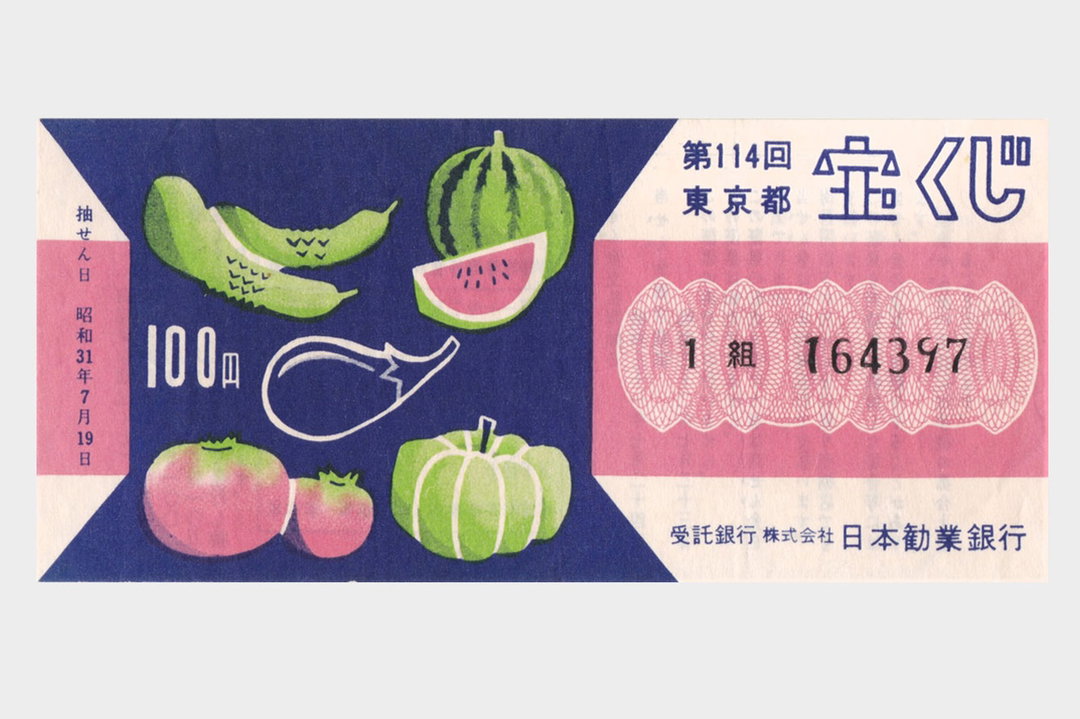
Present & Correct: Showa era lottery ticket (1950s) from Japan (Copyright © Present & Correct)
“In Tokyo last year I trekked way out of town to the most insane store that I will never share because it will be ruined by social media!”
Neal Whittington
INT:
On the site you say that P&C is a showcase for the things we have enjoyed since you were kids: “A long-term obsession with stationery has culminated in a constantly evolving store. Paper and office objects which are inspired by homework, the post office and school.” Is this element of nostalgia something you are chasing in all the things you collect – what feels so precious to you about design objects and print ephemera of the past?
NW:
It’s a bit magical that you could find, for example, a bundle of 30 notebooks that are from the 1960s, take them home, put them in your shop and know that they are limited. Once they’re gone that’s it. In an age where there is a lot of the same all over the place we chase that feeling for ourselves and for P&C.
On a different level we find things where the style and production seems way ahead of the time, largely because modern day work harks back to it. I got some 1920s brand promotional stamps in Munich in the spring, the typography was great but also the die cutting and embossing was insanely good. The illustrations on old stamps, lottery tickets, hotel luggage labels have also set the bench mark for so many modern day illustrative styles. There can be too much nostalgia but we definitely believe in having elements that invoke that feeling. It can be comforting or fun, or clever if worked into something new.
INT:
One of the things that makes the store so unique is that it stocks some of your own designs as well as those finds you have both come across on your travels. You’re always foraging for vintage items around the world (many of which we keep up with on your instagram highlights and stories). How do you know where to find all the best stuff! Can you tell us a bit about your research process?
NW:
Having done this for so long I know which markets and shops will have the goods, largely around France, Germany and Belgium. And there are some collectors and stall holders which I know will be there, whose email addresses I have. I try new markets when I can, some I will go back to, but others I can see aren’t going to be right for us.
Aside from this there is a great deal of luck and research involved. We went to Mexico City in February and pinpointed dead stock paper stores, old book shops and flea markets. Usually found by asking people or Googling in the language of where you are. In Tokyo last year I trekked way out of town to the most insane store that I will never share because it will be ruined by social media! I found that by Googling different phrases in Japanese.
And we love to walk, that’s important. So much walking (a recent flea market took 8.5 hours to complete one lap). In cities is when you see a random looking run down spot that could deliver – in Venice the other year we saw a dense, dusty place that we could see was full of old stationery. It was closed the whole time we were there and that was absolute torture. And in Puglia one evening, quite late at night, we went into a cigarette shop where there was a glass cabinet full of 1960s graph paper books. Crazy luck. I bought them all! That was a summer holiday, not a buying trip, but we’re always looking.
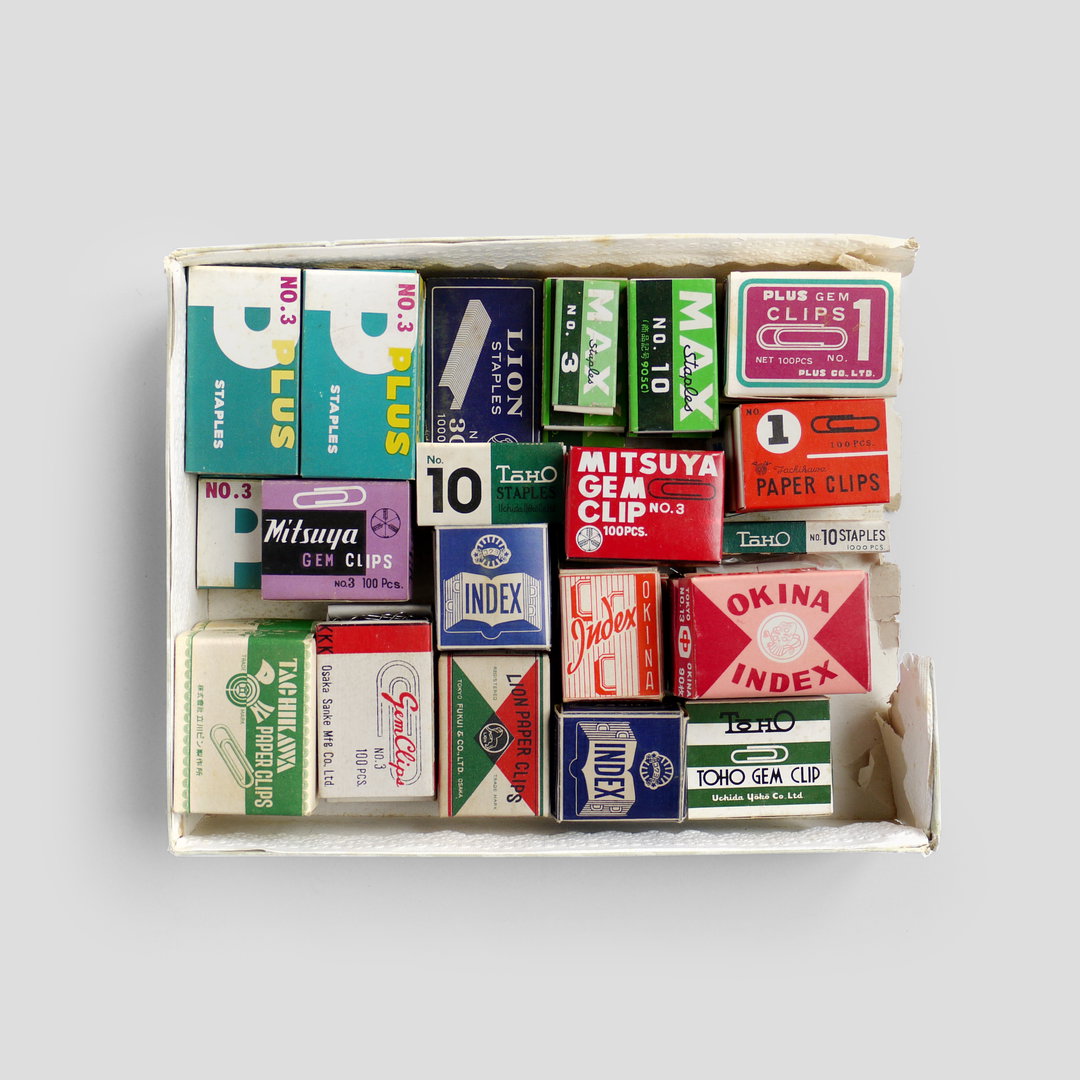
Finally – a recent development since our physical shop moved to a more prominent location – is that customers bring us things. Recently a visitor from Kuwait brought loads of old computer punch cards, and another handed over a box of old paperclips her dad had collected throughout the years. One, from Portugal, wrote down the name of a shop in a small town that allegedly has lots of deadstock... We hope to go soon!
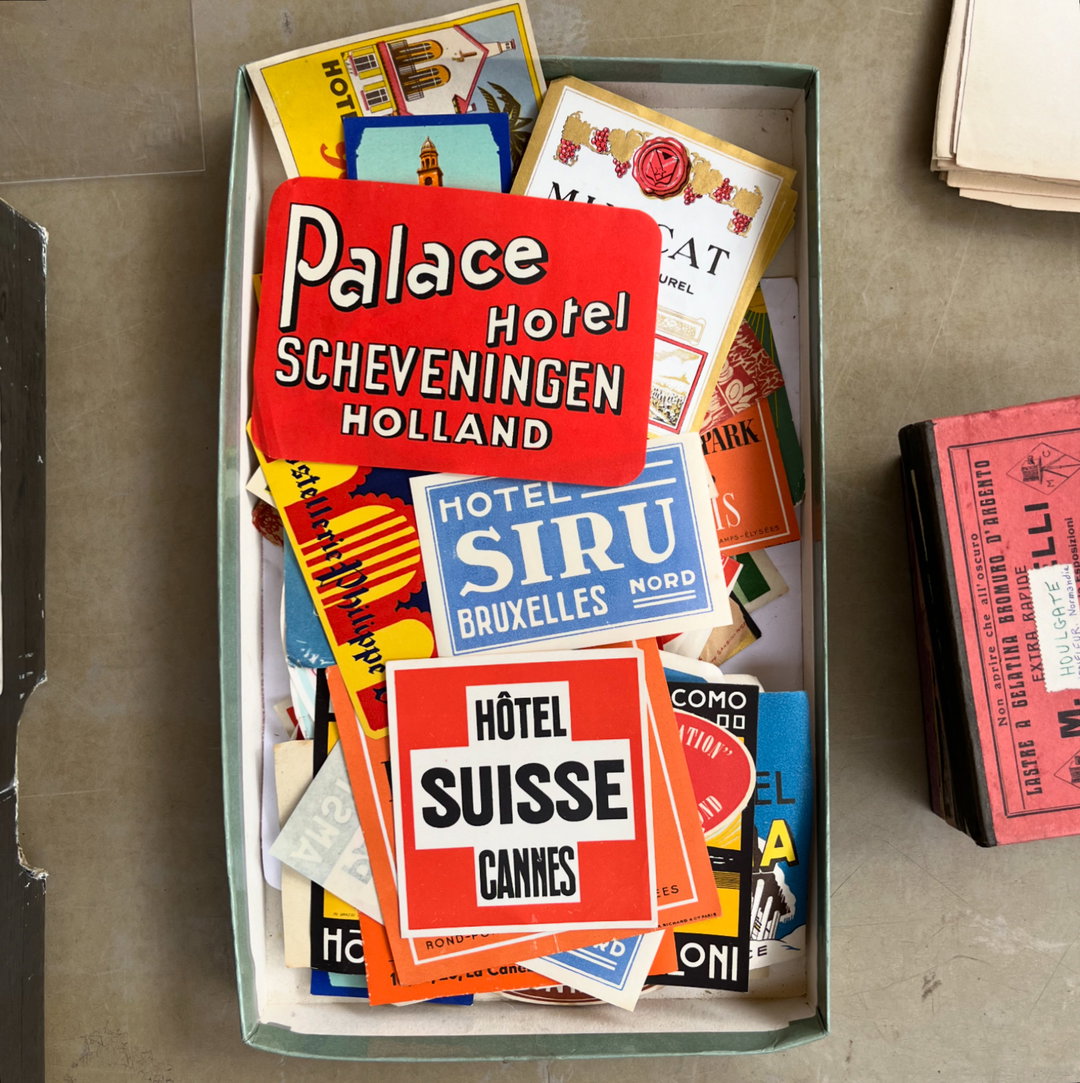
Present & Correct: A box of gummed hotel labels spotted in Lille (Copyright © Present & Correct)
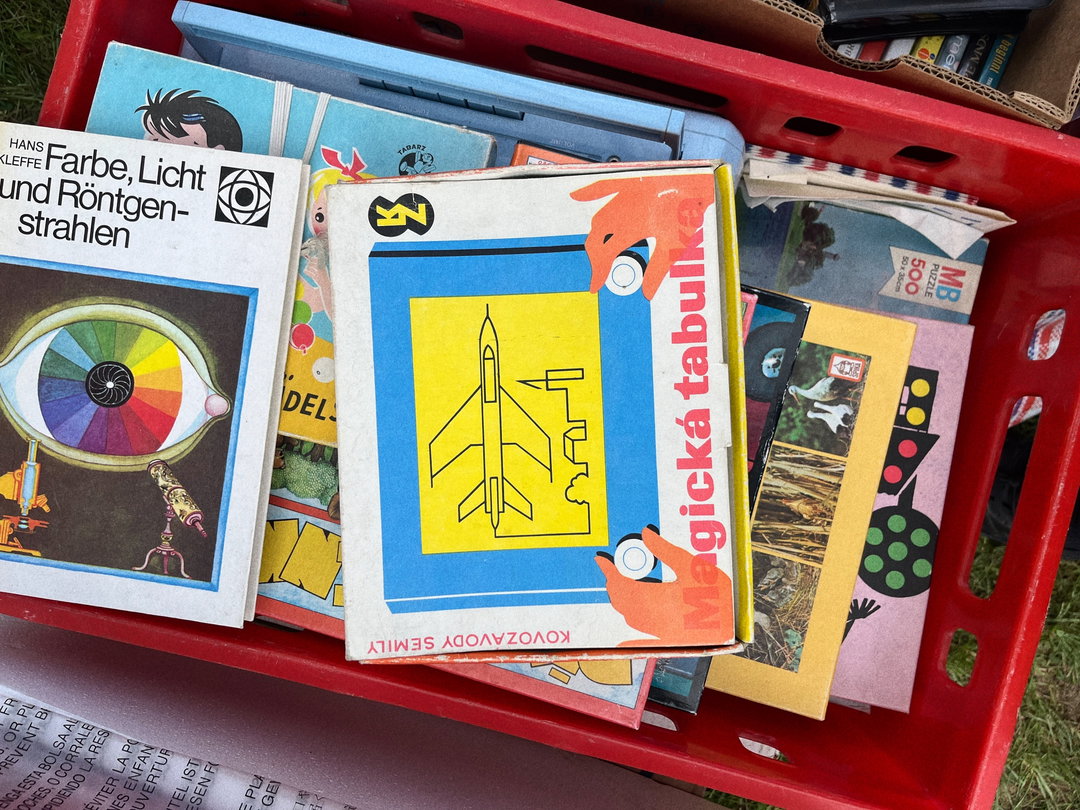
Present & Correct: A Czech version of Etch a Sketch (Copyright © Present & Correct)
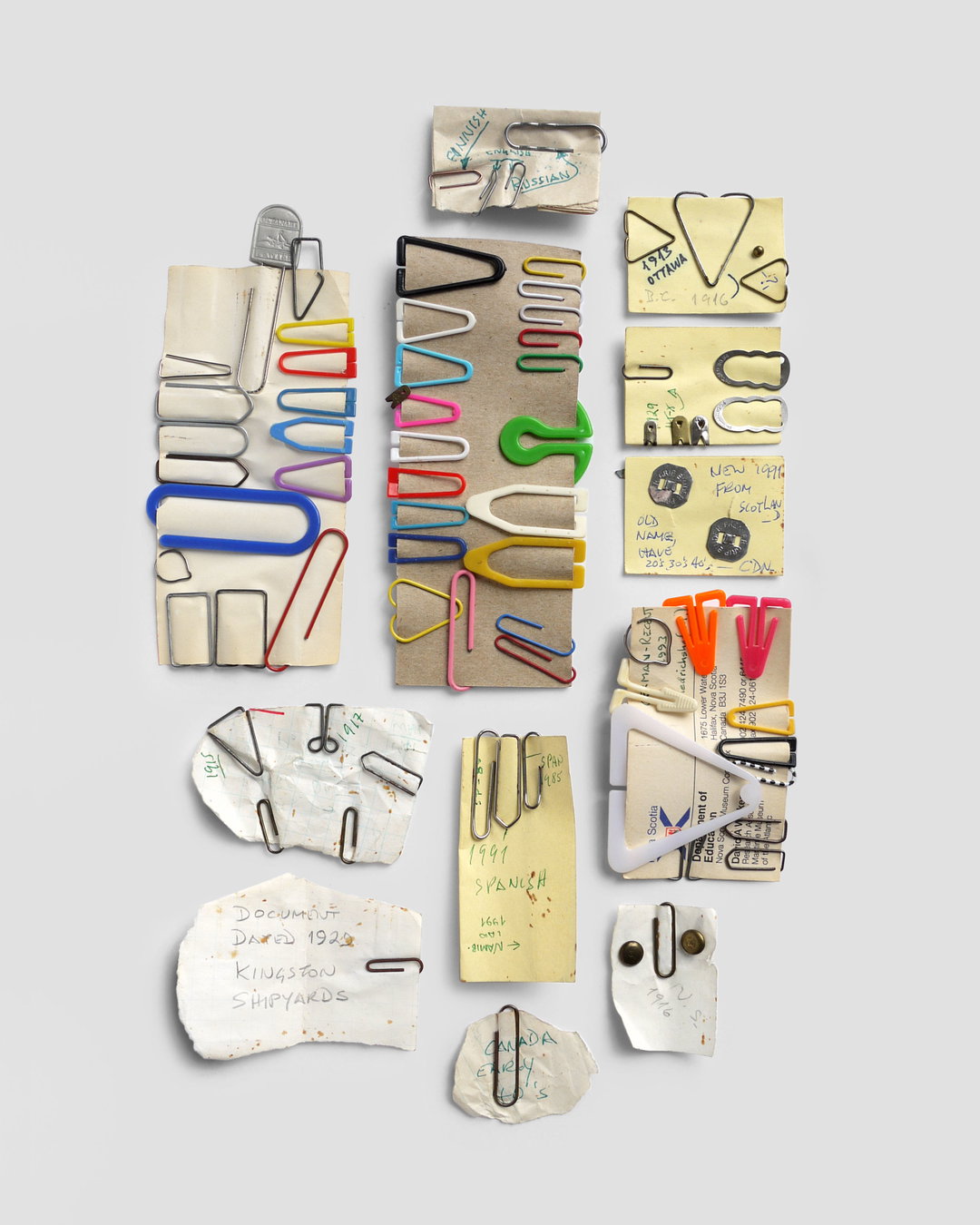
Present & Correct: The collection of paper clips donated to us by the daughter of David Walker (Copyright © Present & Correct)
“Not everyone is going to love an old form or paper bag with a bit of offset printing but there are also a lot of us that do!”
Neal Whittington
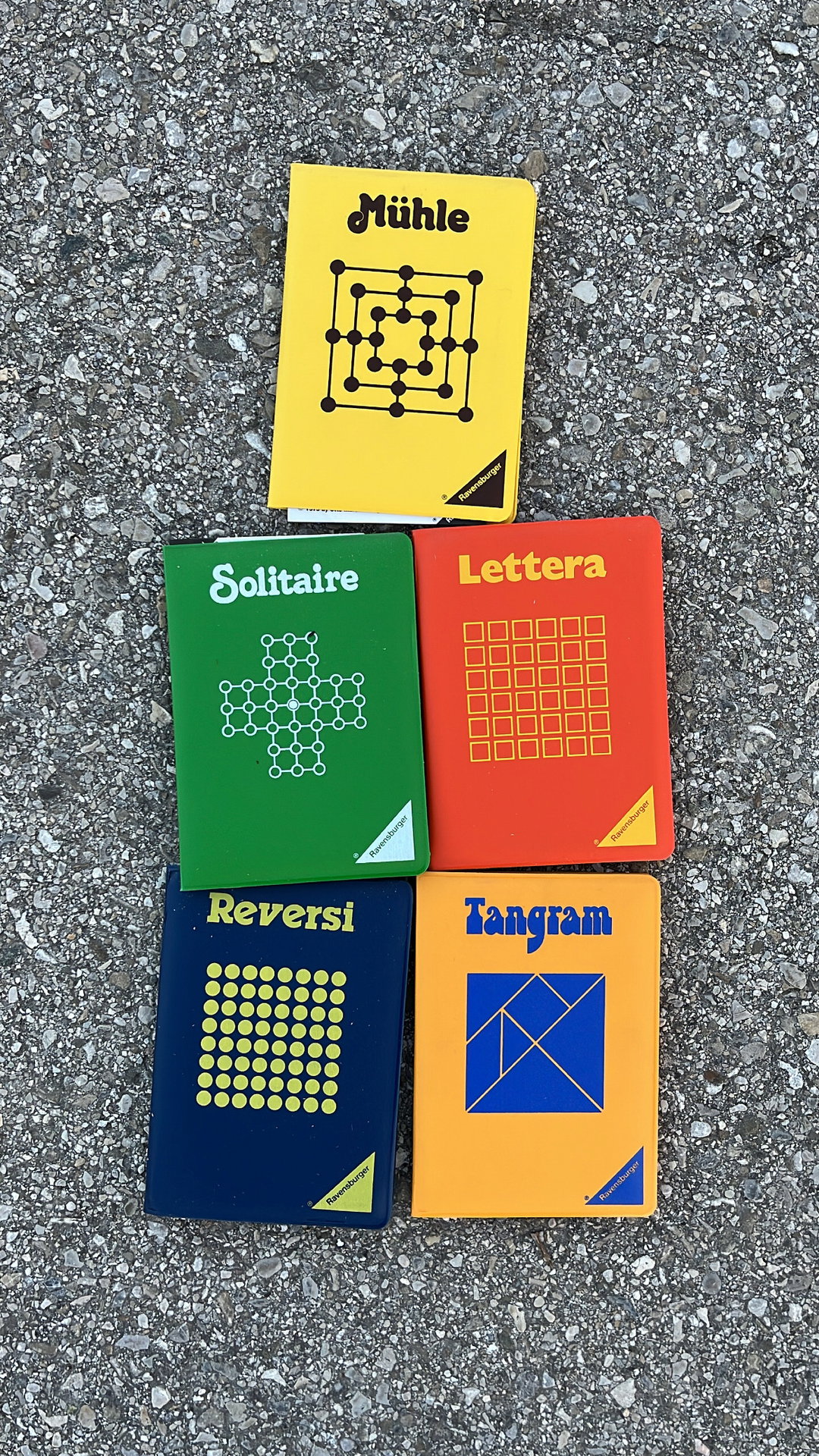
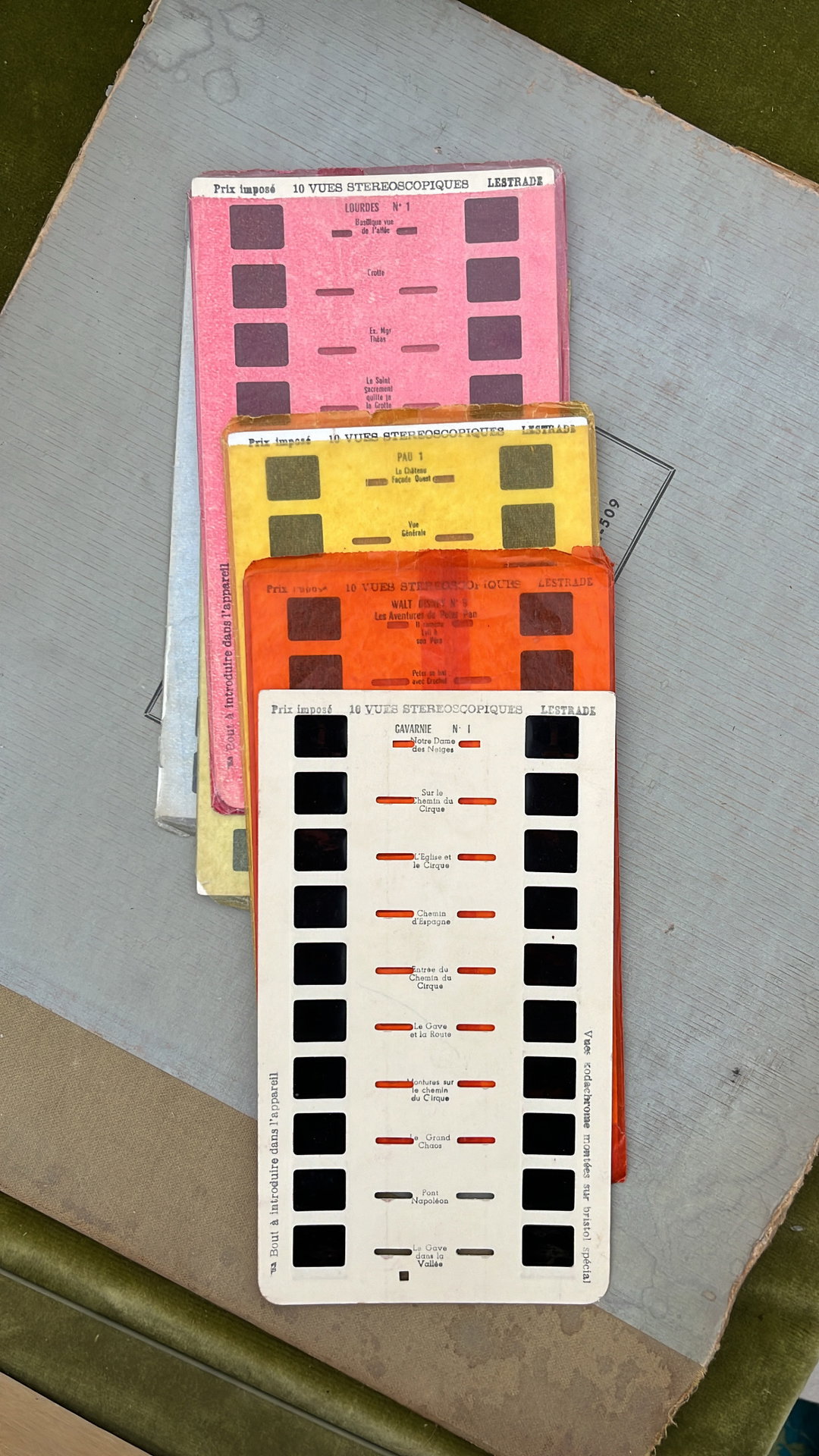
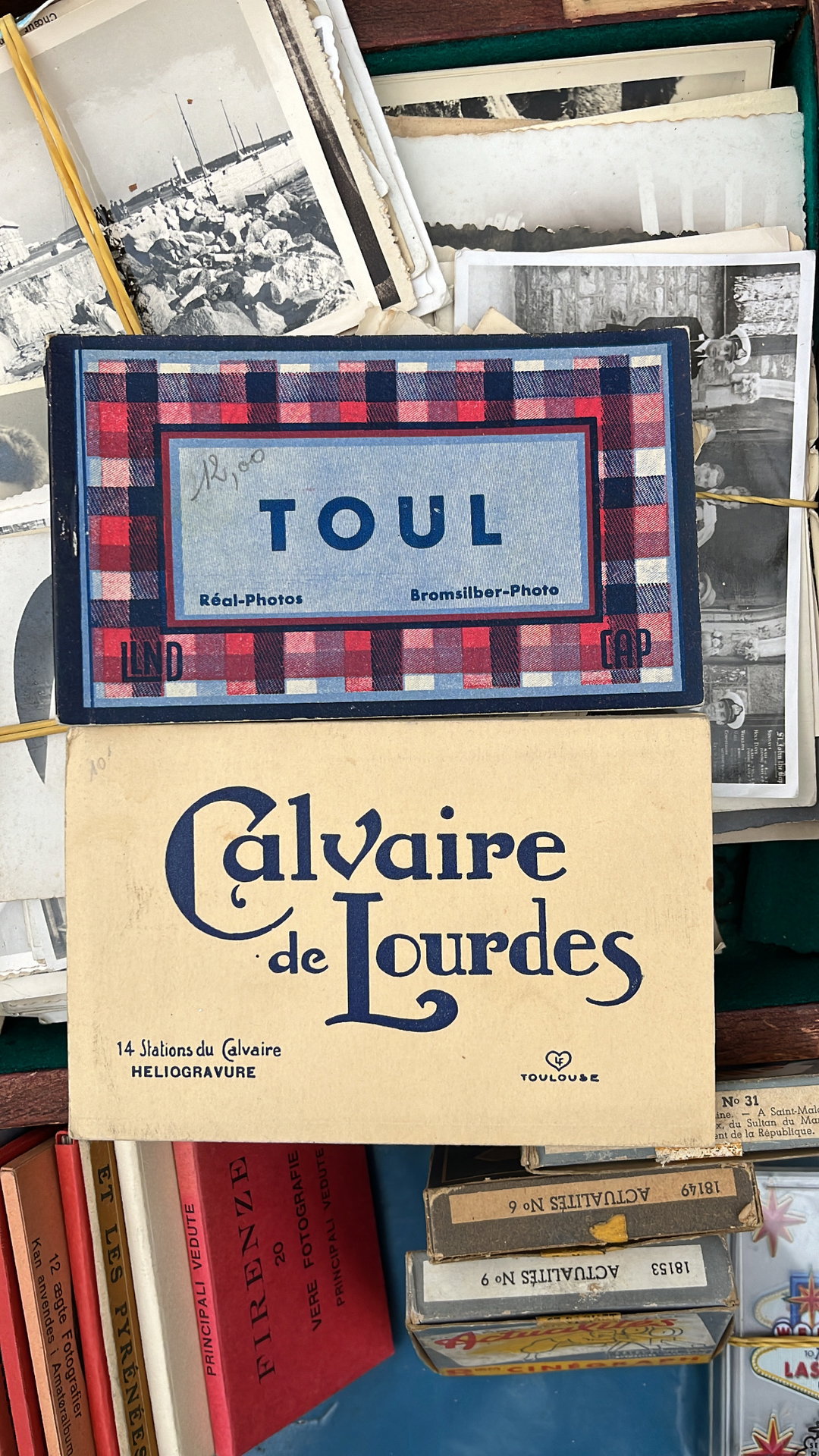
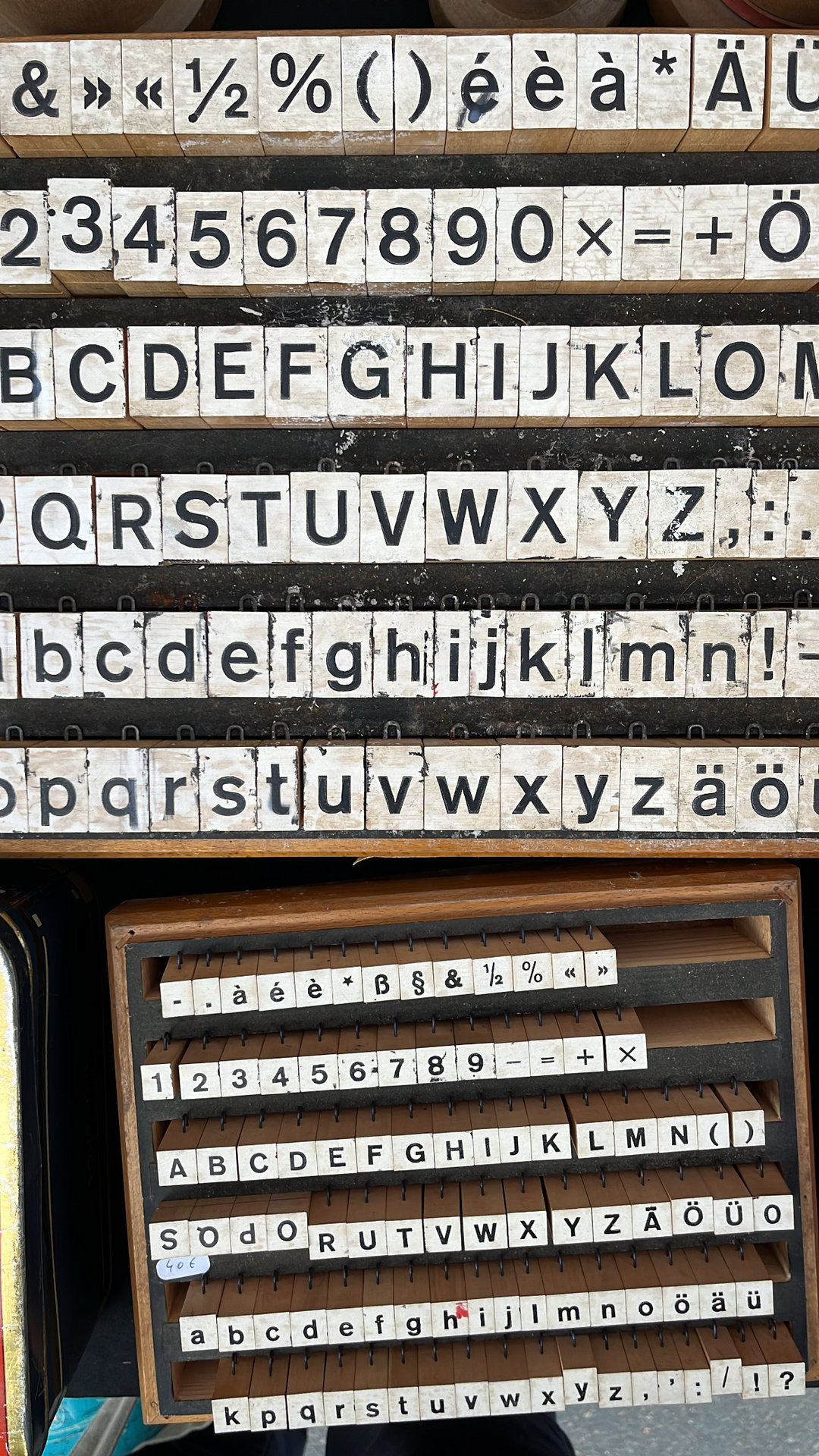
1 of 8
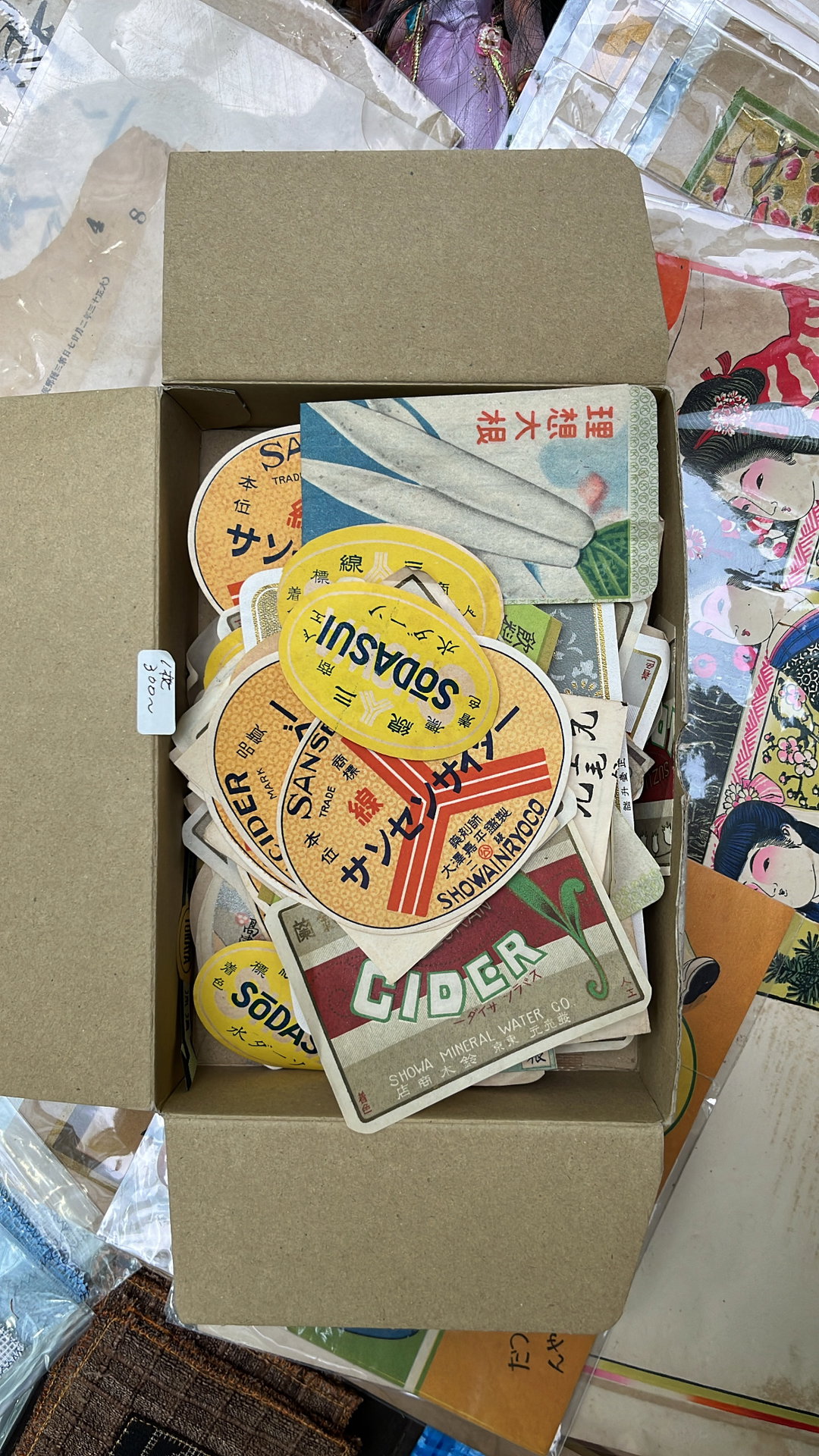
Present & Correct: Gummed labels for drinks and cans, Japan (Copyright © Present & Correct)
1 of 8
Present & Correct: Gummed labels for drinks and cans, Japan (Copyright © Present & Correct)
INT:
This habit of archiving and collecting vintage ephemera has informed your first self-published book at P&C Paper Trails: Pre-war tourist maps from Japan featuring fifty incredibly illustrated maps for various attractions around Japan! Can you tell us a bit about how the book came together?
NW:
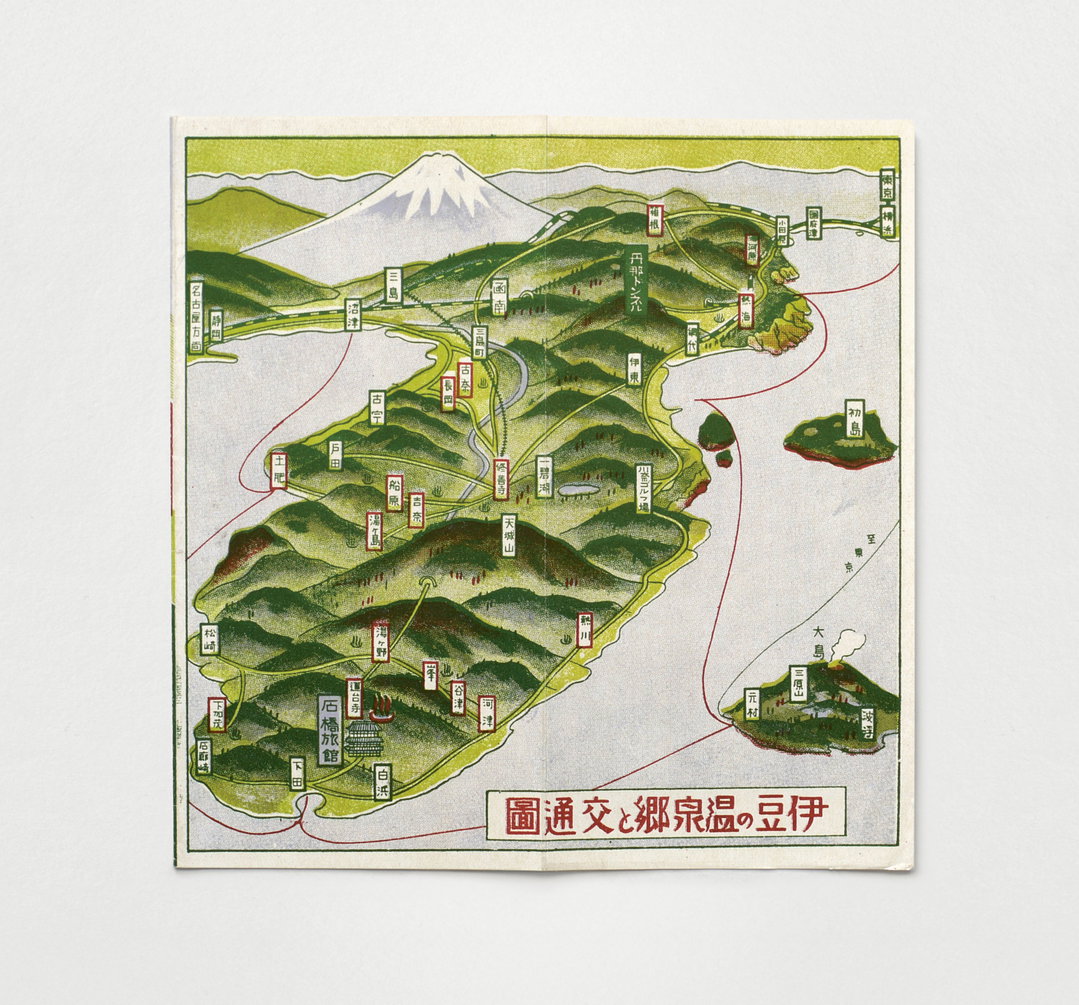
Last April I went to Tokyo on my own, Mark had to go home to New Zealand and we had been several times but this was my first solo trip. So I went full on nerd and walked from 9-11 every day it seemed, around new areas and parts of town I hadn’t explored as much before. One of them was Jinbocho, which is a Book Town. Hundreds of new and old book stores of all sizes but also ephemera stores; up stairs, in basements, hidden and dense. In one I sifted through hundreds of these old maps, early 20th century. Some were pretty expensive but I retrieved a lot that were more affordable, all amazingly illustrated. When I got home we both said almost instantly that they would make a lovely book.
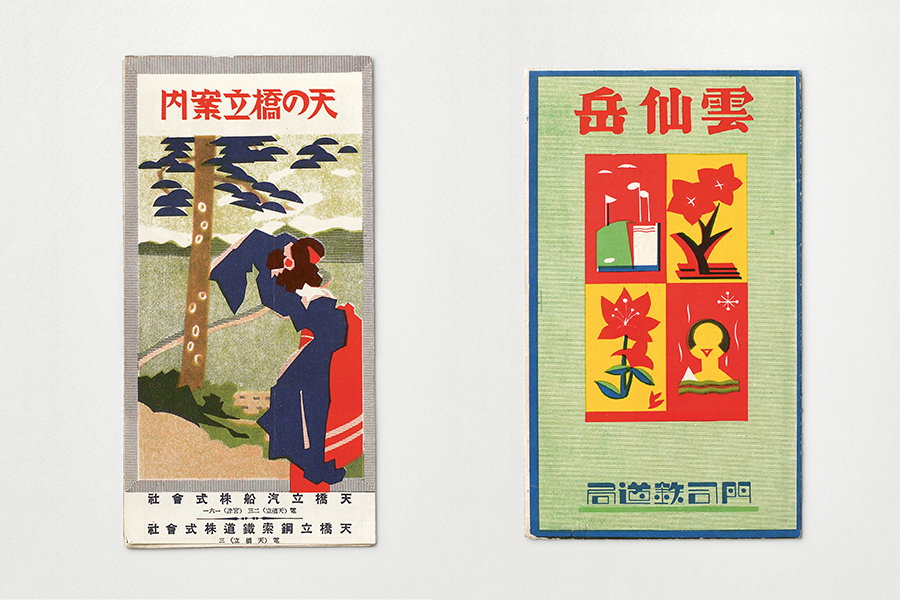
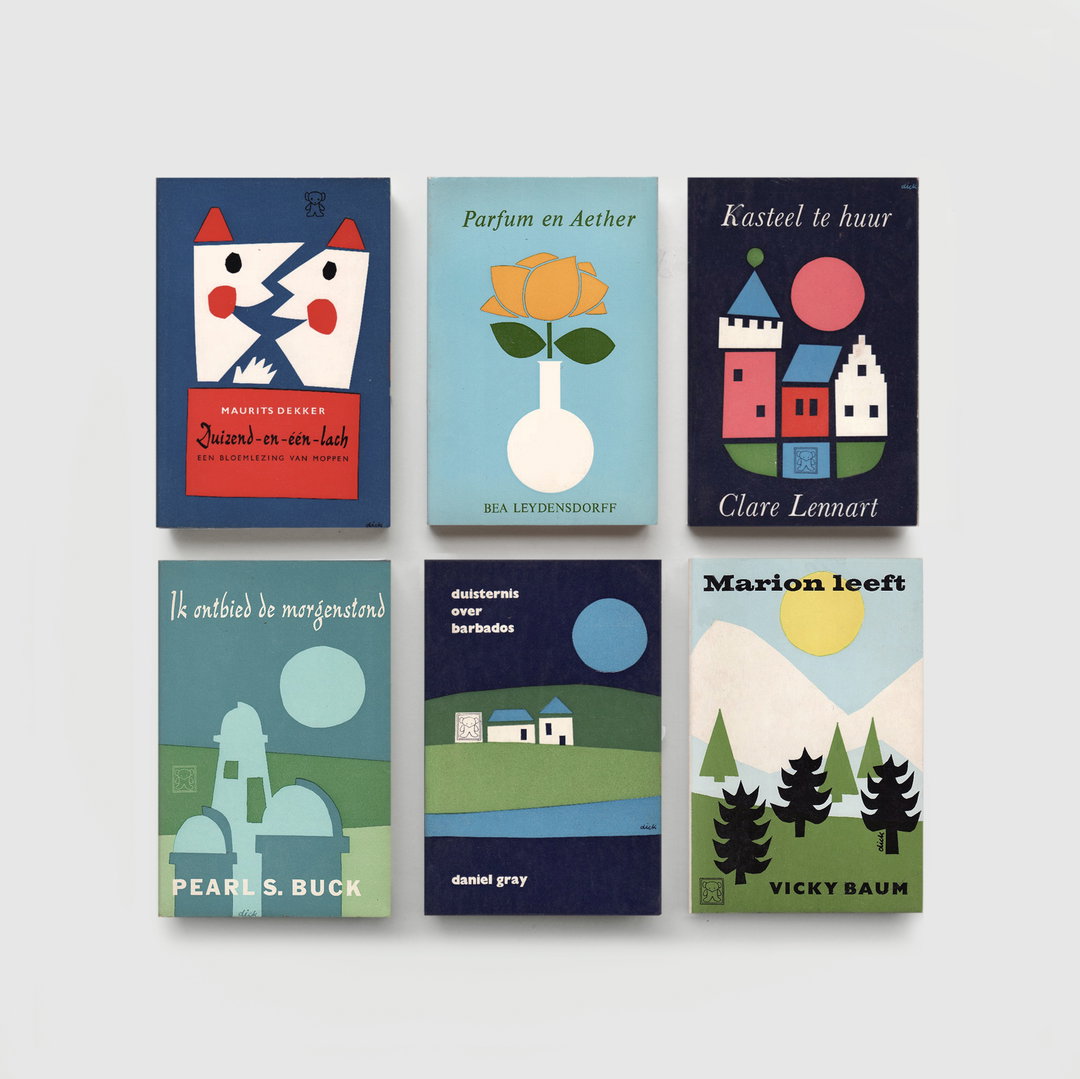
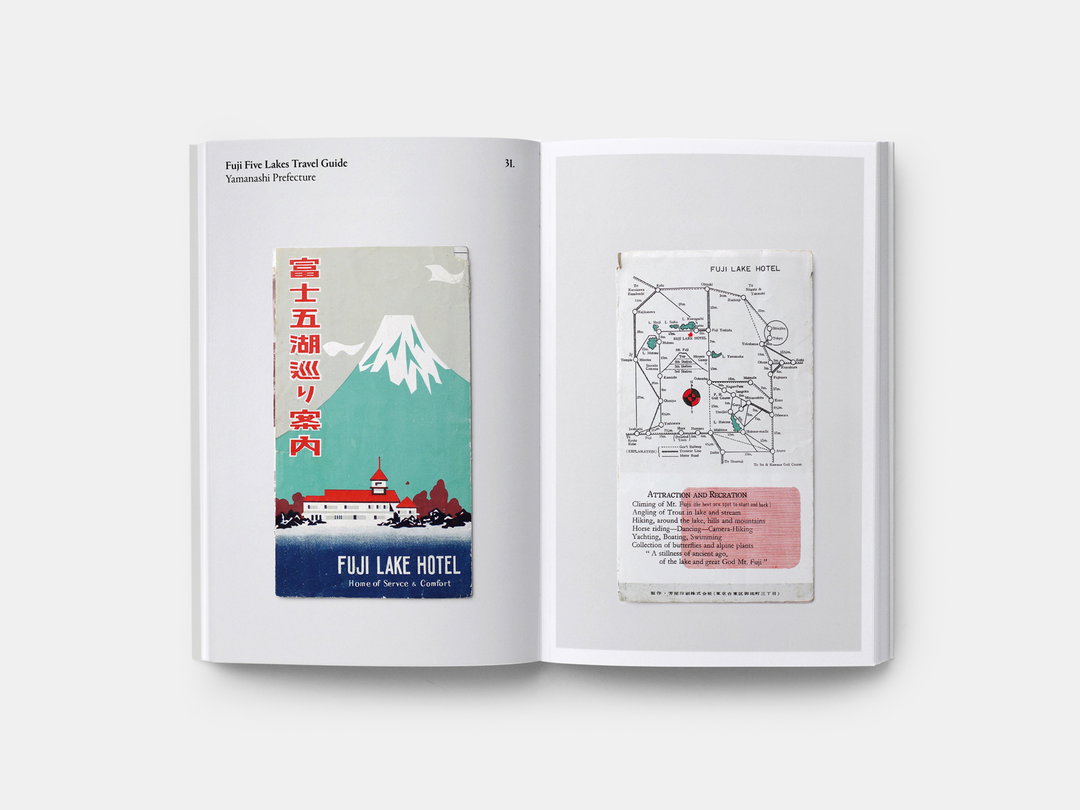
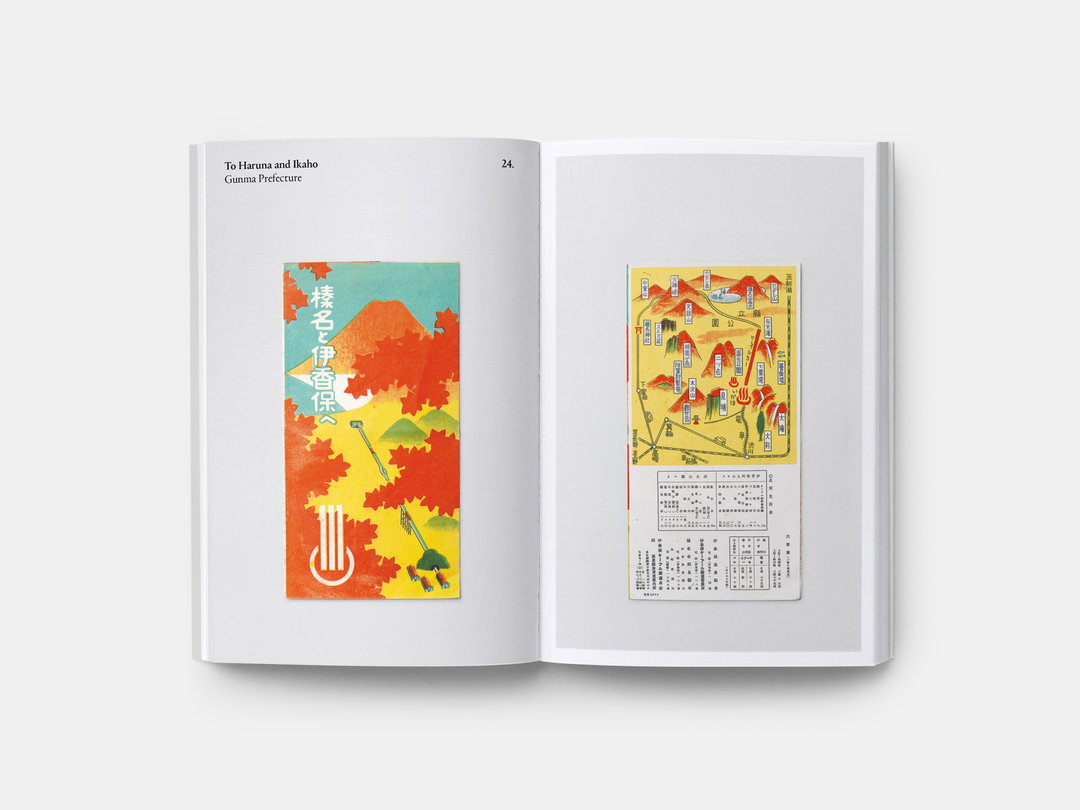
Present & Correct: Two map covers from Paper Trails, P&C Aditions (Copyright © Present & Correct)
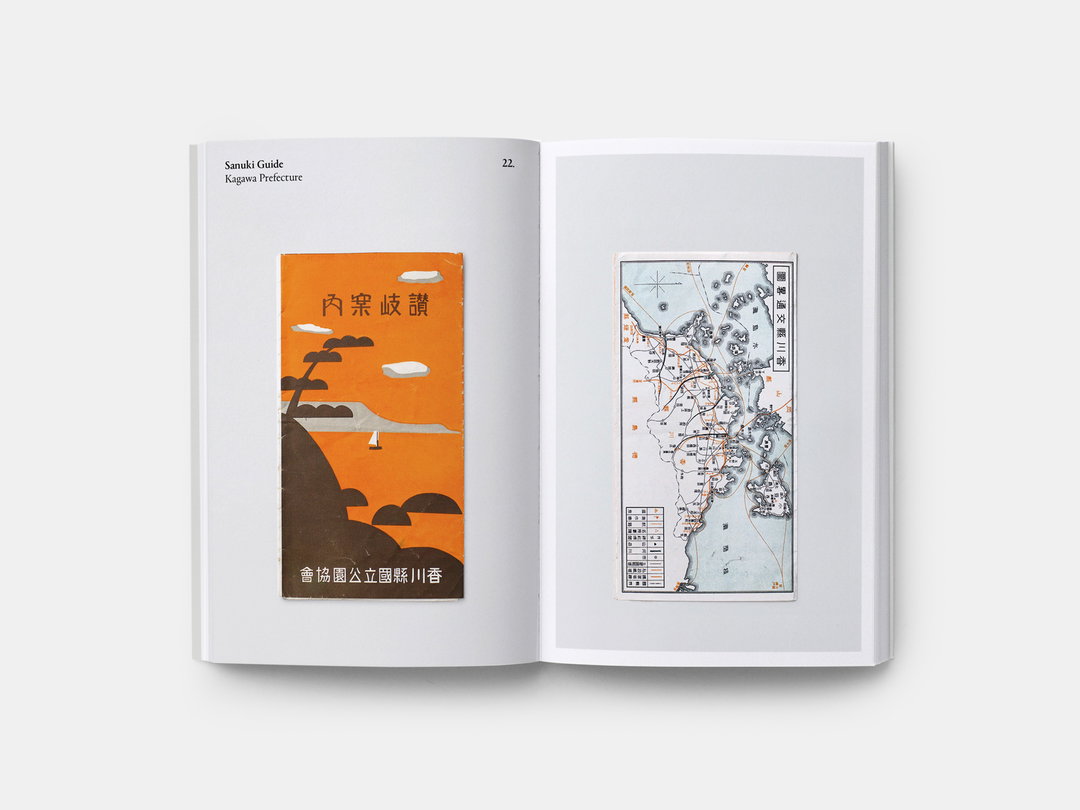
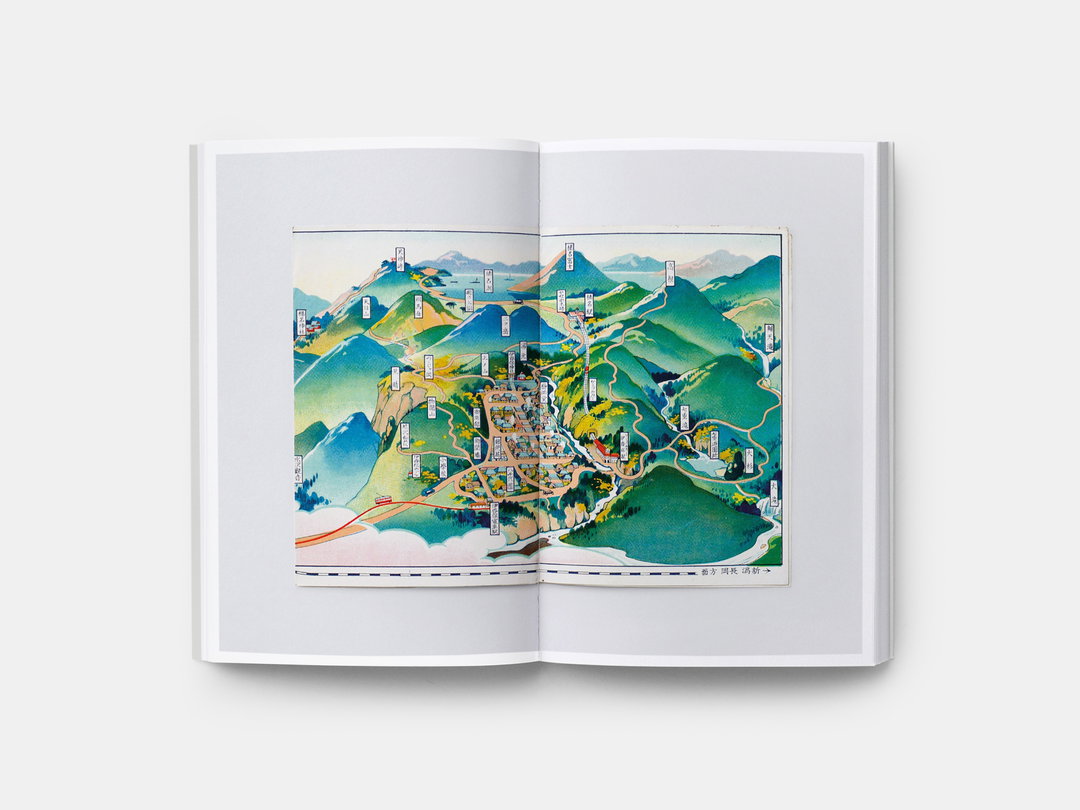
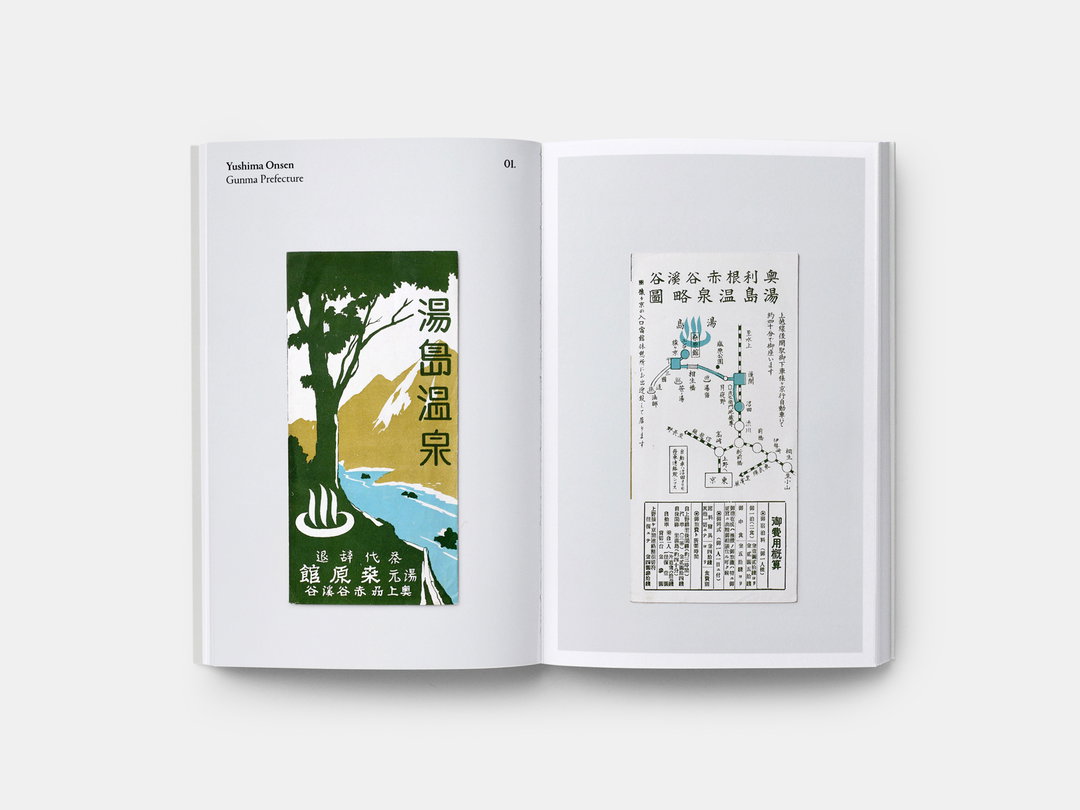
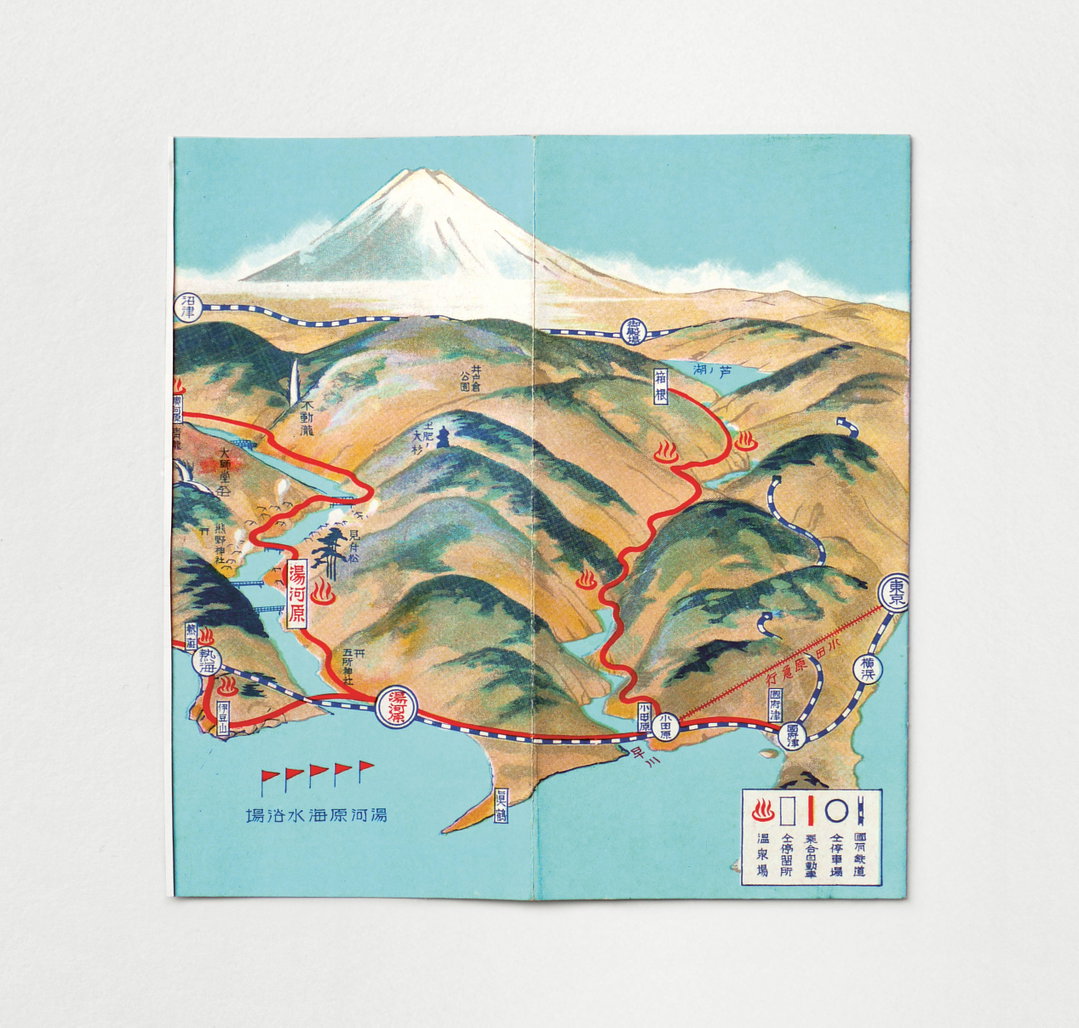
1 of 8
Present & Correct: Paper Trails, Published by P&C Additions (Copyright © Present & Correct, 2026)
1 of 8
Present & Correct: Paper Trails, Published by P&C Additions (Copyright © Present & Correct, 2026)
INT:
What made you want to translate this particular collection into your debut print publication?
NW:
We’ve been going to flea markets and old shops since we met, before the shop started, and I would buy things to scan for the blog. Books, leaflets, labels, which I would then sell in the shop (sometimes I regret this a little!). Even earlier than that, my mum recently found an old scrapbook in the loft and it was sugar sachets, napkins, postcards, coasters etc from various holidays and school trips. So it started young.
On socials we’ve been sharing other peoples collections, amazing ones from all over the world, since Twitter began really. Hungarian pocket calendars, game instructions, razor blade wrappers, and so on. Niche, attractive things that most wouldn’t give a second look to.
Back in 2018 I made a book called ‘Matchbloc’ with Jane McDevitt of Maraid Design. That was 400+ Eastern Bloc matchbox labels. More recently we’ve also seen the rise of singular design source books, usually of ephemeral things, and this is something which Japan has been doing for many many years.
Making a book felt like a natural extension of what we have been doing online, and we had this map collection bingo moment. Mark photographed them all, because we didn’t want to flatten them with a scan and lose their slightly wonky folds, or aged edges, and spent a while colour correcting and adjusting. Then it was laid out in a very minimal format, because the artwork was the star.
INT:
Is this book the beginning of a publishing offshoot for P&C? Do you have ideas for any future catalogues or editions of more found ephemera discoveries that you want to share?
NW:
We named it P&C Additions because we hope to make editions of varying sizes (might be a single sheet, might be a book) and they are additional to what we generally do (a stationery shop!). And yes, we want to make more as and when we can. No pressure, just a natural offshoot which will manifest as a published item when we feel the content is strong enough.
I do have a huge box of mid century Japanese lottery tickets, which we are posting here. The variety of illustrations is truly mind boggling. A weekly throwaway ticket that’s a little piece of art! Mark has also been working away at a collection of European based typography, which is a little more labour intensive so that won’t be ready for a while. And I am always scouring the world (ideally in person) for boxes of paper stuff.
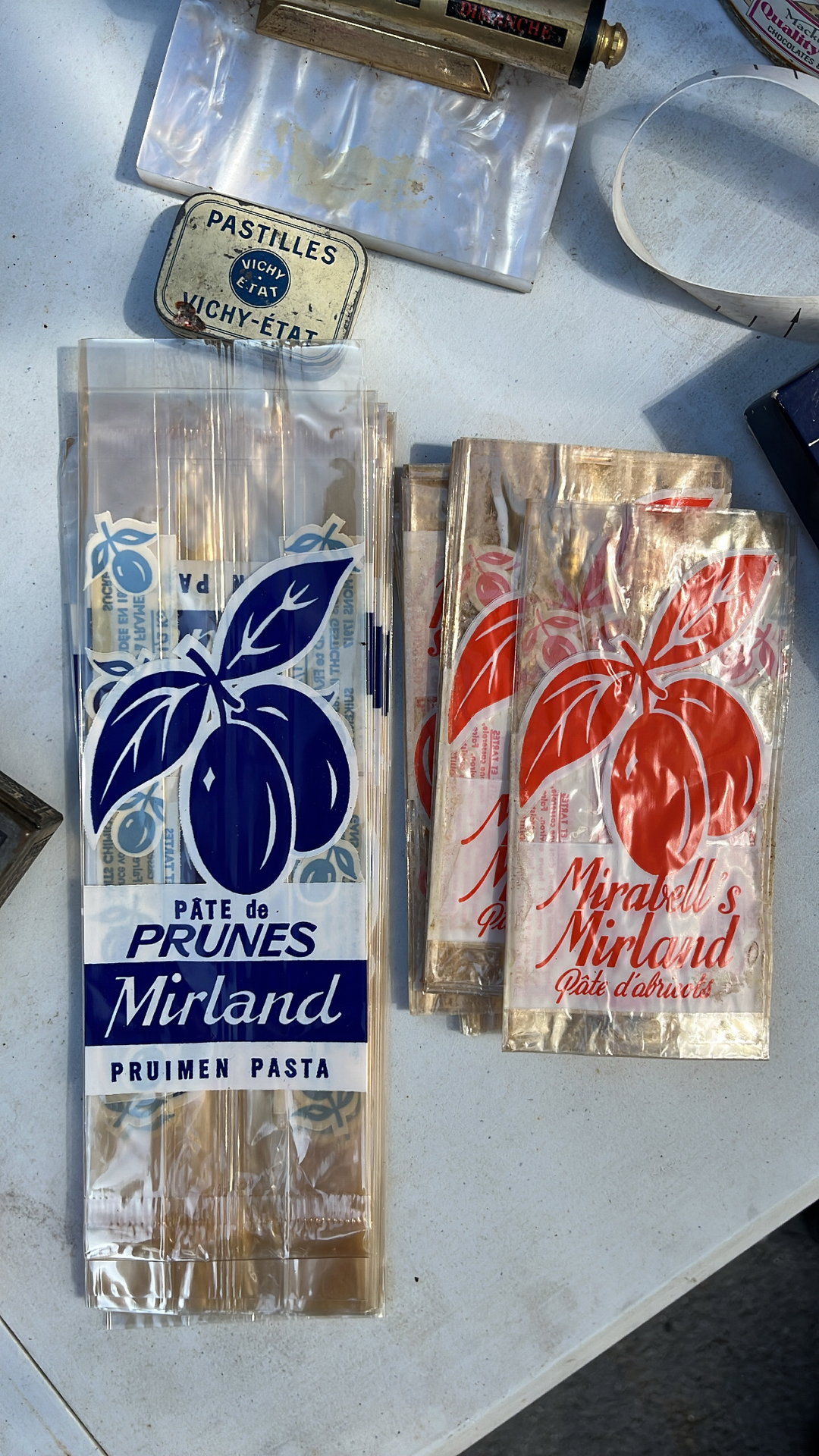
Present & Correct: Cellophane sweet bag, 1950s or earlier, found in Leipzig (Copyright © Present & Correct)
Present & Correct: A 1960s graph paper book, found in suburban Tokyo (Copyright © Present & Correct)
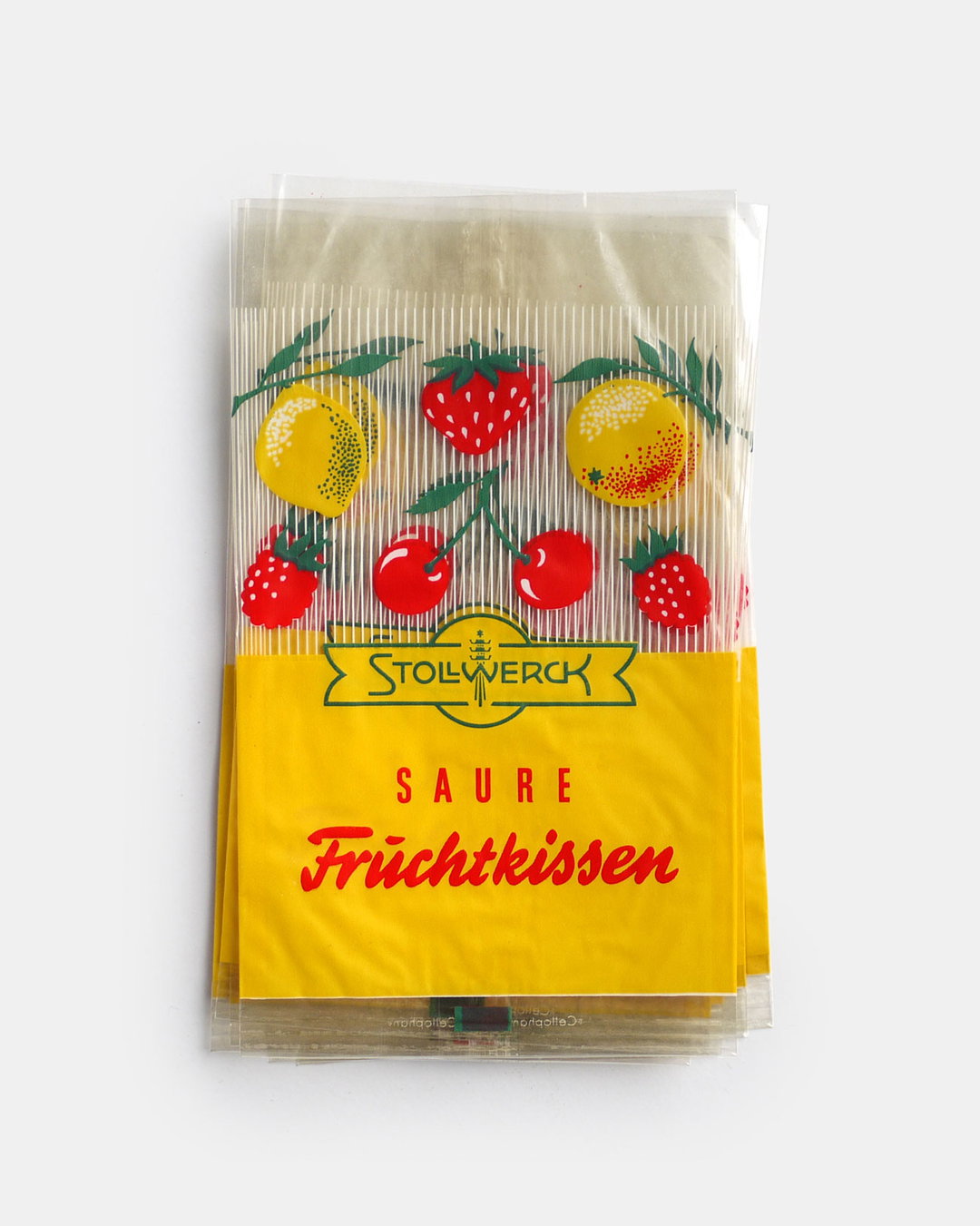
Present & Correct: Cellophane sweet bag, 1950s or earlier, found in Leipzig (Copyright © Present & Correct)
Present & Correct: A 1960s graph paper book, found in suburban Tokyo (Copyright © Present & Correct)
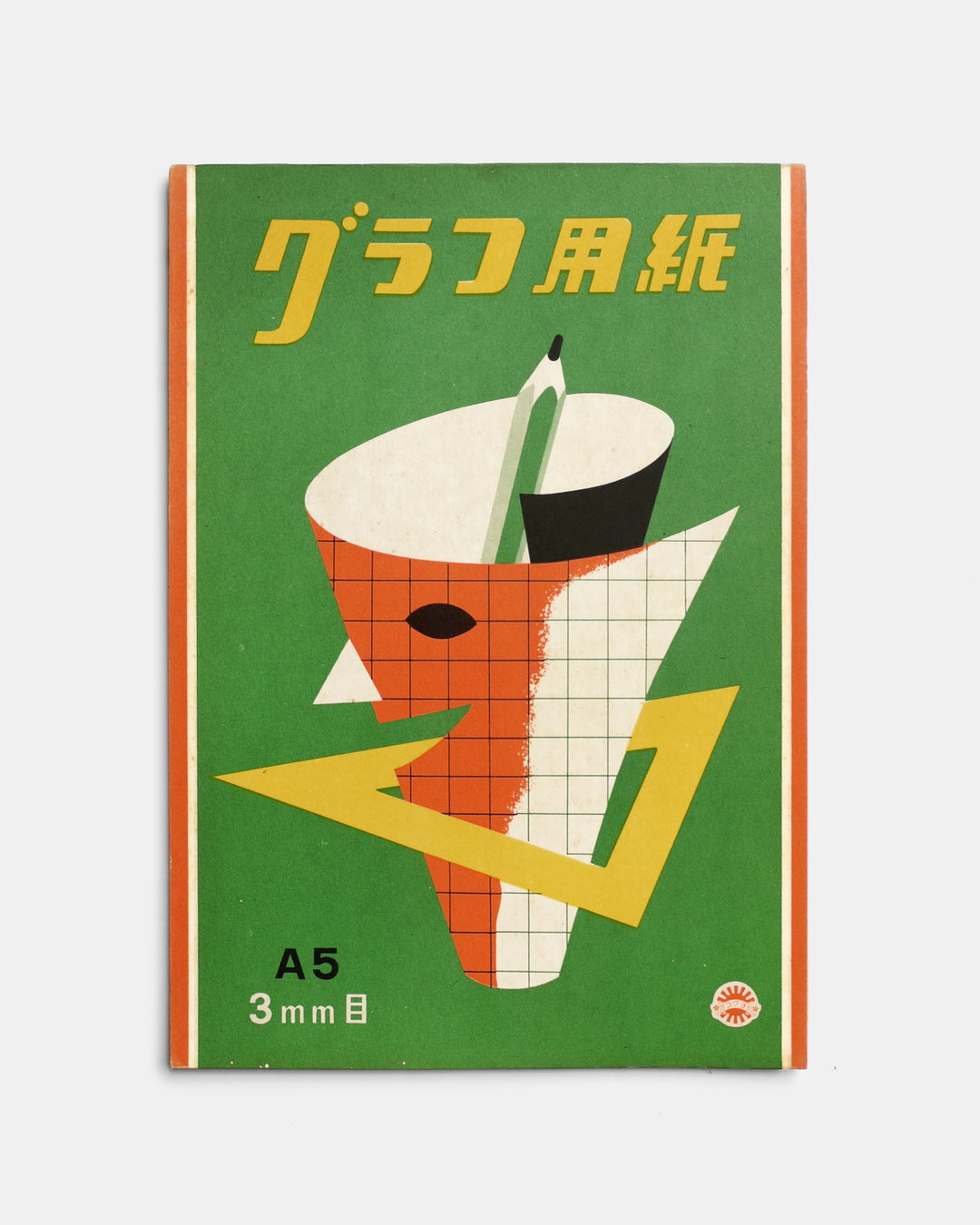
Present & Correct: A 1960s graph paper book, found in suburban Tokyo (Copyright © Present & Correct)
“I am always scouring the world for boxes of paper stuff.”
Neal Whittington
INT:
As designers, why do you think collecting or archiving has become such an important part of your practice? Why is collecting something that creatives are so drawn to doing?
NW:
It’s maybe some sort of aesthetic lust! A combination of seeing and wanting, longing to own and also a desire to utilise those things to enhance your work. They feel like previously unseen, design archaeology?!
Building a physical reference is fun, people have been doing that forever but now I feel like those points of reference have shifted to things that were once overlooked. How exciting that tiny, every day pieces of paper could bring inspiration – and how accessible that is too.
INT:
Lastly, we’d love to know what you think about the continued relevance of these objects and ephemera collections in a contemporary context. Why is it important to reshare and distribute them amongst the graphic design community?
NW:
I love that it’s a counter to the constant feed of new that we are all subjected to and the sheer volume of amazing type, illustration, icons, patterns that can be found throughout historical applications feels overwhelming in the best way. I kind of see it as educational, reminding us all to look beyond that flow of new design and appreciate the every day. An album of 150 old sugar cube wrappers from the U.S may catch you unawares!
Sharing such discoveries is also important because there are people who have spent a lot of time scanning, collating and finding the material that is useful for all of us! These are showing up as very specific Instagram accounts and Substacks, so our feeds can be interspersed with old table mats, crisp packets and so on. It’s not new for designers to utilise the past but I love that what ‘the past’ is has broadened and we’re celebrating a bigger variety of sources and their collectors.
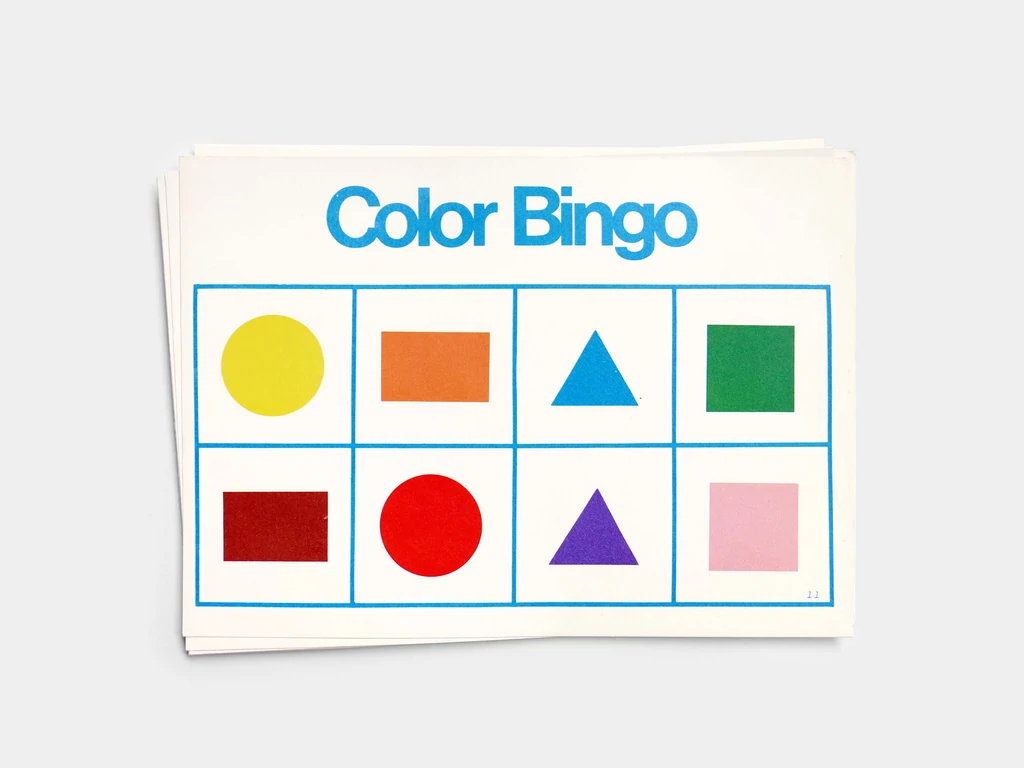
Present & Correct: Colour Bingo, an educational game published in 1970s USA (Copyright © Present & Correct)
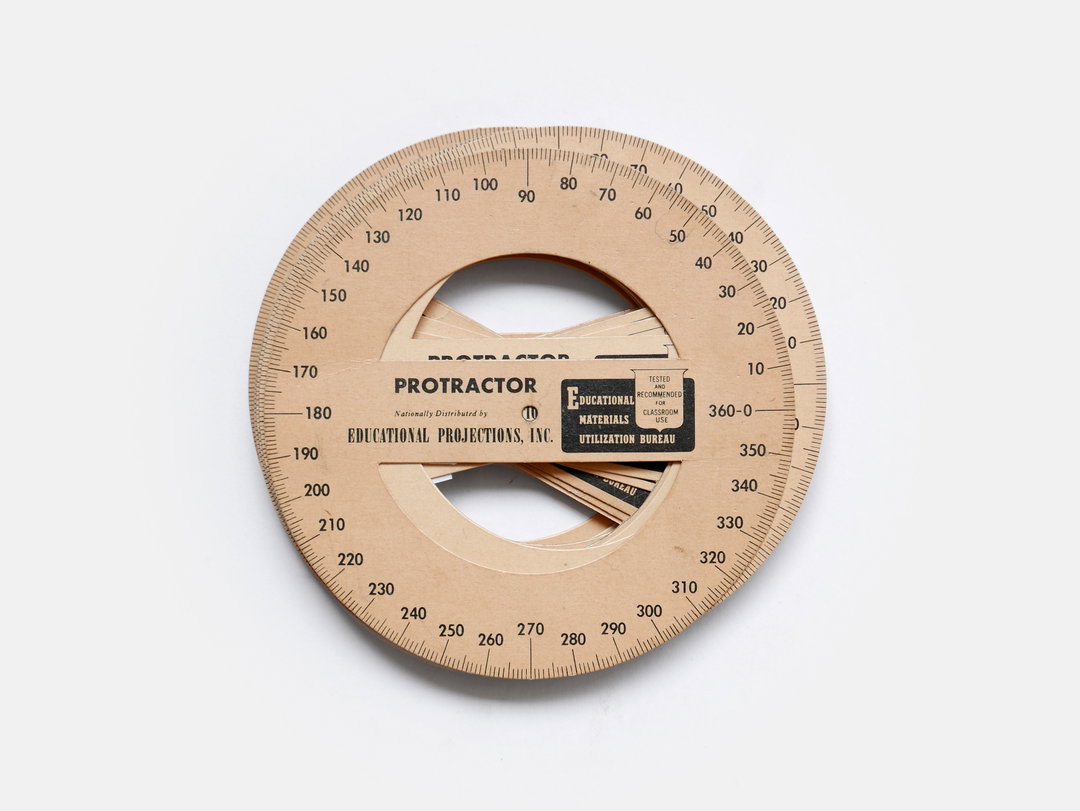
Present & Correct: Cardboard protractors for classroom use, 1970s (Copyright © Present & Correct)
Hero Header
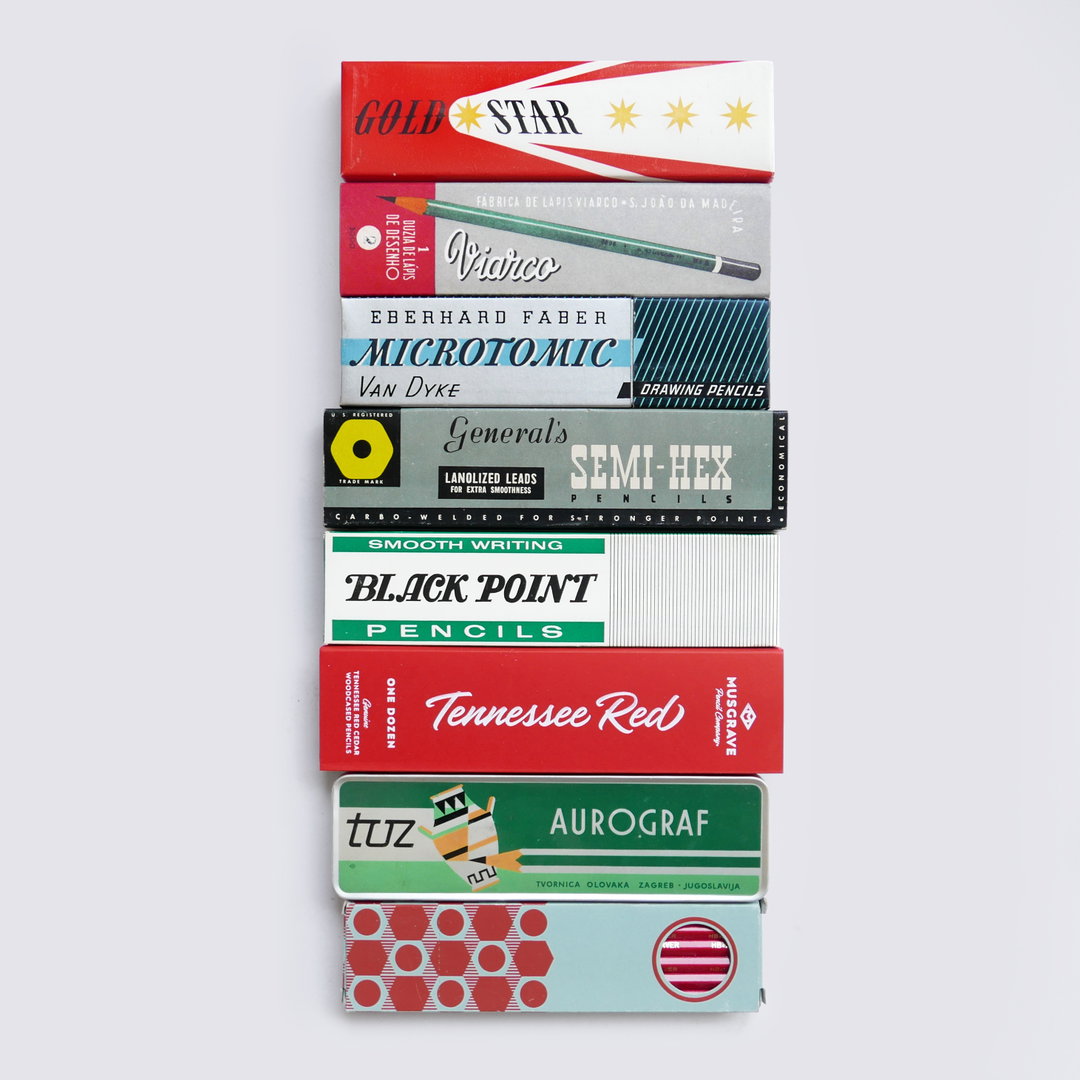
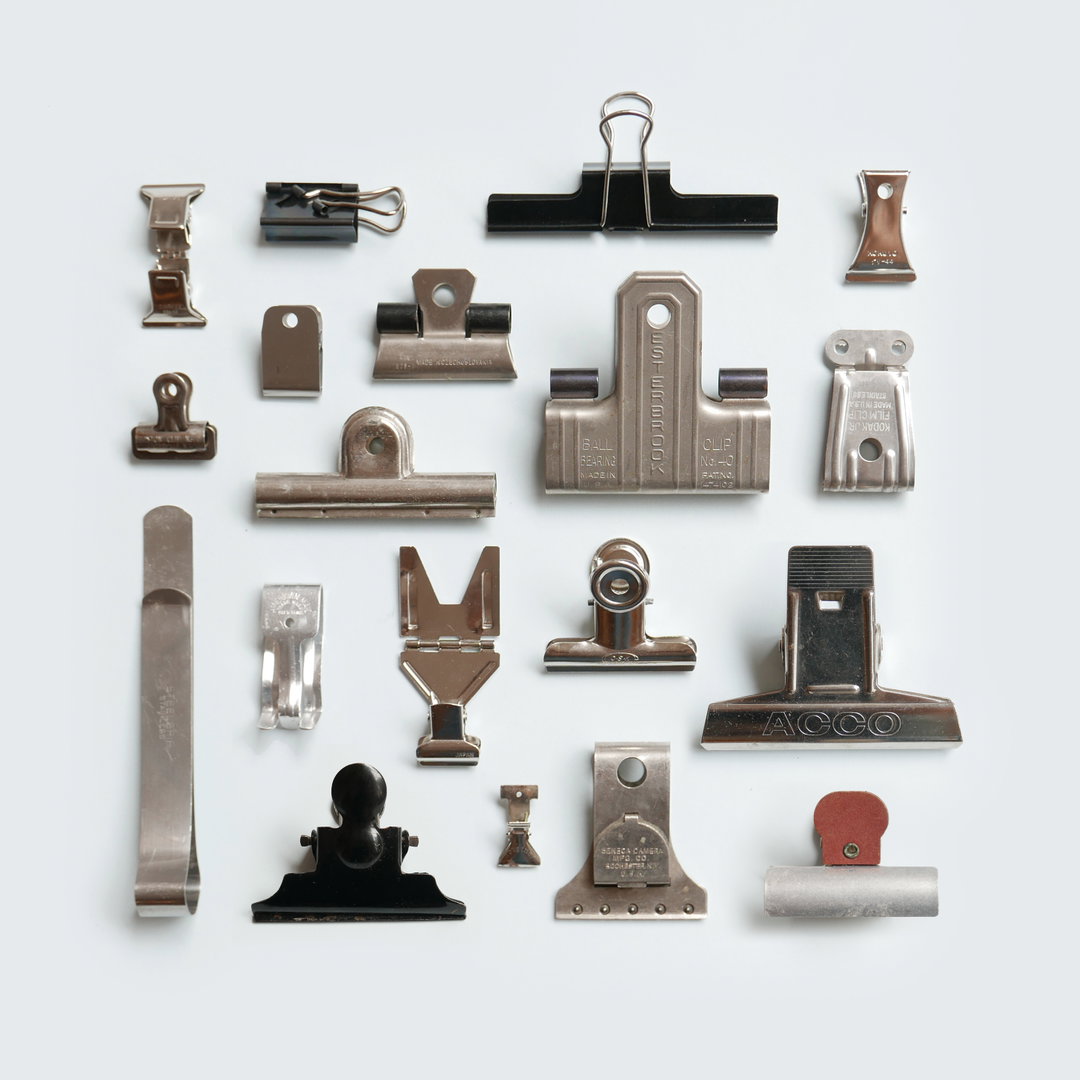
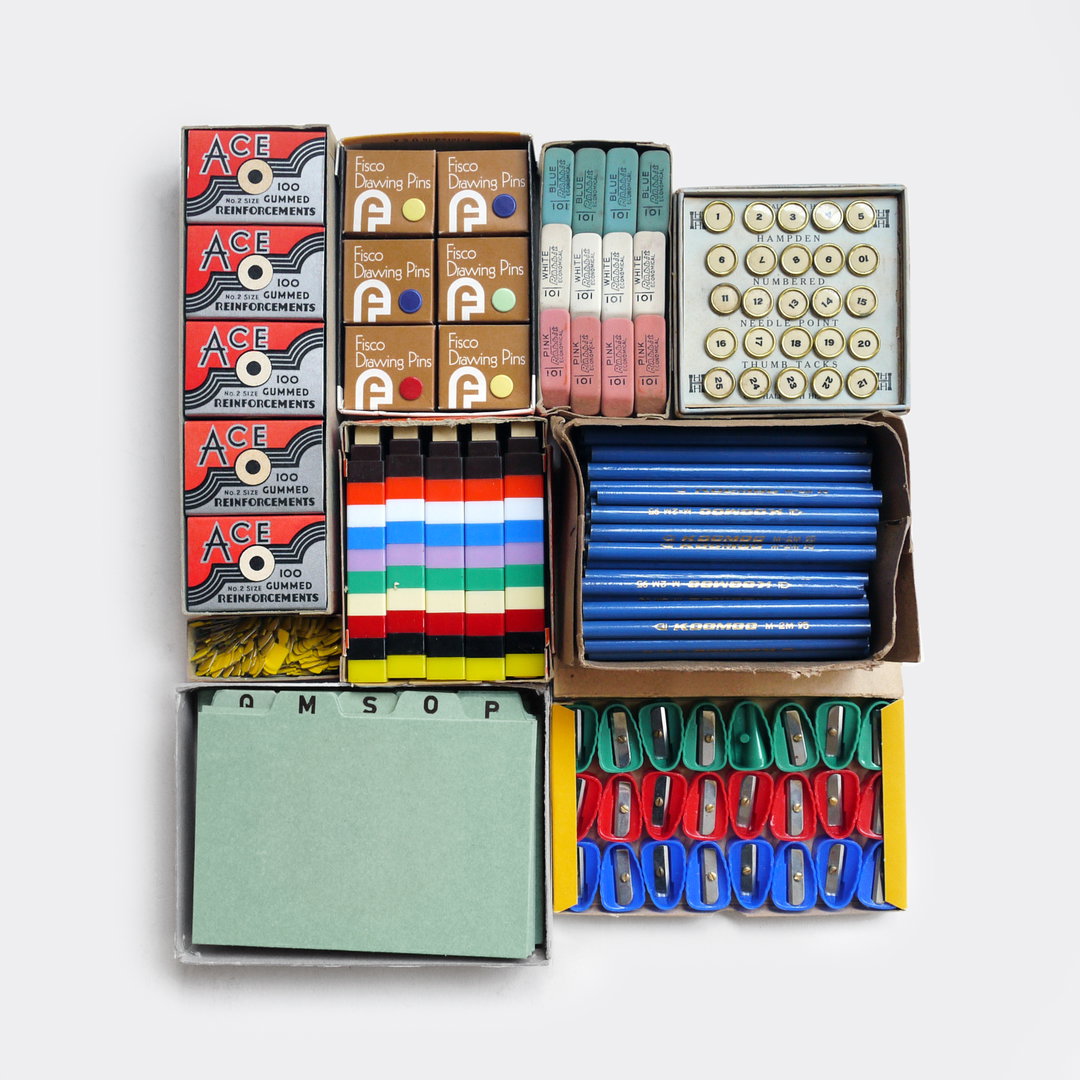
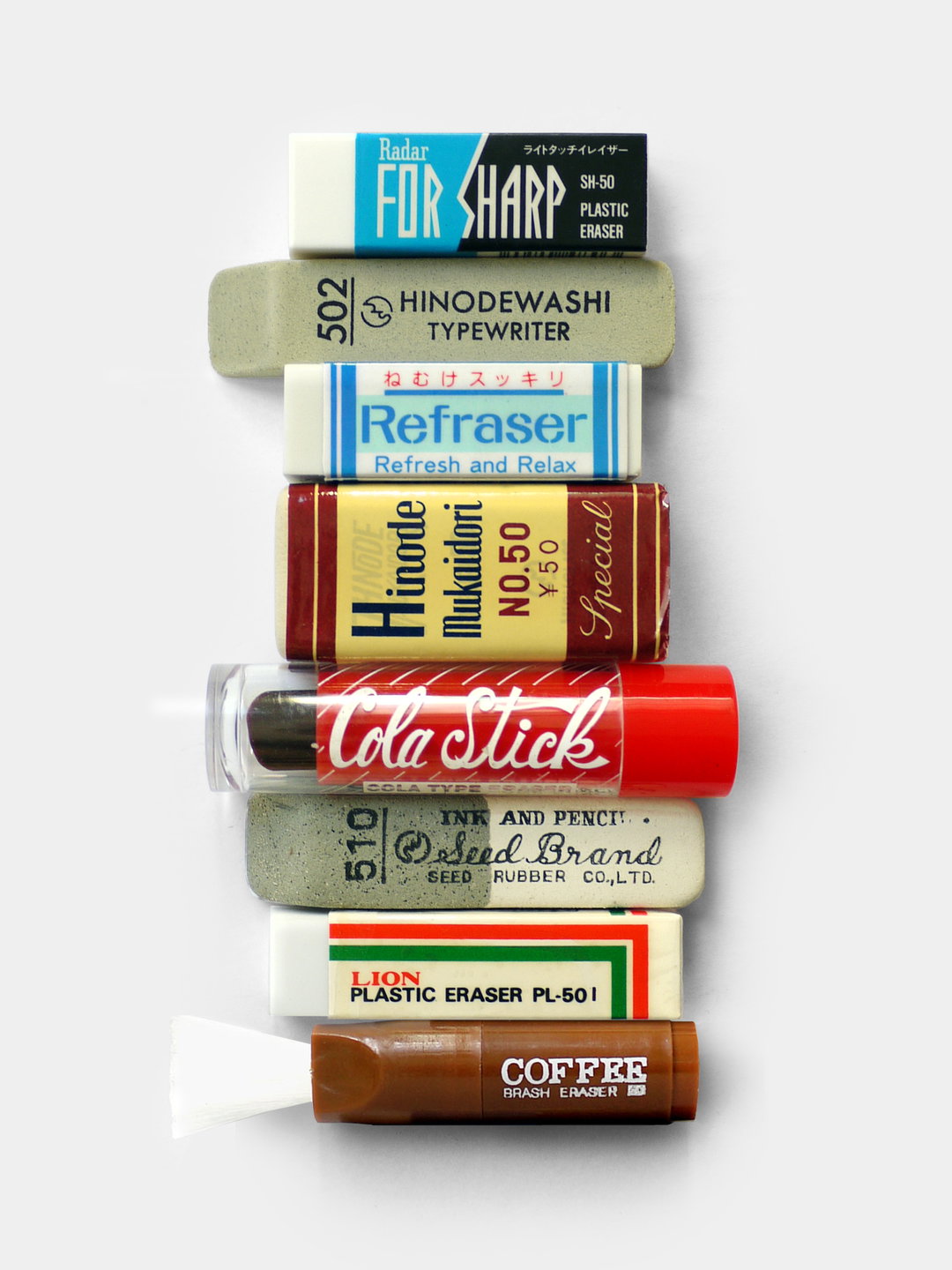
Present & Correct: Various vintage stationery items (Copyright © Present & Correct)
Share Article
About the Author
—
Ellis Tree (she/her) is a staff writer at It’s Nice That. She joined as a junior writer in April 2024 after graduating from Kingston School of Art with a degree in Graphic Design. Across her research, writing and visual work she has a particular interest in printmaking, self-publishing and expanded approaches to photography. ert@itsnicethat.com
To submit your work to be featured on the site, see our Submissions Guide.