




Ori Studio on reinterpreting Soushi Tanaka’s photography through design
Founded by Xuechen Fan and Maxim Cormier in 2016, Ori Studio is an experimental graphic design practice based in Beijing focusing on book design, printed matter, visual identity and typography. The studio recently released Post, a book about photographer Soushi Tanaka’s series of the same name. Over the years, Soushi Tanaka systematically collected images of each page of a newspaper using multiple exposures in order to demonstrate the behaviours behind production. In so doing, he collates all pages from a newspaper into a single day. These images are then reshot using the same method after each month. Finally, all 12 months of the year are gathered and again reshot using the same method. Through this organised process, Tanaka’s work is both mechanical and sociological. It is this combination of scientific accuracy and social critique that Ori Studio’s publication reflects.
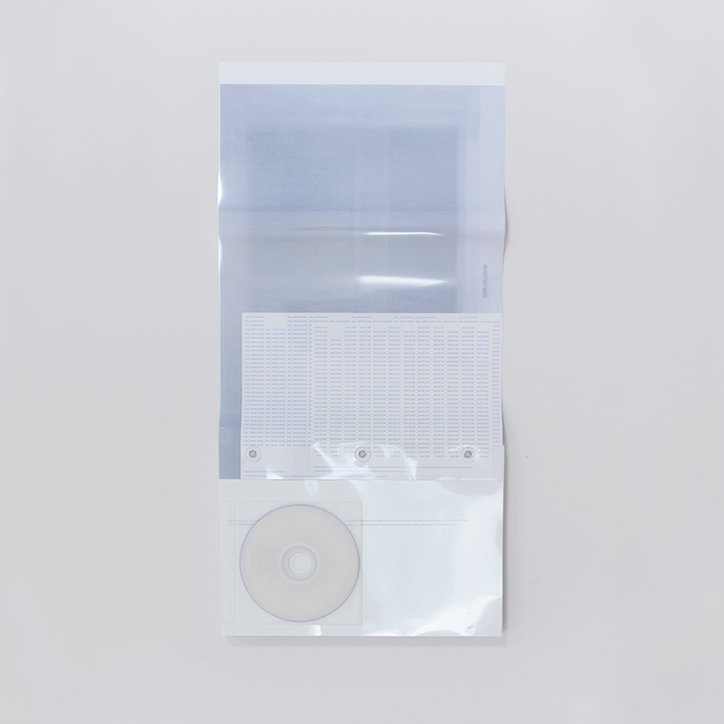
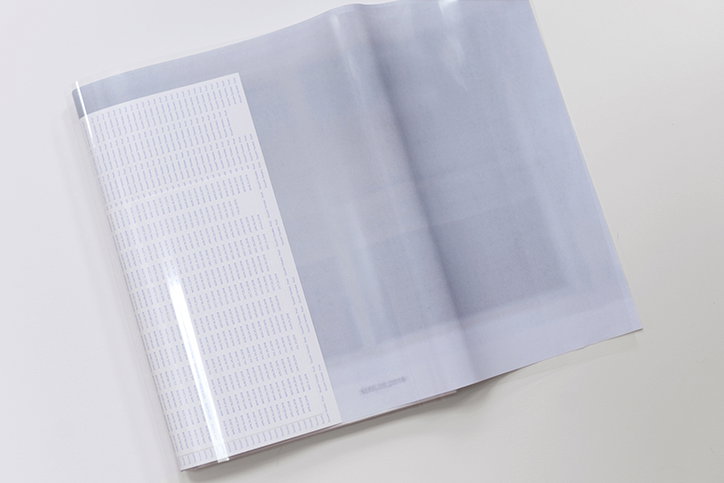
“The central component of the design – its wrapping form – was actually thought of very early in the project,” Ori Studio tells It’s Nice That. “Once we considered ways the book could tangibly reflect Tanaka’s photographs, we went back to its systematic approach and drew inspiration from the categorisation of images into days, months, and years. The structure provides the design with a unique sense of scale, and as readers interact with the book the required actions and repetitive content demonstrate the totality of Tanaka’s work. The weight of paper, for example, subtly changes with time and becomes thicker as times passes toward larger increments.” The studio decided to print digitally to further compliment Tanaka’s immaculate project, which was originally printed digitally. In this way the duo felt that they were expanding on Tanaka’s comprehensive work.
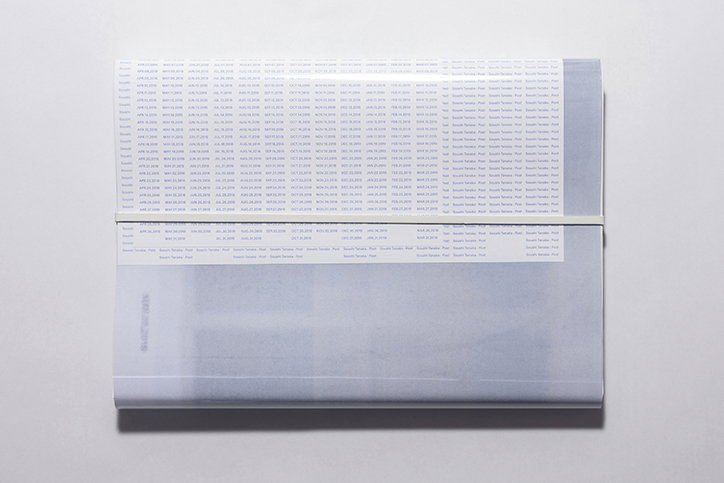
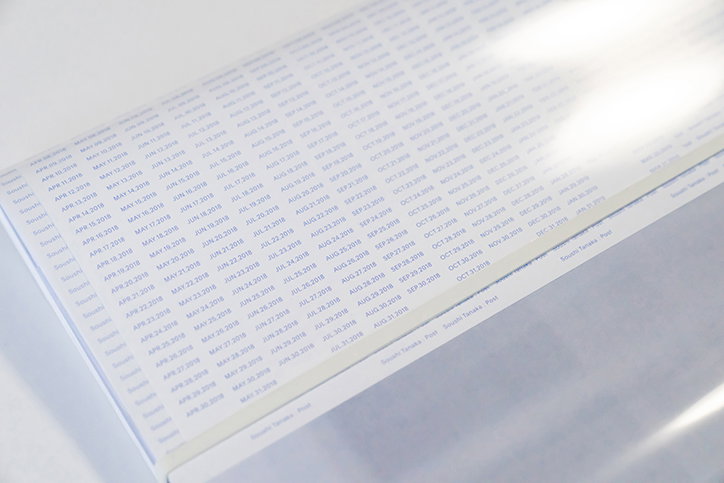
Post’s design further reflects the temporality and chronology of the photographer’s series. “In Tanaka’s project, the date of each image is added to the bottom in black text,” Xuechen and Maxim say. “We added a level of dimensionality by removing the dates from the daily images and instead placed them upon a transparent plastic sheet which is bound directly above the images.” By separating each image from its date, the studio assigns more importance to the photographs, making them the single point of focus. This link between the photographer’s initial concept and the studio’s design process is also clear in other aspects of Post. For example, Tanaka used only one newspaper for his photography project: the Nikkei Shinbun – as it has an economics section and is relatively neutral. Mirroring the photographer’s thoughtful objectivity, the studio’s careful aesthetic decisions regarding transparent paper and removed dates approach the project in an equally analytical way.
“The image generated to reflect a year of newspapers featured in the book wraps all the content and become the cover,” Ori Studio explains. “Within the book, all daily images are wrapped by their corresponding monthly image. This was achieved by printing the monthly images on pages roughly twice as long as the pages for daily images," the studio point out. "Before binding, these monthly pages would be folded in half and the daily pages would be interred into them, then they would be bound together. The final result is that the reader sees the monthly image first and only after opens it to uncover the daily images beneath.”
The book’s imaginative design, which is accompanied by a CD containing a video demonstration of the creation of an image, is where Ori Studio’s strength lies. The duo’s collaborative and discursive approach to Tanaka’s projects is emblematic its powerful capacity to both reinterpret and reimagine existing ideas.
Ori Studio: Post.
Ori Studio: Post.
Ori Studio: Post.
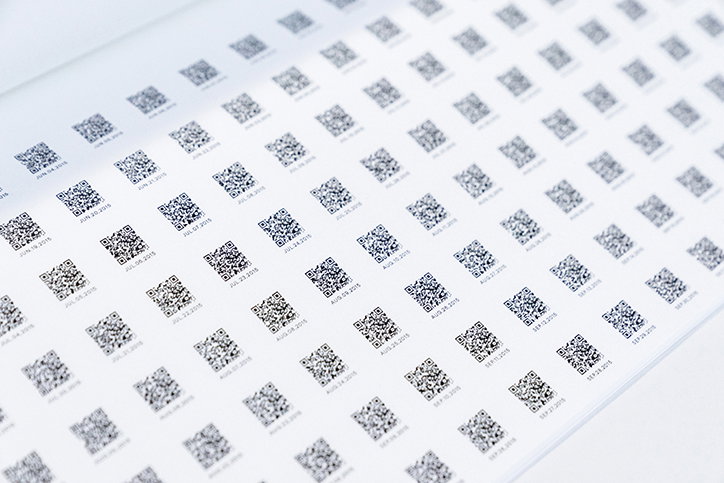
Ori Studio: Post.
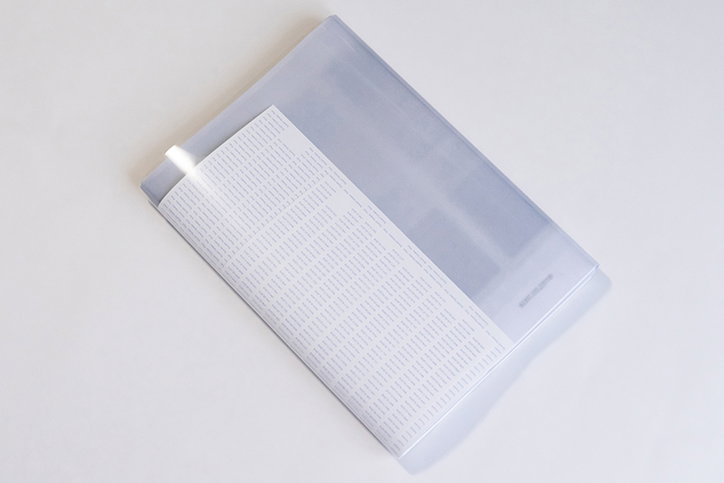
Ori Studio: Post.
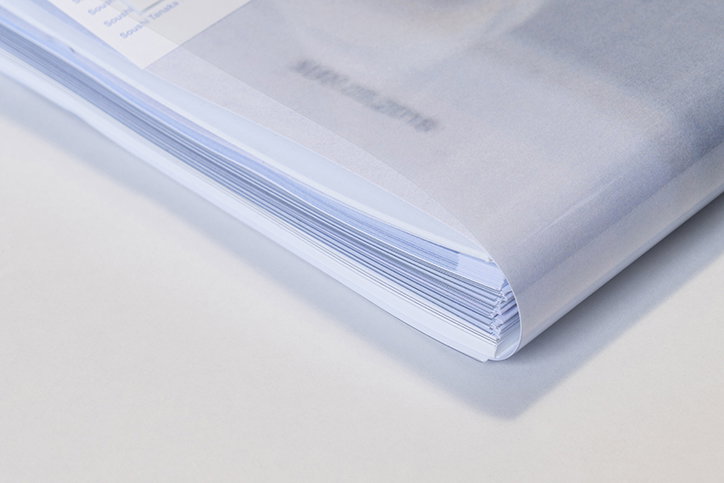
Ori Studio: Post.
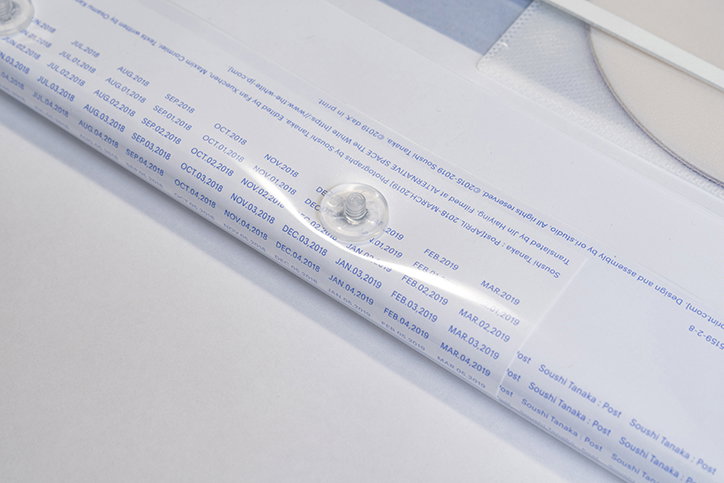
Ori Studio: Post.
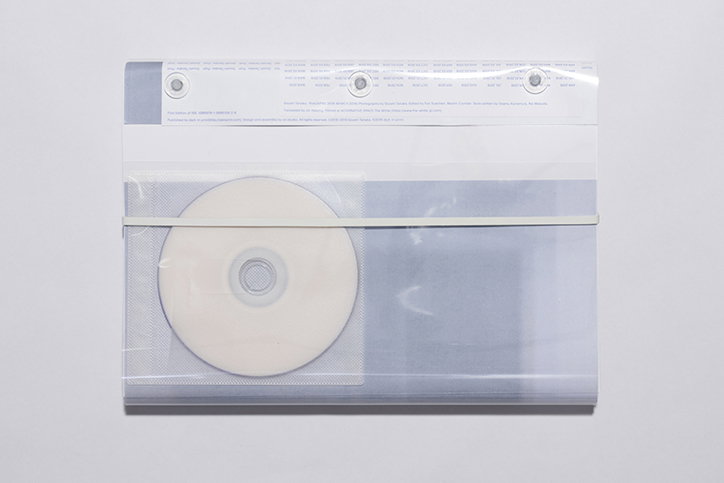
Ori Studio: Post.
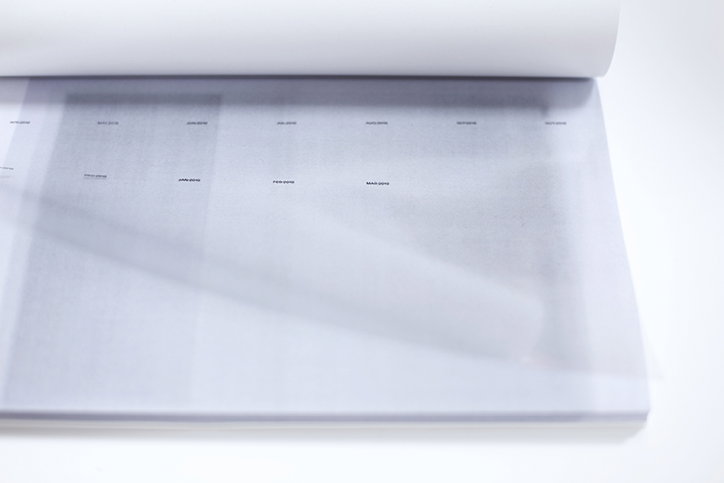
Ori Studio: Post.
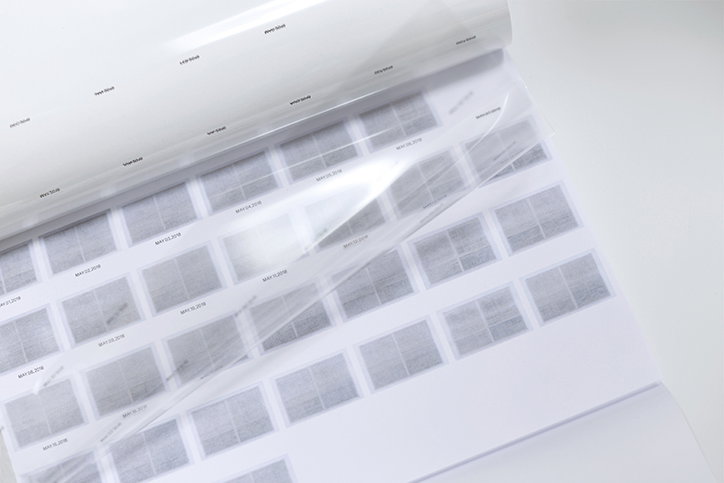
Ori Studio: Post.
Share Article
Further Info
About the Author
—
Daphne has worked for us for a few years now as a freelance writer. She covers everything from photography and graphic design to the ways in which artists are using AI.