Dinosaurs, UFOs and fairytale castles: A travel diary of Japan’s roadside love hotels
François Prost photographed the facades of over 100 hotels. The resulting series is a love letter to the cute and kitsch landmarks that dot Japan’s highways.
Take a drive through Japan and you might spot some unusual roadside attractions. Dotting the highways looking cute and kitsch, these ‘love hotels’ offer private rooms with prices advertised by the hour. The origins of such hotels date back to the Edo Period, but the fantastical structures and gaudy interiors we know today were popularised in the 60s and 70s. They quickly became a solution for young people who needed privacy from their family homes, and the love hotel industry continues to be a booming business today. There are around 40,000 across the nation, according to Forbes, welcoming an astonishing 500 million visits each year. That’s about 1.4 million couples – roughly two percent of Japan’s population – checking into a love hotel every single day.
Last year, François Prost embarked on a road trip across the southern region of Japan. The French photographer was invited by a gallery in Tokyo, to present his series documenting the facades of US strip clubs. The gallery encouraged him to develop a new project while he was in town; “Love hotels felt like a natural progression,” he says. “These venues have a very ‘talkative’ quality visually – they‘re expressive in design, reflecting aspects of local culture, values, and even fantasies.”
Gallery(Copyright © François Prost, 2023)
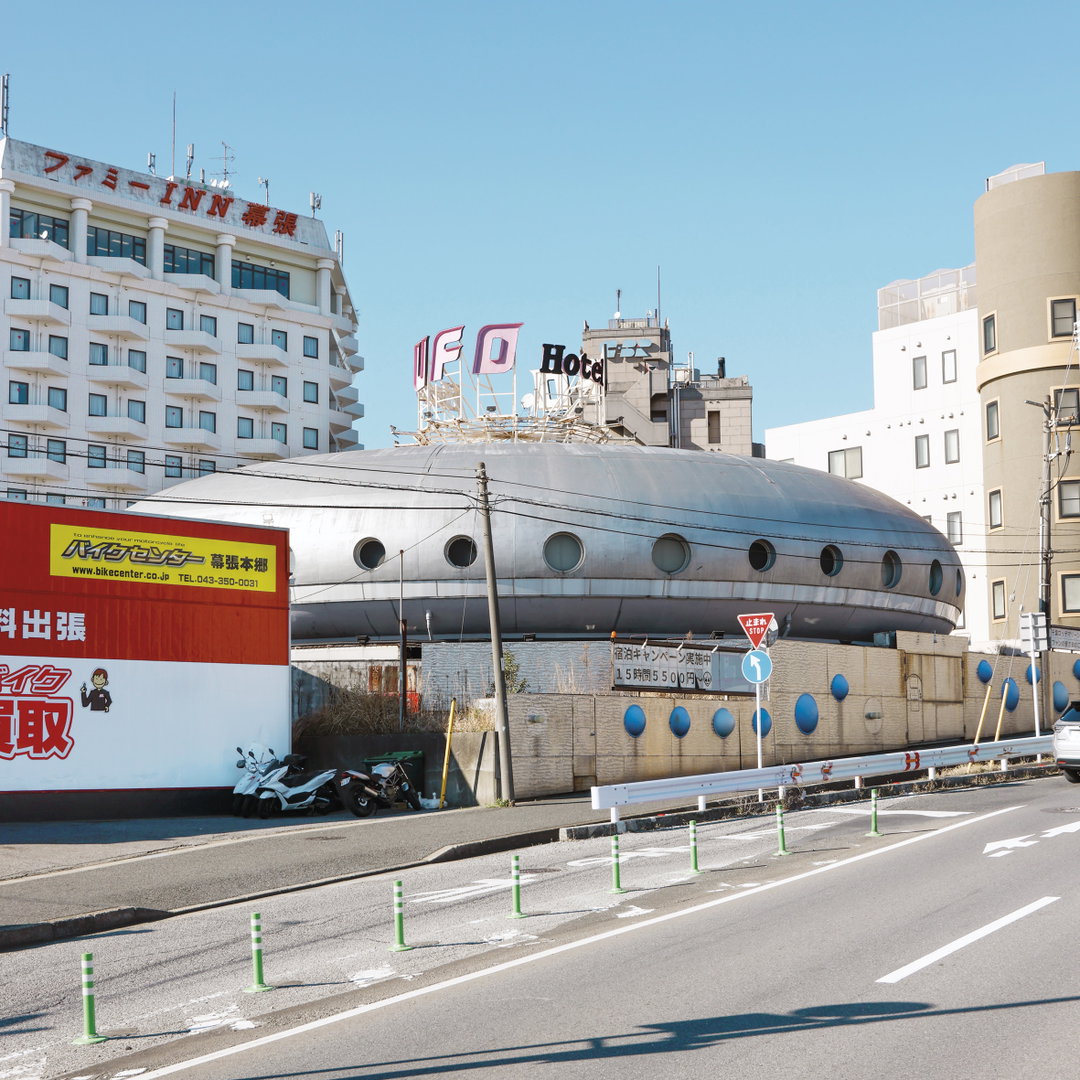
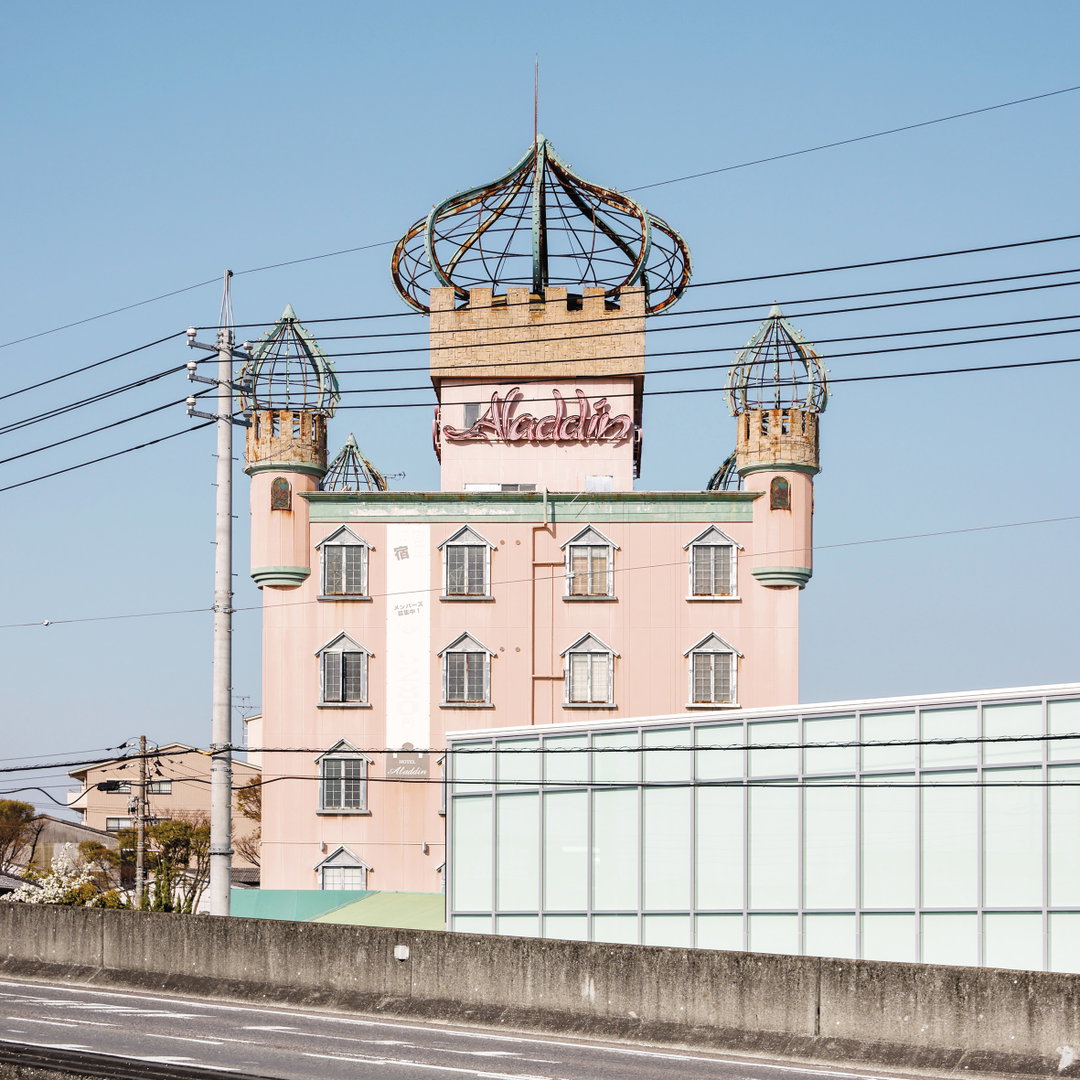
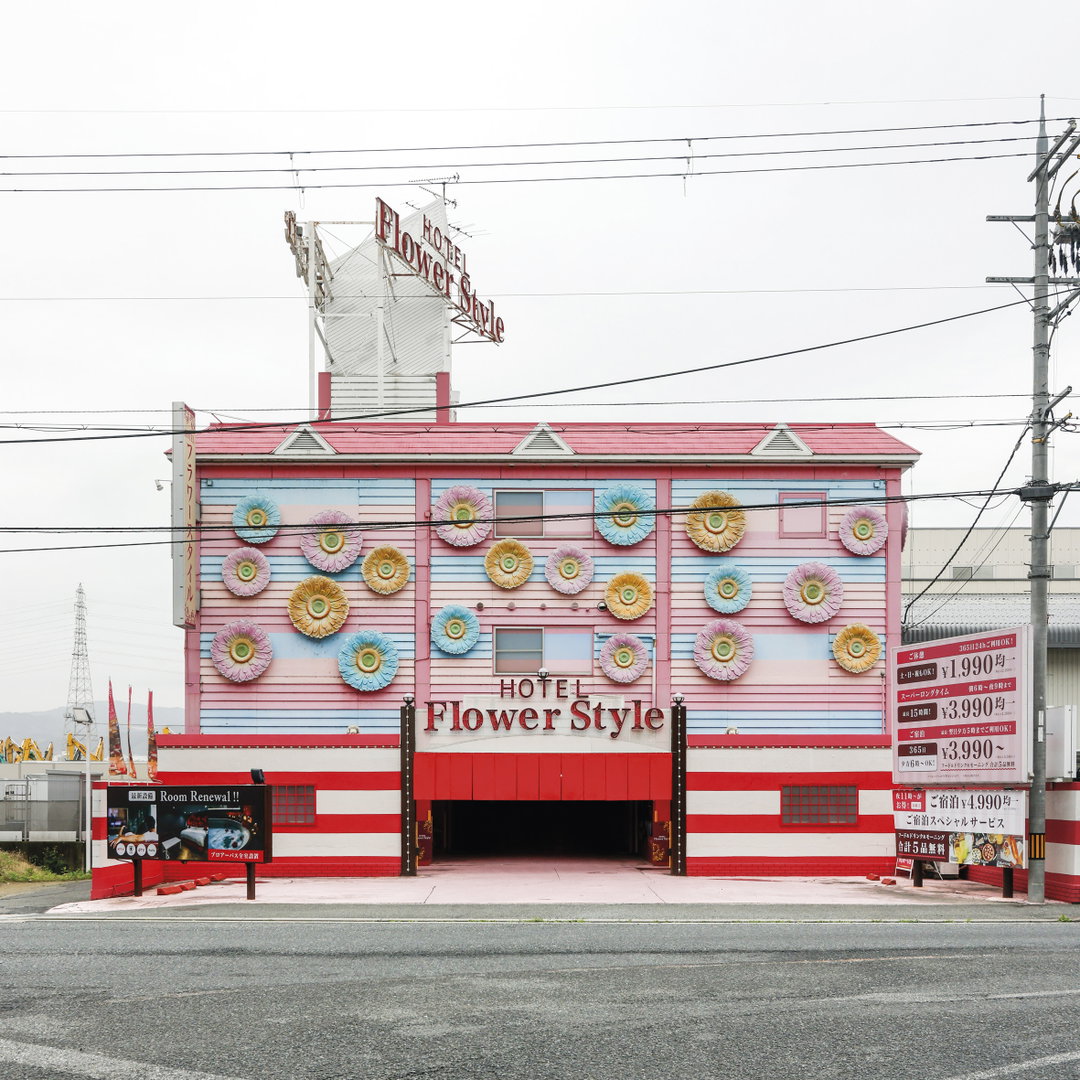
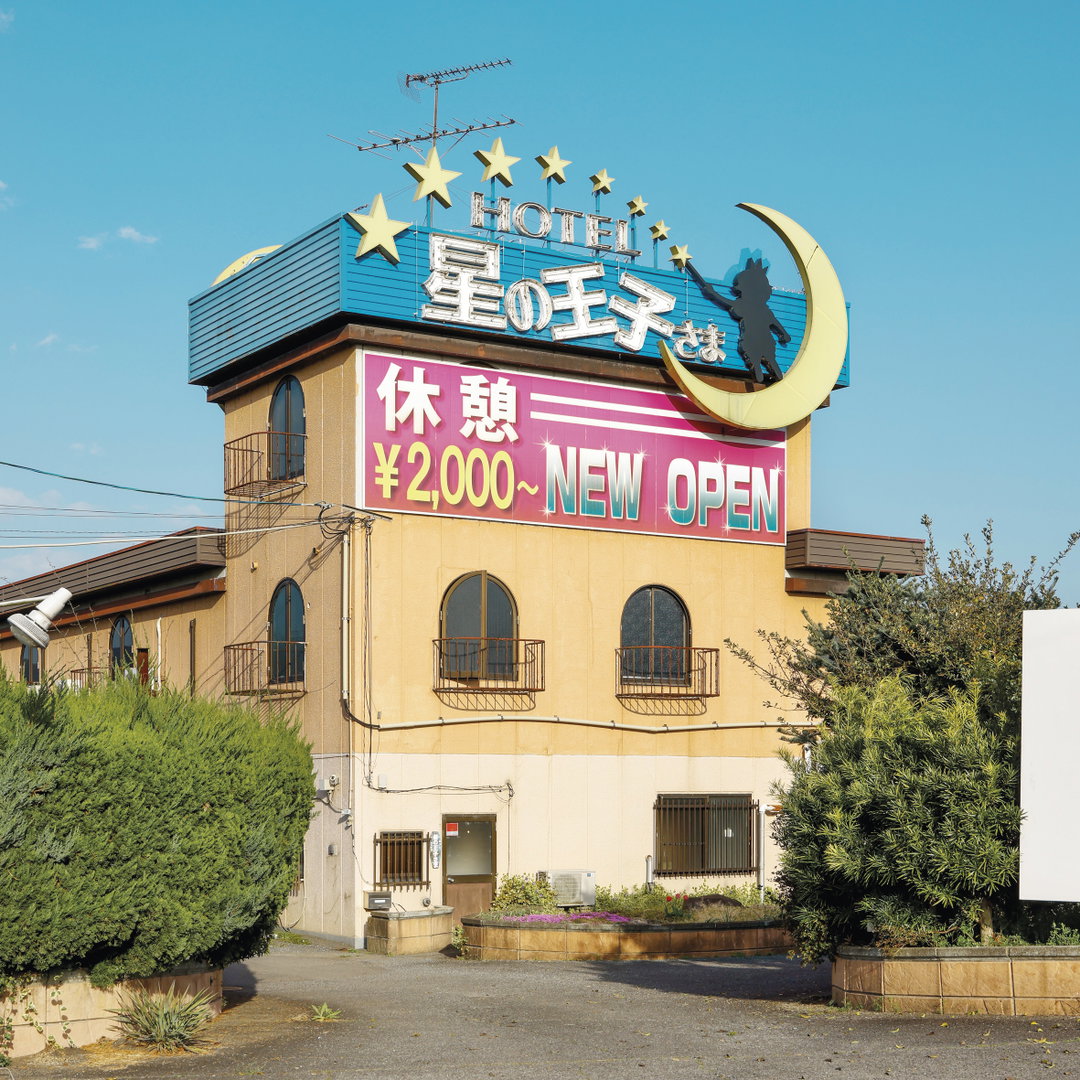
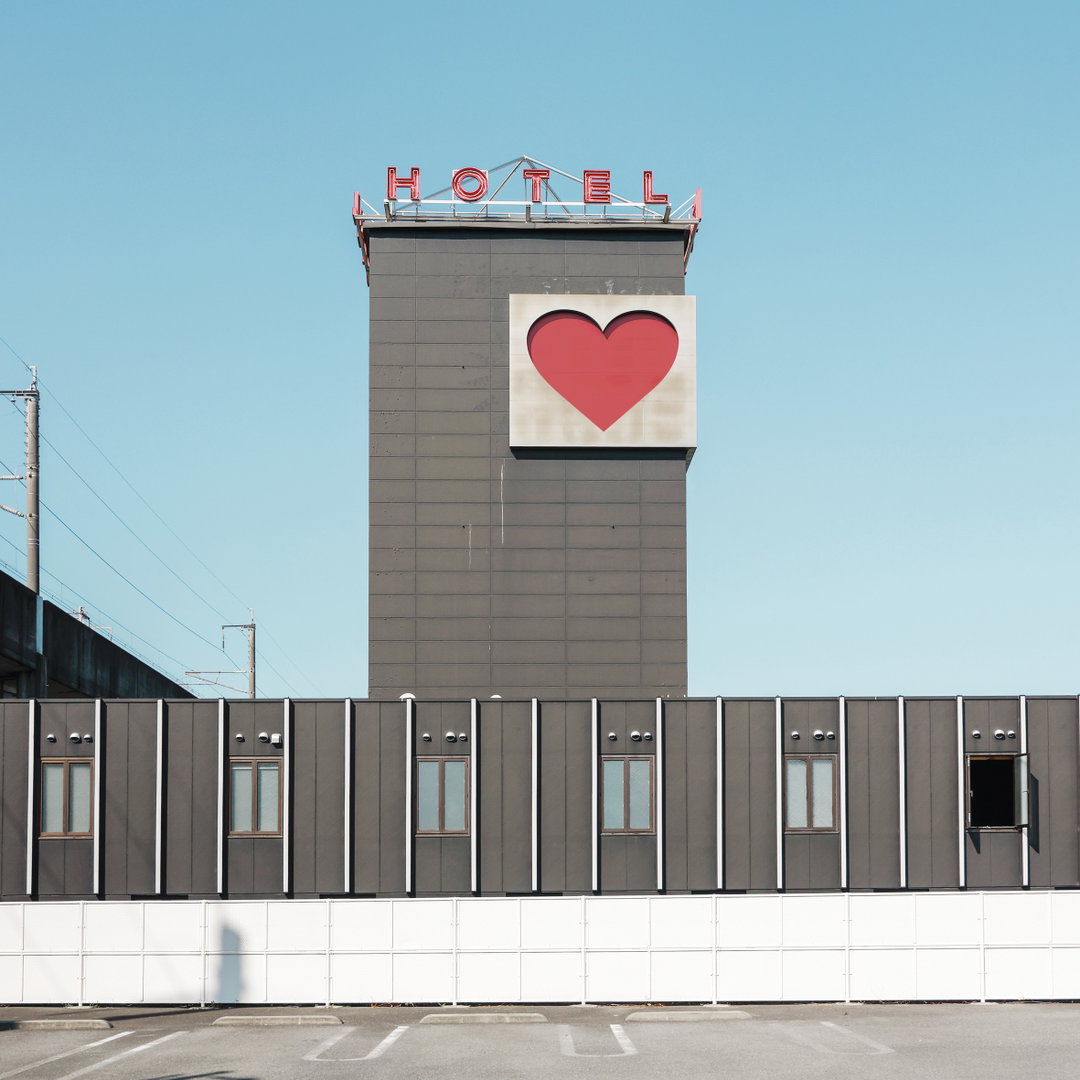
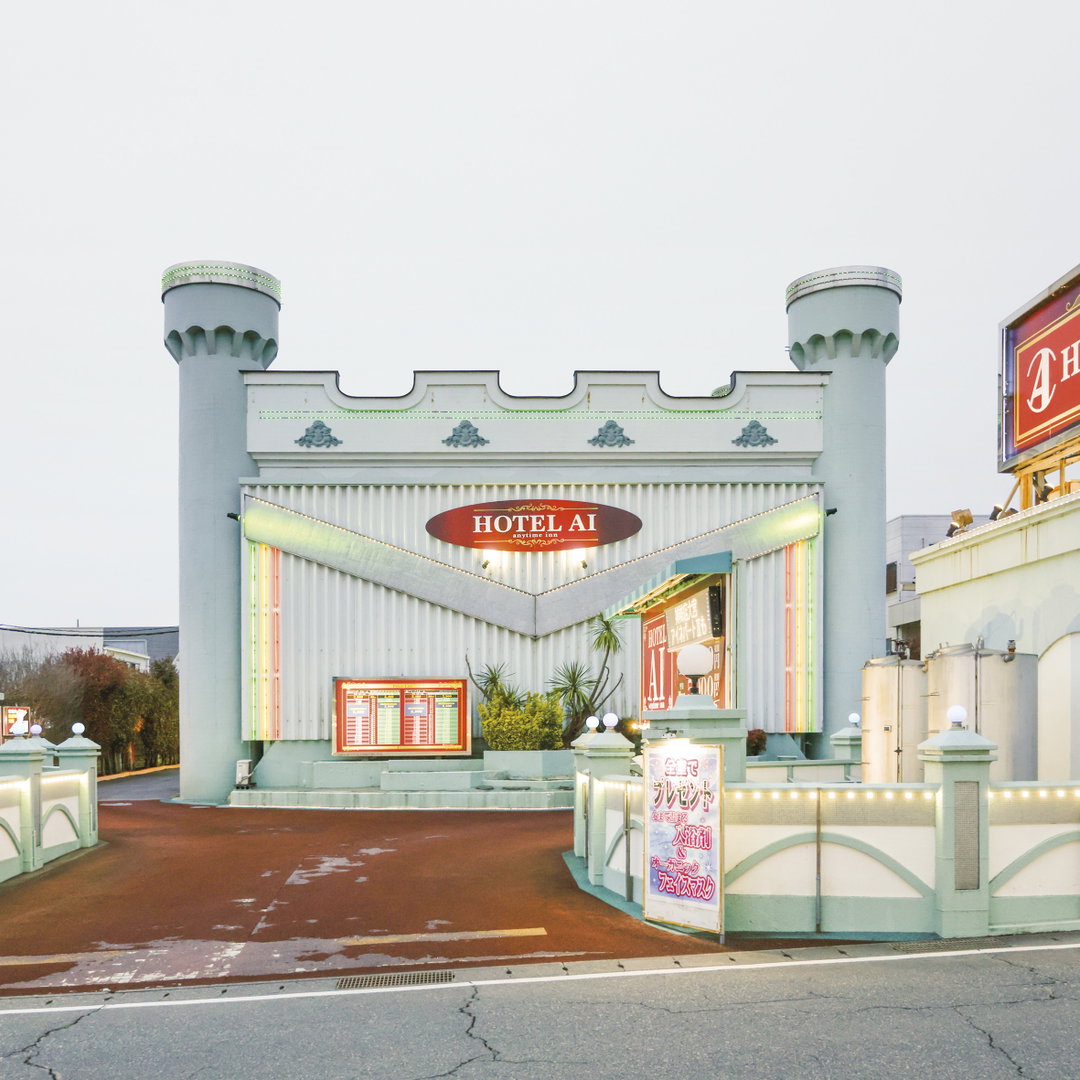
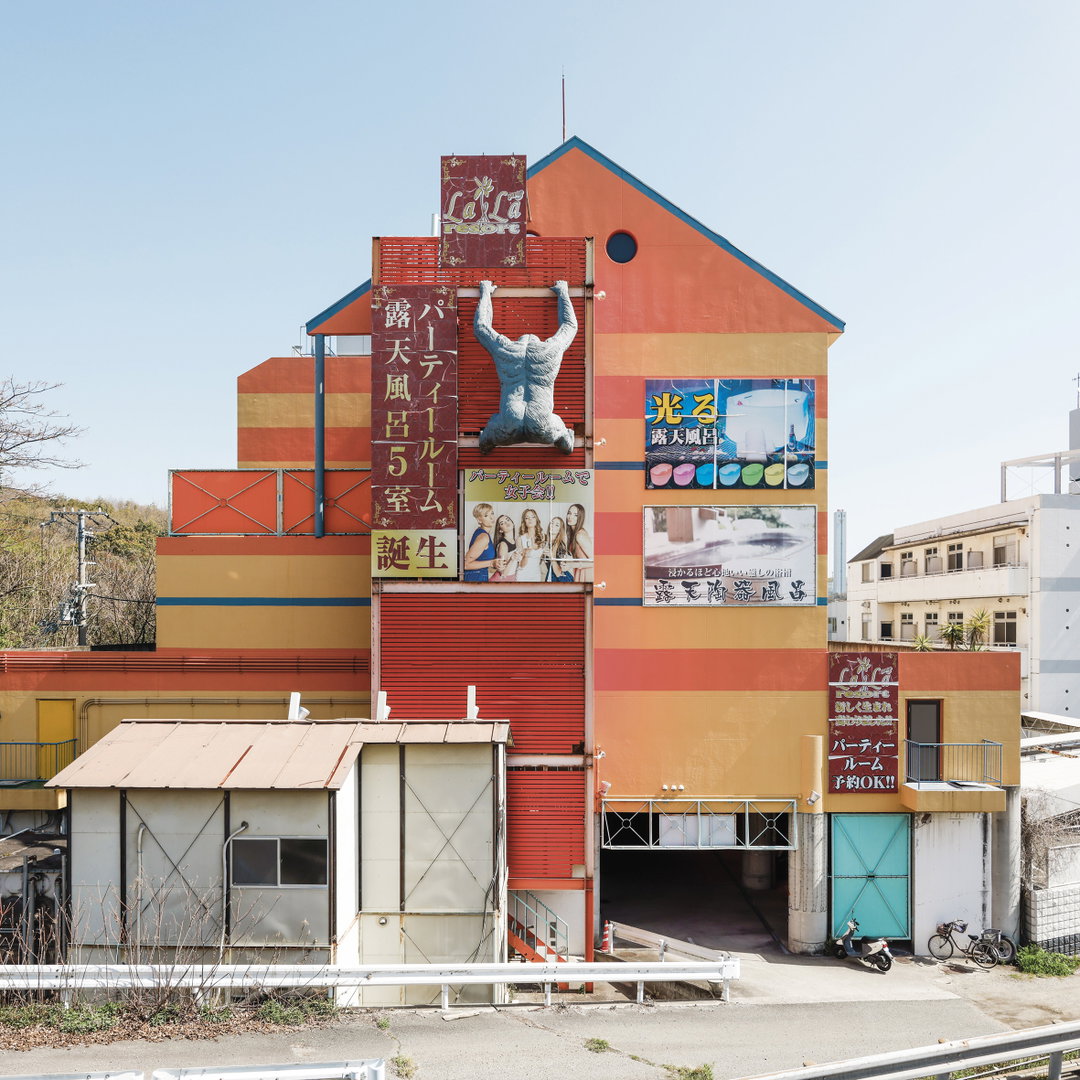
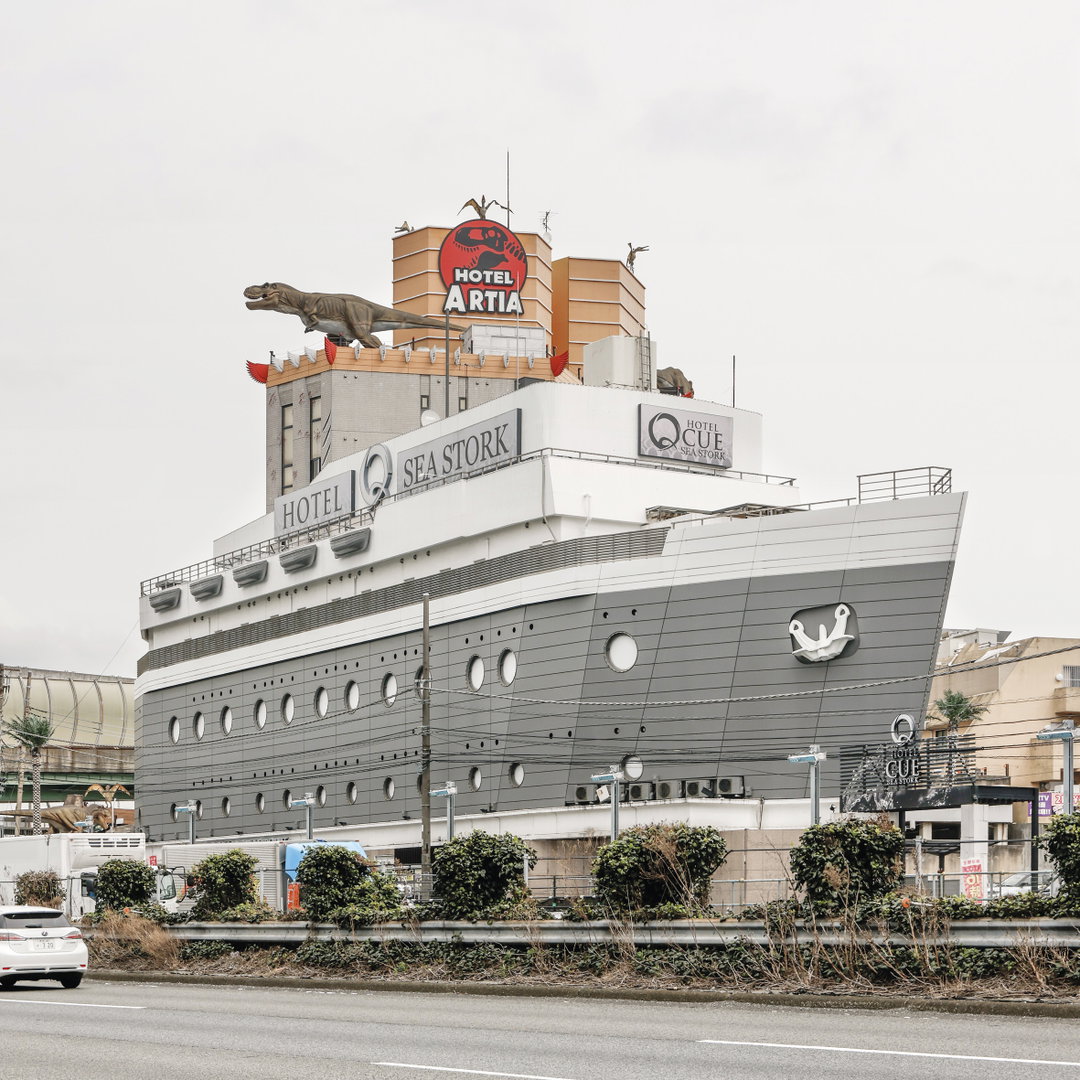
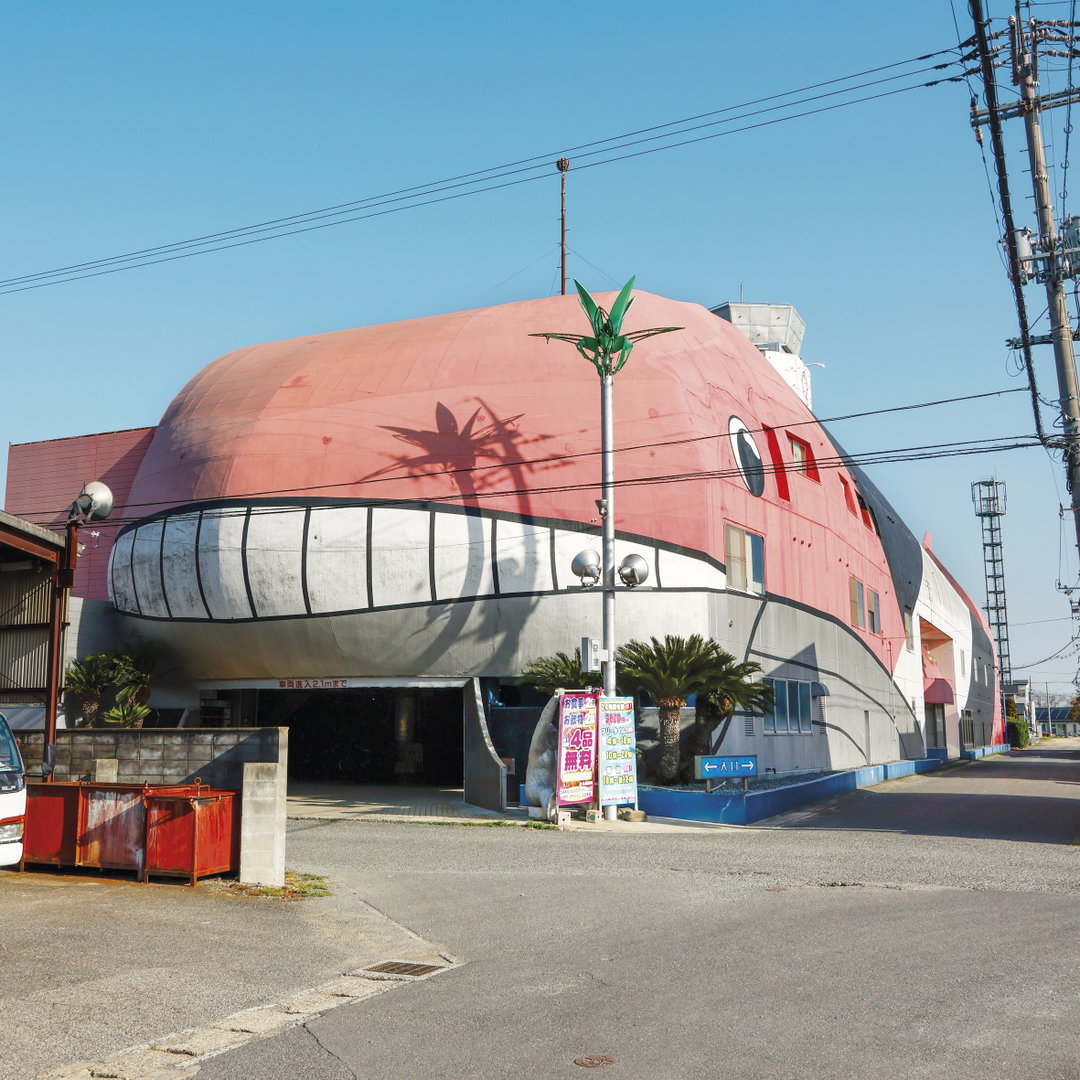
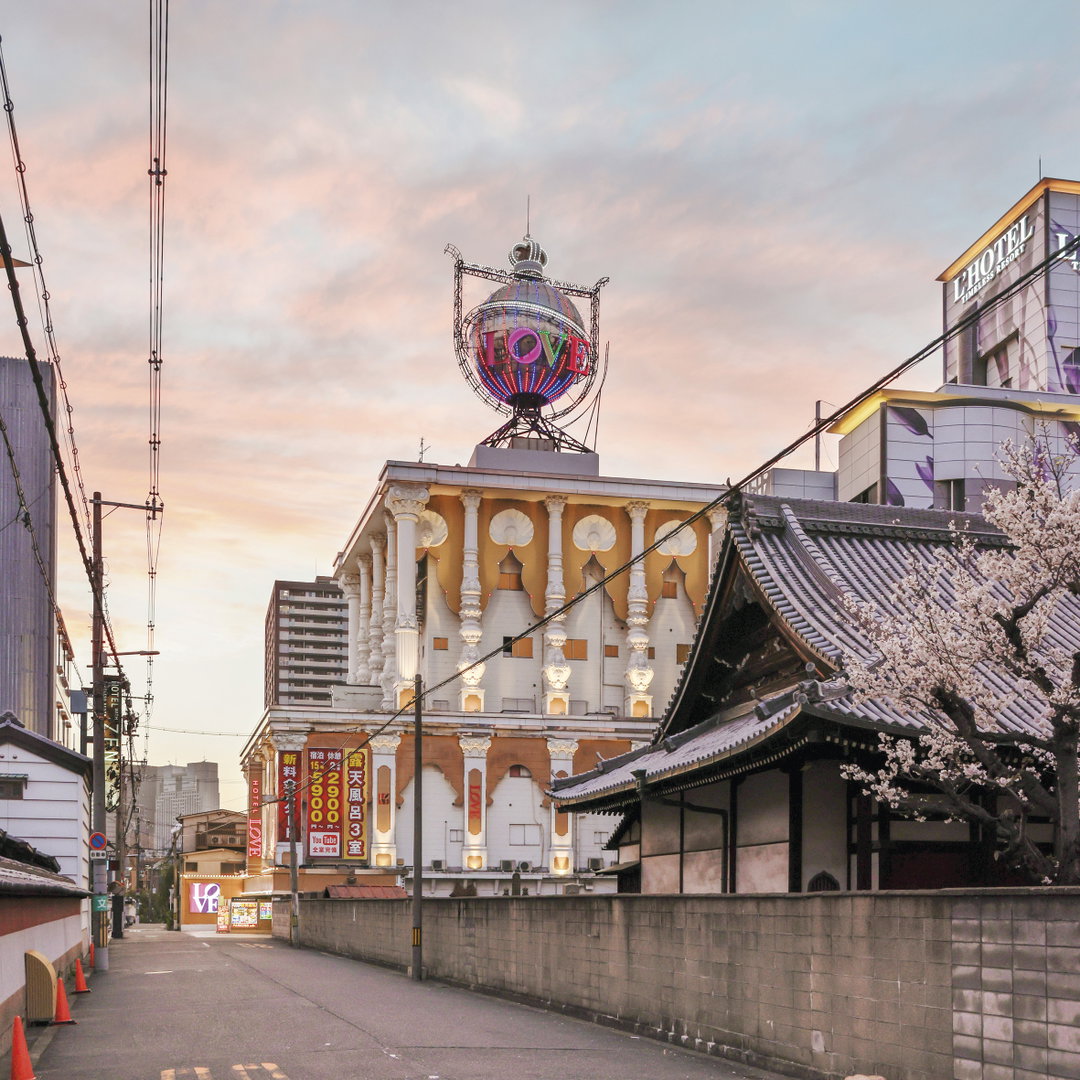
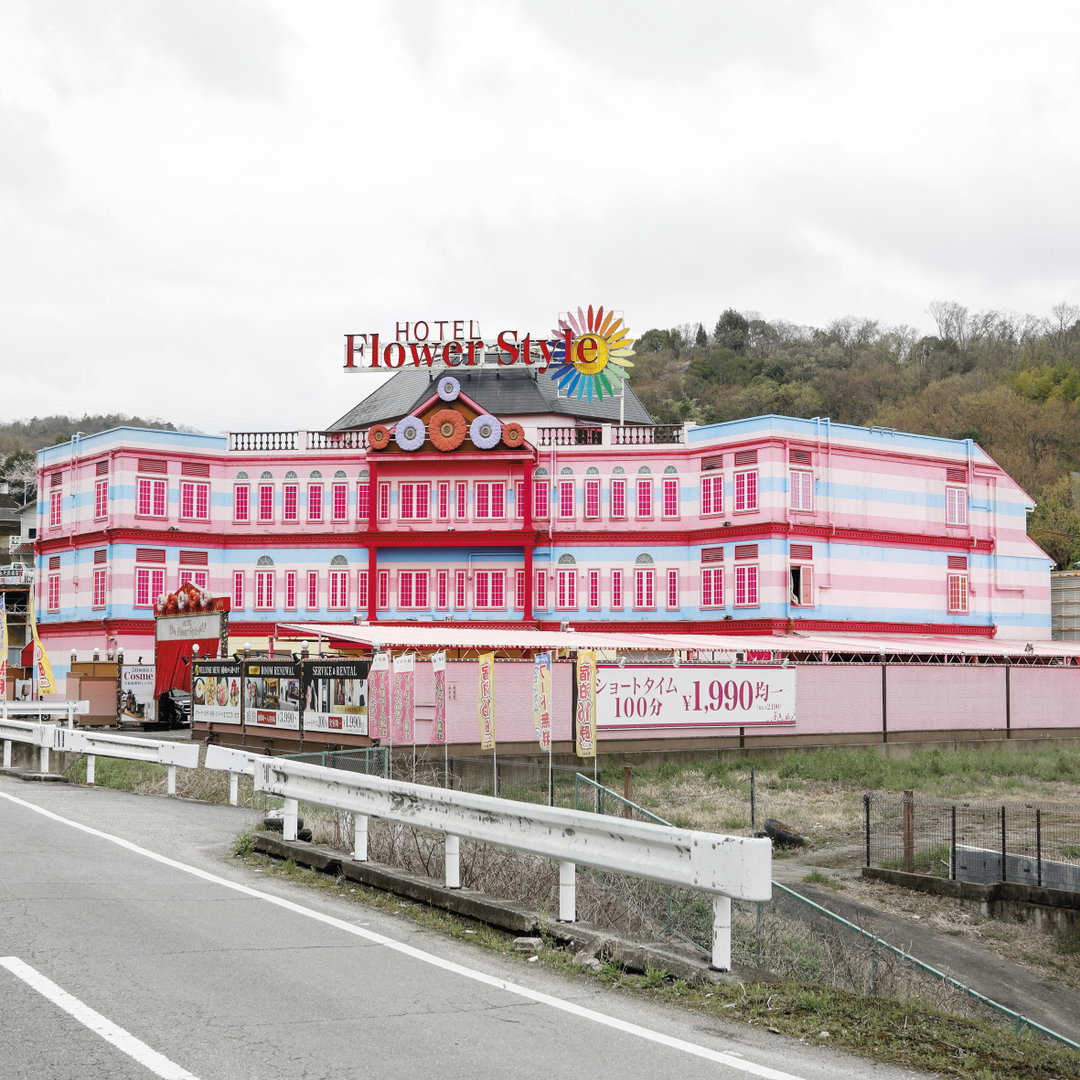
From dinosaurs and UFOs, to tropical rainforests and medieval castles, François captured the vibrant facades of over 100 establishments. Removed from typical travel and documentary clichés, Francois’ images focus on the hotels’ colourful exteriors and faded signs. “I’m drawn to the aesthetic of these places, and how their facades reveal something about the people who inhabit or frequent them,” he says. François considers these as landscape photographs: “a portrait of a country through the lens of its vernacular architecture”.
Numerous themes can be identified in his images. These may reveal something about the desires, expectations and fantasies of the prospective customer. Many hotels take the form of huge ships, for example, docked to the side of the road. “ I think it’s a way to evoke the sense of cruising into a love paradise, with a subtle nod to Japan’s rich maritime history,” says François. He also passed numerous hotels with the name ‘Water Gate’ – another nautical reference. Castle replicas were common too, evoking a sense of romance, “like something out of a Cinderella story”. These escapist structures were more popular in the 60s and 70s, he says, today, however, “many contemporary love hotels are inspired by Balinese aesthetics, with bamboo, natural materials, and tropical motifs” – perhaps a reflection of the kind of escapism a modern customer desire.
The photographer’s formulaic approach to shooting resonates with the work of the New Topographics movement. These photographers, such as Bernd and Hilla Becher, offered a cultural commentary through repetitive photographs of industrial developments across the US landscape. While François’ images are far from their stark and banal aesthetics, he also presents these kitsch hotels as markers of social change. His images aren’t just a playful celebration of the whimsy of Japan’s highways, they’re a record of how these landmarks captured collective fantasies through generations.
Gallery(Copyright © François Prost, 2023)
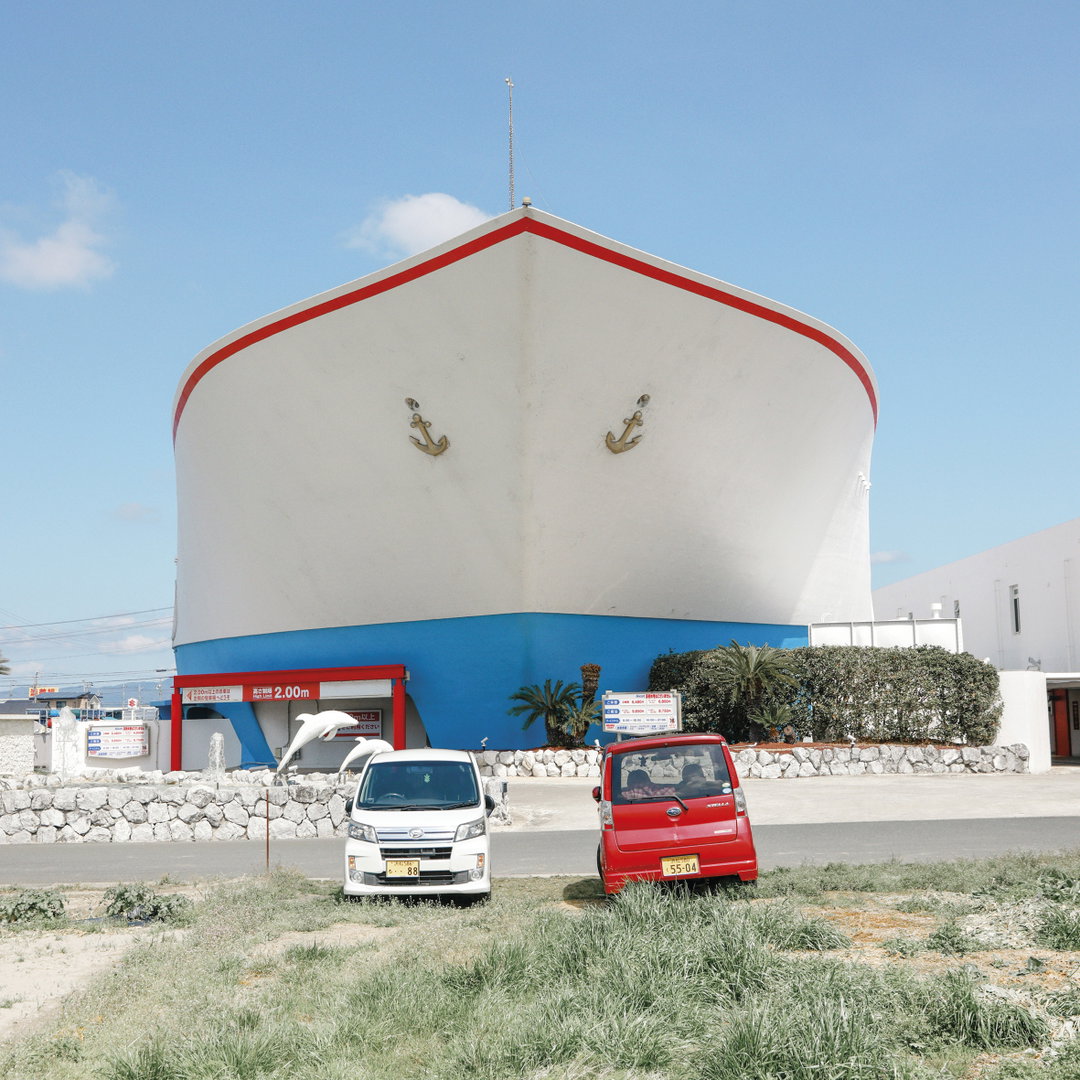
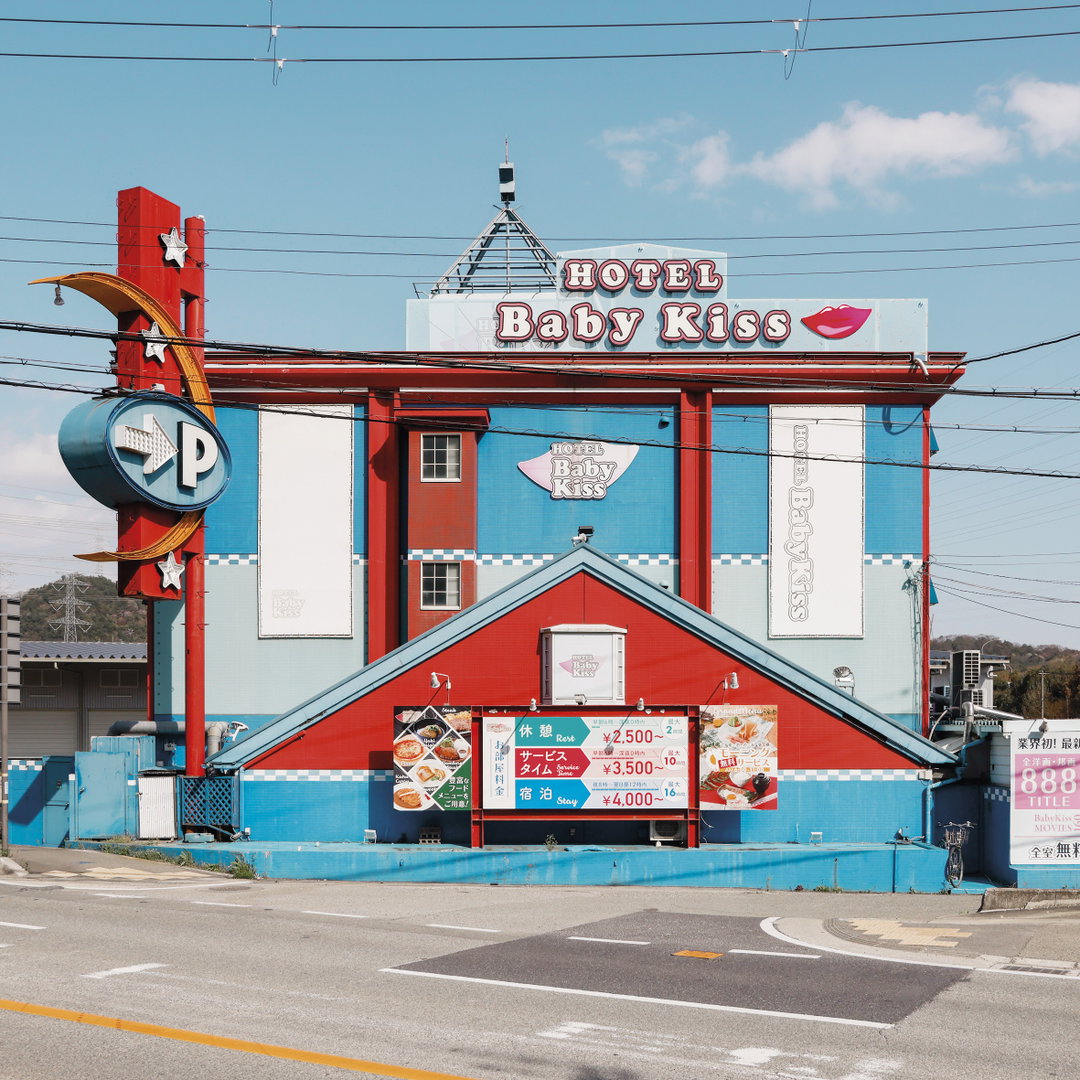
Hero Header
(Copyright © François Prost, 2023)
Share Article
Further Info
About the Author
—
Marigold Warner is a British-Japanese writer and editor based in Tokyo. She covers art and culture, and is particularly interested in Japanese photography and design.