Concrete Citizens documents the residents of Soviet brutalist buildings in Georgia, Kazakhstan, Kyrgyzstan and Moldova
Melbourne-based photographer Alex Schoelcher offers an inside glimpse into the lives of those living in iconic brutalist structures.
Alex Schoelcher credits his interest in photography to a confusing upbringing. By confusing, he means that his mum is Iranian and his dad French, and due to his job as a geologist, the Schoelcher’s flitted between Nigeria, Syria, Holland and the UK. “I’m what is considered a ‘third culture’ kid,” he tells us, having spent his formative years dispersed abroad, surrounded by different cultures. “There are many positives to this, but it definitely comes at the expense of being able to form a coherent sense of identity,” he goes on. Without wanting to get “overly psychoanalytical”, Alex understands that his attraction to photography stems from this “perennial sense of not belonging anywhere,” in turn, drawing him into people and their stories through the medium.
Bridging a gap between himself and others by using the camera, Alex is able to adapt to a multitude of different environments due to his busy upbringing. It’s one of the reasons it makes him such a good photographer. With empathy and respect, he’s travelled the world capturing a myriad of portraits far and wide. Over time he’s experimented with various compositions, trialling different formats but ultimately settling on the “original full-body format.” After a stint as an architectural photographer’s assistant, he’s also incorporated elements of this practice into his work, albeit, he admits, “with a constant sense of imposter syndrome.”
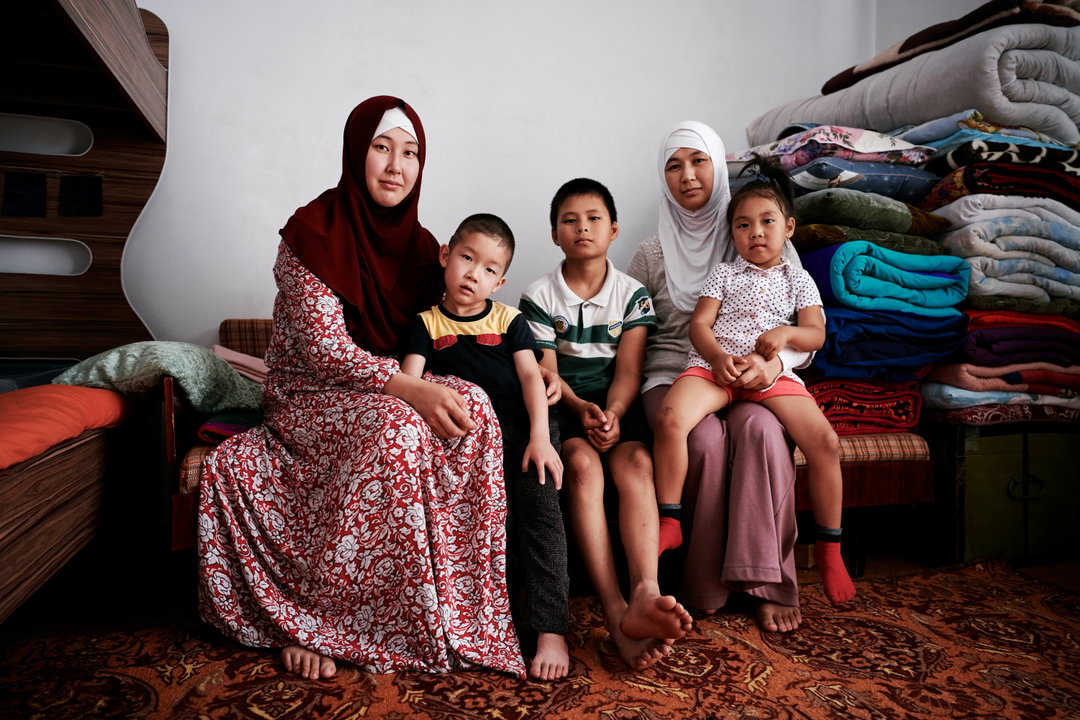
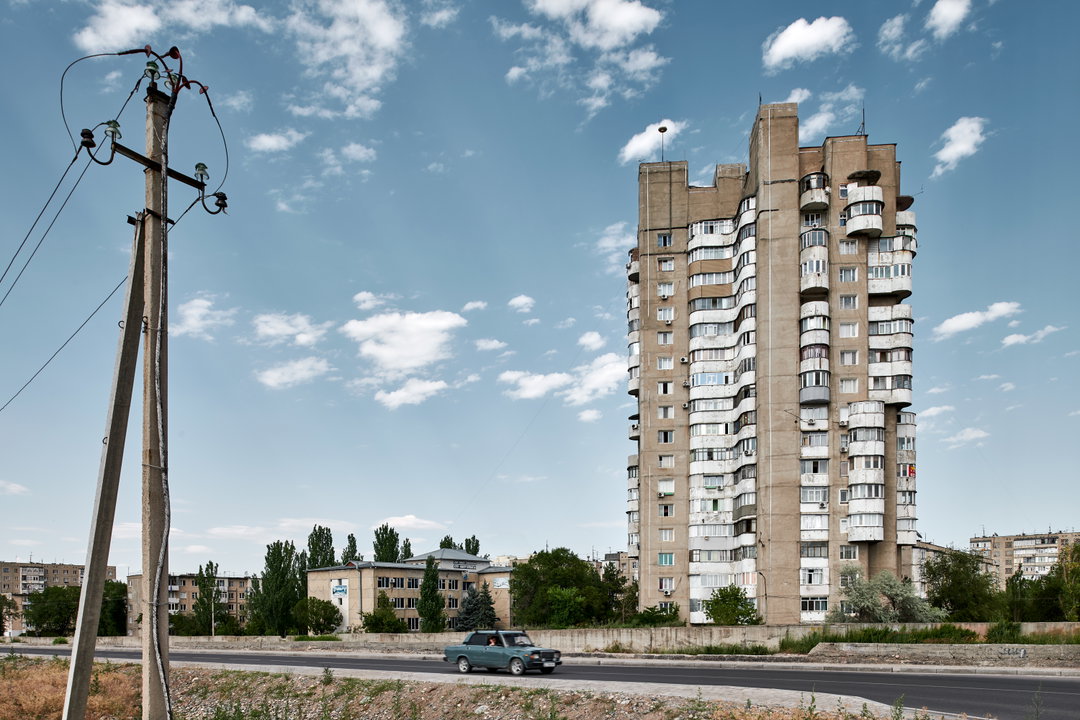
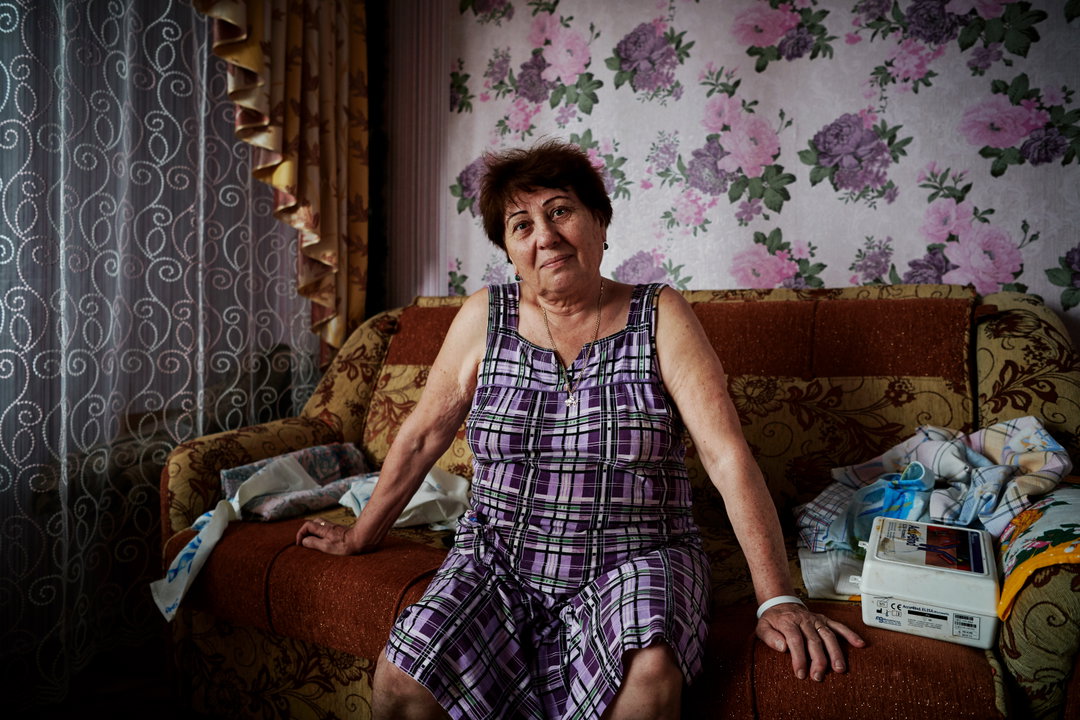
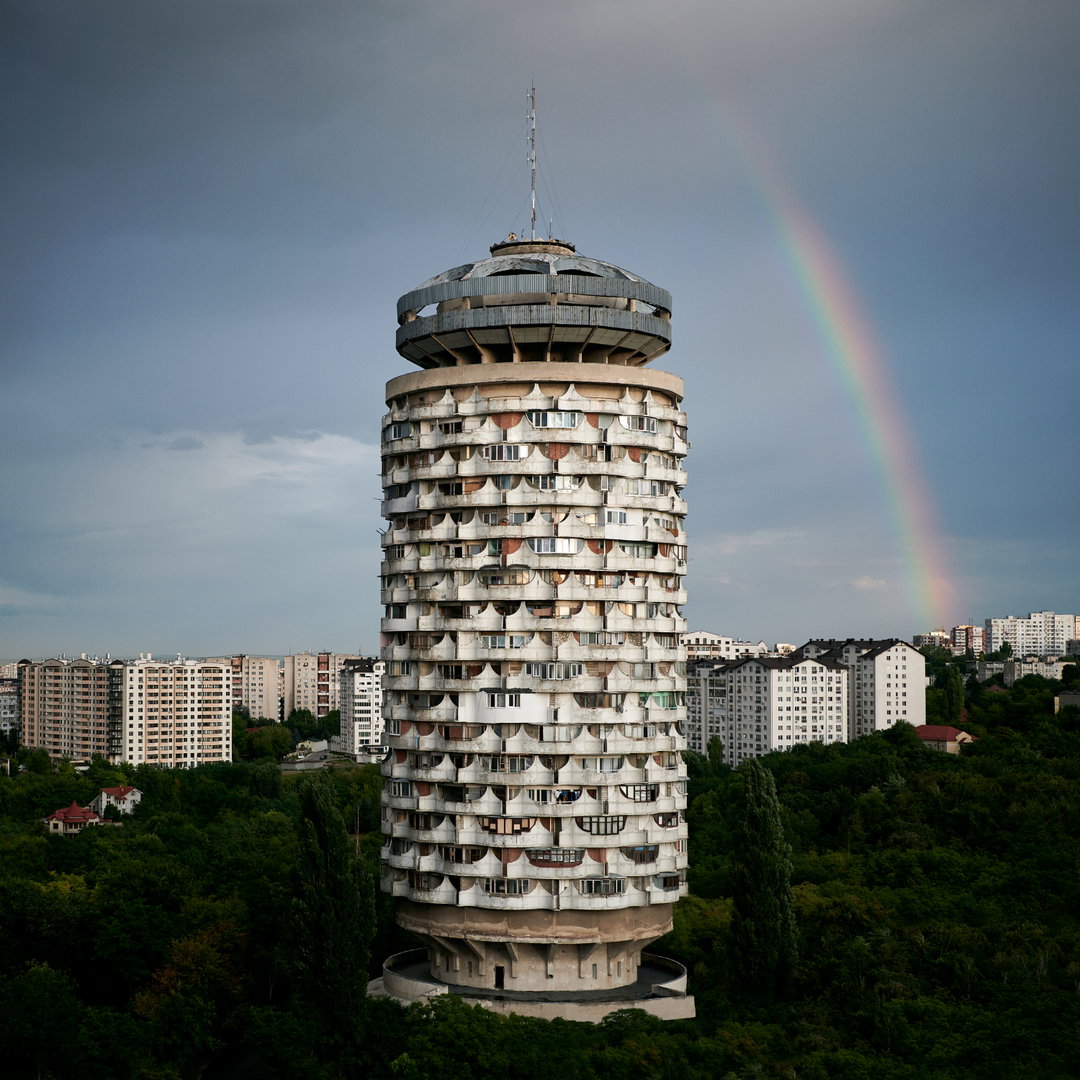
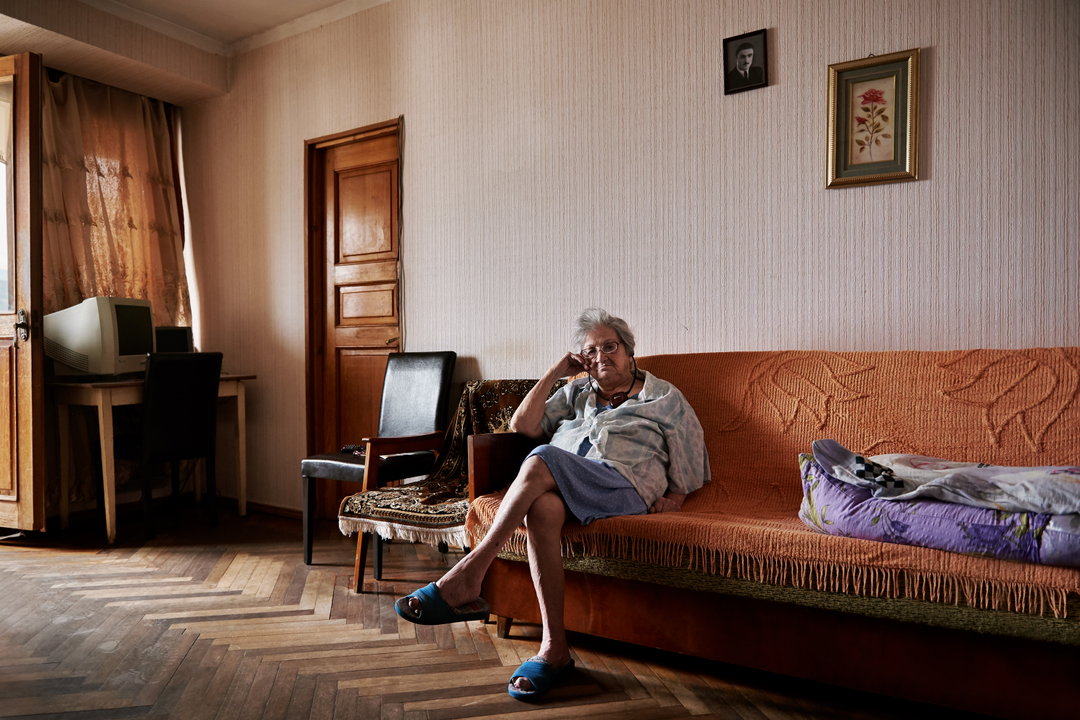
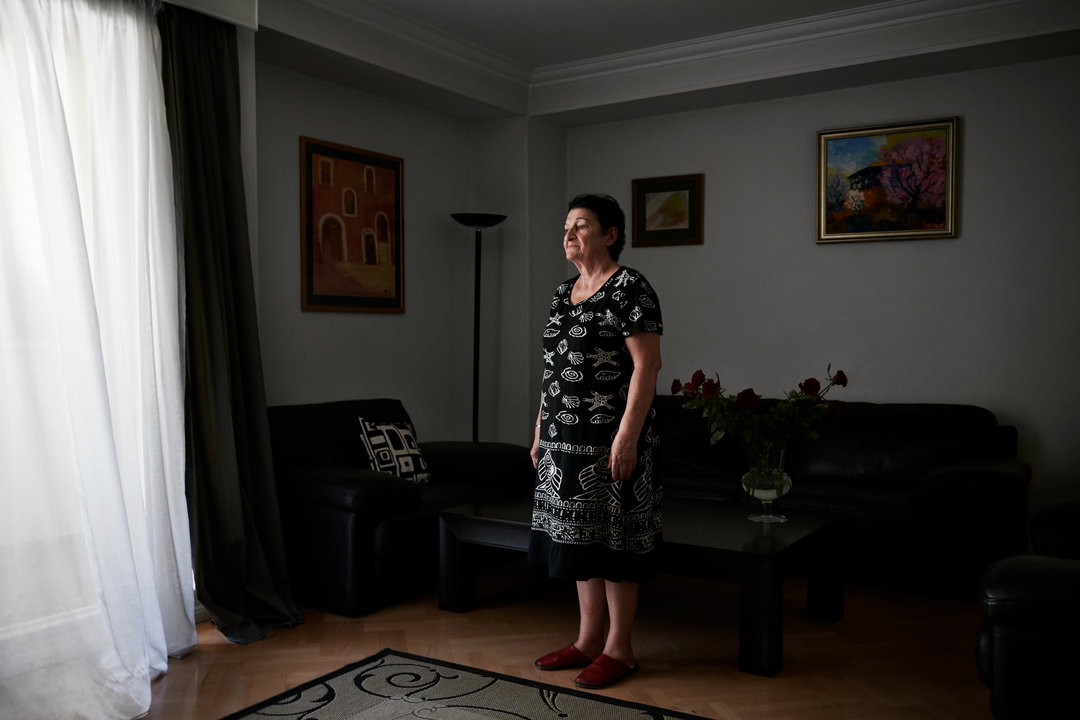
Taking these elements of architecture and portraiture into consideration, Alex introduces us to his latest series, Concrete Citizens. It’s a documentary series, two years in the making, capturing the residents in iconic Soviet-era brutalist buildings in Georgia, Kazakhstan, Kyrgyzstan and Moldova.
It all started with Instagram. A few years back, Alex started following accounts dedicated to brutalist architecture and he’d never seen anything like it. “It blew my mind that these buildings still existed and continued to be inhabited,” he says on the matter.
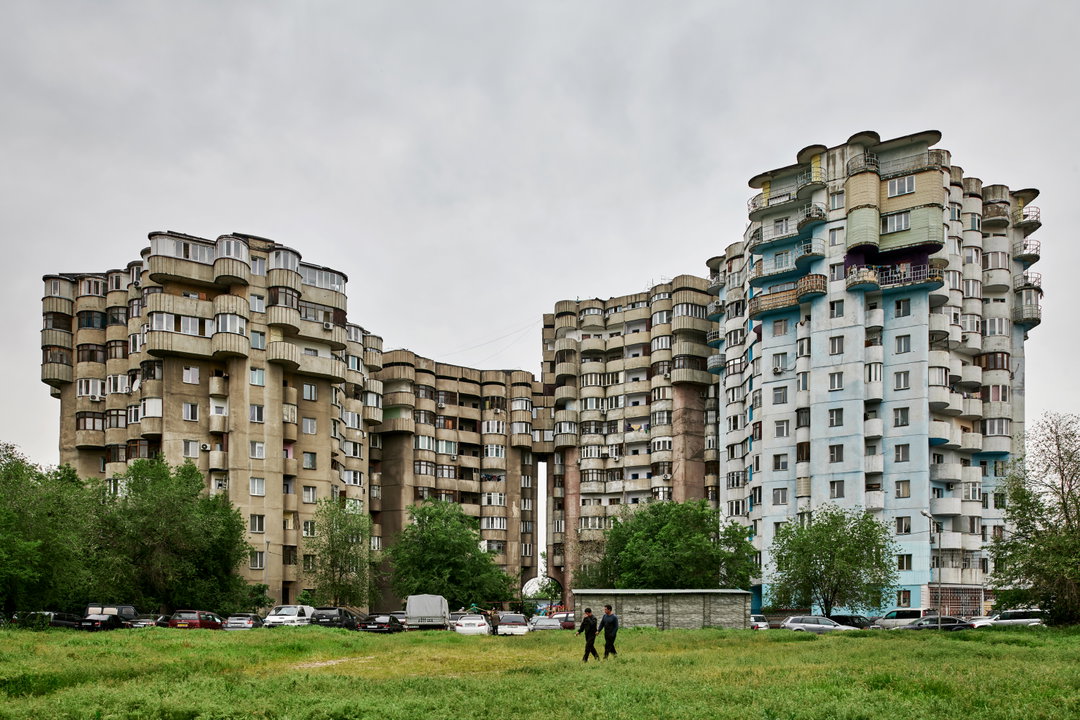
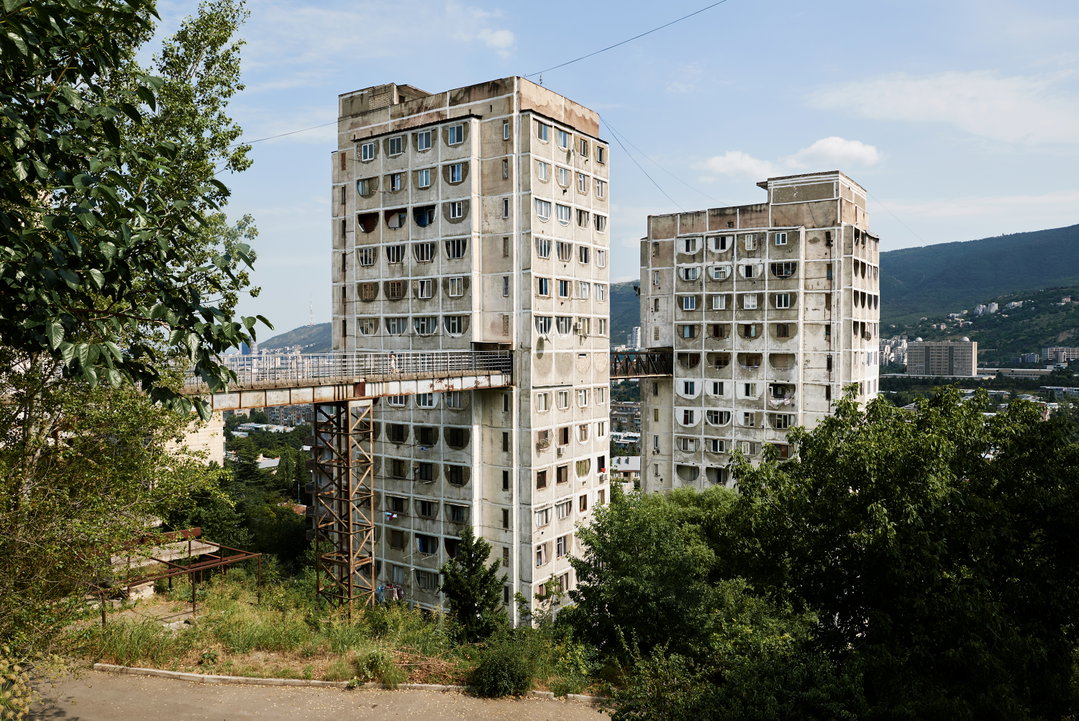
Alex Schoelcher: Concrete Citizens (Copyright © Alex Schoelcher, 2020)
On a trip to Tbilisi visiting a friend, he went to the Nutsubidze Plato for the first time, a monumental brutalist structure of three towers joined by three bridges. After snapping a couple of unremarkable shots, his friend suggested knocking on one of the apartments to take a picture from their balcony. To Alex, who’d been approaching strangers on the streets for years, the idea was ludicrous and he doubted anyone would want them in their private space for this reason. But to his surprise, a few minutes later, Alex and his friend were granted access to the home of a couple with a husky. “That was the lightbulb moment when I realised that the most compelling aspect of these old brutalist buildings was the stories beyond their concrete exteriors.”
Putting a human face to these buildings, Alex wanted to gain the perspectives of those living inside these architectural wonders. Seeking out the most interesting buildings he could find, once he’d gone to Georgia, he journeyed to central Asia to photograph Almaty in Kazakhstan and Bishkek in Kyrgyzstan. Finding success with these, he rounded up the series with a visit to the Romanita Tower in Chisinau, Moldova, concluding his tour of wonders familiarising himself with parts of the world he didn’t know much about previously.
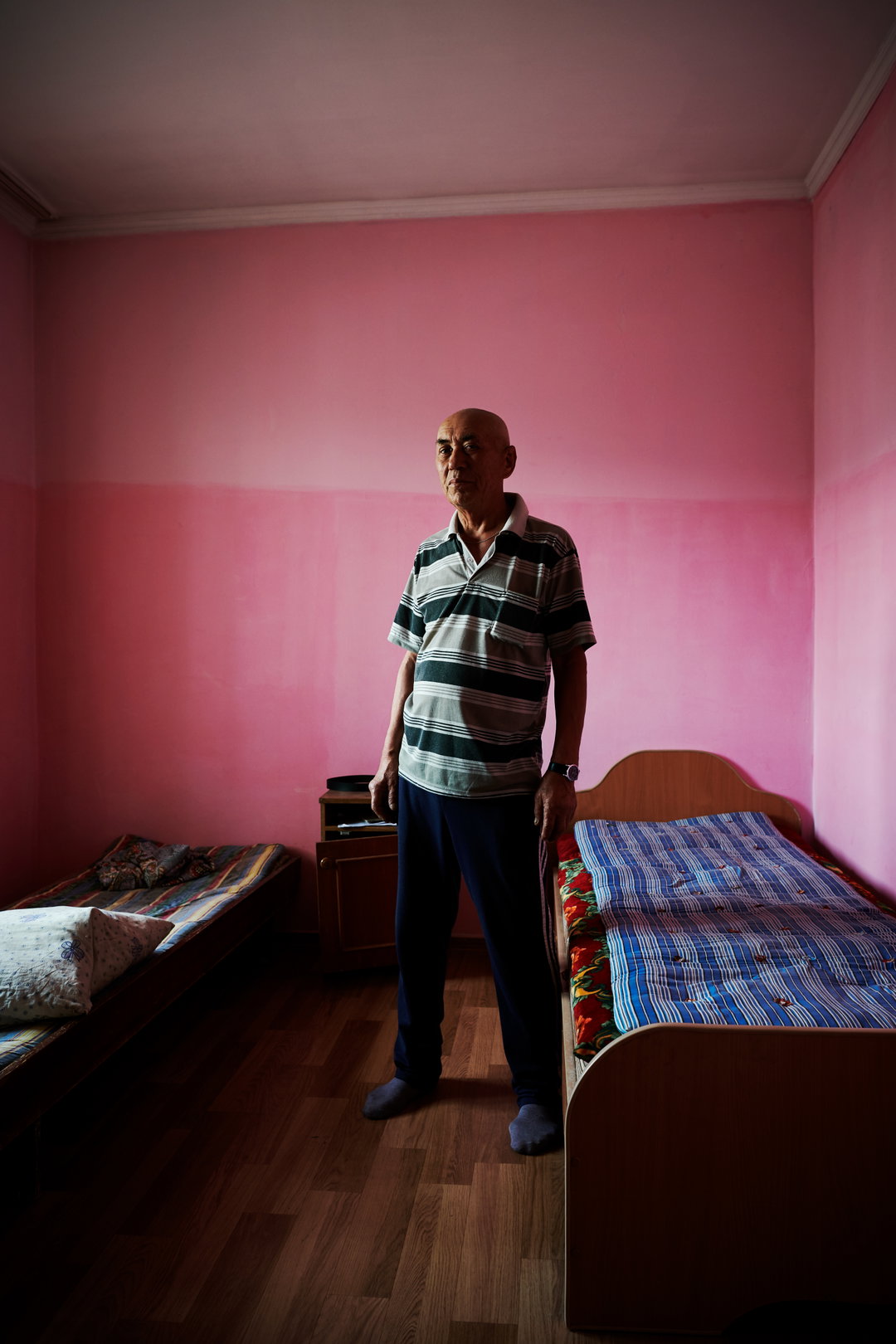
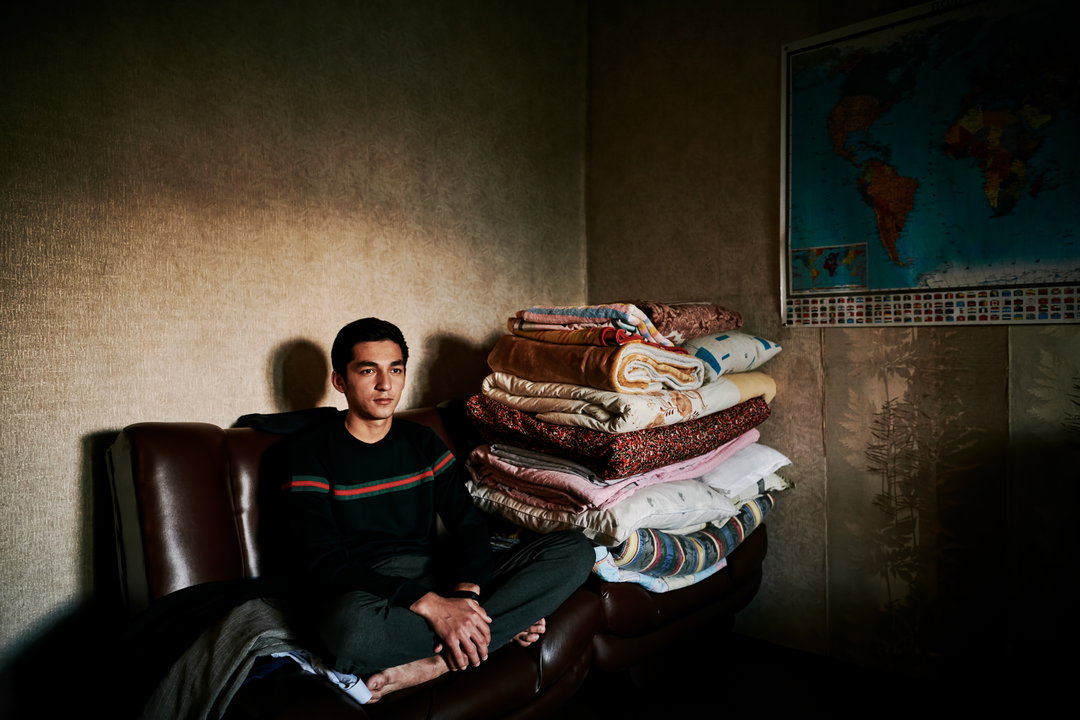
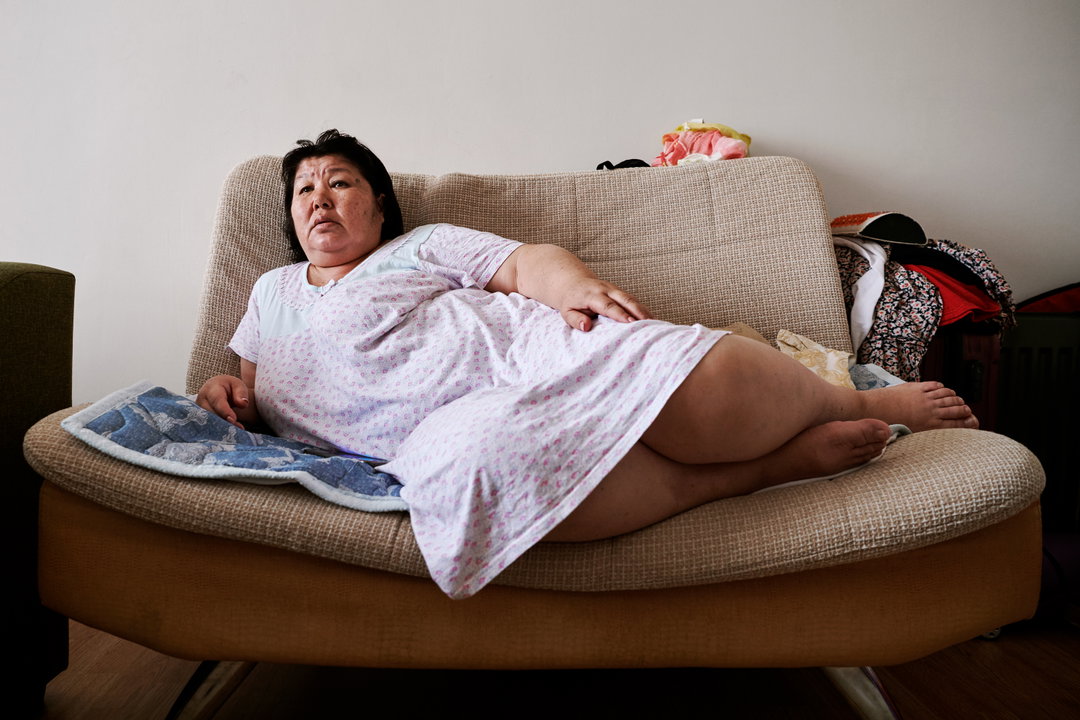
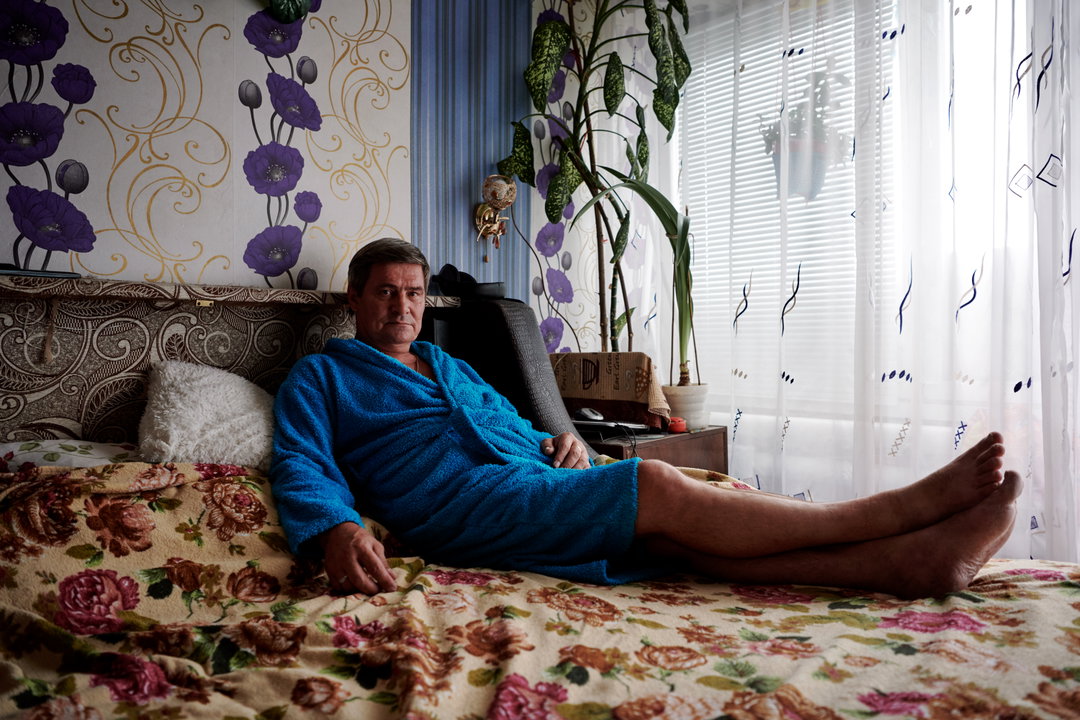
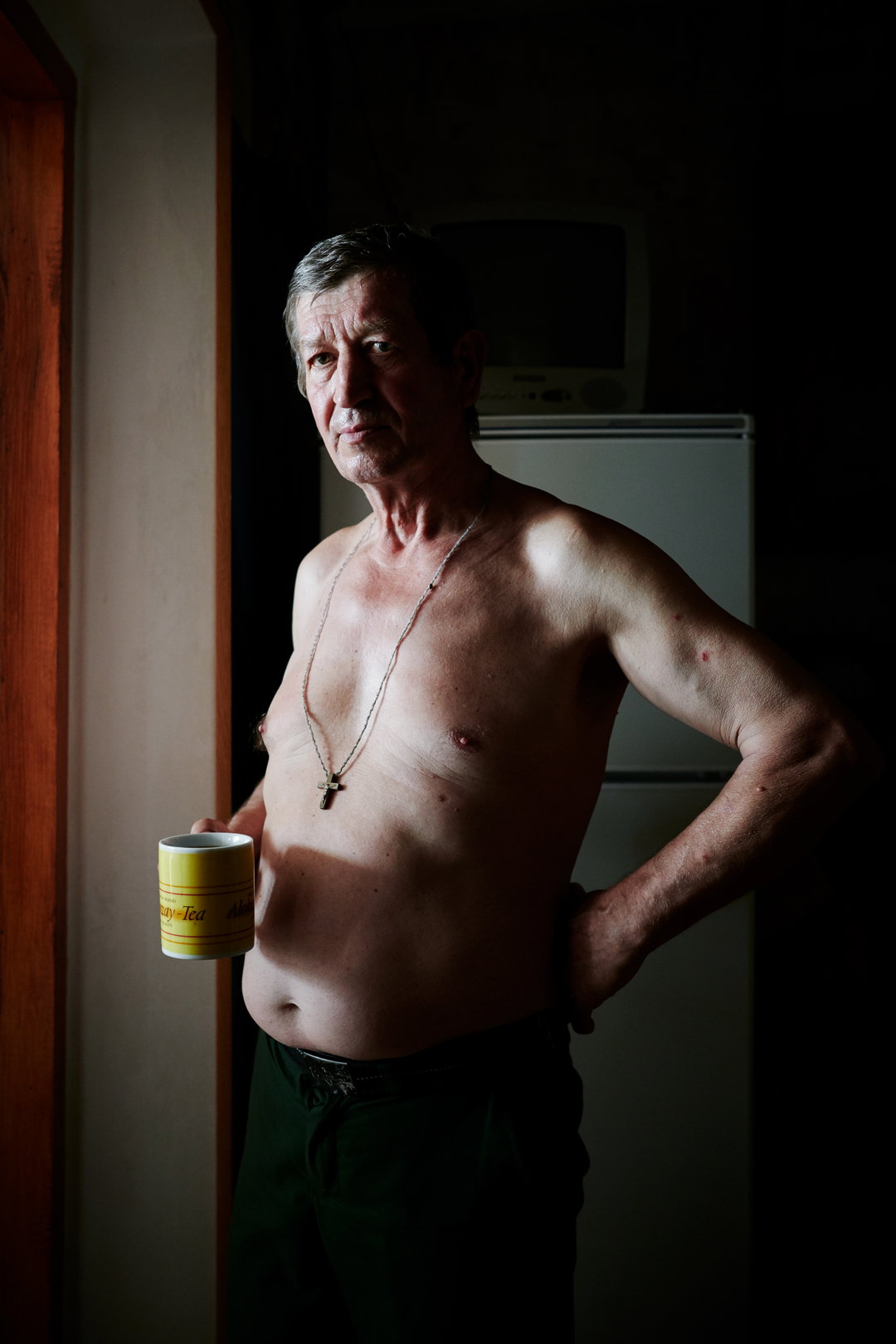
With the help of translators, Alex asked all his subjects about their lives in the buildings. Choosing to photograph “anyone one who would let me,” the documentary series shows the inhabitants in a candid light; an honest portrayal of their living circumstances and the diversity of their respective spaces in these brutalist structures. The photographer recalls a particularly memorable shoot, from the series taken in Cholpon. It depicts a middle-aged Kyrgyz woman in a night down, laid across her sofa. In what Alex remembers as “an absolutely surreal experience,” the photographer was astounded by how she let him photograph her in what he perceived to be such a vulnerable position. “She was completely baffled by my interest in the building,” Alex continues, “and couldn’t understand why anyone would find it compelling in the slightest.”
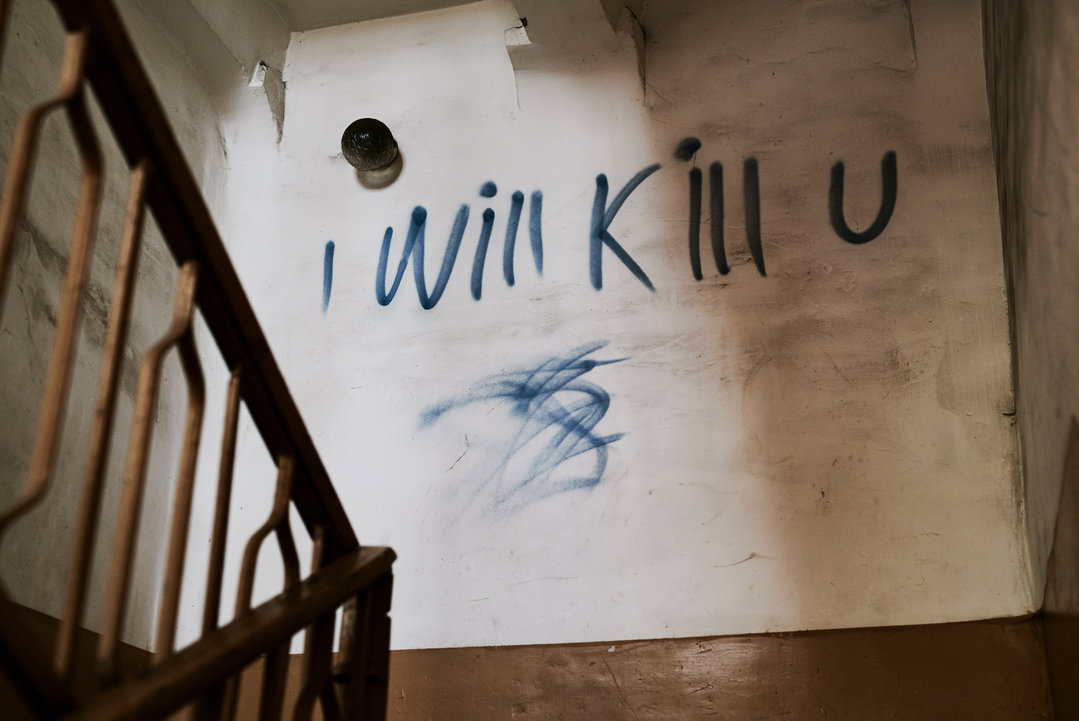
In every photograph, there is an equally unique story revealing subtle elements of the subject’s lives. Hints from the subject’s clothes and backdrops, coupled with an insight into the buildings they live in, build a unique picture of each family’s place in the world. It’s a series which is not only perceptive into the lives of the inhabitants, but also in the way it alters views on the way people live inside such brutalist structures. Encountering both positive and negative attitudes towards life in these post-Soviet buildings, Concrete Citizens encapsulates the multiplicity of human experience ranging from heartbreak to a sense of community.
GalleryAlex Schoelcher: Concrete Citizens (Copyright © Alex Schoelcher, 2020)
Hero Header
Alex Schoelcher: Concrete Citizens (Copyright © Alex Schoelcher, 2020)
Share Article
Further Info
About the Author
—
Jynann joined It’s Nice That as an editorial assistant in August 2018 after graduating from The Glasgow School of Art’s Communication Design degree. In March 2019 she became a staff writer and in June 2021, she was made associate editor. She went freelance in 2022.