


- Words
- It's Nice That
- —
- Date
- 6 October 2026
- Tags
Inside New Bahru: The 1960s Singapore high school turned creative business incubator, where design is the priority
In Singapore, towering glass skyscrapers are paramount, and the arts aren’t high up on any parents’ dream jobs for their kids. But New Bahru is a space that’s looking to change both of these facts.
Share
Share
Within the walls of New Bahru, you can find some of the best-designed independent homeware, stationery and unique fashion, indulge in cuisines from around the world and be exposed to wellness experiences from the well-trodden to the avant-garde. Spend a day here, and there’s no doubt you’ll feel refreshed, energised and creatively satiated. But this creative cluster isn’t just a nice place to spend your time and money – it’s providing an alternative and refreshing way of building creative culture in this young southeast Asian country.
Mall culture is massive in Singapore and it’s not hard to see why. With its humid monoclimate rarely dropping below 25°C and regularly sitting at 33°C, an open indoor space with air conditioning is highly sought after. (If you think the UK has been hot, try walking ten minutes in mid-thirties in Singapore – it’s a very different challenge). The issue lies in the fact that most of the malls that tower above ground and snake underground for many miles are carbon-copies of each other, housing identical mixes of high-end and fast fashion brands, and even faster food chains.
“We don’t often get the chance to work with buildings of this era in Singapore, which made a project like this particularly fulfilling.”
Teng Wen Wee
Moreover, the majority of buildings in the country are designed for at least 60-90 years usage, but the average lifespan currently sits at 33 years, extreme examples of demolition being JCube and Bedok Point malls, both torn down after only 11 years of use. Its relationship with the arts is also complicated. While Singaporeans are big consumers and appreciators of the arts, during the pandemic a poll commissioned by The Straits Times revealed that 71 per cent of respondents listed ‘artist’ as a ‘non-essential’ job, more than any other occupation. As is apparent in Fzine’s 2024 interview with seven young people in creative education, parents are often initially reluctant for their children to pursue a career in the arts. The numbers suggest why: in the Graduate Employment Survey, business, computing and medicine topped starting salaries, while art, design and media graduates ranked last, earning less than half of the top programmes.
1 of 5
New Bahru (Copyright © Finbarr Fallon)
1 of 5
New Bahru (Copyright © Finbarr Fallon)
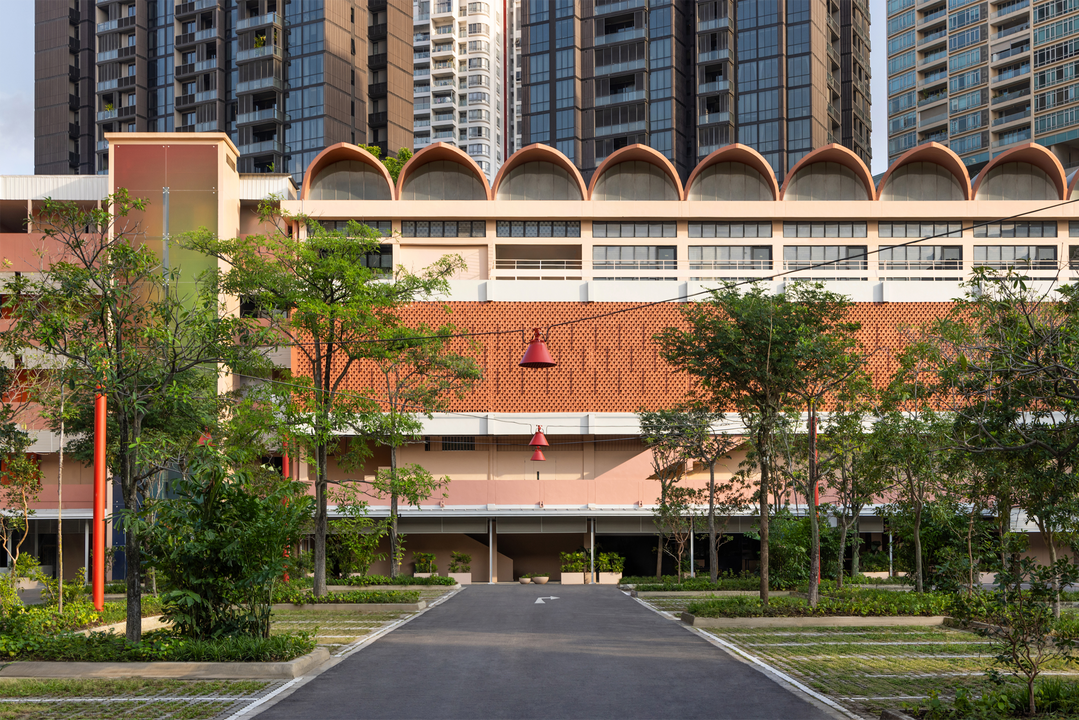
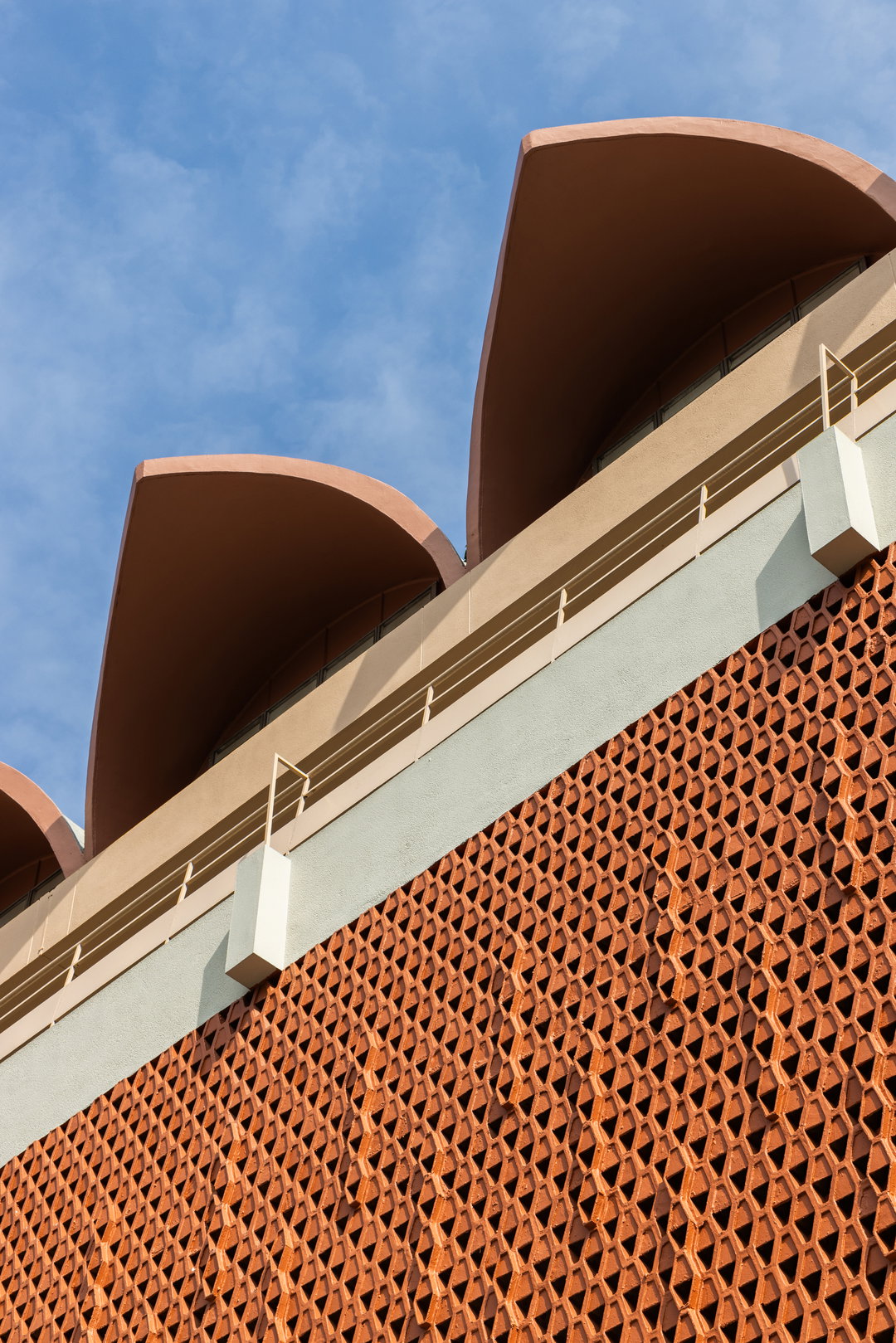
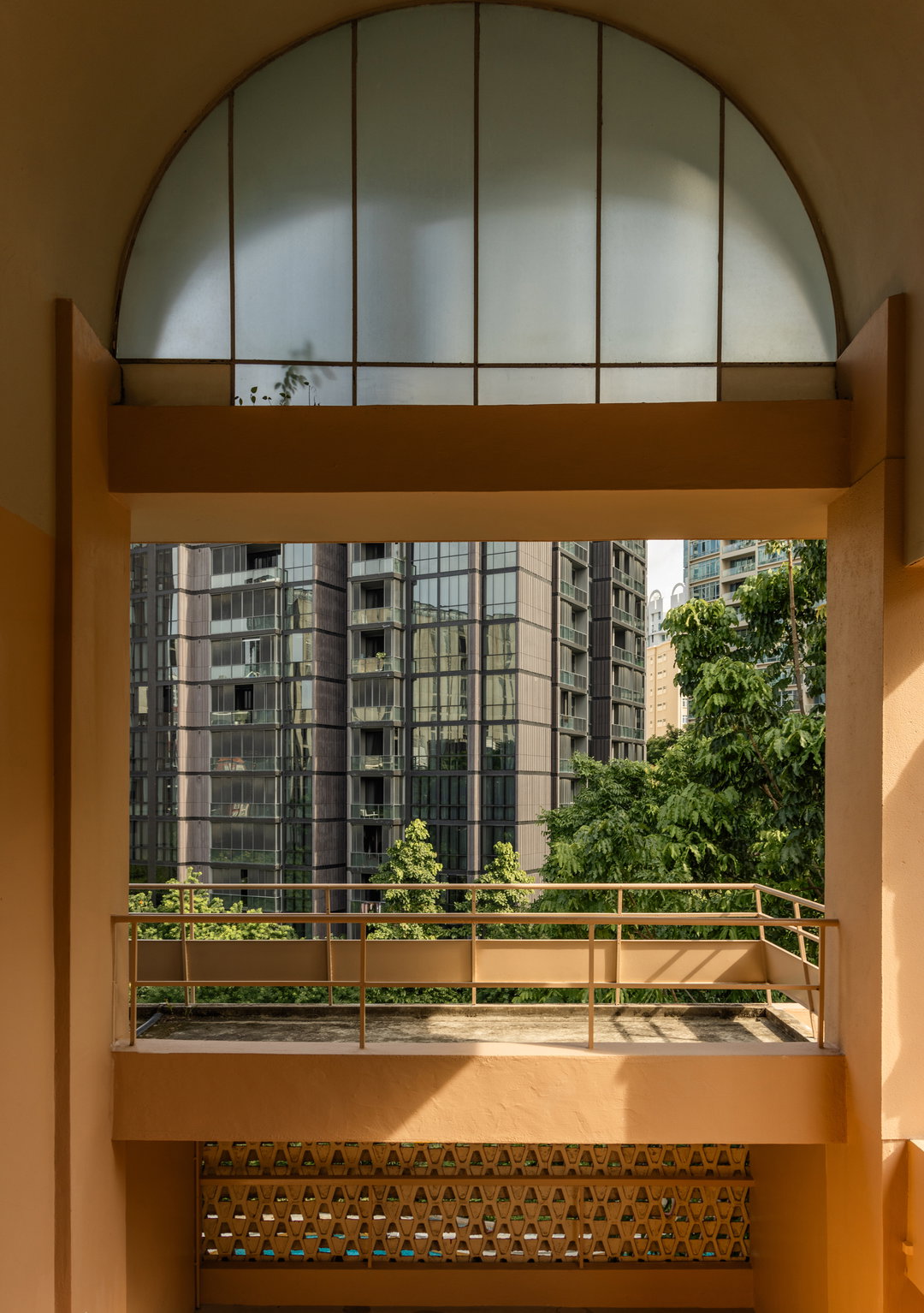
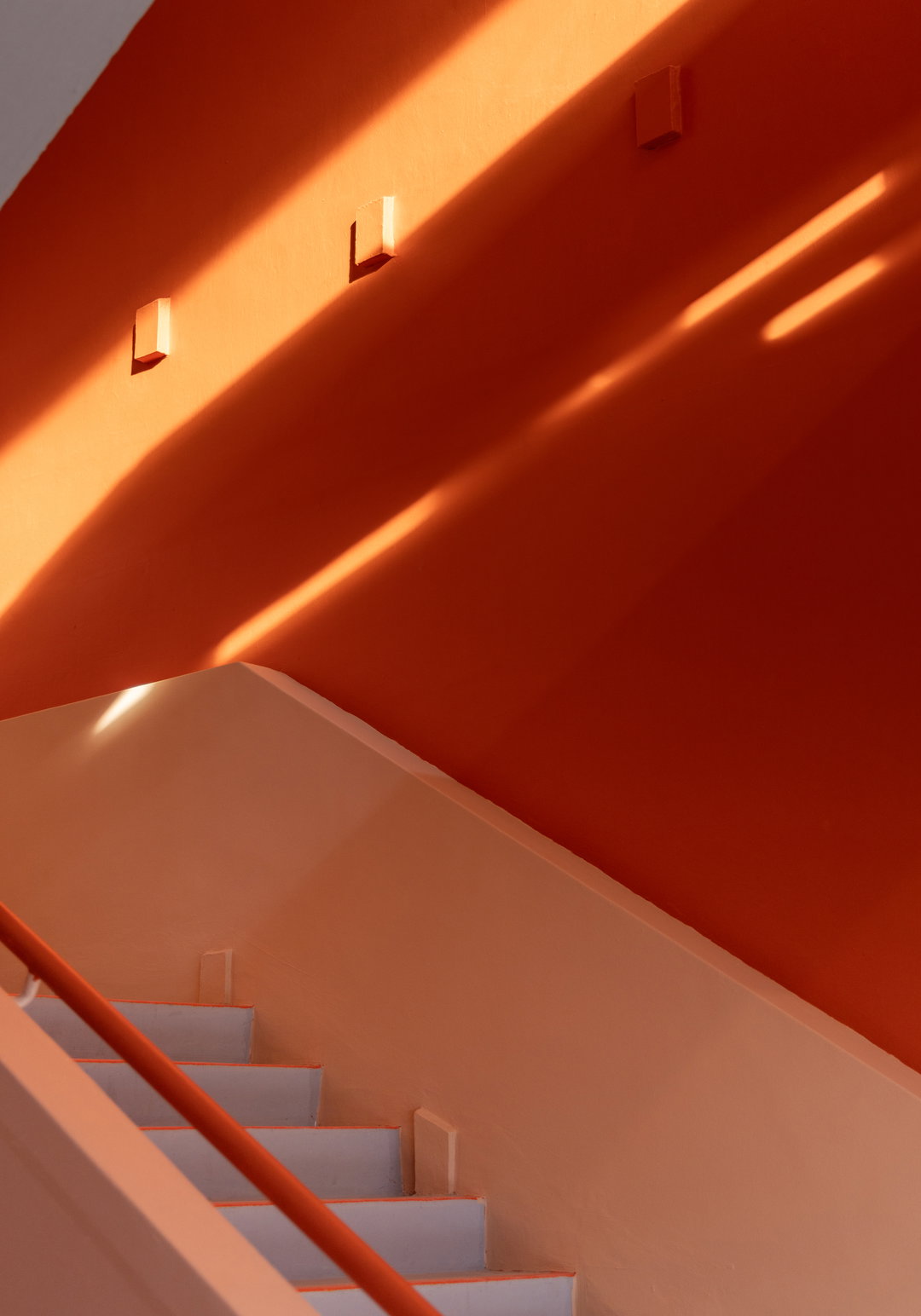
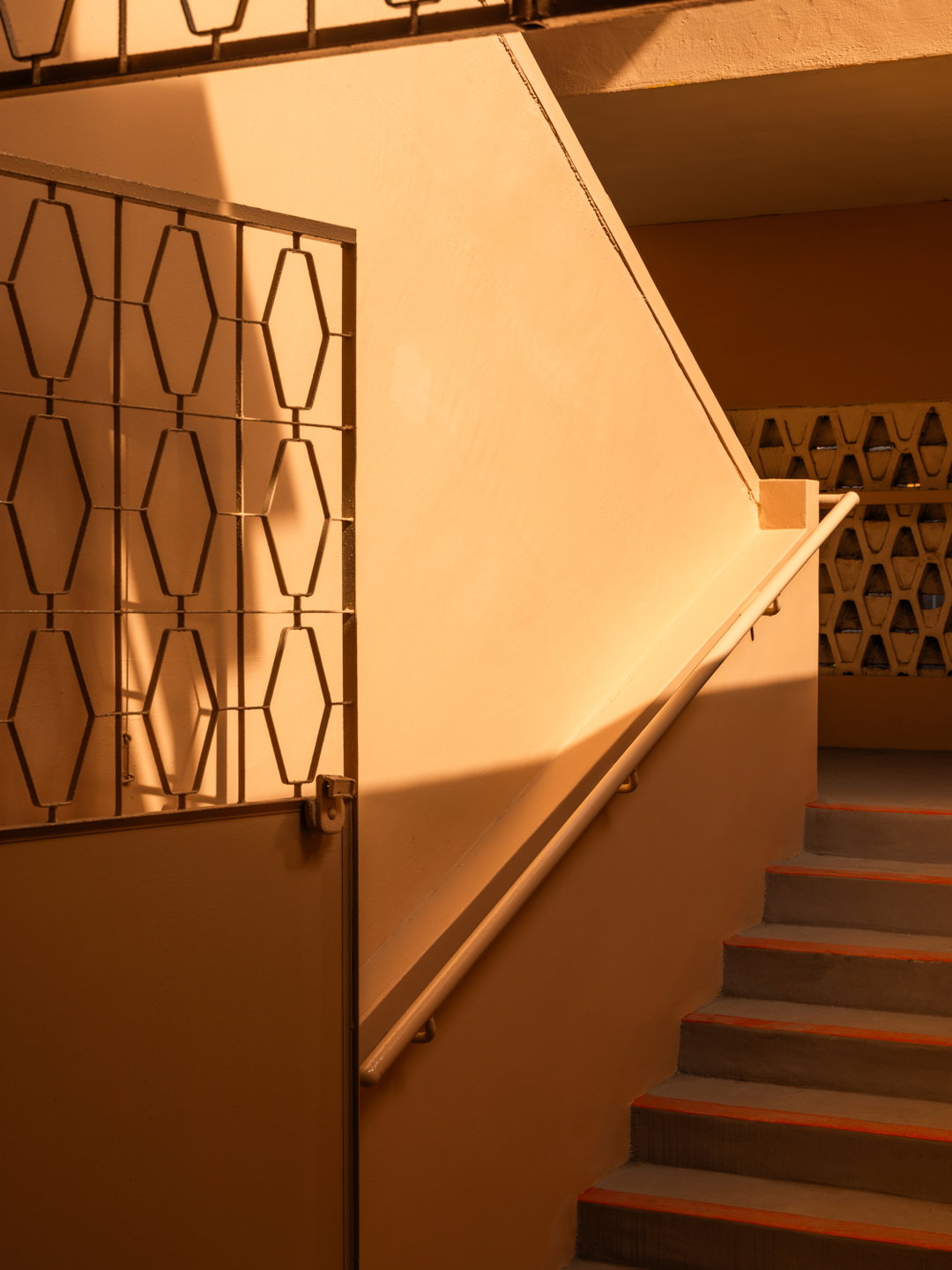
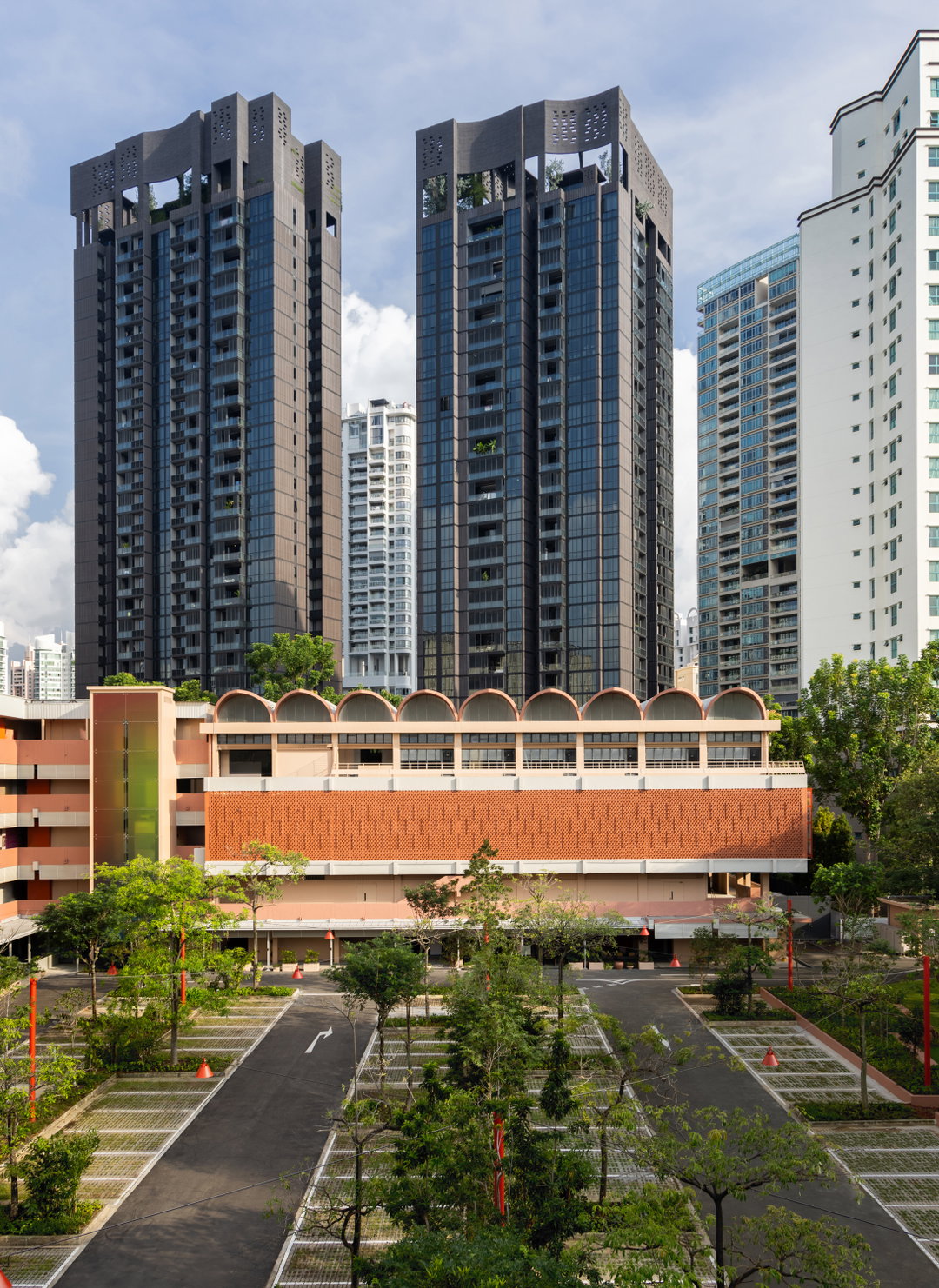
When it comes to New Bahru, however, there’s no imposing sheets of glass or towering structures in sight. It’s a three-storey, blush-pink, modernist building, built in the mid-20th century to house a local high school – and it’s been regenerated to stay as true to this structural heritage as possible. Teng Wen Wee, founder of The Lo & Behold Group, the hospitality group behind the creative enclave, saw the charm and potential of the building from the start. “Singapore has done a decent job with conservation, but much of that has understandably focused on colonial era buildings. That makes a built-in 1969, post-independence building like this increasingly rare and special,” says Teng. He adds: “We don’t often get the chance to work with buildings of this era in Singapore, which made a project like this particularly fulfilling.”
For Teng, the project wasn’t just a chance to do something interesting architecturally, but within its walls too. “It was a chance to build something much bigger than ourselves: community-led, creative-led,” says Teng. “The building was the canvas that warranted a collaboration, bringing all this bubbling energy and creativity into one space.” From its charming Corbusier-inspired architecture and spots to get your hands stuck into pottery workshops or bag-making, to its shops stacked with goods illustrated by independent artists, New Bahru has fast become the alternative ‘mall’ that Singapore’s creative community has been waiting for.
95 per cent of the brands, makers and creatives in New Bahru are Singapore-based, a statistic that’s important to Teng, who wanted to use the space to celebrate what the country had to offer. “We’re a small, young country that is still very early in its journey,” says Teng. “With a small resident population, and relatively high costs and rents, it can be hard to break through and get noticed. There isn’t always an ecosystem around you helping with that, so founders often have to figure out the product, audience and traction largely on their own.”
New Bahru (Copyright © Finbarr Fallon)
“The building was the canvas that warranted a collaboration, bringing all this bubbling energy and creativity into one space.”
Teng Wen Wee
For homeware lovers, Stacked Store, nestled within New Bahru’s recently opened Factory wing, is an absolute treasure trove that you’ll struggle to leave (trust us, we know). A venture from Adrian Tawin, one of the three founders of Stacked Homes, a popular online publication that helps Singaporeans find well-designed homes, the shop answers the logical next question for homebuyers: How should I style my home? Previously operating out of a warehouse on the outskirts of Singapore, the shop has kept some of this industrial charm, and all its shelves are scaffolding structures that can be moved around on wheels. Ranging from Penco stationary, to inventive sloped bookends held in place by a rolling ball, and a whole wall full of Jean Jullien goods, Stacked Stores’ shelves are well and truly stacked.
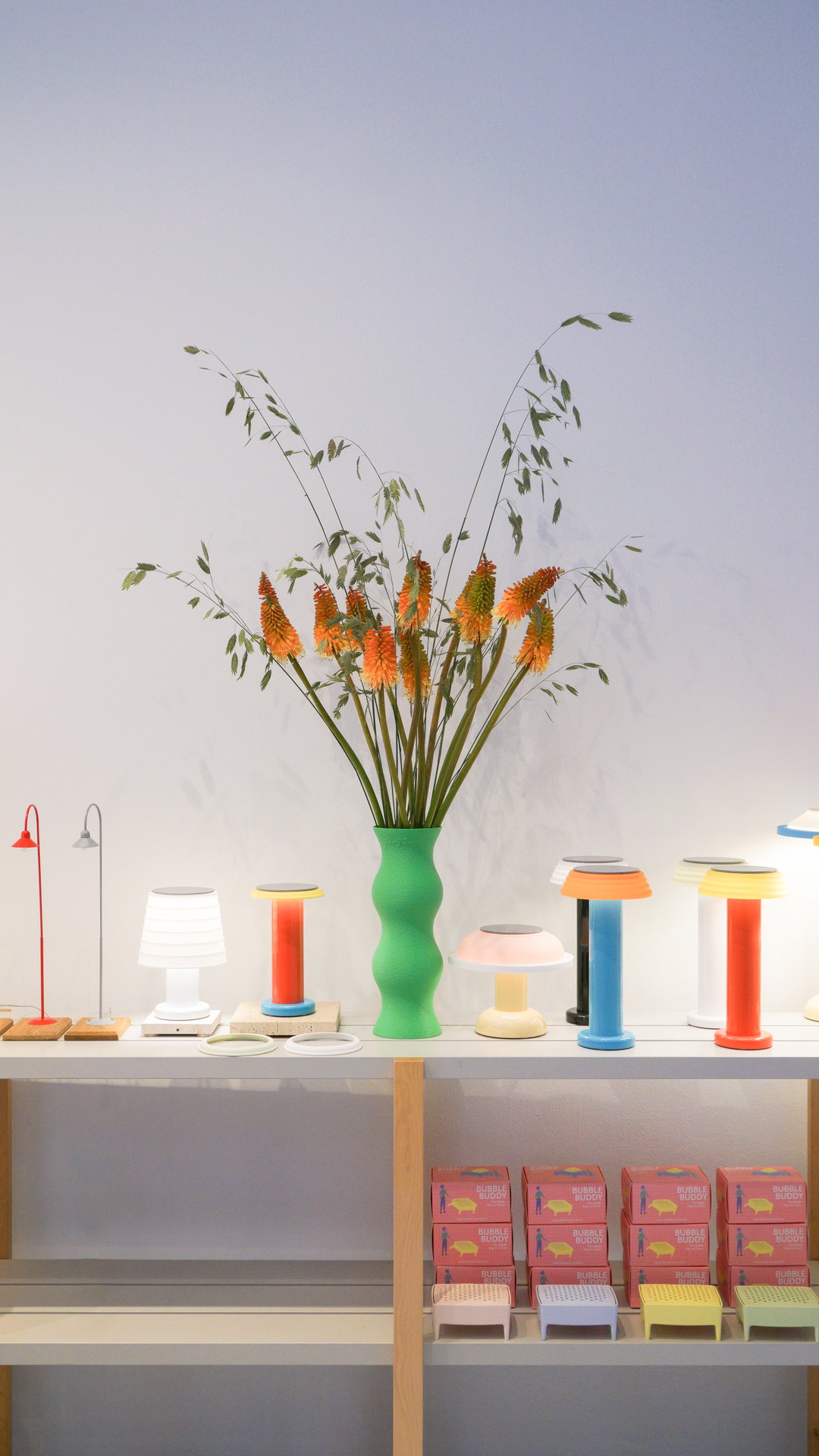
Studio Yono, an art, design and interior store founded by Kaia Nelk, a former investigative journalist for a Dutch late-night talk show host, fills the shop with creative brands you can’t yet find in Singapore, those she selects by asking herself “do I like it?” rather than “will it sell?” Stocking homeware, books, stationery and illustrated goods from the likes of the It’s Nice That favourites Limoo Park and Makitoy, Kaia also buys directly from the maker, cutting out the middle man and making sure the transaction is as fair as possible, building relationships along the way.
As with any good creative space, New Bahru houses a bookshop – but it’s not your average bookshop. Woods in the Books, run by husband and wife Sharon Ong and Mike Foo, specialises in picturebooks. Though it’s not just aimed at kids, but adults too. “I was collecting picture books long before the shop, and I began to understand how poetic and philosophical they are,” says Sharon. While she notes that it’s been hard to overcome preconceptions, response has been overwhelmingly positive, simply because how needed these books are in a time full of digital noise. Spending time in Woods in the Books has the calming effect of spending time with one of their books – the walls and windows are covered in Mike’s charming illustrations of characters and animals, which look like they’ve walked from the pages of a picturebook.
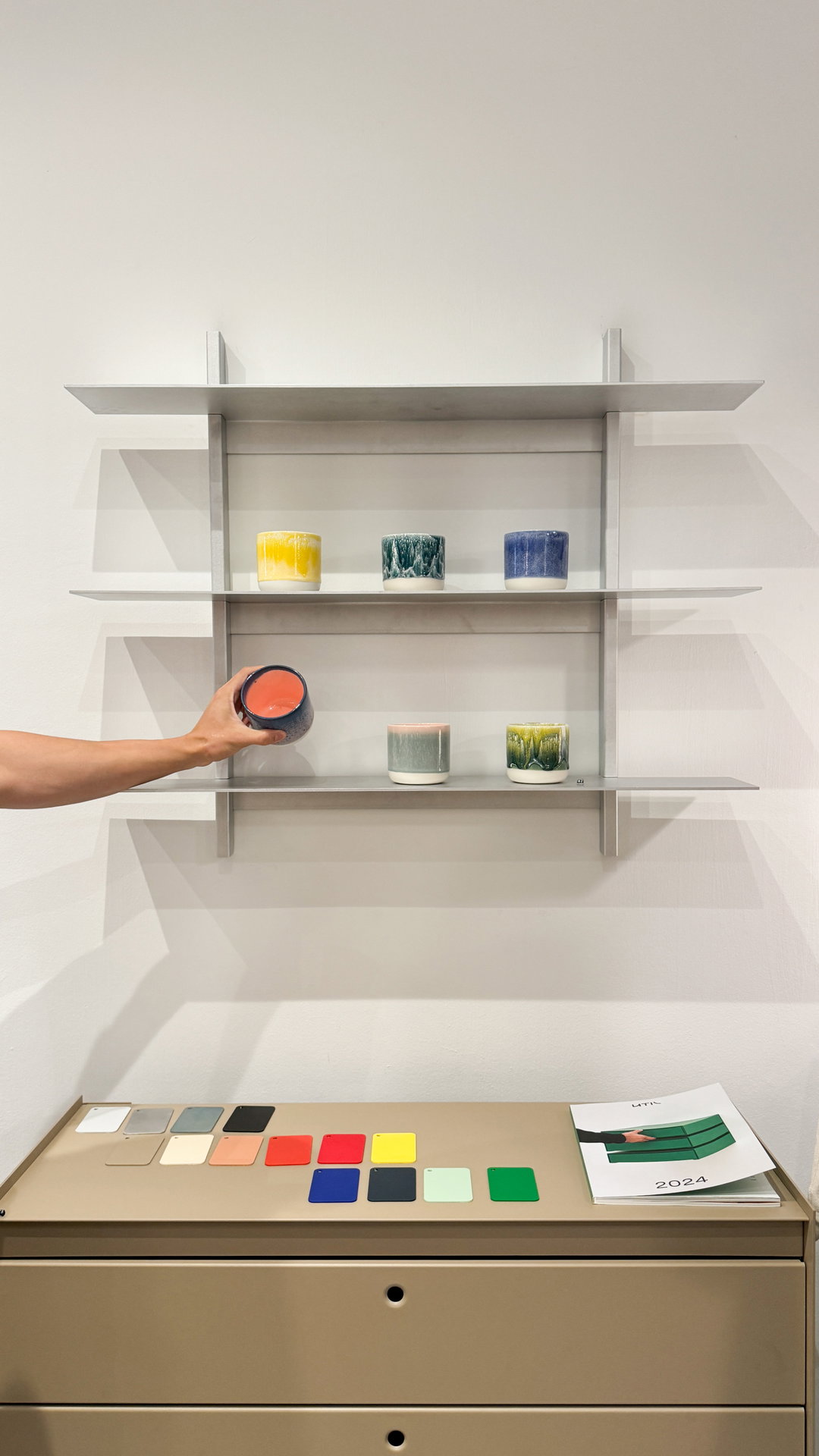
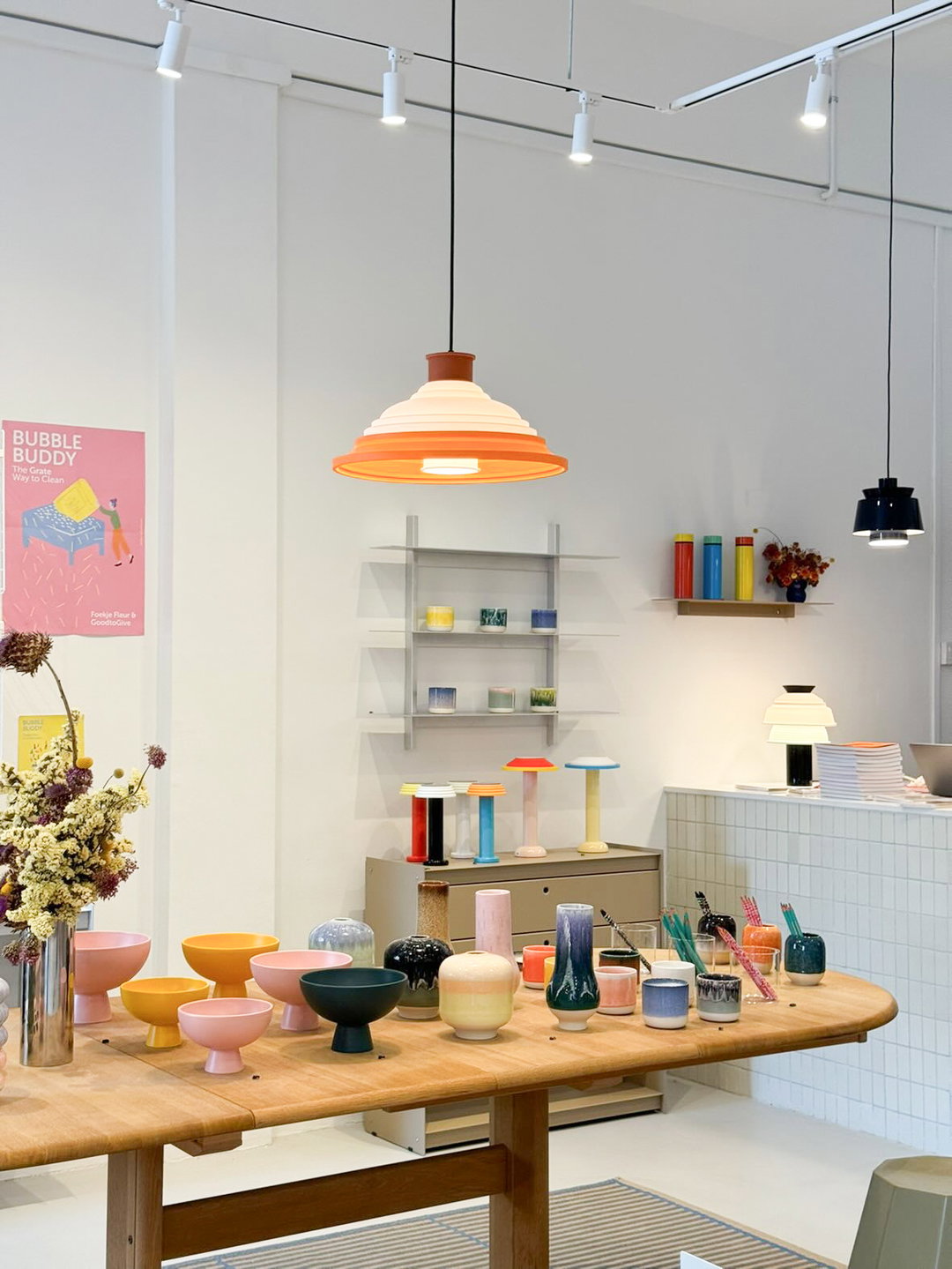
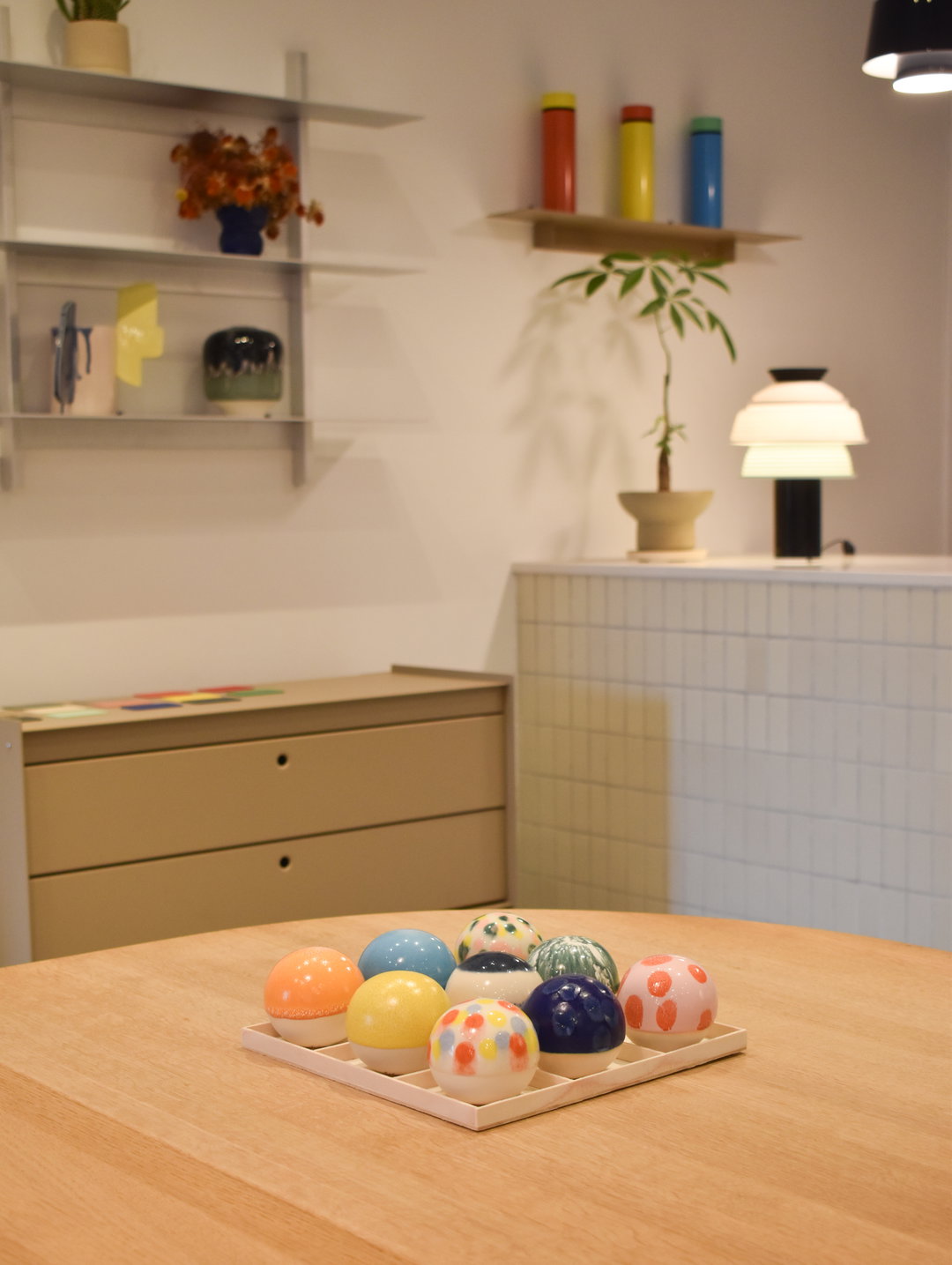
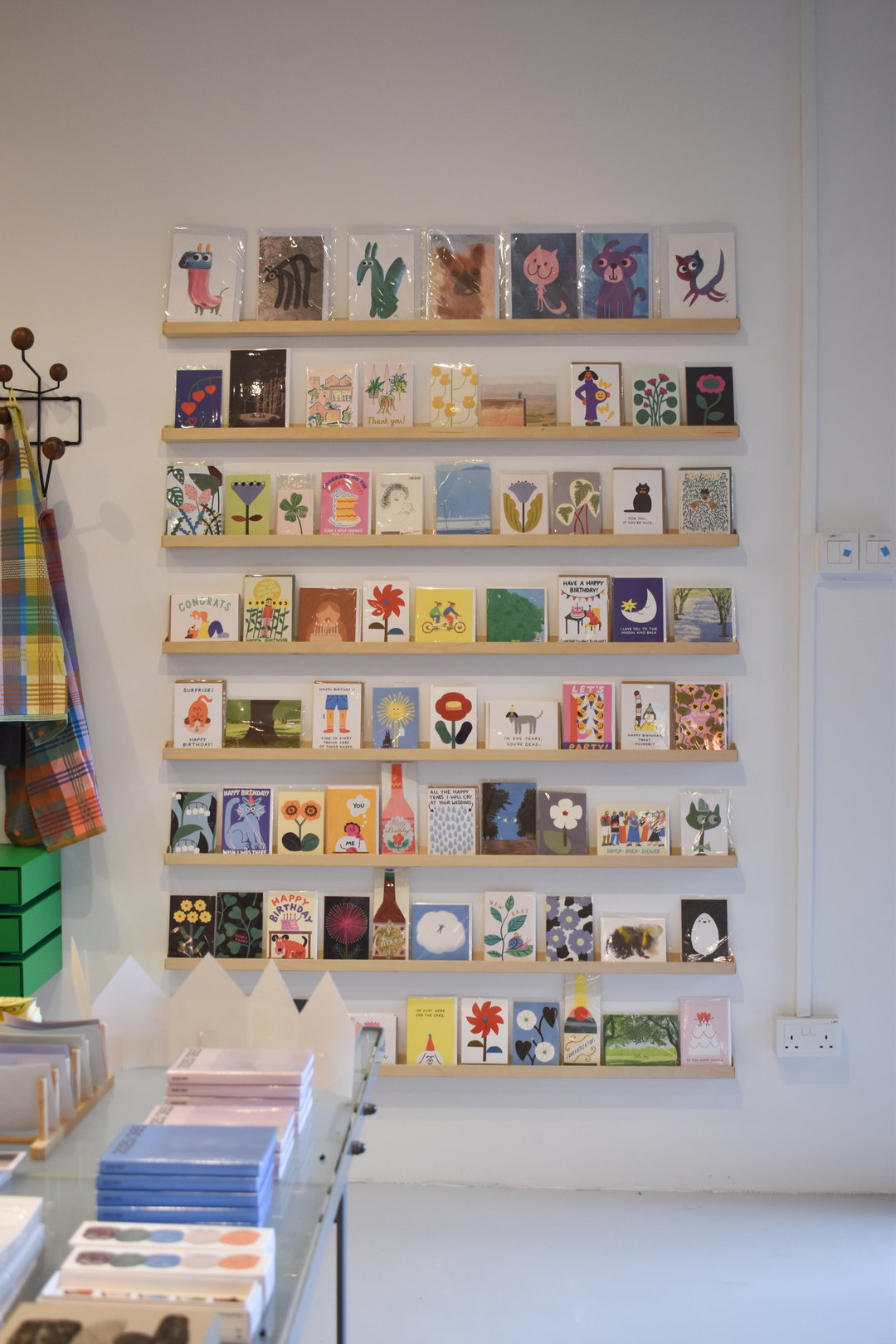
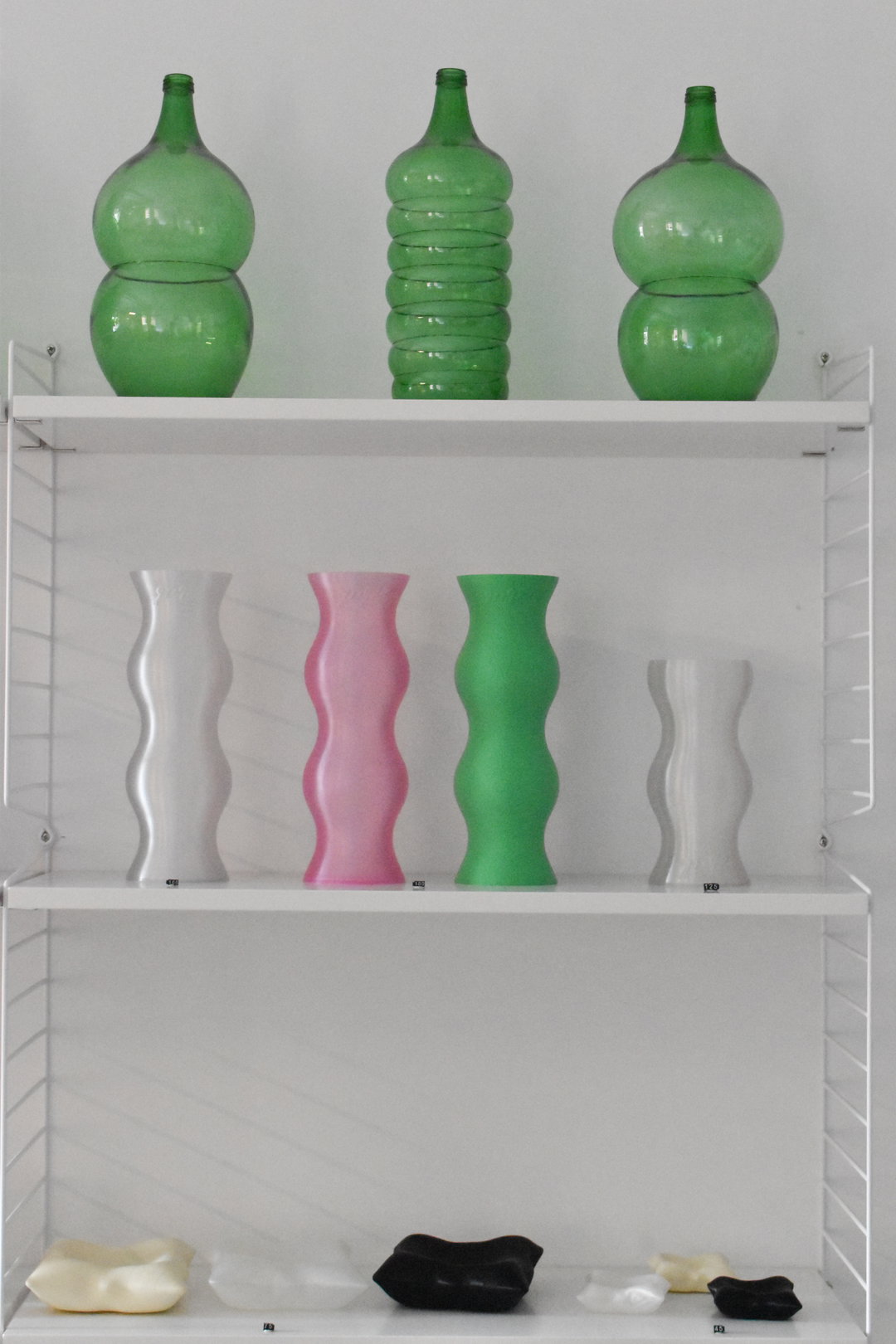
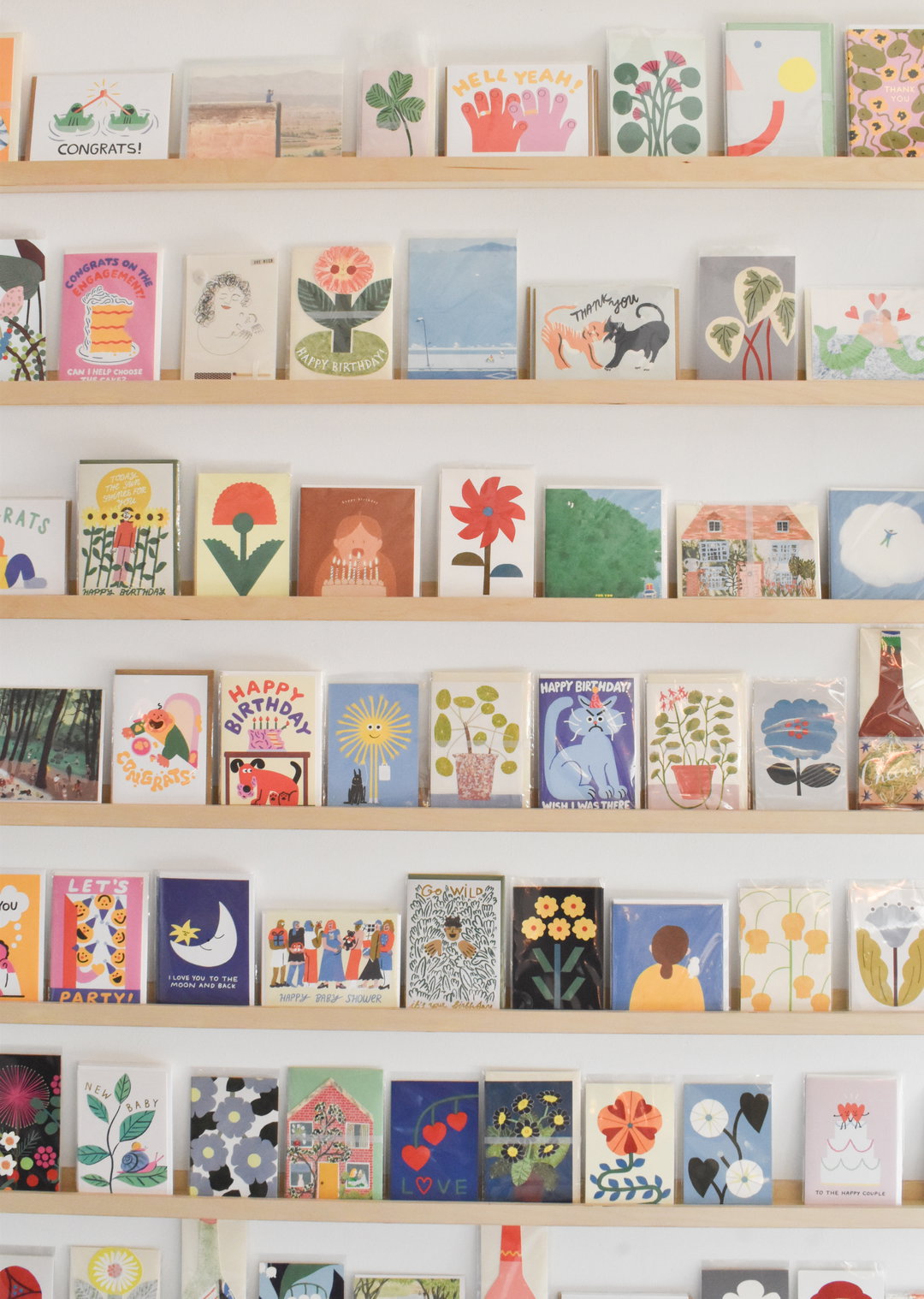
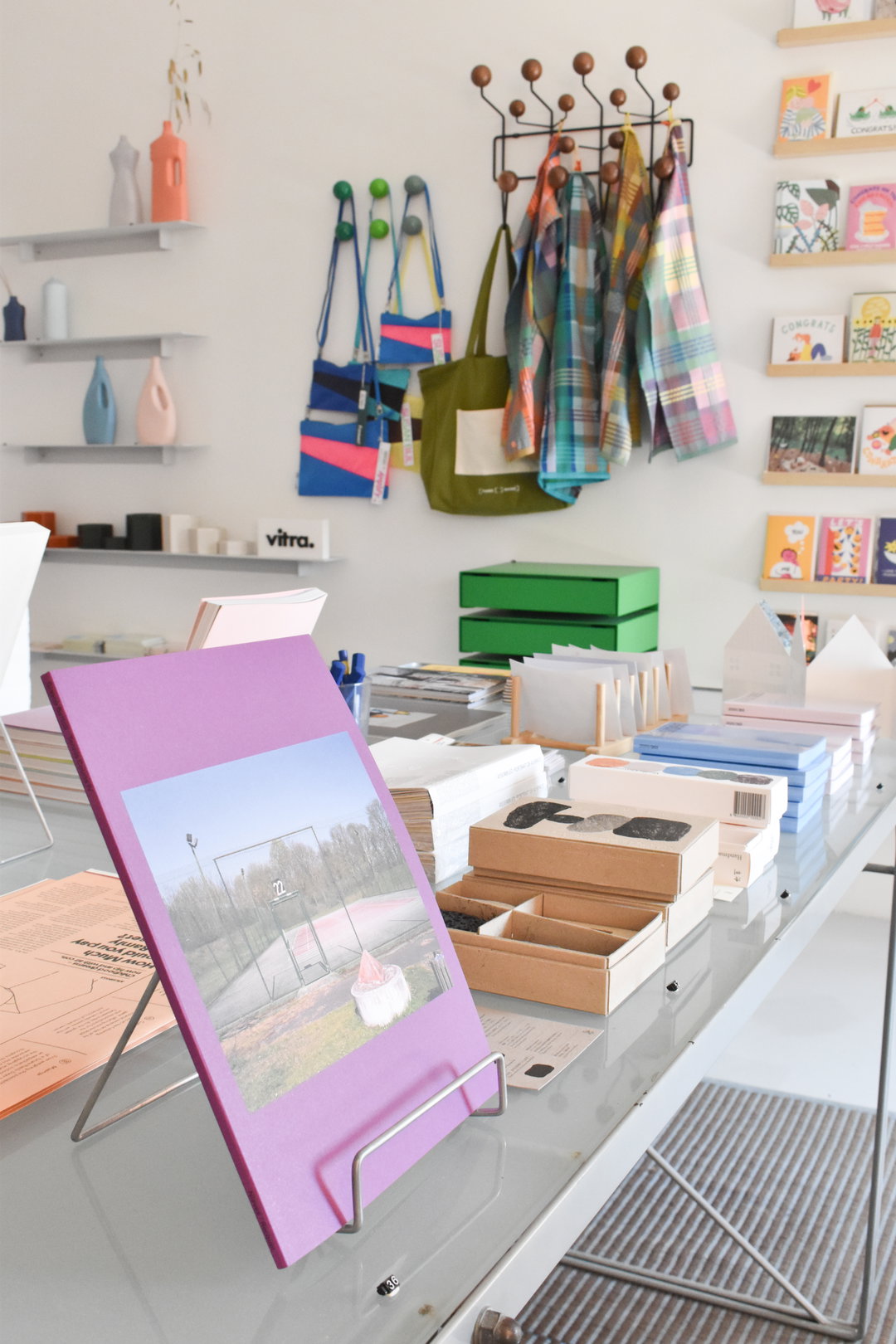
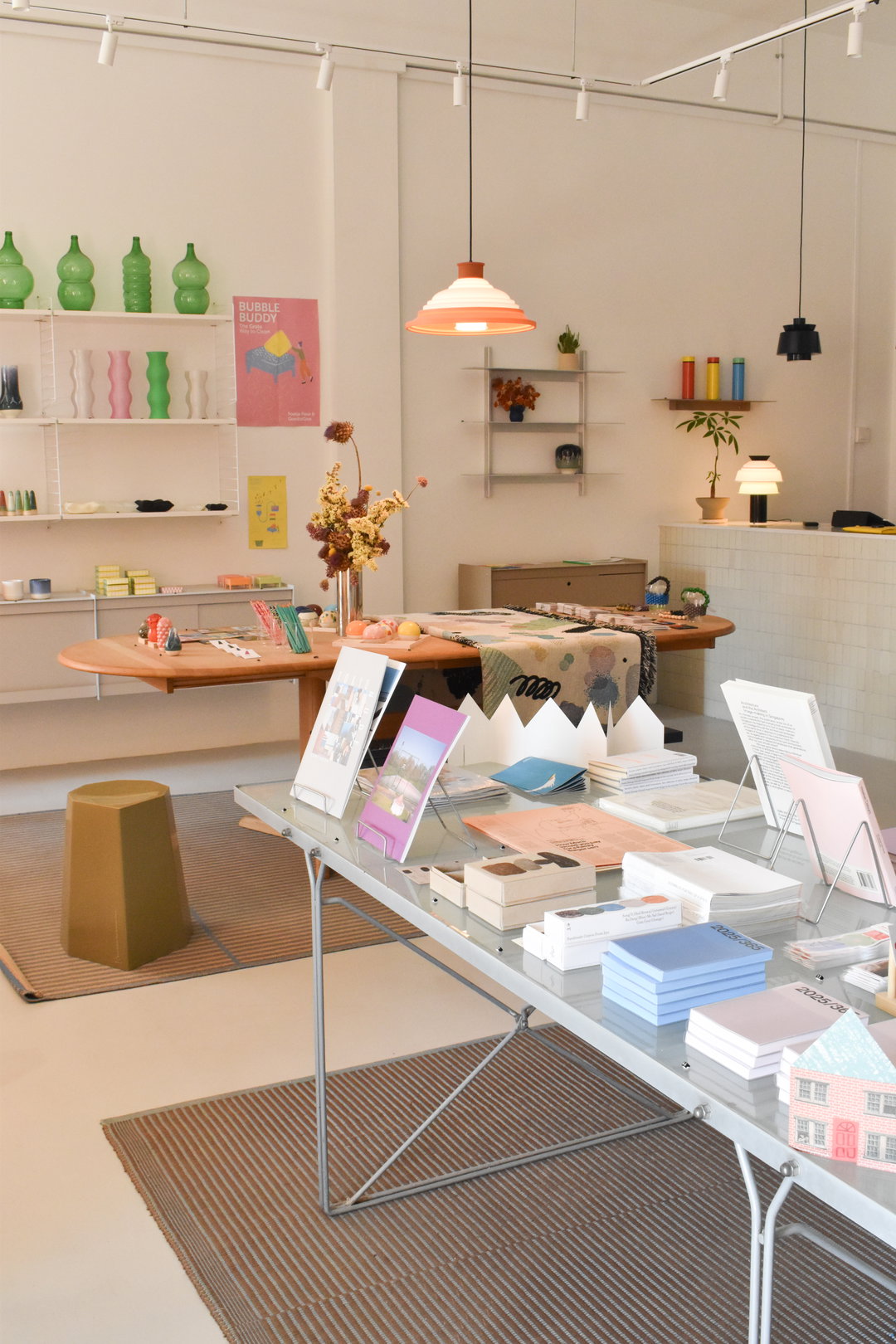
1 of 9
Studio Yono
1 of 9
Studio Yono
It’s not only the objects and wares within the shops that are nice to look at, but their interiors too. When it came to enlisting designers to envisage each unique unit, Teng and the team brought together ten of the most impressive studios working in Singapore to see the bare bones of the building, igniting a sense of intrigue and giving them the brief, tone and mission. What followed was what Teng describes as a “matchmaking” process: “putting the entrepreneurs with the right designers and supporting the ecosystem-building.”
One such studio was the London-based studio Nice Projects, founded by Simone McEwan and Sacha Leong, a Singaporean-born designer, which has worked with numerous of the New Bahru residents. Its work for Bar Bon Funk turns the cocktail bar into a cosy atmospheric place to have a post-work pick-me-up, warmly lit with illustrated lightboxes. Somma, meanwhile, a design-led pasta bar and formerly the school’s library, makes use of the towering ceilings with pared-back, lime-washed walls and 230 handmade tiles from Puglian ceramic artist Vincenzo Del Monaco. The Somma branding, by Lo & Behold’s in-house creative team, avoids cliches of Italian dining, instead opting for a system that prioritises texture, resulting in a satisfying wordmark that balances curves with jaunts and evokes arches and windows. If you order a Somma ice lolly you might just find said wordmark satisfyingly stamped on its surface.
Meanwhile, Nice Projects’ work on the Malaysian eatery Coconut Club sees the incorporation of Southeast Asian craft materials, such as rattan and bent bamboo, contrasted artfully with the more industrial palettes of stainless steel and glazed breeze blocks. This prioritisation of the handmade extends into Parable studio’s work on the gelato spot Parlour, a small space brought to life with handmade ceramic tiles detailing flavours (which double up to look like delicious biscuits), a rippled, hand moulded tiled fronting and Gaudi-inspired stained glass windows. A compact space to stand in awe as you demolish a cool treat made for the Singapore heat.
The beating heart of New Bahru, however, is its largest space: the old school hall. It was the lucky people at Open Studio, the interior architecture design studio founded by Lam Jun Nan and Jax Tan, who were brought on to reinvigorate the space. Lam describes the initial brief – “to restore a building to its former glory” – as one of “the most interesting” they’d ever encountered. “You can’t find a building in Singapore that looks like this,” summarises Jax. “It’s much more charming.”
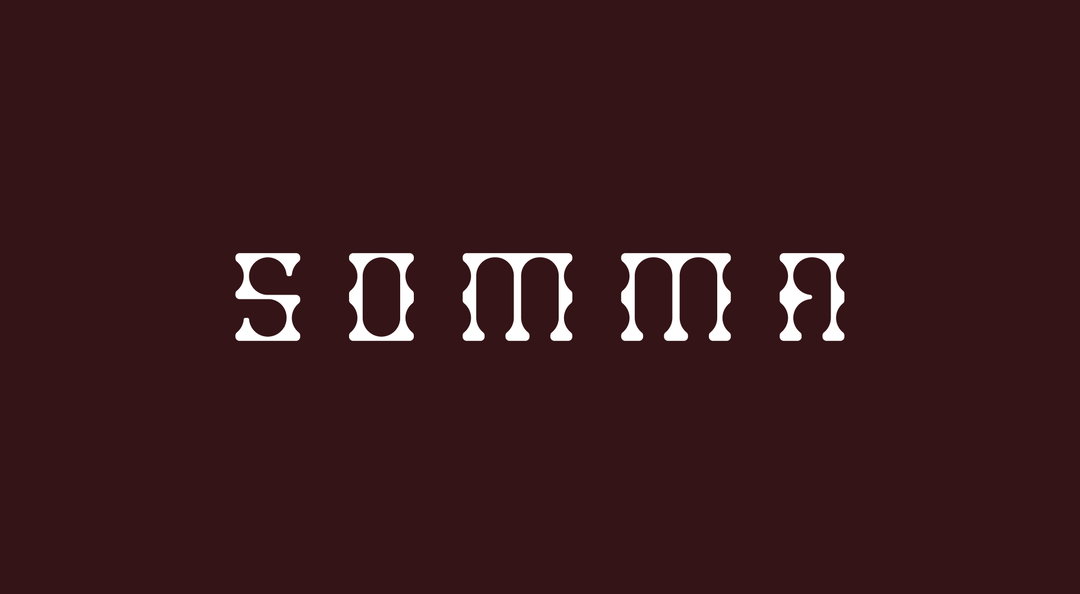
Somma Branding
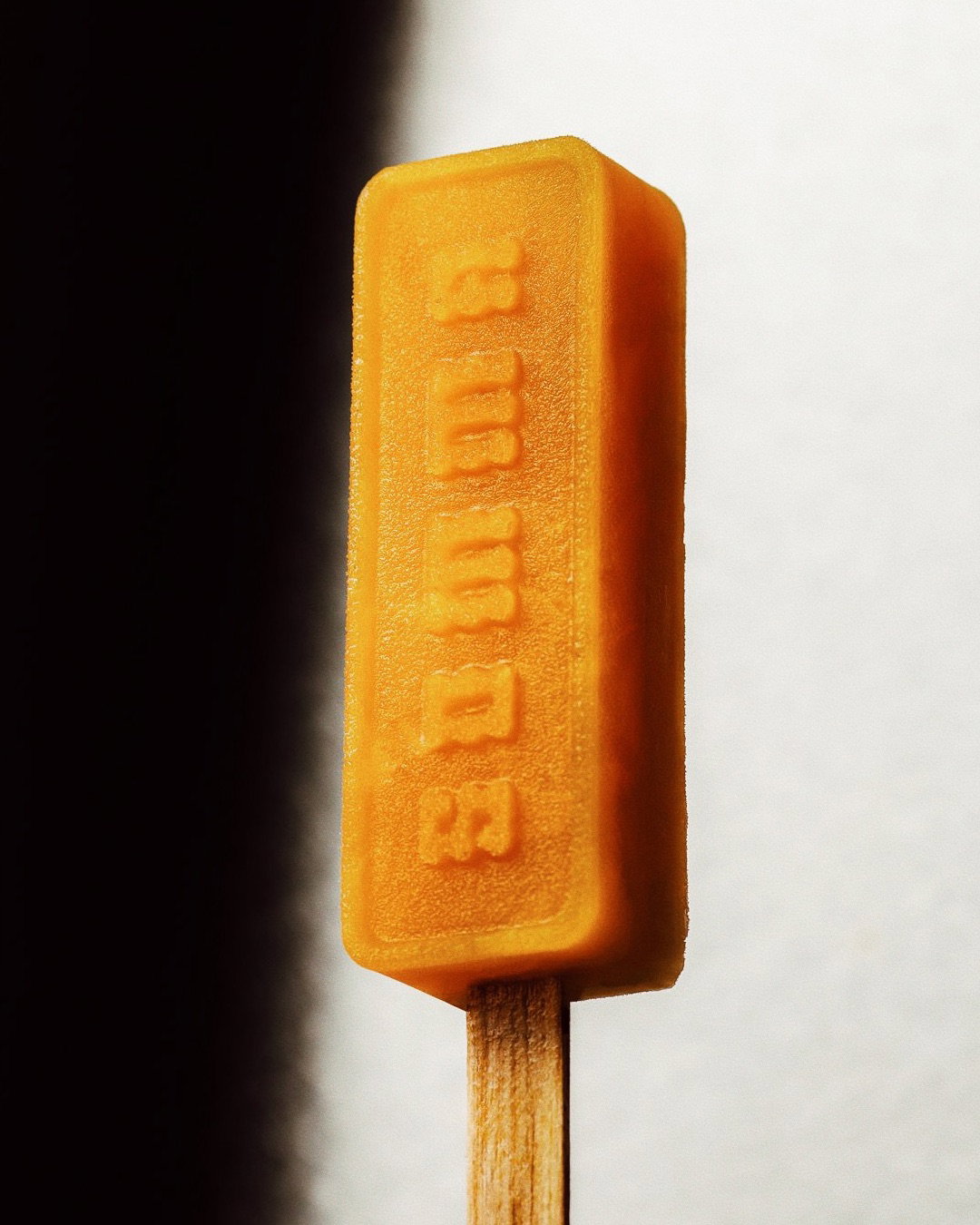
Somma Branding
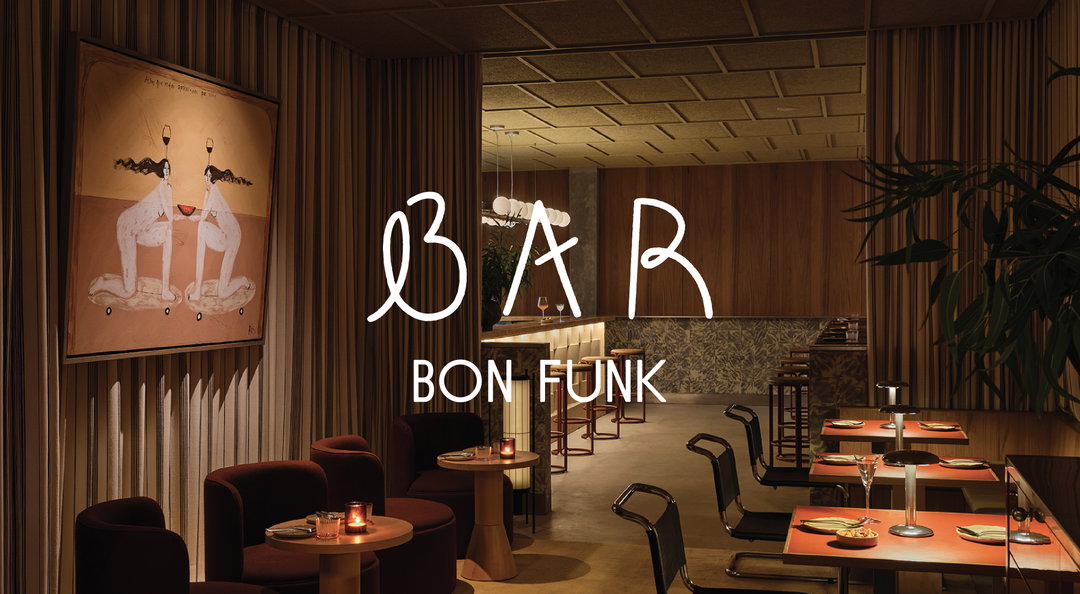
Bar Bon Funk Branding
“You can’t find a building in Singapore that looks like this. It’s much more charming.”
Jax Tan
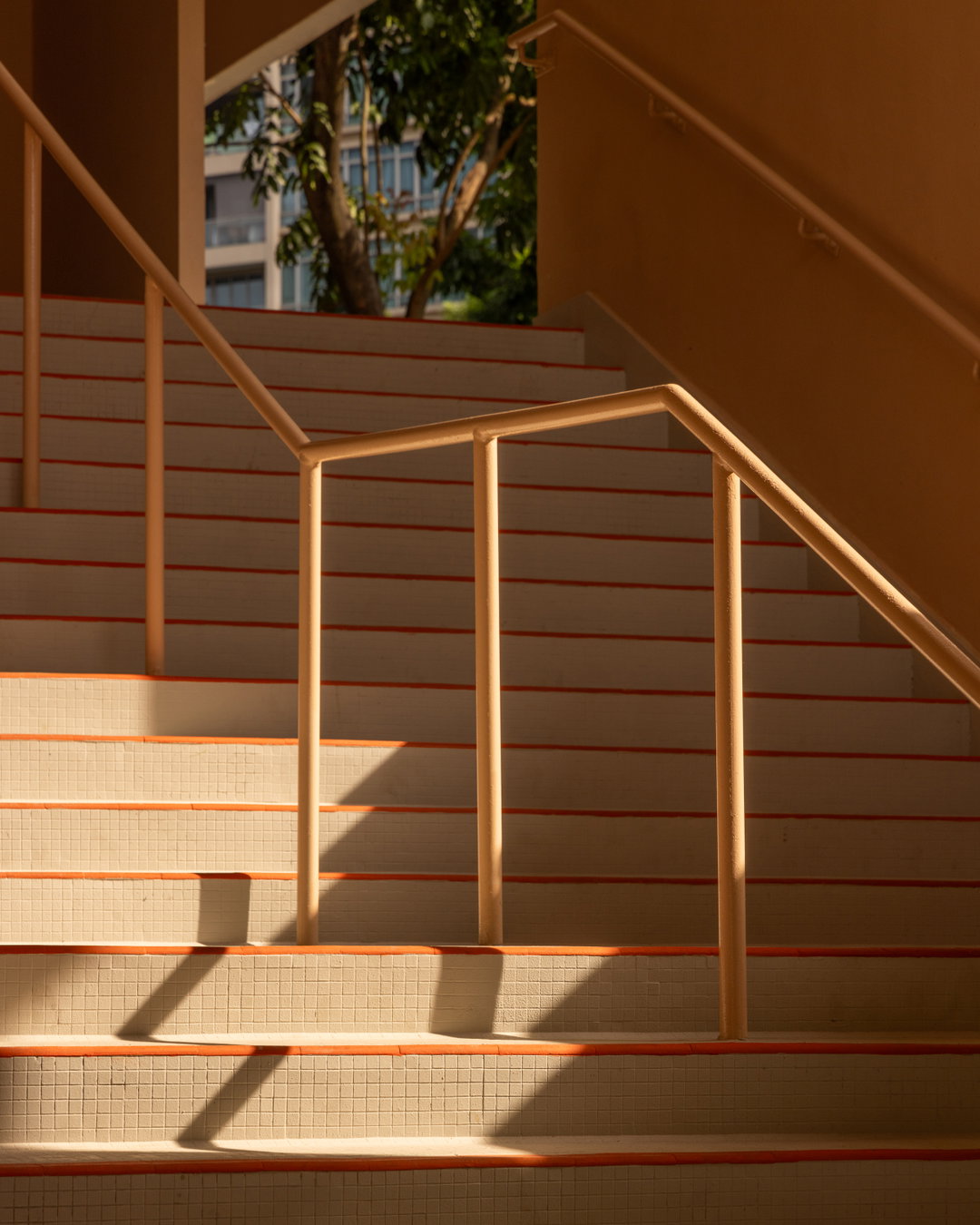
It began like any sound restorative architecture project – digging into archival material they could find, like official documents from its first construction (within which they discovered many references to Le Corbusier), as well as some more off-piste sources: Facebook. Lam and Jax trawled the social media site for photos uploaded by past students to really get a sense of how the building was meant to be experienced. Leading with ‘restraint’ as their core concept, Open Studio’s approach was more about taking the building back in time, rather than propelling it into the future; they restored the hand-sound timber paneling, and exposed the pipes. Even when certain elements couldn’t be saved, it was considered how they could live on in some way; like the assembly chairs, a number of which were donated to a local furniture restorer, who also happened to be an alumni of the original school.
The light and airy hall is now a home to a whole host of events and activities, like In-Between – a three-day creative playground for art, design, sound and experimentation, with workshops from the likes of designer Claire Boon, activations with Chanel and other brands, as well as the extra-special ECA (Extra Curious Activities), a themed, design-led fair that focuses on Singaporean makers and independent brands across publishing, jewellery and more from Singapore.
Devised by Wander Wander, a creative consultancy rethinking how the country engages with retail and culture, and founded by Esther Teo, the idea for ECA was first sparked in Esther on a trip to London’s Borough Market, a space she was both pleased and surprised to see so booming, despite the rapid rise of eCommerce worldwide. It was here that Esther realised that: “I barely bought anything from my own country,” she tells It’s Nice That, and, much like Teng, she was on a mission to change that.

New Bahru
Esther describes Singapore as a place where people love to engage in a ‘sidequest’, a space for them to experiment with something different alongside their day-to-day job. And it’s true, numerous New Bahru residents are the result of career pivots; as mentioned, Studio Yono’s Kaia transitioned from investigative journalism to homeware; the plantshop Soilboy was born after founder Ivan, previously a graphic designer, was gifted his first plant by his girlfriend over the Covid pandemic. While Su Mei Ho, founder of Sea Apple kids store, came from the civil service, and Priscilla Tan, former marketer at a bank, created Sojao, a company stocking beautiful bedding. What Esther realised during her ideation was that there wasn’t a more informal, relaxed space for people to sell their crafts, interact with fellow makers and new potential customers, and so ECA was born. The ability for the fair to morph, grow and exist in any space is supported by more brilliant work from Open Studio, who designed pop-up stalls for the makers, inspired by Eames House of Cards, which slot together and are easily packed away, sustainable, and, not to mention, beautiful to look at.
For those who know London well, New Bahru might be best described as Kings Cross’ Coal Drops Yard, if only it lived inside the Barbican and was painted a lush terracotta pink. As any seasoned creative will likely understand, this specific shade of pink was debated, painstakingly pored over and in competition was another 14 possible pinks, some barely different in hue (but if you know, you know). The vast majority of the creative work was masterminded by an in-house creative team at The Lo & Behold Group, a decision made because as Teng says: “We wanted to create a journey, full of mini worlds, and this is something that would have been hard to outsource.”
“Art spaces should exist and thrive outside of galleries.”
Teng Wen Wee
It seems each visual choice has a story and ethos behind it: seeking neon signs made with original methods that hadn’t been used in 20 years; a handpainted mirror emblazoned with the text of a poem commissioned for New Bahru, written by the renowned Singaporean poet Pooja Nansi; lift shafts with gradients that mean the colour changes as you ascend or descend. Spend enough time walking around the building and you’ll realise you’re walking through a “living” photography exhibition, Now Now; which aligns with a core belief of Teng’s is that “art spaces should exist and thrive outside of galleries.” Curated by the artist Dawn Ng, the exhibit of six striking billboard-size images from local Singaporean photographers, Jovian Lim, Sean Lee, Lavender Chang, Khoogj, Liu Lilling and Akai Chew, asks how artworks can interact and exist in conversation with the built environment.
If you ask Ester Poh, creative lead at The Lo & Behold Group what her favourite element of the whole creative vision is, it’s actually something most people will likely overlook, and quite literally, walk all over – the zebra crossing. Featuring the logo and an uneven pattern, akin to broken piano keys, it’s a detail that, when you recognise it, it brings a moment of unexpected joy, and it’s proof of how much thought and design seeps into every nook and cranny of New Bahru. But it wasn’t so easy to execute. Desperate to see how she and the team could “put graphics into space”, Esther searched high and low for a company that would bring her vision to life, but all refused. Until, she remembered a friend she’d gone to high school with, who now worked in roadworks – he rose to the occasion and completed what he referred to as the hardest job he’d done in 15 years. Now, Esther says, “whenever I walk past, I just feel such love for my friend.”
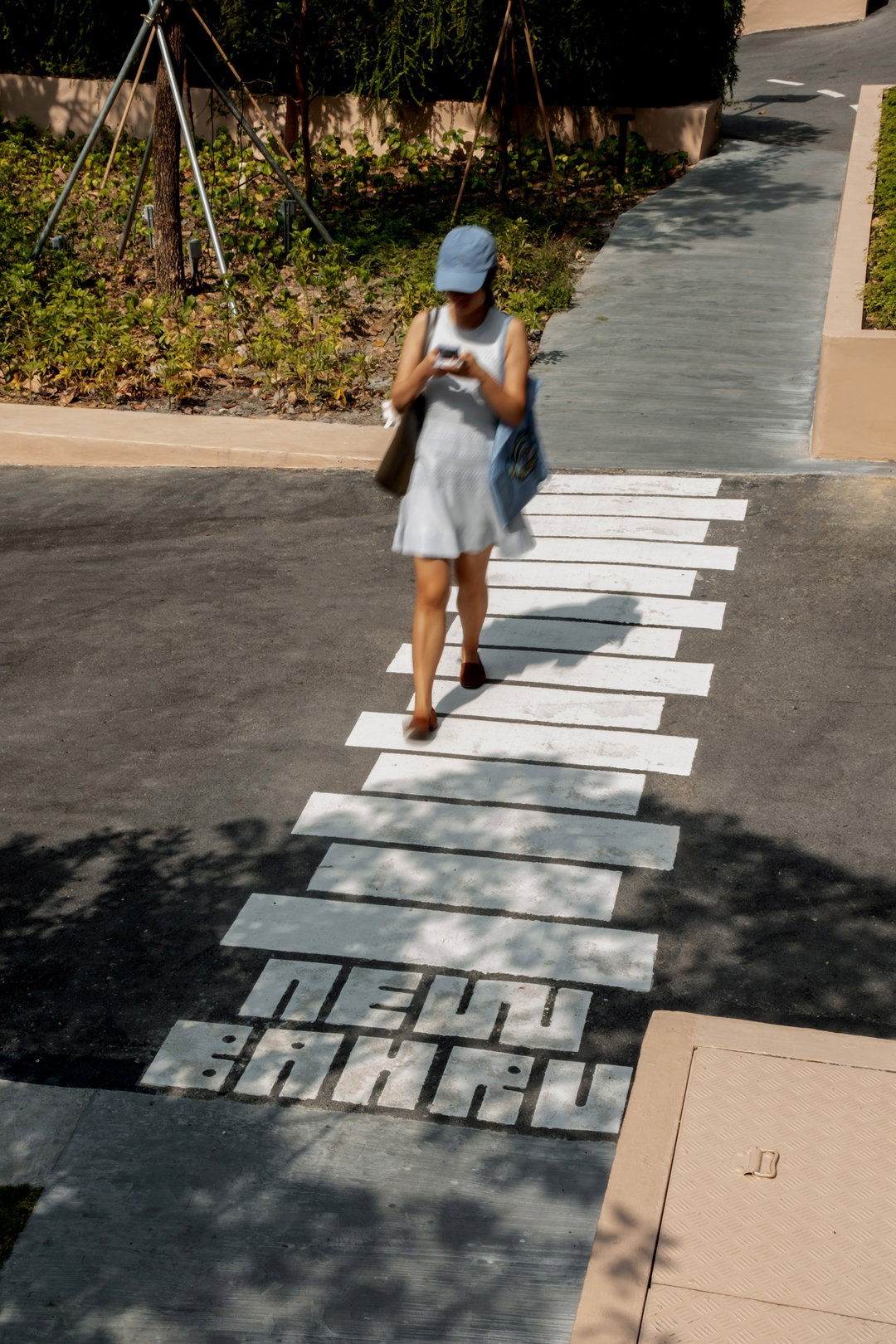
New Bahru (Copyright © Finbarr Fallon)
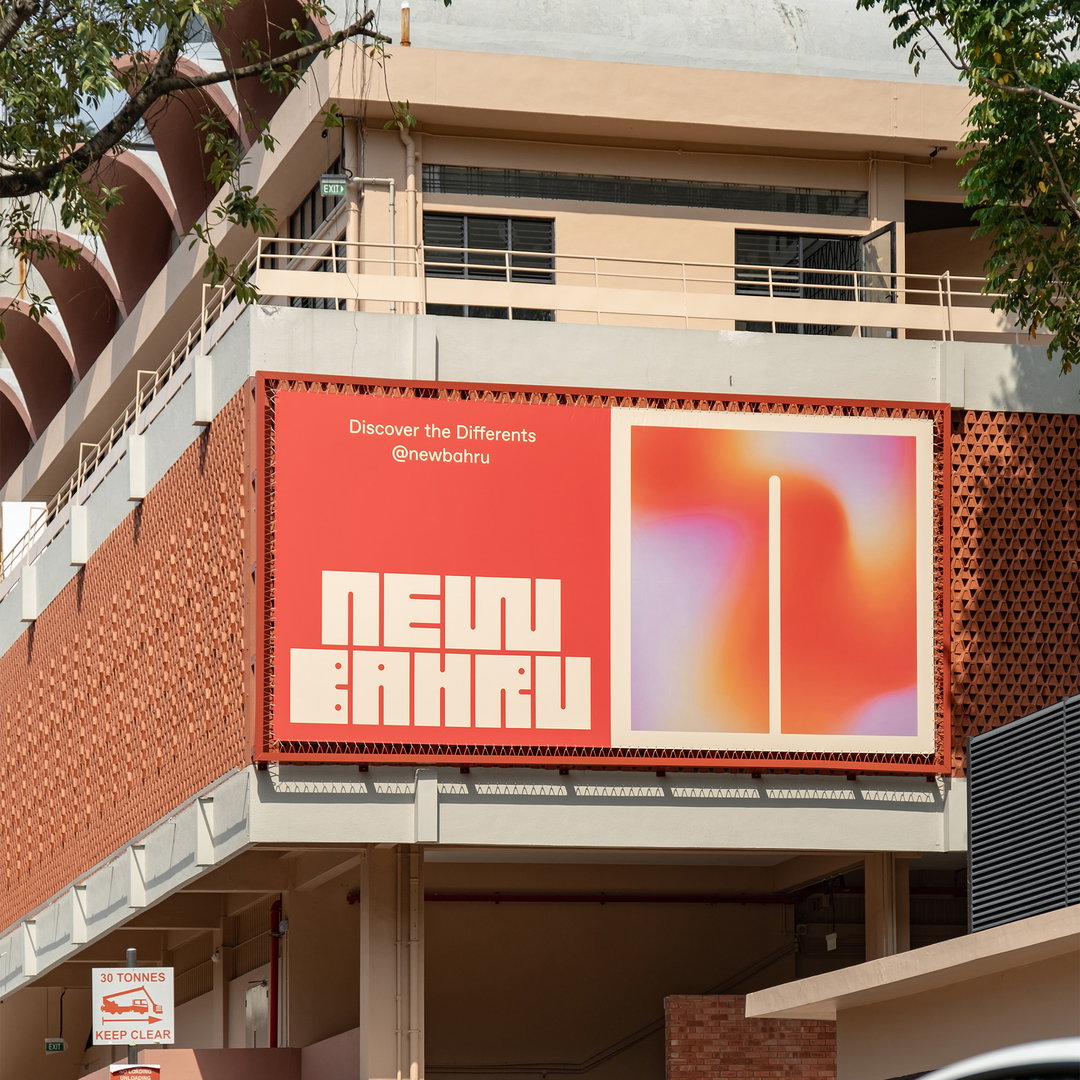
New Bahru branding
This sense of serendipity and following an instinct extends into so much of the story of the logo and broader branding. Esther had always loved the work of Portland-based studio Omfg.co, and had closely followed their work for ten years. Trying her luck, she simply sent them a cold email seeing if they’d be interested in designing New Bahru’s identity – they jumped at the opportunity, creating a wordmark that draws on the blocky structure of the building when viewed from above, with Dinamo’s ABC Favorit bringing a slimmer contrast as a primary font.
For Esther, working on the New Bahru project has reaffirmed why she pursued a creative career. While many may see being an artist as an independent venture, rooted in solo success, for Esther it’s always been about collaboration, and helping others, as demonstrated in the in-house creative team she runs, to the gestures extended between companies that live within the building. Quite simply, she says: “It feels like going back to school!”
The New Bahru project is something that could only have been achieved in Singapore today: “This couldn’t have happened ten years ago because there wasn’t yet a creative community deep enough to support it. There simply weren’t enough designers, brands and creative businesses that could contribute to a project like this,” Teng outlines. Now, in this burgeoning and growing ecosystem in Singapore, practitioners are proving just how fruitful, sustaining and uniting a career in the arts can be. New Bahru provides not only a home for those creators and entrepreneurs to flourish, but for those adjacent, creatively minded people who want to immerse themselves in the arts, while supporting independent Singaporean makers in the process. And, in so thoughtfully considering every detail, small and large, of the building’s design, from graphic zebra crossings to billboard-sized photography exhibitions, New Bahru’s very structure pays homage to the creative community it aims to serve.
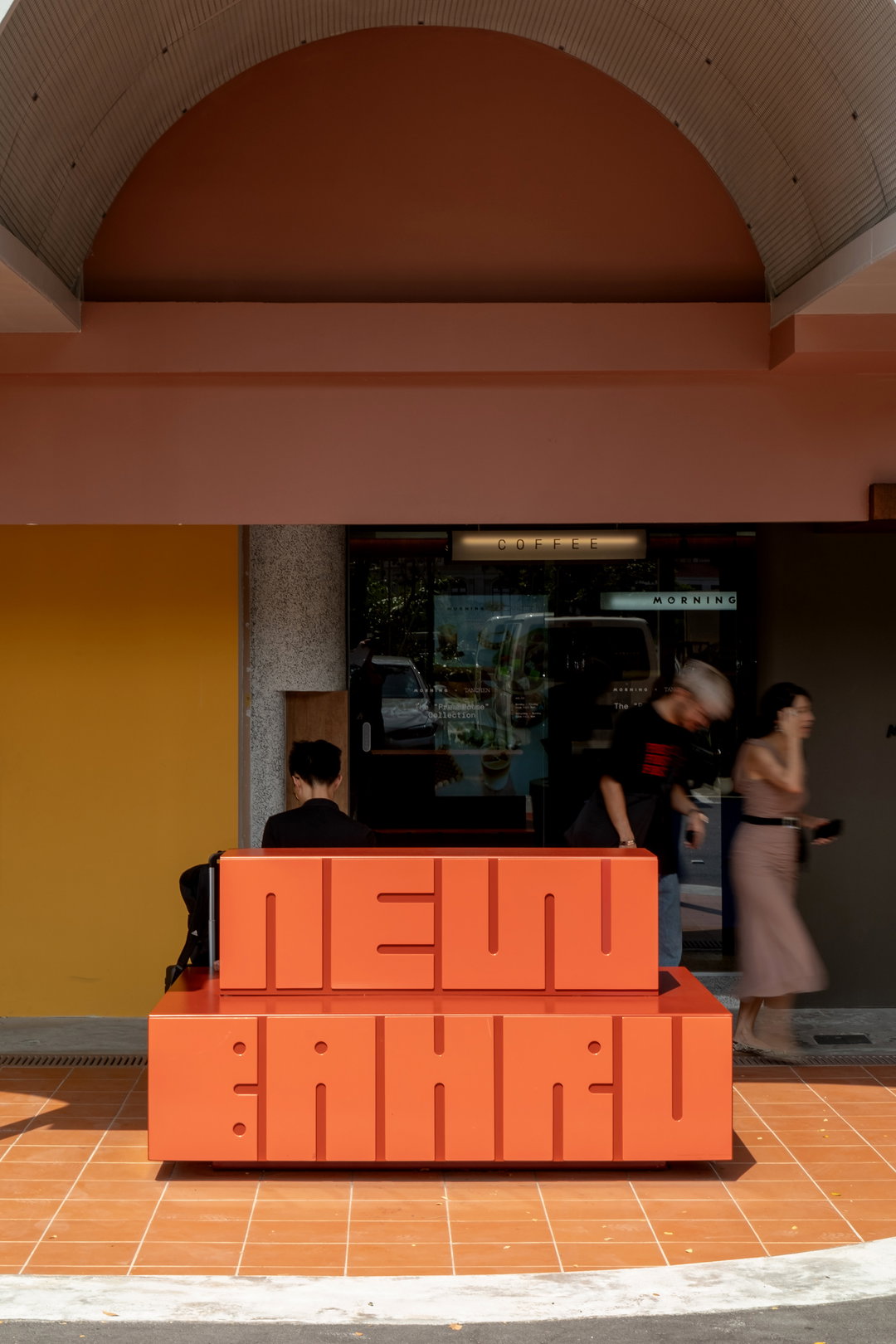
New Bahru (Copyright © Finbarr Fallon)
Hero Header
New Bahru (Copyright © Finbarr Fallon)
Share Article
Further Info
About the Author
—
This article was written by the It’s Nice That team. To find our editors and writers, please head over to our Contact page.