

- Words
- Rob Alderson
- —
- Date
- 19 August 2026
- Tags
4Creative’s Miketta Lane and David Wigglesworth on why the best creative work happens quickly
The leaders of Channel 4’s in-house agency share their approach to building momentum around ideas, working without a traditional hierarchy and making work that can cut through a noisy media landscape.
Share
Share
In House is a new column from It’s Nice That where we go inside the workings of major brands, agencies and companies shaping the future of the creative industry.
“No hierarchy – best idea wins.” That’s how 4Creative describes its culture, and it’s a philosophy that’s served them well.
It was set up in 2001 to promote Channel 4, the UK’s most relentlessly innovative TV channel, whose output ranges from drama, documentaries and the Paralympics to genre-defining shows like Gogglebox and Grand Designs.
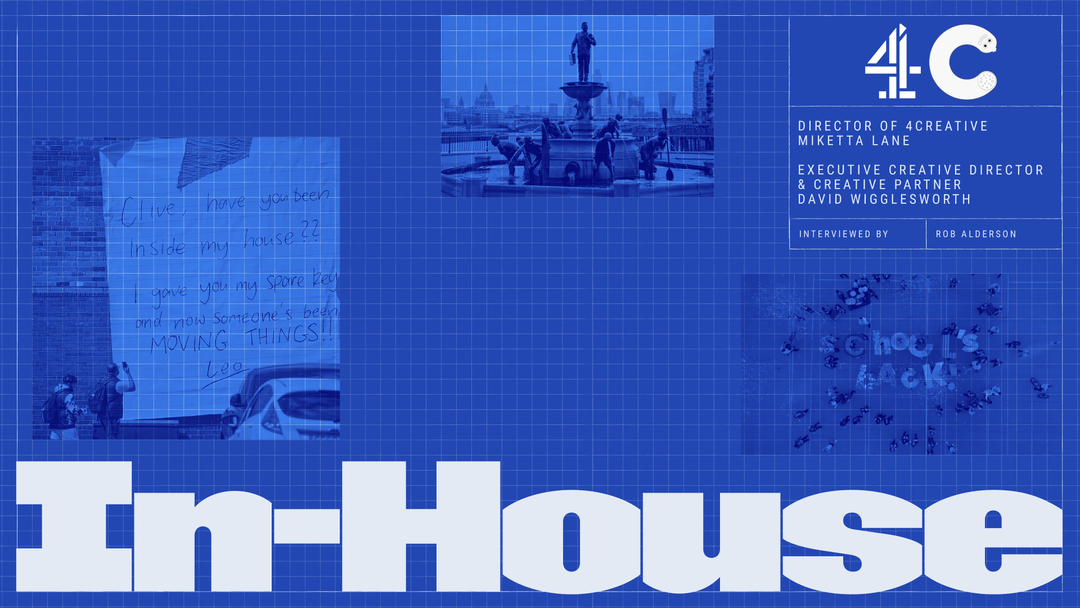
The in-house agency combines prodigious output with creative excellence – this year it built a horrific/terrific fountain of vomiting figures for an exposé on sewage in UK water, and hung huge hand-scrawled notes from end-of-terrace houses to promote the powerful Russell T Davies drama, Tip Toe. It also found time to rebrand 4Creative itself.
We sat down with director Miketta Lane, who first joined 4Creative in 2014, and executive creative director and creative partner David Wigglesworth, who joined in January 2025 after working in agencies like Droga5 and Grey London. We discussed making work people talk about, encouraging a vibrant ideas culture and why the best creative work happens quickly.
“If you walk around the building, you could grab anyone at random and be like, ‘Why Channel 4?’ and they’ll instantly tell you a story about a show that mattered to them.”
David Wigglesworth
Rob Alderson:
The media landscape is changing a lot at the moment – how is 4Creative helping Channel 4 navigate that?
Miketta Lane:
I think our role is more important than ever. Everyone talks about the noisy landscape, but we need to be heard, we need to be seen and we need to be distinctive. That’s where we come in – ideas are never more crucial than in times of challenge.
And it's not about just selling the shows anymore. It’s about Channel 4’s point of view.
RA:
What is that point of view?
ML:
We’re here to create change through entertainment. We represent modern Britain and we champion unheard voices.
DW:
Our brand line is, “Altogether different”. We put shows out that others wouldn’t, and we find stories from characters that are usually overlooked.
You notice straight away here that people really care about the brand. If you walk around the building, you could grab anyone at random and be like, “Why Channel 4?” and they’ll instantly tell you a story about a show that mattered to them.
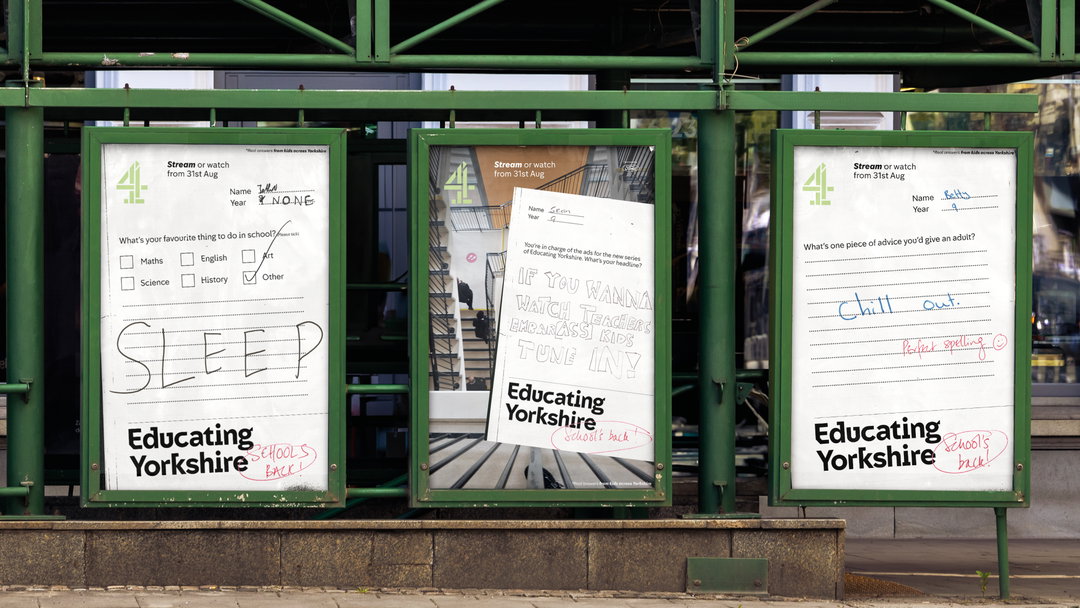
4Creative: Educating Yorkshire campaign (Copyright © Channel 4)
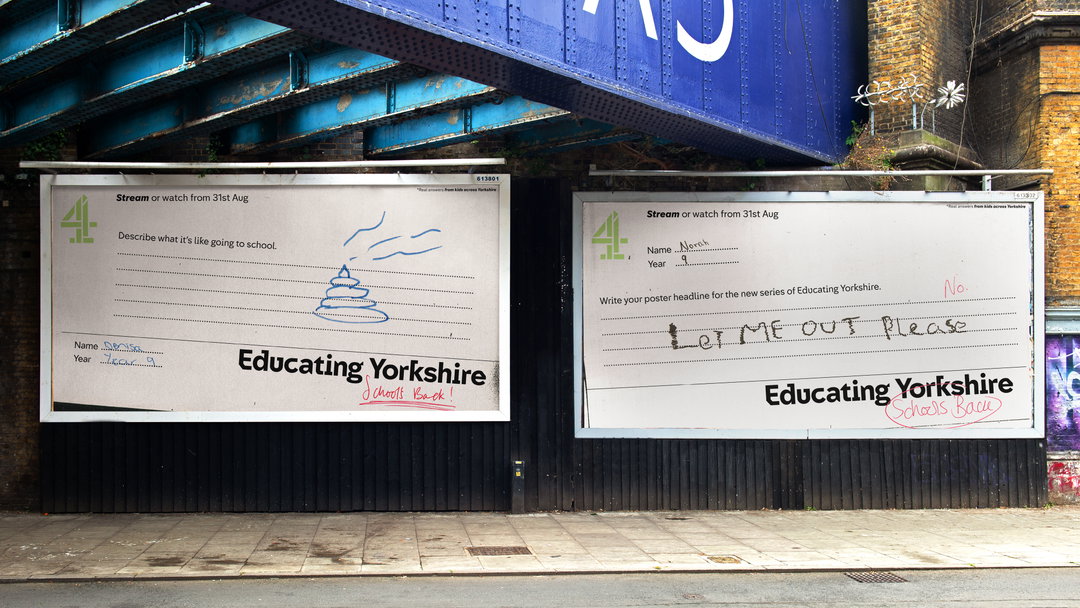
4Creative: Educating Yorkshire campaign (Copyright © Channel 4)
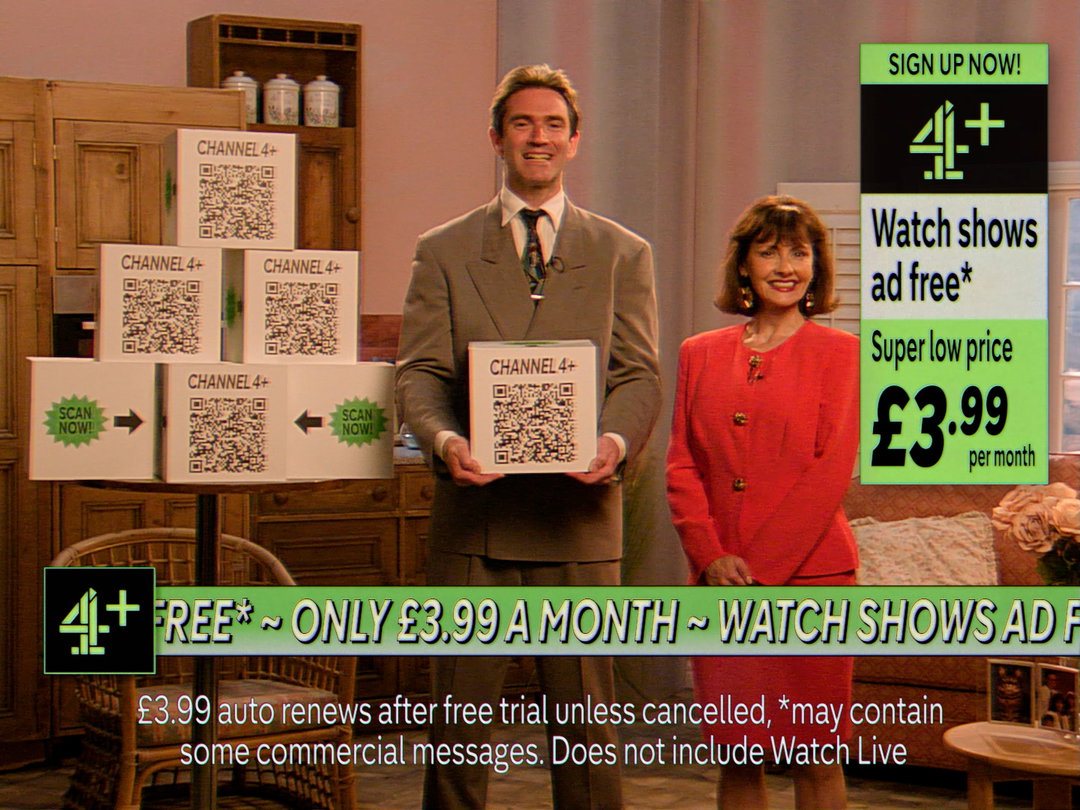
4Creative: C4+ campaign (Copyright © Channel 4)
RA:
Miketta, you have a long history at Channel 4, while David you joined last year. How do those differing relationships with the brand shape your dynamic?
ML:
I obviously carry quite a lot of institutional knowledge but it’s really important that people don’t become institutionalised. That can happen.
David brought such a fresh perspective. There is always a risk of doing things because it’s how we’ve always done things, and there are questions that we have probably stopped asking.
David asks those questions and sometimes I go, “Oh yeah, I don’t really know why we do that”.
As David said, there is a lot of emotional attachment to the brand in this building and there’s a risk that it stops us making certain decisions.
“I obviously carry quite a lot of institutional knowledge but it’s really important that people don’t become institutionalised. That can happen.”
Miketta Lane
RA:
What’s the biggest difference you found moving from agencies into an in-house role, David?
DW:
In the agency world, things move quite slowly. It feels like half the battles you’re having are within the building, just trying to protect the best work before it even gets to a client. By the time you get to the end of a project, it’s just a grind.
Coming into Channel 4, it’s like absolute crack for a creative. We need things to move fast because of the shape of the business. There are hard deadlines you have to hit because there are shows that are going out.
You need that creative mindset where you’re a yes person, and you’re happy to work fast and scrappy.
RA:
Does the fact that you’re an in-house creative agency for a creative company make your lives easier or harder?
ML:
Both. We never have to sell the importance of creativity. And we work with the most talented people – writers, commissioners, marketers and strategists. That’s brilliant, but everybody has a point of view.
DW:
Everyone has a lot of respect for what each other does. Channel 4 is big but it has a village feel, so it’s easy to get to know the characters in all the different departments.
For example, we’ve got great relationships with our commissioners. Oftentimes we’re having chats about things that aren’t even briefs yet, but they’ll be telling us stuff they’re excited about, and then we get excited too. It doesn’t feel like a client saying, “This is how we want it”.
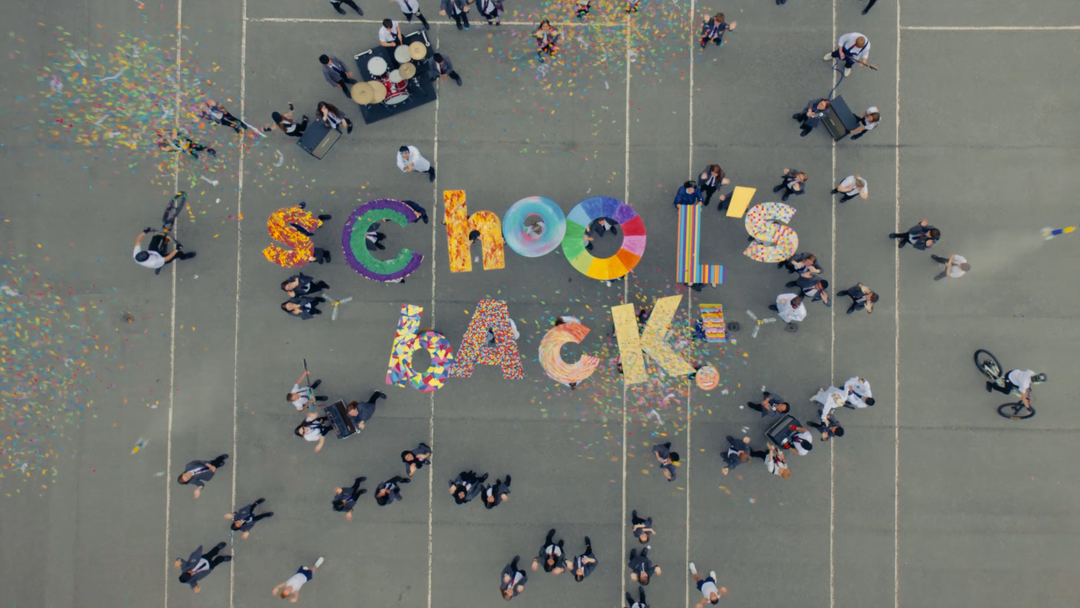
4Creative: Educating Yorkshire campaign (Copyright © Channel 4)
“When you get something that excites you, or scares you, the faster you act – to try and discover what it was that scared you or excited you – that’s the fastest way to get to good work.”
David Wigglesworth
RA:
So it’s not like you’re over to one side as the in-house agency – you’re very much part of the organisation?
ML:
Yeah, exactly. As part of our recent rebrand, we wanted to bring the Channel 4 identity back into our creative identity to show that we’re embedded within the brand.
RA:
What was the hardest thing about rebranding 4Creative?
DW:
It wasn’t hard at all. There wasn’t a brief. Our brand had existed as it was for about 10 years and one of the designers just took it upon himself to have a look at it. He was like, “Oh surely we can make this better?”
He pulled together a load of ideas in a deck and we were like, this is fucking sick. Why would we not do this? The best stuff comes when people feel empowered to come up with something like that.
RA:
Lots of creative teams say they want that culture, but it’s not always easy to build in practice.
ML:
When we do our annual planning, we make sure there is space for brand work. We always set aside time and a bit of budget, so people can play around and think a bit differently.
DW:
With the rebrand, we could have easily been like, "Dude, we’re too busy. We’ve got so much on”. But when you get excited by a creative idea, you have to show that, and you have to share that, to make your team feel that.
ML:
Then it’s our responsibility to protect the integrity of the idea. If you’re a creative and you come up with an idea, but it’s completely different when it goes out into the world, that’s quite disheartening.
DW:
That’s why Miketta and I always stay close to the work, to make sure that it goes out in its purest way possible.
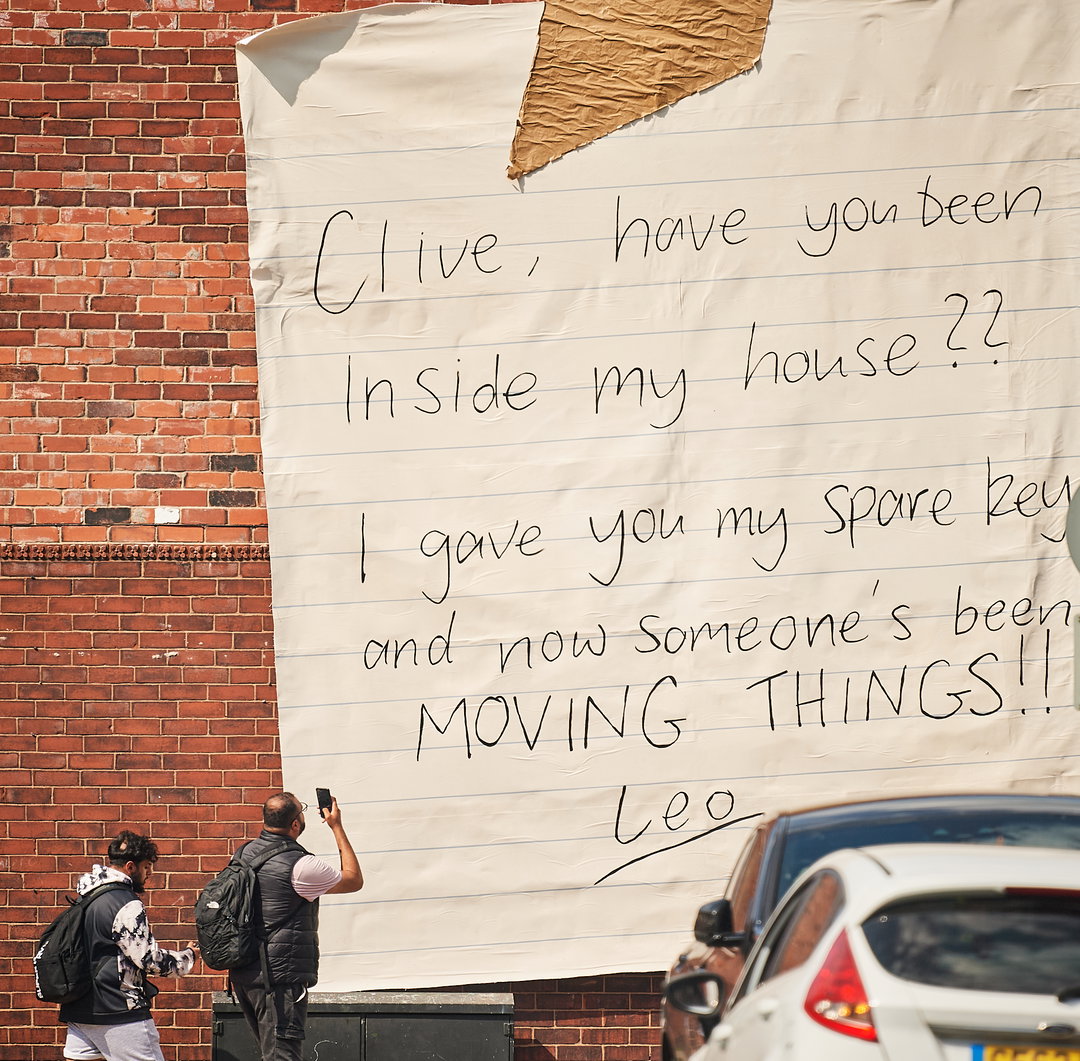
4Creative: Tip Toe campaign (Copyright © Channel 4)
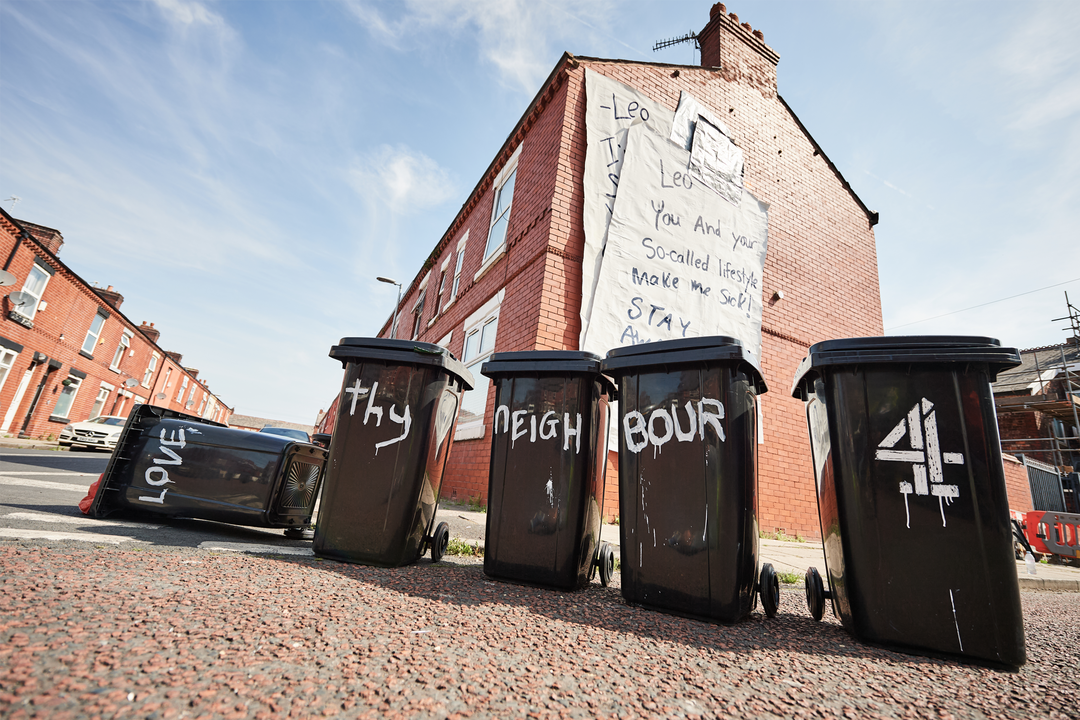
4Creative: Tip Toe campaign (Copyright © Channel 4)
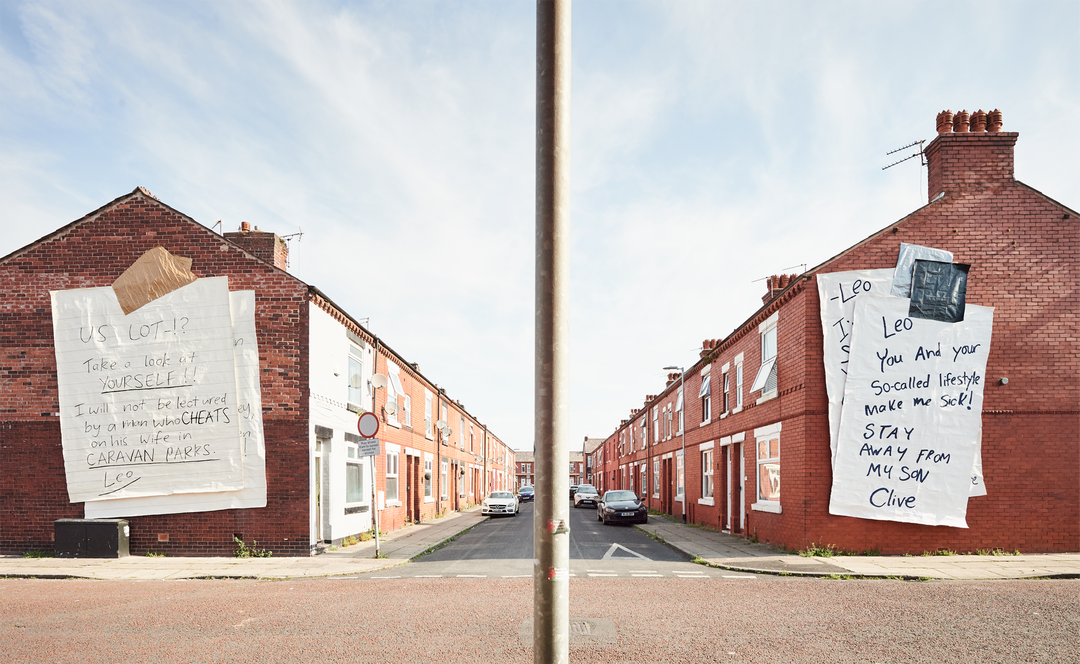
4Creative: Tip Toe campaign (Copyright © Channel 4)
RA:
How does a project like Fountain of Filth come to life? What’s the process?
ML:
We work closely with marketing and commissioning on the annual planning. We look at what’s coming up and discuss what we need to get behind from a viewer numbers perspective. And what do we want to get behind from a brand point of view? We make those decisions collectively.
DW:
Dirty Business was a really great documentary about the water crisis in Britain. Looking at it through the Channel 4 lens, you’re thinking, “How can we advertise this in a way that feels different? It’s not just going to be a TV advert that says, ‘This is bad’”.
We needed something that caused as much shock and awe as possible, because this is an important issue that affects everyone. So the brief was very simple – how can we make the public care about this subject as much as we do?
ML:
Our broader strategy this year is all around talkability – how do we get people talking about our shows?
RA:
And that led to the Fountain…
DW:
We kicked around loads of ideas, but we kept coming back to this idea of people vomiting filthy water – these beautiful statues doing something obscene. It made us feel something.
ML:
I also need to shout out our excellent production department. We all sit together – producers, creatives, designers – so when you’ve got an idea like that, they’re right there, helping us execute it.
RA:
And the execution there was crucial – it needed to be both beautiful and disgusting?
DW:
Because we’d locked into the idea early on, we had more time to think about things like the right balance between beauty and disgust. Those are all the fun questions.
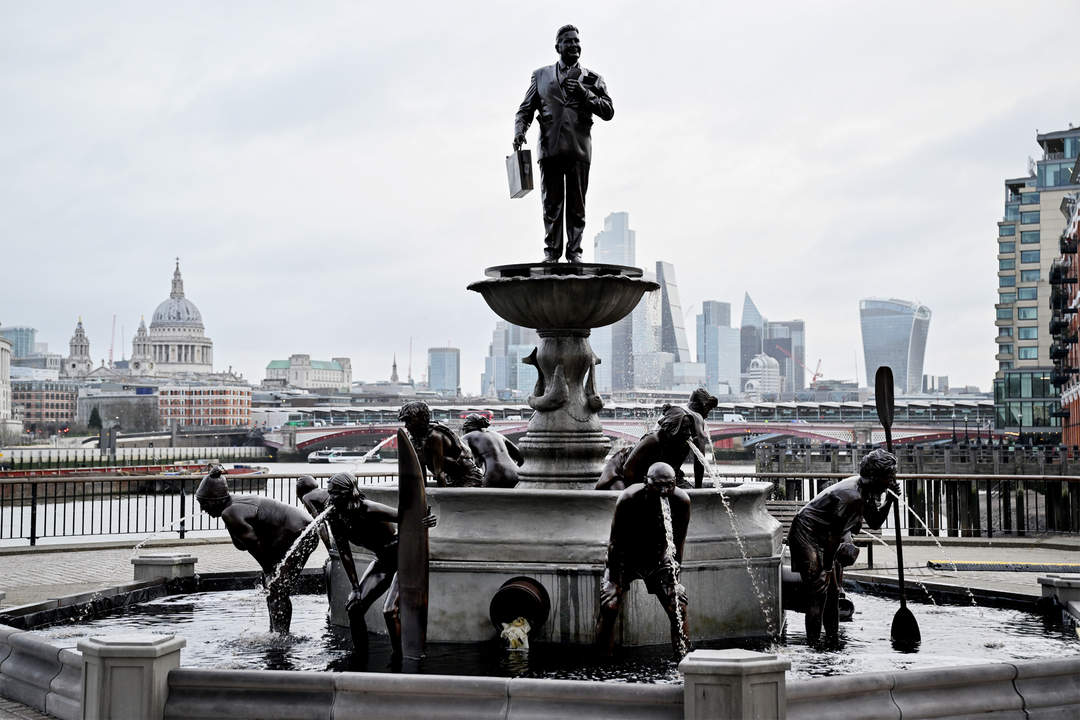
4Creative: Fountain of Filth campaign (Copyright © Channel 4)
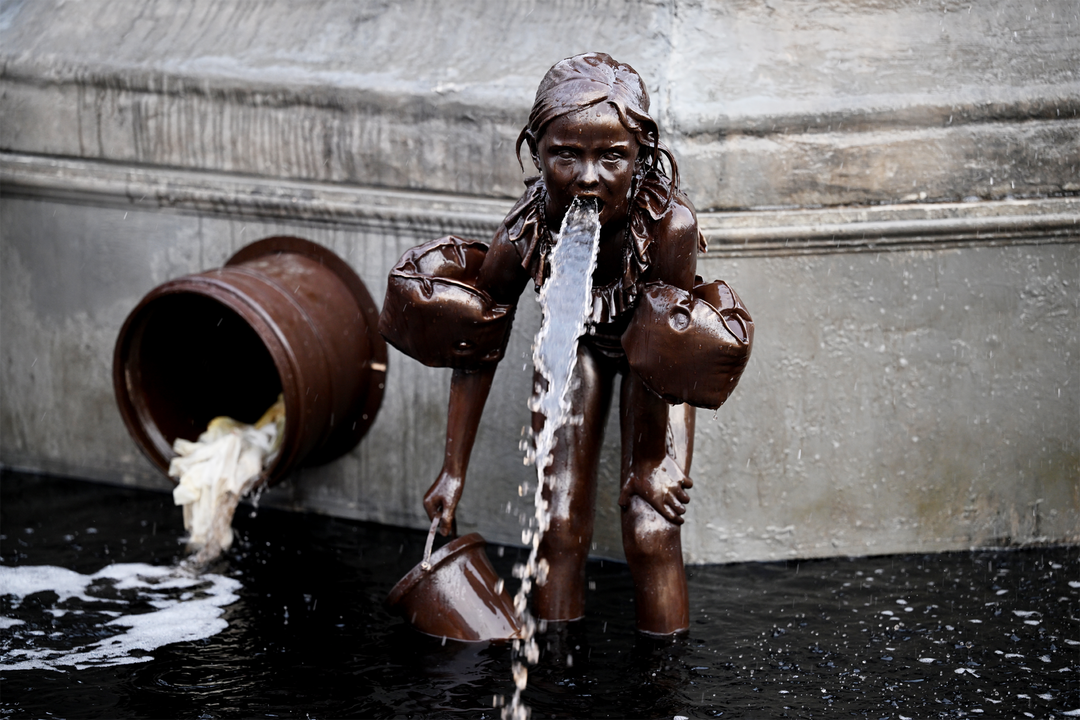
4Creative: Fountain of Filth campaign (Copyright © Channel 4)
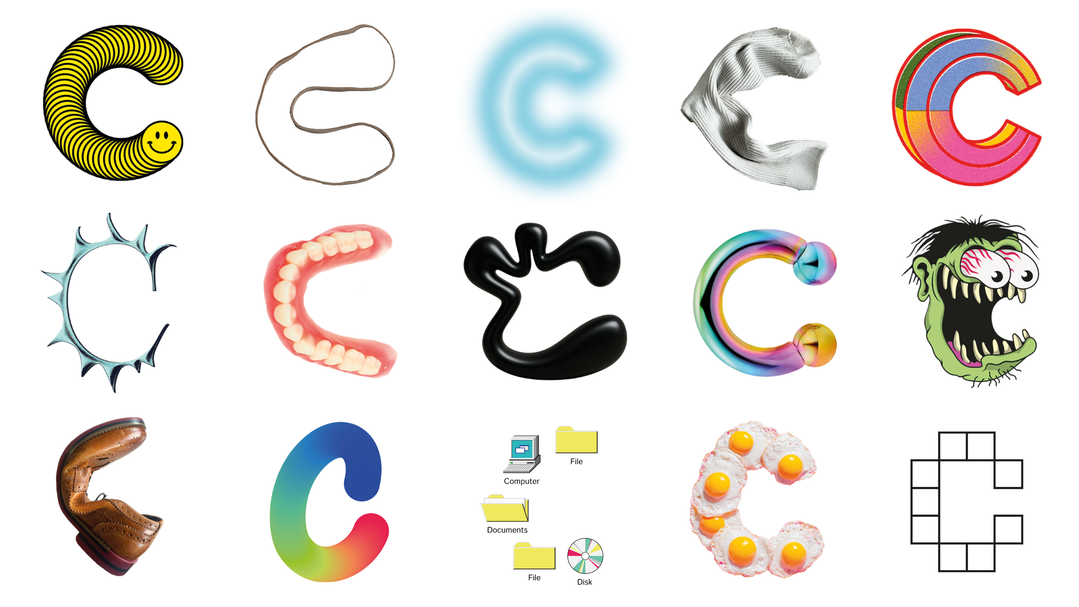
4Creative: 4Creative rebrand (Copyright © Channel 4)
RA:
Speed seems like an important part of the 4Creative culture.
DW:
I hate things taking too long. When you get something that excites you, or scares you, the faster you act – to try and discover what it was that scared you or excited you – that’s the fastest way to get to good work.
ML:
We did have to hold our nerve on that one. It didn’t go through seamlessly.
DW:
We’re not going to outspend some of the behemoths in the industry. So we need to be a little bit smarter – we have to be ready to make work that might make us feel uncomfortable in the hope that it has the impact we want, versus just making something safe and guaranteeing you can force it in front of people by paying for eyeballs.
“We have to be ready to make work that might make us feel uncomfortable in the hope that it has the impact we want, versus just making something safe and guaranteeing you can force it in front of people by paying for eyeballs.”
David Wigglesworth
RA:
With Fountain of Filth and the Tip Toe campaign you were dealing with some pretty weighty subject matter. How do you approach creative projects like that?
DW:
The only way is by not overthinking it. You’re trying to distill the one important thing you want people to feel, or the one thing you want people to know.
Our job is to pique people’s interest enough so they go and look into the show and discover if it’s for them or not.
RA:
What was the one message for Tip Toe you wanted to get across?
DW:
There are some really important themes in the show, about gay rights regressing and fear in the LGBTQ+ community.
But we were lucky to work closely with the show’s creator, Russell T Davies, on the campaign. He wanted people to know this is a neighbourhood drama about two characters who live next door to each other. So anyone interested in a neighbourhood thriller might come in and watch this, and then hopefully it will impact them more when they discover what the core themes are.
ML:
That’s why Channel 4 is so important as a public service broadcaster. We’ve got this platform and we have a real responsibility in how we use it.
Share Article
Further Info
About the Author
—
Rob Alderson is a freelance writer, editor and strategist. He was previously editor-in-chief of It’s Nice That and WePresent, and editor of Design Week. He publishes the newsletter Undo, which tries to make sense of how AI is changing design work, the design process and the design industry.