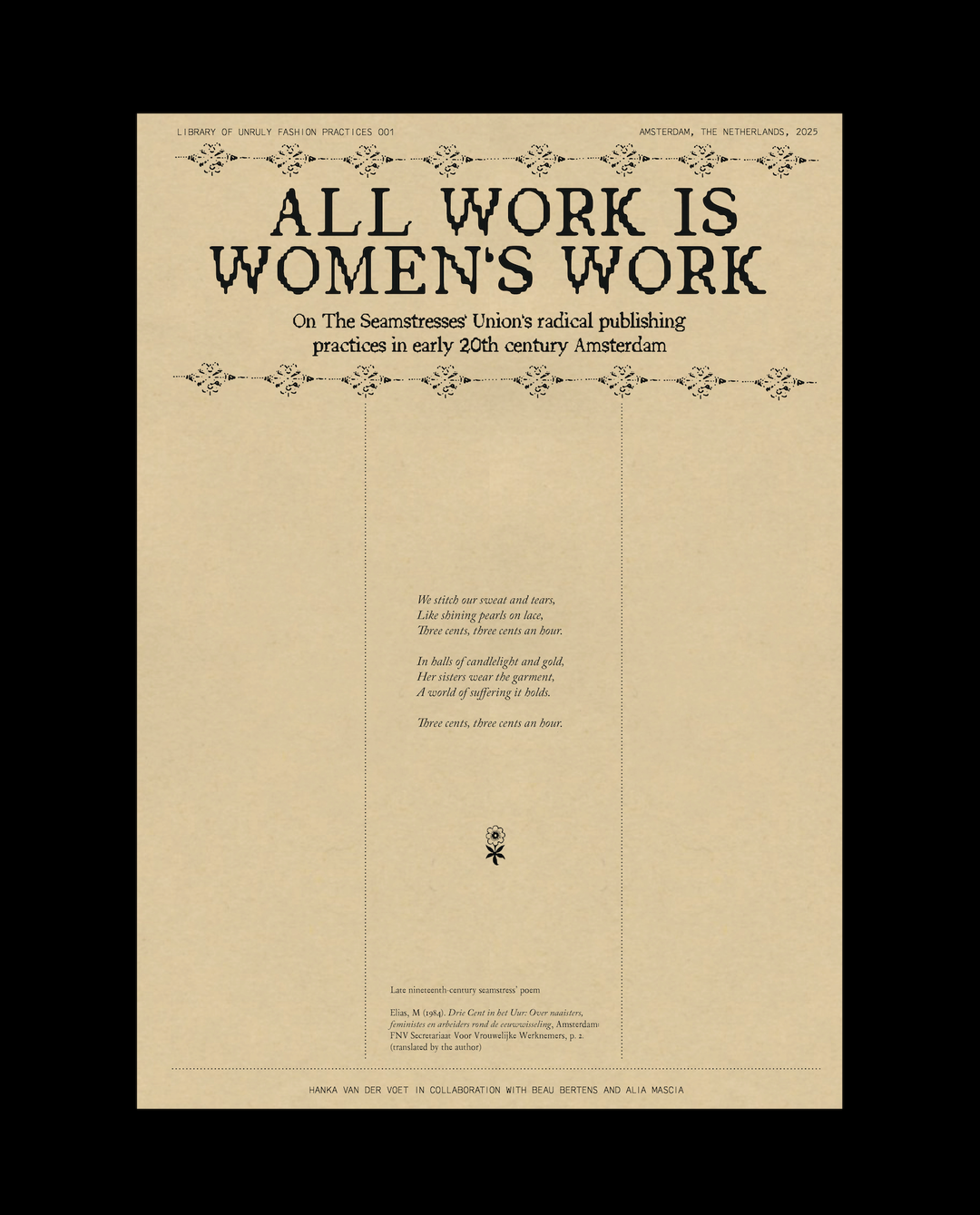
Publishing without a spine: A new exhibition showcases “the power of print unbound”
On at London’s Senate House Library, the show uncovers a new history of the last 500 years of print, escaping the evermore prescribed and regulated format of the book.
Founded in 2021 Spineless Wonders is an international network of artists, writers, academics and librarians, creating and researching small press publications. Hosted by the Slade School of Fine Art, the ongoing research project has recently manifested itself as an exhibition at the Senate House Library in London titled: Spineless Wonders: The power of print unbound.
Organised by Spineless Wonders network members and Senate House Librarians Leila Kassir and Tansy Barton and co-curated with Christos Fotelis, the show expands on the projects fascination with ephemera that often sits at the fringes of print and publishing: objects that do not have a spine, and therefore fall outside of what we might traditionally define as a ‘book’.
The exhibition explores this unconventional view on publishing across the last five centuries, spotlighting a diverse range of formats beyond the printed and bound book. Including (but not limited to): radical activist publications, political pamphlets, manifestos, leaflets, broadsheets, ballads and a number of ephemeral, relatively unseen print objects that have been conserved far beyond their initial distribution, such as an original silk Suffragette buttonhole.
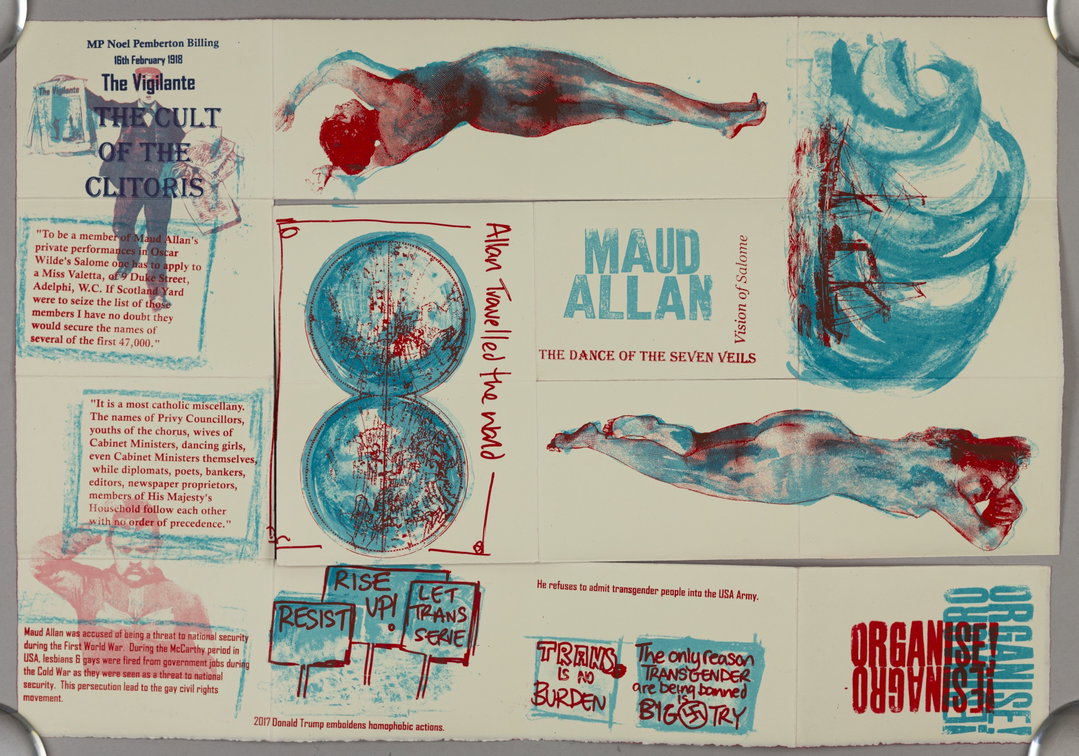
Spineless Wonders: Maud Allan book work (part of larger book work Queer Between the Covers) (Copyright © Theresa Easton, 2018)
“Spineless material is as difficult to pigeonhole aesthetically and intellectually as it is to house on traditional library shelves” shares co-curator Chris. “Often hidden in stores and boxes, this exhibition brings this material to the fore and explores the relationships between format and content.” The shape and form of the ephemera on show allowed many creators to urgently respond to current affairs cheaply and efficiently such as: “an anti-fascist pamphlet produced in 1959 to fight against Oswald Mosley, which is not even folded, just held together with staples”, or Raging Woman: In Reply to Breaching the Peace, a pamphlet that addressed the women’s peace camp at Greenham Common. Other works in the library’s collection consist of limited-edition artists’ works or conscious experiments that have pondered the construction of paper and traditional forms of print over the 500 year period.
Many of the objects on display were, due to their very nature, created outside of mainstream publishing structures – birthed by counter cultures, independent activist groups or self publishing ventures. And so, they provide an alternative, and more rebellious telling of the history of political movements and cultural or creative expression in their contents. “One of my favourite sections of the show focusses on community publishing, showing works published in the 1970s and 1980s, from publishers including Centerprise (London) and Commonword (Manchester) – these gave voice to writers who might otherwise be excluded from the mainstream publishing world.” shares Leila.
“Spineless Wonders offers an exciting opportunity to explore how publishing without the ‘support’ of a spine challenges ideas of permanence, authority, and voice, both historically and in contemporary contexts”, shares Chris. As diverse in format as they are in subject matter, these published pieces offer a snapshot into the eras they were circulated in and provide “a rare insight into the materiality of early printed works and how they were first encountered and read”, ends Tansy.
Spineless Wonders: The power of print unbound is open until 15 November 2025.
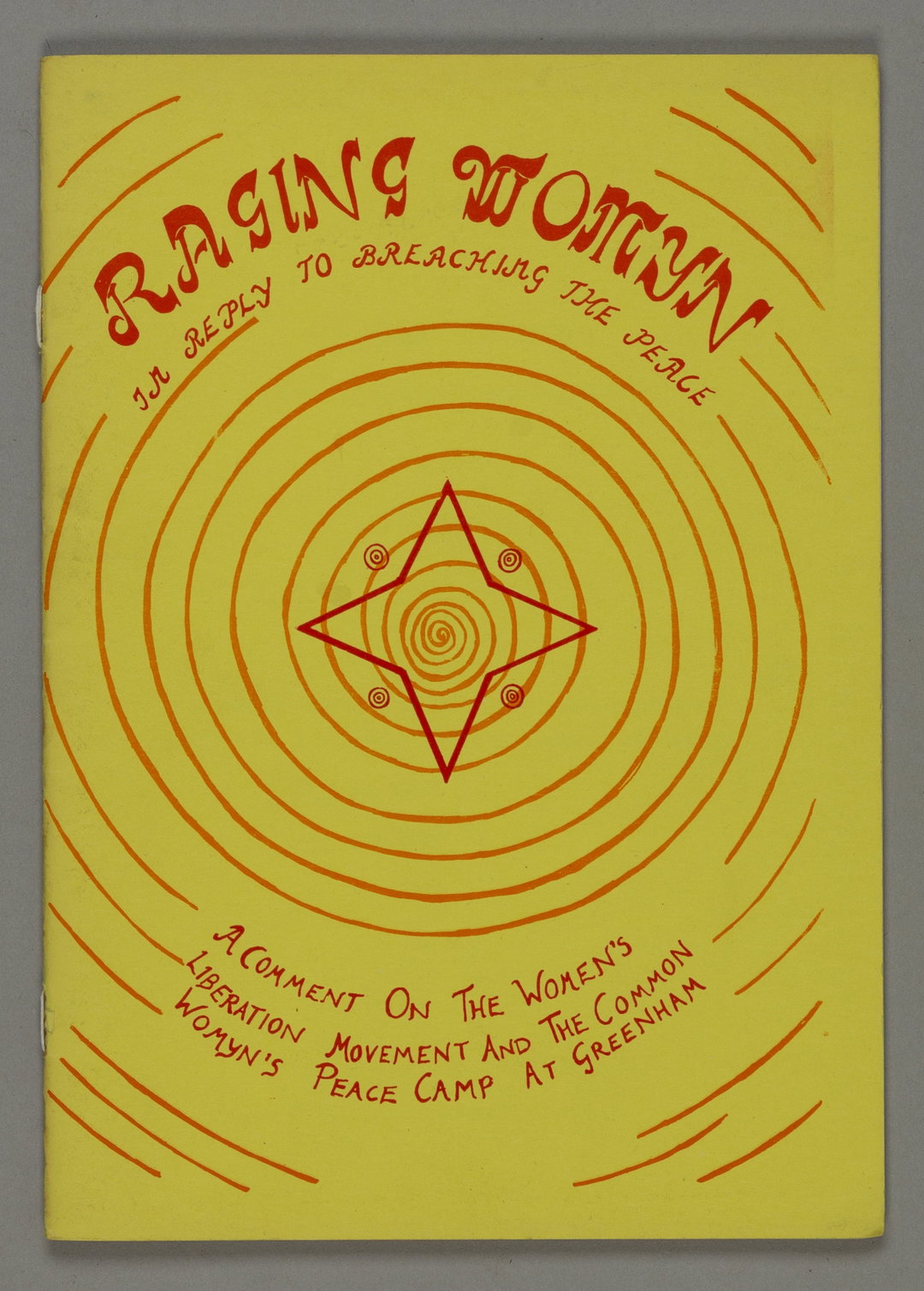
Spineless Wonders: Raging womyn: in reply to Breaching the Peace, Jeane Freer, 1984, Published by the Wymn’s Land Fund, Courtesy of Jeane Diamond (Copyright © Jeane Freer, 1984)
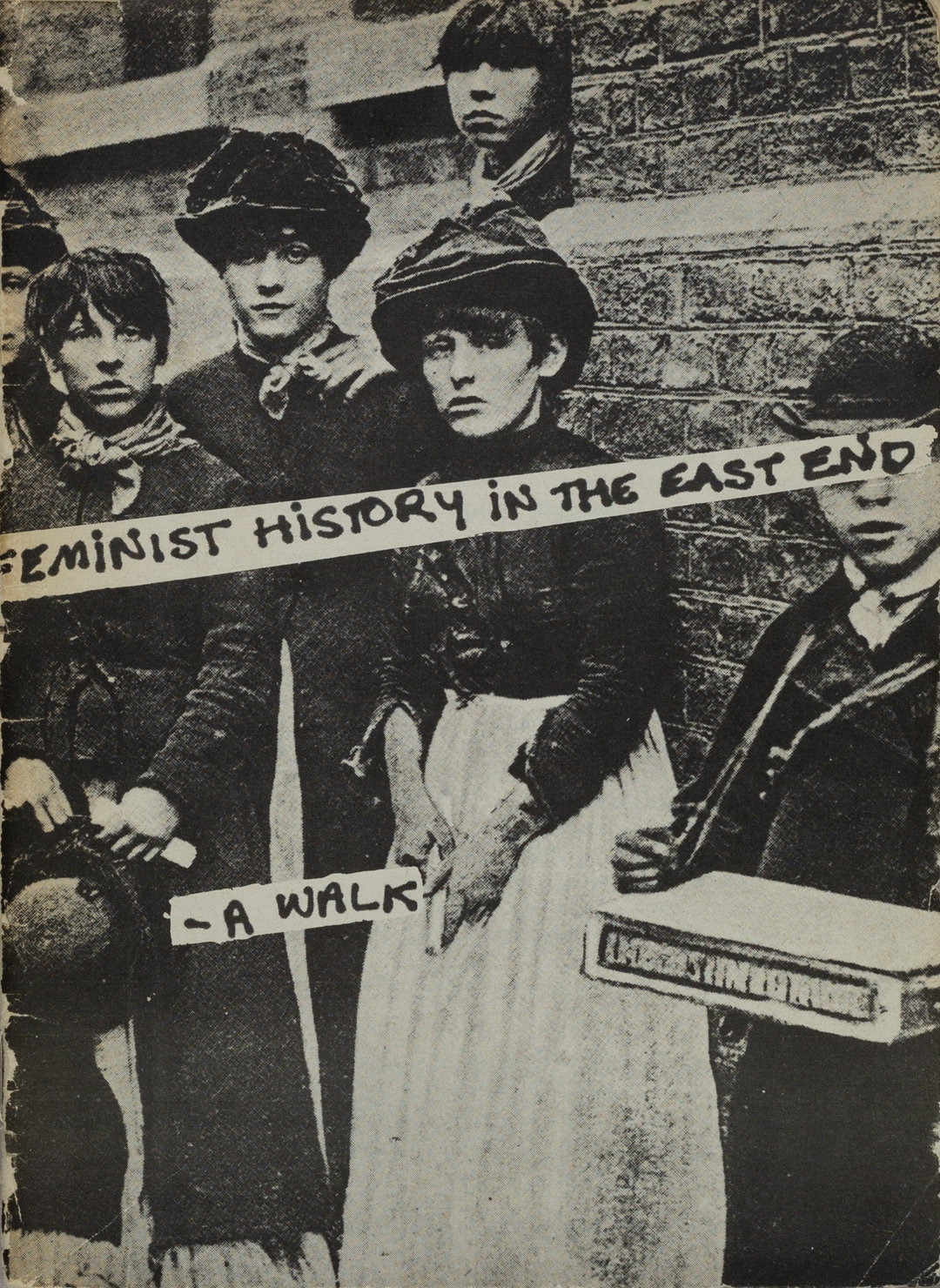
Spineless Wonders: Feminist History in the East End: a walk, Clare Manifold, 1979, with thanks to Rights of Women (Copyright © Clare Manifold, 1979)
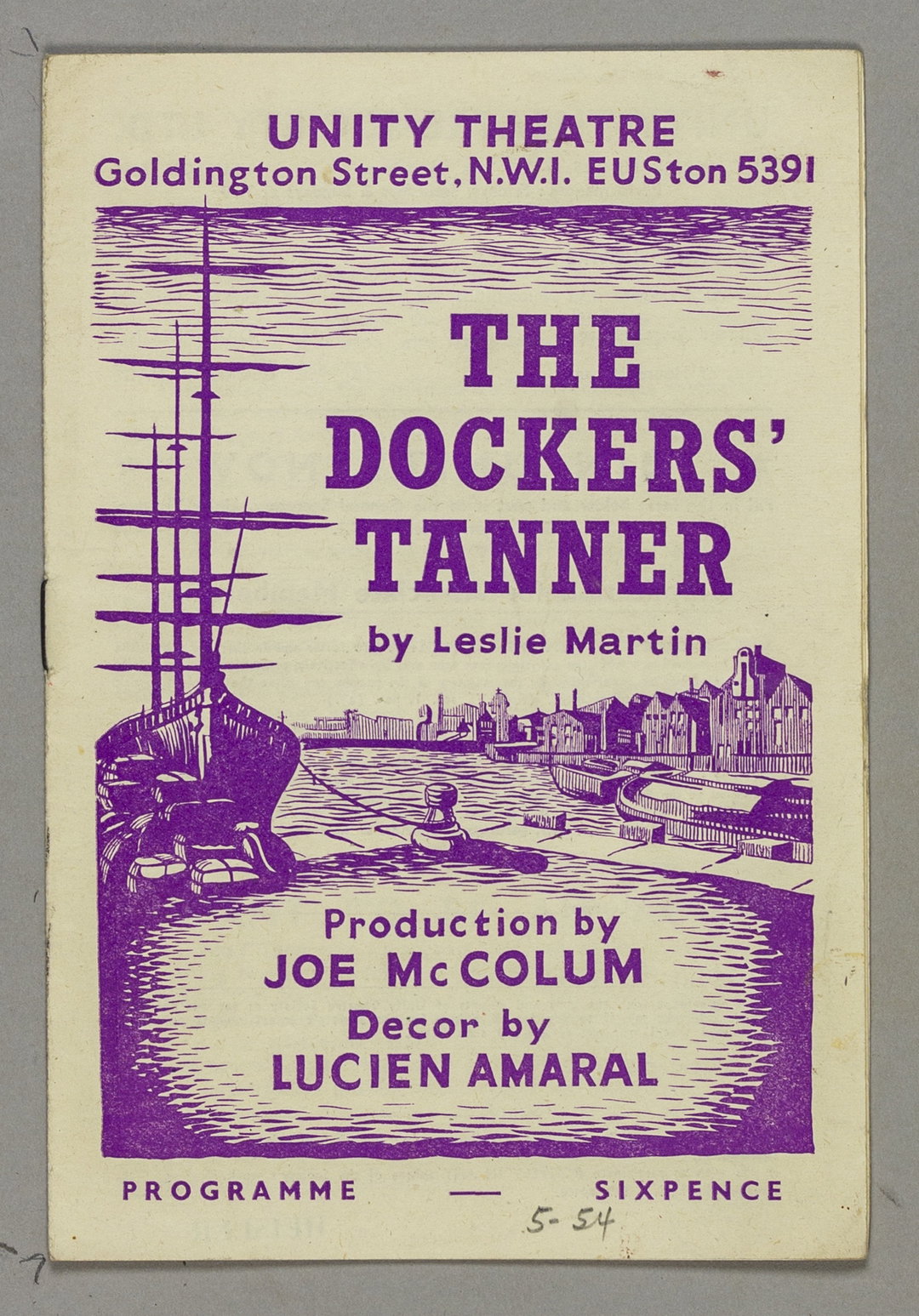
Spineless Wonders: The Dockers’ Tanner Martin Leslie, 1954, Courtesy of Unity Theatre Trust (Copyright © Tanner Martin Leslie, 1954)
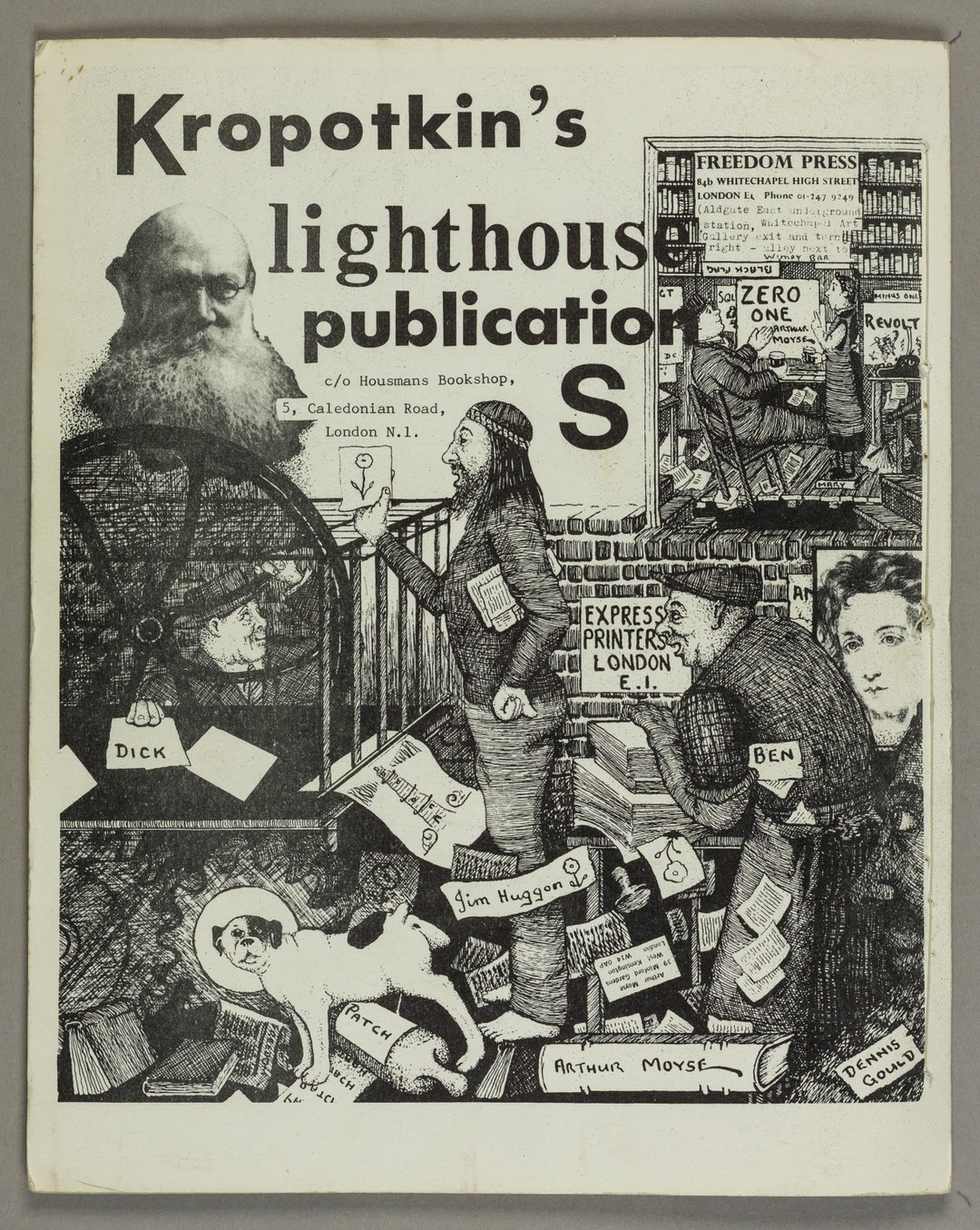
Spineless Wonders: Mask of Anarchy, Percy Shelley, 1973, Published by Kropotkin’s Lighthouse, Courtesy of Jim Huggon (Copyright © Percy Shelley, 1973)
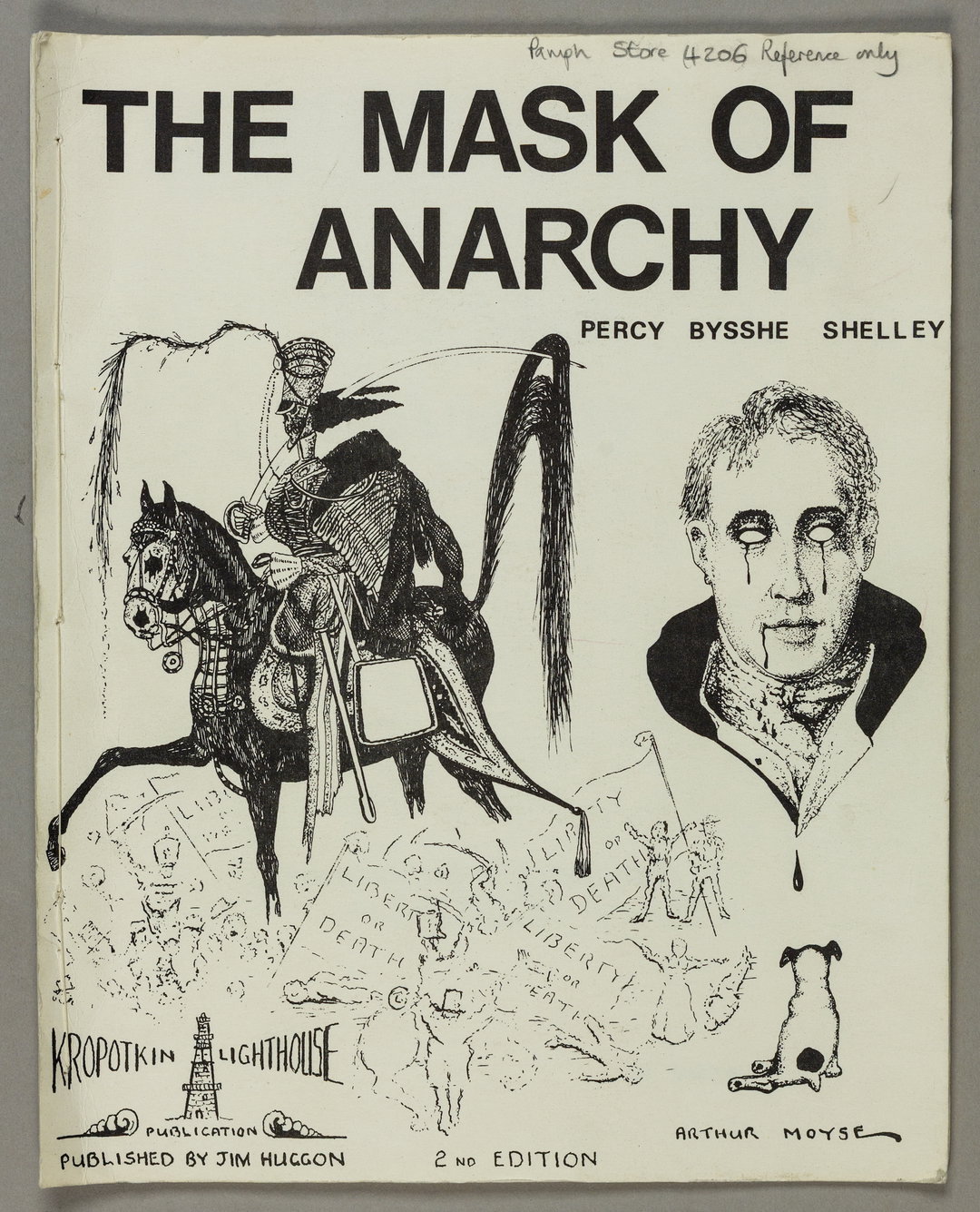
Spineless Wonders: The Mask of Anarchy, Percy Shelley, 1973. Published by Kropotkin’s Lighthouse. Courtesy of Jim Huggon, Kropotkin’s Lighthouse. (Copyright © Percy Shelley, 1973)
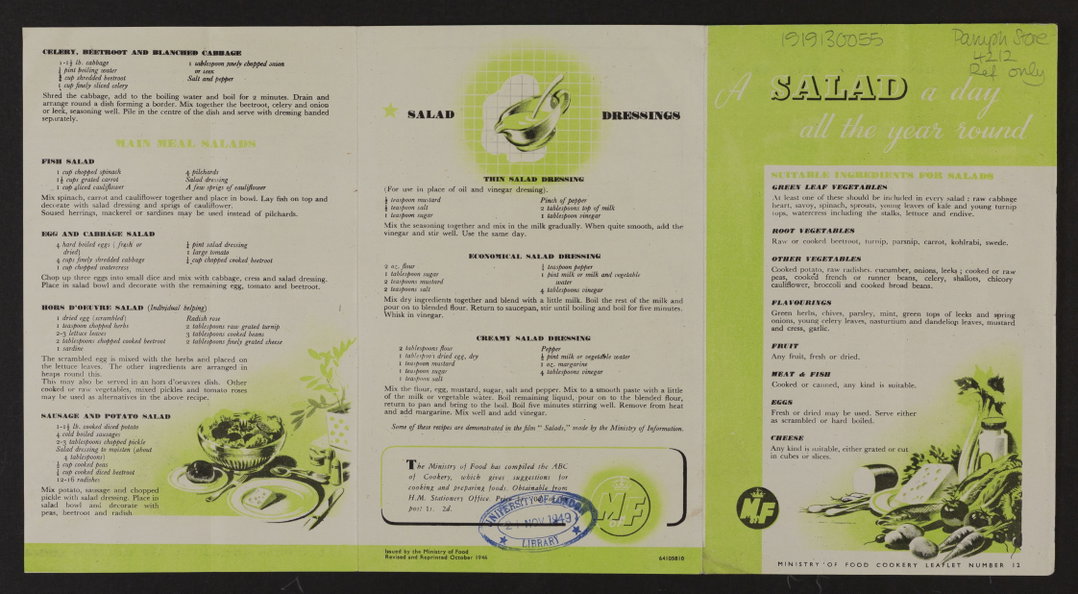
Spineless Wonders: A salad a day all the year round, Ministry of Food, 1946 (Copyright © Ministry of Food, 1946)
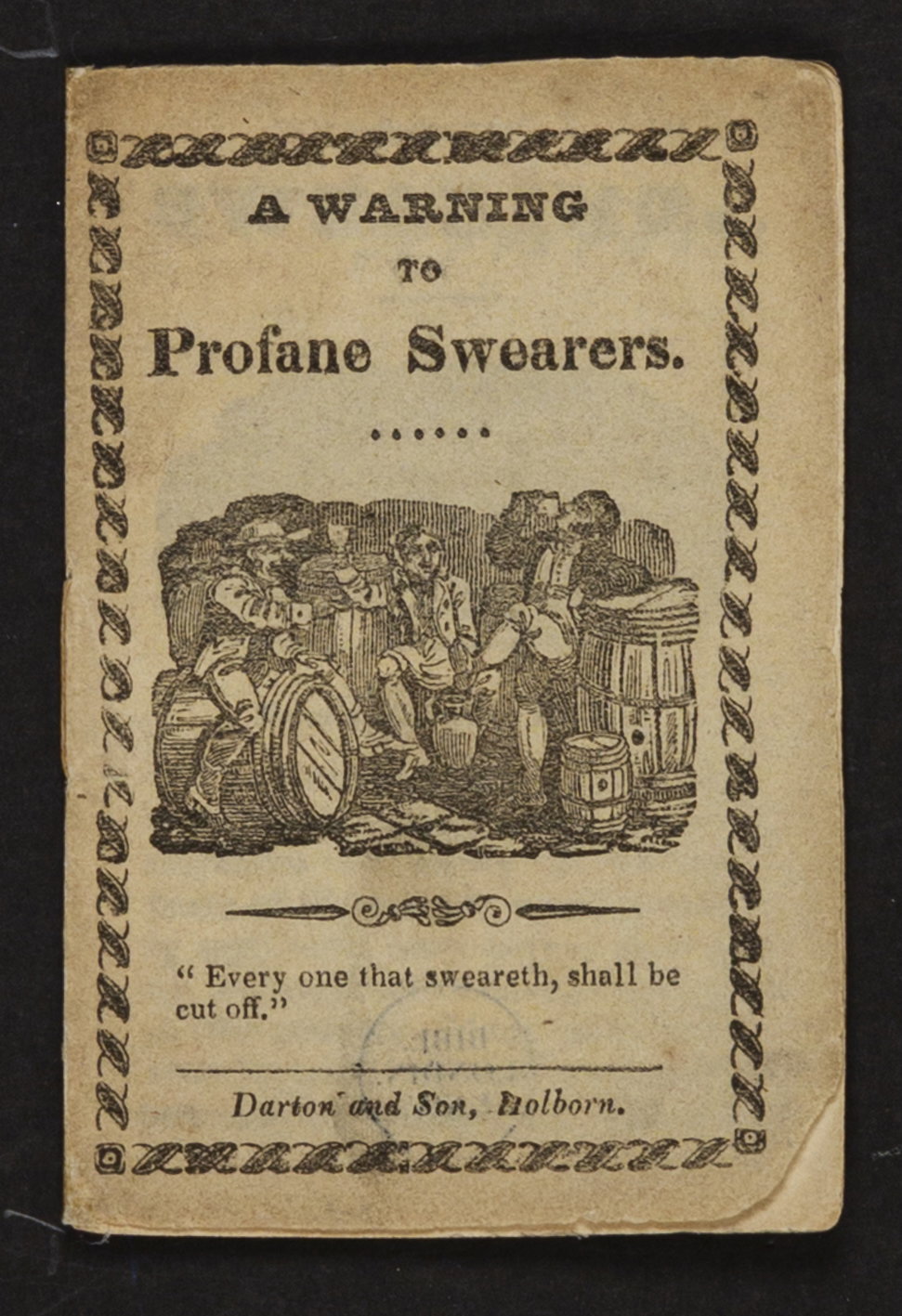
Spineless Wonders: A warning to profane swearers, 1830, Published by Darton (Copyright © Darton, 1830)
Hero Header
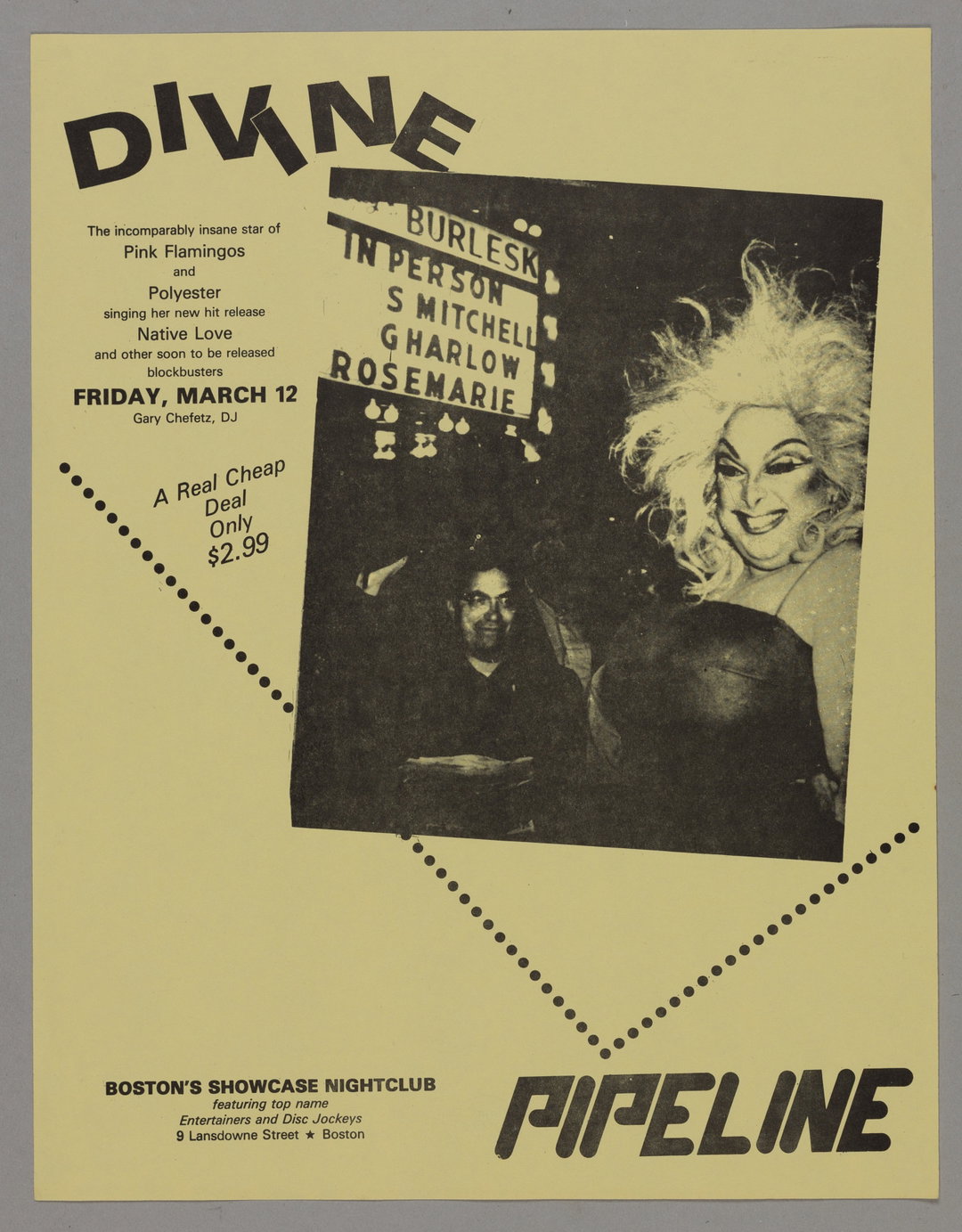
Spineless Wonders: Queer Ephemera; Divine flyer, 2018, published by Camp Books, courtesy of Brooke Palmieri (Copyright © Camp Books, 2018)
Share Article
About the Author
—
Ellis Tree (she/her) is a staff writer at It’s Nice That. She joined as a junior writer in April 2024 after graduating from Kingston School of Art with a degree in Graphic Design. Across her research, writing and visual work she has a particular interest in printmaking, self-publishing and expanded approaches to photography. ert@itsnicethat.com
To submit your work to be featured on the site, see our Submissions Guide.