




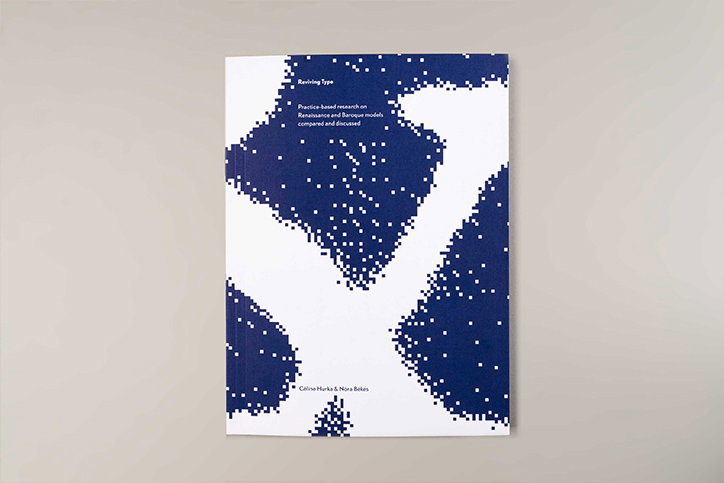
How to successfully revive older typefaces while taking in the significance of the original
“No matter how modern we think we are, we are actually still using the same typographic principles and the same typefaces that were designed in the first century of movable type,” explains the Rotterdam-based designer Nóra Békés. Together, with her friend and ongoing collaborator Céline Hurka, Nóra has released a new book Reviving Type, providing an insight into the importance of historical typefaces, and how they can be revived today for a contemporary audience.
Many of the type designs that we see and use today (whether we know it consciously or otherwise) originate from Renaissance or Baroque models. And as Céline usefully points out, “the latter is, of course, based on the former in the first place.” Consequently, “It is important to understand the relationship between typographic genres,” she tells It’s Nice That, “as well as the historical constructions and how they work technically.”
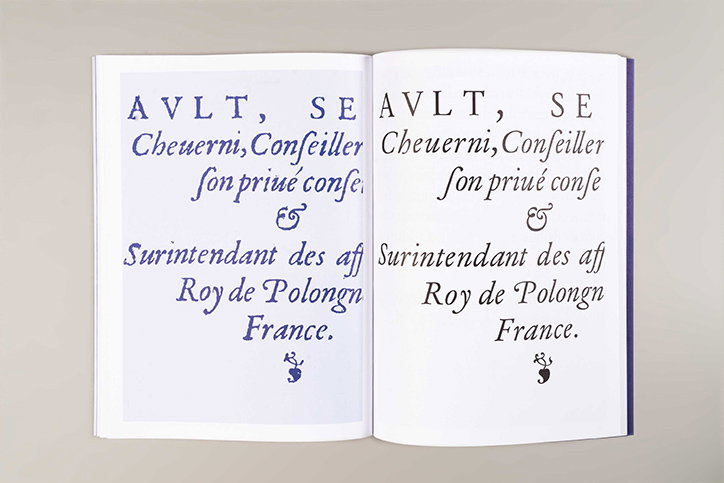
In this way, making a revival typeface is a great educational tool. As exemplified in Nóra and Céline’s new book, to design a revival typeface involves in-depth research, an understanding of the history and craft of the original typeface in question, not to mention how the design has evolved over the years. Beyond these technicalities however, the topic of type revival also provides a more general insight into history. Specifically, how type design, typography and printing inherently entwine and affect modern language, literature, popular culture and politics, just to name a few.
Reviving Type
“The interesting thing here,” says Nóra on the interconnectedness of typography, “is that the designer-researcher does not just read a readymade history, but is triggered to look for multiple sources of various kinds (from punches and matrices, to old printed books and contemporary research articles).” The creative pair first became interested in the subject while studying together at The Hague’s Royal Academy of Art. Building up their individual practices since, with a focus on archival research and type-centred design, the designers, who are now both freelance, have always been attracted to archives for its “magical aura that gives you the feeling that you are entering a secret world.”
By working with the delicate nature of historical archives – where the interaction is extremely limited – the duo came to question the value of the research. “What do you get out of your visit?” asks Céline. “In a certain sense,” she goes on to say, “making a revival is the best ‘souvenir’, and take-away that you can create from your research. It investigates the very core of the archive material itself, the letters.”
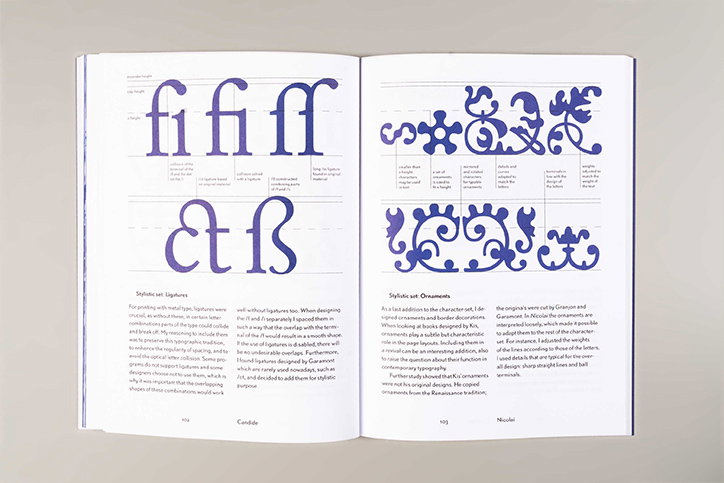
Balancing tradition and innovation, Reviving Type allows us to further comprehend design ideas from the past, and combine elements of someone else’s design with one’s own typographic penchants. “Making a type revival is so much more than copying printed type into a digital font,” exerts Nóra. “It involves just as many design decisions as making a typeface from scratch – plus a lot of research and the smell of 500-year-old ink.”
Reviving Type therefore offers a step-by-step guide as to how to revive three typefaces in particular: Garamind, Granjon and Kis. Offering up a detailed insight into the typefaces’ original design process, as well as an accessible process of how to revive type, ultimately, the pair wanted to create a publication that benefits both an individual’s creative process as well as expand their design history.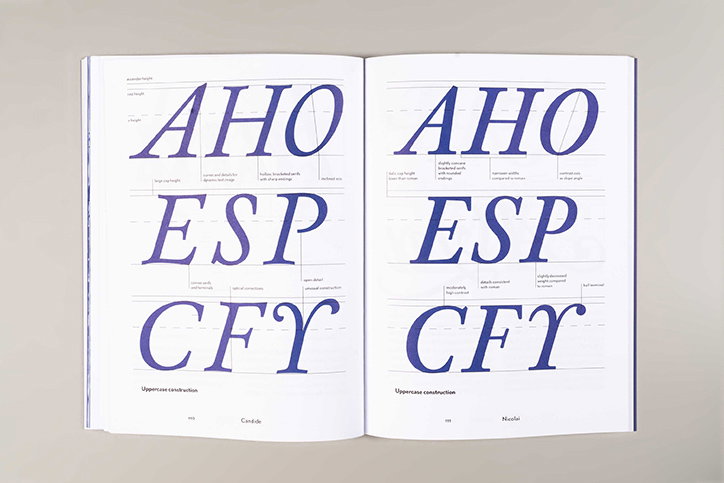
Reviving Type
Reviving Type
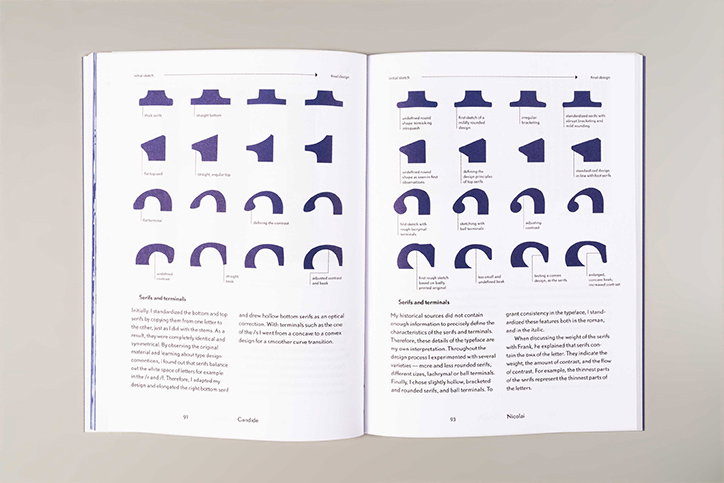
Reviving Type
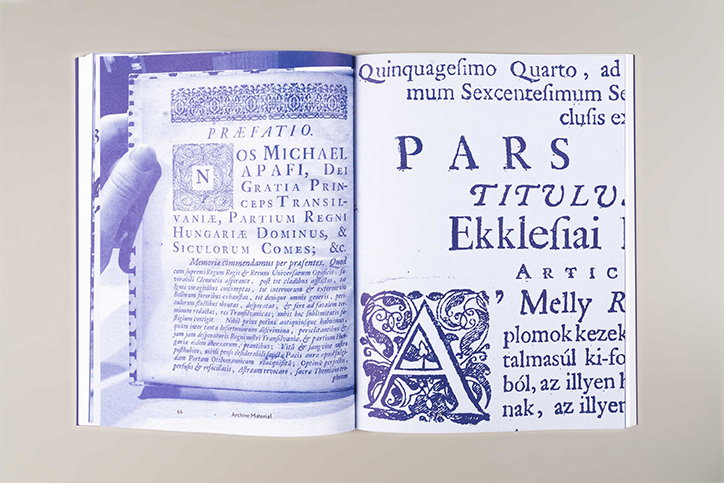
Reviving Type
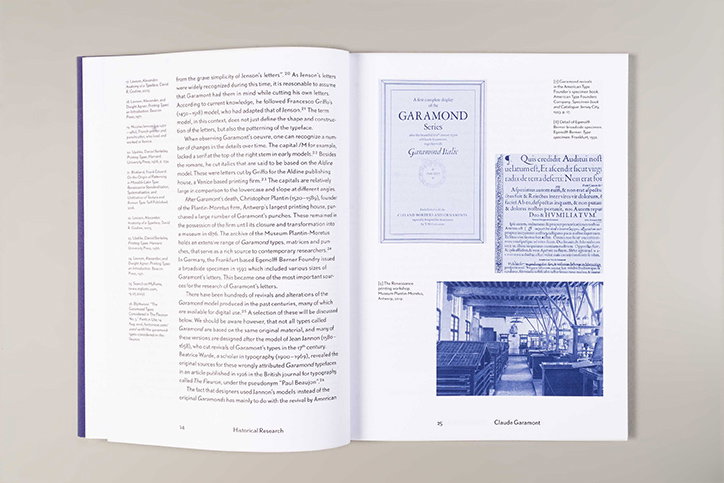
Reviving Type
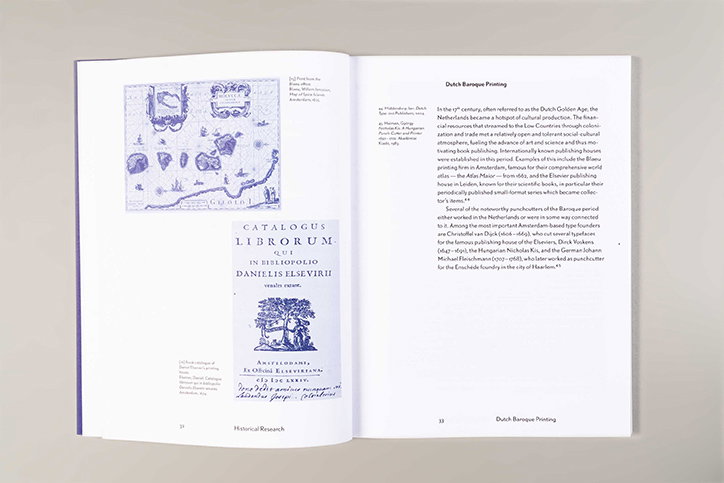
Reviving Type
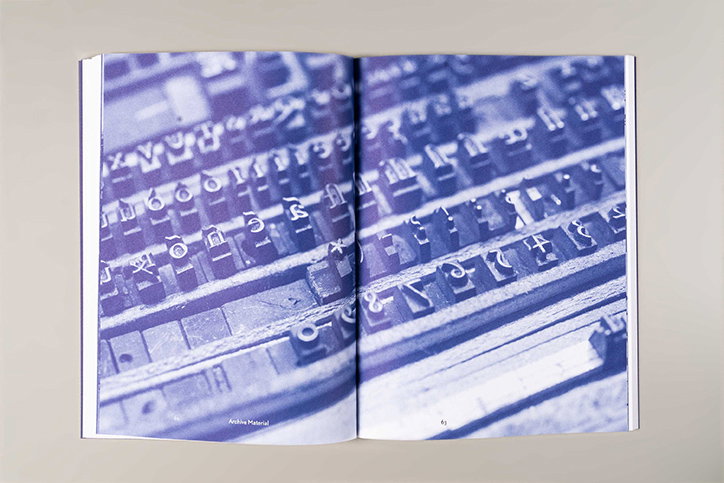
Reviving Type
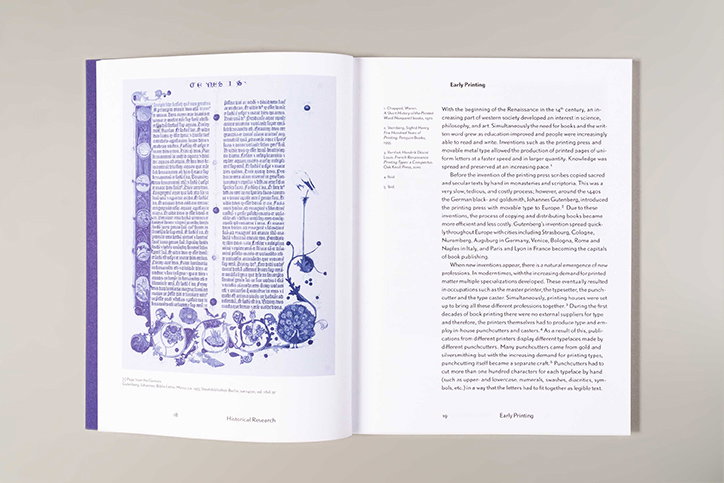
Reviving Type
Share Article
Further Info
About the Author
—
Jynann joined It’s Nice That as an editorial assistant in August 2018 after graduating from The Glasgow School of Art’s Communication Design degree. In March 2019 she became a staff writer and in June 2021, she was made associate editor. She went freelance in 2022.