How can illustration be used as a tool to educate and inspire? Maisy Summer shares her wisdom
The London-based freelance illustrator explains why educational visual material often calls for close collaboration with the intended audience.
Share
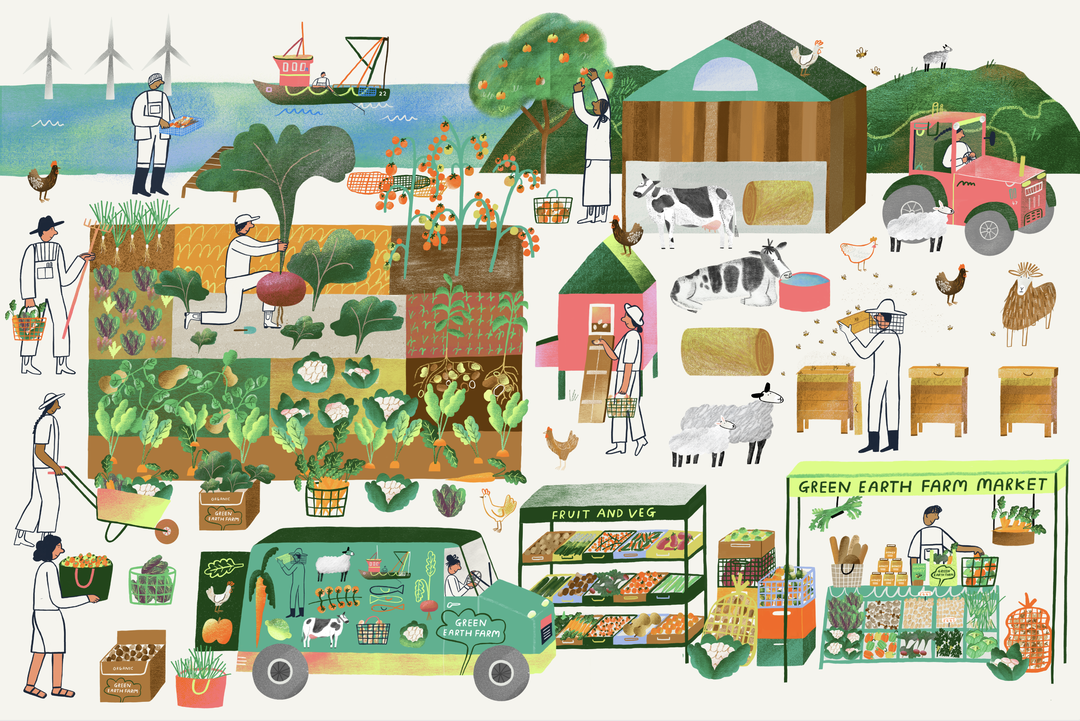
Community engagement has always been at the heart of Maisy Summer’s work. When we last spoke to her back in 2021, she was immersed in the grassroots foodie world. She had recently made a book of recipes for and by students at Manchester Metropolitan University called Cook & Grow, co-directed a short animation about providing free meals for NHS workers, and set up Small Fry, a creative community that hosts talks, workshops and projects. Now, three years later, Maisy is still very much concerned with community, though she’s transitioned into the informative side of things, using her practice to see how illustrated visual media can be an effective and engaging educational tool.
This transition was instigated by Maisy’s first venture into research-based work: A Manifesto for Education for Environmental Sustainability, funded by the British Educational Research Association. Working on the project, Maisy realised how much her experience in lecturing helped her to “relate to both the creative and academic side”, allowing her to help researched-based practitioners communicate their findings visually, she says. After completing the manifesto, Maisy found that she was being recommended for new opportunities and clients by word of mouth, and was soon working on a whole host of educational projects.
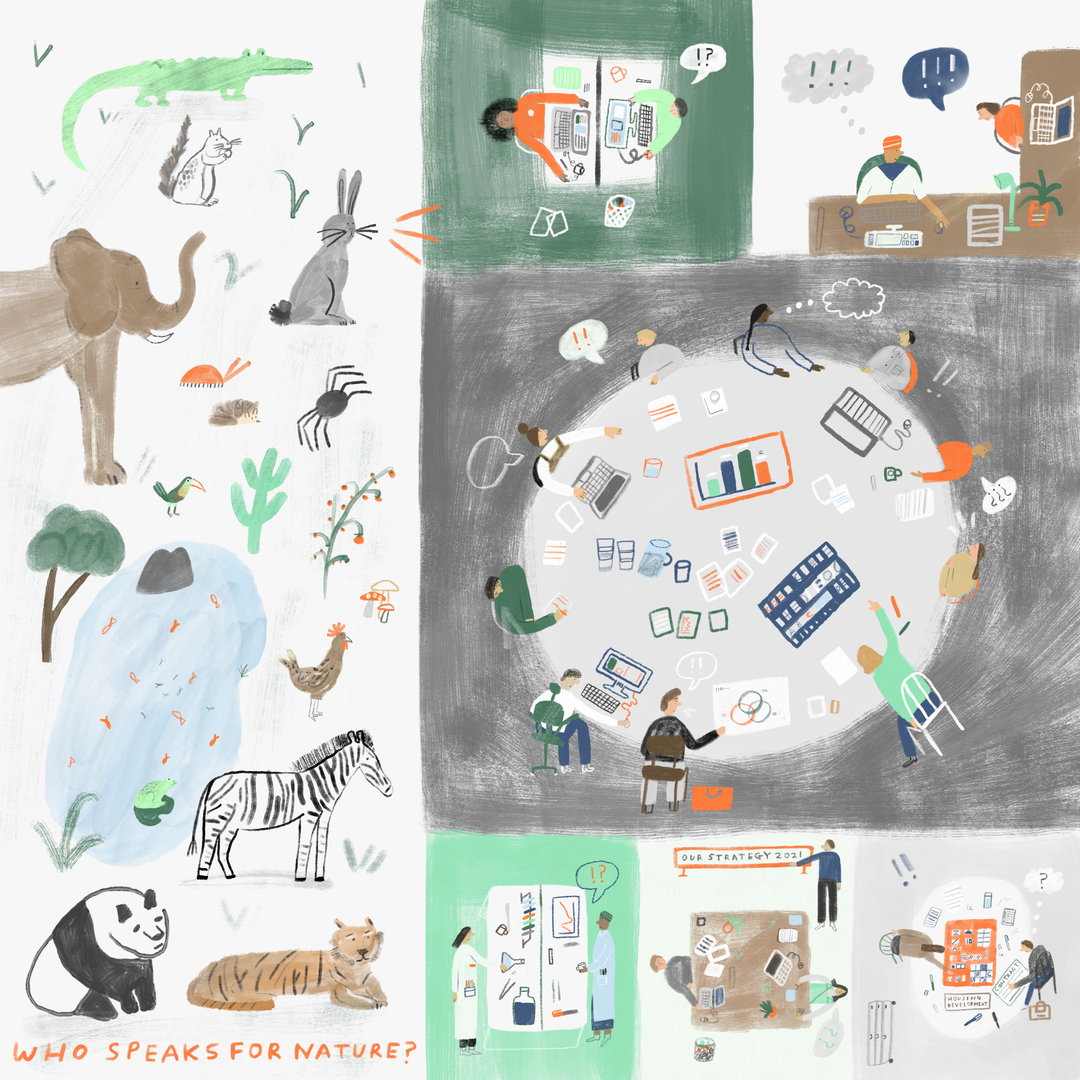
Maisy sees illustration as a useful tool for how well it can “break down” complex information, making it easier to digest. This is particularly useful with information on topics like climate change, substance abuse and migration, which is vital to disseminate to new audiences. Moreover, illustration can be used effectively across multiple contexts. While the piece’s life may start in a publication, it can be transferred to presentation decks, animated videos and discussion packs.
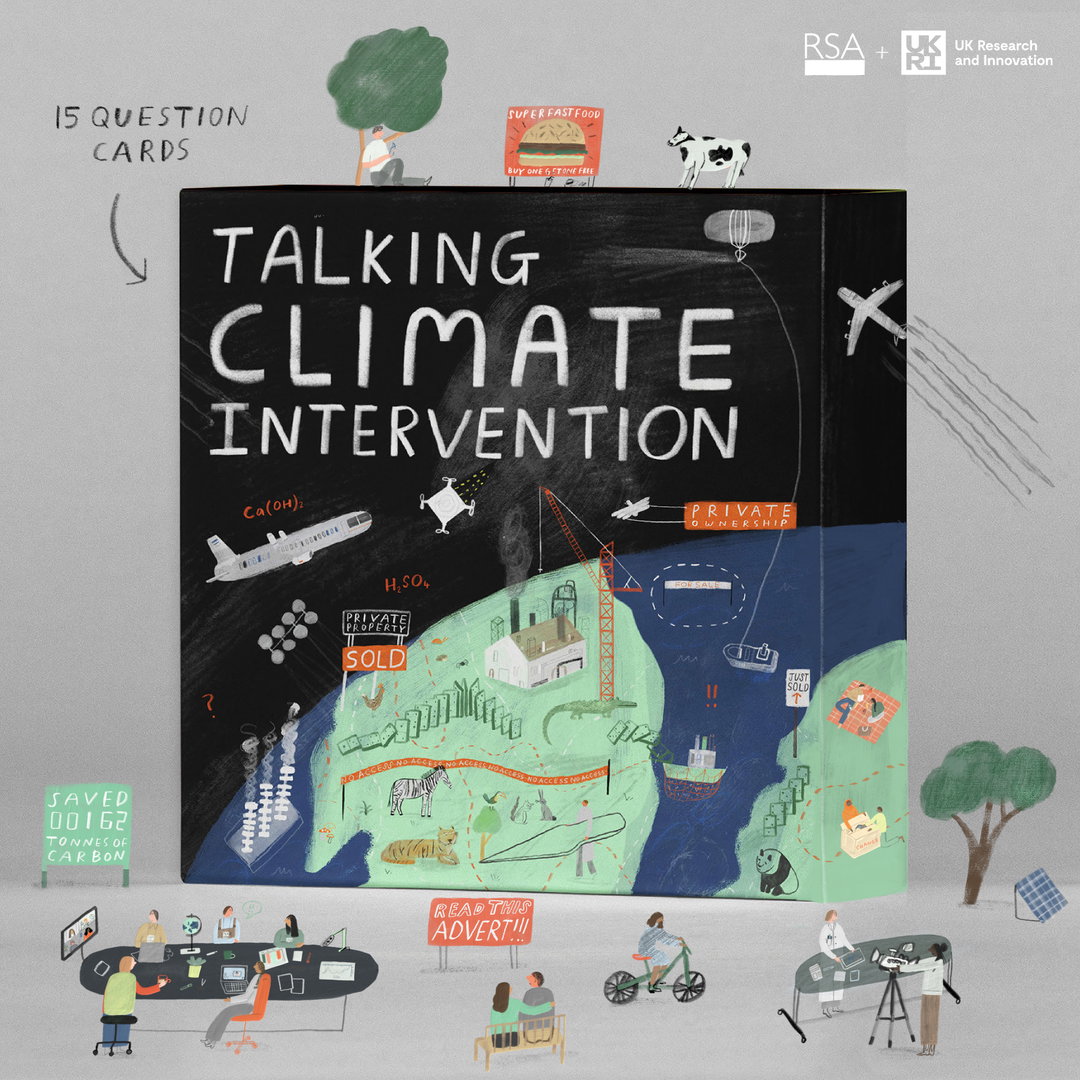
Maisy Summer: Climate Intervention Cards (Copyright © Maisy Summer)
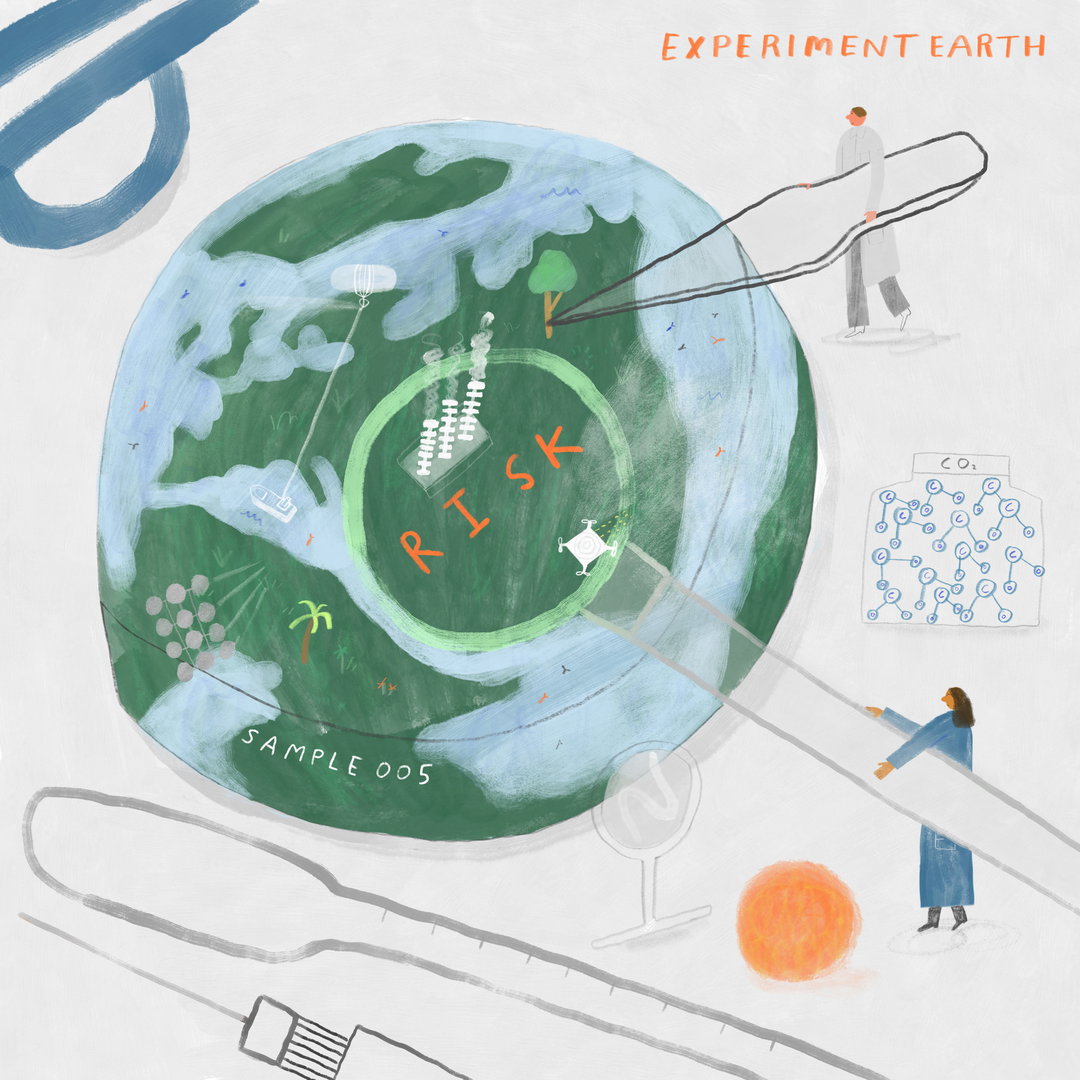
A great example of this variety of format is Maisy’s work on a climate intervention project, supported by Royal Society of Arts and UK Research and Innovation. Alongside the project leads, Dr Lynda Dunlop and Dr Elizabeth Rushton, Maisy illustrated 15 cards, which were to be used as a “stimulus for discussion around climate interventions in the classroom,” says Maisy. “The card format was an engaging way to create an interaction point with the information.” With a muted palette of blues, greens, oranges and greys and a small amount of text mainly used to label, the cards are child-friendly, while still being able to represent the seriousness of the topic.
More often than not, such educational projects are co-created with the intended audience, a process Maisy sees as vital in making them most effective. Young People at a Crossroads was a project written by Dr Catherine Walker focusing on how young people and their families from immigrant backgrounds are responding to climate change in Manchester and Melbourne, Maisy explains. To illustrate the project, she directly referred to the interviews conducted by Dr Walker. “I wanted the illustrations to highlight the variety of locations discussed, the stories of climate protests, cultural rituals, local community coming together, and childhood memories such as lessons being taught under a tree,” she says. Maisy collated all of the references, digitally sketched compositions, and then printed them to use on a lightbox, finished with gouache, pastels and pencil. Then Maisy scanned the works, adding finer details digitally with Adobe Fresco and animated certain parts so they could be used in presentations and videos.
GalleryMaisy Summer: Climate Intervention Cards (Copyright © Maisy Summer)
Not all of Maisy’s work is directed toward children, though; in some cases her work is also used to help adults engage with difficult topics. Recently, she provided the visuals for Alcohol, Izzat & Me, a publication written by Sarah Galvani, Sarah Fox, Surinder Guru and Naima lqbal which centres on 18 South Asian women’s lived experience with alcohol and drug abuse. Illustrating the cover and two of the women’s stories, Maisy says that “I wanted to highlight the pressure and cultural stigma the women were under, though also acknowledge the positivity behind them asking for support and help.” In one of the illustrations, Maisy showed a figure with a strong stance, holding up a mixture of challenges and hurdles, “such as stigma from her family and communities, medication, identity, belonging and social services”. The piece is a clever way of nodding to the idiom of carrying the weight of your issues.
If you’re looking to engage with similar work to Maisy, she’s got a few tips up her sleeve. One is checking the Arts Council’s jobs listings, and signing up for their newsletter to keep an eye on opportunities that might be coming up. But, importantly, she also says that familiarising yourself with your local area is key. “Even checking out the notice board at your local park to see what events, groups, festivals are on can be a useful starting point to meet people and build some connections in your community.”
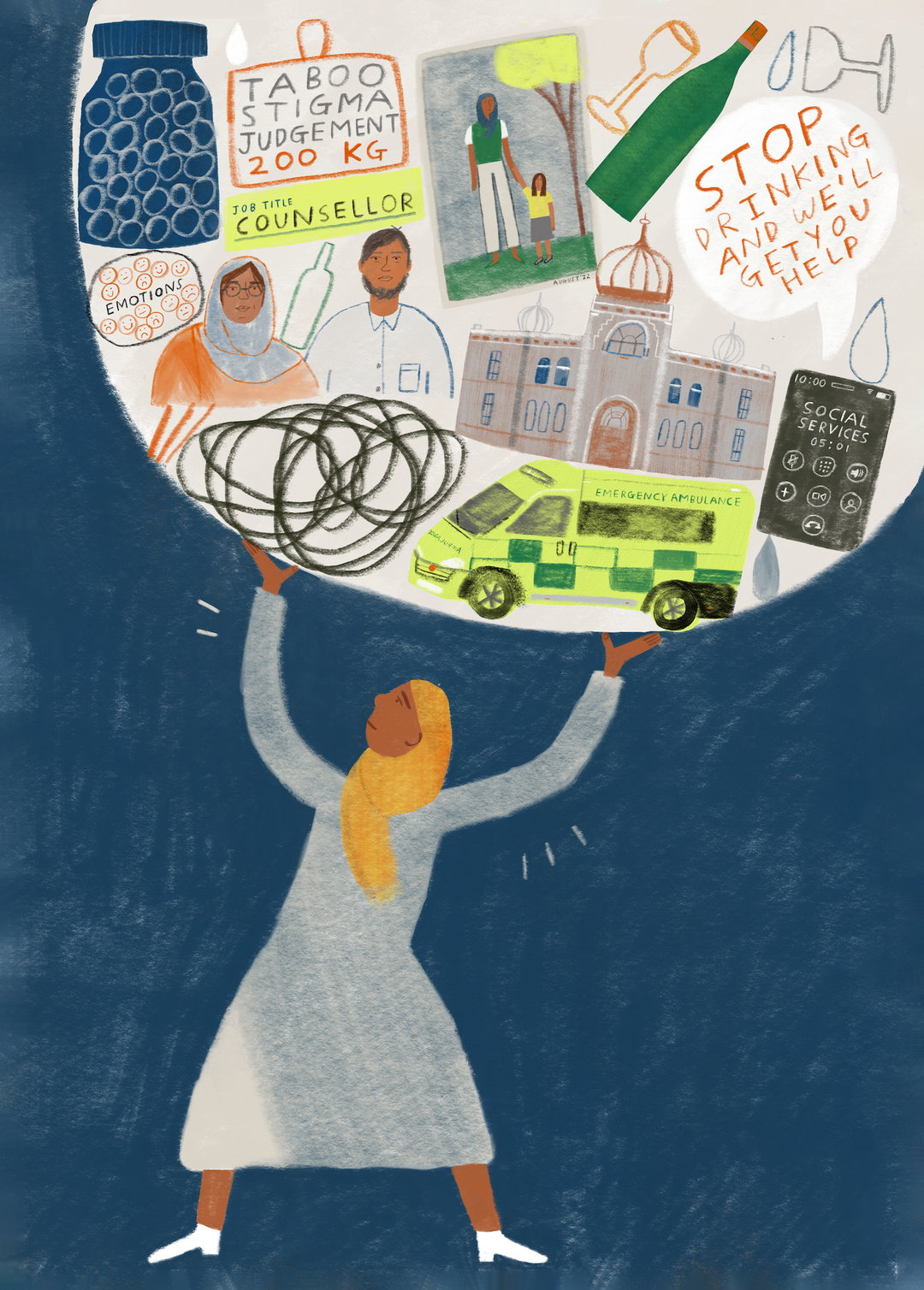
Maisy Summer: Alcohol, Izzat and Me (Copyright © Maisy Summer)
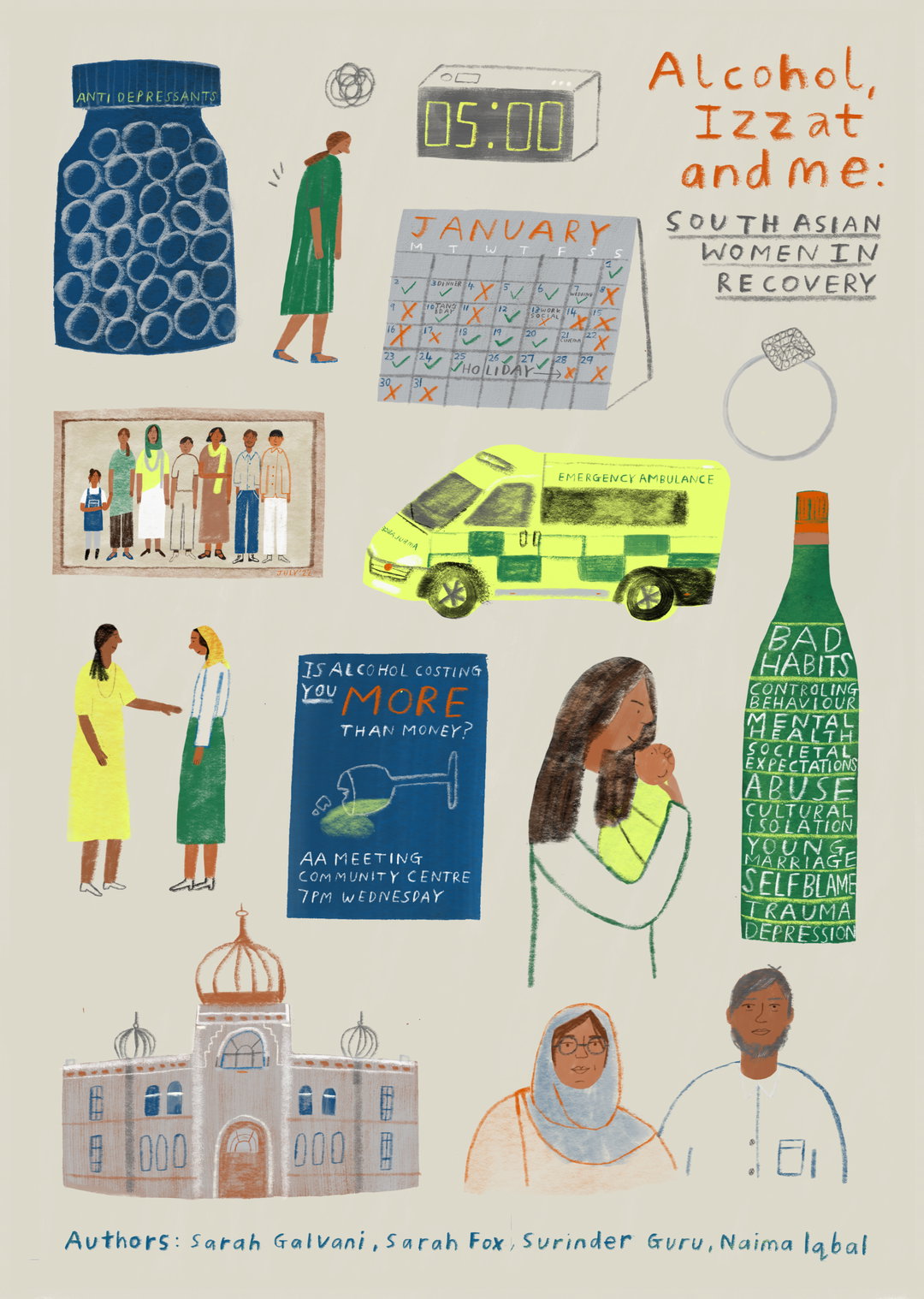
Maisy Summer: Alcohol, Izzat and Me (Copyright © Maisy Summer)
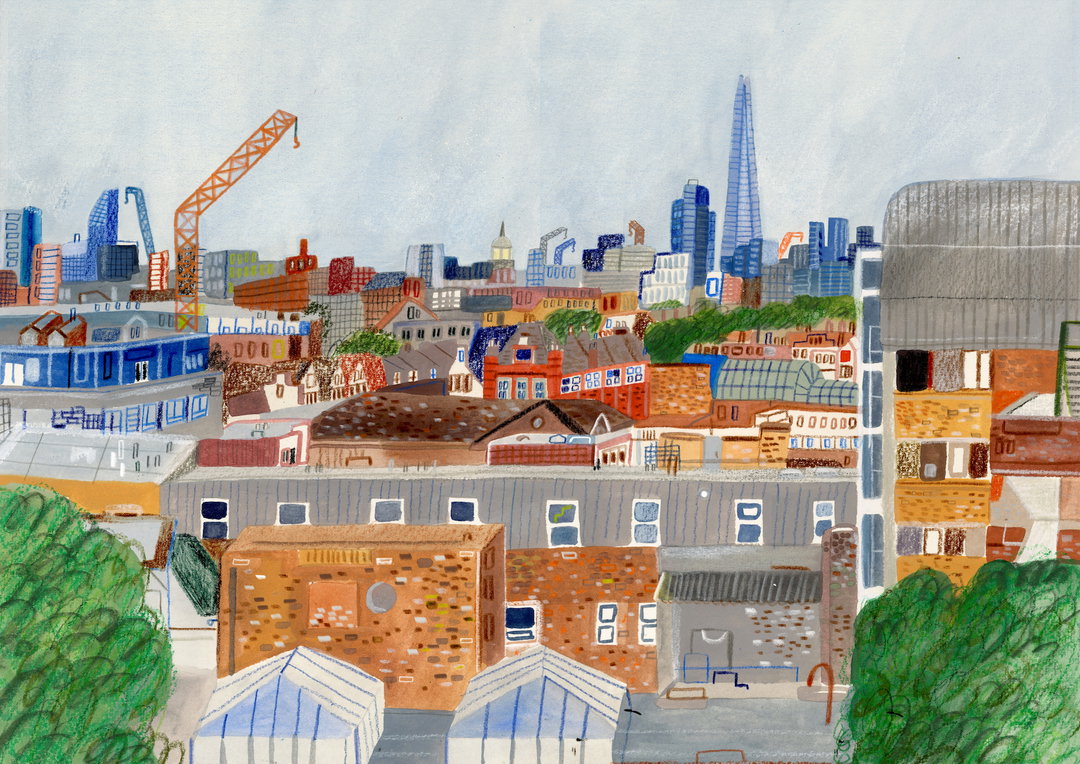
Maisy Summer: Drawing Diaries (Copyright © Maisy Summer)
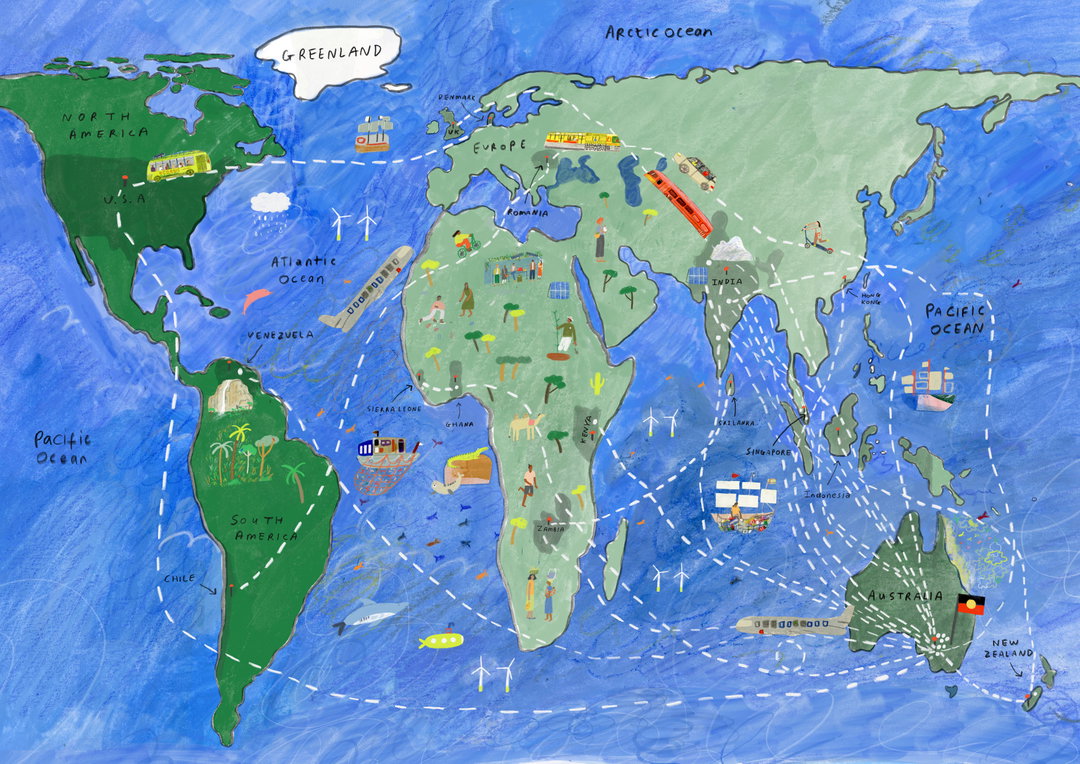
Maisy Summer: Young People at a Crossroads (Copyright © Maisy Summer)
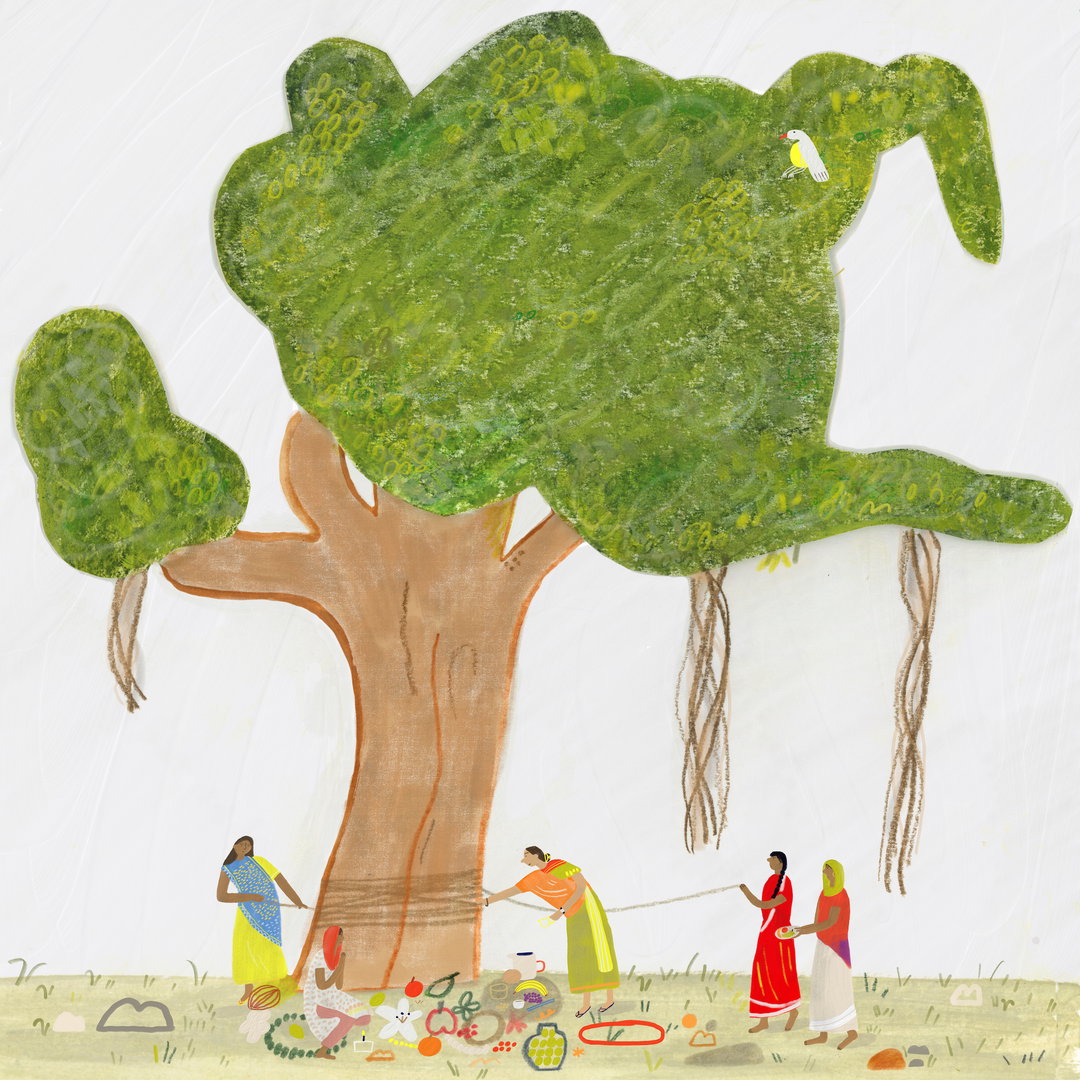
Maisy Summer: Young People at a Crossroads (Copyright © Maisy Summer)
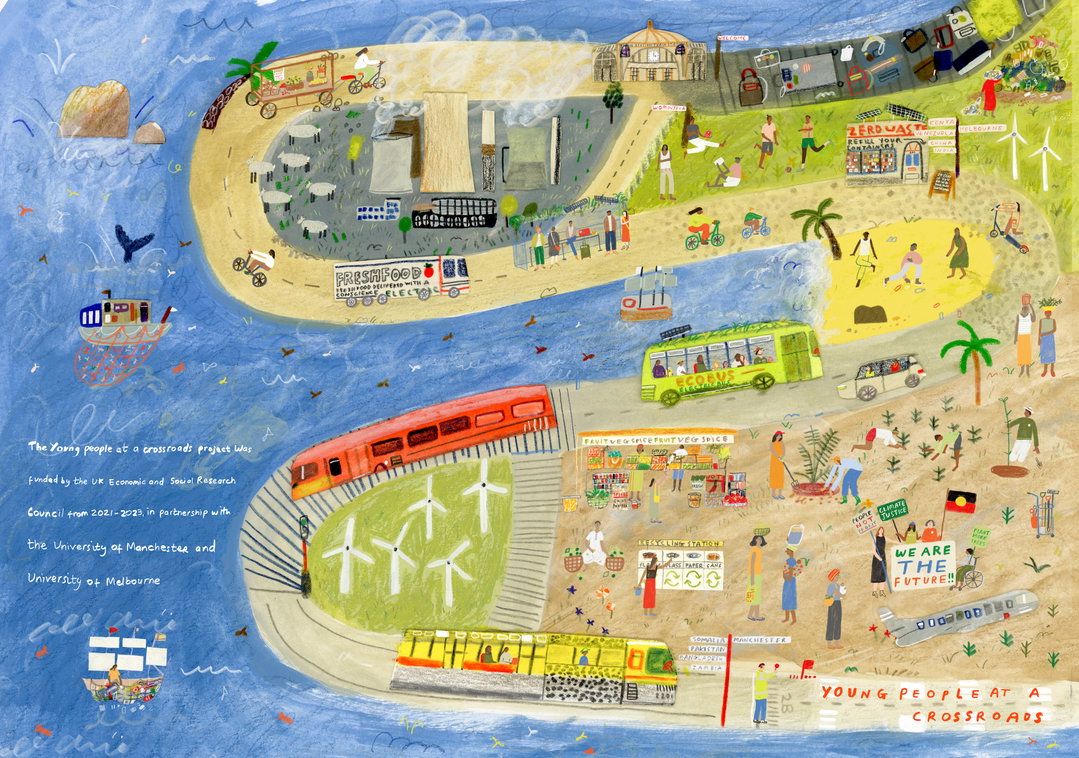
Maisy Summer: Young People at a Crossroads (Copyright © Maisy Summer)
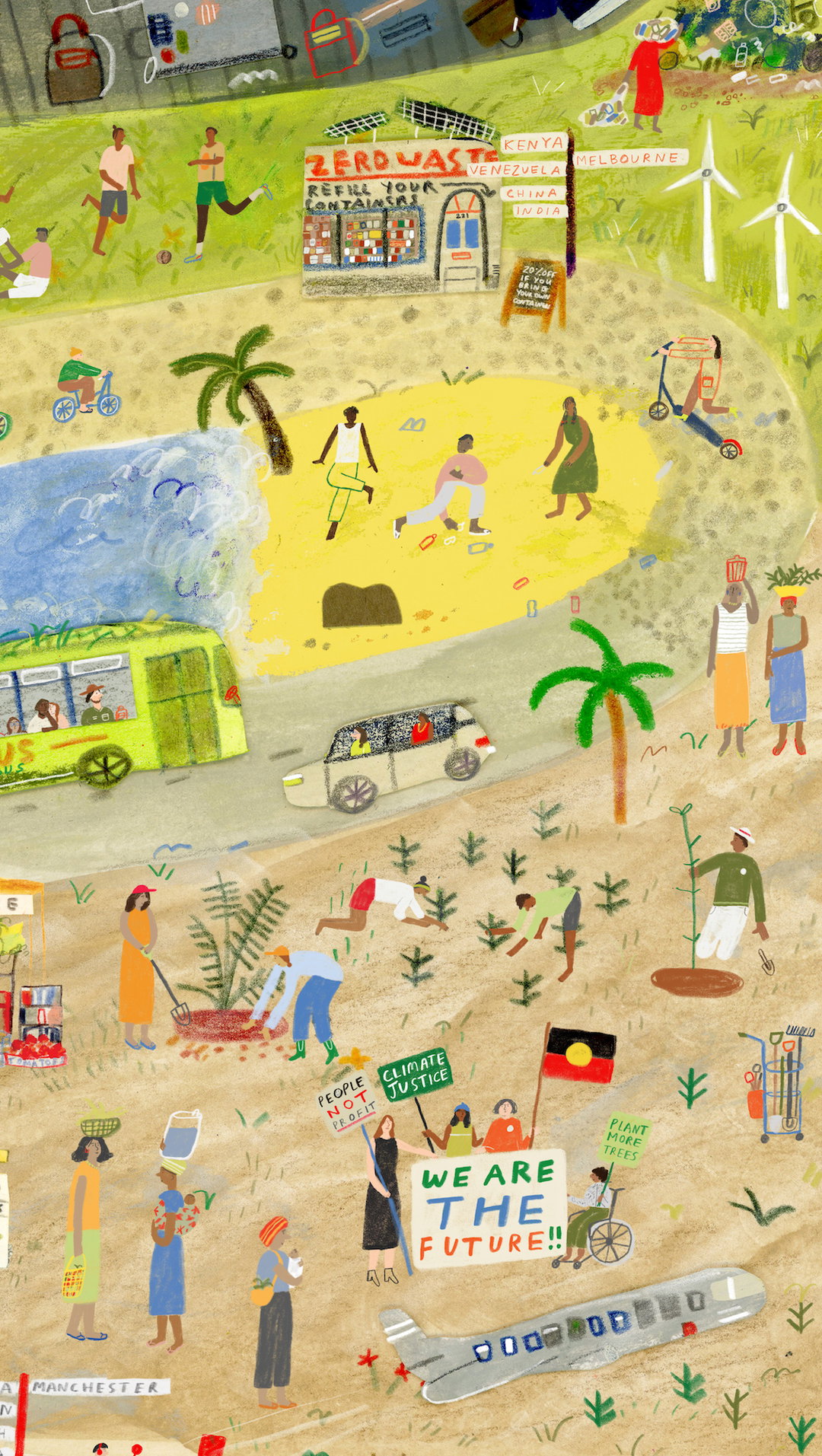
Maisy Summer: Young People at a Crossroads (Copyright © Maisy Summer)
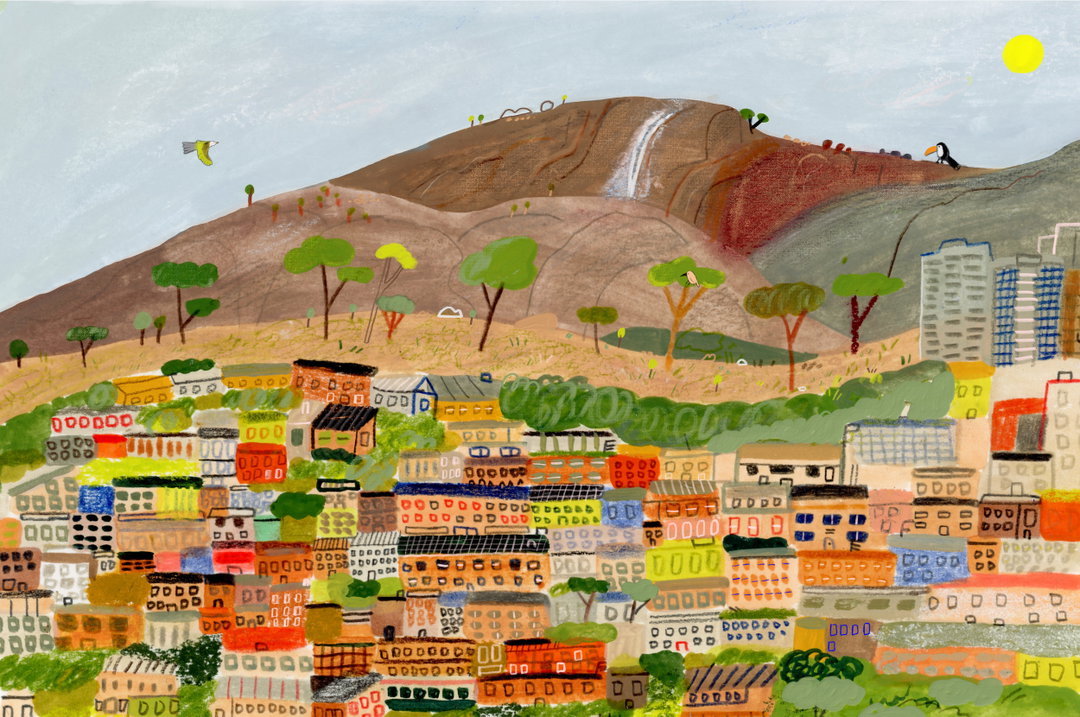
Maisy Summer: Young People at a Crossroads (Copyright © Maisy Summer)
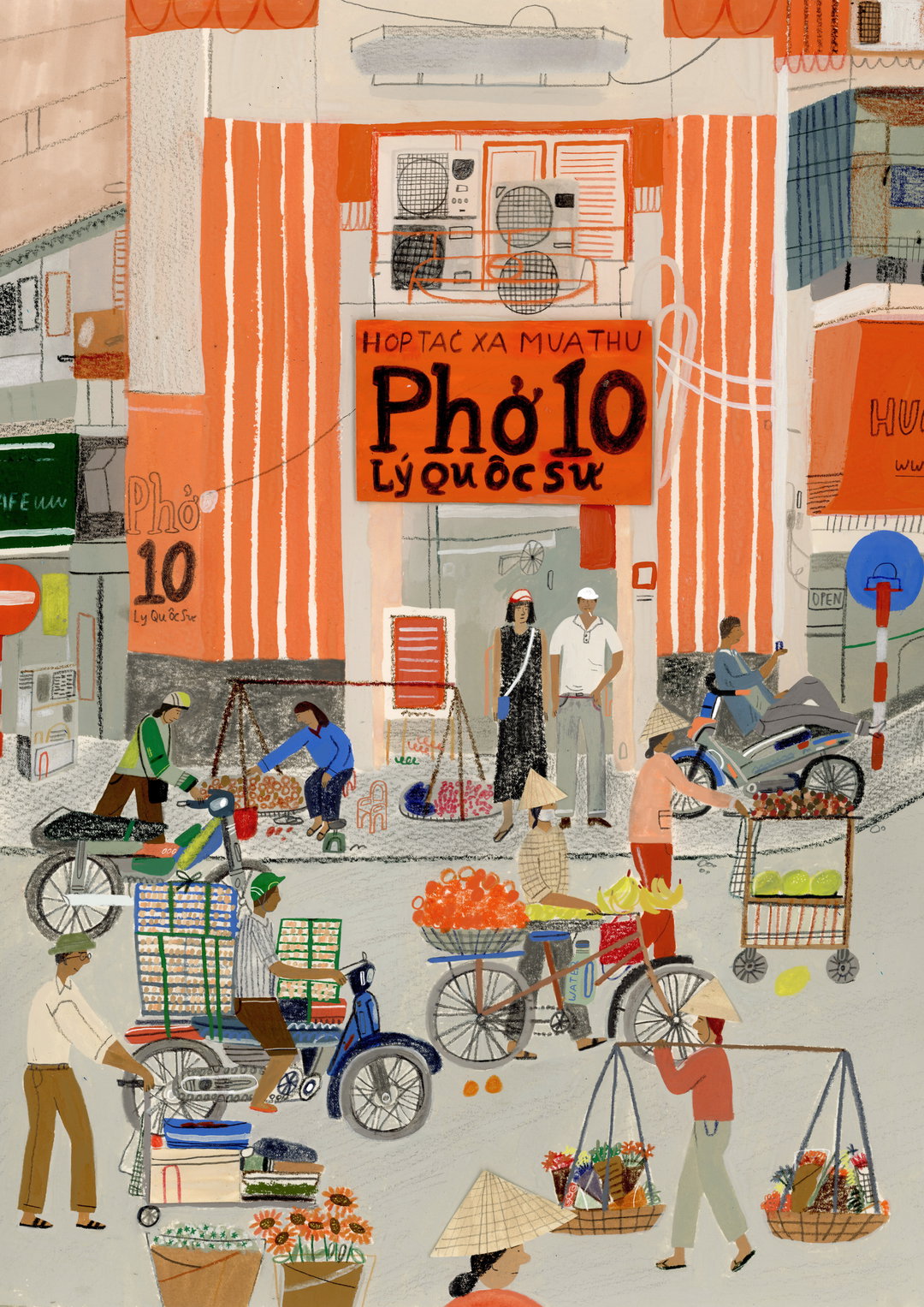
Maisy Summer: Drawing Diaries (Copyright © Maisy Summer)
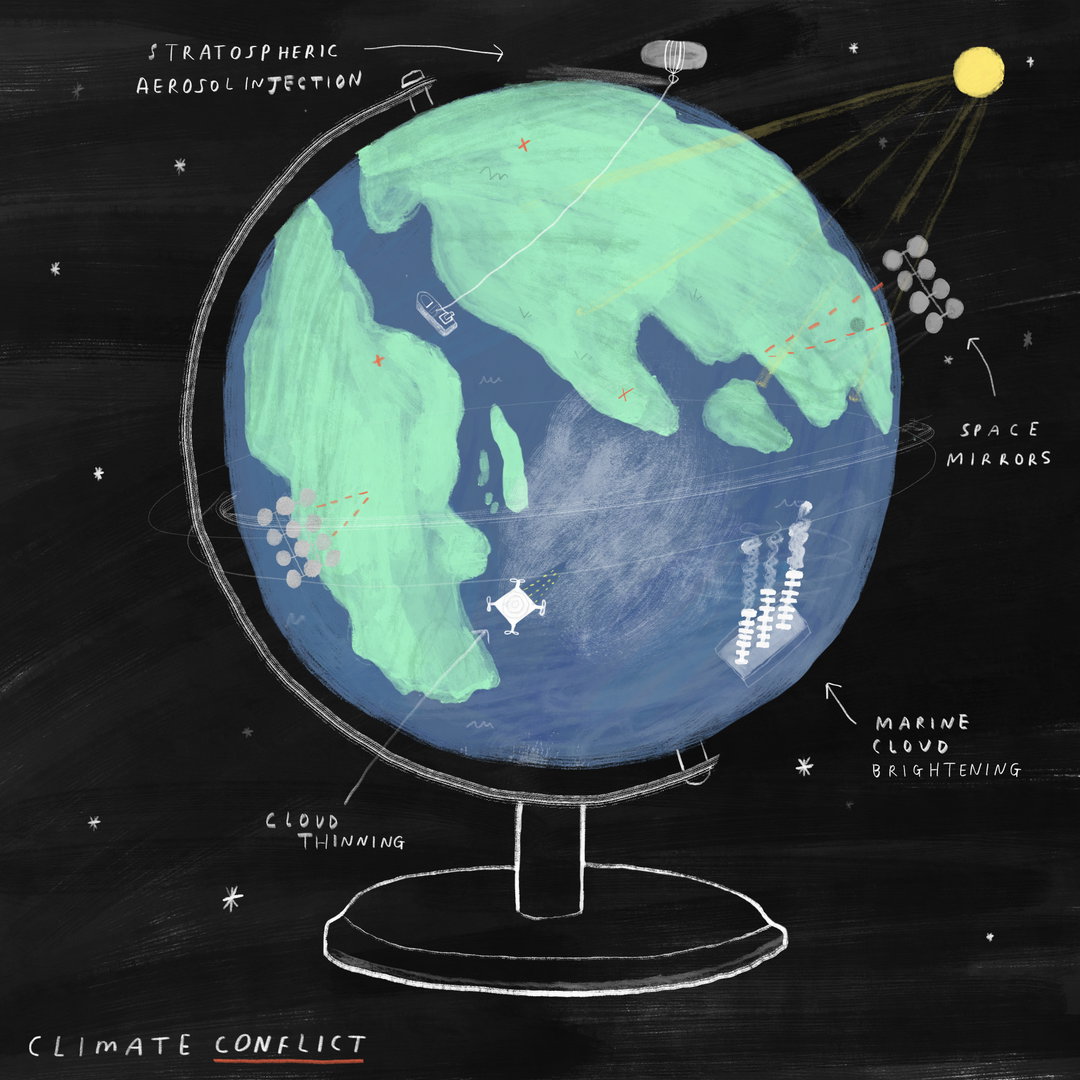
Maisy Summer: Climate Intervention Cards (Copyright © Maisy Summer)
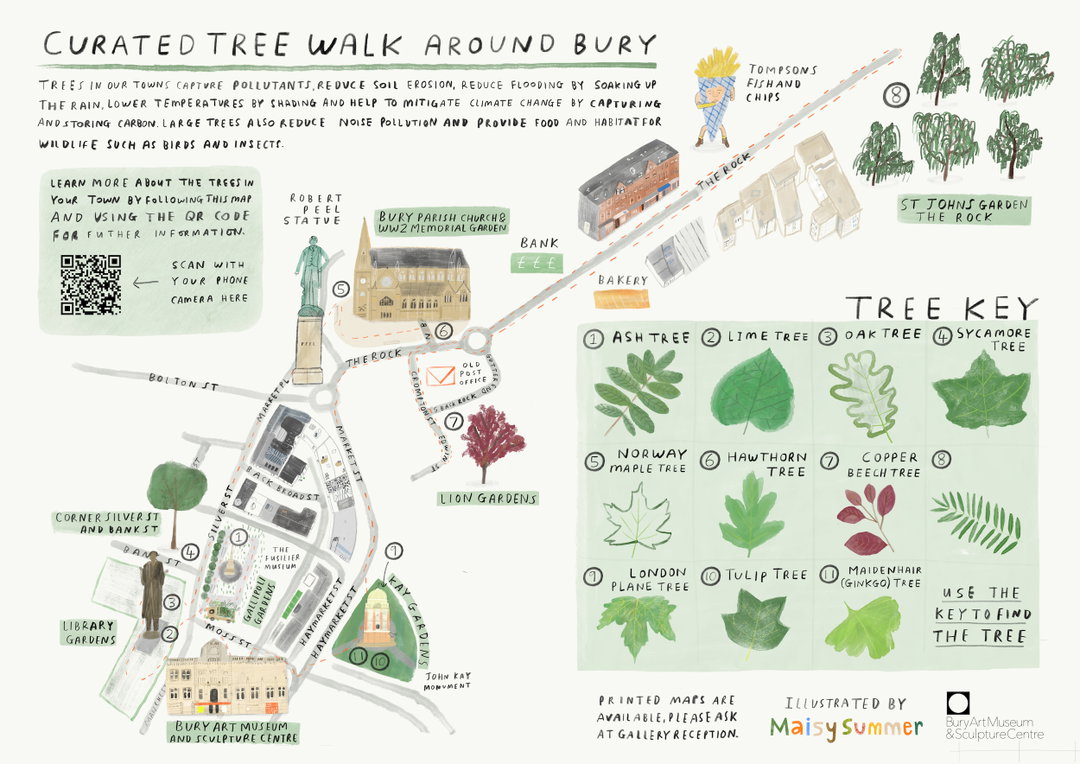
Maisy Summer: Community Tree map – Bury Art Museum (Copyright © Maisy Summer)
Hero Header
Maisy Summer: Studio Cultura (Copyright © Maisy Summer)
Share Article
About the Author
—
Olivia (she/her) is associate editor of the website, overseeing the day-to-day editorial projects as well as Nicer Tuesdays events. She joined the It’s Nice That team in 2021. ofh@itsnicethat.com
To submit your work to be featured on the site, see our Submissions Guide.