An artist and former funeral professional have collaborated on a book about the bizarre and beautiful rituals of death
This book about death, decay and disappearance finds new and brilliant ways to sensitively engage with a topic that has been done, well – to death.
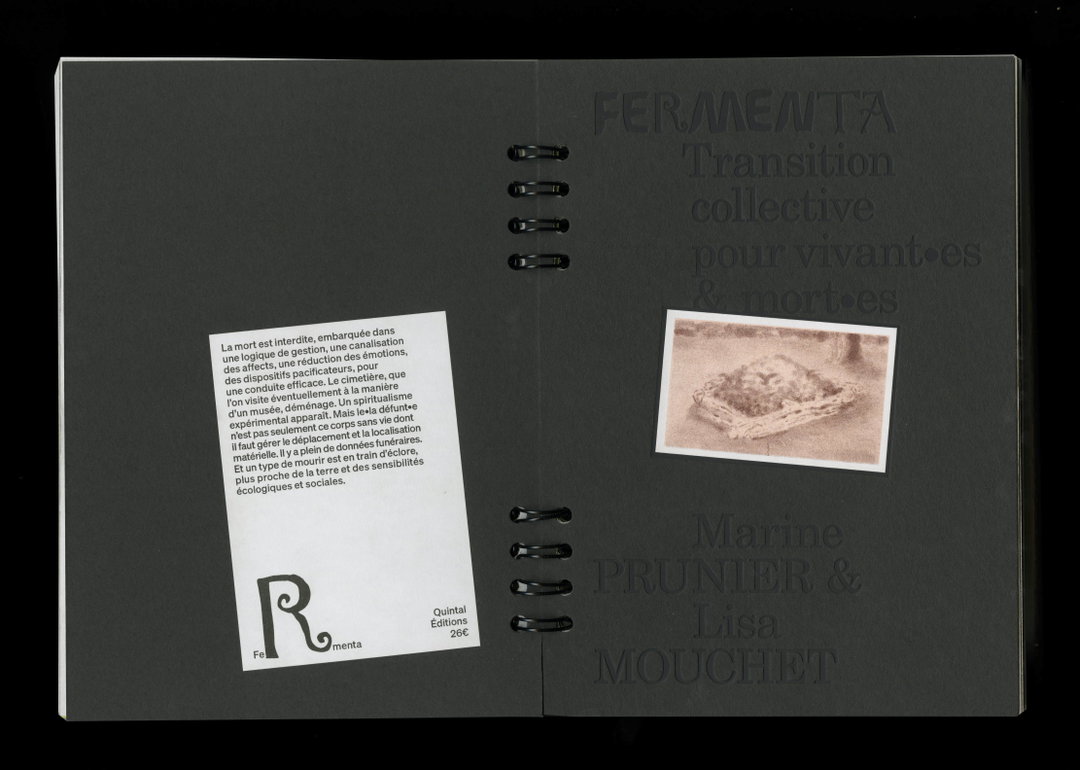
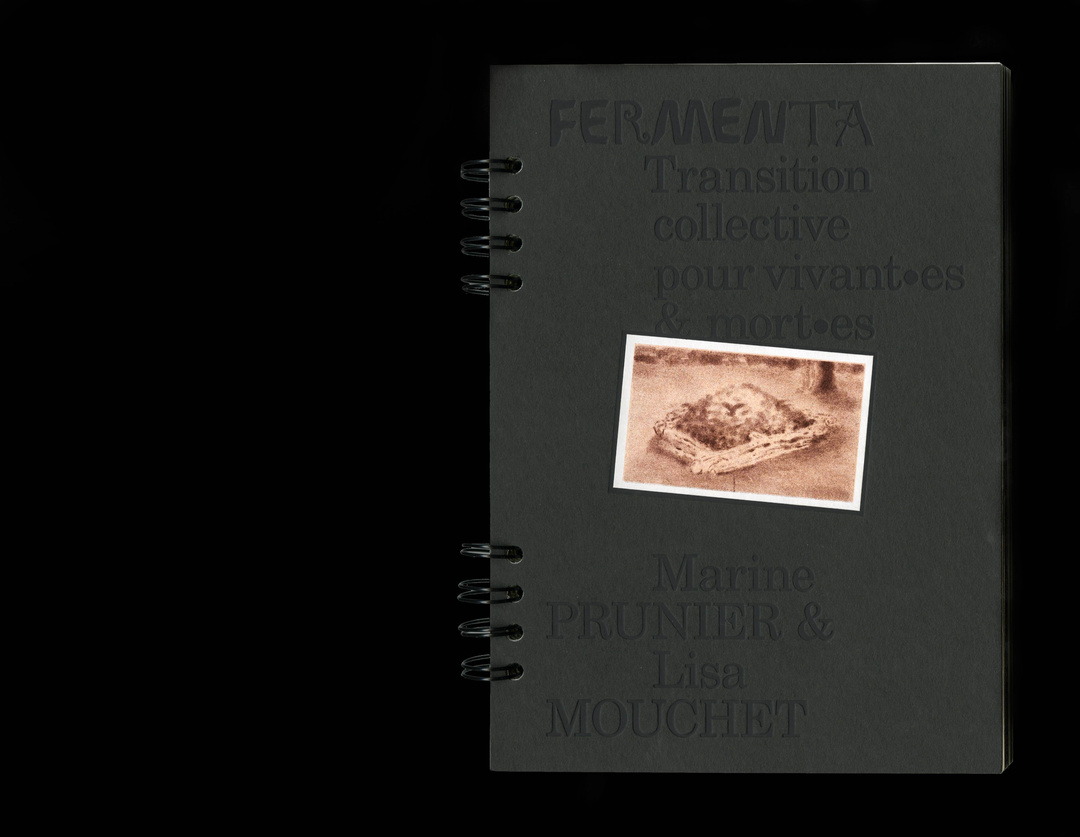
If there’s one thing we can be sure about is that all things decay in time, but it’s not necessarily something to be scared of. It’s just a part of life. Who knows this better than artist, illustrator and writer Lisa Mouchet and artist, performer and “former funeral professional” Marine Prunier. Both equally interested in the oneiric, mythology and intimacy, the duo’s project Fermenta combines publishing, performance and exhibition to sensitively explore the gestures, objects and narratives associated with death.
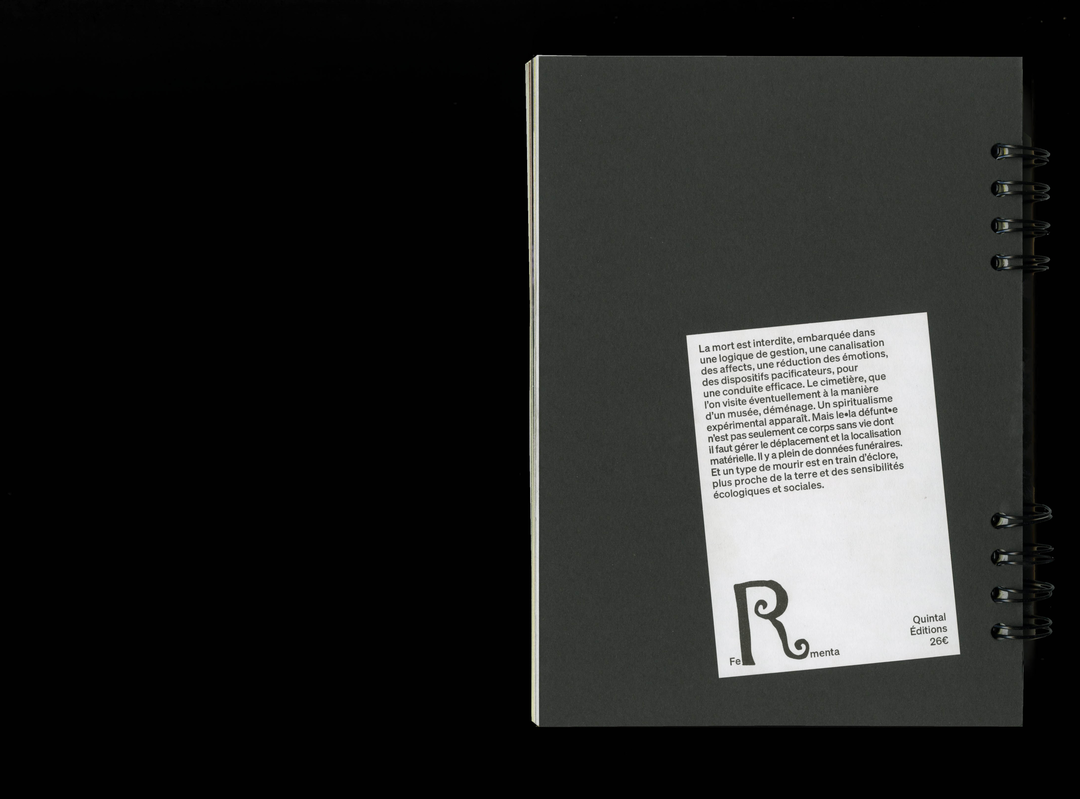
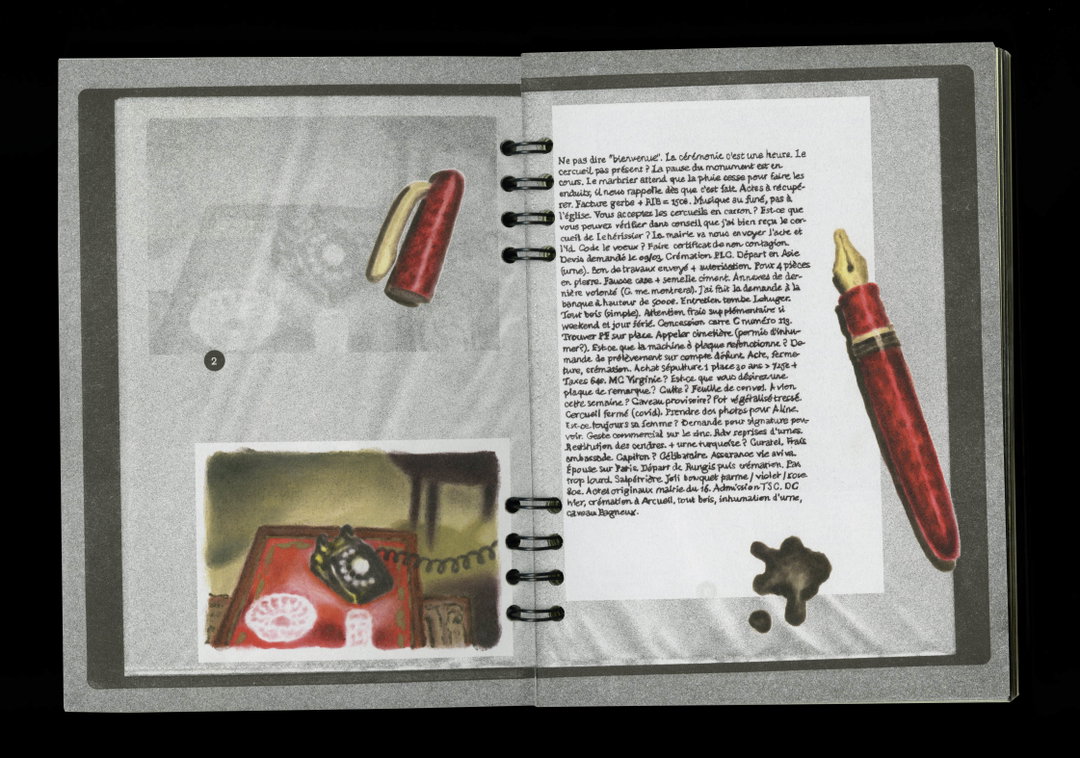
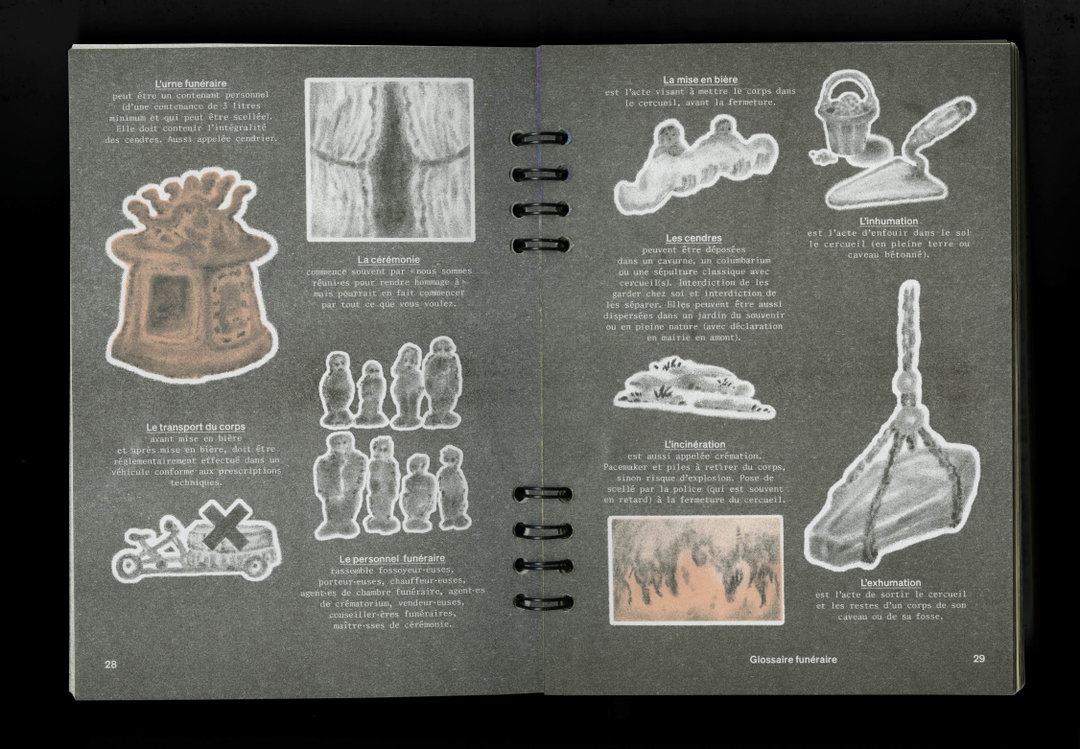
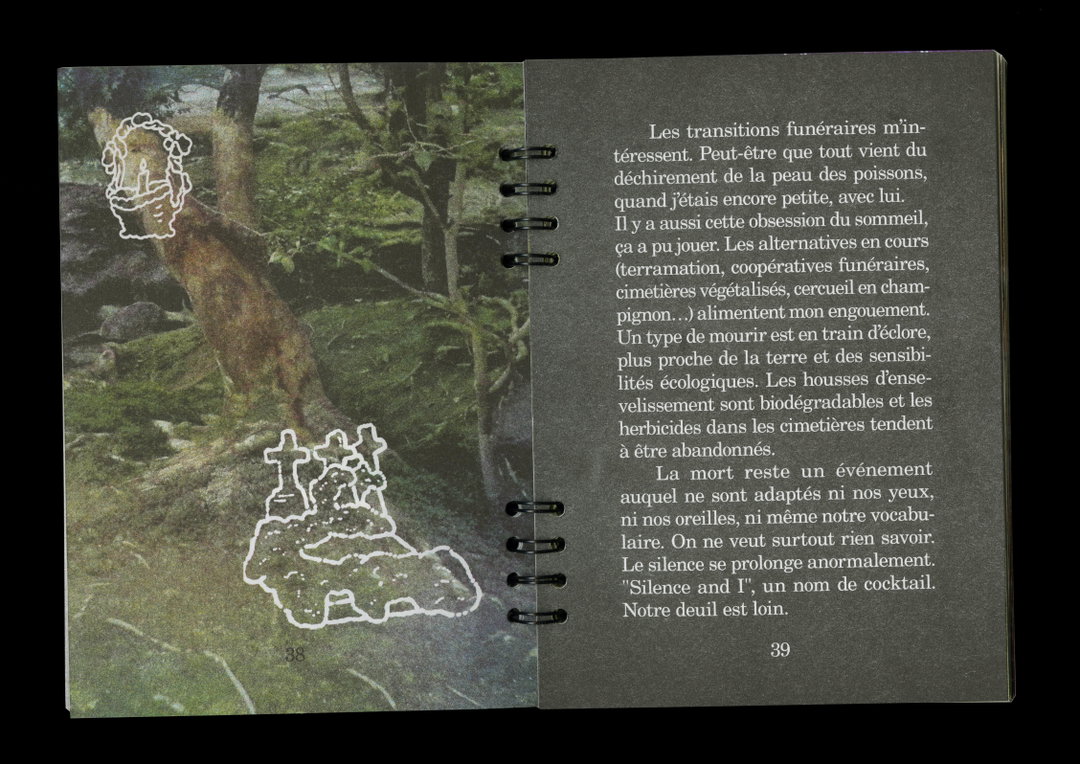
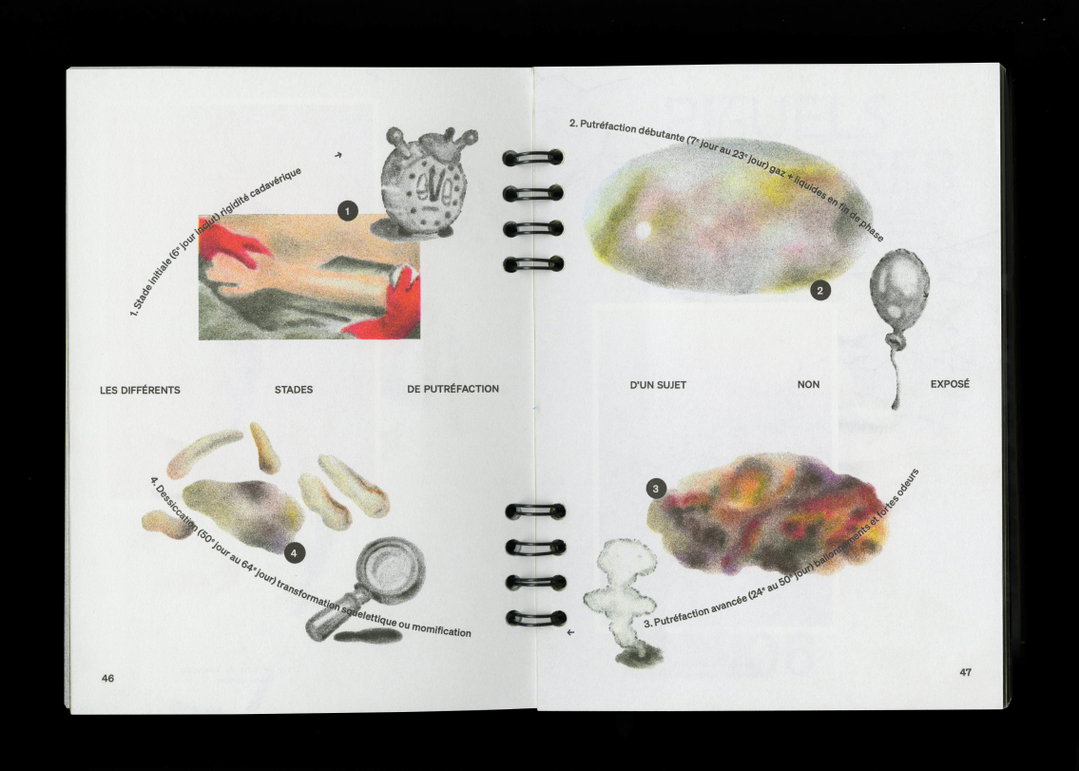
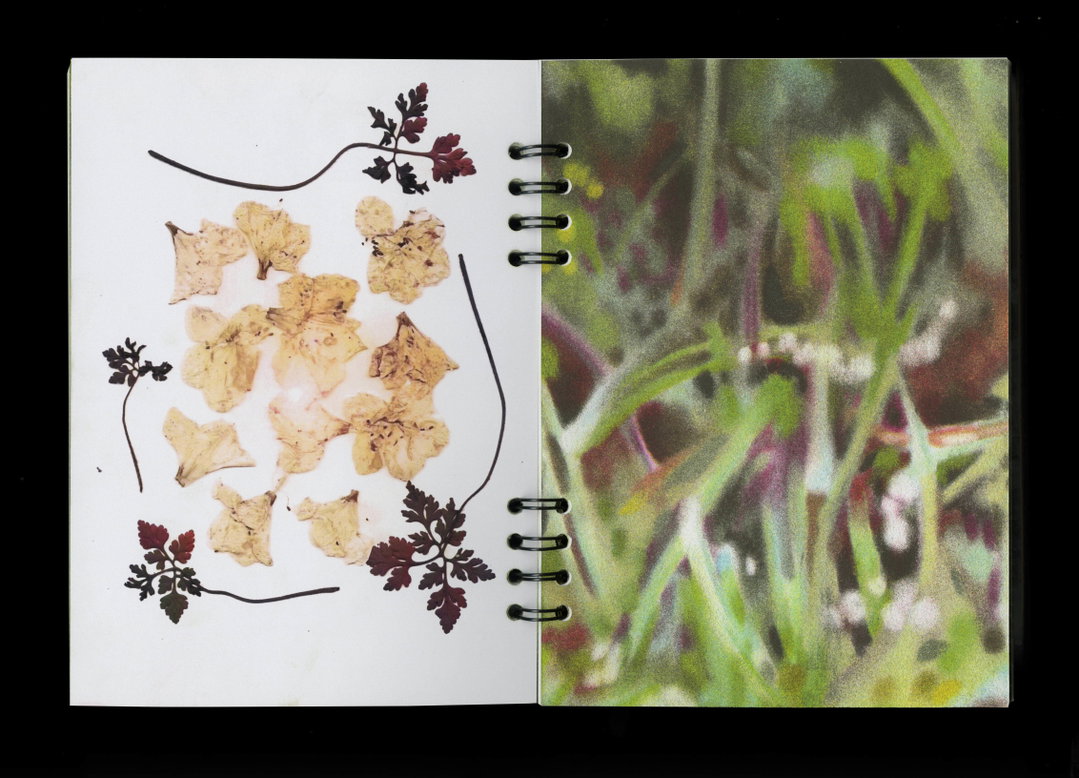
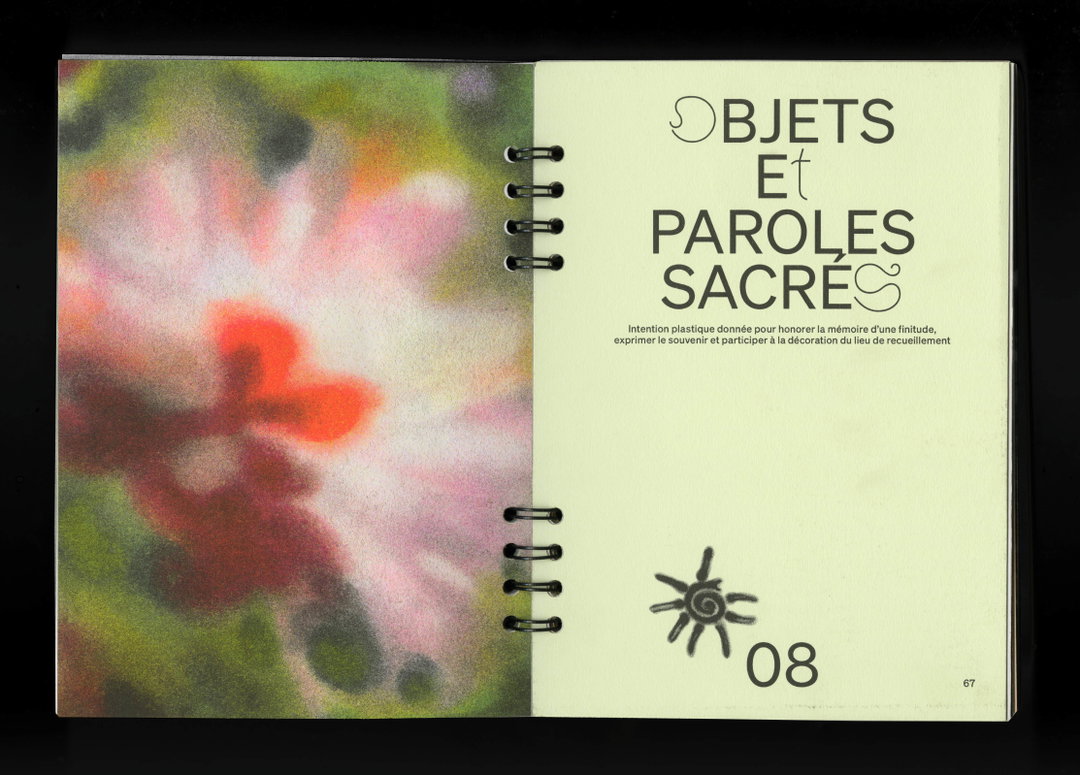
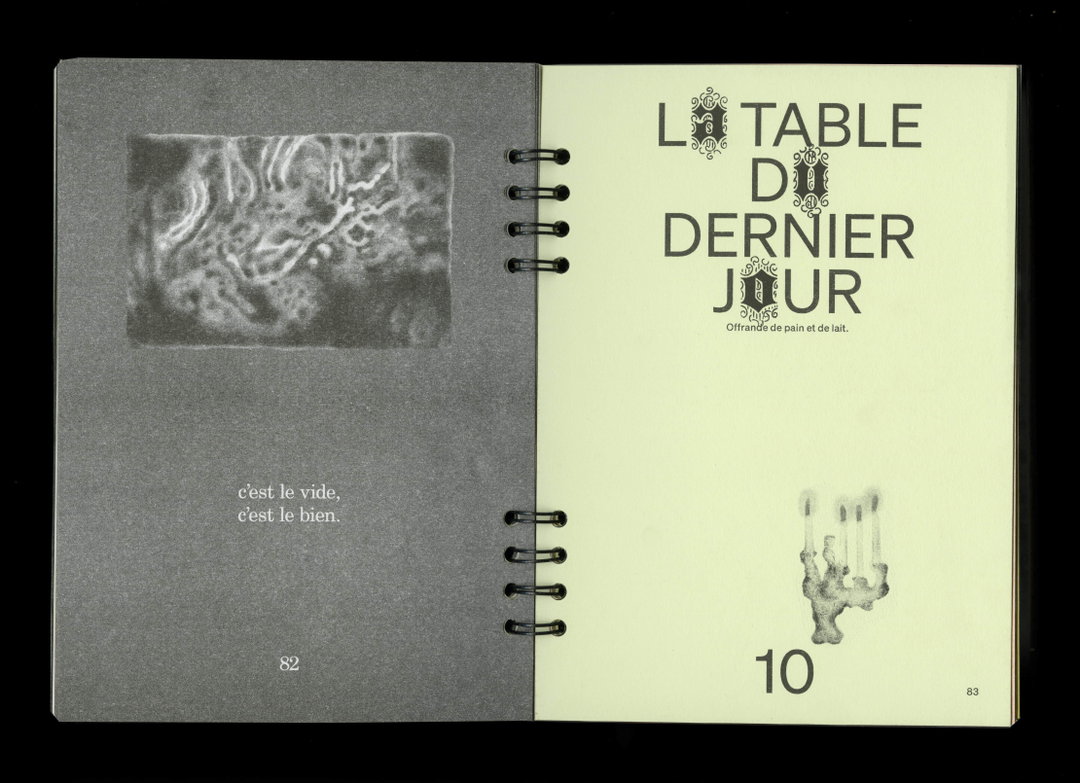
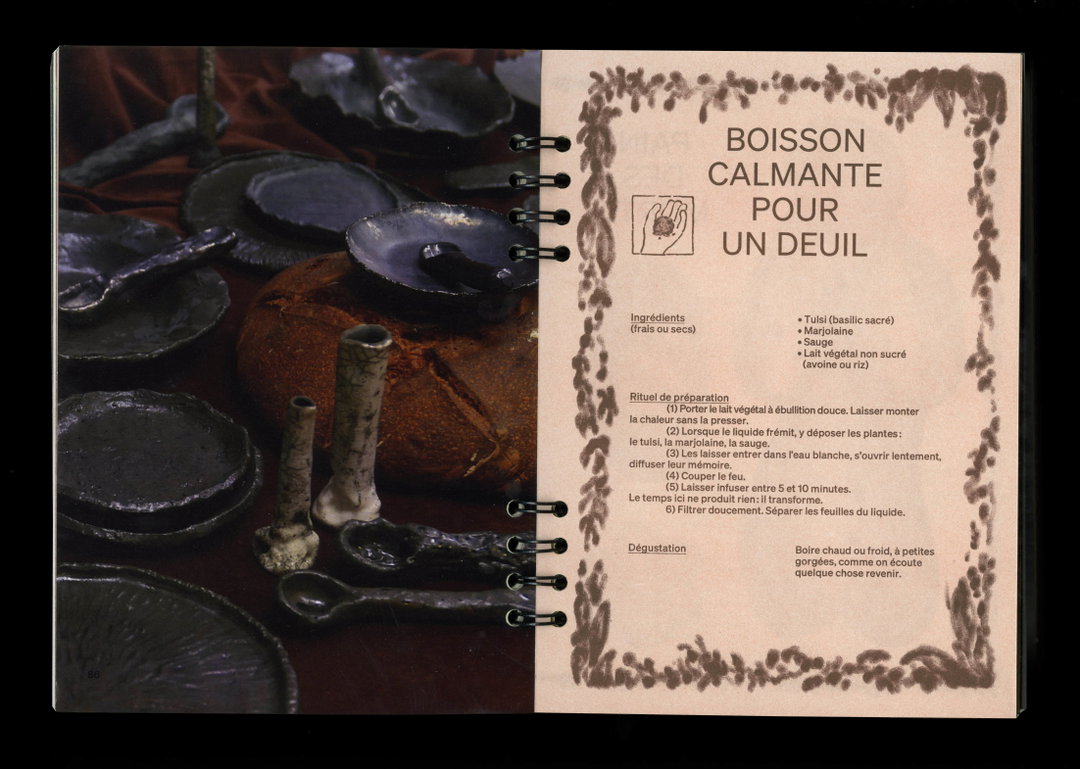
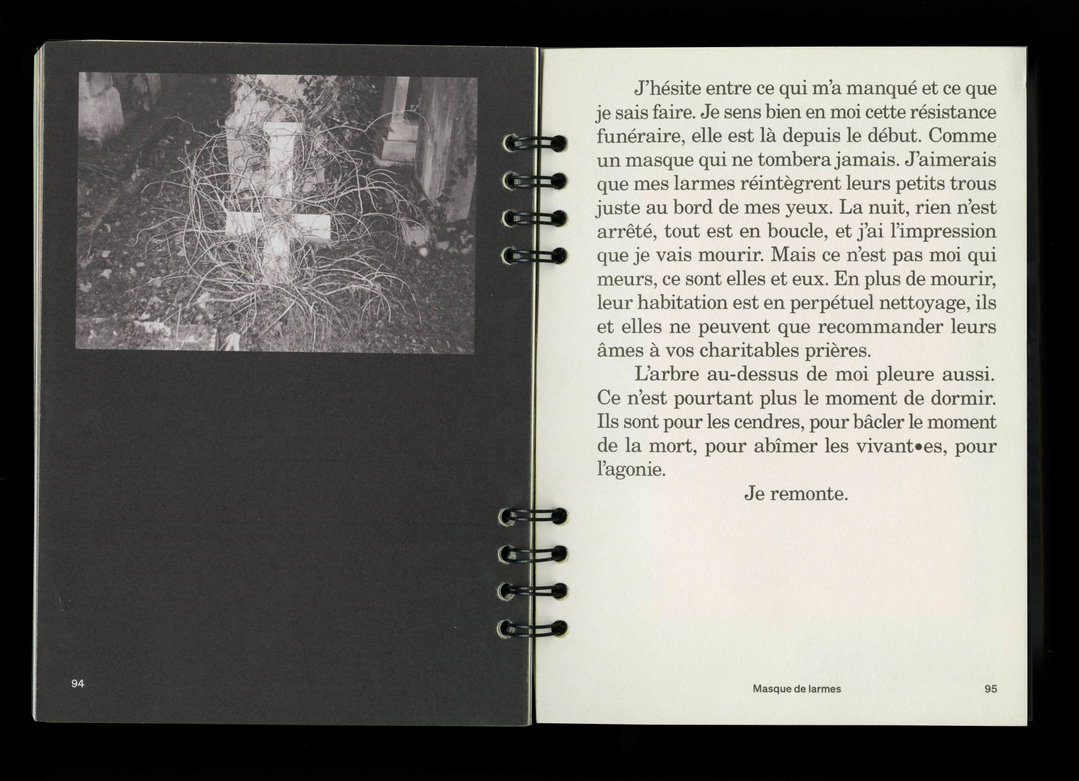
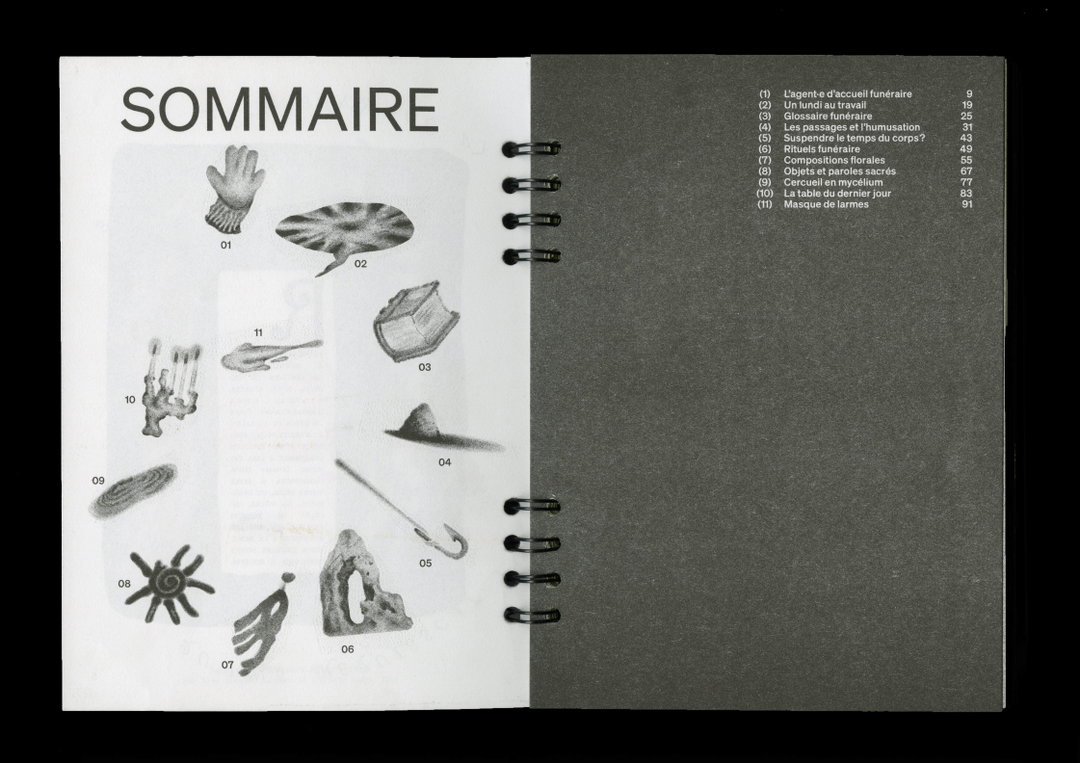
What does that entail exactly? Death has many connotations, but among some of the most overlooked details are the things the dead make us do: we create rituals, we create funeral foods, we create symbols – all under the umbrella of a morbid bureaucracy and the ecological innovations we’ve created in order to accommodate death. “Death is forbidden, subsumed into a logic of management – a channeling of affect, a reduction of emotions and pacifying mechanisms – all in the name of efficient conduct,” says Marine. “The cemetery, which we might visit much like a museum, is moving.” At the heart of Fermenta is a 100-page book, printed using Risograph and laser printing, featuring texts and photos from Marine as well as drawings and pastels from Lisa. Creating a narrative tie between funeral legislations and the poetics of death opens the door to an intimate and playful reflection on mortality, even though it sounds pretty gutting. There is even an additional sheet that comes along with Fermenta which prompts the reader to write a will or a message of friendship.
GalleryLisa Mouchet & Marine Prunier: Fermenta (Copyright © Lisa Mouchet & Marine Prunier, 2026)
The book’s launch in June of this year was very eye-catching – it took the form of a performance and culinary installation, subverting funeral conventions such as banquets and symbolic fabrics and turning these materials into a new type of death ceremony – on top of that, the artists ate a huge load of bread shaped like a body.
“Today in France, there is a capitalist market within the funeral industry, particularly among large corporations; as with everything else, our dead do not escape this system. But as is the case everywhere and with everything, there is resistance. This resistance includes funeral cooperatives; the idea of funeral cooperatives emerged in the early 20th century in Quebec,” Lisa tells It’s Nice That. Modern France has co-operatives established in several significant areas, as well as funeral homes that are owned by its members, operations that Lisa says “are not driven by the pursuit of profit, but by social utility”.
Fermenta unfolds as a collaborative, experimental work that fuses together literature, philosophy, theatre and activism for a world where death is treated with dignity and grief is accommodated safely and freely. Somehow finding new ways in which to discuss death, which is a major fixation for all walks of life and art, the book particularly shines in its collaboration between its author’s styles. Whereas Lisa brings a sensitive visual universe to the poetic and unsettling, Marine’s lived experience brings direct connections to the questions of care, disappearance and the body’s decay. It’s in that difference between styles that gave form to things that each artist was always searching to communicate, but couldn’t fully – until they met each other. Rather than merging practices, the practices coexist as a dialogue between different ways of looking, remembering and imagining. Just like death, the book speaks for itself – whether you feel comforted or disturbed is purely personal – but one thing is for sure. It’s full of artistic truth.
GalleryLisa Mouchet & Marine Prunier: Fermenta (Copyright © Lisa Mouchet & Marine Prunier, 2026)
Hero Header
Lisa Mouchet & Marine Prunier: Fermenta (Copyright © Lisa Mouchet & Marine Prunier, 2026)
Share Article
Further Info
About the Author
—
Paul M (He/Him) is a Junior Writer at It’s Nice That since May 2025. He has a strong interest in graphic design, digital kitsch, multimedia painting, collage, nostalgia, analogue technology and all matters of strange stuff. pcm@itsnicethat.com
To submit your work to be featured on the site, see our Submissions Guide.