Glorianna Ximendaz uses archive photography, digital imagery and text messages to immortalise Palestine
The photographer created the mixed media photo series to counter the fact that “memory is being constantly overwritten”.
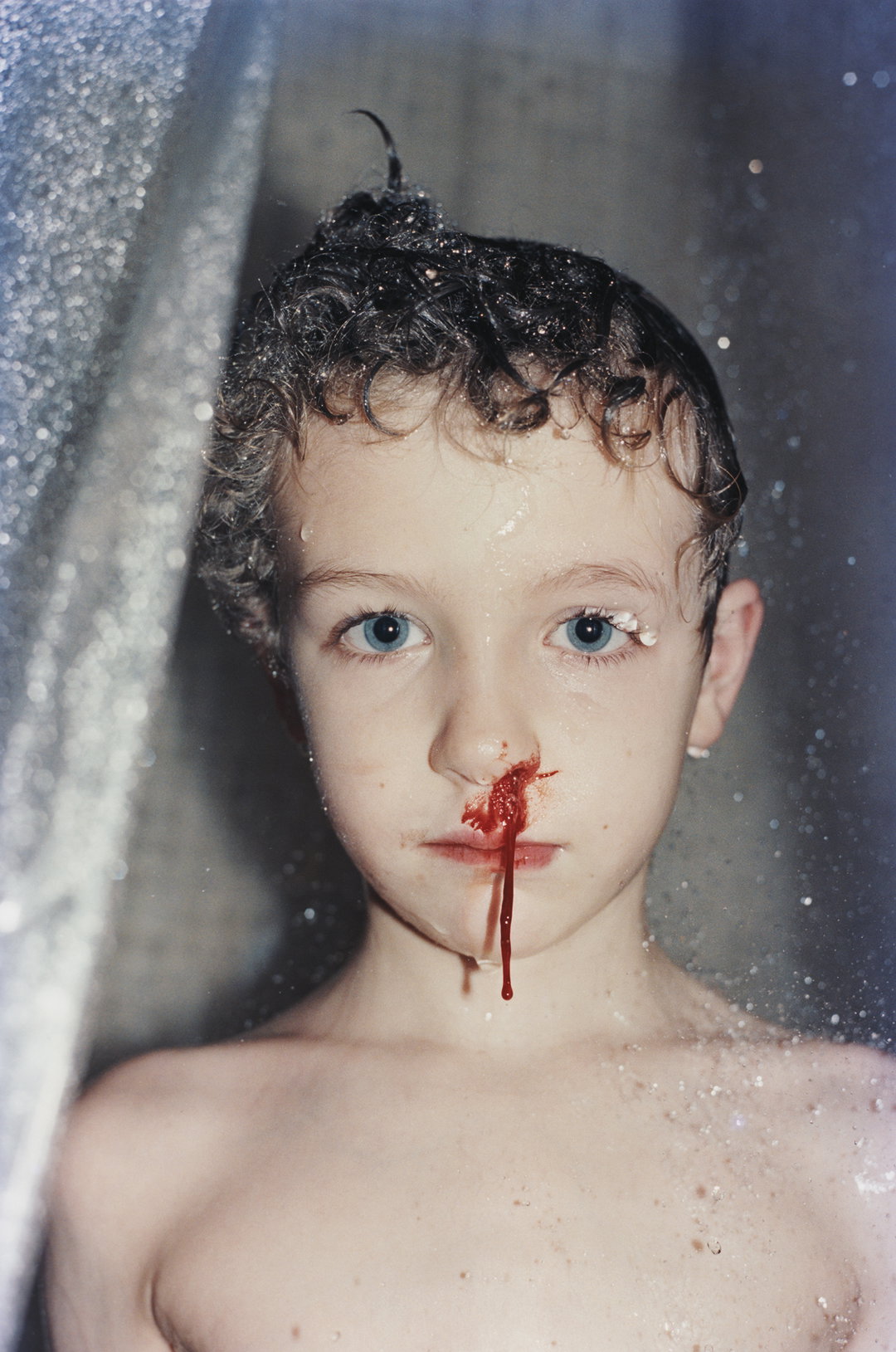
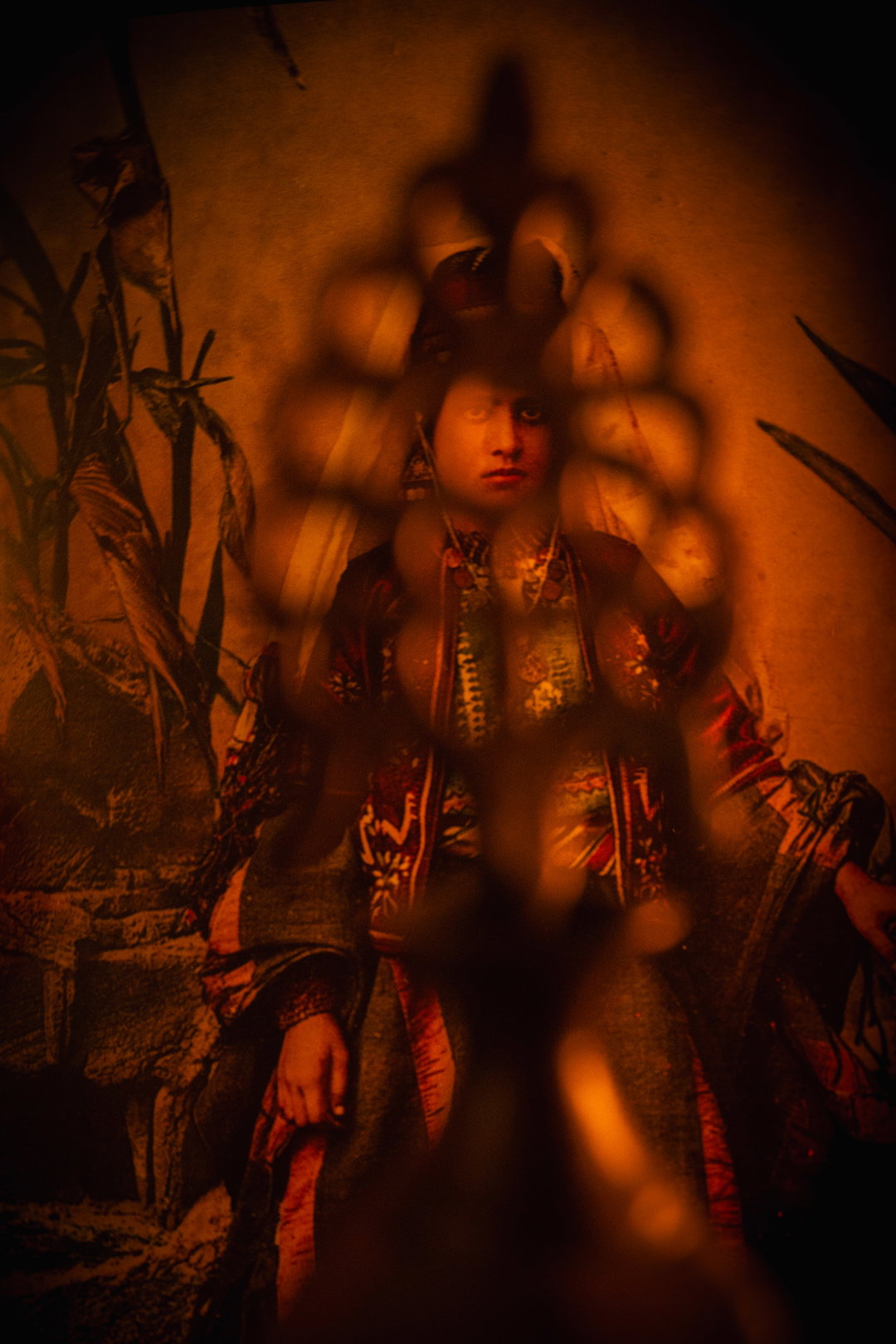
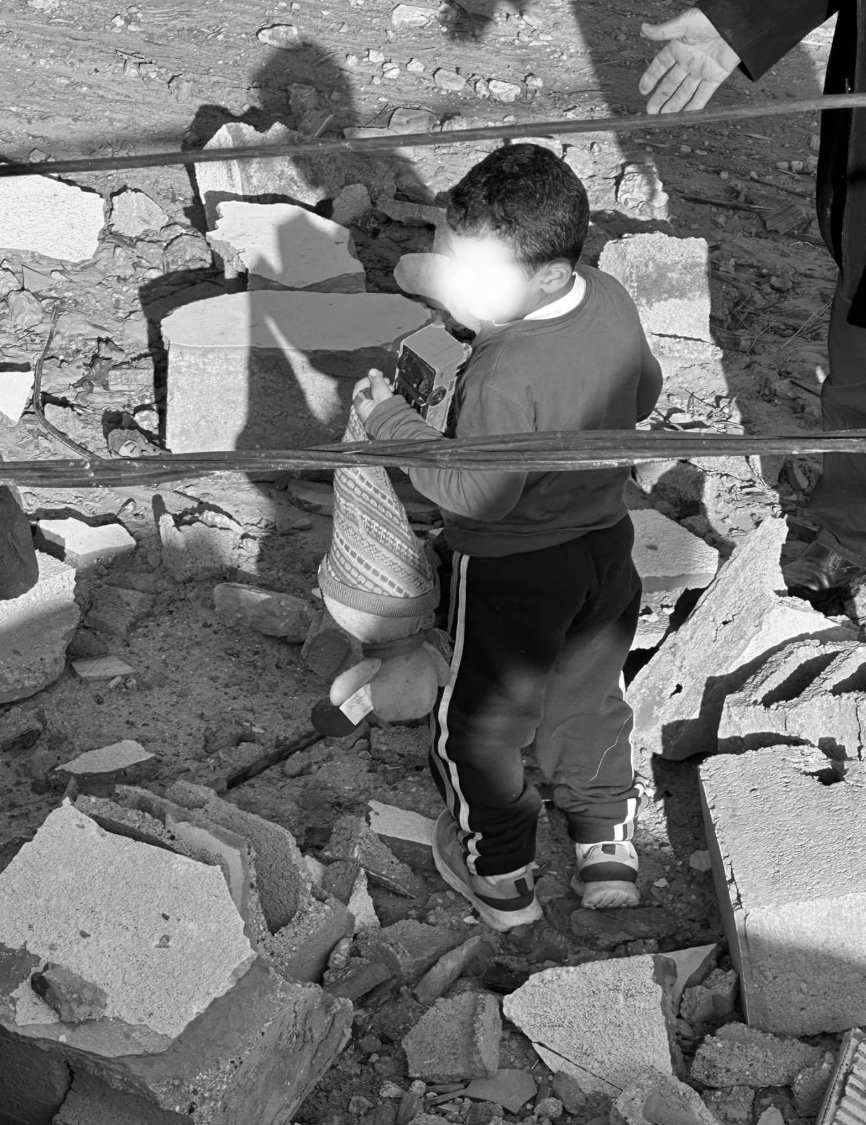
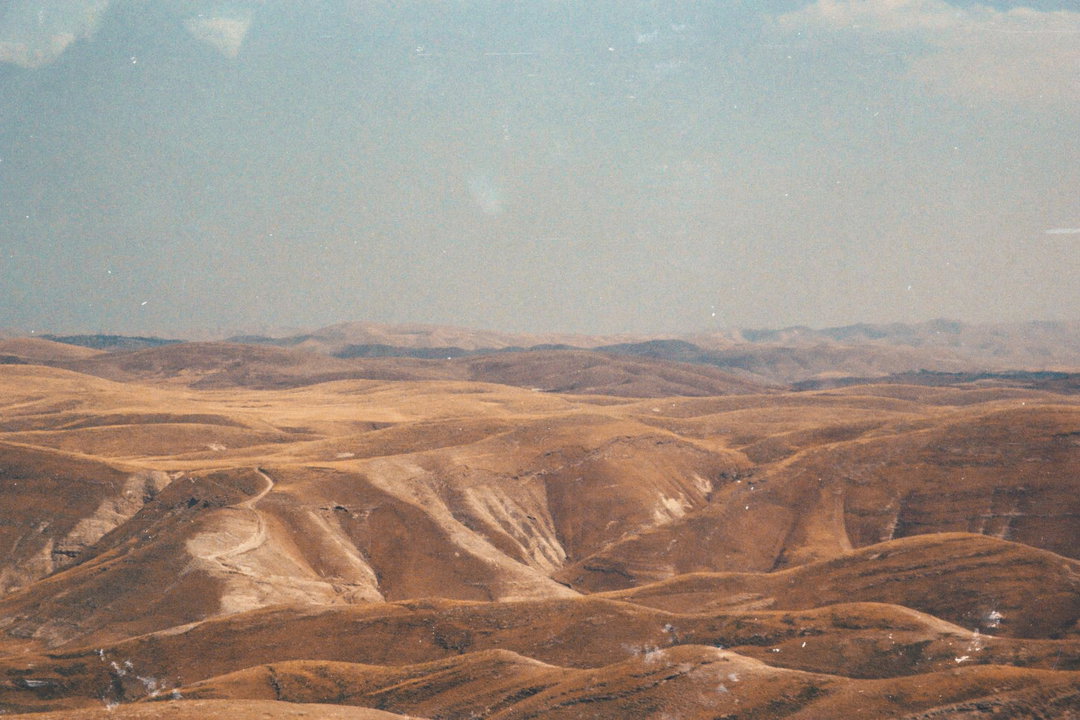
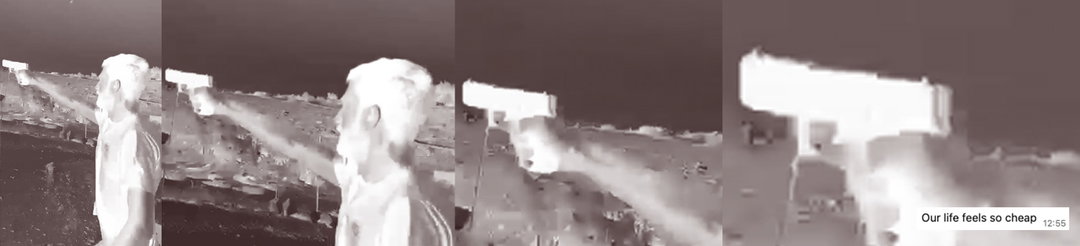
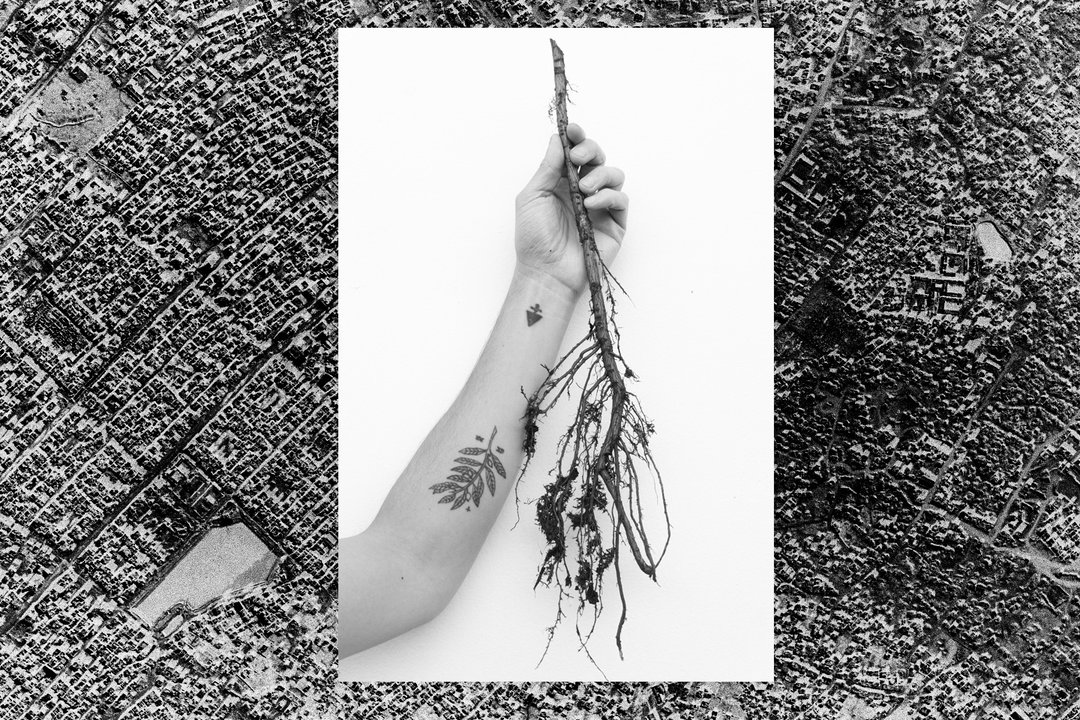
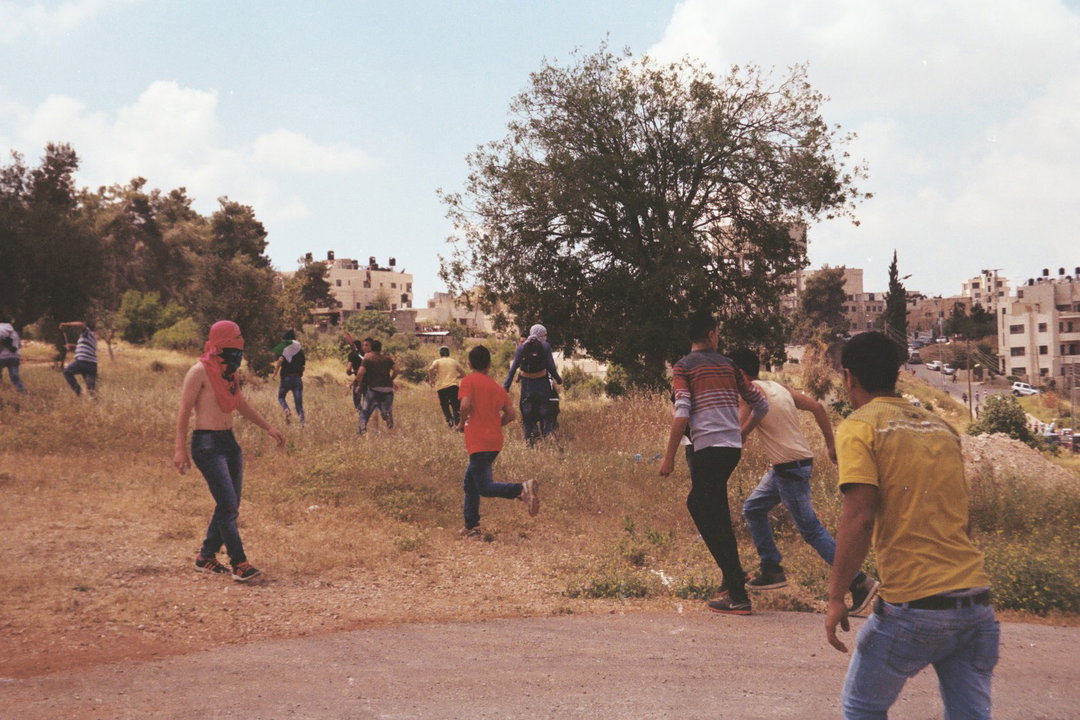
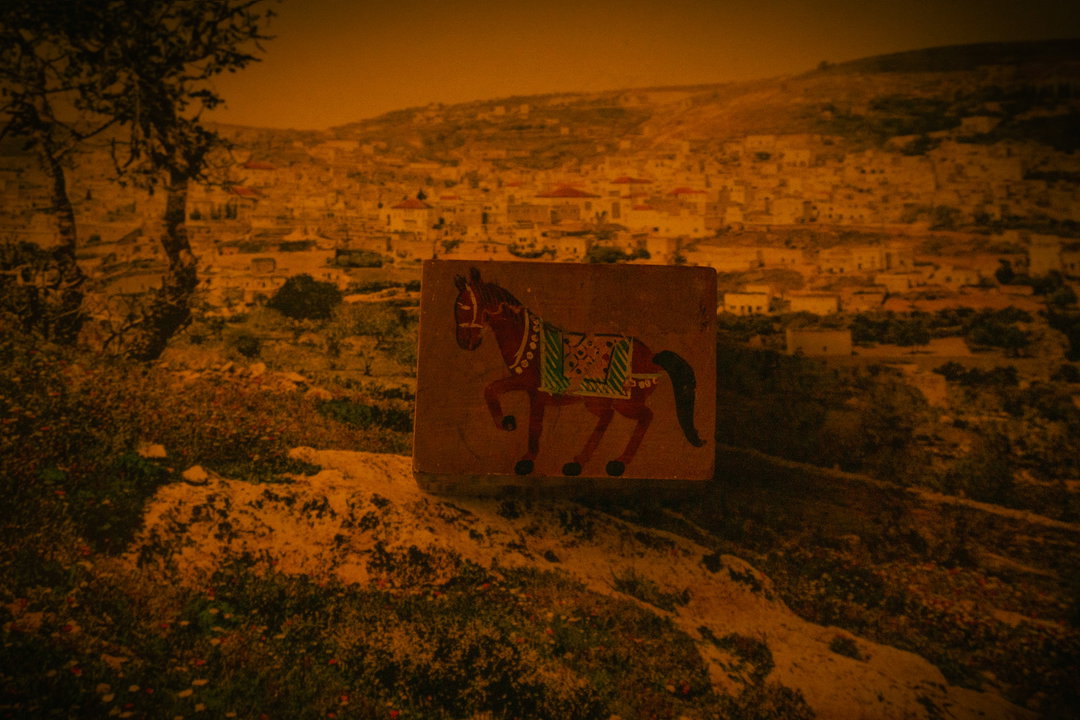
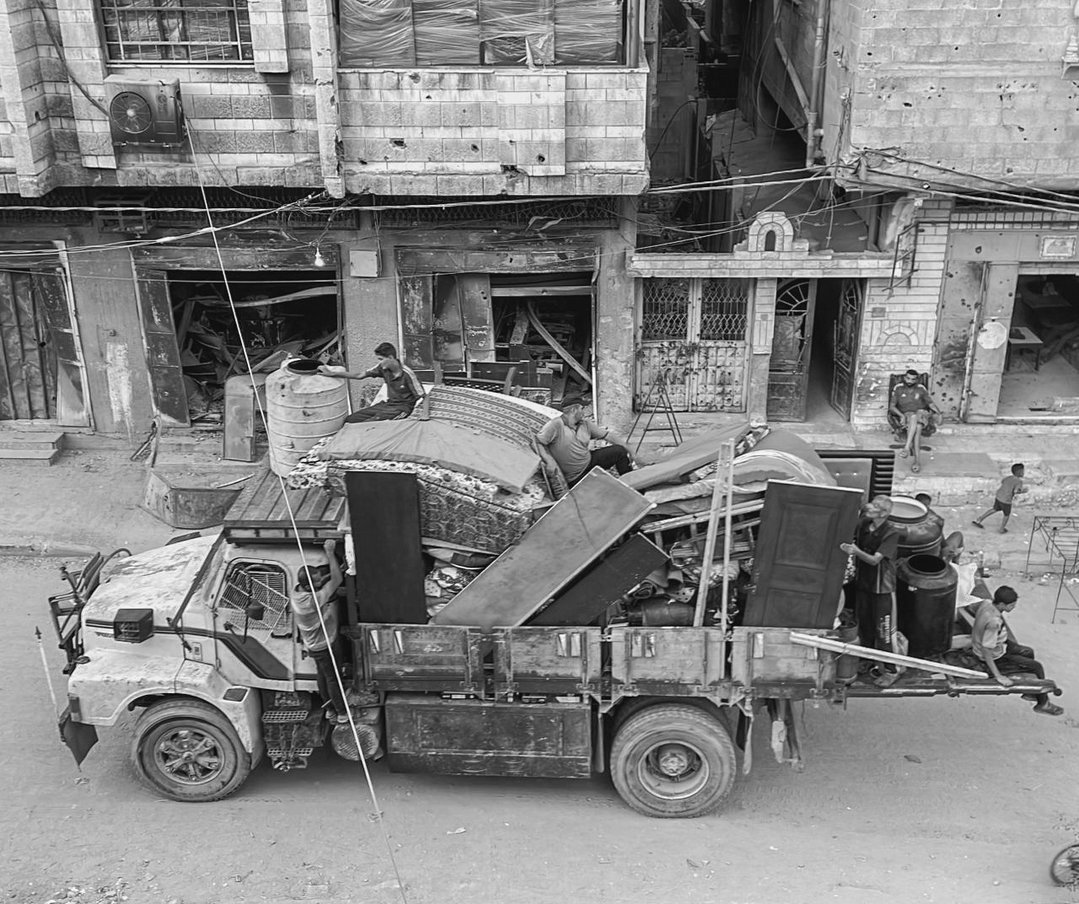
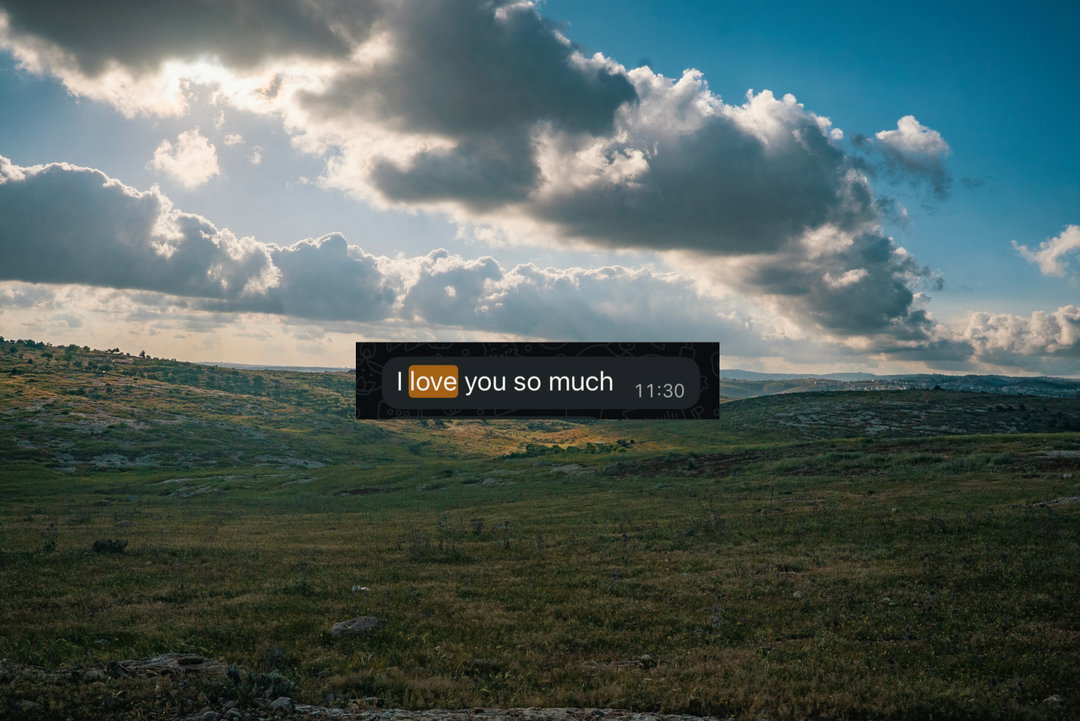
Glorianna Ximendaz, a Costa Rica-based visual storyteller and artist, was taking part in a documentary photography workshop with colleagues when, during one session, her mentor suggested that she try photographing her week “as it is”. Glorianna immediately began thinking about what her daily routines look like, but above all she realised that every day, she would wake up and go to sleep with a deep anxiety – wondering whether the people she loves are still alive in Palestine, where she had photographed atrocities 11 years previously. The photo series, Home is where your heart is, melds personal archival images with videos and messages sent by loved ones, resulting in the record of Palestine’s reality through text bubbles, pixels and emotive lighting.
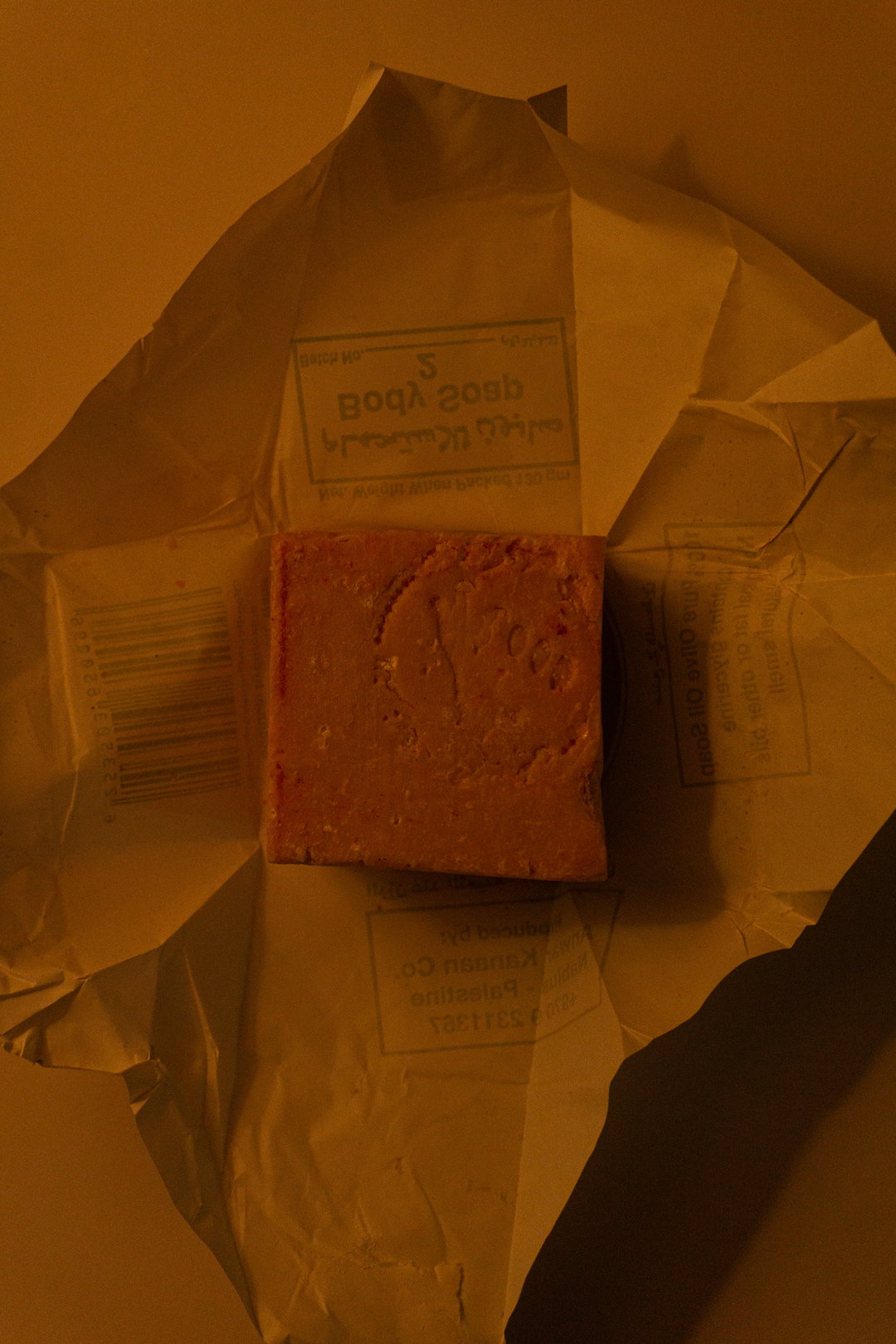
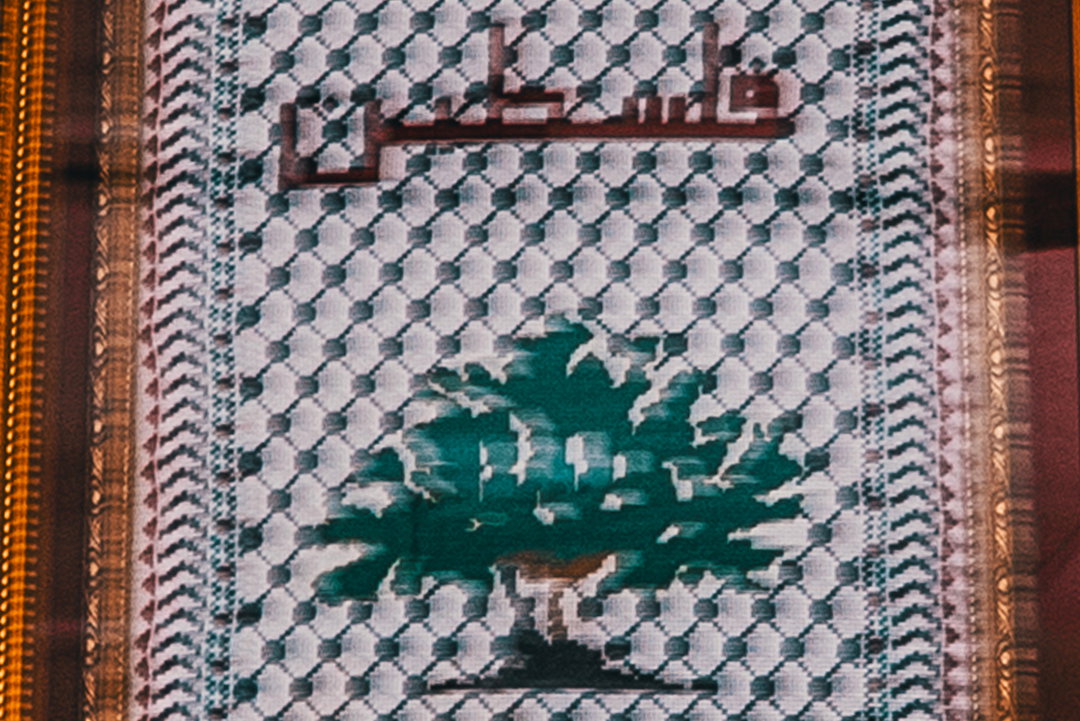
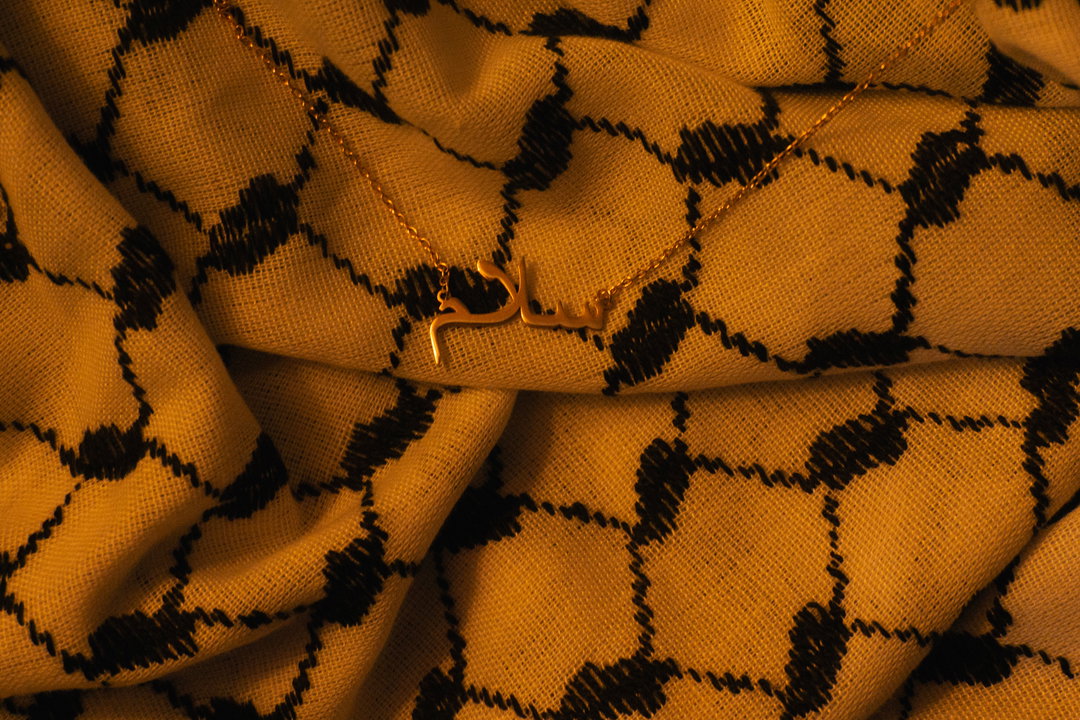
“My week includes seeing, in my home, objects that hold lived memories from Palestine, final reminders of things that no longer exist or are at risk of disappearing at any second,” says Glorianna. “Memory is constantly being overwritten. I blended these with my personal photo archive, creating a visual conversation between past and present and the uncertainty of what the future may bring.” In order to capture fleeting memories, as well as history that is being routinely rewritten or misconstrued, Glorianna brings artefacts of her life into the work, such as a necklace gift from Ramallah (bearing the word salam, meaning peace) and olive oil soap, which is a rare resource in Palestine. “The stillness of the still life images, paired with the violence of the others, creates a visual and emotional tension: the contradiction between the word peace, the symbolism of the keffiyeh, and the brutal reality of occupation,” says Glorianna.
Glorianna Ximendaz: Home is where the heart is (Copyright © Glorianna Ximendaz, 2025)
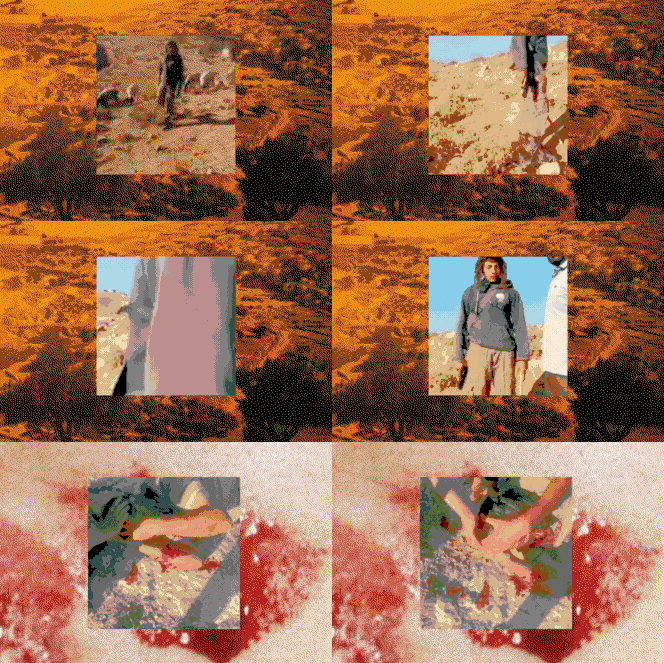
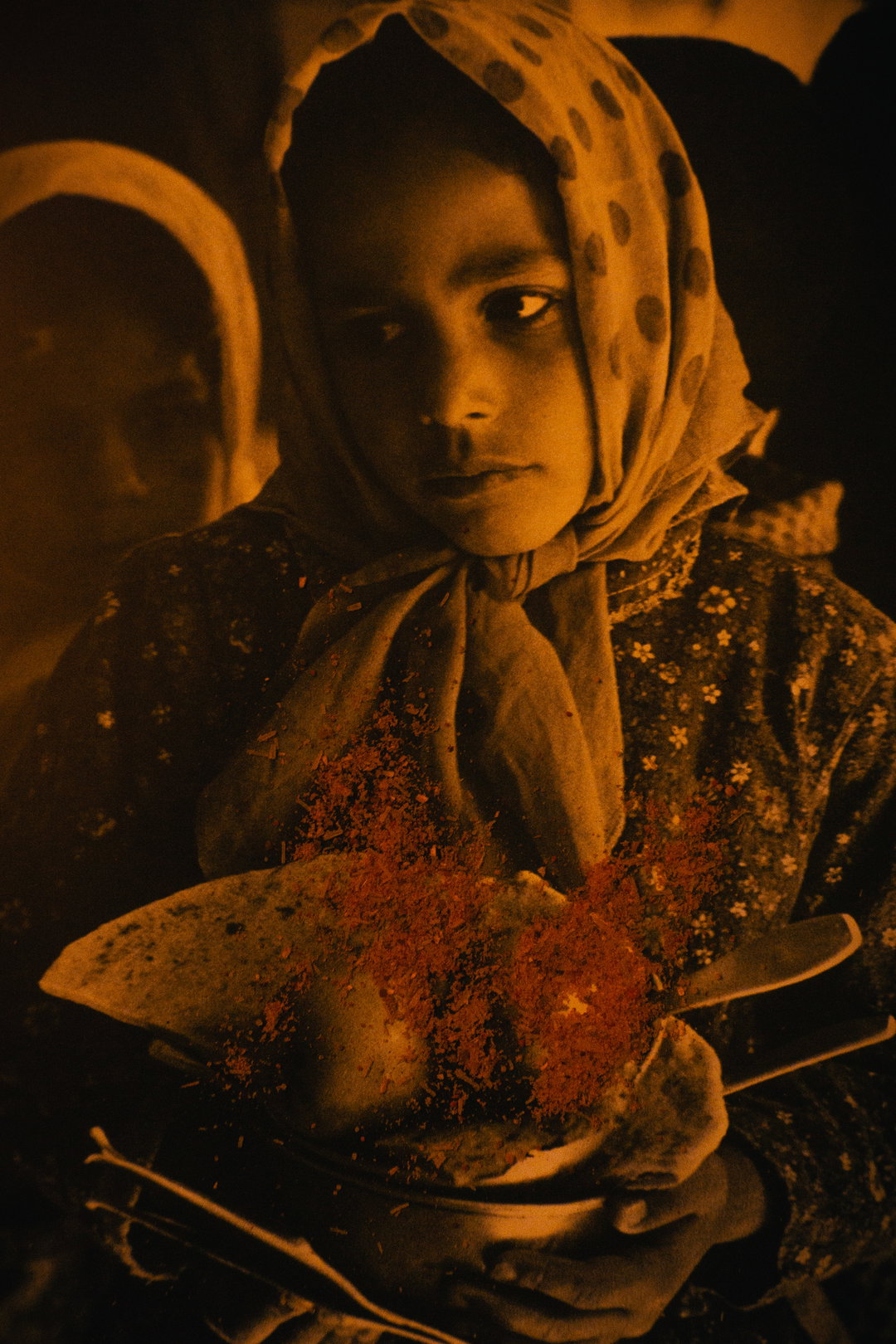
The project includes pairing of digital images superimposed onto photos, creating a visual thread between the lived and the recorded experiences in Palestine. “I pair a photograph of a Palestinian girl from the 1950s, displaced and waiting for food aid from UNRWA, with a looping GIF sent to me by one of my best friends in Gaza. It shows the last meal she has left, and her desperation to feed ten family members with what little remains,” says Glorianna. Next to the image, a WhatsApp message reads ‘[12:36, Gaza/2025] Yousef: I’m okay but losing weight because of famine and starvation.’ Across generations, from analogue to digital, old to young, country to country, the layering of text and image speaks to how conditions remain unchanged. “The suffering continues and the world remains silent and complicit,” says Glorianna.
Glorianna borrows from the same visual textures we also see every day: an overload of violence on social media, not just political but also random acts of violence, gore and bodily harm that has become normalised on a democratised internet platform. This has led way to what Glorianna describes as “living through a hyper-normalisation of genocide violence so constant that it becomes accepted, even ignored”. A major focus of this project is to connect with viewers in a reflective, paused state that photography is uniquely designed to hold. “I wanted to show my own everyday reality: the personal messages I wake up to on WhatsApp, the quiet surroundings of my home, the last bar of Palestinian olive oil soap,” says Glorianna. “Its scent holds memories of home of friendships, chosen family and love. But when the soap dissolves in water, I ask myself: will those memories dissolve too?”
In an accelerated fashion, the truth of photography is becoming obscured, whether it’s through censorship or generative imagery that hides its artificial source, not to mention the way propaganda attempts to remix reality. Home is where your heart is is so effective in its imagery that a simple bar of soap becomes the ultimate object of a deteriorating visual culture – full of senses and personal meaning. This photographic series honours and respects the lives lost under Israel’s occupation, rather than letting their struggles become whispers in a world of noise. “Behind each photograph, behind every fragment of memory past and present there is a real story: a family that deserves to live in peace, that deserves justice, that deserves to enjoy its land in freedom,” ends Glorianna.
GalleryGlorianna Ximendaz: Home is where the heart is (Copyright © Glorianna Ximendaz, 2025)
Hero Header
Glorianna Ximendaz: Home is where the heart is (Copyright © Glorianna Ximendaz, 2025)
Share Article
Further Info
About the Author
—
Paul M (He/Him) is a Junior Writer at It’s Nice That since May 2025. He has a strong interest in graphic design, digital kitsch, multimedia painting, collage, nostalgia, analogue technology and all matters of strange stuff. pcm@itsnicethat.com
To submit your work to be featured on the site, see our Submissions Guide.