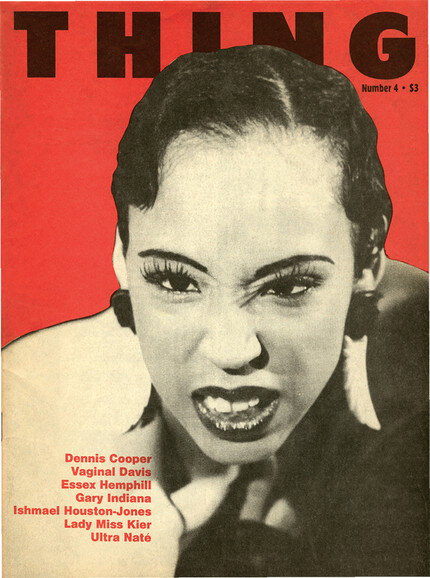
KyKy Archives preserves the history of Black queer people, places and culture
Zora and Siddisse have been completely independent and free of institutional support since they started, and it has made for a site that is truly transformative and unique.
Creatives all over can attest to being overjoyed when they first secure an opportunity to work in a space that will enrich their practice. But, for some, the rose-tinted glasses come off as they’re welcomed by the realisation that something’s just not right. Back in 2020, archivist Siddisse Negero met a similar fate, as the Black lesbian archive they had been volunteering at exposed itself to have “values and practices of blatant transphobia with no remorse or recourse,” she tells us. Deciding that their creativity could no longer be wrapped up in such a place, they left and began to speak about the experience on Instagram. Shortly after they received a direct message from fellow archivist Zora on Instagram, expressing their disappointment and desire to dream up a space holding their value systems and history, and out of the exchange, KyKy Archives was born.
Neither Zora or Siddisse have degrees in library science; they are guided by their love of unearthing the history of the wider umbrella of Black lesbian, queer, gender non conforming and trans people. As they stumbled across the name for their archive in the first phase of research, they learned that Kyky can be traced back to lesbian bars across the United States in the 1940s and 50s, and its original usage as a derogatory term to describe women who didn’t fit into the butch or femme categories. “It revealed something so interesting to us – that there is always a slippage in gender, in category and in binary,” Siddisse tells us. “It showed me that history is always just as complex as the present,” she adds.
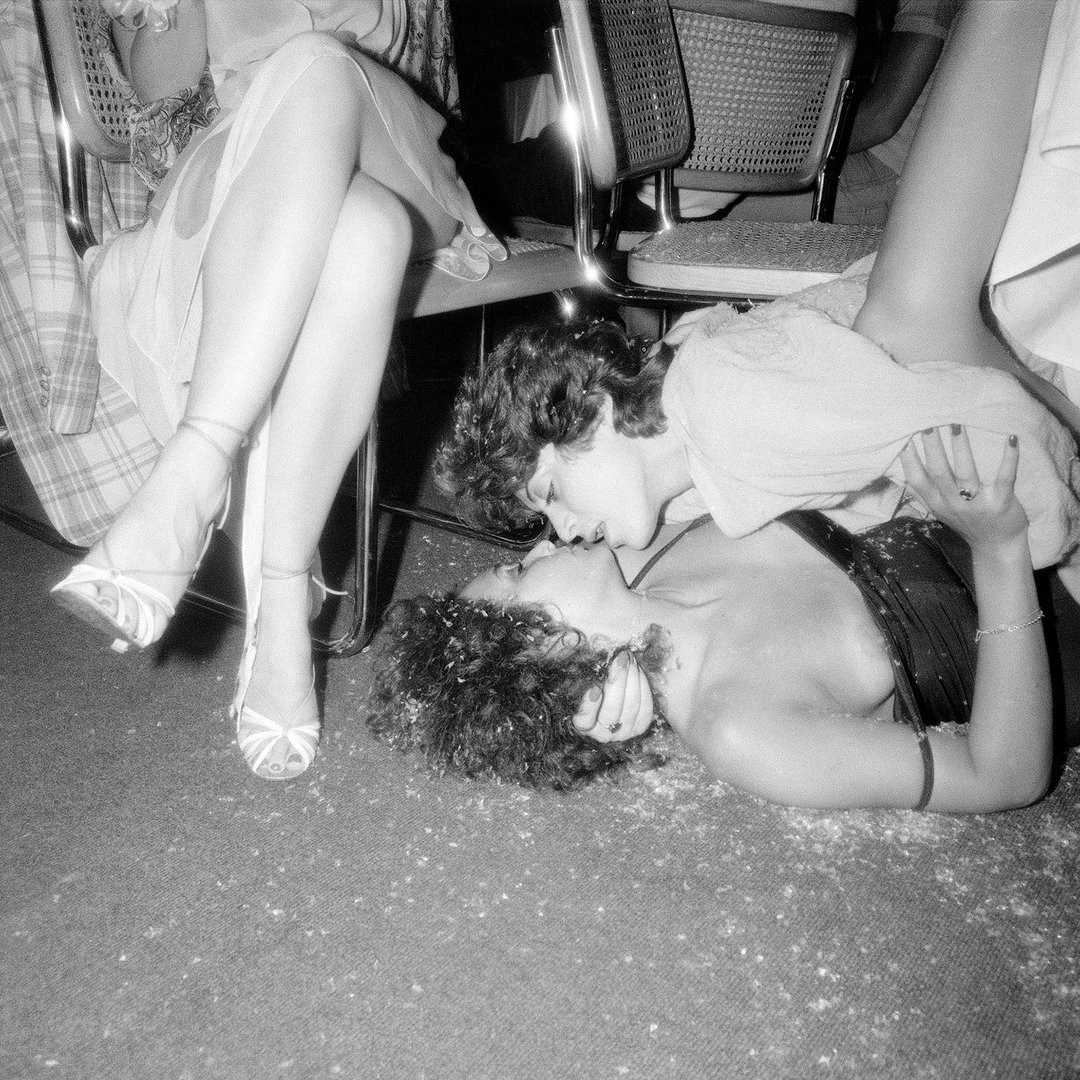
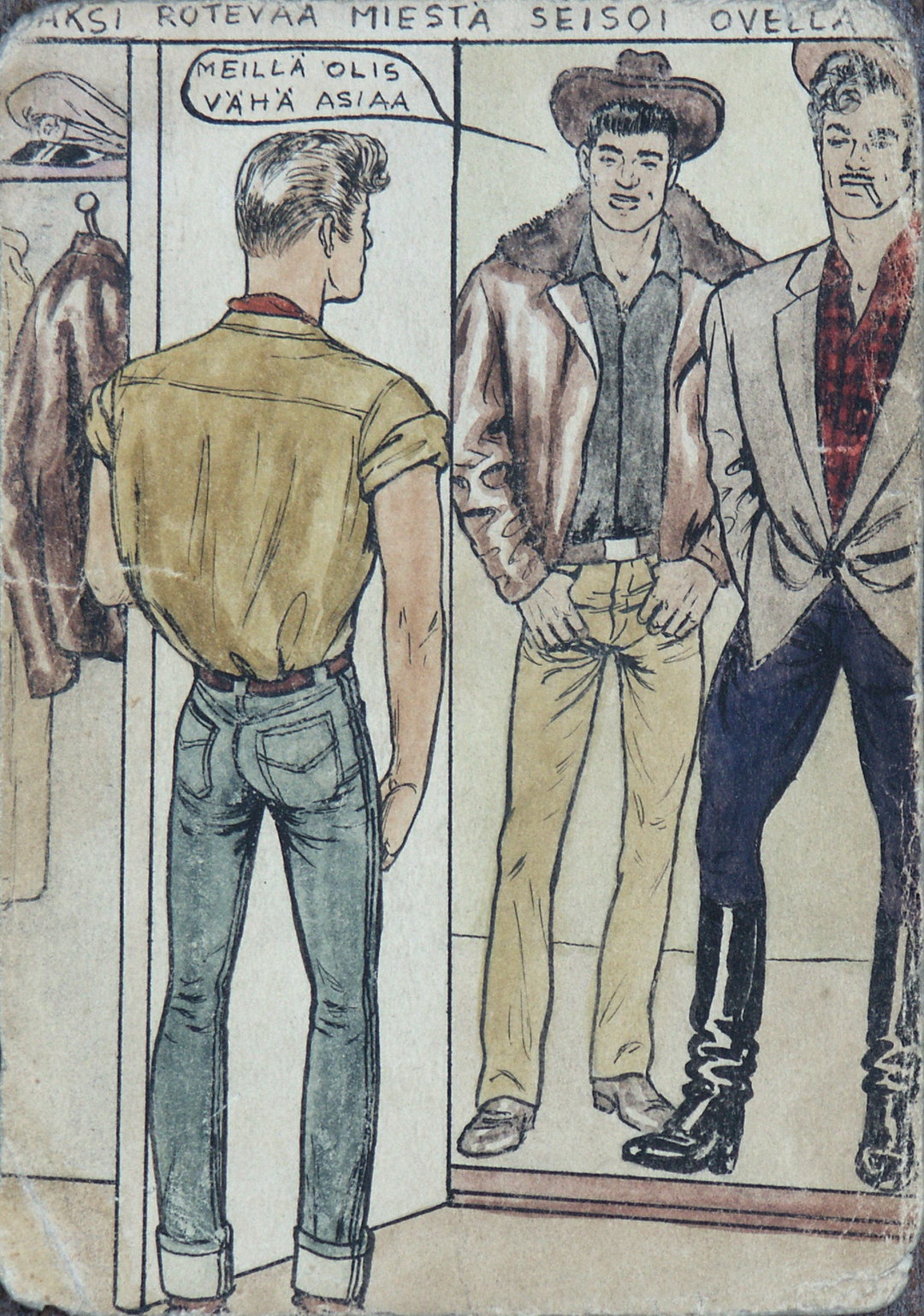
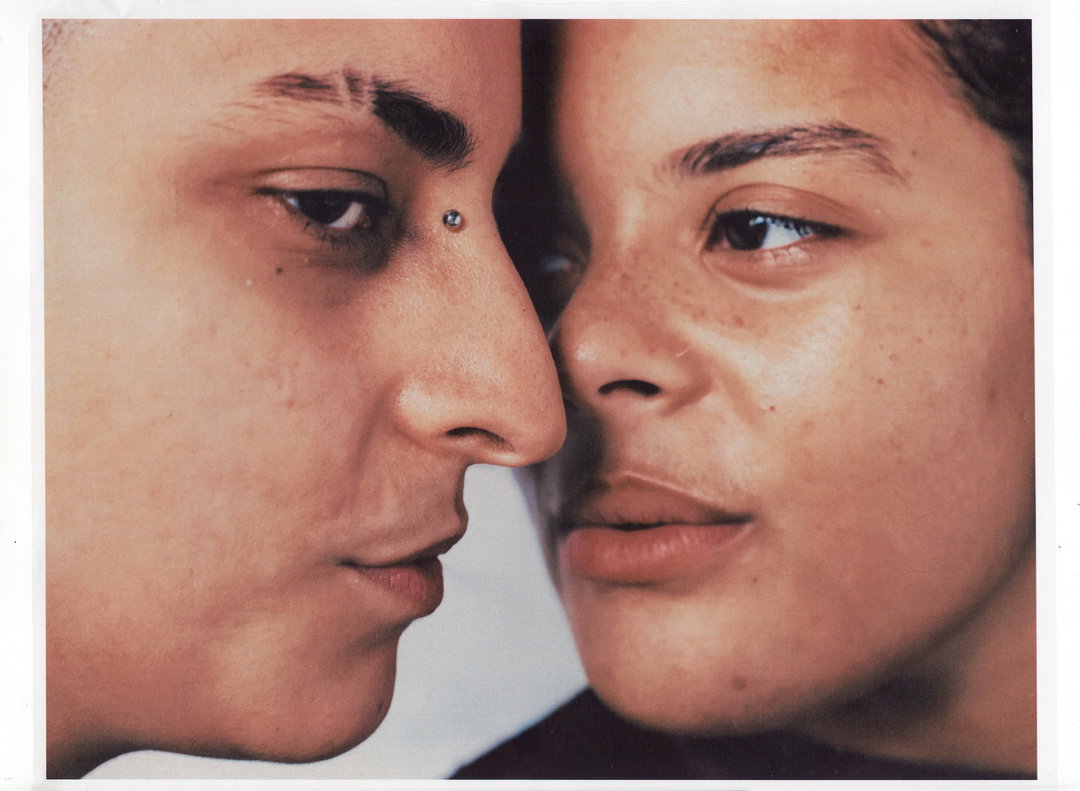
The KyKy Archives site is made up of magazine covers, articles, interviews, personal listings – usually in the form of short excerpts telling the interests and aspirations of Black queer people in the late 80s – ephemera and a collection of photographs. With most of their process being DIY and remote, they’ve learned the majority of their skills on an intuitive and impromptu basis. Pulling from Tumblr, Pinterest, search engines, as well as websites from the late 2000s that covered queer history and media, Siddisse fondly refers to their process as “guerilla archiving”. “We try to do really thorough searches for the original sources of all the material. Although the bulk of the material and research we’ve done comes from the internet archive – archive.org – and transgender archive,” they add. And, with no true method for how they select material for the site, they are a part of a new school of archivists plucking based on what feels right, based on the material that they wish was more readily accessible to their community.
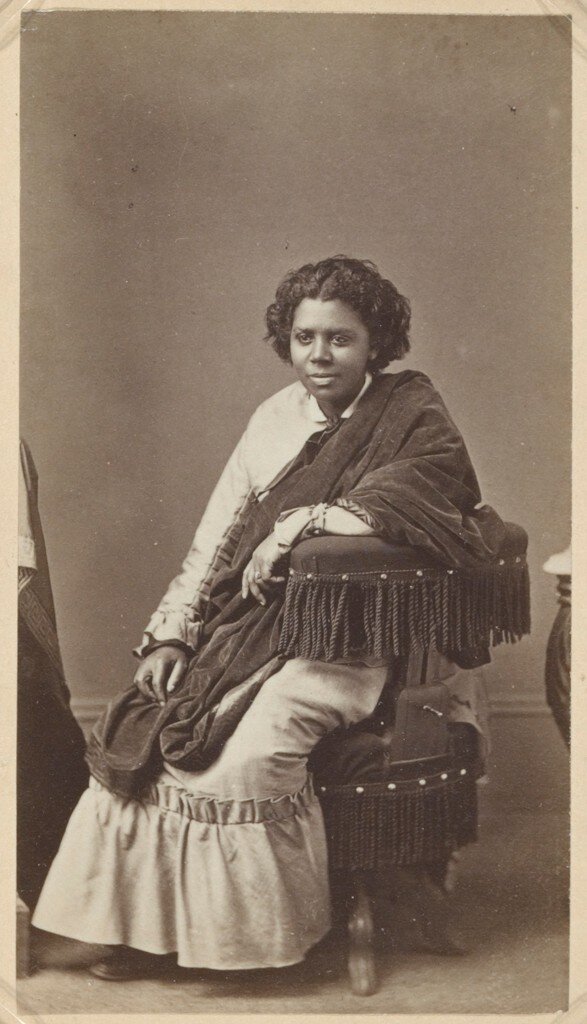
Harvard Art Museums, Fogg Museum: Edmonia Lewis (Copyright © Henry Rocher, 1870)
The accessibility of the archive pours out in its visual essence. As you enter the site, you are met with quotes and photographs of writer and poet Audre Lorde and writer and illustrator Alexis De Veaux, uncovering their personal encounters with the word KyKy throughout their lives. “From the beginning we knew we had a clear idea of what we wanted for the colour scheme. I played around on Canva for a while and made some introductory graphics and a logo, which set the visual language for the project,” Siddisse tells us. “In the building of the website we teamed up with the Washington DC-based creative studio Space Lab. They really understood our vision, striking visuals, gradients and bold text,” they add.
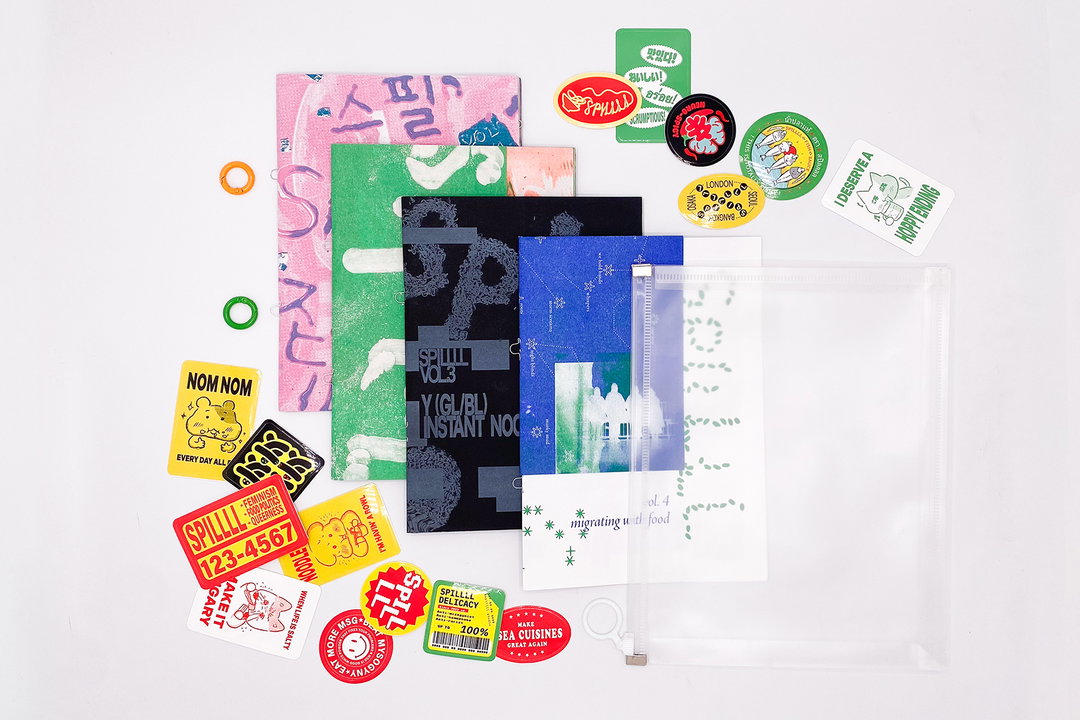
The colour scheme found throughout the website has also been translated into one of their most exciting projects to date, The Etymology of Black Lesbian Gender. The zine – released last year – features old imagery and photographs repurposed with a purple gradient and alongside text written by Siddisse. “I was inspired by some of the discourse I had been seeing online around the origins of the word ‘stud’ and its position within the Black lesbian community specifically,” she tells us. “Then I started to think more about the connections of language and identity and how we define ourselves,” she adds. Smitten with the process of DIY, Siddisse learned risograph printing for the first time for the project and ultimately ended up producing the whole publication by hand. “There’s something I really appreciate about the intention and time I get to spend with each one. They all feel like a unique archival piece themselves.”
With little to no institutional access, Zora and Siddisse have come up against many challenges working digitally and independently. They are no strangers to the disappointing feeling of finding an image or piece of ephemera without a source. But, for the ones they do find and are able to platform, it seems to strike so deeply for the duo, as if it were their family archive. “There’s an image in an article clipping of Adrienne Davis in Trans Sisters: A Journal of Transsexual Feminism from 1995. She has a few pieces in these journals where she speaks about her experience as a Black trans lesbian woman, her love of cybernetics and the world through her eyes. It’s fascinating and beautiful. I was so glad to find her story through these publications and it reminds me how important it is to put our work out into the world.”
The duo have plans to release more zines and have a monthly curated newsletter collating all of their archival finds, on the horizon. And from their efforts to keep the legacy of Dred – a NYC drag king active in the mid 1990s to early 2000s – alive, to housing “probably one of the oldest accounts of queer existence in American history,” Edmonia Lewis, they show us the true power in tenacious research and being devoted to community.
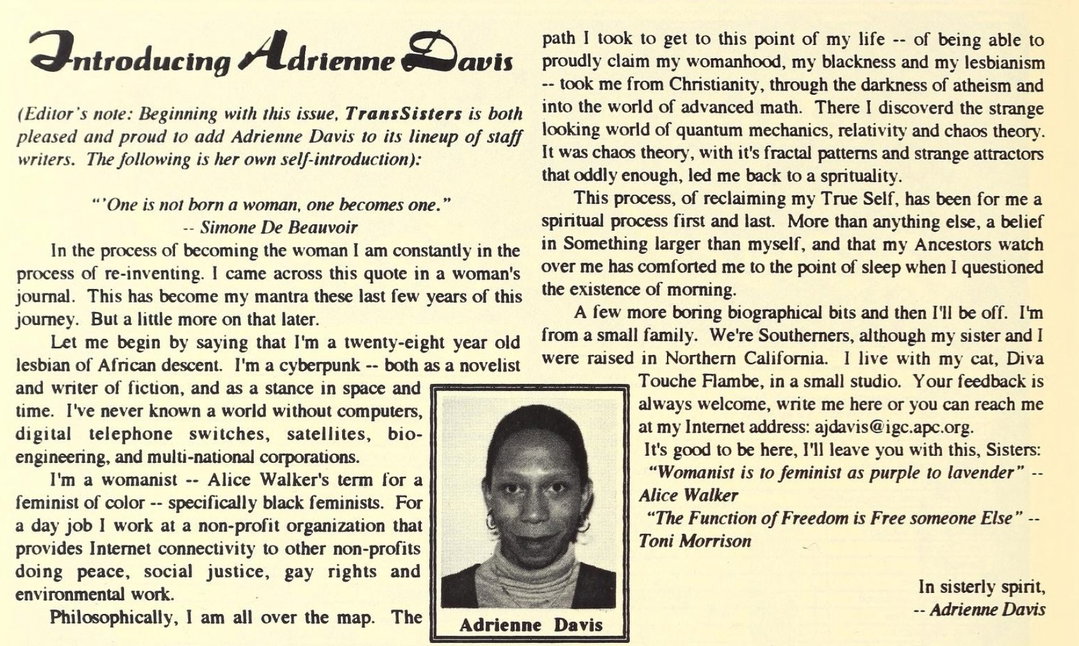
TransSisters: The Journal of Transsexual Feminism: Introducing Adrienne Davis (Copyright © TransSisters, 1995)
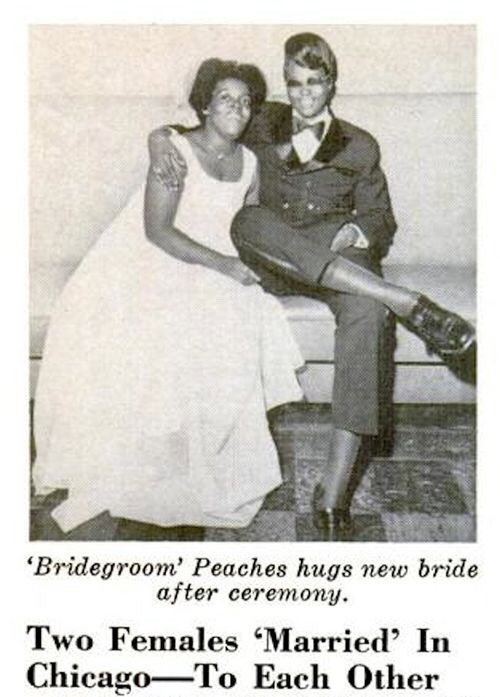
Jet Magazine: Two Females married to each other (Copyright © Jet Magazine, 1970)
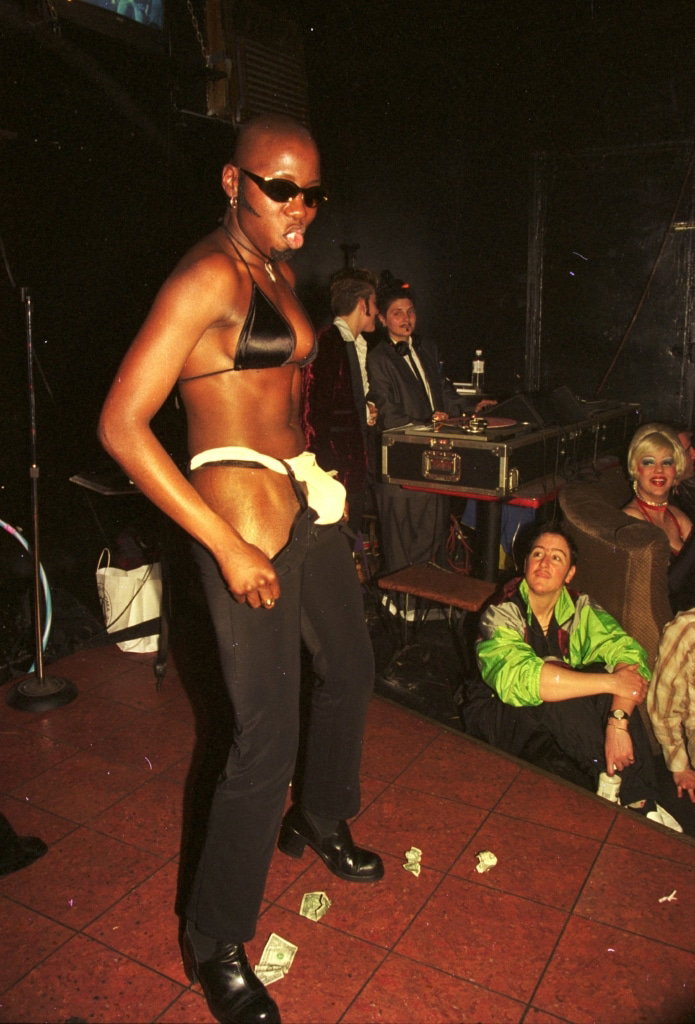
Mildred Gerestant aka Light Ning: Drag King Dred (Copyright © Efraim Gonzalez, 1997)
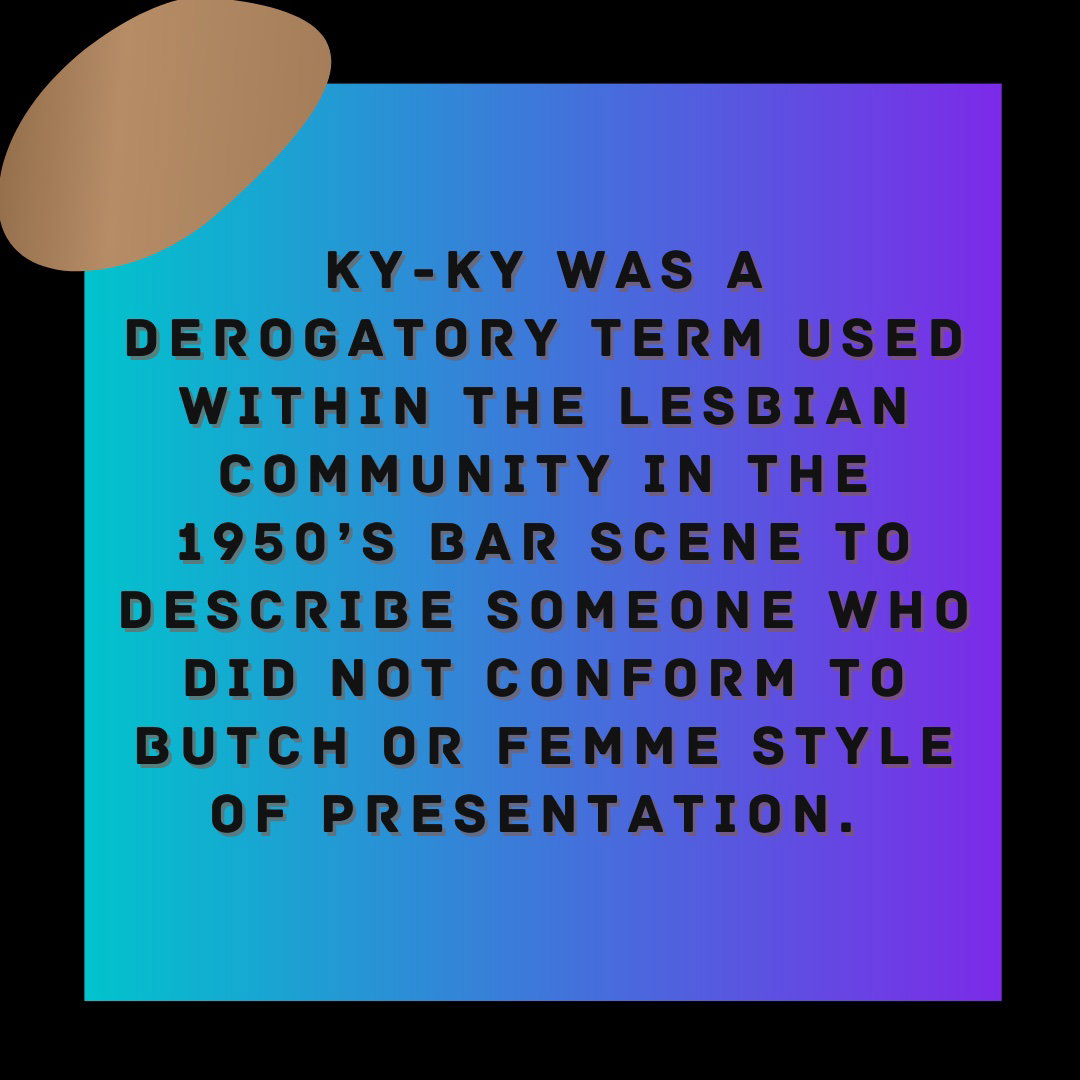
(Copyright © Siddisse Negero, 2021)
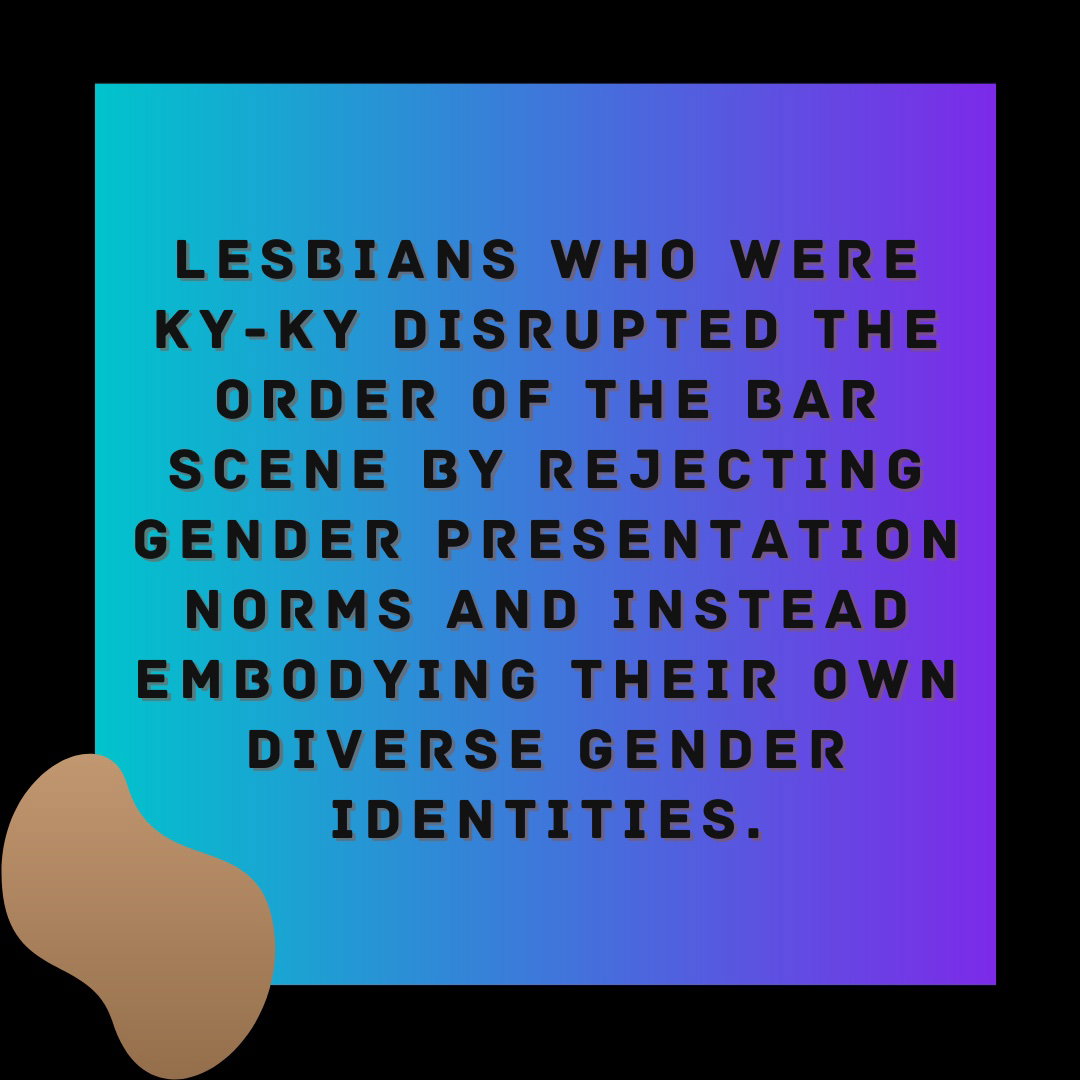
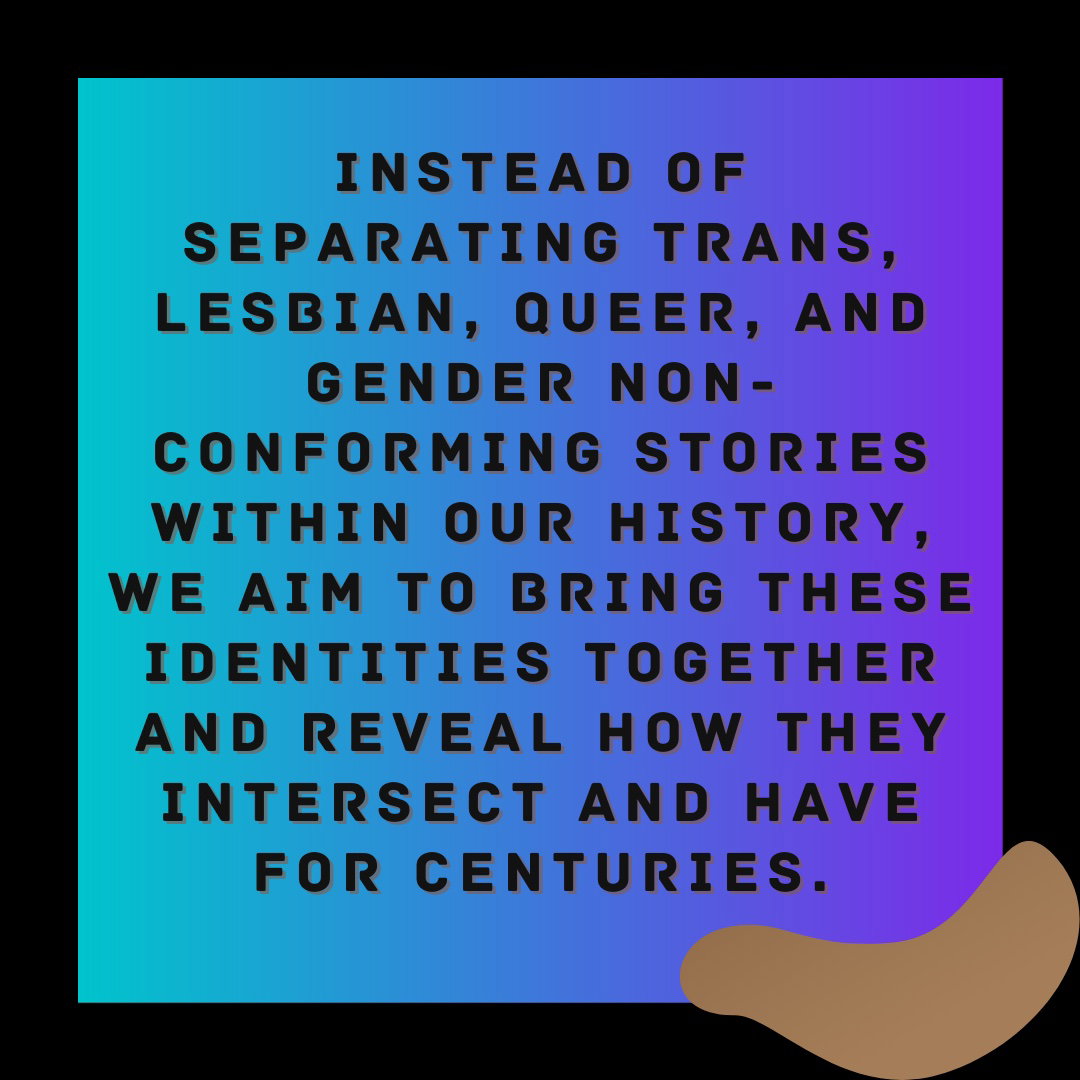
(Copyright © Siddisse Negero, 2021)
(Copyright © Siddisse Negero, 2021)
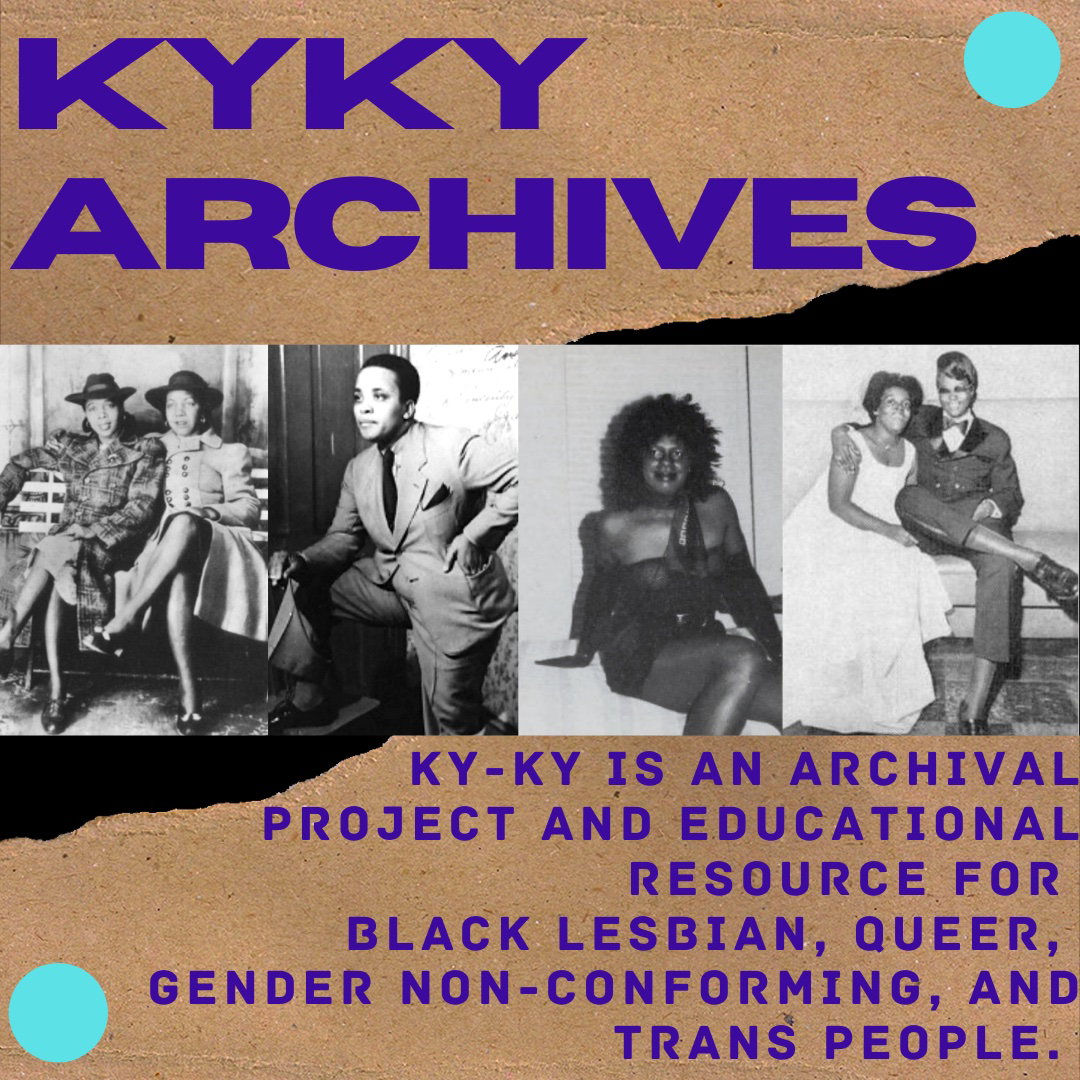
(Copyright © Siddisse Negero, 2021)
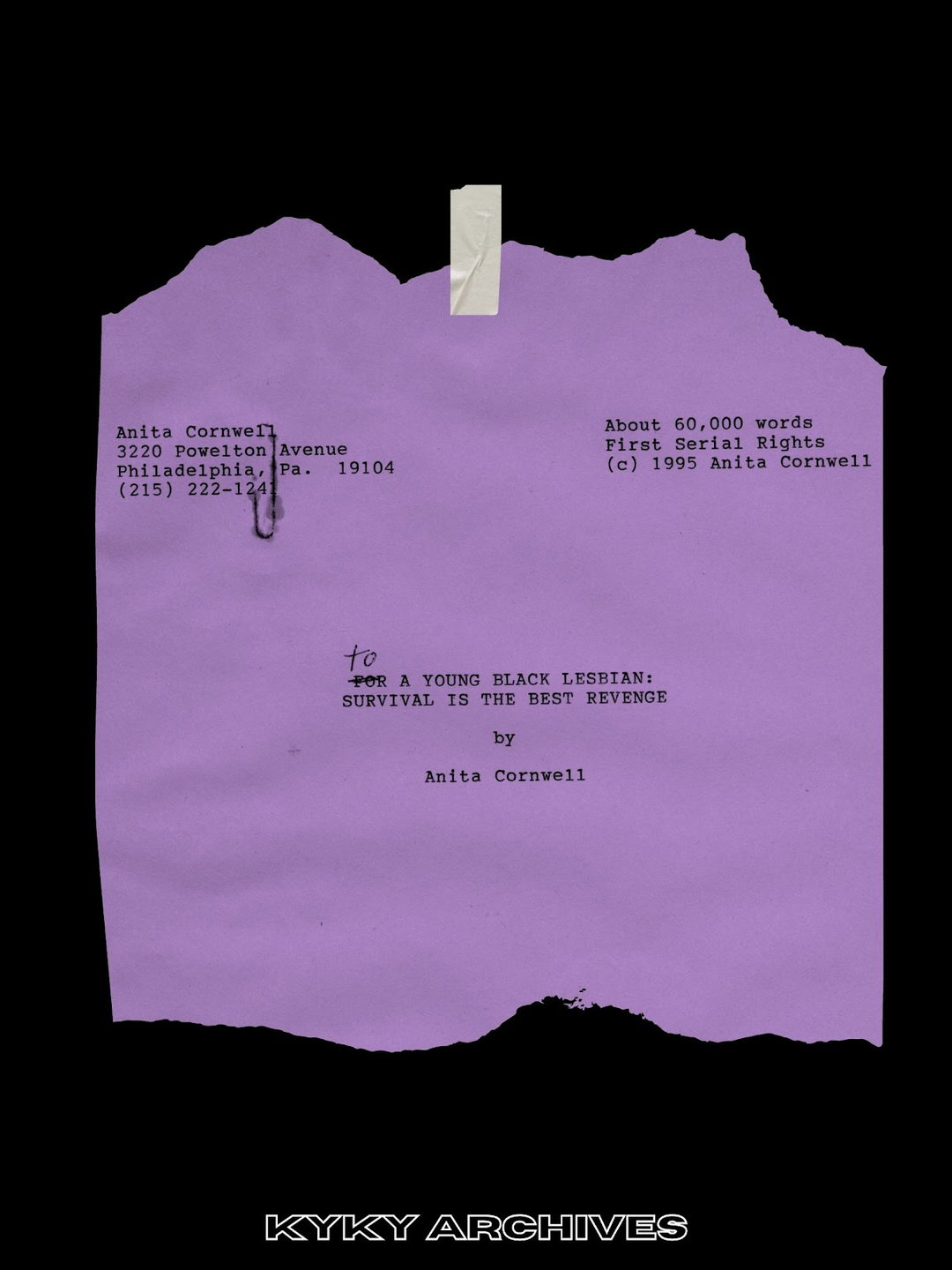
KyKy Archives x And Into the Streets: Colours (Copyright © Siddisse Negero, 2023)
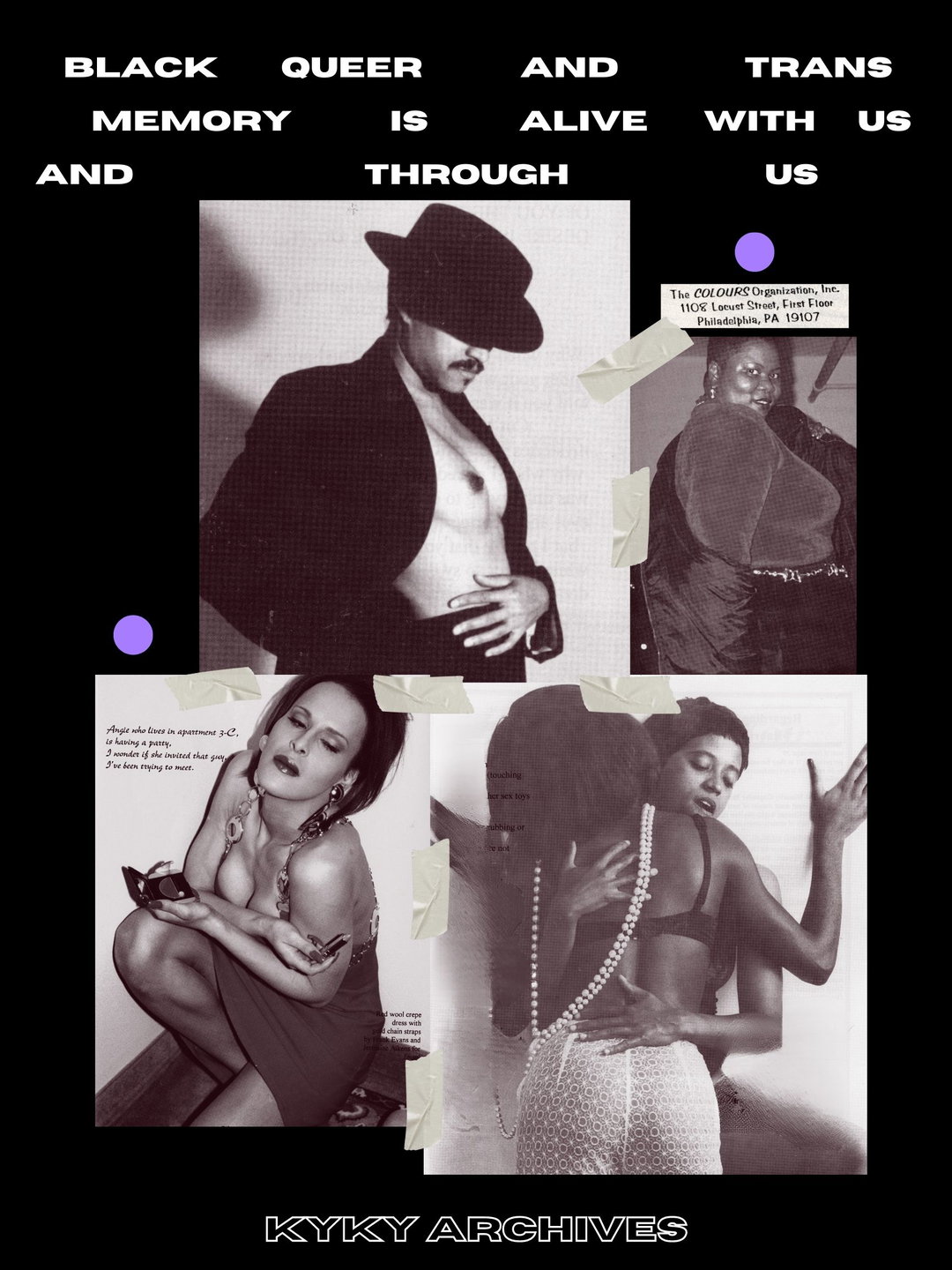
Hero Header
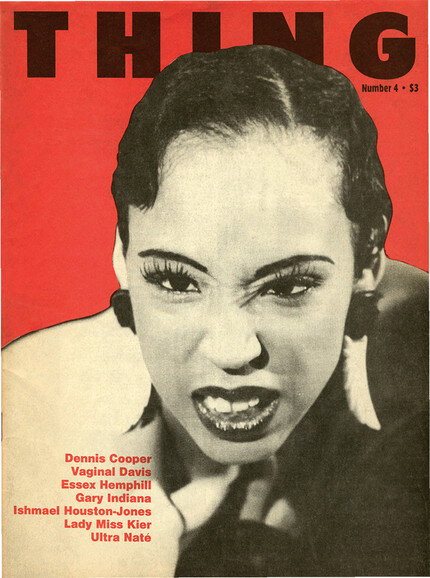
Thing 4, Spring: Pam Johnson (Copyright © Thing Publishing, 1991)
Share Article
Further Info
About the Author
—
Yaya (they/them) was previously a staff writer at It’s Nice That. With a particular interest in Black visual culture, they have previously written for publications such as WePresent, alongside work as a researcher and facilitator for Barbican and Dulwich Picture Gallery.