


This browser-based generative tool allows musicians to create their own visualisers with trippy geometry
Whether it’s made for electronic tracks, album covers, posters or just for fun, this easy-to-use generative tool makes the visualisers more fun than ever to make.
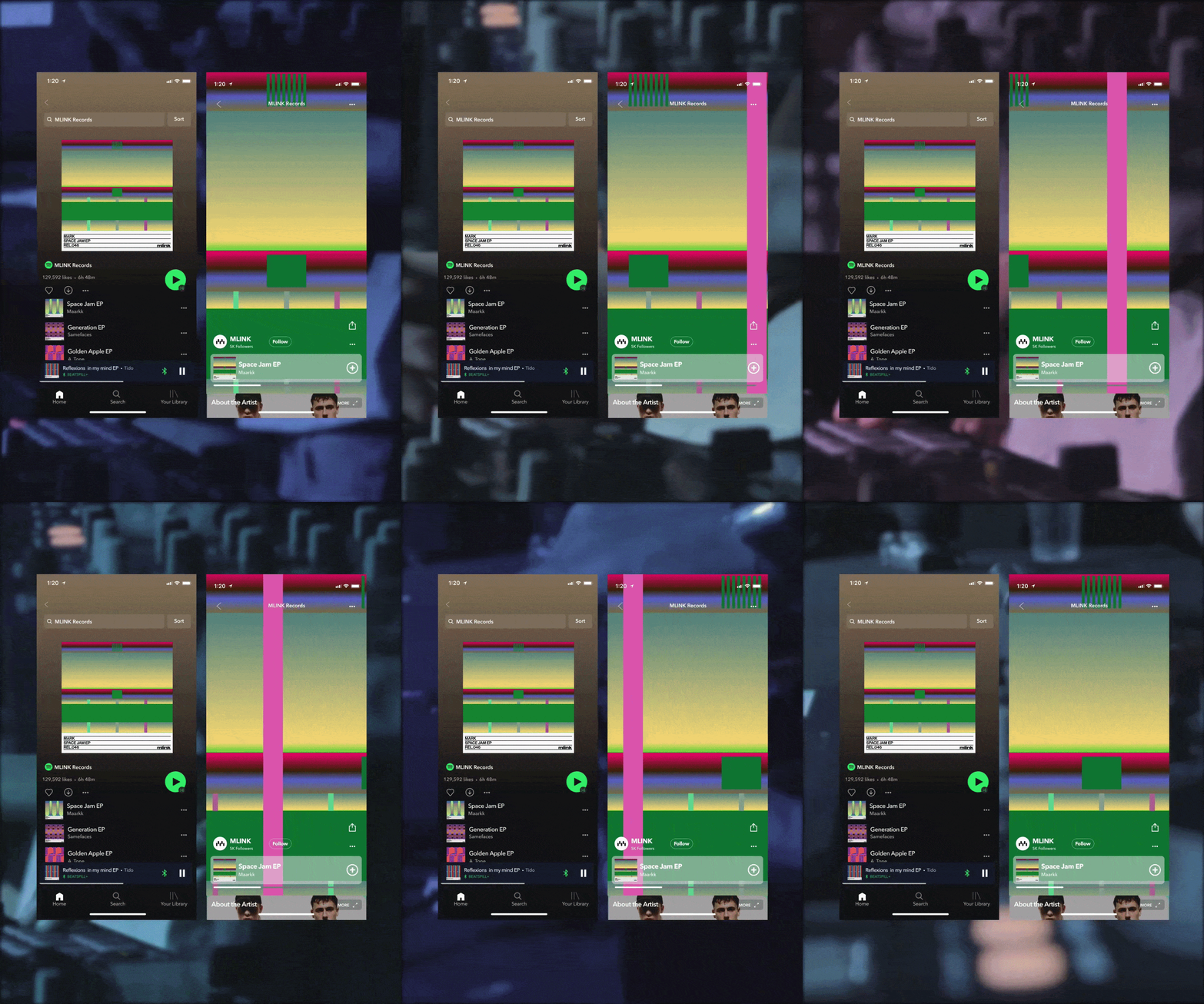
As you may have noticed, the visualiser has never been more back. Ever since the advent of Spotify’s ‘Canvas’ feature, visualisers are no longer separate videos but baked into music-streaming apps themselves. So how do musicians get their hands on intuitive software that allows them to create their own visualisers, custom-made for their dance tracks? Designers Alex Koxias and Iris Loi, together with design and code studio alāsu.works, have created their own generative artwork design system for Mlink Records, an electronic music label in Athens, that brings the visual identities of electro straight into musician’s hands.
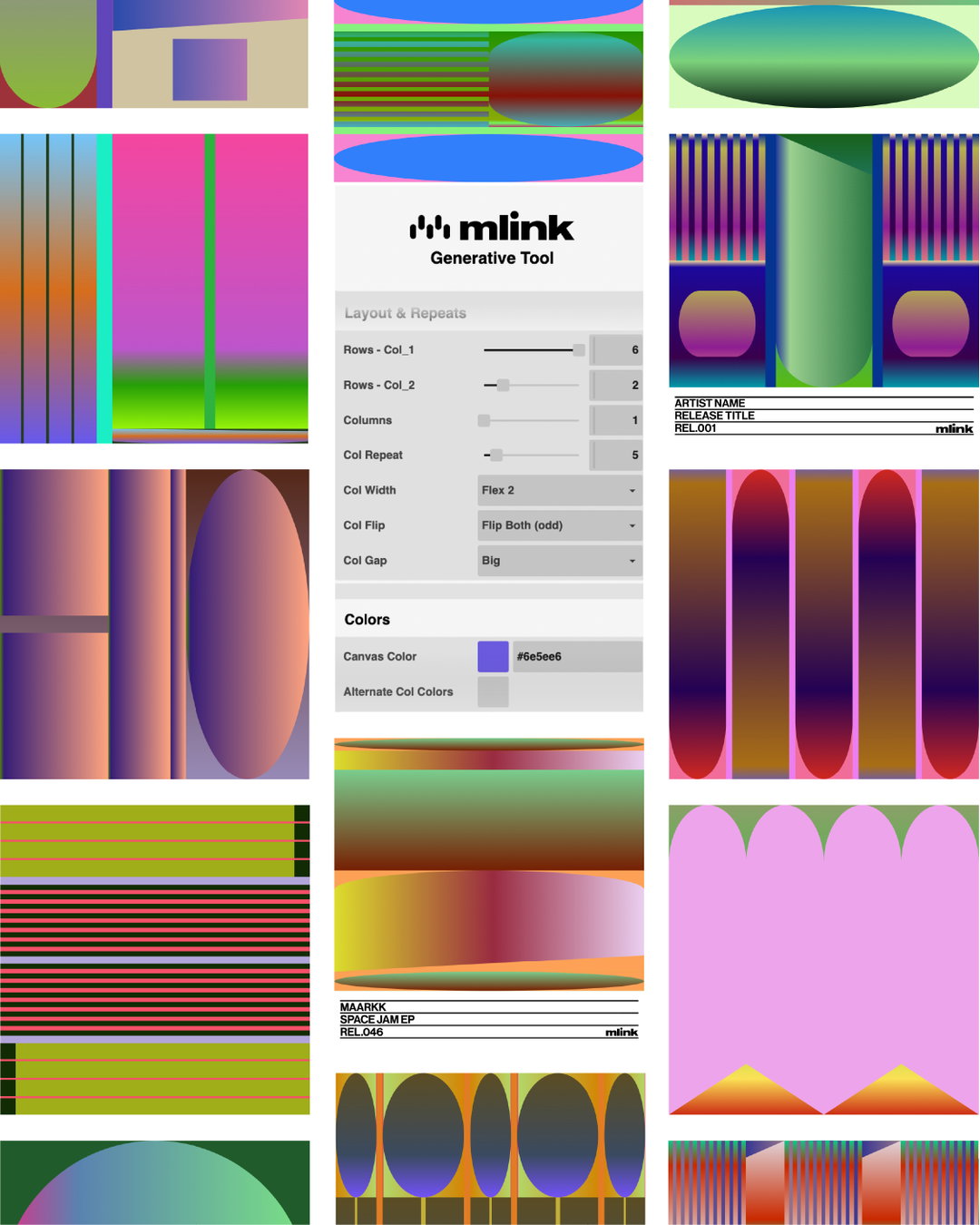
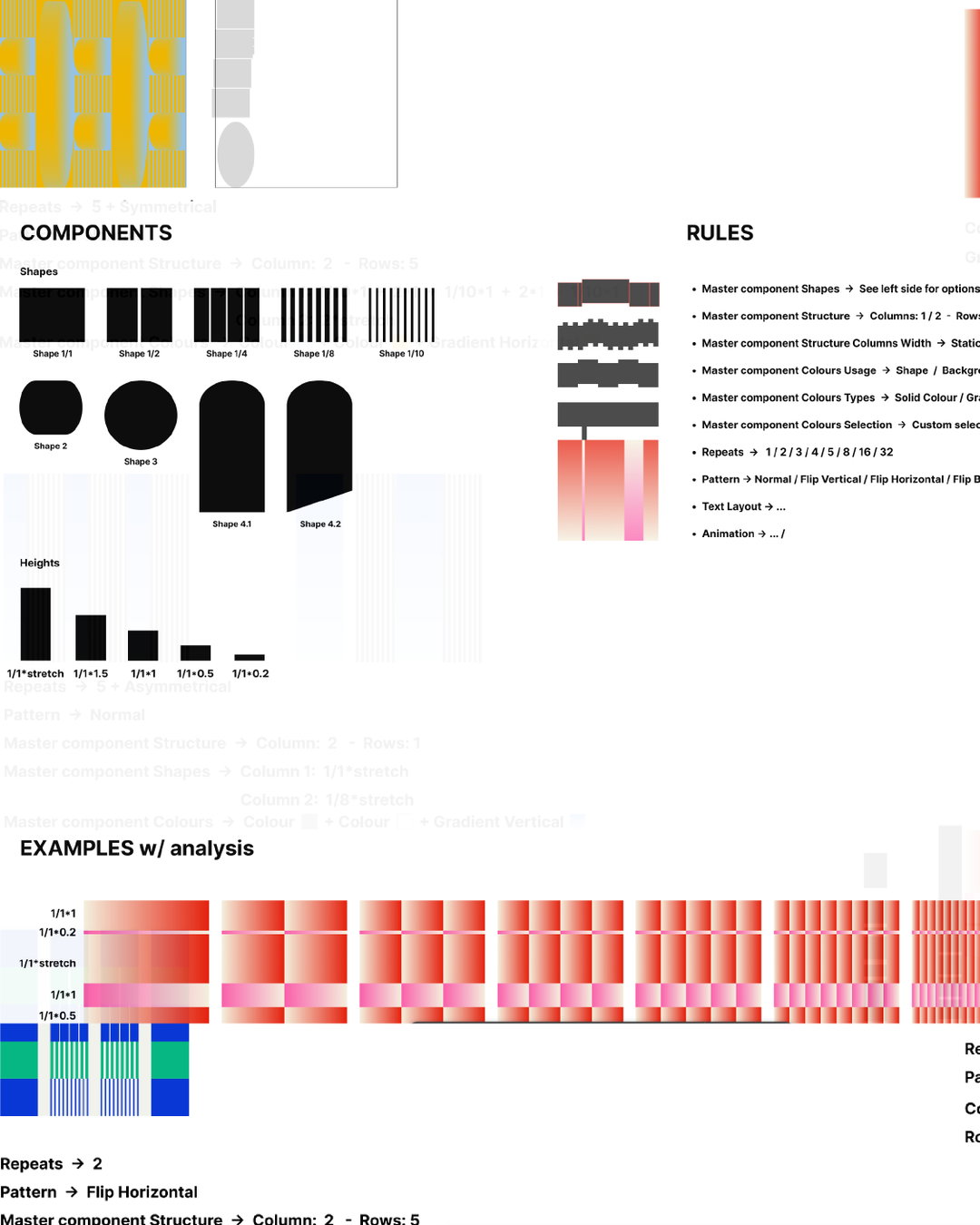
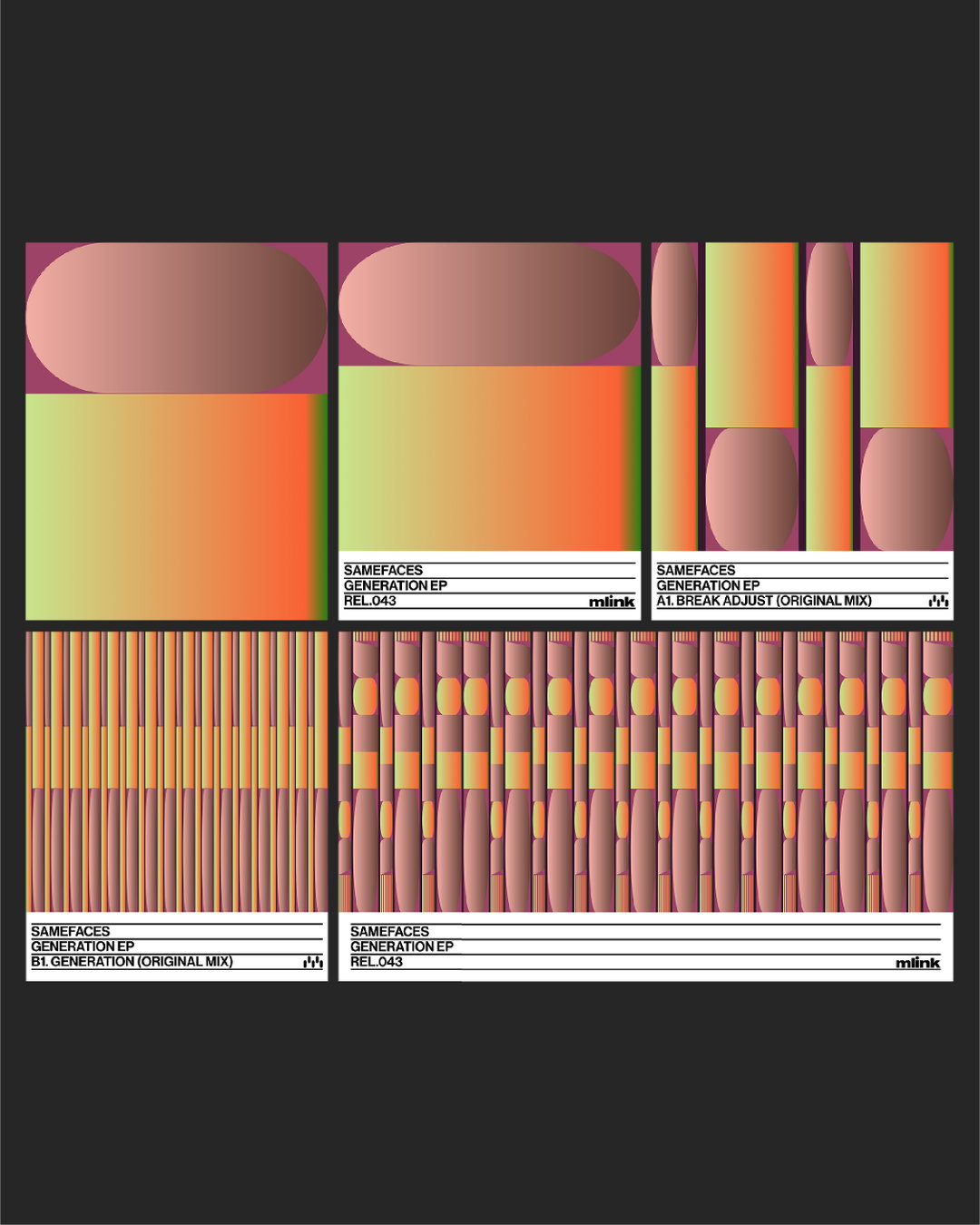
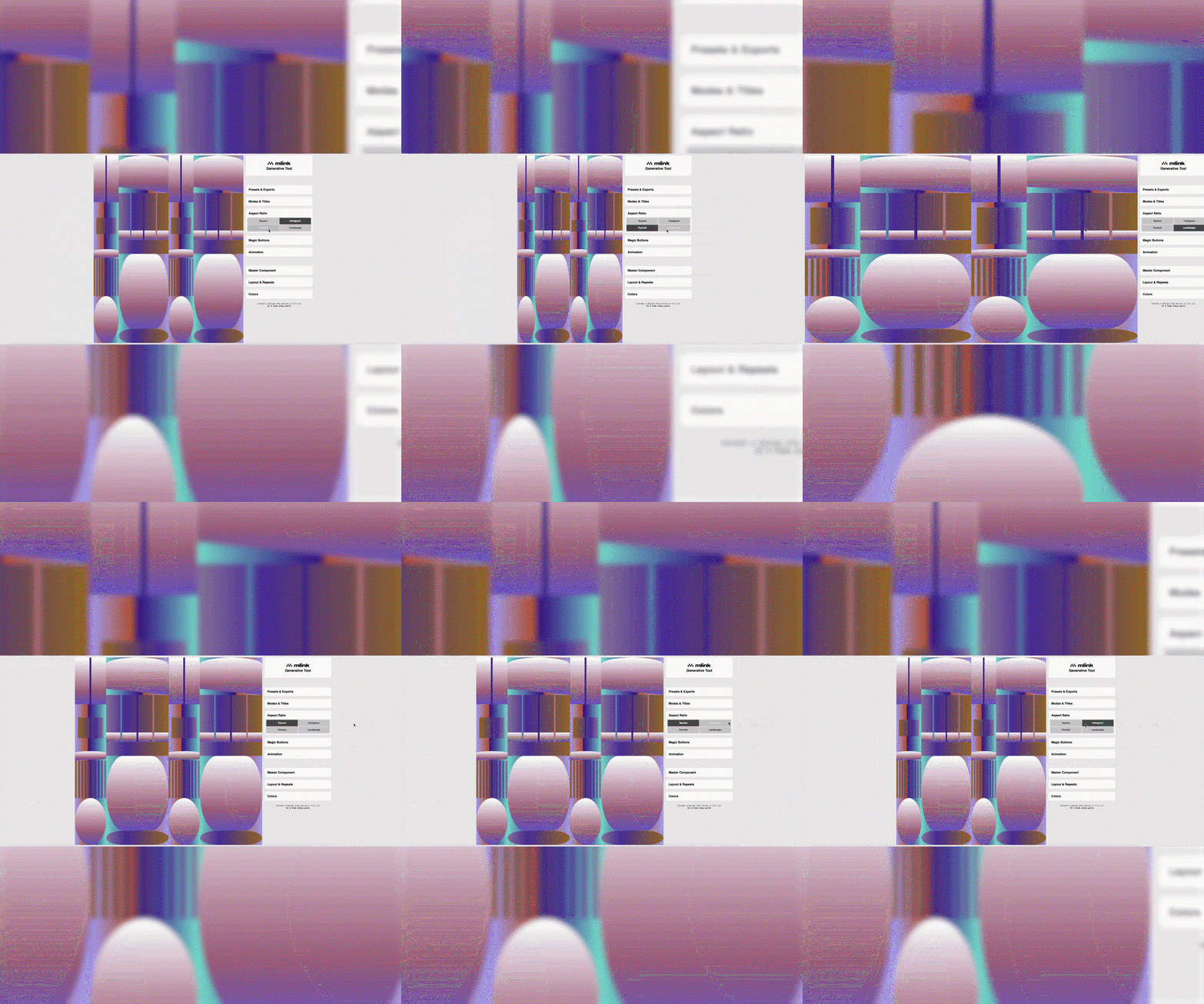
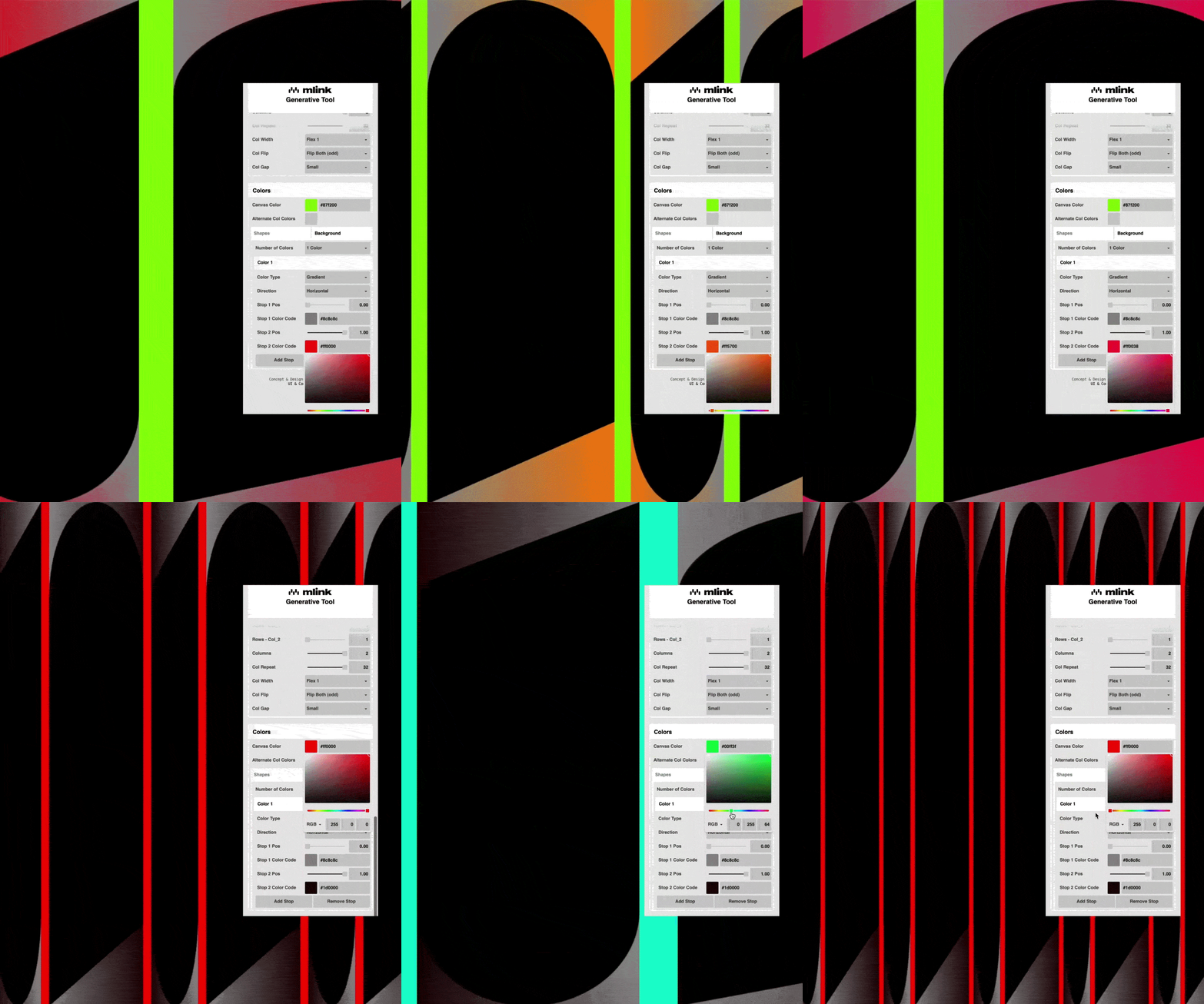
The language of the Mlink Tool is based around modular shapes, repetition, mirroring, rhythm and shifting structures, qualities tied to electronic music itself (such as sequencing and loops). Those sonic systems are brought to life through the generative tool, which is decked out with a simple-to-use UI, with a variety of sliders that create trippy visuals through code. The browser-based tool “opens up a designed framework with its own rules and visual point of view”, says Alex – allowing editors and musicians to explore and respond to the moods of their tracks, making way for them to move within a new world of possibilities.
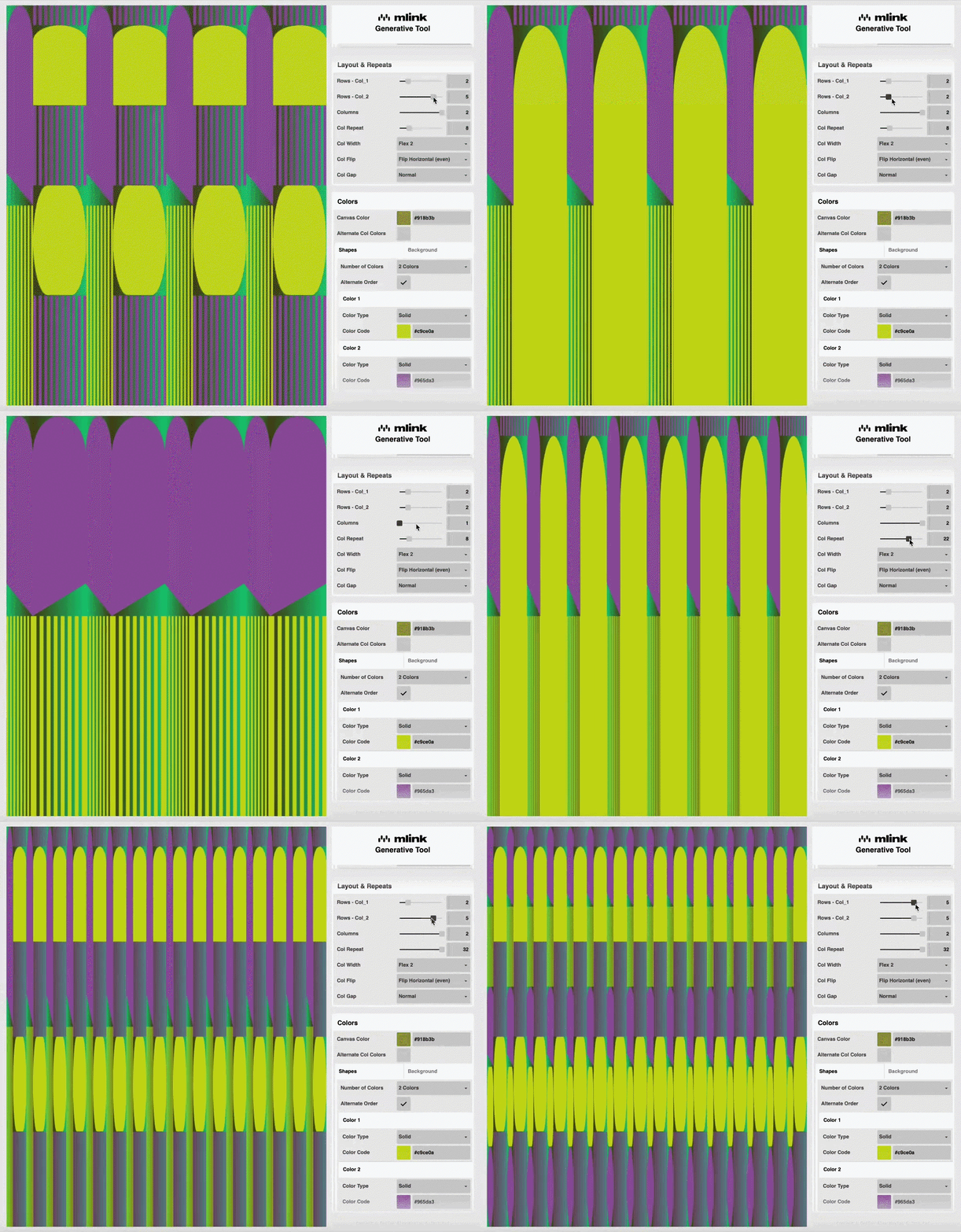
alāsu.works, Iris Loi, Alexandros Koxias: MLINK Tool (Copyright © Iris Loi, Alexandros Koxias, alāsu.works, 2025)
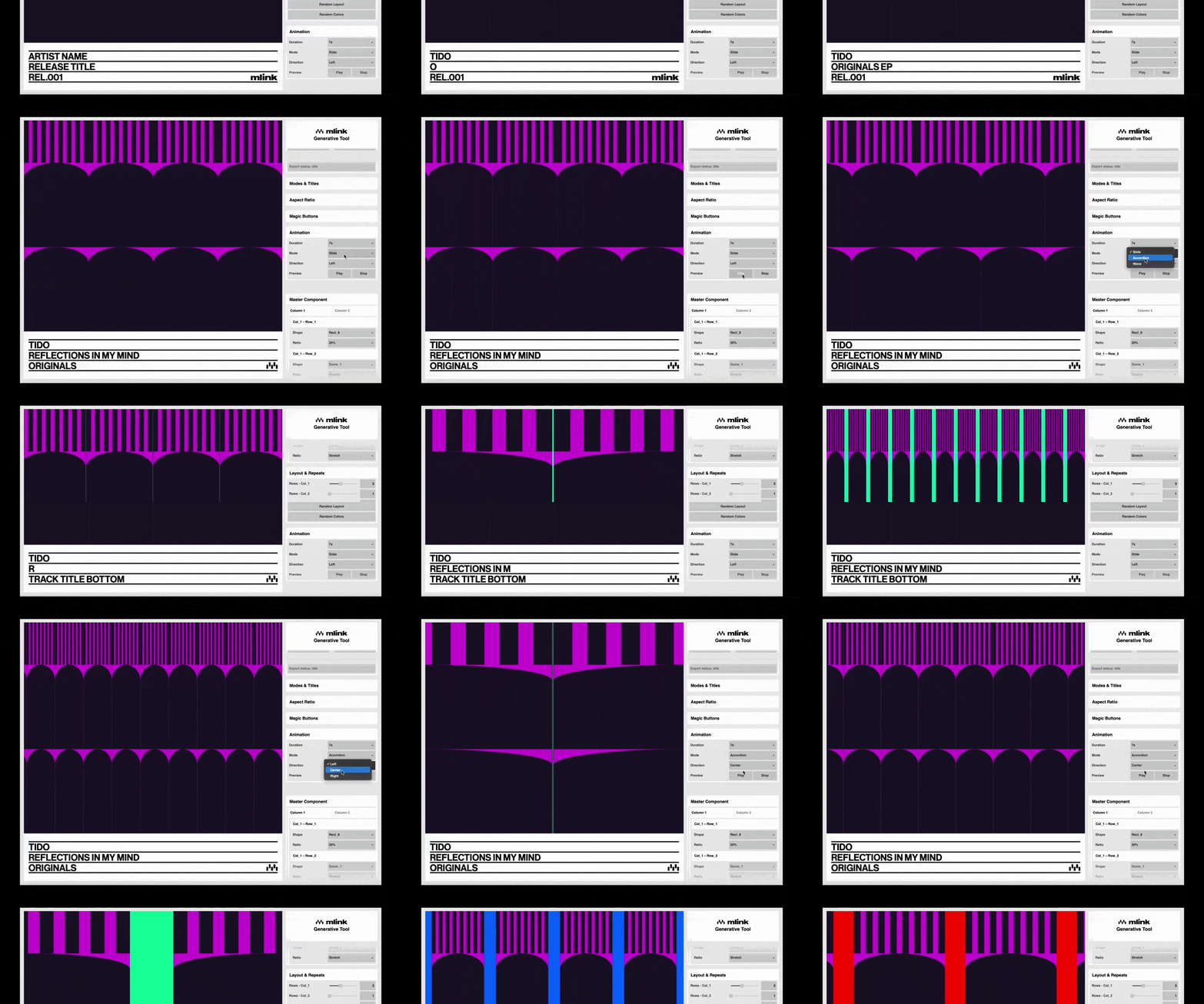
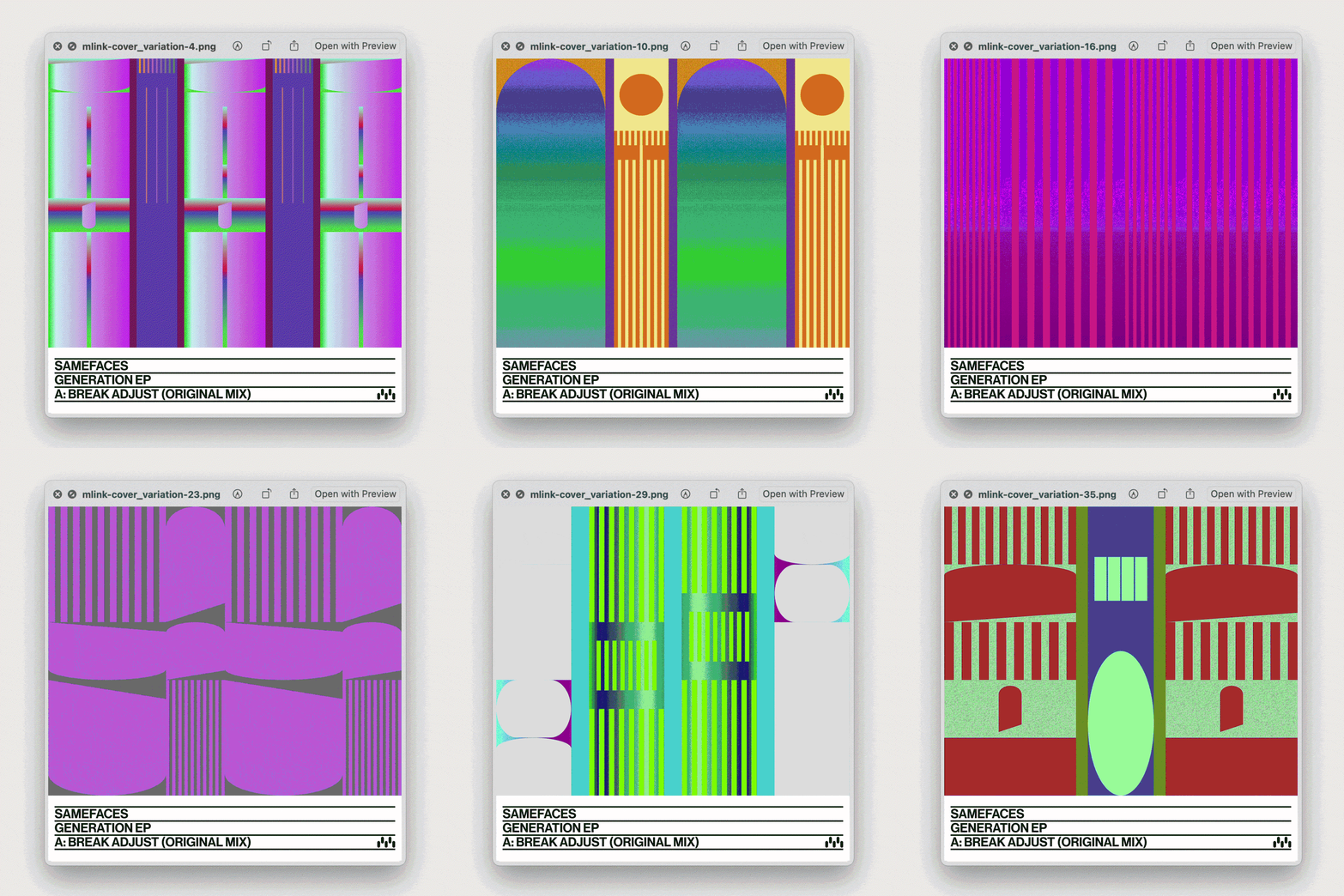
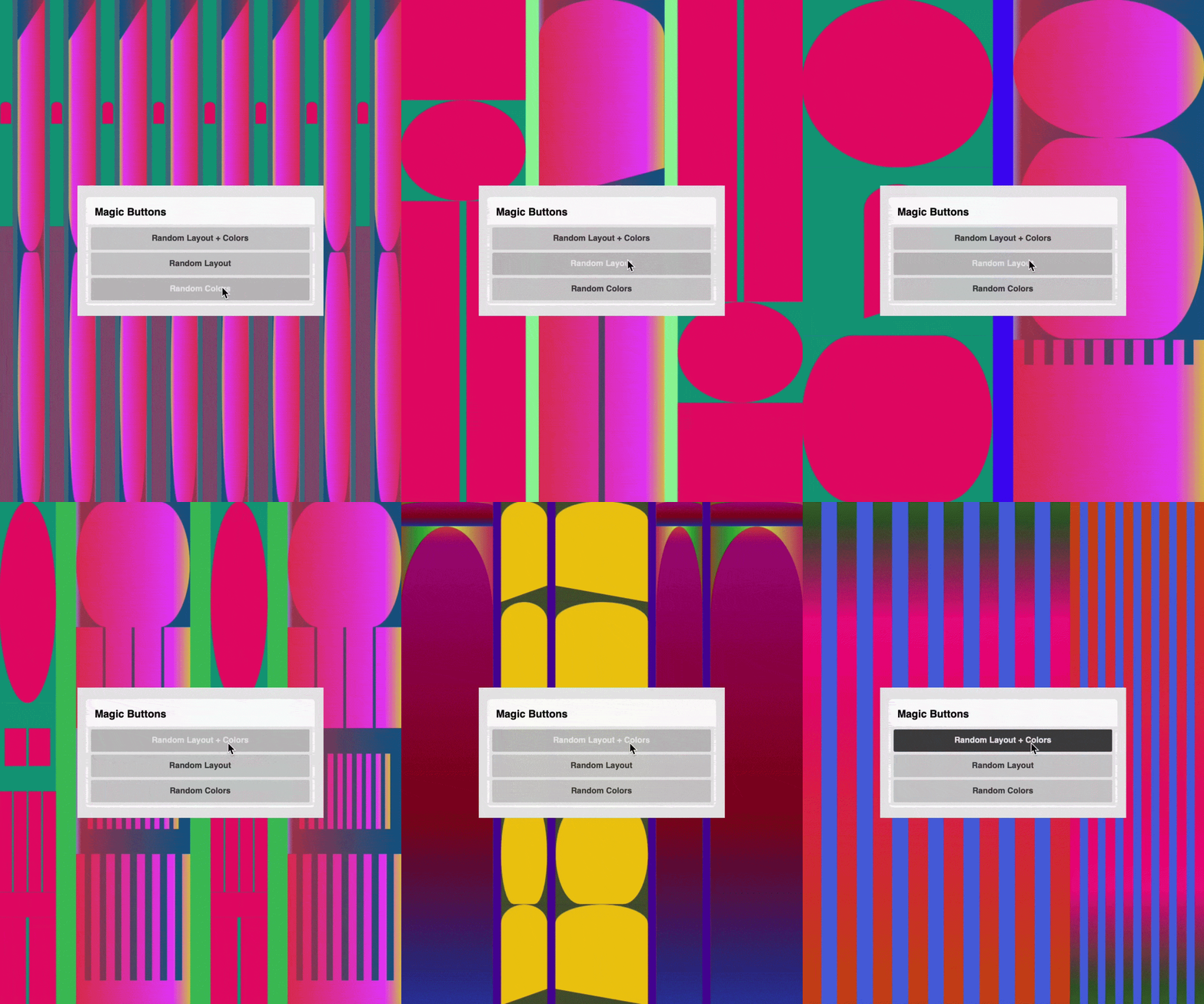
The Mlink Tool is chocker with simple features, such as randomising colours and shapes, affecting the speed of animations, creating shuddering rows of columns or melting blobs. It’s all got this really endearing early MS Paint feeling to it, with simple gradients and mischievous geometry. It’s like if the shape tool had an acid trip. Apart from creating visualisers, the generated animations could also be used for posters or postmodern fine art, however you choose to use it. It makes visual production part of the label’s identity in a more open, participatory way, shared between the Mlink team and its artists. “We were thinking about a visual system, not a single static identity,” says Iris. “Each release had to feel like its own thing while still being part of a wider world.”
But the team behind the project aren’t concerned about making the tool bigger or adding any more features, it’s perfectly fine the way it is. If anything, it’s a bit of a throwback to fun, light websites that aren’t monetised or hide premium features behind a paywall, it’s just about pushing into interactive territories, and giving musicians visual freedom. “For us, creative coding isn’t a finishing layer on top of design. It’s a way of working where logic, structure and behaviour are themselves the design,” says Athanasios of alāsu.works. “The question isn’t how to automate creativity, but how to build systems that keep authorship and collaboration alive.”
Galleryalāsu.works, Iris Loi, Alexandros Koxias: MLINK Tool (Copyright © Iris Loi, Alexandros Koxias, alāsu.works, 2025)
Hero Header
alāsu.works, Iris Loi, Alexandros Koxias: MLINK Tool (Copyright © Iris Loi, Alexandros Koxias, alāsu.works, 2025)
Share Article
About the Author
—
Paul M (He/Him) is a Junior Writer at It’s Nice That since May 2025. He has a strong interest in graphic design, digital kitsch, multimedia painting, collage, nostalgia, analogue technology and all matters of strange stuff. pcm@itsnicethat.com
To submit your work to be featured on the site, see our Submissions Guide.