Creative dissent is central to political change: Craig Oldham on the art of a movement
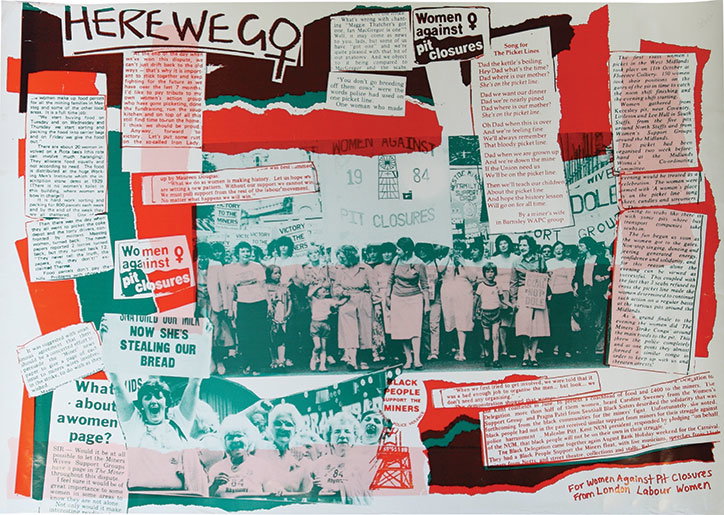
Collection Craig Oldham
Tonight the Whitworth Art Gallery in Manchester kicks off a series of late night events celebrating self-published artist books. The first event is curated and produced by Craig Oldham and centres around his book, In Loving Memory of Work: A Visual Record of the UK Miners’ Strike 1984–1985. The event will include an exhibition of creative work from the 80s dispute including photography, posters, badges, banners, poems, fashion and books. Here, Craig writes about the power of creativity in a social movement, drawing parallels with the miners and modern day society.
There has never been a movement for social or political change without the arts. Art, design, music, poetry, theatre, performance, photography – a creative dissonance and dissent are central and often pivotal to a movement, a cause, or a desired change. To those in power such dissent would be called subversion, reaction, blasphemy, and would usually be viewed criminally, but as far as I’m concerned, dissent is the expression of opinions at variance with those officially held, and a fight for change against the established order. Dissent is a positive force; one which agitates, educates, and organises.
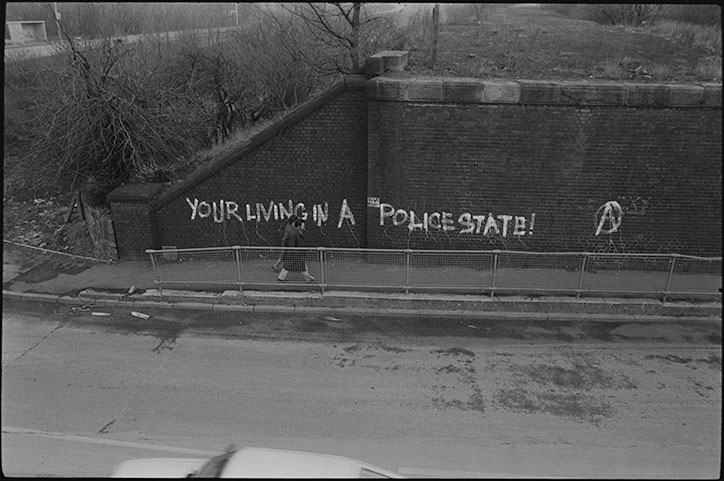
Such dissent in this social and political context will set off floods of imagery and impressions of angry protestors, political graphics, banners held aloft, official party lines, newspeak and propaganda. The hard-sell content, often expressing or embodying anger, passion, humour and satire, creating symbols of power and of peace, with an aim to inform or persuade. It can manifest itself in almost any media, from the rawest wall graffiti through to the slickest professional campaigns. But creative dissent is a powerful tool of protest and propaganda, shock and subversion, and its imagery can assert, accuse, provoke and persuade, and often become emblematic or a defining icon of its time.
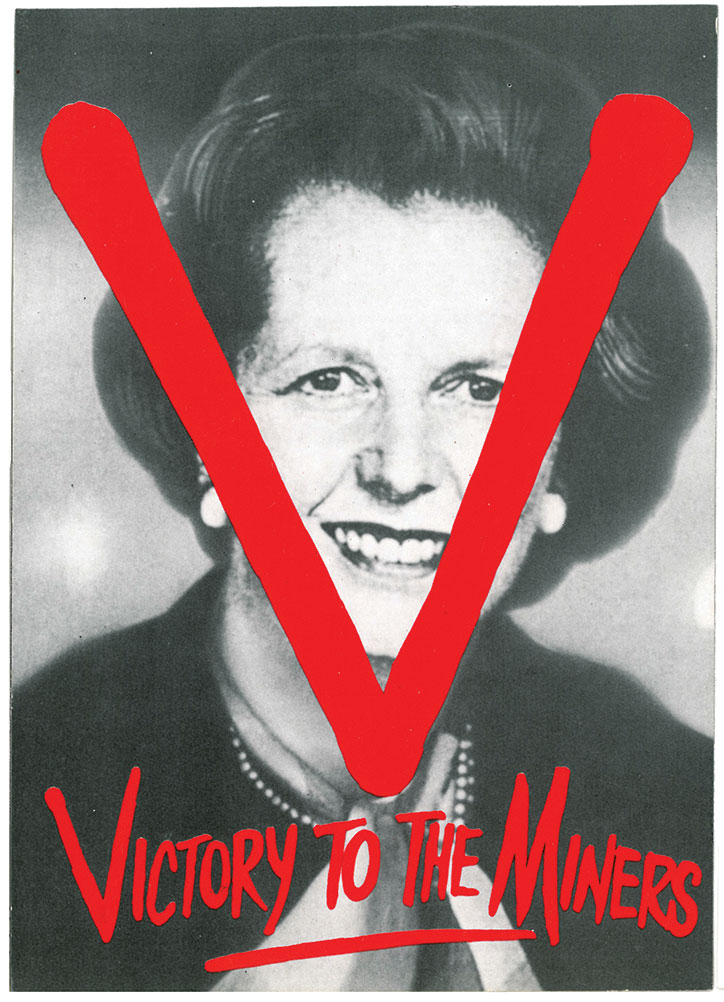
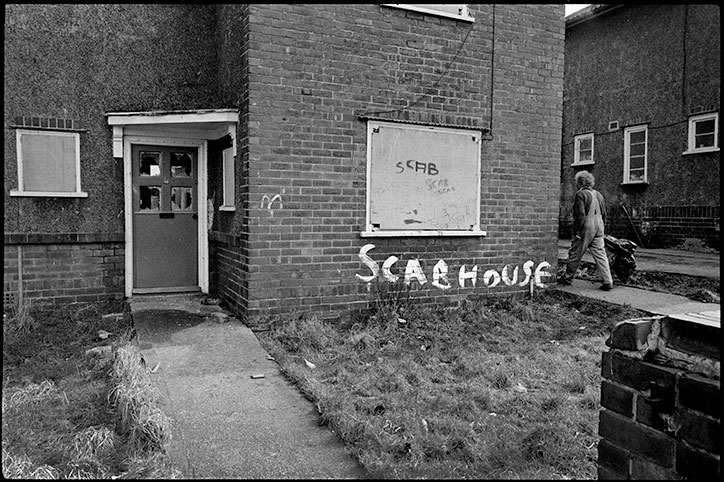
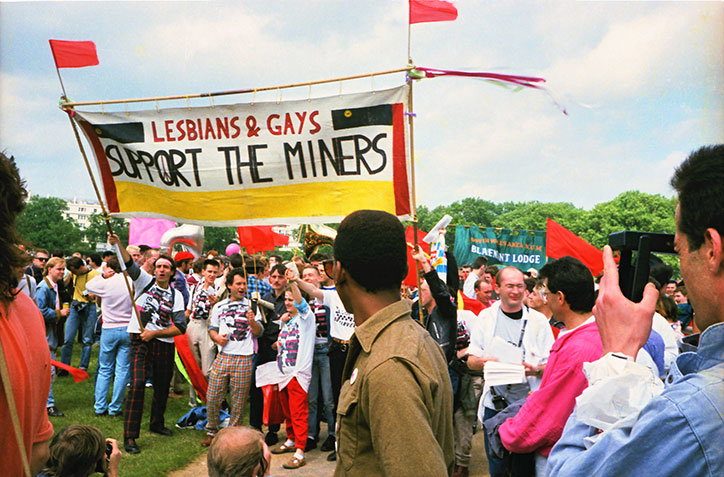
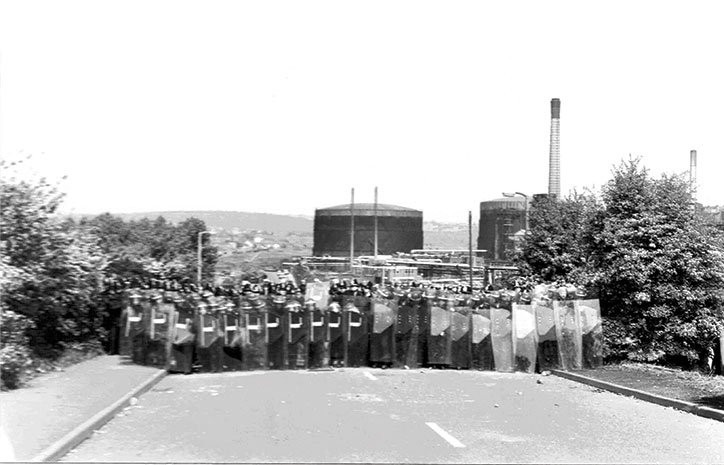
My book, In Loving Memory of Work, is a visual record and testament to the creative and cultural dissent of the working class miners, their wives, families, communities and sympathisers, against the Thatcher Conservative Government during the 1984-85 miners’ strike. And through their posters, placards, pictures, songs, poems, stories, films, graffiti, banners, and badges, it’s a celebration and living reminder of their dissent, their heroism and their continued fight for justice in a war between the workers and their rulers.
Something alarmingly relevant today, and from which we can learn a lot.
The miners’ strike was divisive in almost every aspect of our society and politics, and it offered an extreme choice: agitation or apathy. You can fight, and fight hard, to tell the truths in which you believe, or you can believe whatever you are told. But to the miners, their wives, their families, and to their communities and to a huge swell of Britain’s working class, the latter was never an option, and they took to a creative dissent and agitation to fight for their truths.
The strike brought out the extraordinary in the ordinary working man, woman and child. In such times of unwarranted and unjust distress, and through unfathomable hardship, it showed that even with the most limited of resources, ordinary people can take design and creativity into their own hands. Armed with nothing more than a justifiable frustration to be heard, and a creative disobedience, the cultural and creative outputs from the 12-month period, from the ordinary person, were brave, unusual, intelligent, but most of all they were inherently true.
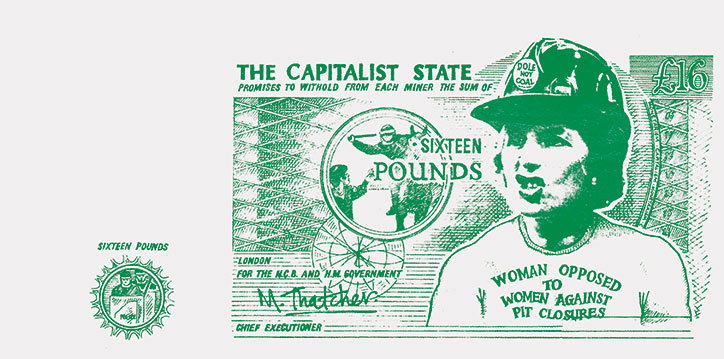
Posters, produced in multiples, often created with urgency and by any means available, bore direct, distilled messages, crude imagery, and were slapped on walls, placards, bus shelters, often at great risk, by collectives and anonymous individuals with the purpose of communicating instantly and directly to anyone who might look and listen to their lesser-told story.
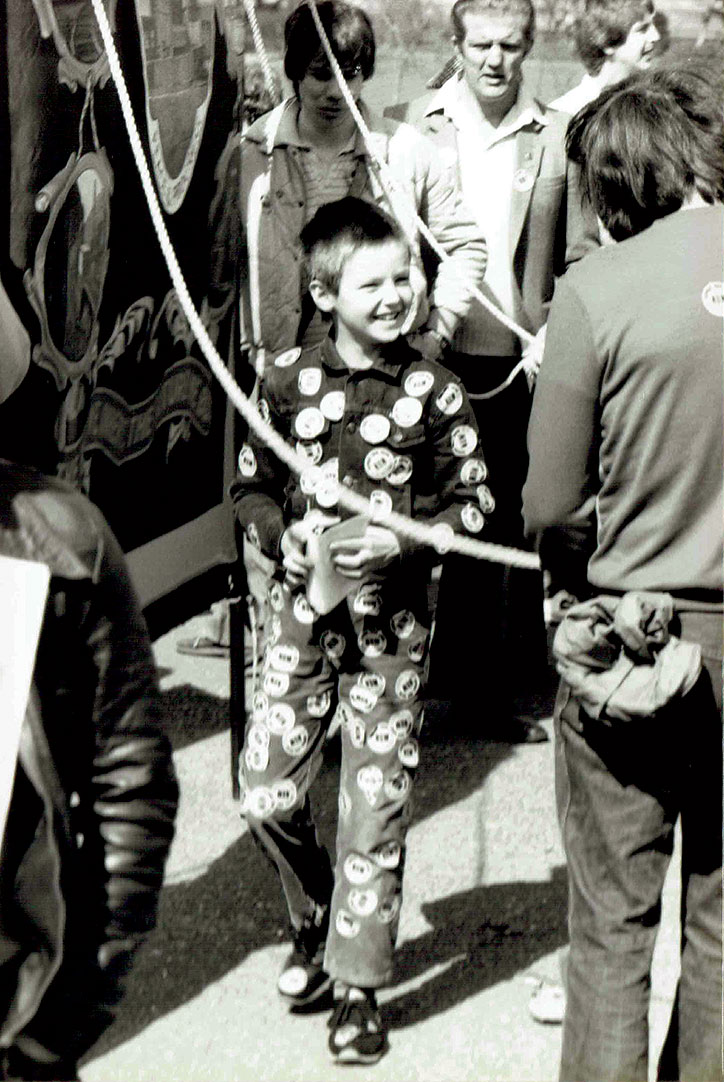
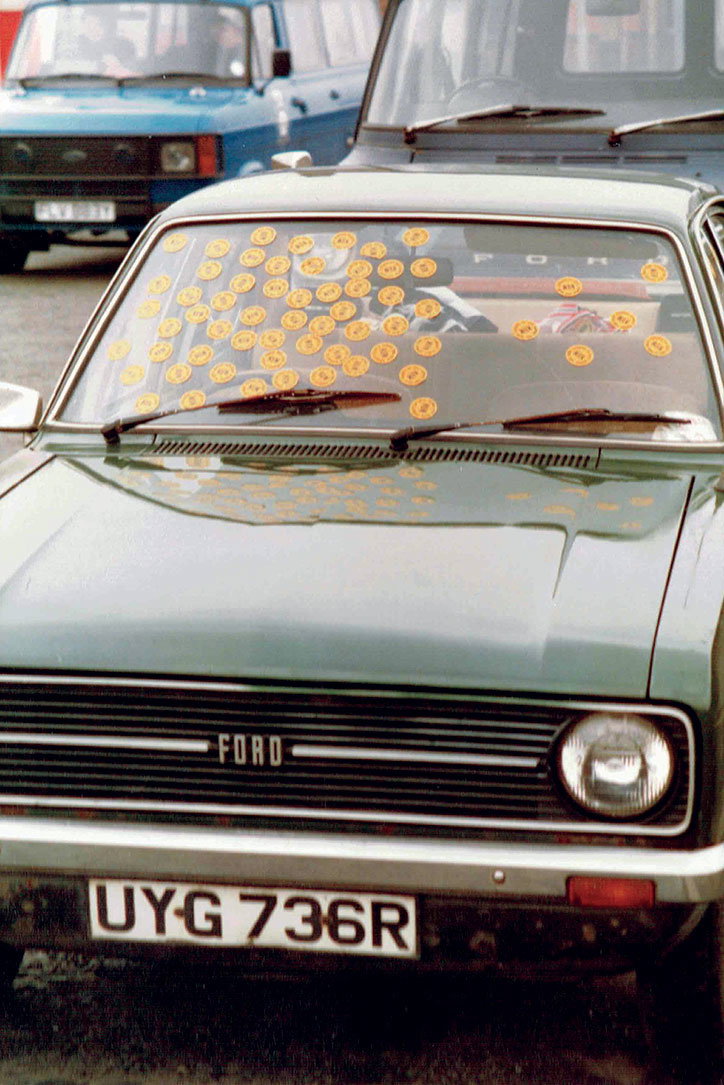
Badges and stickers, created in their thousands, were the canvas for the simple, satirical, witty slogan or illustration that distilled an incredibly complex issue into an instant intelligible point. The infamous “Coal Not Dole” and a thousand other slogans and straplines were all employed often to sell and turn a good profit for the cause.
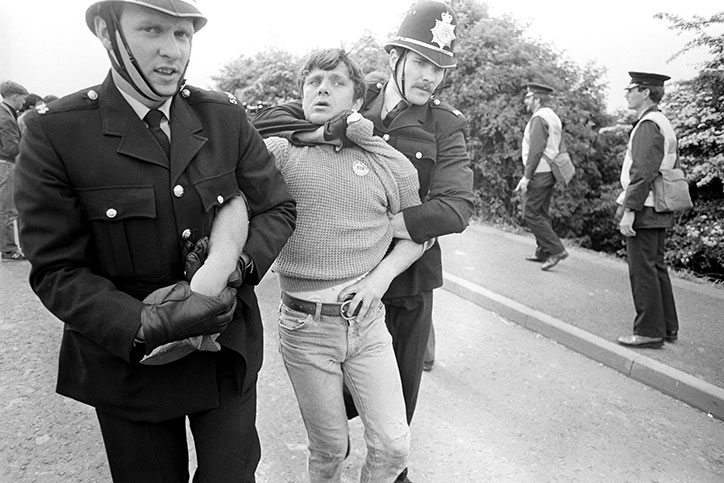
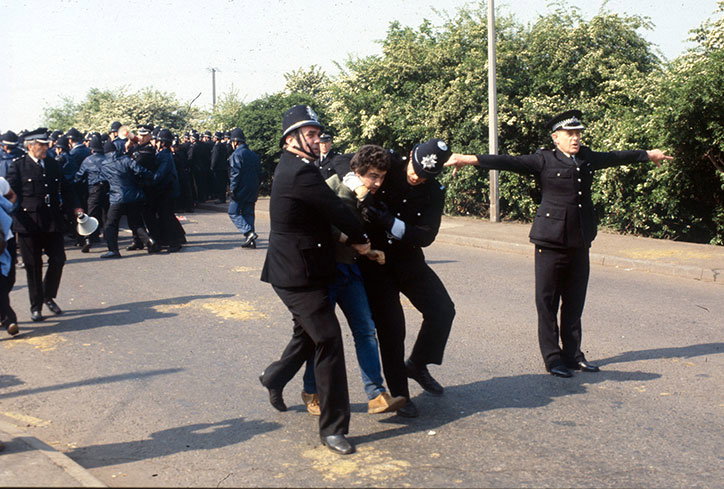
Photography, though still shot with film and a consequently expensive to develop, was defiantly popular and generated not only poignant documentation, reflection, and memory, but evidence and testament against the daily bombardment of government bias claiming a contrary story.
An incredible outpouring of songs, poems, music, and writings from the period were performed and published nationwide. Hardly a corner of the country didn’t have its own miners’ welfare where readings or gigs took place expressing their struggle or their support. And whilst the immediate function of such events was the raising of funds, they also served to raise spirits. Their entertainment and empathy provided the greatest sense of solidarity, comfort, and community to so many people in such a time of hardship.
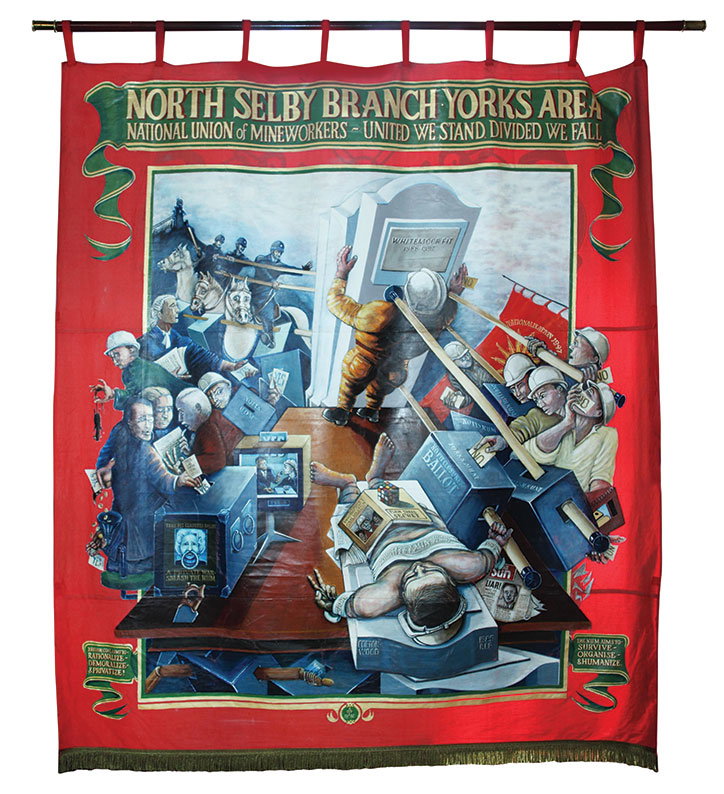
These few examples, further expanded in this body of chiefly ‘amateur’ work, share with us the components needed to create powerful creative dissent. Though extremely varied in media and message, the work included is all of visual, conceptual and communicative merit and meaning. Whether from the studio or practice of a professional designer, artist, photographer, or writer, or from the kitchen table or community hall of the influential amateur, what is consolidated and verified is that successful images and messages of agitation, of organisation, and of education, need not necessarily be created by the specialist – but by the people. While the professional may be trained to employ shock, wit, and clarity in times of urgency, and can be a communicative catalyst for change – people can change everything. Making that perfect image, for the perfect message, at the perfect time, in the perfect place can be done just as effectively by the miner as it can by the designer. And these ordinary, working class people, showcased and involved in the book, are the definitive testament to that.
So although the miners’ jobs are now all but gone, let us never forget the work they did. Because now more than ever, as we face some horrific, oppressive and divisive forces, we need their spirit and creative dissent to agitate, educate and to organise.
In Loving Memory of Work takes place at The Whitworth, Manchester on 9 February at 6pm.
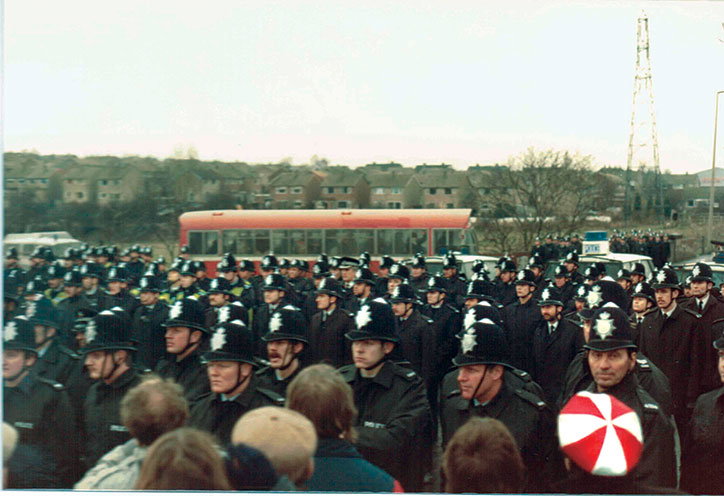
Phil Winnard
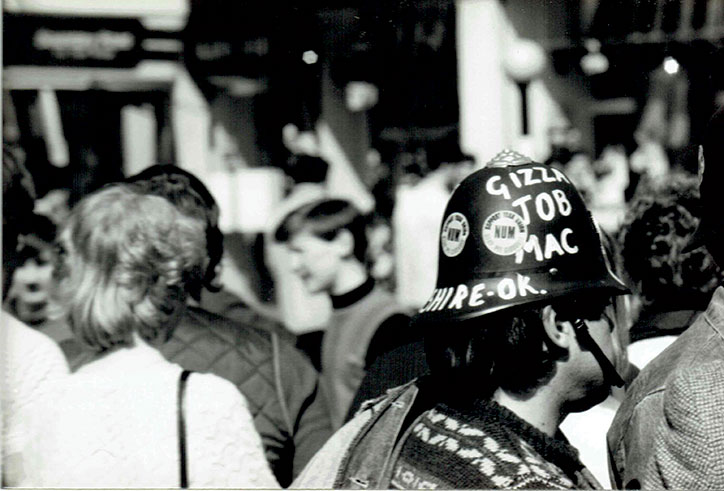
Phil Winnard
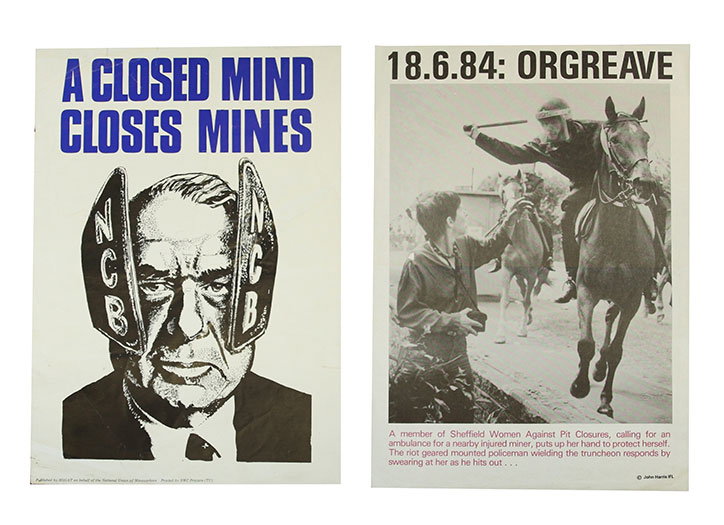
Collection Craig Oldham
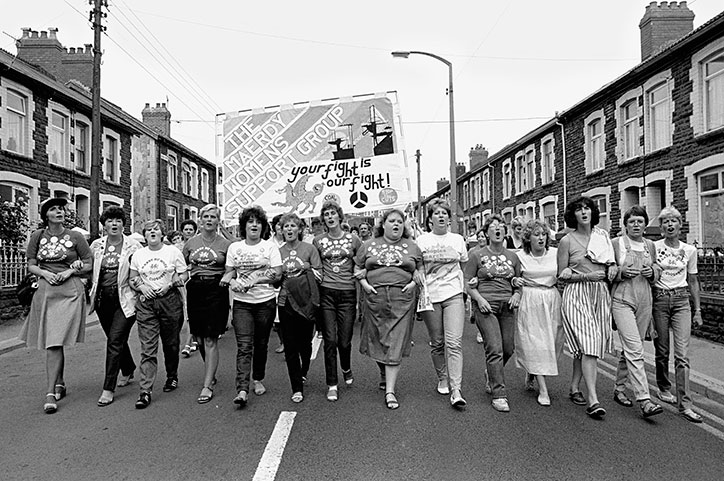
Martin Shakeshaft / strike84.co.uk
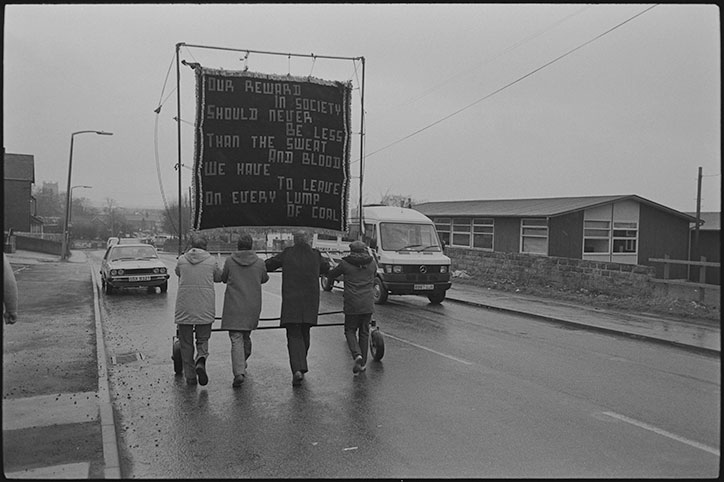
Bjorn Rantil
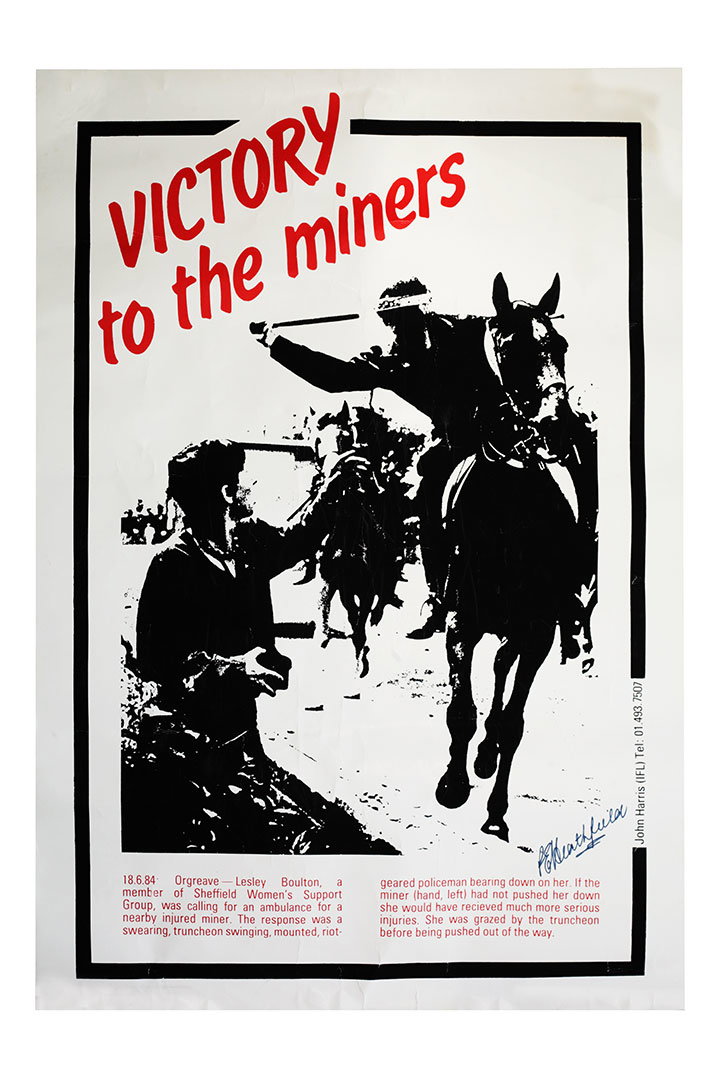
Collection Craig Oldham
Paul Morton for Leeds Postcards
Paul Morton for Leeds Postcards
Bjorn Rantil
Colin Clews
Bjorn Rantil
Paul Morton for Barnsley WAPC
PA Photos
Artwork: Andrew Turner. Photo: Tim Sinclair
Phil Winnard
Phil Winnard
Phil Winnard
BBC (Craig’s dad being arrested)
Phil Winnard