


- Words
- Paul Moore
- —
- Date
- 3 June 2026
- Tags
“Music venues are the engine of the creative industries”: lessons from the graphic ephemera of our lost clubs and pubs
The V&A’s newest display memorialises and preserves the visuals of a vanishing live event landscape. But not all is doom and gloom, as curator Harriet Reed and her team prompt visitors to cherish the ones still standing and perhaps even envision what the future could look like.
Share
Share
Formative to every community is the humble music venue, whether it’s the size of a stadium or the size of a garage. Home to sticky floors, booming sound systems, shards of guitars bounced off the deck, sticker-bombed toilet stalls marked by insignias and political messaging. It’s a site for the coming of age, a church to some, a reprieve from reality for others. For councils, they’re often a bloody headache and for communities, music venues are spaces where politics can reach the masses. In the 17th-century, some of the first ticketed music events took place in homes – to be precise, violinist John Banister’s home in Whitefriars – and over the past 400 years, some of the best music venues have sought to replicate that homely belonging, a profound sense of invitation to something transcendent. However, night clubs are also at a critical risk – more and more, communities are seeing independent venues, before and after Covid-19, disappear. How can you have a day without a night?
The V&A’s newest display Lost Music Venues is both a document of a crucial and depressingly vanishing live music landscape as well as a celebration of its cultural impact, inspiring visitors to protect the ones still standing. Encompassing photography, fashion, posters, graphic design, tickets, set-lists and recreations of music spaces, the venue recreates the visceral look, sound and feel of nightlife – featuring a disco ball on loan from the Pioneer Club in St Albans, giant metal doors rescued from soon-to-be demolished spots and immersive elements such as the aural ambience of a bustling crowd. It’s Nice That spoke to curator of contemporary performance at the V&A Harriet Reed about the historical reality and political footprint of music venues and why they need to be protected and memorialised.
It’s Nice That (INT):
What was the primary inspiration for curating a display about lost music venues right now?
Harriet Reed (HR):
The display was primarily inspired by the threat to music venues during and after the Covid-19 pandemic. It felt important for the V&A to celebrate venues’ cultural contribution at a time when many were under threat of closure, taking the opportunity to explore the wider story of their evolution from the 1980s.
INT:
The display covers a wide variety of topics, from how music venues look, sound and feel to how councils and negotiate with music venues. What was the process like of conceptually atomising everything about lost music venues and magnifying those individual elements for visitors?
HR:
We wanted to make sure that the display was a celebration not a memorialisation; that while the very serious issues which venues face are acknowledged, they don’t detract from the overall message of cultural recognition. We wanted to include as many as possible from across the UK, from small gig venues in Newport to nightclubs in Belfast. Most importantly we wanted visitors to understand how these spaces work, why they are important, and to be inspired to support their local one!
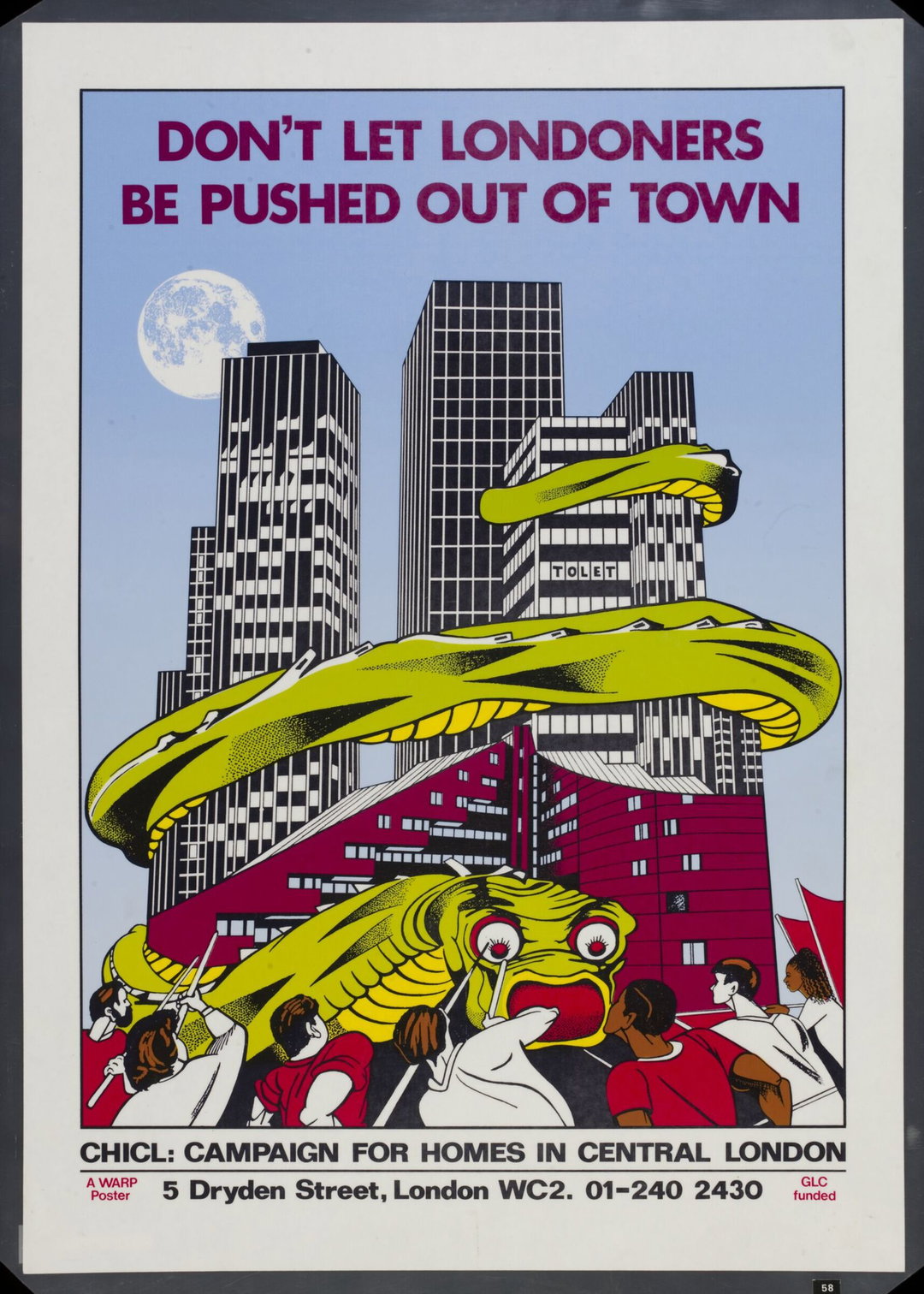
Brian Barnes: Campaign for Homes in Central London (Copyright © Brian Barnes, 1984)
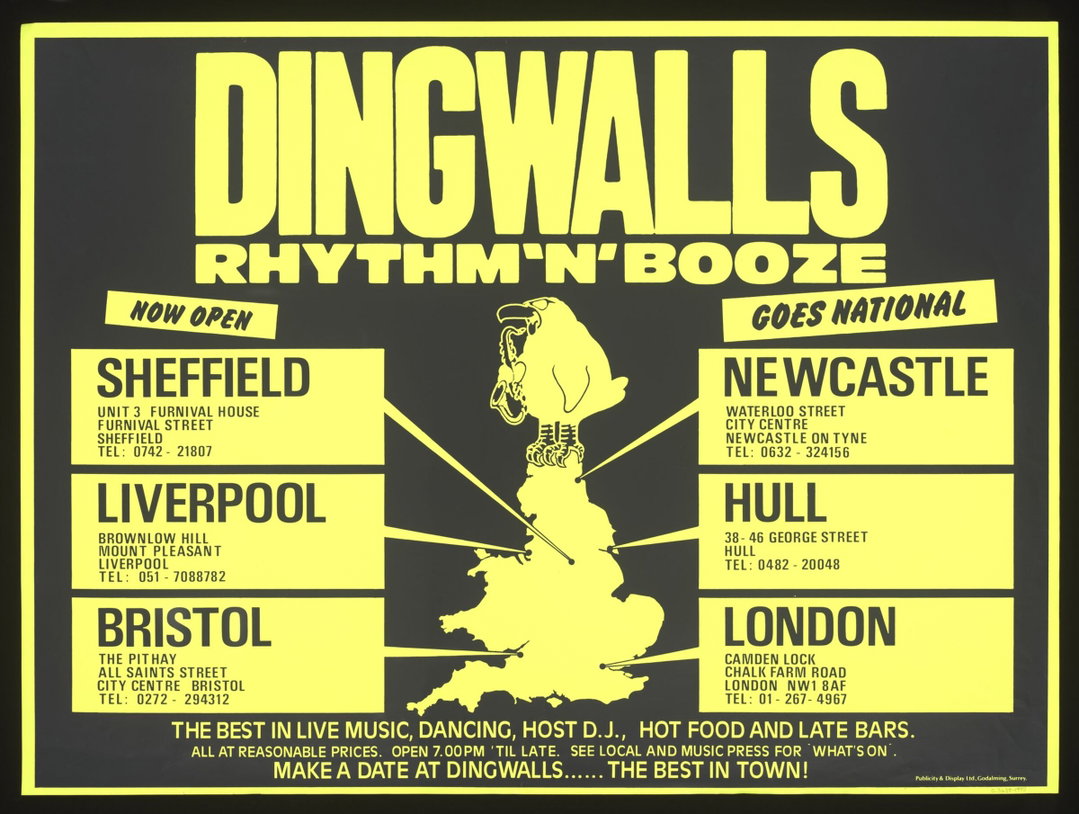
Poster advertising the national branches of Dingwalls, 1980s.
INT:
What did you borrow from real life music venues to give the display at the V&A the feeling of being inside a long-lost gig spot?
HR:
The display was designed by Misty Buckley, with her associate Laura Woodroffe, our graphic designer Raissa Pardini, sound designer Stewart Baxter, AV designers NorthHouse, lighting designer DHA Design and a team of scenic artists, who managed to transform our gallery into a club/venue. Some of the items which form part of the build were supplied by venues, like the disco ball which has been lent to us by the Pioneer Club in St Albans, and the photocopied set lists sent in by the former promoter of The Square in Harlow – which adds a nice layer of authenticity!
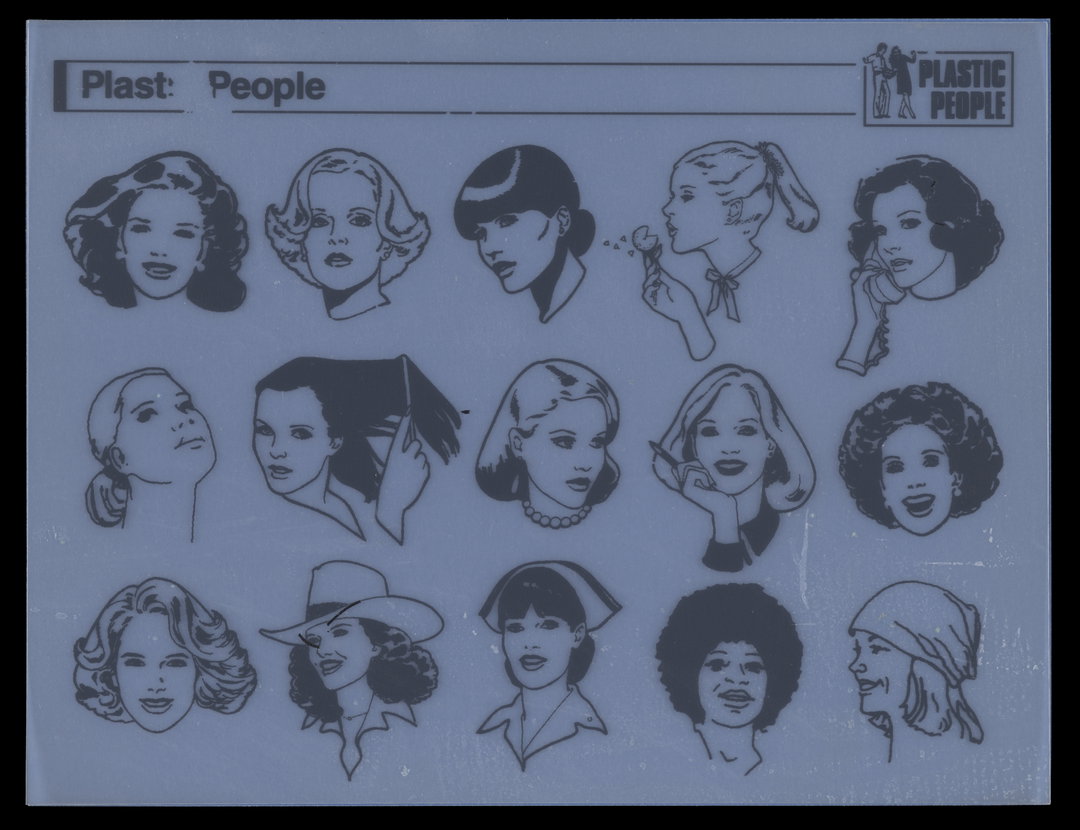
Ali Augur: Letraset design for the original Plastic People logo (Copyright © Ali Augur, 1991)
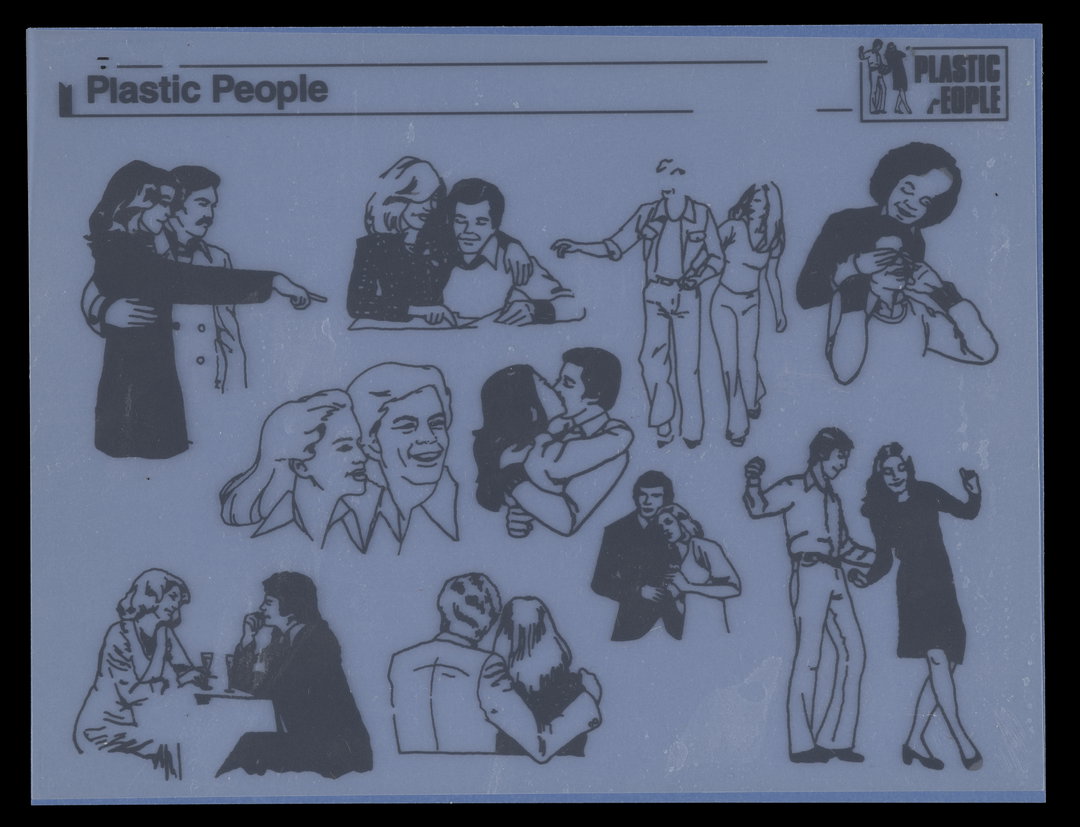
Ali Augur: Letraset design for the original Plastic People logo (Copyright © Ali Augur, 1991)
INT:
Venues are more than just sites of famous gigs, of course, they are places for strangers to connect for a few precious hours. How do you find that the posters and design of music venues provided that sacred place?
HR:
Venues provide valuable space for strangers to meet, to make new connections and discover new identities. Particularly after dark, there is an element of escapism and of freedom of expression which does create a sacred space. No matter how small or humble, if the design reflects the venue’s ethos and artistic intent, it will make people feel welcome. Of course, venues can still be exclusionary, and many artists and collectives have had to respond to these barriers by creating their own spaces.
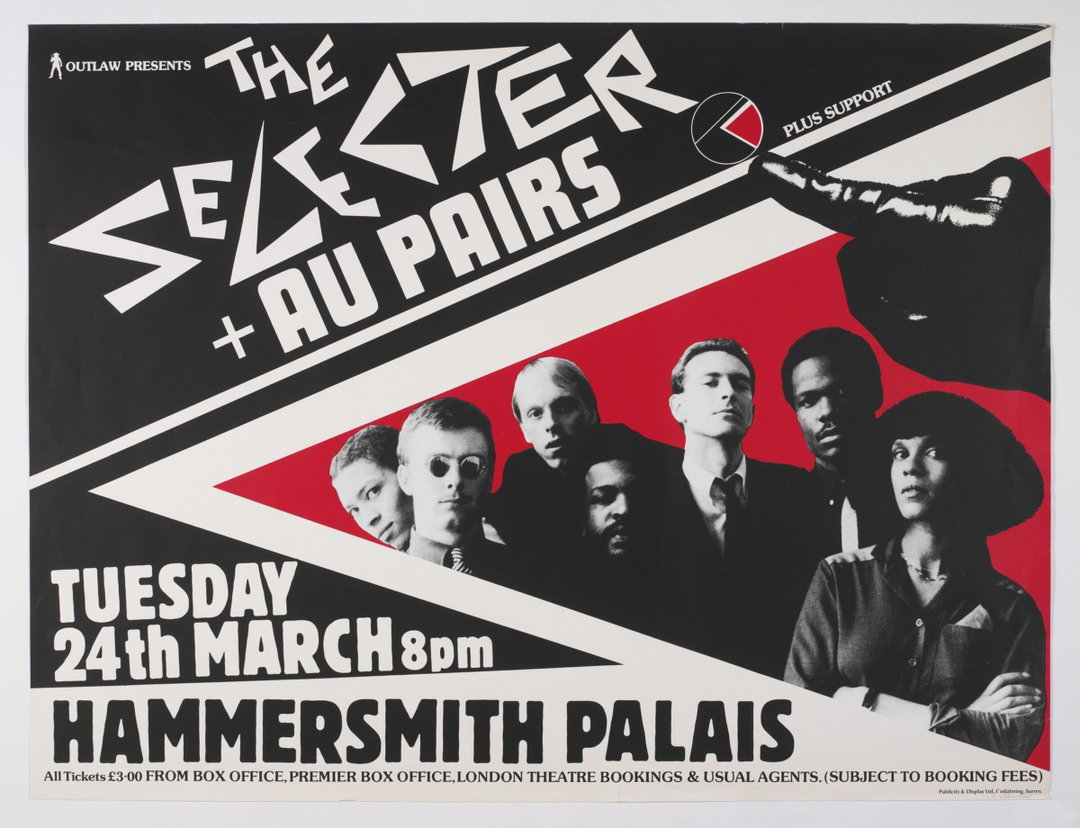
Poster for The Selecter at the Hammersmith Palais, London, 1981
Poster for Stiff Little Fingers at the Tower, Hull, 1982
Poster for Siouxsie and the Banshees at the Apollo, Glasgow, 1981
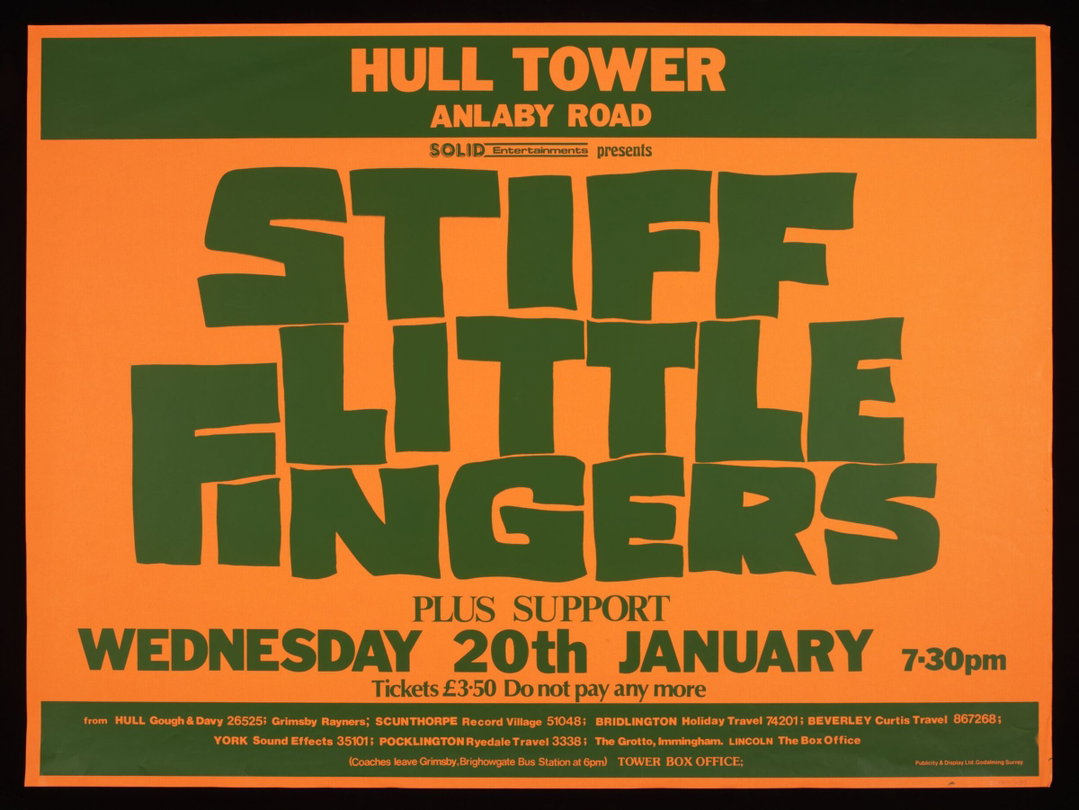
Poster for Stiff Little Fingers at the Tower, Hull, 1982
Poster for Siouxsie and the Banshees at the Apollo, Glasgow, 1981
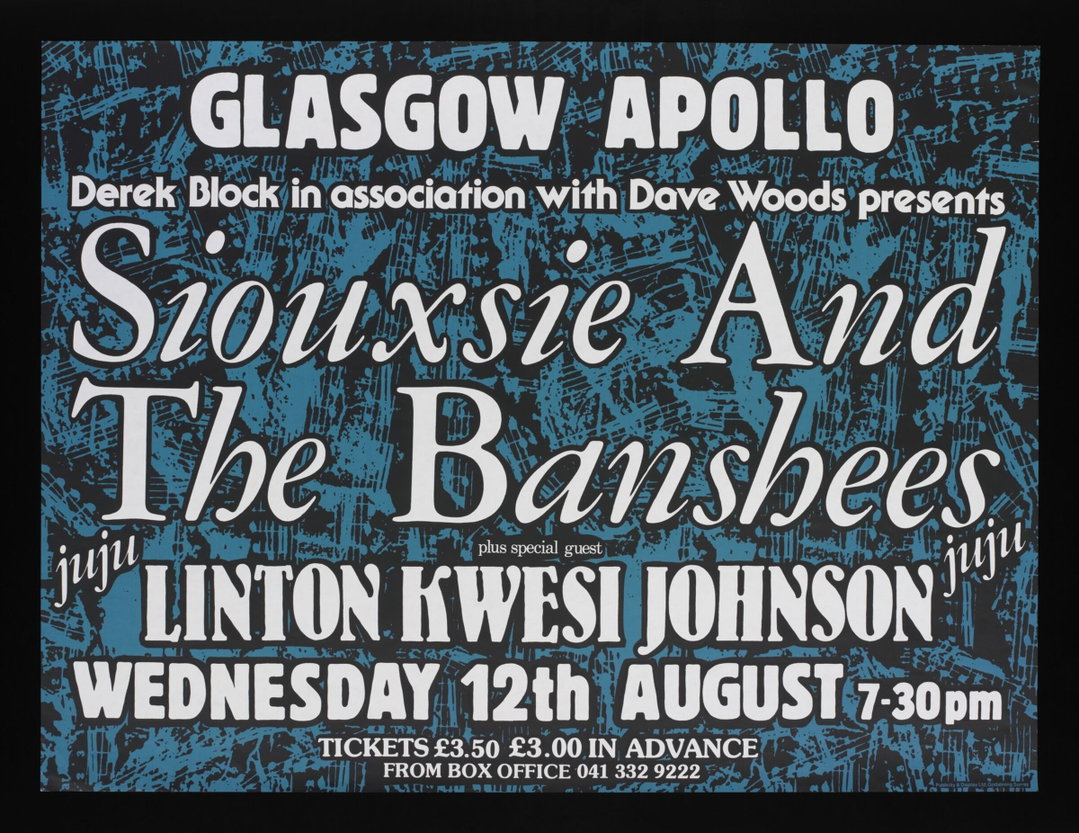
Poster for Siouxsie and the Banshees at the Apollo, Glasgow, 1981
INT:
What were some of the most surprising things you learned about music venues in your research and curation process for this display?
HR:
There are too many fascinating stories to share about the historic gigs and music scenes birthed in venues! But one aspect that really interested me were the stories of resilience and campaigning. One of the venues featured is the Rainbow Theatre in Finsbury Park, which was built in 1930 as a cinema but was converted to a gig venue, before closing in 1981. The V&A holds a collection of archive material relating to an exhibition the Rainbow organised in 1980, to campaign to stay open. It includes a note of support and sketch by Joan Baez, set lists for gigs by The Jam and The Who, collages of photographs and ticket stubs – as well as photographs of backstage bars, sound engineers and even their staff Christmas party. It was a surprising window into an early campaign to preserve music heritage and celebrate the people who make it.
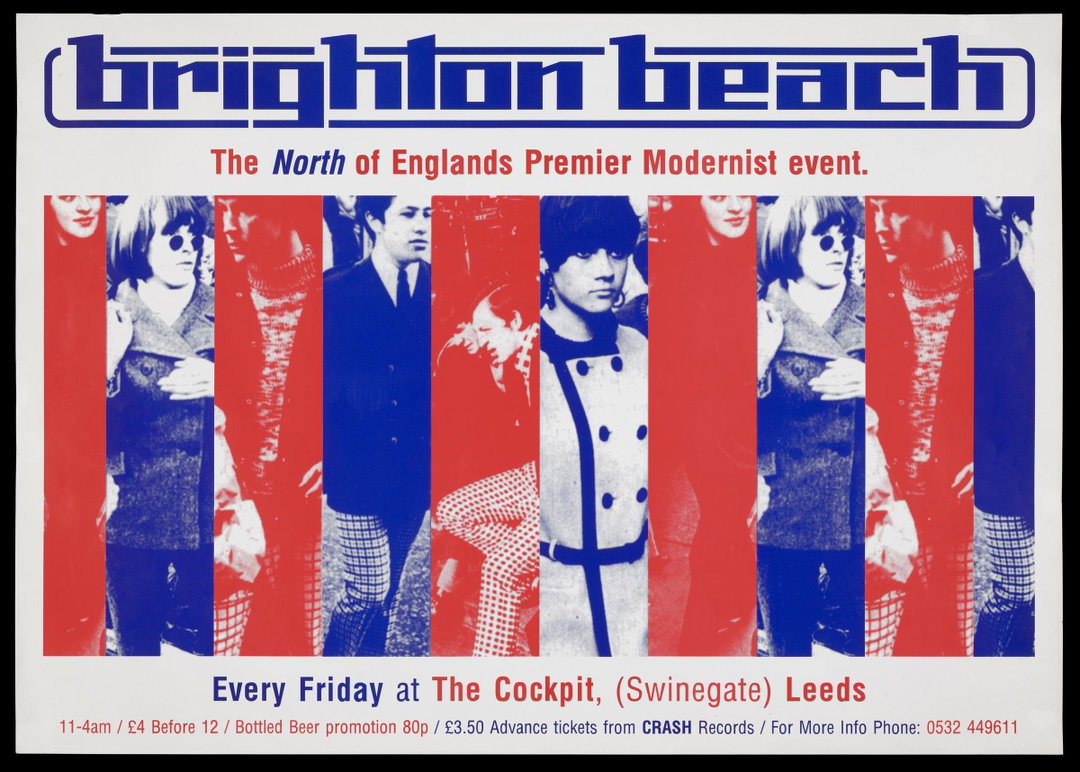
Poster for Brighton Beach at The Cockpit, Leeds, 2000s
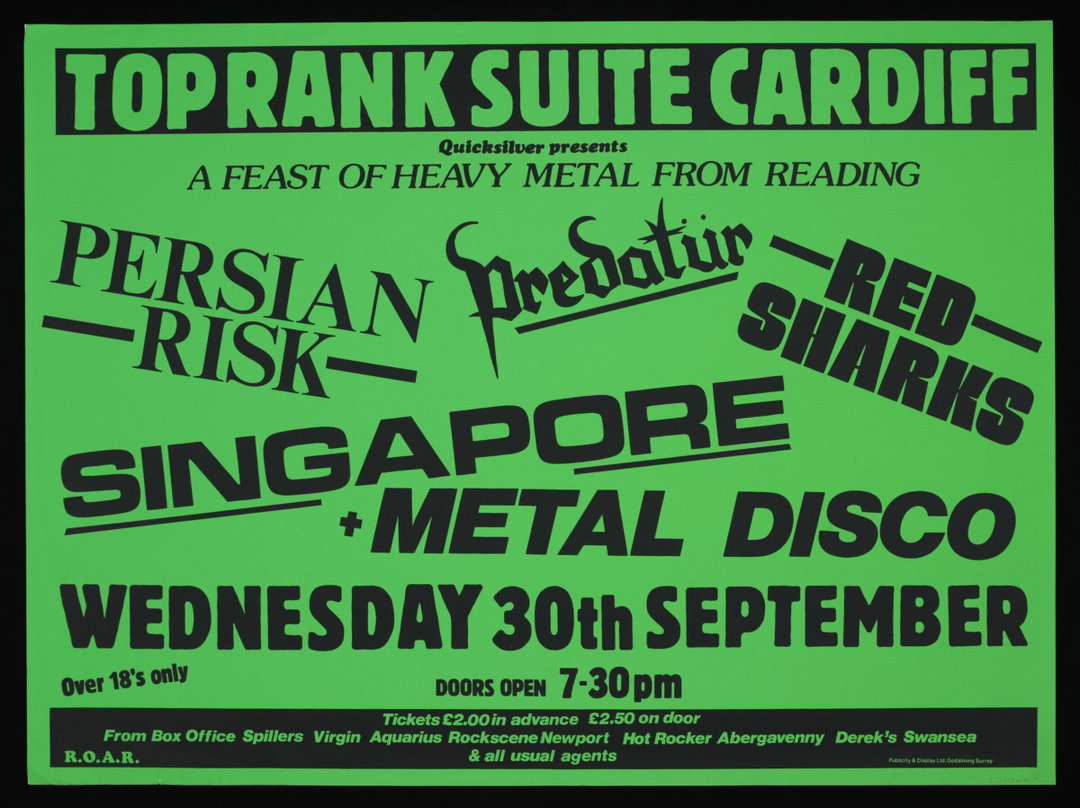
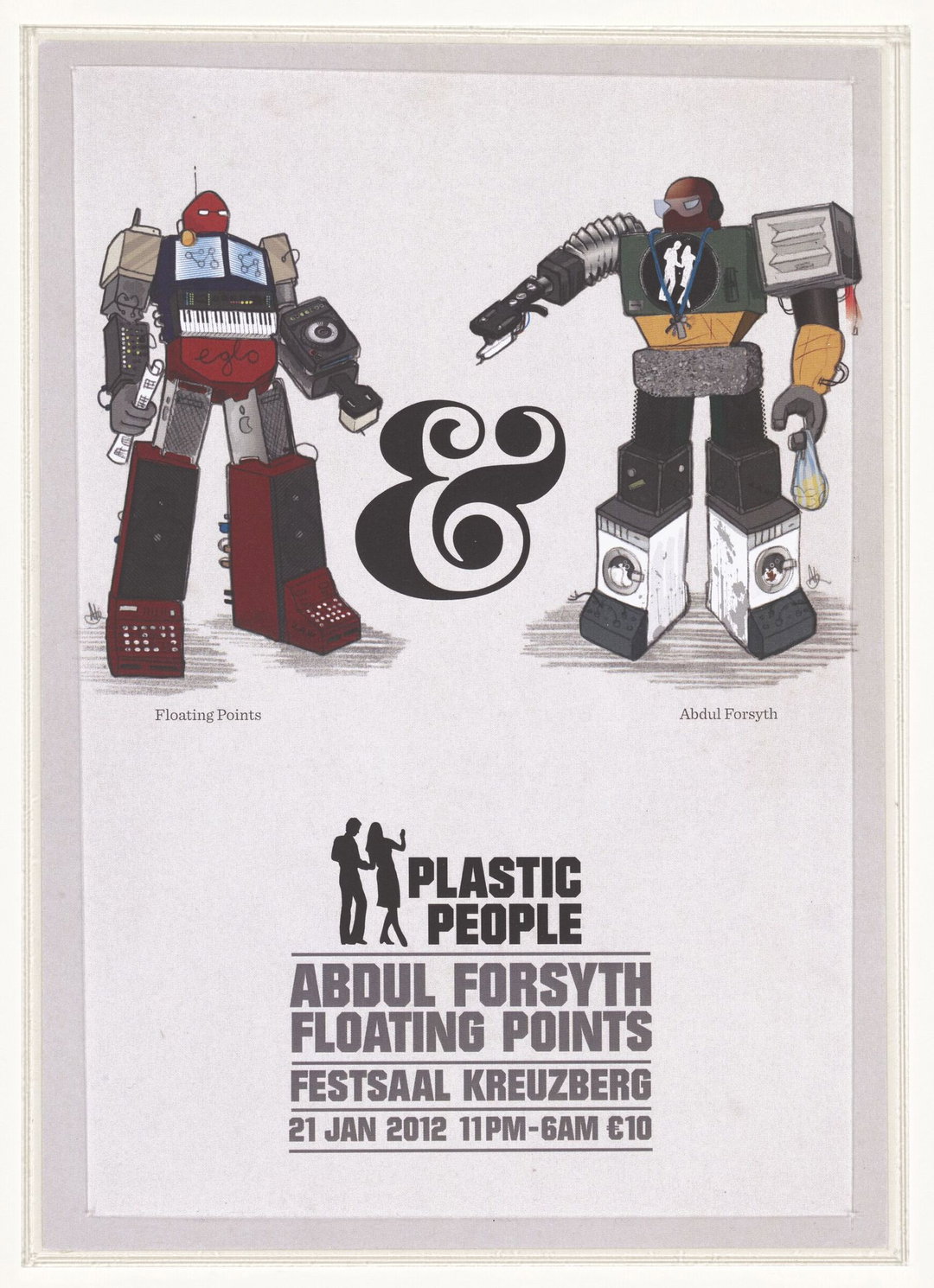
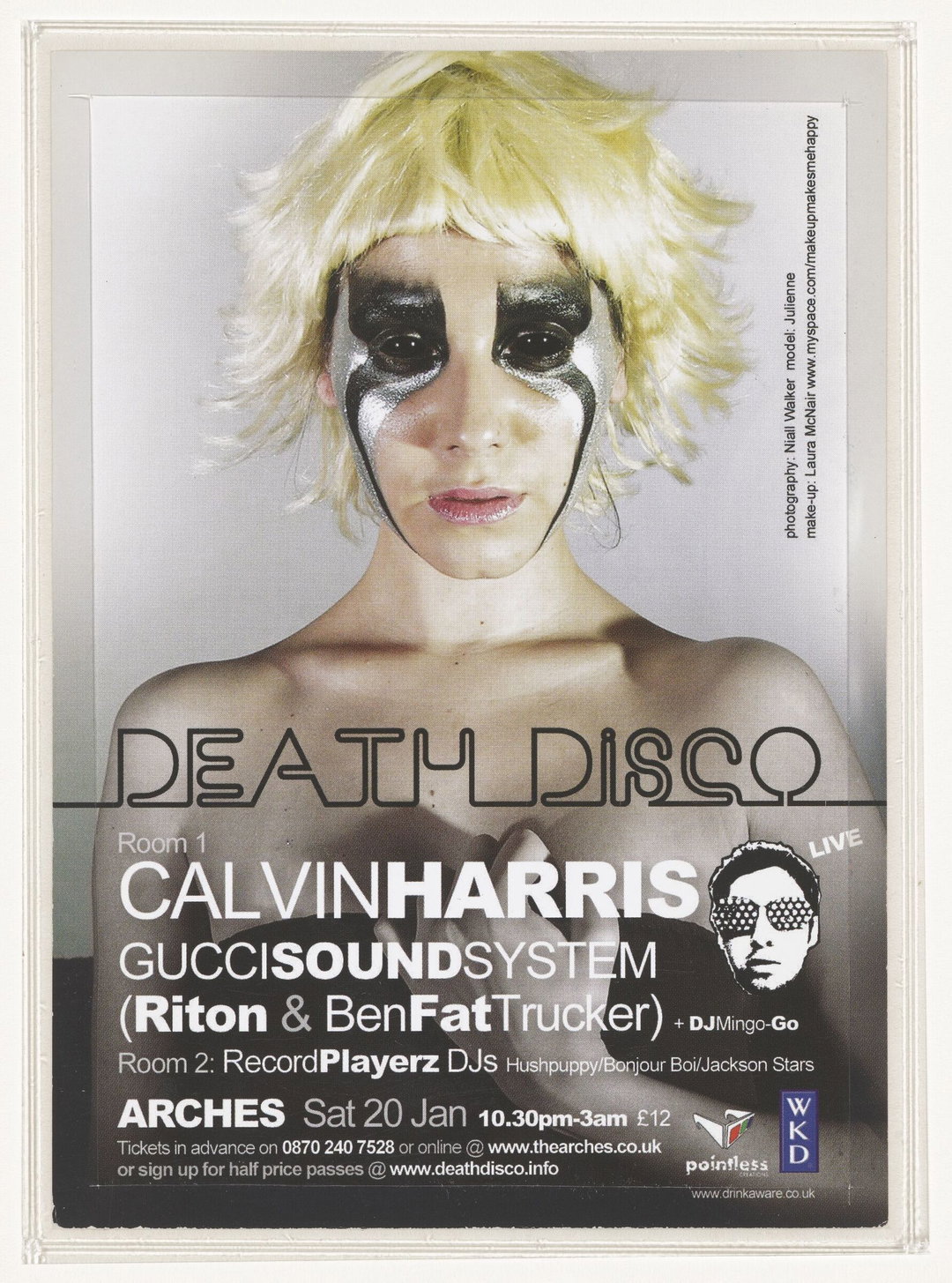
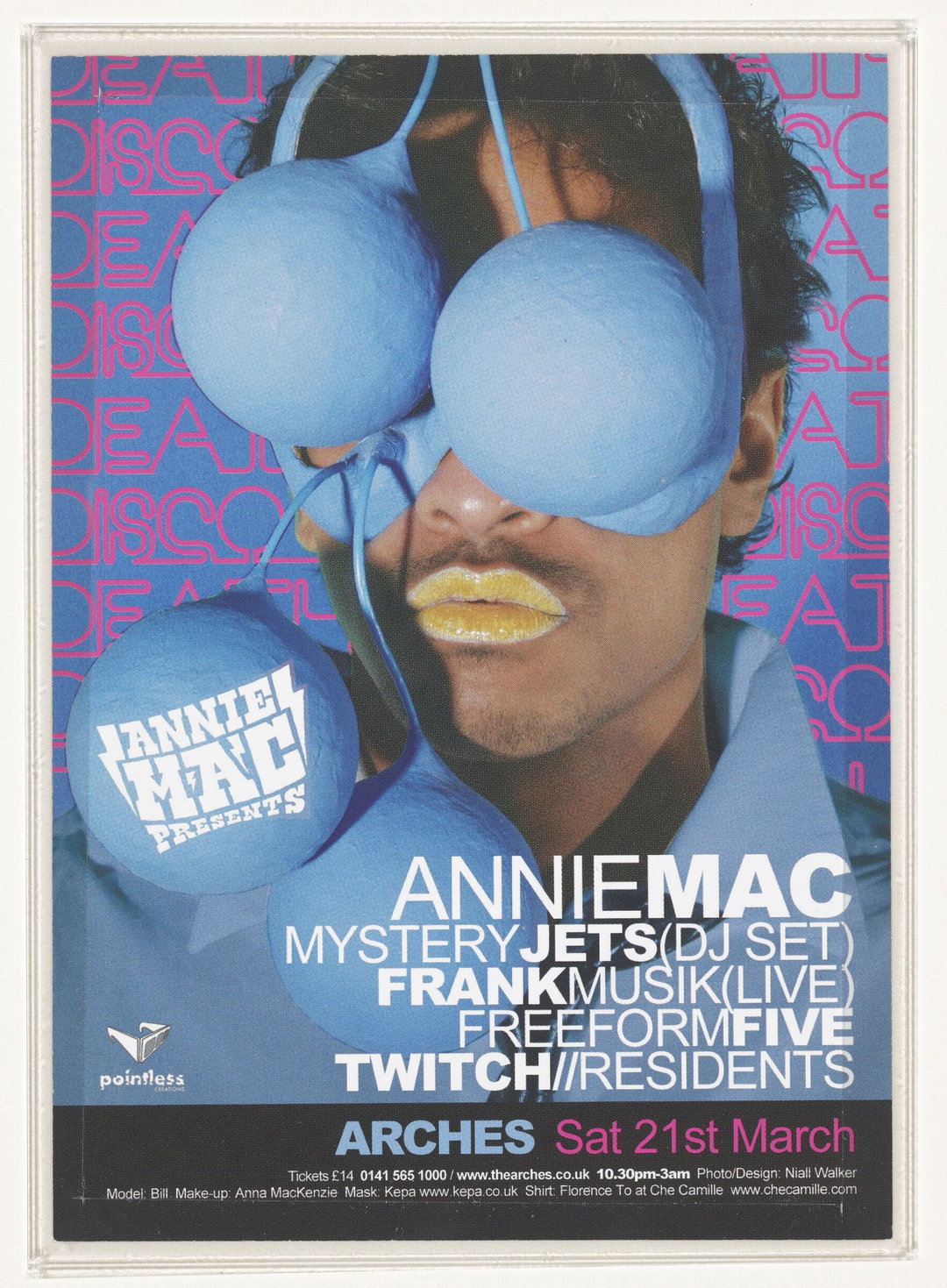
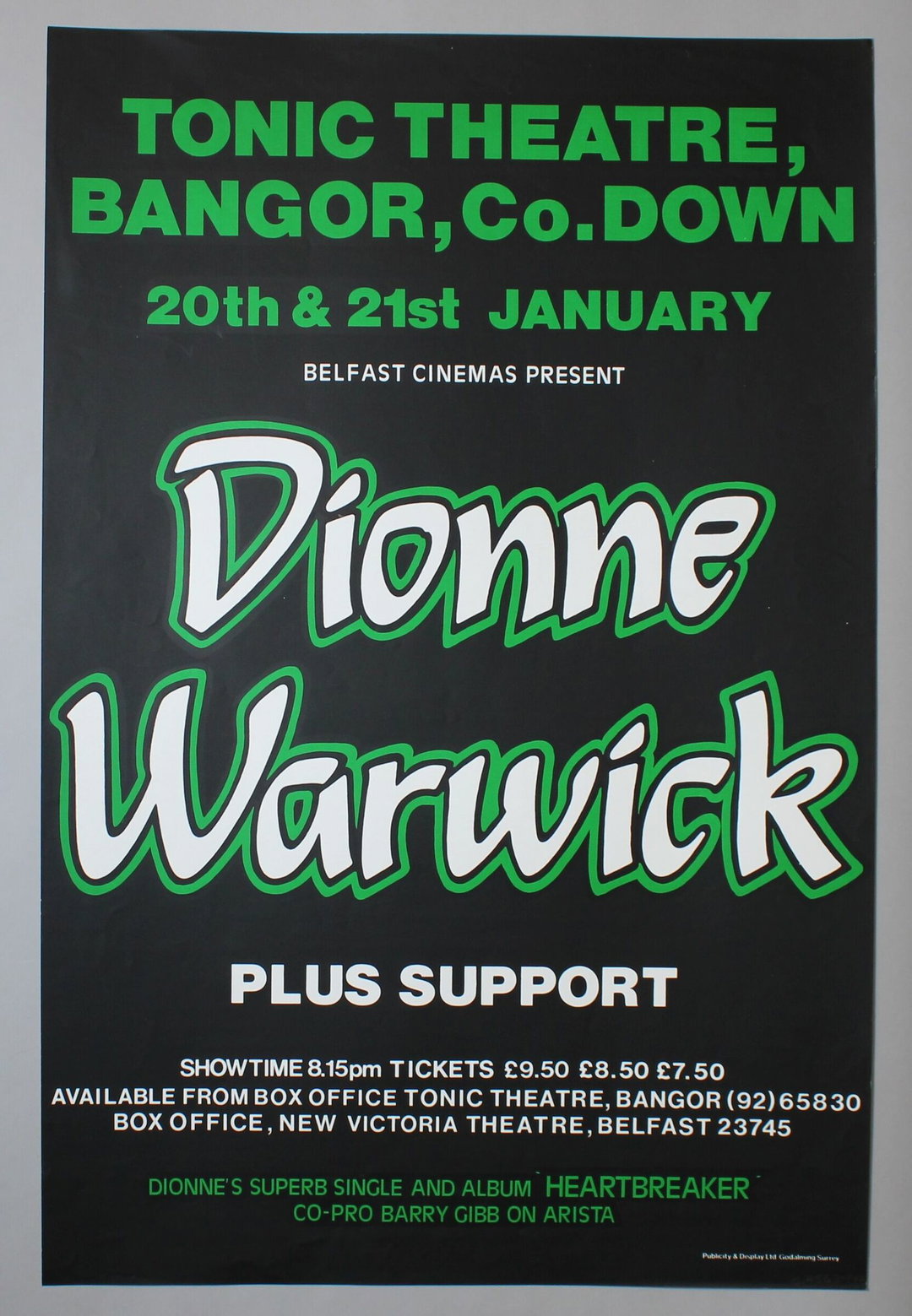
1 of 5
Poster advertising a Heavy Metal night at the Top Rank Suite, Cardiff, 1981.
1 of 5
Poster advertising a Heavy Metal night at the Top Rank Suite, Cardiff, 1981.
It’s Nice That:
How important is it to preserve the history of music venues? (Especially politically!)
HR:
Music venues are the engine of the creative industries – they nurture talent, form local identities and are important places to explore, learn about and experience performance, music, fashion and other forms of art. To lose the history of music venues would be to lose a vital piece of the UK’s cultural heritage – and make it easier to forget why they are still important today.
It’s Nice That:
You didn’t want the display to feel all doom and gloom though – it's true, many music venues were and are turned to rubble, but there's still hope for the live music landscape, how did you choose to represent that?
HR:
To make sure the focus of the display ends on an active note, and to encourage visitors to find out about live music near them, we developed an interactive with our AV designers NorthHouse. It takes the format of a short quiz and will match you up with your ideal venue – from a choice of Band on the Wall in Manchester, Oh Yeah Centre in Belfast, Le Pub in Newport, the Windmill in London or SWG3 in Glasgow. Of course, not all our visitors will live near these places, so we encourage them to use Music Venue Trust’s gig guide to find a similar space near them. We hope this fun call-to-action reminds visitors of the hundreds of venues which are thriving today.
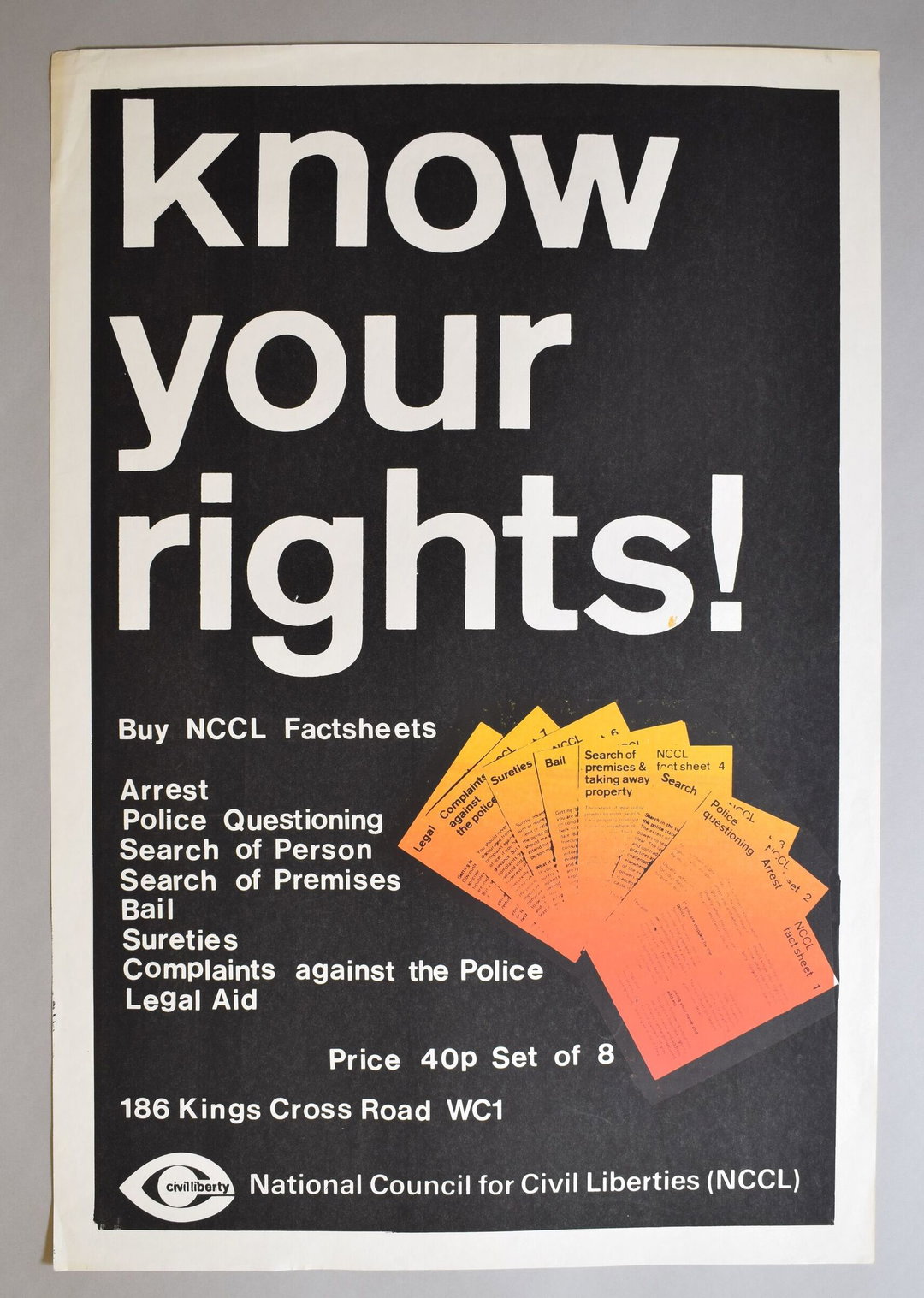
Paddington Printshop: Poster for the National Council for Civil Liberties (Copyright © Paddington Printshop, 1989)
Hero Header
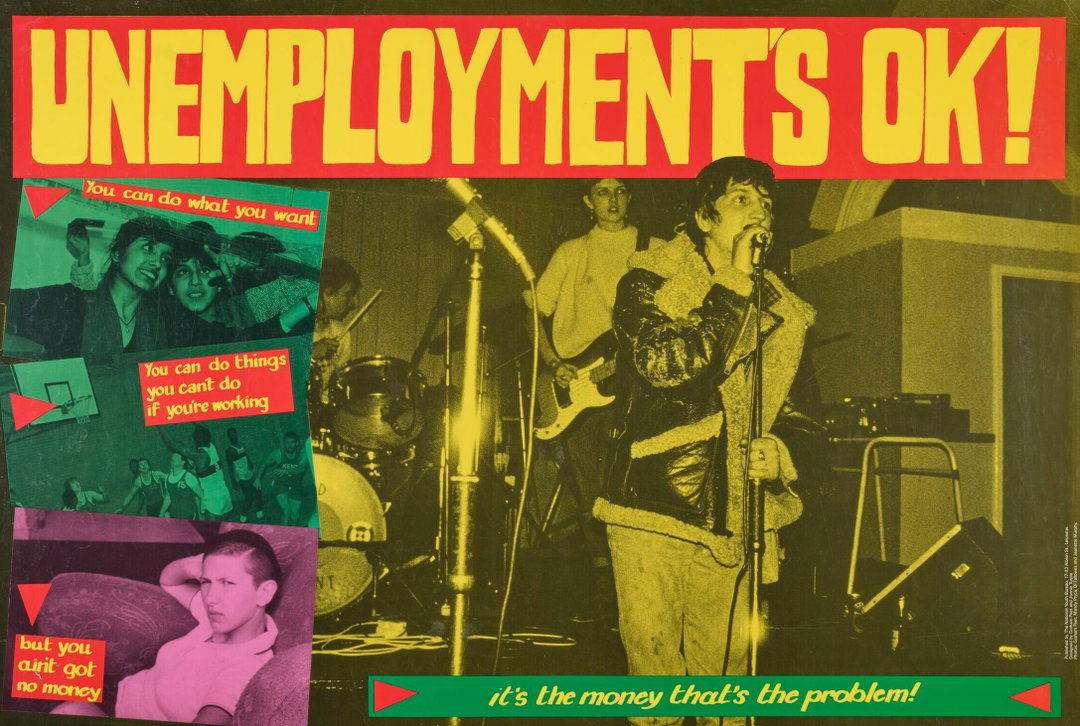
Dead Honest Soul Searchers: Unemployment’s OK! (Copyright © Dead Honest Soul Searchers, 1985)
Share Article
Further Info
About the Author
—
Paul M (He/Him) is a Junior Writer at It’s Nice That since May 2025. He has a strong interest in graphic design, digital kitsch, multimedia painting, collage, nostalgia, analogue technology and all matters of strange stuff. pcm@itsnicethat.com
To submit your work to be featured on the site, see our Submissions Guide.