

- Words
- Ayla Angelos
- —
- Date
- 26 August 2026
- Tags
20 years, a bunch of photographers, one very sweaty archive: how to shoot The Warehouse Project
As WHP launches a new archive documenting two decades of dance music, Gary Brown, Harriet Bols and Jody Hartley share the process behind photographing its crowds, artists and fleeting moments.
Share
Share
There’s a particular kind of feeling that you get inside a warehouse rave at 2am – a collective euphoria, if you will, coupled with a sweaty brow, a room thick with smoke, your vision sliced up by strobe lights, the thump of the sound system and, somehow, if you’re any good with a camera, a ton of pictures. For 20 years, that feeling has belonged to The Warehouse Project, a series of club nights that started life in Manchester inside the disused Boddington’s Strangeways Brewery in 2006, a site that set the blueprint for the rave space before being demolished in 2007. With Public Enemy on the opening bill, the event series has since rattled through Store Street and Victoria Warehouse before settling into its current, cavernous home in Depot Mayfield – growing, along the way, into one of the most anticipated fixtures in the UK’s dance music calendar, having hosted everyone from Aphex Twin and Carl Cox to Peggy Gou and Fred again.. on its stages.
But WHP has never just been about who’s booked to play. It’s also about the crowd underneath the DJ booth – the chats you have in the queue, or the friends you make in the smoking area who you end up dancing with for the next six hours. Its visual documentation has fallen to a rotating cast of photographers over the years, including Sebastian Matthes, WHP’s official photographer since the 2006 launch at Boddington’s, alongside Shaun Peckham, Anthony Mooney, Rob Jones, Pippa Rankin, Sophia Carey, Harriet Bols, Gary Brown and Jody Hartley, all trained to wiggle through the packed, strobe-lit crowds and shoot raw, unfiltered moments backstage. To mark 20 years – and the launch of WHP_Vault, a new archive dedicated to the people and process behind the party – we caught up with three of them: Harriet, Gary and Jody. They talk us through their first shoots, finding stillness in a raving room, and why the party-goers matter more than whoever’s on the decks.
Harriet Bols: The Warehouse Project (Copyright © Harriet Bols)
Harriet Bols
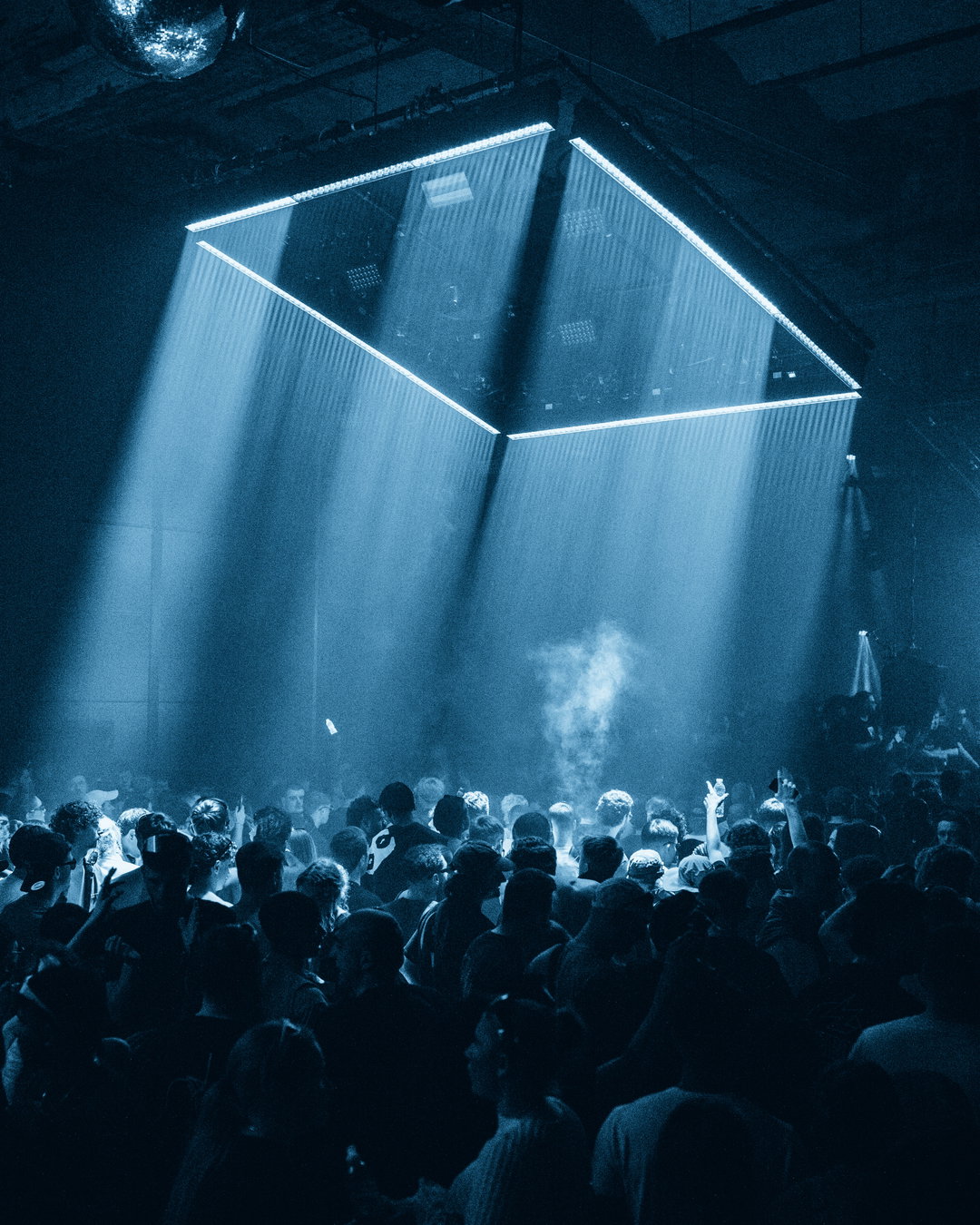
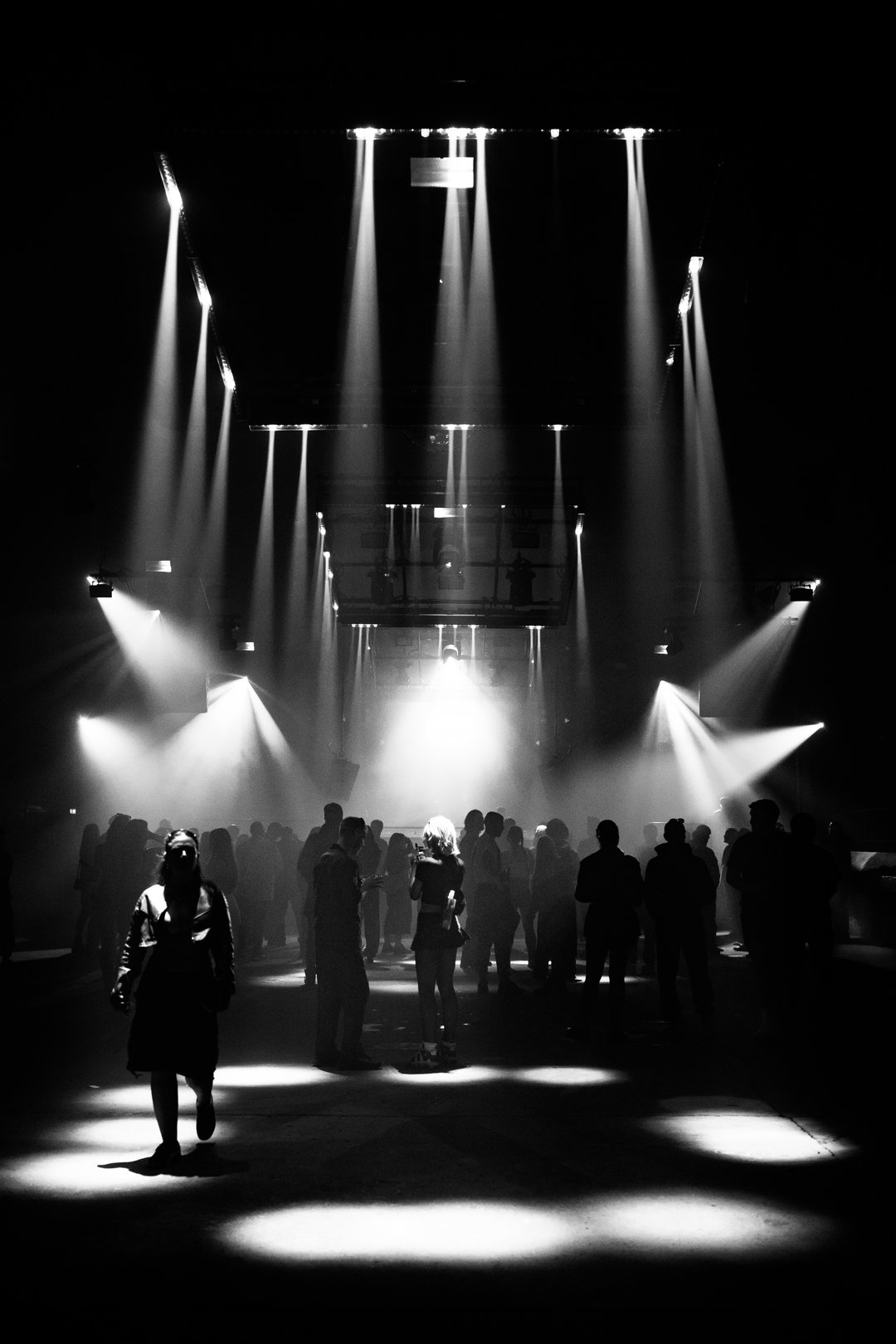
Harriet Bols is a Bristol-based photographer whose work centres human connection, emotion and the particular charge of a room full of people losing themselves to live music – from fans finding each other on the walk to a show, to the less-loud moments backstage. Her relationship with WHP began long before she ever picked up a camera for it: her first visit was on her 18th birthday in 2013, up in Manchester to see her sister, and she found herself on someone’s shoulders while High Contrast played. Exactly ten years later, in 2023, she photographed her first Warehouse Project show – a full-circle moment she still feels thankful for.
It’s Nice That:
When you enter a space like WHP with a camera, what's your approach when capturing the energy of its events?
Harriet Bols:
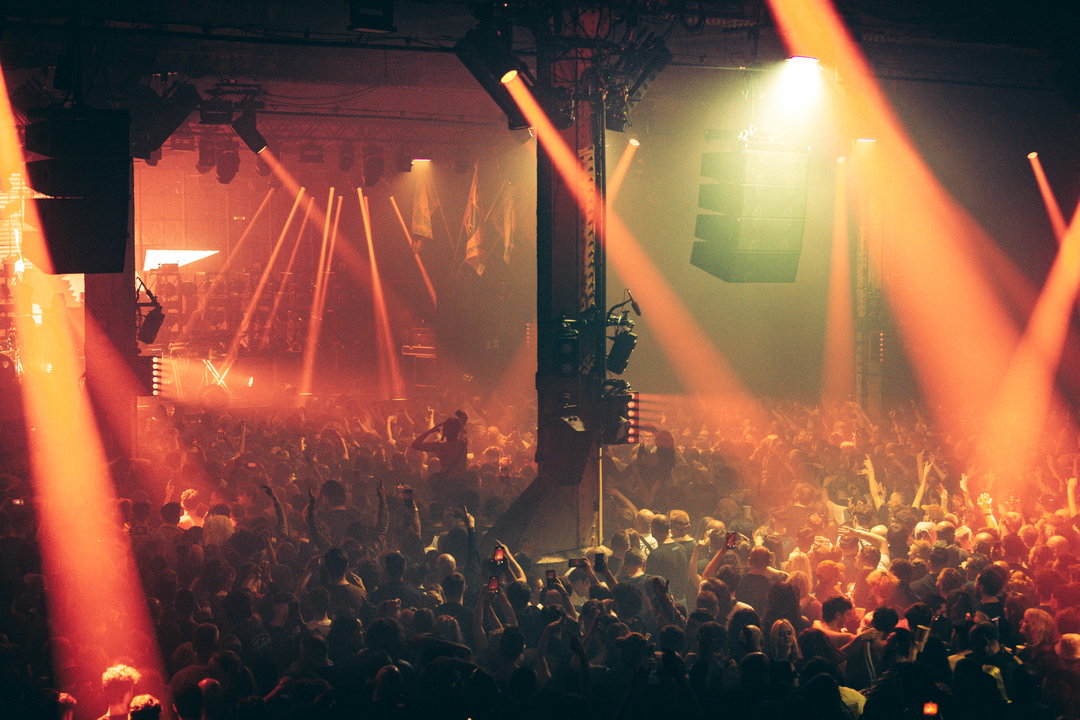
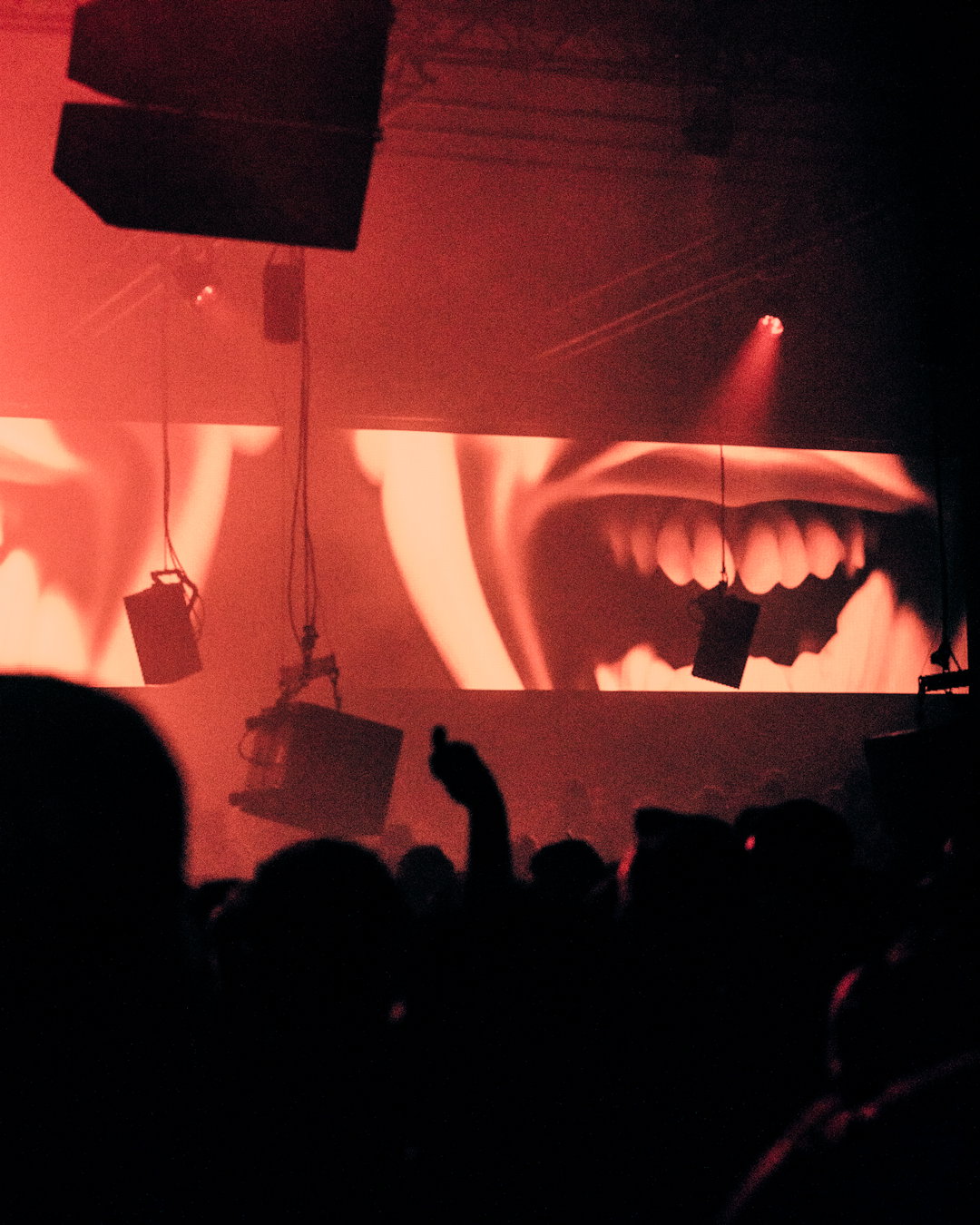
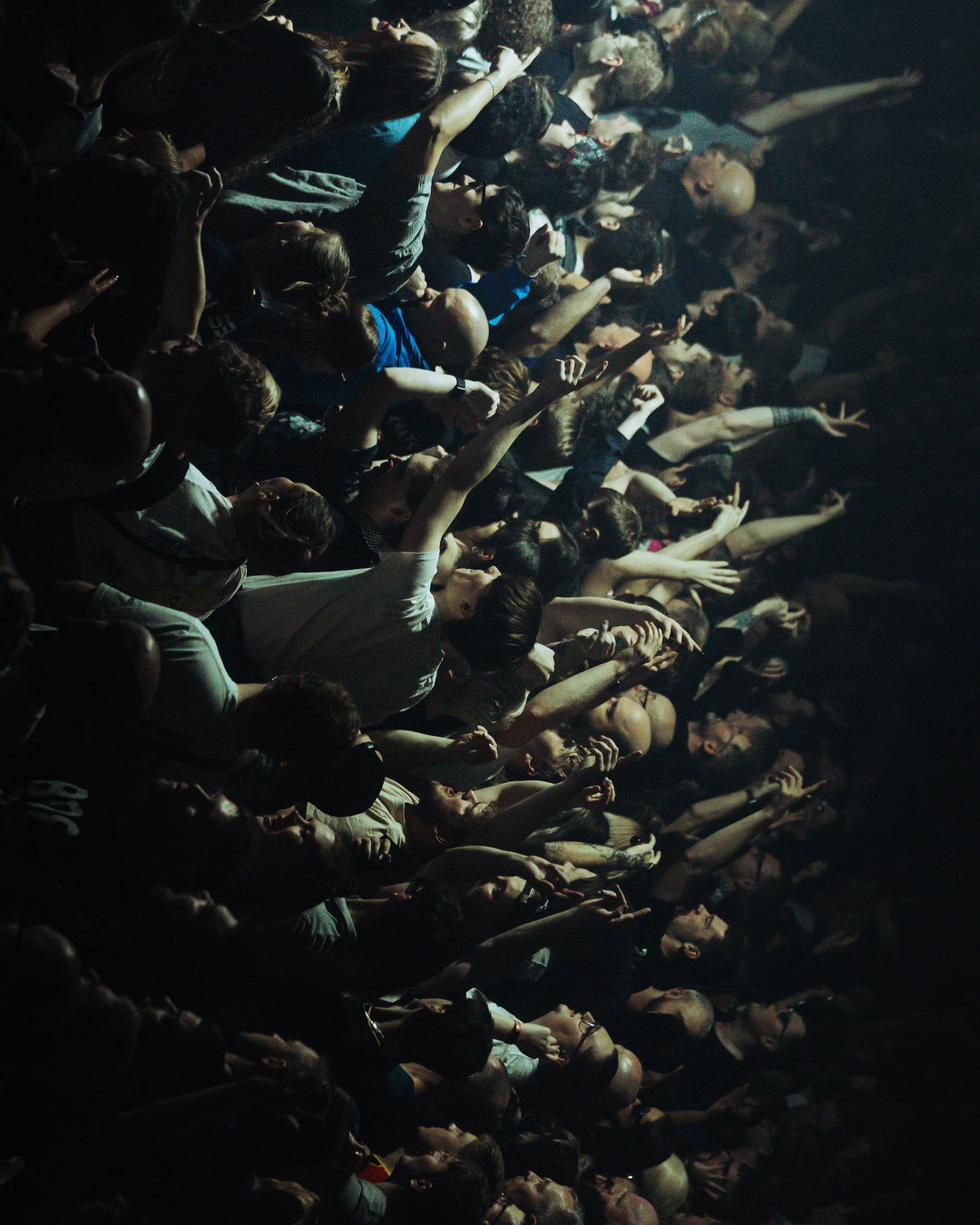
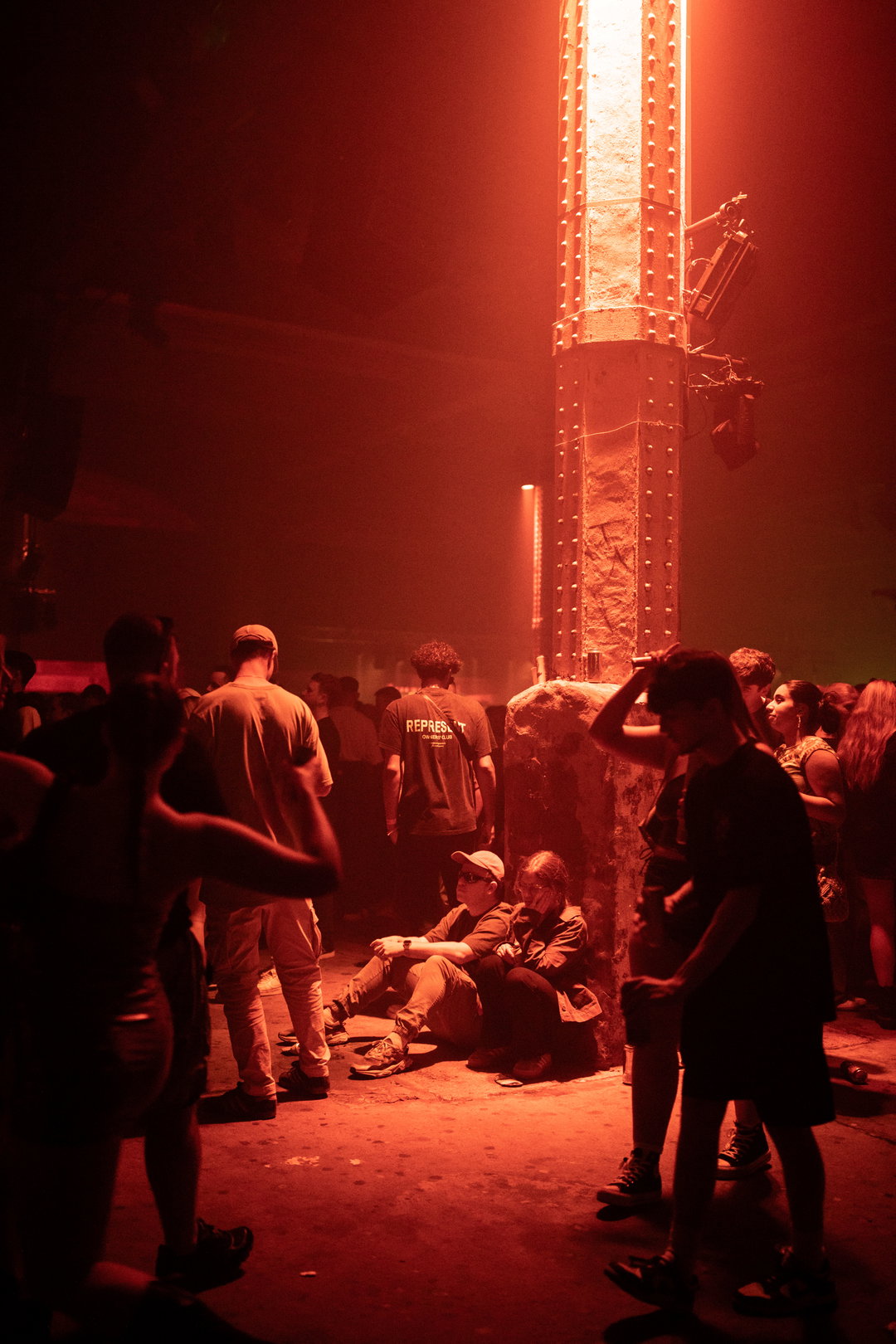
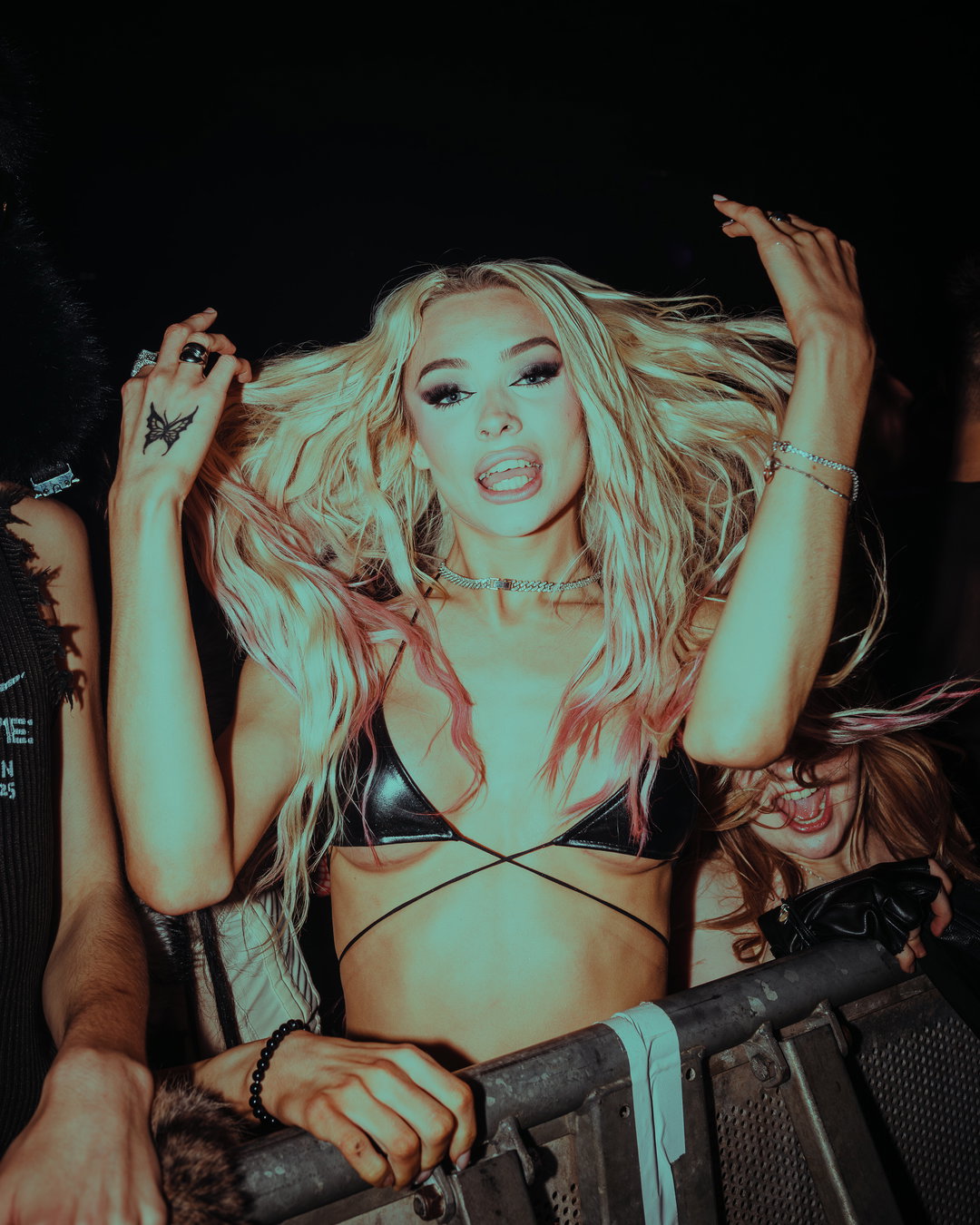
People go to these spaces to have fun and to feel safe while doing so, so I’m always conscious of how I photograph them. I don’t want to impose or interrupt. I simply want to document the moment and do justice to how it felt. I’m interested in the whole rhythm of the night: people taking a breather outside, hands appearing through the smoke, friends embracing in a moment of joy, the first people arriving and briefly having the dance floor to themselves, and the final footsteps leaving the venue in the early hours. Visually, I’m drawn to the way harsh light cuts through darkness and the shapes people create when they’re dancing, half-hidden in shadow. Something I’ve learned over time, and in which WHP has been an amazing place to practise, is the value of stillness within chaos. When a room is moving at full speed, the temptation is to match that pace. But sometimes the strongest moments happen when you slow down, stay still and allow the scene to form in front of you.
Harriet Bols: The Warehouse Project (Copyright © Harriet Bols)
“The strongest moments happen when you slow down, stay still and allow the scene to form in front of you.”
Harriet Bols
INT:
Looking back through your archive, is there a photograph from The Warehouse Project that feels especially meaningful or memorable to you?
HB:
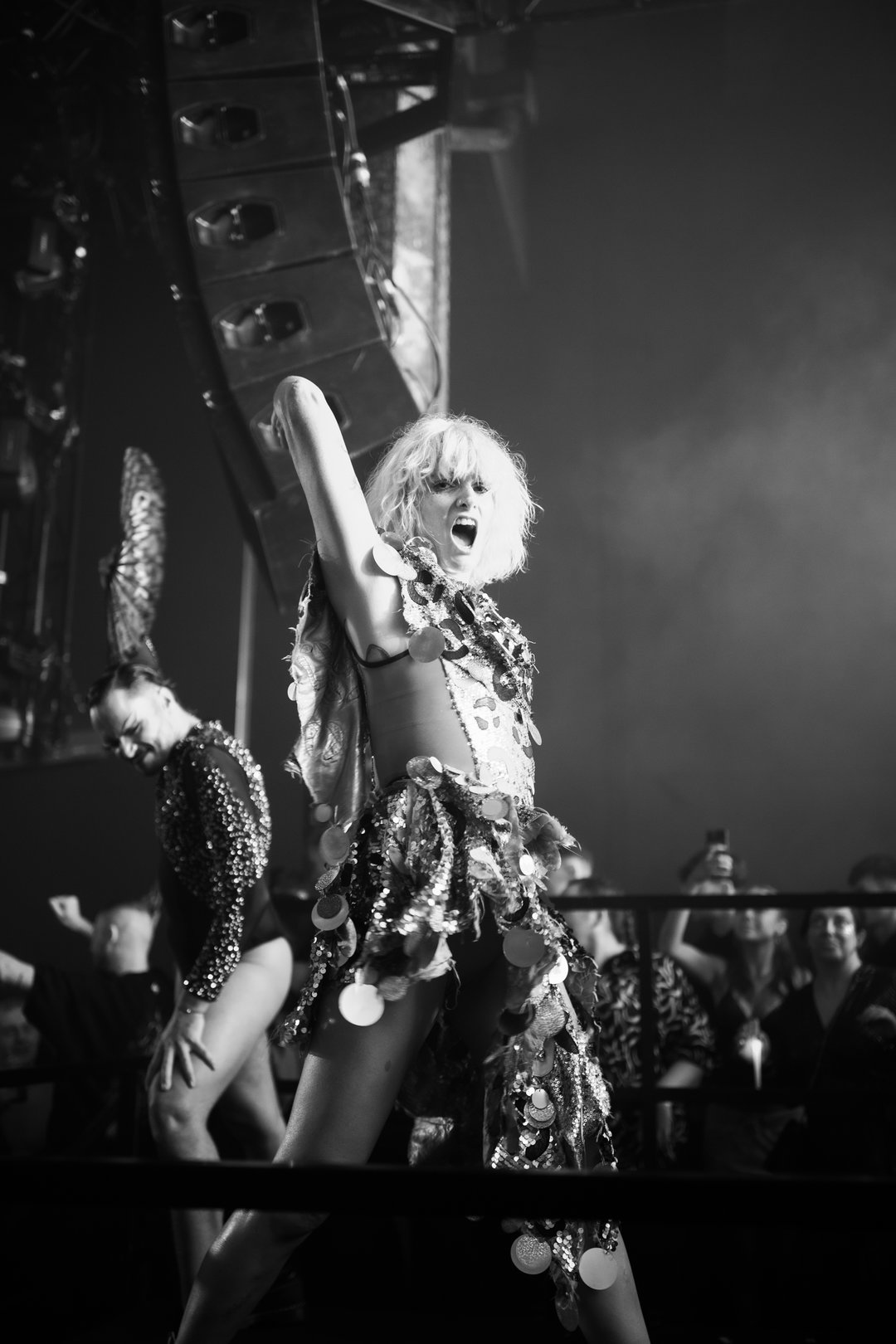
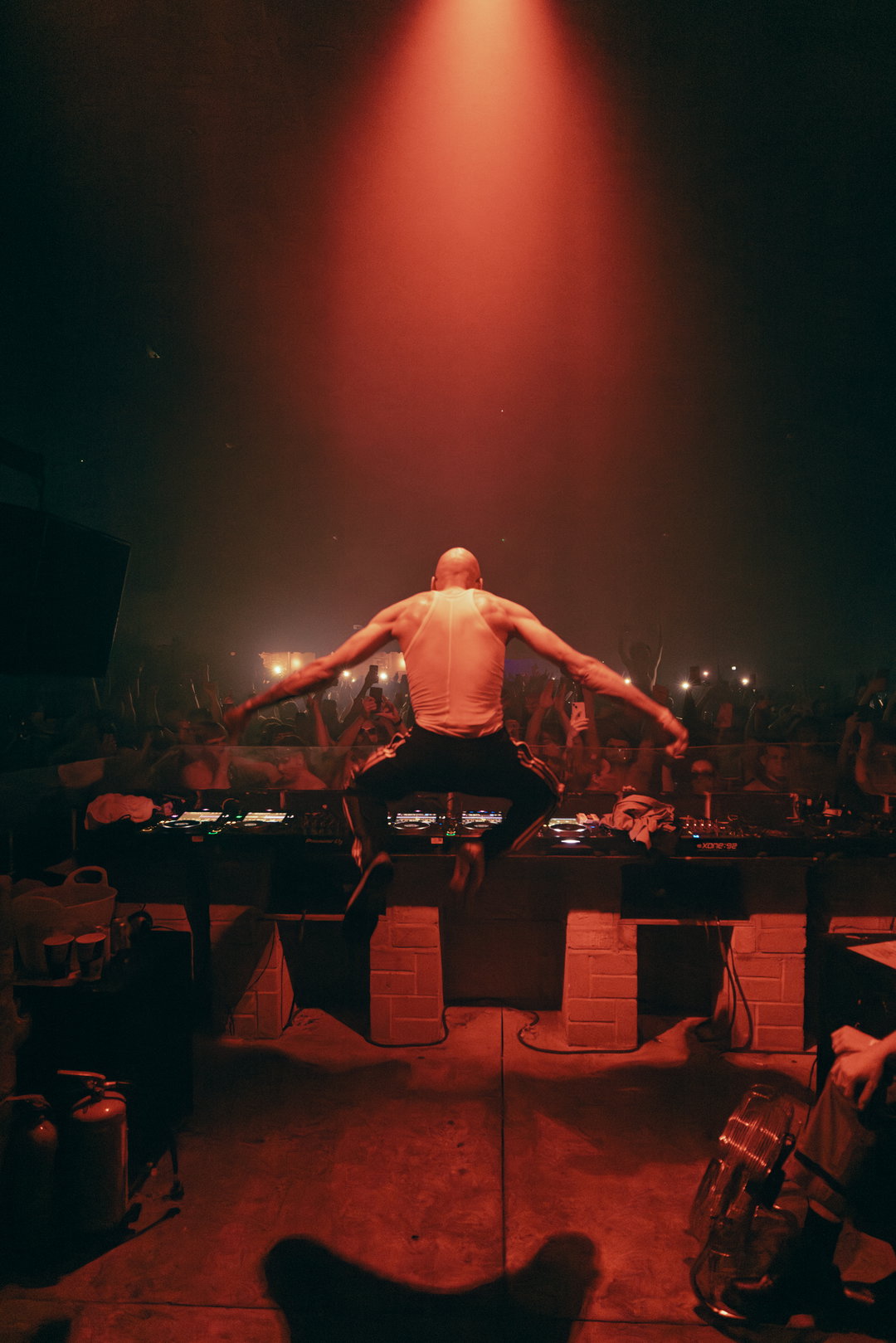
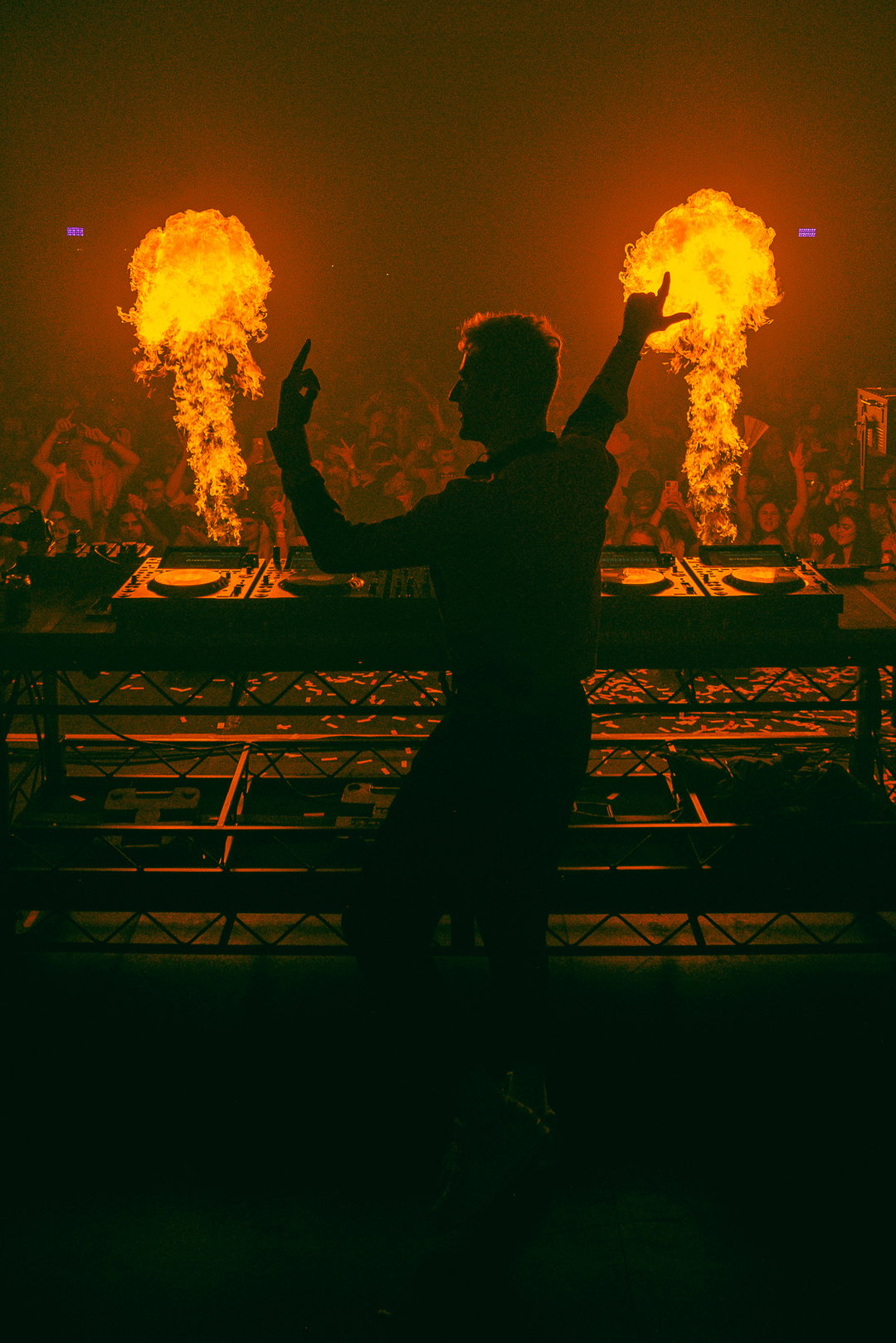
One night that always stands out in the forefront of my mind was XXL in 2024. I was doing my usual wandering around the venue, reacting to the space and seeing what caught my eye. As I passed through the booth in Concourse, I noticed Patrick Mason out of the corner of my eye, doing these insanely high jumps behind the decks. Initially, I thought I had missed the moment. But I stayed there and waited, and he continued jumping and kicking through the air. I just watched and photographed, barely able to believe what I was seeing. It was one of those moments you could never plan for, but which captures the physicality and unpredictability of a live performance perfectly.
INT:
After 20 years of The Warehouse Project, what do you think makes it such a unique cultural space – and what role do photographers play in preserving those moments?
HB:
WHP has created a space built around community and connection, where people can be themselves, feel free and dance without inhibition. It has cultivated a crowd with a strong identity of its own and given people a floor on which they can lose themselves for a night. Spaces that create that sense of collective freedom feel increasingly rare. I still remember the feeling of going there for the first time on my 18th birthday: the sheer scale of the venue, the cold walls and the incredible line-up. That feeling still exists today and I have the privilege to capture it.
Photographers play an important role in preserving that history. We’re not only documenting the artists on stage, but the people, clothes, gestures, friendships and fleeting interactions that define a particular night and period of culture. Years later, those photographs become more than records of an event; they become a way of remembering how the space felt, who was there and what it meant to the people experiencing it, like little me when I was 18.
Harriet Bols: The Warehouse Project (Copyright © Harriet Bols)
1 of 10
Harriet Bols: The Warehouse Project (Copyright © Harriet Bols)
1 of 10
Harriet Bols: The Warehouse Project (Copyright © Harriet Bols)
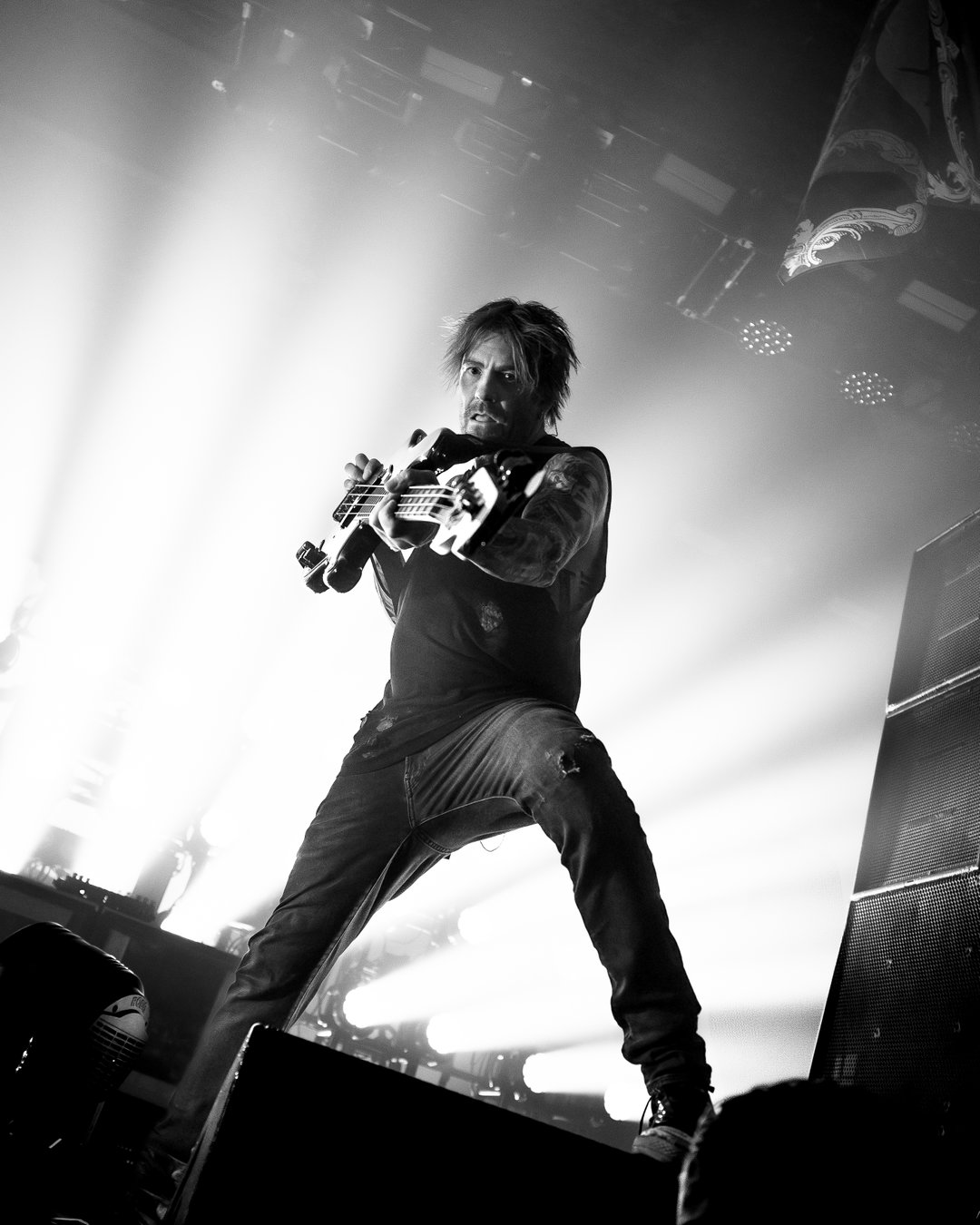
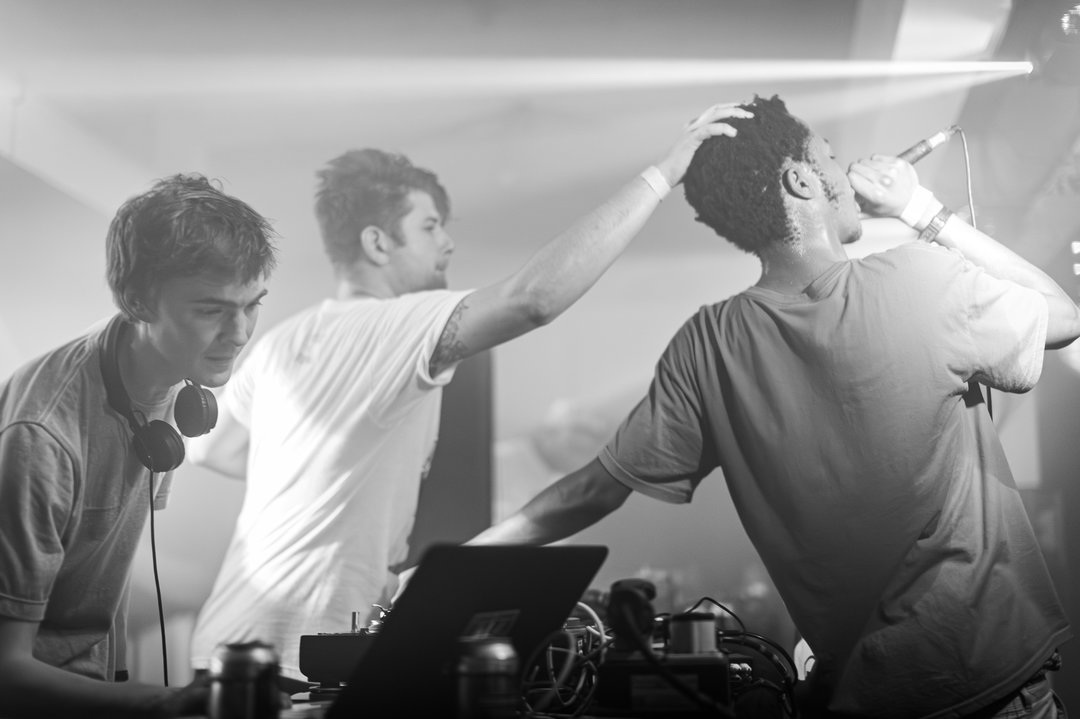
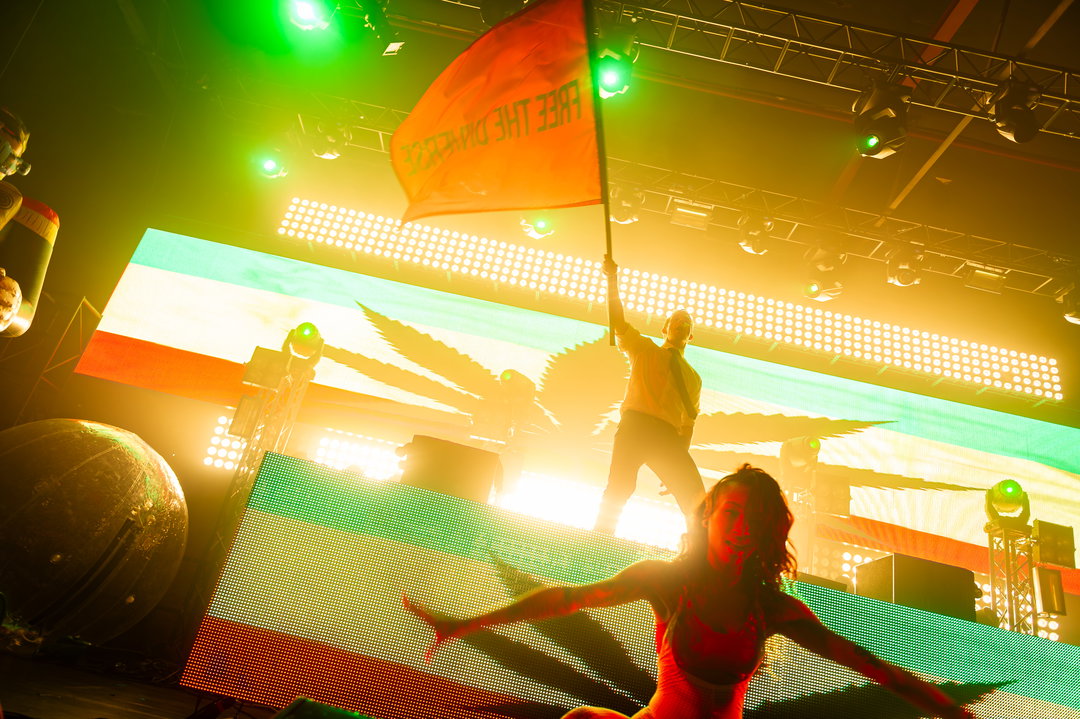
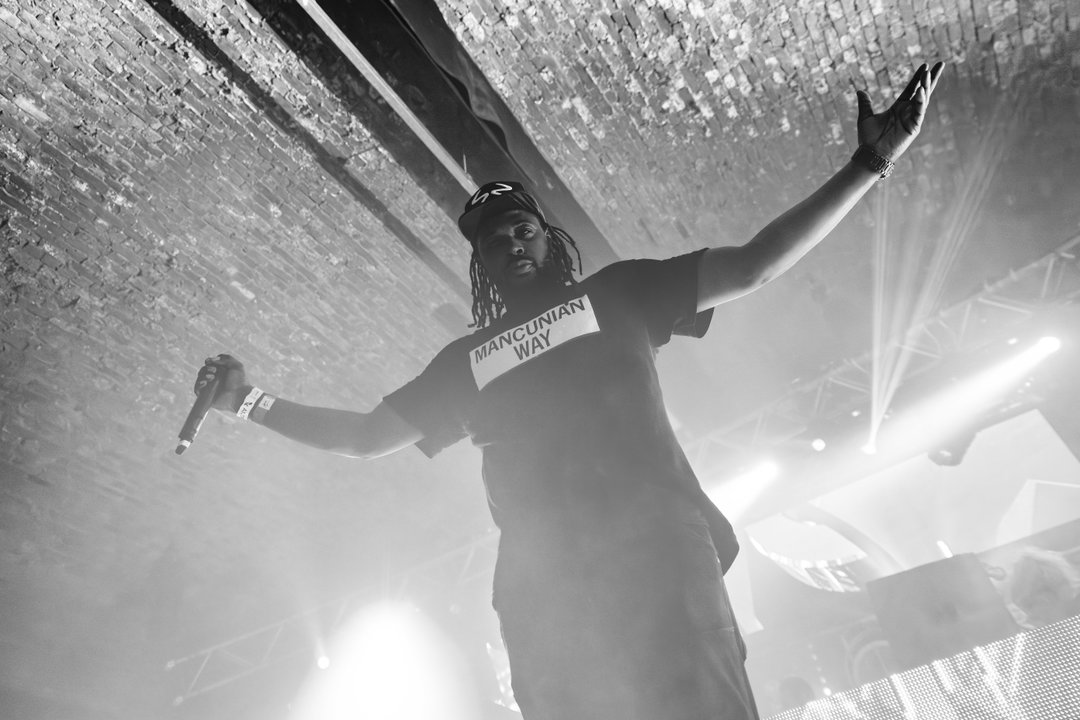
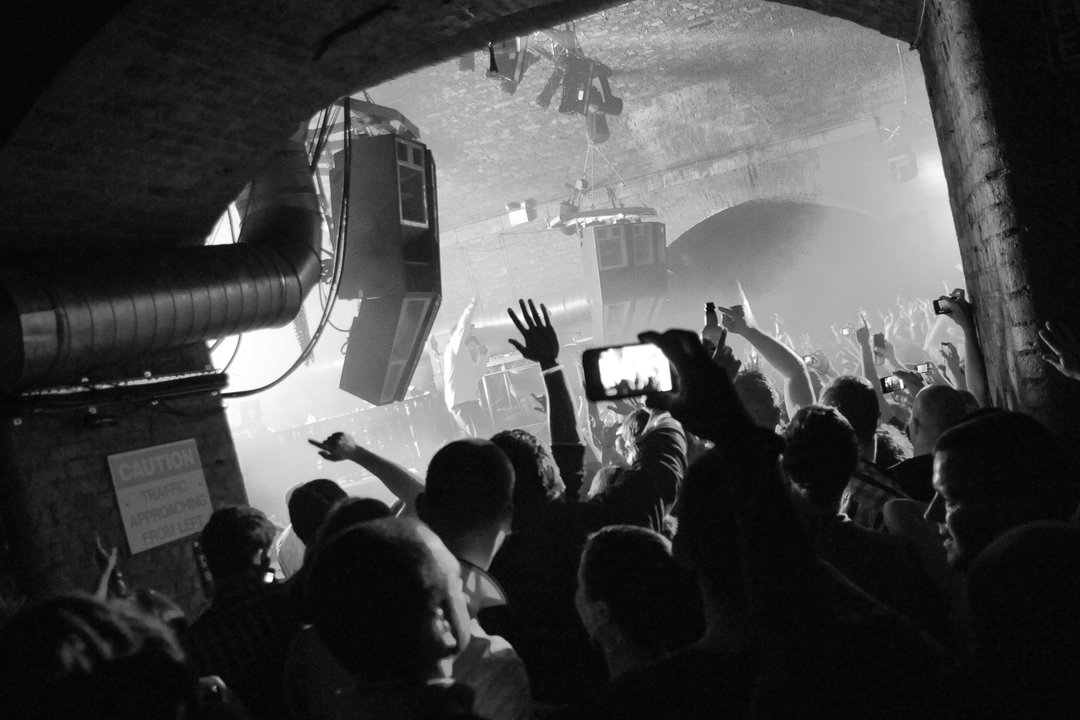
Gary Brown: The Warehouse Project (Copyright © Gary Brown)
Gary Brown
Gary Brown has been shooting Manchester’s music scene under the name GB Multimedia for the best part of 20 years, mostly shooting gigs and club nights, but also festivals, weddings and editorial work along the way. His WHP story starts, fittingly, with a bit of nerve: after going to the Ape night at Boddington’s and finding himself hooked, he blagged his way into a trial shoot for Metropolis, the club’s biggest drum and bass night, on borrowed kit worth about two grand. He passed the test.
It’s Nice That:
Do you remember your first experience of The Warehouse Project?
Gary Brown:
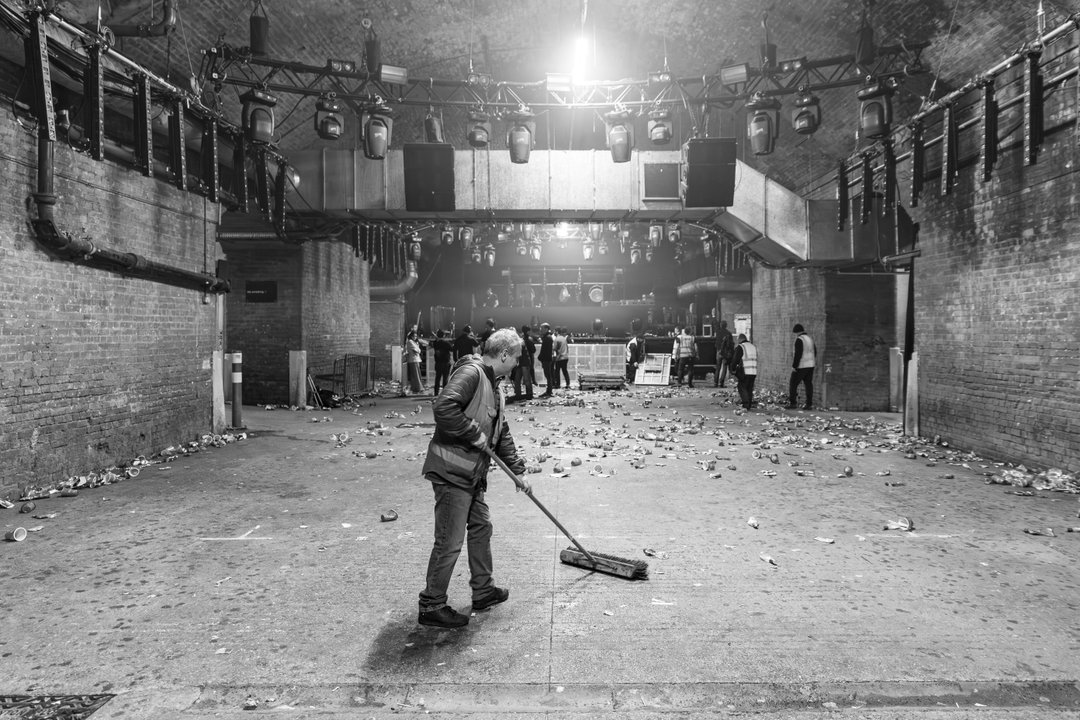
Hard to forget! The first time at Warehouse Project was the Ape night at Boddington’s, and I think I went another four or five times that season. Every weekend was like a festival lineup! It was something I’d never seen on that scale, but things really ramped up with the move to Store Street. The hum of the bass from being out in the queue, then pushing that curtain back to take in the scene of the main room. Those arches kept the atmosphere boiling like a pressure cooker! I was dying to be a part of it, so when Metropolis, the biggest D&B night, put out a call for a photographer, I gripped the chance with both hands and thankfully cut the mustard at a trial event. Little did they know it was my first ever gig and I’d borrowed about two grand’s worth of kit from a shop I worked in, haha! I had to get the credit card out soon after and make some upgrades.
INT:
When you enter a space like WHP with a camera, what are you looking for, and what’s your approach when capturing the energy of its events?
GB:
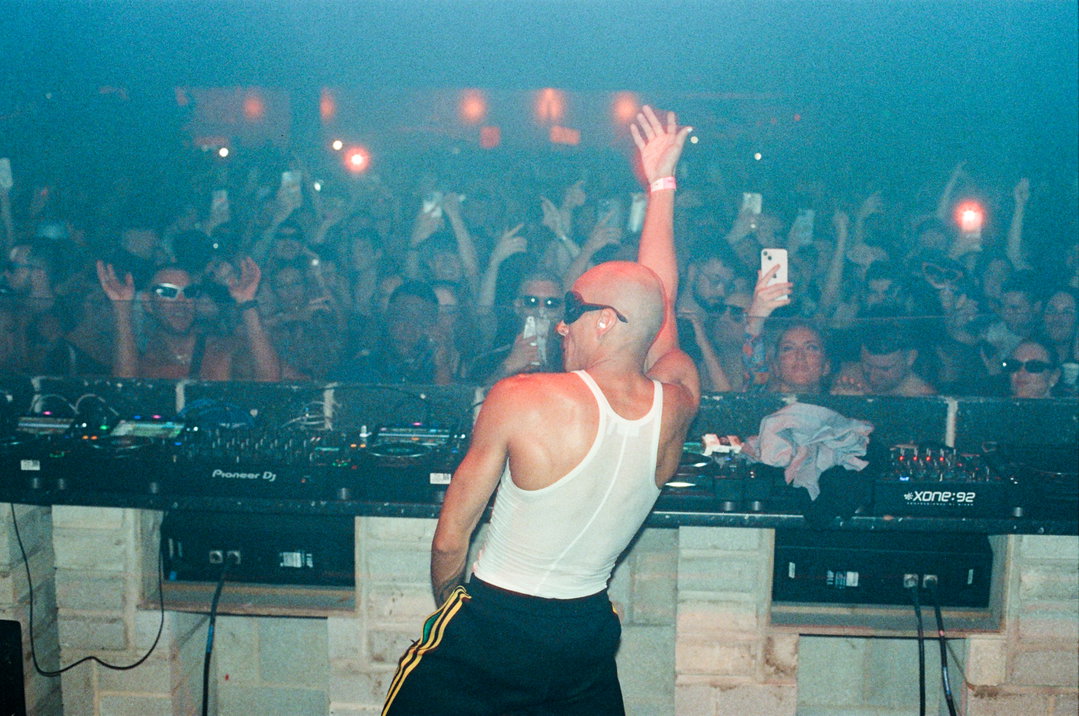
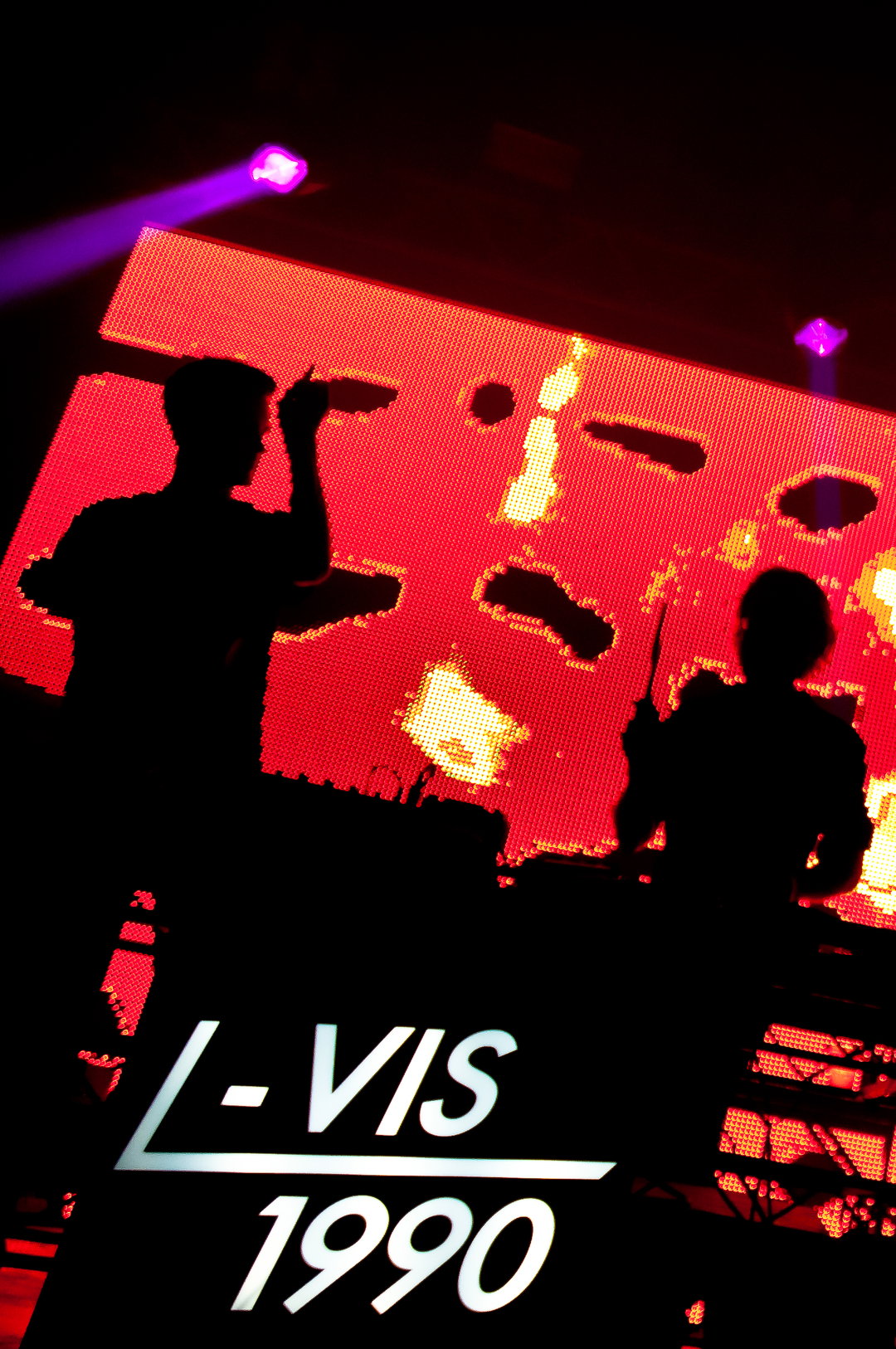
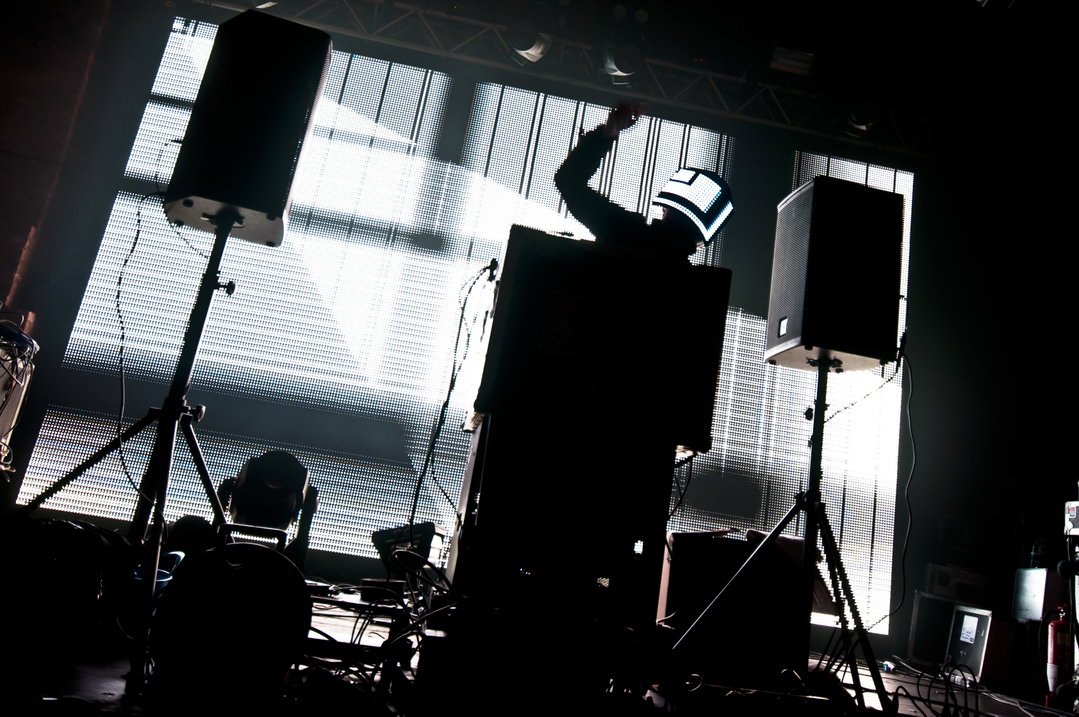
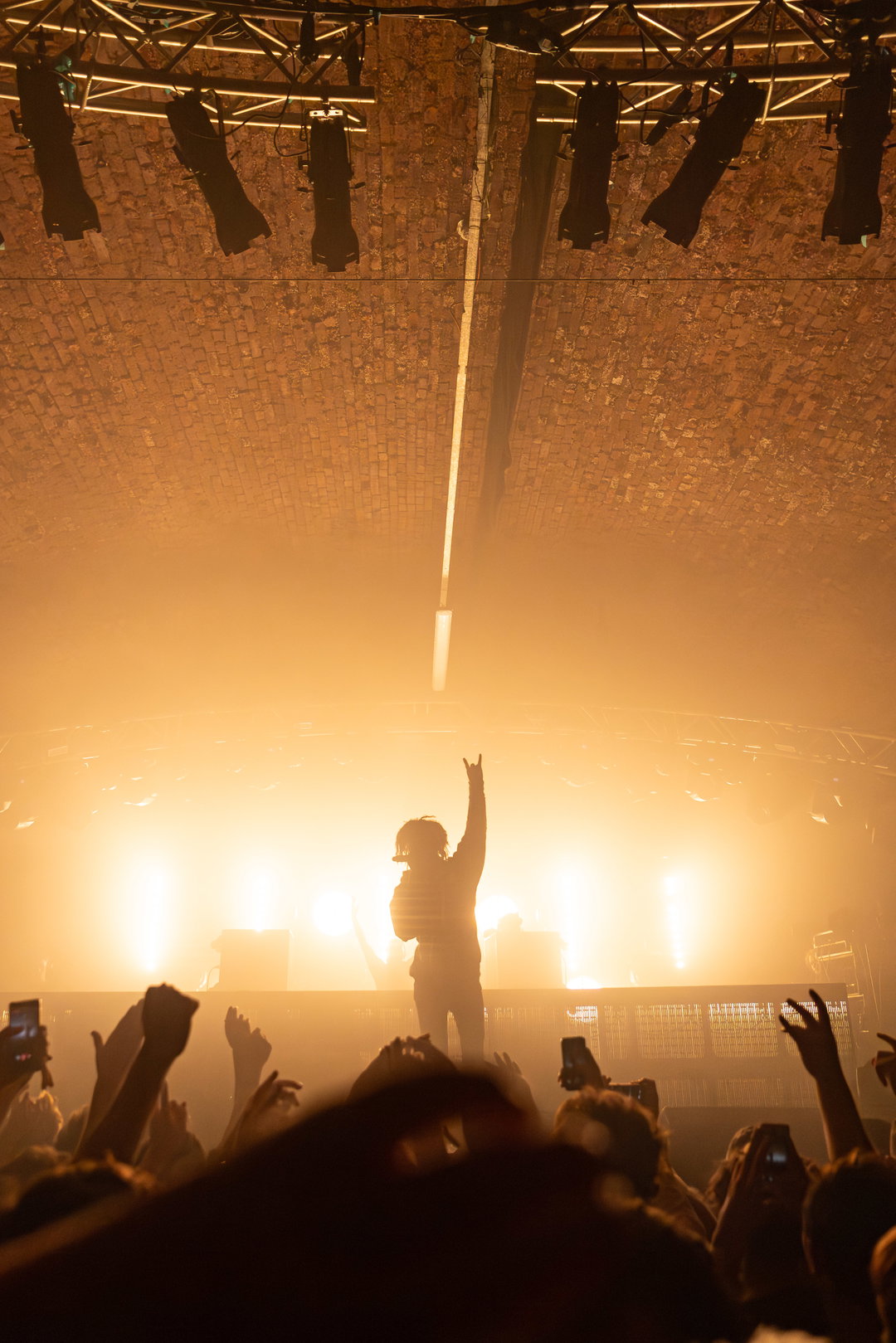
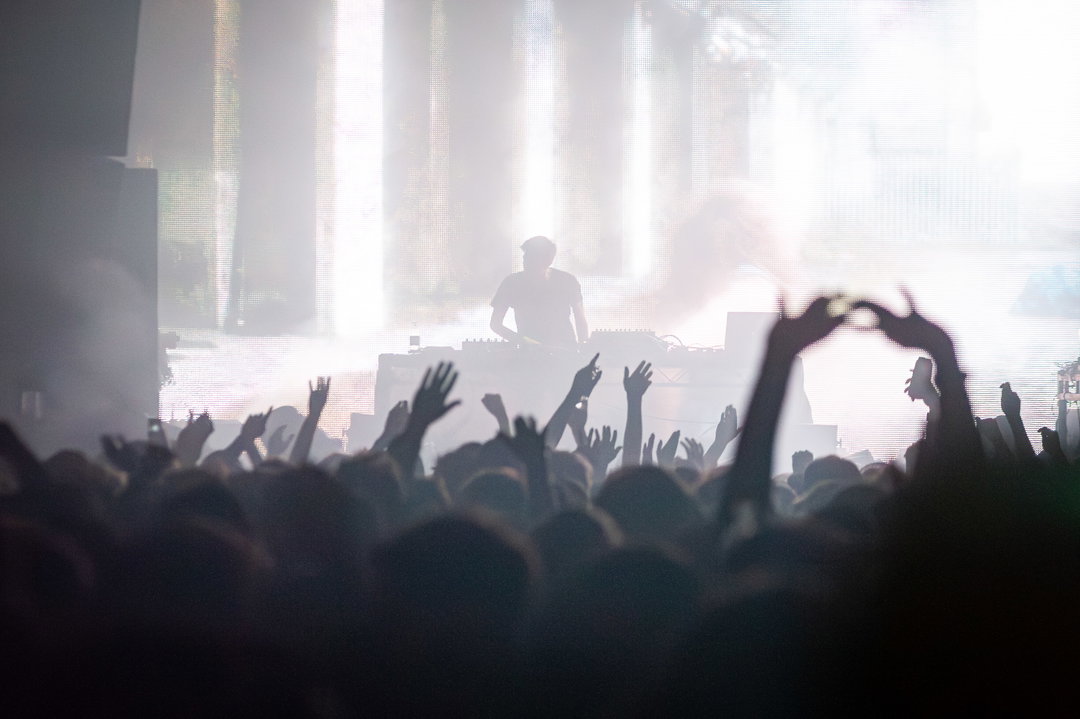
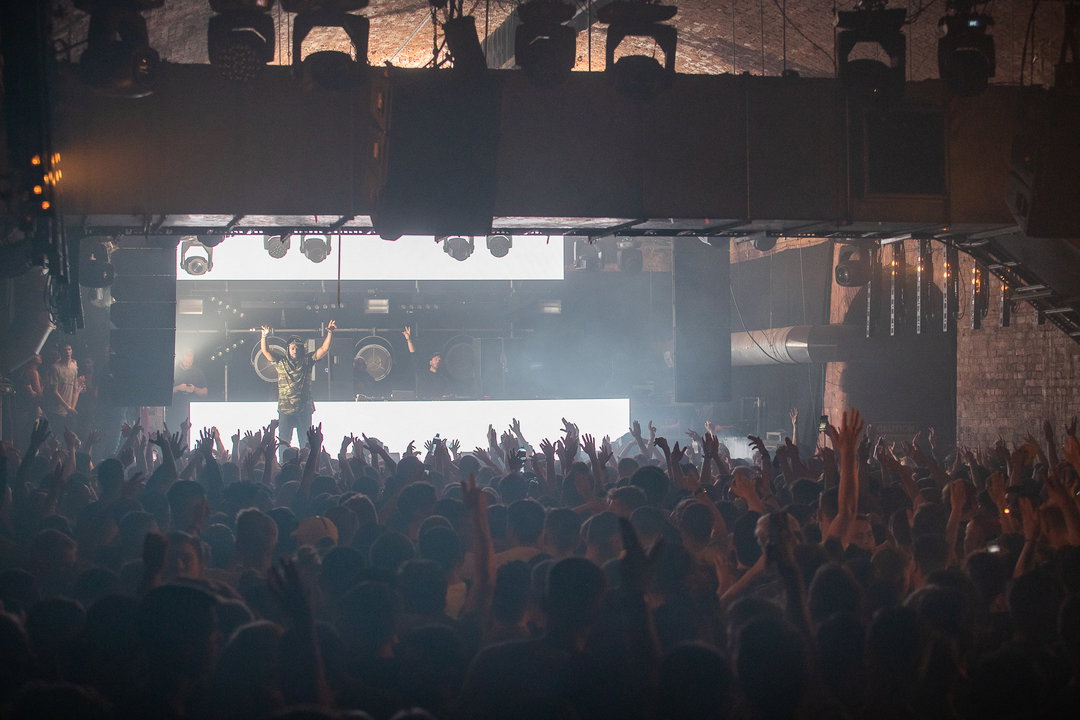
Things have changed as time has passed, but my obsession has always been the music. At first this meant capturing artists I’d always dreamt of seeing, so just having a photo of MF Doom saluting the crowd was everything. Later the scale of the events and connection of artists to the crowds was more my focus. I always felt there was a lack of photos that show being really ‘in the mix’, so I’d never be afraid to get right in the middle, with the sweat and spilling drinks, to capture that viewpoint. Most recently I like to search for the smaller details and moments of a more personal level – finding people in the crowd experiencing a feeling of individual escapism that is sadly becoming increasingly rare.
INT:
Looking back through your archive, is there a photograph from The Warehouse Project that feels especially meaningful or memorable to you?
There is a shot from Room 2, where I caught my friend Paul in the front row saluting the DJ after finishing a hefty set, a place where he would often be found. I always loved the shot for the connection it highlighted, but when Paul, aka Heavy-P, sadly passed away in 2020, it took on even more emotion. To capture that personification of someone who meant a lot to many people is bittersweet, but ultimately means a huge amount.
Gary Brown: The Warehouse Project (Copyright © Gary Brown)
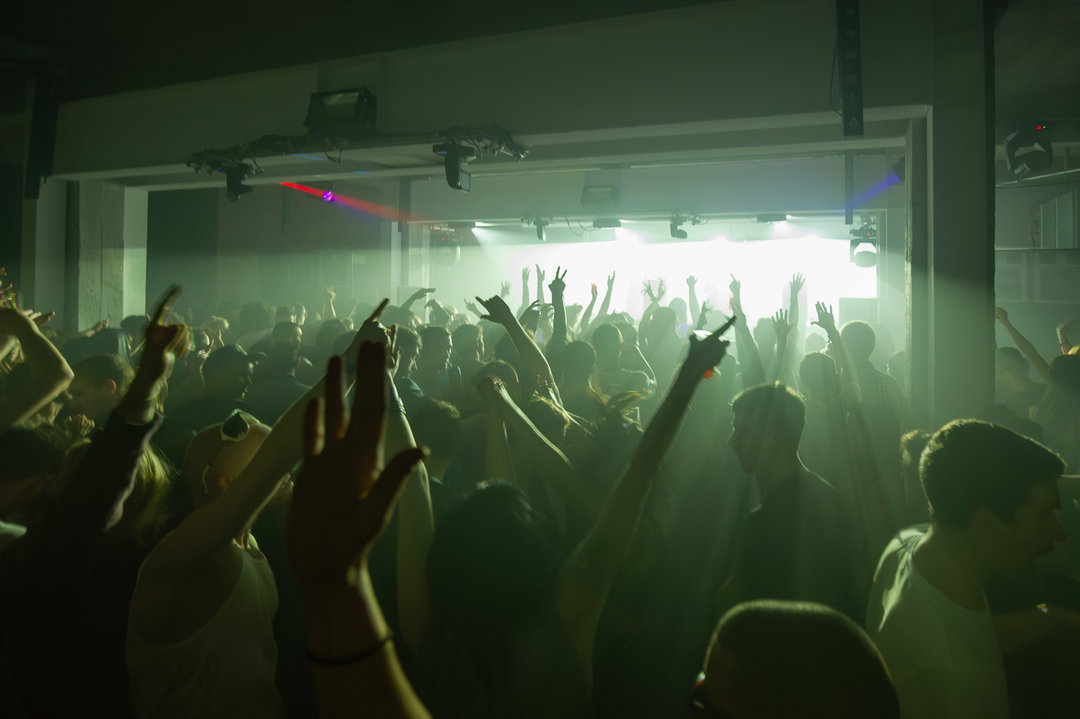
Gary Brown: The Warehouse Project (Copyright © Gary Brown)
“I’d never be afraid to get right in the middle, with the sweat and spilling drinks, to capture that viewpoint.”
Gary Brown
1 of 8
Gary Brown: The Warehouse Project (Copyright © Gary Brown)
1 of 8
Gary Brown: The Warehouse Project (Copyright © Gary Brown)
Jody Hartley: The Warehouse Project (Copyright © Jody Hartley)
Jody Hartley
Originally from Leeds but proudly adopted by Manchester, Jody Hartley is a live event and portrait photographer with a soft spot for real, unguarded moments of human connection. His WHP history stretches all the way back to the very beginning: he was in the crowd at the Ape 1st Birthday at Boddington’s Brewery in 2006, watching Andy C, High Contrast and Rahzel, after cutting his teeth on illegal raves in disused warehouses and out in the hills. It was, by his own account, “an absolute belter” – and the first time he’d been to a large-scale party that wasn’t off the books.
It’s Nice That:
When you enter a space like WHP with a camera, what are you looking for, and what’s your approach when capturing the energy of its events?
Jody Hartley:
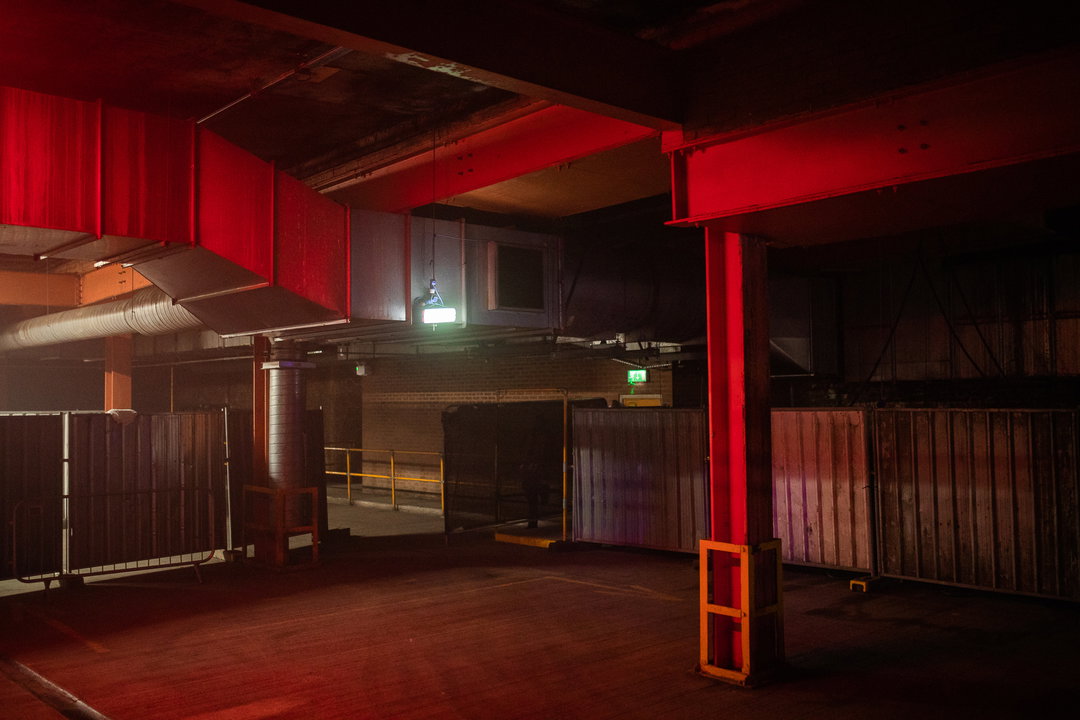
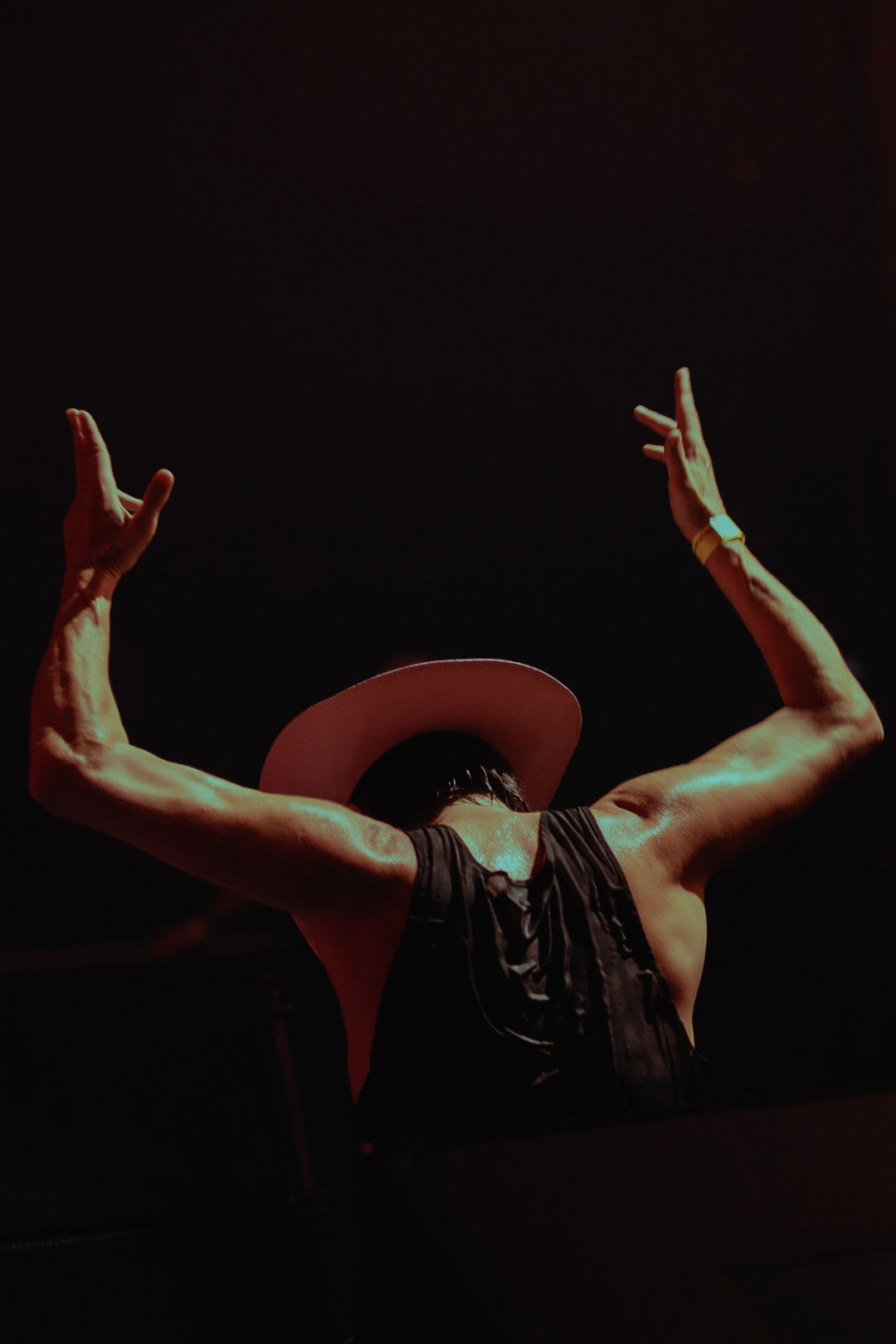
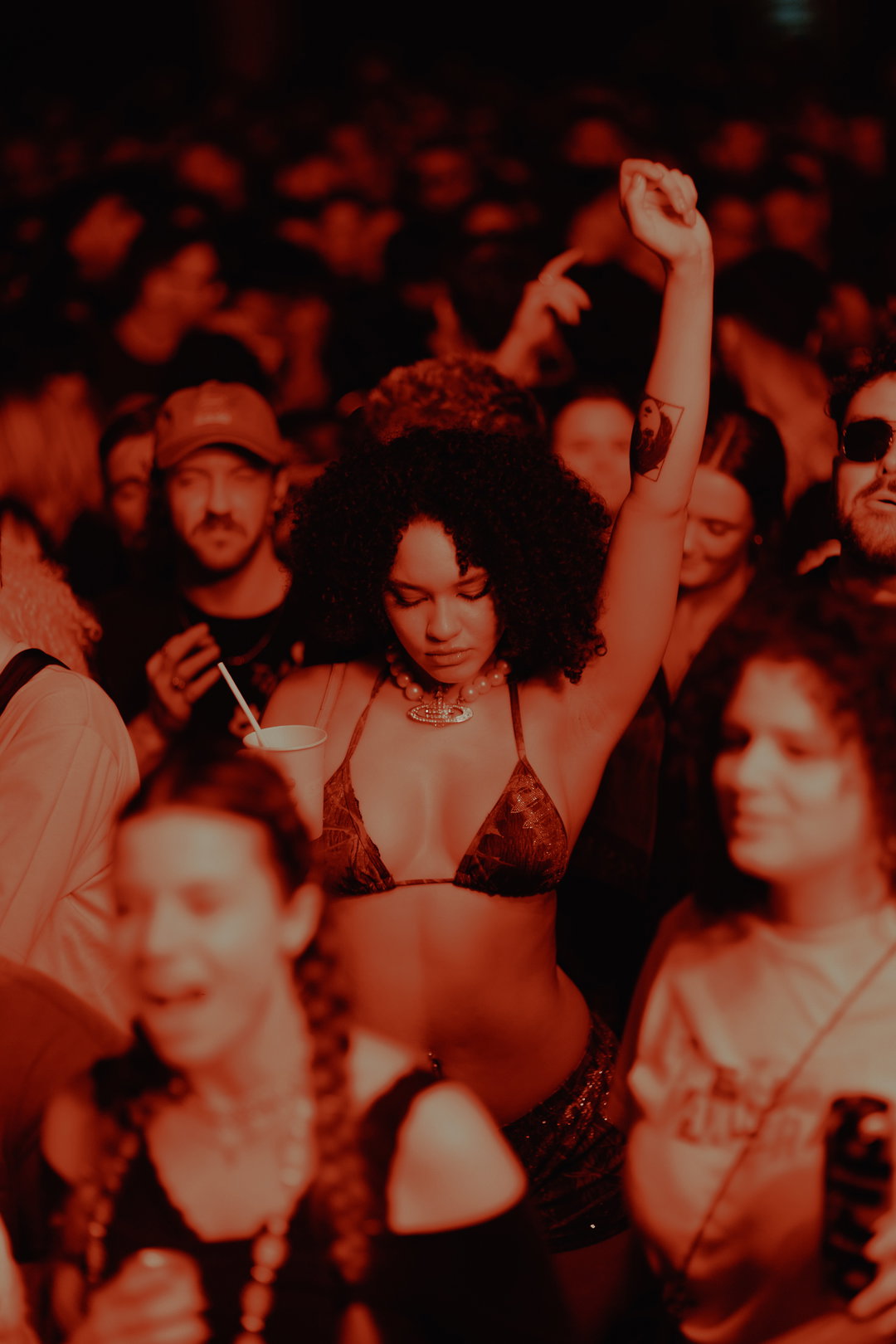
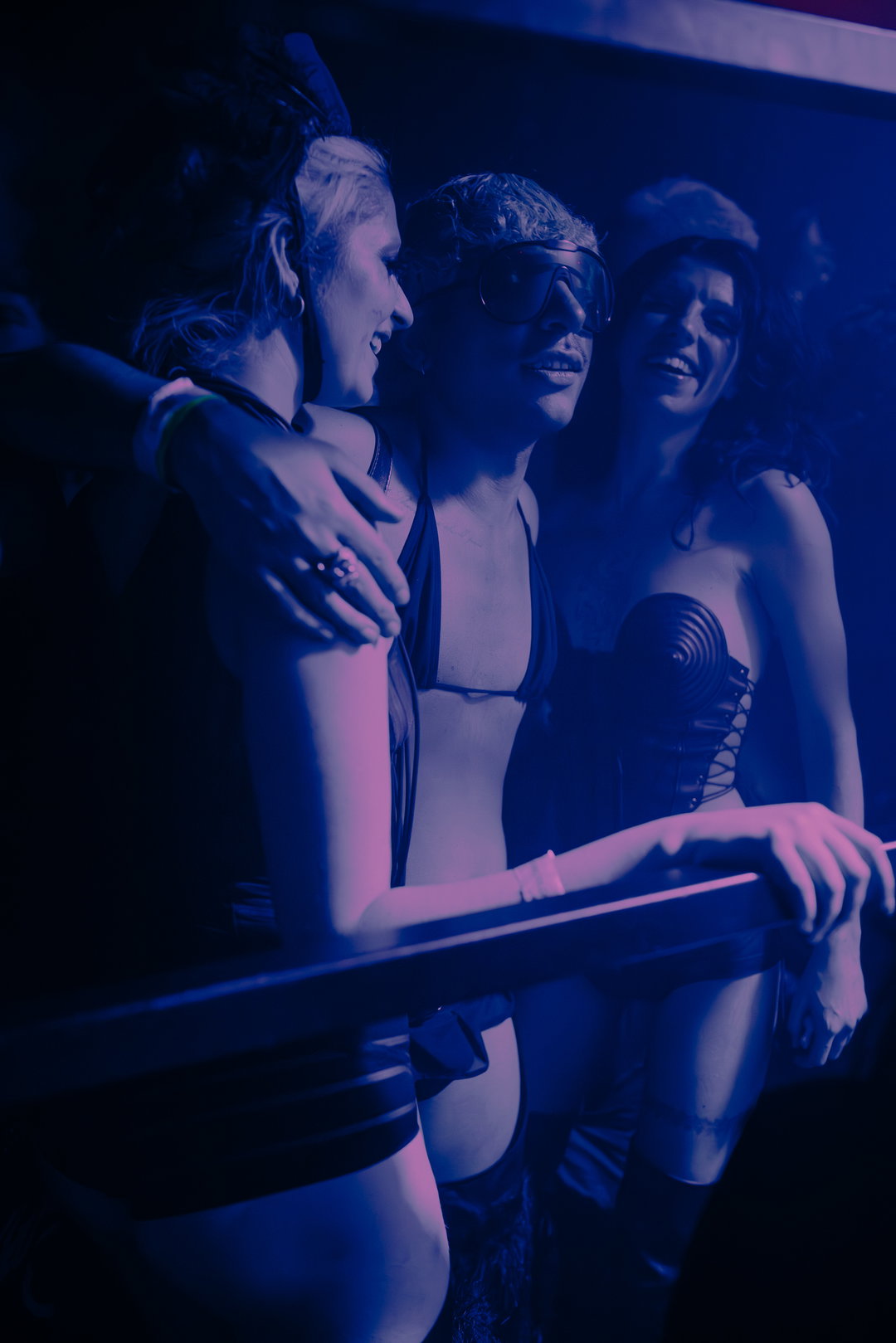
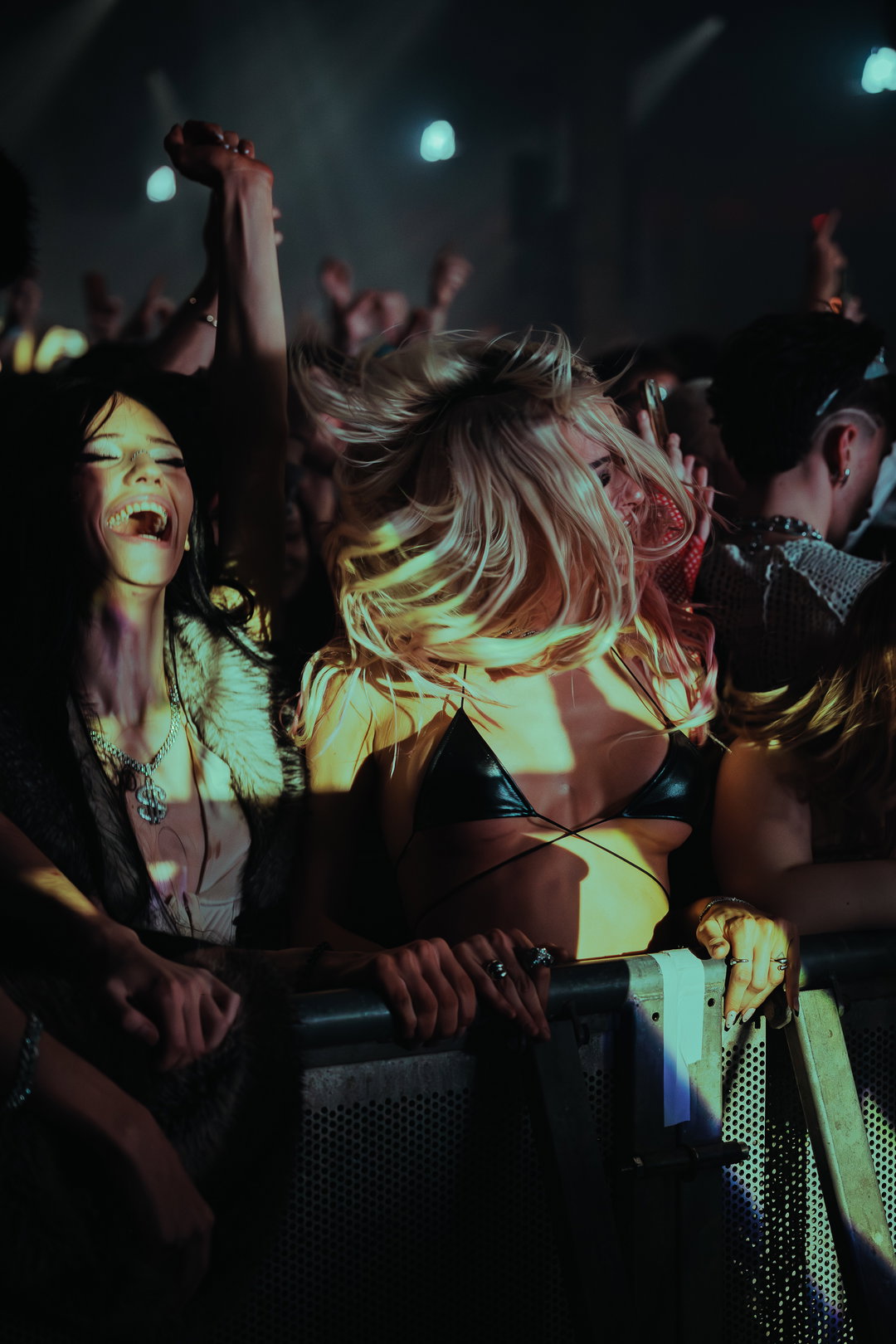
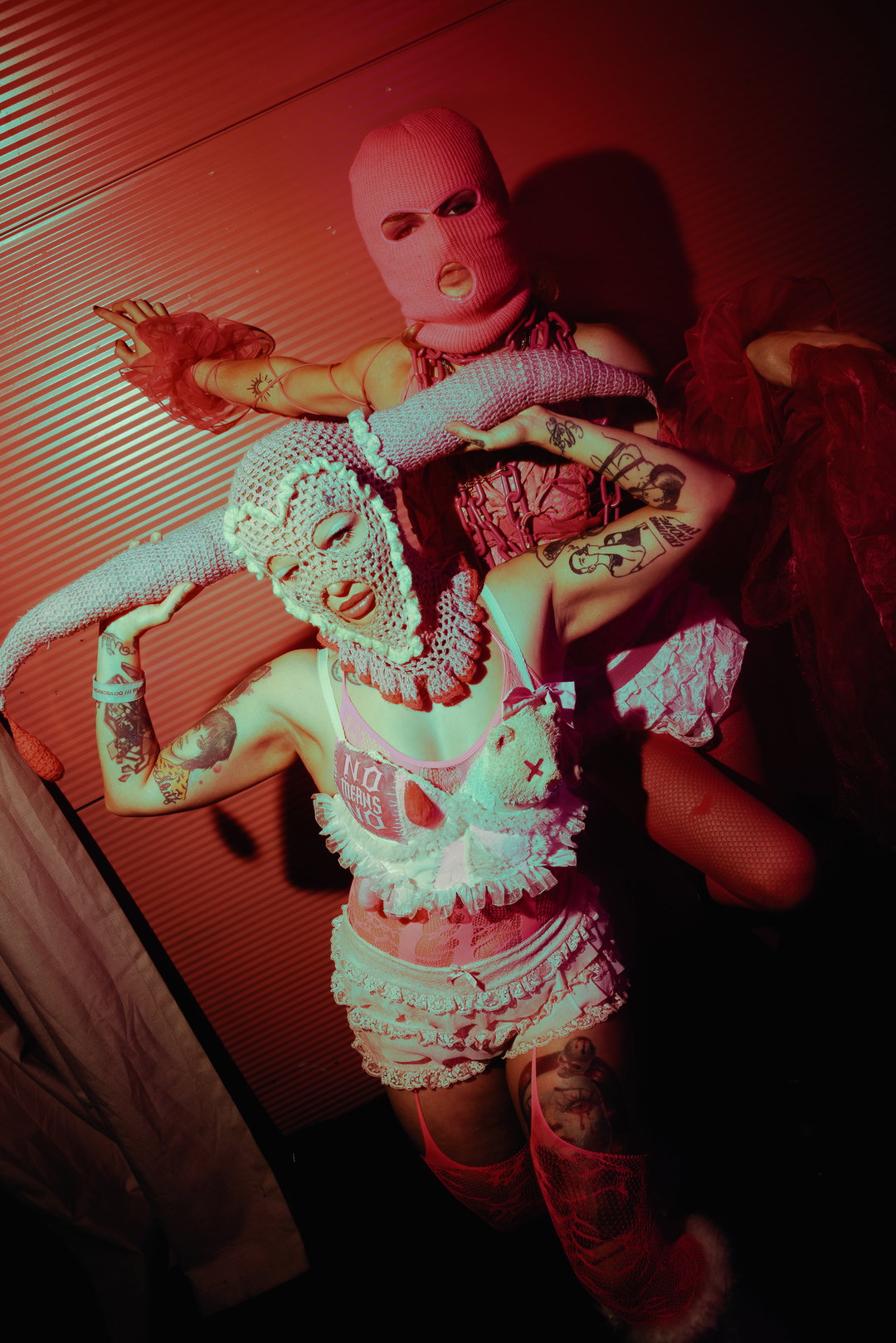
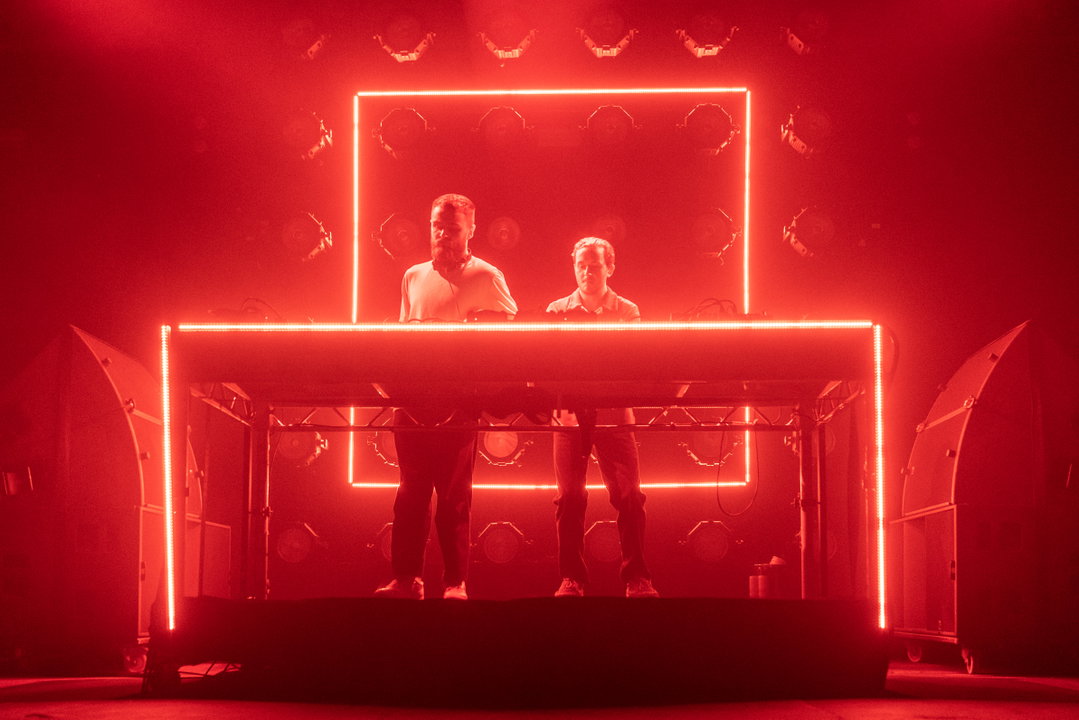
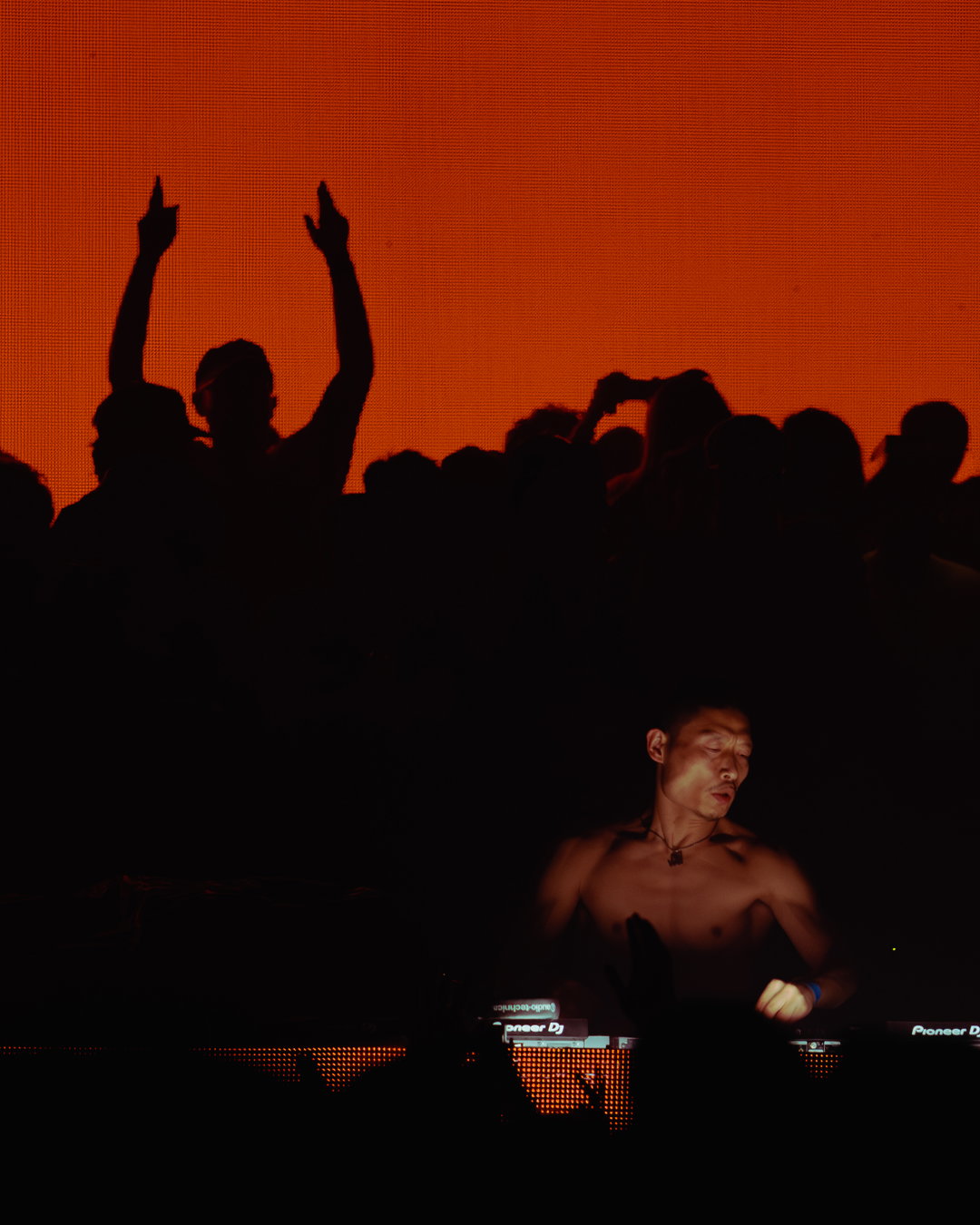
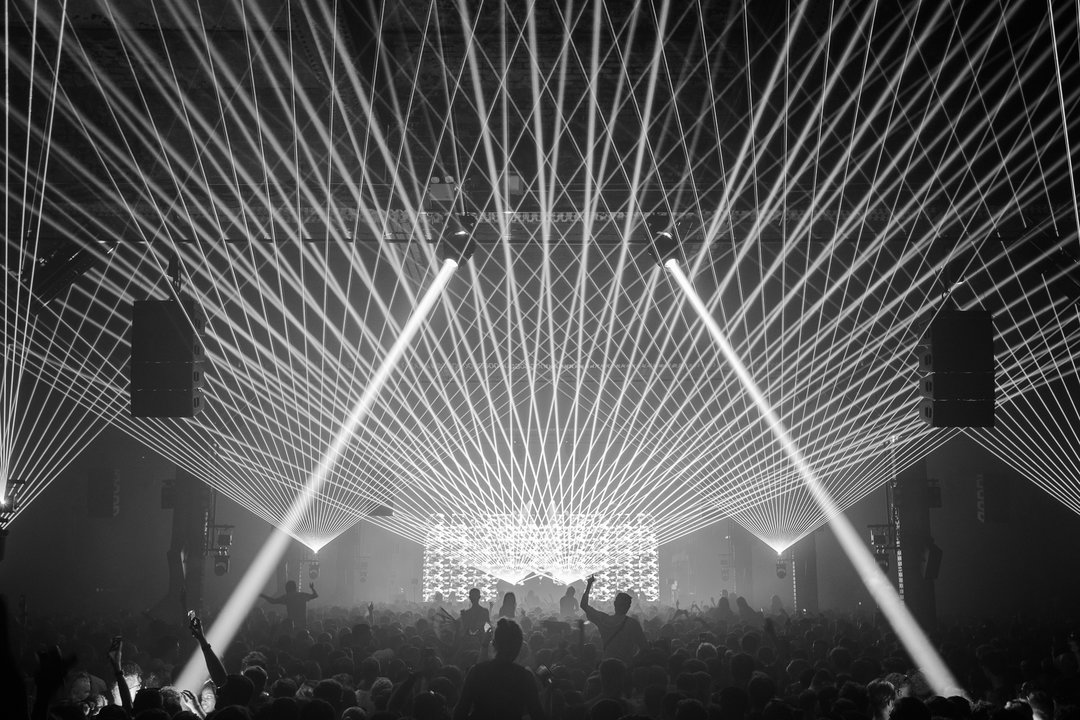
There are two main reasons I love shooting at WHP to this day, and they are closely linked. The scale of the venue creates an incredible production space, with every room having its own atmosphere and personality. But for me, the most important people in the room are the ravers. Without them, there are no DJs. The size of the space allows me to step back and photograph people completely immersed in the music. Those unguarded moments, where someone forgets everything except what’s happening around them, are what I’m always looking for.
Jody Hartley: The Warehouse Project (Copyright © Jody Hartley)
1 of 9
Jody Hartley: The Warehouse Project (Copyright © Jody Hartley)
1 of 9
Jody Hartley: The Warehouse Project (Copyright © Jody Hartley)
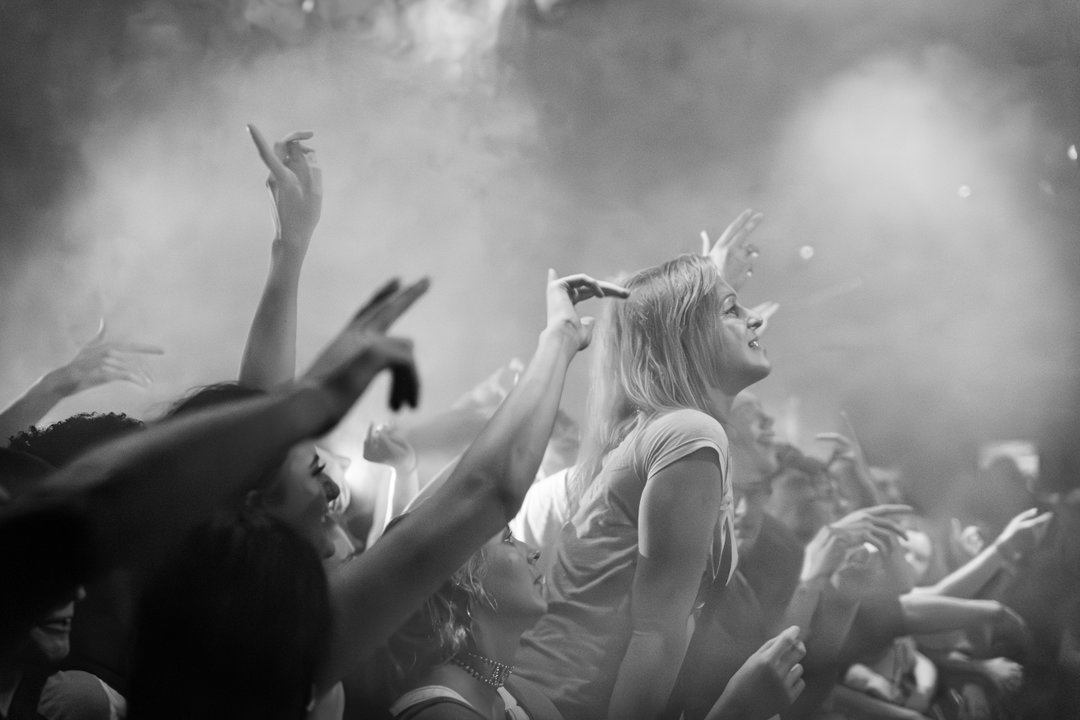
“Those unguarded moments, where someone forgets everything except what’s happening around them, are what I’m always looking for.”
Jody Hartley
INT:
Looking back through your archive, is there a photograph from The Warehouse Project that feels especially meaningful or memorable to you?
JH:
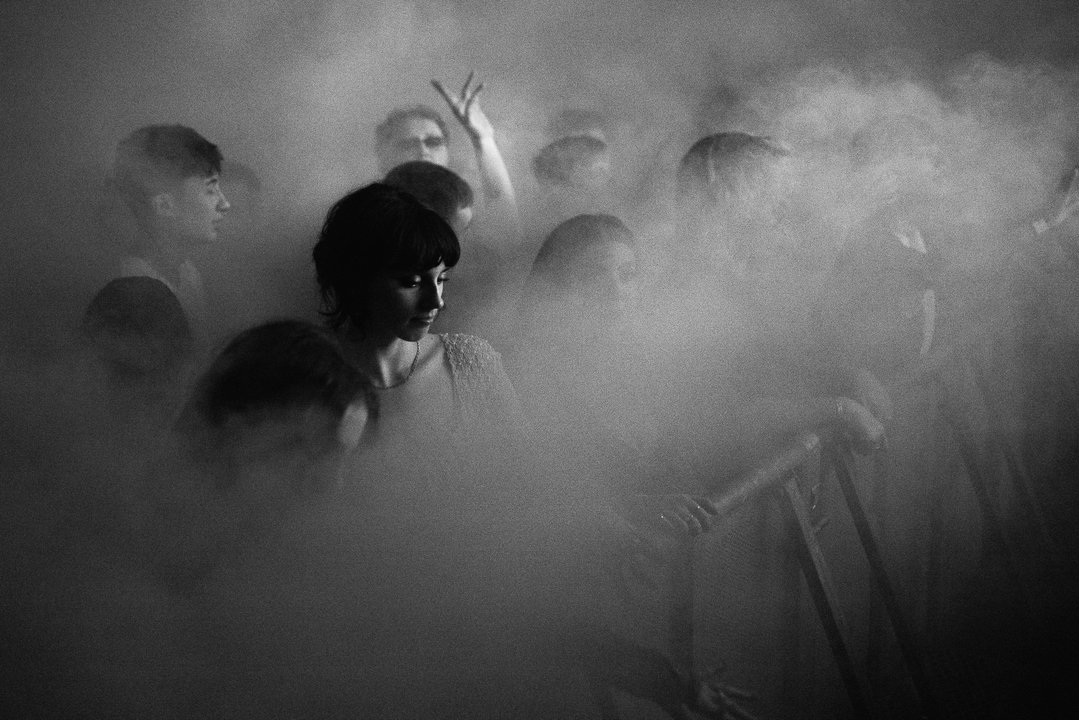
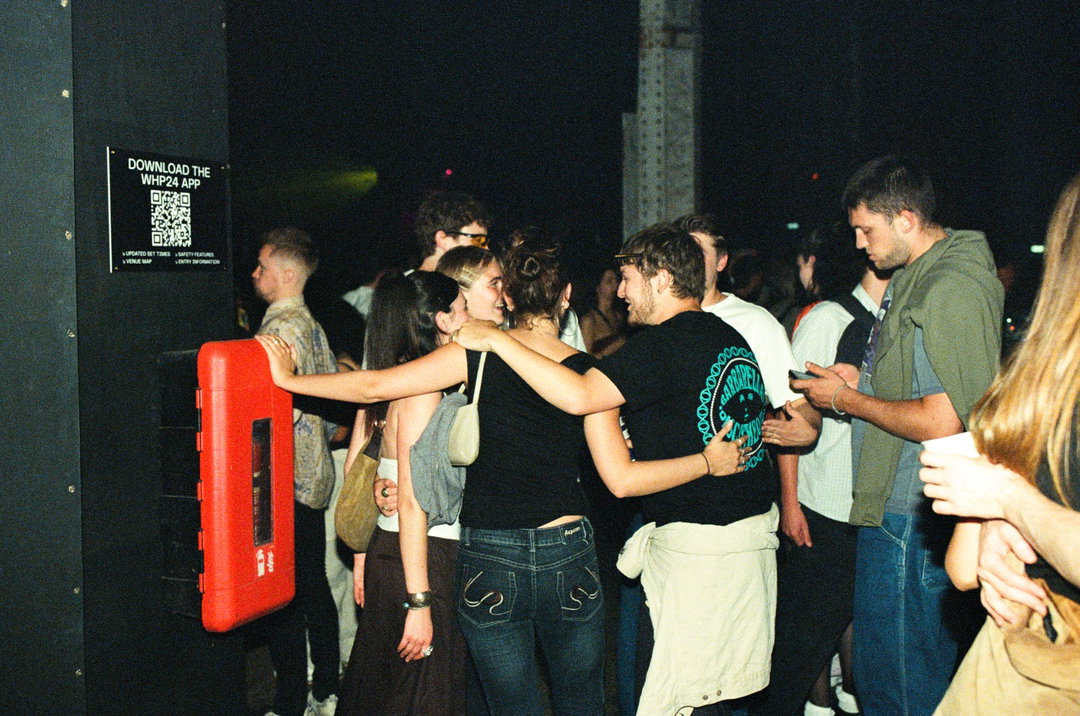
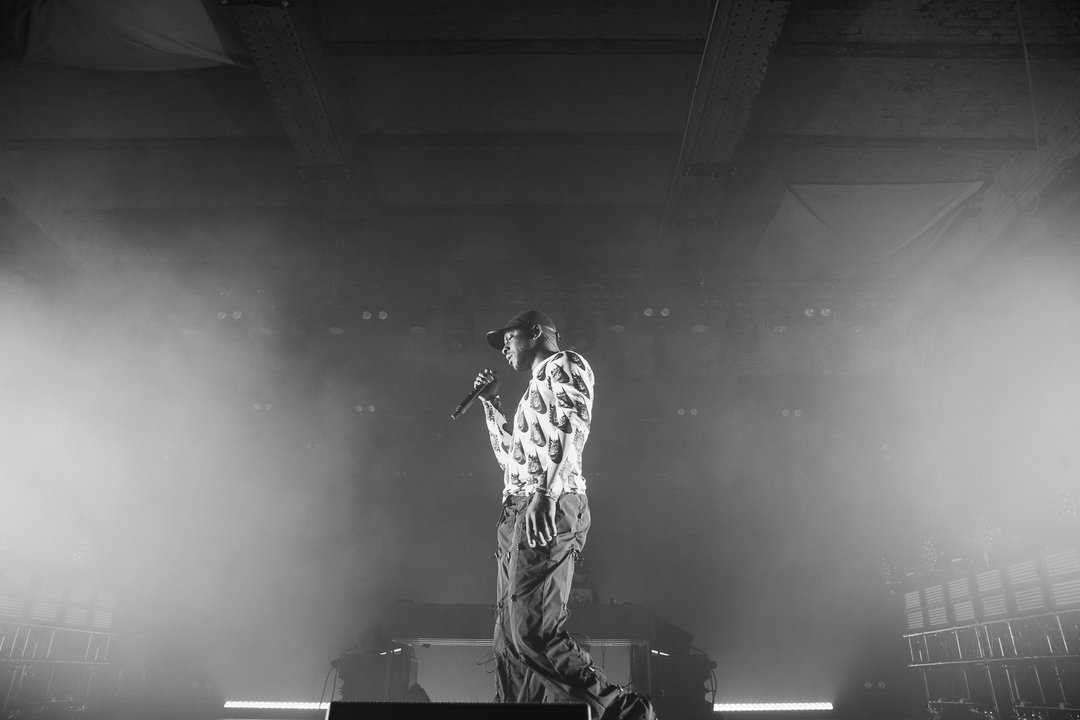
It has to be the black-and-white photo I got of some revellers I captured back in 2021 at a Jamie xx-curated night. It happened in a split second, and I didn’t even realise I’d captured it until I was editing afterwards. For me, the headliner is rarely the most interesting thing in the room, I’m much more interested in the people on the dancefloor. A lot of my personal practice is trusting the process and seeing what happens. I like to think I have a keen eye for intimate moments, and I consider it a dance of sorts between two distant partners. Generally speaking, as soon as someone clocks I’m photographing them, I feel the moment is lost and I’ll move on. Capturing people who are truly lost in the moment is one of my favourite things to do, and this image really captured a scene, a freeze-frame in the chaotic joyous energy of dance music, a serendipitous moment that only exists because I just happened to capture it.
INT:
After 20 years of The Warehouse Project, what do you think makes it such a unique cultural space – and what role do photographers play in preserving those moments?
JH:
The sheer size of the venue is the most obvious unique element of what the venue adds to the rich and storied Manchester cultural background. There’s no doubt, it is somewhat controversial, and views differ on WHP depending on which angle you look at it, but I believe a dedicated venue and event of its size is necessary for a scene as big and culturally significant as dance music, and for it to be in Manchester is amazing. Having worked in events for well over a decade now, I know every single person behind the scenes is as important as each other, there is no hierarchy, and one of the most proud elements of the role of a photographer is to be able to capture the moments, the memories for everyone who attends, works on, works at or works for – for those people to be able to look back and say “I was there” or “I worked on that”.
The Warehouse Project’s 20th anniversary season runs at Depot Mayfield, Manchester, from September 2026 through to New Year’s Day.
To mark 20 years, WHP worked with director Leigh Powis on a short film on its history and ongoing impact, which you can watch below.
Jody Hartley: The Warehouse Project (Copyright © Jody Hartley)
Jody Hartley: The Warehouse Project (Copyright © Jody Hartley)
Hero Header
Jody Hartley: The Warehouse Project (Copyright © Jody Hartley)
Share Article
About the Author
—
Ayla is a London-based freelance writer, editor and consultant specialising in art, photography, design and culture. After joining It’s Nice That in 2017 as editorial assistant, she was interim online editor in 2022/2023 and continues to work with us on a freelance basis. She has written for i-D, Dazed, AnOther, WePresent, Port, Elephant and more, and she is also the managing editor of design magazine Anima.