

- Words
- Ellis Tree
- —
- Date
- 9 April 2026
- Tags
The joy and power of Risograph: Risotto showcases 400 printed postcards from artists across the globe
Print and design studio Risotto is marking 100 months of artist postcards, all printed by hand and posted worldwide, with an exhibition that puts the beauty and breadth of Risograph on show.
Share
Share
Snail mail – mail carried by the traditional hand-to-hand service – has resurged in popularity in recent years. People are hungry for a tactility, something that offers an intentional alternative to digital overload or a pause from the never ending doom scroll. A fun envelope full of printed goods arriving in the post certainly feels like a break from bills, takeaway leaflets and other mundane media that lands on your doormat, but could there be potential to the format beyond the joy of receiving a nostalgic, analogue gift?
For the Glasgow-based print and design studio Risotto, a connection to slower publishing in a fast world has been part of its fabric since its beginnings. Risotto’s Riso Club has been a constant print project running in the background at the press for the past decade: A monthly not-for-profit postcard subscription that directly supports independent artists by sending their colourful work to a community of print enthusiasts around the world. It hasn’t just put the versatility of what can be produced with Risograph on show, it’s also been used as a tool for fundraising and activism, allowing one print studio in Glasgow to stand in solidarity with a whole host of international causes.
If you’re subscribed to the club, you’ll have seen each special selection of these monthly prints up close – you might even have a fair few of them lined up next to each other on your walls. You probably haven’t, however, seen all 400 artist prints the project has produced to date all in one go. Well, now it’s reached its 100th edition, you finally have the chance to dig into the glorious archive in it’s entirety.
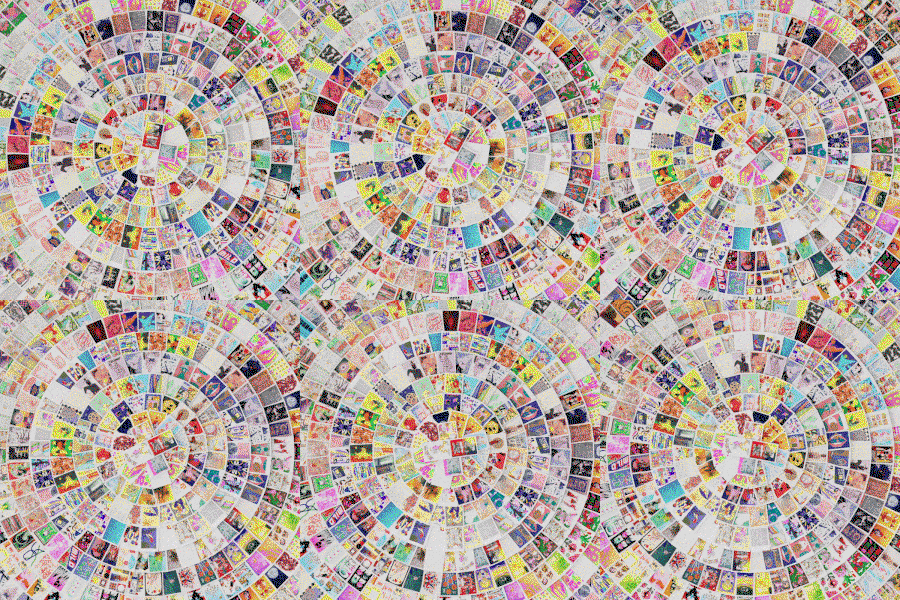
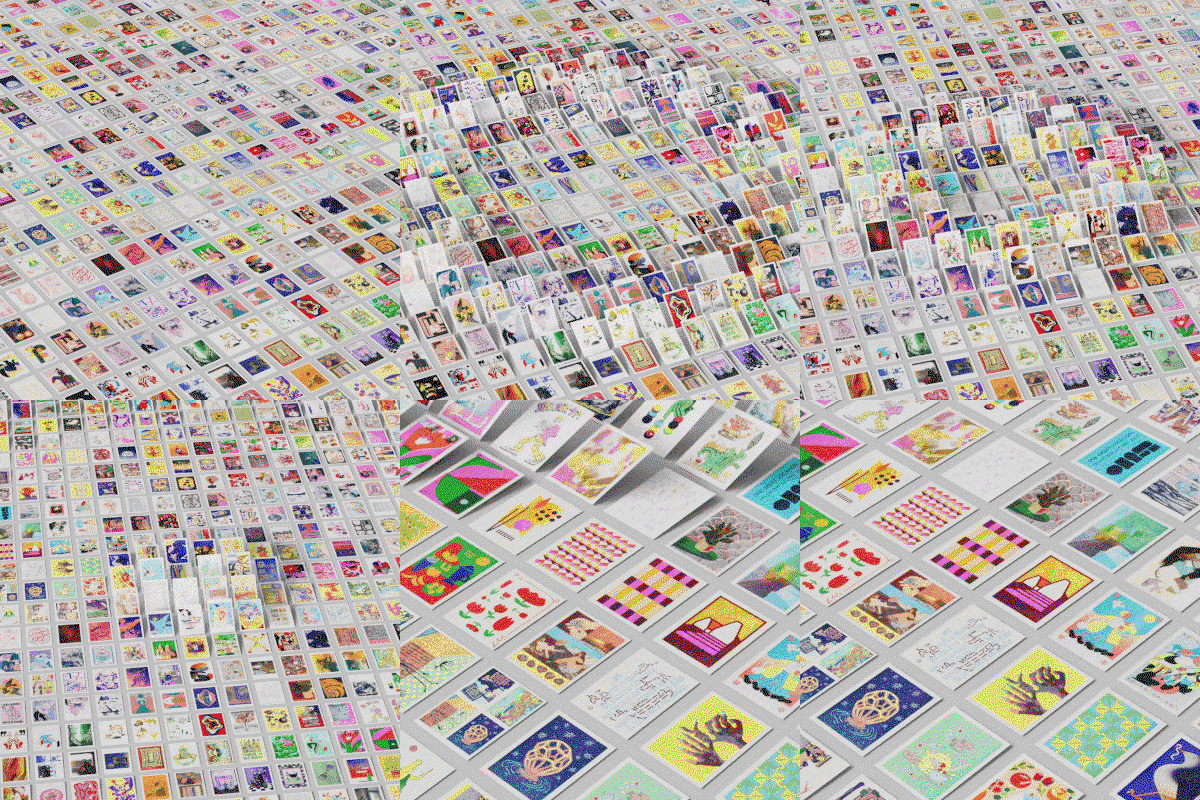
In a new exhibition, Riso Club 100, the studio is displaying its entire collection of Riso Club prints in a free, immersive and interactive retrospective of the project at The Glue Factory Galleries in Glasgow from 11-19 April 2026. In the run up to the occasion, we caught up with Gabriella Marcella, founder of Risotto, to get a bit more of an insight into the international creative community that the initiative has allowed her to bring together, and what her future plans for the project are.
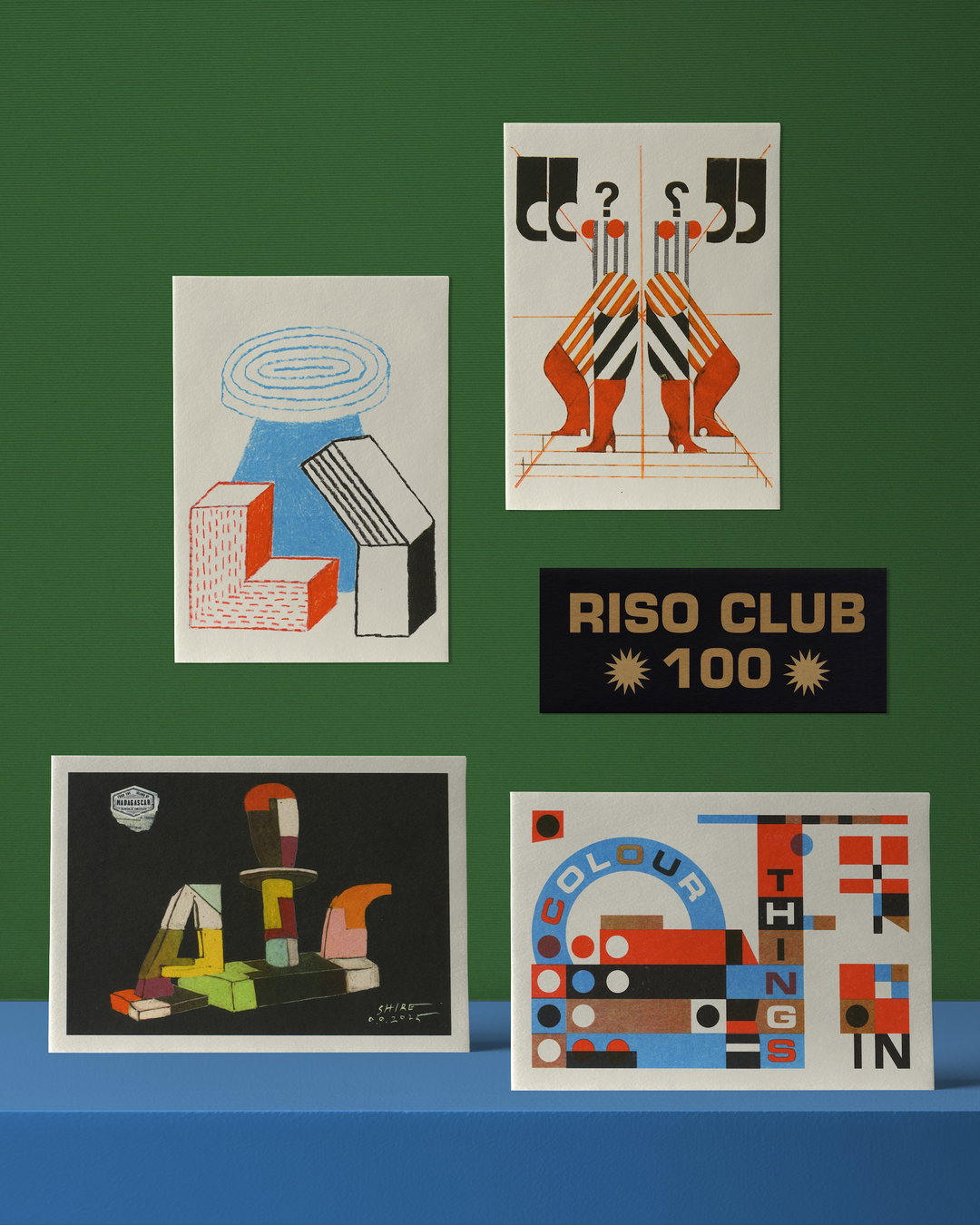
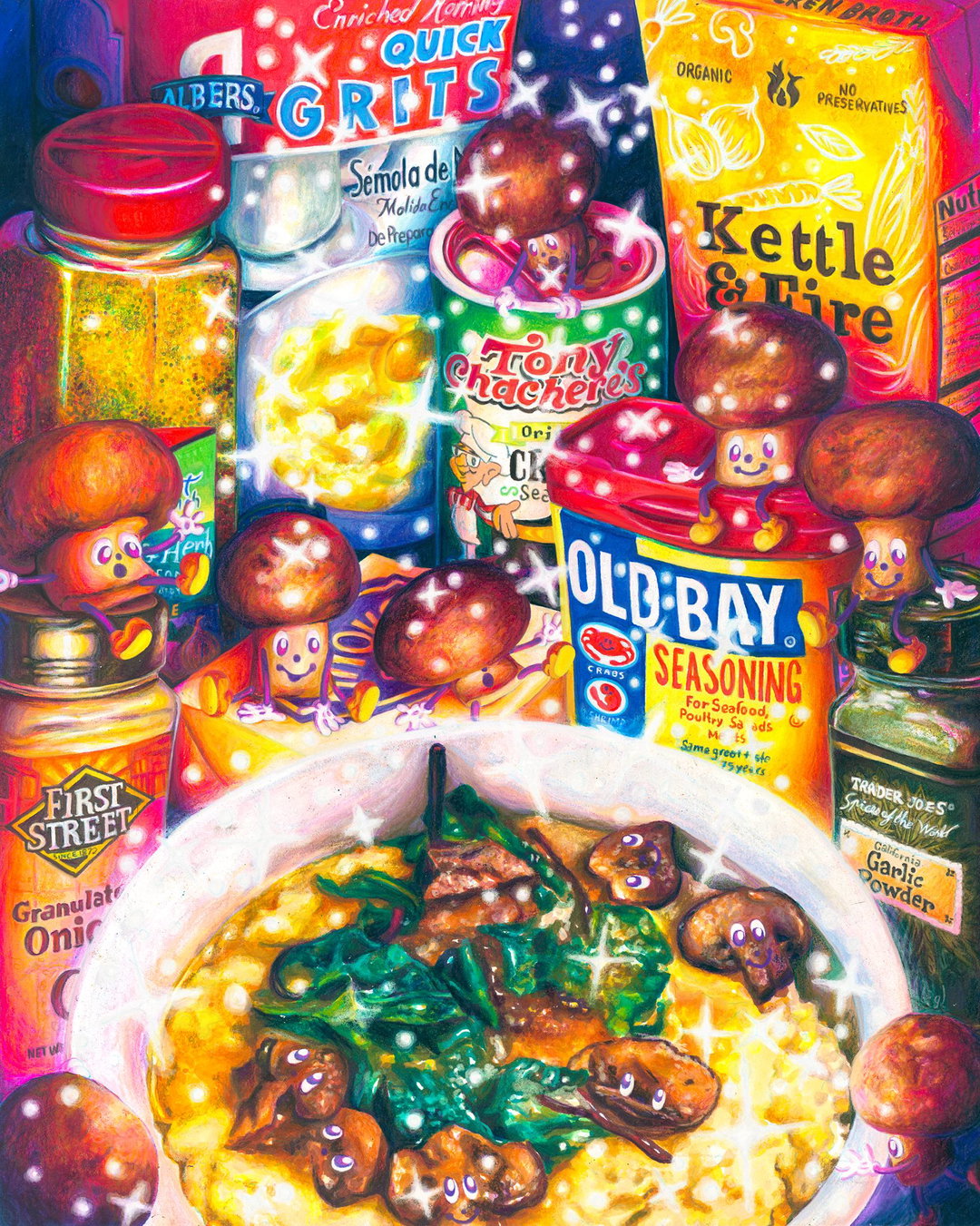
Risotto: Riso Club 100 (Copyright © Risotto, 2026)
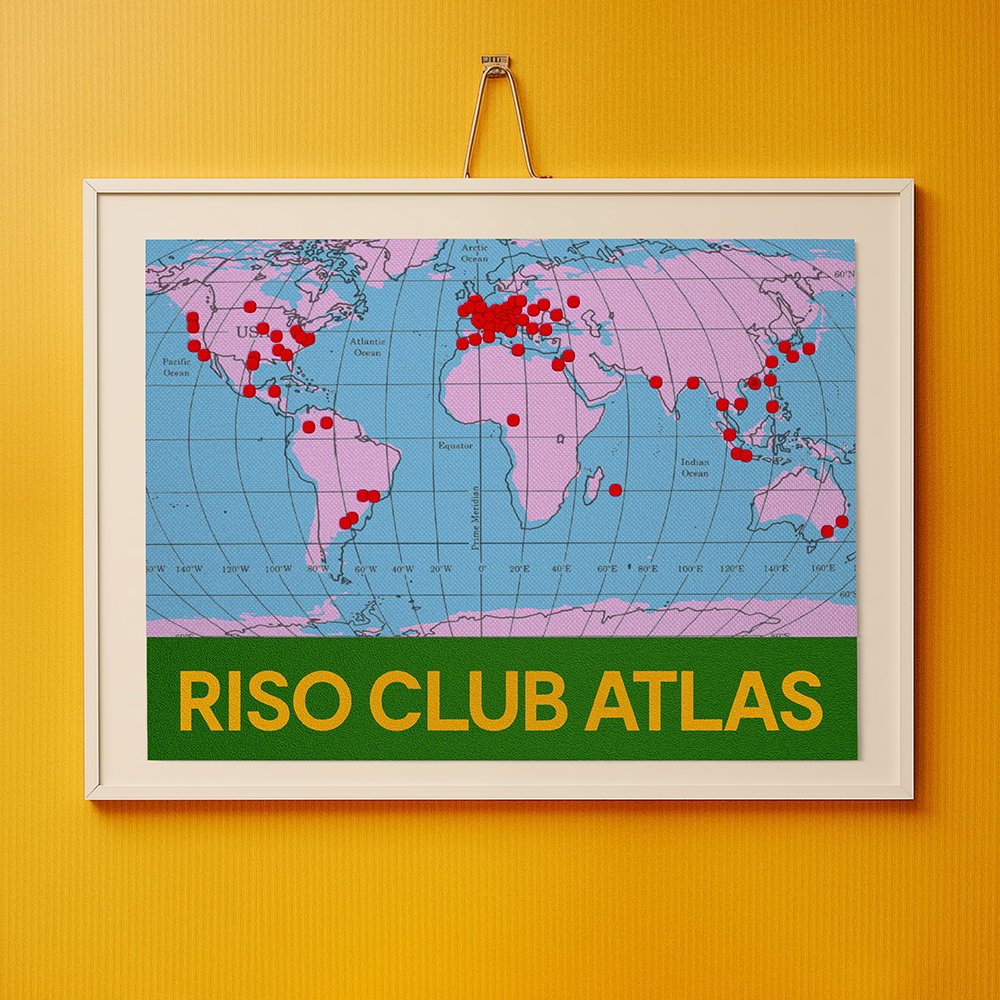
Risotto: Riso Club Atlas (Copyright © Risotto, 2026)
It’s Nice That (INT):
I wanted to start at the beginning. What brought you to open Risotto back in 2012? Where did your fascination with Risograph begin and why do you think it has been a medium that has shaped so much of your practice over the years?
Gabriella Marcella (GM):
I first started printing when I was a student. I’d exchanged to Pratt Institute in New York and they had a print machine and an independent publishing course – it was the first time I really started running with my work. I think at art school, it takes you a while to find your groove or your style but for me, it just really clicked on the course at Pratt because I had these tight parameters to apply to a lot of different content and subject matter in order to produce a printed thing that you could make by hand. I really loved the vehicle that it gave me.
When I came back to Glasgow for my final year, I brought my own Risograph machine second hand. So, I was printing from my bedroom at first! Around the same time, a lot of friends in the years above me were deciding to stay on in Glasgow after they graduated and they were setting up their own wee studios in big warehouse buildings in the city. It was this new way of seeing how people were working, rather than just going to the design agencies in London, and that led me to start my own thing.
Studio spaces were really affordable back then and still are relatively affordable here, so it was just a nice way to get started and a nice community to be a part of. I did get some funding though, I applied for as a startup. That cushioned me for the first year, which was huge, because otherwise I would have been juggling part-time work. I was still doing lots of different jobs, but it gave me the vehicle to get a good start and Risotto has grown ever since. It’s been 14 years, but every year there’s been some small progress and we’re still in the very same building where it all began.

Risotto: Riso Club 100 Envelopes (Copyright © Risotto, 2026)
“I was printing from my bedroom at first!”
Gabriella Marcella
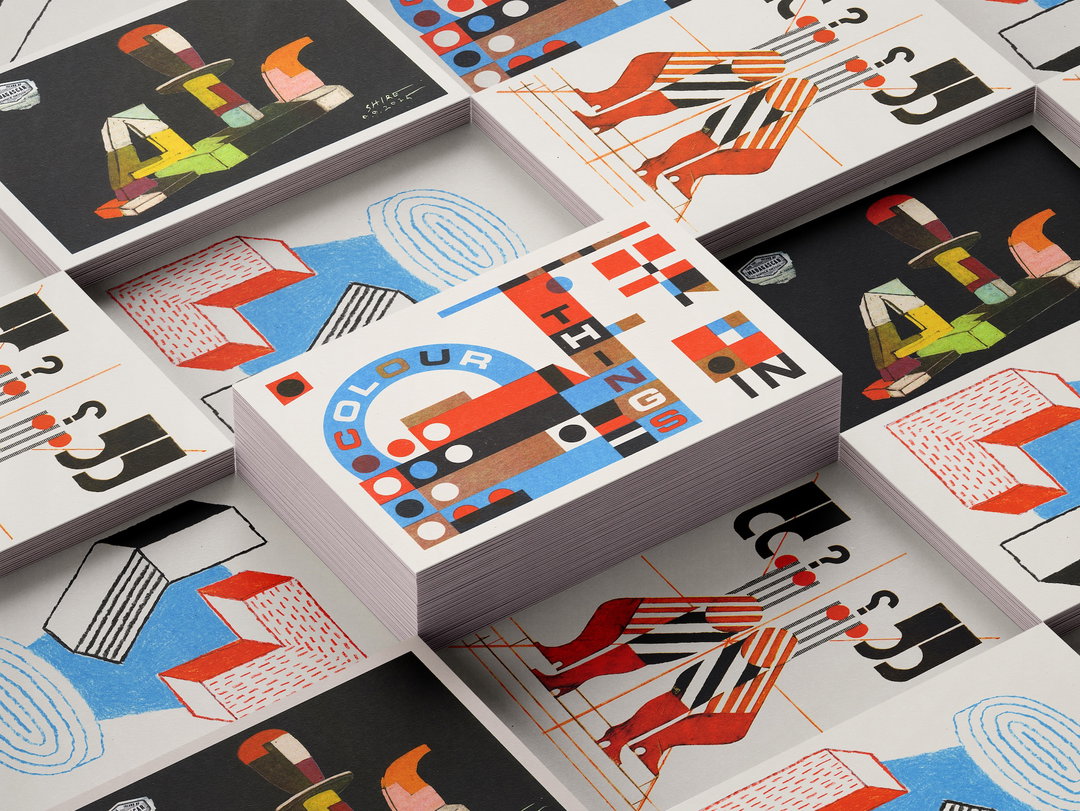
Risotto: Riso Club 100, stacked prints (Copyright © Risotto, 2026)
INT:
That’s amazing! It’s grown massively. It’s so cool to hear that you had the courage to just go and try to do your own thing straight out of university.
Alongside design commissions, large scale projects and Risotto’s successful line of stationery, you also started running your monthly Riso Club out of the studio not long after its start. The monthly subscription for artist prints in the form of postcards has been going since 2017 and has produced over 100 issues (400 prints), reaching letterboxes all over the globe. Can you tell me a bit more about where the idea to share prints by post first started and why you think it has scaled up to become such a big project?
GM:
I guess it came from a really simple place. Back then I’d started to print and produce some of my first Risotto products, like the calendars, but I thought it would be nice if there was an opportunity to platform other people’s artworks too. I wasn’t sure that I wanted to go down the publisher route, sharing artists’ work through printed books which a lot of other Riso studios have grown to deliver. I take my hat off to anyone that can make books, there is so much work involved!
Postcards were a sweet spot because it was a really accessible medium that you could send as a letter – it’s very shareable but also affordable. You can stick them on your fridge, I use them as birthday cards personally… There are a million different ways to make use of them, which I really liked. As a print fanatic, I’m guilty of having a lot of prints that just sit in a cupboard, so I think having them as a useful object is really important.
I started to print a few to send out each month and I honestly didn’t think that far ahead or even that it would keep going. But I’ve not wanted to stop! It’s something that we’ve just really been committed to as a studio over the years. I guess it also serves another purpose that a lot of my work doesn’t sort of tickle, which is having relationships with artists and being able to reach out and sort of offer something as a bit of an invitation to collaborate. Our house style at Risotto is very graphic because I’m a graphic designer, but it’s really nice to showcase things like painting and collage and textiles through the project – I think it’s shown us the versatility of things that can be reproduced within the Risograph.
“I’m guilty of having a lot of prints that just sit in a cupboard, so I think having them as a useful object is really important.”
Gabriella Marcella
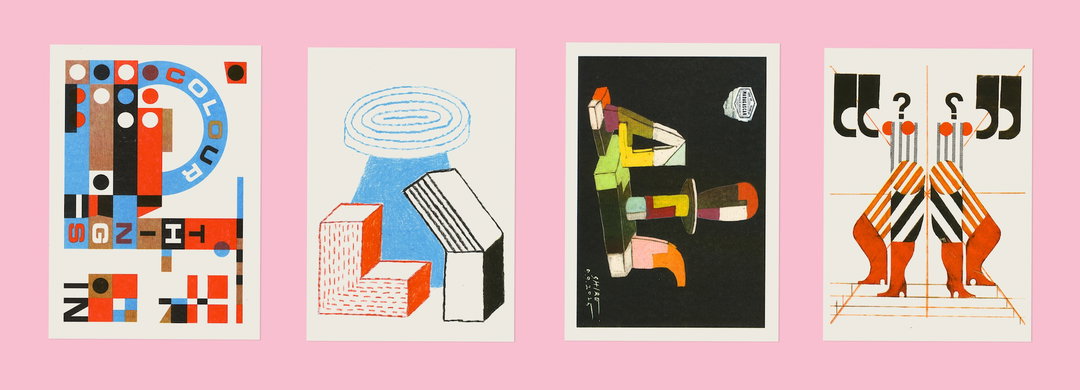
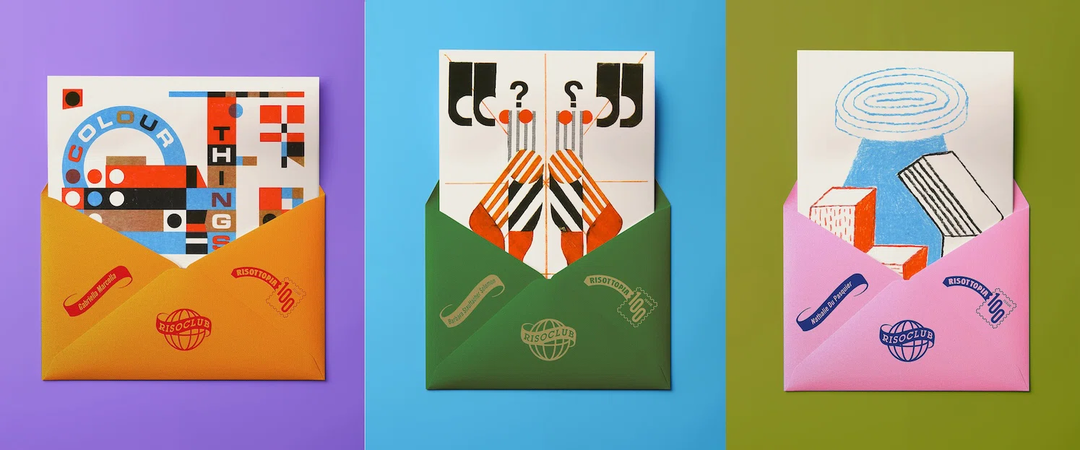
Risotto: Riso Club Issue 100 RISOTTOPIA featuring (L-R) Gabriella Marcella, Nathalie Du Pasquier, Peter Shire and Barbara Stauffacher Solomon (Copyright © Risotto, 2026)
INT:
It’s so nice that it’s been a tool to collaborate with other creatives, but also a way to kind of expand on your use of the machine. I’m wondering how you’ve organised these collaborations over the years? Have you put out open calls for design work from around the world or reached out to artists to get involved? Or was it a bit of both?
GM:
I’ve never done a call out purely because when you do it’s quite often overwhelming and you have to then edit through a large amount of work which feels intimidating somehow. Whereas actually just keeping a look out for things – artwork on my feed, going to shows, or picking up a magazine with amazing illustration – has been a really exciting way for me to find artists. Each edition of The Riso Club has come together quite organically.
It’s getting harder as we go because of all the places and cities we’ve covered. Curating it is definitely an exercise in trying to find undiscovered talent and places that aren’t just Berlin or London. For a long time I resisted doing the big places that were really rich with the arts already; I’m always trying to find places in the world that maybe don’t have as much of that natural profile and showcase work from there.
NT:
What kind of value do you think slow publishing or snail mail subscriptions like these have in today’s fast-paced visual landscape? It feels like it’s something that has really picked up in the last few years especially with younger generations who are hungry for analogue experiences off screens, but you’ve been doing this for a while now!
GM:
It’s a bit of an antidote to the speed of the doom scroll or just the amount of content that’s out there. The sheer scale of it is quite intimidating, but at the same time everything’s being viewed at such a small scale and so quickly, so you’re not really giving it much time. Having something like a subscription that allows you to consume creative media on a completely different cycle, as slow as snail mail is, is really refreshing. I also think having that physical object in front of you that you can interact with means you engage with the work more, you might read the caption at the back, find out who the artist is, and so on.
I think that physicality, coupled with the fact that it’s Riso-printed, is really lovely. A lot of people always say that they’re quite surprised at the texture of the prints when they arrive because it’s not like this flat, glossy, digital, perfect print – you get all the quirks, it’s super tactile. It’s a treat to receive in the mail. A lot of people say it’s their nice post.
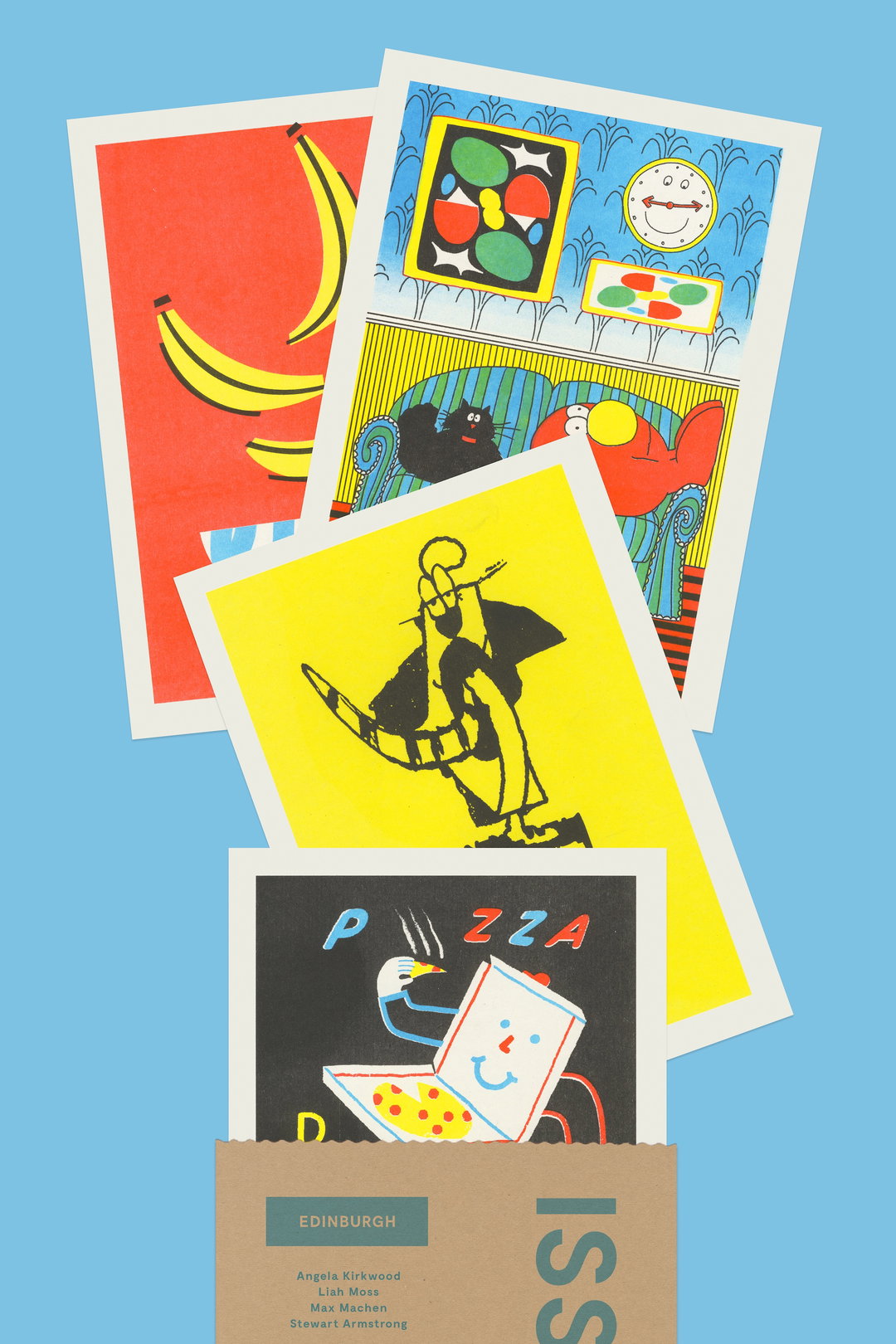
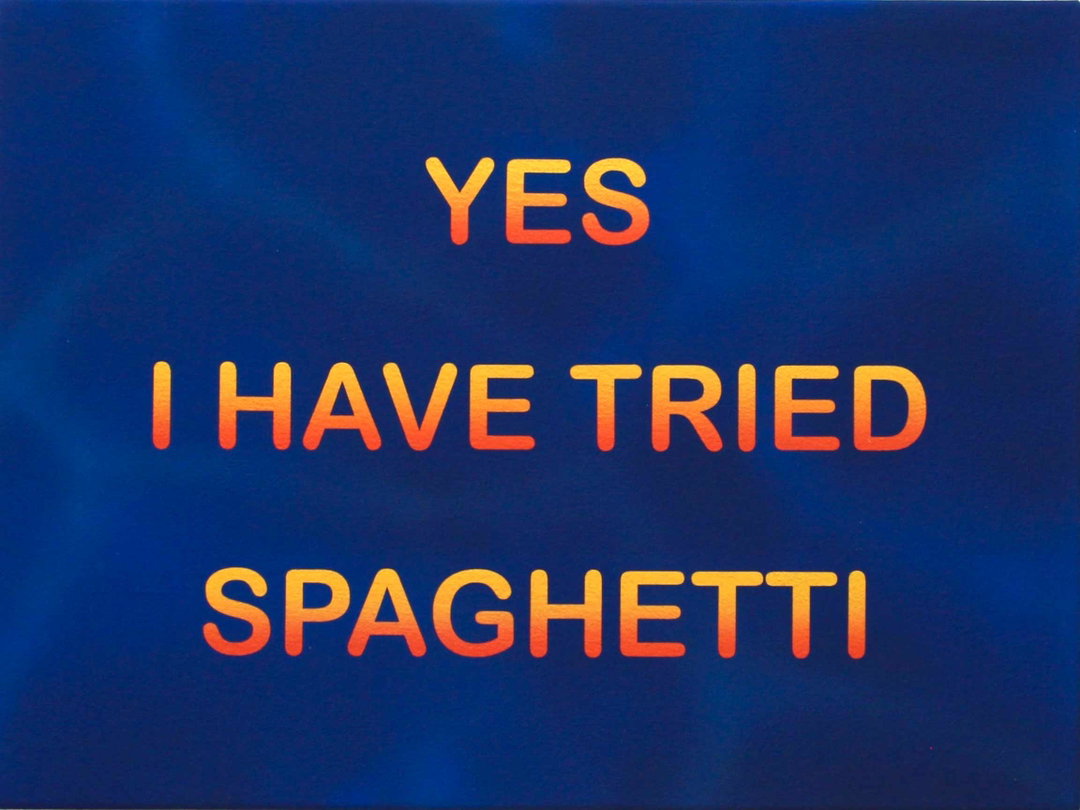
Risotto: Riso Club 73, Edinburgh (Copyright © Risotto, 2026)
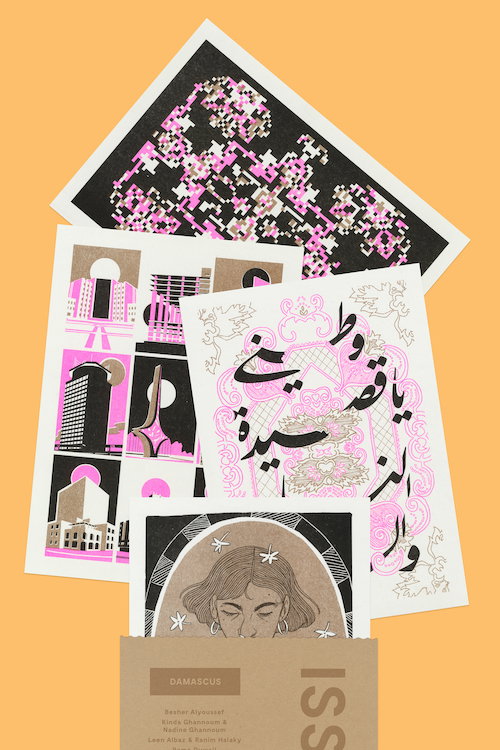
Risotto: Riso Club 88, Damascus, (Copyright © Risotto, 2026)
“It’s a bit of an antidote to the speed of the doom scroll or just the amount of content that’s out there.”
Gabriella Marcella
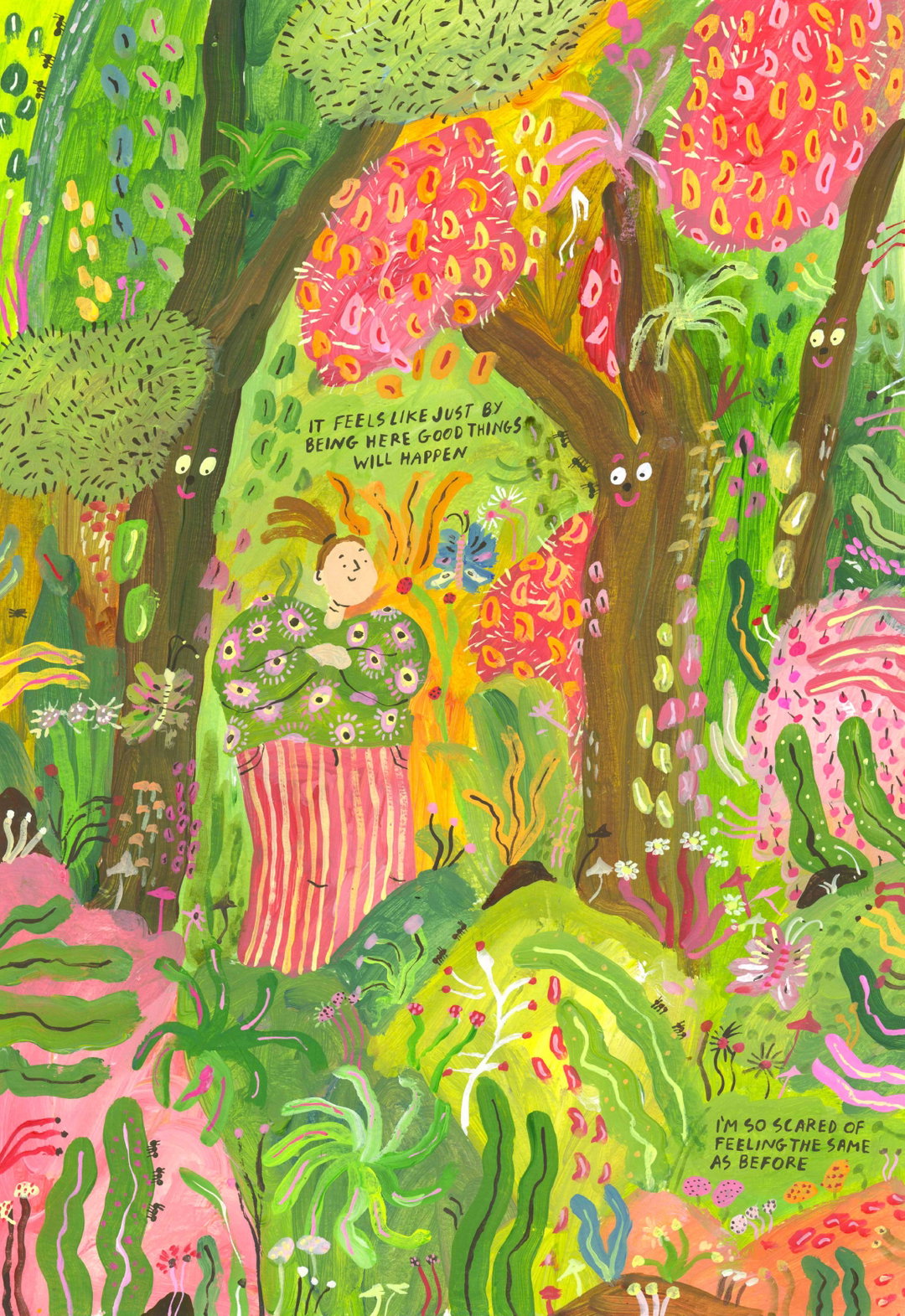
Risotto: Riso Club 55, Paris (Copyright © Risotto, 2026)
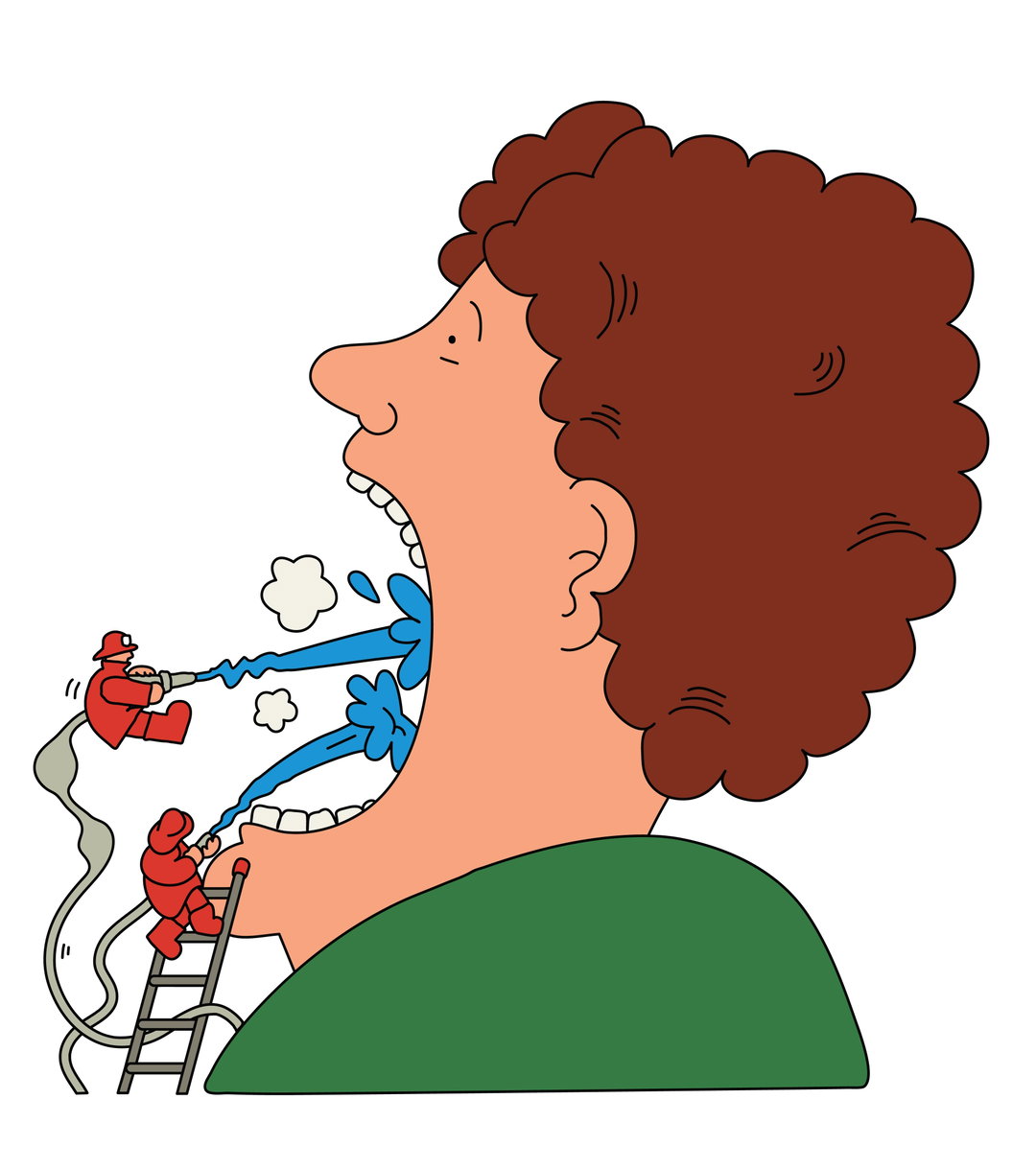
Risotto: Riso Club 82, Kyiv, fundraiser issue for Ukraine (Copyright © Risotto, 2026)
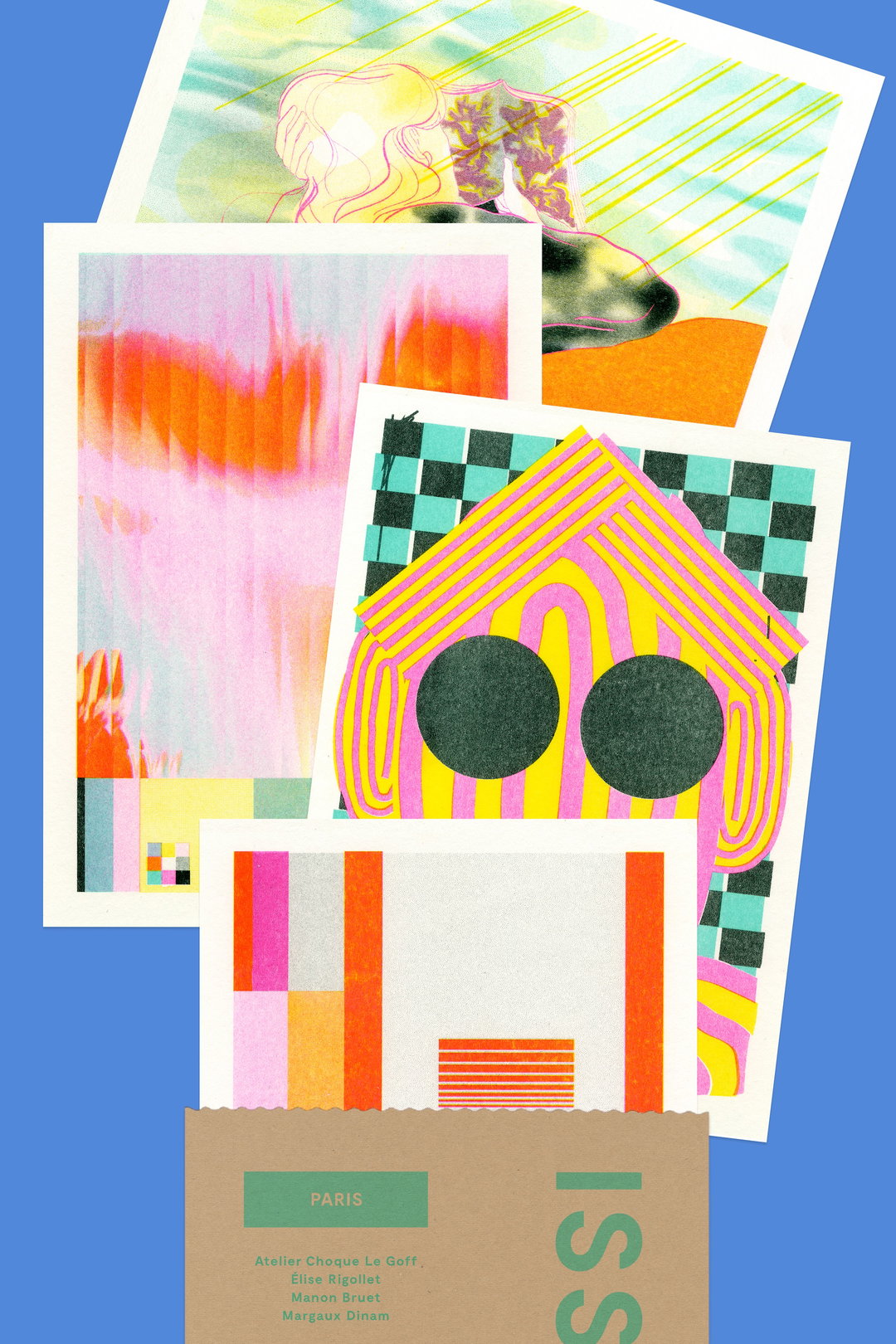
Risotto: Riso Club 55, Paris (Copyright © Risotto, 2026)
Risotto: Riso Club 82, Kyiv, fundraiser issue for Ukraine (Copyright © Risotto, 2026)
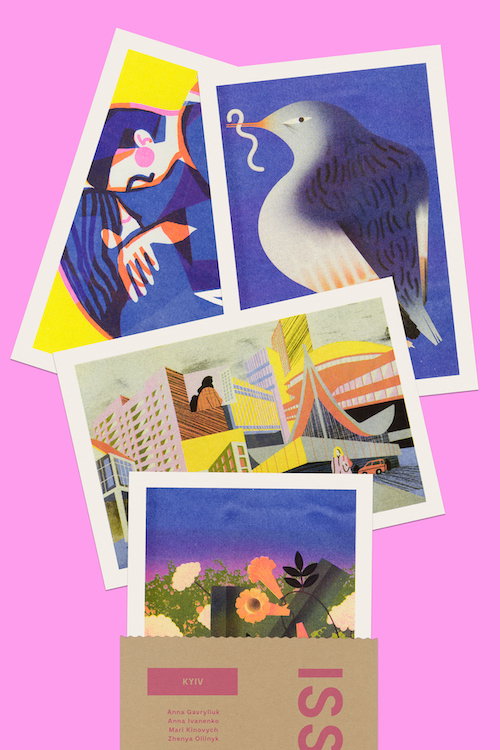
Risotto: Riso Club 82, Kyiv, fundraiser issue for Ukraine (Copyright © Risotto, 2026)
INT:
My friend’s been subscribed for like a few years and she loves it. She’s a fellow printmaker and is obsessed with Risograph too, she always says it feels like Christmas when it arrives every month!
You’ve also used the Riso Club to express solidarity with a range of causes over the years. Issue 82 featured prints from Kyiv-based artists to gather donations for charities in Ukraine. How do you think you have used The Riso Club as a vehicle for solidarity and activism in the global print community?
GM:
The Riso Club felt like quite a natural vehicle for this because it’s got the infrastructure: It’s a monthly release, it reaches people’s letterboxes all over the world and it’s built on participation.
The Kyiv issue was a really nice example of this because it was a nice way to give a platform to something we care about, this also worked with artists in Palestine. It’s hard to know based on someone’s circumstances, especially when you’re so removed, whether they have the capacity to make work and contribute as an artist under the conditions, but if it is possible it’s a powerful way to use our platform.
I guess it’s a softer, more subtle kind of activism where it’s just allowing them to share their voices directly and people can pay a bit more if they can afford it – it all goes back to the charities of the artists choosing. We like to put that choice into the artist’s hands because they know best. I guess that comes back to the history of the Risograph really – it’s been a tool for activism since its inception. A lot of our old second hand machines came from political parties or schools. It’s a really accessible way of duplicating and producing.
INT:
I was going to say! There is a really nice link to the history of Risograph as a print technique. It’s great to have found a place to integrate this kind of action in something you already produce at the studio.
INT:
I’m really excited to talk about the exhibition. It will showcase these 400 designs together for the first time. Can you give us an outline of some key artists that have been involve, and things that you’re really excited about that are up on show? What can visitors expect?
GM:
In the run-up to releasing Issue 100, I knew I wanted to make it like a celebration issue. This one was a really big deal for me because it was the first one that I’ve curated myself. I’ve always sort of curated the curators. I’ve also featured my own artwork next to these absolute heroes of mine in this edition, which was huge for me. So the 100th edition of The Riso Club features Peter Shire, Nathalie Du Pasquier and Barbara Stauffacher Solomon, (her estate granted permission for me to share her artwork). I’ve called it Risotopia because it was like a fictional place. Normally, each edition is always from a city or a region, this one transcended that boundary as the centenary edition.
This will be on show, but so will all of the other editions to date. I think that’s the thing that will be so amazing about the show, you’re only ever seeing a tiny wee pack and then suddenly it’s 400 prints plus all on display in one go! It’s a nice way to celebrate something that’s been quite consistent and low-key in our work flow for some time – to give it a moment in the sun.
INT:
How are you planning to display everything all at once? Have there been some challenges with figuring out how to curate the show?
GM:
Well, we’re definitely not framing! That would be out of the budget. Imagine, 400 frames! We are just going to mount everything super simply – it’s going to be a very big grid. I feel like the easiest way to consume and find your way through the archive is just to keep it as simple as possible. We’ll have a calendar and hopefully a big atlas wall too where people can see all the different countries.
A big thing we’re also working on in tandem to the show is developing a digital atlas for the Riso Club on our site, re-documenting all the work so that there is a digital record of it too. We will be uploading all of the stencils for the prints here too — the four layers or four separate ingredients that have made up each one. This will be a way for people to get more of an insight into the Risograph process and file separation that has created them.
INT:
That’s a really nice idea, to make something like that open source! I wanted to ask about the workshops, because they are a big part of the exhibition. You’ve got people like Anthony Burrill running them and Angela Kirkwood, who we love. I’d love to hear more about what you have planned for these!
GM:
All of the artists facilitating workshops have been featured in the collection at some point, it felt right that they were part of things already. The workshops have been set up for people to learn from these artists and get an insight into how they have created some of the postcards you might have collected. Within the line-up Angela is going to be showing her amazing Risograph animation process, Raissa Pardini, her posters and typography and Anthony will transfer some of his knowledge from his letterpress printing and his iconic graphic style into Risograph too. Marina Willer from Pentagram will also be joining us. The graphics that she makes with her stickers and her approach will be so interesting for people to get an insight into.
INT:
They sound so fun. I’m sad I can’t get up to Glasgow to join in!
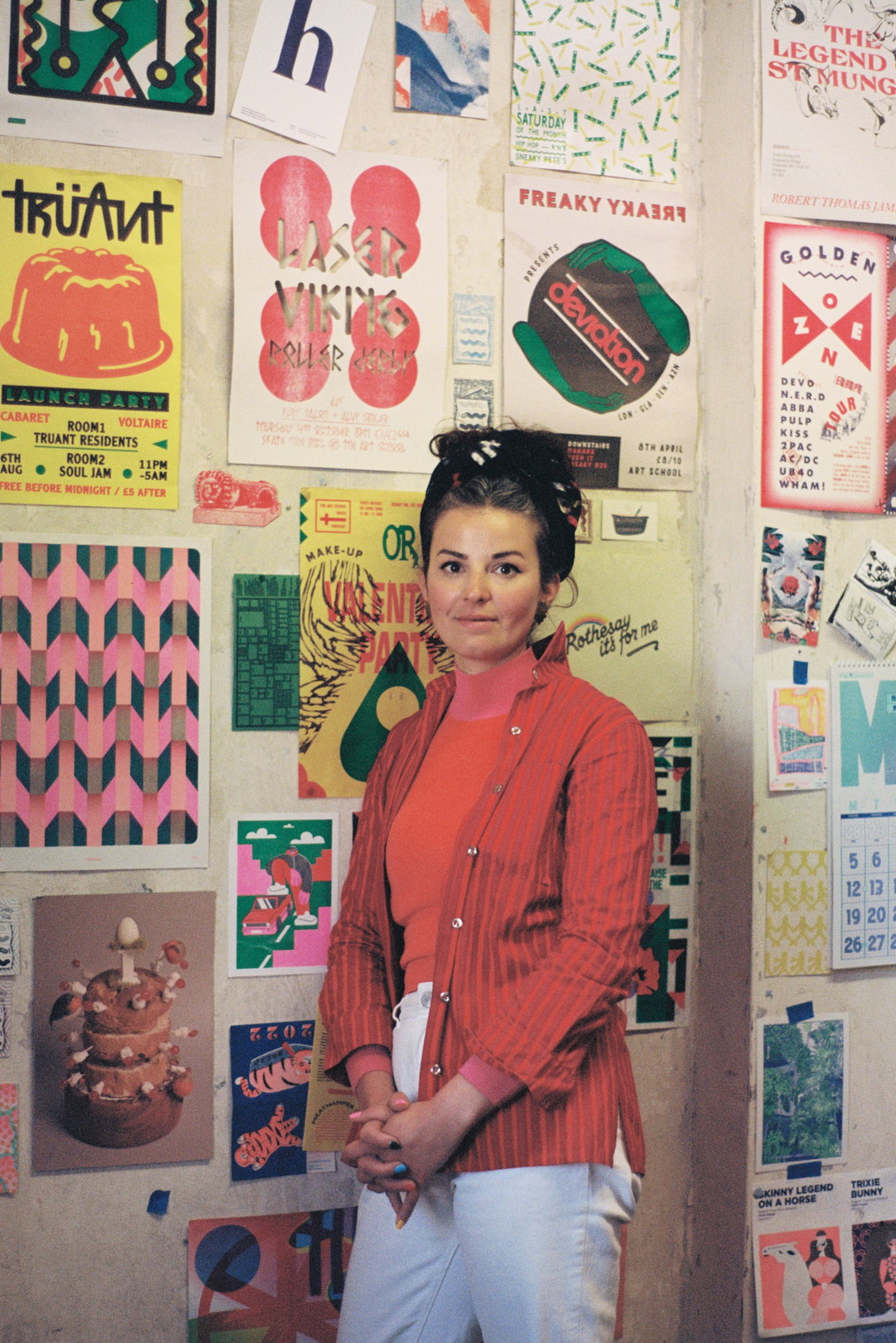
Risotto Studio: Portrait of Gabriella Marcella (Copyright © Alice Poole, 2025)
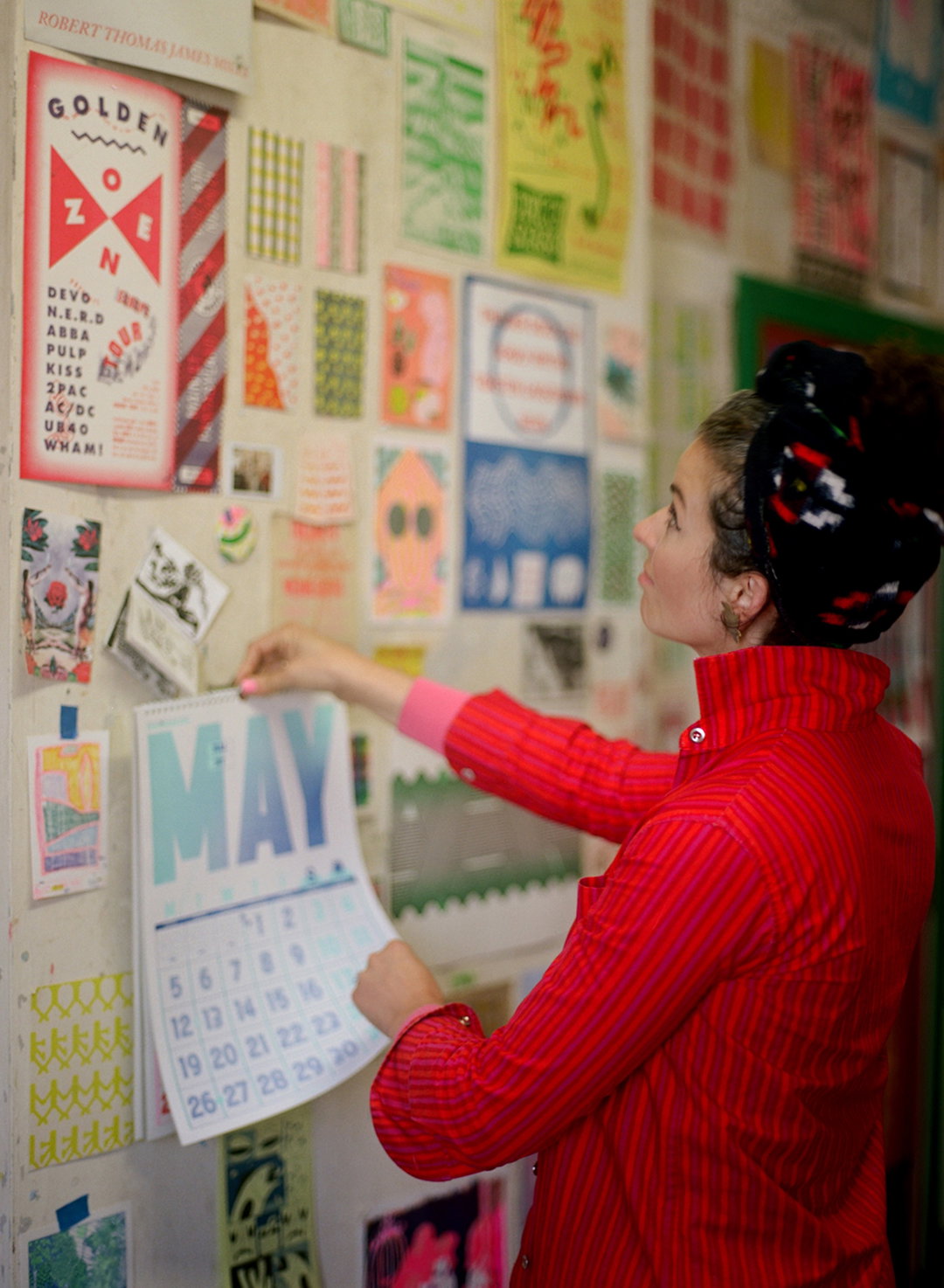
Risotto Studio: Portrait of Gabriella Marcella (Copyright © Alice Poole, 2025)
“It’s a nice way to celebrate something that’s been quite consistent and low-key in our work flow for some time – to give it a moment in the sun.”
Gabriella Marcella
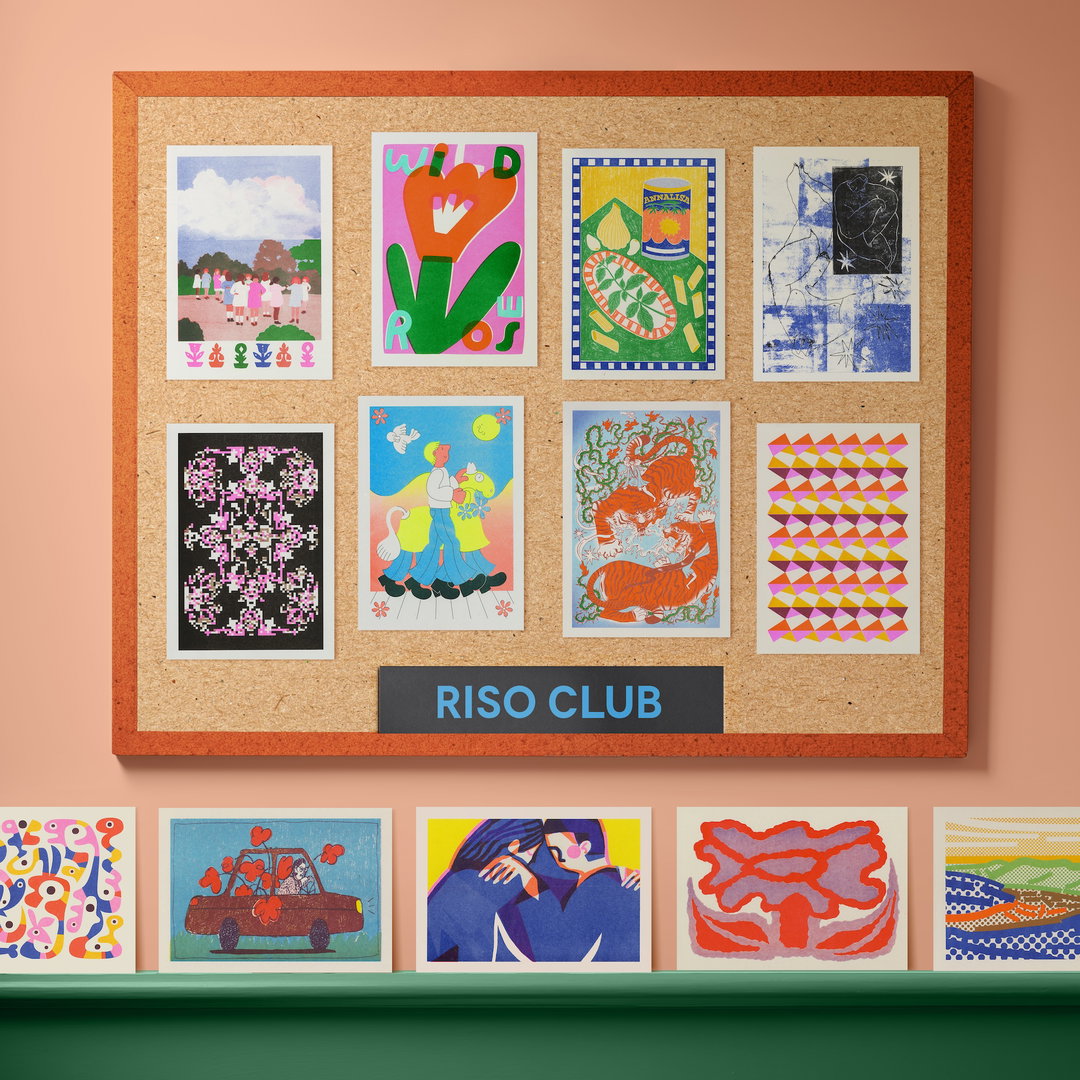
Risotto: Riso Club 100 (Copyright © Risotto, 2026)
INT:
What your plans are for the future of the project following this milestone?
GM:
I would love for the show to tour beyond Glasgow, but I’ve not thought beyond just delivering the exhibition for now! Coupling with the show is our new studio launch, which is a big milestone. Our studio has been redesigned in collaboration with the team at Bisley and hopefully the design of this studio will allow me to have a lot more art studio space as opposed to just the print room, to welcome projects that are beyond print, such as our costume design projects and more of my 3D work.
Print will always be the core of what Risotto does but I’m looking forward to welcoming in more self directed projects from here on out and having more time to play in the space.
INT:
It’s a really exciting new chapter.
GM:
Yes, I’ll need to fill it now by making lots of new things! The space sort of gives you that reason to do it, to welcome in new work and collaborations. It’ll keep me accountable.
Hero Header
Risotto: Riso Club 100 (Copyright © Risotto, 2026)
Share Article
About the Author
—
Ellis Tree (she/her) is a staff writer at It’s Nice That. She joined as a junior writer in April 2024 after graduating from Kingston School of Art with a degree in Graphic Design. Across her research, writing and visual work she has a particular interest in printmaking, self-publishing and expanded approaches to photography. ert@itsnicethat.com
To submit your work to be featured on the site, see our Submissions Guide.