- Words
- Matt Alagiah
- Illustration
- Alva Skog
- —
- Date
- 25 February 2019
- Tags
Natsai Audrey Chieza rethinks how designers and scientists can solve the world’s toughest problems
Share
Share
In partnership with

Style doesn’t have to be superficial; it can keep you warmer, cooler, drier. Uniqlo creates LifeWear by evolving the ordinary, producing innovations that benefit you every day.
Imagine a world where architects use algae as a sustainable building material, where textiles can be dyed, not by toxic chemicals, but by brightly coloured microscopic microbes, and where leather can be artificially produced without harming any animals or using plastic-based materials. Finding it hard? Well, luckily for the rest of us, Natsai Audrey Chieza is doing all of that imagining for us.
Natsai is the founder of Faber Futures, a design futures agency working in the field of biotechnology and based in Peckham, south London. The agency is at the forefront of a fascinating yet still very much emerging area, where biotechnology and design intersect. She studied architecture at the University of Edinburgh and then Material Futures at Central Saint Martins in London, but is that rare thing: a creative person who can speak to scientists . “I approach science from design, so my interaction with biology is through the design lens,” she says. “That doesn’t make me a scientist, but it makes me somebody who’s able to live in both spaces quite well.”
“I approach science from design, so my interaction with biology is through the design lens”
Natsai Audrey Chieza
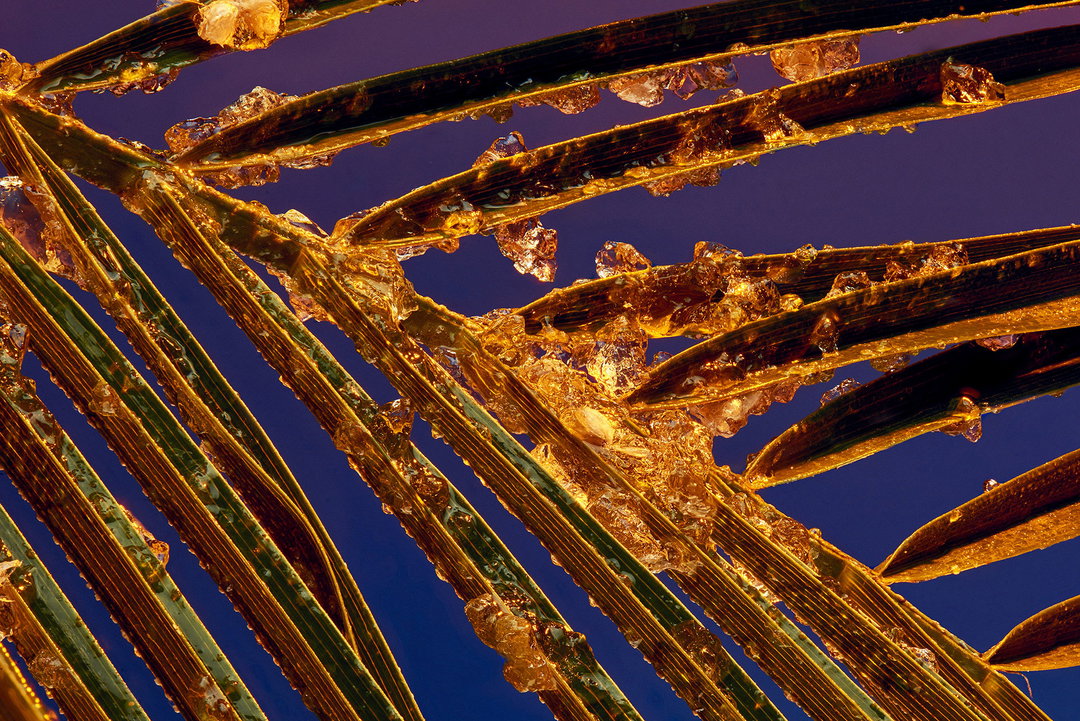
Other Biological Futures, 2018-2019, co-edited by Natsai Audrey Chieza and Alexandra Daisy Ginsberg for the Journal of Design & Science. Image: Justinas Vilutis
Faber Futures spun out of a project Natsai launched after finishing her master’s, along with Professor John Ward , a professor of synthetic biology in the department of biochemical engineering at UCL. The project looked at how a microbe that produced a particular pigment might be used to dye textiles a blue hue. “As we did this, we discovered that its sustainability credentials are pretty impressive,” she says. “We were using up to 500 times less water than you ordinarily would in the industry and we didn’t need to use any chemicals to fix the dye.” Microscopic bacteria became something you could harness to do amazing things, rather than something to blitz with Dettol.
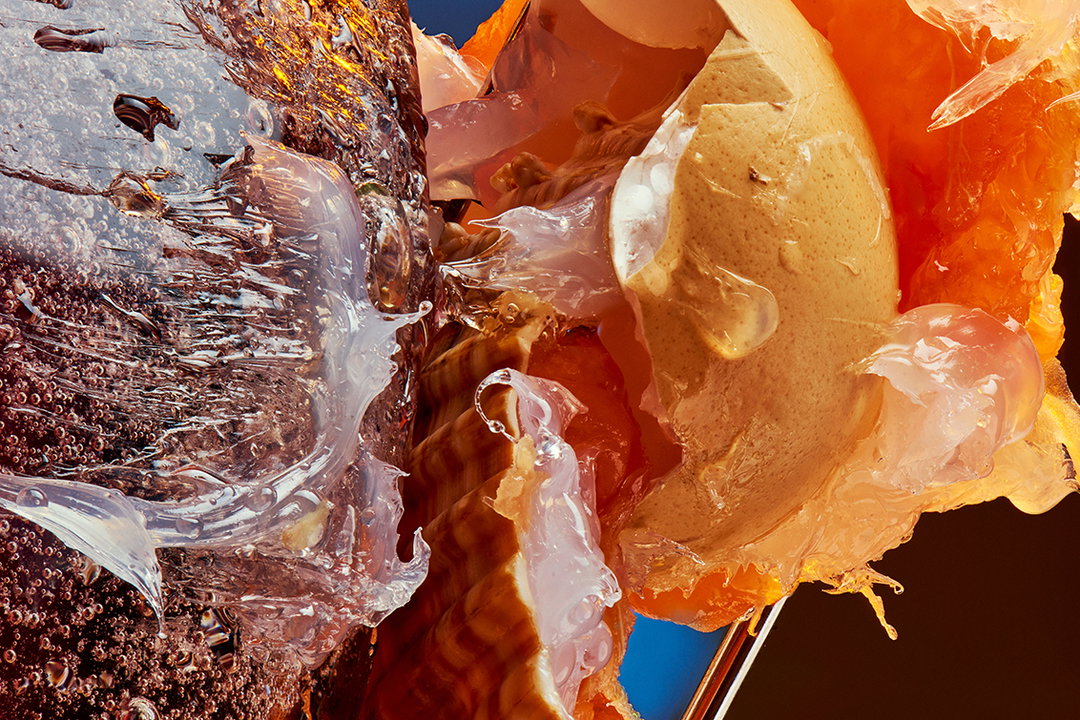
Other Biological Futures, 2018-2019, co-edited by Natsai Audrey Chieza and Alexandra Daisy Ginsberg for the Journal of Design & Science. Image: Justinas Vilutis
Other Biological Futures, 2018-2019, co-edited by Natsai Audrey Chieza and Alexandra Daisy Ginsberg for the Journal of Design & Science. Image: Justinas Vilutis
Other Biological Futures, 2018-2019, co-edited by Natsai Audrey Chieza and Alexandra Daisy Ginsberg for the Journal of Design & Science. Image: Justinas Vilutis
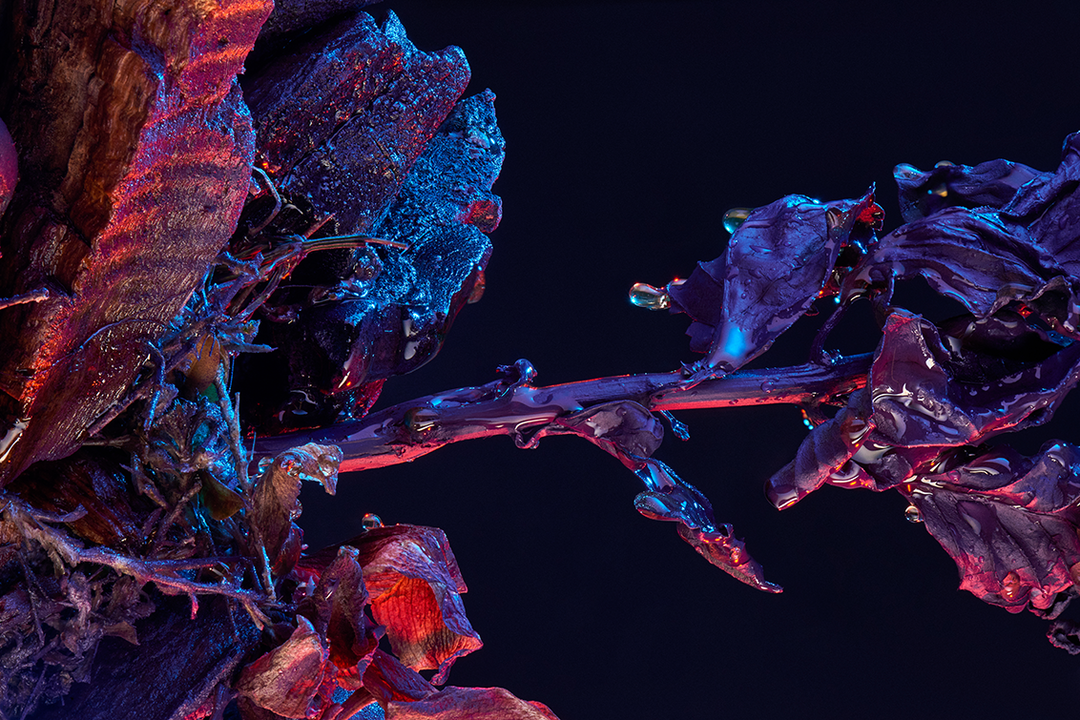
Other Biological Futures, 2018-2019, co-edited by Natsai Audrey Chieza and Alexandra Daisy Ginsberg for the Journal of Design & Science. Image: Justinas Vilutis
Other Biological Futures, 2018-2019, co-edited by Natsai Audrey Chieza and Alexandra Daisy Ginsberg for the Journal of Design & Science. Image: Justinas Vilutis
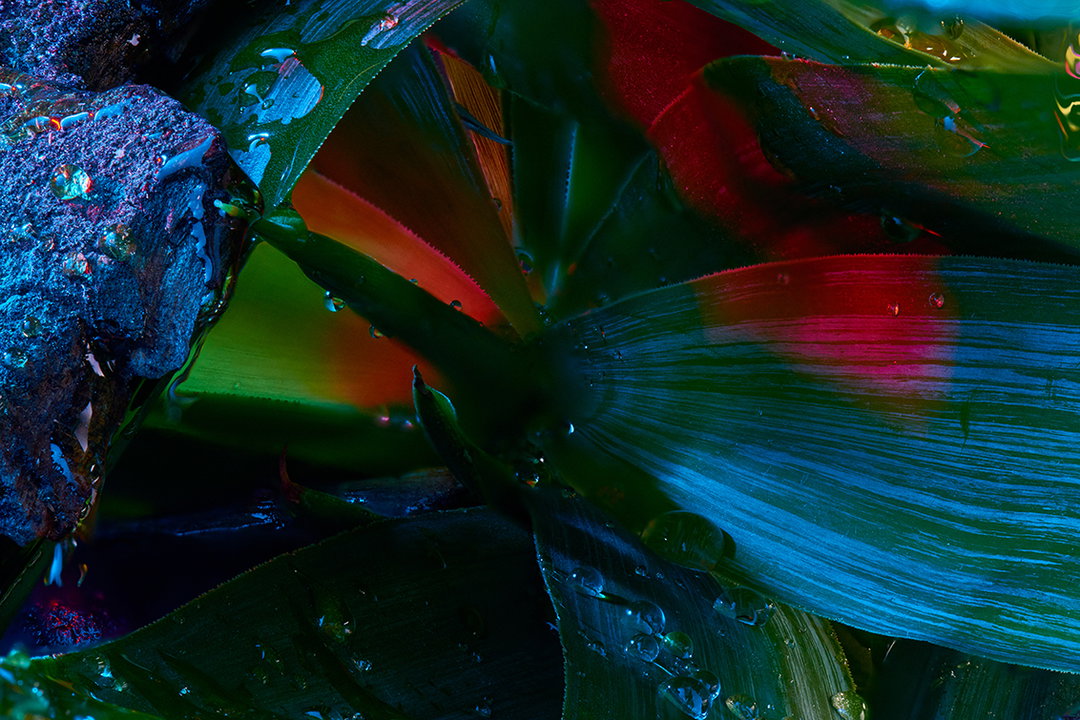
Other Biological Futures, 2018-2019, co-edited by Natsai Audrey Chieza and Alexandra Daisy Ginsberg for the Journal of Design & Science. Image: Justinas Vilutis
“It’s kind of framing our ethical understanding of what innovation needs to be in the future”
Natsai Audrey Chieza
This first project serves as a great case study for what Faber Futures has spent the past eight years doing: looking at biotechnology with a designer’s eyes to see how the field might one day help solve all manner of design problems. The company carries out its own R&D, tours the world bringing its ideas to new audiences, and works with clients – including fashion labels and biotech start-ups – to encourage dialogue and discover ways that the convergence of biology, design and technology might make brands more sustainable.
Project Coelicolor: Scale, Void, Assemblages, 2017, Faber Futures x Ginkgo
Bioworks. Image courtesy of Natsai Audrey Chieza
Project Coelicolor: Scale, Void, Assemblages, 2017, Faber Futures x Ginkgo
Bioworks. Image courtesy of Natsai Audrey Chieza
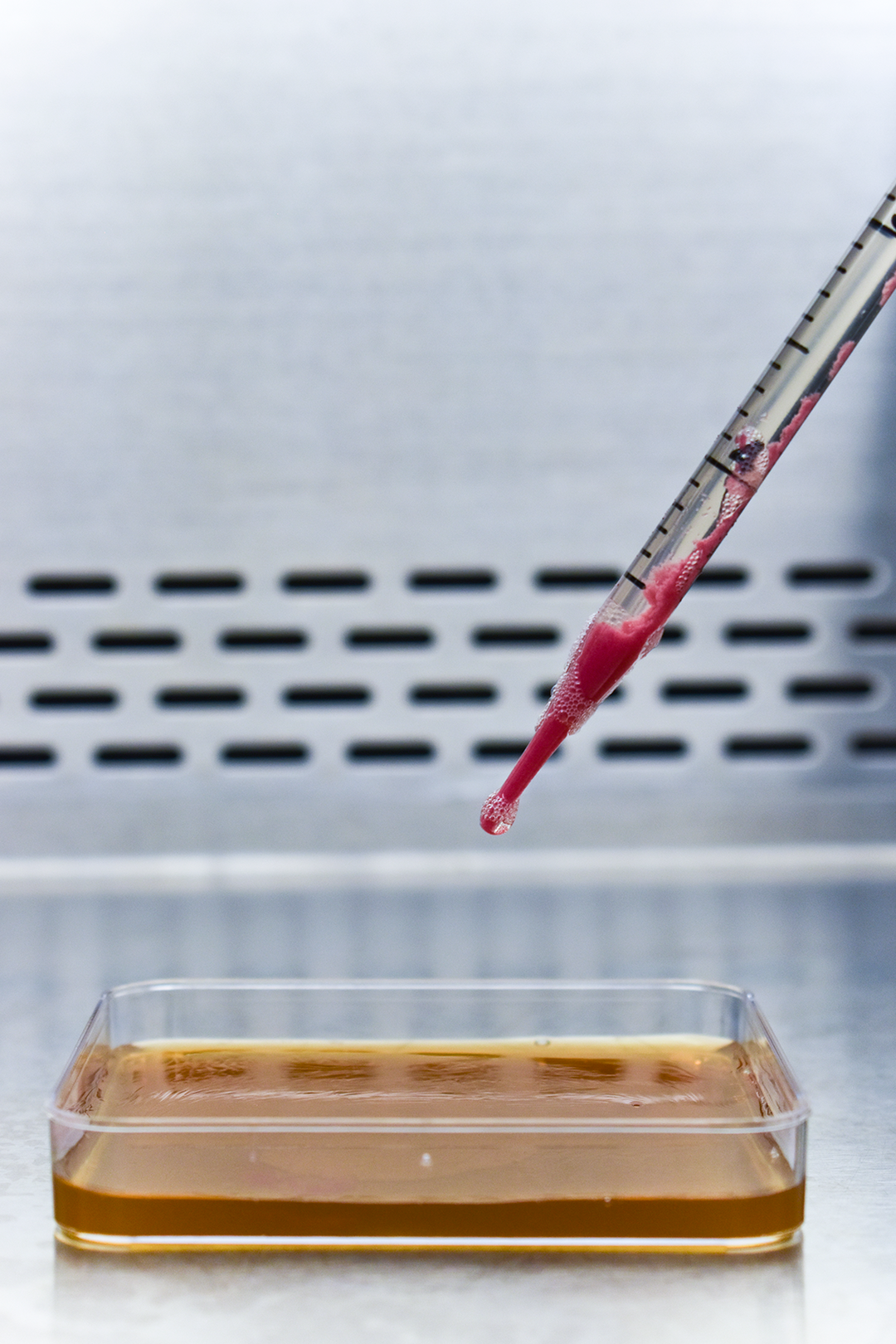
Project Coelicolor: Scale, Void, Assemblages, 2017, Faber Futures x Ginkgo
Bioworks. Image courtesy of Natsai Audrey Chieza
Project Coelicolor: Scale, Void, Assemblages, 2017, Faber Futures x Ginkgo
Bioworks. Image courtesy of Natsai Audrey Chieza
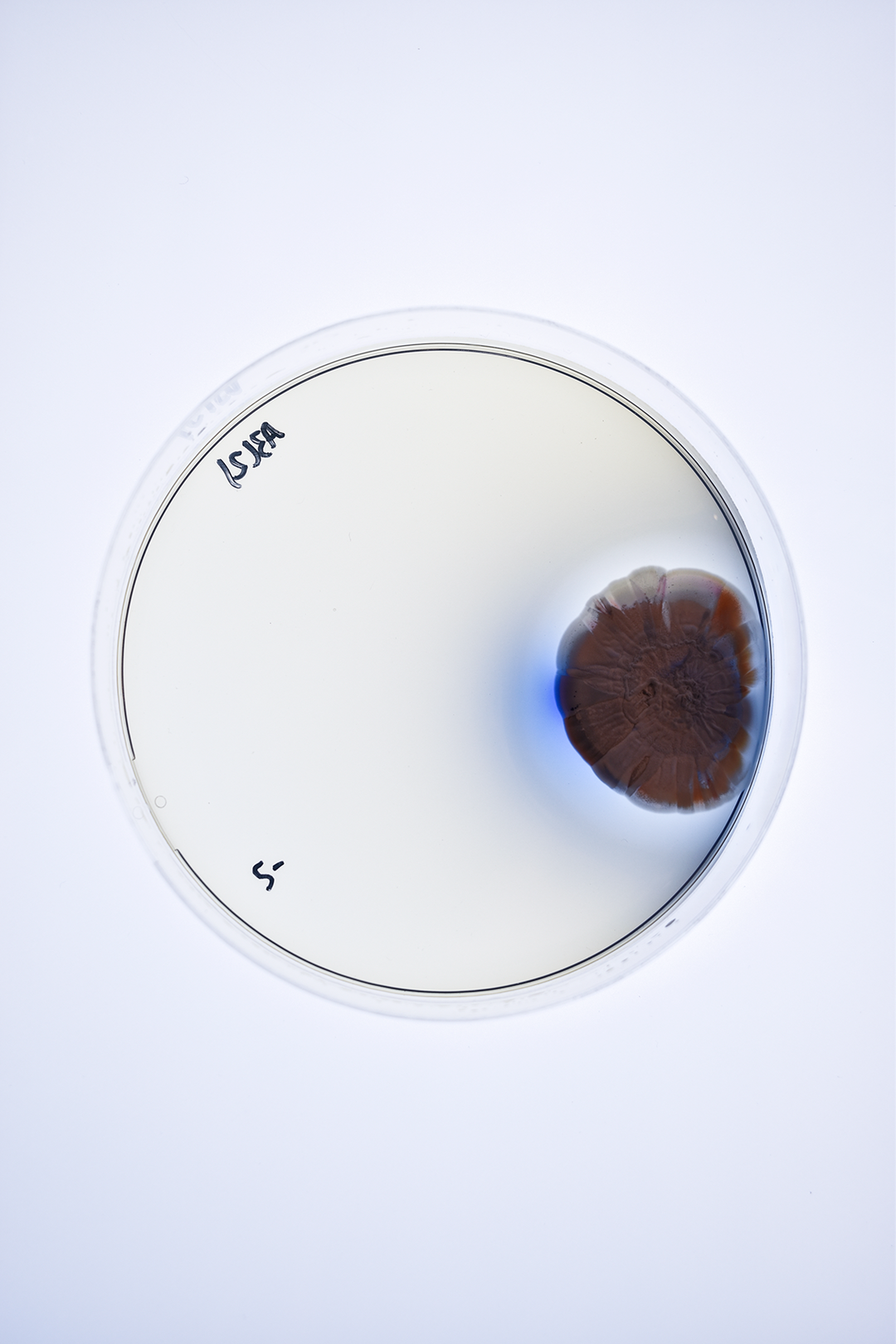
Project Coelicolor: Scale, Void, Assemblages, 2017, Faber Futures x Ginkgo
Bioworks. Image courtesy of Natsai Audrey Chieza
Fundamentally, Natsai explains, the arithmetic is really simple: “If microbes can do something more efficiently than petroleum did, where can we plug it in?” And it is, no doubt, an exciting time to be in this rapidly evolving field. “We’re moving away from a space where biotechnology is only understood by the general populace in the context of therapeutics and pharmaceuticals,” she says. “Now Synthetic Biology 2.0 is going to be about the human landscape.” And some of the developments she’s working on could change that human landscape beyond recognition.
As with any emerging field, though, questions of ethics are never far away. Any new scientific endeavour has to ask itself: At what point will we know if we’re going too far, or encroaching on an area that we shouldn’t, or becoming – to borrow a phrase from That Mitchell and Webb Look – “the bad guys”?
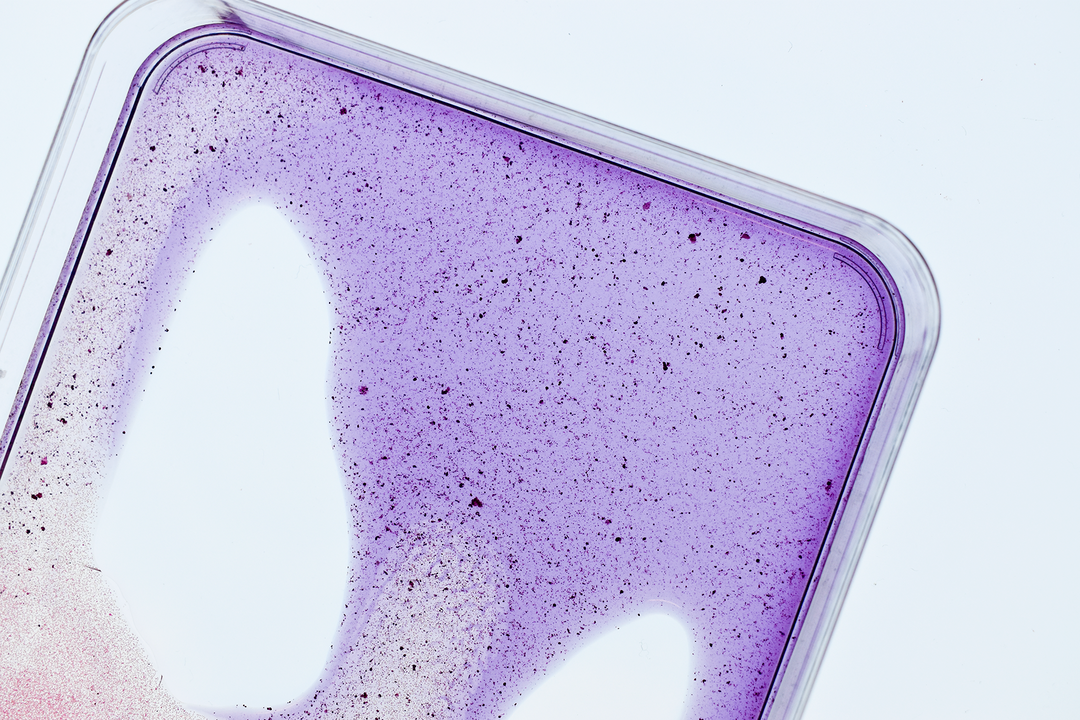
Project Coelicolor: Scale, Void, Assemblages, 2017, Faber Futures x Ginkgo Bioworks. Image courtesy of Natsai Audrey Chieza
For Natsai, it’s really important that she and her collaborators “don’t create monsters” with any of these new biotech models. She has been working with Alexandra Daisy Ginsberg on the fourth issue of MIT Media Lab and MIT Press’ Journal of Design and Science, which is all about “Other Biological Futures”. “Over the past six months, we’ve been publishing ten essays that are, in effect, our manifesto for biological futures, and they explore the difficulties for this new space,” she says. “It’s kind of framing our ethical understanding of what innovation needs to be in future.”
Education is also a huge part of the challenge. Natsai spends a lot of her time bringing the scientific and design communities together. For instance, she co-founded and curates a “creative residency” at a biotech company in Boston called Ginkgo Bioworks , one of Faber Futures’ clients. This year’s applicants for the residency – designers from various backgrounds and disciplines – are invited to submit proposals that explore the notion of “waste” through the lens of biology. “Language can be an issue,” she admits, “but designers can be very good communicators and we can find a way to talk to anybody.”
Exhibiting work is another way she will be taking the message out to the masses in 2019. “We’ve been good at always finding different channels to talk about this work, through cultural institutions and within the technology and science communities,” she says. Faber Futures is going to be taking part in about half a dozen exhibitions and shows this year, from a Triennale at the Cooper Hewitt in New York, where the studio will be exhibiting two new projects titled Terroir 001 and Assemblage 002, to the St Etienne Biennale in France, where it will show Colour Coded, a recent project in collaboration with Ginkgo Bioworks for the Forbes Pigment Collection at Harvard Art Museums. She is also part of the group show La Fabrique Du Vivant, which opened to the public on 20 February at the Pompidou Centre in Paris. All in all, it’s clear 2019 is set to be a very busy year.
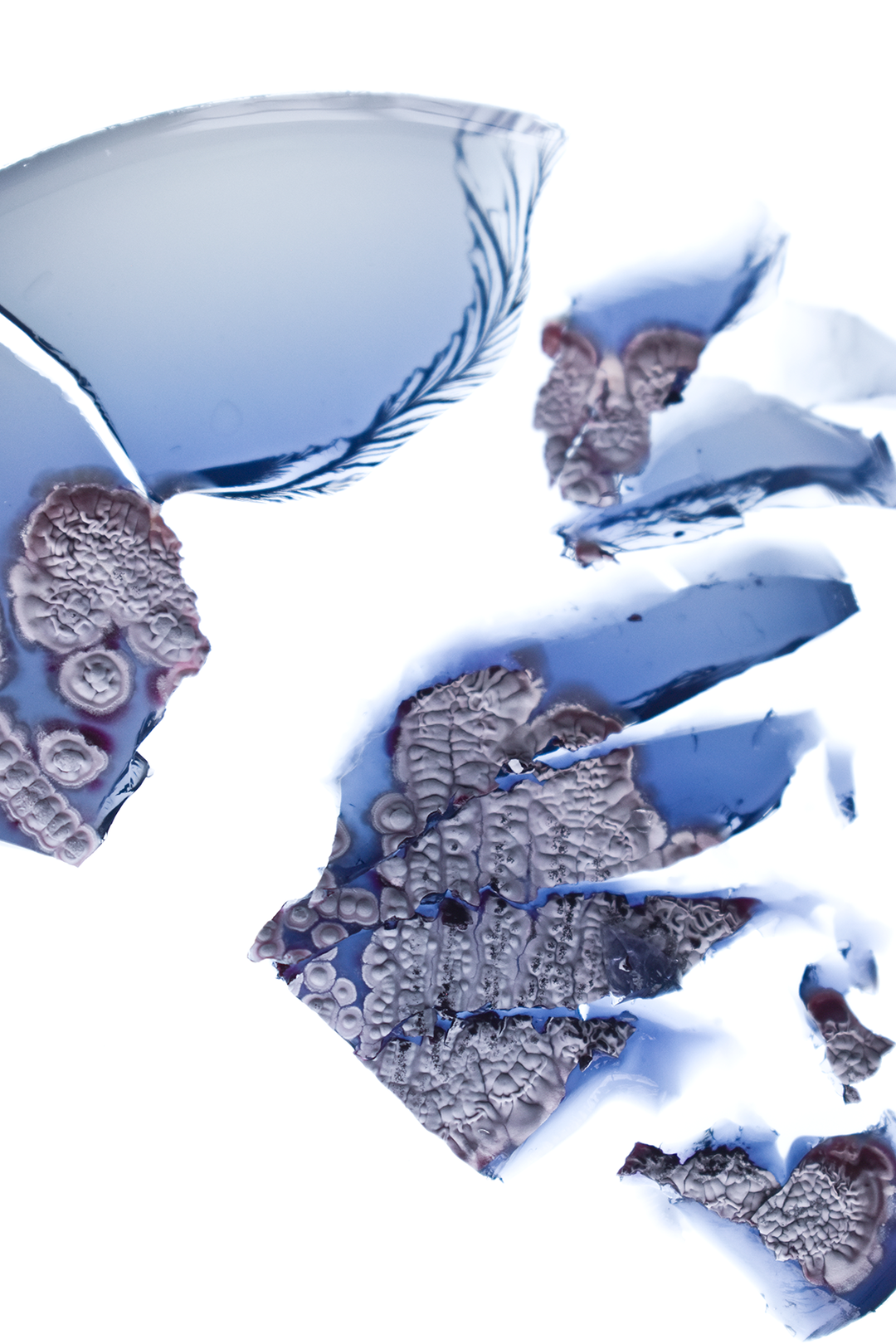
Project Coelicolor: Scale, Void, Assemblages, 2017, Faber Futures x Ginkgo Bioworks. Photo by Immatters Studio
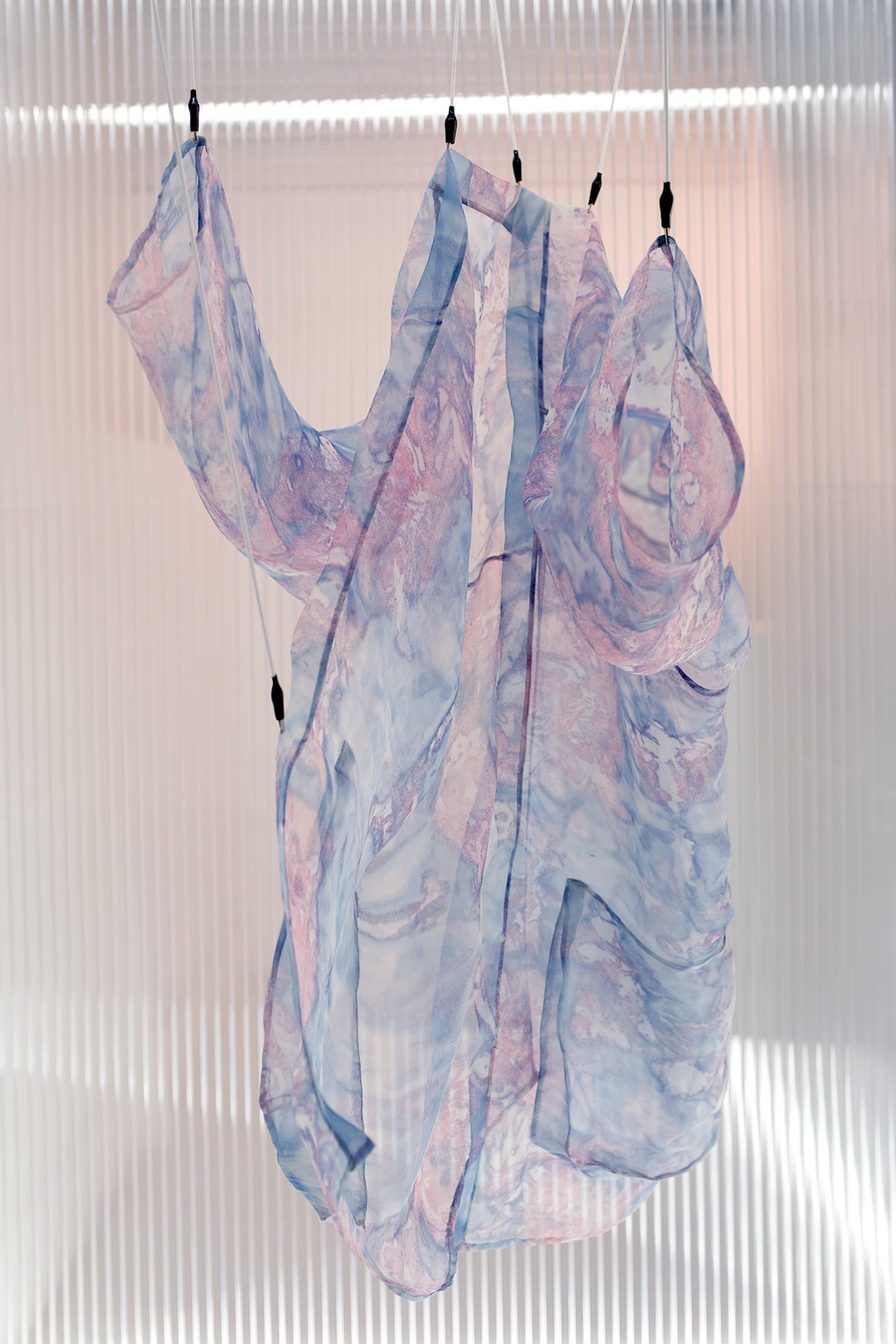
Project Coelicolor: Scale, Void, Assemblages, 2017, Faber Futures x Ginkgo Bioworks. Photo by Immatters Studio
Project Coelicolor: Scale, Void, Assemblages, 2017, Faber Futures x Ginkgo
Bioworks. Photo by Immatters Studio
Project Coelicolor: Scale, Void, Assemblages, 2017, Faber Futures x Ginkgo
Bioworks. Photo by Immatters Studio
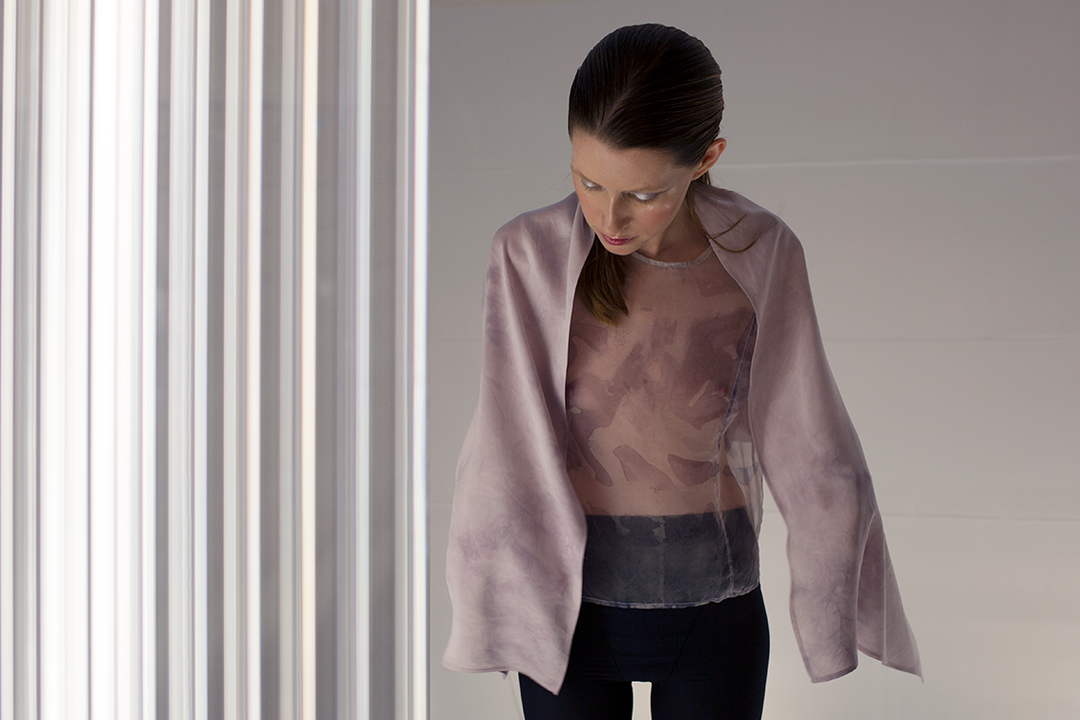
Project Coelicolor: Scale, Void, Assemblages, 2017, Faber Futures x Ginkgo
Bioworks. Photo by Immatters Studio
Project Coelicolor: Scale, Void, Assemblages, 2017, Faber Futures x Ginkgo
Bioworks. Photo by Immatters Studio
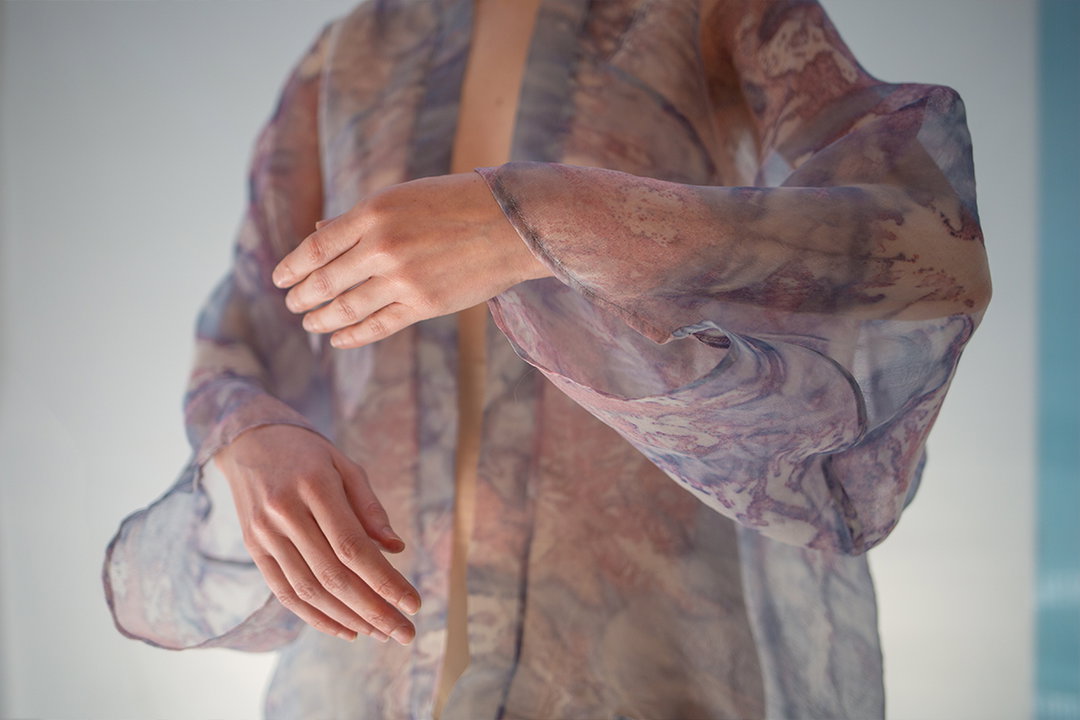
Project Coelicolor: Scale, Void, Assemblages, 2017, Faber Futures x Ginkgo
Bioworks. Photo by Immatters Studio
What’s reassuring is that Natsai doesn’t give off any of that sense of hubris that can occasionally accompany scientists trying to achieve nothing short of “changing the world”. She admits that she and her colleagues don’t, in fact, know everything. “We don’t pretend to be experts,” she says, “but I think we know how to ask the right questions; we have the prerequisite knowledge to ask the right questions.”
But what are the “right” questions? She immediately rattles off a quick list. “How do we build new materials that aren’t extracted, that aren’t linear in the way that petroleum-based materials are? How do we make them cost-competitive with petroleum-based materials? And if they aren’t, what’s the value proposition? What’s going to make people want to use them?” Not for the first time, we feel a sense of relief that it’s not us being asked to come up with the answers – and relief, too, that it’s Natsai who is.
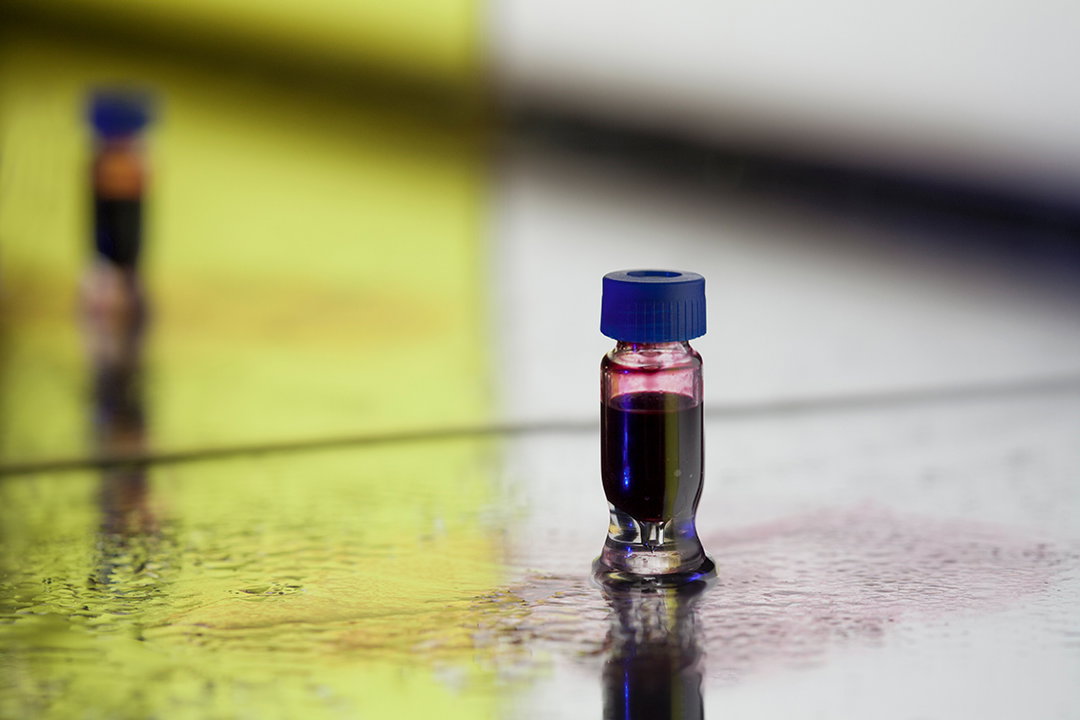
Colour Coded, 2018. Faber Futures x Ginkgo Bioworks. Photo by Immatters Studio
Share Article
Further Info
About the Author
—
Matt joined It’s Nice That as editor in October 2018 and was editor-in-chief in September 2020–2024. He was previously executive editor at Monocle magazine. He is now a freelance writer and editor.