


- Words
- It's Nice That
- —
- Date
- 15 October 2026
- Tags
On’s new editorial platform is where the brand’s ideas spark, meld and grow
Ondesign goes behind the scenes with On’s creative teams – spanning architects to stylists and designers – showing how they push what’s normal, and possible, for a sports and culture brand.
Share
Share
On is on a run, literally and statistically, with the Swiss sportswear company currently out-performing other maker sports shoe brands tenfold. Perhaps it is not only what On makes but how it makes and markets the latter that has led to commercial and cultural success. On’s maxim is worn on its sleeve (and printed on its shoes). Its products are Swiss-engineered, and this considerate sensibility infiltrates the team’s creative process, carefully incorporating collaboration, iteration and experimentation throughout to shape a refined holistic brand. Equally, On isn’t quite categorisable, straddling both sports and culture. This industrial, sector-defining challenge is indicative of the Swiss brands’ character, leading its practice with critical and speculative thinking. That’s another reason why On has launched its own editorial platform, Ondesign – a space that lets us in on the work of the brand’s creative teams – design, graphics, styling, retail and spatial design, you name it – answering why they do what they do and who’s who behind the scenes.
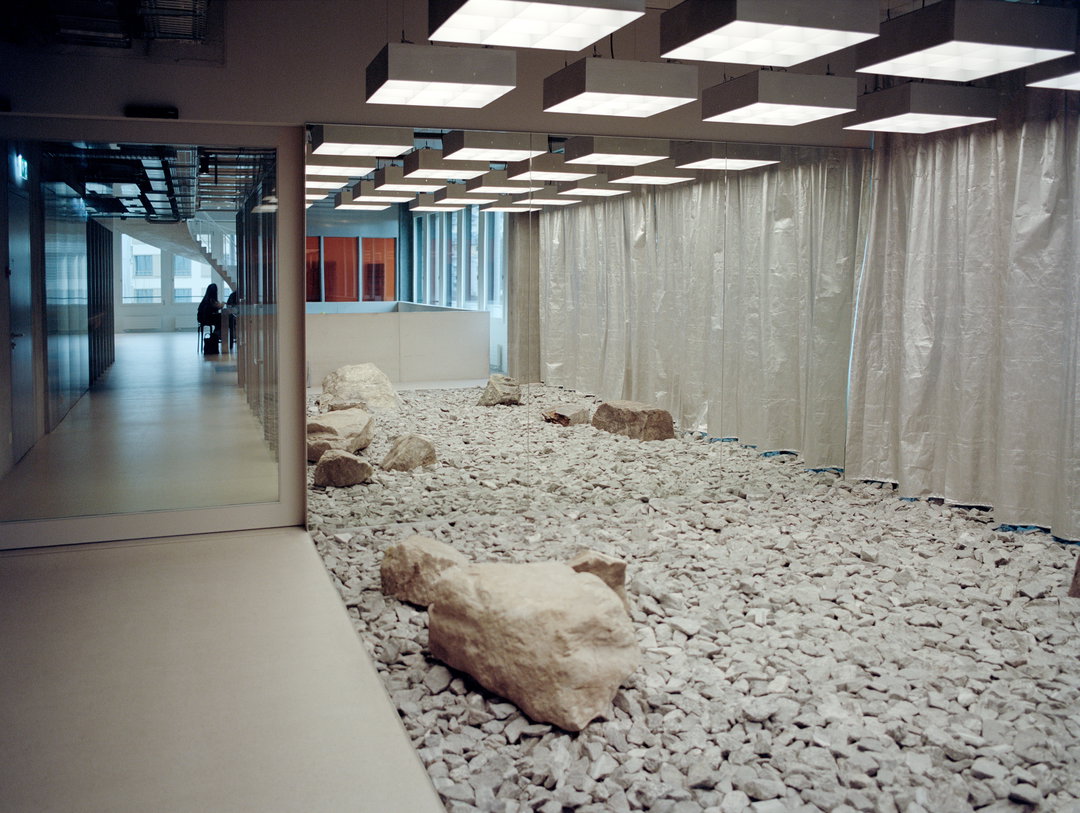
Ranging from product and UX/UI design as well as architectural, graphic or retail design, Ondesign will open up the doors to the practice and processes behind previously closed ones, allowing us to delve into the workings of its intriguing smaller projects. For instance, designing storage for shoe testers, who felt that the current infrastructure in place wasn’t conducive to their actual day-to-day. “We stepped back, listened, and let the answer speak,” architect and spatial designer Astrid von Mühlenbrock says, “the problem itself became the solution,” creating something freeflowing that meant the testers didn’t need to rummage around to find what they needed. “It sounds simple, but it became one of those collaborations that reminds you how much there is still to learn.”
Likewise, stylist Zakia Ali finds the collaborative nature of On’s practice has a huge impact on many projects’ outcome, and gives the brand’s 2026 Paris Fashion Week popup as an example. “The mission was to elevate On beyond the performance space and into lifestyle,” Zakia recalls. “Working cross-functionally, we translated the creative direction into the overall showroom environment,” brought to life through close collaboration between multidisciplinary teams, and the openness to experiment together. “This collaboration ensured a cohesive, elevated brand expression, unified across every touchpoint,” Zakia adds, “from the showroom environment to the guest experience.” Normally, this would create a too-many-cooks sort of situation, however, in On’s case, collaboration is ingrained into the foundations of the brand.
This is without a doubt the through-line across On’s teams: the depth and assortment of disciplines and characters, all working cohesively under a single brand. Astrid is an architect, working on On’s spatial design and workplace environment projects. Having studied architecture in Chile where she was born, and hailing from a Swiss-German family, she had worked primarily in urban spaces and government-led social projects. “That gave me a strong sense of scale, of what it means to design for people and communities,” she says, especially her time in the Ministry of Public Buildings, “and how to negotiate ideas and goals as a collective”. From there, Astrid sought out new ways of thinking, new tools and new technologies, leading her to On, where she’s part of the special projects team. Here, the team asks what the future of On looks like, whether that’s architectural and spatial experiences or entirely new programmes, labs and training camps.
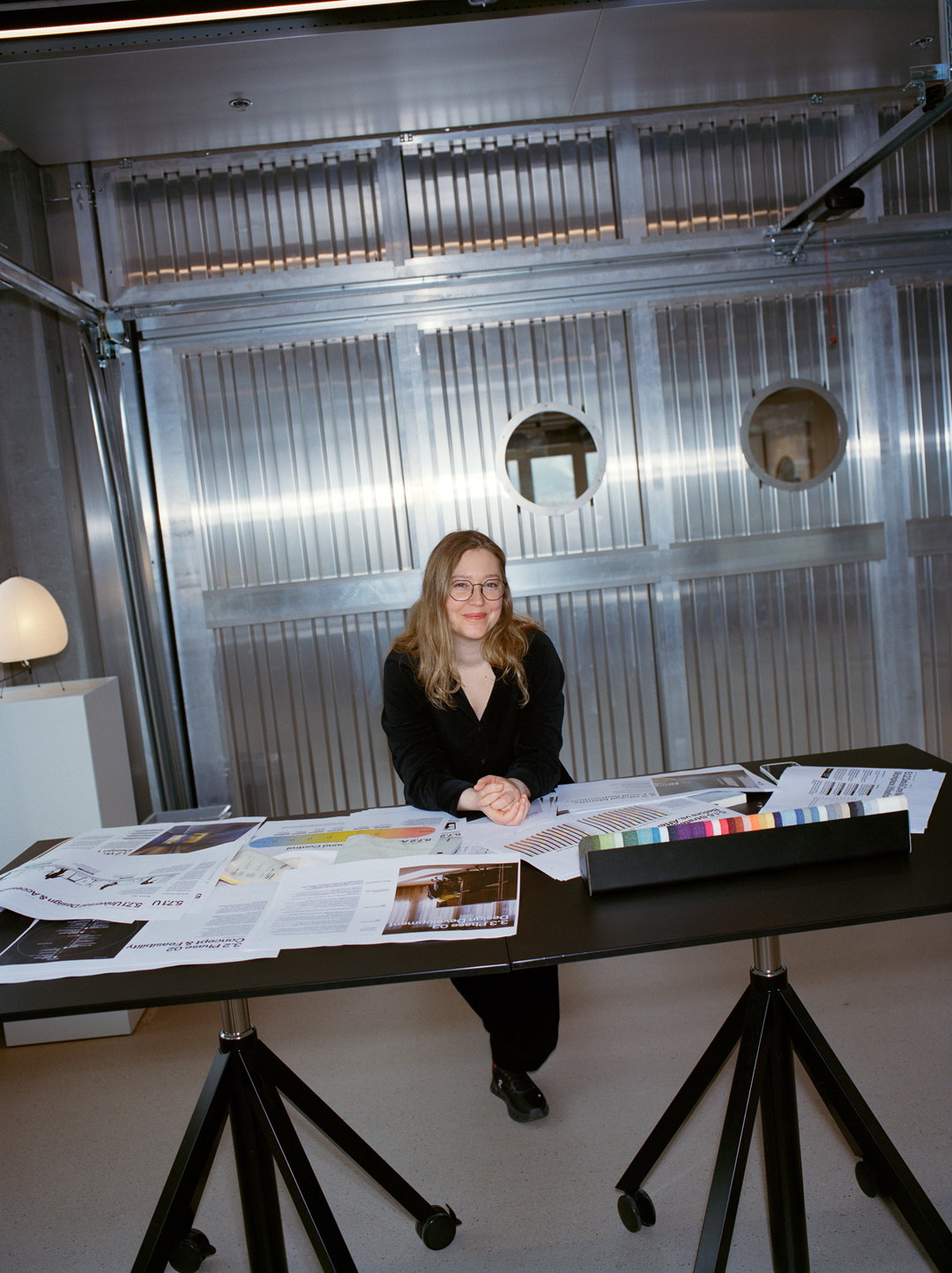
Astrid von Muehlenbrock; photography by Simon Habegger
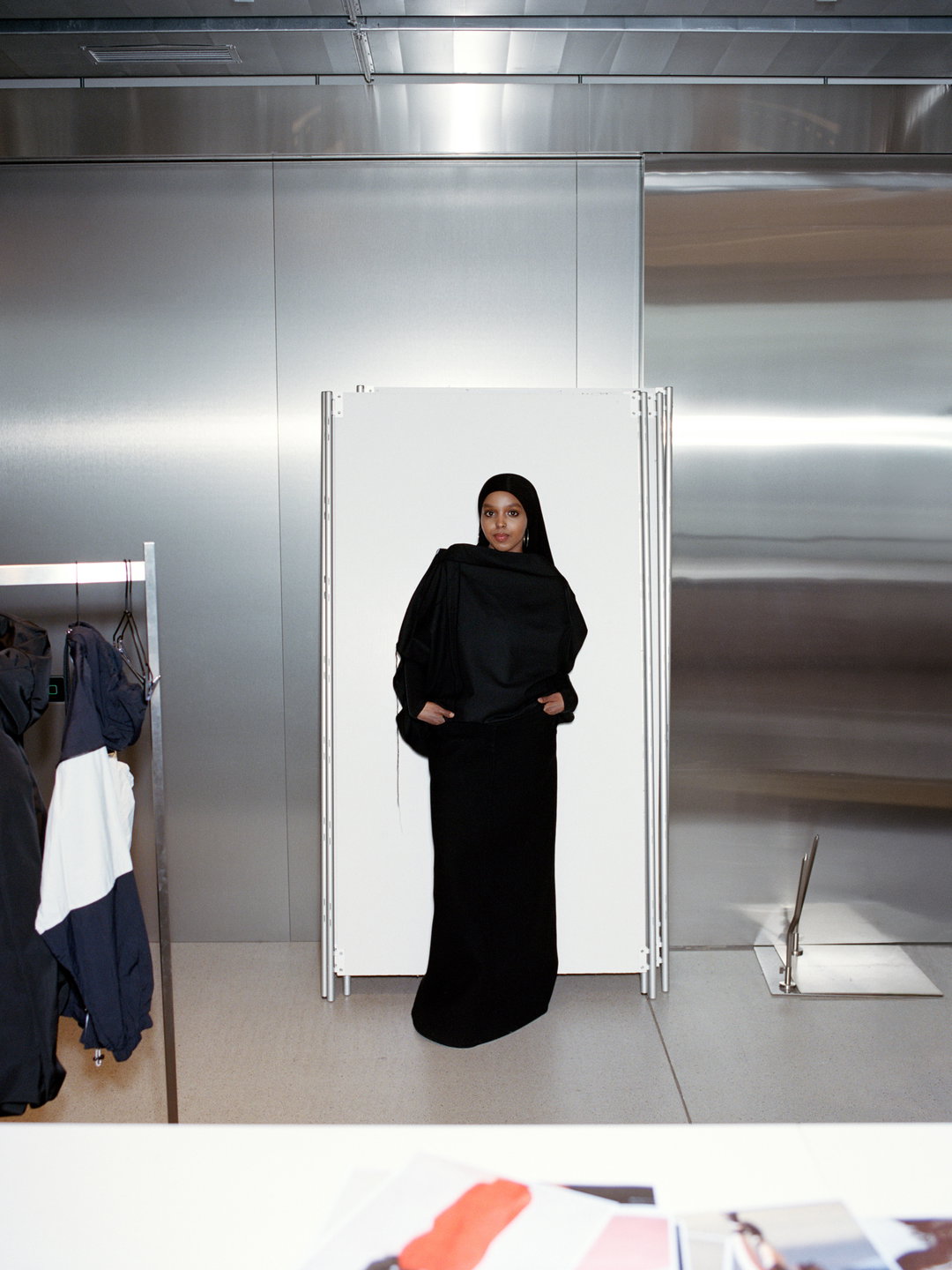
Zakia Ali; photography by Simon Habegger
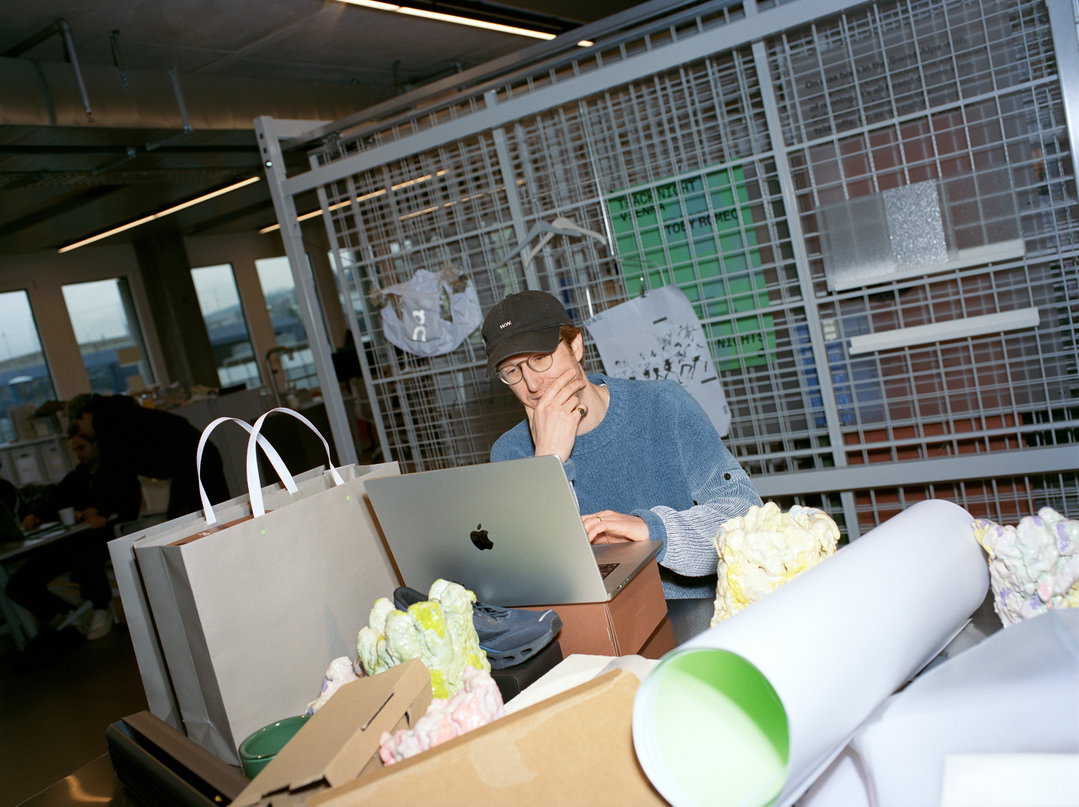
Matt Tucker; photography by Simon Habegger
Whilst Astrid and the team consider more material-led, speculative design, others like Matt Tucker, Head of Brand Creative, Brand Voice at On, tackle the wider narrative of the brand, shaping its storytelling – an integral feature of On – across campaigns, graphic design and image making. Having been at Rapha previously, Matt moved to Switzerland to join the team at On, where his obsession for running matches his interest in road cycling. “Since then my role has evolved a few times,” Matt says. “Today, I lead creative across brand image, core brand design and the upfront creative frameworks,” where entirely new projects and creative categories spring from. On’s openness to creativity, and an awareness that there is more than one way to (ahem) run things, led to Zakia Ali joining the brand as its stylist, because before she came along, the role wasn’t there at all. “While assisting on shoots, I realised we didn’t have an in-house stylist,” Zakia recalls, “so I pitched the role and I’ve been doing it ever since.”
Similar to Matt, Thiago Cruz, Head of Brand Creative, also focuses on the brand’s story, threading the fine line, as Thiago suggests, “between commercial success and cultural relevance”. No matter where Thiago has worked – having been, amongst other things, the CCO of BBDO San Francisco and Grey New York – he explains how his goal has been immutable: to create work that contributes to conversations rather than simply interrupting them. “I was drawn to On because it represents the next frontier of that philosophy,” he says. “On offers the unique challenge of blending Swiss engineering and design with a soulful, global community,” Thiago adds, acutely summarising the brand’s braided relationship between sports and culture that makes it so successful and seductive. In this duality, On embodies something that is both expertly manufactured and energetically engrossing – a characterisation we rarely see in contemporary brands.
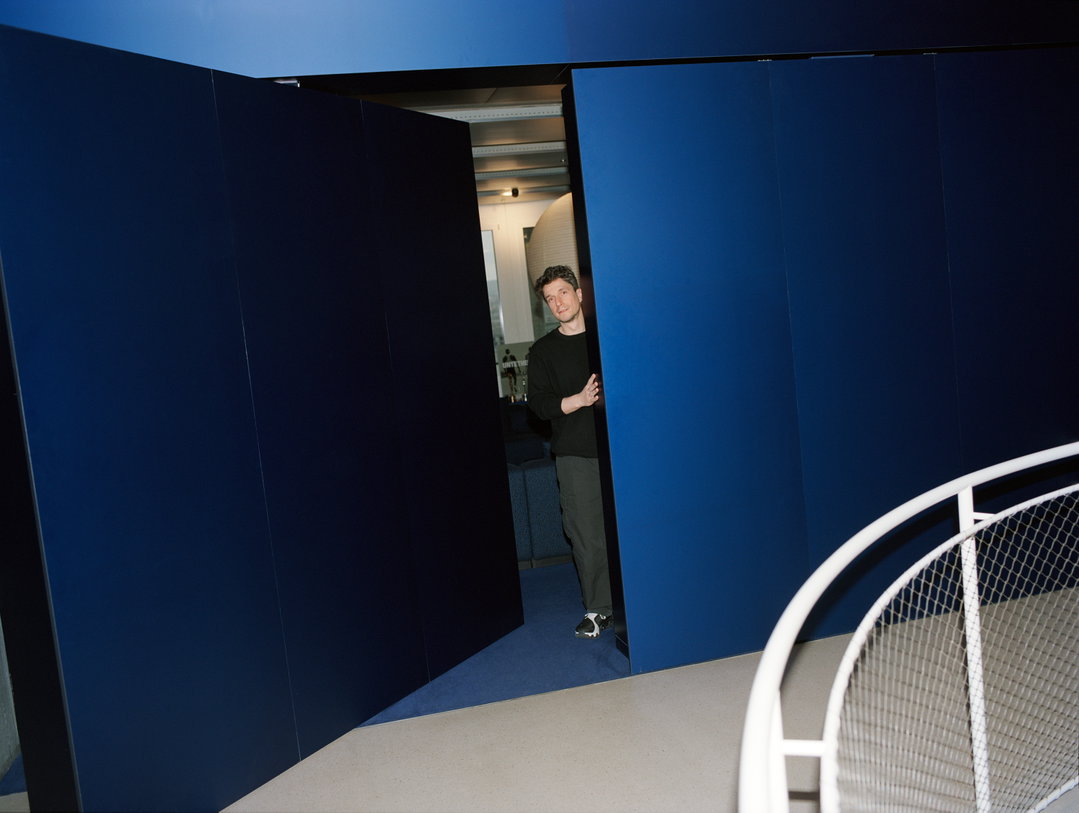
Thiago Cruz; photography by Simon Habegger
Matt Tucker; photography by Simon Habegger
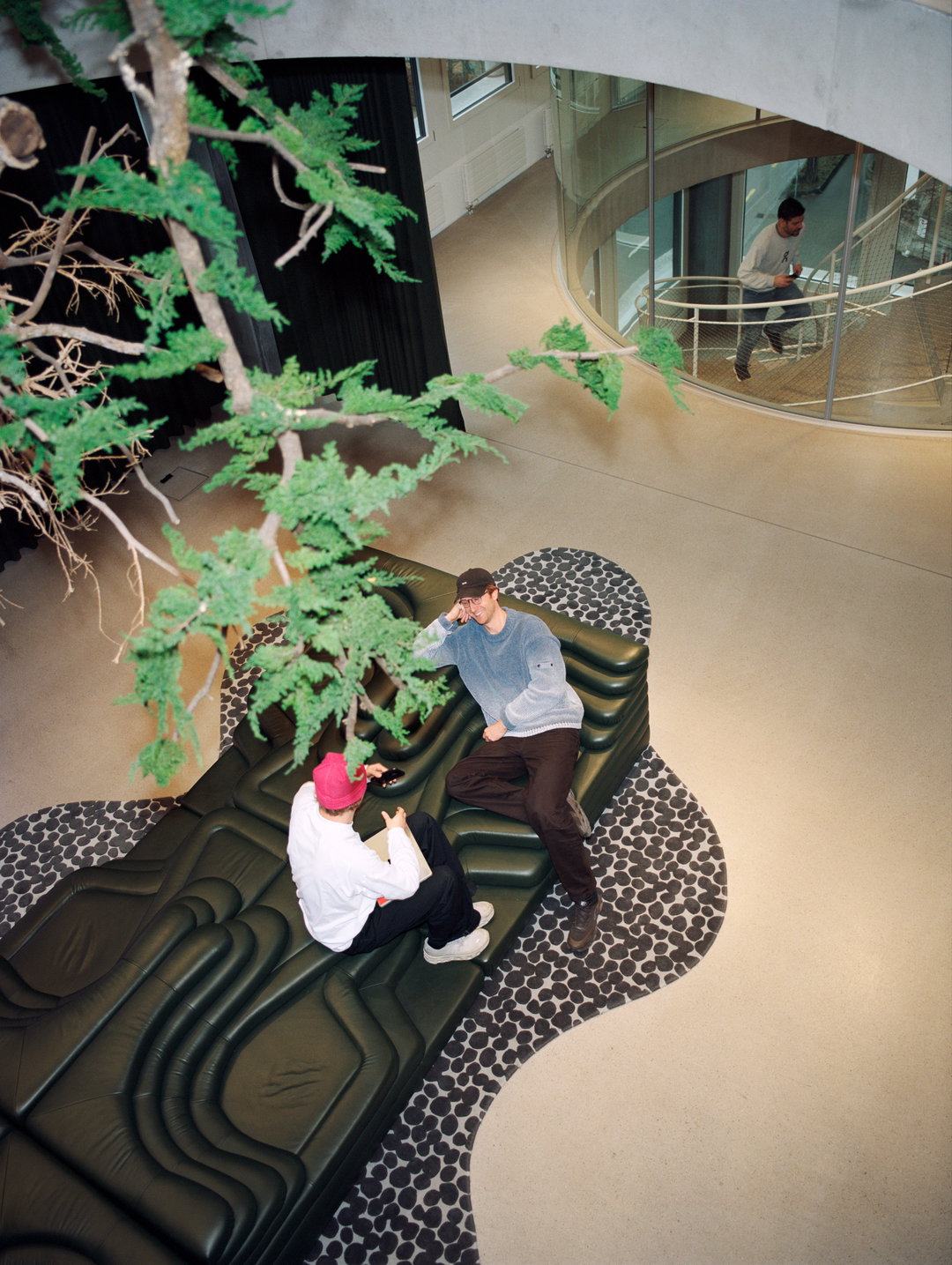
Matt Tucker; photography by Simon Habegger
“On sits in the tension between human experience and Swiss engineering,” Matt explains, and at this intersection, celebrating and igniting what it means to move and what it means to be human. This guiding creative philosophy is seen throughout On, from material choices in shops to the balance between emotion and system in its graphic output. “Holding that tension keeps the work distinctive,” Matt says, guiding the brand’s decision making.
On’s foundations in Swiss engineering affects different disciplines differently. As Thiago puts it: “If our engineers are obsessed with the physics of movement, my team is obsessed with the chemistry of the connection,” speaking about how On approaches marketing. “Both the product team and the marketing team use creativity to elevate functional utility into a deeper, emotional reaction.”
“That is how I feel we approach our work at On,” Astrid adds. “Wandering and movement is our construct, a way of conceptualising spatial practice. Space becomes a journey, and that journey, when done right, symbolically shapes meaning.”
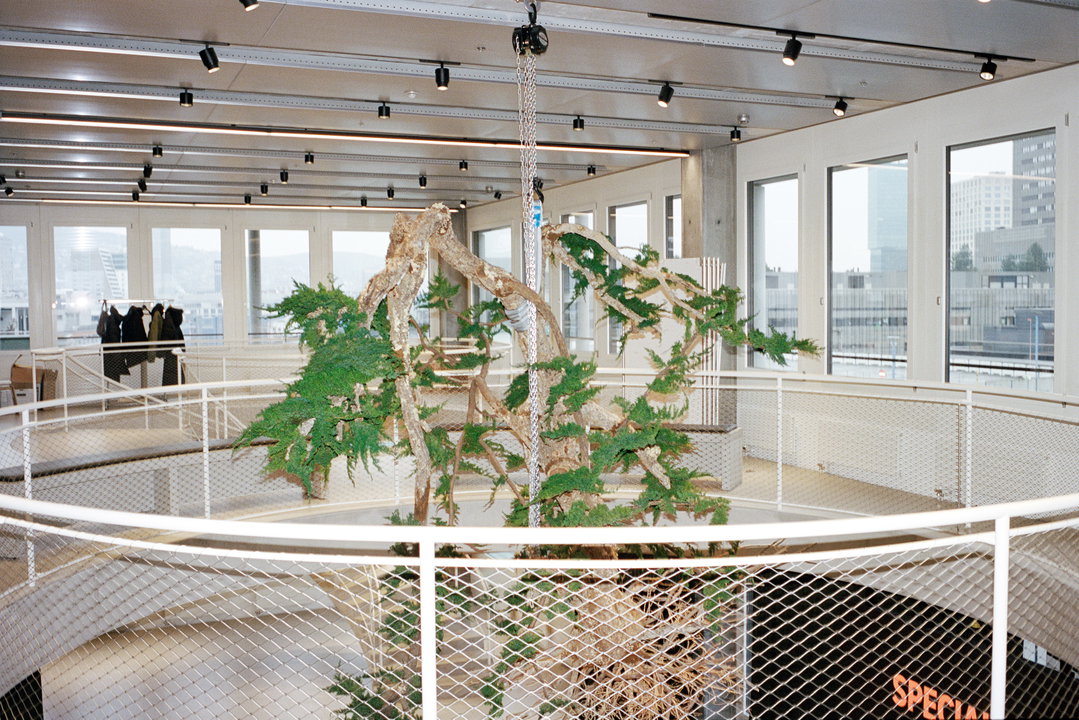
Uprooted tree installed in On's space; photography by Simon Habegger
Ondesign, its new editorial platform, is strong proof that, at On, critical, creative thinking is allowed to lead decision-making before, or adjacent to, commercial interest. This is perhaps due to the brand’s faith in its products and the recognition that audiences care about the thought process and context behind what they buy as well as the products themselves. Indeed, another factor is its perpetual development. On continues to experiment and challenge its own brand while existing within the same visual universe, having forged a creative space where something feels ‘On’. Or, On-brand, if you will.
The creative philosophy underpinning On’s process also directly serves as inspiration, finding influence in contrasting forces, but not opposing ones, as Astrid explains. “That tension is where the most interesting relationships are born,” she says, “with that coexistence, space shapes movement and movement shapes space,” again, speaking to the notion of dualities. Whether it’s art and engineering, fashion and function, nature and technology, all inspires On’s output. In fact, as Astrid suggests, “what sets On apart is that coexistence of dualities,” and the refusal to choose between the two. “While others build polished corporate monuments, On reaches for something more elemental,” and certainly not for anything expected. “Anywhere but the feed,” Matt says.
Returning to the rigour and thoughtfulness behind On, Thiago suggests that it’s in turning inward rather than looking externally where he finds inspiration. “Especially in the age of AI, algorithms, and data-driven ‘solutions’ for everything,” Thiago contextualises, “I’ve become much more interested in the role of intuition,” finding creativity and success instinctively. “I’m not claiming it’s a perfect science,” he says, “but I do think there’s something about trusting one’s own humanity, and developing the ability to tap into it during the whole creative process.”
This has undoubtedly led On to fruitfully pushing the limits of its brand identity and execution without breaking it, especially within its collaborations. “They let us test the edges of tone, styling and visual language,” Matt explains, often signalling where the brand could evolve through said experimentation. “We set guardrails, but we often explore beyond them before bringing things back.” The restlessness of the brand, and its unwillingness to conform to what it has already proven to be successful, once again ties to philosophy. “On’s mission is to ignite the human spirit through movement, and you can’t do that by standing still,” Thiago says, “we let the brand bend whenever we find a new way to connect with that human element,” through both experimentation and, at times, friction. “It feels more ‘alive’ than ‘perfect’,” he adds, “which, to me, that’s a sign of a brand that’s actually breathing.”
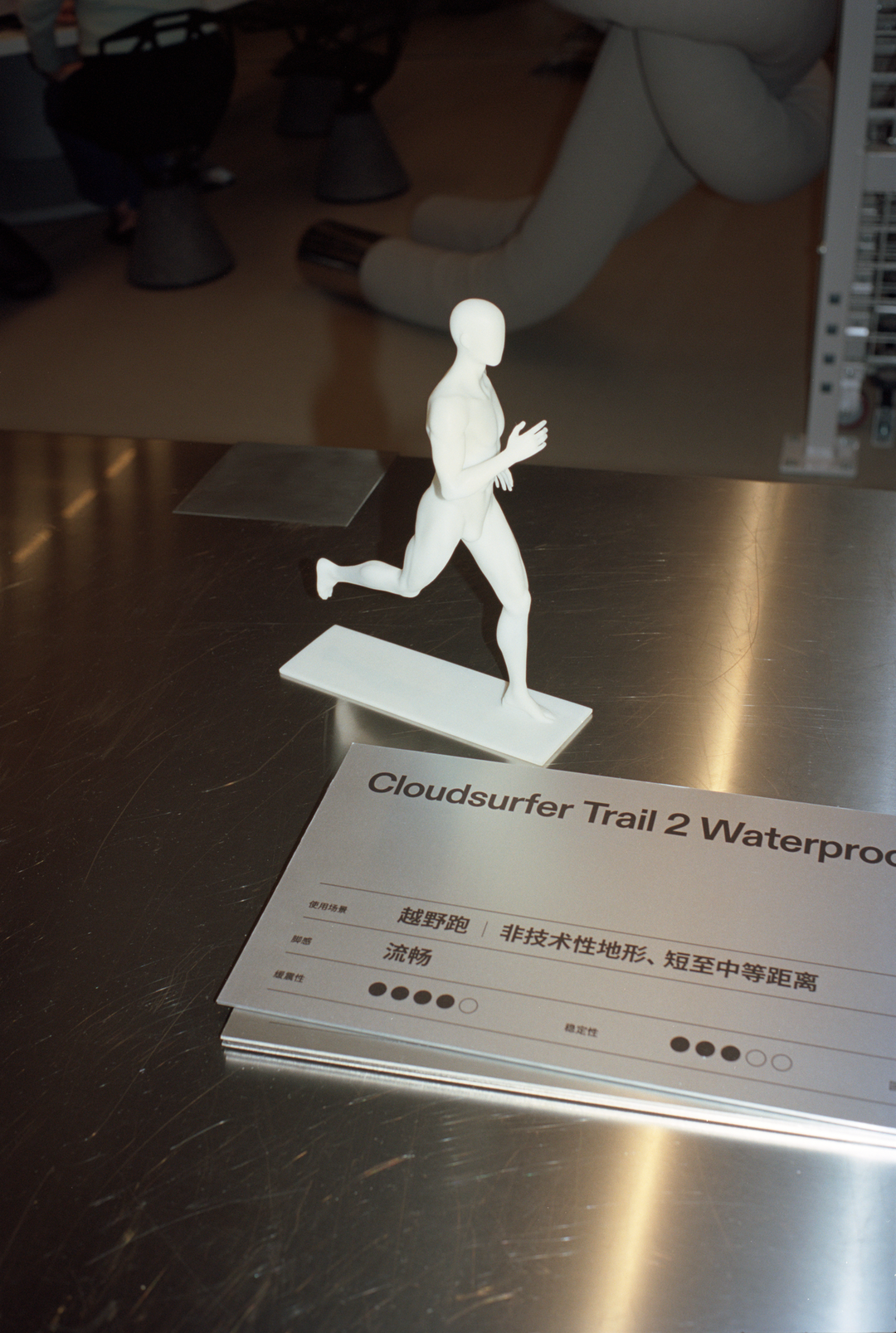
On Running Man; photography by Simon Habegger
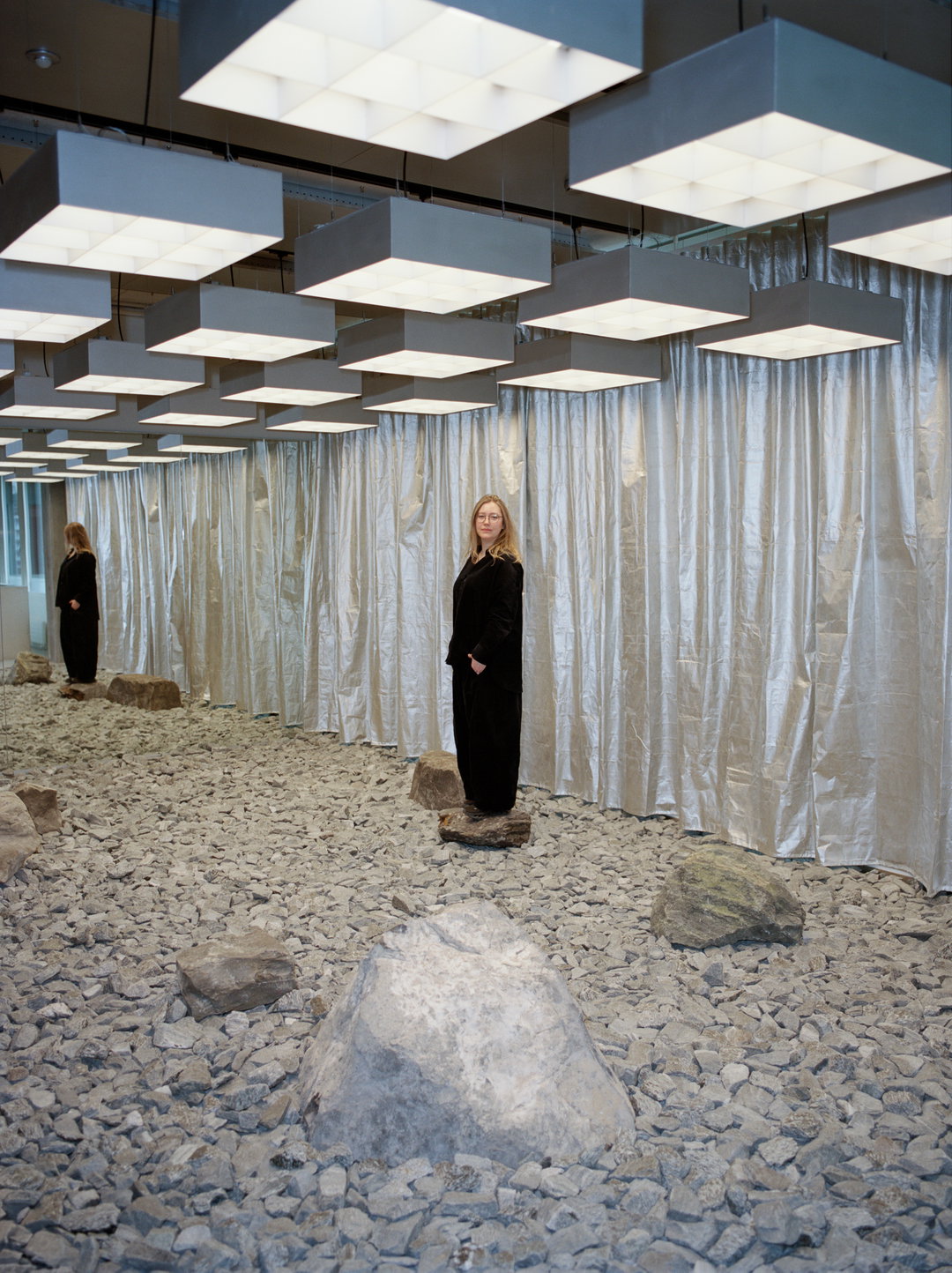
Astrid von Muehlenbrock; photography by Simon Habegger
Thiago Cruz; photography by Simon Habegger
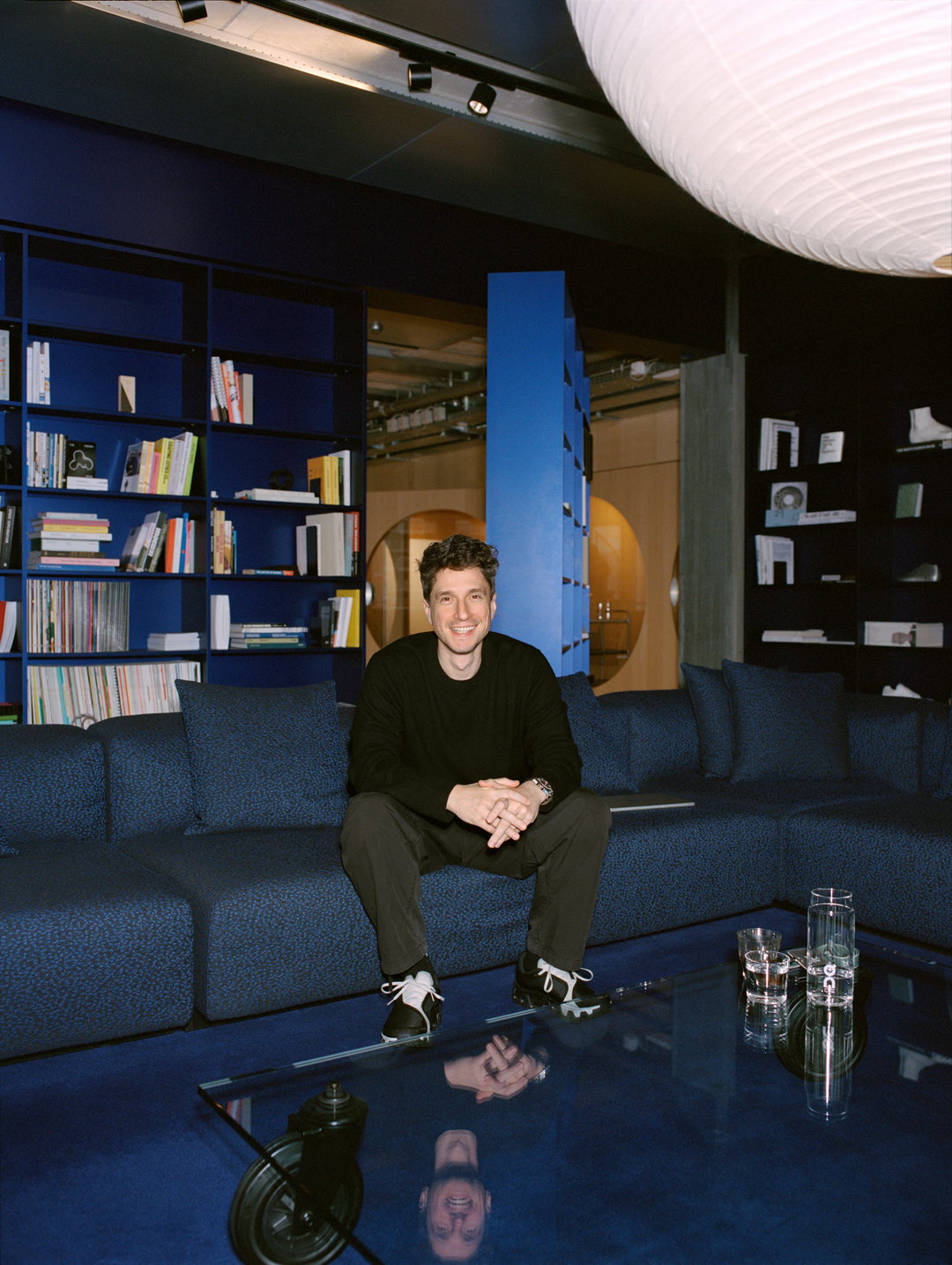
Thiago Cruz; photography by Simon Habegger
“It feels more ‘alive’ than ‘perfect’, which, to me, that’s a sign of a brand that’s actually breathing.”
Thiago Cruz
It’s clear that, like its audience, On moves – a kinetic energy driven by the iterative and experimental processes behind the scenes. This is systematically afforded to On’s creative teams, whereby the brand management allows the identity to be played with and not confined. “It should always be the servant of the creative product, never the master,” Thiago says. These embedded frameworks are, as the Swiss-engineered label on the side of On’s shoes suggests, systematic, allowing the brand to stay consistent whilst equally expressive. For Zakia, this practically manifests in the freedom to be iterative until she’s innovative. “I’ll keep experimenting with silhouettes and textures until a look finally clicks,” she says, having been given the space to go big before curating her output. “With styling, it’s also all about the translation of that vision into a physical reality,” she continues, where the brand’s high-level concept intersects with the technical product. Being involved in the process from the very start, it’s therefore Zakia’s role to ensure the specific creative direction discussed at the start is actually visible throughout, such as “the way a jacket is layered or how a silhouette moves on camera,” for example.
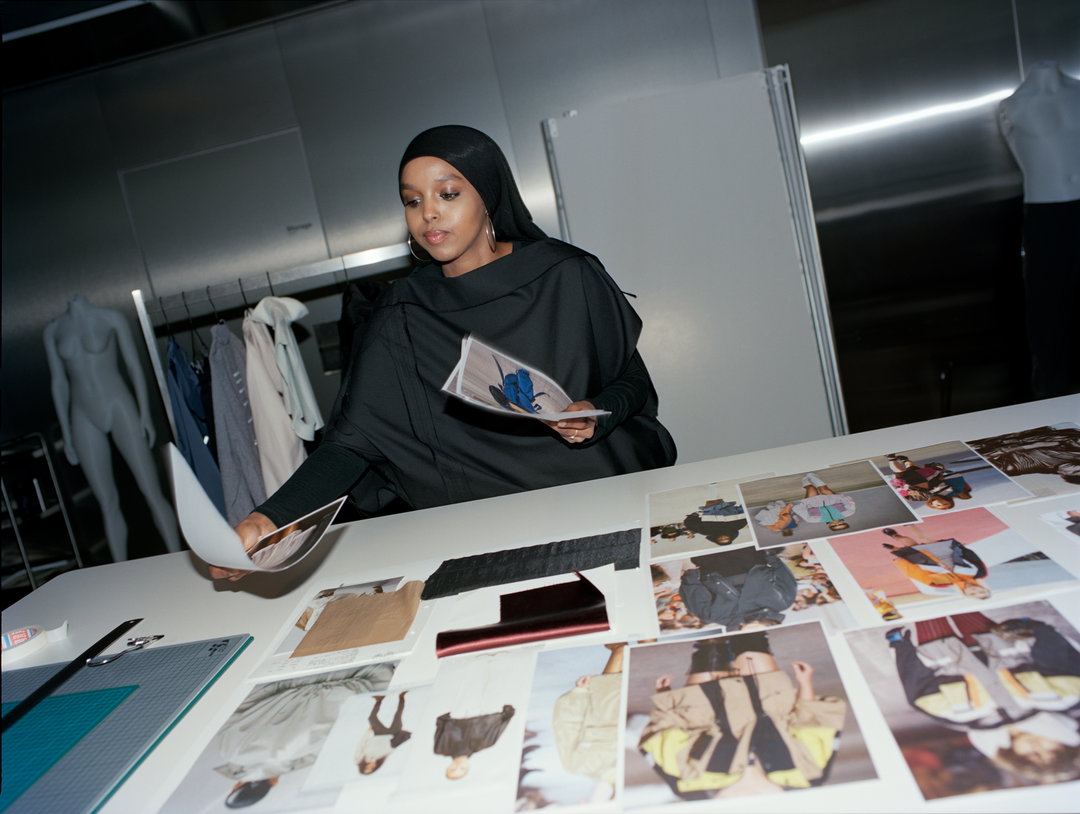
Zakia Ali; photography by Simon Habegger
“The best architectural decisions at On are never made in isolation, they are made by the merging of different disciplines into a collective craft.”
Astrid von Mühlenbrock
As Zakia’s creative process indicates, On is incredibly collaborative between disciplines, much to the appreciation of Astrid in Special Projects. “What makes it so exciting is the richness of disciplines around the table,” naming product designers, athletes, engineers and brand strategists, to name a few. “The best architectural decisions at On are never made in isolation,” she says, “they are made by the merging of different disciplines into a collective craft.” Specifically within Astrid’s role, On’s open and iterative process similarly grants her the time to experiment. Beginning with context, location and a brief, Astrid explains that a project becomes “a process of observing, drawing, redrawing, testing, again and again until we can get its best version”.
Clearly (and crucially), the iterative nature of On’s process encouragingly grants its creatives the opportunity to experiment, shaping the wider brand culture as well as its identity. “Experimentation happens every day,” Astrid says, “these are small acts of creative courage that accumulate into something larger,” whilst presenting the chance to build something entirely new from the ground up. “At On we are in the rare position of defining what the brand’s architecture means, what it feels like, what it stands for,” Astrid says, “that is not something many architects get to do.”
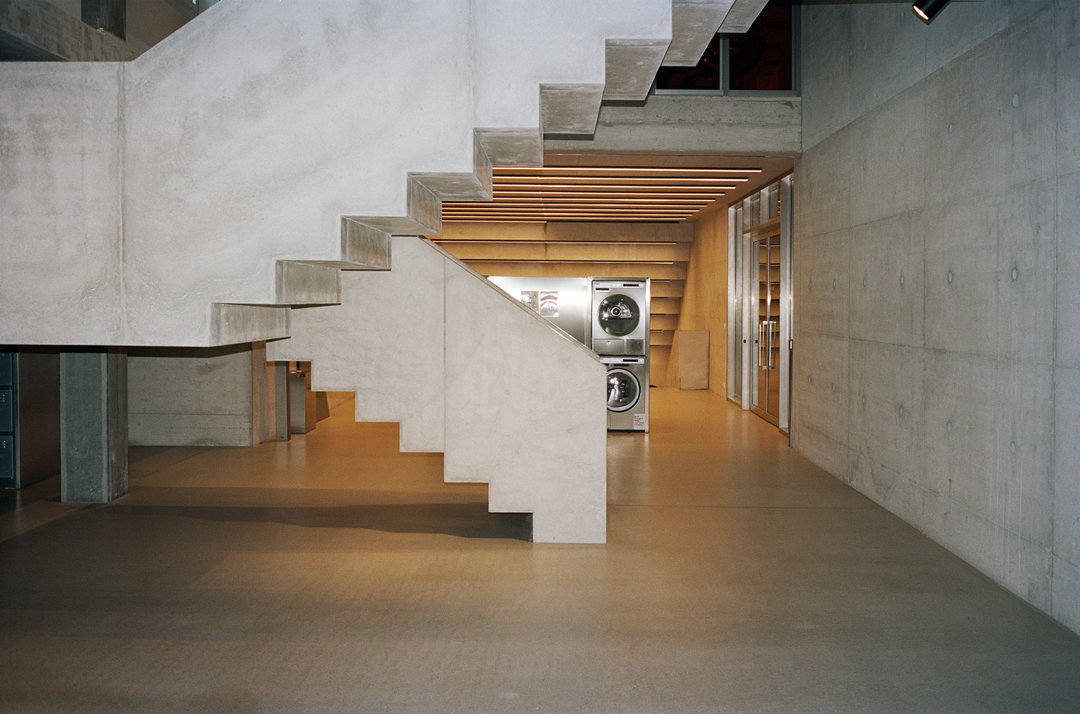
On headquarters; photography by Simon Habegger
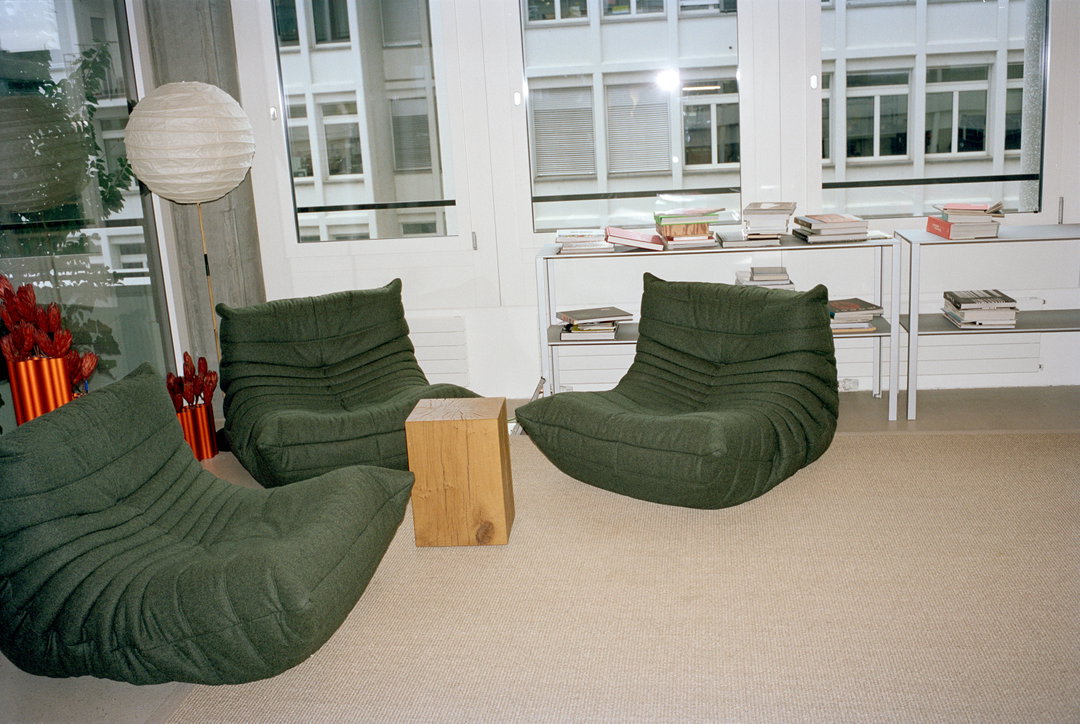
On library; photography by Simon Habegger
Opportunity is afforded across the board by the exploratory perimeters that On sets. As Matt explains, “the most rewarding space is early thinking,” allowing for experimentation prior to fixed formats. “For me, the role is about creating the conditions for great work to happen,” he adds, “setting a clear direction, staying open to exploration, and helping the brand move forward without losing what makes it distinct.” An example of this attitude, as Zakia raises, is On’s Ikon campaign where young creatives were brought in to help shape a fresh take on the brand.
“The Ikon collection represents the pinnacle of Swiss engineering,” Zakia says, taking classic sportswear items and reimagining them with more contemporary silhouettes. “For this campaign, we used that as a vehicle to bring true, authentic diversity to the world of On,” which was especially true for Zakia, as she got to work in front of the camera as well as behind the scenes. “I was able to bring my true sense of self to the shoot, and the result was a huge success.” Ikon still continues to be used as an internal case study for performance, community, and creativity can converge. Again, indicating how ever-evolving and evergreen On is. “That’s what excites me most about On,” Astrid adds, “the brand is still becoming, and I get to be part of that.”
It’s hard for brands to stand out today, especially as there are so many of them vying for your attention. But evidently, On’s success – both commercially and creatively – comes from a genuine belief in what it is they do and why they do it. Maybe this is why, particularly for On, the line between sports and culture has not only blurred but been eradicated. On has counted on there being an audience that values intention and they were right. On tapped into what was already there rather than trying to create an entirely new audience. “People don’t switch off their personal style when they go for a run,” Thiago says, “and they don’t stop valuing innovation when they’re walking through a city.” On never treated sport and culture as separate, independently operating spaces, but part of a single experience, and that is where it places itself, its products and the creative work its teams produce. “I think if we can keep building a team that understands both of those languages instinctively, we’ll do more than simply sell gear,” Thiago ends, “we’ll be a part of how people move through the world.”
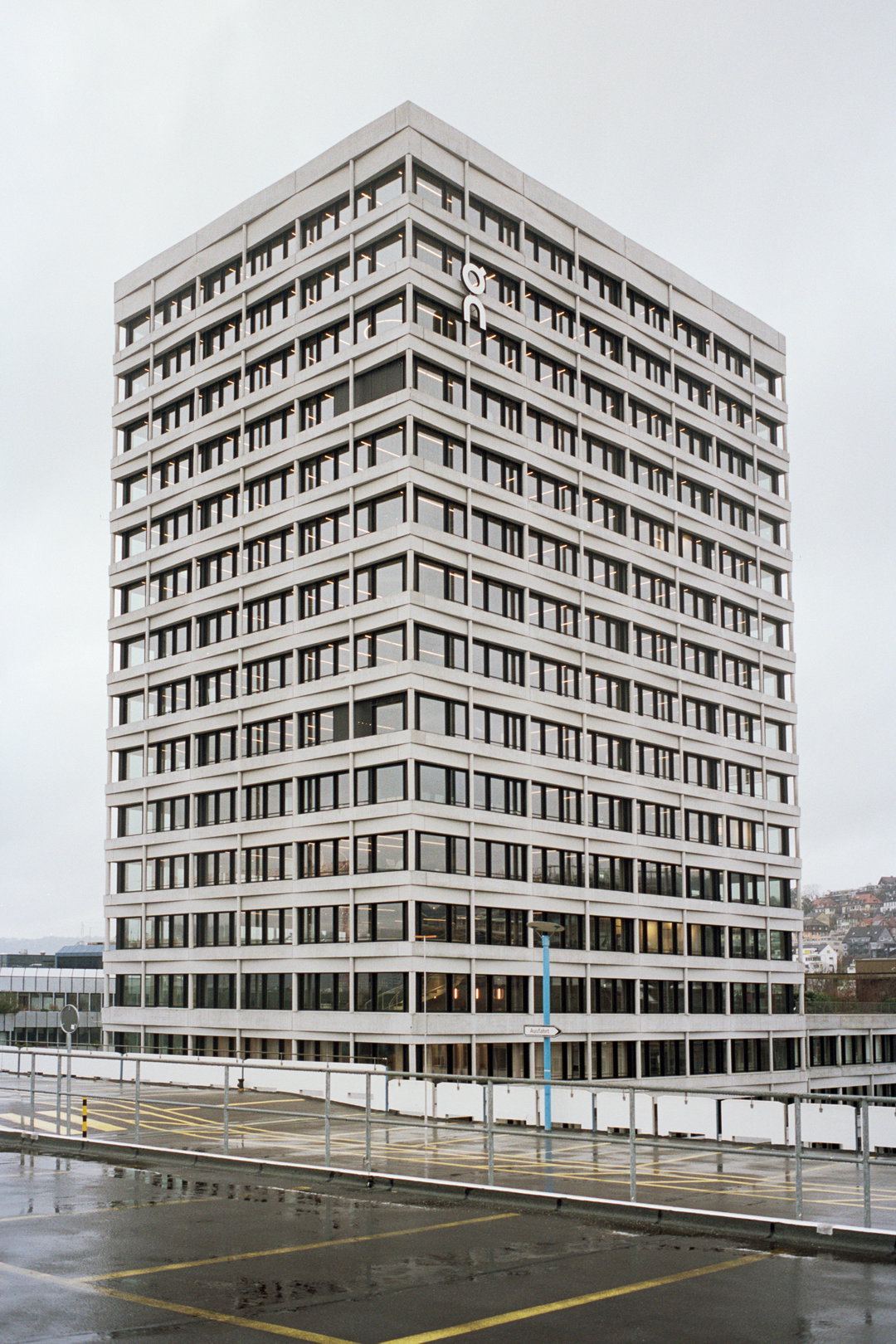
On headquarters; photography by Simon Habegger
Sponsored by
Hero Header
Photography by Simon Habegger
Share Article
Further Info
About the Author
—
This article was written by the It’s Nice That team. To find our editors and writers, please head over to our Contact page.