


- Words
- Nathania Gilson
- —
- Date
- 12 October 2026
- Tags
Magic, made by hand: inside the world-first exhibition revealing how Jim Henson’s puppets came to life
Nothing that looks effortless got made alone, or by accident. A new exhibition – the first time this much of the Jim Henson Company’s 70 years of puppetry has been shown together – celebrates the craft and countless hands behind the seams.
Share
Share
Amanda Slack-Smith was at the Jim Henson Archives in New York, mid-research trip, when someone brought Oscar the Grouch – the garbage-loving Sesame Street puppet millions of people have loved since 1969 – out to meet her. “I can see the puppeteer with Oscar,” she says. “But as soon as I looked at Oscar, I was in love.” The person operating the puppet disappeared from her attention entirely. Ask her about it now, and her voice still has no distance. “It’s indelible in my mind, meeting Oscar.”
Amanda is the curatorial manager of the Australian Cinémathèque programme at Brisbane’s Gallery of Modern Art (GOMA) – and that moment, three years ago, is part of the reason Make, Believe, Magic: The Worlds of The Jim Henson Company exists at all. The world-first exhibition of Jim Henson Company puppets, sets and archives opened at GOMA in September, built by Amanda in collaboration with Jim Henson Company archivist and historian Karen Falk, and executive vice president of branding Nicole Goldman. Between them, Amanda and Karen offer the most comprehensive collection of the Company’s work ever assembled, and the first time this much of it has left North America, built by many hands across two continents.
None of what happened with Oscar was a lapse in professionalism. “The point of a curator is not to distort the information,” Amanda says. “It’s to bring clarity to it.” Yet it’s hard to stay entirely composed while standing in front of Oscar the Grouch – which might be exactly the point. Puppetry, she says, is a kind of magical realism: everything around it can be completely ordinary. You’re not being tricked by a person behind a puppet; you’re simply being asked if you believe in what might be possible.
The exhibition moves through three official chapters. The first, ‘The Method, the Making and the Magic’, covers how the Company actually builds and performs its puppets – a thread stretching back to 1950s broadcast TV. The second, ‘The Puppets, the Puppeteers and the Performance’, is about the physical and professional complexity of bringing a character to life. The third, ‘The Daring, the Digital and New Directions’, traces where digital tools have taken puppetry, without ever fully leaving the puppeteer’s hand behind.
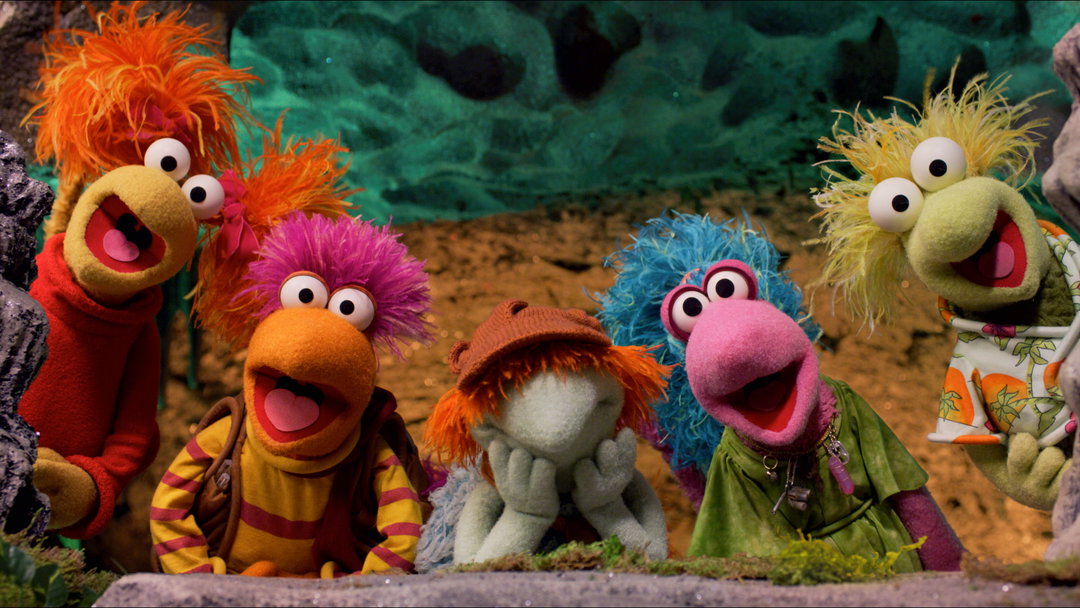
Make, Believe, Magic: Jim Henson Company. Production still from Fraggle Rock: Back to the Rock 2022-present (Copyright © Jim Henson Company, 2026)
Whose hands actually built the Muppet look?
The Muppet look people think of as timeless – that specific, seamless, almost skinless texture – wasn’t the default. Jim Henson’s earliest puppets were built from hard materials: Sculpey (a brand of oven-bake polymer clay used by puppeteers and model makers because it’s easy to shape by hand) and plastic wood, the kind of thing you’d find instructions for in a library book. Kermit himself began as something closer to a glorified sock puppet, cut from the fabric of his mother’s old coat, with no stuffing at all. Jim wanted something more expressive than the limits of hard materials – and with nothing between the fabric and the puppeteer’s hand, there was nothing to dull the movement. Every small shift of the hand showed up on Kermit’s face.
The look audiences now associate with Jim himself was the result of a collaboration. Don Sahlin was already a serious professional puppet builder when the two met at a puppetry convention – he’d worked with a who’s-who of mid-century puppet artists, including Burr Tillstrom, Bob Baker and George Pal, with both Broadway and Hollywood effects credits behind him.
In 1962, with Jane – Jim’s wife – now occupied by two small children at home, Jim hired Don to build a new puppet for a dog food commercial – a piano-playing dog named Rowlf. Starting with Jim’s drawings, Don focused on the essence of the character sketches and refined the look. In addition, Don developed a way of stitching fleece together so the seam disappeared entirely, a technique the archive still calls the Jim stitch. Jim himself, later, called Don “the man most responsible for the look of the Muppets”. The thing most people would point to first, if asked what a Muppet actually looks like, wasn’t Jim’s invention alone.
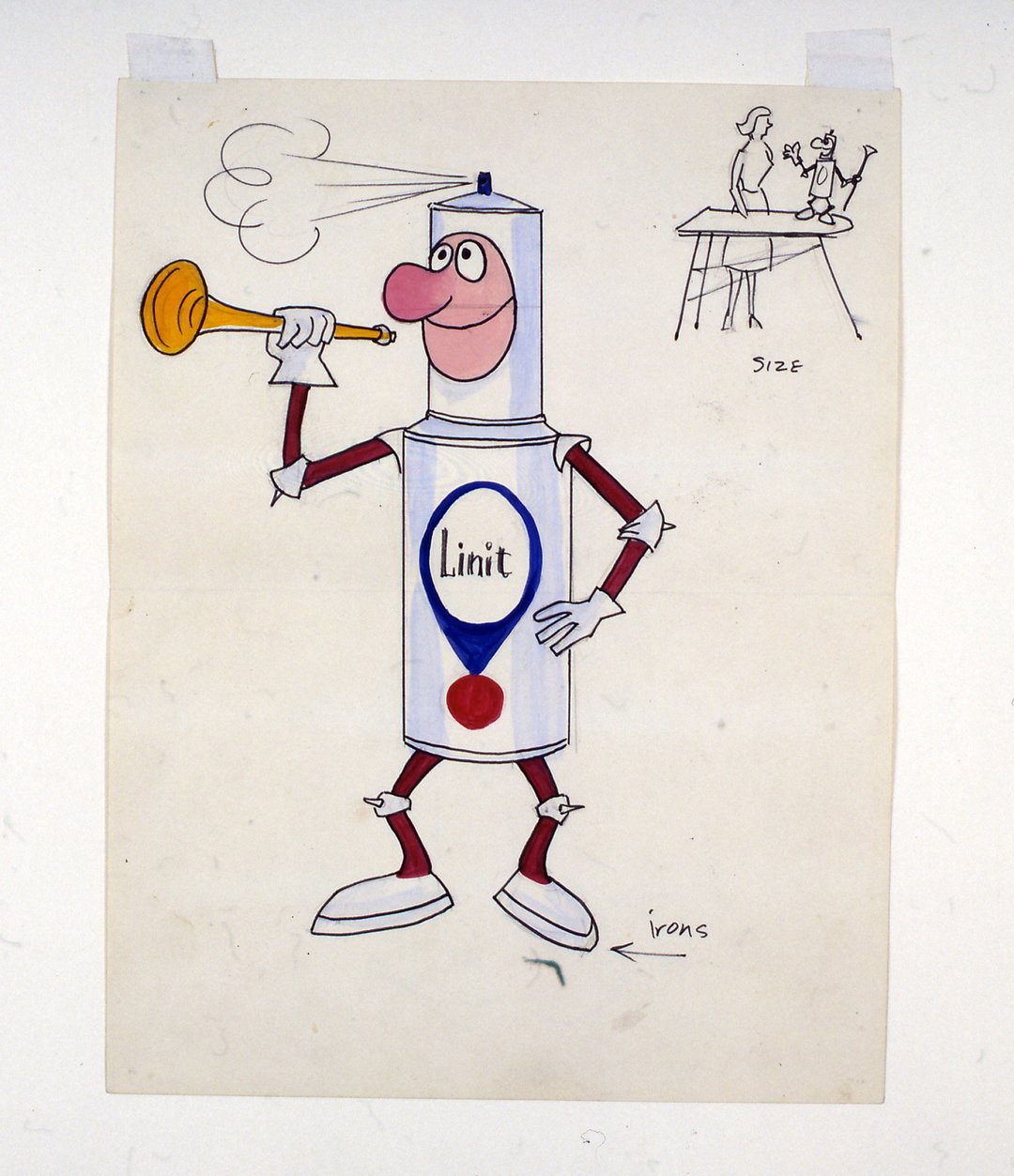
Make, Believe, Magic: Jim Henson Company. Sir Linit character design for Linit Fabric Finish commercials 1967 (Copyright © Jim Henson Company, 2026)
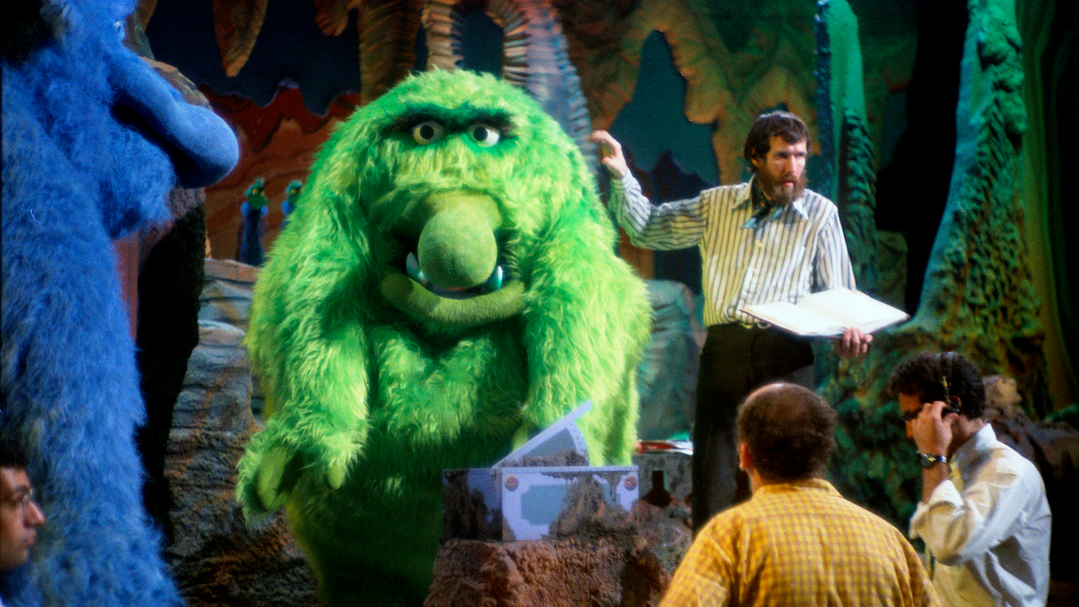
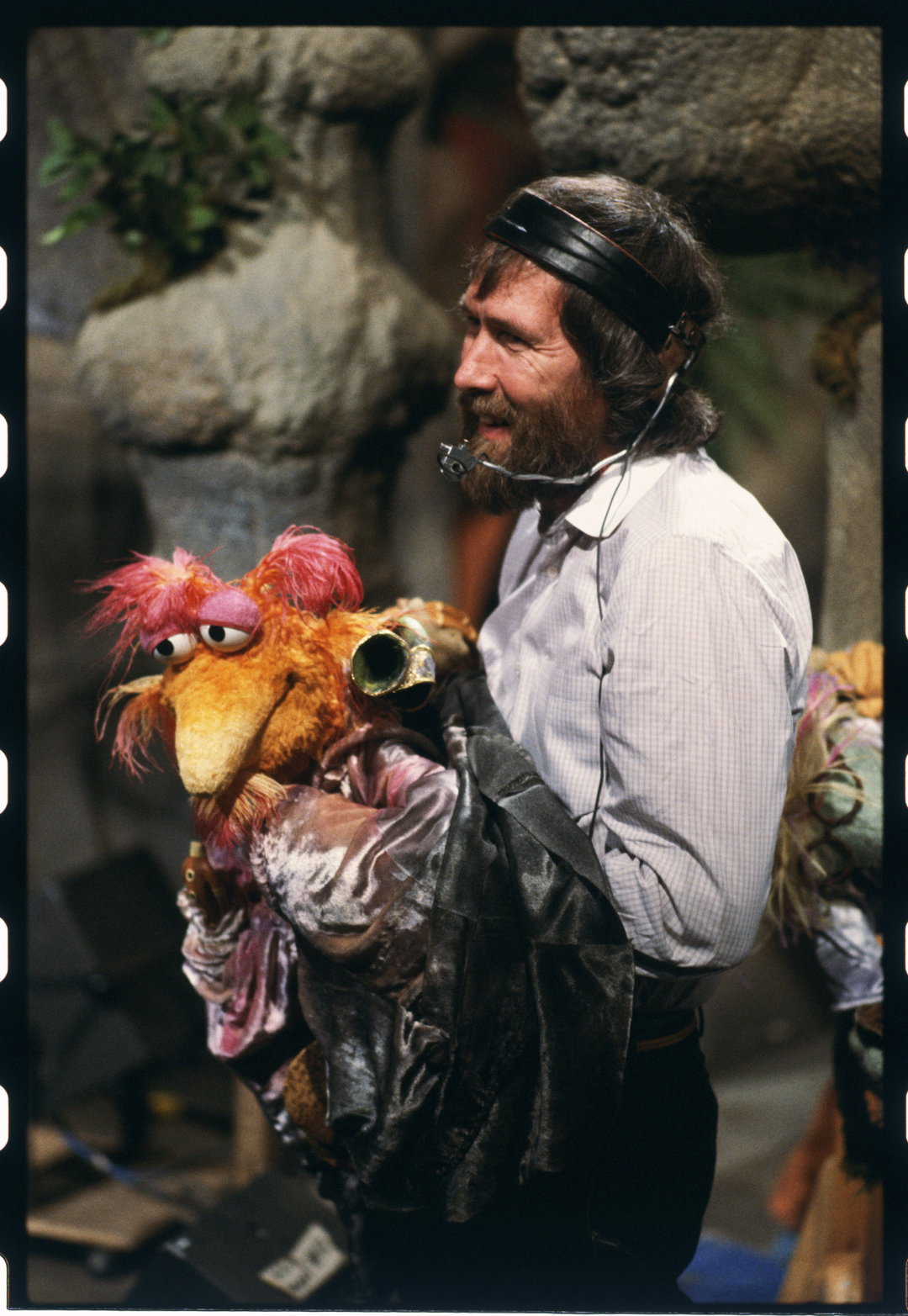
Make, Believe, Magic: Jim Henson Company. Photograph of Jim Henson with 'Thig' and 'Thog' on the set of The Great Santa Claus Switch 1970 (Copyright © Jim Henson Company, 2026)
How simplicity means embracing complexity
There’s a phrase repeated so often inside the Company it’s basically scripture: simple is good. Everyone quotes it. Almost no one who worked for Jim seems to have fully believed it.
“I think I may have taken the idea of simple at face value,” Amanda admits. “But having now looked more closely at the work of the Company, I realised why it probably meant effortless. And there’s a heck of a lot of work that has to go into becoming effortless.”
Karen has spent three decades in the paper trail that proves it. Take Big Bird – designed first in 1963 for a frozen-food commercial that never got made, then revived years later. Even after that, Jim kept trying to refine it: Karen described a technical drawing in the archive for a version of the puppet where the performer stands backwards inside the costume, arms overhead, purely so the puppet’s knees would bend the way a real bird’s do. “It was way too much to ask of a performer, and it never got made.” As Karen put it, quoting the writer Jerry Juhl: “Jim would say simple is good, but then plan the most complicated thing you could ever imagine.”
Nowhere is that contradiction more literal than Humongous, the fifteen-foot animatronic giant built for Labyrinth. Jim’s request was almost comically modest – a giant who could walk and throw his arms around. Getting there wasn’t simple at all: an early fibreglass body wouldn’t flex, so the team invented a whole new polyurethane skin from scratch. What the audience saw was a giant walking toward them. It took months of engineering failure, hidden behind one smooth gesture.
Imperfection becomes proof someone was actually there. In Jim’s world, it’s the ping-pong balls sliced in half for Kermitss eyes – still slightly imperfect spheres, still catching the light exactly wrong, in a way that somehow reads as exactly right. Even the Muppets have never let it go: Miss Piggy once looked Kermit dead in the eye and called them “two ping-pong balls floating in a pond of green algae”. Nobody’s tried to fix it. Why would they? The flaw is the character.
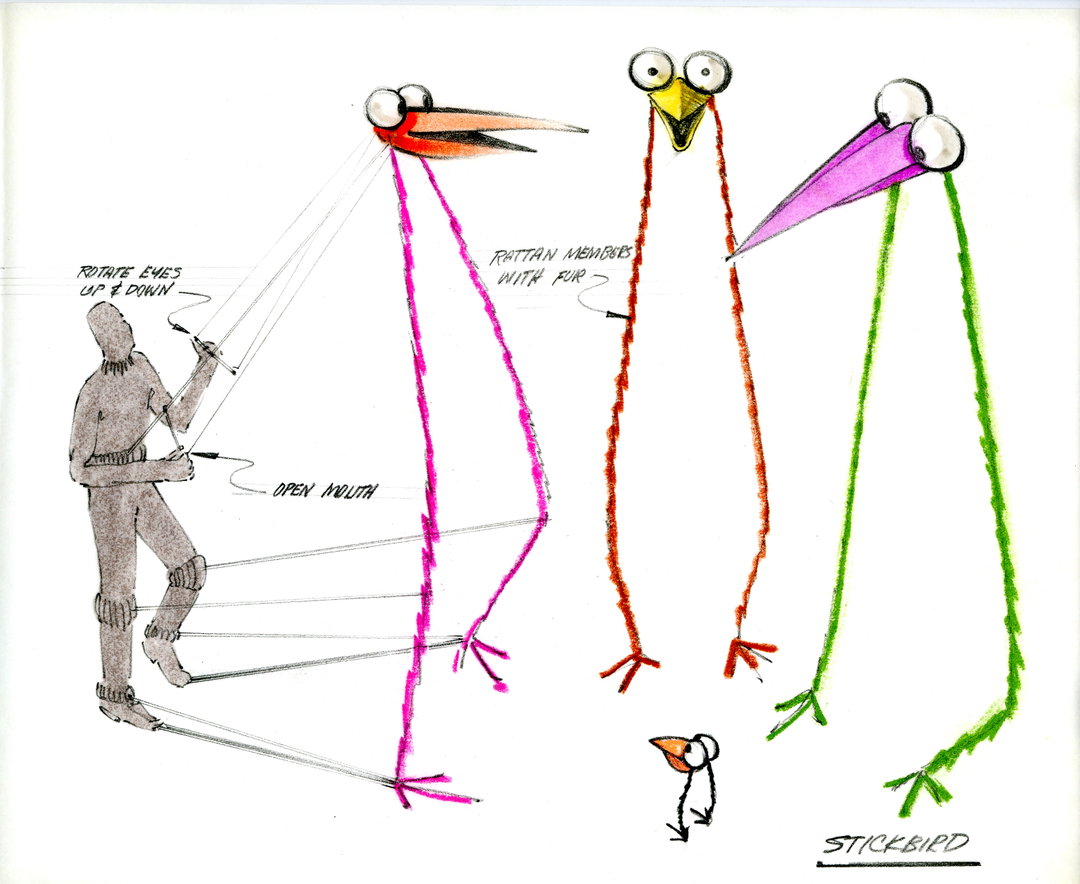
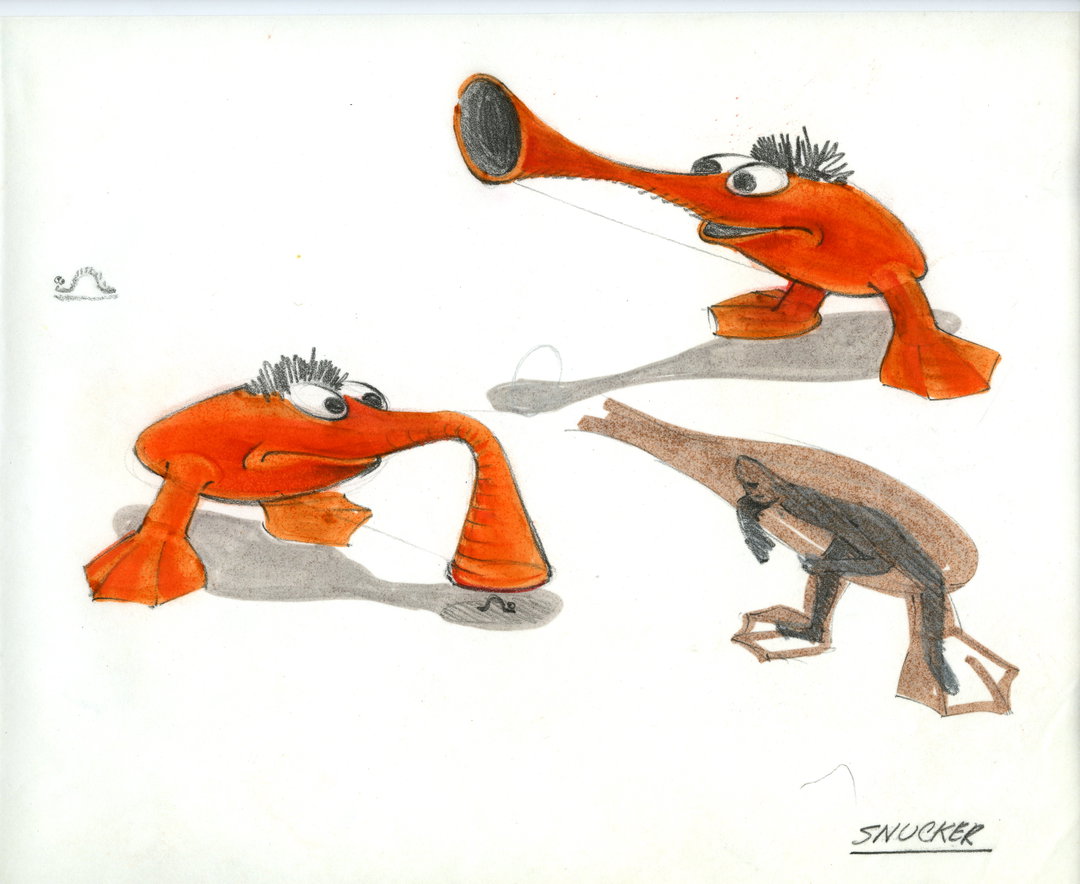
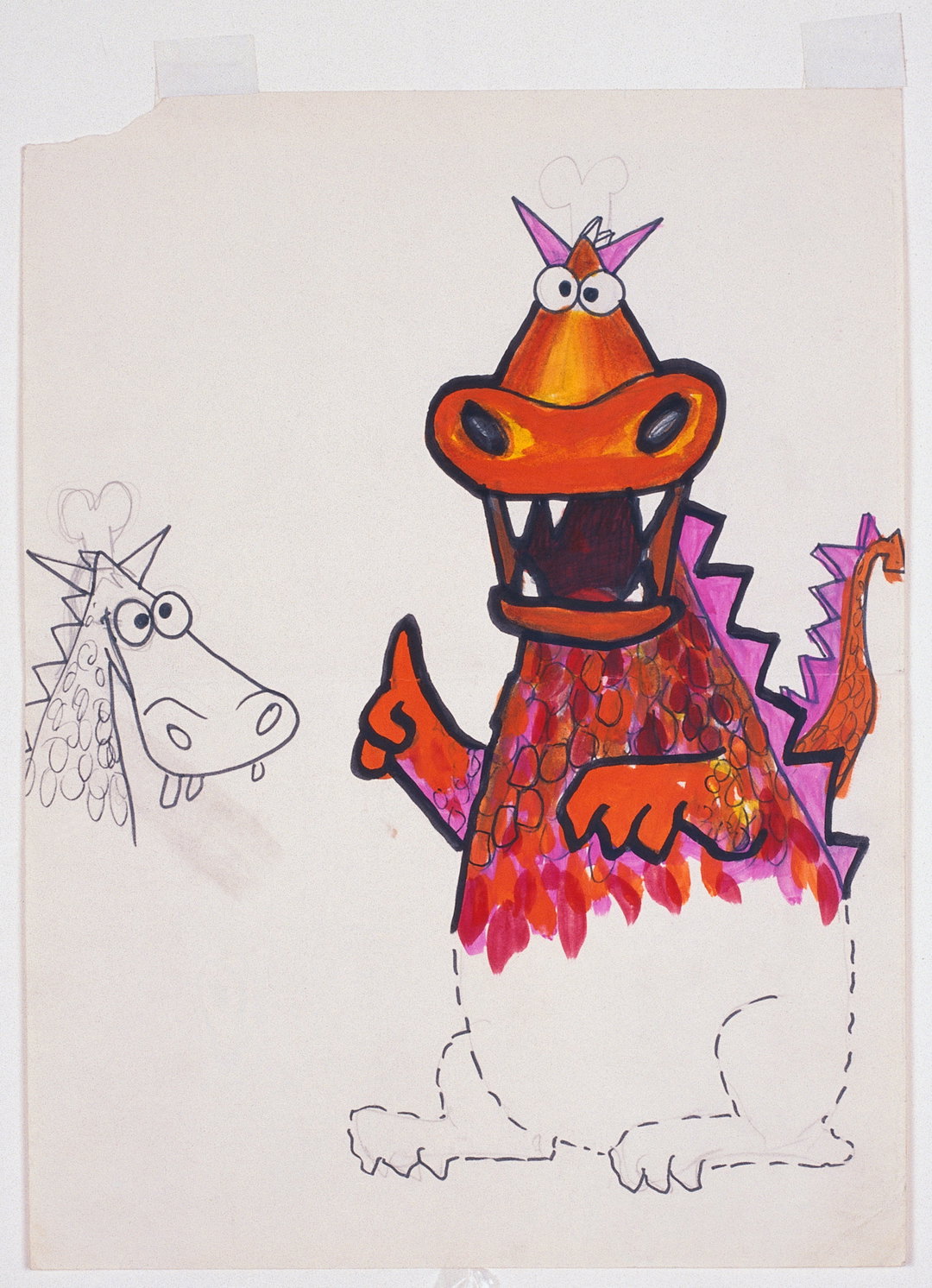
Make, Believe, Magic: Jim Henson Company. Concept artwork for Broadway show (unrealised) c.1972 (Copyright © Jim Henson Company, 2026)
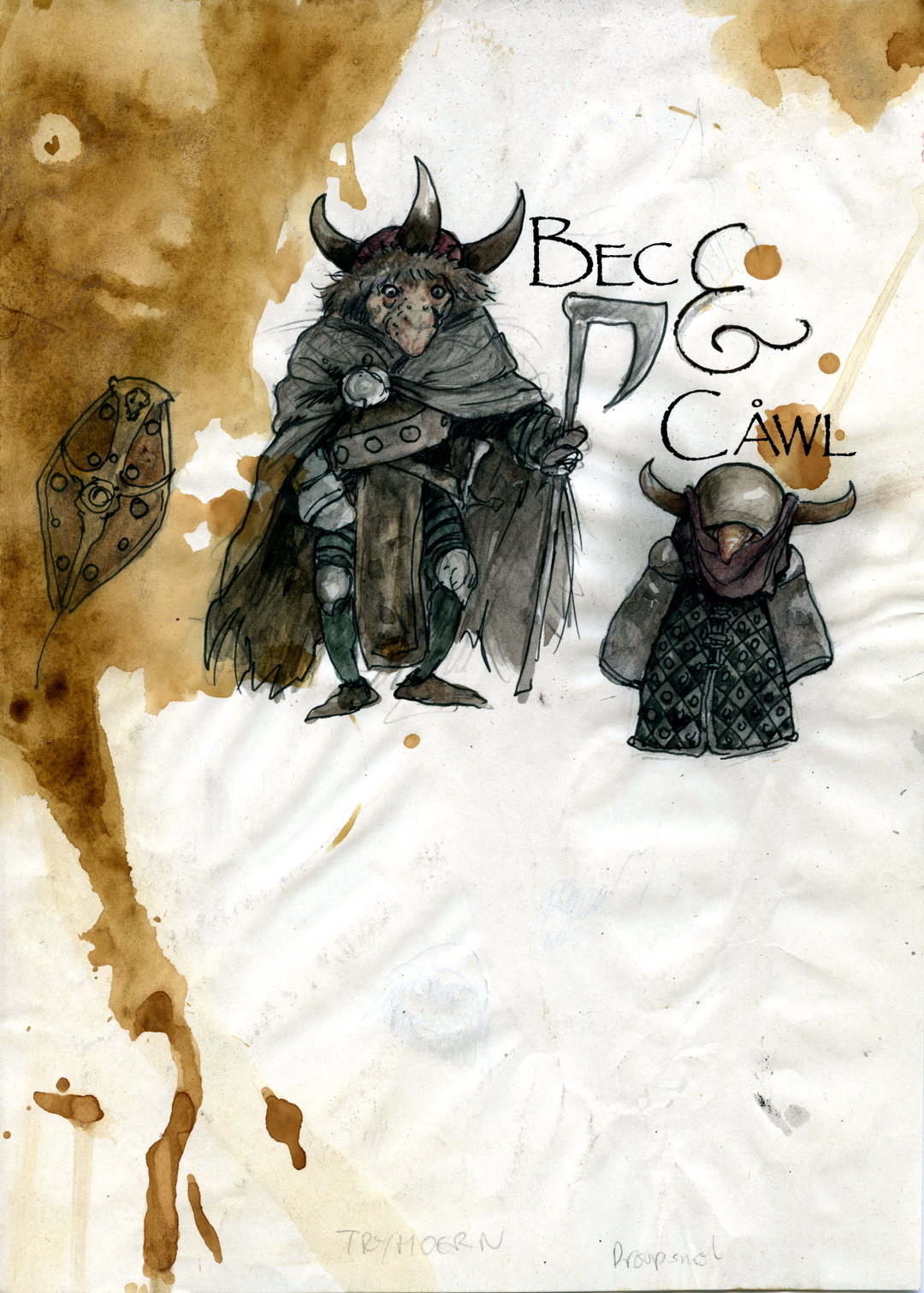
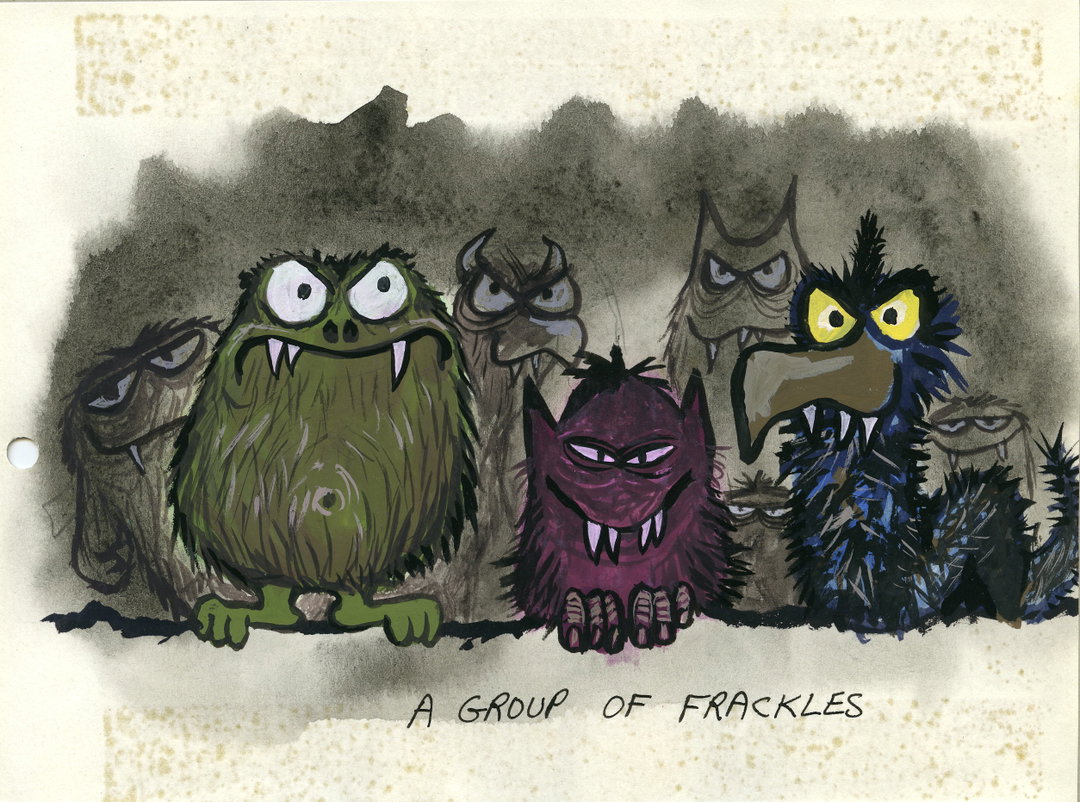
Make, Believe, Magic: Jim Henson Company. For Labyrinth 1986, 'Goblin' concept art featuring 'Bec and Cåwl' 1984 (Copyright © Jim Henson Company, 2026)
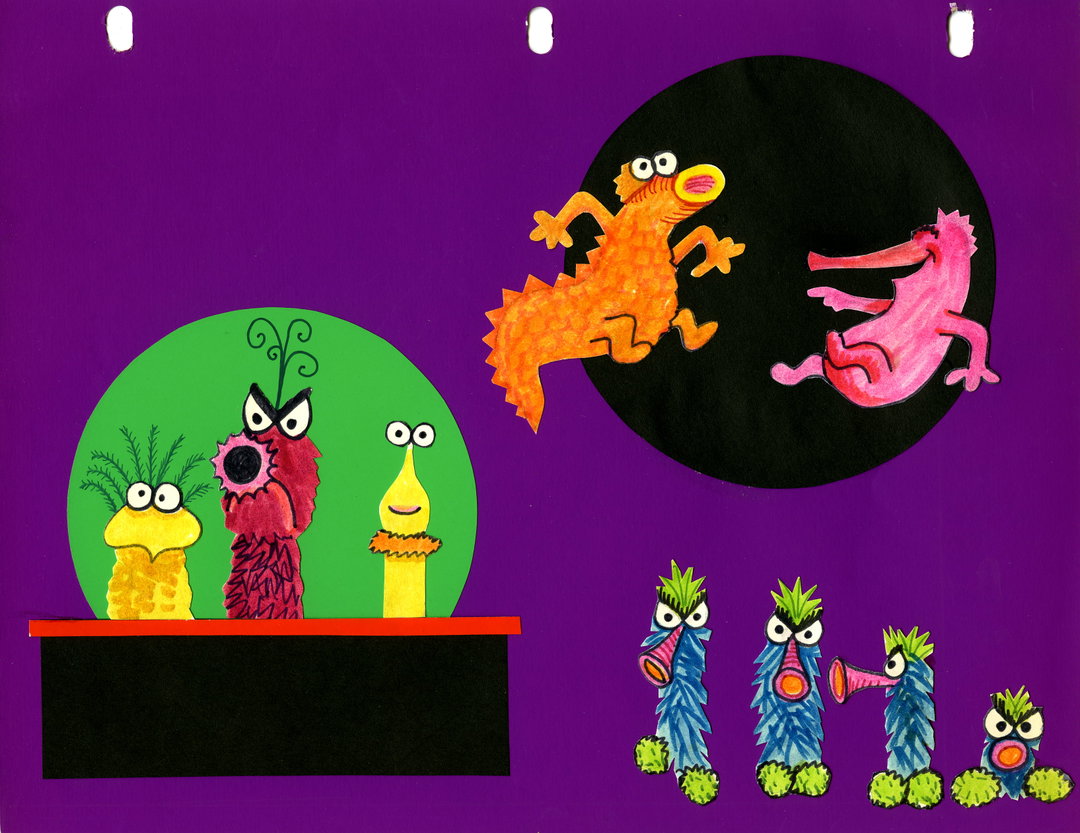
1 of 5
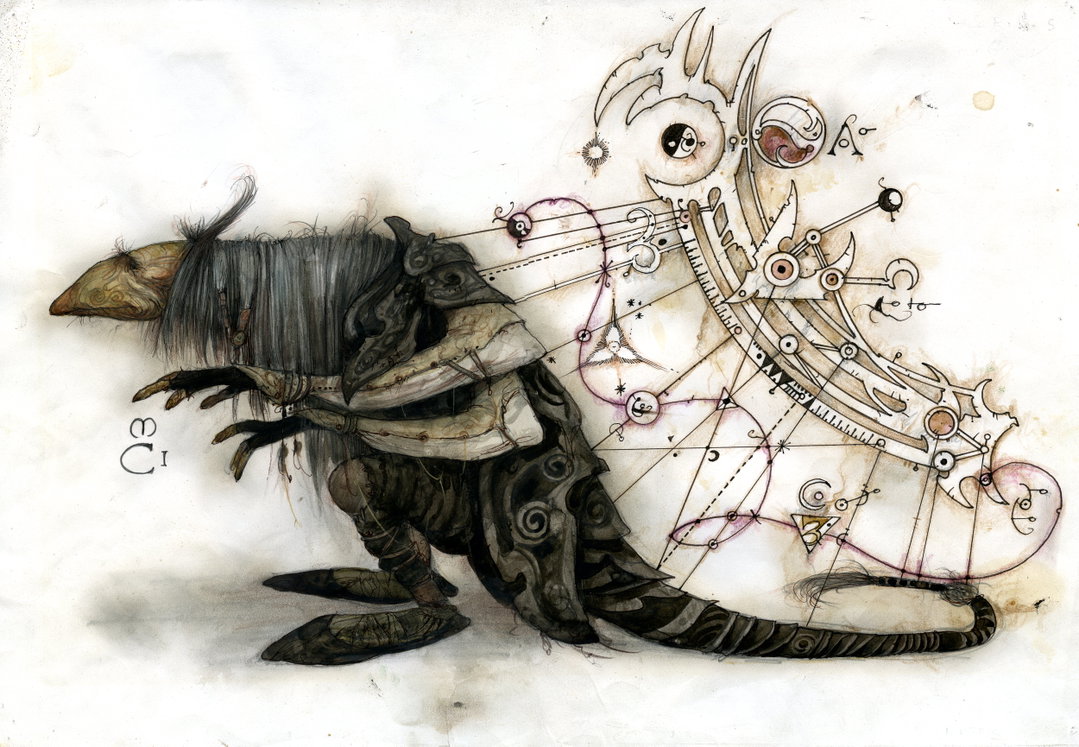
Make, Believe, Magic: Jim Henson Company. For The Dark Crystal 1982 'Mystic' character sketch c.1981 (Copyright © Jim Henson Company, 2026)
1 of 5
Make, Believe, Magic: Jim Henson Company. For The Dark Crystal 1982 'Mystic' character sketch c.1981 (Copyright © Jim Henson Company, 2026)
Built inside-out: when stage design is puppeteer-first
That trust extends past philosophy and into the artefacts and set pieces themselves. The exhibition brings a full suite of Sesame Street regulars to Brisbane – Bert and Ernie, The Count and Big Bird, whose scale, Amanda says, only really registers in person: “to actually come and see Big Bird and experience the size of that and the detail of the feather work” is a different thing entirely. Snuffleupagus needs two people to bring to life – one working the front half, head and eyes; a second working the back legs and tail. On screen, he’s one shuffling, gentle giant. In the workshop, he's a small team.
Puppeteering sets aren’t built like film sets, or theatre sets or anything else. They’re built around where the puppet needs to be, not where a camera or an audience would naturally look. What looks, on screen, like a burrow scaled for six-inch creatures is really a stage built for the comfort of a six-foot adult standing inside it – high enough that a performer can work with their hands above their head, watching a small monitor for their character’s feet.
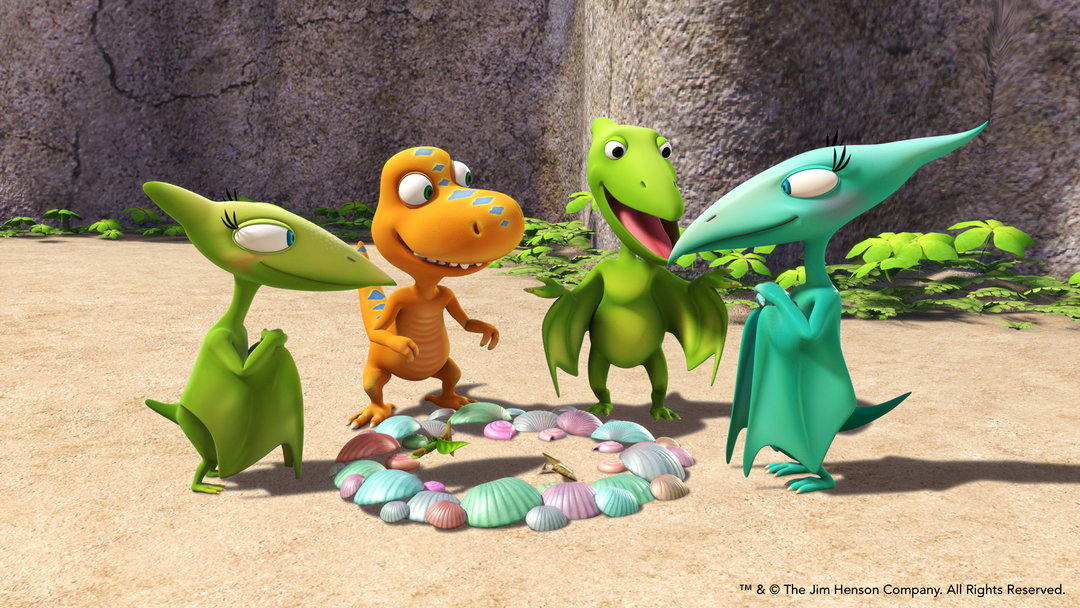
Nicole, who’s spent years taking Company shows on the road – like Splash and Bubbles and Dinosaur Train – was the one who helped get the actual Fraggle Rock: Back to the Rock production sets to Brisbane from the Calgary Film Centre in Canada.
“There’s a human hand at all aspects of their creation.”
Amanda Slack-Smith
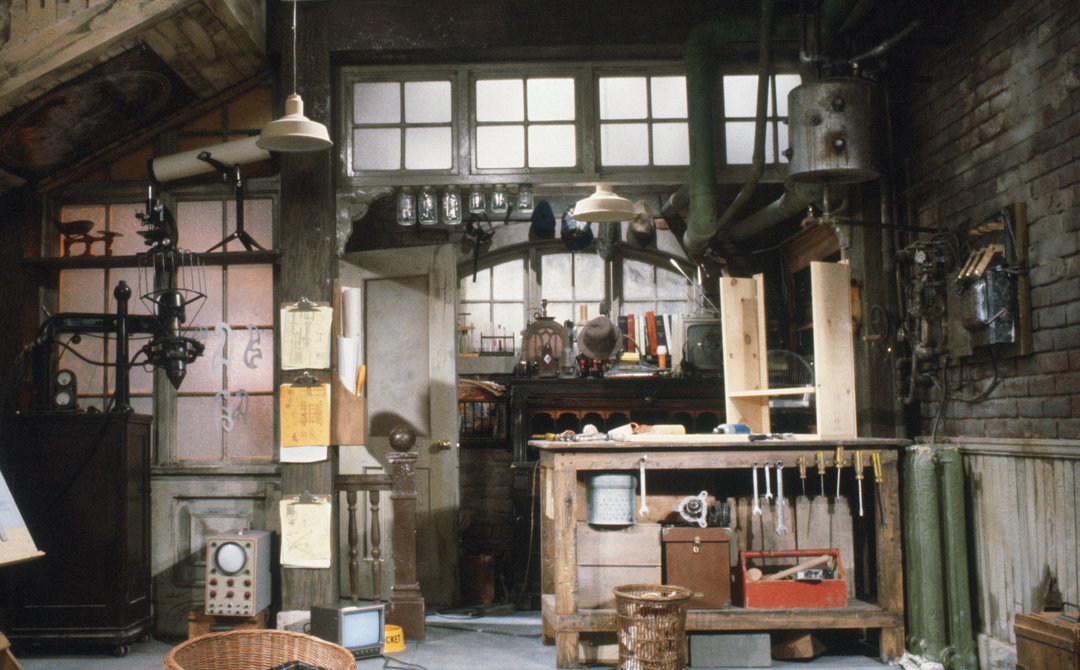
Make, Believe, Magic: Jim Henson Company. Production still from Fraggle Rock 1983-1987 (Copyright © Jim Henson Company, 2026)
The section of the show featuring sets from Fraggle Rock: Back to the Rock’s title sequence – Doc’s workshop, the portal, the Great Hall waterfall, Boober’s cave – includes a corridor visitors can walk through that was never meant to be seen: the space behind the set, where puppeteers waited between shots. There’s graffiti on the walls back there, left by performers who got, as Amanda puts it, “stuck behind there for quite some time”. It’s the closest the exhibition comes to putting a visitor inside the boredom and physical strain that a beloved children’s show is actually made of – not the magic, but the waiting room next to it.
Nothing in the exhibition is separated into “made” and “performed” – Amanda deliberately keeps them together. “There’s a human hand at all aspects of their creation,” she says, “from the build to the performance.” It’s a distinction worth sitting with: most creative work gets judged on the finished object, but a puppet only succeeds if the making and the performing stay in conversation with each other the whole way through. Get the build wrong, and no amount of skilled performance saves it. Get the performance wrong, and the most exquisitely built puppet is just foam on a table.
When Amanda described the show a few weeks before it opened, none of it was installed yet. She still walked through it room by room anyway – the way someone describes a house they haven’t moved into, but already knows where every piece of furniture will go.
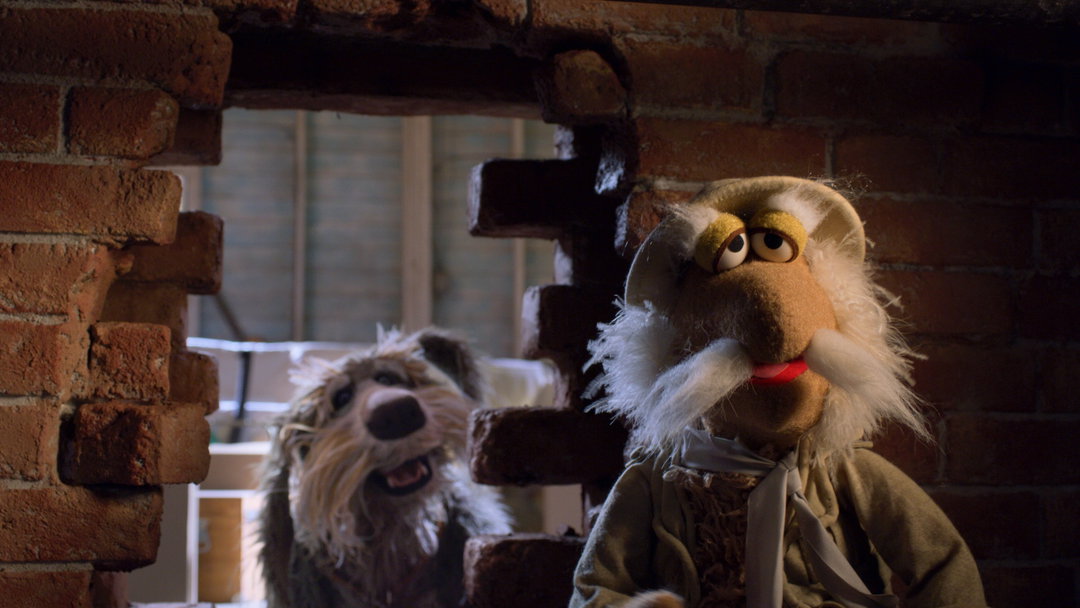
Make, Believe, Magic: Jim Henson Company. Production still from Fraggle Rock: Back to the Rock 2022-present (Copyright © Jim Henson Company, 2026)
Made for live performance, not to last forever
Materials, Karen says, get chosen entirely for performance, not longevity. “They’re more interested in: ‘will this foam crinkle at the eye?’” than whether it lasts 30 years. A huge amount of what the Company made simply hasn’t survived – open a box that’s 50 years old, sometimes only 20, and the contents can have crumbled to dust.
And yet almost nothing gets thrown out on purpose. “Jim never threw anything away,” Karen said. Some puppets get restored for performance again. Others, headed for museums, get rebuilt in firmer, archival foam – frozen in place for good, unable to ever perform again.
Labyrinth is the starkest case of what doesn’t survive. So much of what appeared on screen simply doesn’t exist anymore. This time, the centrepiece is a section built around David Bowie’s actual costume from Magic Dance, on loan from the Academy Museum of Motion Pictures. Karen is candid: there’s more Dark Crystal in this show than Labyrinth, because there are dozens of puppets from the recent Dark Crystal: Age of Resistance series available to display.
Make, Believe, Magic: Jim Henson Company. Production still Labyrinth 1986 (Copyright © Jim Henson Company, 2026)
Make, Believe, Magic: Jim Henson Company. Production still Labyrinth 1986 (Copyright © Jim Henson Company, 2026)
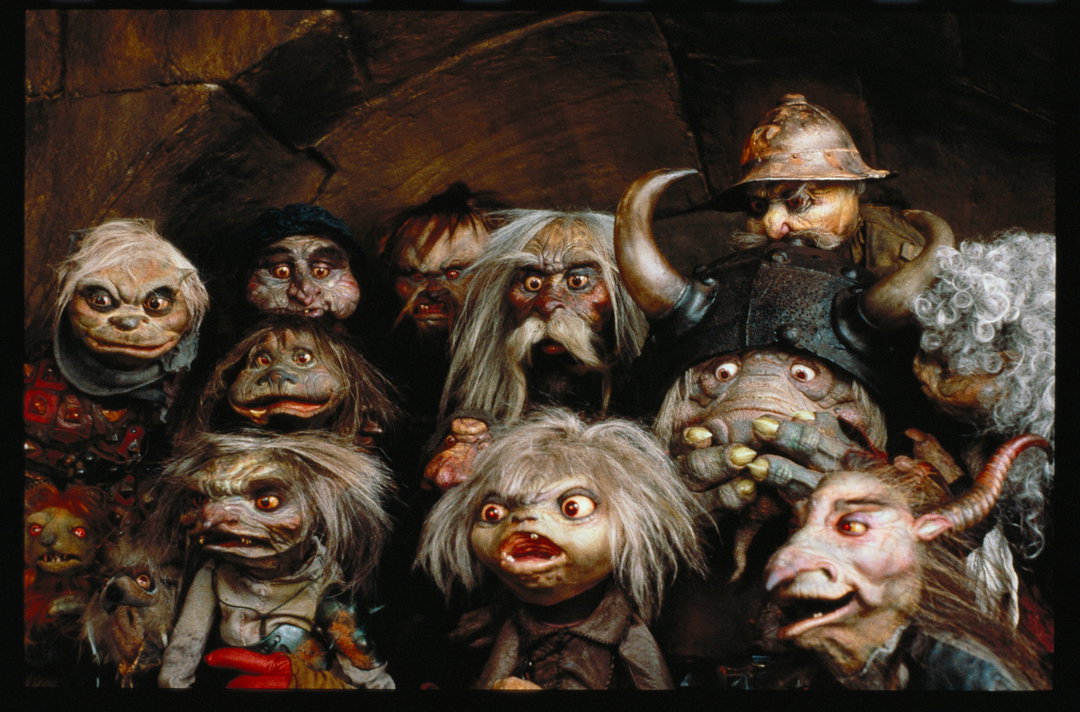
Make, Believe, Magic: Jim Henson Company. Production still Labyrinth 1986 (Copyright © Jim Henson Company, 2026)
Make, Believe, Magic: Jim Henson Company. Production still Labyrinth 1986 (Copyright © Jim Henson Company, 2026)
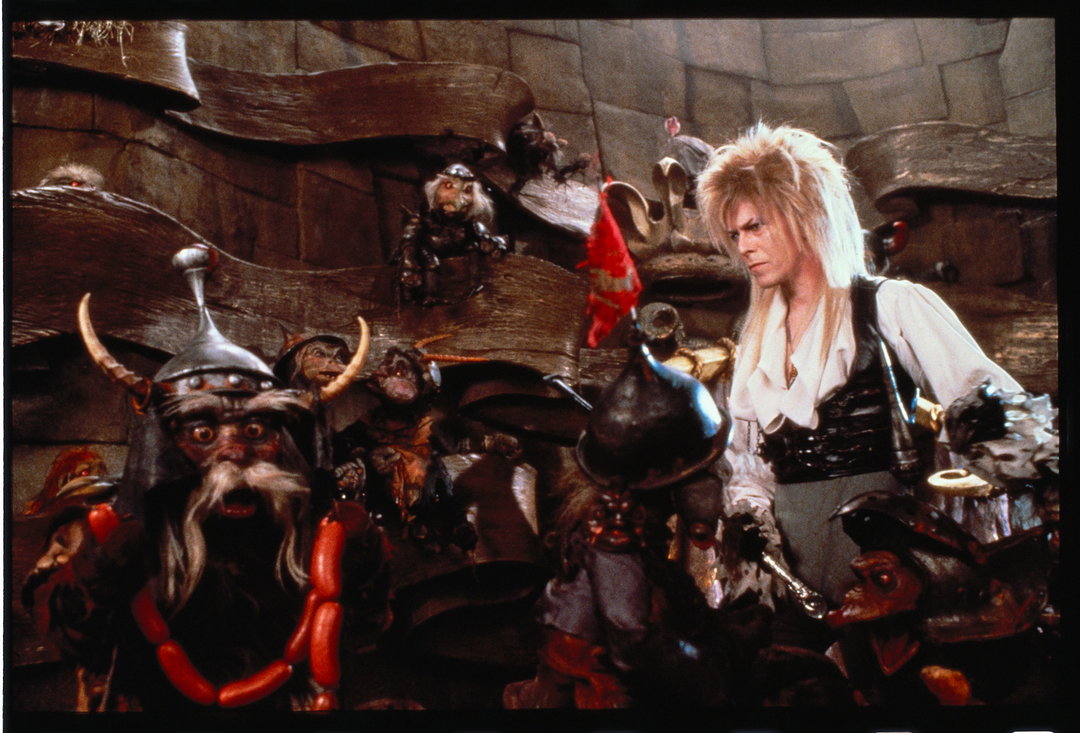
Make, Believe, Magic: Jim Henson Company. Production still Labyrinth 1986 (Copyright © Jim Henson Company, 2026)
The rag bag aesthetic
Ask most people who founded the Muppets, and you’ll get one name. The paperwork says otherwise – Jane held 40 per cent of the company from the start, working alongside Jim as a performer, a trainer of incoming puppeteers and a maker of puppets in her own right.
Karen recalls Jane saying that their whole approach came out of a rag bag – and she meant it literally: arms made from the fingers of old gloves, one puppeteer’s sleeve cut from a pair of jeans. There was no material budget to speak of, so the aesthetic got built out of whatever was already in the house, patched together into something more collage than costume. But it wasn’t purely a matter of making do. “Some of it was expediency,” Karen says – the nearest fabric to hand, cut and used. “But some of it was a style choice as well.” They liked how it looked. It’s a working method that shows up again and again in the Company’s history: solving a design problem with whatever’s on hand, and then deciding that’s how it was meant to be done all along.
Jane became less visible after they had their third child, but she never disappeared. When Jim died, it was Jane – not a board or a studio – who founded the group tasked with protecting his work. She hired Karen to work with them and the company. The archive now safeguarding Jim’s legacy exists because Jane built the structure to protect it.
“I do home sewing, you know, skirts or whatever, but I’m not really very skilled.”
Karen Falk
A career path that didn’t come with a rulebook
In the 1980s and early 1990s, before she worked at the Company, Karen was working at Christie’s, the auction house, a few blocks from the Muppet workshop in New York. The only connection she noticed at the time was practical: people from the Company were often at the same deli, wearing jackets with Kermit the Frog on the back. She’d loved The Muppet Show as a teenager, but it never occurred to her that there was a job there for someone like her. “I do home sewing, you know, skirts or whatever,” she said, “but I’m not really very skilled.”
She applied for an opening in the exhibits department anyway. She was told the position had already been filled. Months later, out of nowhere, she got a call from Jane’s office – but it wasn’t about the job she’d applied for. They wanted someone to help build the Company’s archive. Having studied history and worked with collections, she was excited to take the meeting. More than 30 years later, she’s the one who decides what gets preserved, restored or let go.
Karen didn’t train as an archivist. Her degree is in museum curatorship – a distinction she’s careful to make, since her focus was never simply preserving the collection, but constantly finding new ways for it to exist in the world: building exhibitions, books and talks out of material that would otherwise just sit in a box.
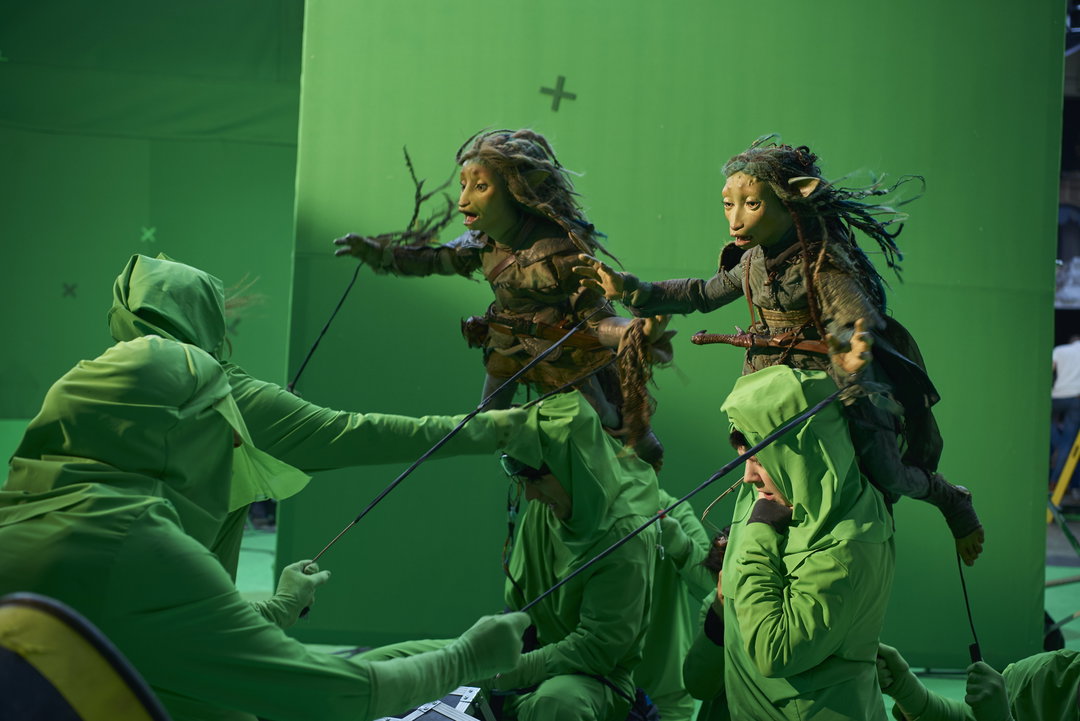
Make, Believe, Magic: Jim Henson Company. The Dark Crystal: Age of Resistance 2019 (Copyright © Jim Henson Company, 2026)
How do puppeteers train and get hired?
There’s a version of this story repeated often enough to sound like settled fact: that puppeteering wasn’t a real career before the Company came along, and that Jim single-handedly invented the job. Karen pushed back the moment I put it to her. “There were very serious professional puppeteers before Jim, particularly in Europe.” Sergey Obraztsov had been running the Moscow State Puppet Theatre – a state-funded company that would grow into the largest in the world – since 1931, three decades before Jim built his first puppet for TV.
What Jim actually did was narrower: “puppetry for television was almost invented by Jim,” Karen said, because before him, TV puppeteers mostly pointed a camera at their existing stage act. Jim didn’t invent puppetry, he translated it for a medium that hadn’t existed yet.
Here’s the part that matters if you’re trying to get into the industry: Jim built the doorway, even if he didn’t build the room. He often recruited by turning up at puppeteer conventions and staying in touch with the ones who showed promise. He ran workshops himself; his son Brian still runs them. The Henson and Jane Henson Foundations fund the only puppetry degree program in the US. There was never a locked door, just one that rarely opens the way you’d expect.
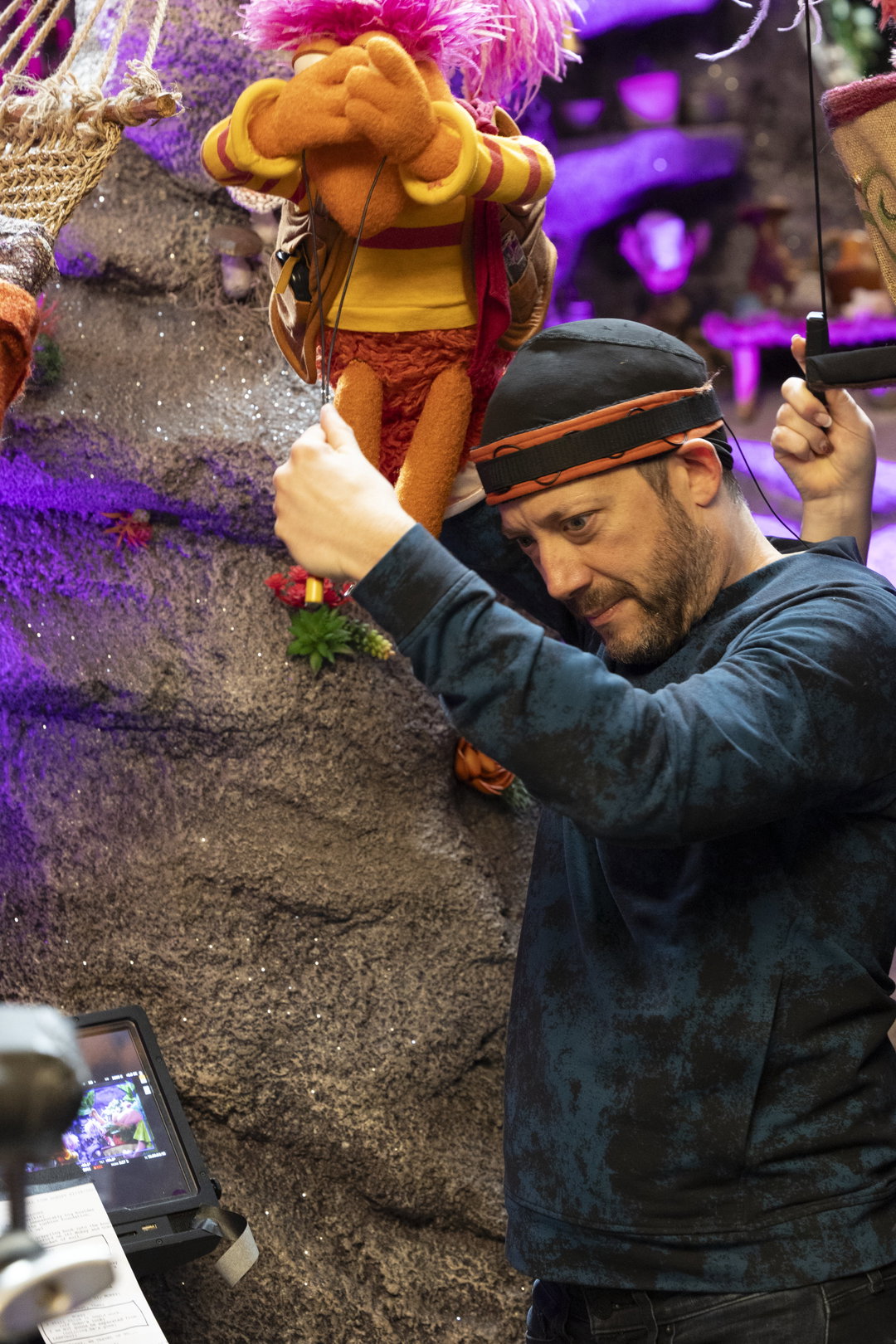
Make, Believe, Magic: Jim Henson Company. John Tartaglia with 'Gobo Fraggle' (Copyright © Jim Henson Company, 2026)
Getting into puppeteering: an introduction
Performers at the Company are not technically employees, Karen says. Puppeteers are hired the way actors are – job to job, show to show – and there’s no formal ladder to climb. “Somebody will see you,” she says, “and then you might get invited in to do one day of work.”
Getting noticed. That’s still, more or less, how it works. The company’s current job listings ask for little more than a short video of your work with puppets – no puppetry degree, no prior credits required. Puppeteers of America, the national puppetry organisation, holds festivals Jim himself used to scout at, and still does.
Training helps – it’s just not required. The University of Connecticut runs the only puppetry degree program in the US, partly funded by the Jim Henson and Jane Henson Foundations. The Foundations also fund artist residencies at the University of Maryland – the same puppetry class where Jim and Jane first met.
Worth knowing. Puppeteers are SAG-AFTRA members, hired as performers. Puppet wranglers – the separate, on-set role that builds, repairs and dresses puppets – are largely freelance and non-unionised; some have spoken publicly in recent years about wanting better conditions. Karen wasn’t asked about this and didn’t comment on it – the door in is real, but what’s waiting on the other side of it can vary a lot depending on which room you end up in.
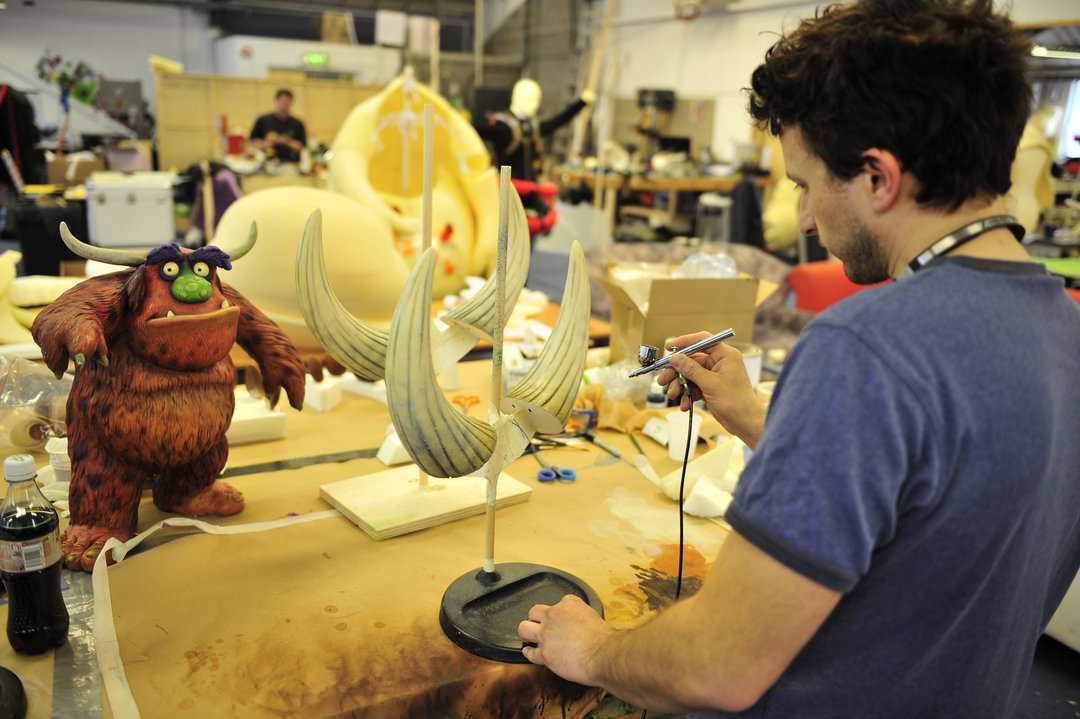
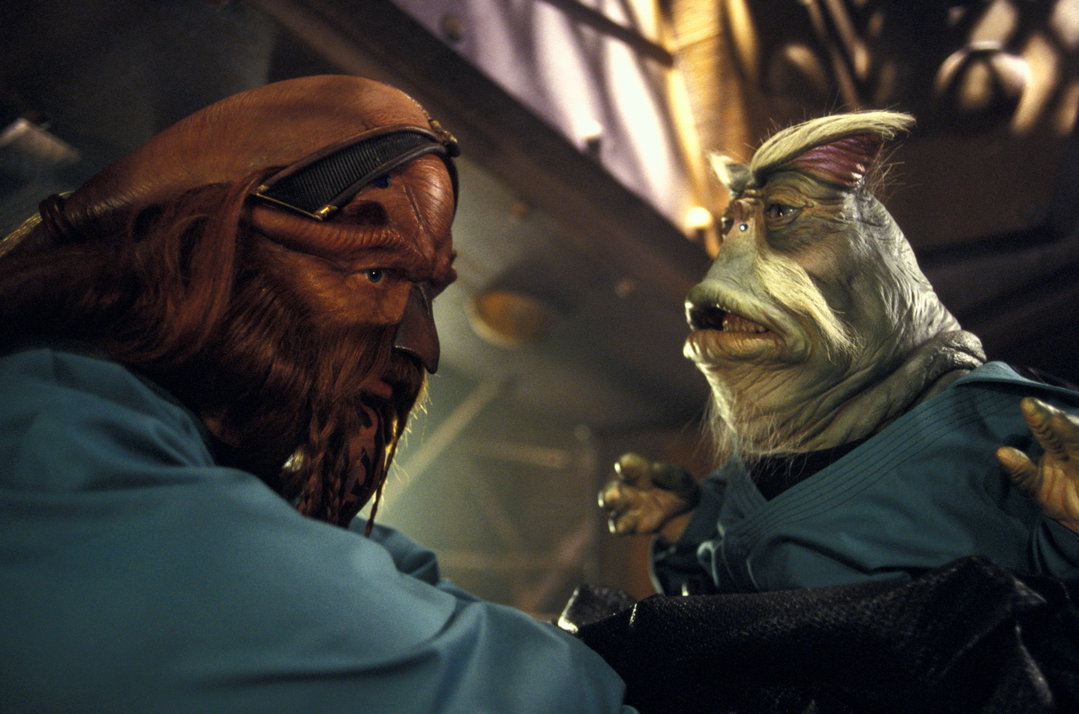
1 of 6
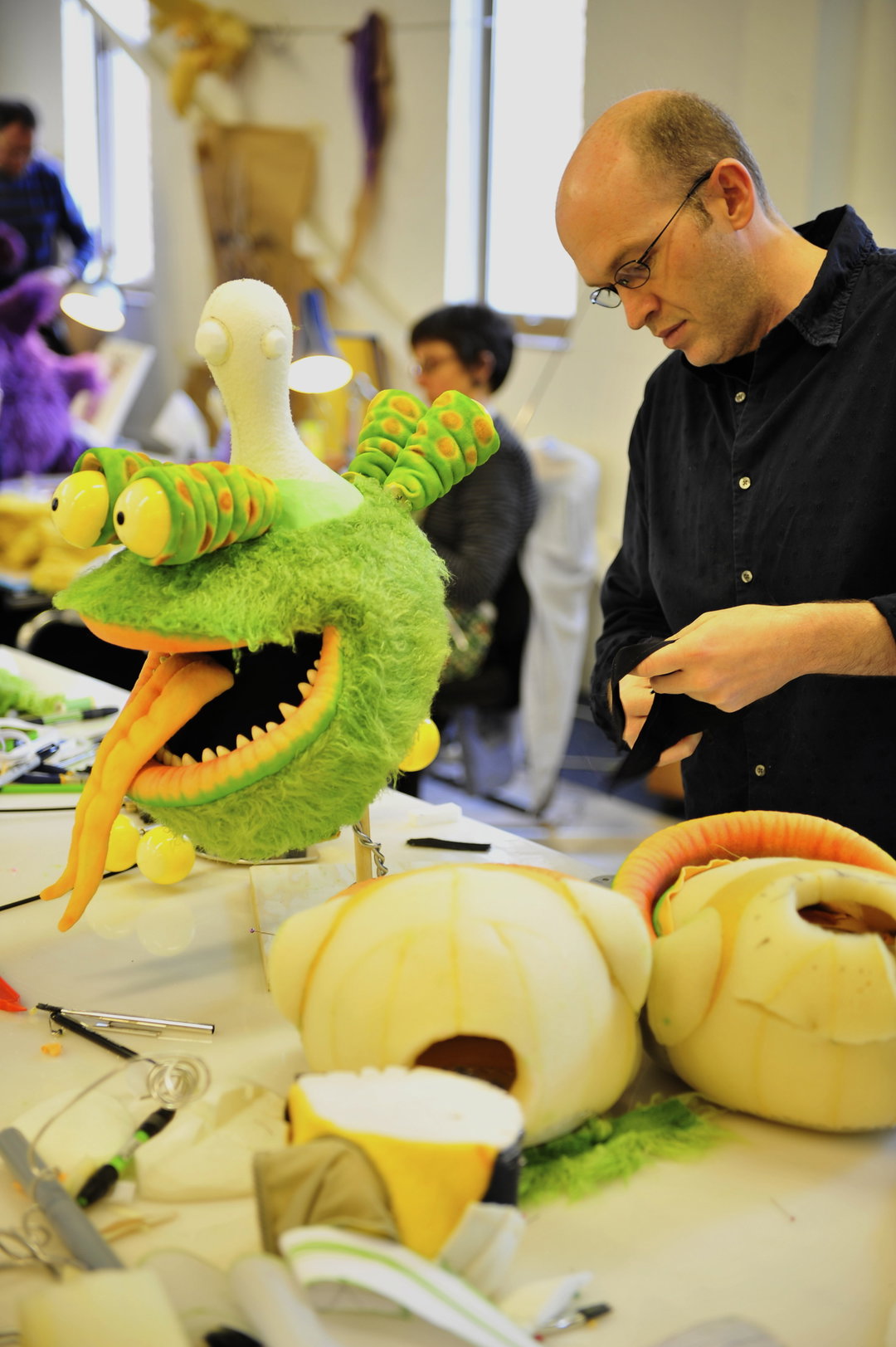
Make, Believe, Magic: Jim Henson Company. Behind the scenes from the build for Me and My Monsters 2010 (Copyright © Jim Henson Company, 2026)
1 of 6
Make, Believe, Magic: Jim Henson Company. Behind the scenes from the build for Me and My Monsters 2010 (Copyright © Jim Henson Company, 2026)
Memories and magic no single museum could hold
Right now, there’s no dedicated Jim Henson Museum anywhere in the world. His family could have built one thing – a single, prestigious, permanent home. They chose the opposite. Karen was in the room when the decision got made in the late-1990s. Rather than concentrate the collection, they decided to split it deliberately across institutions that would each reach a different audience through their own lens – a puppetry museum, a film museum, a museum of American history, each showing a different, true version of who Jim was. “It turned out, to be honest, to be brilliant,” Karen said.
Some of that fragmentation wasn’t a choice at all. In 2004, the Henson family sold The Muppets – the characters most people mean when they say “Jim Henson” – to Disney. But not everything went with the sale. Puppets already given to museums back in the late-1990s belonged to those museums outright, free to be lent wherever they liked – which is how GOMA managed to borrow from so many different places at once. Disney borrowed from its own archive too – including the Kermit now on display. The character most people picture first, if asked to name a Muppet, now belongs, on paper, to someone else.
Amanda keeps circling one question underneath the whole exhibition: is what matters here the physical object, or the memory it produces in the person standing in front of it? “Can it be both?” she asked, then answered herself. “I think it is both.”
Karen does something similar, from inside the archive. “Anything you talk about with me, I can make a connection to something with the Jim Henson Company,” she says. It’s basically what Amanda does with a gallery space – taking two stories from different times in history and showing you the thread running underneath. A curator can help you see that something is alive in the moment. An archivist can prove it always was. Between them, that’s the magic – and neither one works without the other.
Make, Believe, Magic: The Worlds of The Jim Henson Company opens at GOMA, Brisbane until 18 April 2027.
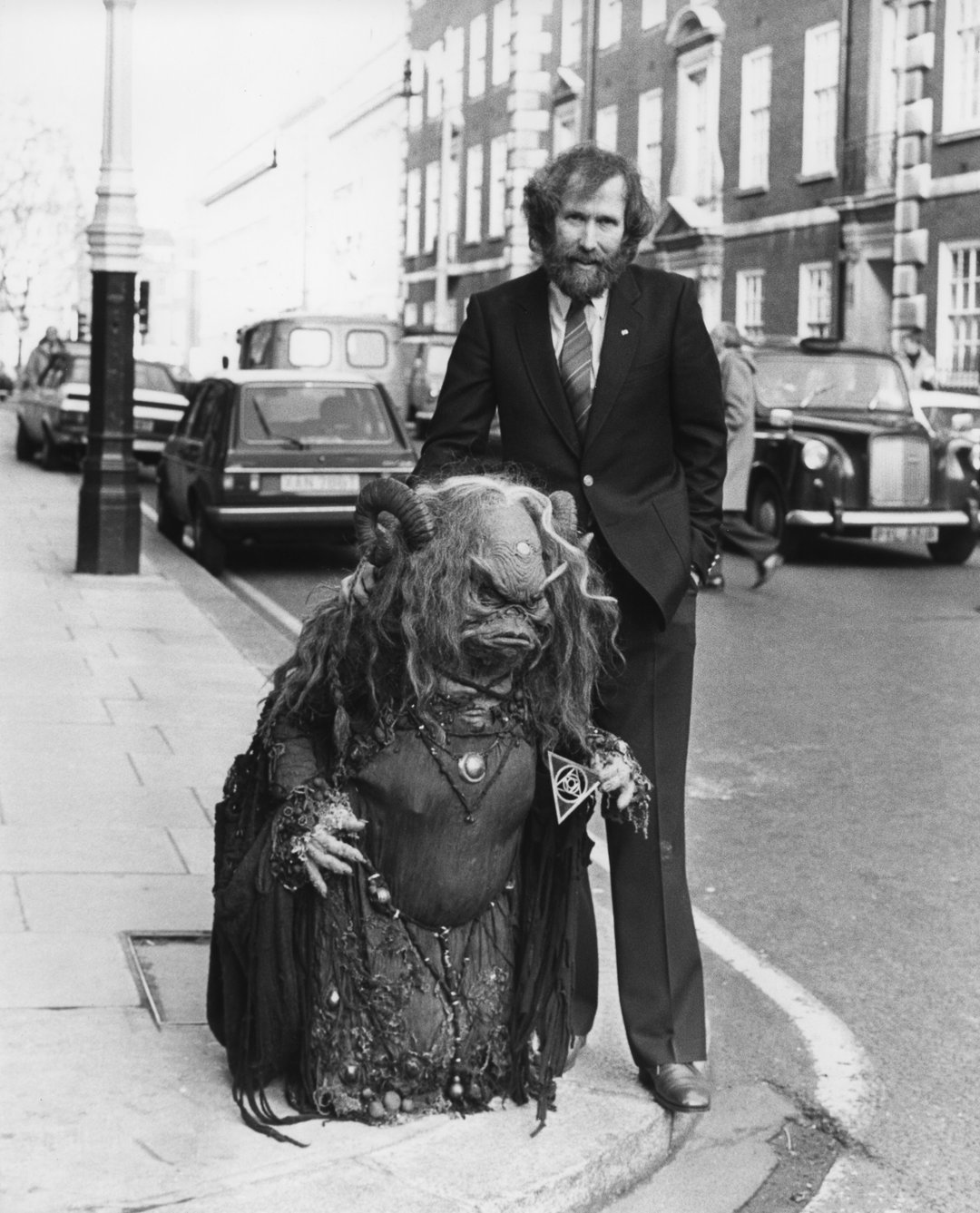
Make, Believe, Magic: Jim Henson Company. The Dark Crystal (Copyright © Jim Henson Company, 2026)
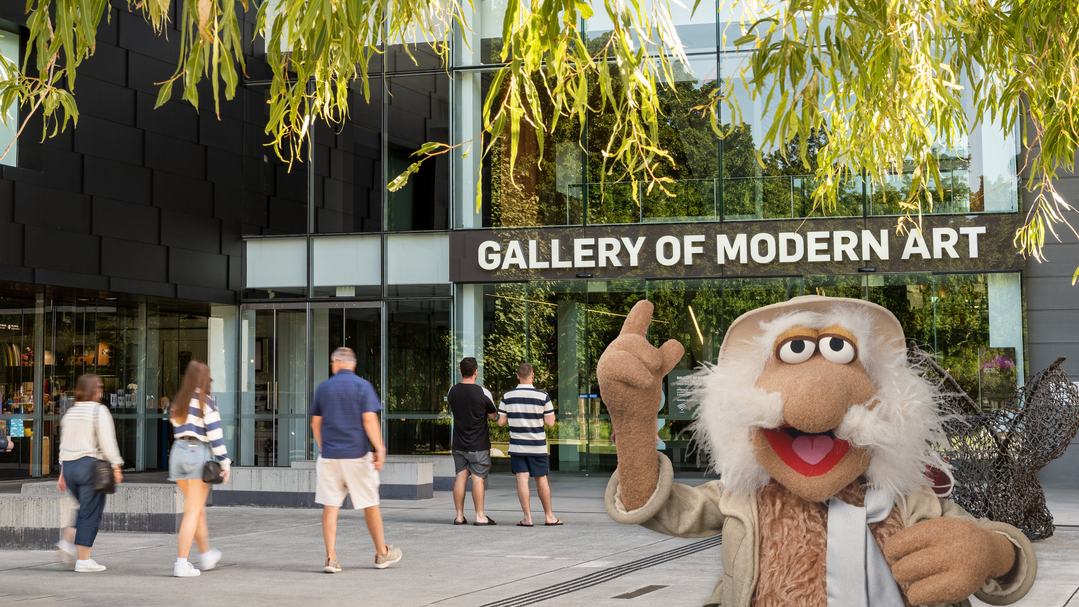
Make, Believe, Magic: Jim Henson Company. Uncle Travelling Matt Fraggle at the Gallery of Modern Art, Brisbane, 2026 (Copyright © Jim Henson Company, 2026)
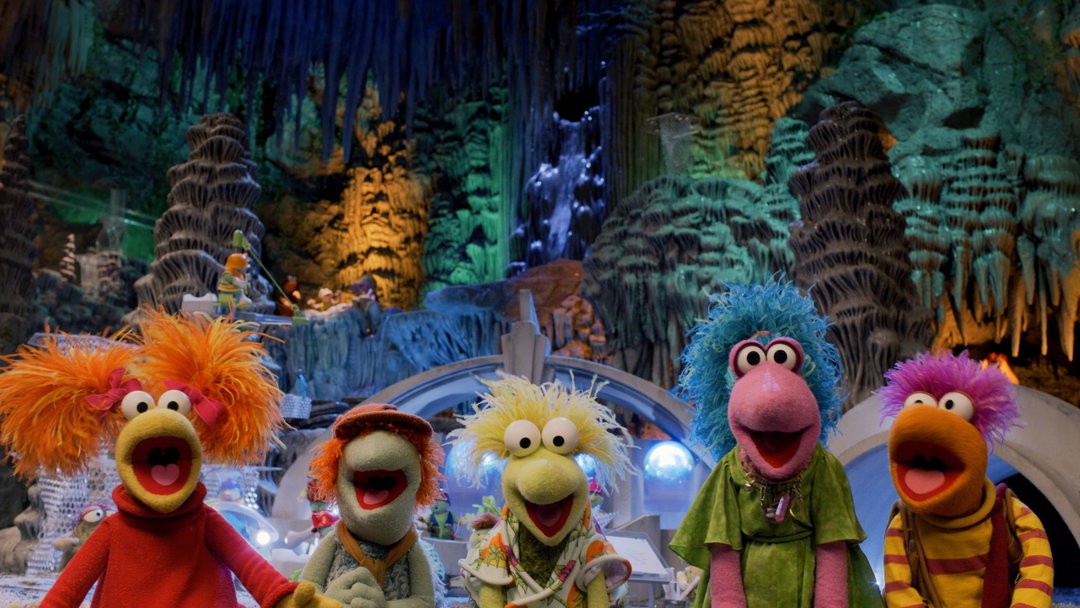
Make, Believe, Magic: Jim Henson Company. Production still from Fraggle Rock: Back to the Rock 2022-present (Copyright © Jim Henson Company, 2026)
Share Article
About the Author
—
Nathania Gilson is a writer and researcher interested in how people make things. She writes about visual culture, creative practice, and the stories behind the work.