- Words
- Rebecca Fulleylove
- —
- Date
- 11 April 2017
- Tags
Our 2016 Grads create Make Books with G . F Smith
Share
Share
Since 2014, G . F Smith has been creating Make Books for projects and portfolios that need a bespoke touch. The hardback books are assembled by experts at the company’s headquarters in Hull and are a stunning example of the brand’s passion for photographic print. To get a deeper insight into the process and the possibilities, we asked some of our 2016 Grads to design and have printed their very own Make Books, all created in just seven days.
The project was part of our Graduates Mentorship Programme, where we’ve provided guidance, meet-ups and advice for our Grads throughout the year. After coming up with a proposal for their Make Book, each grad received detailed feedback from It’s Nice That’s creative team, and a constant dialogue was maintained throughout the project, all the way up to the printing.
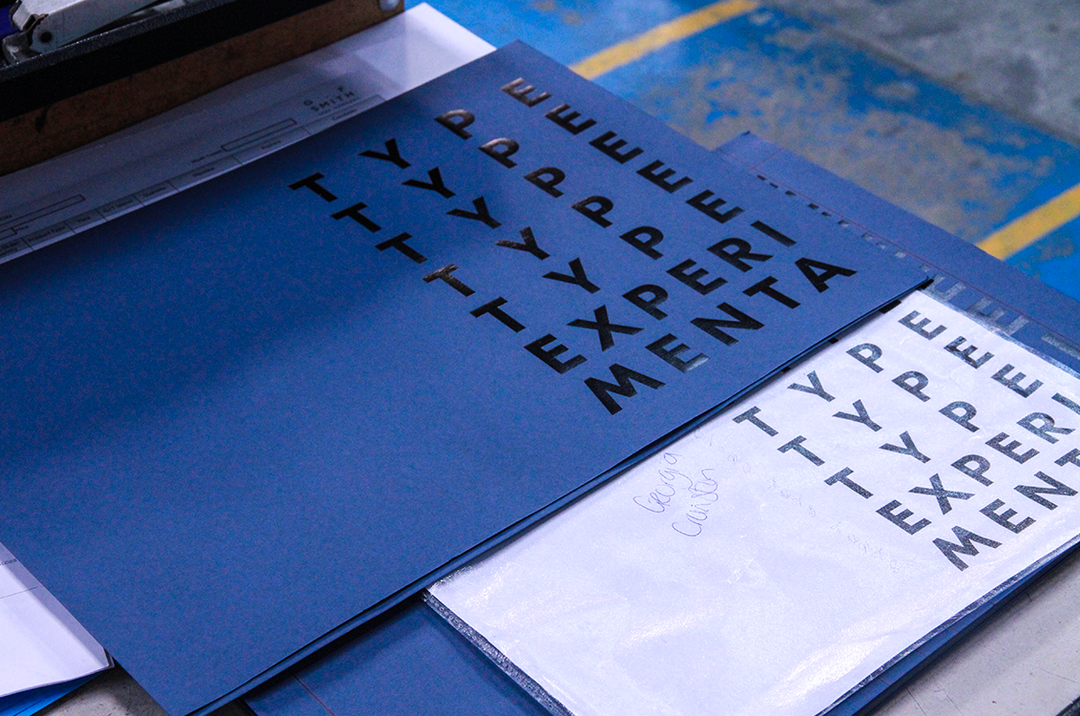
Illustrators Peony Gent, Oscar Mitchell, John Molesworth and Maddy Mould; designers Hannah Nightingale, Georgia Cranstoun and Tom Joyes; photographer Liam Hart and Oliver Marshall; and artist Michael Cox have each created a Make Book that showcases their work in all its glory. Every Make Book is made using quality photographic paper and silver halide printing technology, and G . F Smith’s famous Colorplan papers are used for the covers and endpapers. Foil blocking or debossing can also been selected for the books, and is available on the front or back cover and the spine in seven colours.
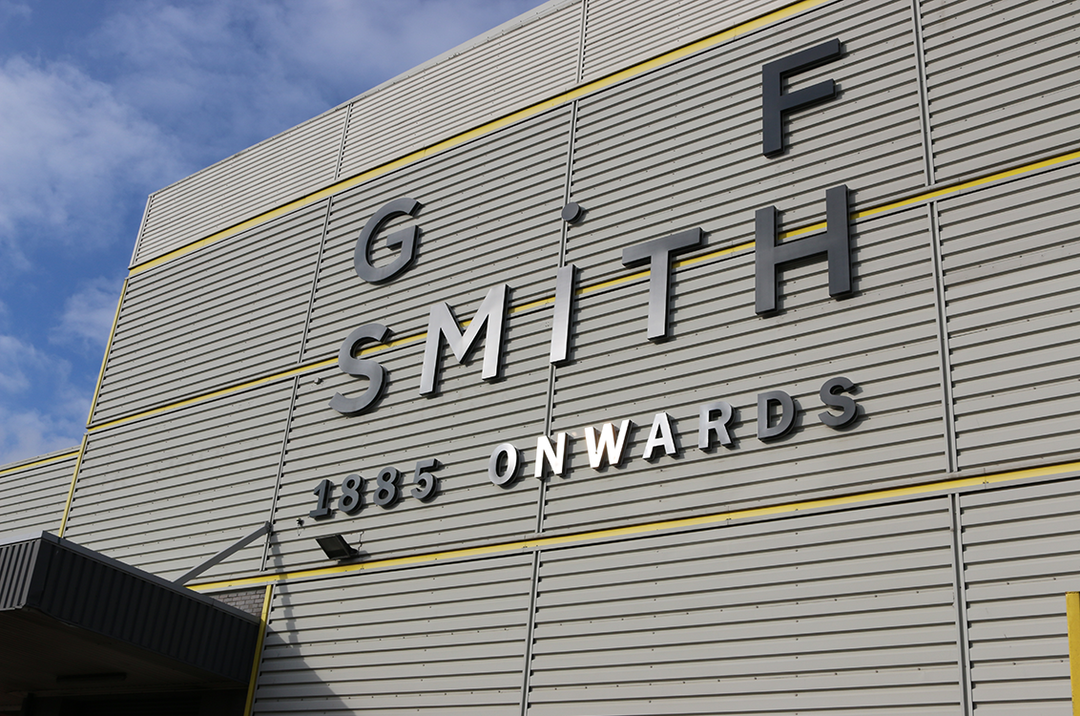
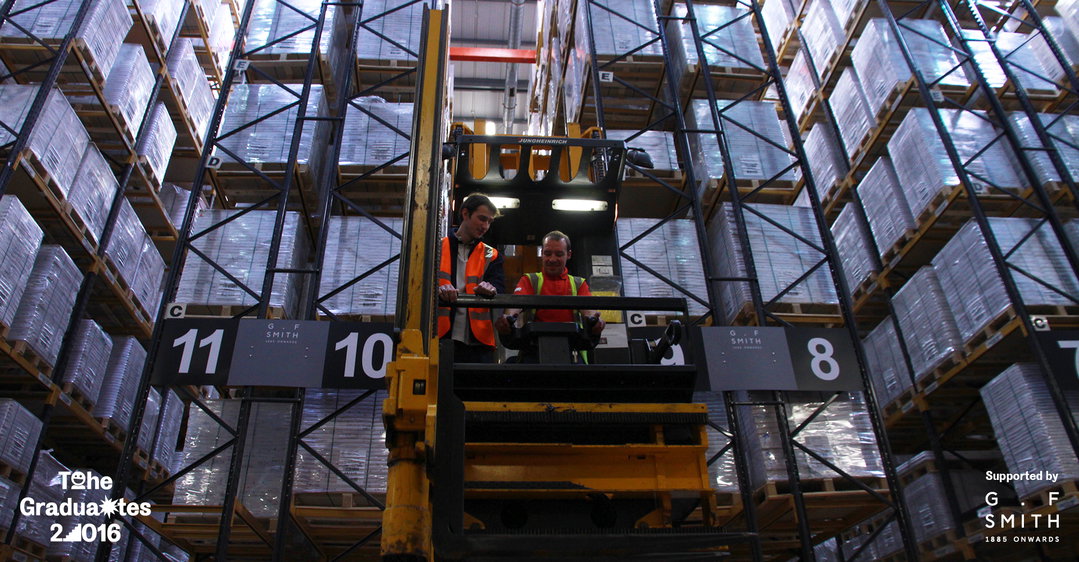
G . F Smith warehouse in Hull
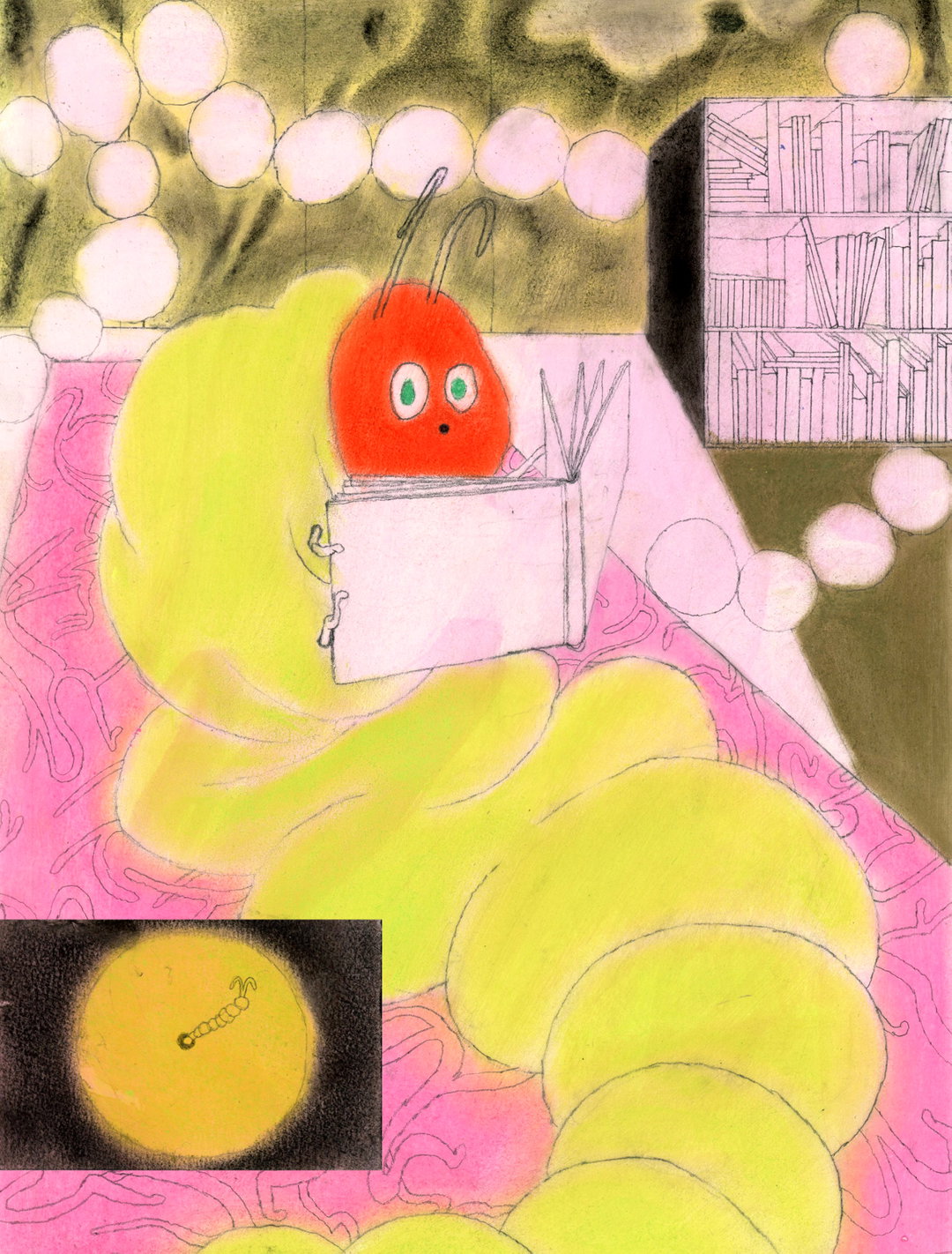
Illustrator Peony Gent’s Make Book is a collection of drawings, writings and photographs gathered from sketchbooks she’s been using over the past two years, which she hopes will “provide an interesting sense of places I’ve been and people I’ve met within that time”. Peony’s book has been finished in all white with a debossed cover. “Because my observational drawing style is quite free pencil work I tried to offset them with lots of white on the page, and also decided to keep the cover and title plain white as well,” she explains. “This was to try and keep the trappings of this large hardback book itself as understated as possible, as to not overcome the subtle nature of the drawings.”
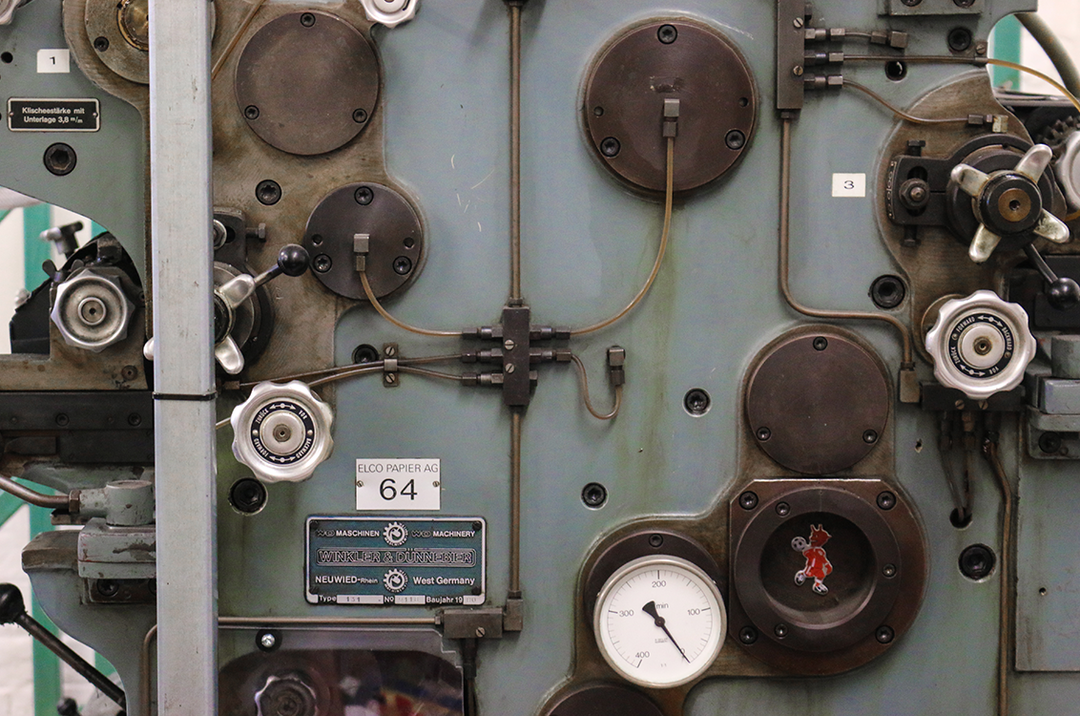
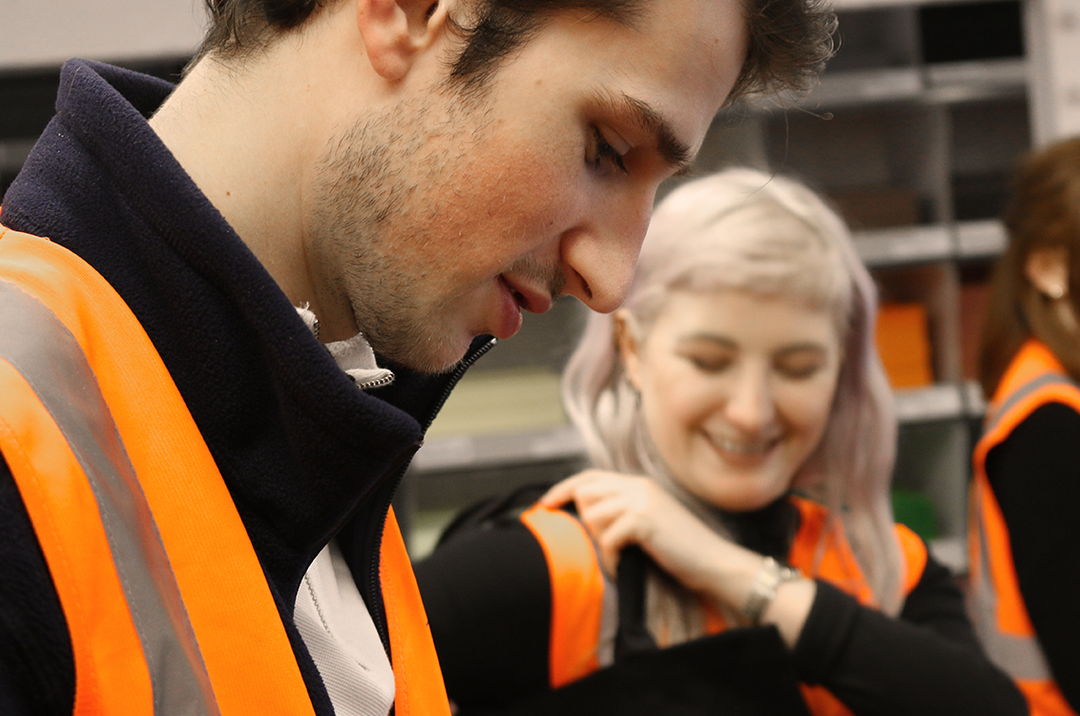
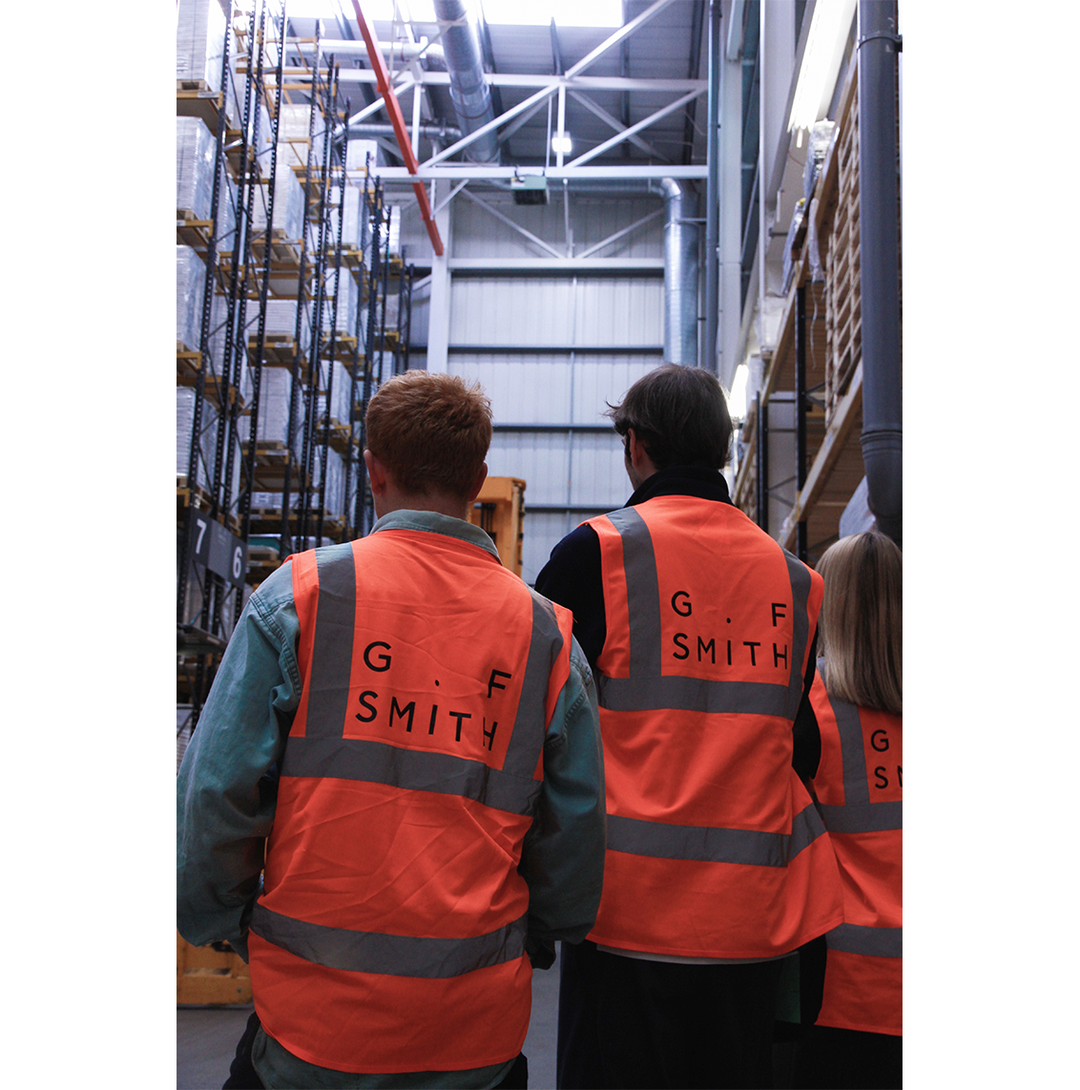
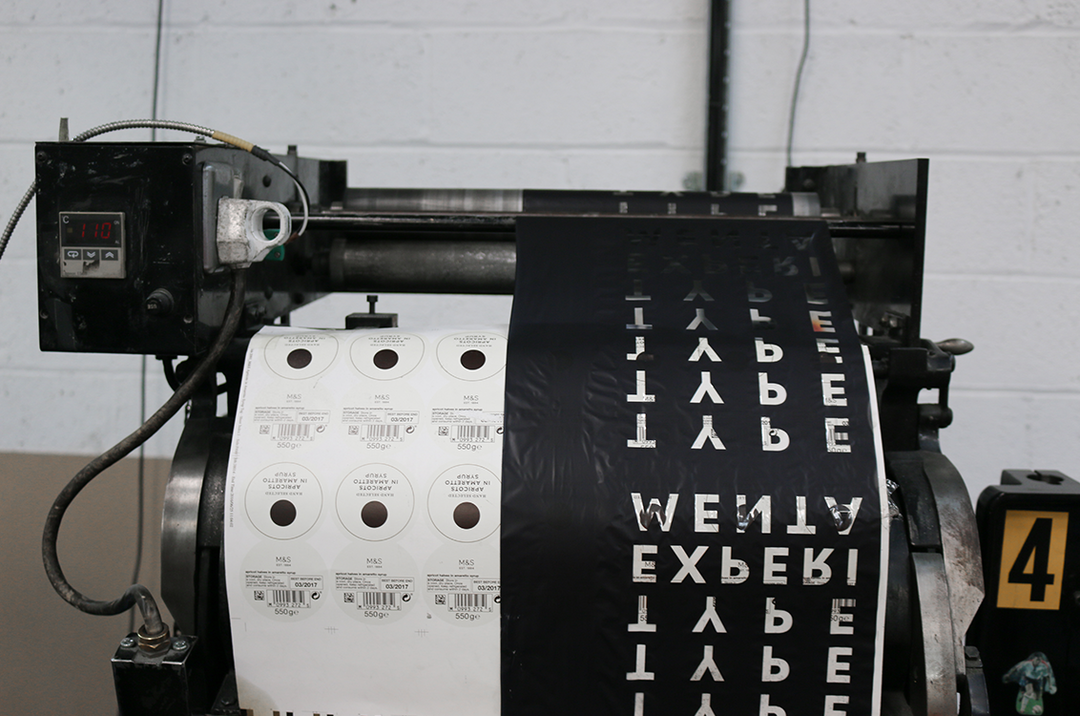
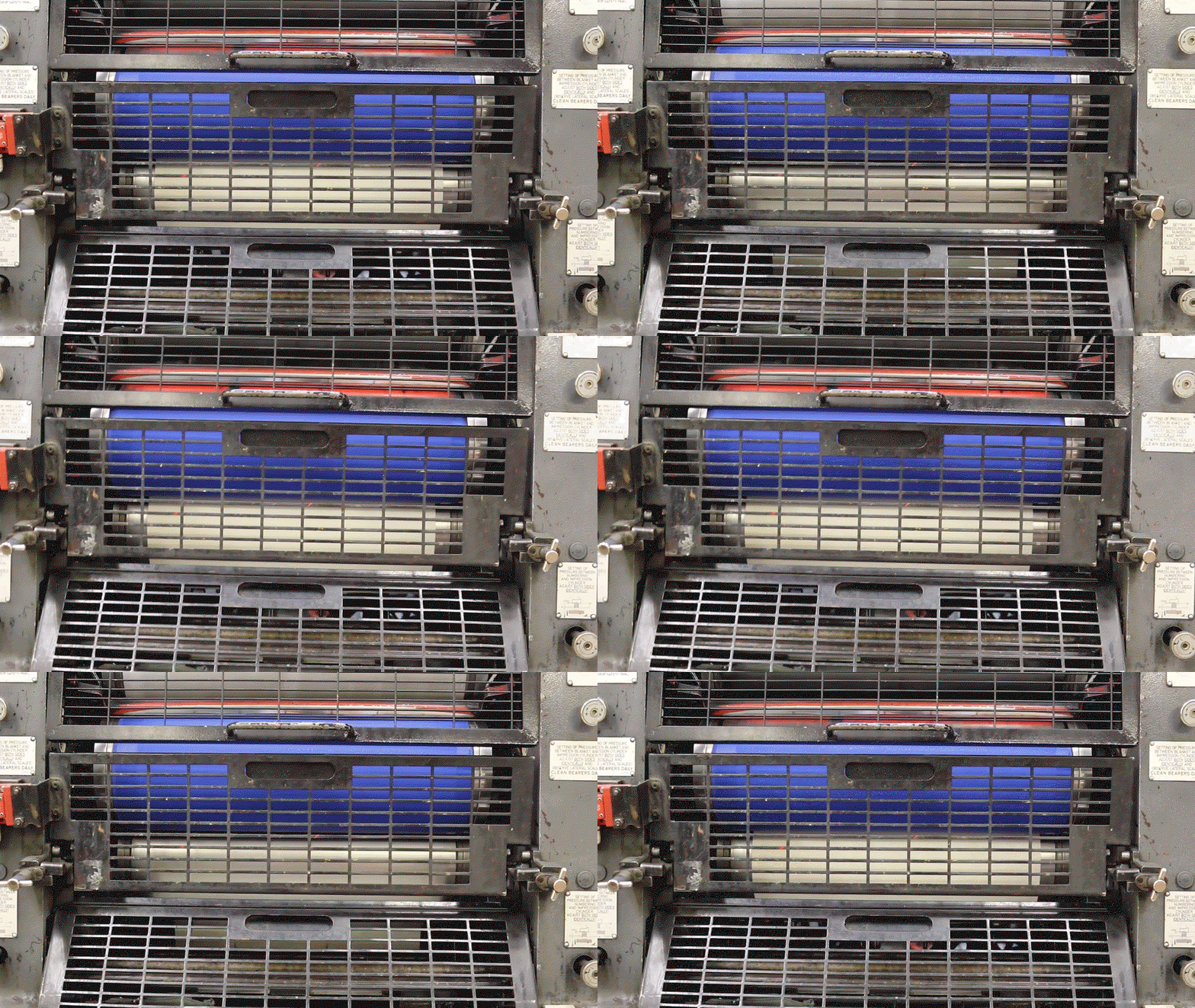
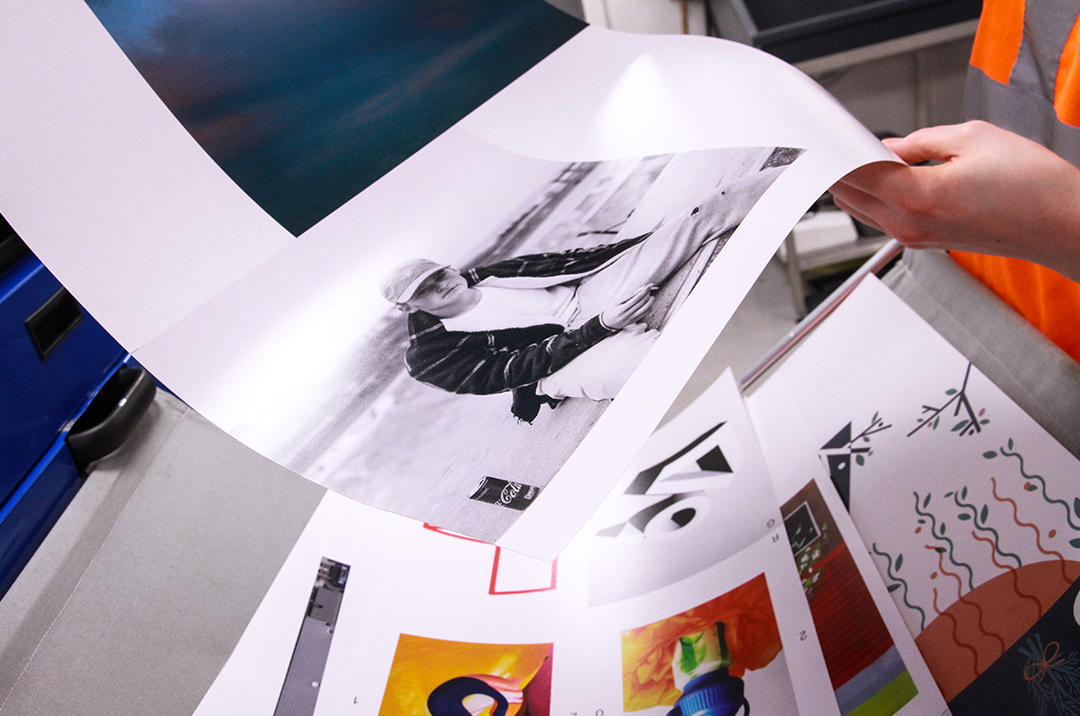
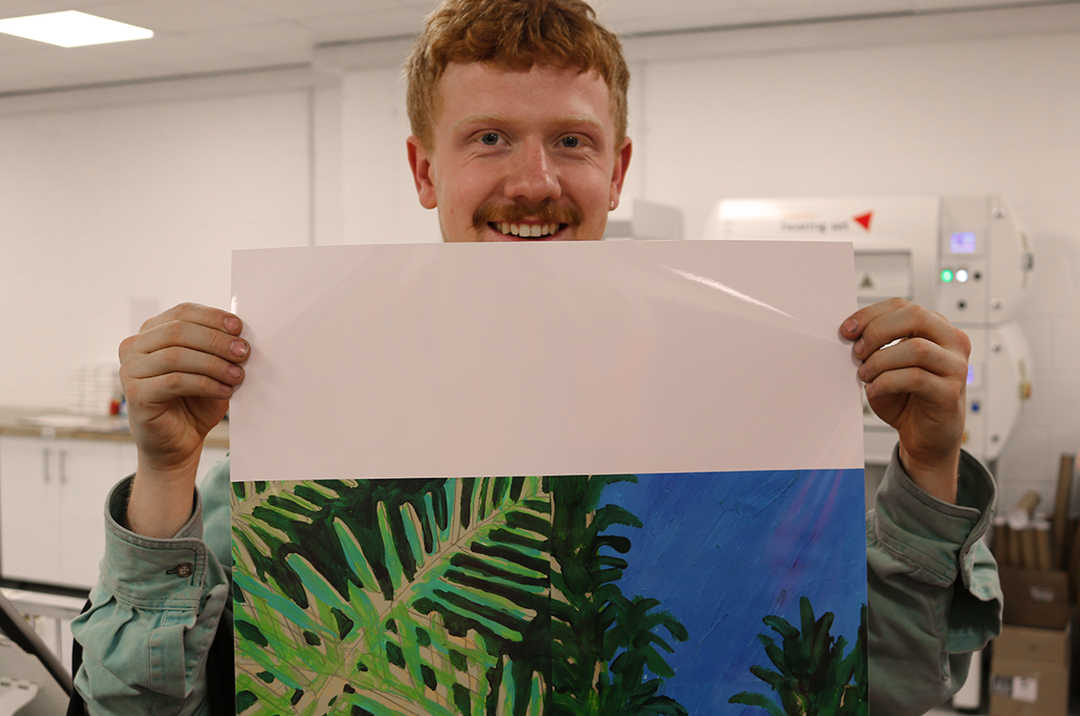
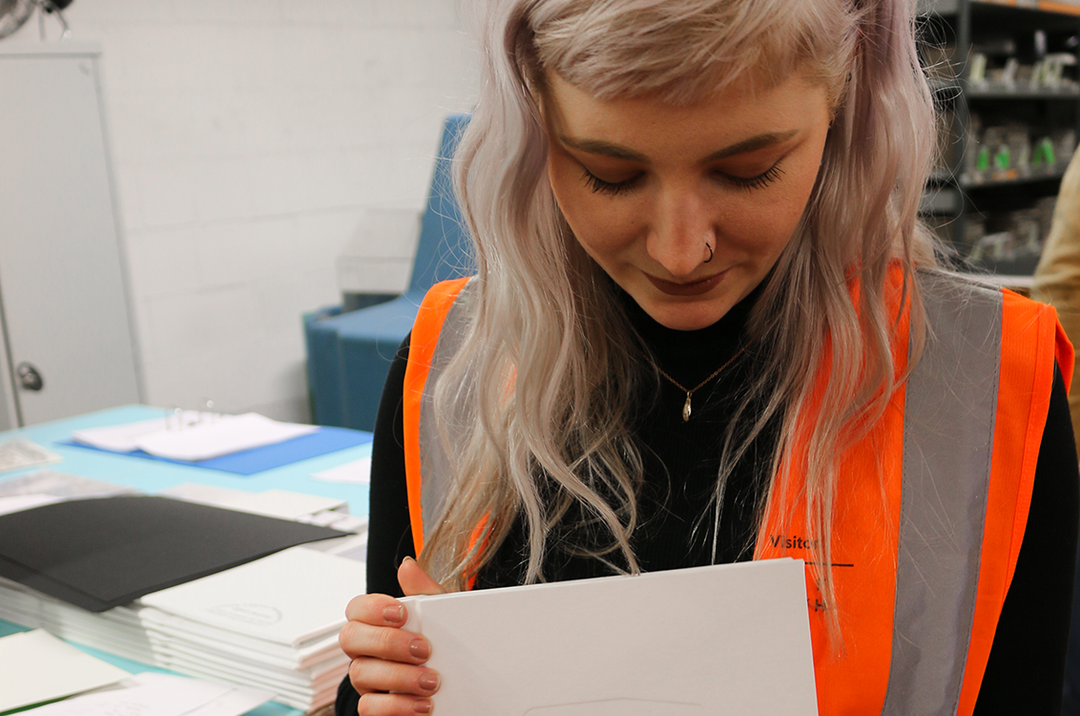
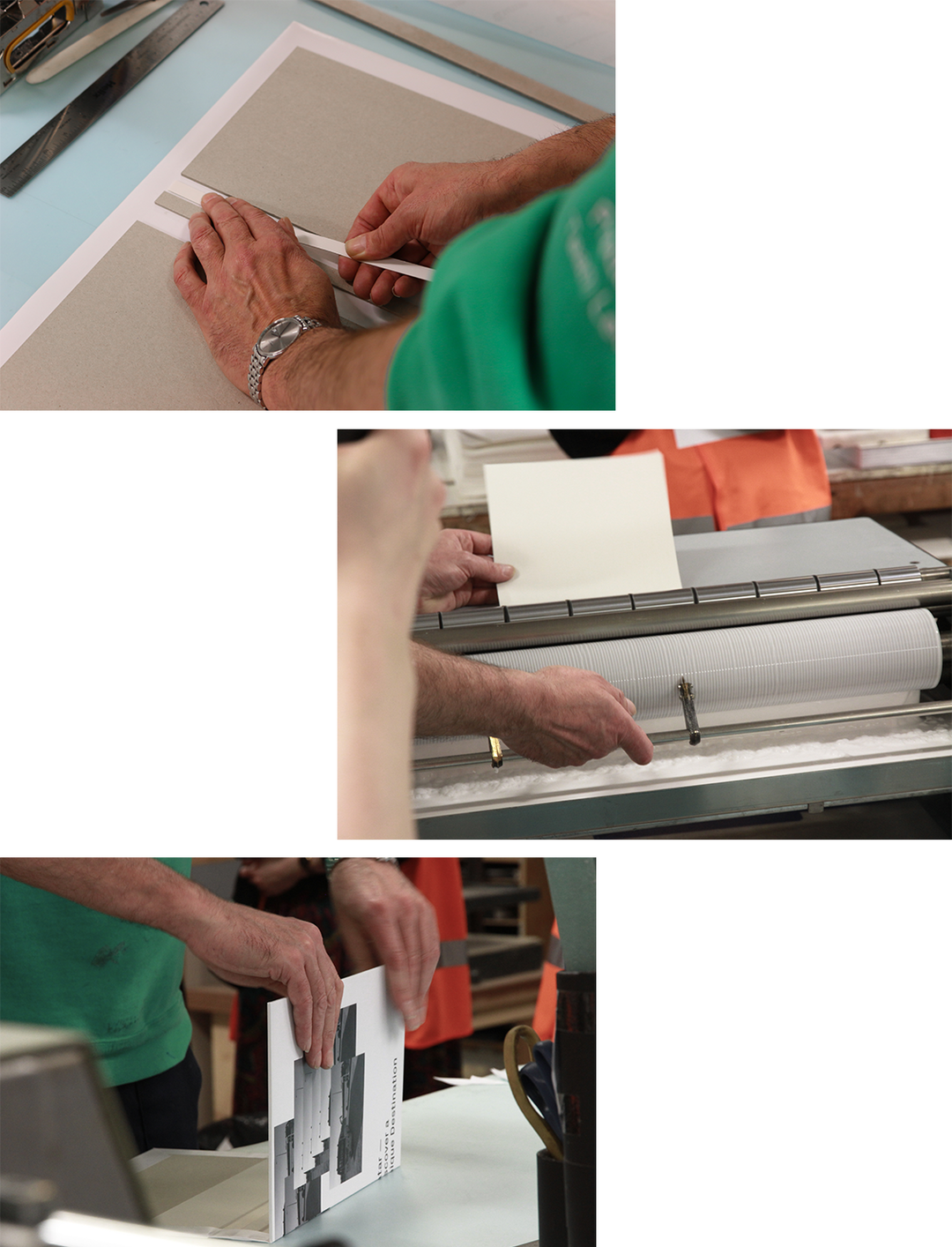
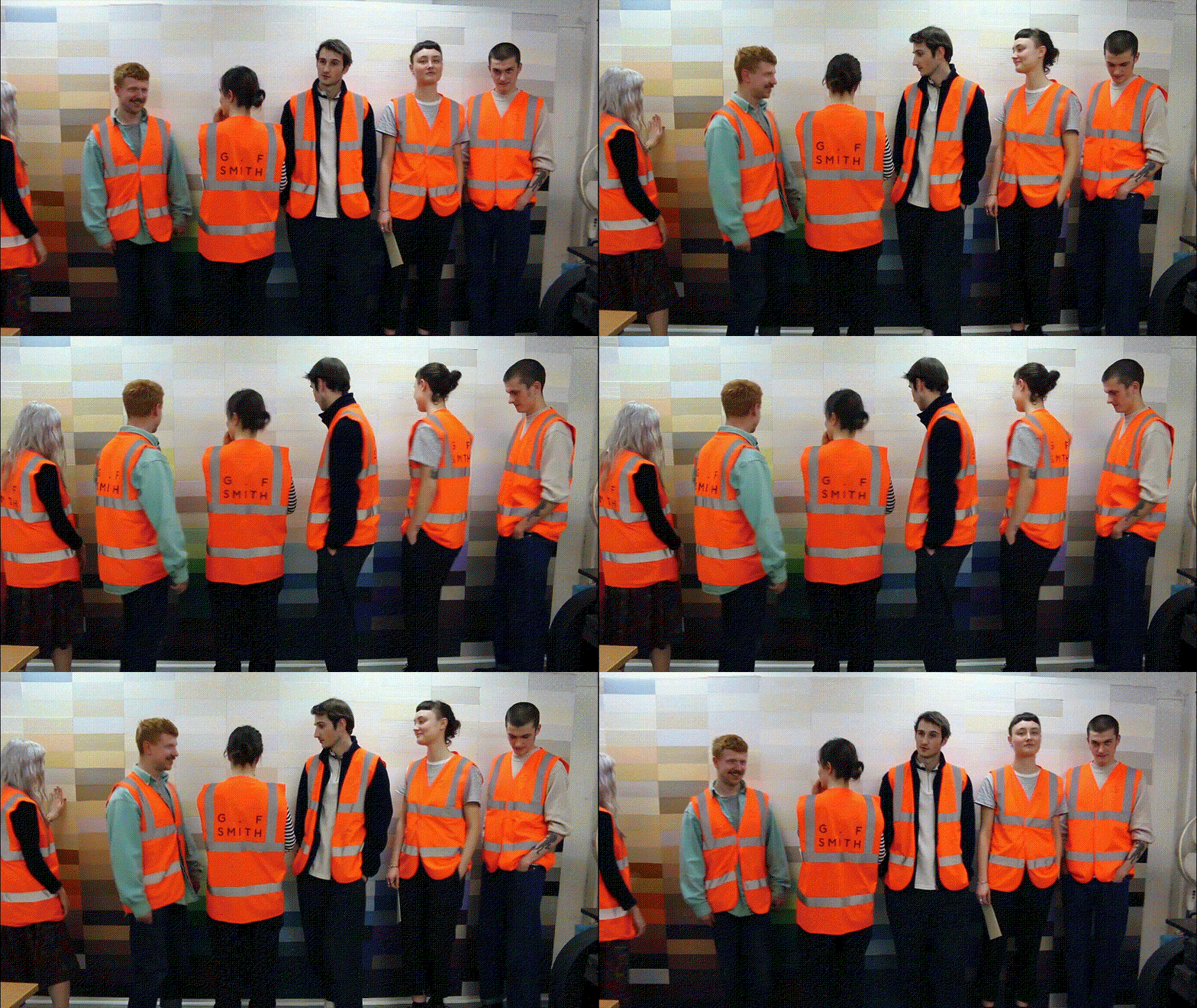
To understand the Make Book process even more, we took a handful of our Grads to see the books being printed at G . F Smith’s factory and the trip was a project highlight for Peony. “It was astounding to me just how much of the process was done by hand. I’d just assumed that anything factory-based would be primarily machine made, but it just wasn’t the case,” she explains. “From putting together the book blocks to gluing the cover, it was all hand done with each step done by a specialist in that area.”
Georgia Cranstoun
Georgia Cranstoun
Georgia Cranstoun
Oliver Marshall
John Molesworth
Peony Gent
John Molesworth
Peony Gent
Peony Gent
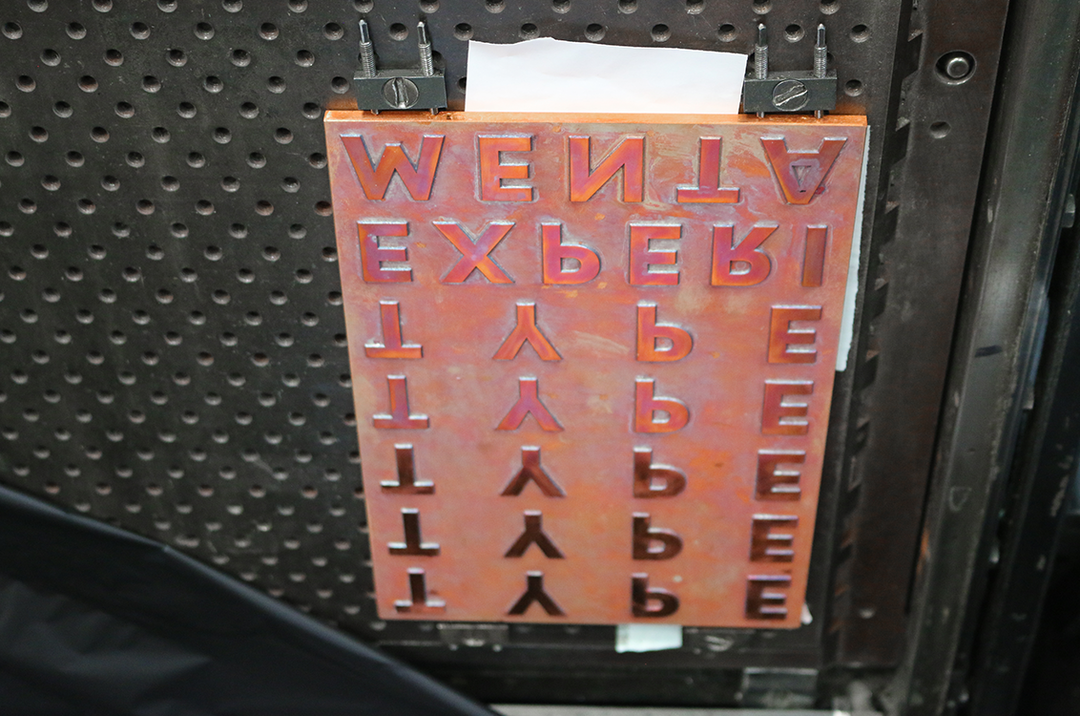
Peony adds: “It was also pretty cool to see the embossing and foiling machines at work, which are techniques I’ve honestly never entirely understood how they were achieved before. There’s something weirdly exciting about seeing everyday objects like paper or glue being made and used on a huge industrial scale.
“As someone at the very beginning of their creative career, owning this book is a good reminder about the importance of illustration being held and viewed as a material thing, not just digitally.”
Photographer Liam Hart agrees it was seeing the Make Books being created by hand that was the most fascinating part of the process. “The G . F Smith factory is an amazing place to peek behind the scenes and it was cool to see how traditional the process is,” explains Liam. “The biggest highlight was seeing how people-driven it was with a different person at each individual stage taking great care and using expertise that really shows in the final product.”
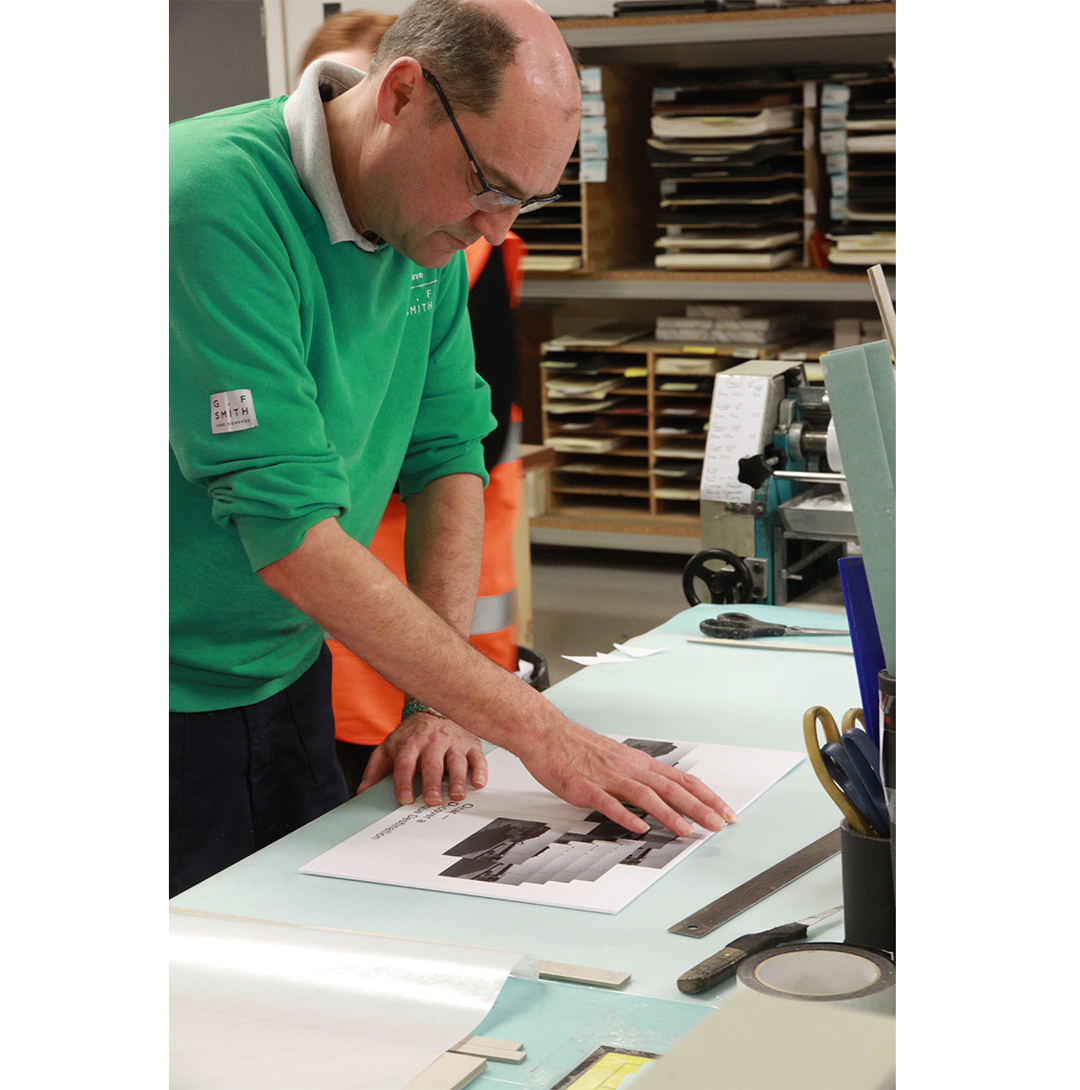
G . F Smith warehouse in Hull
Liam’s Make Book is a series specially created for this project which explores themes of love, optimism and growing up. The idea was brought on by a break up and acts as a dialogue for him and a way of understanding. “Essentially it captures a period of time and is an ode to that moment – an affirmation of those feelings,” says Liam.
“All of my photography is taken on film and handprinted – at G . F Smith they use the same colour darkroom machine to print the page, albeit with an automated enlarger head,” Liam says of seeing his work being printed. “That was cool to see and made it that more special to me – it’s such a high quality print with this method and for, having the whole thing start going through chemistry and developing and ending the same way.”
For the photographer, having his work physically printed is important to him and the Make Book is now a physical incarnation of his work. “Photo books are a really special thing to me and something of a preferred medium, so to be approached with a print-based brief from It’s Nice That is personal to me,” says Liam. “This is invaluable to show what can be done with the format and to complete I wanted to do.”
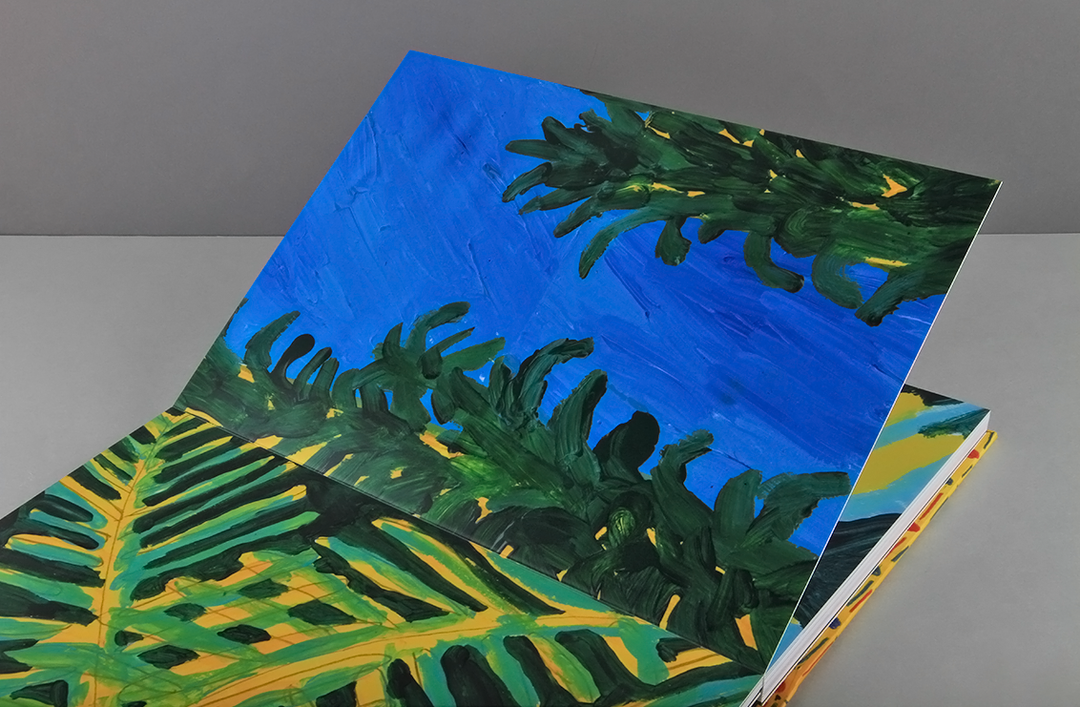
John Molesworth
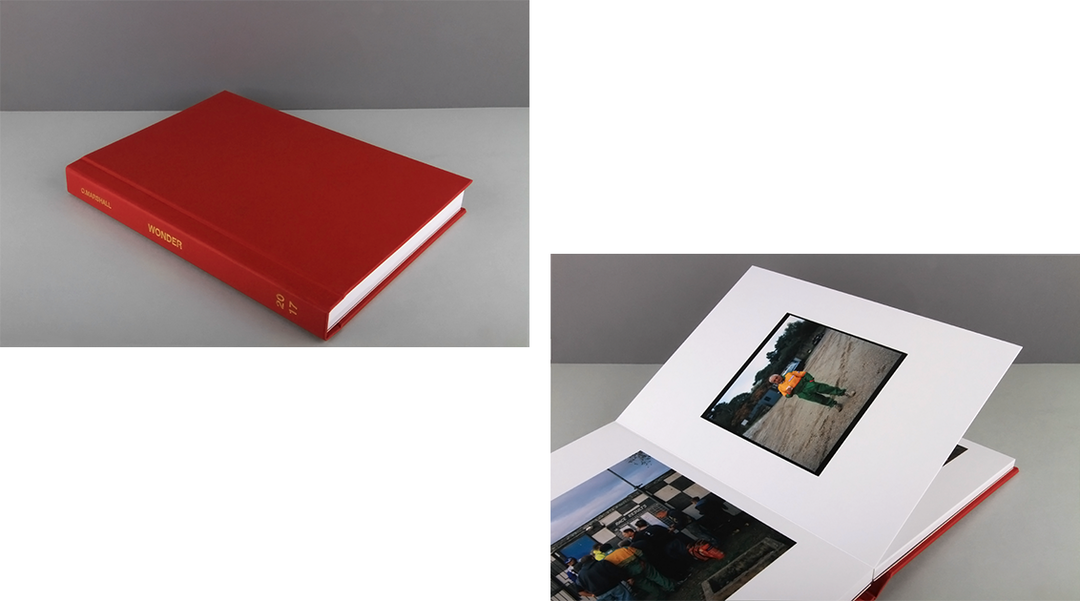
Oliver Marshall
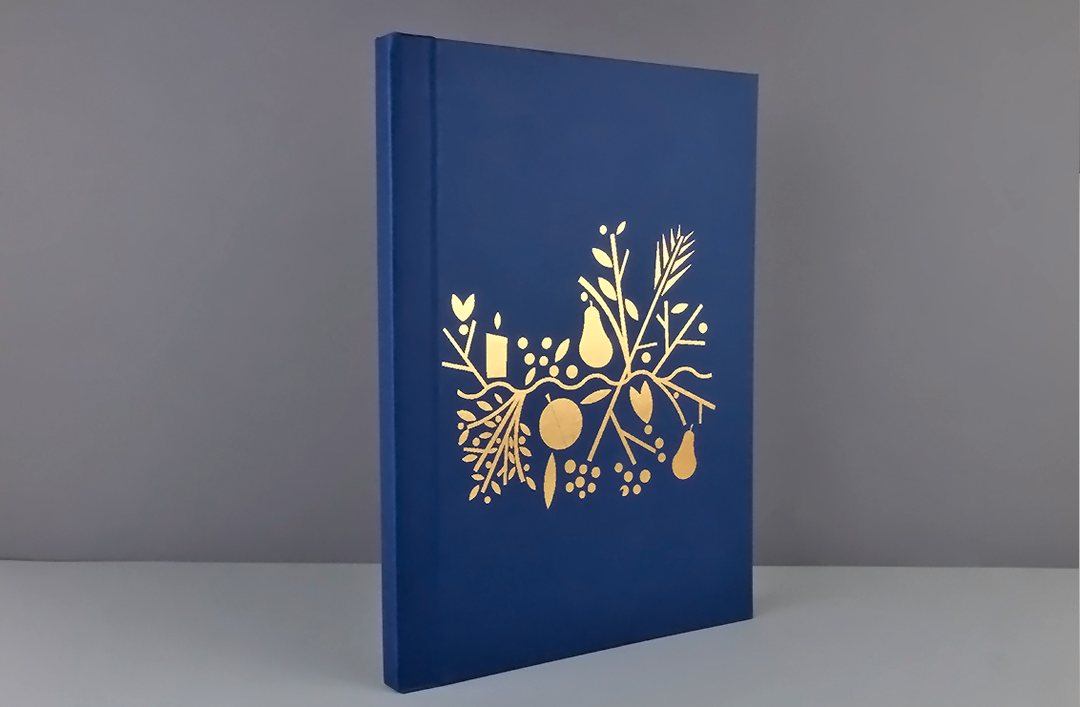
Maddy Mould
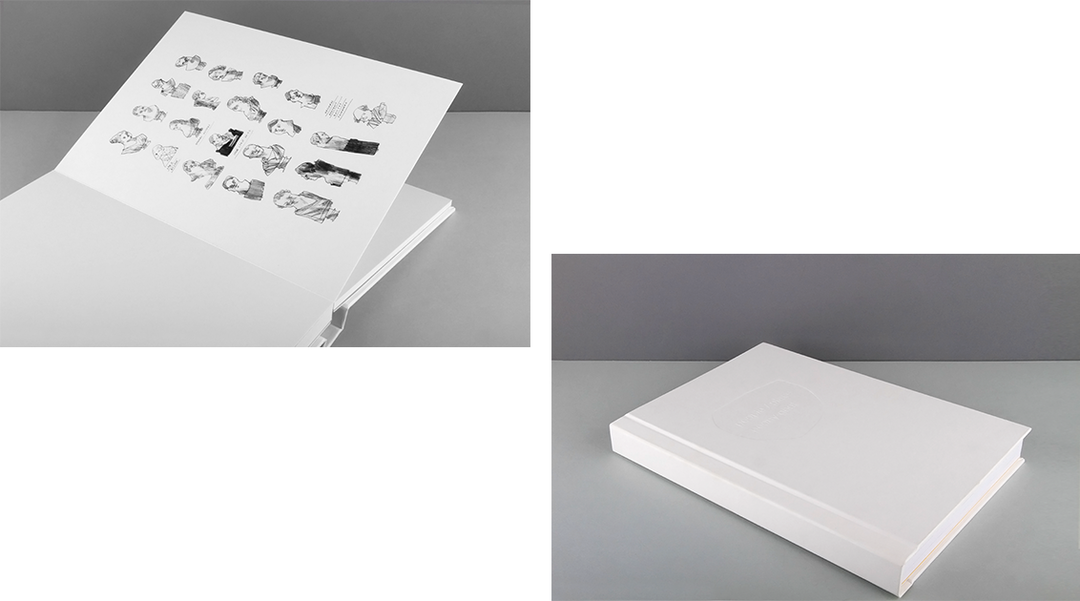
Peony Gent
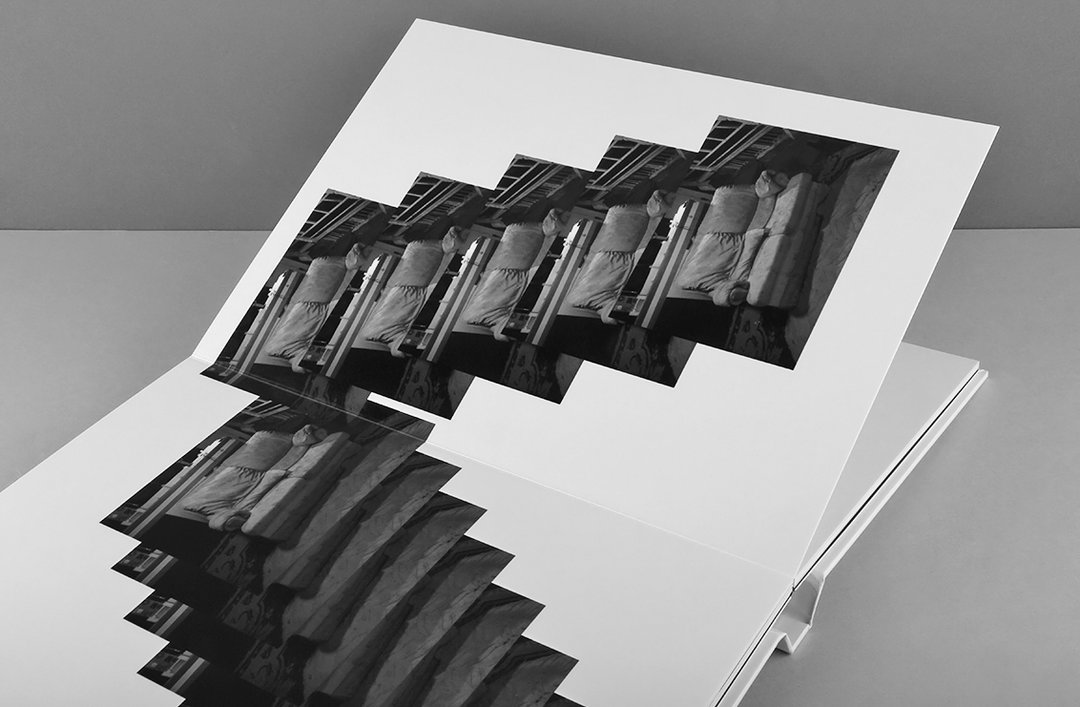
Hannah Nightingale
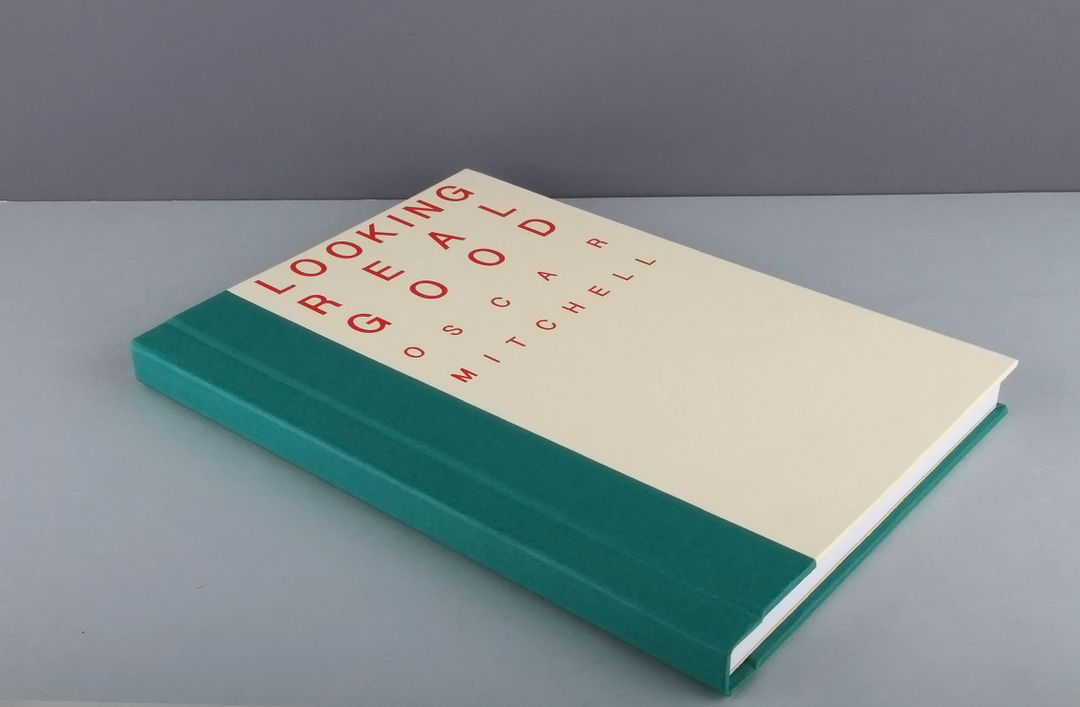
Oscar Mitchell
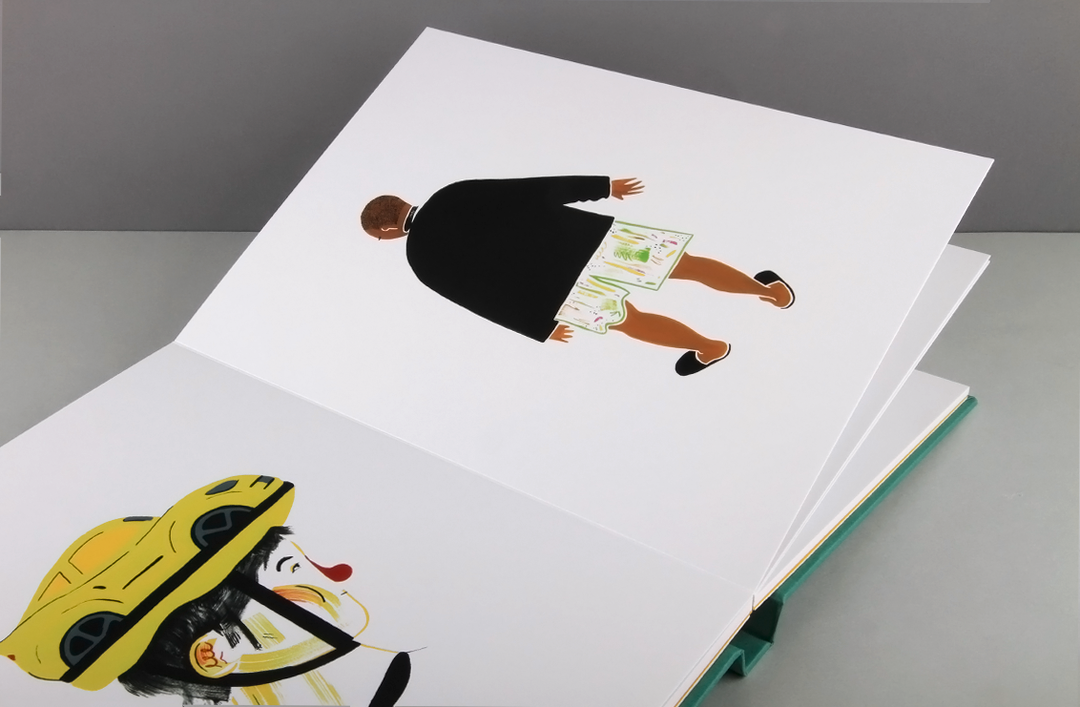
Oscar Mitchell
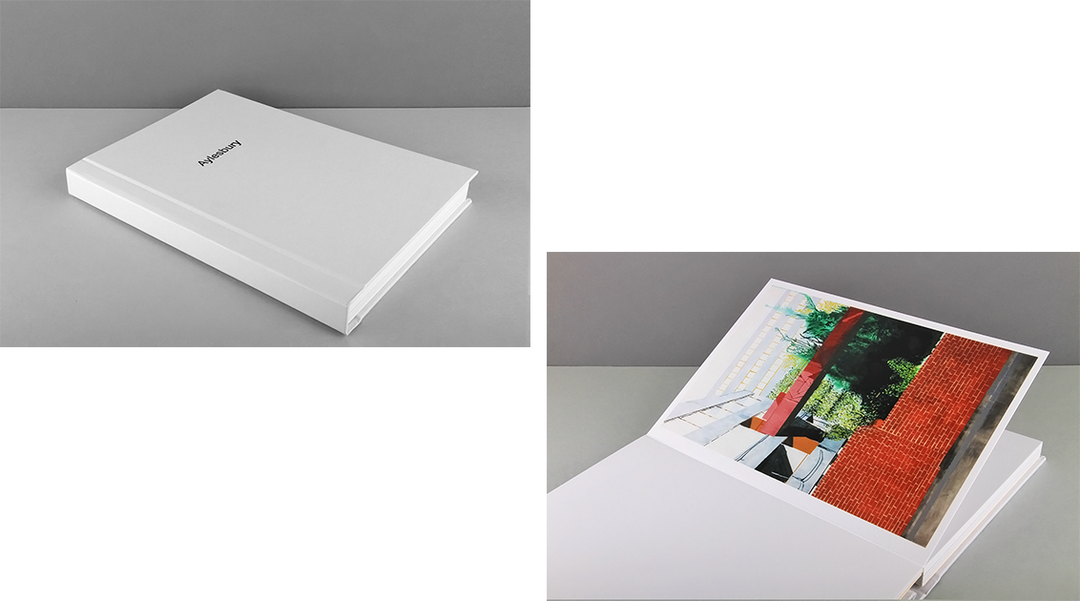
Michael Cox
Tom Joyes
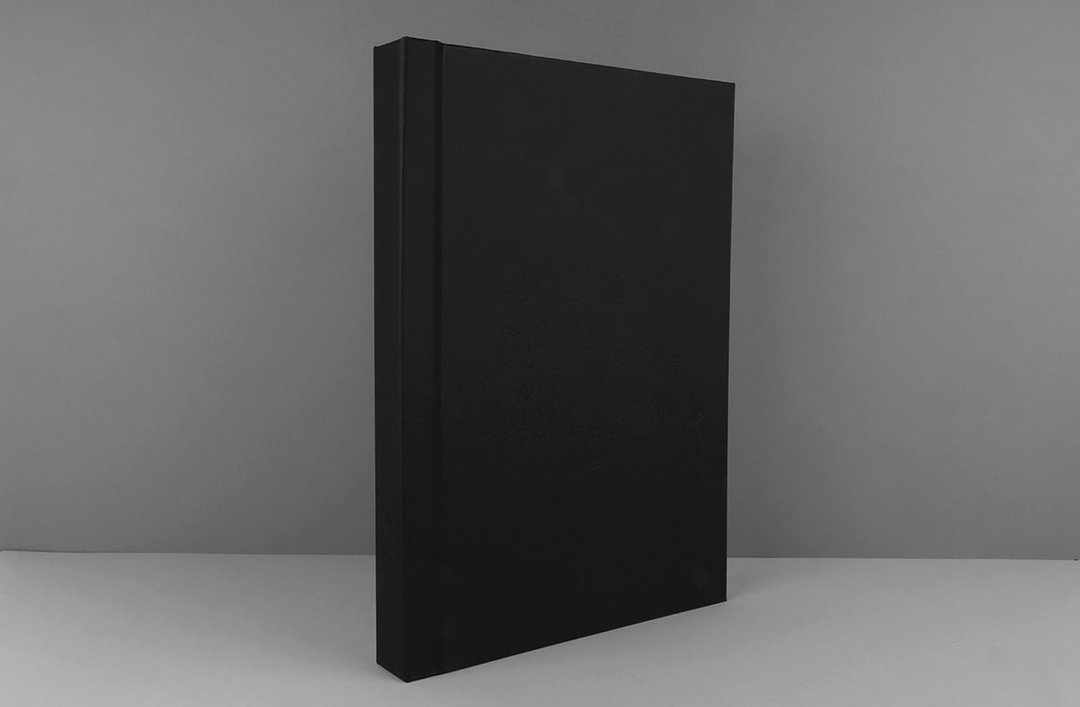
Tom Joyes
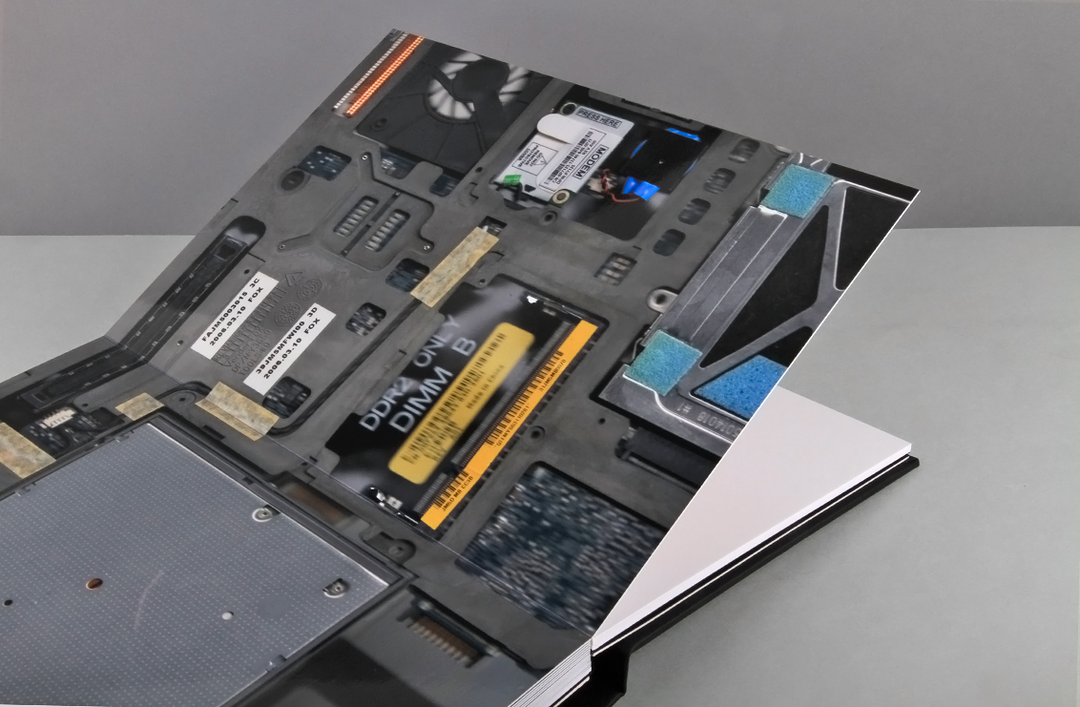
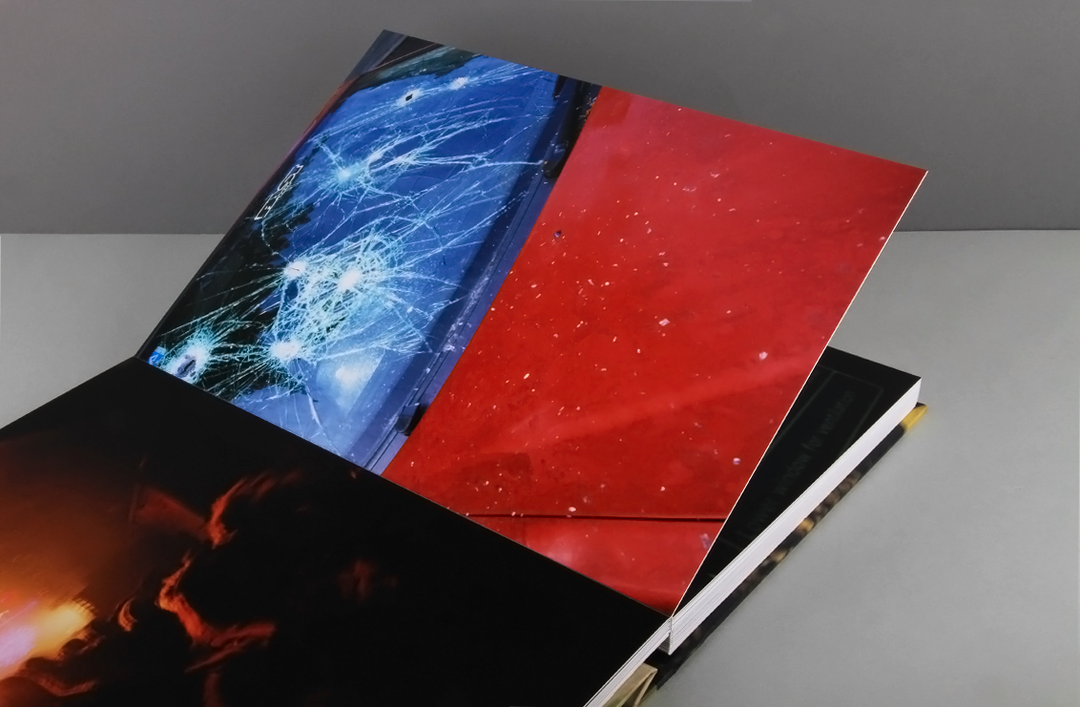
Liam Hart
Share Article
Further Info
About the Author
—
Rebecca Fulleylove is a freelance writer and editor specialising in art, design and culture. She is also senior writer at Creative Review, having previously worked at Elephant, Google Arts & Culture, and It’s Nice That.