

- Words
- Ellis Tree
- —
- Date
- 6 July 2026
- Tags
How Freitag keeps its cool: A look inside the brand’s less-than-conventional approach to creative campaigns
The cult favourite Swiss brand is built on inventive ideas and a healthy dose of Dada-esque humour. To find out more about why its marketing has never missed, we talk to creative director, Thomas Wakeford, about what makes Freitag’s visual world as unique as its bags.
Share
Share
It’s no surprise that Freitag was started by two Swiss graphic designers – something many might guess from just one look at the precise, graphic patterns that cover its beautiful bags. If you own one however, then you’ll know two things: 1) They last forever and 2) Each is truly one of one. You’re also quite likely to be a graphic designer yourself, or a creative type, which makes the decision of taking a particular bag home, or leaving it behind in one of the stores, even harder than usual – because if you choose to part ways with one, you may run the risk of never seeing that particular cut of colours on truck tarp ever again!
Every bag is “as unique as you”, is something Thomas Wakeford, creative director at Freitag quite casually mentions as an in-house motto in this conversation on the brand’s visual world, but I think it’s a sentiment that translates into everything Freitag does. Whilst the brands roots may sit firmly with upcycling and a distinctly innovative approach to materials and making, challenging convention isn’t just part of its circular model. It’s campaigns have always been just as imaginative and unique as its products.
In this interview with the creative director, we dive into how they are making them happen – from the story of its first ever campaign for its F37 Renegade bag in Tokyo to the visuals surrounding the accessories brand’s latest drops. We uncover how the team shaping Freitag’s brand world are always on the lookout for ways that its one-of-one bags can translate into a less-than conventional approach to branding – collaborating with art directors, photographers, stylists and creatives to push evermore quirky ideas into strong visuals, made with a humorous spirit.
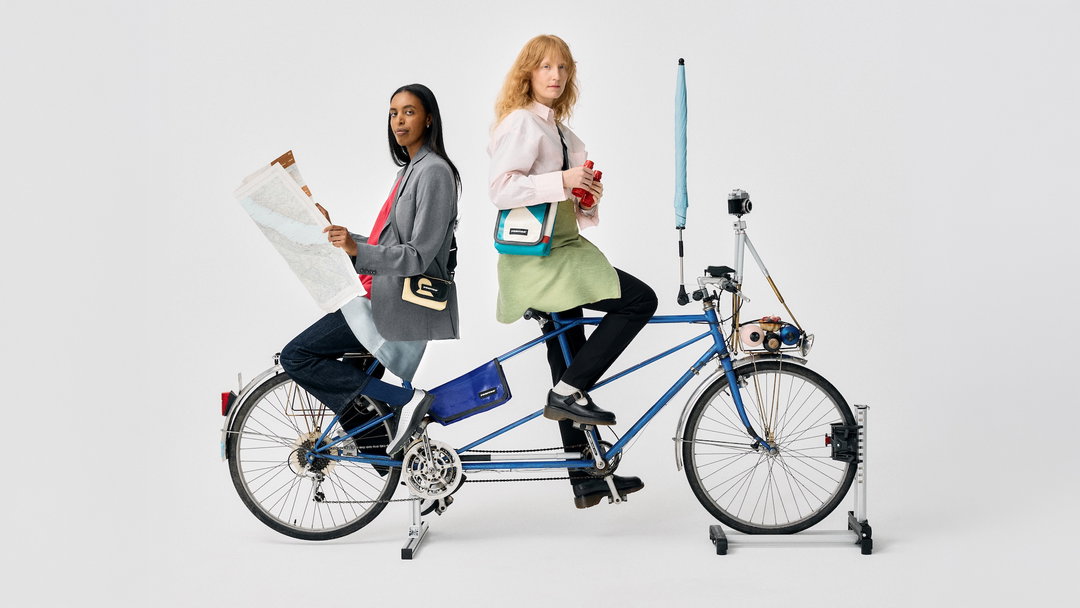
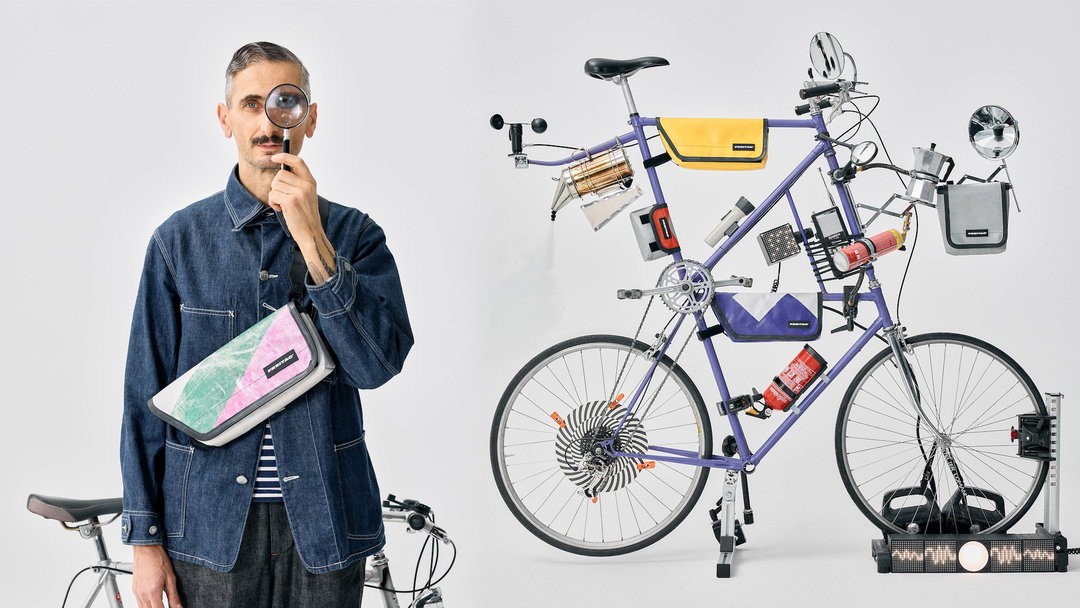
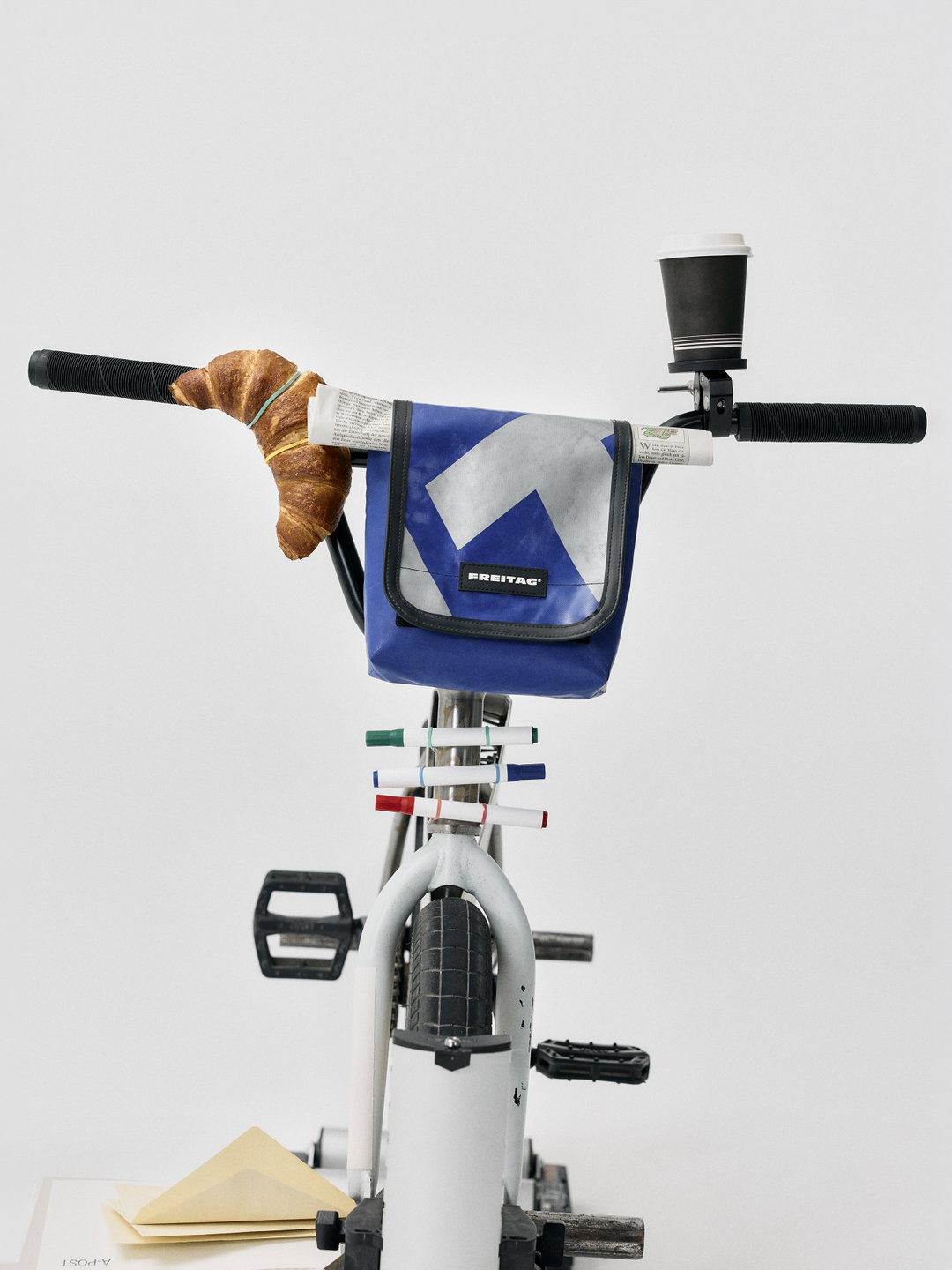
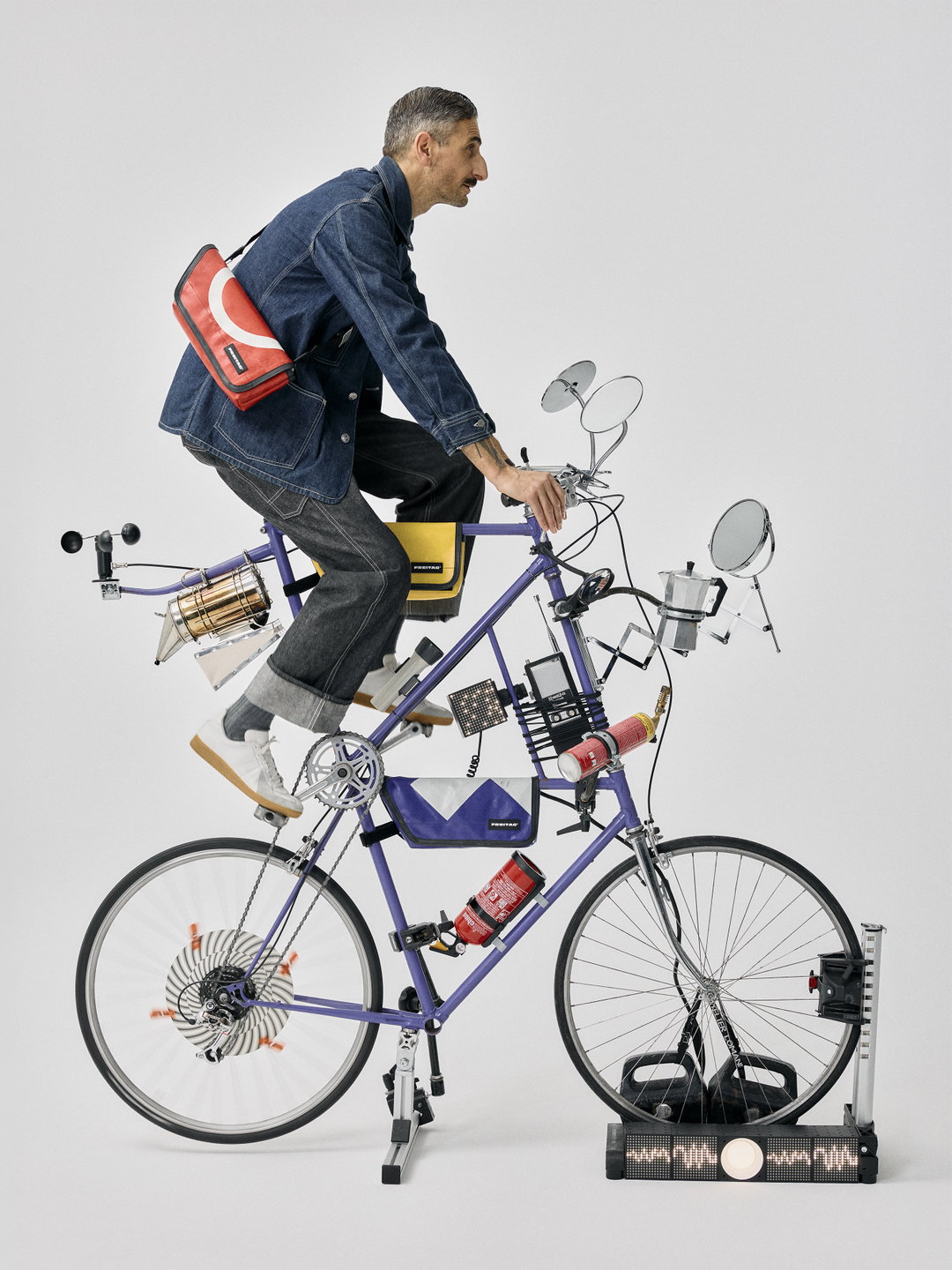
Freitag: Easy Riders, Photography by Nicolas Haeni (Copyright © Freitag, 2026)
It’s Nice That (INT):
I’d like to start with the brand’s origin story. I feel like Freitag has a very cool one! For readers that might not know, could you outline how the Freitag brothers started a company making bags out of old truck tarp back in 1993?
Thomas Wakeford (TW):
Yes, it certainly began with quite a spontaneous idea. When the Freitag brothers started out in 1993 they were both studying graphic design and they were on the search for a robust, water repellent bag that they could use to take their work from their house to the studio, but they couldn’t find one. The story is that they got quite inspired by all of the multicoloured, heavy traffic that rumbled through Zurich, seeing these trucks drive by their window everyday, and decided to test out making a very solid, durable bag from their tarp.
They then deconstructed their bikes and made use of an inner tube to add to the design – which became this very famous bike binding, and now, quite an iconic part of the bag. Looking into repurposing these kinds of materials further, they thought more about the details that were attached to these trucks, and thought of the seat belt (which you wear across the body anyway) as having a lot of potential to become the bag’s strap.
The whole production process started out at home and was very DIY – they were washing tarp in their bathtub and built the very first bags in their living room with just a sewing machine. I think the nice thing about Freitag’s start, in a sense, is that it was very much all about the product. At the start, Marcus and Daniel’s business ambitions were obviously very small – the bag was a personal and functional design reaction to their daily life and that is a sentiment that is really still true to the brand today.
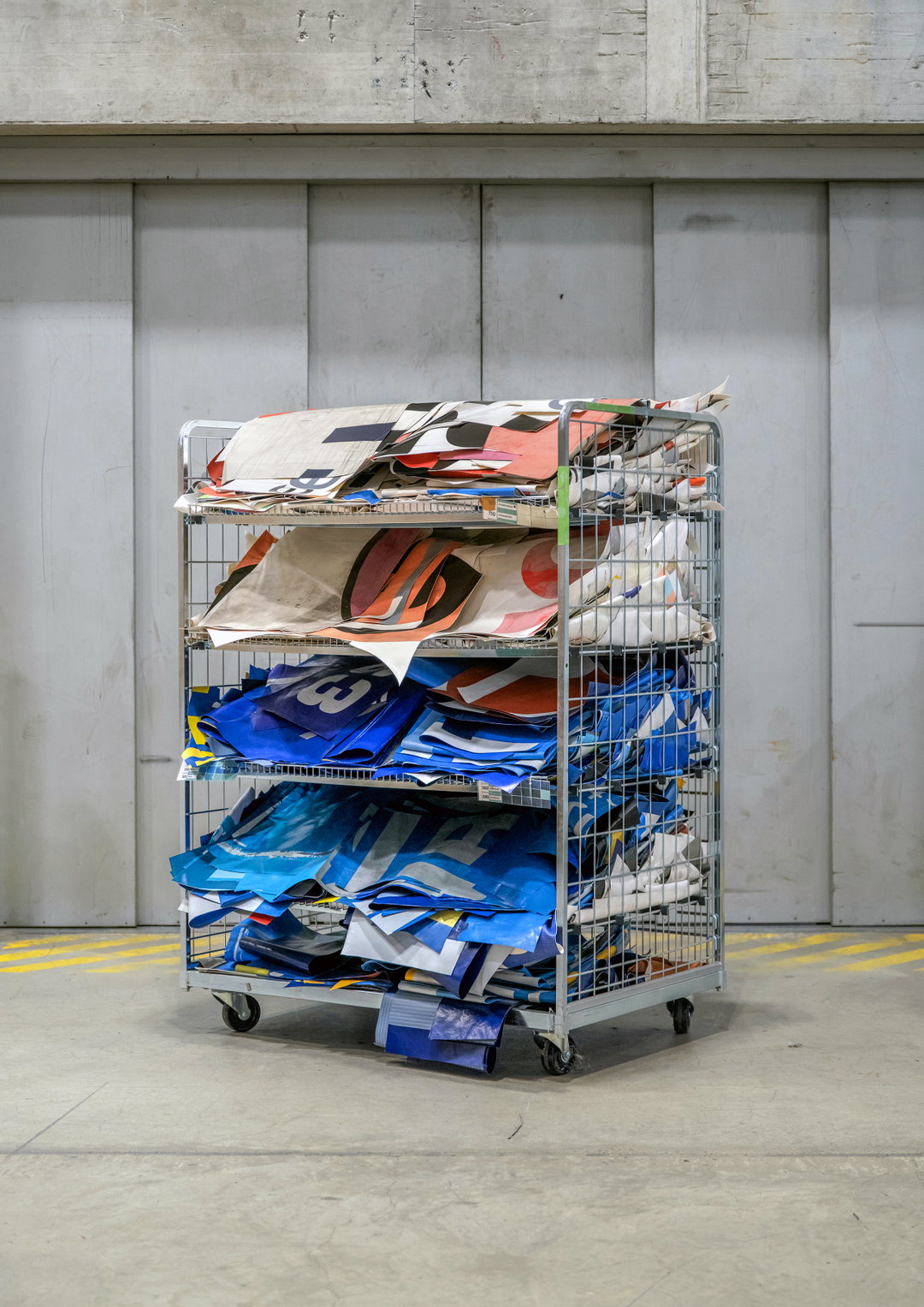
Freitag: Bag Offcuts (Copyright © Freitag, 2000)
“The bag was a personal and functional design reaction to their daily life and that is a sentiment that is really still true to the brand today.”
Thomas Wakeford
INT:
Yes I love that. I know they first started selling them to friends at art school who were like “That bag’s so cool, can you make me one too?” It’s really nice that it started as this personal solution that expanded into something more.
Whilst we’re talking about the early days I’m curious to hear about what the first ever Freitag campaign looked like?
TW:
It’s funny we were having lunch with Marcus yesterday and we asked him about this and the first thing that came to mind as a campaign of sorts – beyond just capturing images of the bags between them and their friends in the early days – was for a product called the F37 Renegade, which was a travel bag that we no longer sell, but they’re really nice. It’s this really big bag that you can wear cross body, but you can also unzip and it can turn into a tote on one side and a smaller crossbody on the other.
The founders decided to feature themselves in the campaign for the bag and the concept was based on them being the kind of ironic chairmen of the brand and running away to Japan on a fake business trip. They took a photographer called Noah Flume along with them and he documented their journey in this humorous, sort-of faux documentary style. What they did to make the pictures from this trip a little bit more Freitag, however, was zip themselves up in sleeping bags with just their heads poking out – in every shot, whether it was next to a plane, a train station or in the middle of a Tokyo street. So they looked like these worm creatures, I almost want to say, but it brought this kind of humour and lightheartedness to it. You had this person standing in a sleeping bag with the actual bag next to them, which was quite ridiculous but it created such a strong image and that’s exactly the spirit we’re still trying to translate in our campaigns now.
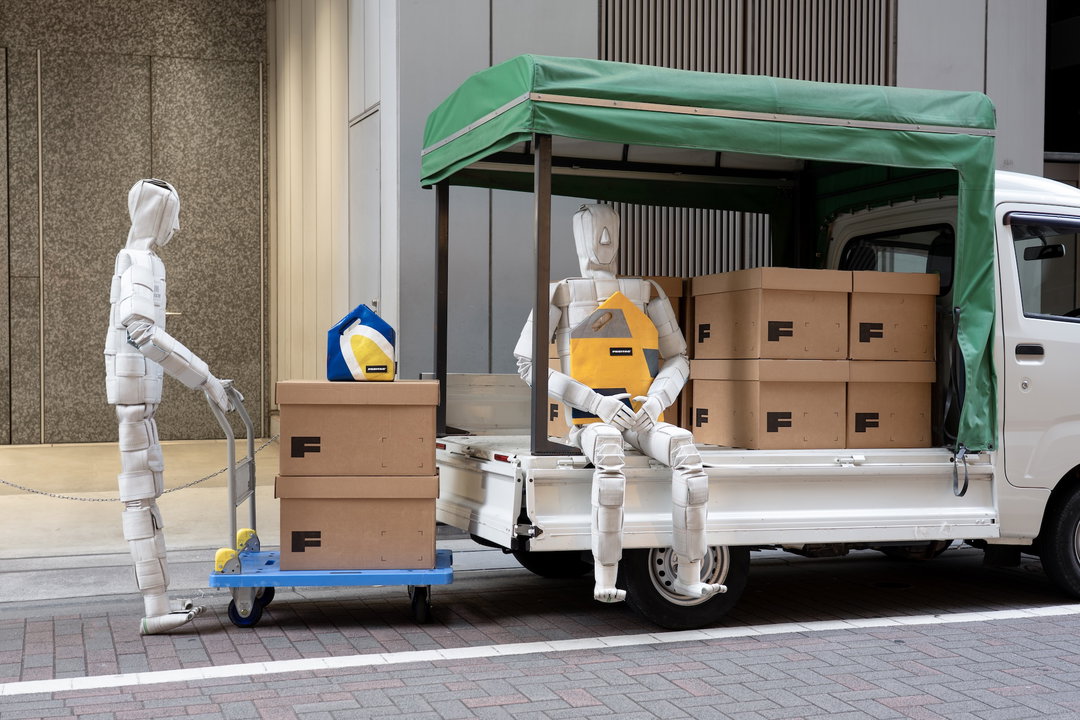
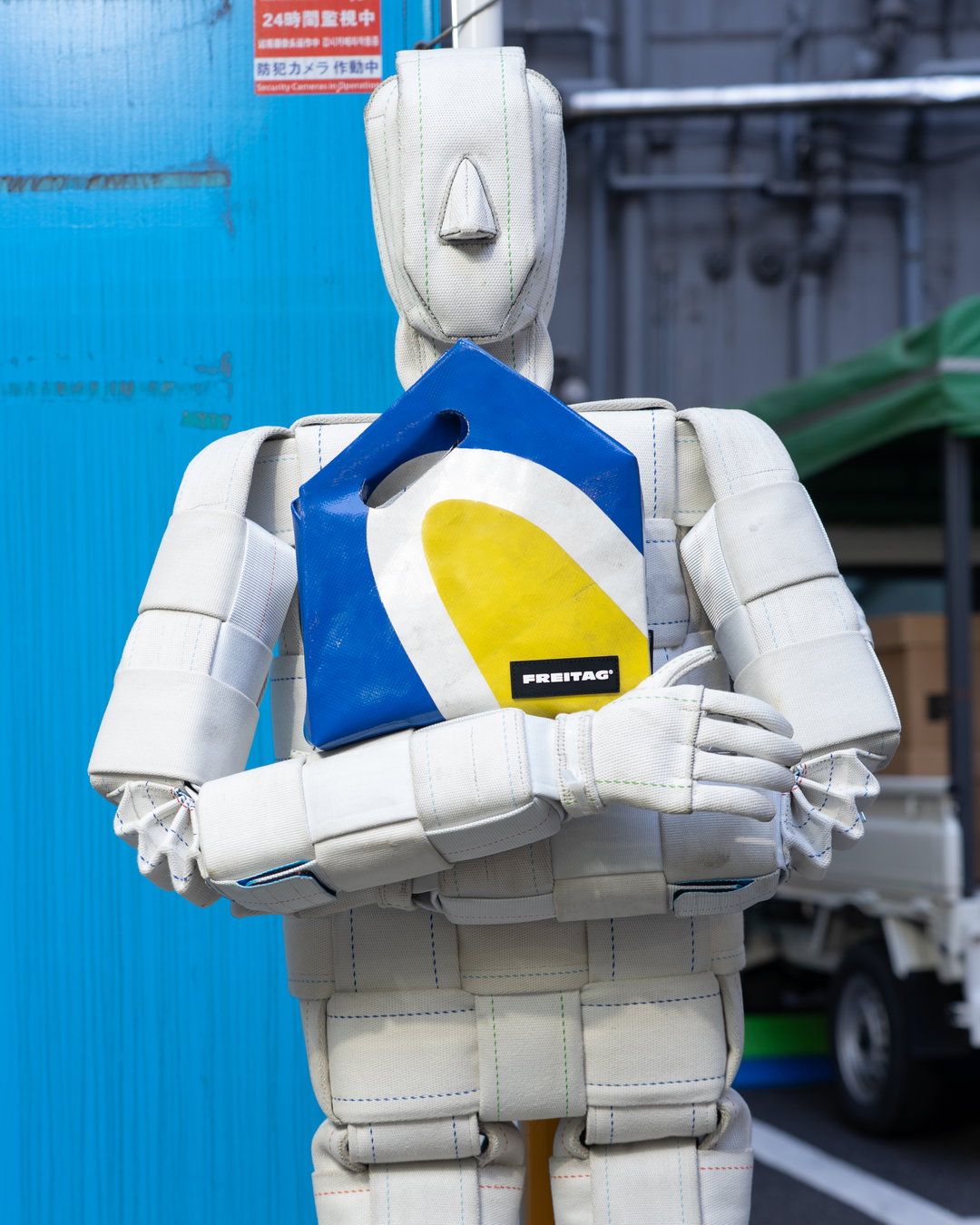
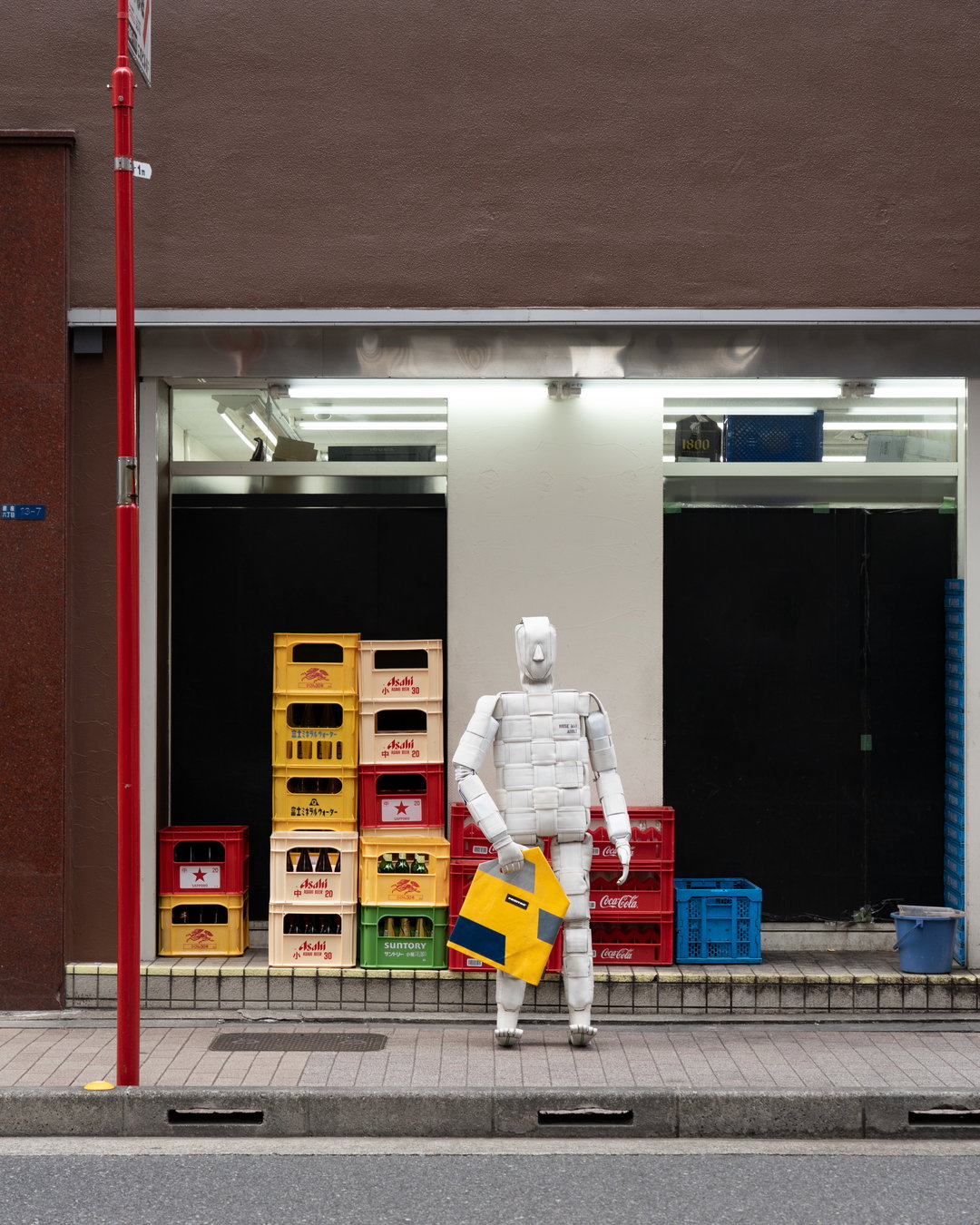
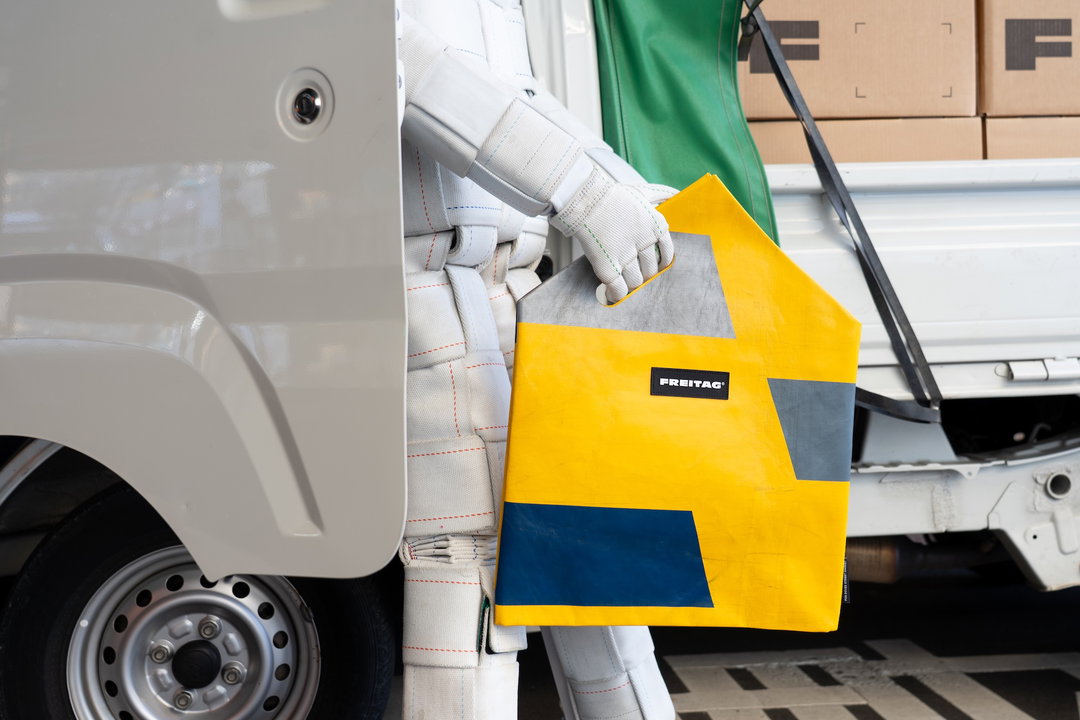
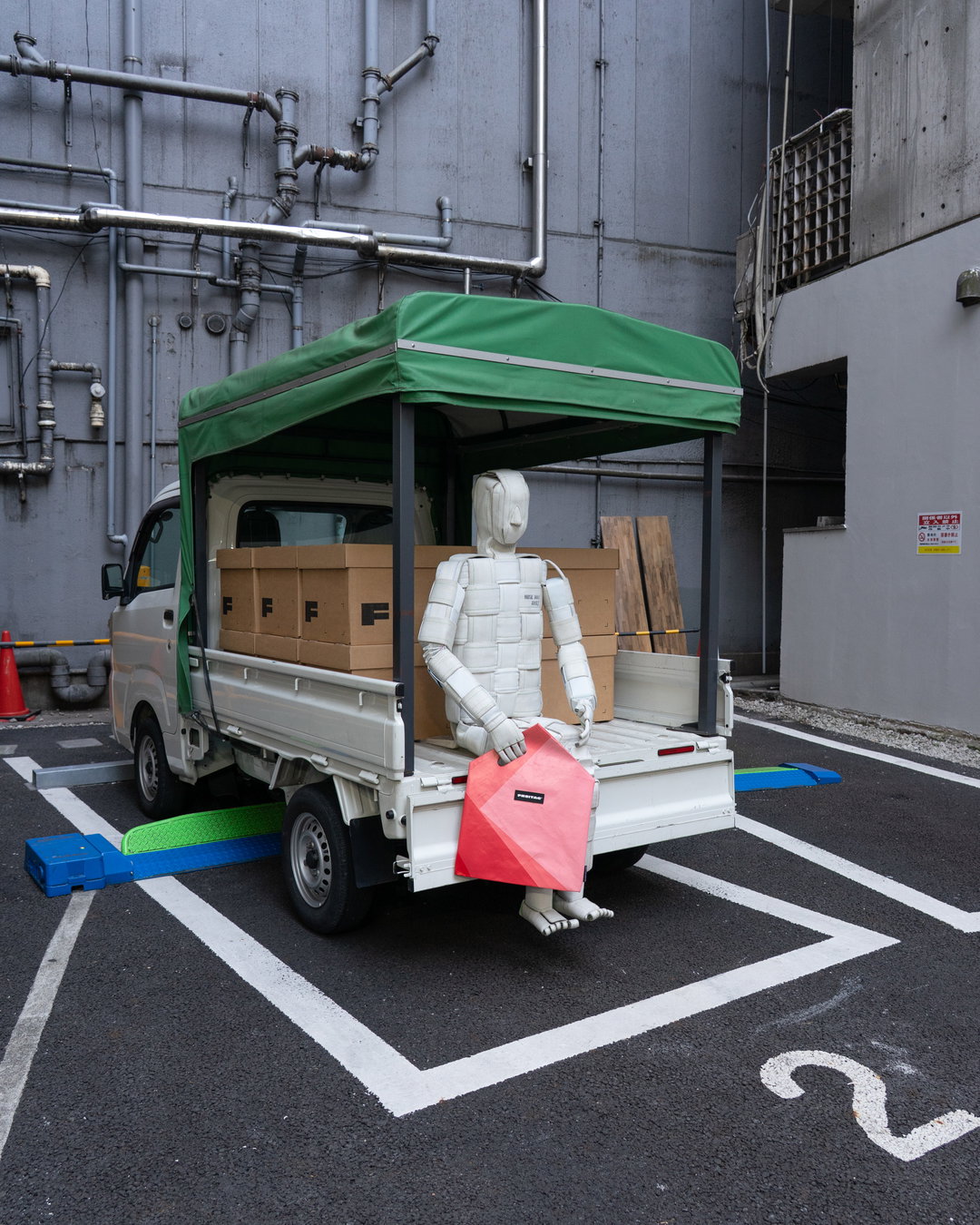
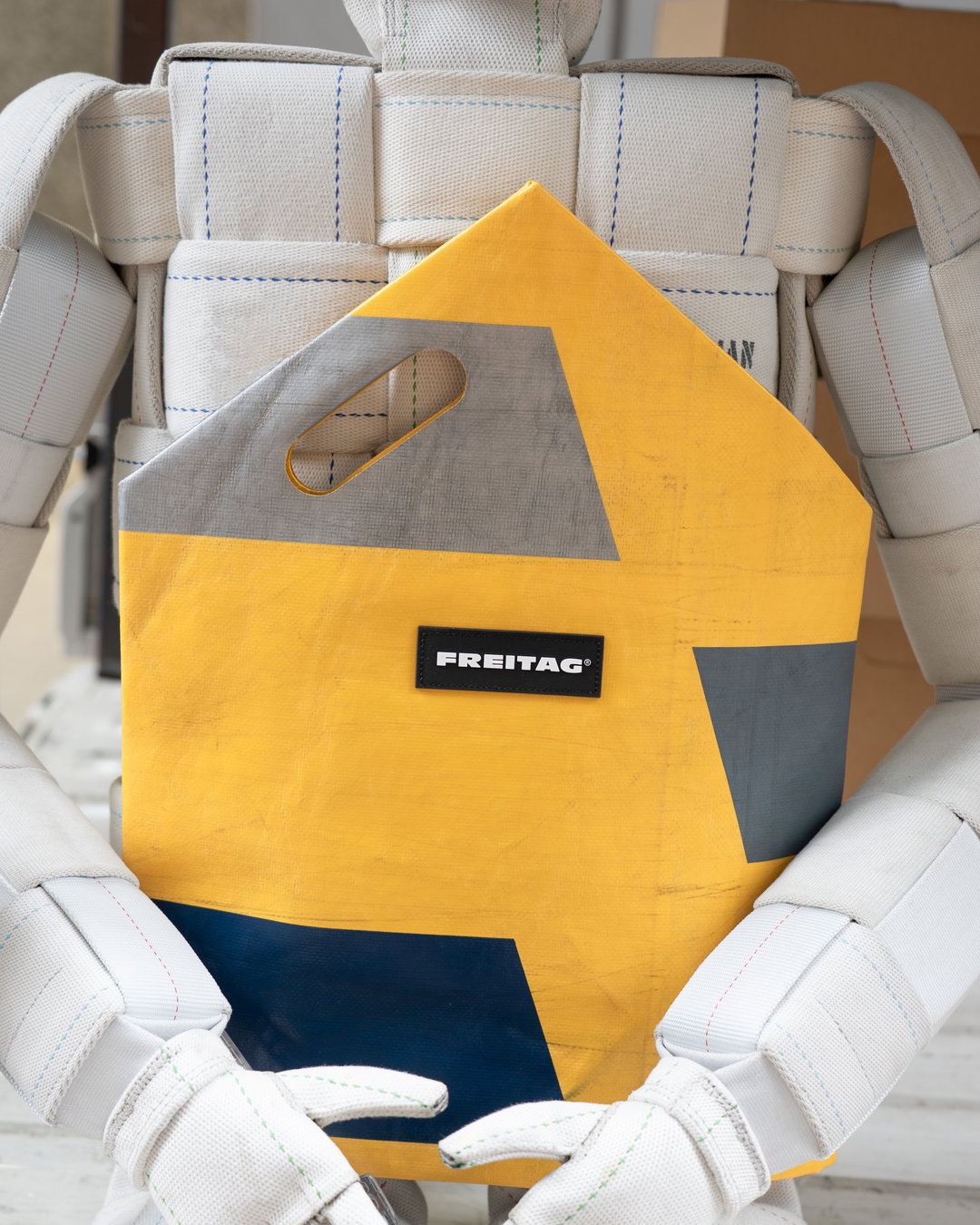
Funnily enough, we actually half referenced that campaign recently when we did a collaboration with Dover Street Market Ginza back in March. We didn’t use the sleeping bags this time, but we found these repurposed firehose mannequins that they use in Japan to do vehicle testing and first aid stuff. If you look on our Instagram, we placed them all around Tokyo – the idea was that they were delivering the bags from our Ginza store to the Ginza Dover Street Market store. We took loads of pictures of these mannequins holding the bags in different situations all over the city which was fun but also quite strange and eye catching.
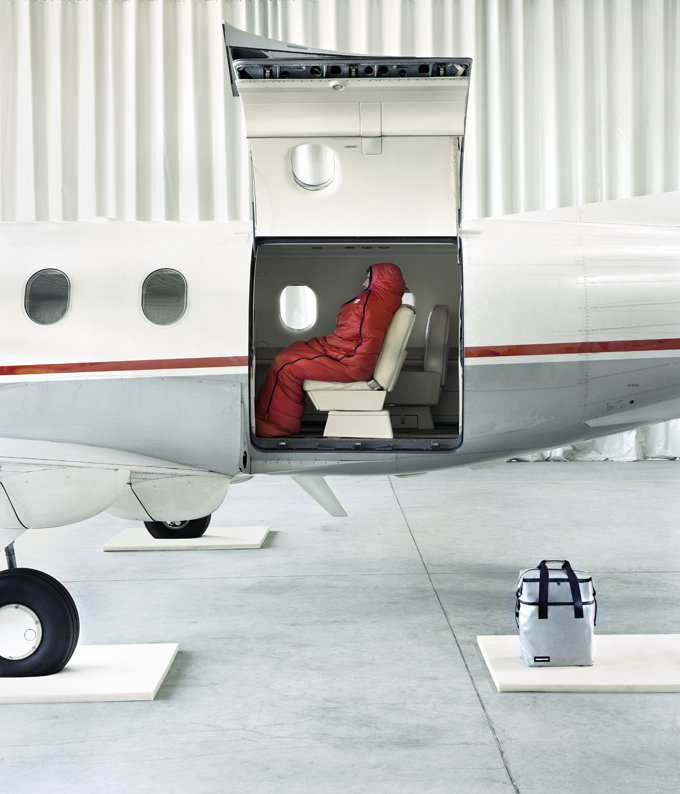
Freitag: F37 Renegade Campaign (Copyright © Freitag, 2000)
1 of 6
Freitag: Freitag for Dover Street Market (Copyright © Freitag, 2026)
1 of 6
Freitag: Freitag for Dover Street Market (Copyright © Freitag, 2026)
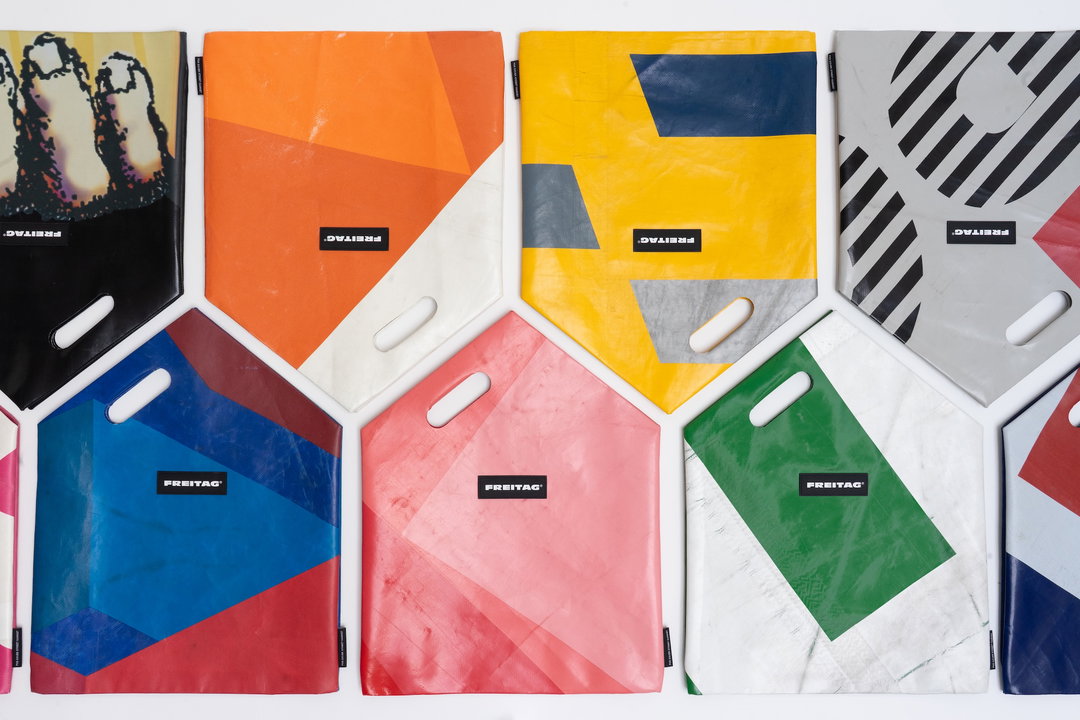
Freitag: Freitag for Dover Street Market (Copyright © Freitag, 2026)
INT:
That’s so funny, I think the spirit of that early campaign really translates into everything you’ve done to date. Do you think the brand’s origins of upcycling and repurposing materials for new means has somehow influenced its approach to marketing and creative direction since the beginning too?
TW:
Yes definitely, that circular process – what we call from truck to bag – is a journey that really informs everything we do at Freitag. It’s really the heart of our brand. It defines our story and I think it’s the contrast between these raw repurposed, industrial, found materials and this fun, distinctly Swiss, almost Dada-esque humour that I think really makes Freitag, Freitag.
The brand’s core creative philosophy is taking something that already exists and re-contextualising it into something new. That applies to whether it’s a truck or bag or a bike. It also kind of shapes a conceptual approach because it can be taking an absurd cliche or a witty observation or even a small irritation in everyday life and giving it a new life and a new context, whether that takes the form of a product or an idea.
INT:
I wanted to ask you a bit more about that process, to get more of a glimpse behind the creation of your campaigns. I’m sure each is quite different and presents different challenges, but how do you take things all the way from ideas to realisation each time there is a new product launch?
TW:
Each campaign really starts with the bag: its function, the user we envision wearing it etc, and sometimes the idea can be really clear from the start. Even as we are developing new products, we are already thinking about the creative campaigns around them. But like you said there are no clear rules and each launch is different. We always want to prioritise something that’s really visually exciting.
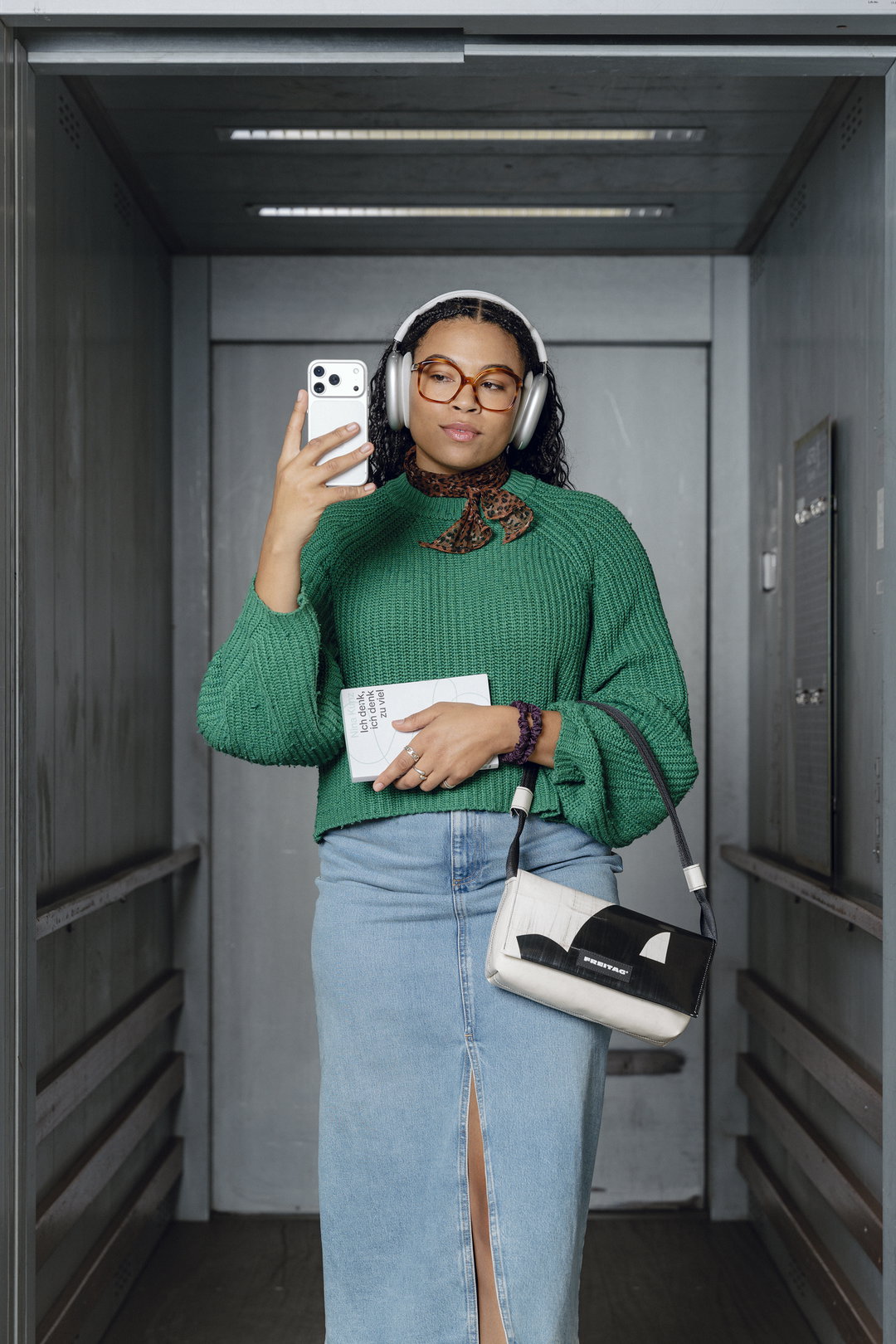
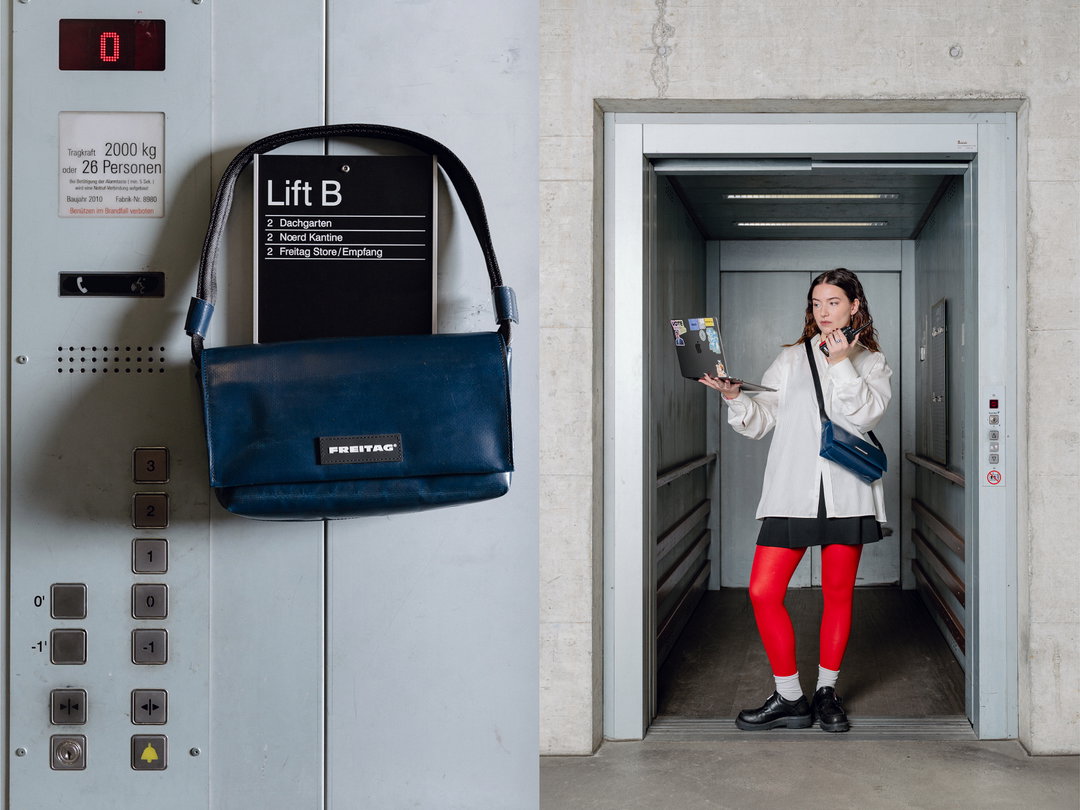
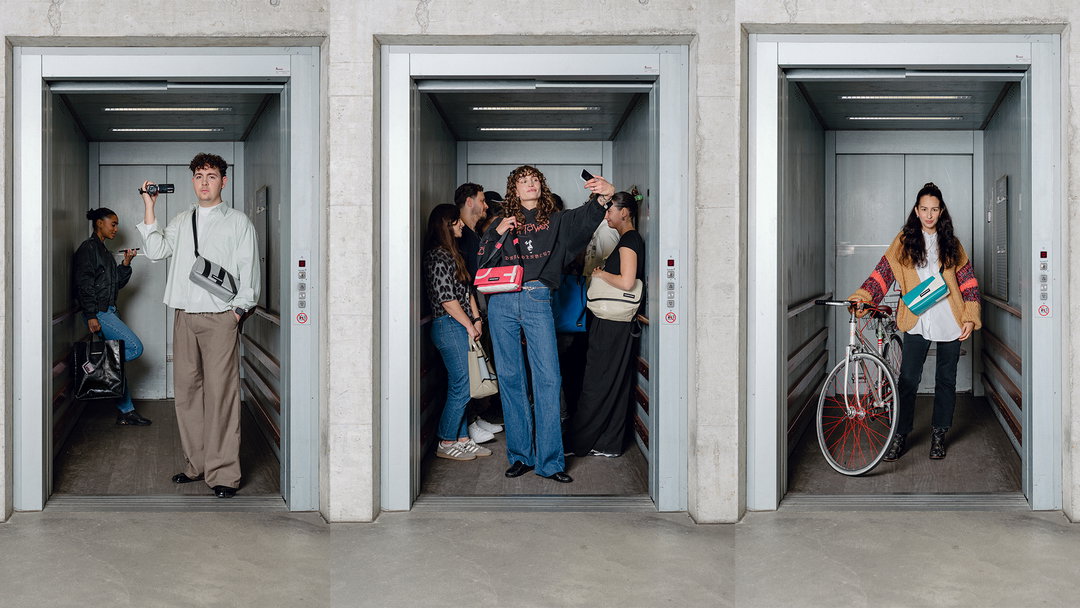
For example, with the campaign for the Laura Bag, which we launched back in February now, we just really went with the idea of the bag being called Laura and we cast as many Lauras as possible for the shoot and sort of envisioned all these different Lauras arriving at their workday at Freitag, stopping at the lift on their way in, which is on our first floor, and this idea informed the campaign shoot.
INT:
I loved that campaign!
Freitag: F171-LAURA, Photography by Selina Seibel (Copyright © Freitag, 2026)
Freitag: F171-LAURA, Photography by Selina Seibel (Copyright © Freitag, 2026)
Freitag: F171-LAURA, Photography by Selina Seibel (Copyright © Freitag, 2026)
TW:
Thank you. Yes, it felt like that was really us because it brought this sense of individuality, which is just like the bags. Each one is completely unique and the idea was to highlight that even though all the people in the campaign were all called Laura, they were all so different.
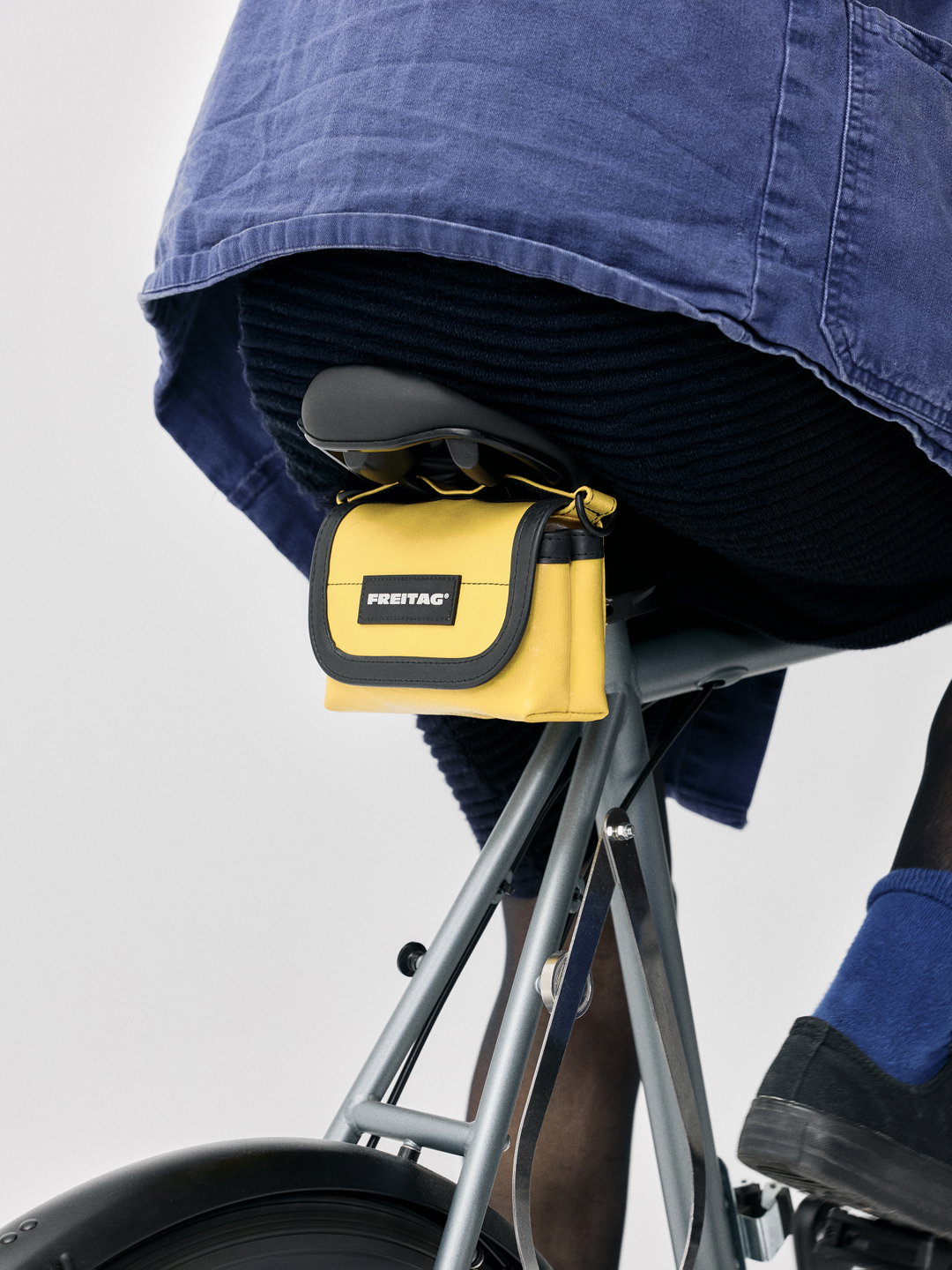
Another campaign we did recently was Easy Riders, which was for our new bike bags. Here we really focused on the function and knew we wanted to shoot them in action, attached to bikes. Then from there we’re like, okay, who are all the crazy characters that are riding the bikes and what are their journeys like across the city? We kept building out our ideas of who we might imagine using the bags on their commutes – there was a ceramicist, a gardener, two cool friends that are going on a day trip, an engineer with all these crazy ideas… That was a really fun one to shoot.
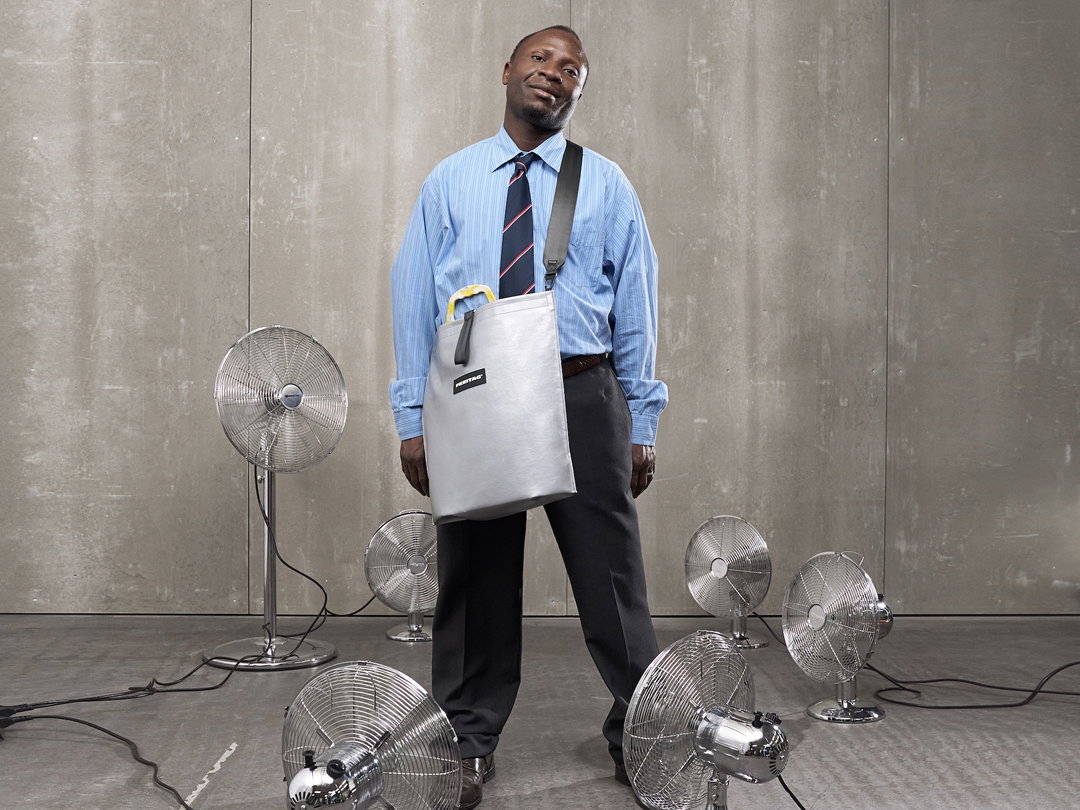
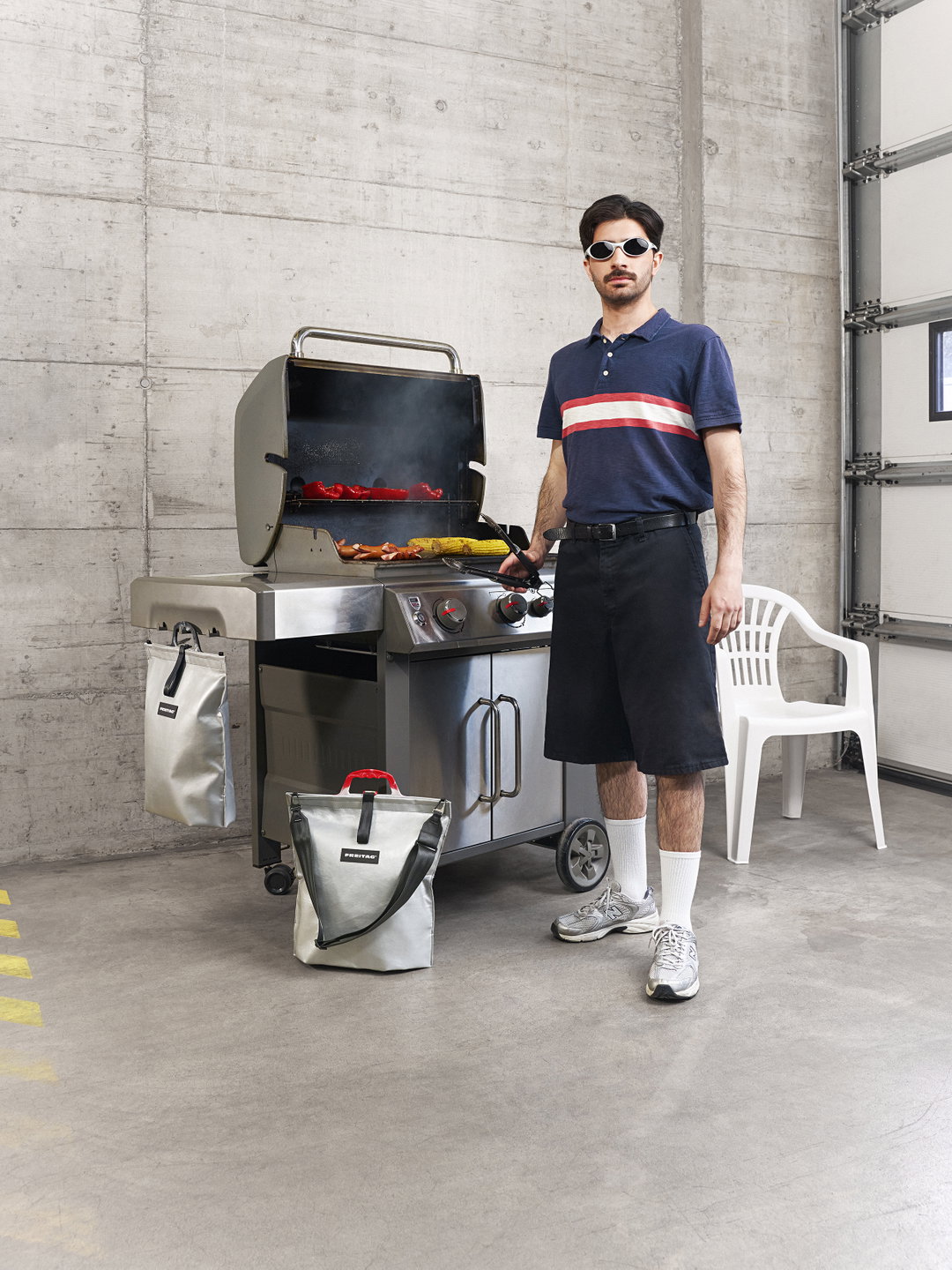
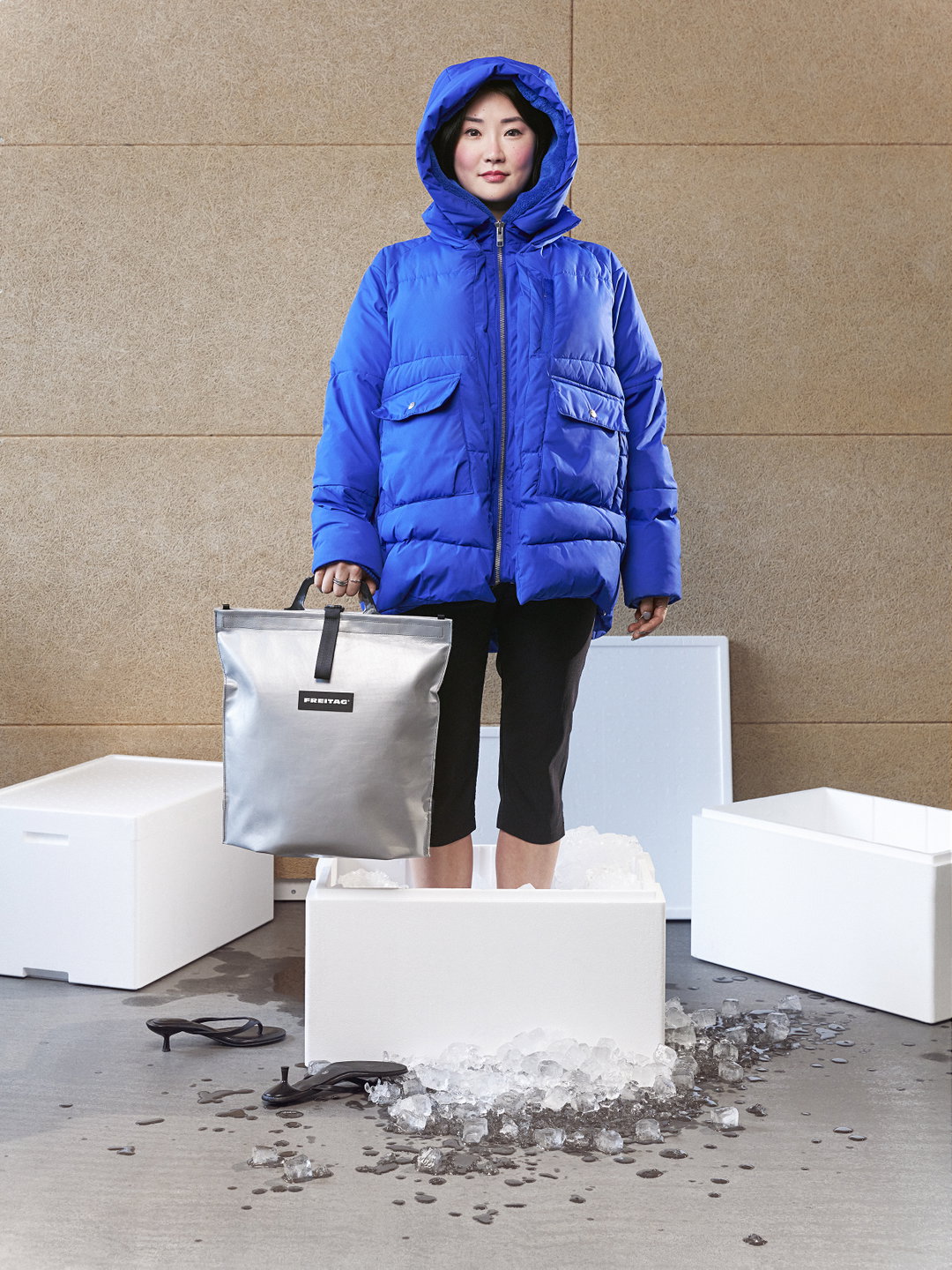
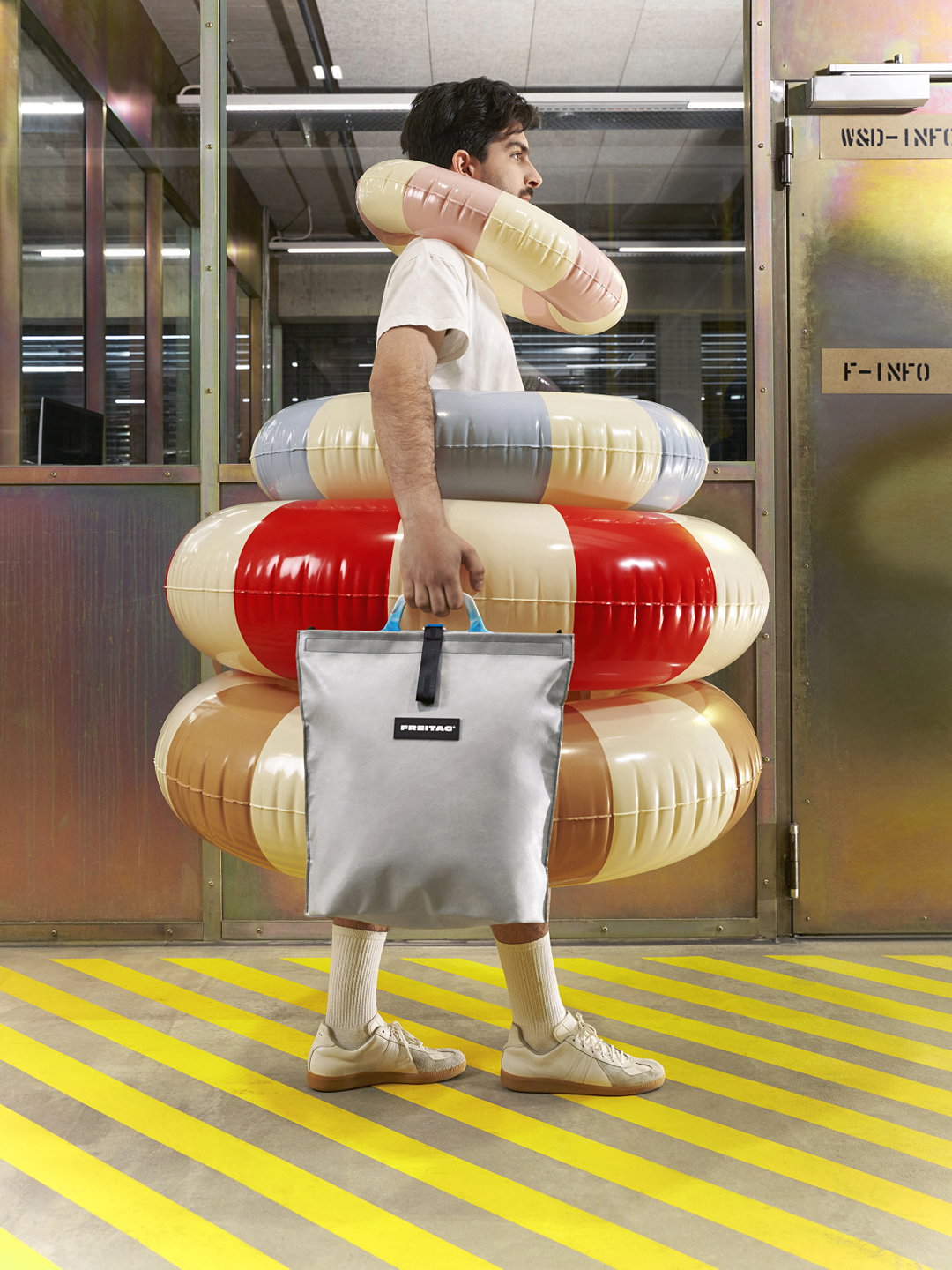
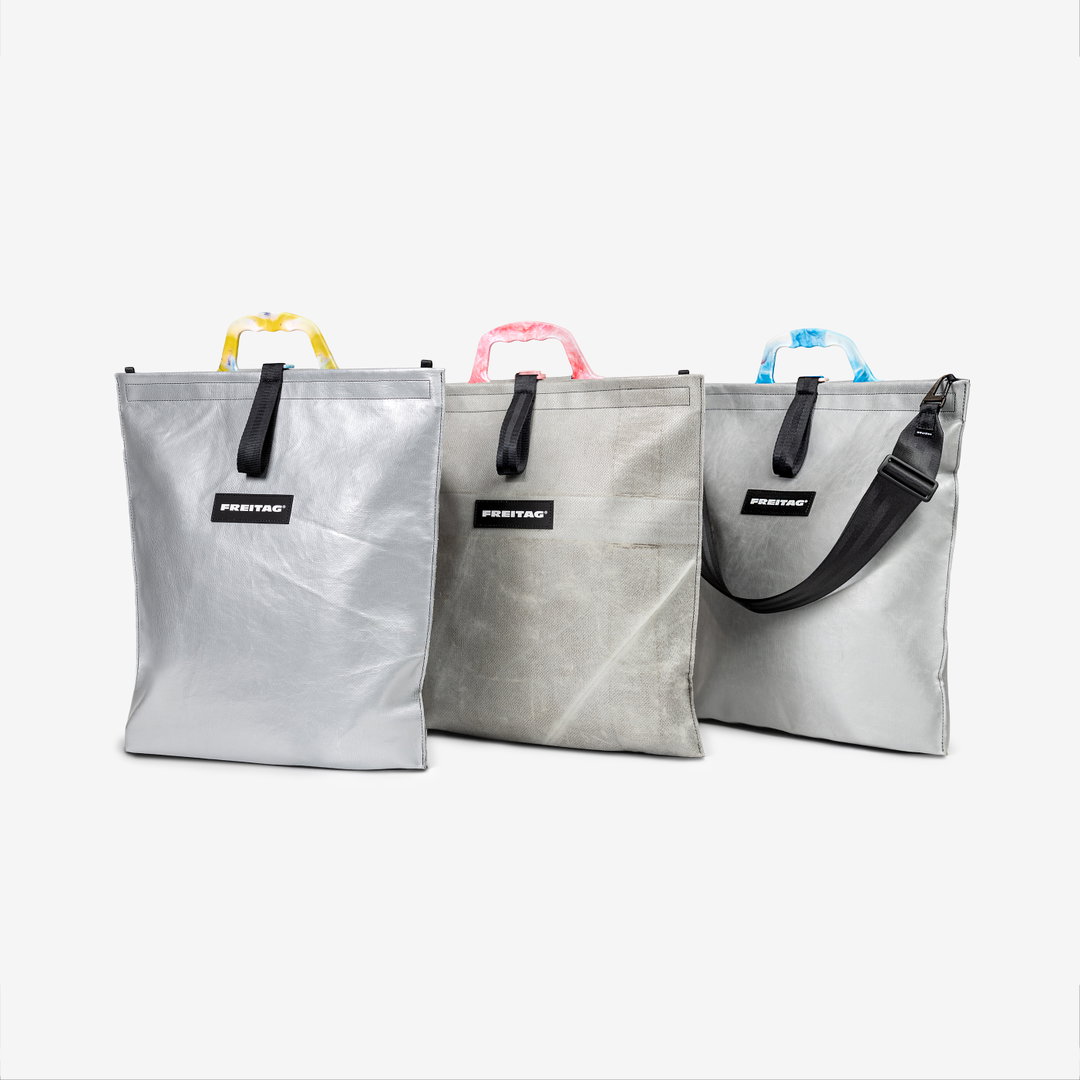
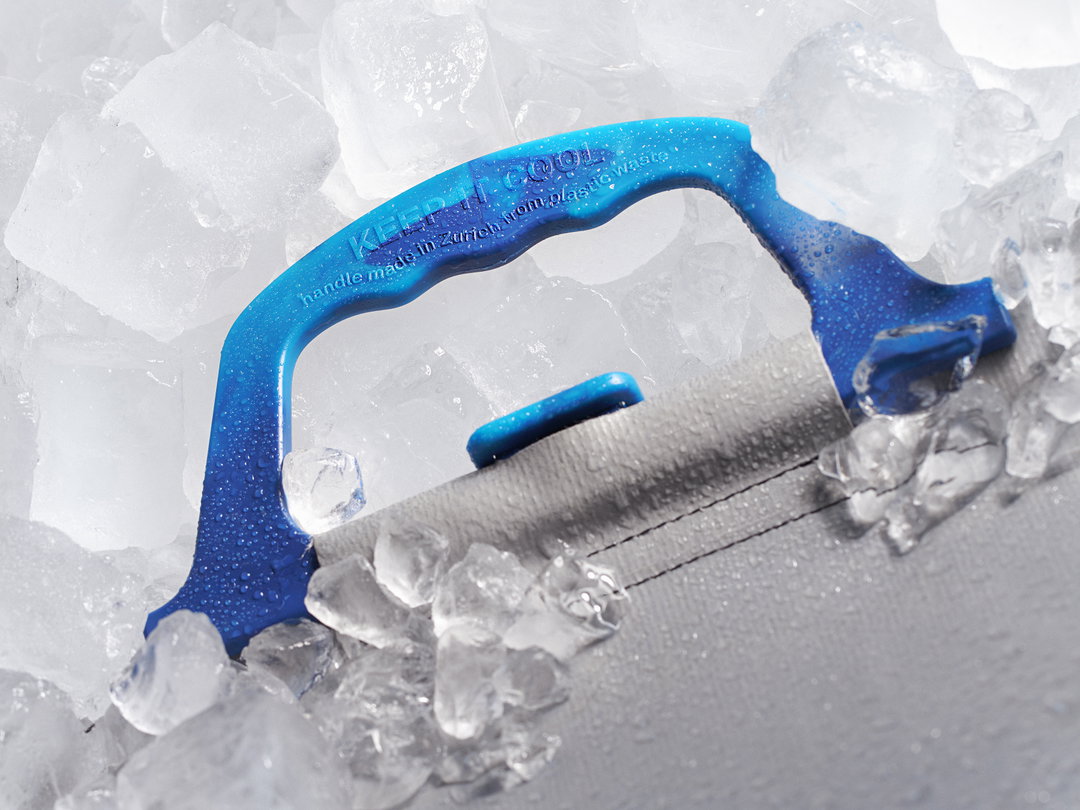
Last week we just launched our new Cool Bag too – which is both the name of the bag, but also its function. For this latest campaign we really liked the humour behind the dual meaning of the phrase ‘keeping it cool’. We created bizarre situations for the shoot where that expression became the framework for funny visual stories. Like all of our campaigns, this had a very social-media-friendly approach and sought to put our community first with a fun, digestible and approachable idea.
INT:
Yes, I think that approachability really comes through in the social campaigns. I just saw some of the Cool Bag shots on Instagram today. They are so great. It’s the perfect summer campaign.
Freitag: The Cool Bag, Photography by Calypso Mahieu (Copyright © Freitag, 2026)
1 of 5
Freitag: The Cool Bag, Photography by Calypso Mahieu (Copyright © Freitag, 2026)
1 of 5
Freitag: The Cool Bag, Photography by Calypso Mahieu (Copyright © Freitag, 2026)
“It’s the contrast between these raw repurposed, industrial, found materials and this fun, distinctly Swiss, almost Dada-esque humour that I think really makes Freitag, Freitag.”
Thomas Wakeford
INT:
I really wanted to talk about the casting of your campaigns. Each Freitag bag is completely unique and this idea is a cornerstone of the brand. For me this really draws a parallel with the uniqueness of the people behind Freitag. Something I have always loved about your campaigns is how diverse the casting is – why has it been important to represent so many different types of personalities and people through the brand’s campaigns both young and old?
TW:
Yes, that uniqueness found in the products and the people that use them is really key for us. One of our in-house mottos is that every bag is as unique as you. I think we really have a commitment to being a democratic brand. Recently a lot of our products have resonated with Gen Z, but we also have a lot of customers that have been very loyal to us for the last 30 years and we don’t want to define who we are by a certain demographic, age, personality type or anything like that.
We are very lucky to have a really loyal community and a lot of our customers actually feature in our campaigns. We very rarely use models. We often ask shop staff or people that work in our head office or friends or friends of friends to feature in our campaigns. Occasionally we do cast models, but not in a traditional way – we just might reach out to someone here and there to be in a particular campaign because they fit a certain thing we might be looking for.
INT:
That’s so interesting that the people in the campaigns are often part of Freitag!
TW:
I think we just want things to feel really honest and represent real, everyday people. I have always liked the idea that we design bags for everyone and our casting is a very simplified way of saying that through our visual approach.
INT:
Definitely. The campaigns always bring a sense of timelessness to the product too, whilst still making the bags feel contemporary and exciting. Your recent Lucky Trucking Charms campaign sort of tapped into the trinket trend that’s captivated Gen Z, which might be an example of how you continue to appeal to younger audiences whilst also keeping old-time fans of the brand on board. How do you balance having a cross-generational appeal?
TW:
That’s a good question and a tough one to answer directly. I think timelessness, or creating a feeling of timelessness whether that’s in campaigns or projects, is hard to engineer. I think brands have to find ways to adapt to current culture and be relevant in current culture, which can often appeal to younger people more, but our focus at Freitag also remains on having longevity and appealing to everyone.
I think the charms were an interesting example because, from a product point of view, we need to find new ways to interpret our brand story and these charms are obviously a bit more of a trend that’s happening now, but when you do it in the kind of industrial materials we use, it can maybe feel quite raw and honest and, well, very Freitag. All our charms are made from production waste and leftovers from our bags too, so this actually became a fun solution for circular thinking and using waste as a resource again.
INT:
Yes, you definitely put your own stamp on that. It’s also kind of creating another access point to the brand and expanding the scale of products that you sell, which is nice.
TW:
100 per cent. Yeah it’s really true. We’re also constantly looking at how we diversify our portfolio and offer these entry-level products, which are fun and have this kind of edge and personality to them whilst still having a sustainable story. The Lucky Trucking charms offer something that people can put on anything really. Just the other day I saw someone walking around Zurich with a Birkin bag that had some Freitag charms on it!
INT:
Amazing, that’s so funny!
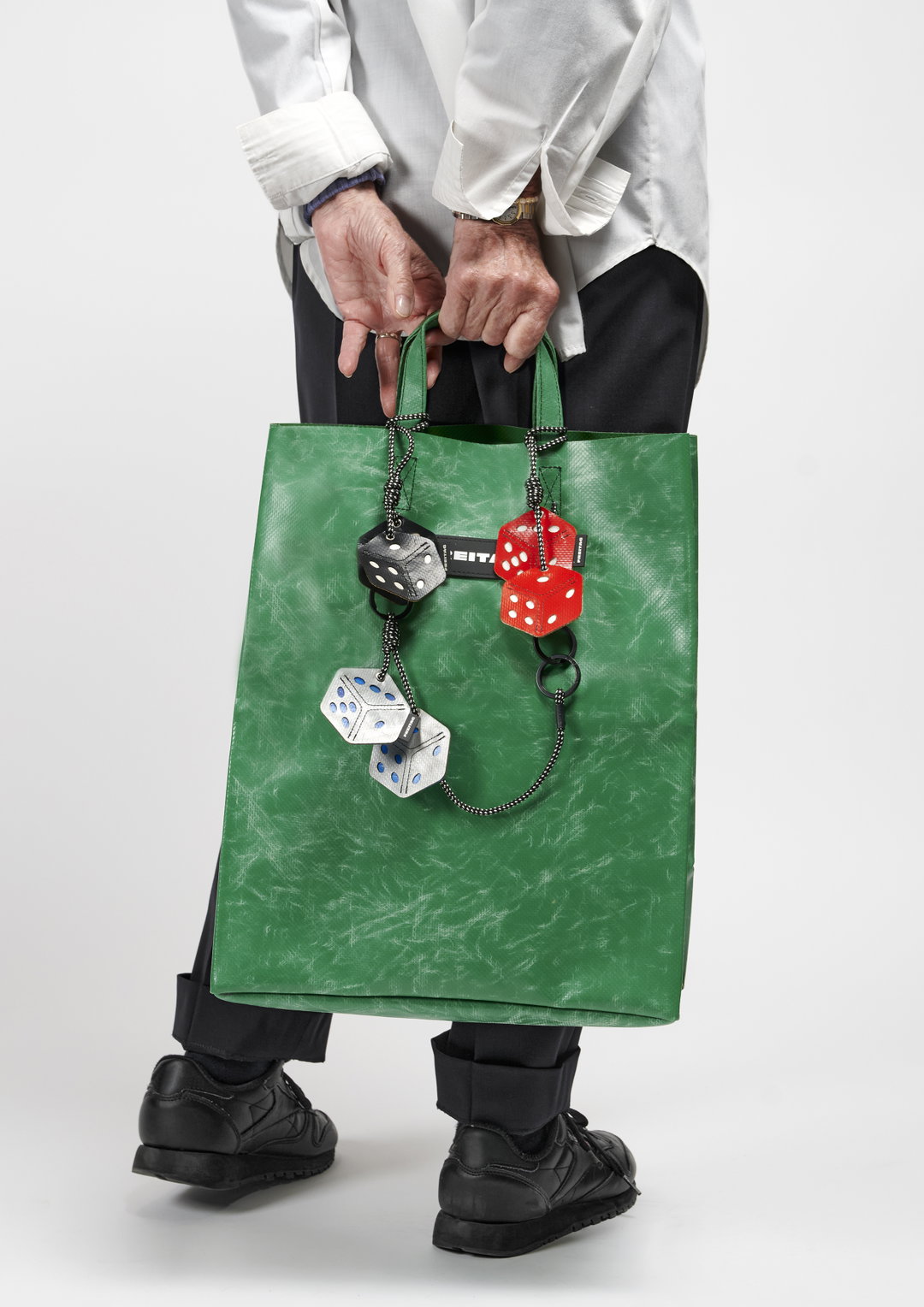
Freitag: Lucky Trucking Charms, Photography by Johanna Bommer (Copyright © Freitag, 2025)
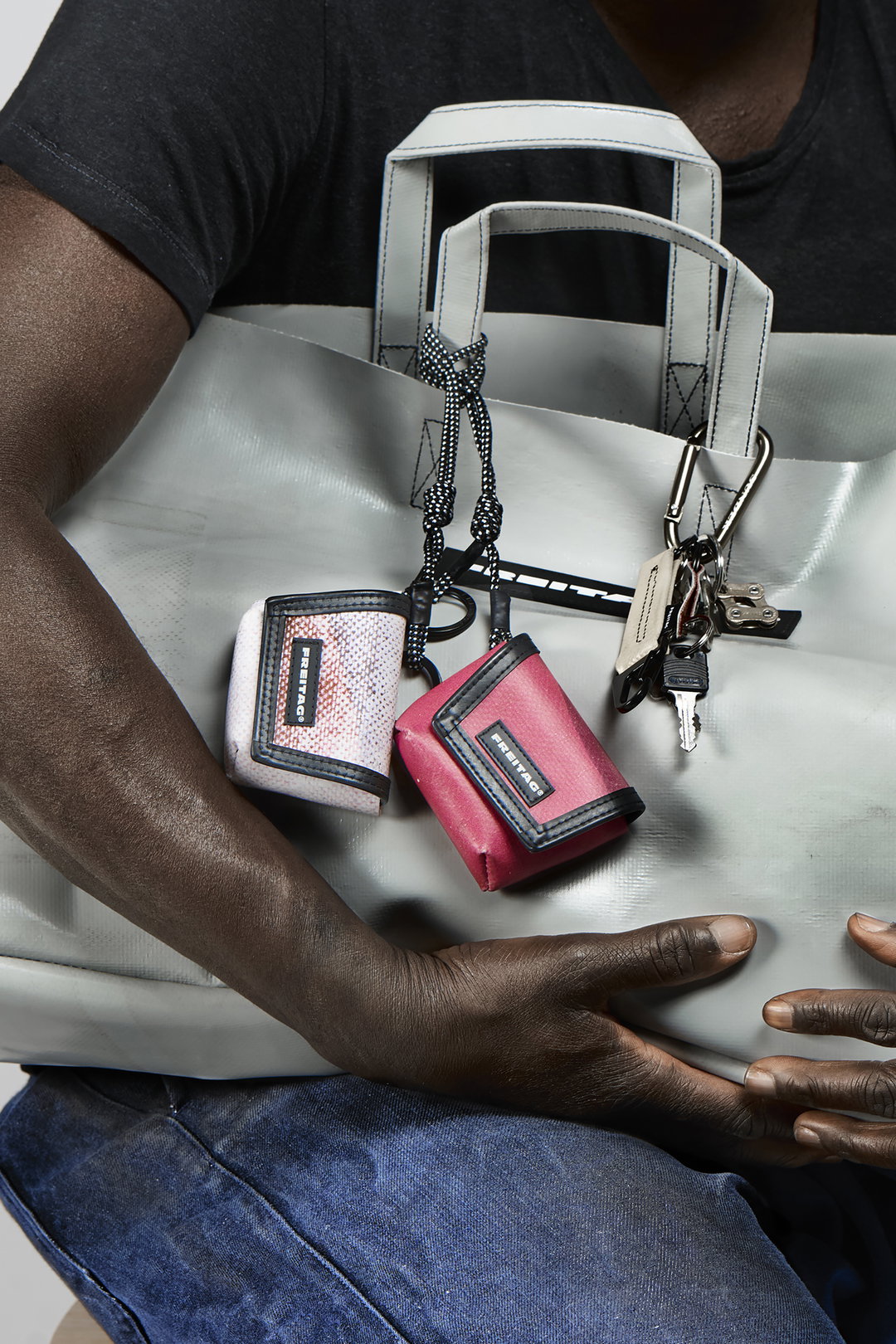
Freitag: Lucky Trucking Charms, Photography by Johanna Bommer (Copyright © Freitag, 2025)
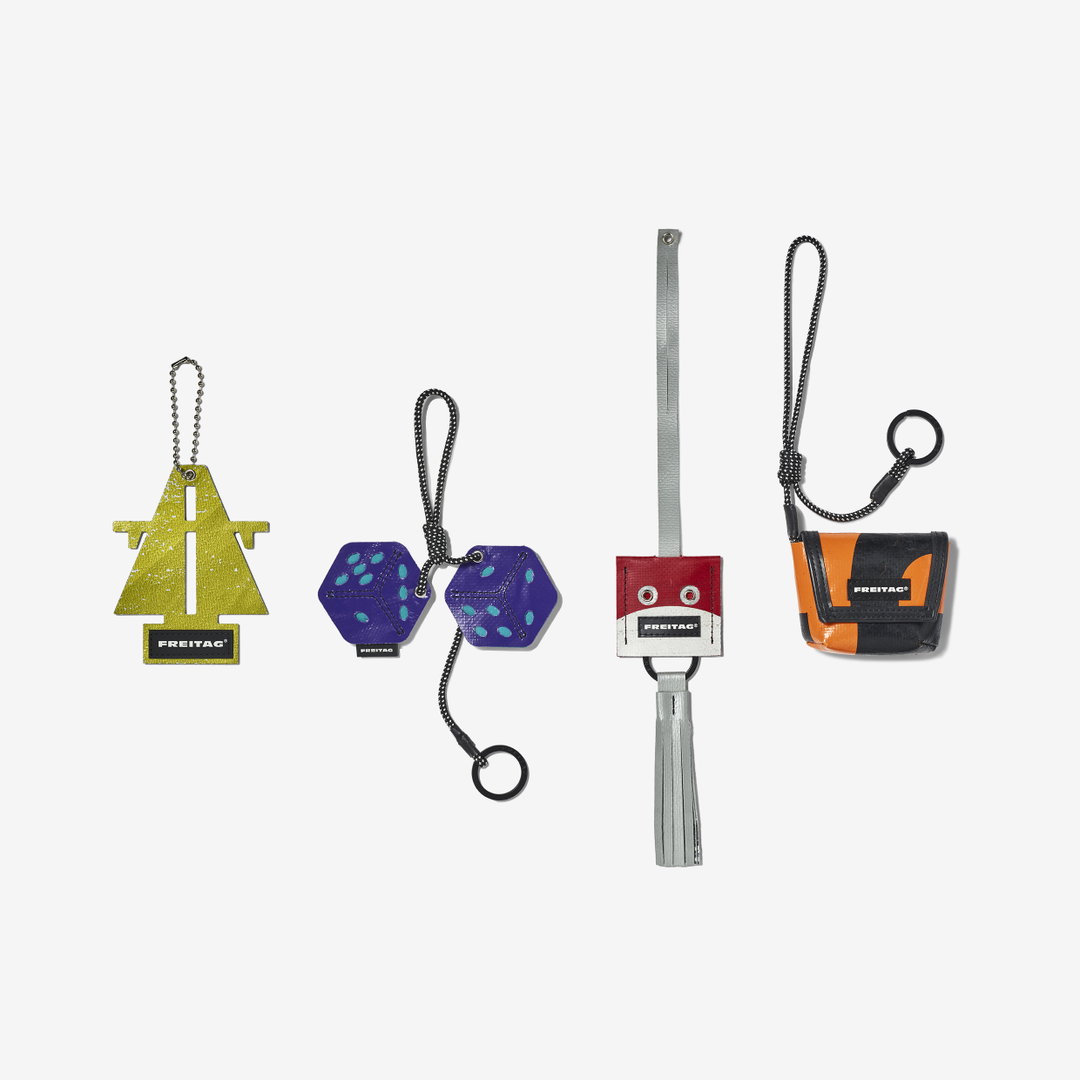
Freitag: Lucky Trucking Charms, Photography by Oliver Nanzig (Copyright © Freitag, 2025)
“I think we just want things to feel really honest and represent real, everyday people.”
Thomas Wakeford
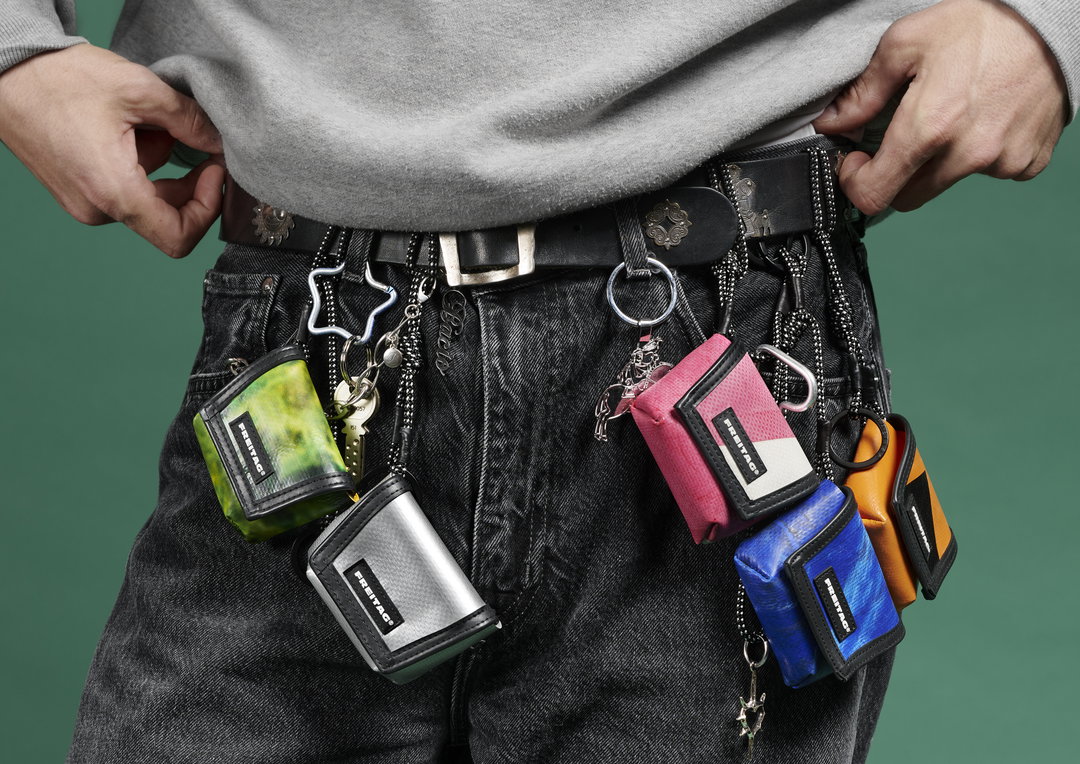
Freitag: Lucky Trucking Charms, Photography by Johanna Bommer (Copyright © Freitag, 2025)
INT:
How do you think the challenge of marketing products that are one of one has influenced your creative approach as a brand?
TW:
Our bags are made from truck tarps that have been on the road for many years. They have this unique patina and the tops are shaped by all kinds of scratches from surrounding environments. They get weathered, they have been on an unpredictable journey. In a way this feels like a fitting metaphor for our creative journey as a brand, and by that I mean I think with creativity it’s important to embrace the chaos and the elements that are slightly out of our control because they can become the material for the work.
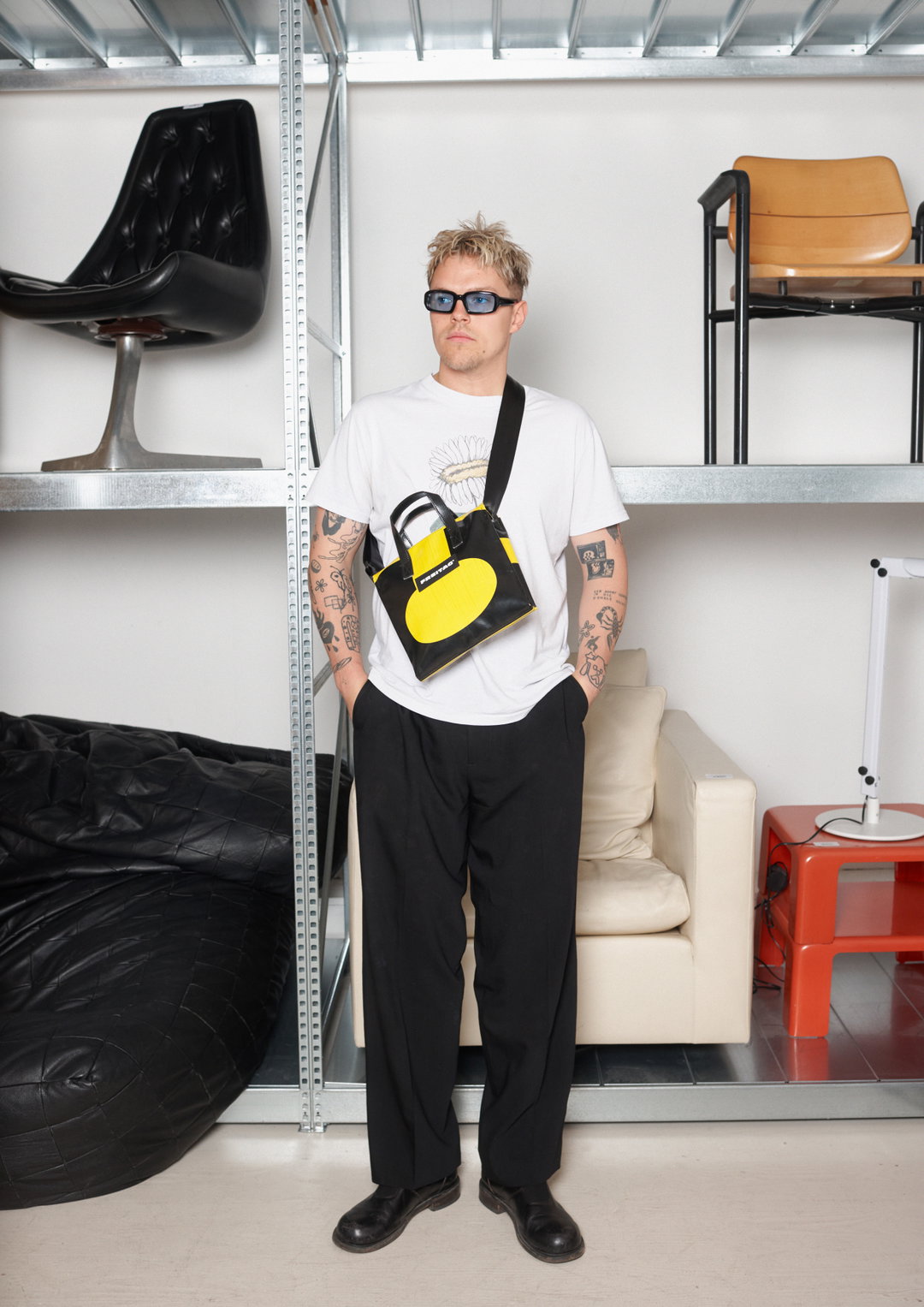
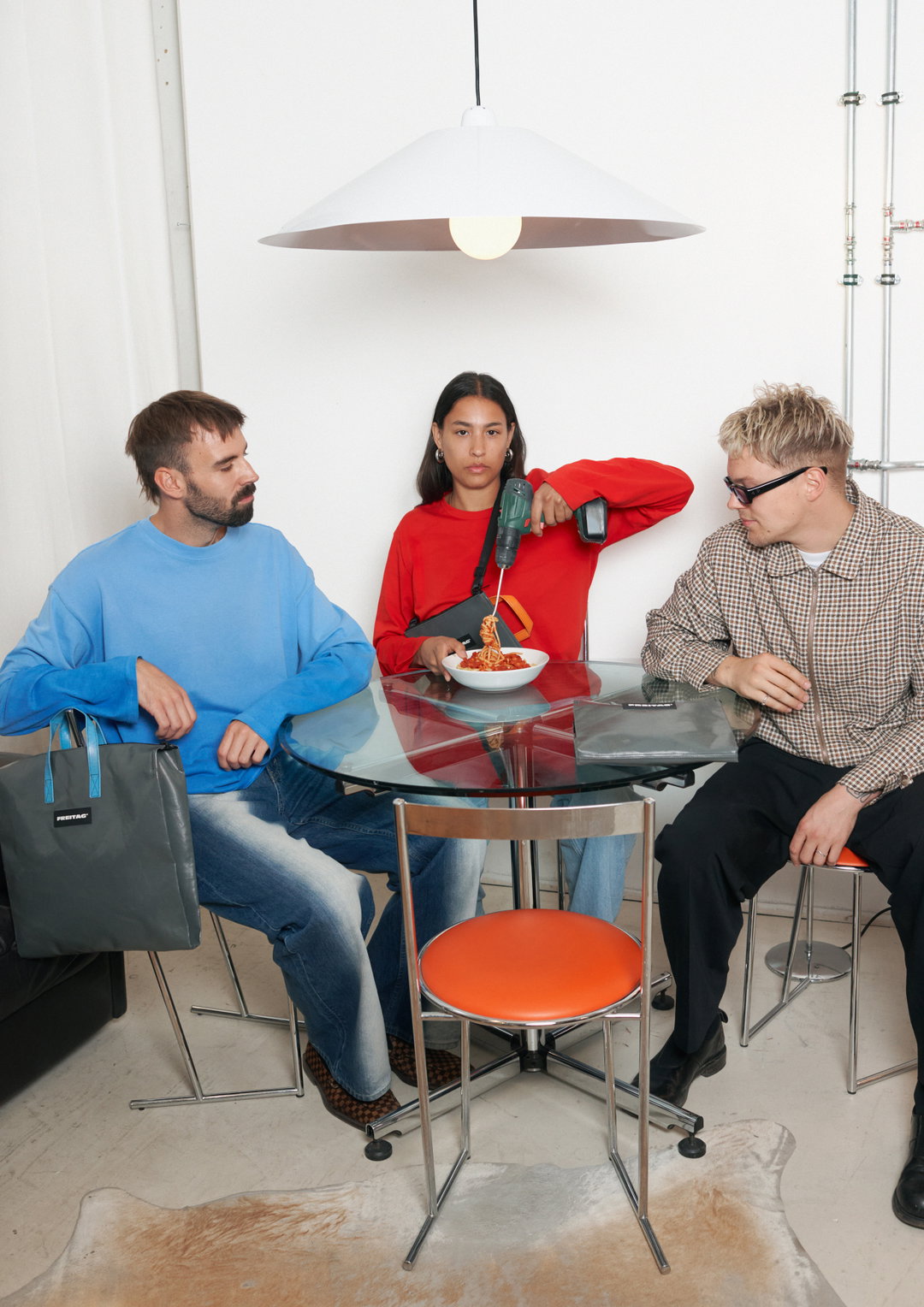
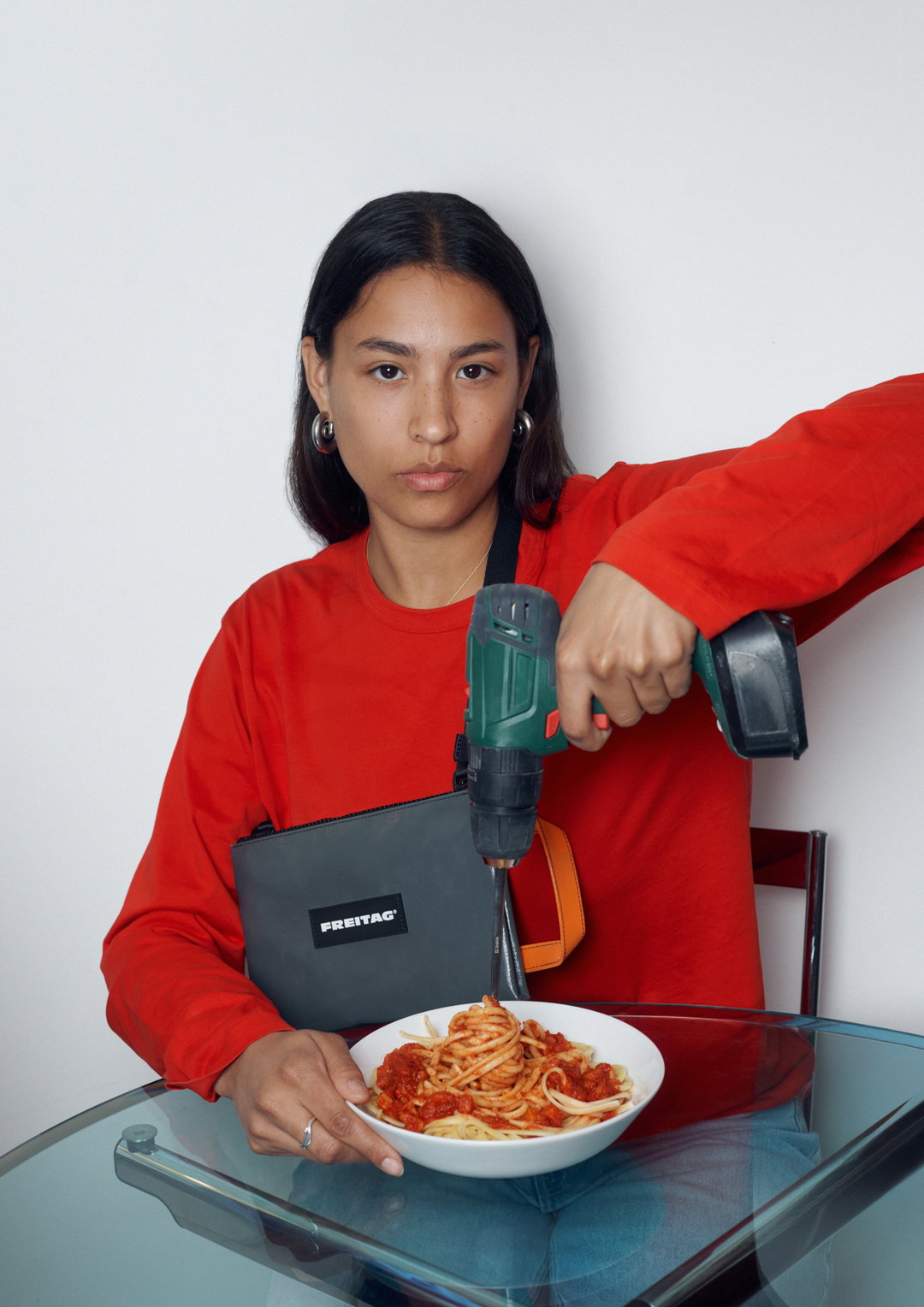
While serious planning is needed in shoots and we do spend a lot of time thinking about how we are going to achieve each shot with precision, some of the best ideas can happen on set in the moment when a spontaneous thing or funny idea arises – or even a mistake, and we are open to that. A lot of the best images for campaigns can happen quite naturally without planning – we are always looking for ways that the uniqueness of our product can translate into our creative approach.
INT:
That’s really interesting – I think it certainly does.
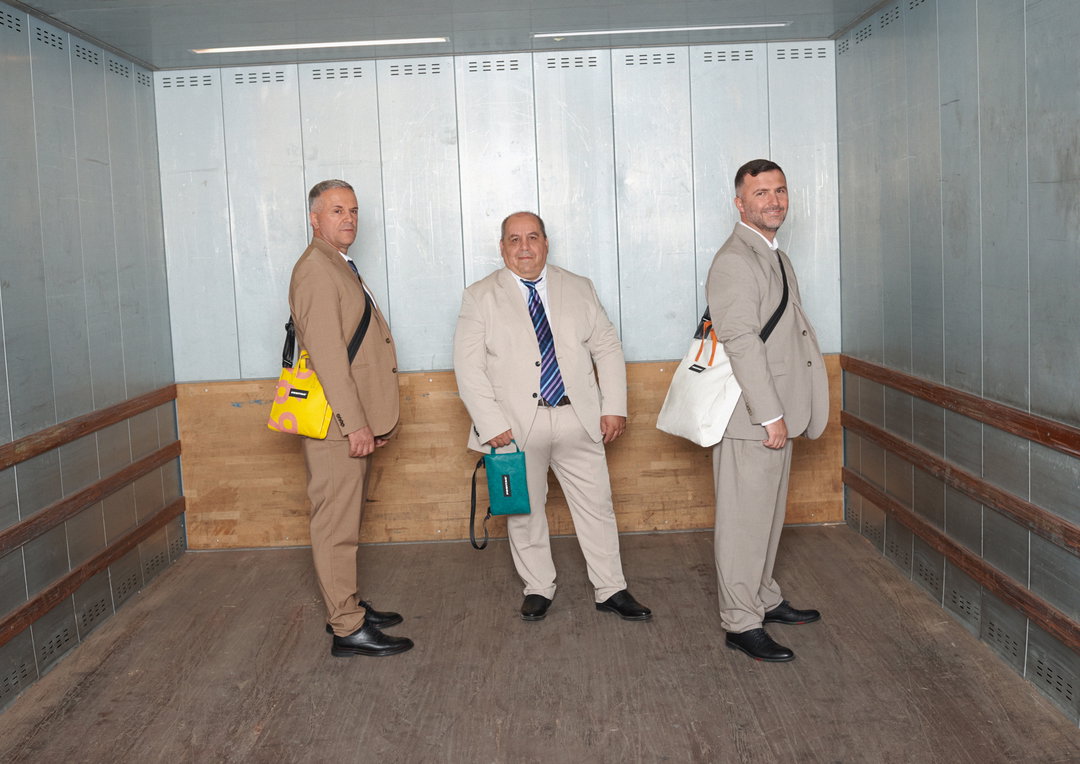
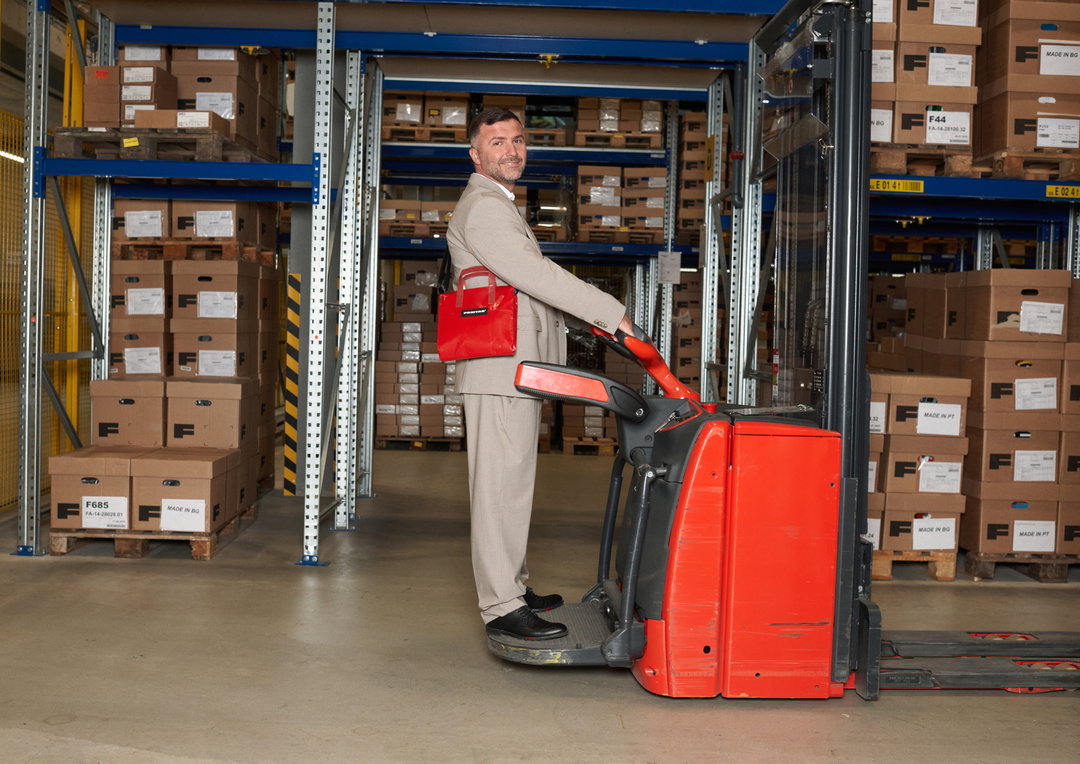
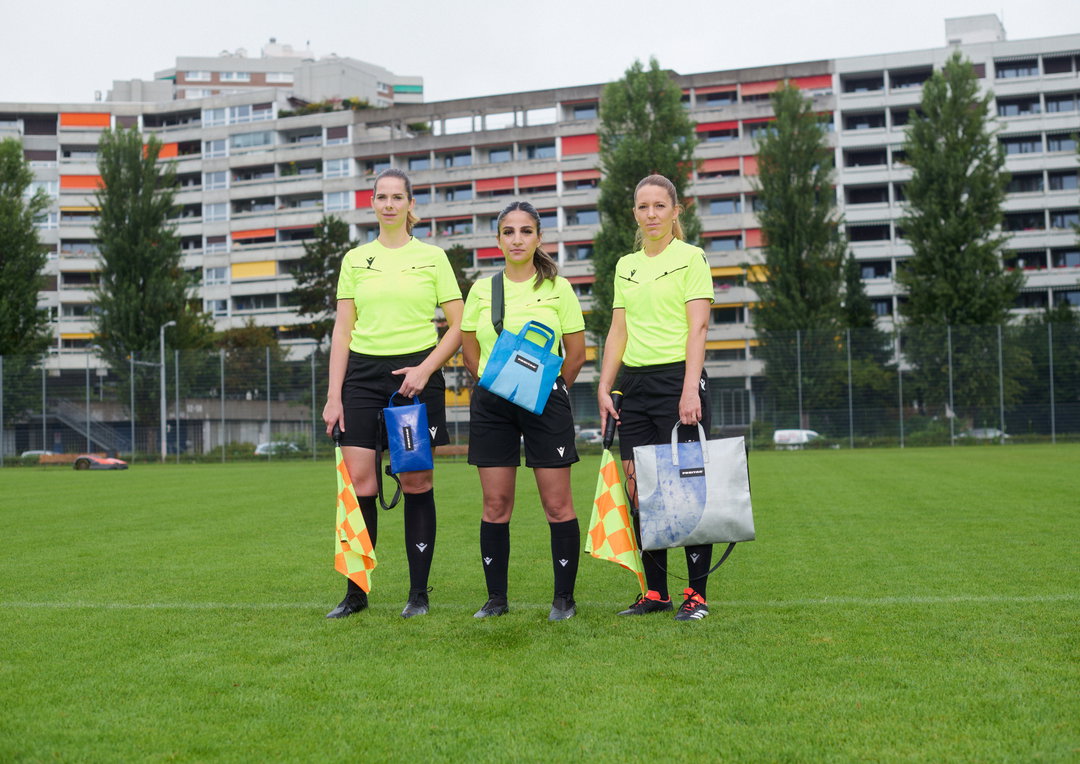
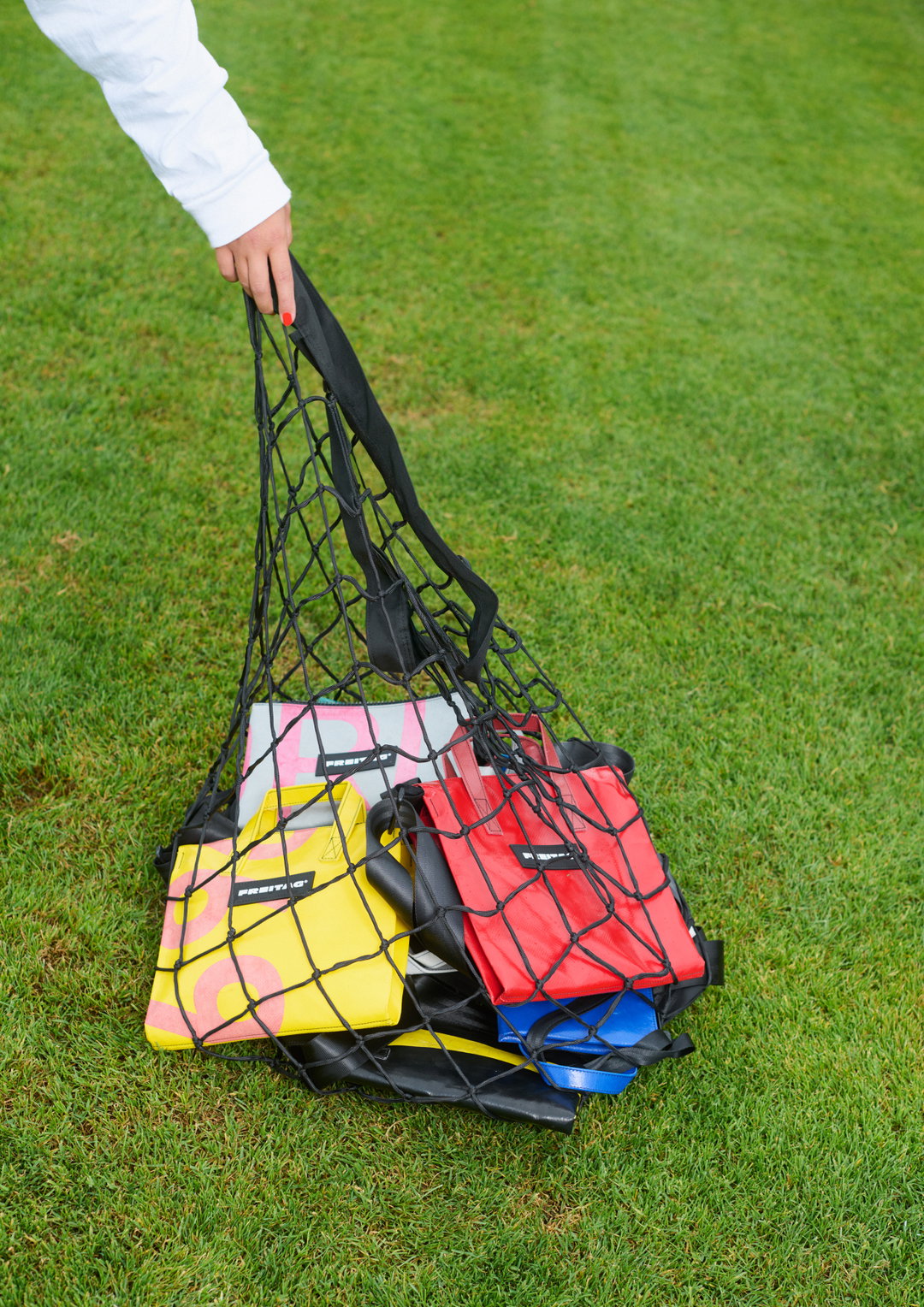
1 of 7
Freitag: F275 TILDA, F274 RUBY & F272 EDDIE, Photography by Simon Habegger (Copyright © Freitag, 2025)
1 of 7
Freitag: F275 TILDA, F274 RUBY & F272 EDDIE, Photography by Simon Habegger (Copyright © Freitag, 2025)
“A lot of the best images for campaigns can happen quite naturally without planning – we are always looking for ways that the uniqueness of our product can translate into our creative approach.”
Thomas Wakeford
INT:
I would like to end by asking: What’s the secret sauce for keeping a 33-year-old brand so current? How has Freitag stayed timeless?
TW:
That’s a question I ask myself in my role every day! This brand has such an incredibly strong story. The brothers established a really solid foundation with their innovative approach to upcycling and their concepts for campaigns, as we mentioned at the beginning, but also their entrepreneurial mindset.
I go into the archive and sometimes – I’ve been here a year and a half now – I still see things I hadn’t seen before which I’m like, “Wow, this is such a good idea.” It’s a very inspiring place to work, but there’s also a weight to that heritage and it certainly comes with the challenge of pushing it forward and that’s what we're really trying to do today, just with all the same principles that Marcus and Daniel started it with back then.
I think so many things are designed or even communicated with a short shelf life these days and we’re so much more about longevity and durability. Timelessness only works with good design that solves real problems and reduces a product to its core – stripping away the bells and whistles, and I think that’s what our products aim to do.
I think Freitag is also a brand where you can come to us and you know that whilst this company is producing a product and it is selling something commercially, it is actually trying to make a small difference towards the future and I think that’s actually super appealing to people. It might just be being honest and having strong values that contribute towards bigger ideas – we’re a super small fish and we won’t save the planet, but by trying to do your part, you’ll always get people that gravitate towards you and share in those values.
INT:
I think that’s definitely true. You have such a sense of purposefulness as a brand and I think the humility and simplicity of your intentions and message really comes across in the story. It’s been such a pleasure to speak with you and get more of a peek into the inner workings of Freitag.
TW:
Thanks so much for having us.
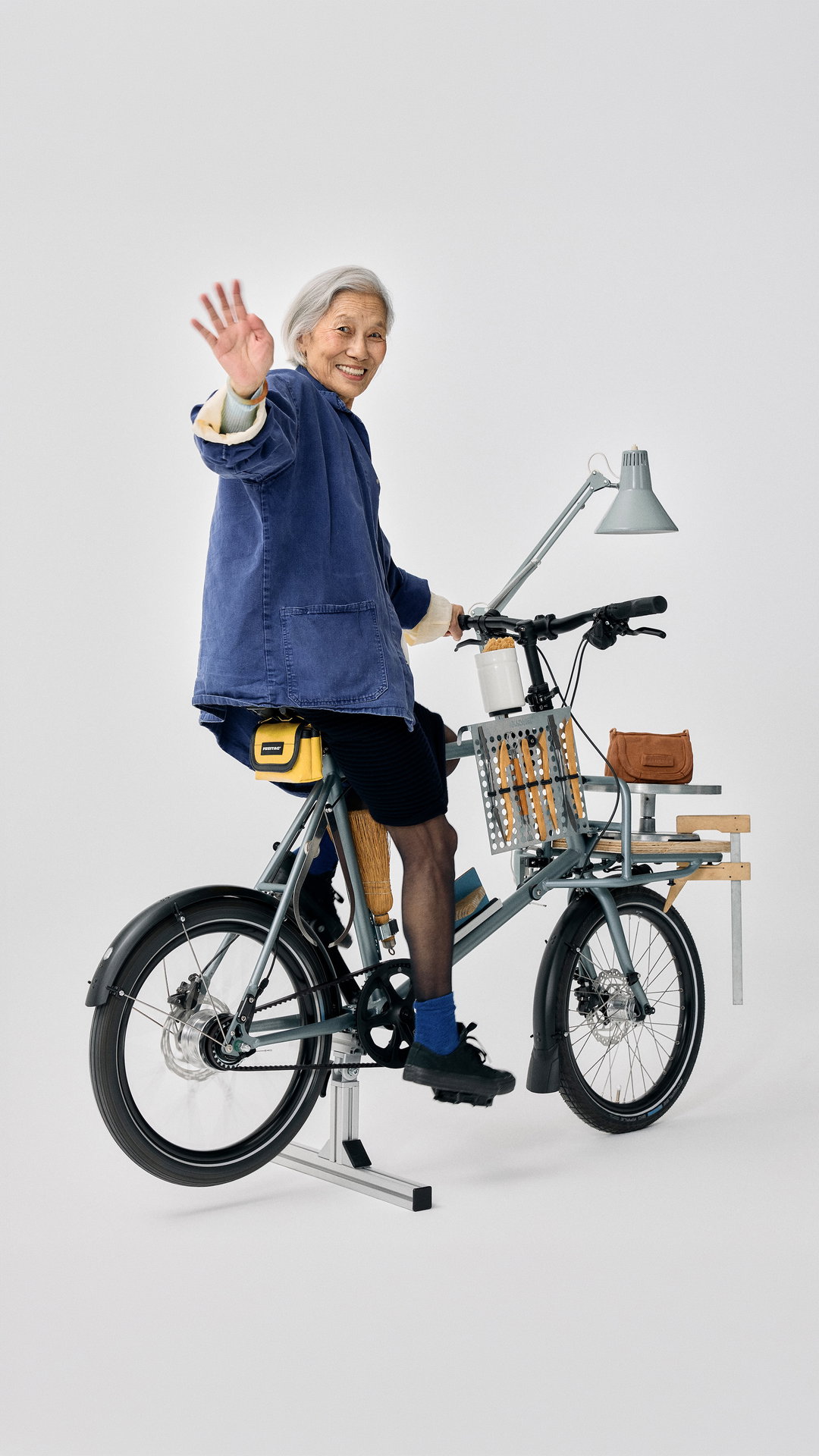
Freitag: Easy Riders, Photography by Nicolas Haeni (Copyright © Freitag, 2026)
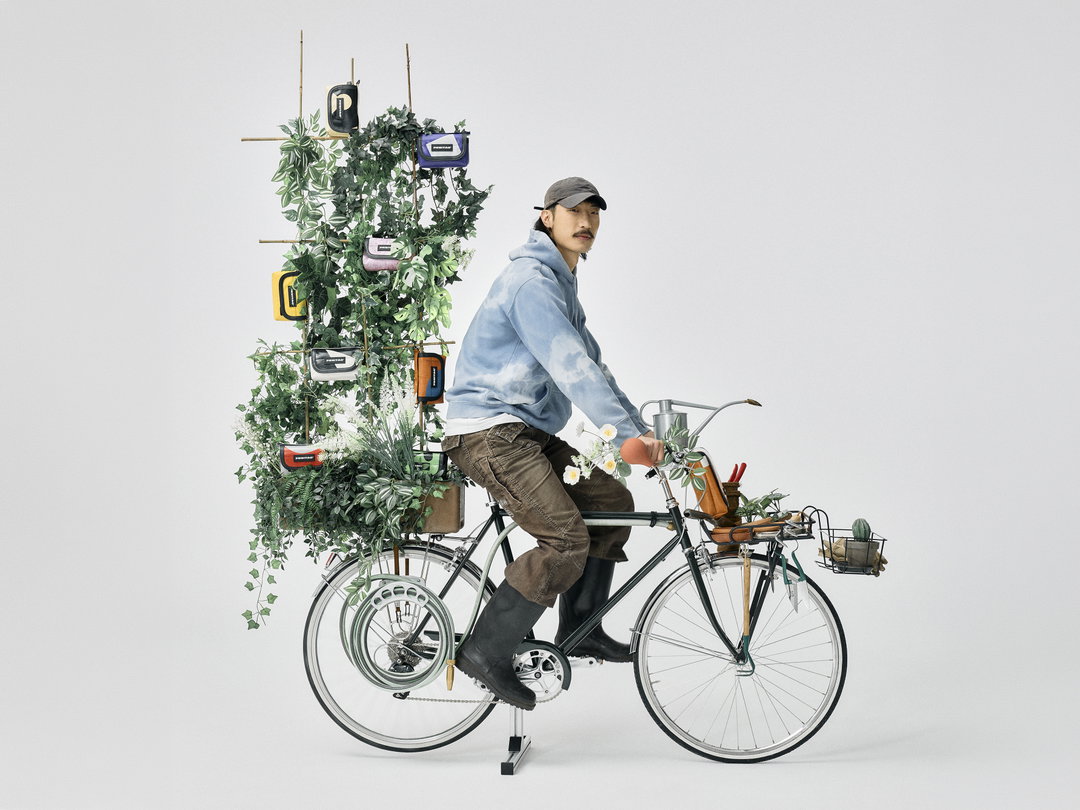
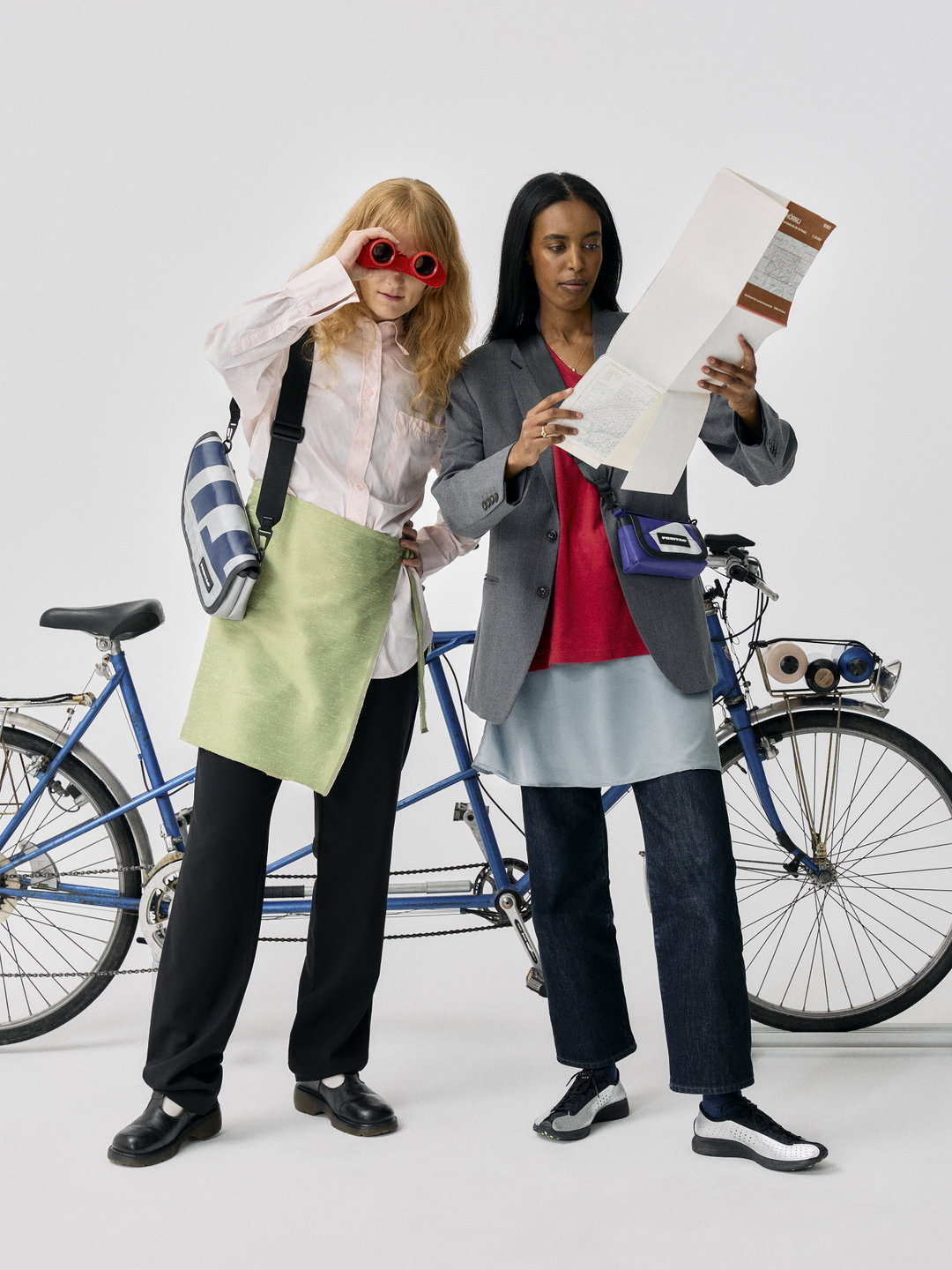
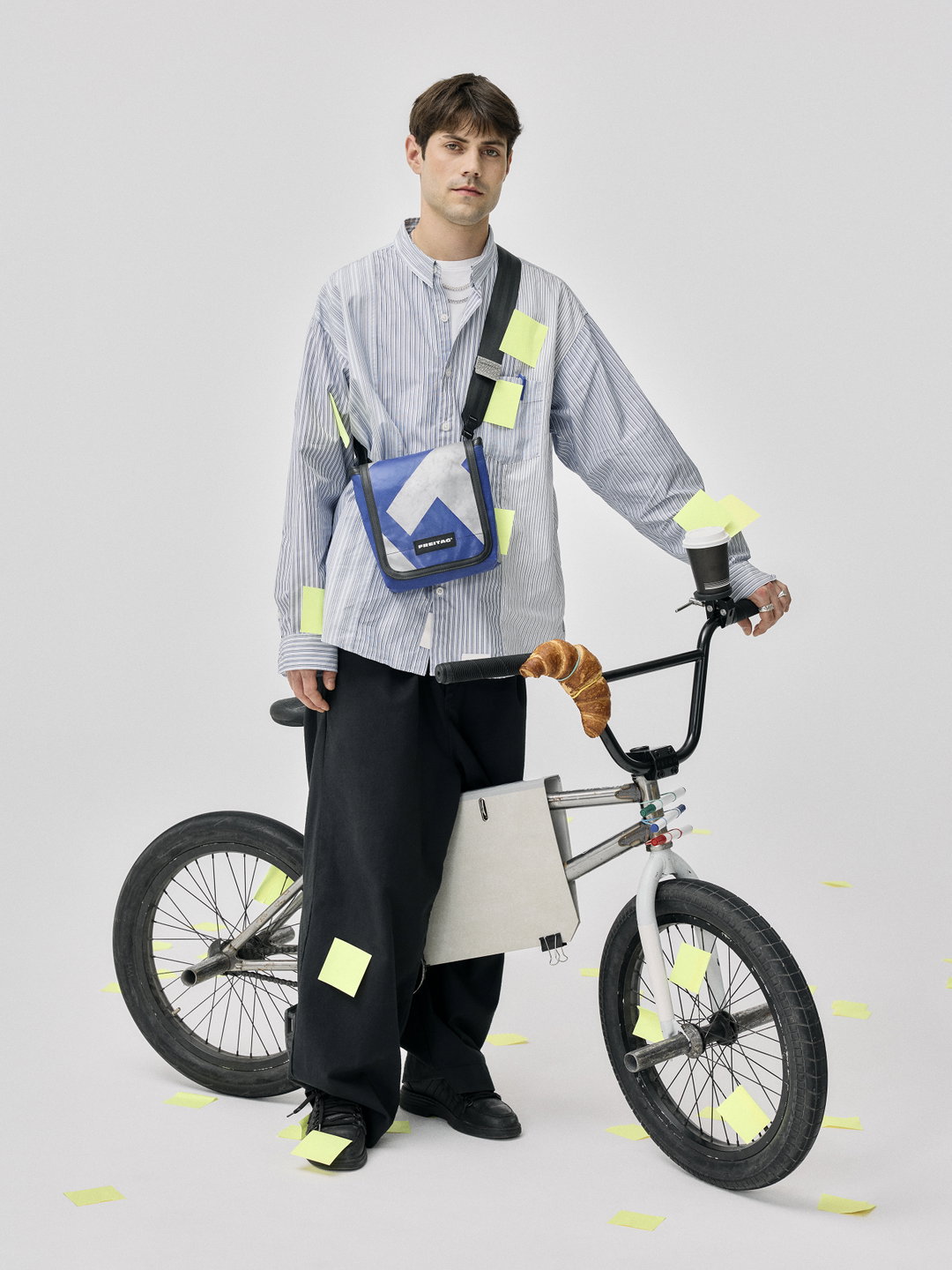
1 of 6
Freitag: Easy Riders, Photography by Nicolas Haeni (Copyright © Freitag, 2026)
1 of 6
Freitag: Easy Riders, Photography by Nicolas Haeni (Copyright © Freitag, 2026)
Hero Header
Freitag: Easy Riders, Photography by Nicolas Haeni (Copyright © Freitag, 2026)
Share Article
Further Info
About the Author
—
Ellis Tree (she/her) is a staff writer at It’s Nice That. She joined as a junior writer in April 2024 after graduating from Kingston School of Art with a degree in Graphic Design. Across her research, writing and visual work she has a particular interest in printmaking, self-publishing and expanded approaches to photography. ert@itsnicethat.com
To submit your work to be featured on the site, see our Submissions Guide.