- Words
- James Cartwright
- —
- Date
- 4 June 2015
- Tags
End Credits: Jake Green focusses his lens on one of London's best cinemas
Share
Share
There used to be a time when London’s streets were littered with cinemas; you could barely move for Odeons, ABCs, Regals and Astorias built tall on the city’s main roads. The first arrived in 1896 on Regent Street, playing host to the Lumiere Brothers’ premiere UK screening that left 50 people dumbstruck at the sight of moving images captured from real life. Some, it was reported, leapt out of the way at the sight of an oncoming train, fearing for their lives as it hurtled across the screen. The nation was gripped.
Over the next 30 years cinemas increased in popularity, becoming as vital a part of community life as churches, public houses and bingo halls. During the Second World War the importance of the local cinema became that much greater, serving as a regular location to keep up-to-date with news from the front line, but also as a means of escapism in an otherwise fraught era.
In 1946 cinema attendance peaked at a mind-blowing 1.6 billion admissions, the equivalent of the then population attending a film screening 33 times in that year, but after that things started looking a lot less rosy for Britain’s picture houses. The arrival of televisions in homes chipped away at viewing figures throughout the late 1940s and early 1950s before taking an absolute battering in the 1960s and 1970s. That’s when The Renoir arrived in London’s Bloomsbury; at the height of British cinema’s fall from grace.
Located underneath the Brunswick Centre, a residential and shopping centre of brutalist construction, The Renoir has been a haven of foreign language films since January 1972 when it opened as The Bloomsbury, serving free coffee to punters and intending to capitalise on revenue from local students at the neighbouring University College London. That business plan didn’t exactly pan out and the venue has changed hands several times over the years, passed between EMI, Cinegate, Artificial Eye and finally to Curzon. Still, while cinemas all across the country have fallen into disrepair – beautiful art deco and modernist structures taken over by evangelical churches, Gala bingo halls or simply left to rot – The Renoir has managed to survive (it’s got a Waitrose next door these days, so you know it’s good).
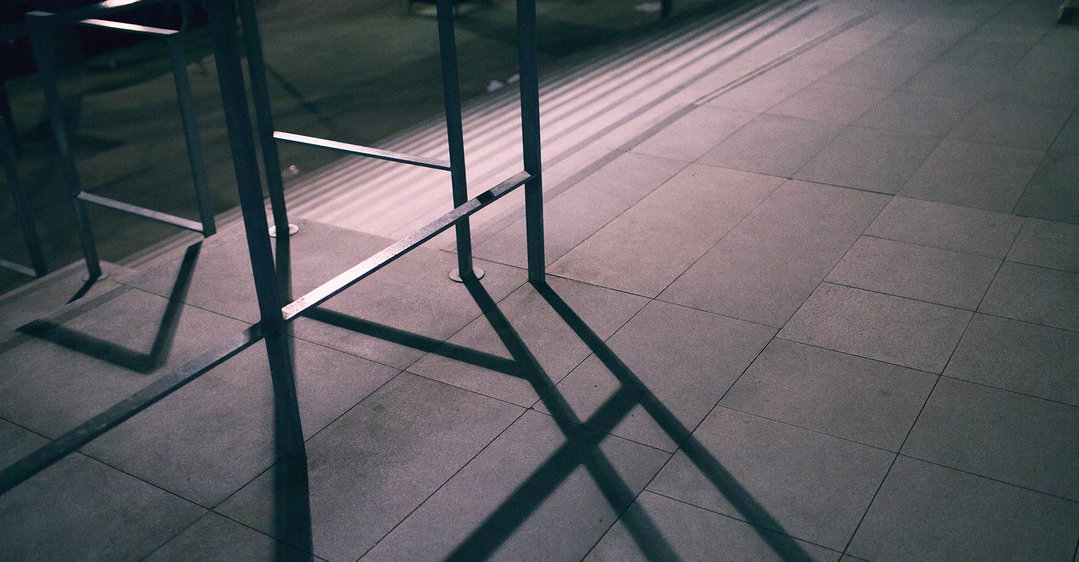
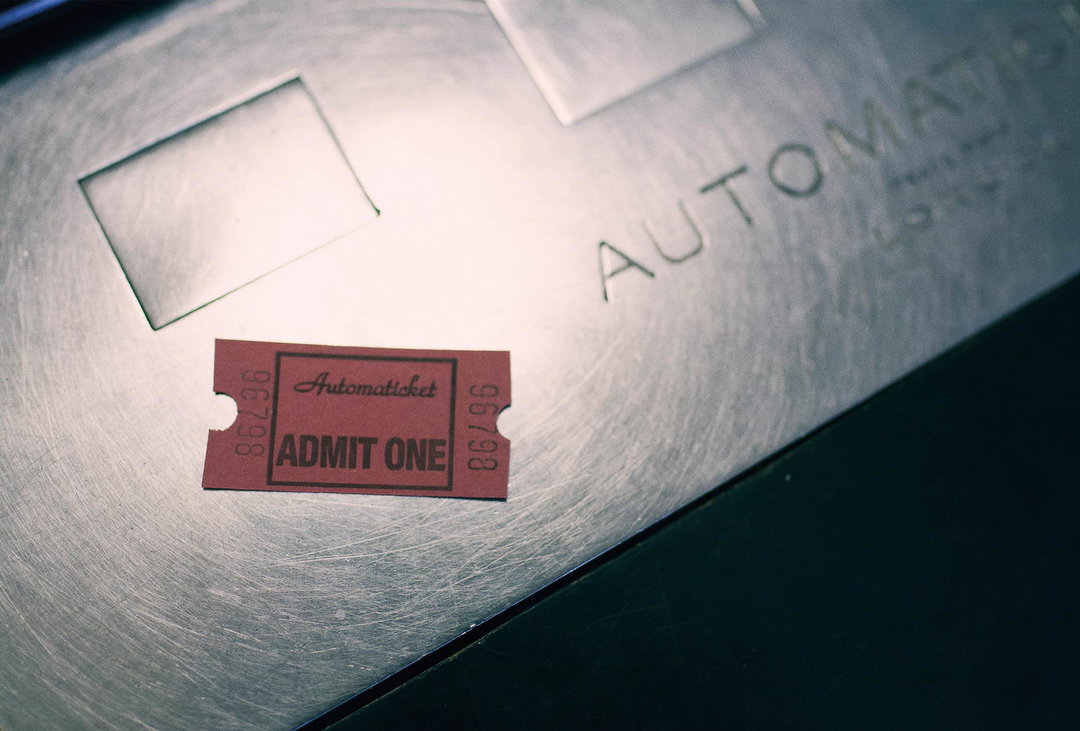
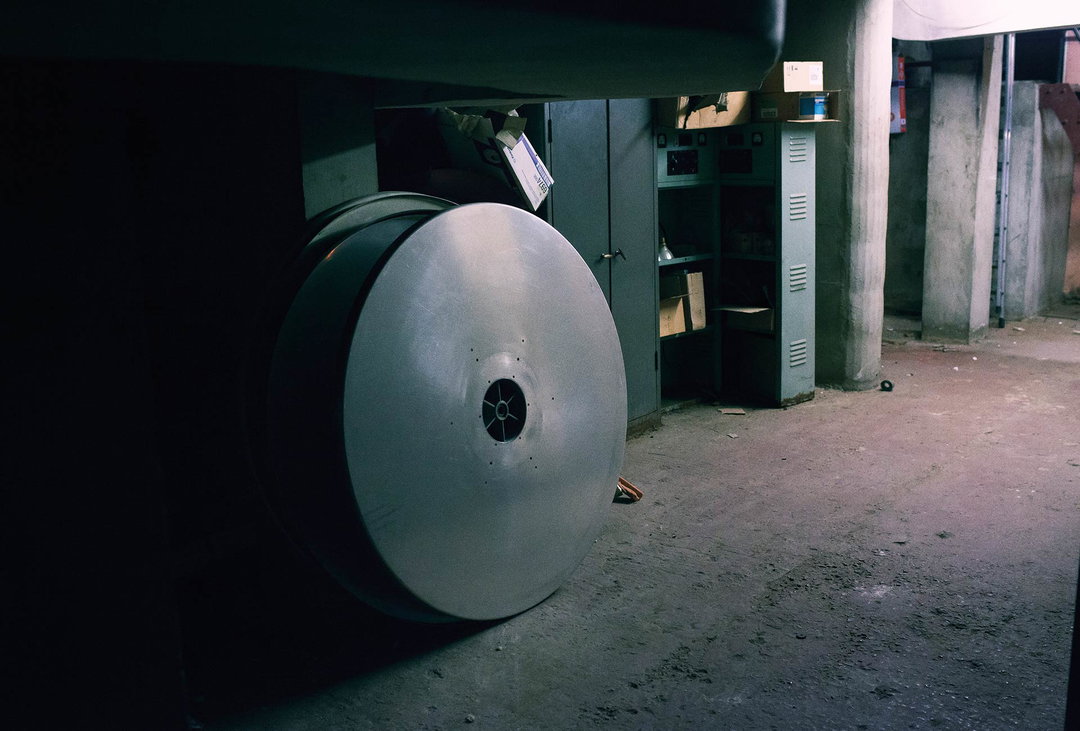
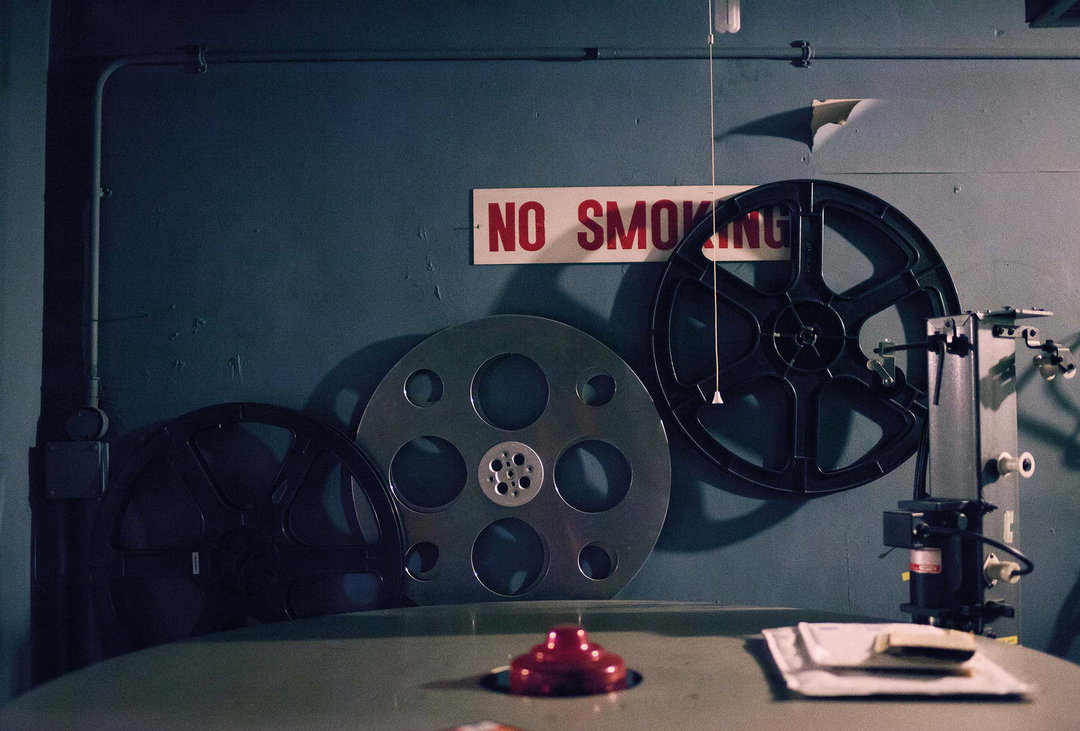
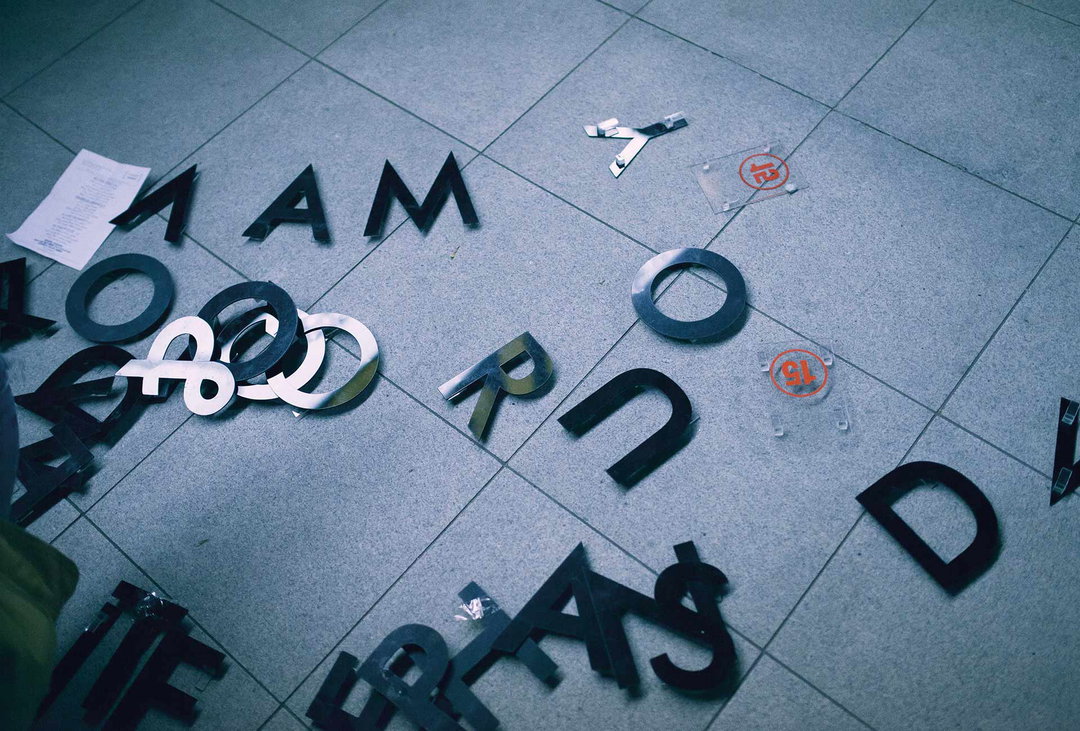
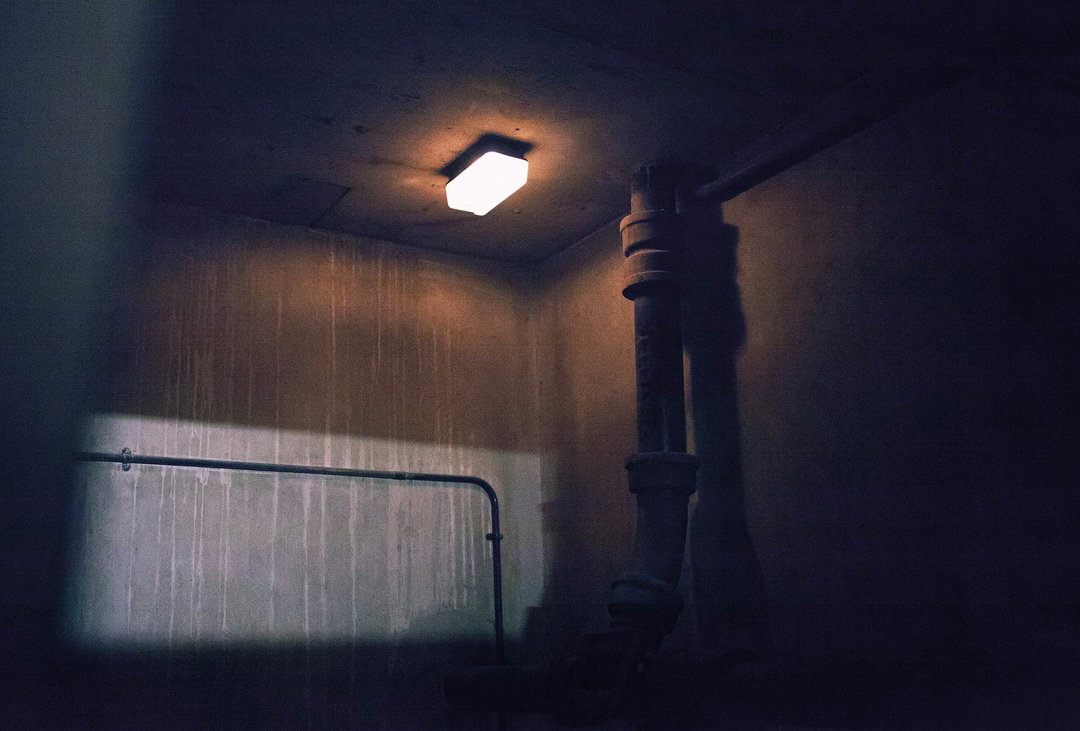
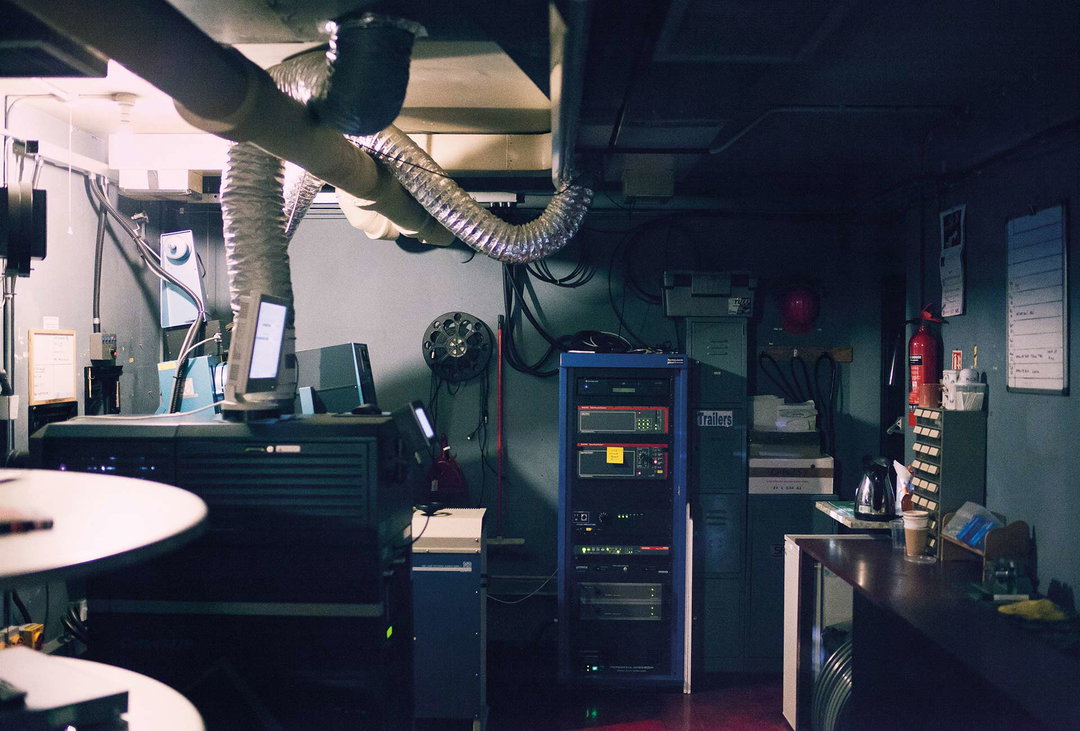
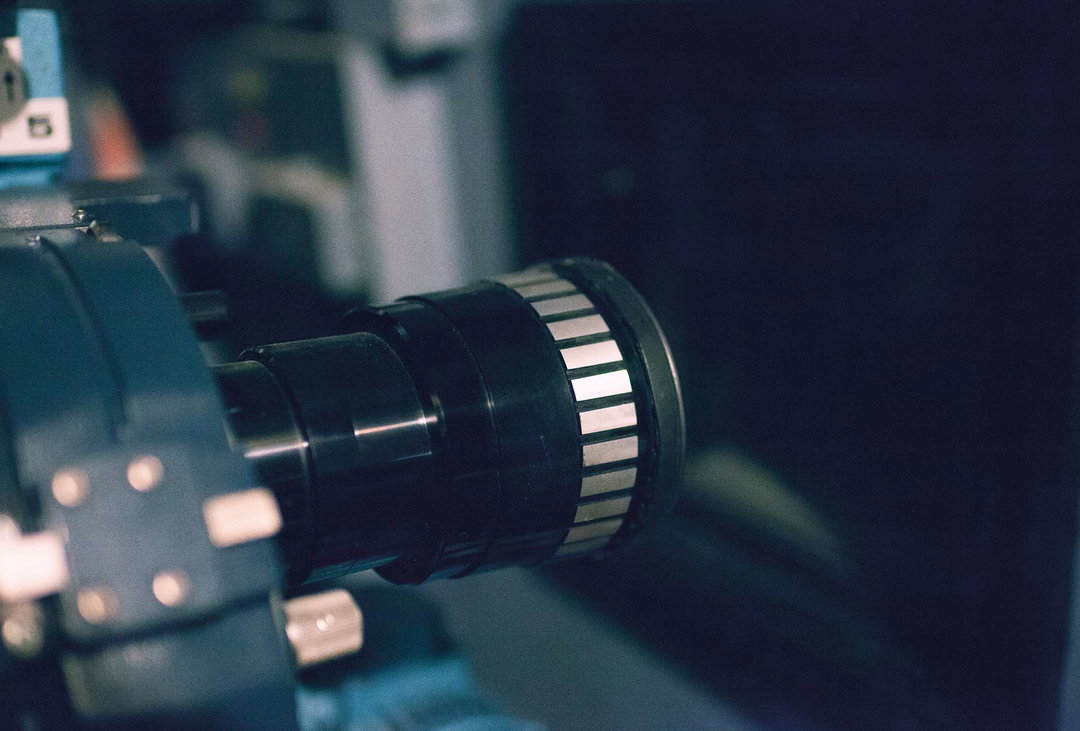
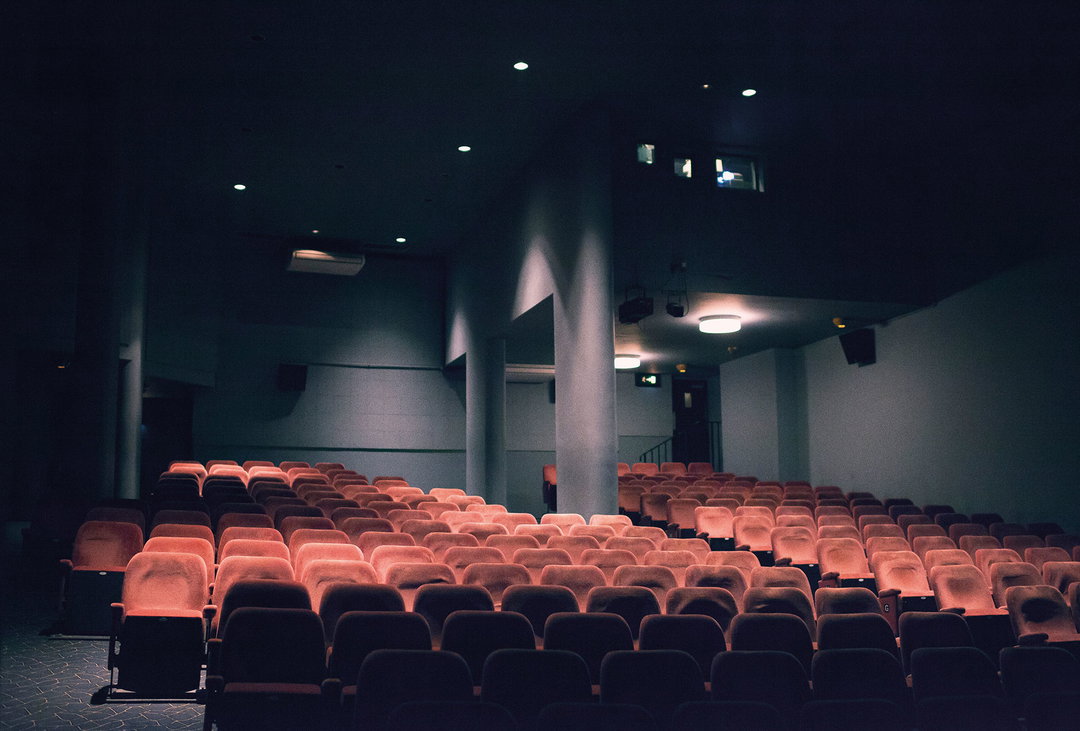
Next year (2014) the cinema is due a huge refurbishment and the face of North London’s art-house scene will change forever, its down-at-heel charm lost to history. To chronicle this moment in time and to record The Renoir’s old-world interior for ongoing creative project 32LDN, photographer Jake Green went underground to celebrate this weathered jewel in the crown of the capital’s dwindling art houses.
Share Article
Further Info
About the Author
—
James started out as an intern in 2011 and came back in summer of 2012 to work online and latterly as Print Editor, before leaving in May 2015.