

- Words
- Ellis Tree
- —
- Date
- 3 March 2026
- Tags
A 50-year goldmine of design: AIGA New York unveils its poster archive to the public
Travel back through decades of New York’s cultural moods via these “tactile and human” mementoes of design history.
Share
Share
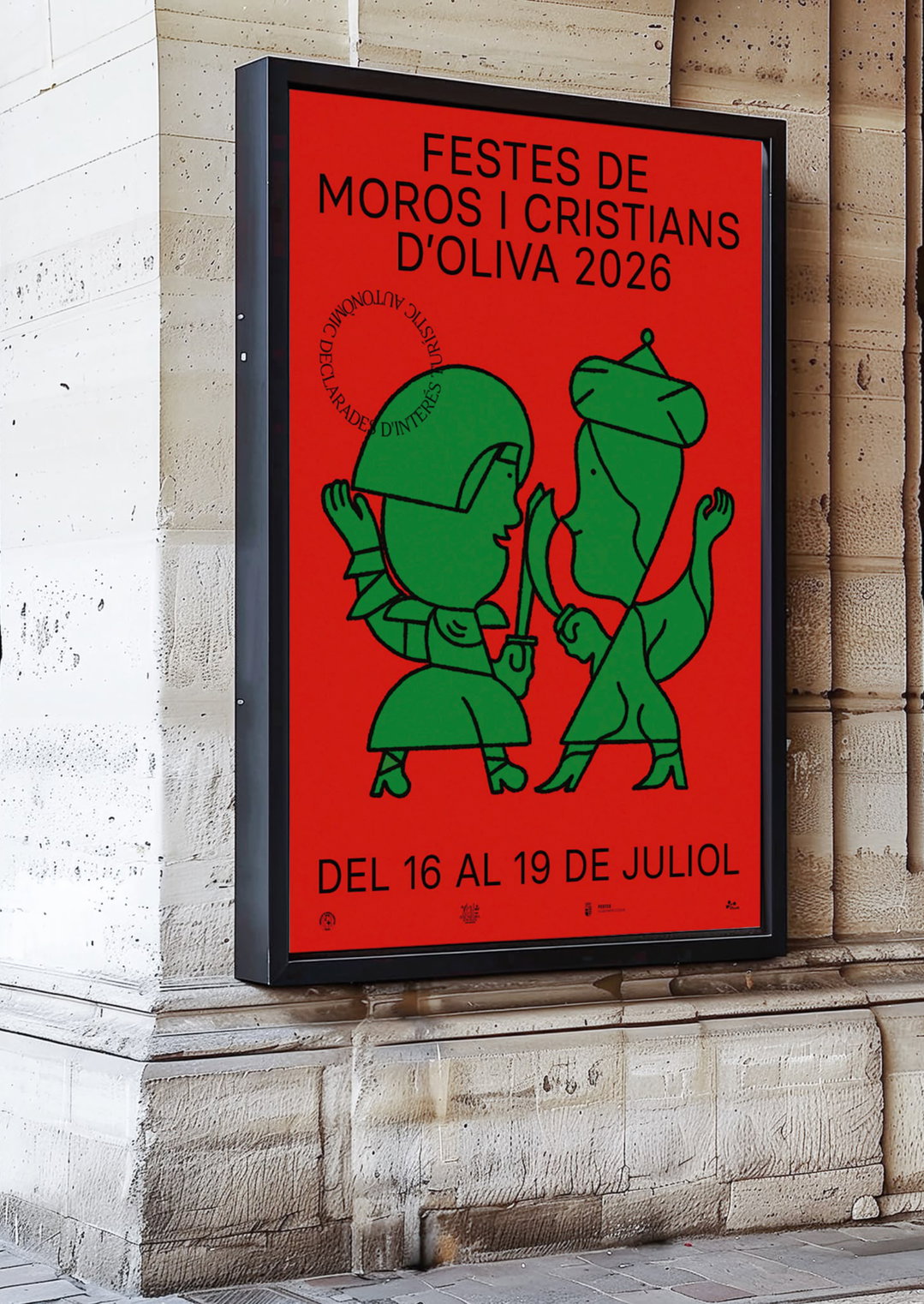
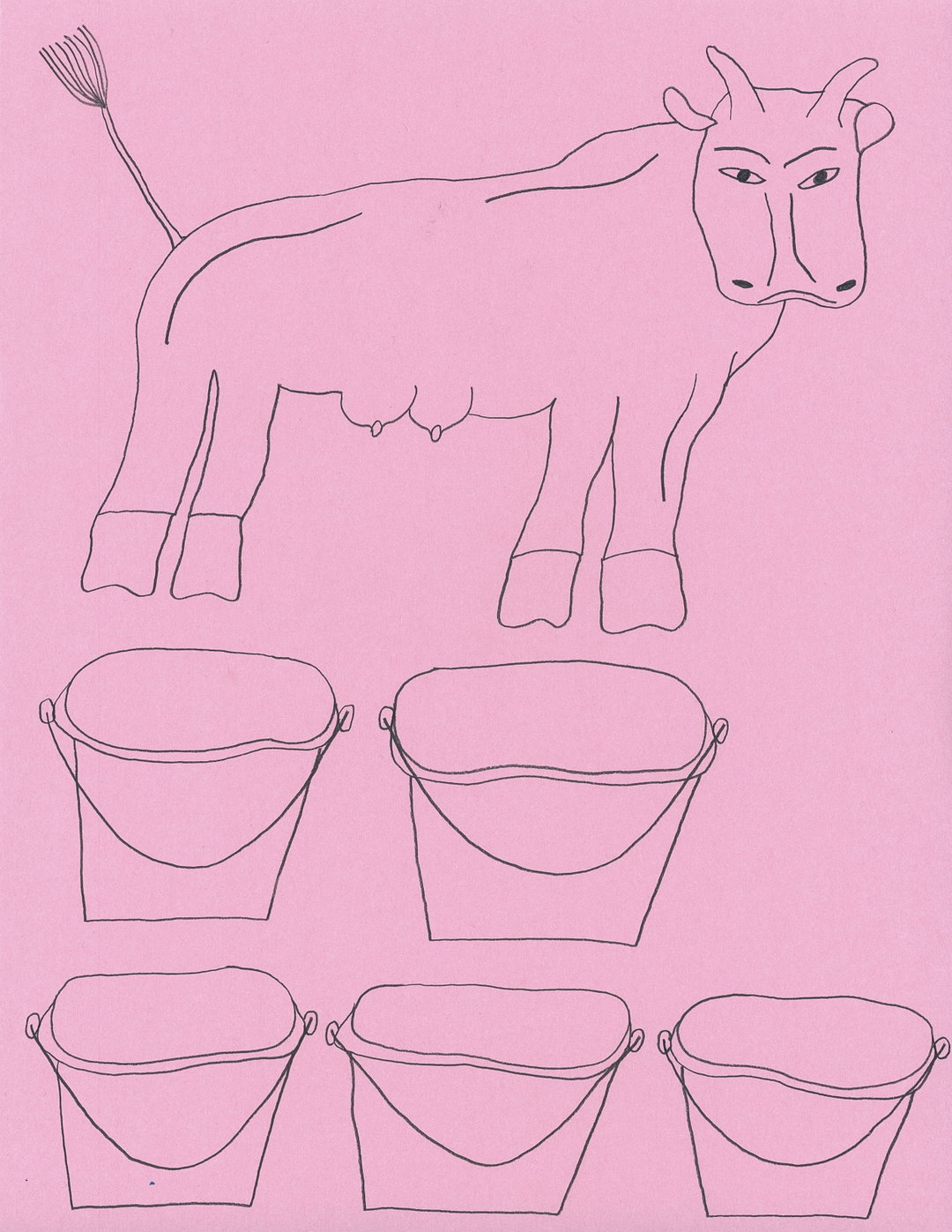
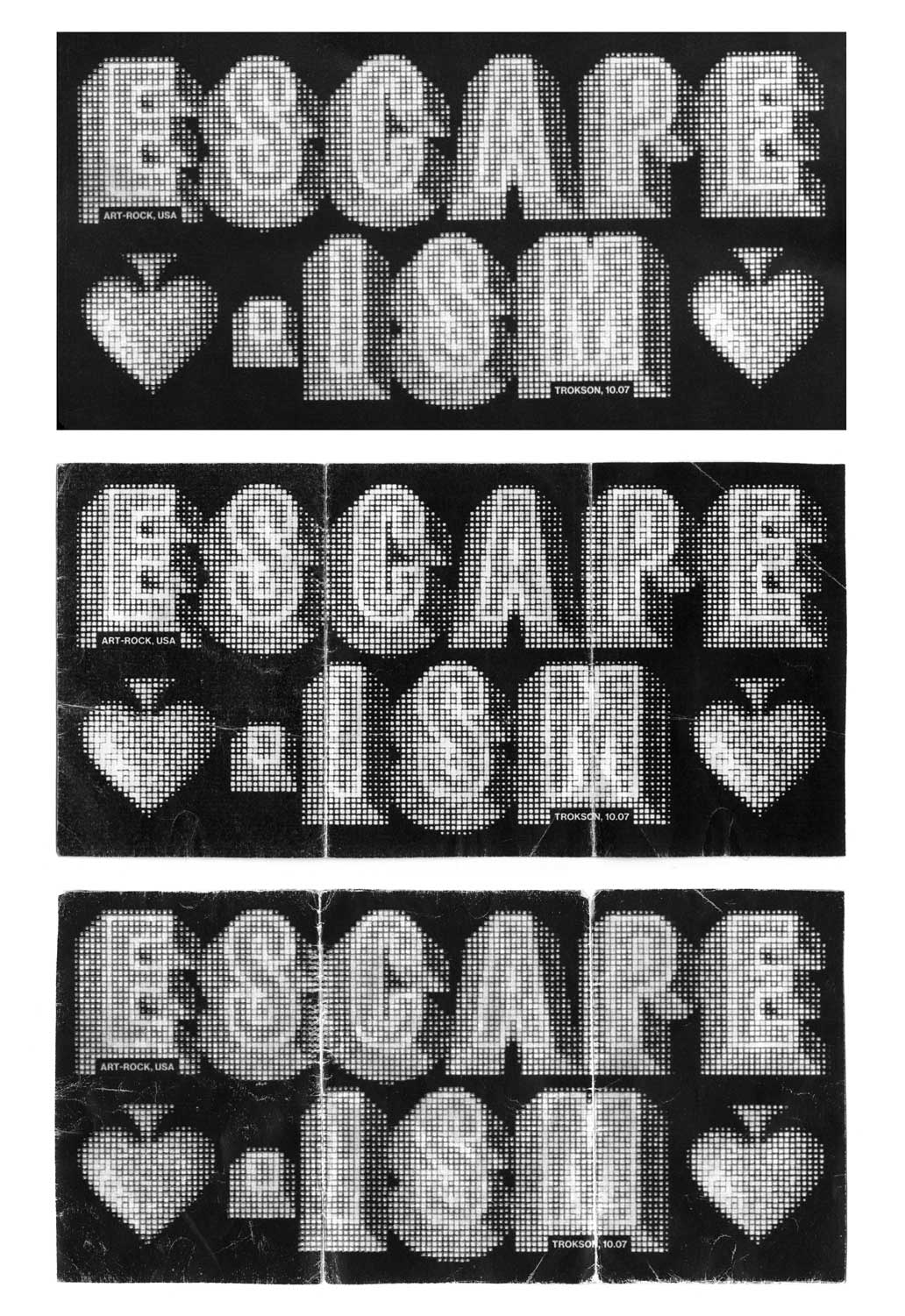
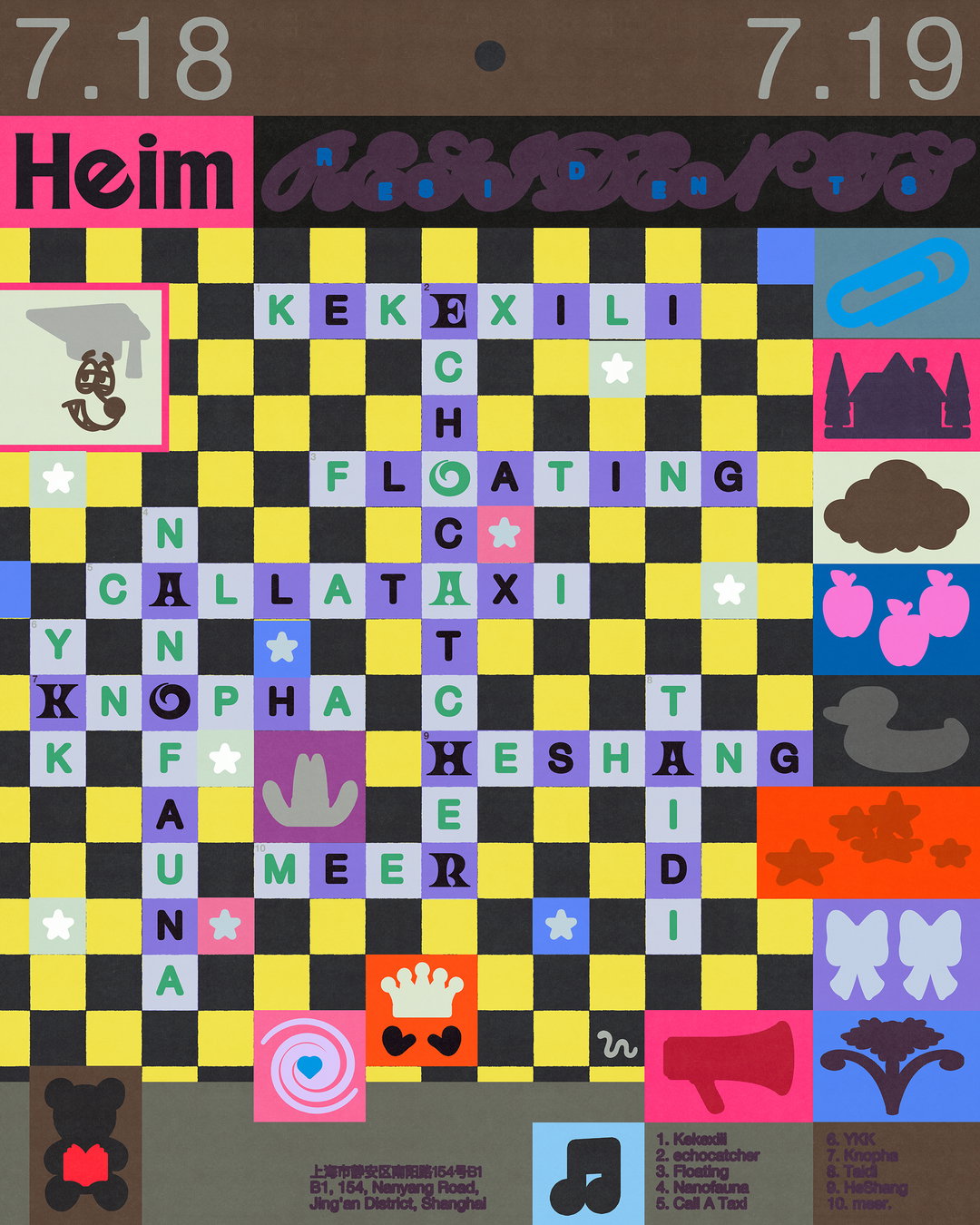
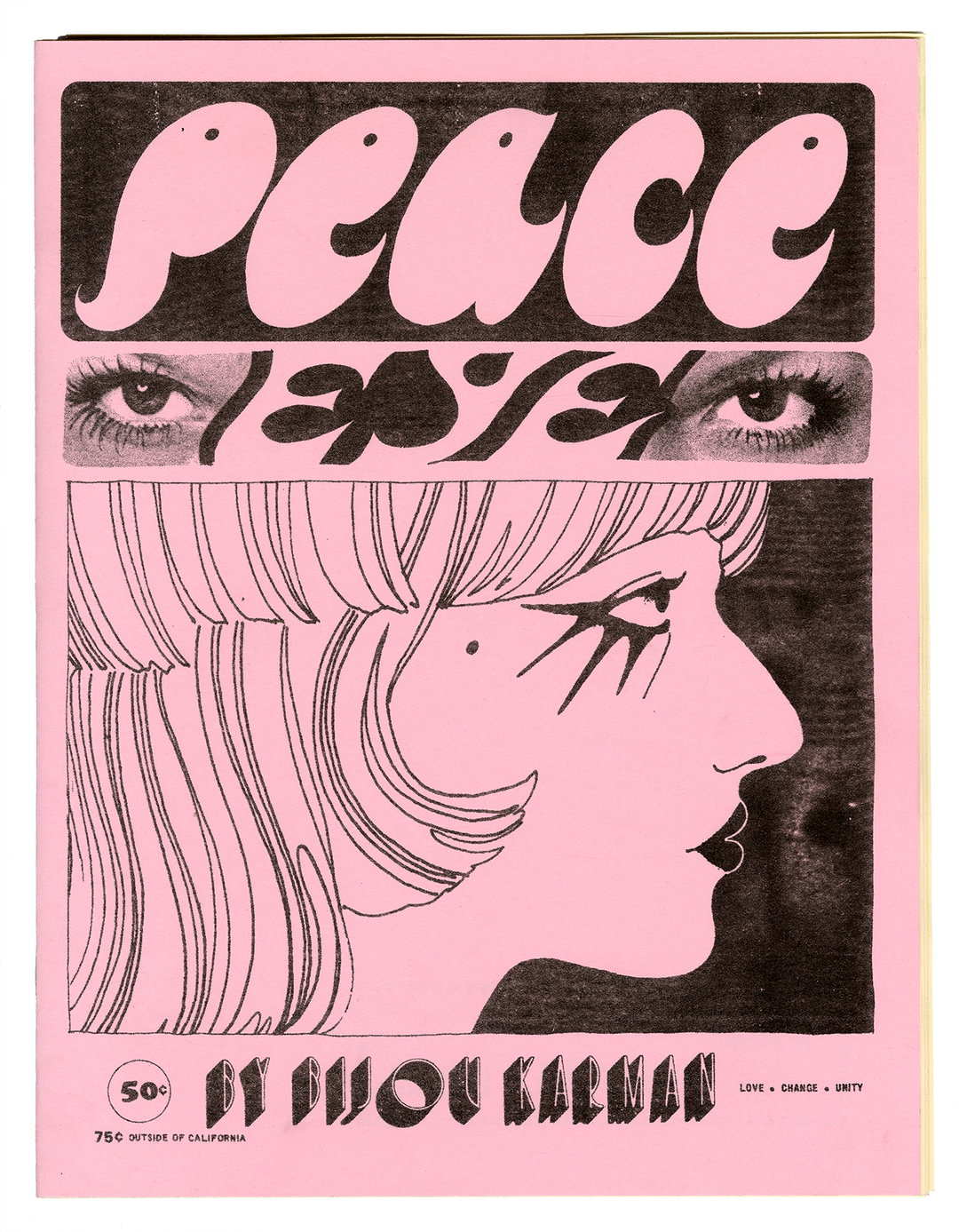
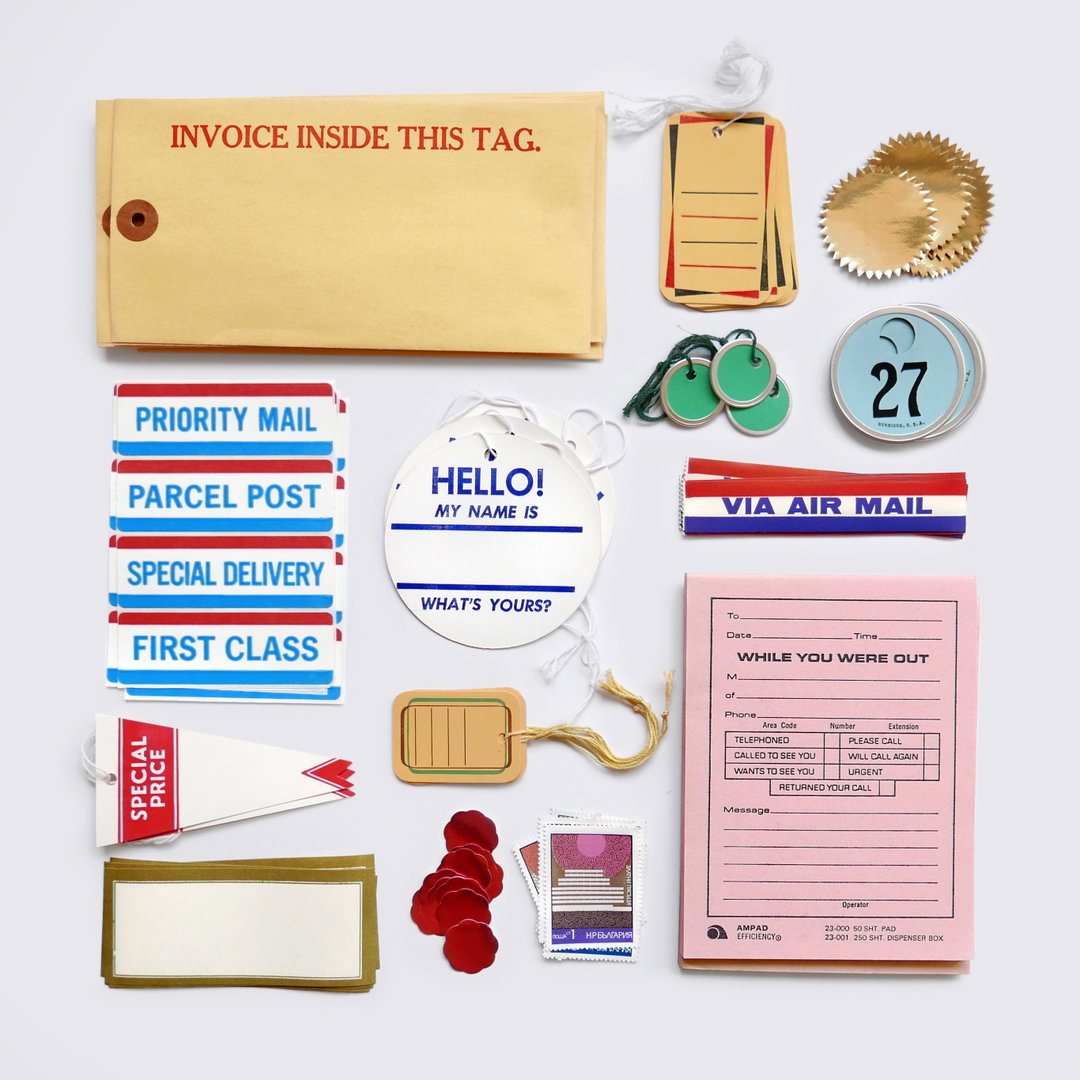
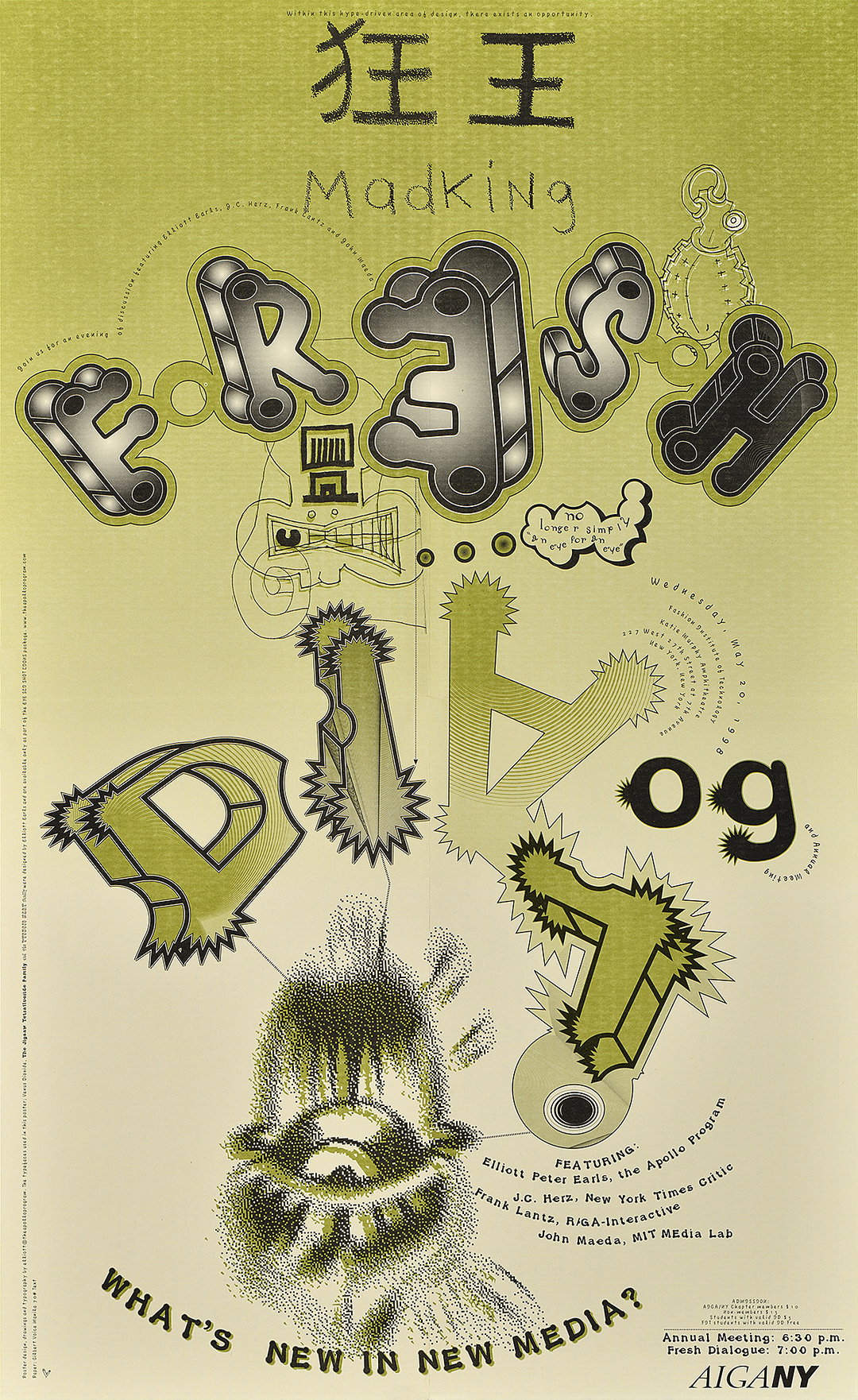
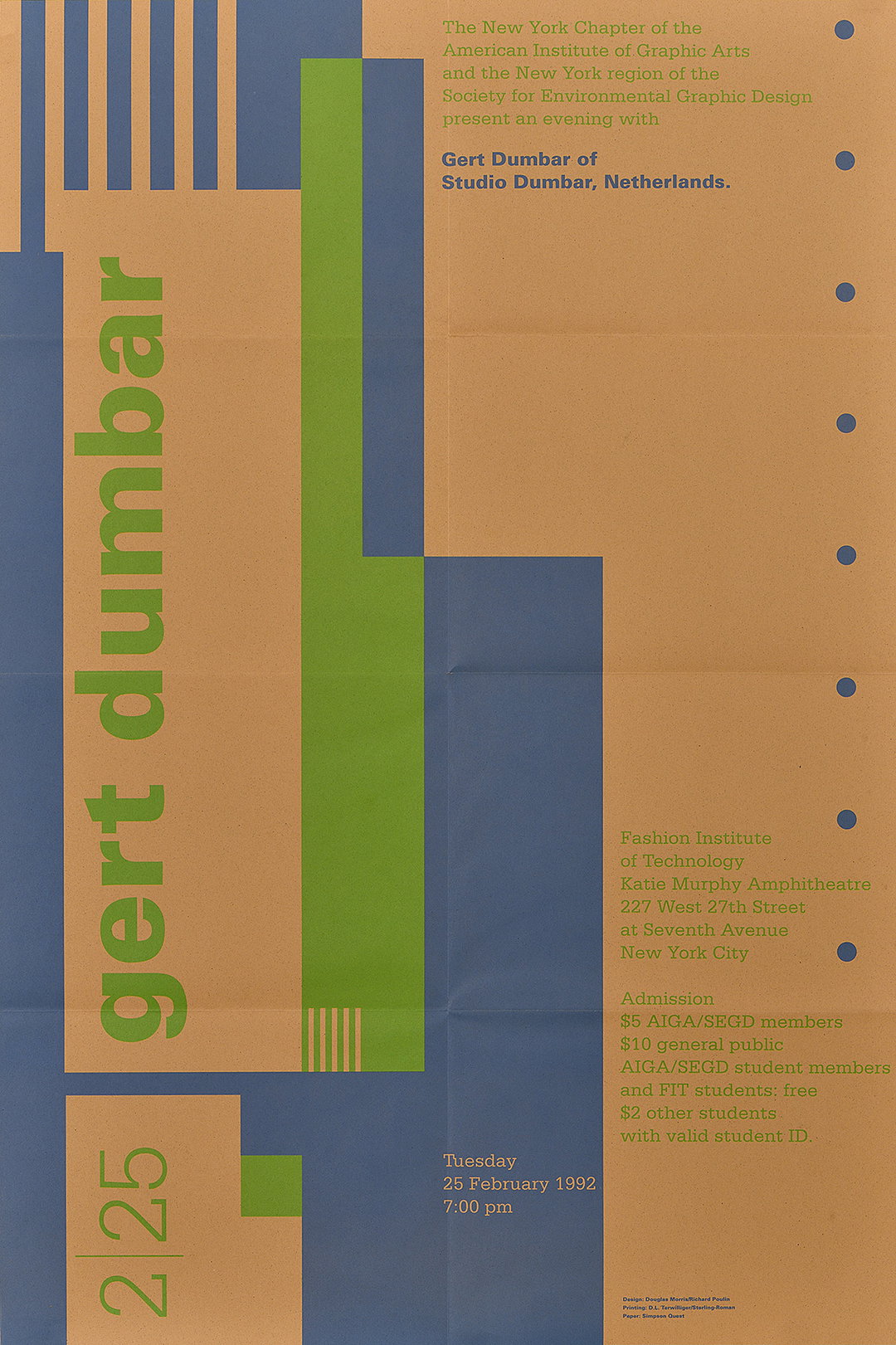
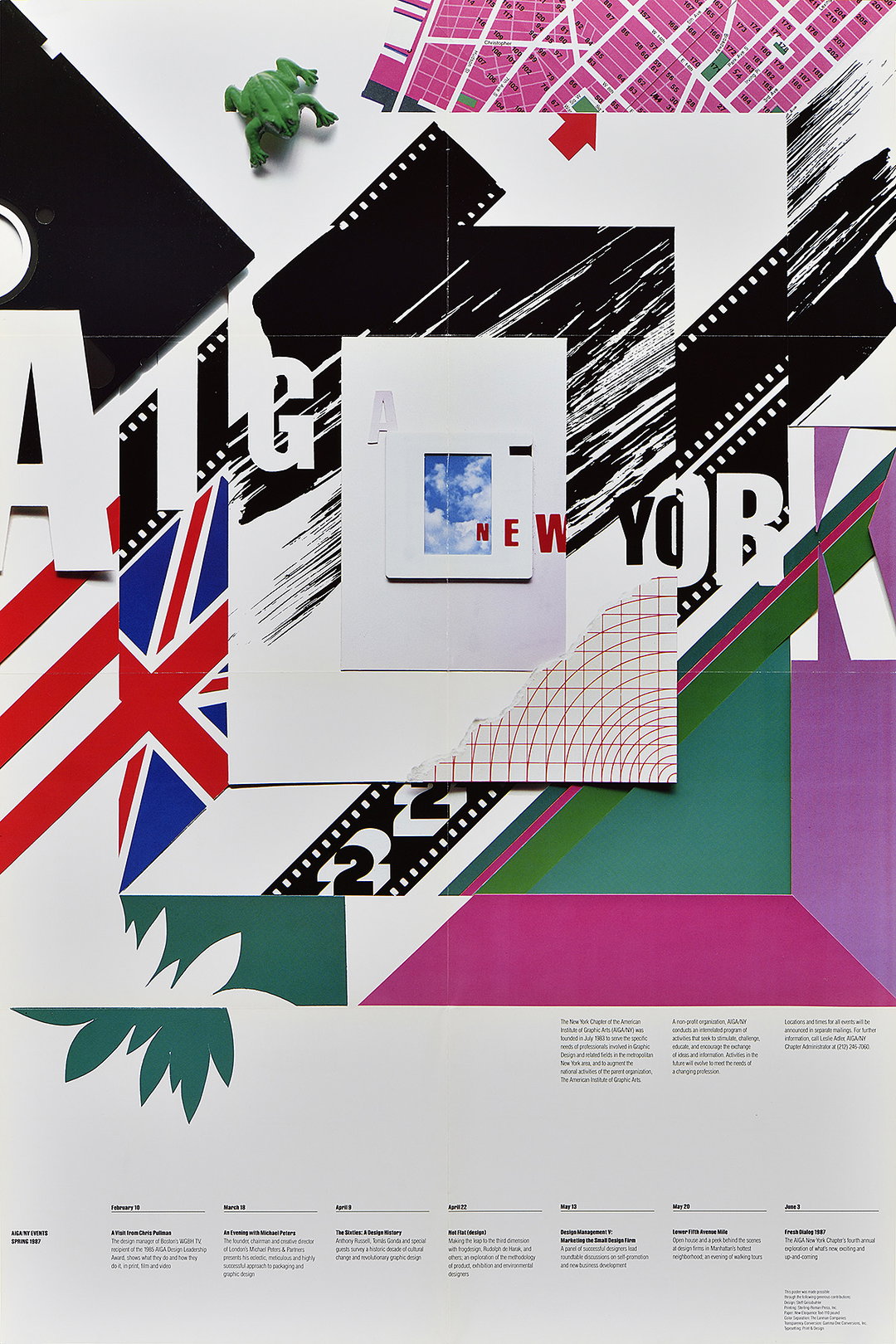
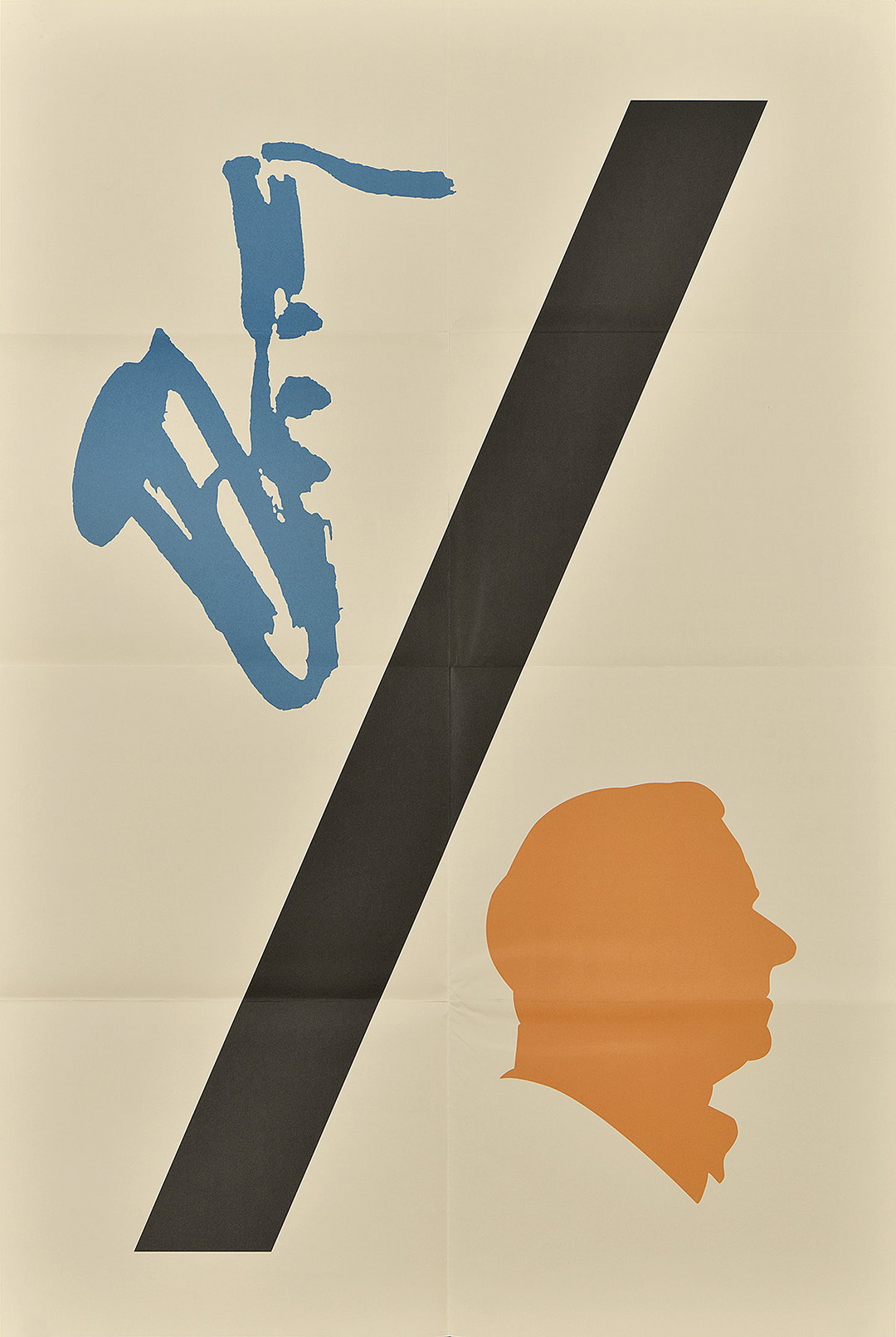
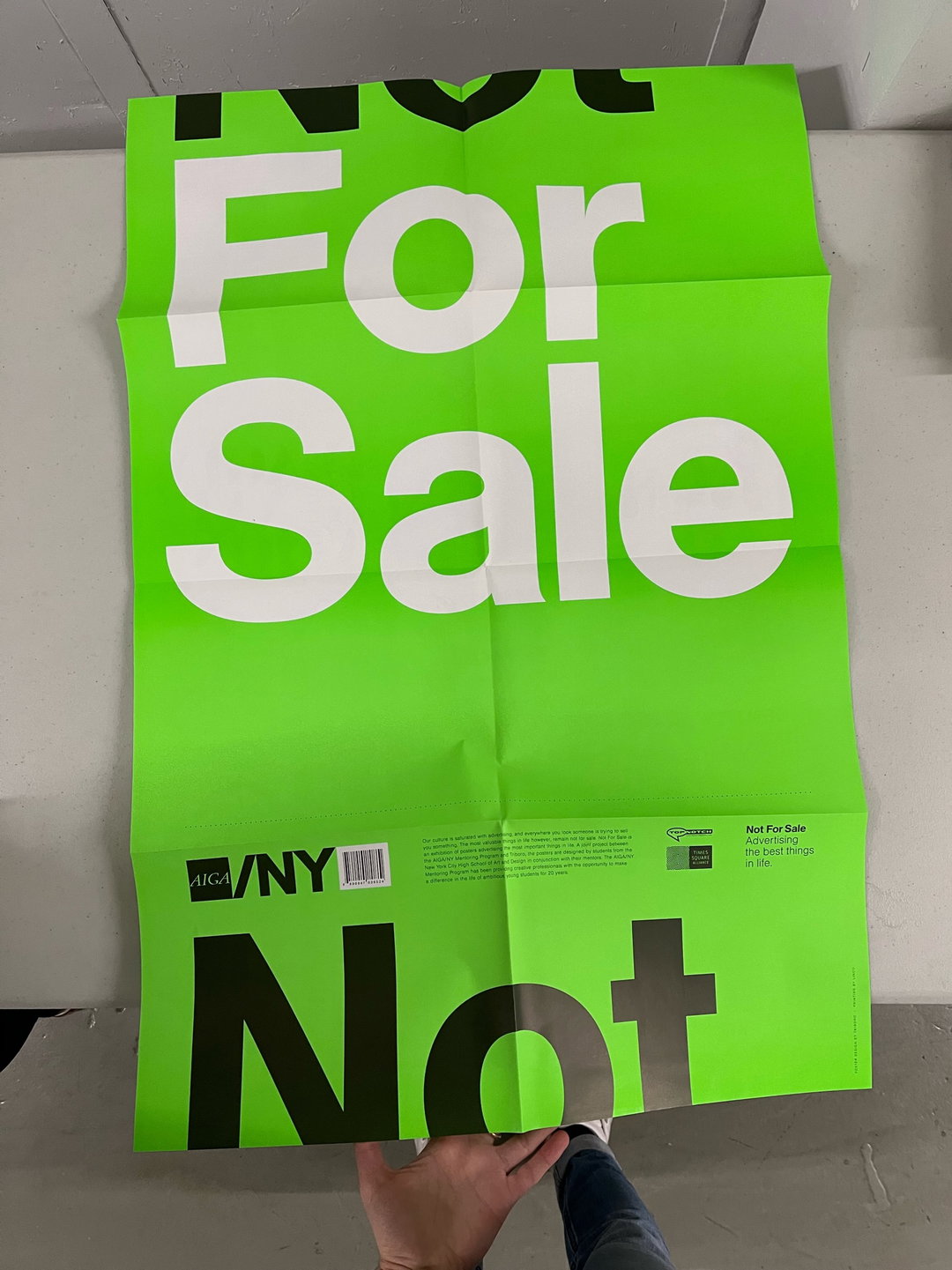
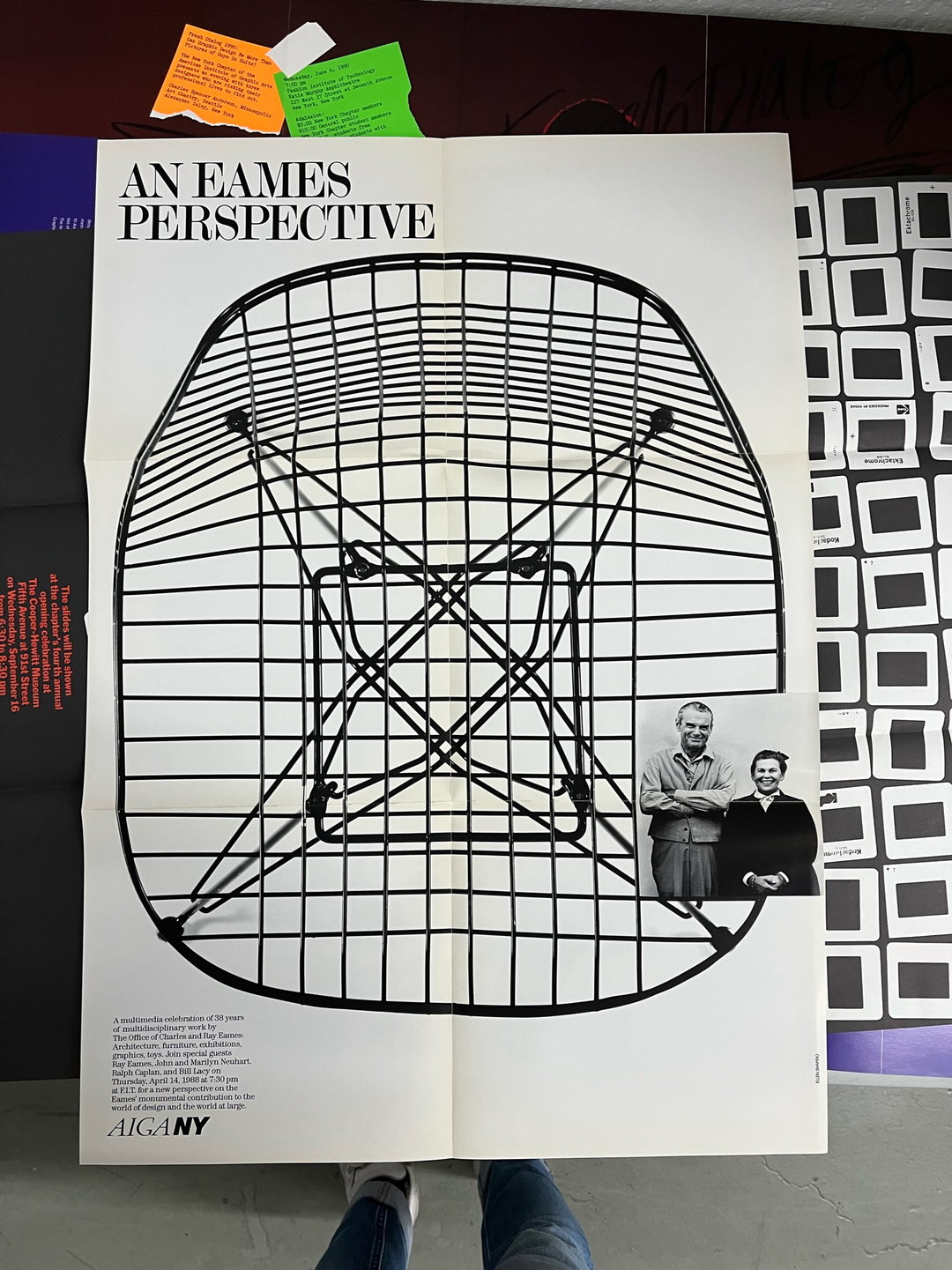
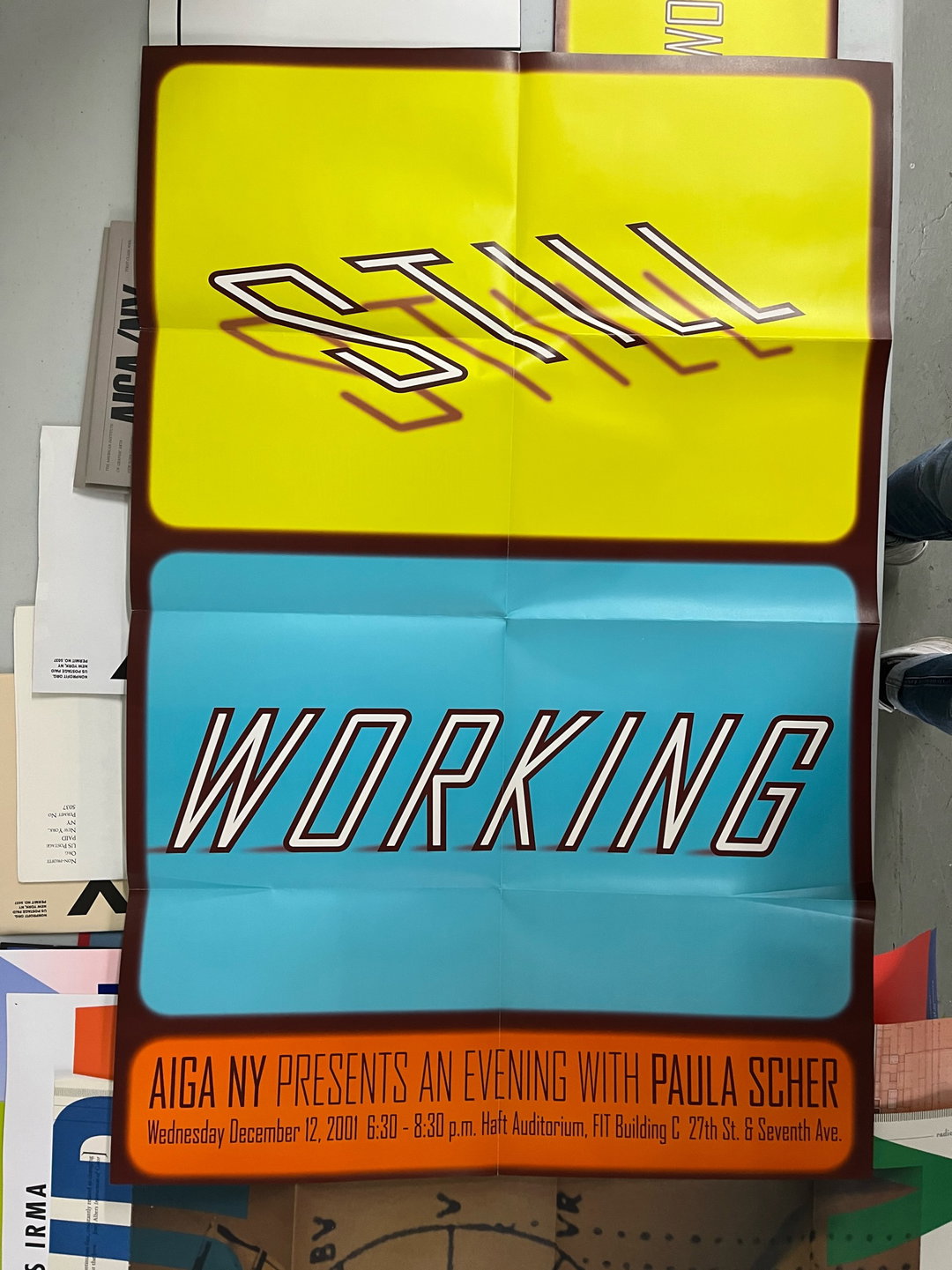
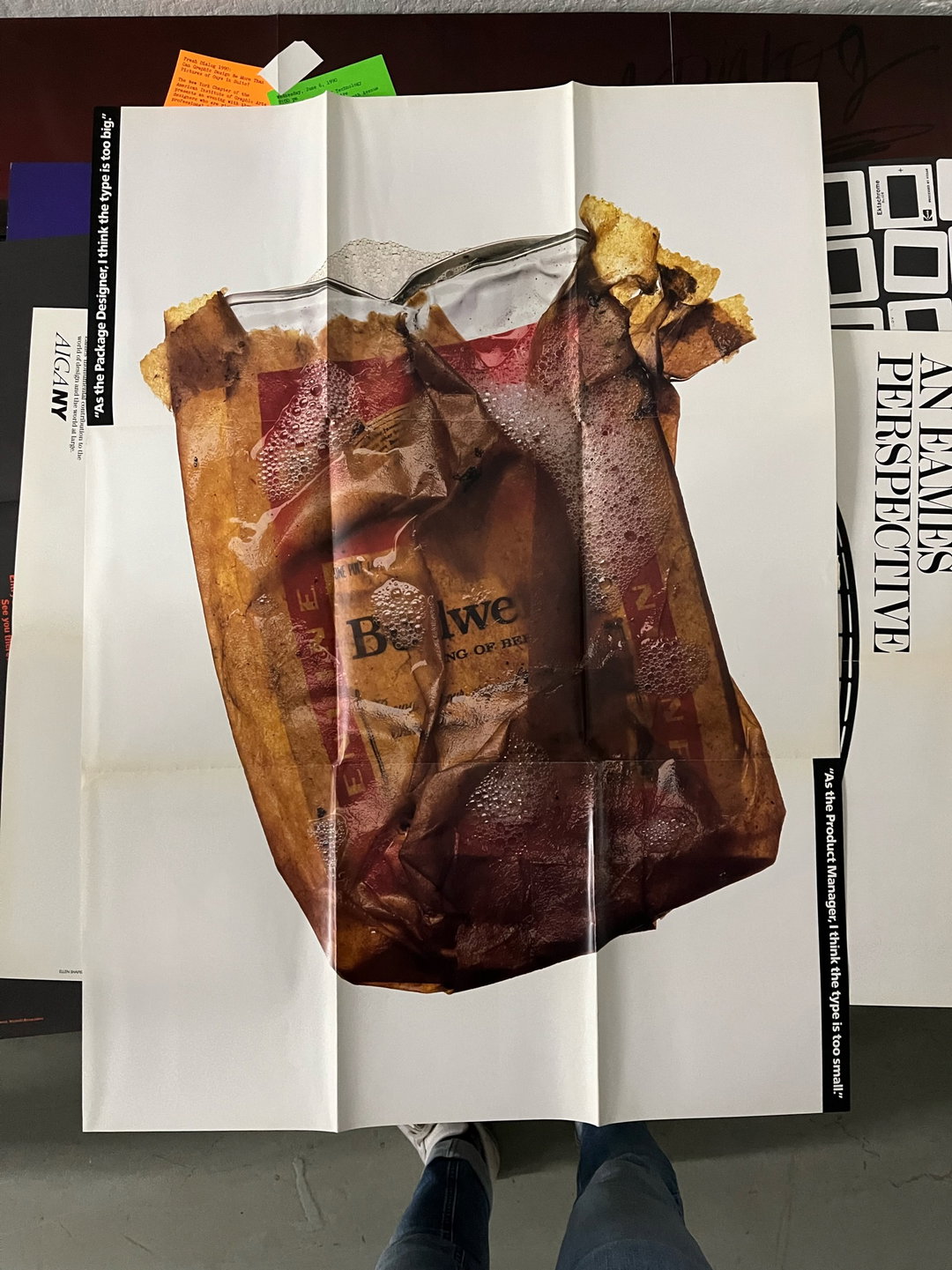
The American Institute of Graphic Art’s (AIGA) New York has made one of its most precious resources available to the public – it’s poster archive. This previously unseen collection charts the organisation’s role in shaping the city’s iconic visual culture, spanning 50 years of AIGA NY’s events, exhibitions and talks. The collection has been quietly gathered by AIGA NY members and volunteers over the decades, and its impact first reared its head publicly in the development of the organisation’s new visual identity last year. Each poster, says AIGA NY’s executive director Stacey Panousopoulous, is “a snapshot in time”.
A newly opened window into its design archive, this unique visual library provides the public with an inside view of the design, art and activism that’s emerged from the city’s recent history. AIGA NY has ambitions for the collection to become physically accessible with an accompanying book that will showcase the posters in more depth. In conversation with Stacey and former AIGA NY presidents Juliette Cezzar and Chelsea Goldwell, we uncover what surprising visual threads run through each poster’s take on type, colour, and form and why it’s has been so important to bring this archive back into the hands of New York’s creative community.
“The poster archive connects to our current craving for something more tactile and human.”
Stacey Panousopoulos
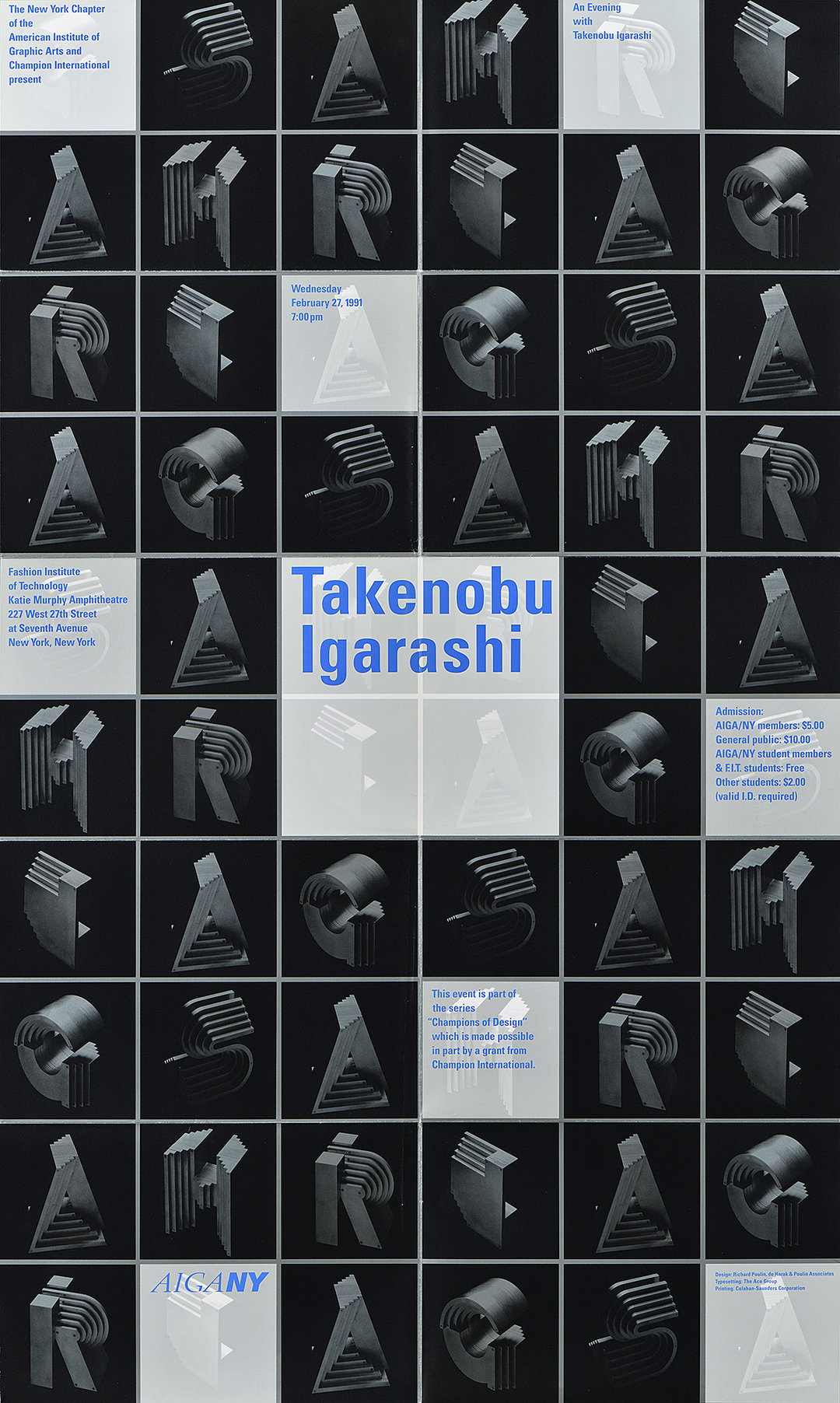
1 of 8
AIGA NY: Poster House (Copyright © Poster House, 2024)
1 of 8
AIGA NY: Poster House (Copyright © Poster House, 2024)
Q&A with Stacey Panousopoulos, executive director of AIGA NY
It's Nice That:
The poster archive is a real treasure. Now that it’s available to the public for the first time, what new reflections have surfaced around the series of prints?
Stacey Panousopoulos (SP):
We’re really excited to bring this archive back to our community. New York has a storied design history and iconic visual culture and many members of the AIGA NY board and all volunteers, have made a significant impact in the elevation of our craft by contributing poster designs. Today, visuals capture our attention for a few fleeting seconds. The poster archive connects to our current craving for something more tactile and human.
INT:
How do you think changes in New York’s design scene are traced across this series? What visual or creative shifts can you see have taken place over the last five decades?
SP:
Looking through the lens of the poster archive, you see evolution and experimentation in typography, image making, conceptual forms of expression, printing and digital techniques. You can also see clear themes in conversations about technology, leadership and the craft of design over time.
INT:
Beyond documenting design culture, what cultural and political shifts do these posters evidence – in what ways do they act as a record of real public life in New York across the decades?
SP:
In the earlier days, the posters reflected more of a core focus on the practice and craft of design. It’s clear to see an evolution of the topics, technology, and willingness to challenge norms of industry culture that aren’t serving the community. Over time, you see more of a momentum for the urgency of change that’s still driving our work today.
INT:
How has the archive been gathered by AIGA NY over all these years?
SP:
Fortunately, designers are natural collectors – we save everything! As that initial instinct to save and collect grew, prior board members started to realise the potential of these posters, each a snapshot in time. We’ve taken great care in keeping the collection together and it’s been safe keeping in our storage space. It’s exciting to bring this work back out into the world, and display it how it was originally intended to be seen.
NT:
What’s steered the decision to revisit the archive? Why does it feel important to look back at the collection now?
SP:
We’re always striving to create open resources for our community however we can. A few years ago our chapter celebrated our 40th anniversary, and this year we just announced a refreshed brand identity to amplify our mission. As an organisation we must always be willing to evolve and adapt and the poster archive is a reflection of our journey as we keep moving toward the future.
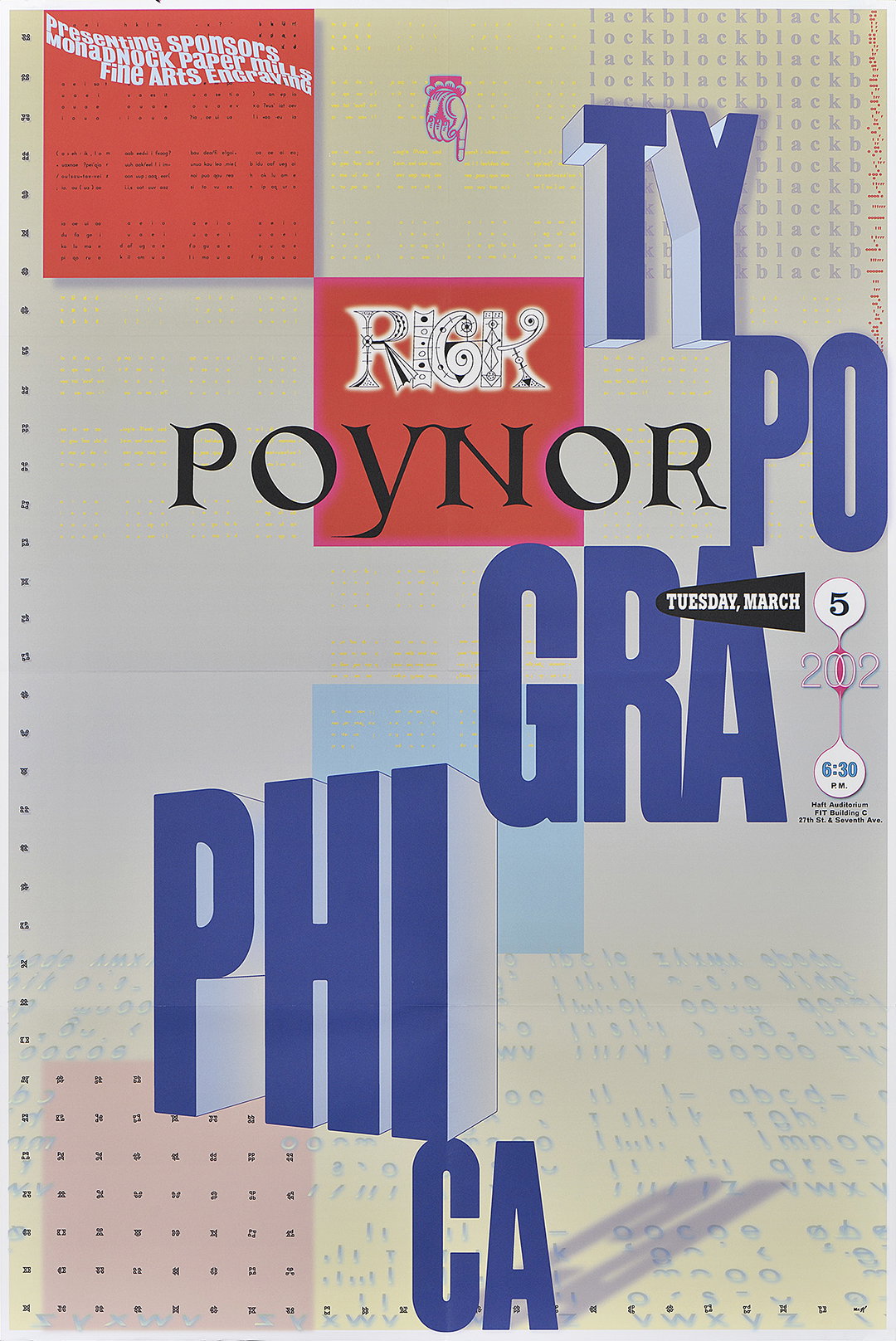
AIGA NY: Rick Poyner, Typographica (Copyright © Jeffery Keedy, 2002)
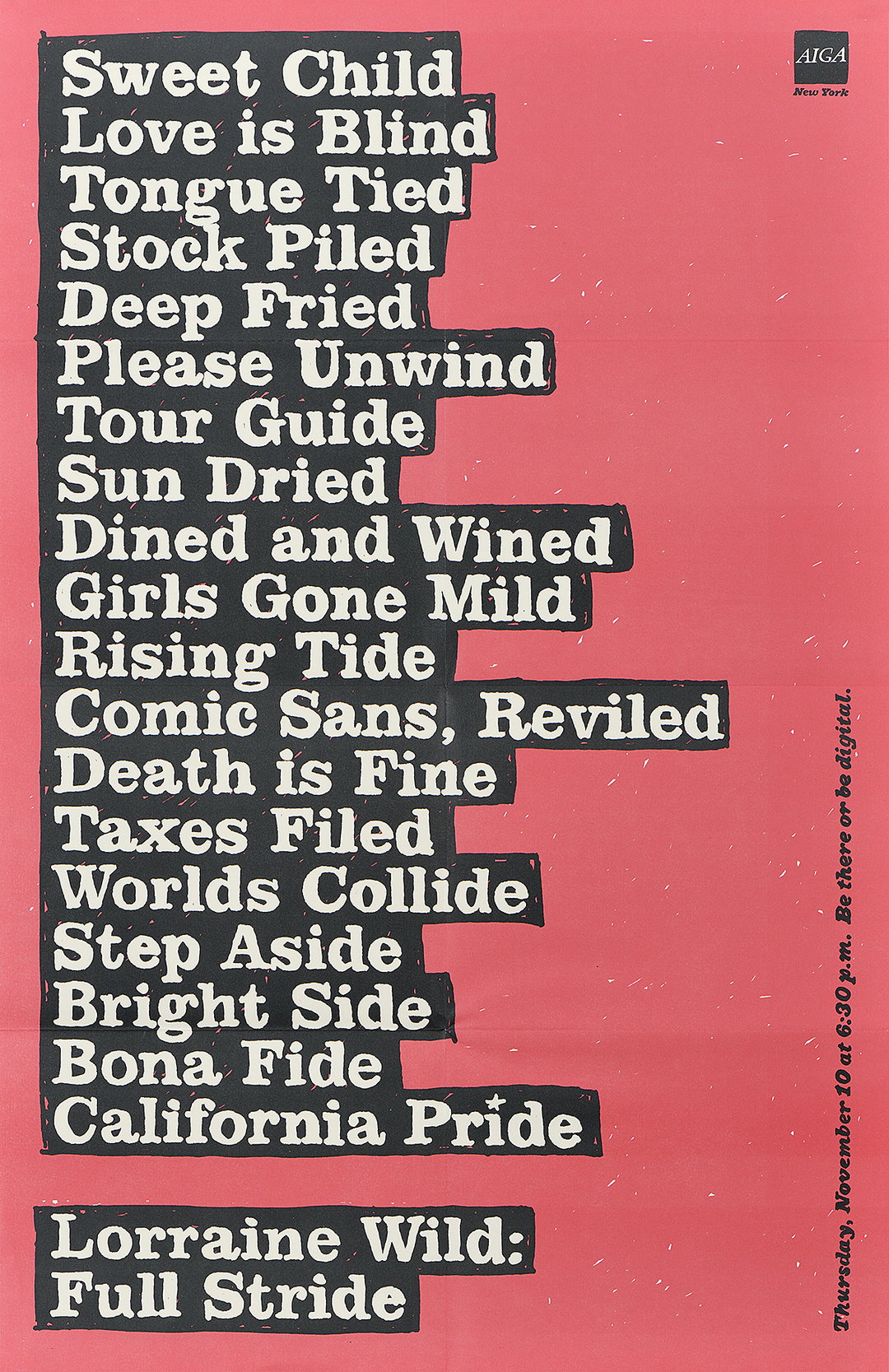
AIGA NY: Armin Vit (Copyright © Armin Vit, 2005)
“People here value design in a different way to other places. It’s not a nice to have but a necessity.”
Chelsea Goldwell
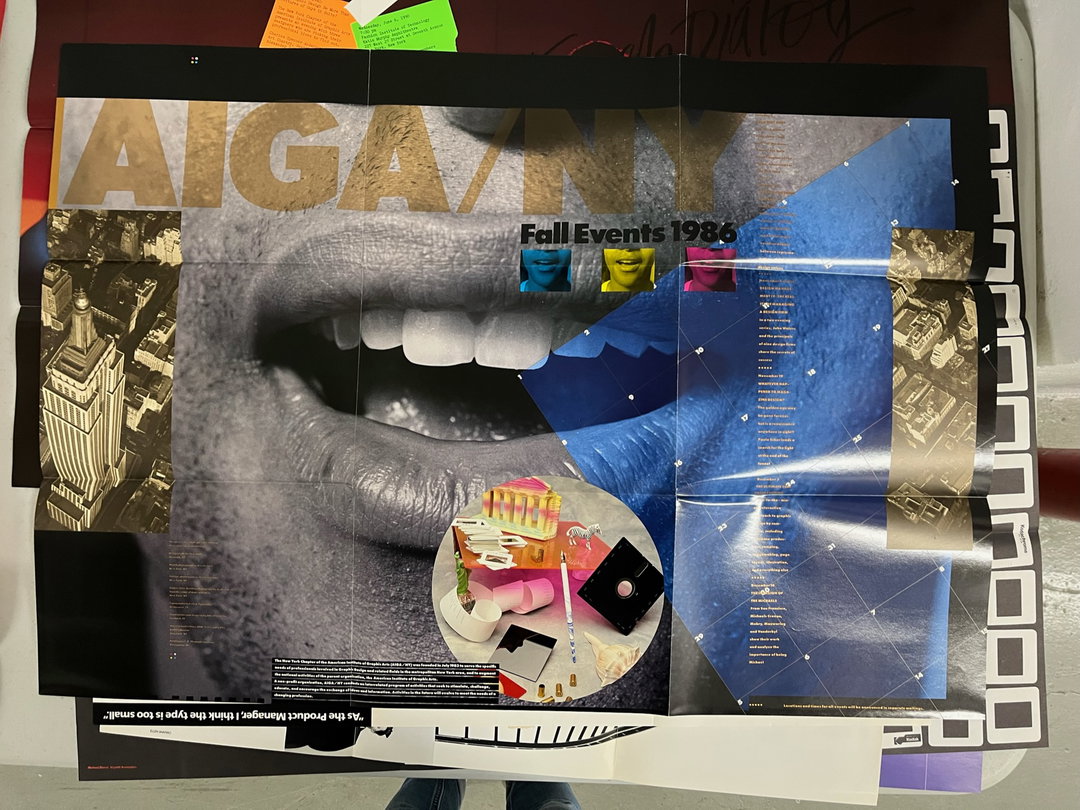
AIGA NY: Fall Events 1986 (Copyright © Richelle J. Huff, 1986)
Reflecting on the poster archive with with former presidents of AIGA NY Juliette Cezzar and Chelsea Goldwell
It’s Nice That (INT):
We’d love to know if there any stand out posters in the collection for you?
Chelsea Goldwell (CG):
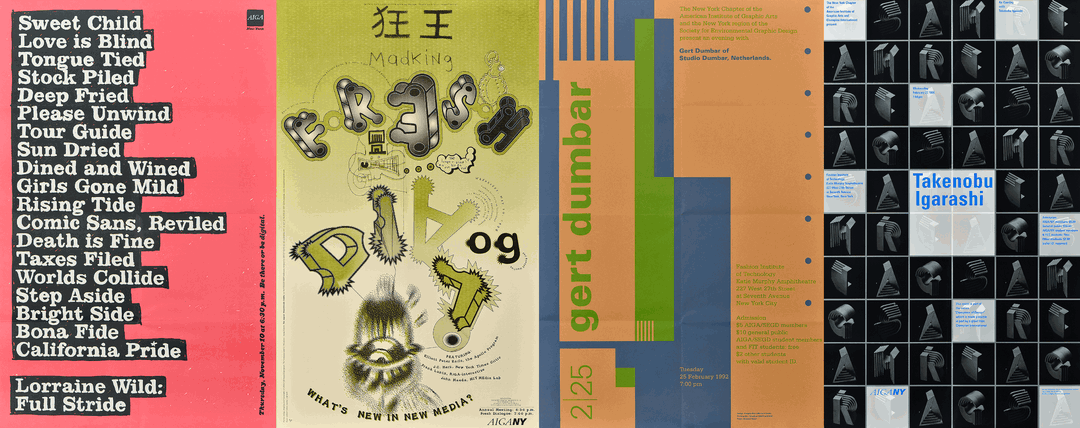
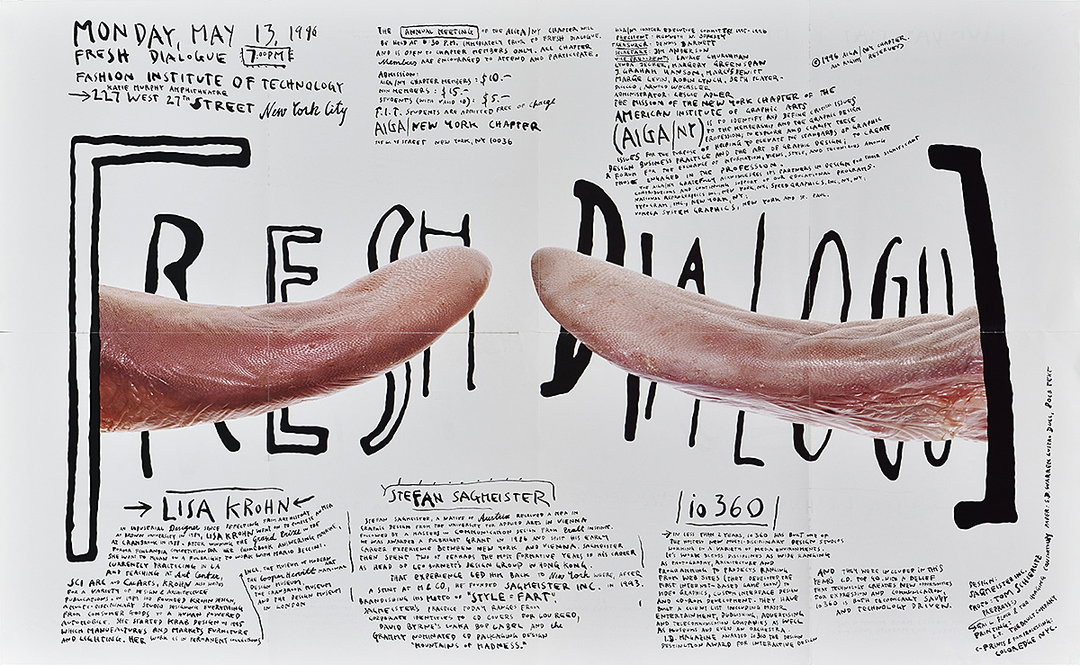
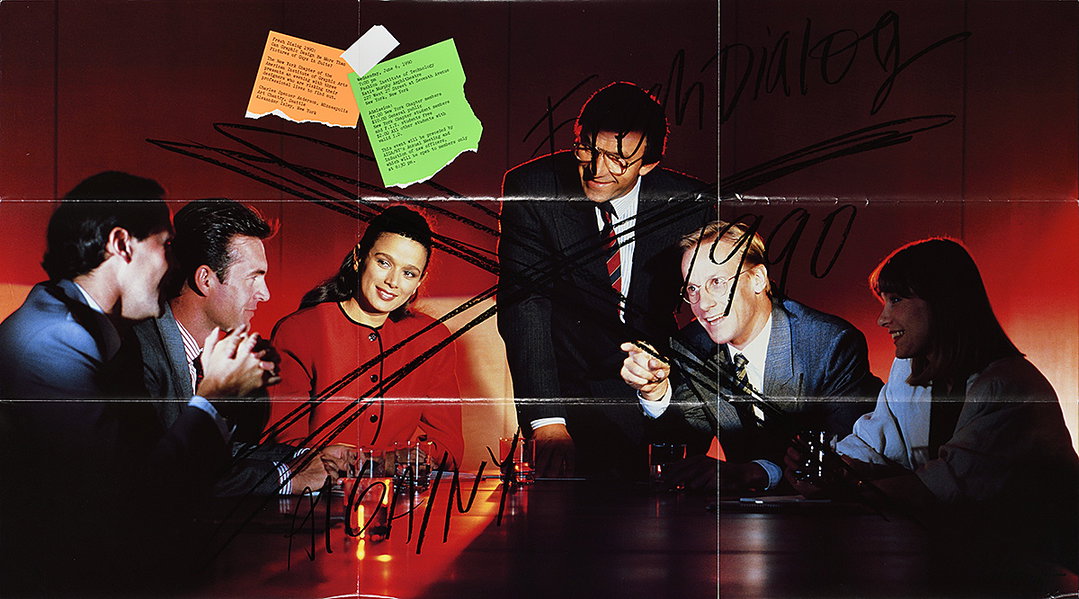
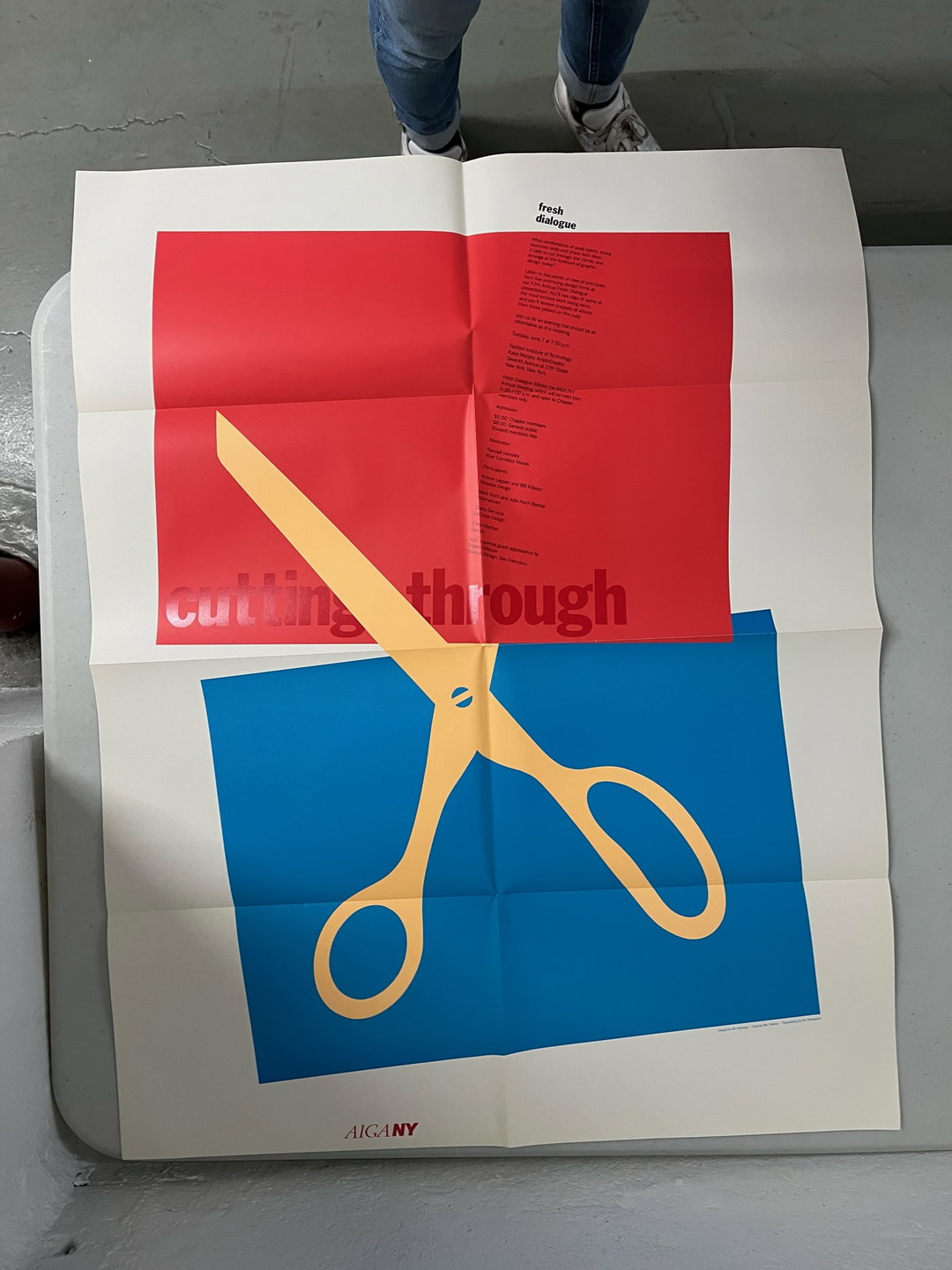
Personally I feel a connection with Sagmeister’s fresh dialogue poster. I remember this point in my career and the evolution towards making things that felt more hand done and human. But they’re all so interesting to see. Having been on the board and being actively involved in the events planning committee, the posters make me think about how these were likely opportunities for these designers to express themselves freely and have fun, and that makes me really happy.
Juliette Cezzar (JC):
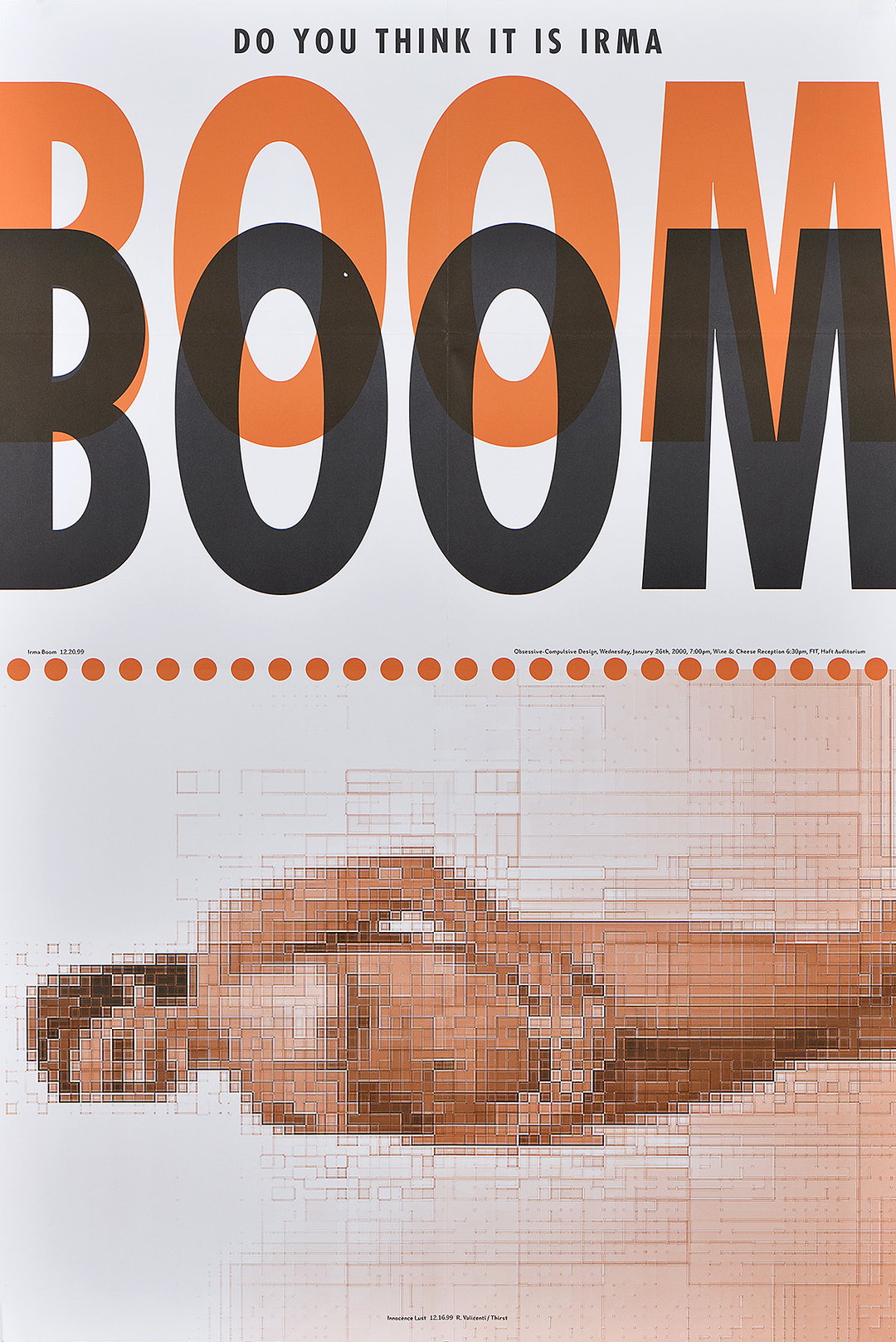
I love them all, particularly the ones from the late 1990s optimistically trying to figure out how the field’s relationship to the computer would change aesthetics. What we didn’t know is that work like this would never be made again, not because the aesthetics were out of date, but because technology changed how we communicate. By the mid-2010s, every message had to magically shape-shift into every single medium at every scale. Instagram and TikTok would be at the top of the hierarchy, valuing raw UGC and algorithmically proven attention strategies over anything that actually takes time and talent to make.
These changes also meant that the previous regionalisms we used to have, where visual design looked different if you were in Los Angeles, Chicago, or New York, pretty much disappeared. When I was at AIGA NY in the mid-2010s, this is something we talked about quite a bit: what did NY even mean? We answered that with Making the City, which was a broad collection of projects over several years that directly worked with and impacted neighbourhoods.
INT:
What do you think the archive says about the spirit of design in New York? What makes the city’s creative scene so individual and distinct?
CG:
It’s curious, inspiring, ambitious and excellent. The best designers in the world are in New York. The people here are always doing something to feed their own creative spirit – tinkering, writing, researching, collecting, discussing, making. It’s a contagious and exciting energy to be a part of.
JC:
The design spirit here has always been one of ‘I’ll do what I want’, of being able to do what you want with the people you want to do it with, for the audience that matters to you. This has been possible only in New York in part because New York is not a one-industry town like LA or San Francisco. We have everything here that matters for design – publishing, tech, finance, education, entertainment, hospitality – and every kind of studio, agency, consultancy and shop.
CG:
People here value design in a different way to other places. It’s not a nice to have but a necessity. Design is a powerful tool that can influence change and culture — New Yorkers have always understood and embraced that.
1 of 5
AIGA NY: Fresh Dialogue (Copyright © AIGA NY, 2024)
1 of 5
AIGA NY: Fresh Dialogue (Copyright © AIGA NY, 2024)
Hero Header
AIGA NY: Various Posters (Copyright © AIGA NY, 2024)
Share Article
About the Author
—
Ellis Tree (she/her) is a staff writer at It’s Nice That. She joined as a junior writer in April 2024 after graduating from Kingston School of Art with a degree in Graphic Design. Across her research, writing and visual work she has a particular interest in printmaking, self-publishing and expanded approaches to photography. ert@itsnicethat.com
To submit your work to be featured on the site, see our Submissions Guide.