The femme creatives shaping Naarm’s dance scene
Our Naarm correspondent spotlights three femme-led labels making waves in the city, sonically and visually.
Share
It’s no secret that Naarm’s music scene is alive and kicking in every corner. Dance music is a cultural staple here, weaving its way through bars, community spaces, and, of course, clubs. We lead the charge when it comes to lineup diversity and, for the most part, hold each other to impressively high standards.
But when I first started DJing, the landscape looked pretty different. Like many others, I cut my teeth at Lounge with my own little weekday residency (shout out Nick & Liam), and joyously struggled to see a foot in front of me at the Mercat each weekend. On the not-so-shiny side of the coin, though, I also got booked for some really tokenistic gigs… “We need a chick who plays house music.” Uhhh, sure thing, boss. As if my gender mattered more than my sound. It was frustrating to be reduced to a checkbox instead of being recognised for my skillset, which, honestly, crushed most of the guys around me at the time.
While the scene has come a long way, one thing that still flies under the radar is the rise of female-led dance music labels. Many of them are shaping some of the best sounds in the scene. These collectives aren’t just curating forward-thinking music; they’re reshaping the landscape and paving the way for others to thrive. And that’s something worth celebrating.
Before I landed on the concept for this article, I was at a cafe tossing around Naarm-centric ideas with my friend Sonny. They always say, “Write what you know,” and since writing’s still a new game for me, I figured I’d better stick to that. I’ve been immersed in the local club scene for 14 years, DJing for over 8. I’ve watched the evolution up close, and I must say our music output, especially through labels, has become genuinely impressive.
As I mulled over the scene, the sound, and the visuals tied to it, I made a list of home-grown labels with strong sonic and aesthetic identities. That’s when it hit me: they’re all led by femmes. That’s sick. Progress looks different to everyone, but to me, real progress is when we don’t have to explicitly point out someone’s gender for their work to be seen, respected, and celebrated. But still… go off, queens.
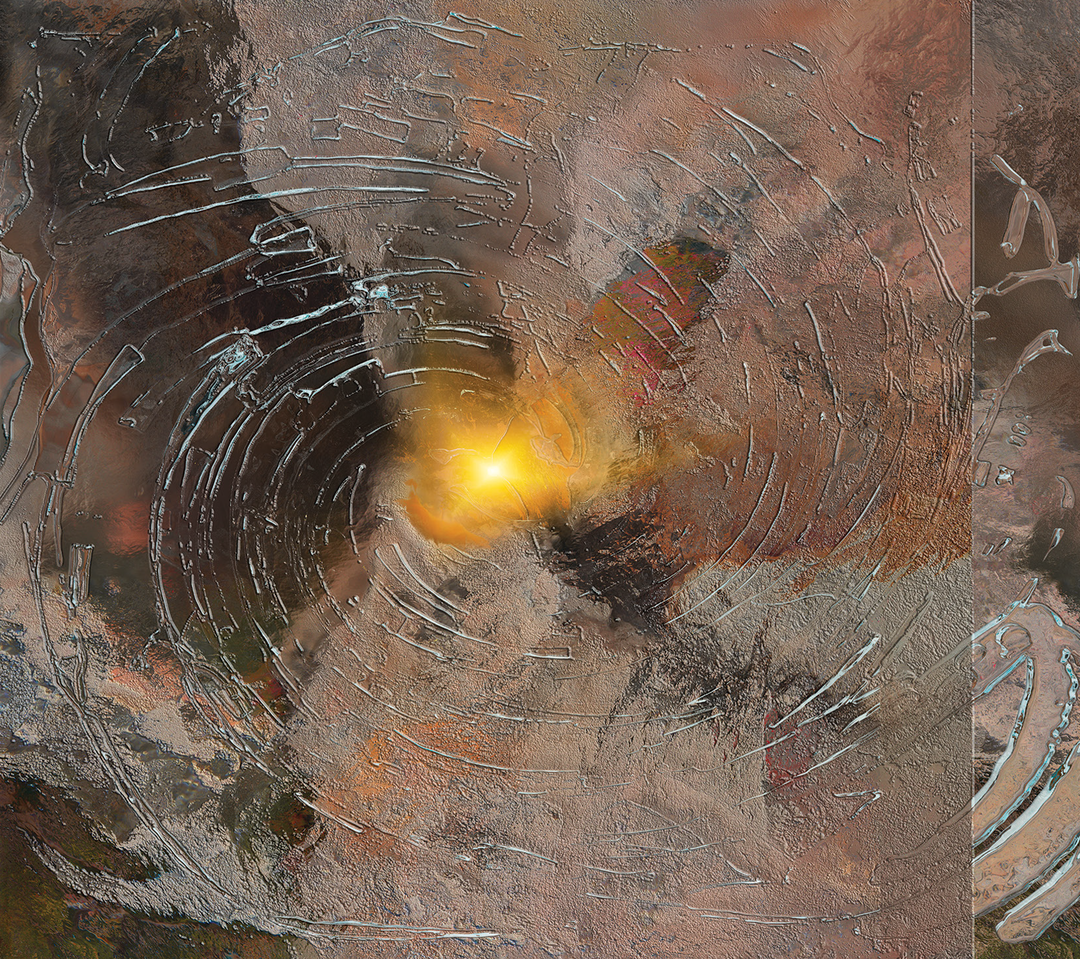
Tharim Cornilesse: Zara CD artwork (Copyright © Animalia)
Marton Toth: o.outlier artwork (Copyright © Animalia)
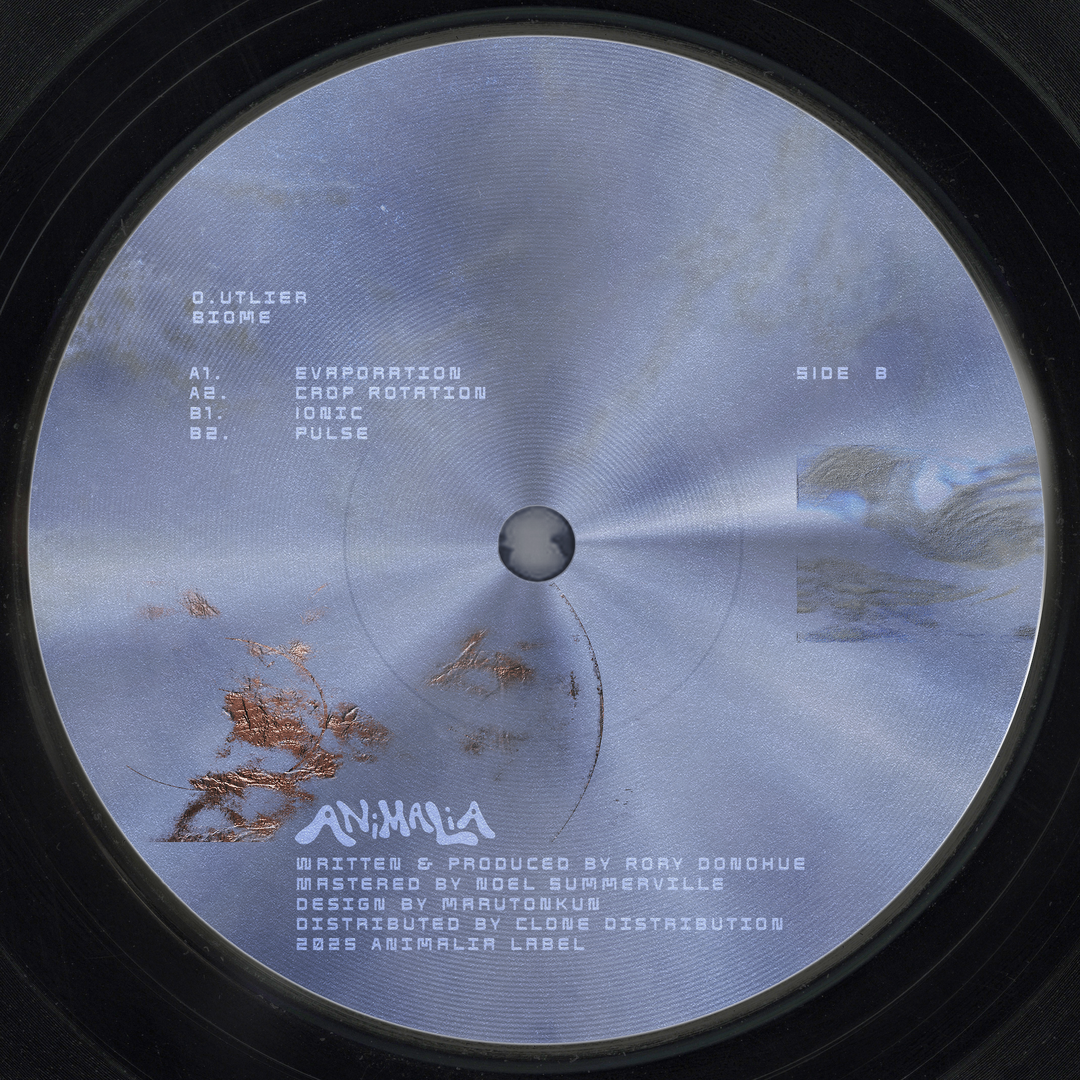
Marton Toth: o.outlier artwork (Copyright © Animalia)
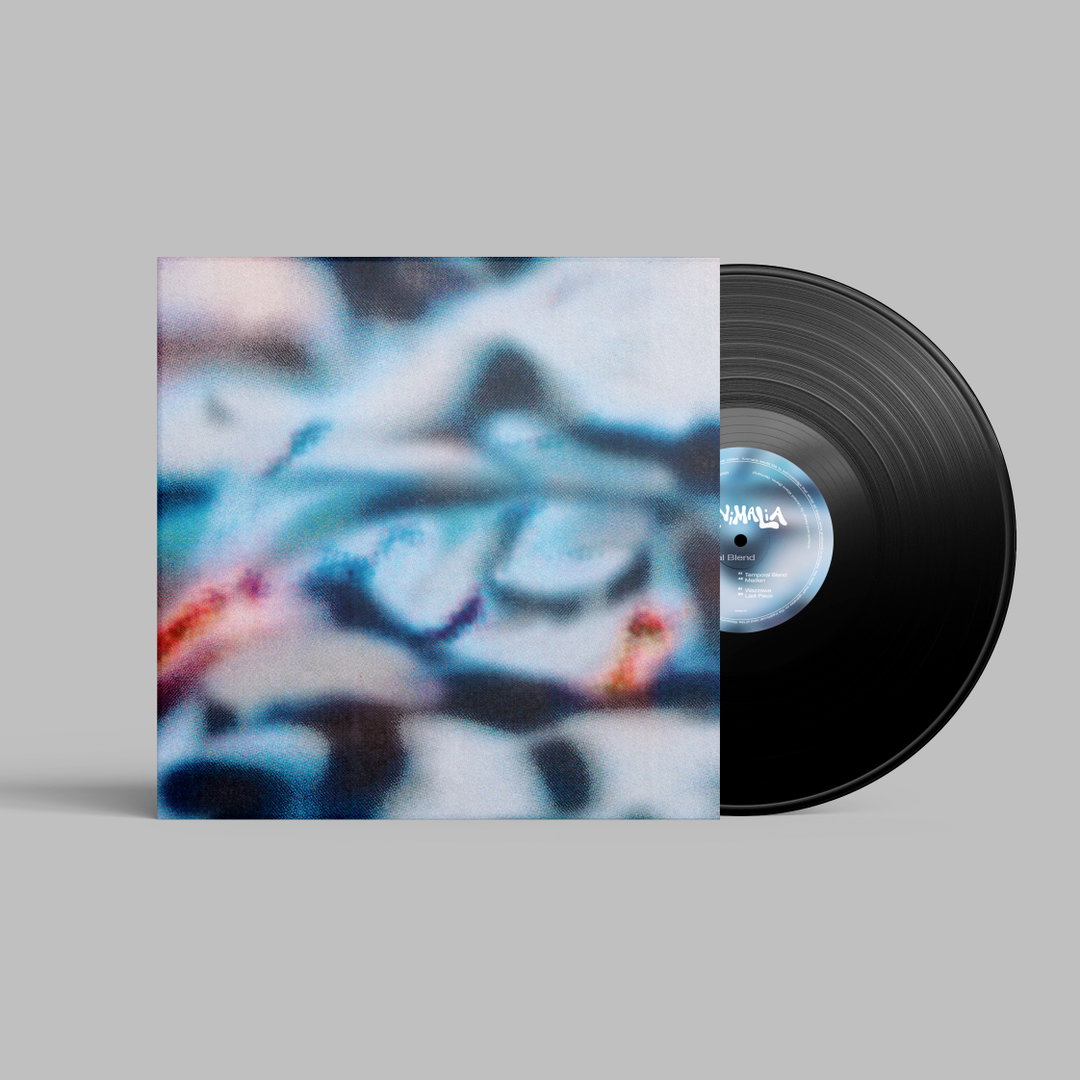
Laurent Wians: Shoal EP artwork (Copyright © Animalia)
Ezra Miller: Cousin.& Priori, ANNINAFF1 artwork (Copyright © Animalia)
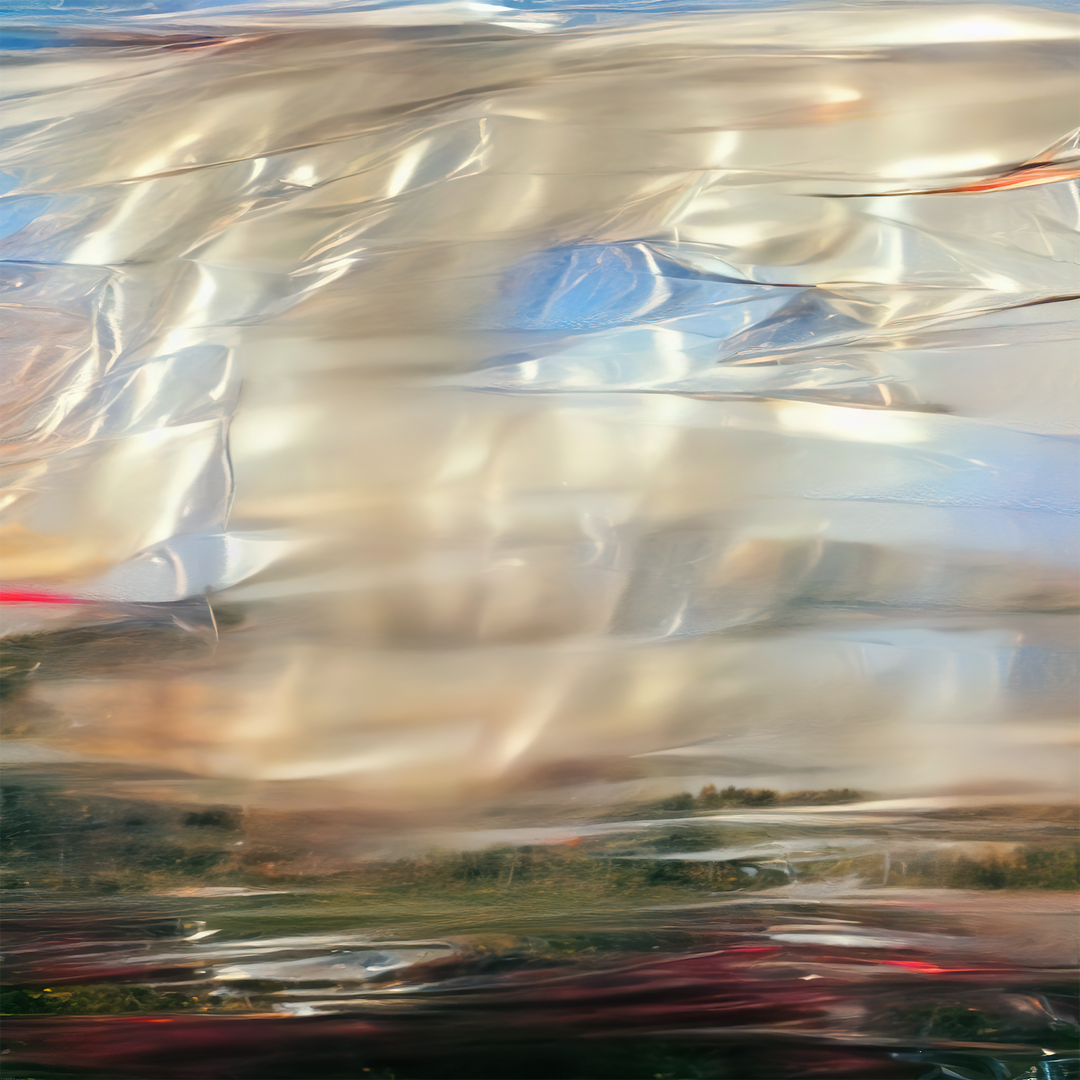
Ezra Miller: Cousin.& Priori, ANNINAFF1 artwork (Copyright © Animalia)
Animalia / Cirrus
Founded in 2020, Animalia is the brainchild of Eora (Sydney)-born, Naarm-based artist Kia Sydney. A prolific DJ who seemingly holds the Midas touch, Kia’s magnetic energy is something to be revered. Her attention to detail is obvious through the thoughtfully curated sound and visual identities of Animalia and its ambient-leaning sister label, Cirrus. Initially described as “a colourful and diverse platform for Melbourne’s lesser-known producers,” Animalia has grown into a globally recognised label, with releases from international artists like Shoal and Volodymyr Gnatenko, all the while staying grounded in its Australian roots.
While Animalia’s releases span a wide range of genres, there’s a clear cohesion to its sound, something I can only describe as an earthy hypnosis. “Psychedelic techno” has almost become synonymous with Kia’s name, but I believe the depth of this world runs deeper than many realise… or perhaps they do, because that same depth reveals itself through the artworks accompanying each release. Across both Animalia and Cirrus, the visuals are consistently striking and, for lack of a better word, trippy. They convey abstract, ephemeral scenes: sometimes bright and playful, other times dark and textural, but always immersive. Despite their complexity, there’s a playful energy at the core, likely tied to the organic, “blobbified” logos that have become a signature for both labels.
As someone absorbed in design, I’m consistently wowed by artwork, no matter the creator. Visual contributions come from a talented and diverse roster of artists and designers, including Márton Tóth, Tharim Cornelisse, Laurent Wians, and many others shaping Animalia’s evolving visuals.
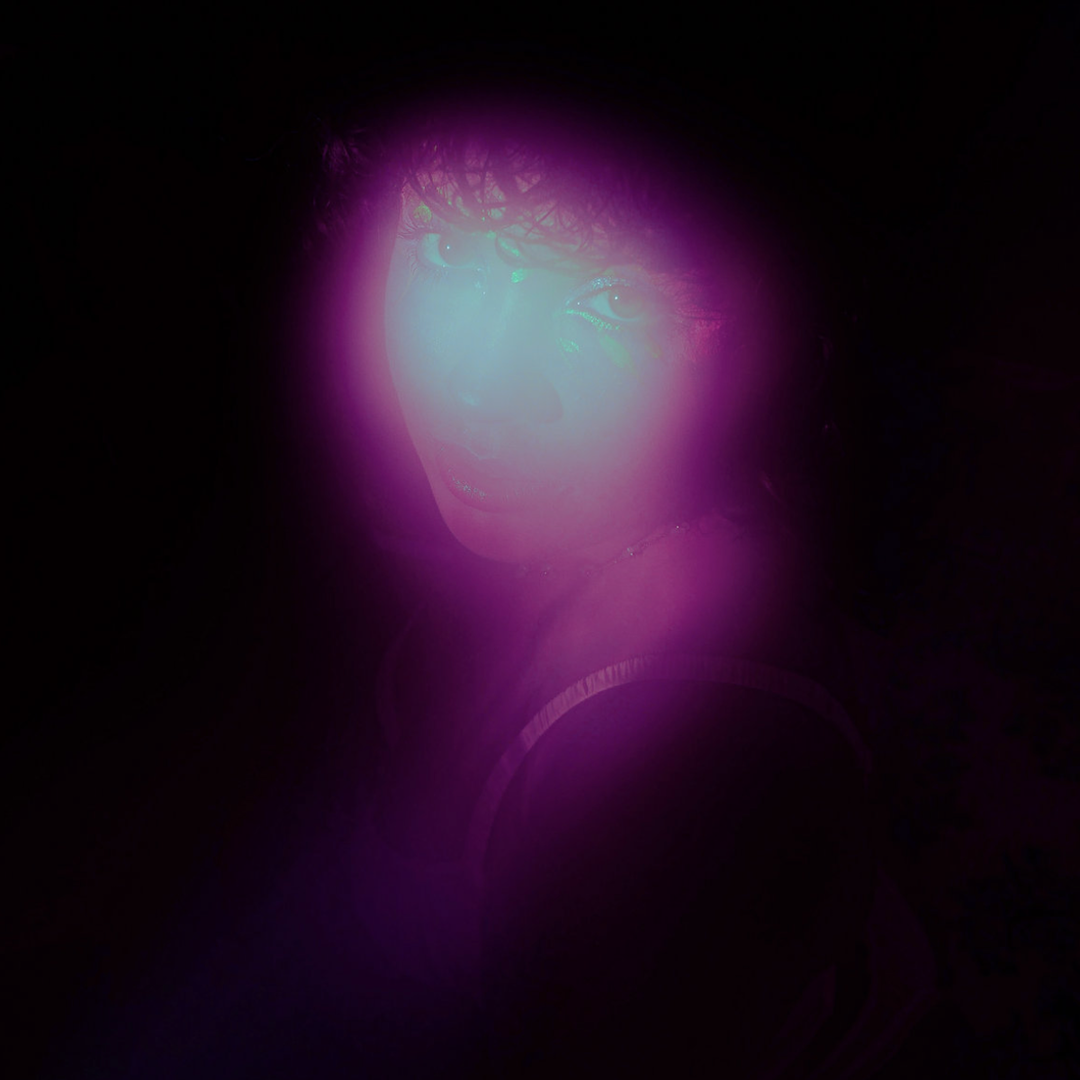
Jaz Kennedy: Tinker Bass artwork, cover photo by Jitse Roels (Copyright © Night Shop)
Jaz Kennedy: Rita Bass EP artwork, cover photo by Ella Maximillion (Copyright © Night Shop)
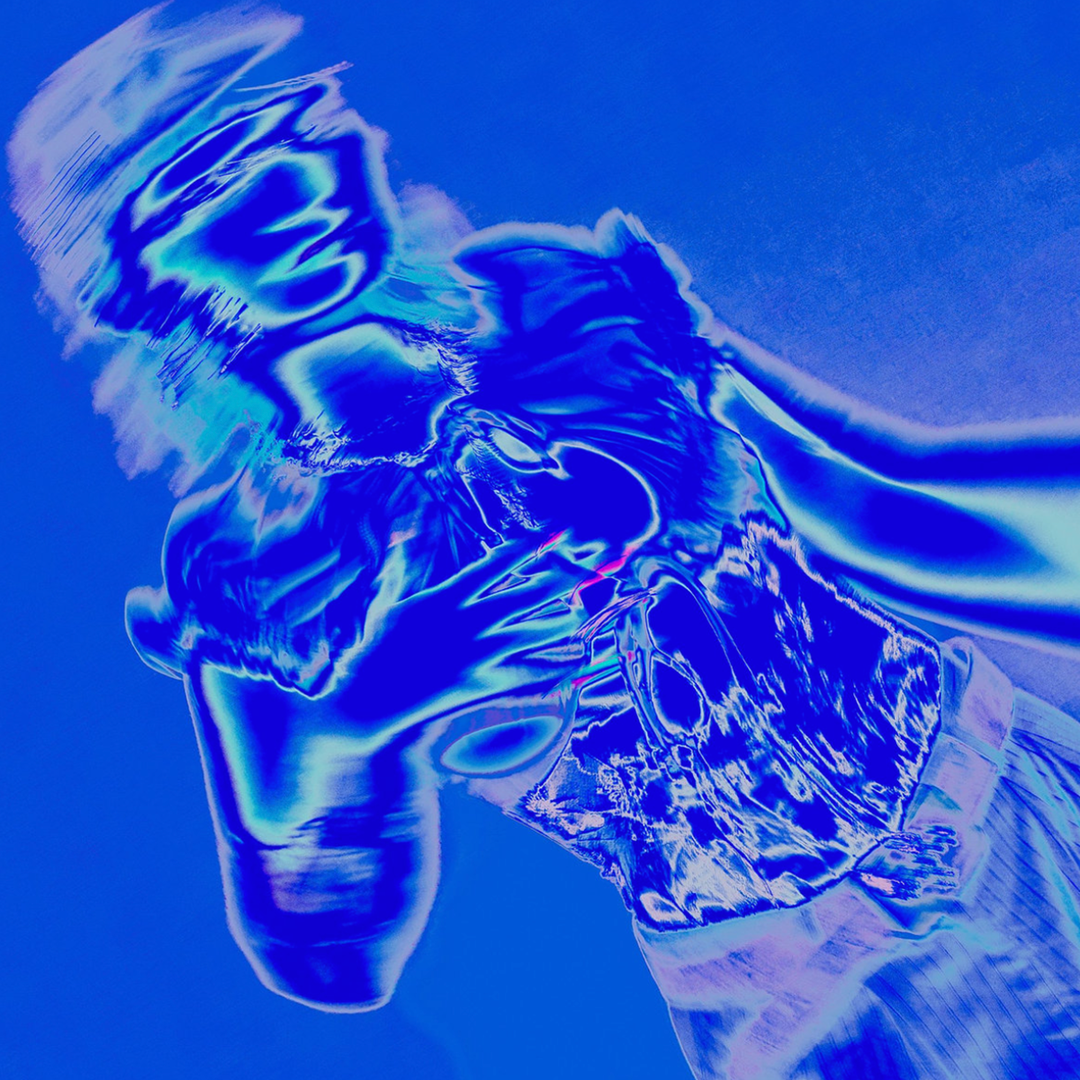
Jaz Kennedy: Rita Bass EP artwork, cover photo by Ella Maximillion (Copyright © Night Shop)
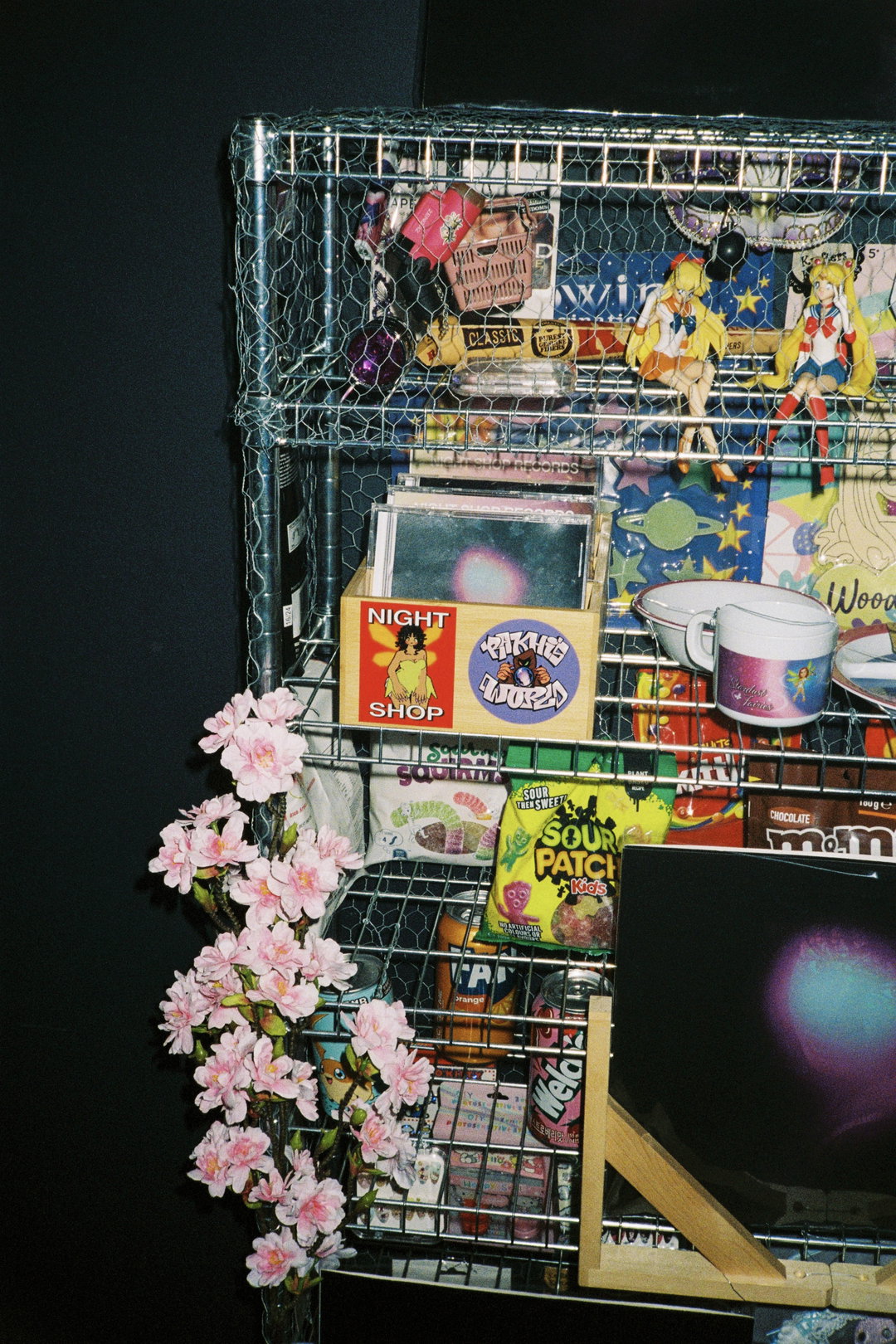
Copyright © Night Shop
Jaz Kennedy: Tinker Bass artwork (Copyright © Night Shop)
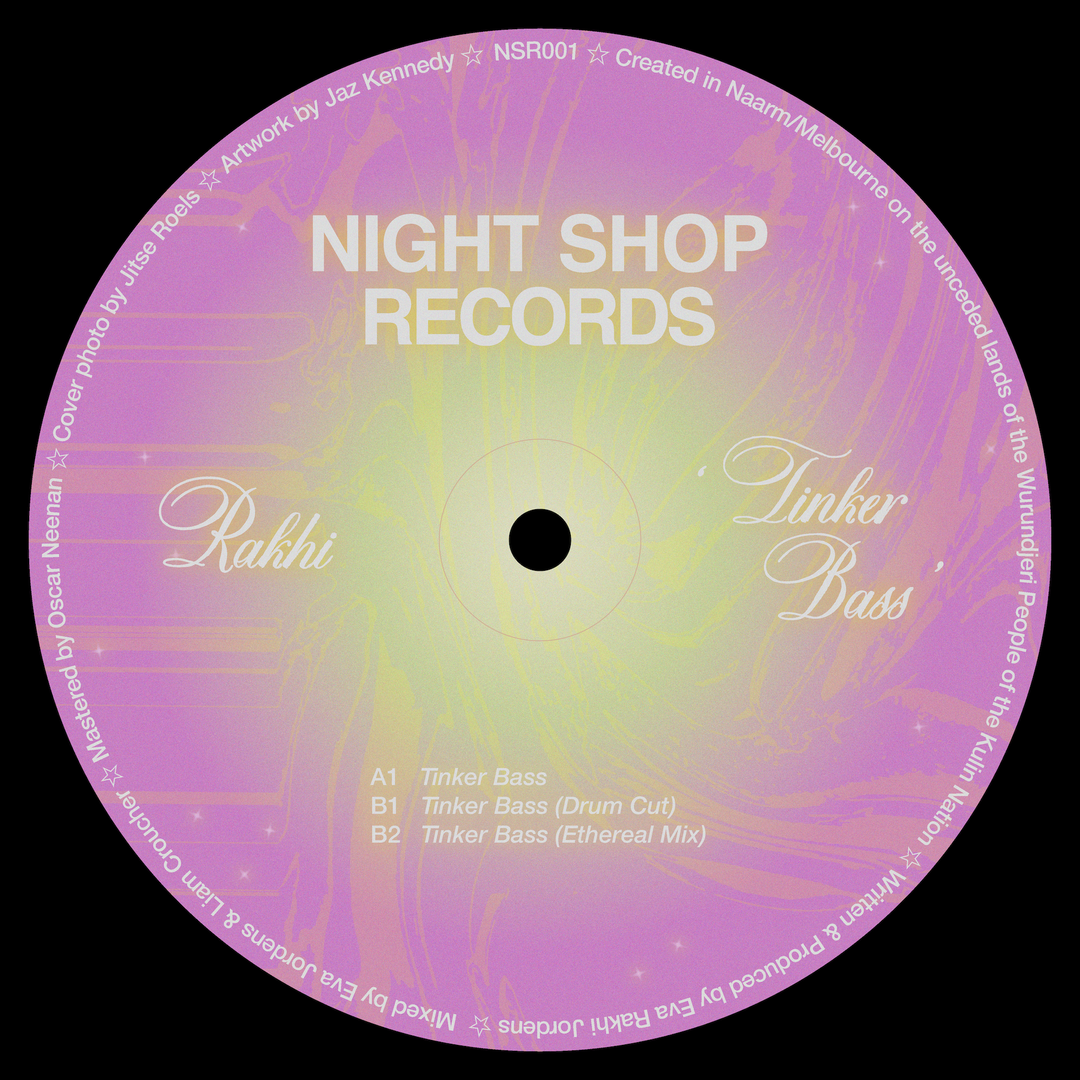
Jaz Kennedy: Tinker Bass artwork (Copyright © Night Shop)
Night Shop
Though Naarm might be lesser known for its bass-heads, Eva’s (better known as Rakhi) new label Night Shop is thriving among them. Launched in 2024, Night Shop grew out of Rakhi’s infamous Miscellania parties, also held under the same name. She describes a night shop as “a transitory space where people from different walks of life might cross over, where there’s a wide enough range of items to satisfy different tastes.” Both the label and the party operate in sync, rooted in this idea of an eclectic limbo where diverse sounds and people collide, a concept that drives both its playful visual identity and deep commitment to inclusivity.
With a focus on uplifting BIPOC, queer, femme, and GNC artists, Night Shop is making space for new voices while embracing the silliness and hedonism at the core of club culture. It captures a certain hit of pleasure, as Rakhi puts it: “Finding a night shop is instant gratification: it’s the only thing open at that late hour, and it has exactly what you need, or what you’ve been craving. You walk in, it’s colourful, bold, and a bit chaotic.”
I admire Rakhi’s thoughtful concept and obvious care for curation, qualities that stand out in a sea of approximately one billion parties in Naarm. With her debut release Tinker Bass marking the label’s official launch, Night Shop came out swinging, both musically and visually. Its bold design, spearheaded by Jaz Kennedy, features neon blue, pink, and purple hues layered with a raw, grungy edge that celebrates a hyper-femininity that’s unapologetic, fluid, and, honestly, just straight-up hot. It’s a perfect encapsulation of the label and party’s energy. Keep your eyes on this one!
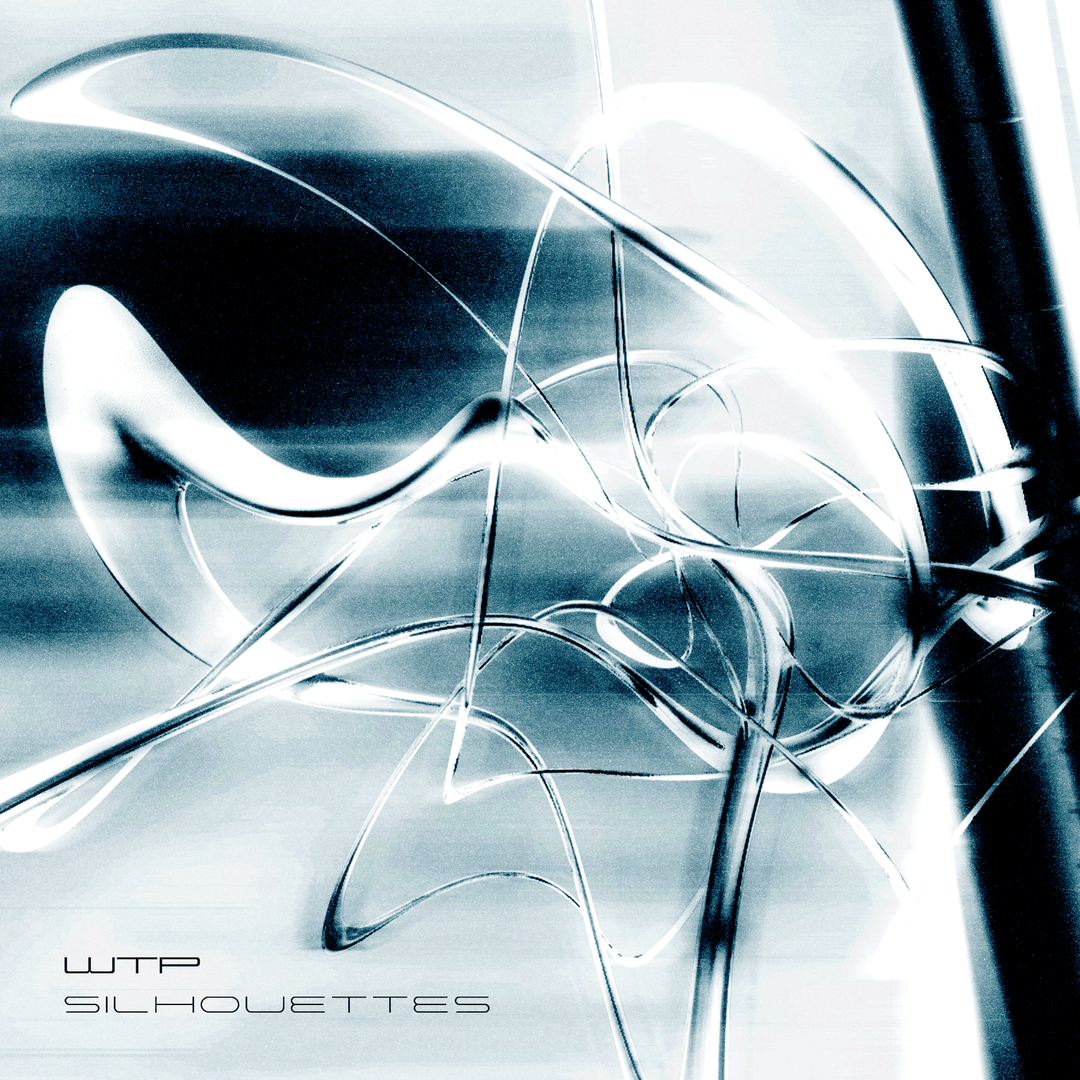
Soft Edges: WTP EP artwork (Copyright © The Space Between Us)
Soft Edges: Tony XL EP artwork (Copyright © The Space Between Us)

Soft Edges: Tony XL EP artwork (Copyright © The Space Between Us)
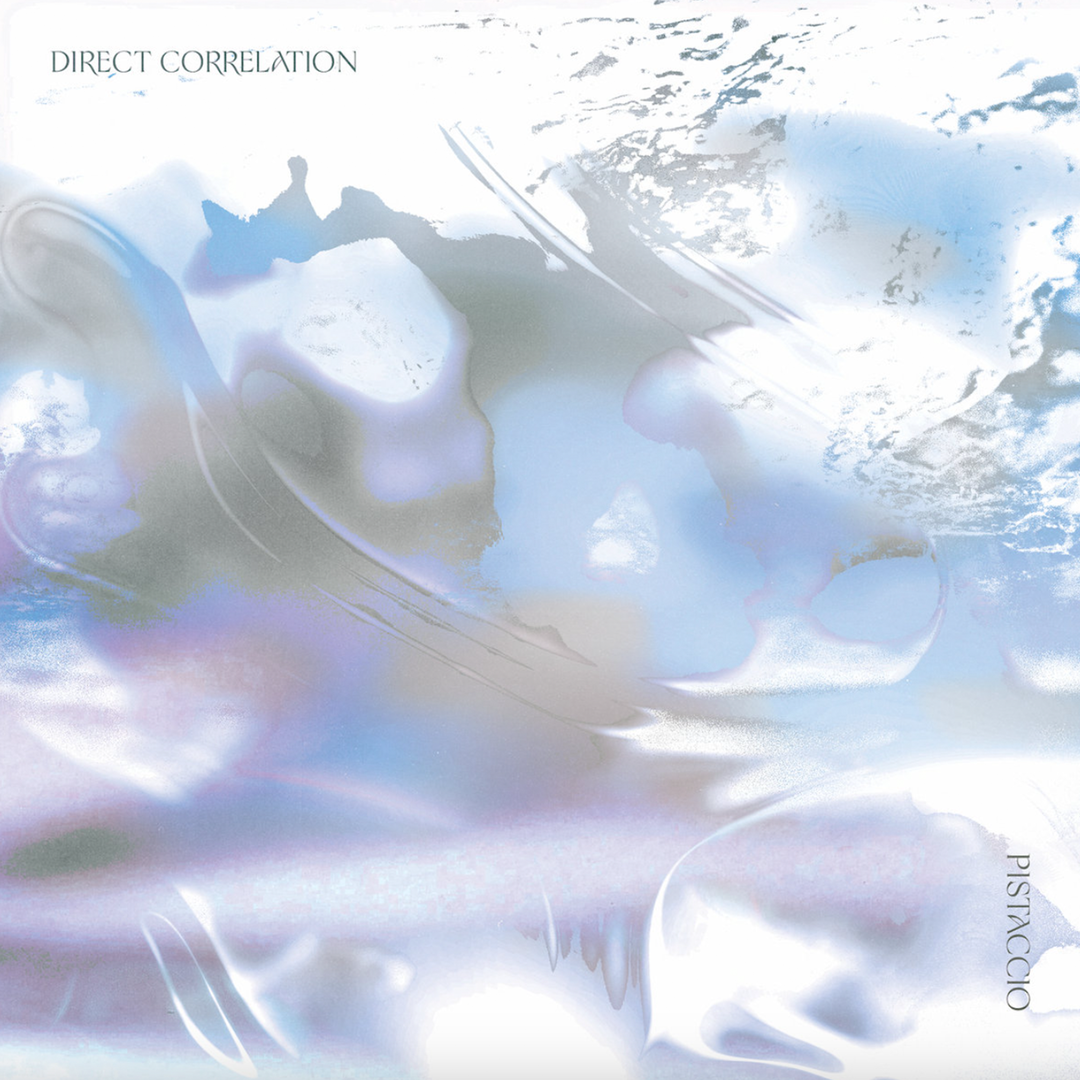
Soft Edges: Pistaccio EP artwork (Copyright © The Space Between Us)
Gabrielle White: Gallery B EP artwork (Copyright © The Space Between Us)
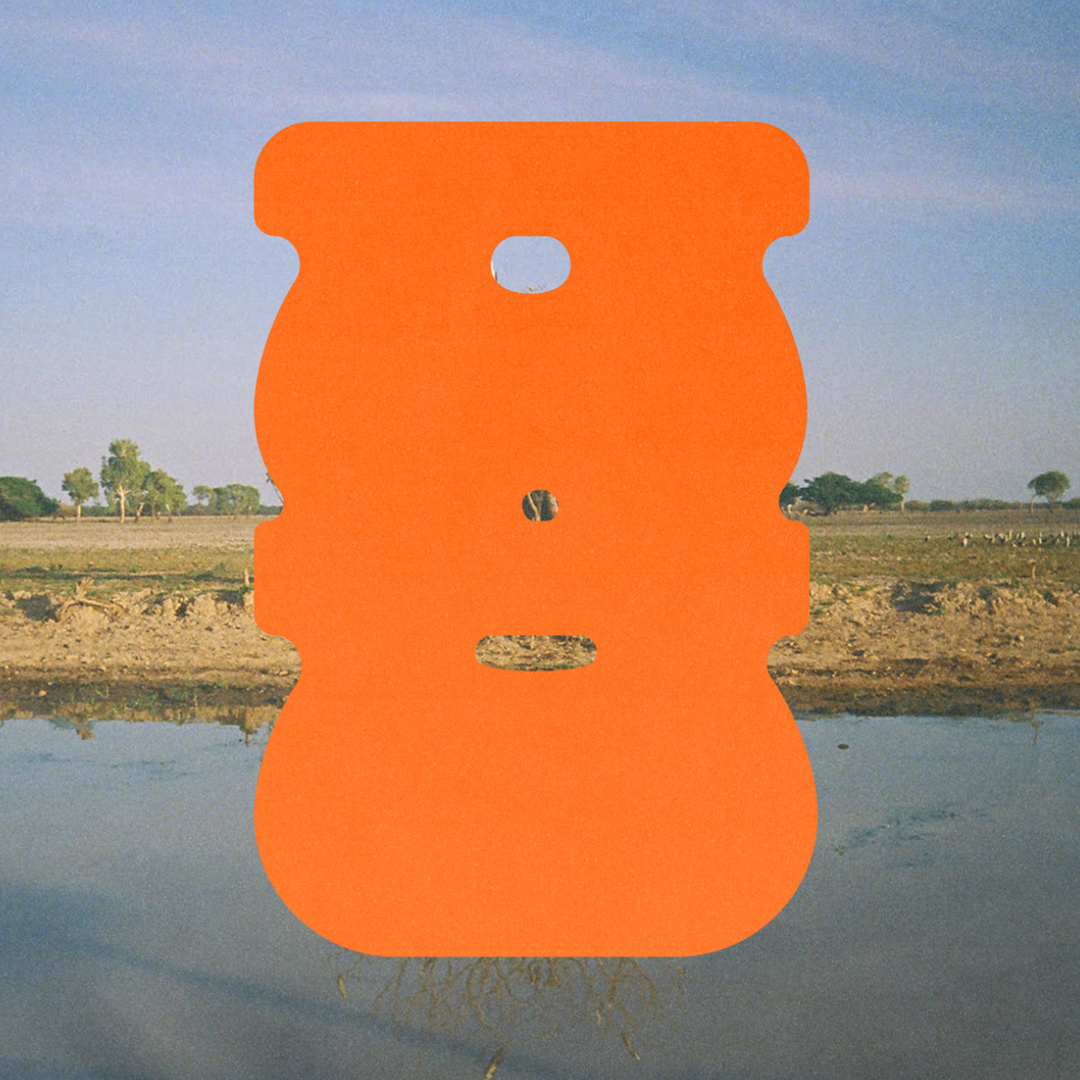
Gabrielle White: Gallery B EP artwork (Copyright © The Space Between Us)
The Space Between Us (TSBU)
Originating in Meanjin (Brisbane) and launching in 2019 with a mini compilation featuring producers from Meanjin and the Gold Coast, Hannah D’s label The Space Between Us has always supported local artists. Since relocating to Naarm in 2020, Hannah hasn’t just made ripples, she’s created tidal waves throughout the scene. Fully immersed in the soundscape here, the label continues to spotlight homegrown artists while also embracing emerging talent from across the globe.
Spanning a wide range of genres, TSBU feels limitless, yet consistently anchored in a Y2K aesthetic, both visually and sonically. It might echo what’s hot right now, but this isn’t nostalgia for nostalgia’s sake; it’s the natural language of Hannah D’s creative world, crafted well before the trends caught up. A progressive house/trance thread loosely tethers each release together, offering artists both freedom and flexibility, while still mirroring how the remarkable label head spins tunes.
I’ve been lucky enough to work on artwork for more than a few of TSBU’s releases, and I can personally attest to the fact that this artistic freedom extends well beyond the music, it reaches into the design elements too. A wonderful workflow emerges when Hannah sends over the new, unreleased masters, and I sit with them, brainstorming what all these sounds mean to me. More often than not, I’ll come back with something like, “It’s like taking a dip in a very fresh pool of water and emerging with a chromey glimmer.” or offer up obscure references to early 2000s futuristic TV shows like Silversun. The ease of stepping into this world is a testament to the label’s consistency and the strength of Hannah’s curation.
Some other outstanding visual contributors shaping the TSBU universe include Gabrielle White, Lulu Dominguez, and Maxwell Sain-Miller.
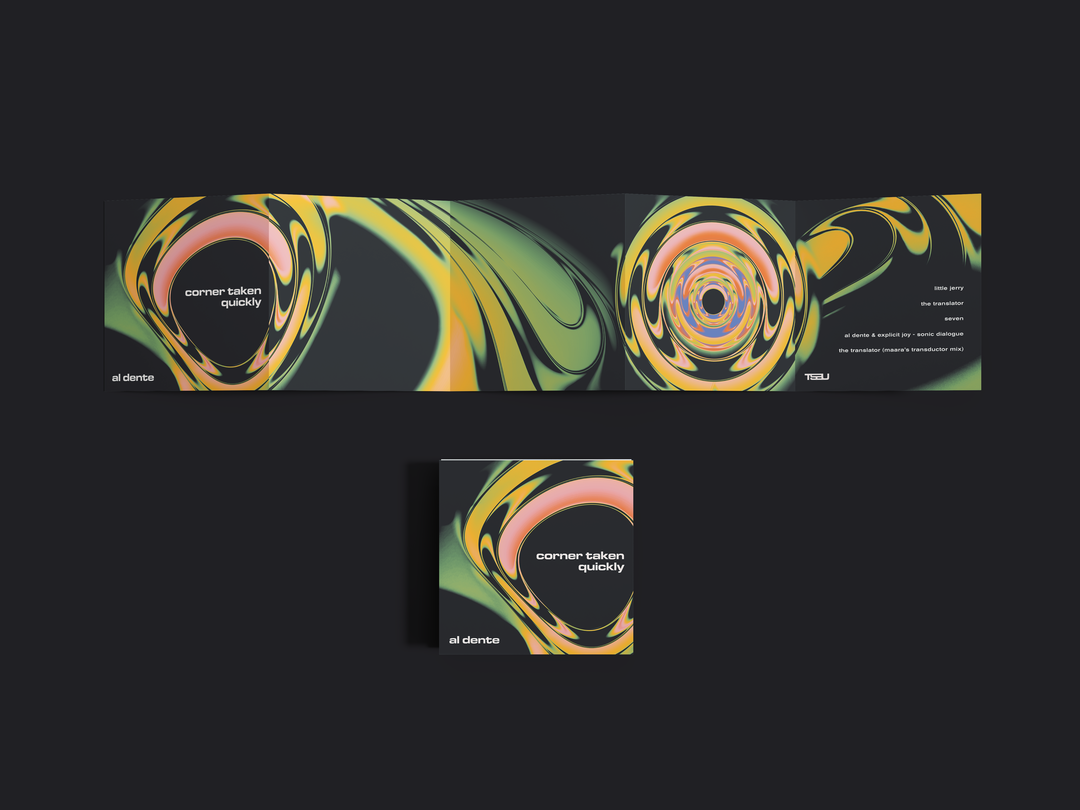
Soft Edges: Al Dente EP artwork (Copyright © The Space Between Us)
Closer Look
- Space Cast is a community-led, not-for-profit arts platform and online store that highlights collaborative projects between artists and musicians. Through live Q&As with local artists and DJs, it creates a space for creative exchange, offering insights, guidance, and answers to the questions that often go unasked.
- Metal Bender, the alias of Laura de Carteret, is an artist working across glassblowing, jewellery, and sculpture. Their works are incredibly striking and otherworldly, often taking spacey/drippy forms. Their pieces can be found in curated spaces like Shop-Room, Craft, and Fragile Place.
- Concordia Audio/Visual is a unique event series dedicated to the art of deep listening. Set in unconventional spaces – like a host’s backyard or a quiet corner of a local park, each venue is thoughtfully transformed into a cozy, meditative environment. The series is co-run by Daniel Cardozo, a talented artist and graphic designer, who brings a creative vision to every gathering.
- Rupa Anurendra is an incredibly talented tattoo artist and graphic designer with a very distinctive style. Her work features playful caricatures, curly lettering, and soft pastel tones, blending childlike innocence with a subtle grunge edge. The result is a unique visual language that feels both sweet and subversive. You can find her tattooing out of Hidden Moon Tattoo.
Share Article
About the Author
—
Gabriella Brown, AKA Soft Edges, is a multifaceted artist with a strong presence in the dance music community. With eight years of experience as a DJ (@rev__lon) and five years as a graphic designer, she is deeply embedded in the Naarm arts scene. She is It’s Nice That’s Naarm/Melbourne correspondent.