When is a piece of work disposable? Philotheus Nisch on tending to the “outtakes, leftovers and discarded variations”
The Germany-based photographer gives us the details behind his latest offering, in collaboration with designer David Rindlisbacher and Maximilian Mauracher from Pool Publishing.
Share
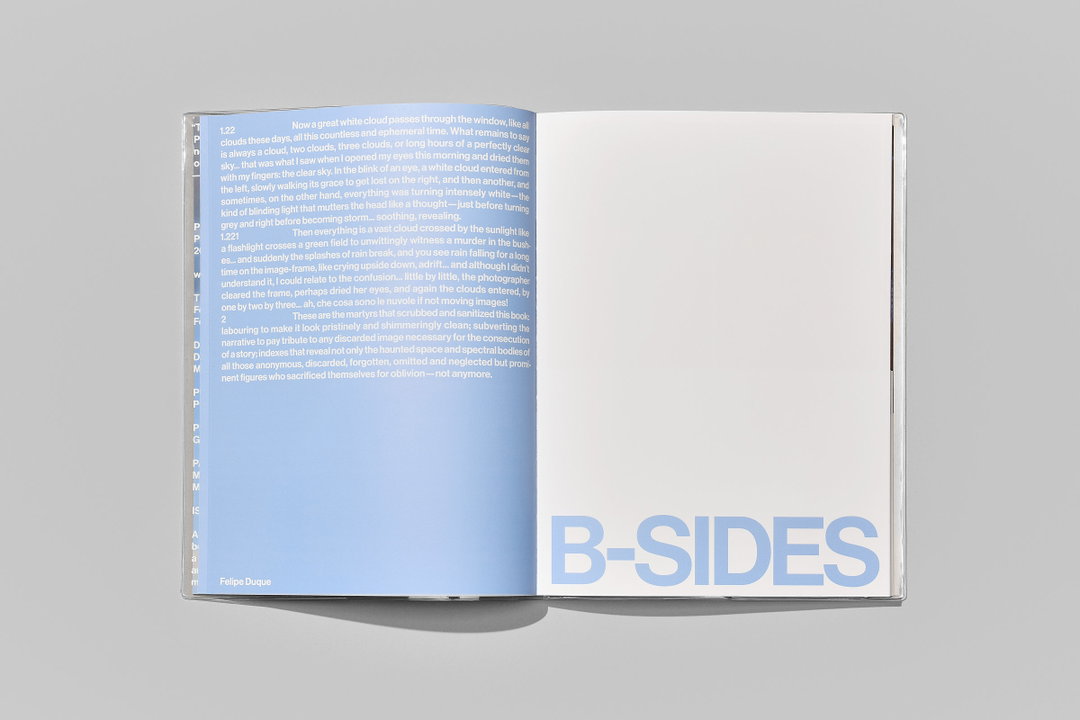
What makes a piece of work disposable? Is it because of a mistake, a change in direction, or simply because you’ve gone off it? In Philotheus Nisch’s latest photography book B-Sides, he’s compiled an array of “outtakes, leftovers and discarded variations of motifs,” he tells us. “But all are visual B-Sides, because of different reasons they didn’t end up in my final selection.”
Philotheus, a photographer currently living in Leipzig, Germany, now boasts an enviable client list ranging from Apple, Der Spiegel, Frieze Magazine, Vogue, Zeit Magazin, Reebok to brand eins – a lengthy career with an entire back catalogue of rejected gems to match. This means that a lot of his work might not have fitted into a specific context, whether that’s through the smaller details, because something “went wrong”, or even if the work wasn’t striking or bold enough. Whatever the reason, the photographer has taken these unwanted bits and given them a new lease of life – a fresh purpose that sees them turn from unwanted into desirable.
We last spoke to Philotheus two years ago, and since then he’s been spending most of his time in the studio, working on experimental commissions and taking on the hard and fast deadlines as they arrive. Rarely has he received an editorial that requires filing in a few weeks, and more so is he seeing days to hour-long deadlines springing up at him. “Honestly, in the first years of my career, it happened a lot – this kind of working process really stressed me out,” he tells It’s Nice That. “However, that made me also experiment a lot.” Turns out that Philotheus had been cooking up a fair few ideas along the way, like B-Sides, and with it came a new kind of mentality towards stressful deadlines. “I’m not sure how to describe it, but every time you manage to create something that fulfilled some of these aspects, you create some kind of certainty – that it will probably also work in future times.”
The preliminary idea for B-Sides arose just after his last It’s Nice That feature, where Maximilian Mauracher from Pool Publishing had reached out wanting to make a book together. This coincided with an influx of exciting commissions which Philotheus began happily. “So for a long time that book project was that thing that stayed on my mind but I didn’t manage to create new work for it,” he says, adding how he’d chosen to continue working on commissions which are now “ironically” the centre point of the book. It was some months later after he’d bought another 8TB hard drive that made him start to reassess all of the photos that he’d been collecting. “I barely had an idea of what’s really on those hard drives except for those pictures I decided to choose as a final result right after shooting.”
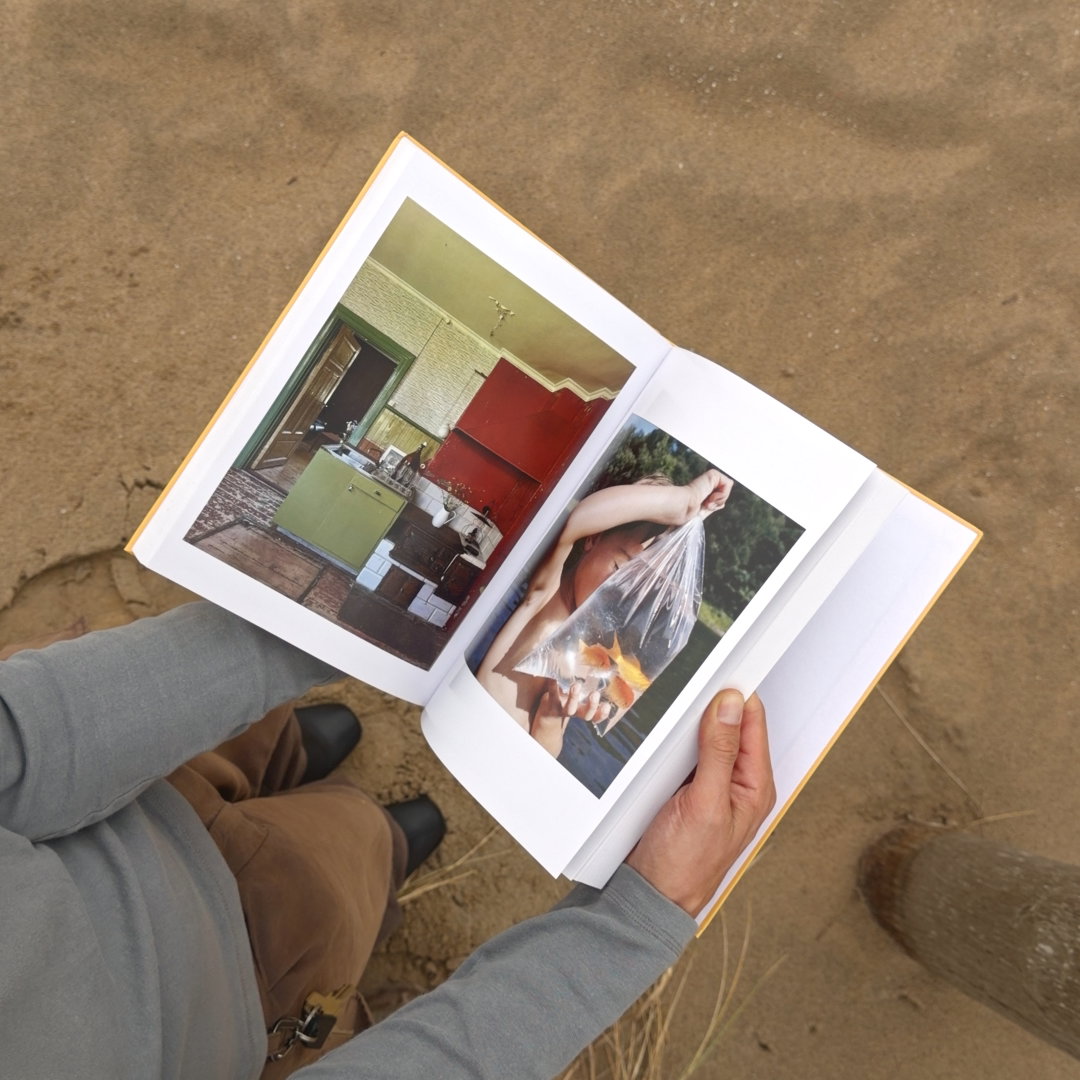
GalleryPhilotheus Nisch: B-Sides. Design by Maximilian Mauracher and David Rindlisbacher, published by Pool. (Copyright © Philotheus Nisch, 2020)
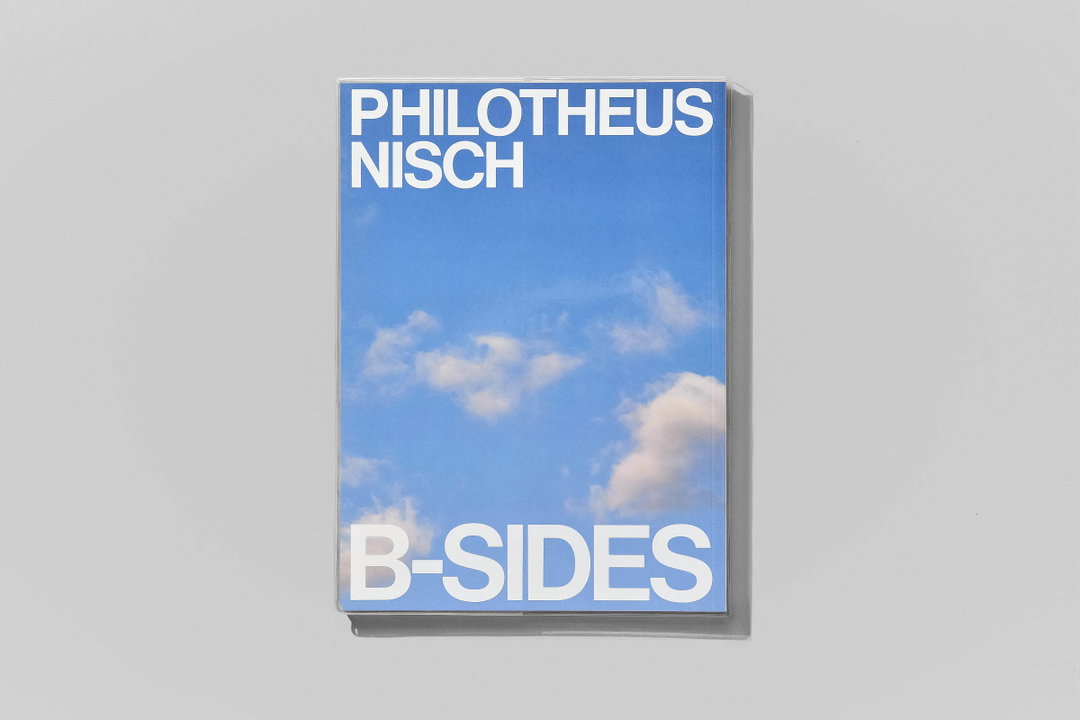

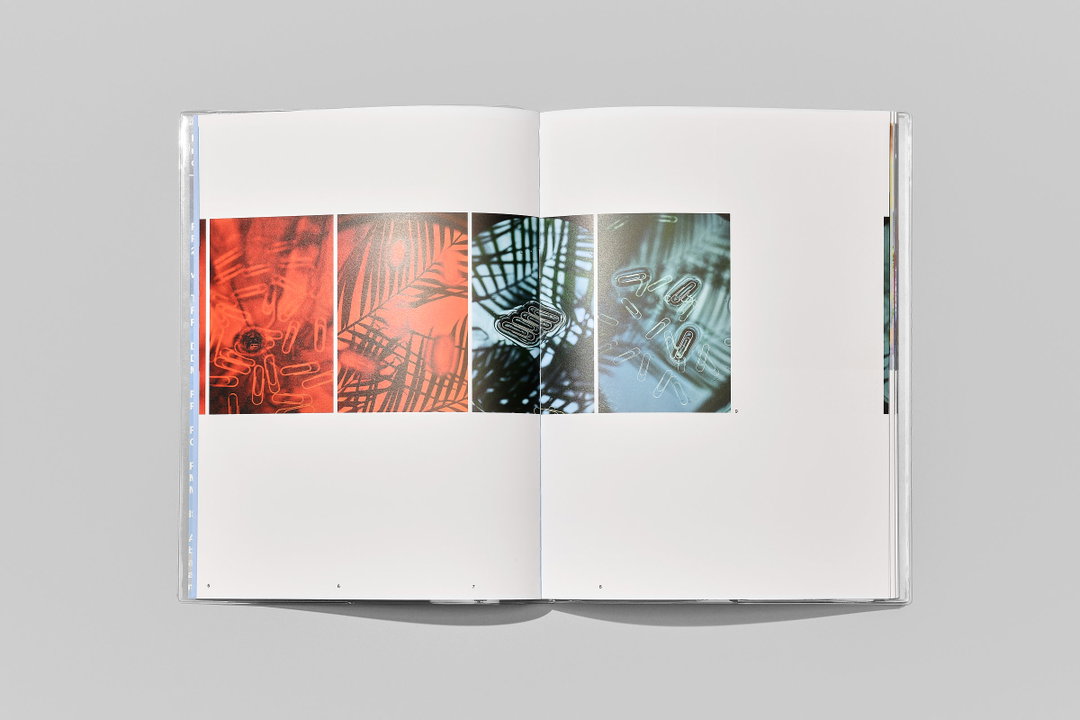
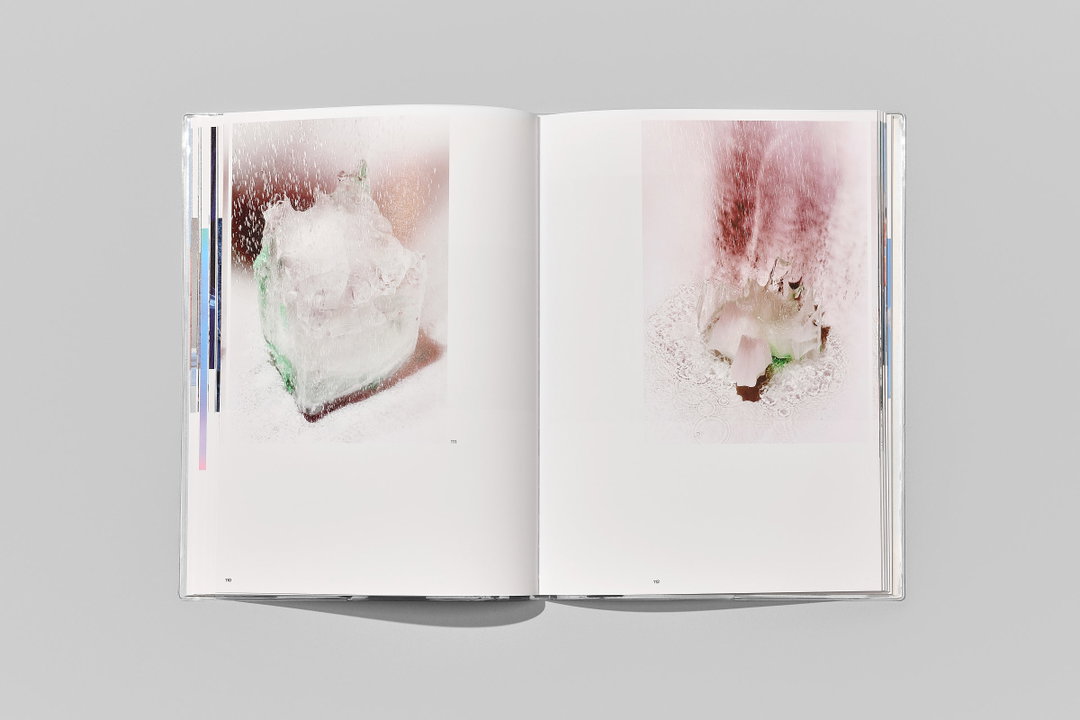
Sifting through his archives of commissioned jobs where the pictures “didn’t mark or score”, Philotheus began collecting for the future book he had in mind, while Max started work on the layouts. Arduously, it was a process that “dragged on” for more than a year, but it was certainly worth the wait. Taking parts from old commissioned editorials for magazines, newspapers or clients, it’s a collection of analogue and digital pictures that haven’t been altered or manipulated since shooting. “I realised that when working on a commercial job some kind of tunnel view happens to occur,” he says. “That means the view is obviously conditioned to come to a certain result that, for example, goes well with an article or other editorial content.” This also enforces selective viewing whereby some pictures become invisible to the eye: “I like the idea of making the photographic practice behind a picture visible while making the process a topic itself.”
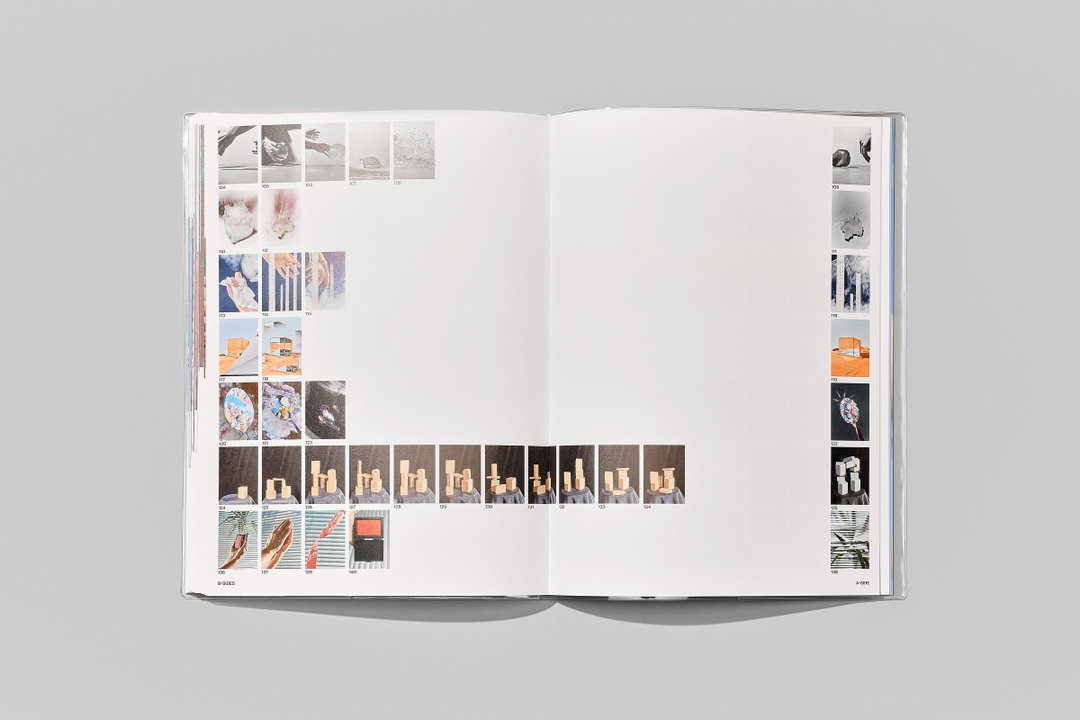
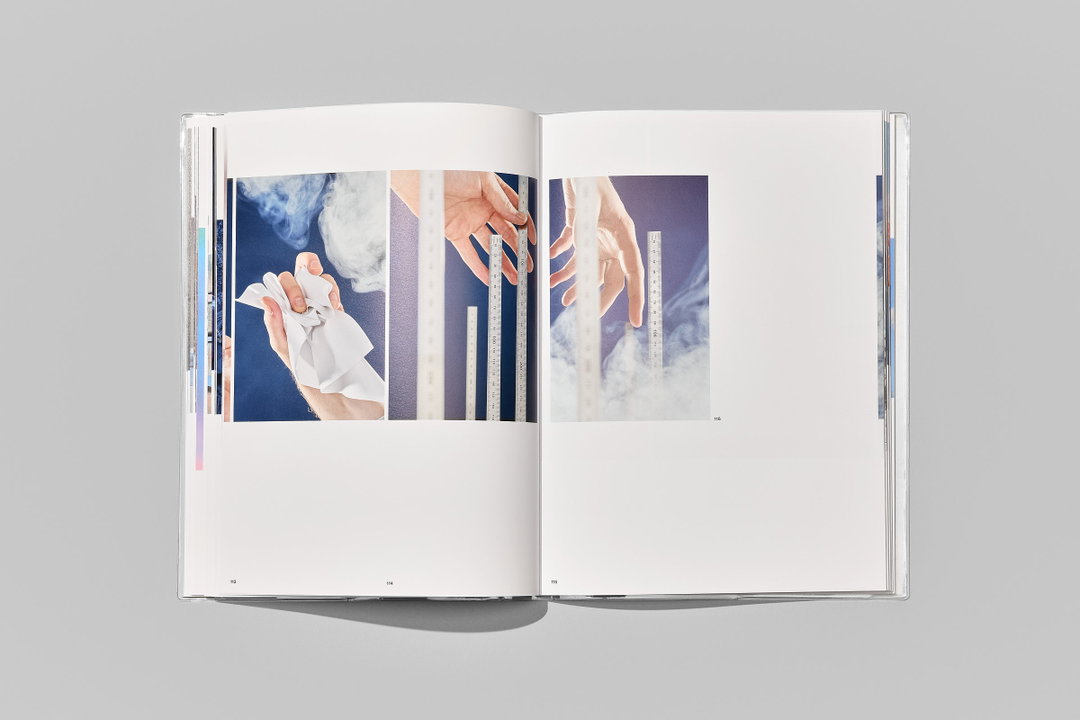
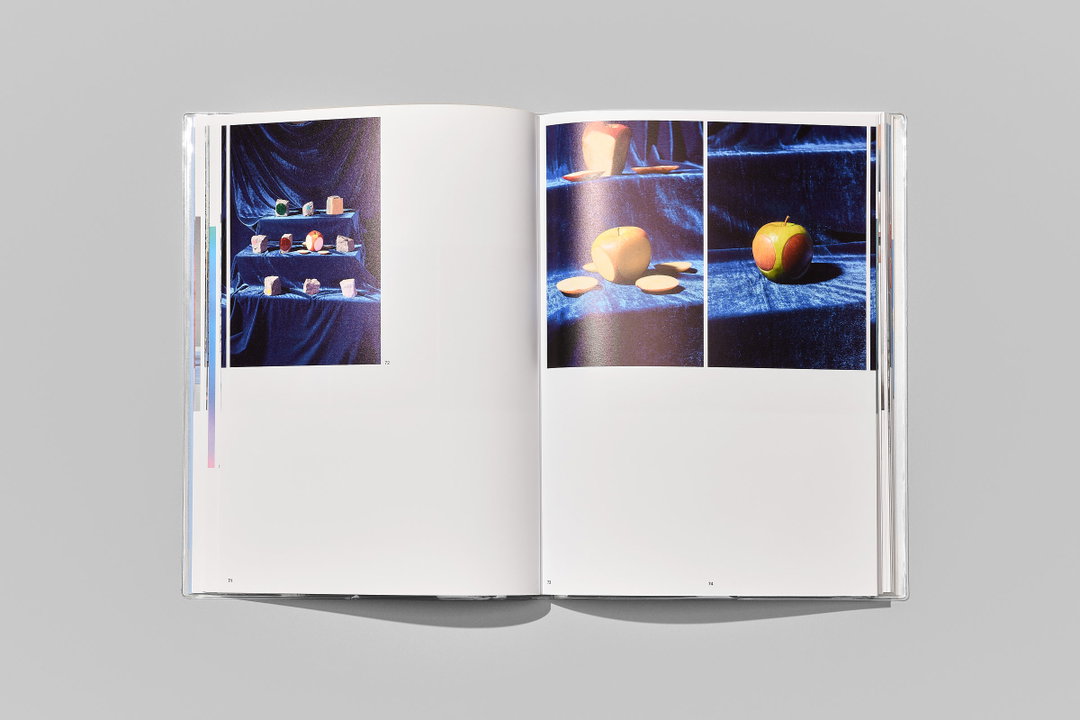
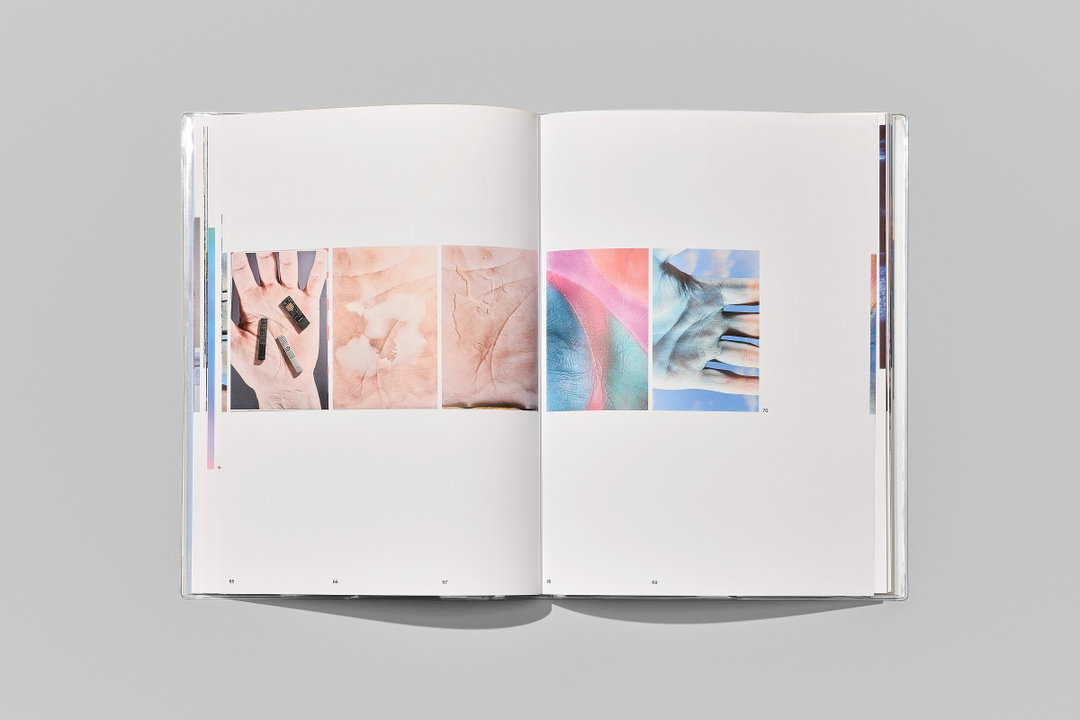
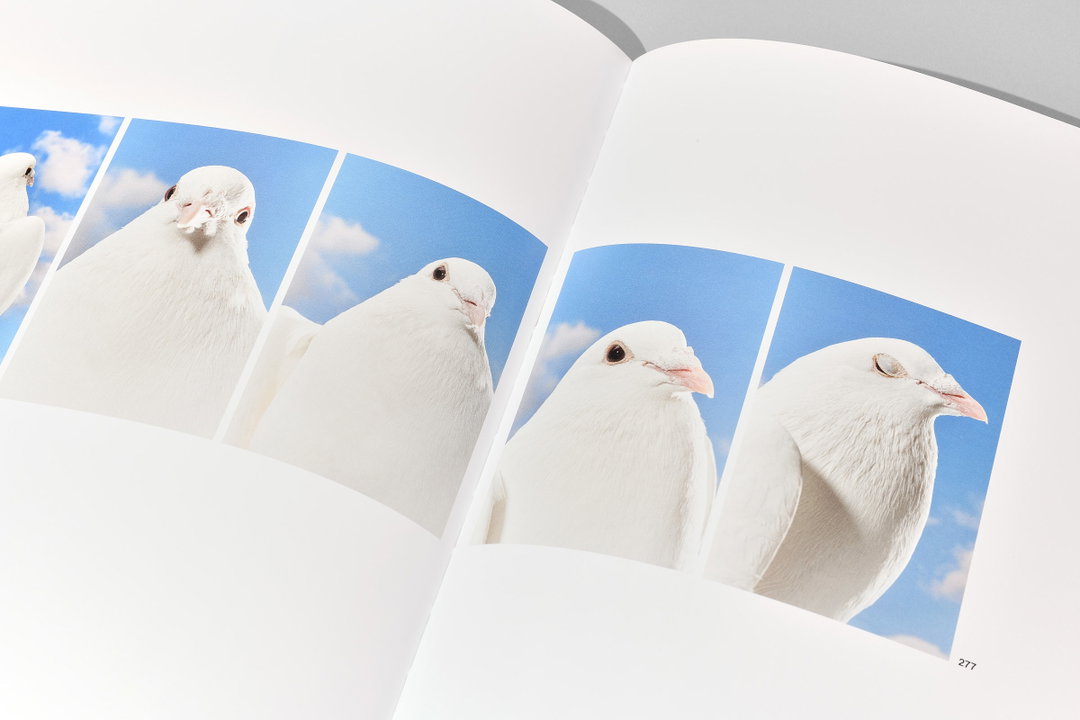
Inside B-Sides, the photographer has shed light onto some examples of a wider process. It would be impossible to draw out everything he’s ever kept in the archive – somewhat hundreds or thousands of photos. So within the 136-page book, all of the included imagery has been numbered, where the selected picture – “the so-called A-Side” – is represented as a gap in the main layout. B-sides, in this context, have the spotlight. Between 272-277, for example, you’ll find a collection of pictures made alongside an article on global peace in German magazine Brand eins. “I went to a pigeon breeder who gave me one of her most relaxed characters,” he says. “Since I wanted a certain lighting, I took some photos of the sky the previous day and made prints before bringing both the pigeon and the prints in my studio.” After doing so the bird flew back home to its breeder post-shoot, which was on the other side of the city. “That was quite magical.”
Otherwise there’s work from a contribution to Ordinary Magazine by Max Siedentopf and Yuki Kappes with a focus on straws; plus a sequence create in the context of the series Big Plans for Die Epilog. All of which have fulfilled, perhaps, this underlying quest to answer his reasons for taking pictures – something he references in similarity to the final question in Gem Fletcher’s podcast, The Messy Truth: “What matters more to you, the experience of making the work or the final picture?”. He concludes: “Maybe the book is some sort of contribution on the way of finding an answer.”
Philotheus Nisch: B-Sides. Design by Maximilian Mauracher and David Rindlisbacher, published by Pool. (Copyright © Philotheus Nisch, 2020)
Philotheus Nisch: B-Sides. Design by Maximilian Mauracher and David Rindlisbacher, published by Pool. (Copyright © Philotheus Nisch, 2020)
Philotheus Nisch: B-Sides. Design by Maximilian Mauracher and David Rindlisbacher, published by Pool. (Copyright © Philotheus Nisch, 2020)
Philotheus Nisch: B-Sides. Design by Maximilian Mauracher and David Rindlisbacher, published by Pool. (Copyright © Philotheus Nisch, 2020)
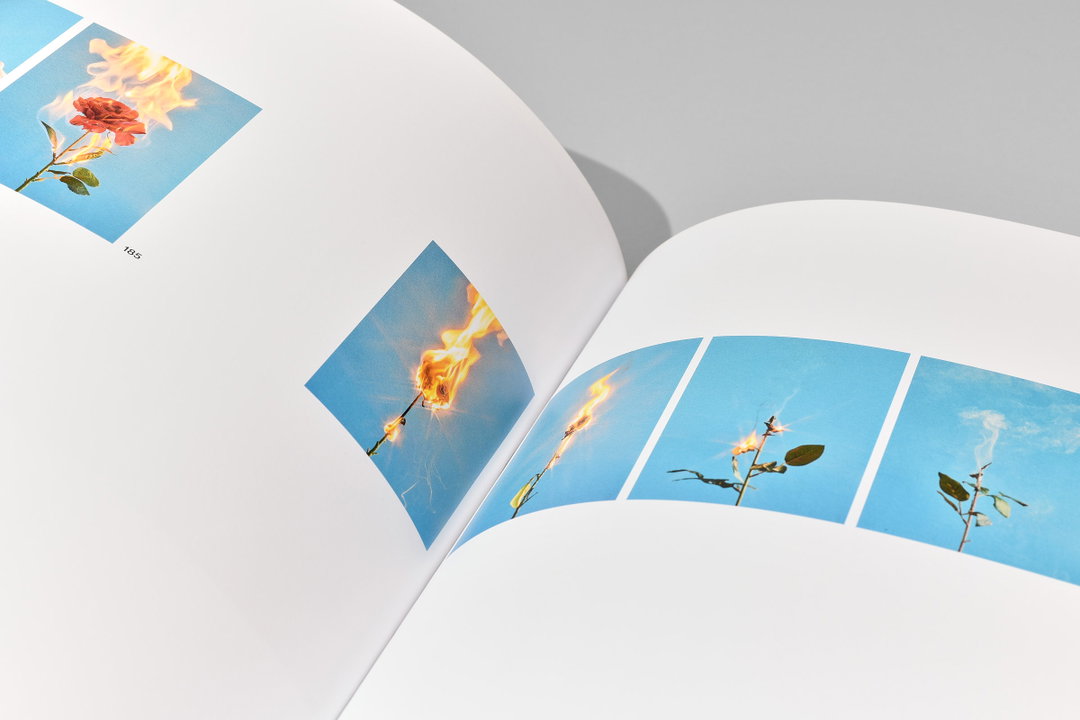
Philotheus Nisch: B-Sides. Design by Maximilian Mauracher and David Rindlisbacher, published by Pool. (Copyright © Philotheus Nisch, 2020)
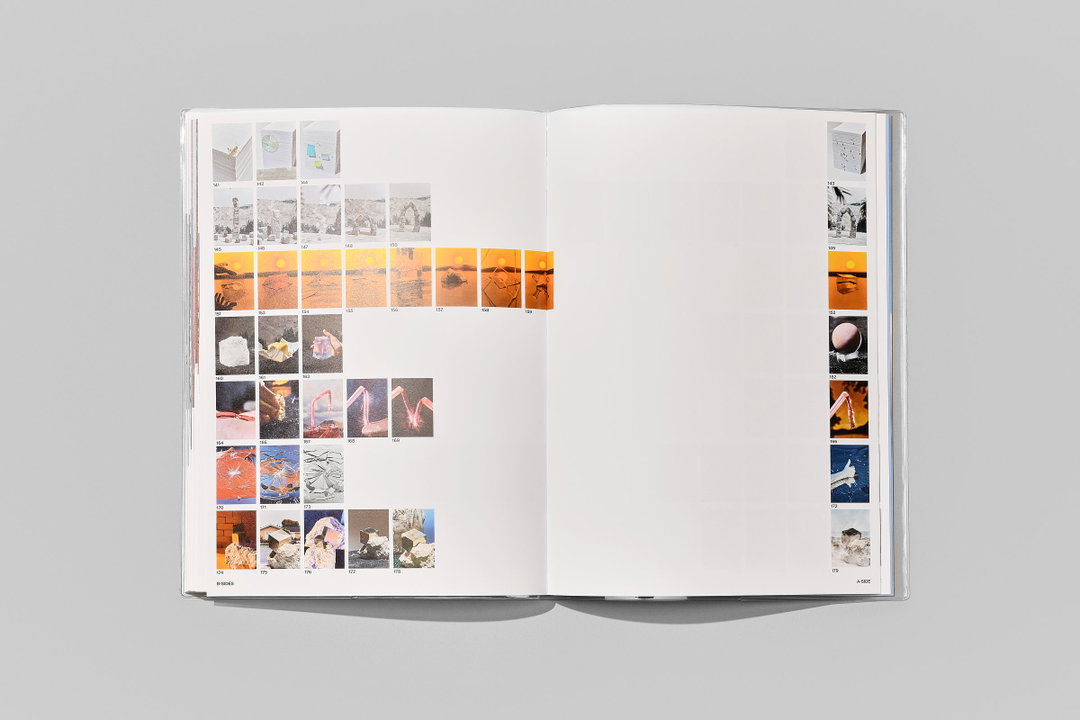
Philotheus Nisch: B-Sides. Design by Maximilian Mauracher and David Rindlisbacher, published by Pool. (Copyright © Philotheus Nisch, 2020)
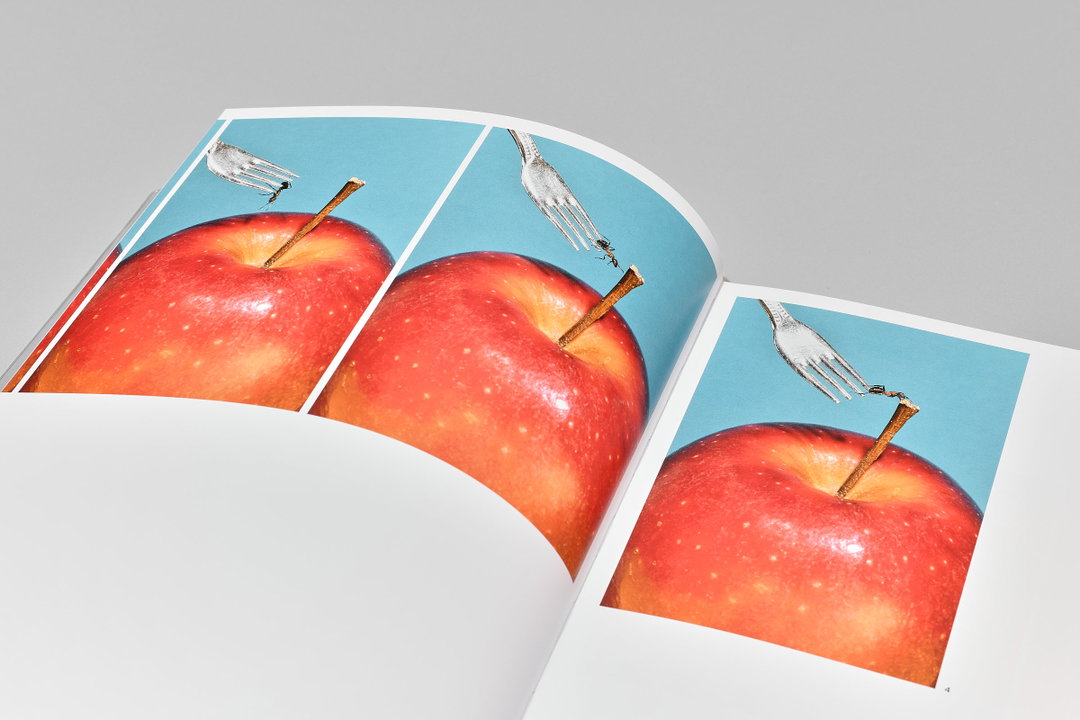
Philotheus Nisch: B-Sides. Design by Maximilian Mauracher and David Rindlisbacher, published by Pool. (Copyright © Philotheus Nisch, 2020)
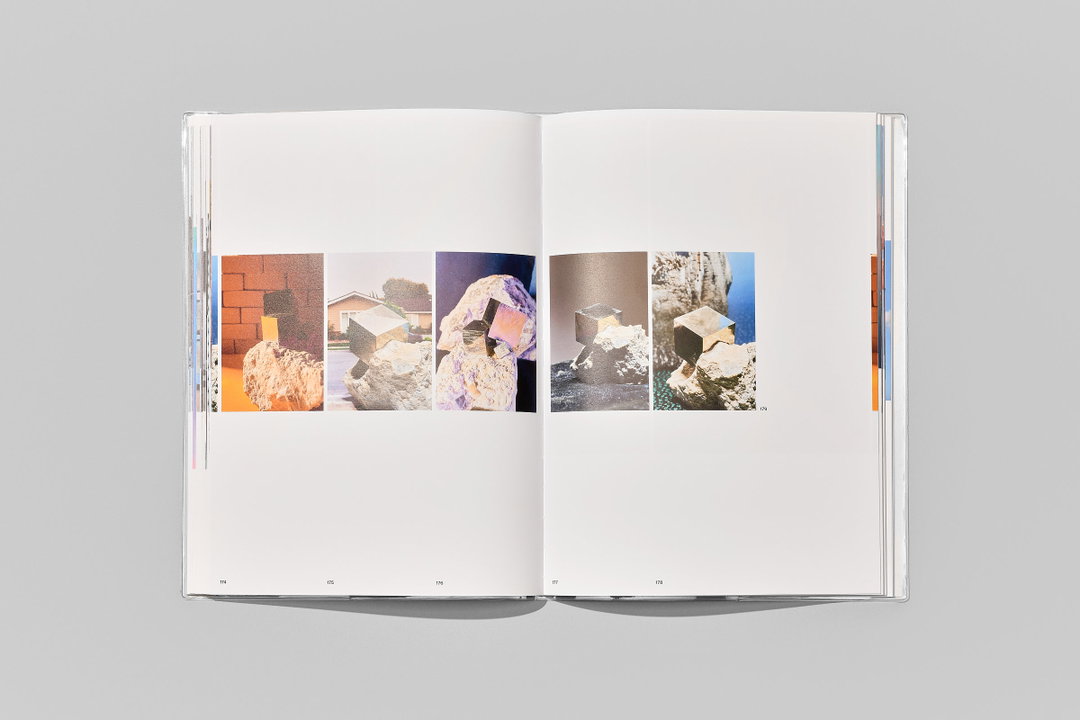
Philotheus Nisch: B-Sides. Design by Maximilian Mauracher and David Rindlisbacher, published by Pool. (Copyright © Philotheus Nisch, 2020)
Philotheus Nisch: B-Sides. Design by Maximilian Mauracher and David Rindlisbacher, published by Pool. (Copyright © Philotheus Nisch, 2020)
Philotheus Nisch: B-Sides. Design by Maximilian Mauracher and David Rindlisbacher, published by Pool. (Copyright © Philotheus Nisch, 2020)
Philotheus Nisch: B-Sides. Design by Maximilian Mauracher and David Rindlisbacher, published by Pool. (Copyright © Philotheus Nisch, 2020)
Philotheus Nisch: B-Sides. Design by Maximilian Mauracher and David Rindlisbacher, published by Pool. (Copyright © Philotheus Nisch, 2020)
Philotheus Nisch: B-Sides. Design by Maximilian Mauracher and David Rindlisbacher, published by Pool. (Copyright © Philotheus Nisch, 2020)
Hero Header
Philotheus Nisch: B-Sides. Design by Maximilian Mauracher, published by Pool. (Copyright © Philotheus Nisch, 2020)
Share Article
About the Author
—
Ayla is a London-based freelance writer, editor and consultant specialising in art, photography, design and culture. After joining It’s Nice That in 2017 as editorial assistant, she was interim online editor in 2022/2023 and continues to work with us on a freelance basis. She has written for i-D, Dazed, AnOther, WePresent, Port, Elephant and more, and she is also the managing editor of design magazine Anima.