Quilo is a 300-page ode to the untold story of Brazilian visual culture
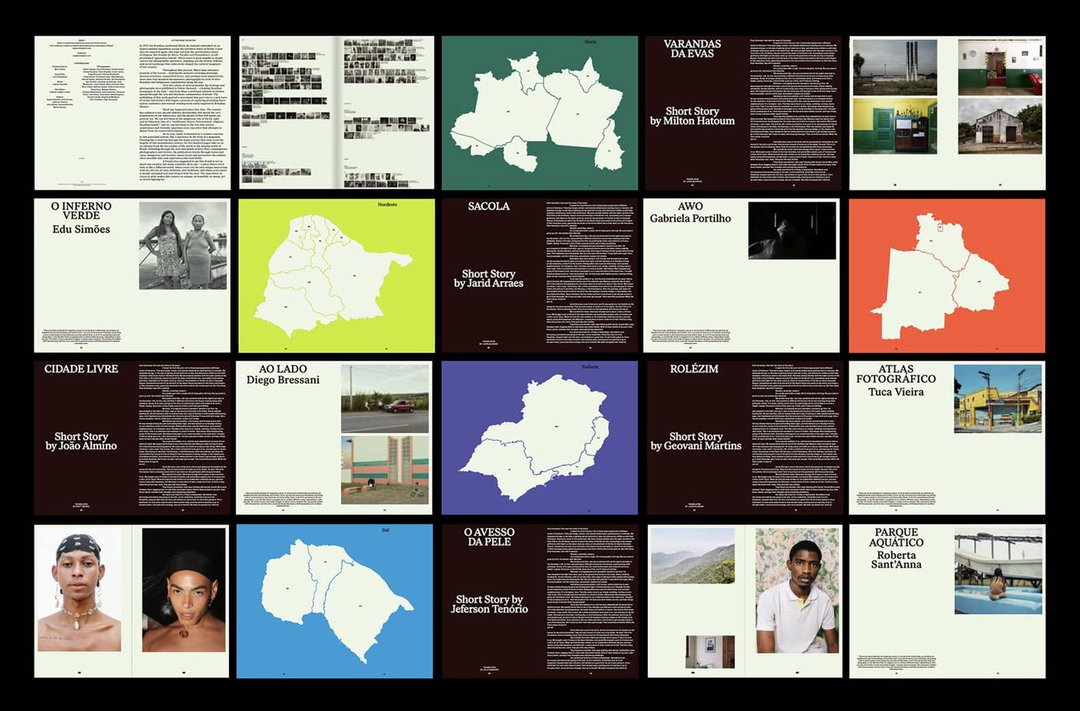
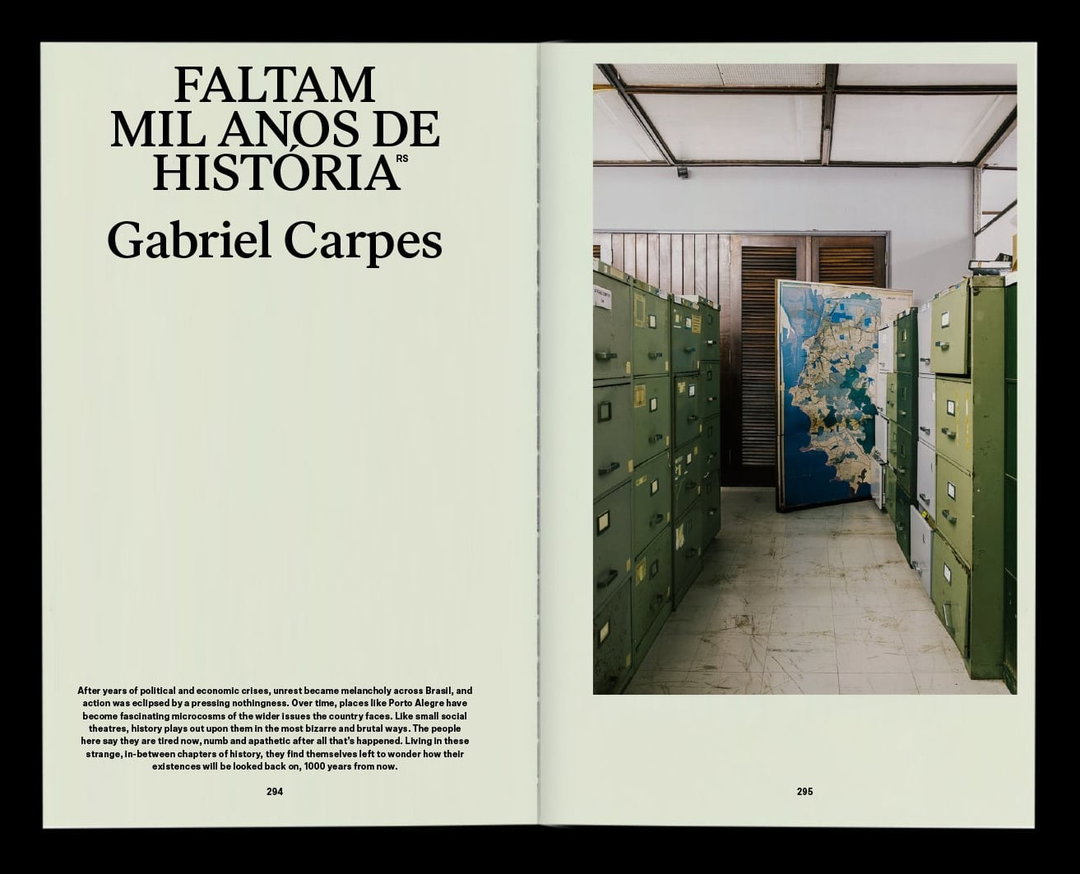
Quilo – a “bookish magazine" founded by Mico Toledo – brings together photography and writing from the five regions of Brazil.
For diasporic communities, home is an idea that must be wrestled with for life. It’s elusive; it never quite loses its shape but is changing constantly, inspiring curiosity and nostalgia that only bubbles and compounds as the years go by. In Mico Toledo’s case, it was for 20 long years. After leaving Brazil, Mico pursued a degree in Visual Communication from Central St Martins, cultivating a keen eye for creative direction. Creatively restless with a knack for telling stories, Mico found himself drawn to photography: “I like to think that I’m kind of obsessed about anything visual really,” he notes, “and can get really obsessed with something until I find something else that draws my interest.” This would explain his moving Standing Rock series and Velho Chico, a project documenting a riverbed community on the bank of the São Francisco river in Alagoas, Brazil.
“But anyway,” he goes on. “Quilo is not really about me, but about the other 44 photographers and writers engaged in this incredible publication that put together so many talented folks in 300 pages,” he says of his latest project. Describing it as a “bookish magazine,” Mico goes on to say that the germ of the idea came from his romantic relationship with Brazil. But it really took form during his MFA, when he was exposed to the canon of American and European photography. “I always dreamt of travelling the length of the country on a massive road trip, inspired by the photographic and literary journeys of Stephen Shore and Jack Kerouac.” The journey never materialised but Mico thought he could “perhaps showcase stories and communities from different parts of Brazil through the eyes of different photographers”.
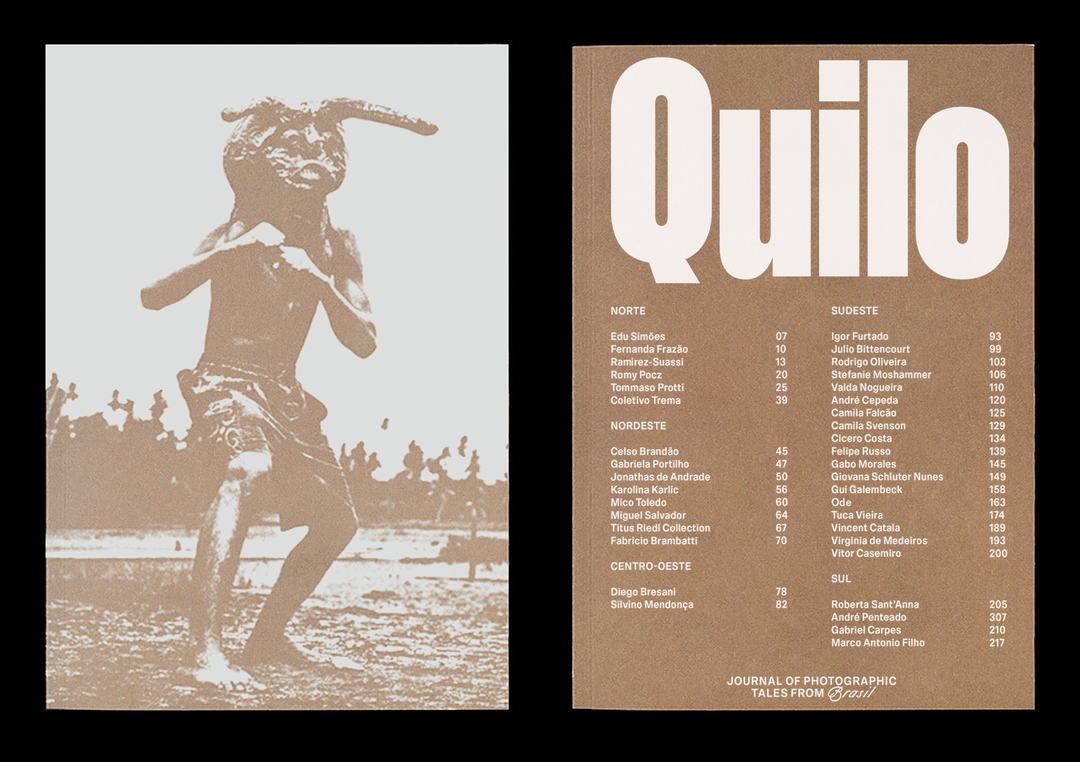
Mico Toledo: Quilo (Copyright © Mico Toledo, 2022)
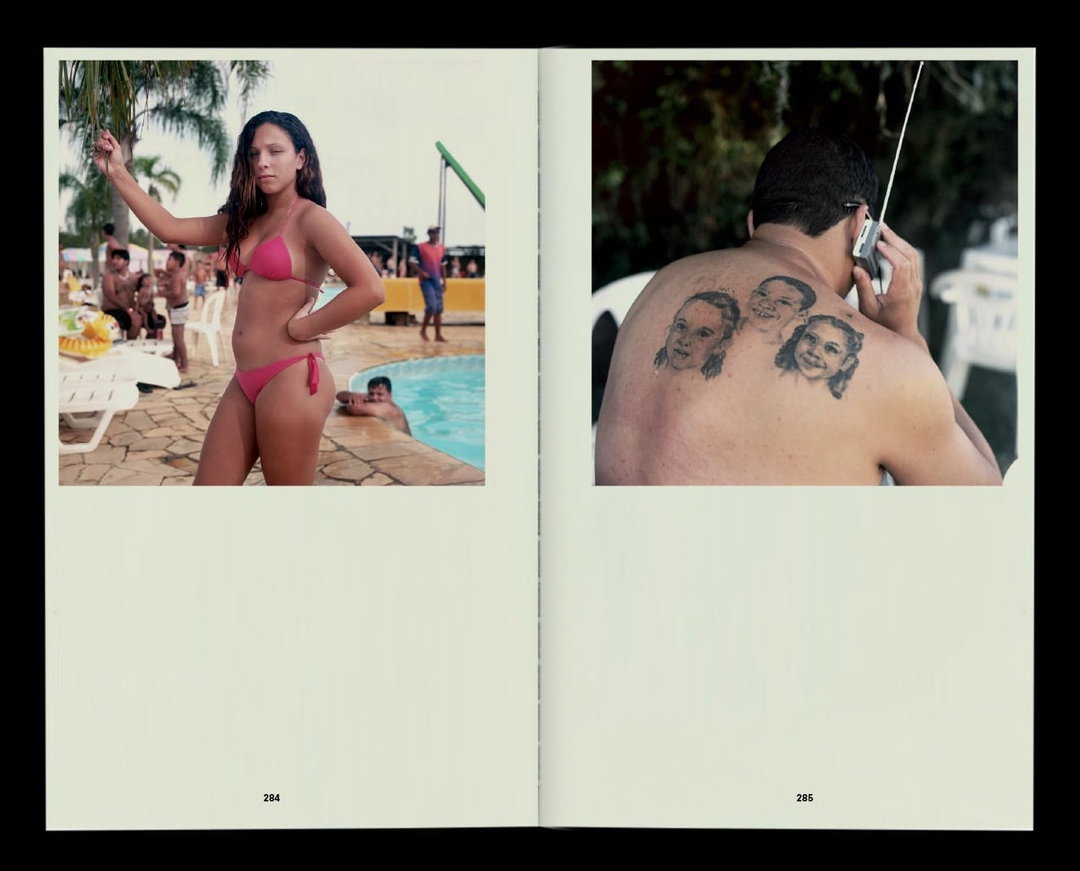
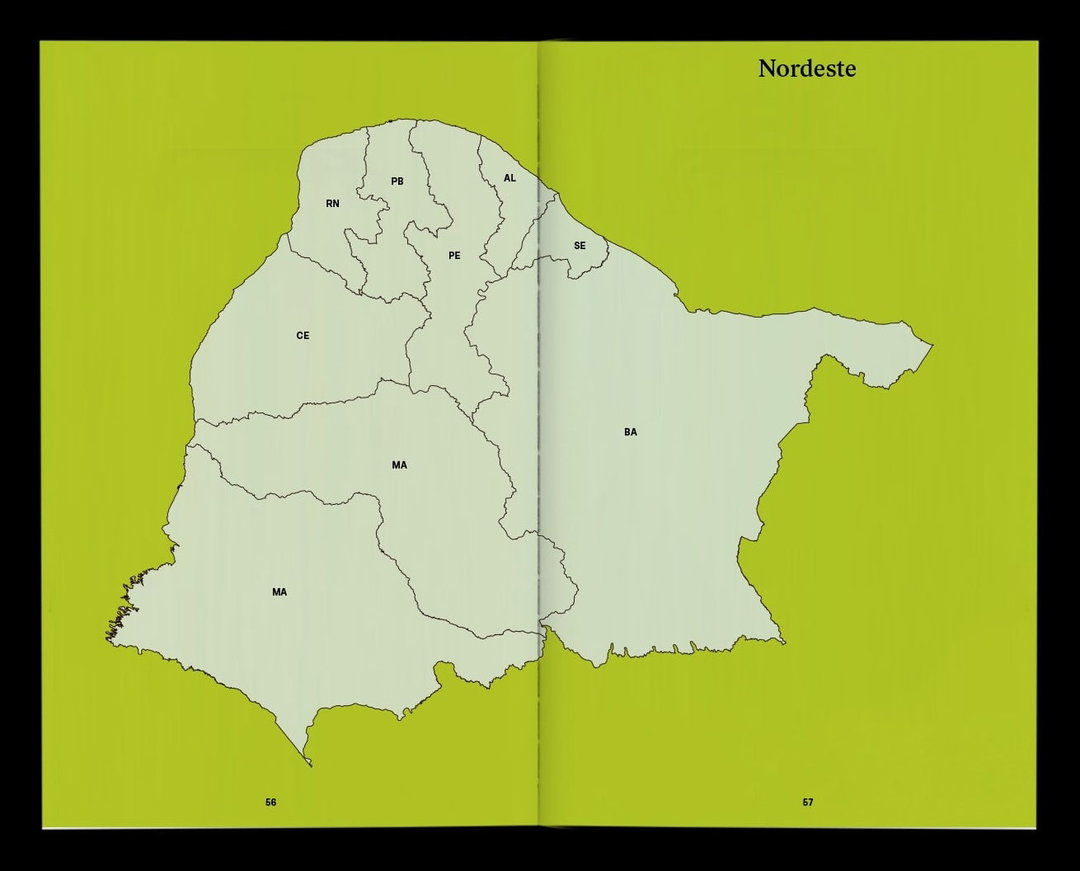
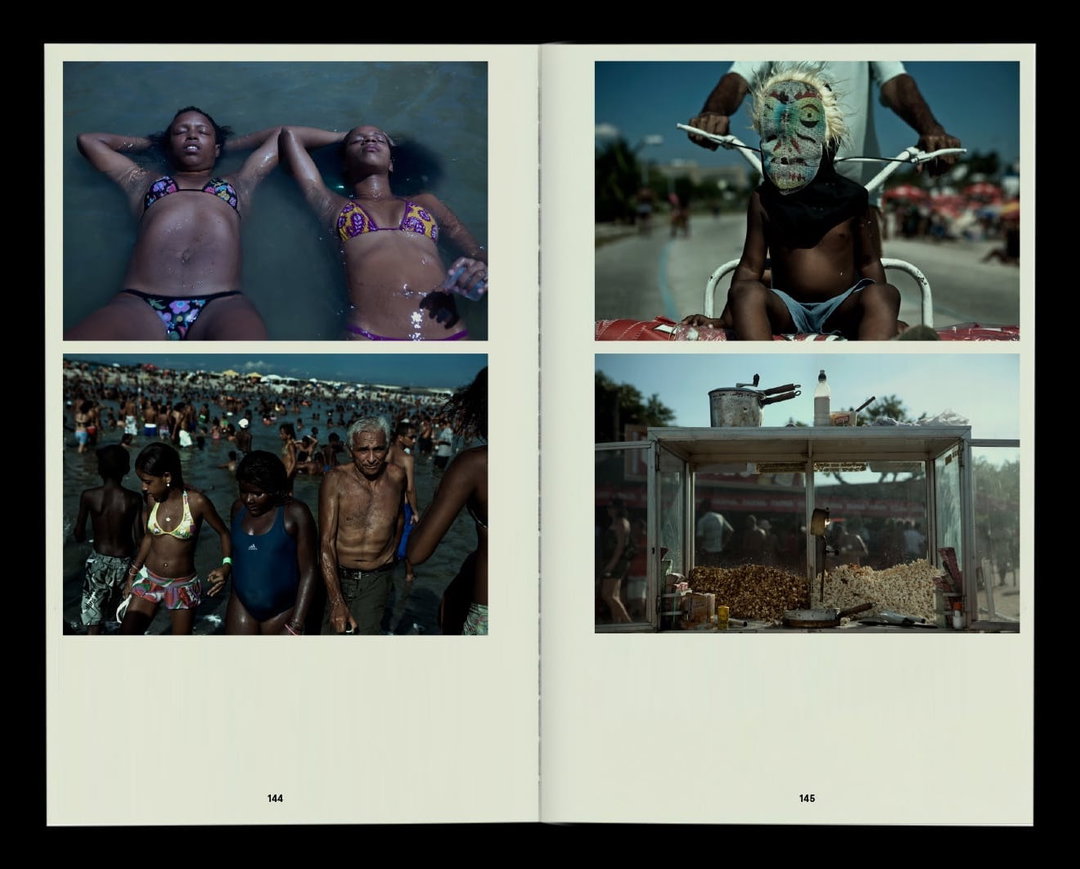
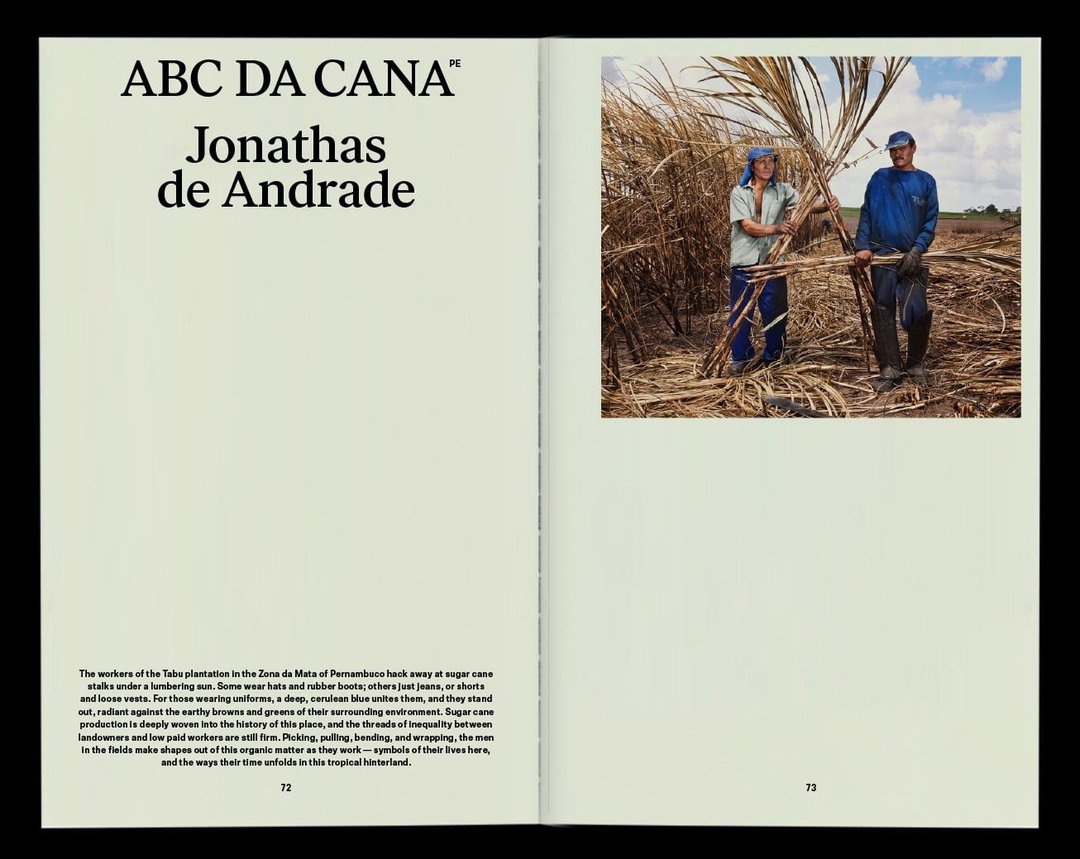
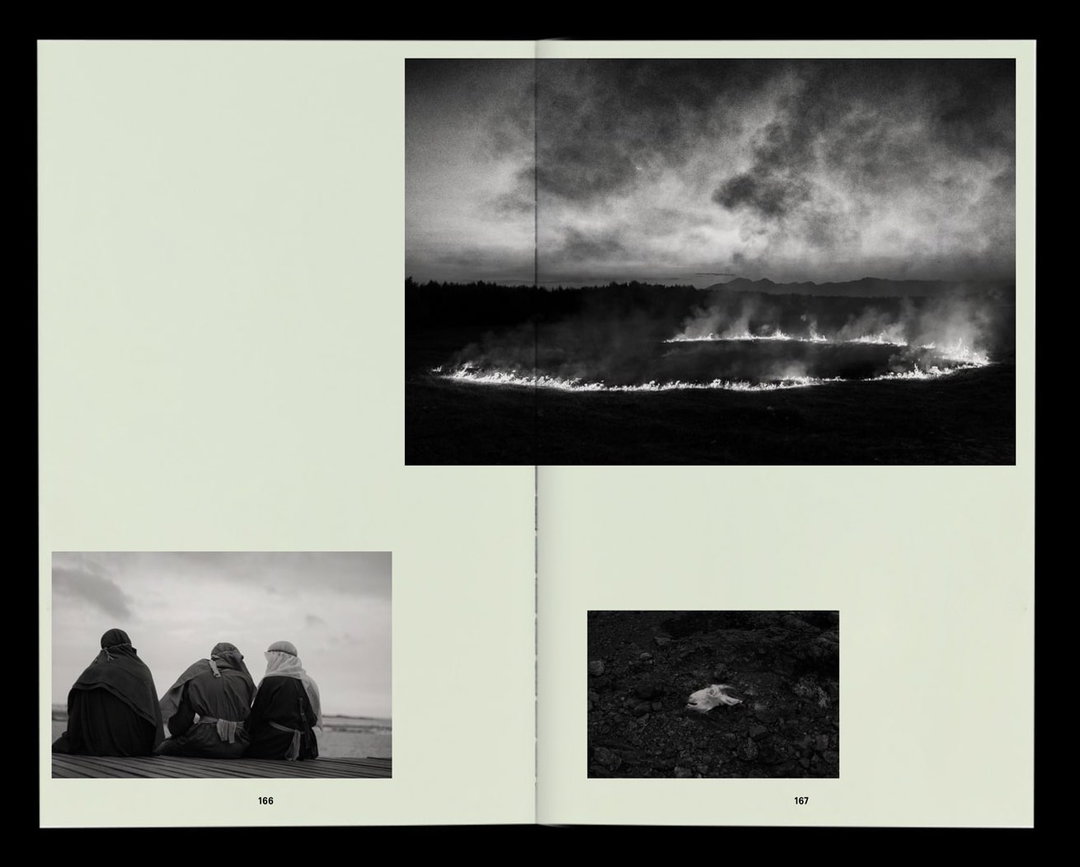
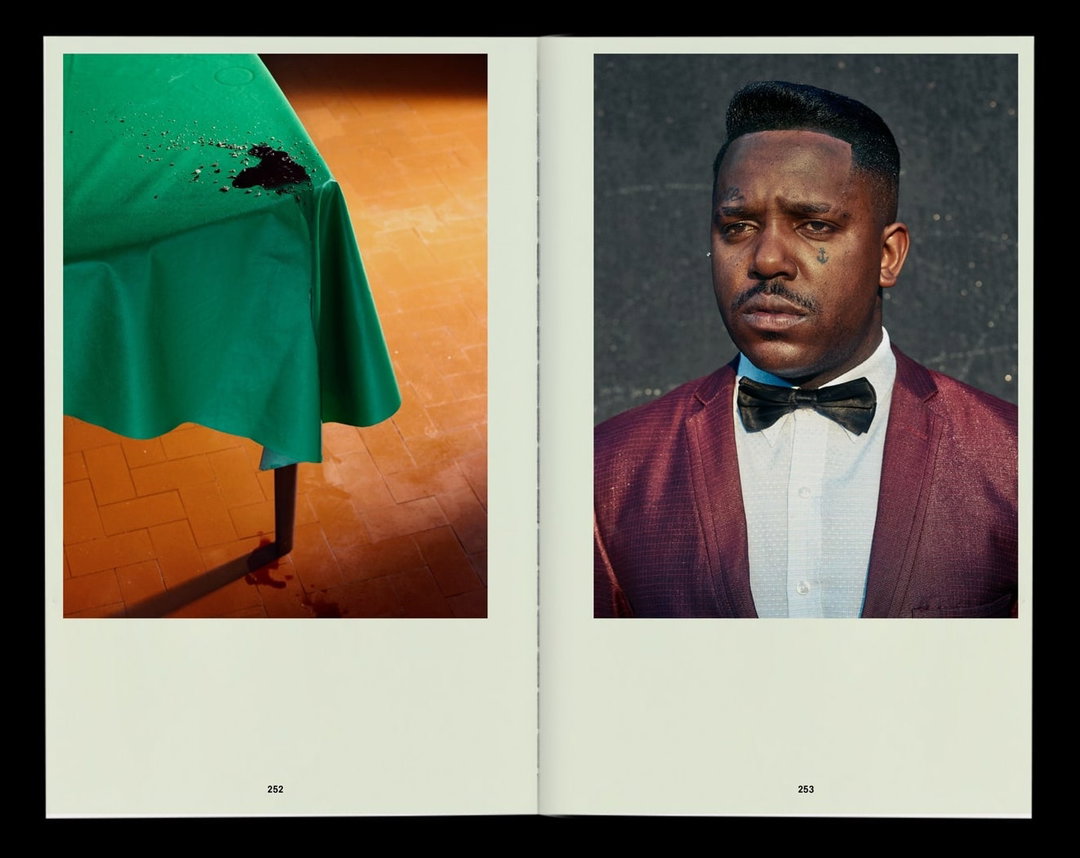
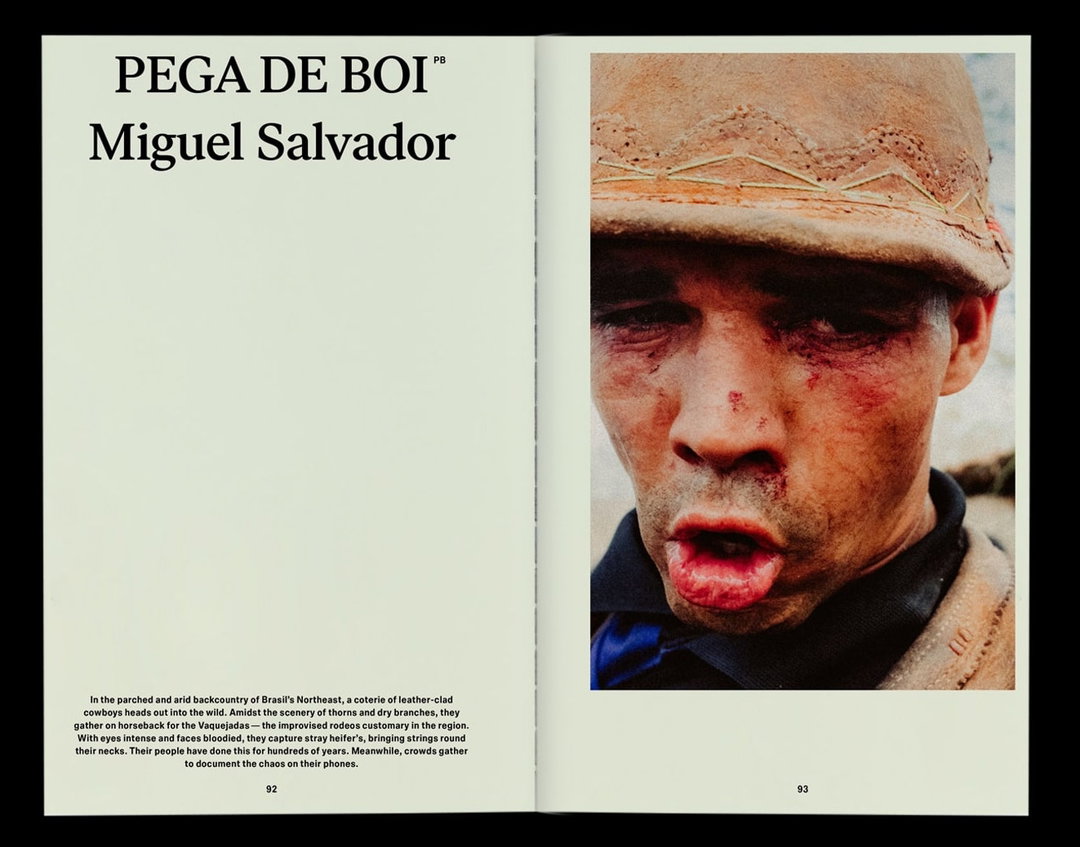
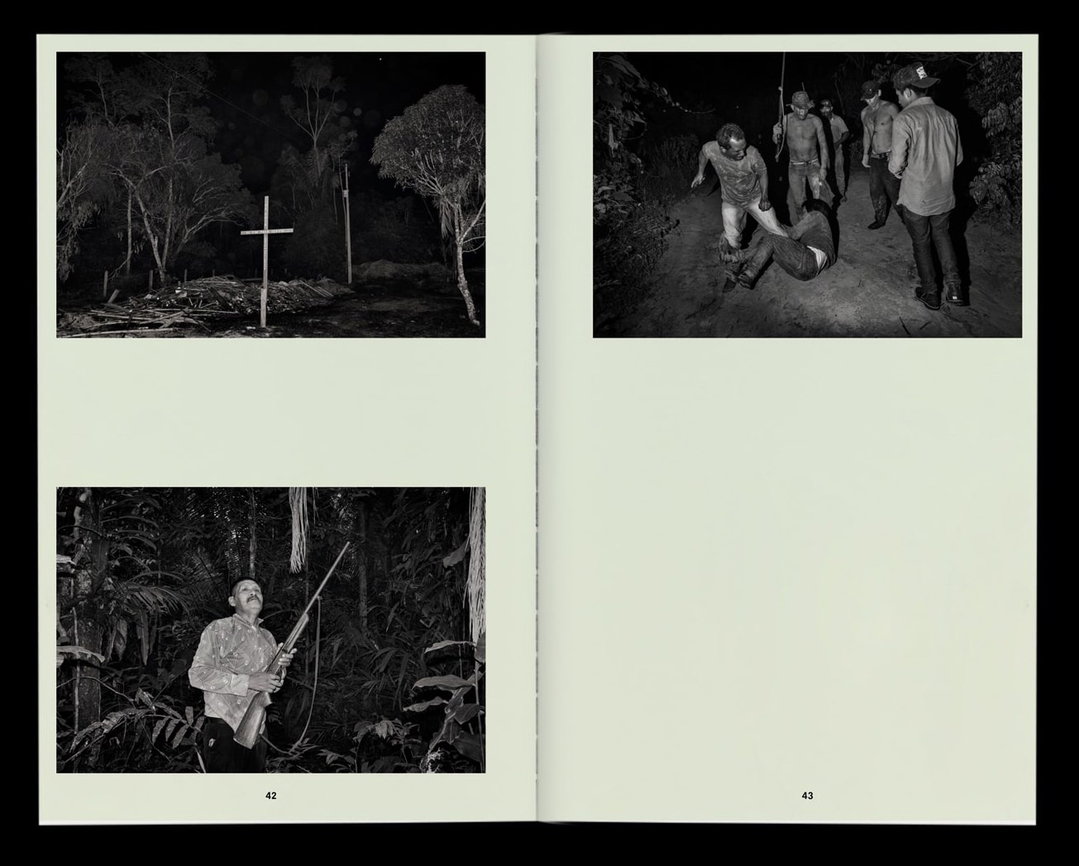
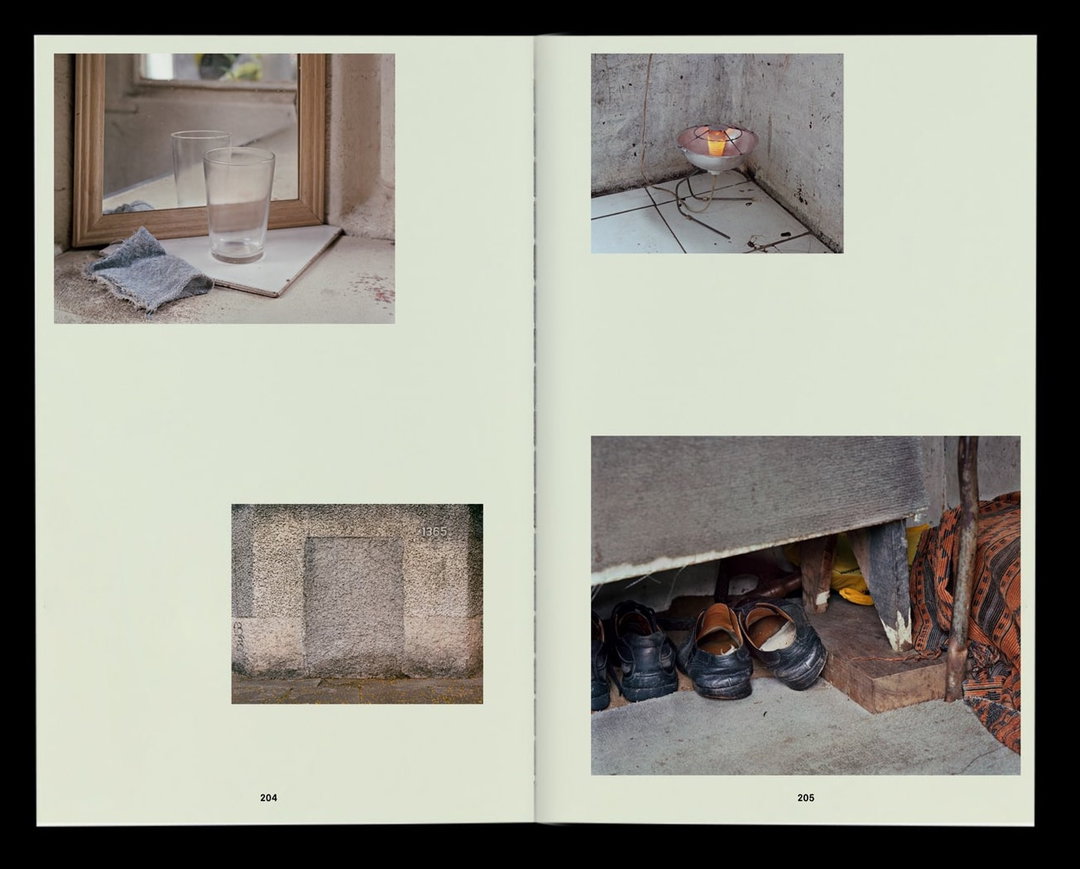
So what is Quilo, you ask? Quilo is that Kerouac-inspired road trip – romantic and spiritual in equal measure, freewheeling through Brazilian neighbourhoods capturing “intimate stories that would be impossible or even unethical for a photographer to just parachute into”, Mico says. It features stories from Brazilian writers like Milton Hatoum, Geovani Martins, Jarrid Arraes, alongside photography giving a glimpse into Brazilian life. “Brazil is a purely visual country,” he details. “Its colours, textures and life are better experienced through a visual immediate medium as photography.” But because breadth and accuracy were focal points of the project, text was necessary to go where photography could not. As such, Mico wanted to make one edition for each of the five regions of Brazil.
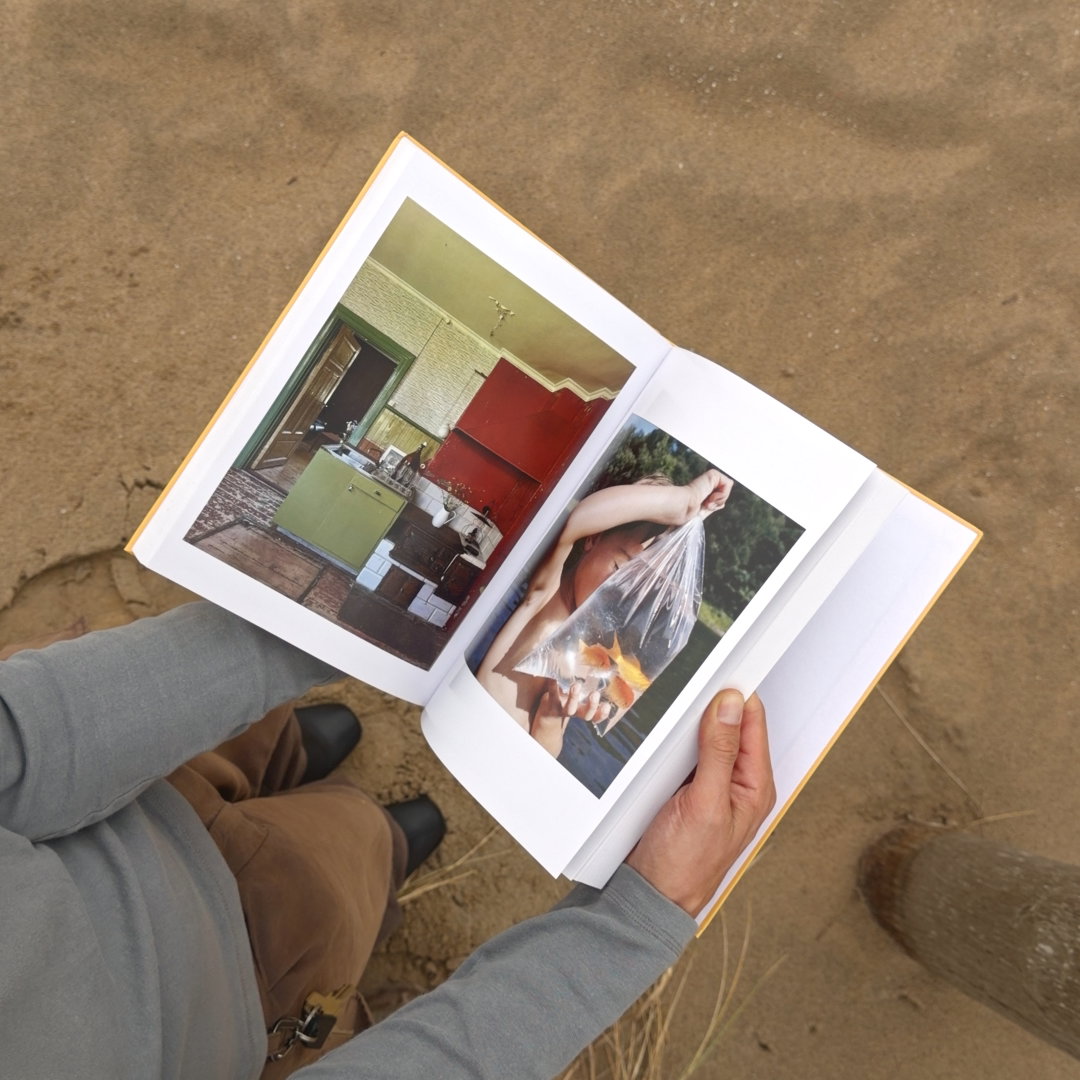
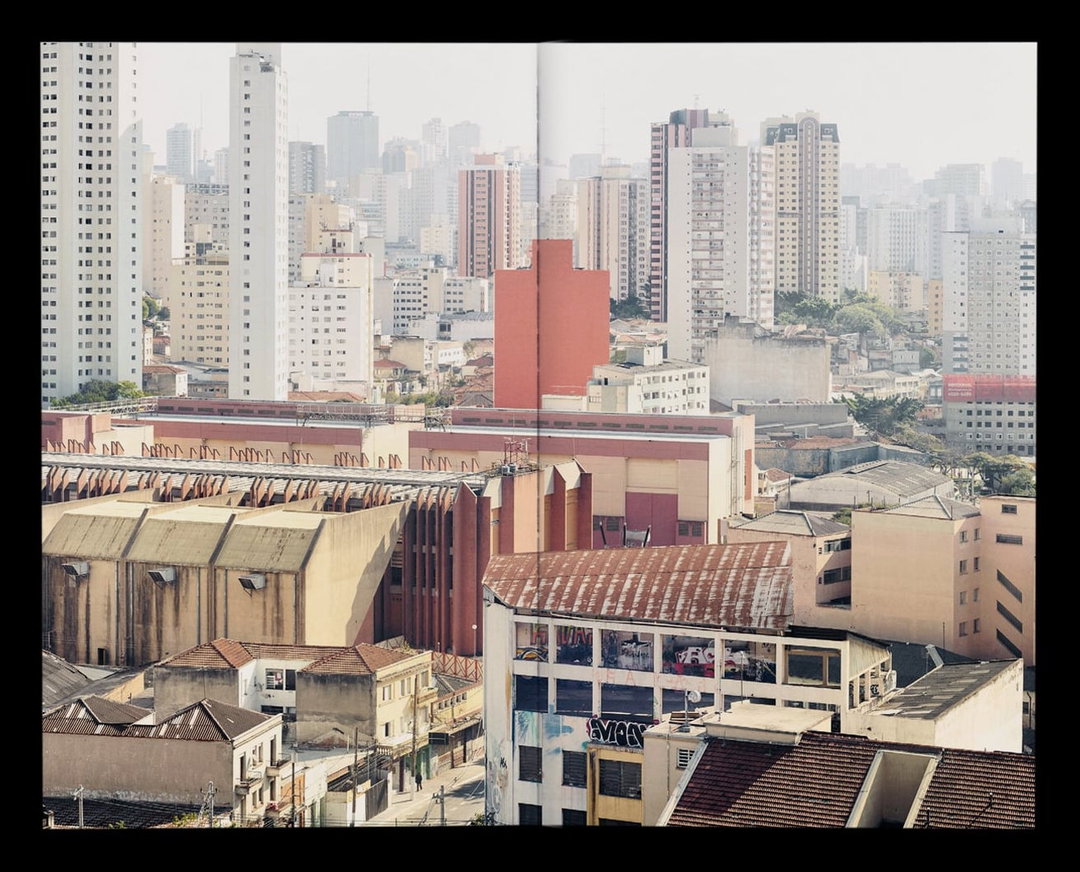
With a “super talented” team at Porto Rocha including Leo, Filipe, Natalia and Vitor Carvalho, Mico set out to produce a book that provided a counter-narrative to the dark story told under Brazil’s recent autocratic regime. “I feel the stories featured in this magazine really challenge the fallacy of a traditional conservative family, by showcasing the diversity of life and communities in Brazil,” he says. With stoic portraits of undeniable Brazilian pride offset by beaches, open roads and breath-taking wide-angle shots of Brazilian architecture, Quilo is truly the missing book that Mico always wanted.
GalleryMico Toledo: Quilo (Copyright © Mico Toledo, 2022)
Hero Header
Mico Toledo: Quilo (Copyright © Mico Toledo, 2022)
Share Article
Further Info
About the Author
—
Roz (he/him) is a freelance writer for It’s Nice That. He graduated from Magazine Journalism and Publishing at London College of Communication in 2022. He’s particularly interested in publications, archives and multimedia design.