


Lizzy Stewart’s The Wreck tells a messy love story like only an illustrator could
This genre-defying illustrated novel fuses comic panels, paintings and prose to create a “treat” for the reader.
Lizzy Stewart is back with her second illustrated novel, The Wreck, following her much acclaimed debut Alison, and it’s a beauty. Described as ‘genre-defying’ for good reason, it combines comic panels, fully written prose and full-page painted illustrations, challenging the limits of what a book can be. “I’ve always thought I made books the way I do because I’m an illustrator, first and foremost,” Lizzy tells It’s Nice That. “So I’m always thinking in images as well as words.”
The story is about two friends, Francesca and Charlie, who have drifted apart in the 20 years since uni, but reunite in an unusual way by moving in together with their husbands in tow. For a while, communal living is utopian until “resentments and jealousies start to build, differences in class, confidence and freedoms start to interfere with the smooth running of their household and everything goes, well it goes a bit wrong”, describes Lizzy. A millennial herself and living in the most expensive city in the UK, Lizzy says the story was borne from “the conversation we’ve all had at some point – what if we all bought a house together? Generally I’m quite interested in how people live, what makes a good life, that sort of thing.” She was also inspired by how the artists Eric Ravillious and Edward Bawden lived together with their wives when they were all young. The illustrator is known for tackling themes of female relationships, reflections on class and art in her work, so the setting seemed fertile ground for a gloriously messy love story.
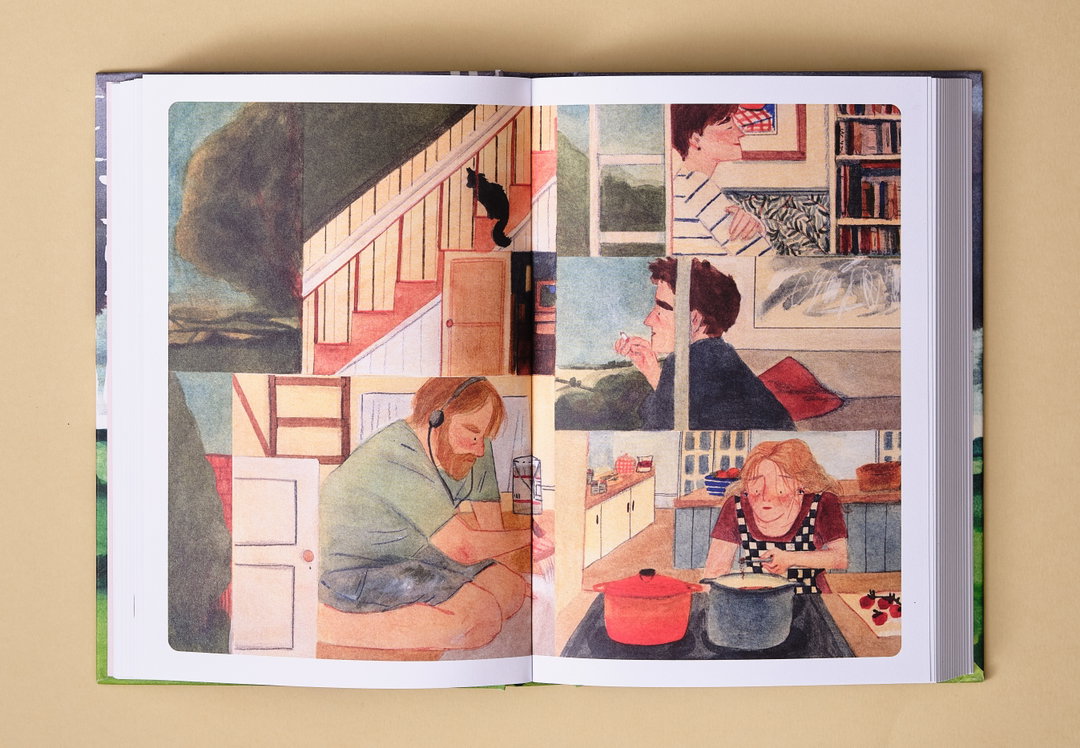
The format adds further layers to the story and how it is experienced. When she’s making picture books, like There’s a Tiger in the Garden and The Way to Treasure Island, Lizzy describes how she has to take a few sentences, and consider how imagery could make them richer. Aside from this being Lizzy’s process as an author, she says she also wants the reader to have “something to relish, a kind of richness they can really get stuck into. I want the book to look and feel like a treat.”
Lizzy Stewart: The Wreck (Copyright © Lizzy Stewart, 2026)
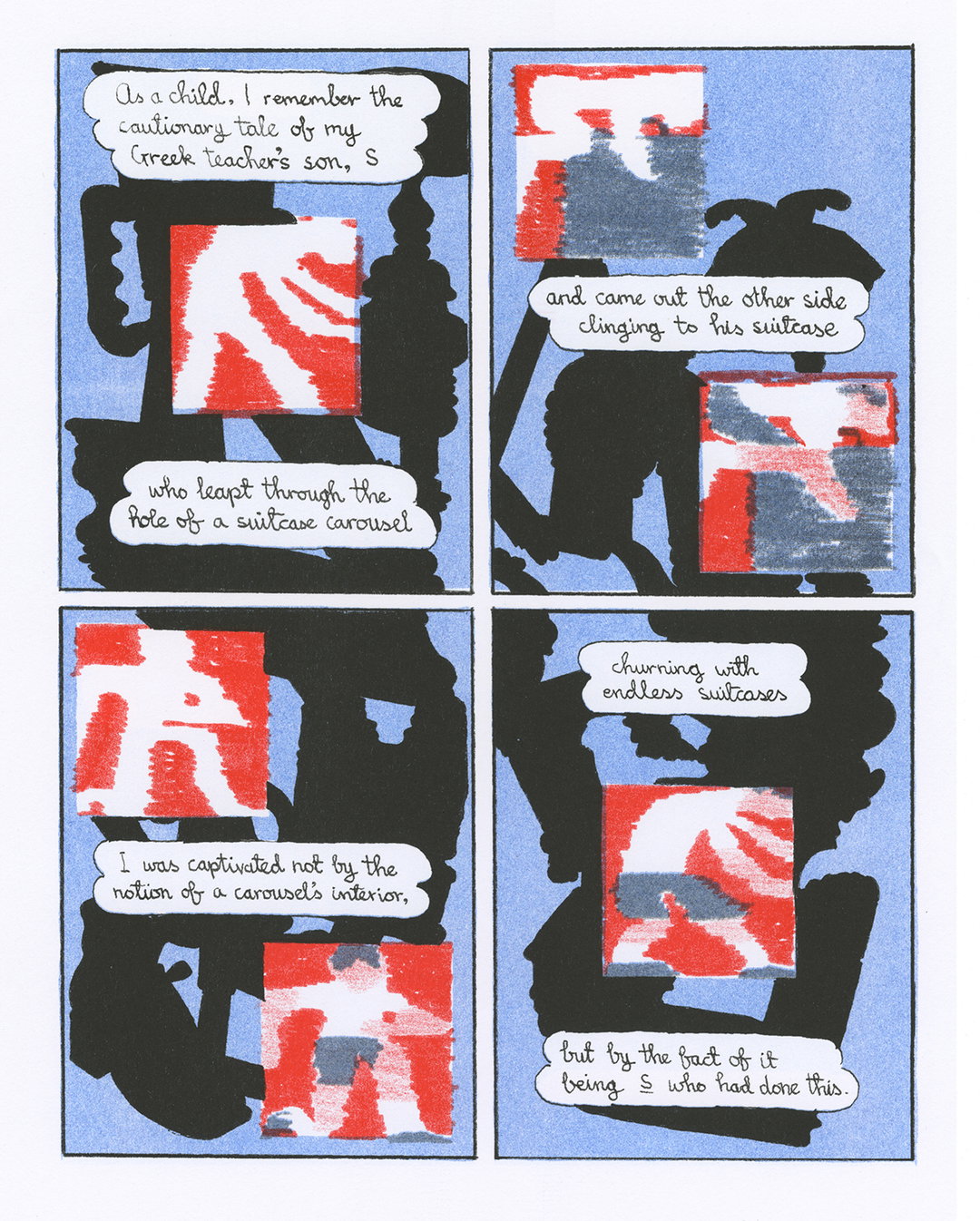
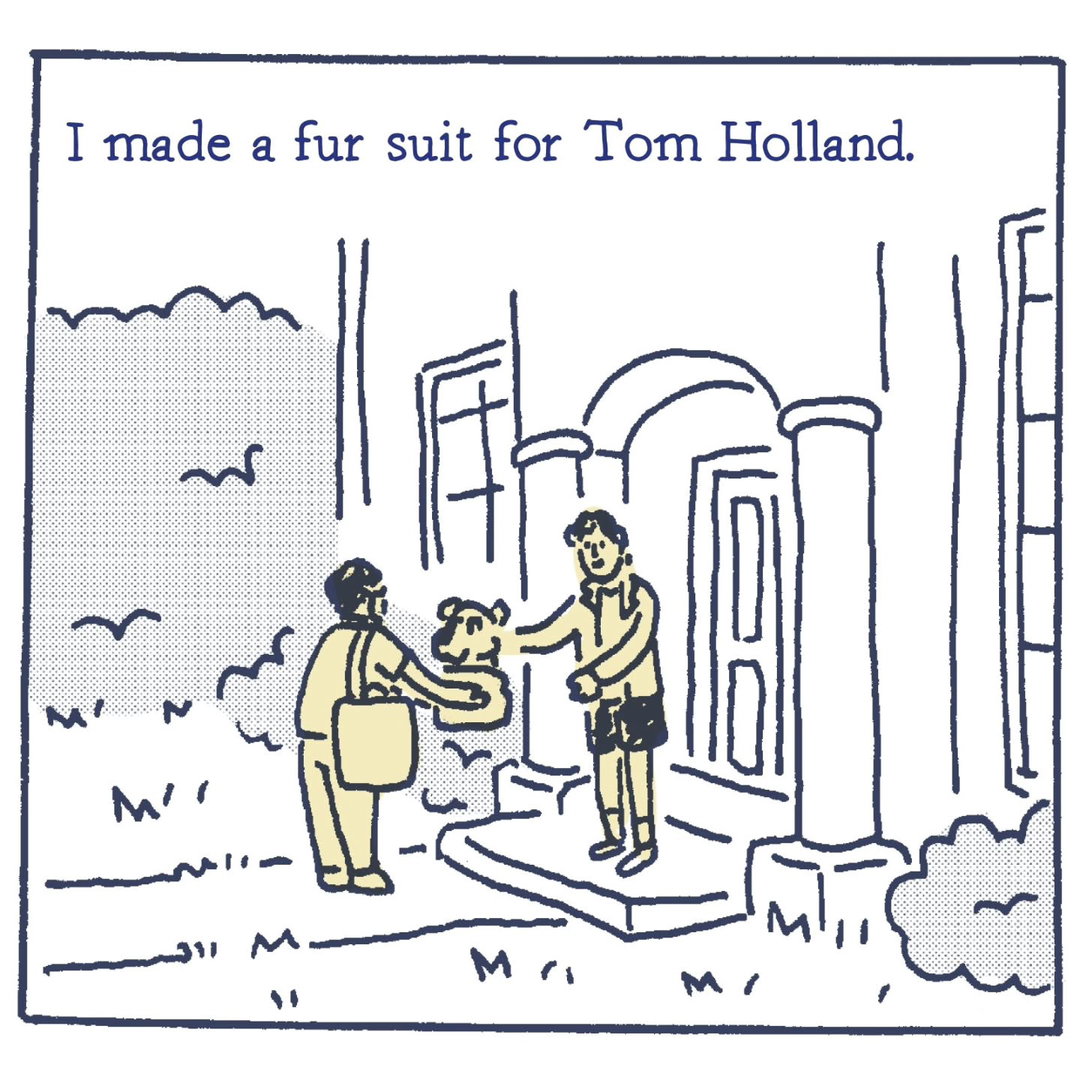
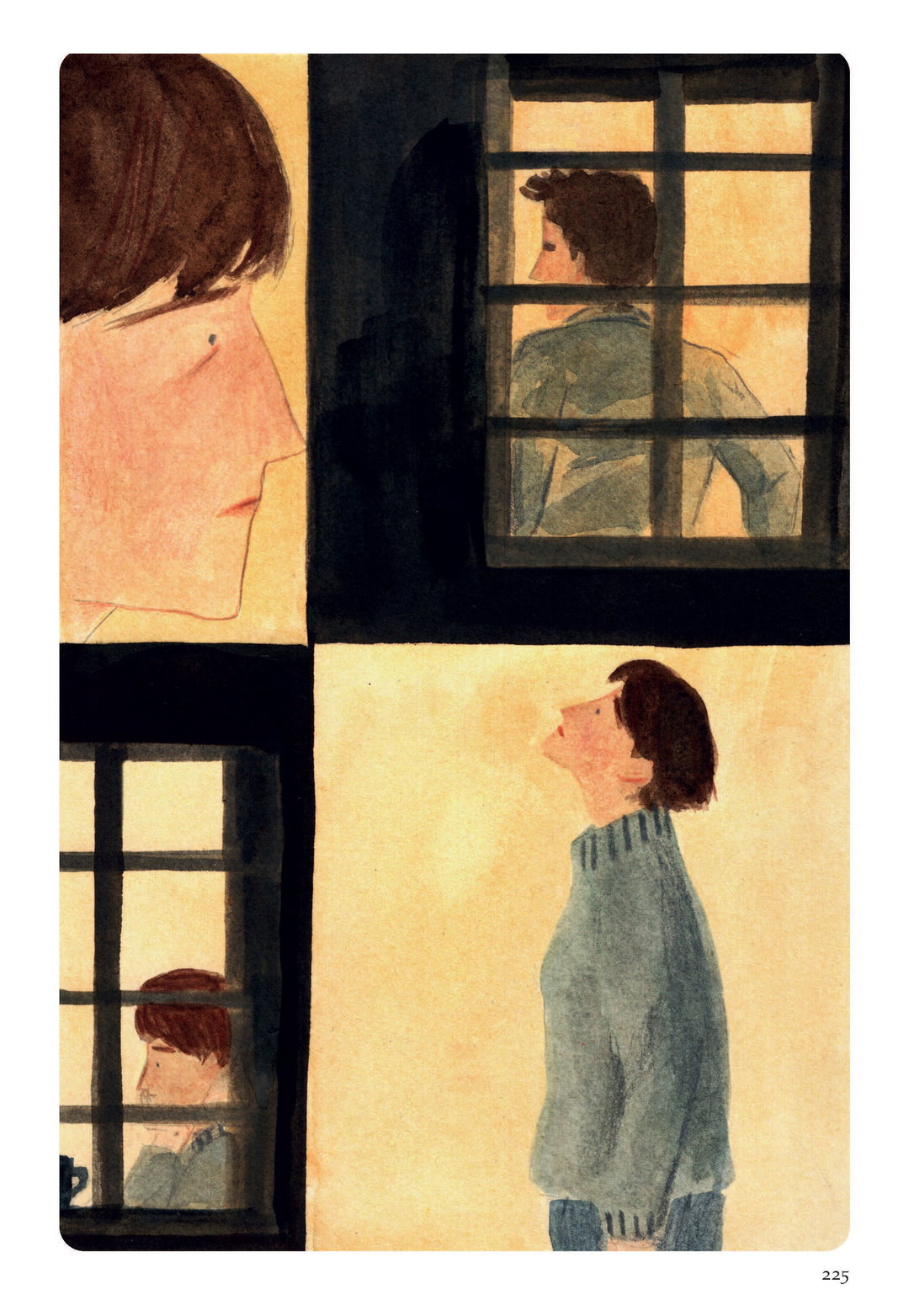
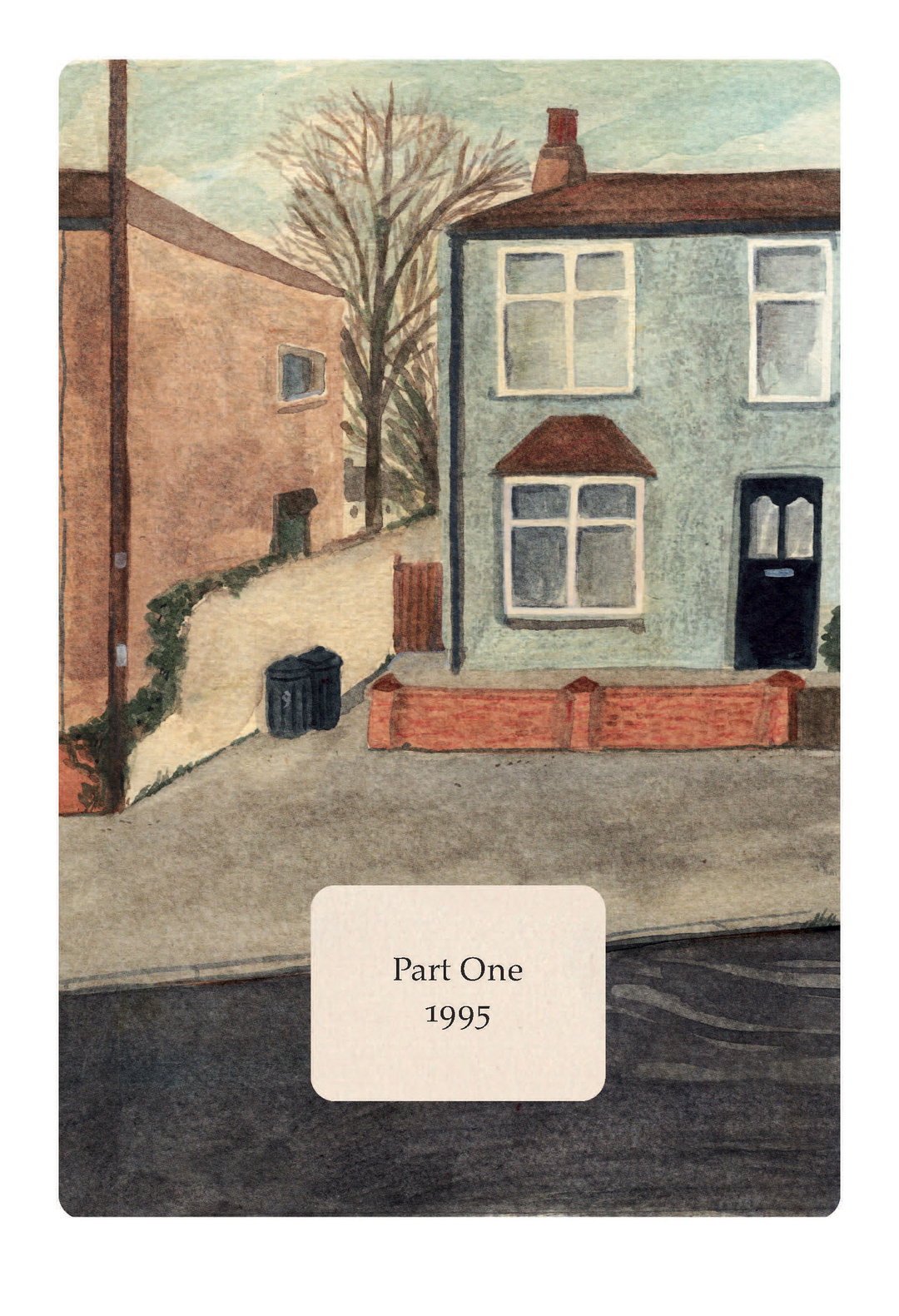
This principle has been applied to her more recent longer form writing, which in The Wreck defines when comic panels or speech bubbles best suit the story, or straightforward words on page, or when readers need an “interval” – alluded to with a full-page painting. Scenes and action are described in single-colour comic-book-style images, whereas the paintings are more classically illustrative. Lizzy says those should “summarise the feeling of that moment. I like the change of pace and I like the way they break up the flow of the book a little and allow you to pause. That feels really important to me. The pause. Graphic novels can be exhaustingly stimulating to people who don’t read them often and so it’s useful to be told you can rest a bit here.”
The paintings are watercolour and coloured pencil, while the rest of the book is ink. Lizzy says she spent months experimenting with different materials, trying to find a new and exciting approach to making pictures for her next book, then “I went back to what I know. If you have to do 300 plus drawings maybe it’s wise to make sure you know what you’re doing. It’d be awful to get to image 270 and realise that the way you’d done it wasn’t working.”
Once all that was drawn, painted and written, editing proved the best and but also the hardest bit. “I love editing because the physical labour is over,” says Lizzy. “You’ve made the thing, more or less, and now all you have to do is tidy and polish and improve. It’s really fun. I love being ruthless with things that aren’t working. It forces you to really think about what you want the book to say and do.” But it was fiddly. Turns out, editing a ‘genre-defying’ book is really complicated. Removing text affected where images landed, or required new drawings. Adding text meant dropping images or rejigging entire layouts. On top of that, Lizzy was going back and forth with the publisher, who was editing in a word doc which she had to transfer to InDesign, and things started to get muddled and missed. In the end, they resorted to putting all the notes on a good old print-out, and updating the final digital file based on that, “which was pretty great,” Lizzy adds. “Sometimes the digital way of working is by far and away the hardest way to do things!”
The Wreck is out today, 9 April, published by Jonathan Cape.
Lizzy Stewart: The Wreck (Copyright © Lizzy Stewart, 2026)
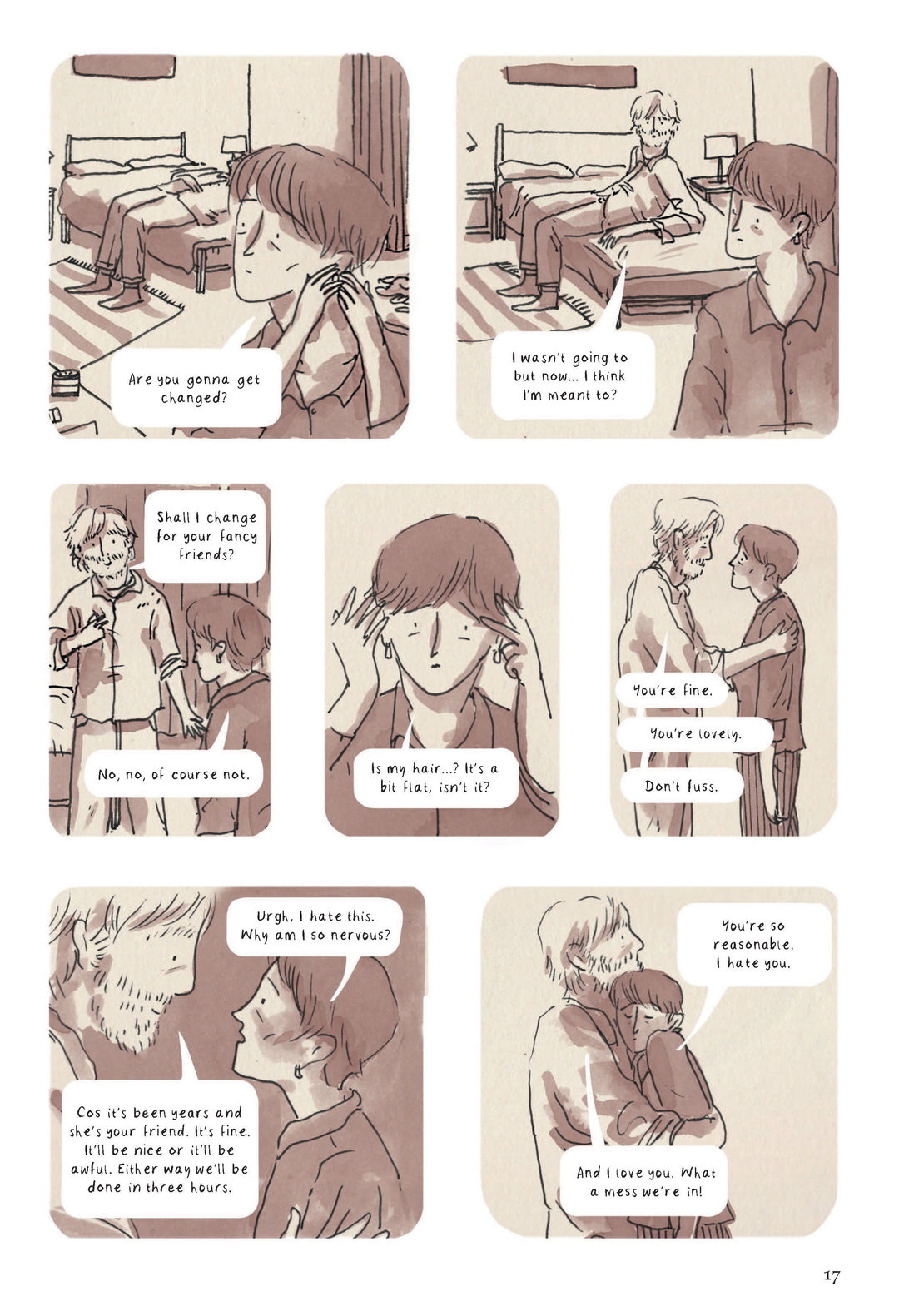
Lizzy Stewart: The Wreck (Copyright © Lizzy Stewart, 2026)
Lizzy Stewart: The Wreck (Copyright © Lizzy Stewart, 2026)
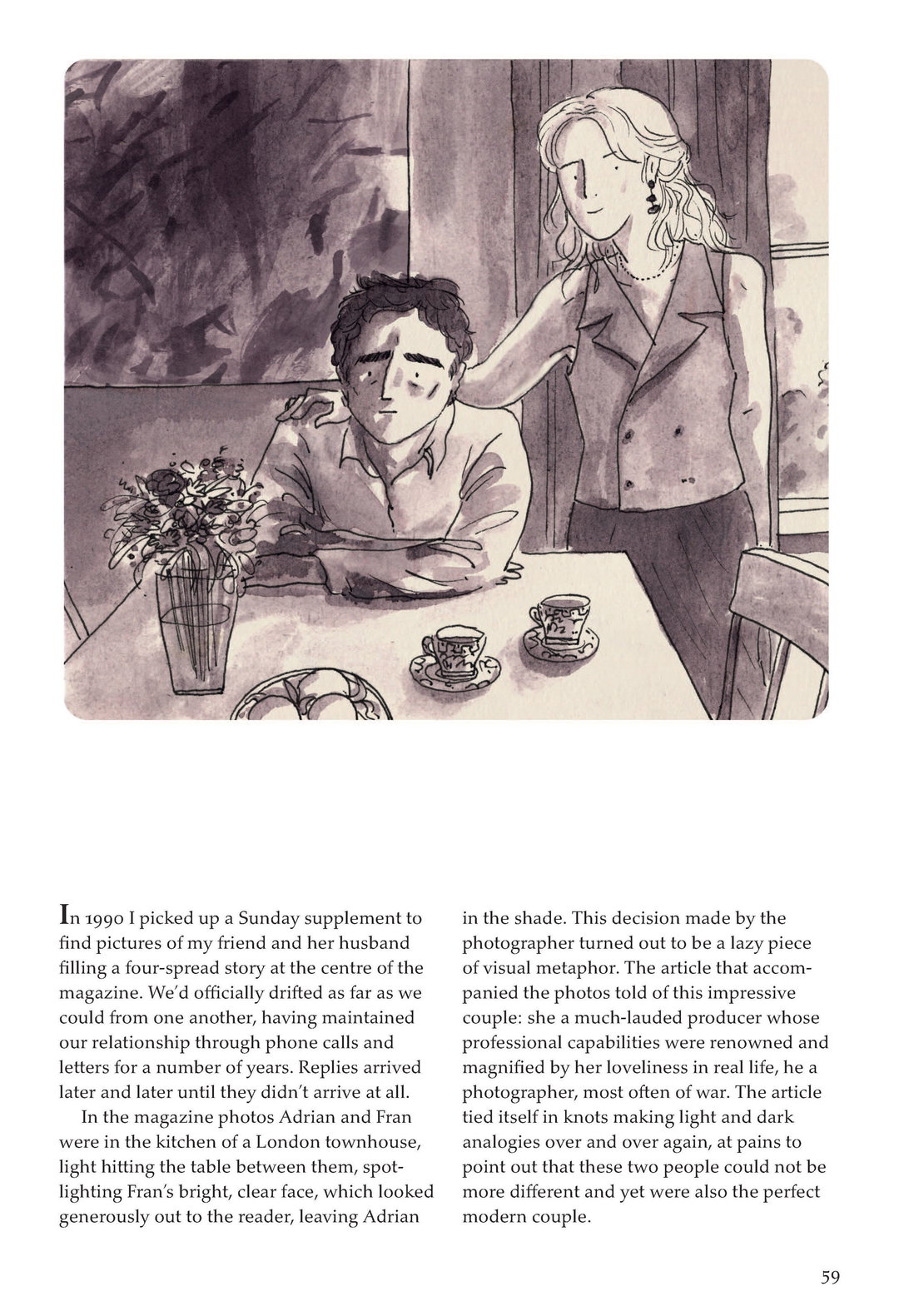
Lizzy Stewart: The Wreck (Copyright © Lizzy Stewart, 2026)
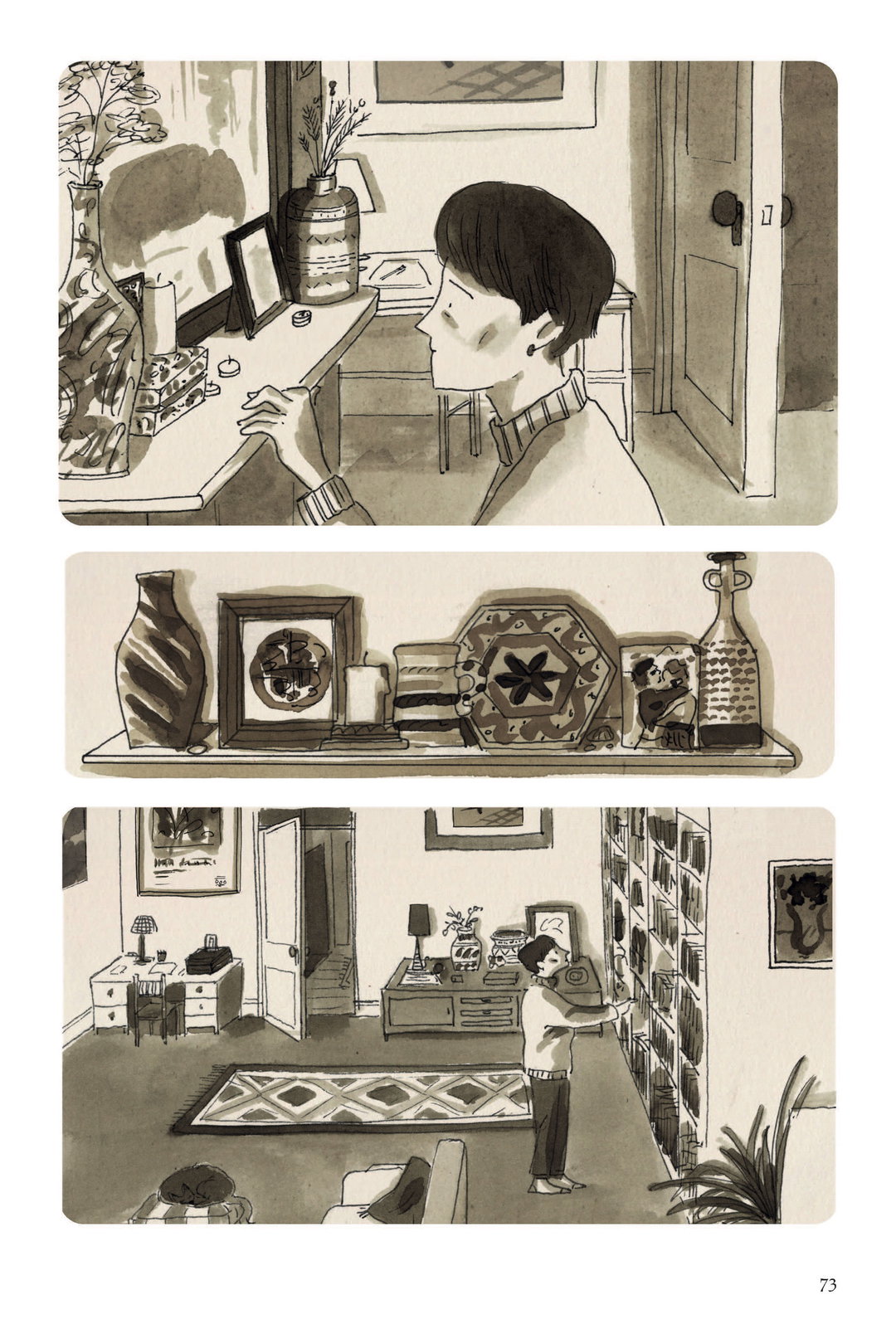
Lizzy Stewart: The Wreck (Copyright © Lizzy Stewart, 2026)
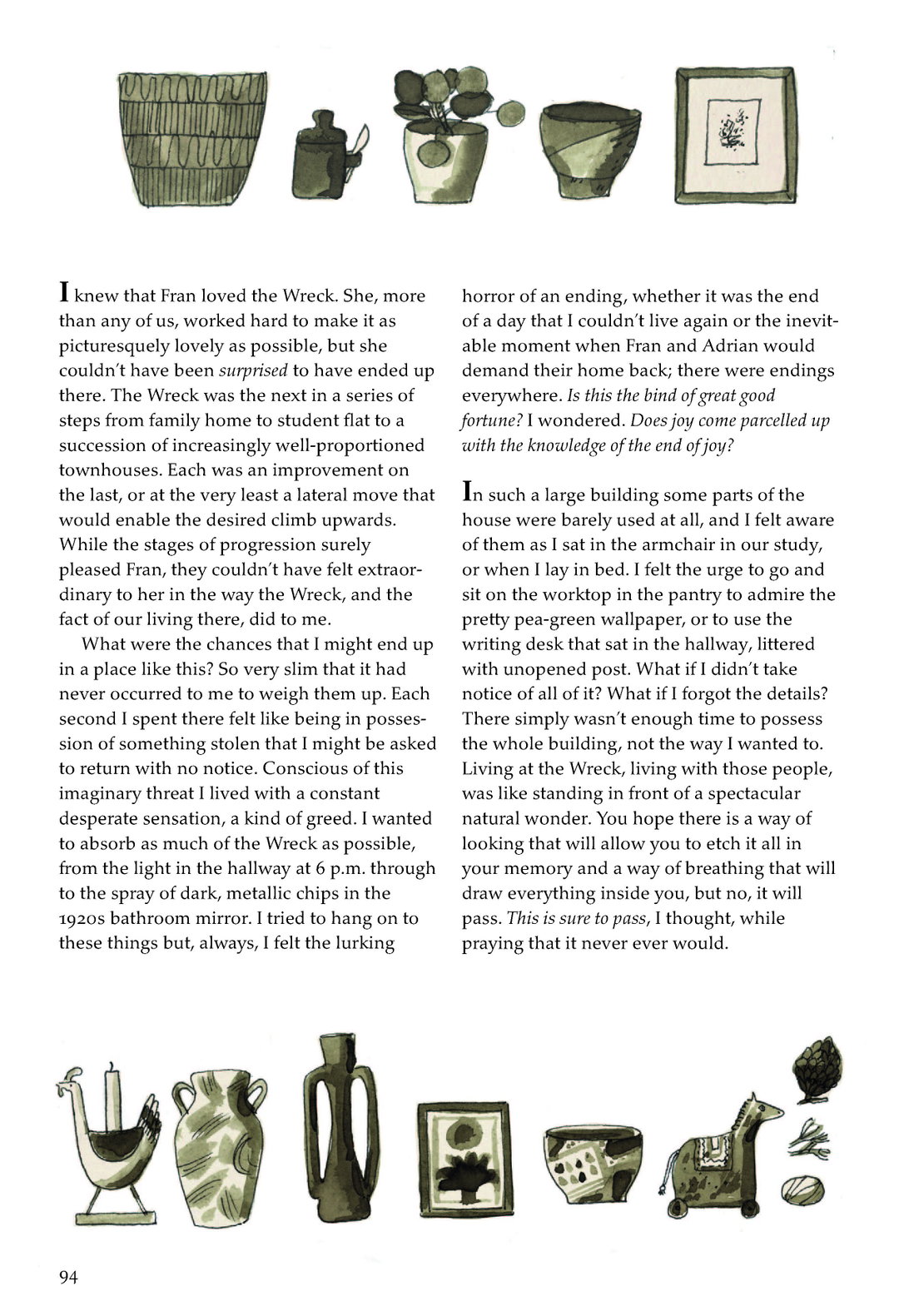
Lizzy Stewart: The Wreck (Copyright © Lizzy Stewart, 2026)
Lizzy Stewart: The Wreck (Copyright © Lizzy Stewart, 2026)
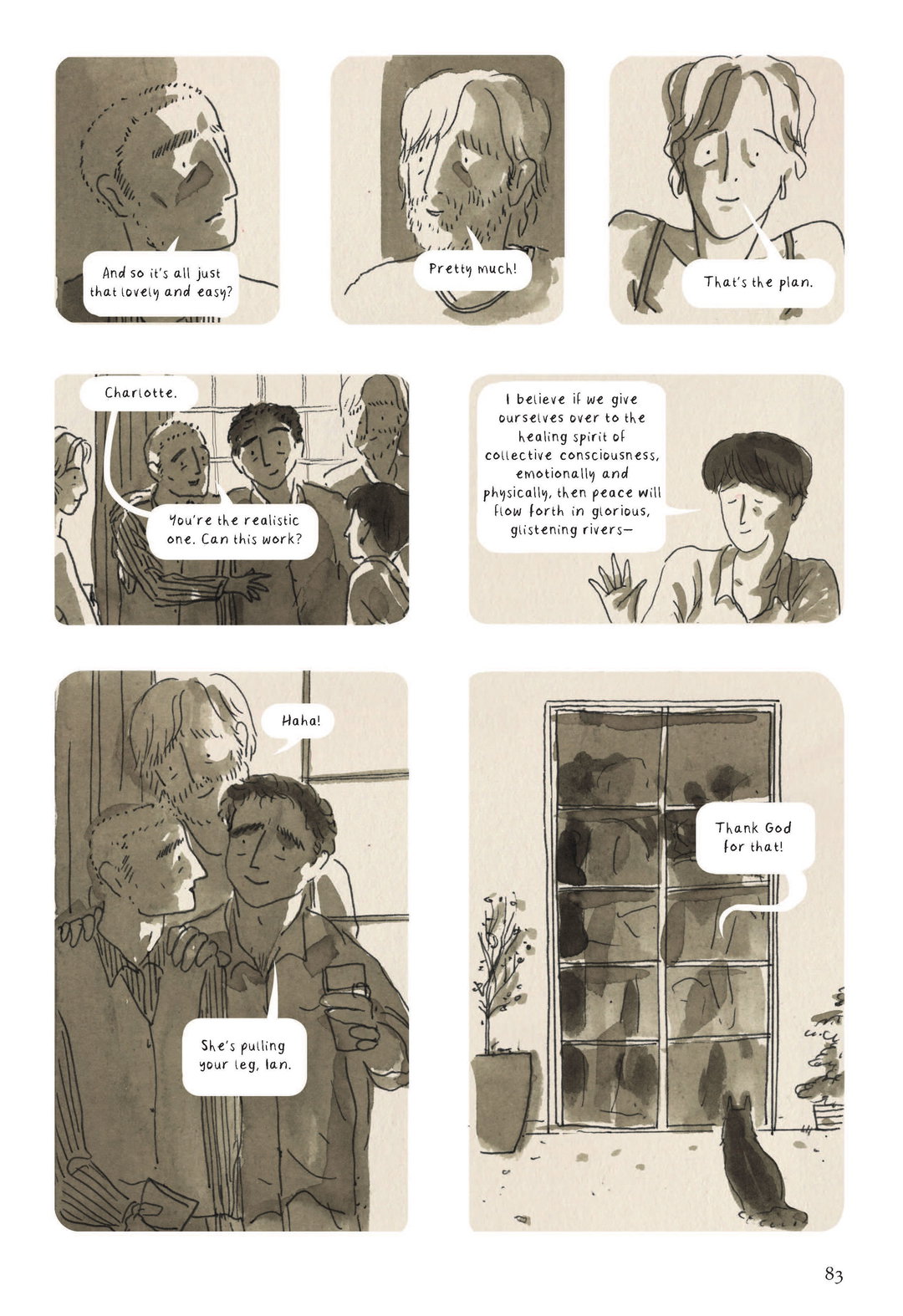
Lizzy Stewart: The Wreck (Copyright © Lizzy Stewart, 2026)
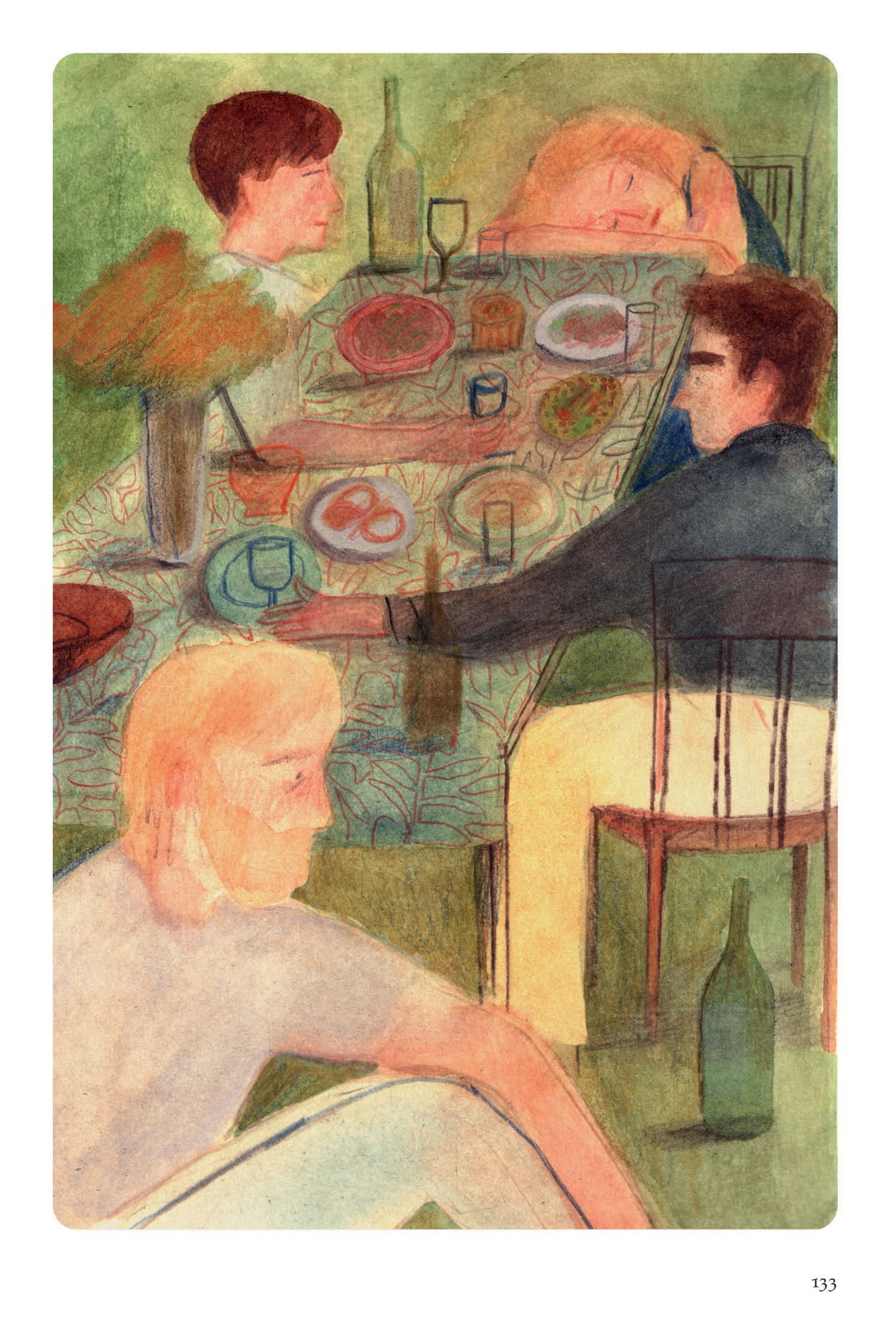
Lizzy Stewart: The Wreck (Copyright © Lizzy Stewart, 2026)
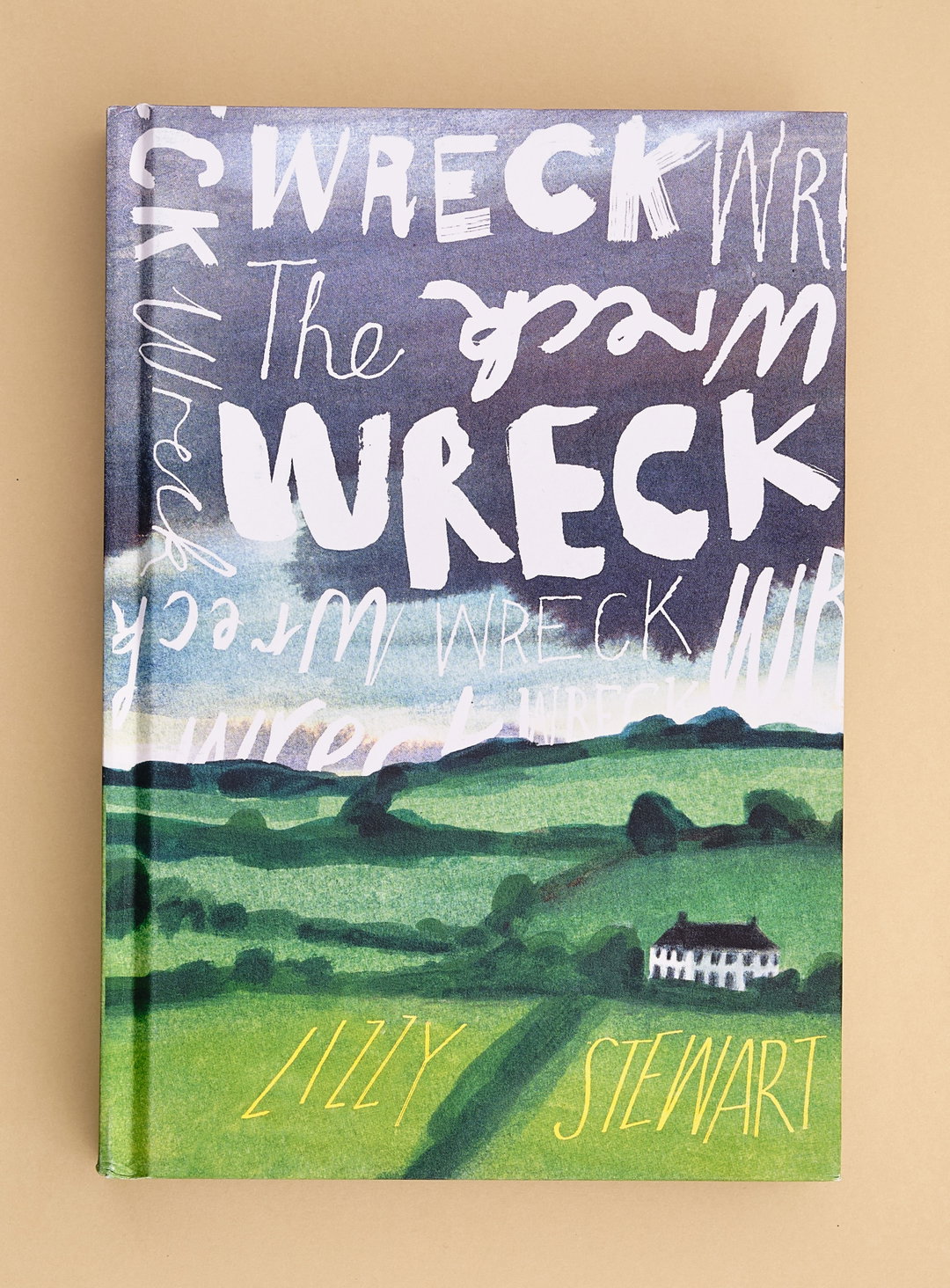
Lizzy Stewart: The Wreck (Copyright © Lizzy Stewart, 2026). Cover design by Jez Burrows.
Hero Header
Lizzy Stewart: The Wreck (Copyright © Lizzy Stewart, 2026)
Share Article
Further Info
About the Author
—
Jenny oversees editorial output across It’s Nice That. Get in touch with writing pitches for features or opinion pieces, big creative story tips, or questions about all things editorial. jb@itsnicethat.com
To submit your work to be featured on the site, please see our Submissions Guide.