


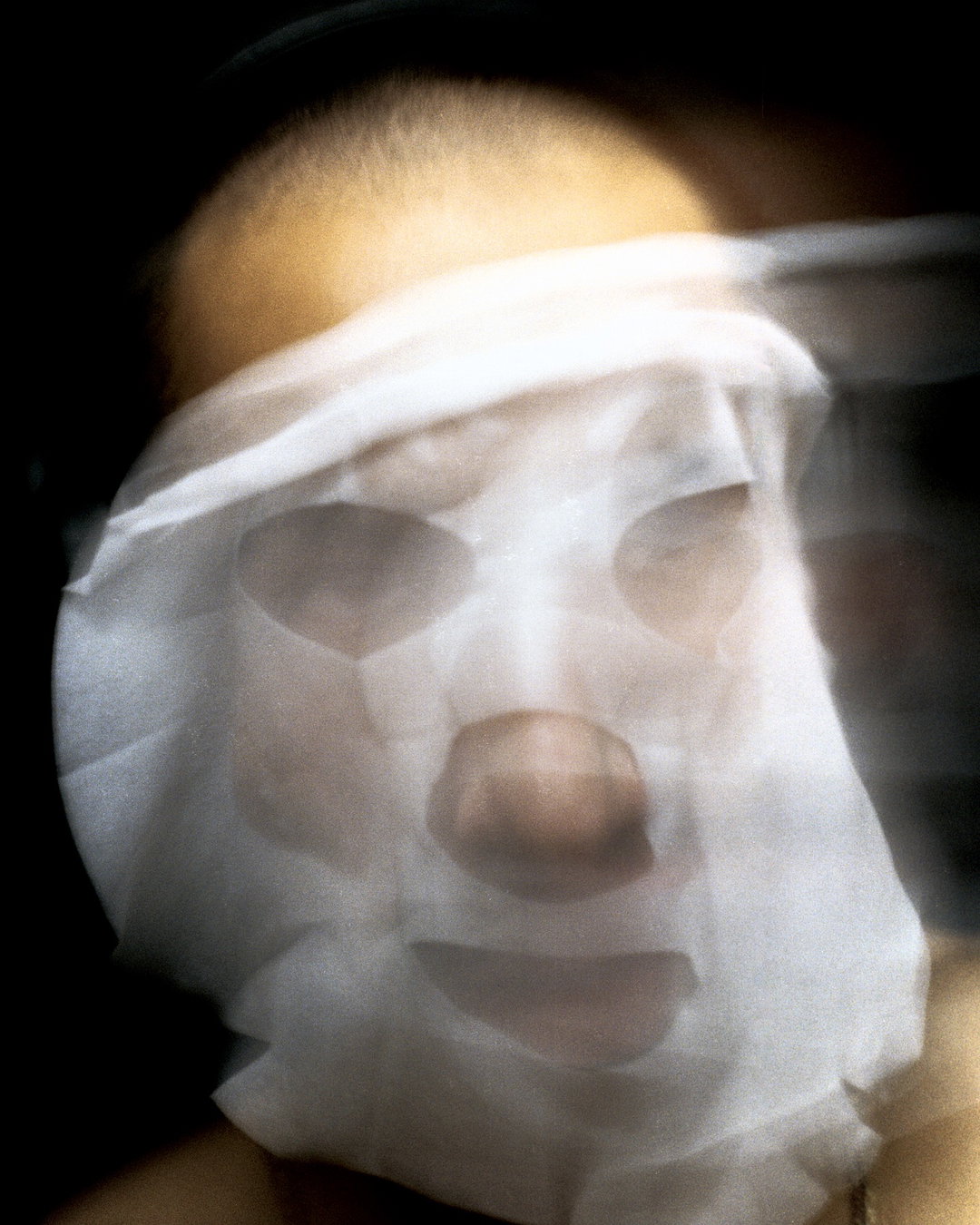
How Alfie Whiteman – pro footballer turned photographer and director – shows the turbulence of change through his vulnerable work
The ex-Tottenham goalkeeper speaks to It’s Nice That about tackling loneliness with creativity, being inspired by the work of Nadia Lee Cohen, and his new exhibition: A Loan.
The professional footballer to photographer pipeline isn’t a very common one (or, in fact, one we’ve ever encountered before) – but it’s a career progression that makes perfect sense to Alfie Whiteman. The ex-Tottenham goalkeeper, who spent over 15 years at the club before retiring last year aged 26, recently opened his first solo exhibition, A Loan. The show hangs a series of self portraits Alfie took in 2021 while he was on loan to the Swedish team Degerfors and living in the country’s rural woodlands. It embodies a state many will know well – feeling like your life is trapped at a many-pronged crossroads, and you’ve no clue which path to take next.
Alfie was born into a creative household. His dad is a musician and graphic designer and his mum studied textile design, and he recalls being taken to galleries and exposed to music and films from a young age. In fact, “the football was actually a bit of an anomaly,” the photographer tells It’s Nice That. When he was a teenager, training hard with Tottenham, he naturally gravitated toward the arts; rather than being drawn to the world of golf or video gaming, as many young footballers are, he could often be found drawing and taught himself photography in his spare time. At 18 he met a director who he ended up shadowing, picking up gigs as a runner to immerse himself in the film production industry. Alfie knew football was a short career, and “I started having this life going parallel with football where I was planning for afterwards,” he says, “because I knew from quite early on I didn’t want to coach or stay in the game when I finished playing.”
Alfie Whiteman: A Loan (Copyright © Alfie Whiteman, 2026)
Creative expression became an important, grounding outlet for Alfie and so it makes sense that he turned to it when his life felt so unrecognisable. Being flown 1,200 miles away from his capital city home to a tiny rural town with a population of less than 10,000 people to work and train with a group of people he didn’t know – all the while doubting the longevity of his career at Tottenham. While in Sweden, Alfie was constantly searching for this outlet, a reason to pick up his camera, and he remembers the exact moment he found the perfect subject matter to lens in on. “There’s this loophole in Sweden where you can drive a tractor at 14,” Alfie explains. “Teenagers would mod these EPA tractors to make them look like mini American pickup trucks.” Enamoured with subculture, Alfie was desperate to make a documentary about it, but – amongst his busy training schedule – it was impossible to find the time.
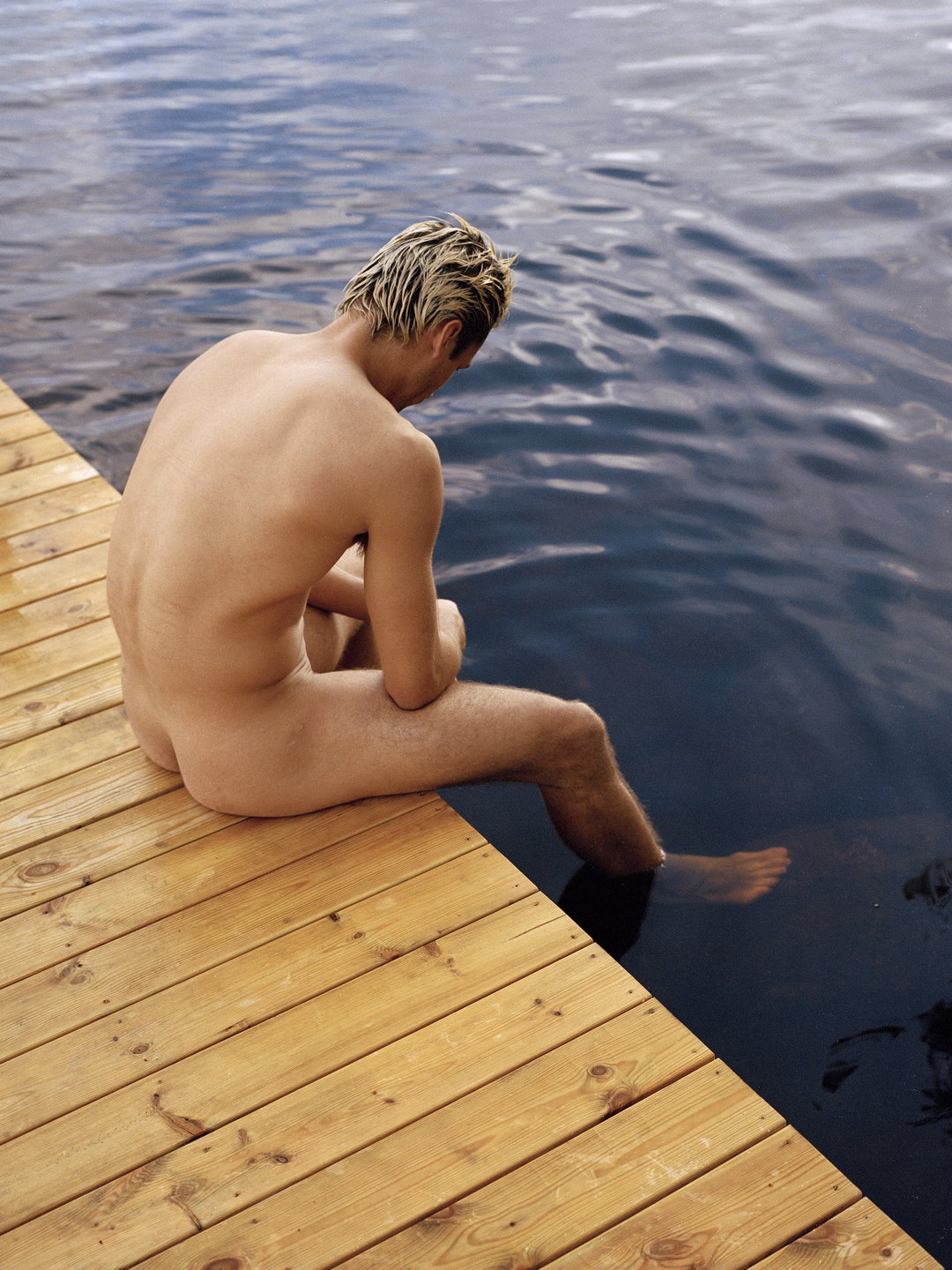
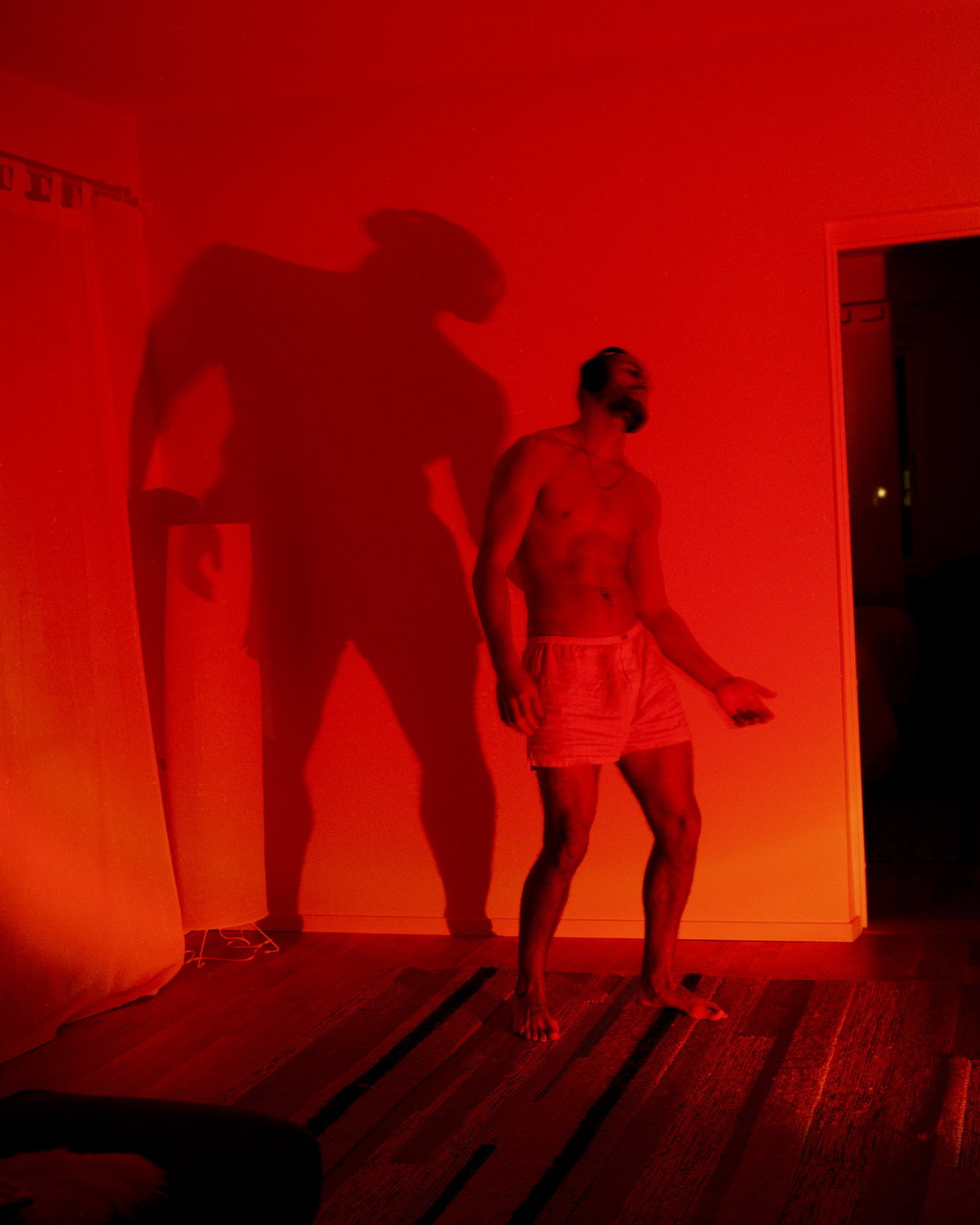
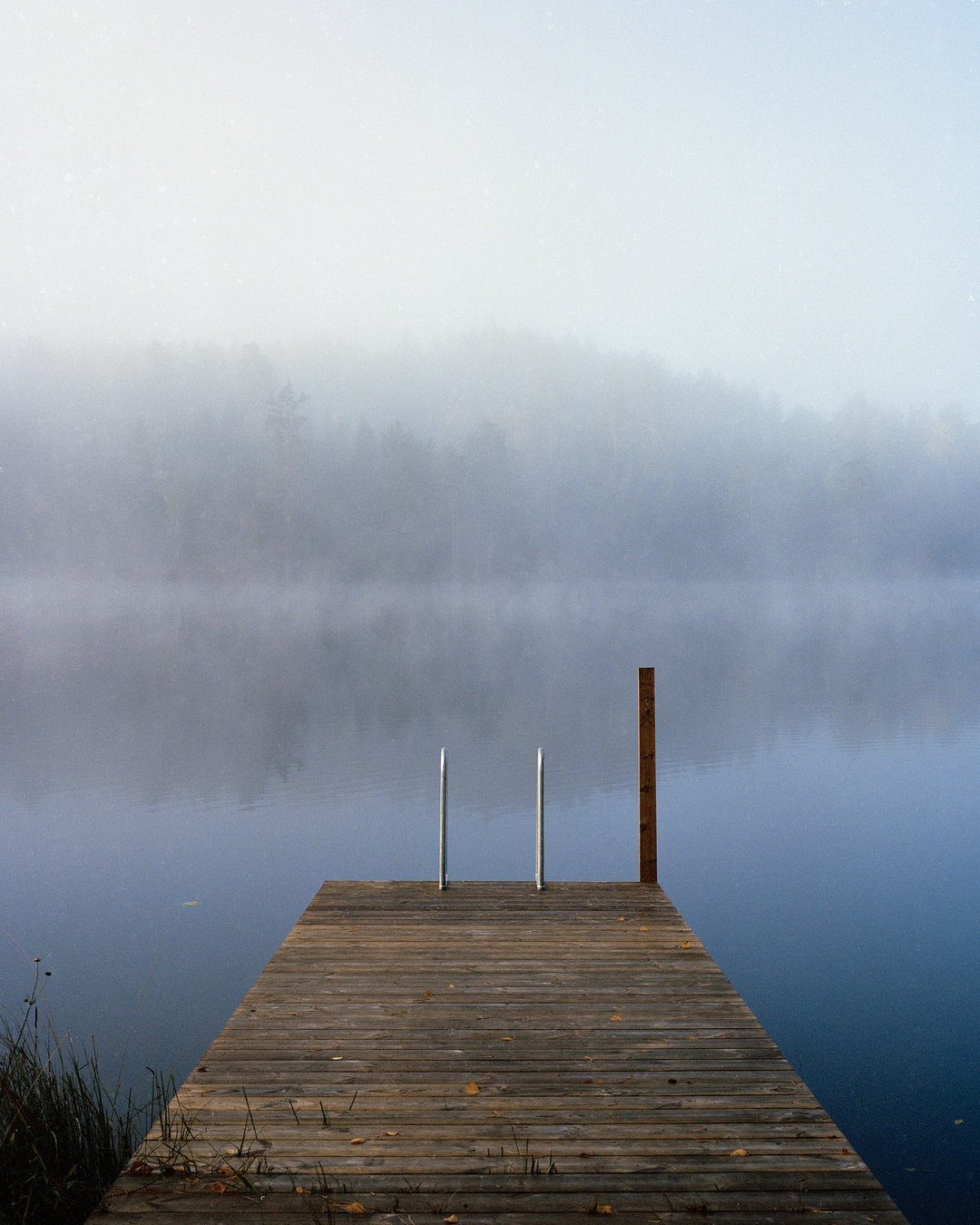
Instead, Alfie found himself taking photos of “the bloody sunset” from a jetty he’d become fond of spending time on, before he realised the world had enough scenic sunset screensavers, and he wasn’t using his camera to say what he truly wanted to. Then, one day, he was sitting on the jetty in the midst of a storm “and I found myself asking ‘What am I doing here? This is so sad, what a sad picture this would be!’”, he recalls. And that’s exactly what he did – he took a picture. So began a period of creative exploration, testing the limits and expansiveness of the self-portraiture form, resulting in over 600 images, which, at the time, Alfie had no intention of ever letting anyone else see.
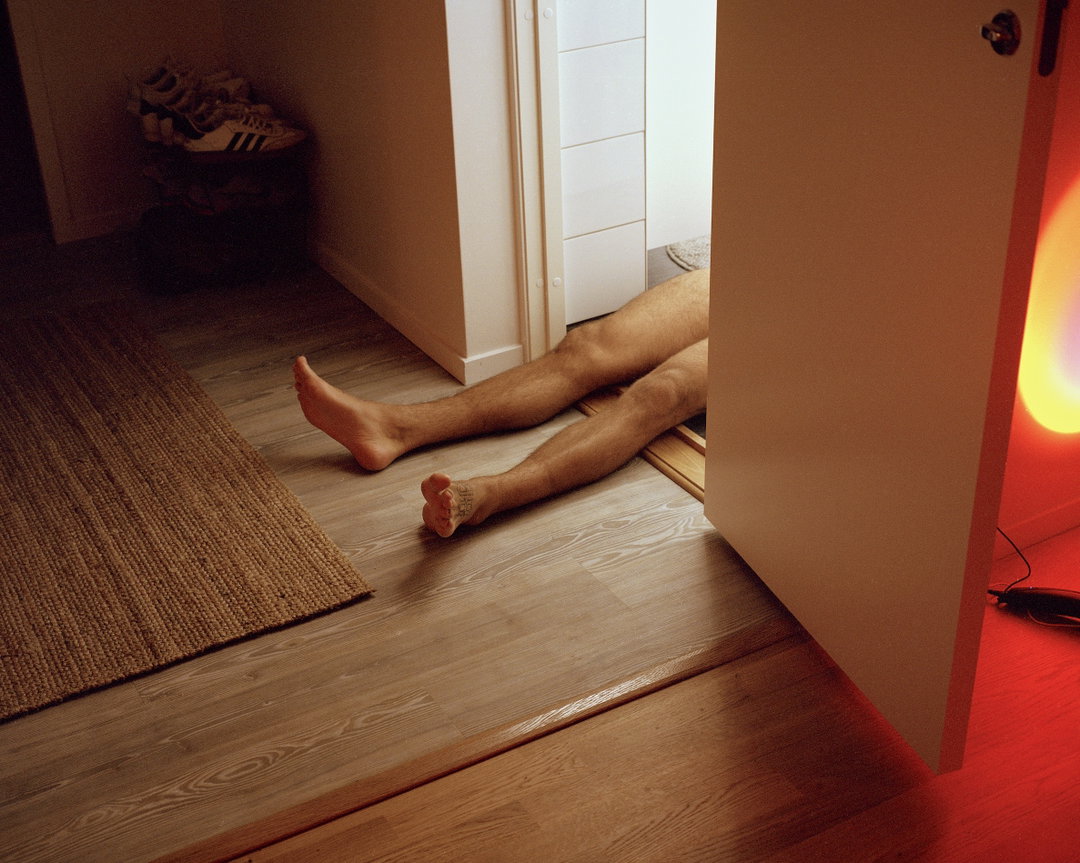
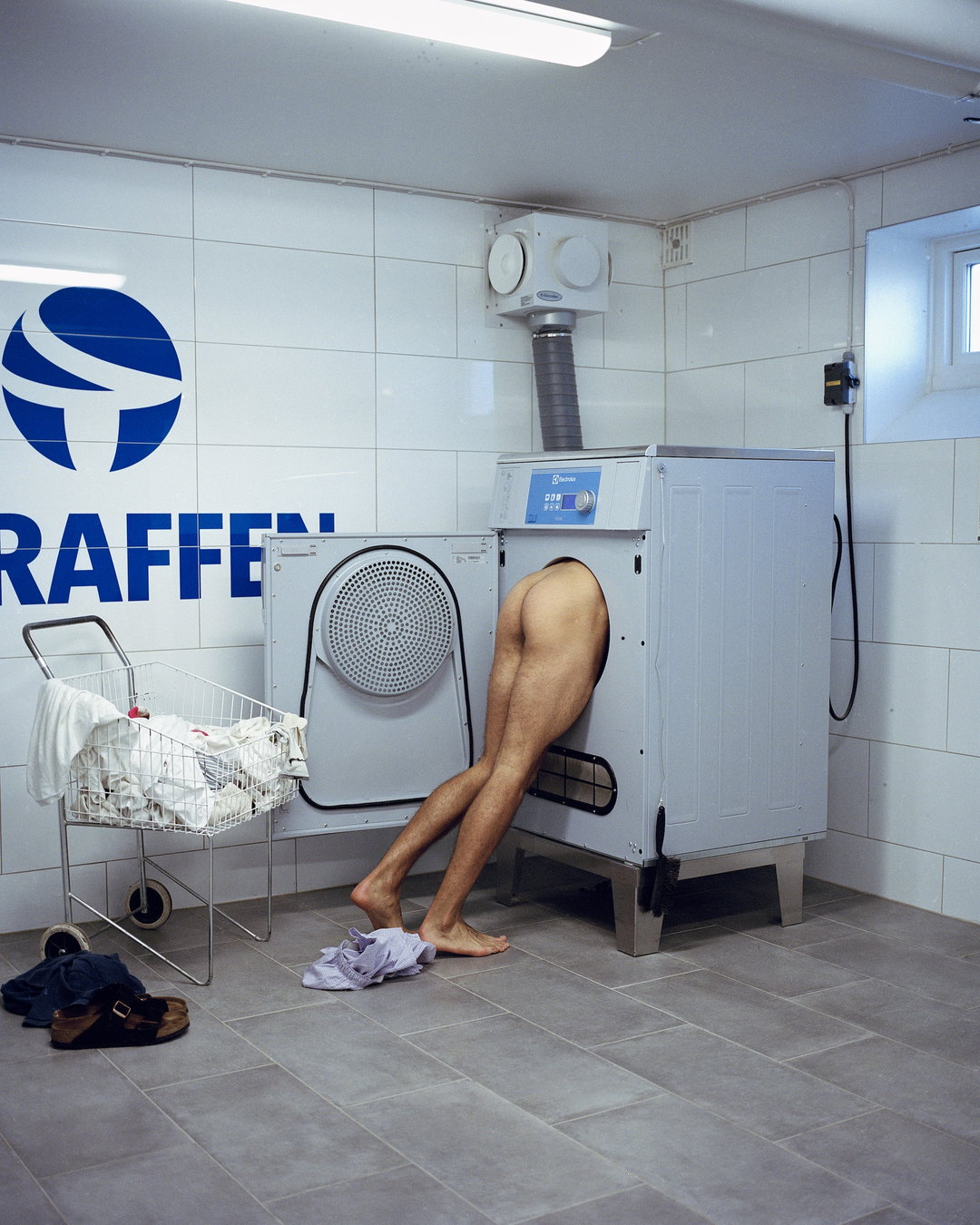
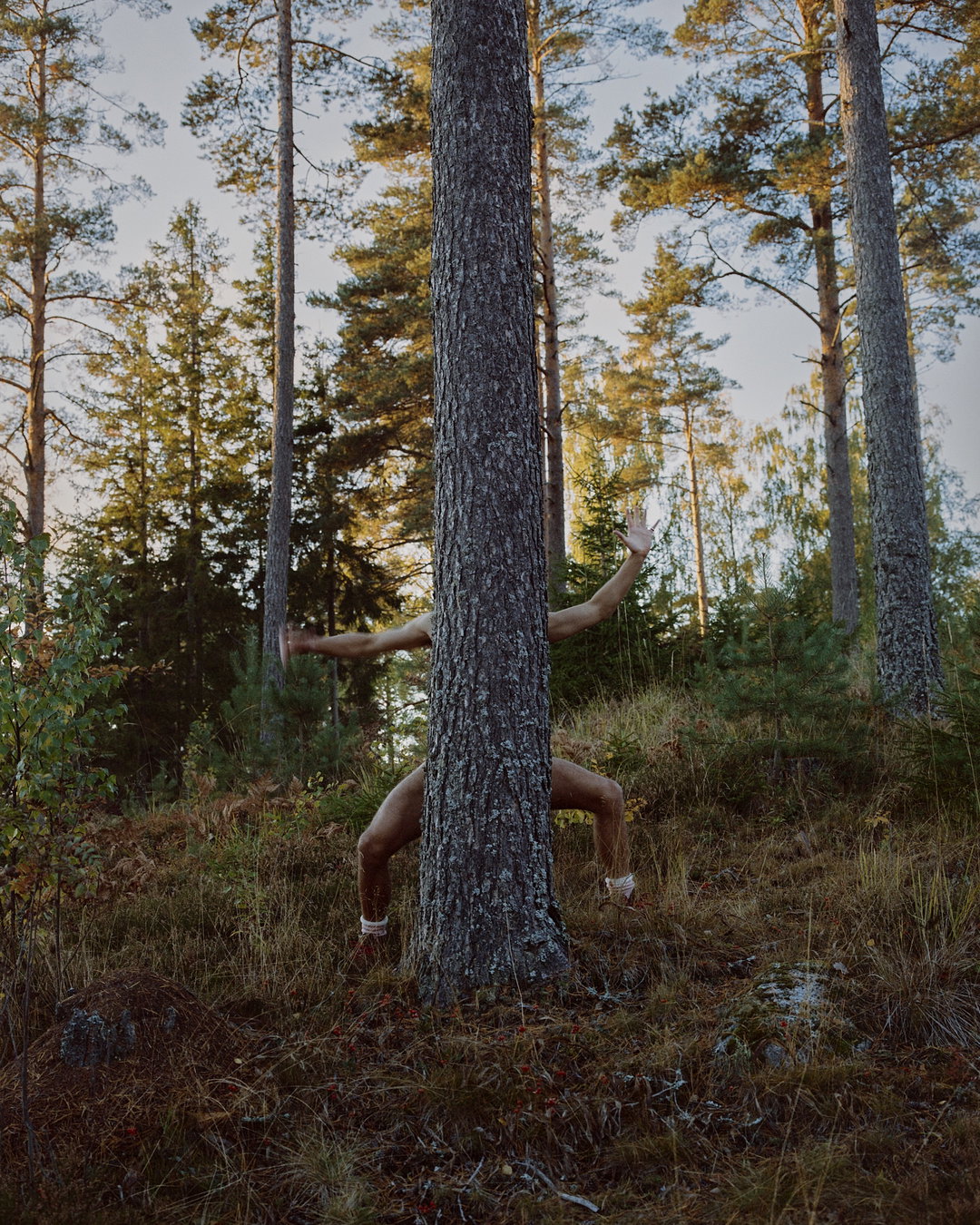
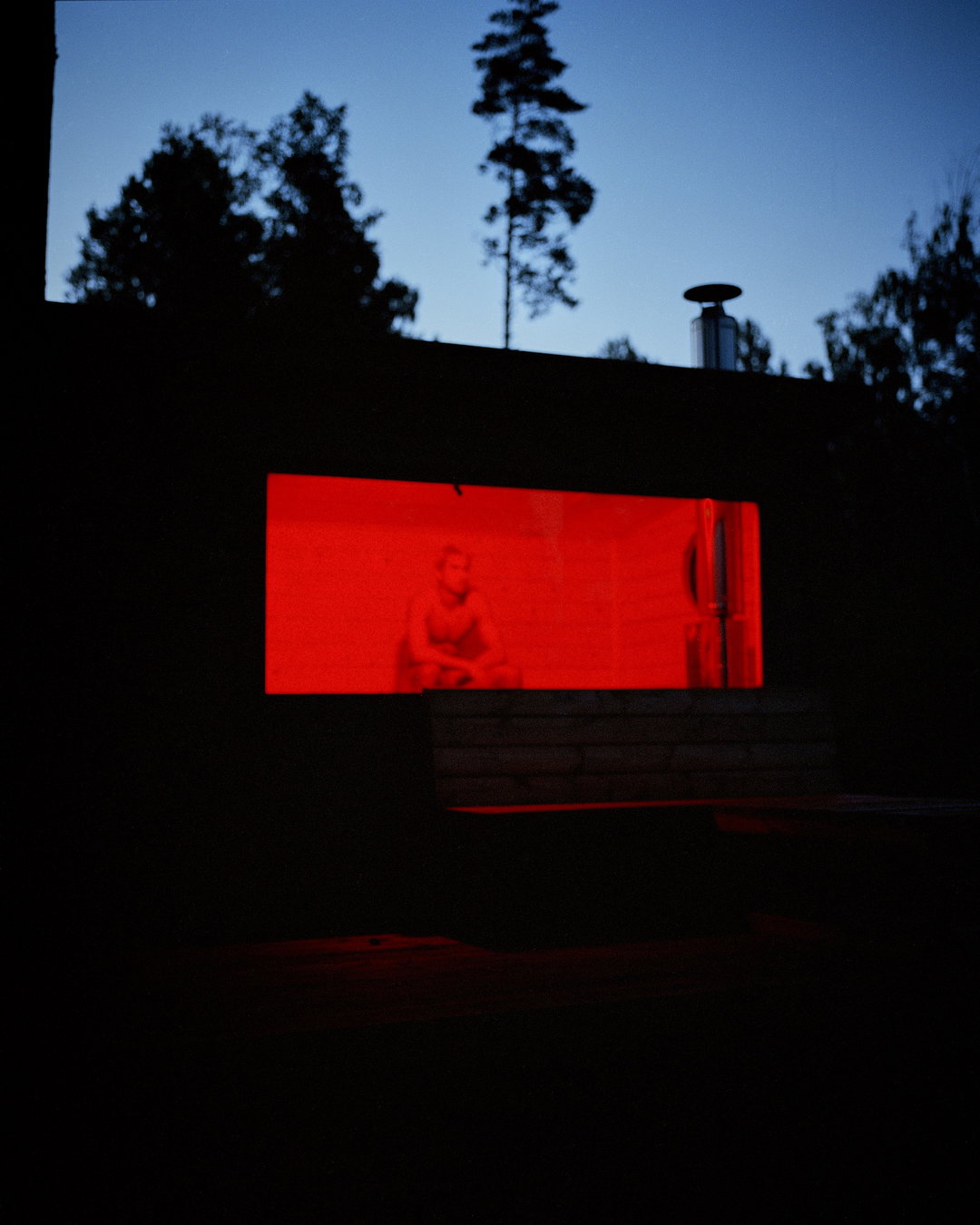
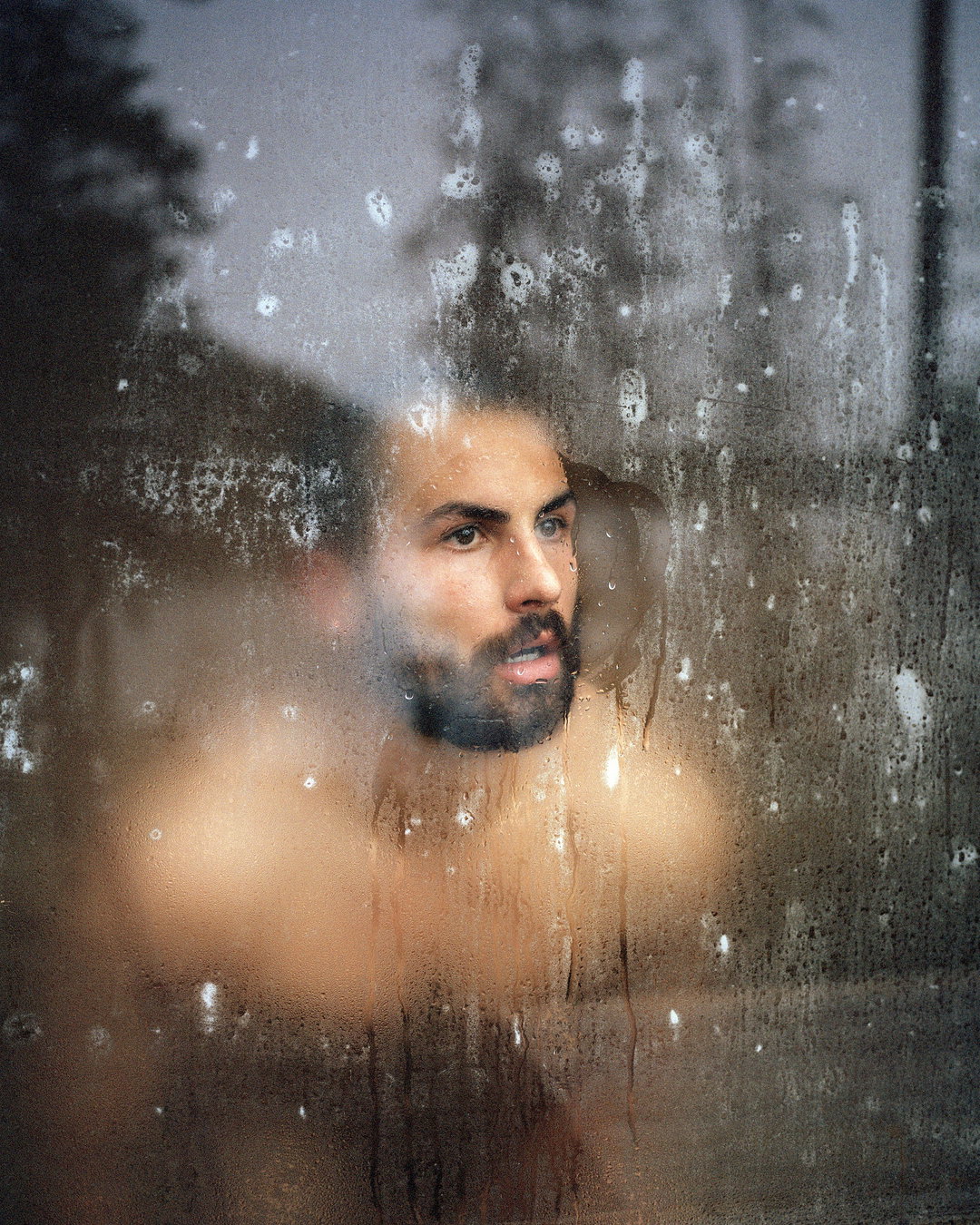
It’s remarkable how little reference to football there is in the series; if you entered the exhibition with no prior context, you’d likely have no clue it’s from the mind’s eye of a professional player. Alfie ignored suggestions to photograph his life as a footballer, the changing room and the regimented life it entails, because “it kind of defeats the purpose of a personal project, that would have been for the audience,” he says. Portraits instead show Alfie between a sparse living space, woodlands and the aforementioned jetty, unclothed and in various states of vulnerability, with scenes often veering into surreal and uncanny realms. In one shot, half of his body protrudes from an industrial washing machine – sucked in by an unknown force? Or desperately escaping reality through any means possible?
Alfie Whiteman: A Loan (Copyright © Alfie Whiteman, 2026)
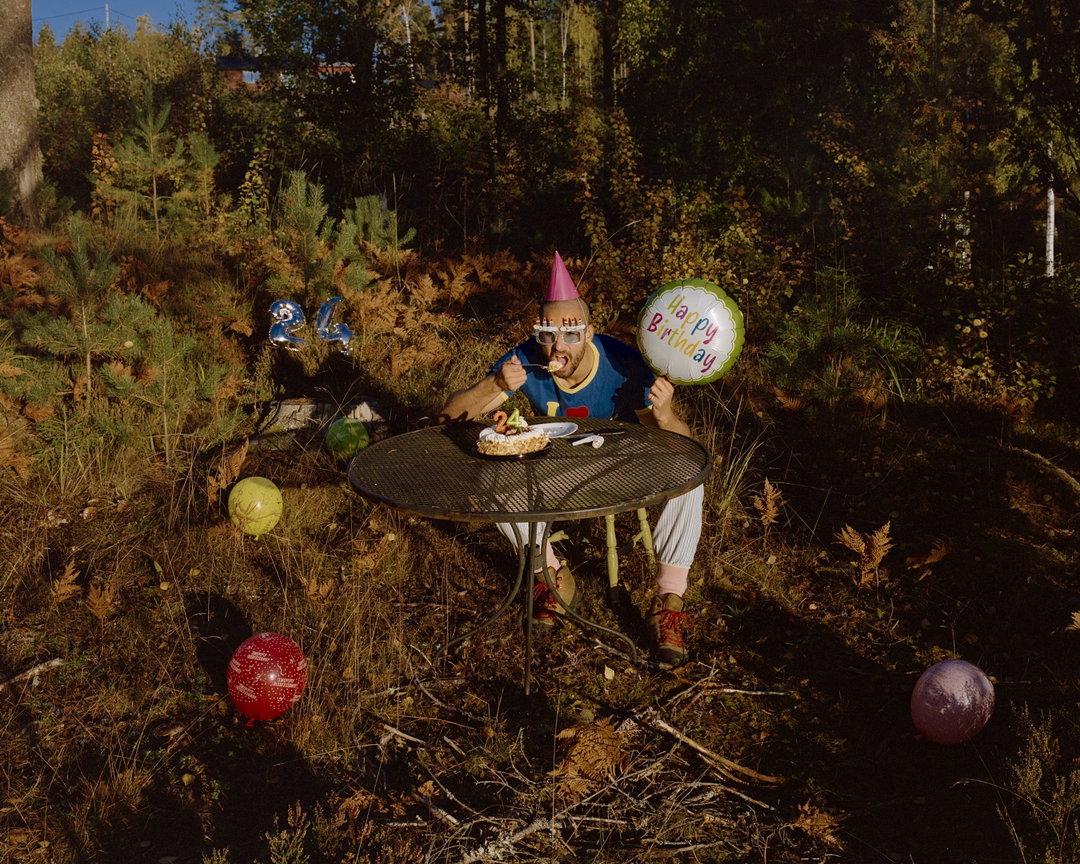
Alfie lists the image-makers Jeff Wall, Alex Prager, Gregory Crewdson and Nadia Lee Cohen as key influences, inclined toward their ‘set-up’ shots and how they “construct new worlds” in a single frame. This sense of artifice emerges in Alfie’s rendition of a birthday scene: sat in a wooded area, donning a pink party hat and sunglasses, he eats a mouthful of cake surrounded by a smattering of balloons – completely alone. While it’s hard not to look at the image and be hit with the deeply entrenched childhood fear of no one turning up to your birthday party, it does have humour about it, a sense of trying to see the lightness, the comedy, in a moment that feels like the sheer opposite. “I wanted to have a laugh, have a bit of balance – there’s no loneliness or sadness without the opposite,” says Alfie. “Although that birthday picture is quite fucking sad and lonely!”
The footballing world isn’t one well known for being emotionally in touch, open to having discussions about loneliness or self doubt; “Footballers are seen as very strong minded, which I like to think I am, but this work was me just being okay with being vulnerable and honest with myself,” says Alfie. It’s likely a good mix of these qualities that allowed Alfie to take the plunge and leave football for good, a decision one coach told him was “mad” to make – he was, of course, living the ‘boyhood dream’.
Luckily, it all paid off. He’s been signed to Somesuch as a photographer and director, worked with Oscar-nominated filmmakers, traveled to Ukraine to work on a documentary with a close friend, and had the chance to present a solo exhibition with a photobook companion. “I’ve honestly had the best time of my life in the last eight months,” Alfie ends our chat, “the people I’ve met, the experiences I’ve been having, it’s outrageous.” In having the bravery to embrace the unknown it seems Alfie has fallen through the drum of the washing machine into a whole new reality, one where he’s happy picking up a camera instead of lacing up his boots.
A Loan is now showing at Oof Gallery in Tottenham, London, until 27 September.
GalleryAlfie Whiteman: A Loan (Copyright © Alfie Whiteman, 2026)
Hero Header
Alfie Whiteman: A Loan (Copyright © Alfie Whiteman, 2026)
Share Article
Further Info
About the Author
—
Olivia (she/her) is associate editor of the website, overseeing the day-to-day editorial projects as well as Nicer Tuesdays events. She joined the It’s Nice That team in 2021. ofh@itsnicethat.com
To submit your work to be featured on the site, see our Submissions Guide.