


“Friction keeps you awake and alert”: Karlssonwilker on harnessing the art of the unexpected
Unprecious but professional, Hjalti Karlsson and Jan Wilker embrace controlled chaos in their work, but all in service of delivering emotionally intelligent and pleasing designs for large clients.
Karlssonwilker has always been a small studio, but it’s interested in big swings. Across 25 years, the largest the studio ever got was nine people, staying tight knit in order to keep the signal between creatives strong. The studio’s founders, Hjalti Karlsson and Jan Wilker, don’t create a hierarchy or system, they’re just “two guys who care and listen” and want to make strong design, which the New York-based studio has exercised across an array of clients who approach the duo for their knack for pushing the envelope.
When the studio was asked to overhaul the identity for the Charles & Ray Eames Foundation, it was “as daunting as it was exhilarating”. The first question was: “how can we do them justice?”. The studio broke the identity down to distinct sections – turning Charles, & Ray, Eames and Foundation into their own entities and personalities. Using tiny pictograms as footnotes, Karlssonwilker dug into the endless library of Eames’ visual catalog for the small asterisks, making the new visual identity reference its own legacy. “This semantic framework becomes the lens for storytelling, strategy, communication, decision-making and identity,” says Jan. “A living system, not a fixed style, giving structure, yet rewarding play, instituting Eames’ philosophy with every use.”
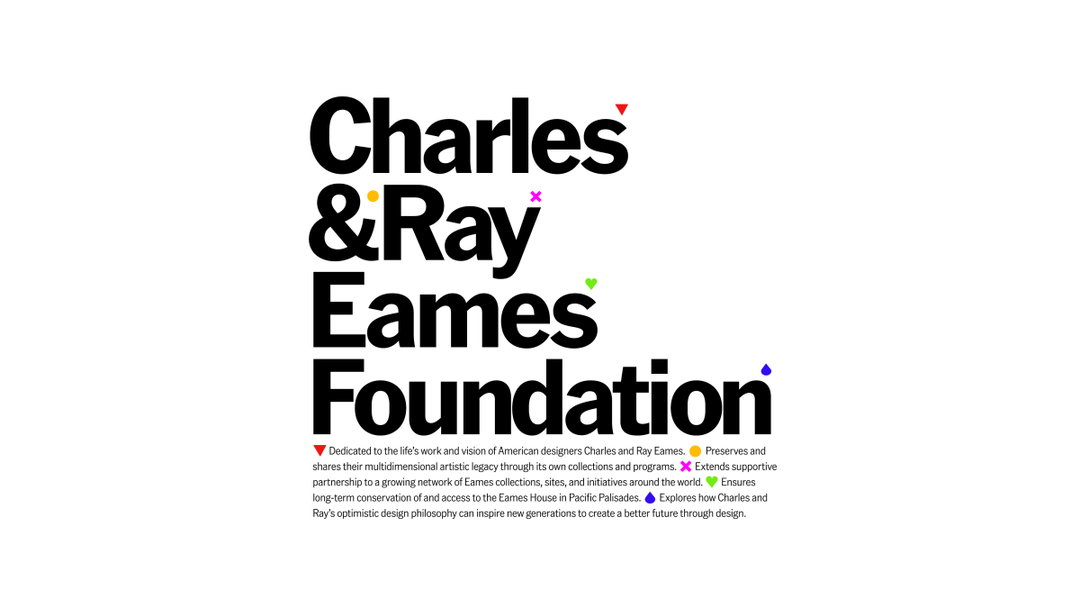
Karlssonwilker: Charles & Ray Eames Foundation (Copyright © Karlssonwilker, 2025)
Karlssonwilker tends to stay away from pastiche and mimicry, prioritising modular communication and original editorial mechanics in order to centre emotional intelligence and clarity. In the studio’s identity for Calder Gardens, a green space and art museum in Philadelphia, the team began with no plan whatsoever (and as well as that, it’s explicitly not a museum, it's "an oasis for personal introspection, quiet curiosity, and open-ended encounters with the work of Alexander Calder"). For projects for the broader public, Karlssonwilker tries to be “oblivious to tastes and possibilities”, because usually everything from physical constraints to board member opinions will cut down the studio’s initial ideas. Working closely with Alexander S. C. Rower, president of the Calder Foundation, who never let the studio “get away with shortcuts”, the identity’s logo is deceptively brilliant, utilising a slow fade that is as calm as nature itself, with adjacent lettering that – if you look long enough – appears more and more 3D, speaking to the spaciousness of Calder Gardens. In fact, so much went into this identity that there is a book dedicated the entire creative process behind it.
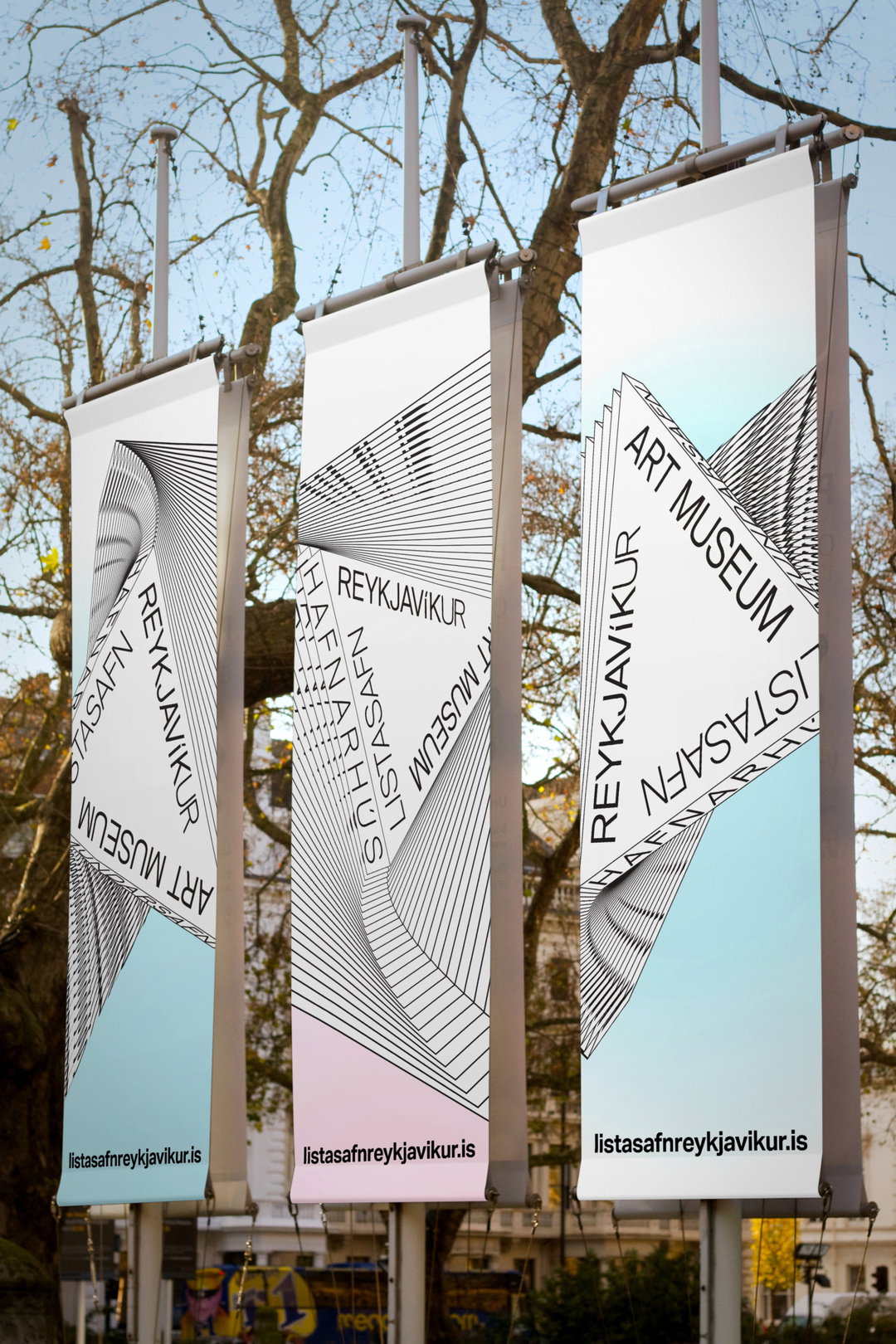
Jan is very honest about the behind-the-scenes of the studio’s processes. With the identity of the Reykjavik Art Museum in Iceland, the studio presented everything it had, but nothing stuck. Determined to crack the code, the studio kept going until it landed on a design featuring an extruded triangle, which explodes into trippy, fractal patterns and moves across the museum’s website with a glitchy trail.
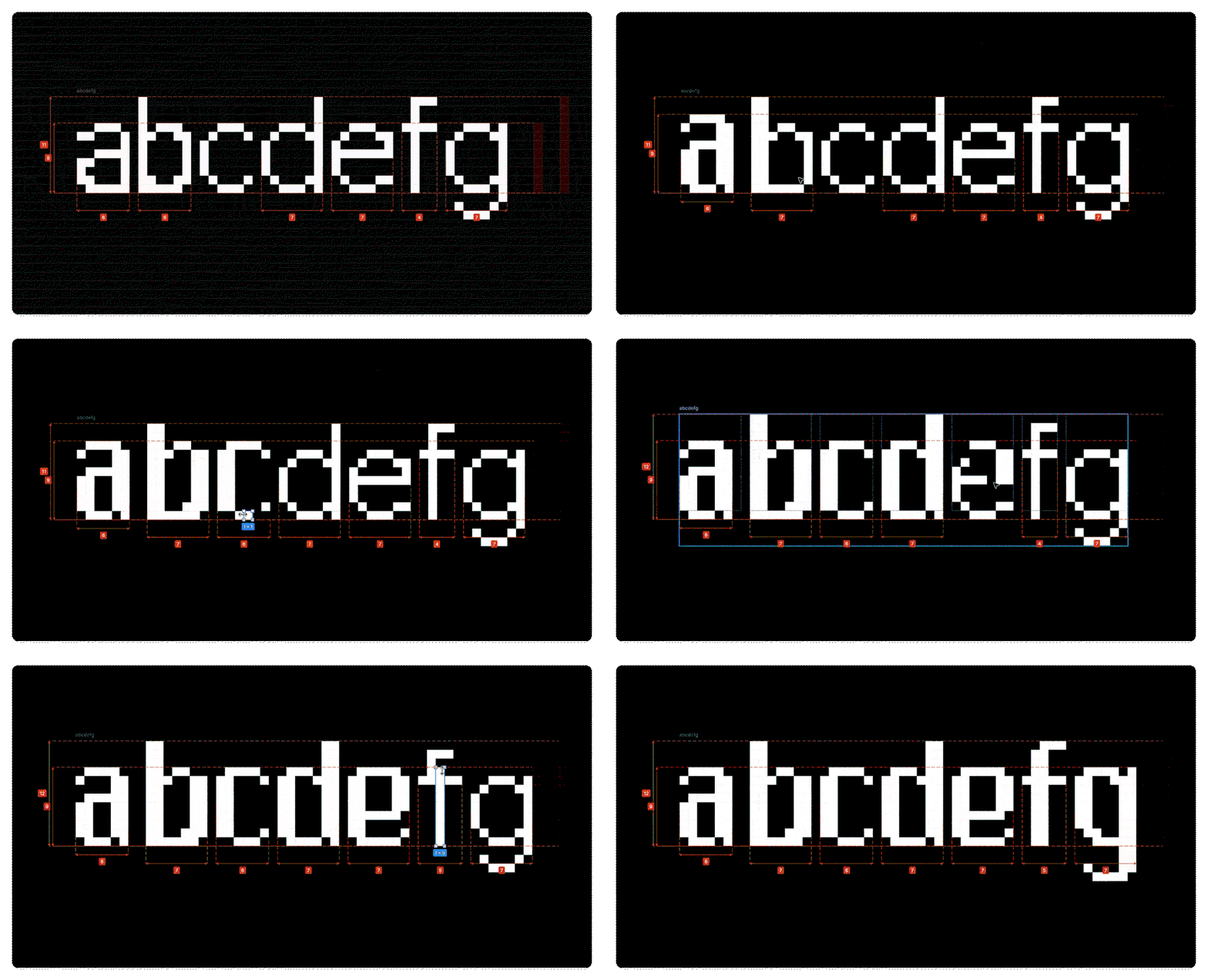
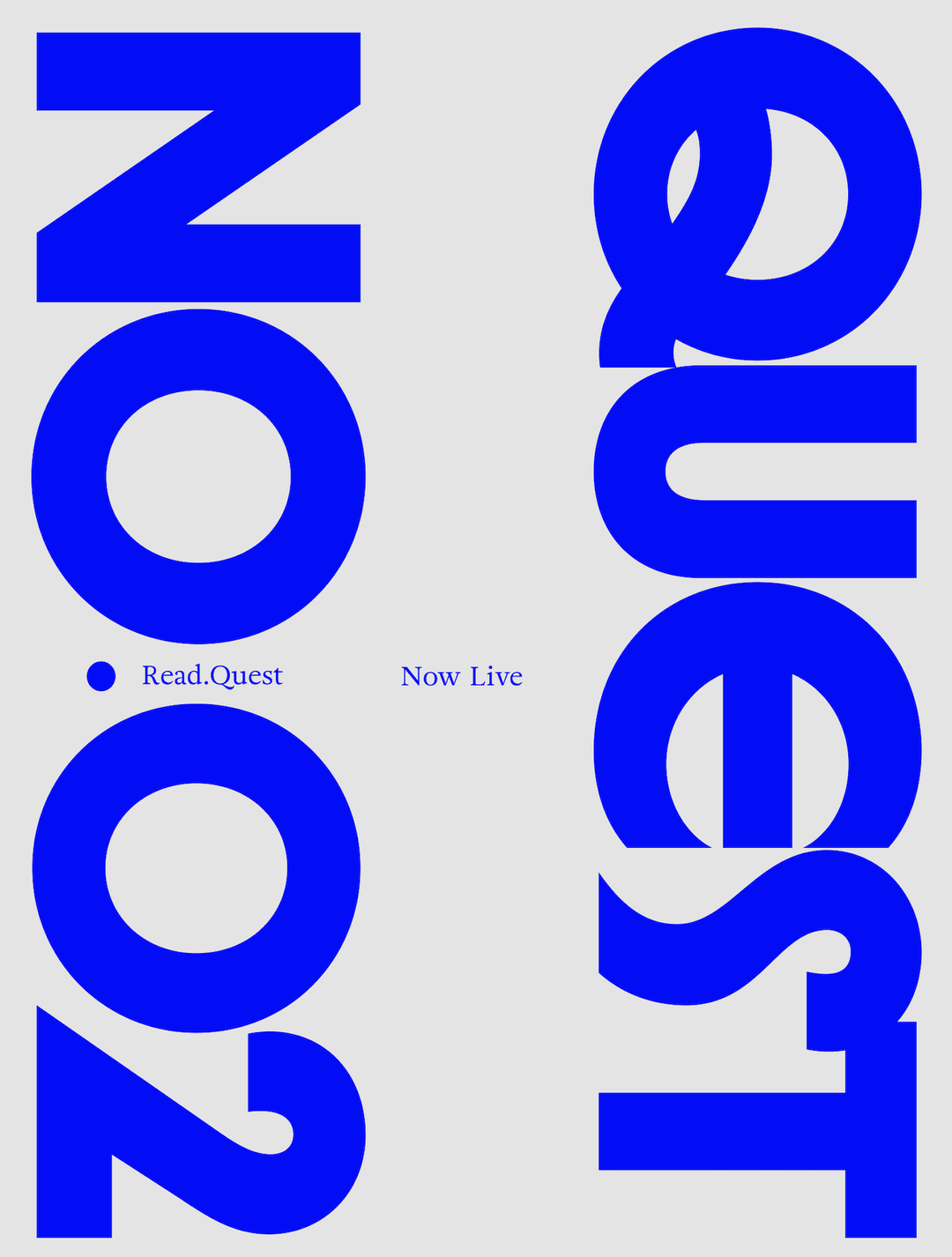
With the identity for Remai Art Museum in Canada, once again the duo could only shrug and laugh. Karlssonwilker had come up with a “strange, borderline idiotic” way of writing Remai Modern, featuring redundant lower-case letters in front of the words. “To this day, we are not sure what this is. What we do know is that it seems to work semantically, not semiotically, like most other logos, which makes it strange,” says Jan. “The client was as weirded out and unsure as we were, and that feeling seemed to embody this institution very well. Kudos to the museum’s director.”
Karlssonwilker are usually seen as the “non-corporate” option and thus, clients that value human connection flock to the studio’s unique, almost anarchistic approach. It’s hard to not love the way that the creative duo throw caution to the wind. Championing rawness and embracing clients with a penchant of risk taking, Jan doesn’t see this as heedless, but more so a practice of controlled chaos. “Friction keeps you awake and alert, and surprised and present, it rattles you or amuses you, it does something, however small. We get very quickly bored with things we have experienced before,” says Jan. “For us, not knowing where we are going, is not recklessness, we see it as a craft we acquired over the last two decades.”
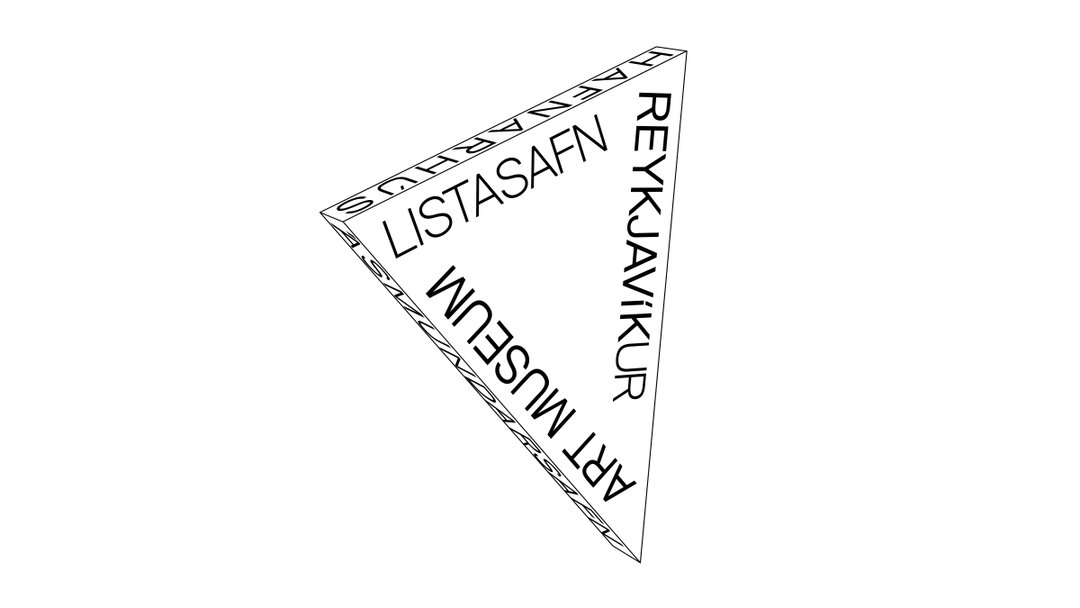
Karlssonwilker: Reykjavik Art Museum (Copyright © Karlssonwilker, 2025)
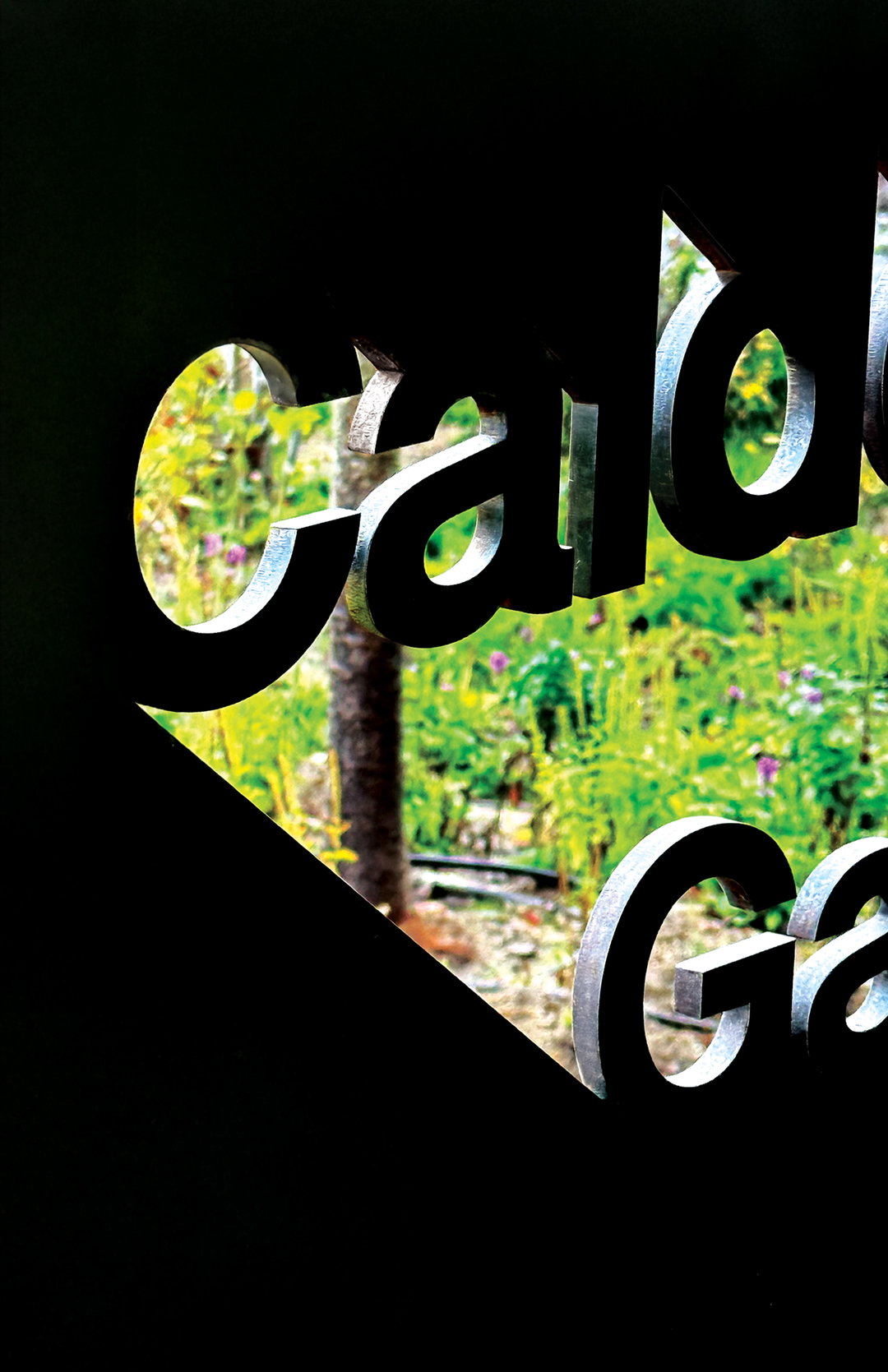
Karlssonwilker: Calder Gardens (Copyright © Calder Foundation, NY, 2025)
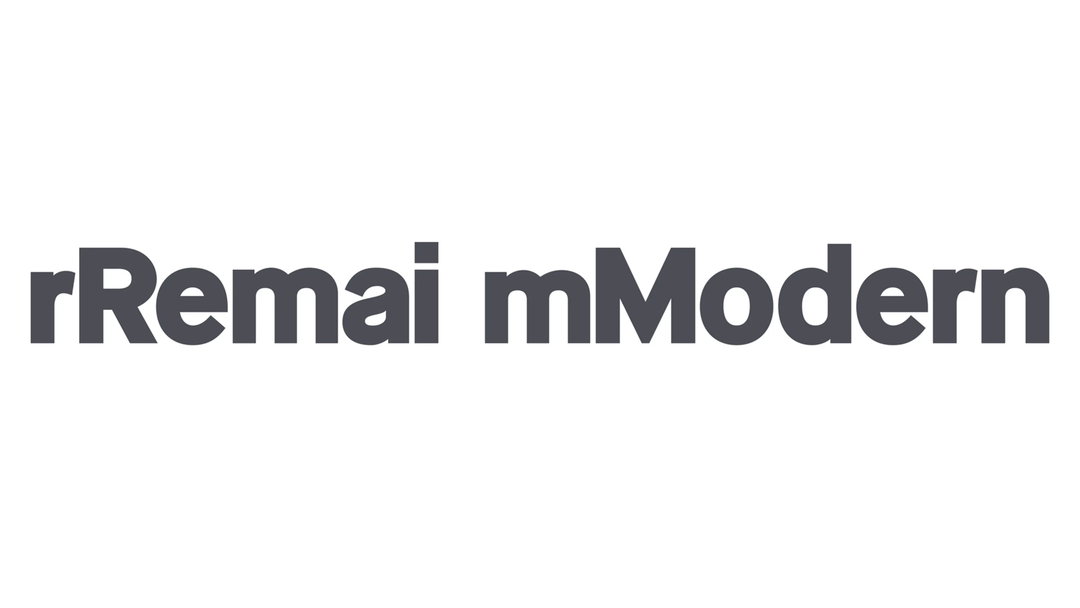
Karlssonwilker: Remai Modern (Copyright © Karlssonwilker, 2025)
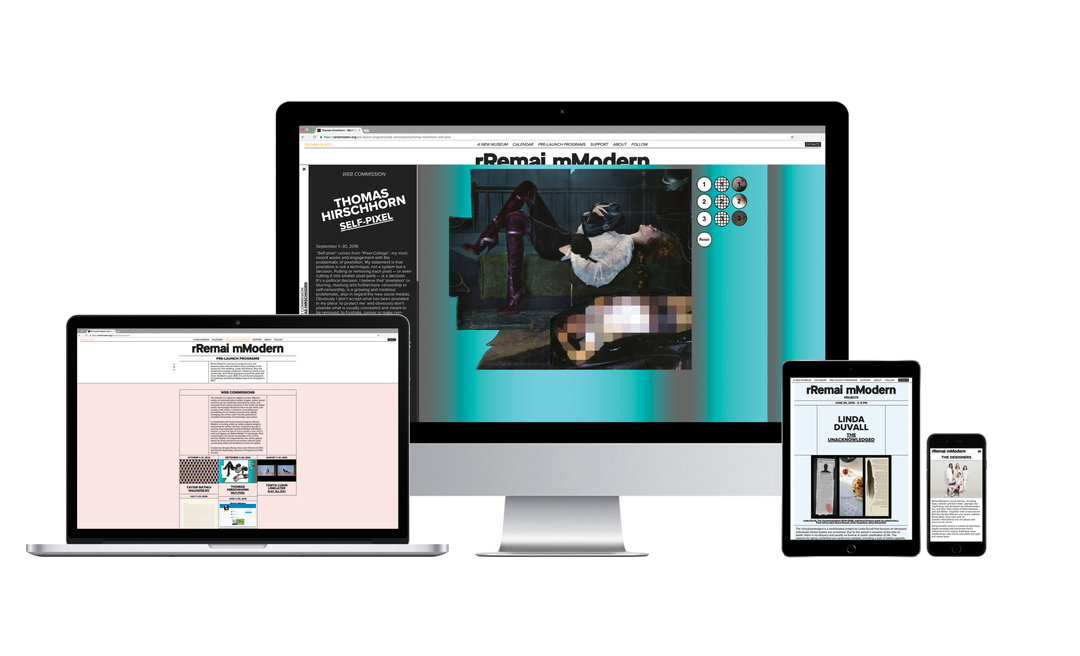
Karlssonwilker: Remai Modern (Copyright © Karlssonwilker, 2025)
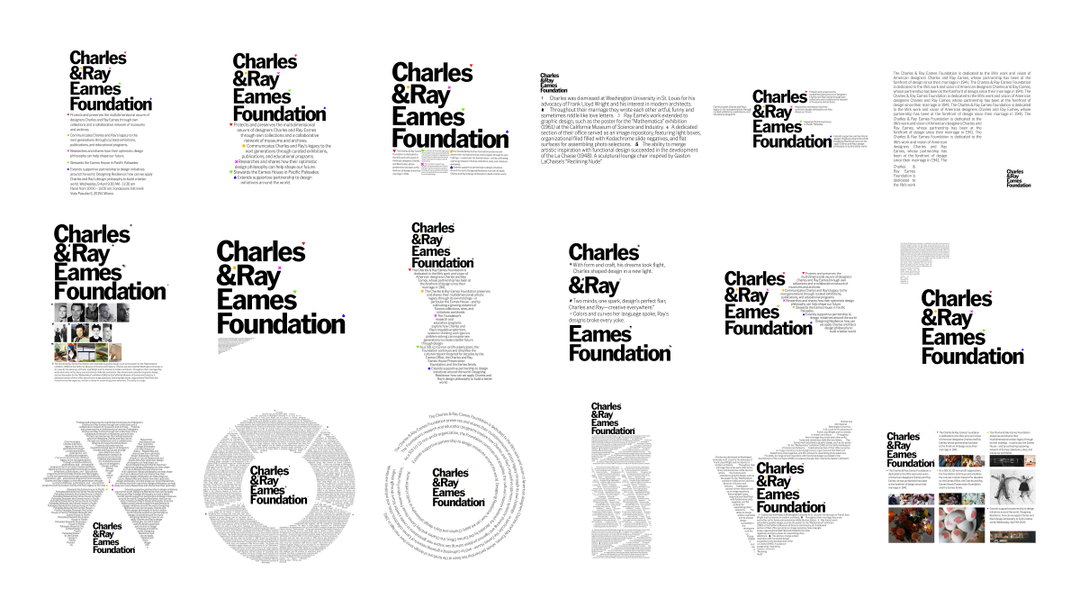
Karlssonwilker: Charles & Ray Eames Foundation (Copyright © Karlssonwilker, 2025)
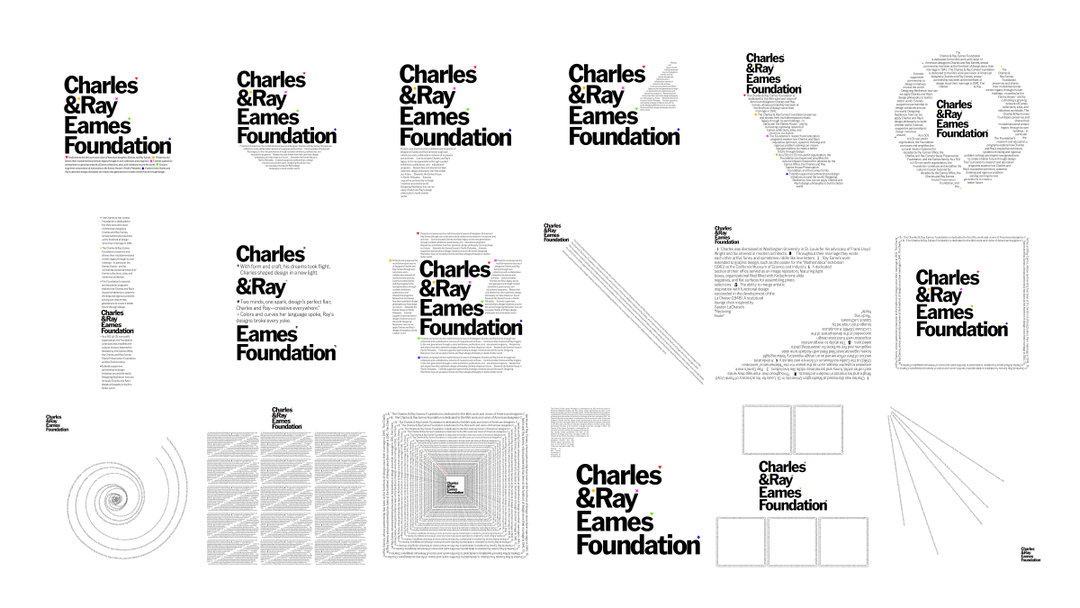
Karlssonwilker: Charles & Ray Eames Foundation (Copyright © Karlssonwilker, 2025)
Hero Header
Karlssonwilker: Reykjavik Art Museum (Copyright © Karlssonwilker, 2025)
Share Article
Further Info
About the Author
—
Paul M (He/Him) is a Junior Writer at It’s Nice That since May 2025. He has a strong interest in graphic design, digital kitsch, multimedia painting, collage, nostalgia, analogue technology and all matters of strange stuff. pcm@itsnicethat.com
To submit your work to be featured on the site, see our Submissions Guide.