


- Words
- Olivia Hingley
- —
- Date
- 5 March 2026
- Tags
Heated Rivalry’s cinematographer shares the visual secrets behind the hit series
It’s the series that’s had everyone in a chokehold, but it’s far from a flashy production. We chat with Jackson Parrell about how this fairly shoestring show went stratospheric, and his creative tricks for crafting beautiful TV on a budget.
Share
Share
When my flatmate and I first sat down to watch Heated Rivalry, it was the depths of winter and we’d been struck down by an evil case of the flu. Mainly in thanks to the handful of Instagram reels we’d been served, we had a vague understanding that it was a series about two hockey rivals who strike up a steamy off-ice relationship. And, to put it plainly, we were actively seeking a little romantic, indulgent (and maybe slightly mindless) TV. What we were met with was not that. Chemistry from the get-go, a gripping, pacy storyline, an instant Shazam-and-add-to-playlist soundtrack, and captivating cinematography, at the close of episode one we locked eyes and made that silent, understanding exchange: another episode, please. And another… and another.
Our experience is one that’s far from unique, and unless you’ve been living under a very large rock you’ve probably at the very least heard about the hit TV show. Over the past few months it’s garnered unprecedented attention – from superfans TikTok-editing the hell out of it, ex-hockey professionals dissecting each episode in real-time, and even The New Yorker critics at large fawning over it. It seems no one is immune to this hot-blooded show’s magnetic pull, and it’s become – in no uncertain terms – a cultural phenomenon. But this now three-season signed off, IMdB top rated series started life as a small Canadian home production, created on an incredibly short timeline and an even more compact budget.
One of the people to thank for Heated Rivalry’s beauty and jaw-dropping shots is Jackson Parrell, its cinematographer. Recently, Jackson sat down with It’s Nice That to speak about how its crew created the series’ striking visual world with a process of adaptation, trust and creativity. It involved wringing every ounce of beauty possible from each of their limited locations, having the confidence to change scripts on the day, and using moody, cinematic lighting that any of the big networks would likely have vetoed. In some ways, it feels as though the small budget may have been one of the best things to happen to this show. Read on to find out why.
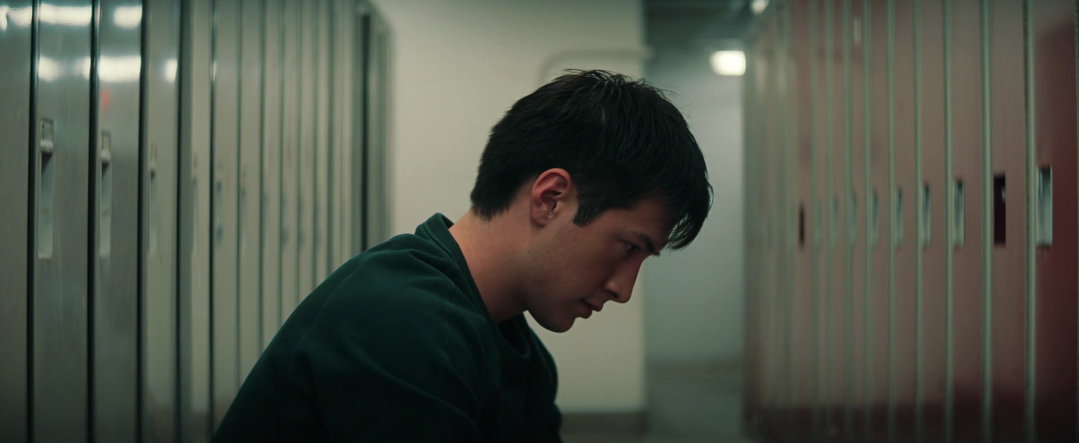
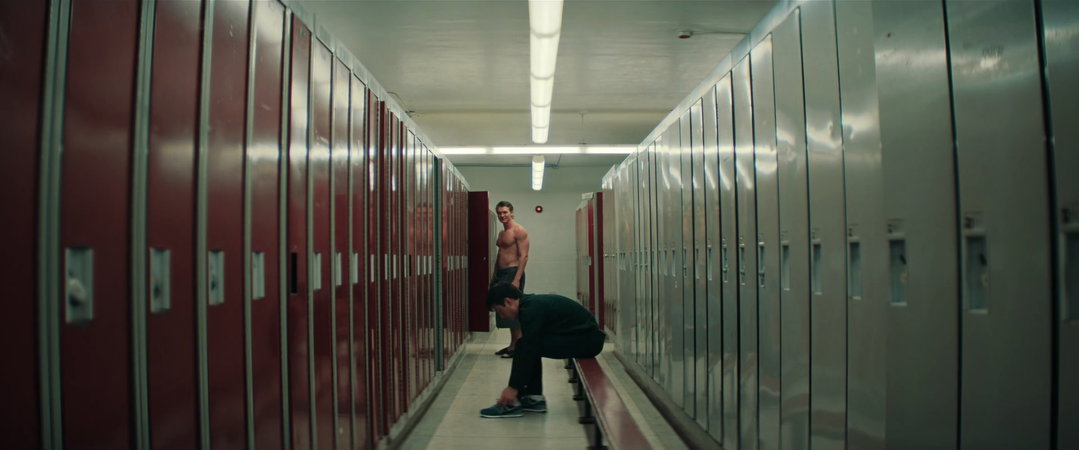
Heated Rivalry, images courtesy of Jackson Parrell
“There’s only really one way you can approach a low-budget project, which is to just play to your strengths.”
Jackson Parrell
It’s Nice That (INT):
How did you first hear about the Heated Rivalry gig, and why was it one you personally wanted to work on?
Jackson Parrell (JP):
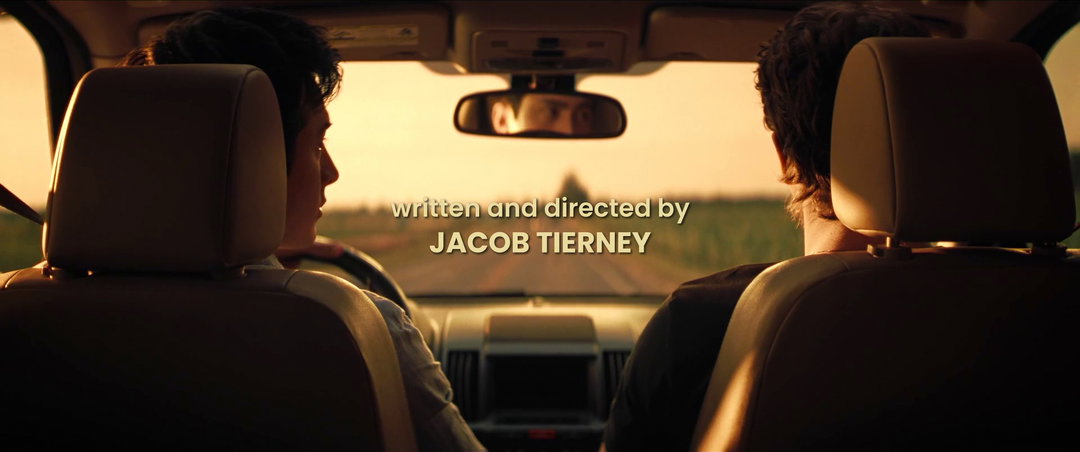
I first heard about it from Jacob. We’re both Canadian, and it’s a small-ish scene. I didn’t know the name at that point, he just said it was based on a series of smutty books about hockey that he loved and was interested in adapting.
A few weeks or months later I got a call from my agent saying Heated Rivalry, and that’s when I first got the scripts, and I was so hooked. Everyone had been telling me Jacob is like a really good writer, but to actually read them, I knew it was going to be special. I went into that interview ready as hell and excited as I could be, with a massive visuals pitch deck.
INT:
So many people say how expensive Heated Rivalry looks, but it’s quite literally the opposite, being made on a relatively small budget. So how did you achieve its really beautiful, striking look? What tools, vision and planning was involved?
JP:
It’s definitely one of the lowest-budget projects, if not the lowest-budget episodic project I’ve ever shot. Even by Canadian standards it’s shockingly low! There’s only really one way you can approach a low-budget project, which is to just play to your strengths. If you get mired in trying to use a resource that you can’t afford or a location that you can’t get, and then you try to shoehorn that into a lower-budget world, it inevitably ends up looking cheap, and then you’ve lost it.
There’s scenes where one of the boys would pull up in a Maserati, and that would have to go – we couldn’t afford to rent a Maserati for a day. We had to think – what is the core of that beat? – and if the core of the beat is showing affluence, we just had to do it another way.
INT:
So it rides on being open to adaptation?
JP:
Yeah, and always wanting to find that thread of beauty, trying to find that little element of ‘greatness’. The tunnel scene is a perfect example of that. We found that tunnel and just made it everything – there was nothing left for that tunnel to give, we took everything it had!
INT:
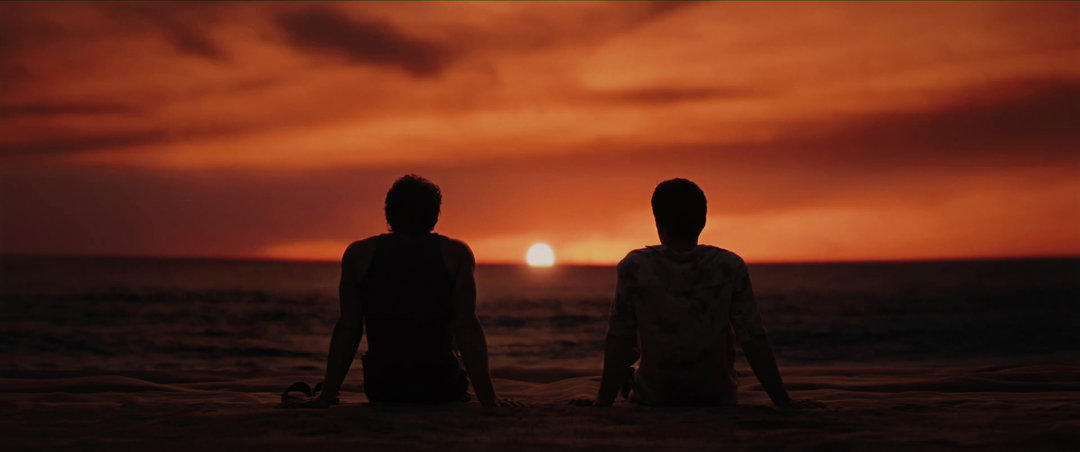
Literally, a tunnel has never looked so stunning. I also read that you’d already shot the sunset scene in the final episode, but then there was a better sunset, so you went back and did it again.
JP:
That scene is a really good example of playing to strengths – because it was so worth it redoing. It was so beautiful; to not have had that in the episode would have been heartbreaking to me.
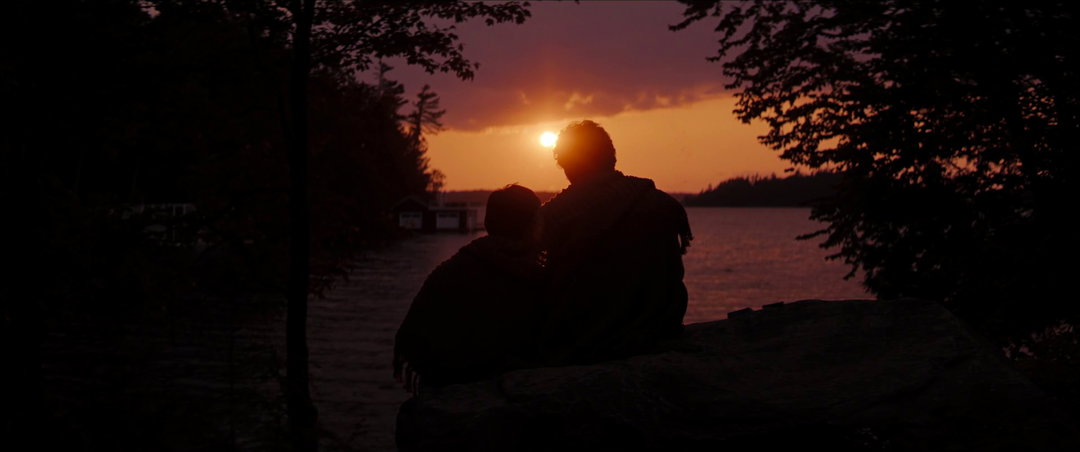
Heated Rivalry, images courtesy of Jackson Parrell
1 of 2
Heated Rivalry, images courtesy of Jackson Parrell
1 of 2
Heated Rivalry, images courtesy of Jackson Parrell
INT:
The shoot’s timeline – just over the month – is the shortest you’ve worked on. Did the time frame make you work differently, and how did you adapt?
JP:
The scheduling is an incredible task done by the assistant director, and a few other things made it work too, like block shooting. We were also incredibly efficient with locations. The hotel gym in episode one where Shane and Ilya ride on the bikes, that’s the gym inside the location we used as Ilya’s house in episode four – it’s actually on the other side of the wall of the TV where they watch the hockey game. We had to make it look like a hotel gym, even though it’s clearly the same building as Ilya’s house – we stayed away from the windows.
It’s also the way we structure scenes. There’s two ways you can approach television, in my opinion, in terms of blocking and coverage. There’s the more cinematic version – more wide shots, more two-shots, less singles, less cutting – which is a little bit risky and a little bit less popular in television because you can’t rebuild a scene in the edit. It puts a lot of pressure on the actors and the director to actually craft a proper scene on the day, in the moment. But the advantage is if you’re confident in your actors and your performances, you don’t necessarily need to do a lot of takes. We would do these scenes in a lot less time than we might do on a standard television show, in my opinion, that’s what made it much more cinematic and elegant. While another shoot of the same one-page scene might take four or five hours, we’d let entire scenes play out in two-shots, maybe just doing two takes of them in around 45 minutes.
INT:
So the restriction actually ended up becoming something that benefited you creatively, in a way?
JP:
It did. A lot of times it can be a curse, but in this case I would truly say a lot of it came from everyone giving it their all.
Heated Rivalry, images courtesy of Jackson Parrell
1 of 2
Heated Rivalry, images courtesy of Jackson Parrell
1 of 2
Heated Rivalry, images courtesy of Jackson Parrell
“I didn’t want the hockey to be larger than the frame of the actual show – it had to exist in service of the greater narrative.”
Jackson Parrell
INT:
On the skating scenes, when I found out that Hudson and Connor couldn’t really skate before shooting, I was so shocked. You had us convinced! How did you make them look so good on the ice?
JP:
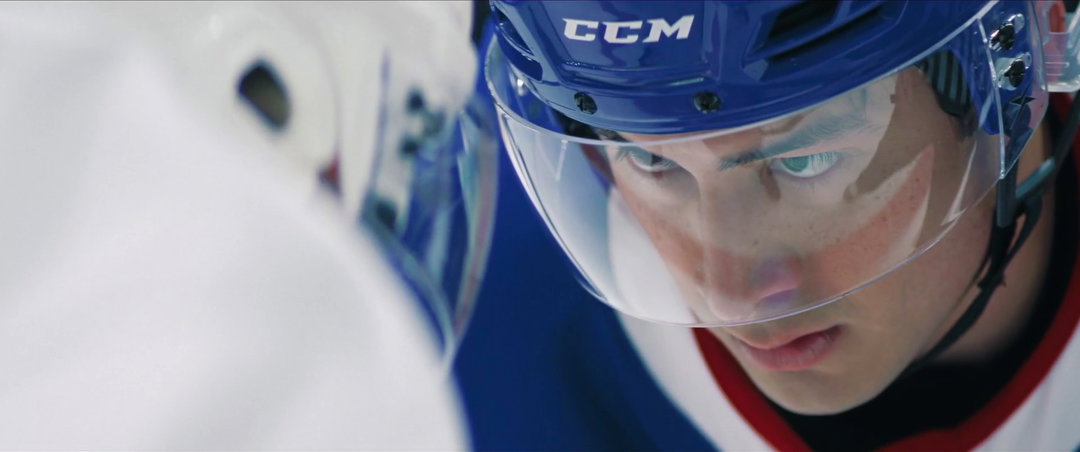
The trick there is they’re good enough actors to look confident on ice even though they aren’t – they sold it through their reactions. There’s a bit of the classic stunt double too. It’s easy to stunt double people in hockey because they’re wearing so much shit, and the shape of their bodies is much more defined by the pads, jersey and helmet. So it was about trying to structure scenes to work between the two of them; you might see a shot of the back of someone scoring (the stunt double) but then when we cut to the reaction shot it’s Hudson.
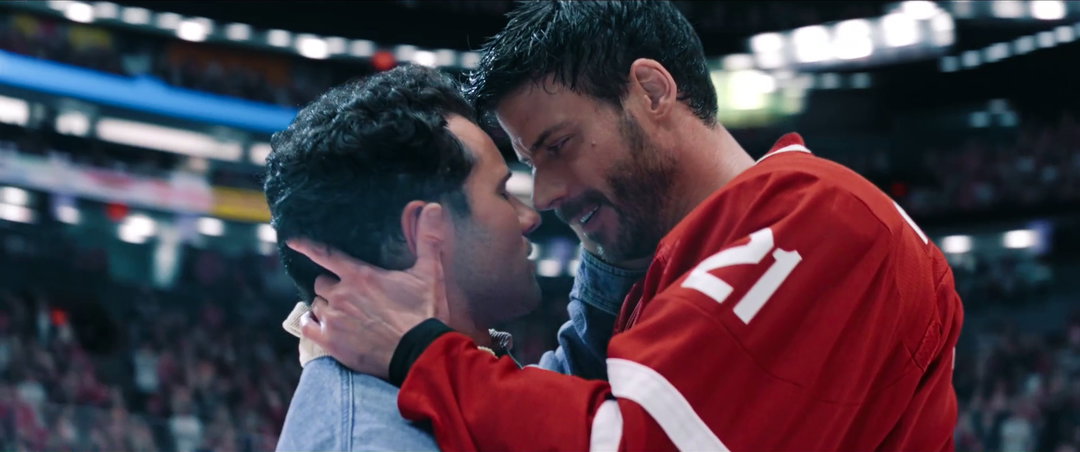
It was also the way we covered it. From early on – this was a budget thing as well – we were excited to lean into TSN [The Sports Network, Canada’s leading sports channel] style coverage and angles. High-up angles looking down, which are exactly the way hockey is broadcast. This gave us a few advantages: it was an honest way to cover the hockey and far enough away that it was easy to use stunt doubles. It also allowed us to not shoot that much of the audience in the background. All of those shots were so expensive to do, and to fill the stadium with background extras would have been astronomically expensive. We had to be really tactical with our use of those shots, and it got us the best of both worlds.
INT:
Those shots, like you’re almost watching on TV, are so good. I love all the high energy cutaways of statistical graphics and portraits of each player coming in as well – it all feels so real.
JP:
I was so excited for them. Early on, Jacob was also committed to shooting anamorphic, a much wider aspect ratio, and I really wanted to make sure that our hockey was inside of that frame, so it was like a frame within a frame. I didn’t want the hockey to be larger than the frame of the actual show – it had to exist in service of the greater narrative. I didn’t want to cut to a full-frame hockey match and then go to an anamorphic, letterboxed narrative frame after that. It had to exist within it, so all of that felt a little bit more meta, a screen within the screen, like you’re actually watching sports.
Heated Rivalry, images courtesy of Jackson Parrell
INT:
Some of my favourite scenes in the whole thing are the opening montages, especially episode four’s. In them there’s so much mirroring going on between Shane and Ilya, but how did you create this sense of being in their separate worlds in such short bursts, making it distinct to Montreal and Moscow, when you couldn't go there?
JP:
A lot of that came from colour. I used similar camera styles for both – they’re all handheld. But funnily enough a lot of them were the same locations: like the gym that Ilya and Shane both are working out in in the episode four montage, we walked in there and knew we had one day to shoot all the gym montage beats.
It was a massive gym. The lower floor is all windows, then the second floor is all these like alternating fluorescent light bands along the ceiling. So we differentiated these two spaces, we only shot Ilya up around these lights, and then down below we leant more into the window lighting, letting the blues define the Montreal gym.
INT:
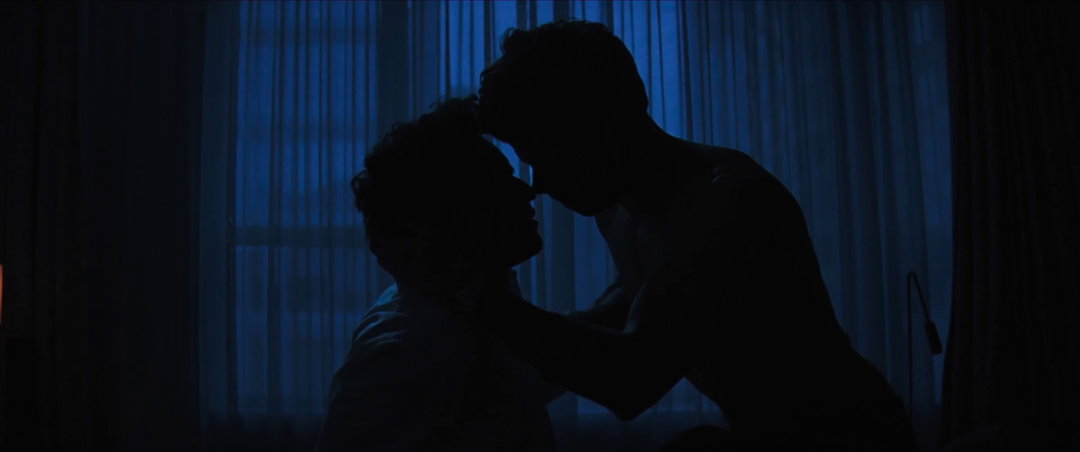
I had noticed that Shane’s shot has this blue tint and Ilya’s has a warmer, redder tint. Was lighting really key?
JP:
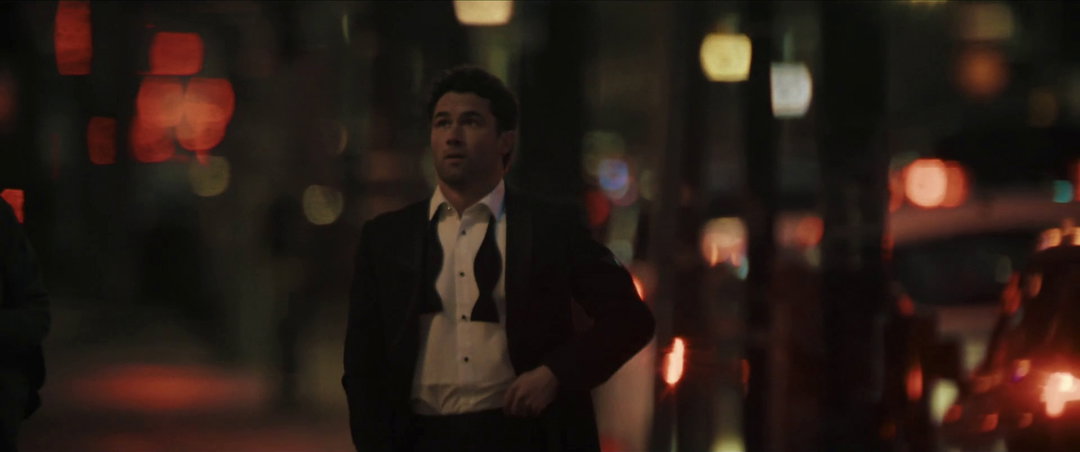
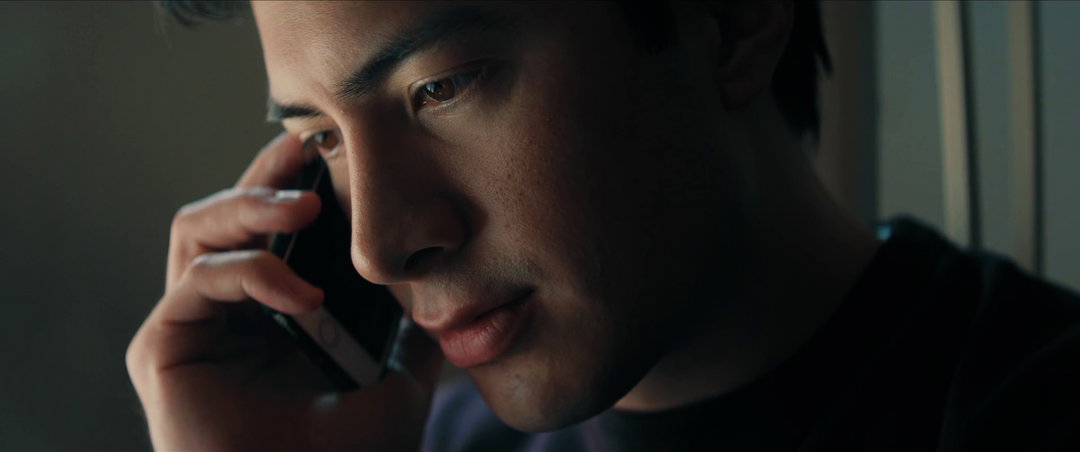
A lot is lighting, a lot is picking the right locations. We did try to make things as visually ‘Moscow’ as we could. A lot of times that would be trying to find a slightly gaudy building, which we don’t have a lot of in Canada – there’s not a lot of older buildings! We found a graveyard with an odd building that we did all of his jogging around, Shane is actually jogging around the same area, we just denied that building from the shot.
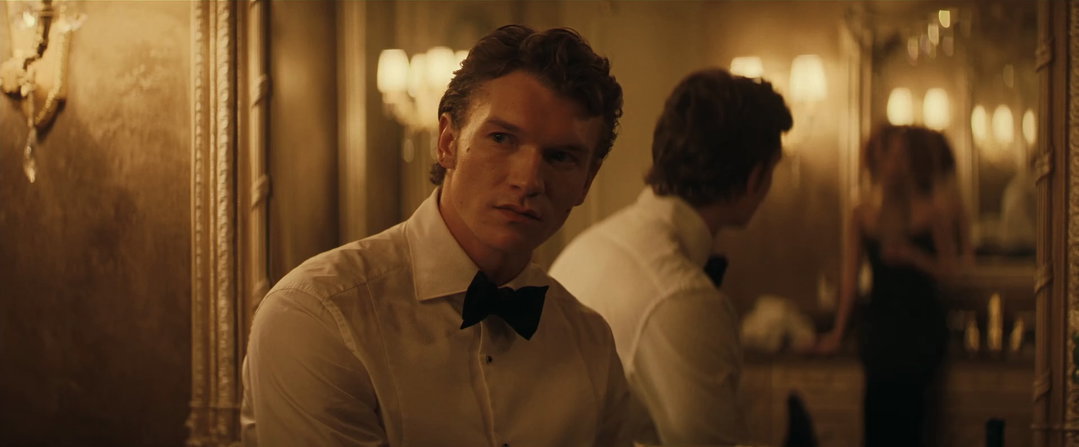
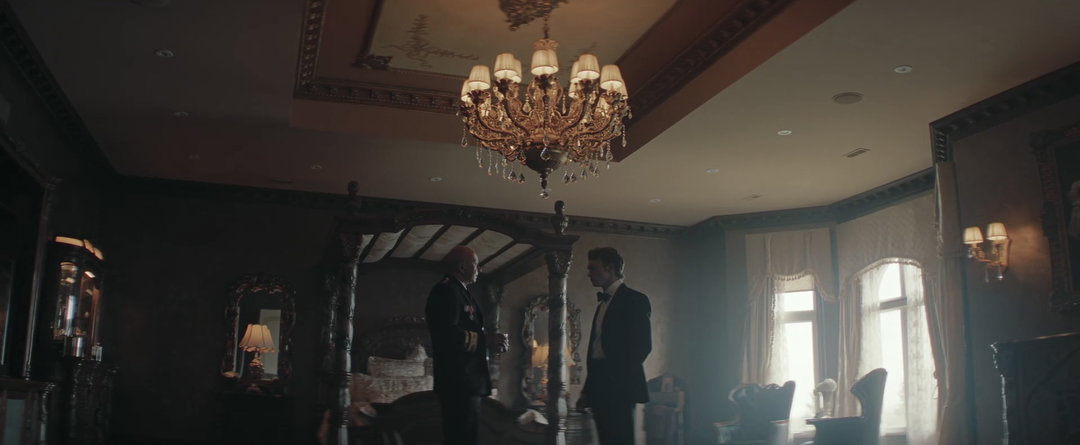
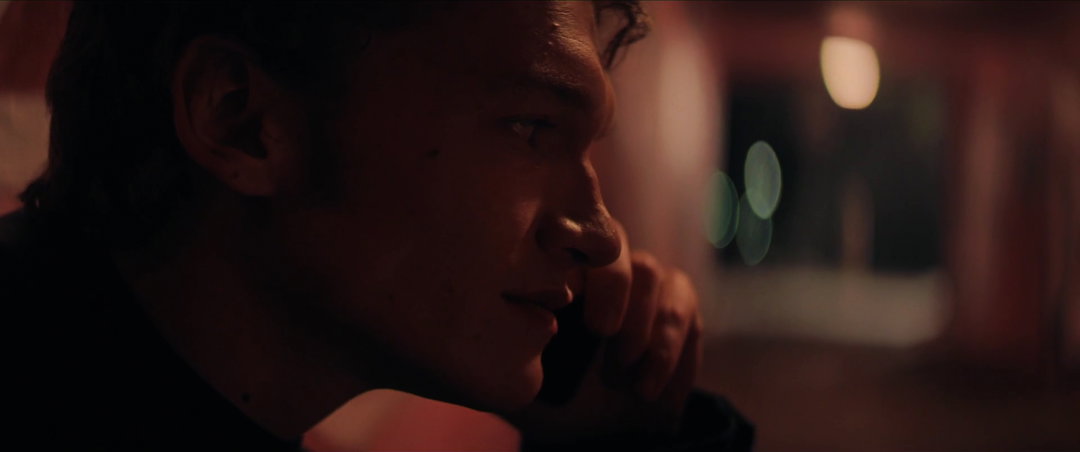
All of the mansion shots, the big party scene and the hotel room where Ilya has a conversation with his dad, are all in the same super-gaudy mansion in Toronto. Lighting has always been my cheat sheet for trying to make a place feel different. It also helps that at any given time I knew they’d be in different time zones, so I was always trying to play to that. When Ilya’s in the tunnel, we knew it had to be night. We kind of did a rough calculation that it would be morning in Montreal, when Shane is having his side of the phone call. We tried to just play those differences to build authenticity.
“Lighting has always been my cheat sheet for trying to make a place feel different.”
Jackson Parrell
Heated Rivalry, images courtesy of Jackson Parrell
1 of 2
Heated Rivalry, images courtesy of Jackson Parrell
1 of 2
Heated Rivalry, images courtesy of Jackson Parrell
INT:
Such attention to detail! It must be hard for actors to get into the mood for intimate scenes or club scenes, when it’s cold, there’s no music, and loads of crew are watching. But I imagine it also must be pretty tricky for you to really try and envisage this scene in front of you as an actual club scene. Do you have any tricks or techniques for getting into that mindset, to make it as authentic as possible?
JP:
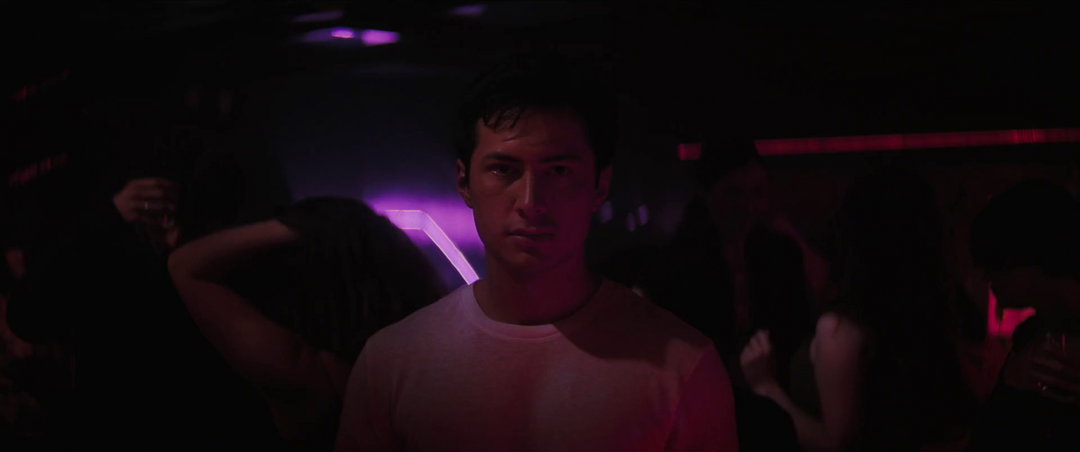
A lot of the time we did play the music! Jacob had a pretty good idea of what songs he wanted to licence – I’m 99 per cent sure we were playing t.A.T.u in the club. So we were playing the music and we had the lighting running almost all the time (I wouldn’t run the strobe effects because it would just drive everyone insane). We were trying to build up a feeling, because you need to build up that authenticity for all the background – you’ve got all these people who’ve never been on a film set in their entire life who are needing to add to that realism. Seeing one person not dancing or just absently staring at the outer wall… it just takes you so out of it.
By this point the actors knew what they were doing, we’d been working for a bit – they really understood the moment we were creating between the two of them. I was really excited about that scene, but then what I was really excited about was the intercutting towards the end of the episode between their faces – trying to get those to line up the best I could. I spent so much time in the color correction grade, really dialing the tones and those angles so that it really felt like they’re present in each other’s coverage, looking at one another.
Heated Rivalry, images courtesy of Jackson Parrell
“An unapologetic needle drop is just so much fun. It made me question why we aren’t doing more of it?”
Jackson Parrell
INT:
That final cut scene created such a big debate in my flat. Half of us thought it was actually both of them at the same time, and the other thought Shane was imagining Ilya so he could actually be intimate with Rose. These needle drop scenes are so important. What was that moment like when you saw it all come together in perfect timing, with Ilya’s head turning on the drop?
JP:
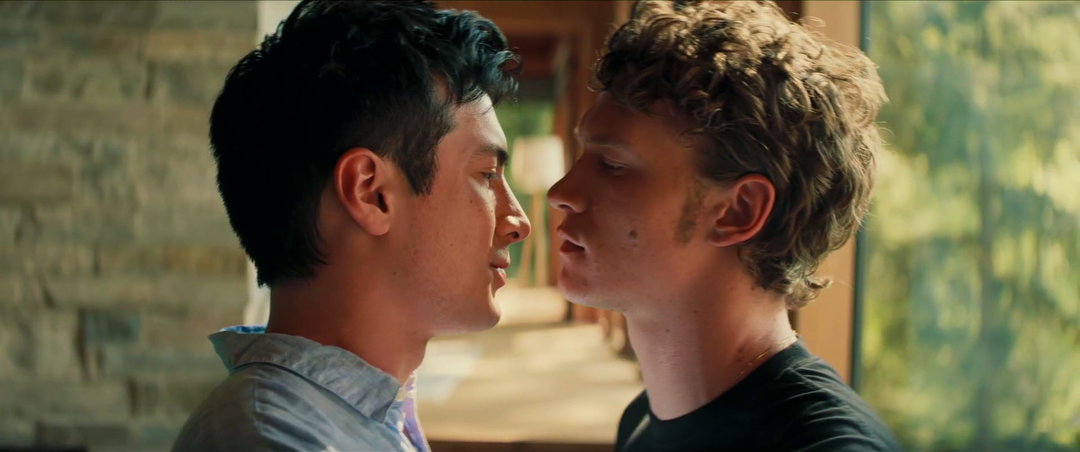
It’s the best feeling in the world. I knew the needle drop was going to be at the moment we slowed down. We shot the last bit circling the two of them – when they stopped and stood still staring at each other – all in slow motion. So the confidence was high that it would be the needle drop beat, but you shoot it and just have to hope for the best. When I finally started to watch the rough cut and saw how all that planning of different elements worked out exactly like we had planned. Not even just better – so much better. It honestly made me miss working on music videos, because that kind of integration of music and visuals isn’t something we do that much in narrative. It was just so much fun to kind of see it done in such a full-hearted way – an unapologetic needle drop is just so much fun. It made me question why we aren’t doing more of it?
INT:
I agree! I was so pumped after that episode. I put All The Things She Said on repeat and ran my fastest 5k time ever.
JP:
It’s been my gym song for like four months now.
INT:
I sang it at karaoke recently! It’s actually a really hard song to sing – takes a lot of breath.
JP:
I’m going to have to try it. I’m up in Nunavut, shooting a show in Iqaluit, which is like kind of like Canadian Arctic, it’s this very small town in the middle of the Arctic on an island with no roads and there’s one bar that does karaoke on a Saturday and I’m like 100 per cent going next week.
Heated Rivalry, images courtesy of Jackson Parrell
“I fully leaned into this idea of making the most over-the-top commercial from the early 2000s.”
Jackson Parrell
INT:
On the shoot that Shane and Ilya do together in the first episode and Shane’s various advertising bits, how do you go about the slightly meta process of creating this sense of artificiality of a set… while on a set?
JP:
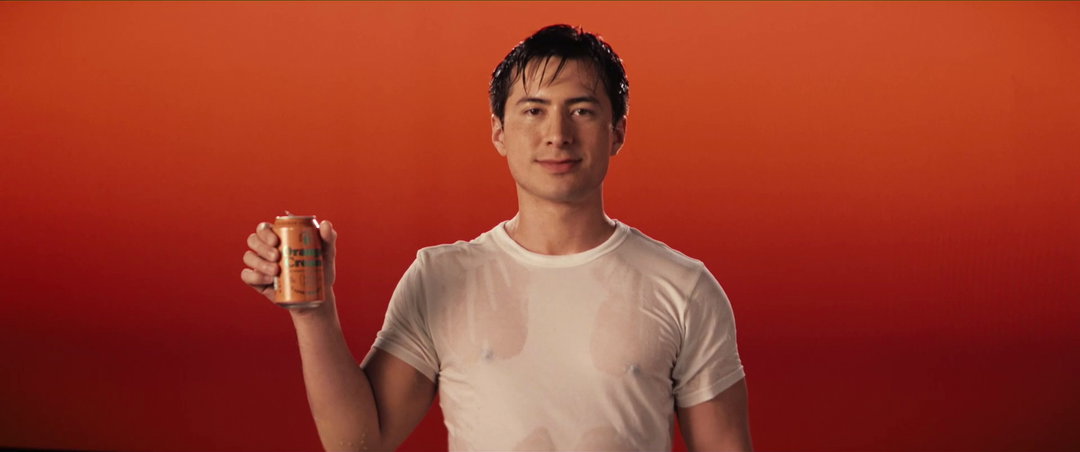
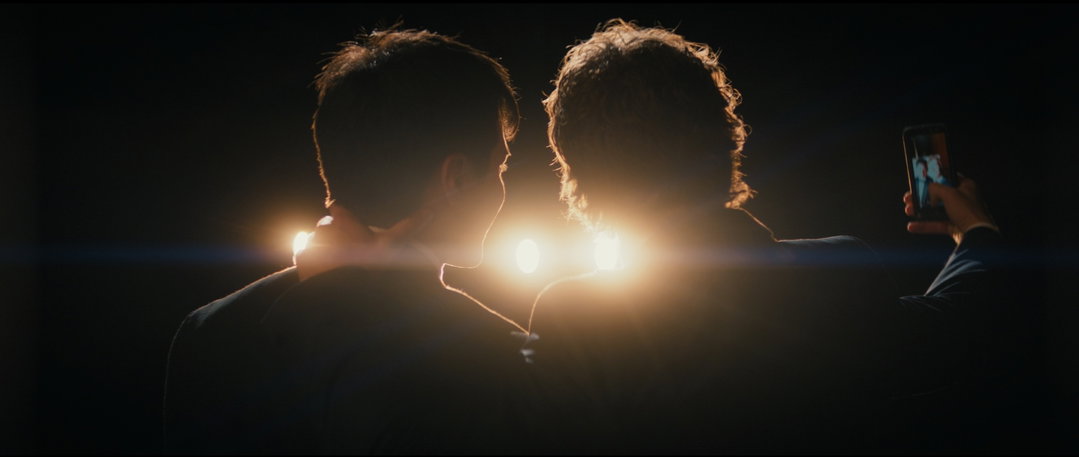
That was so much fun for me because when I’m not shooting TV series or narrative, I shoot a lot of commercials. But advertising is so dumb sometimes – it was fun to have a little bit of a tongue-in-cheek poke at it. I completely changed the lighting, I used massive backlights and all this stuff that I would never do narratively because it’s just so heavy-handed. I fully leaned into this idea of making the most over-the-top commercial from the early 2000s.
A bunch of the crew stood in; our producer and Jacob both played two different directors – they had a lot of fun ad-libbing those lines. Because of the budget we used a big LED virtual production wall for some scenes throughout the series, so we shot all of the advertising bits on it, but wide enough that you can see what it is. On picking the backgrounds, like for the watch ad, they had to be good but it also a little bit shitty. Nothing could look high-end because it needed to differentiate itself from the rest of the show.
INT:
It also adds a nice comic element I think, especially when you’re watching Ilya watch Shane on those adverts and he’s just like…
JP:
One of my favourite shots is a slow push in on Shane when he’s doing an ad. They spritz his hair, he cracks a can, his mother comes in and says some shit to him, and then we start rolling, pulling back out – and he’s just grinning. That’s very much Hudson’s personal humour really fitting the character in that moment, he really played that bit well.
Heated Rivalry, images courtesy of Jackson Parrell
1 of 2
Heated Rivalry, images courtesy of Jackson Parrell
1 of 2
Heated Rivalry, images courtesy of Jackson Parrell
“A lot of it is about asking what does this space have to offer us that we hadn’t expected, and how can we play that to our advantage?”
Jackson Parrell
INT:
The architecture in the show is so important. The buildings almost feel like characters within themselves. How much consideration goes into when you enter a space, how the camera will use the space as well as how the actors will use it?
JP:
A lot! It all starts with location. A big part of it is scouting, and it’s important that I get to all of them and see what they look like – partly so I can understand how I need to light them but also how the scene will work in space. A lot of it is about asking what does this space have to offer us that we hadn’t expected, and how can we play that to our advantage?
There’s a scene where Shane and Ilya are looking at each other on different levels – Shane’s below talking with his mum and his dad and the Montreal Metros coach, Ilya’s up there chatting with his dad and the Boston Raiders coach. This all came about because Jacob and I were just standing in the space and we’re like, what if we play these things on these two completely separate eyelines looking up and down? Then you’ve got these big brutalist concrete like pillars and arches. We placed Shane and his parents in one of these sections to make him feel small. Playing them on those two different levels with the slow zoom to build those eyelines builds distance, but also that connection. It wasn’t written to be like that, we walked in there and conformed the scene to fit within what we were given.
Heated Rivalry, images courtesy of Jackson Parrell
INT:
It’s such a brilliant way of showing the power imbalance that already exists there. So there seem to be hundreds of videos online of people analysing and dissecting every single creative choice. What’s it like to have your work like so closely examined and analysed?
JP:
It’s wild. I mean, it’s just not common for cinematography to be considered like that. I remember when I first saw some of those videos start to pop up, someone sent them to me, I was like – is this real? It’s incredible to hear and see from other people that the work you’re doing is appreciated and matters to them. It’s also a little overwhelming. In the daytime you’re just like doing this thing, you never expect it to turn into like a breakdown video with 200,000k views. It’s so sweet that people took it upon themselves to consider our work and give it a voice it wouldn’t have had otherwise. The crew and I have a WhatsApp group that we communicate with when there’s a new one and we all watch it – it’s so much fun.
INT:
Apparently someone’s been hired by HBO because of a TikTok edit they made of the show set to the Eurythmics Sweet Dreams. How does it feel that your work has inspired people to remix and remake? To create a homage, but also to advance their craft?
JP:
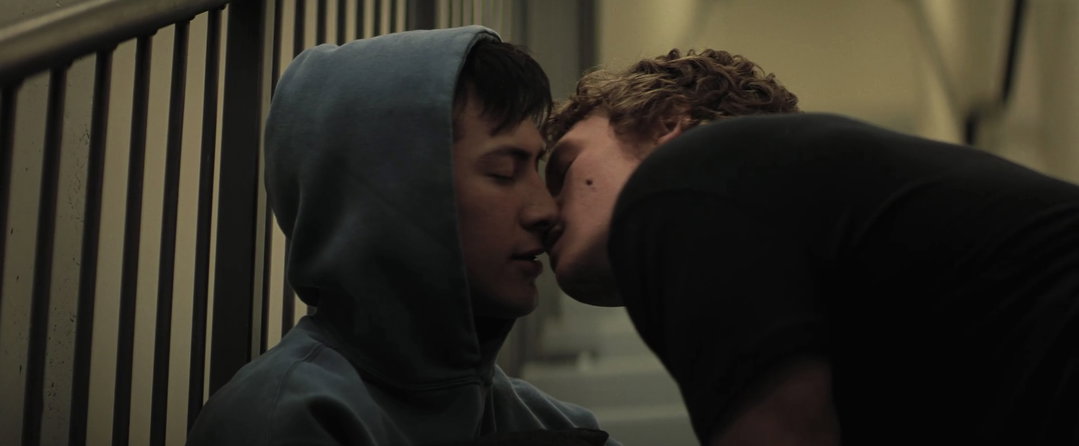
Oh it’s everything, I love it. I mean, for the last couple years I’ve been shooting certain moments, like a kiss, and knew they might be heavily frame grabbed and reposted and potentially memed. You’re trying to find these moments that feel like the ‘catchphrase moment’. It’s so nice to see people latching onto those things, and then doing their own versions. On remix culture, it’s just nice to see people doing stuff without fucking AI. Like, please take all of this and just get your hands dirty – start editing and playing around with it!
This is my first experience of ‘the internet’, and the amount of positivity out there within the community is just overwhelming. I get messages from people saying they’re a film student or that they love the show and now they want to pursue directing or cinematography. I just think that’s the best thing in the world.
“You’re trying to find these moments that feel like the ‘catchphrase moment’.”
Jackson Parrell
Heated Rivalry, images courtesy of Jackson Parrell
INT:
Is there a scene or shot that’s maybe fallen under the radar that you are particularly fond of?
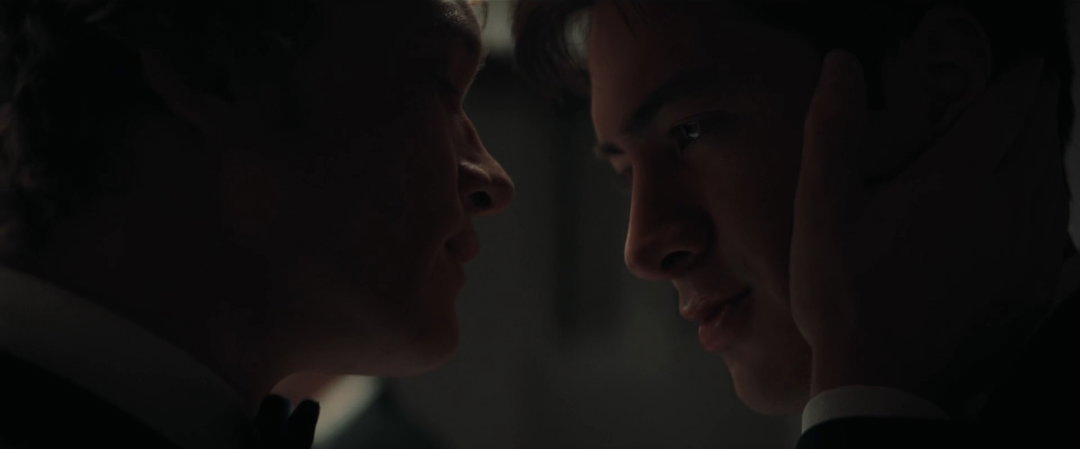
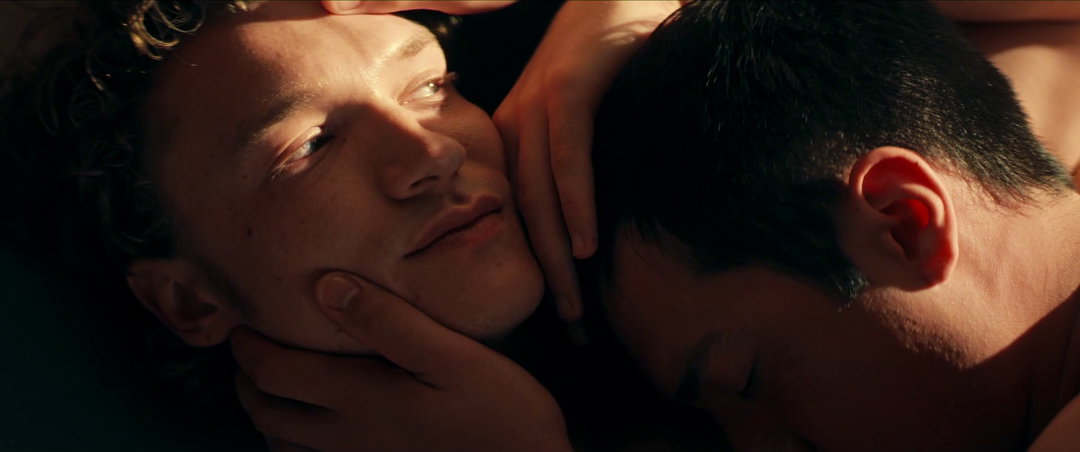
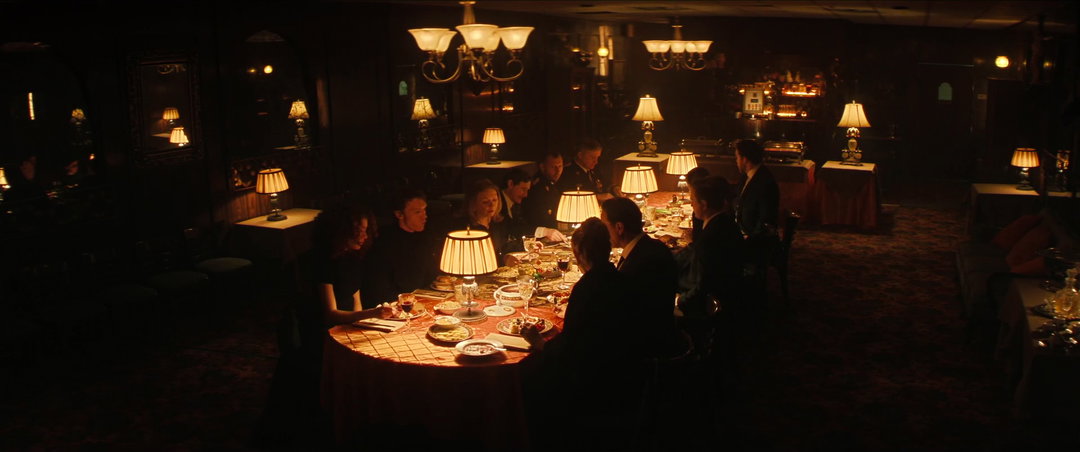
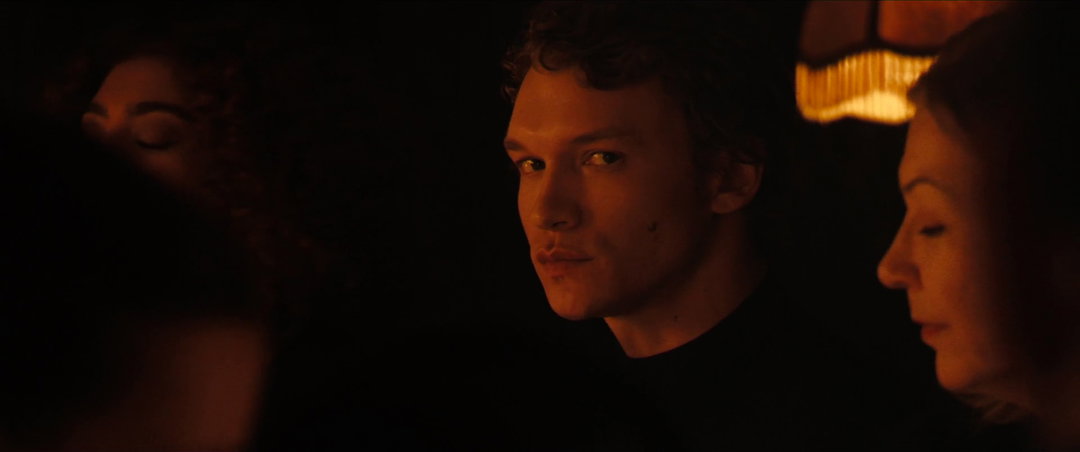
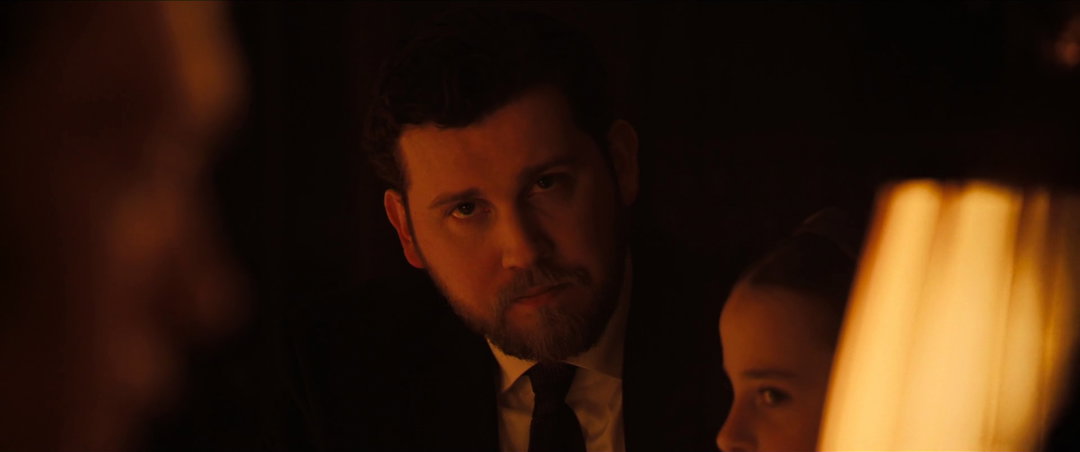
JP: For me it really is the restaurant scene between Ilya and his brother. This came from this beautiful synergy between slow zooms we did between the two, which are cinematic and dramatic. It was early on in production for me and I was still figuring out what the show was going to be – I wasn’t sure if I was going to be able to make it look the way that I wanted to make it look. I set it up and lit it exactly the way I wanted to light it, whereas often you have to light it how the network wants. I was so concerned that everyone was going to say it was too dark, but Jacob thought it was perfect.
I remember driving home after that scene and it looked exactly like what I wanted it to, and I realised this was potentially going to be my opportunity to do my best work ever. I’d personally like to live in an entire feature film version of just that narrative between these brothers; the dining room table, the tension we built between those characters, just in those brief moments.
Heated Rivalry, images courtesy of Jackson Parrell
1 of 2
Heated Rivalry, images courtesy of Jackson Parrell
1 of 2
Heated Rivalry, images courtesy of Jackson Parrell
“Can you imagine what would have happened if the prudes got at it!”
Jackson Parrell
INT:
In a time when it can feel like you’re just being fed the next flashy big-budget TV series, what do you think Heated Rivalry might usher in? Has it given you hope for the future of smaller productions?
JP:
It’s about reinvesting in creatives and writers with a vision, giving them the platform to just do their work. There’s a lot of adversity to risk right now within television and networks, and that leads to a homogenising, not only stories but of visuals too, and AI is supercharging this increasingly derivative work. If it carries on the universe will eventually just turn into one cold mass because there’s just nothing left anymore! I feel like this is what’s going on in the Western creative zeitgeist, and it’s just painful to watch.
Heated Rivalry, it’s just the way we used to do things, right? Giving an artist time and space and (in this case not a lot of money) but creative control and trust to go off and do their own thing. This wouldn’t have happened if it had been too heavily noted by a big network – they would have cut out all the sex. Can you imagine what would have happened if the prudes got at it! Hopefully there’s more people who are given opportunities like Jacob was going forward. There’ll be some duds in there for sure, but I just hope people are more open to taking risks.
Heated Rivalry, images courtesy of Jackson Parrell
Share Article
Further Info
About the Author
—
Olivia (she/her) is associate editor of the website, overseeing the day-to-day editorial projects as well as Nicer Tuesdays events. She joined the It’s Nice That team in 2021. ofh@itsnicethat.com
To submit your work to be featured on the site, see our Submissions Guide.