Forgotten Worlds’ latest issue is a video game magazine that takes us back to the blue skies of the Sega heyday
“I’m trying to approach blue skies from an anthropological perspective and uncover a deeper narrative, beyond just sales data and review scores.”
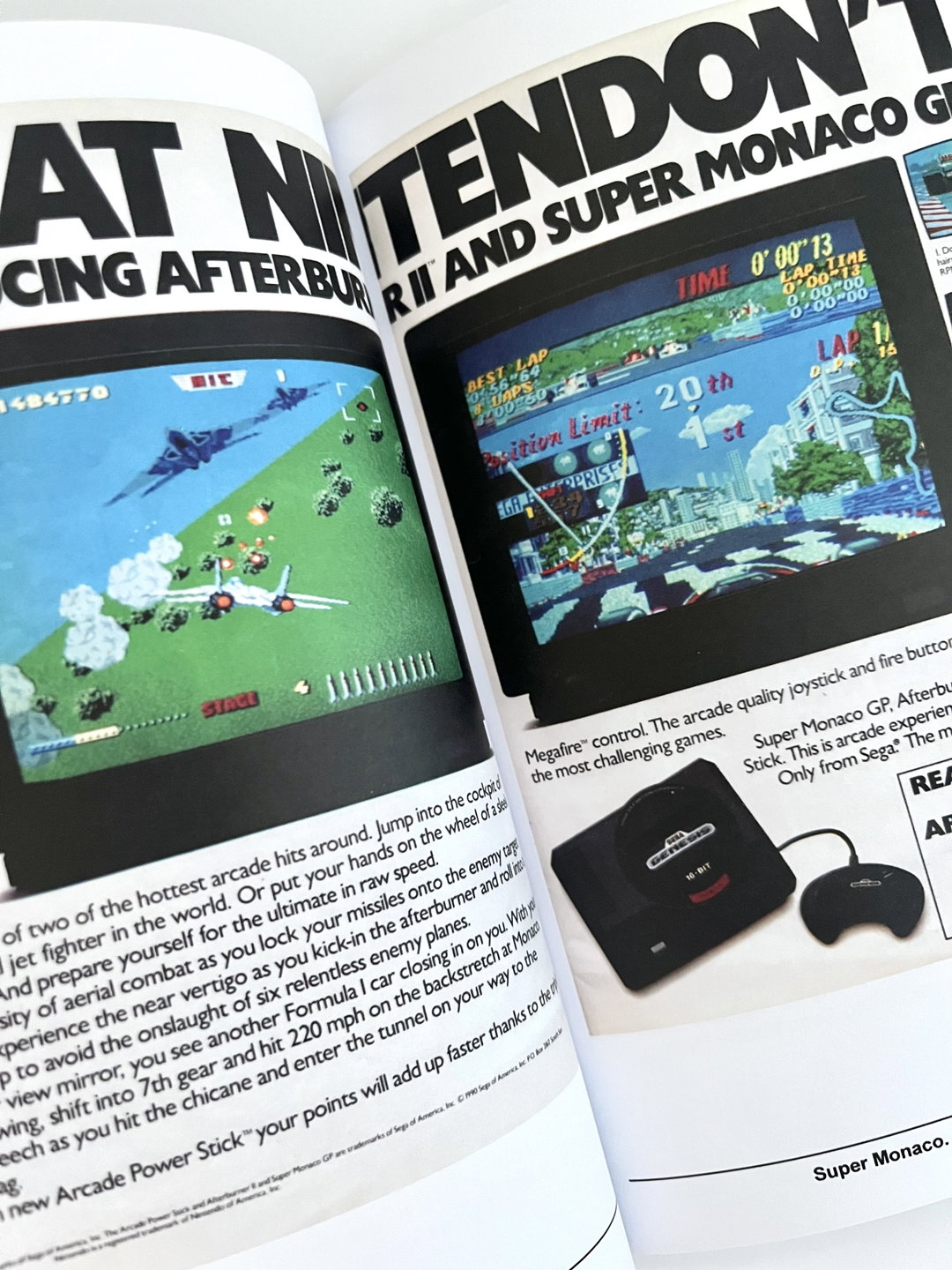
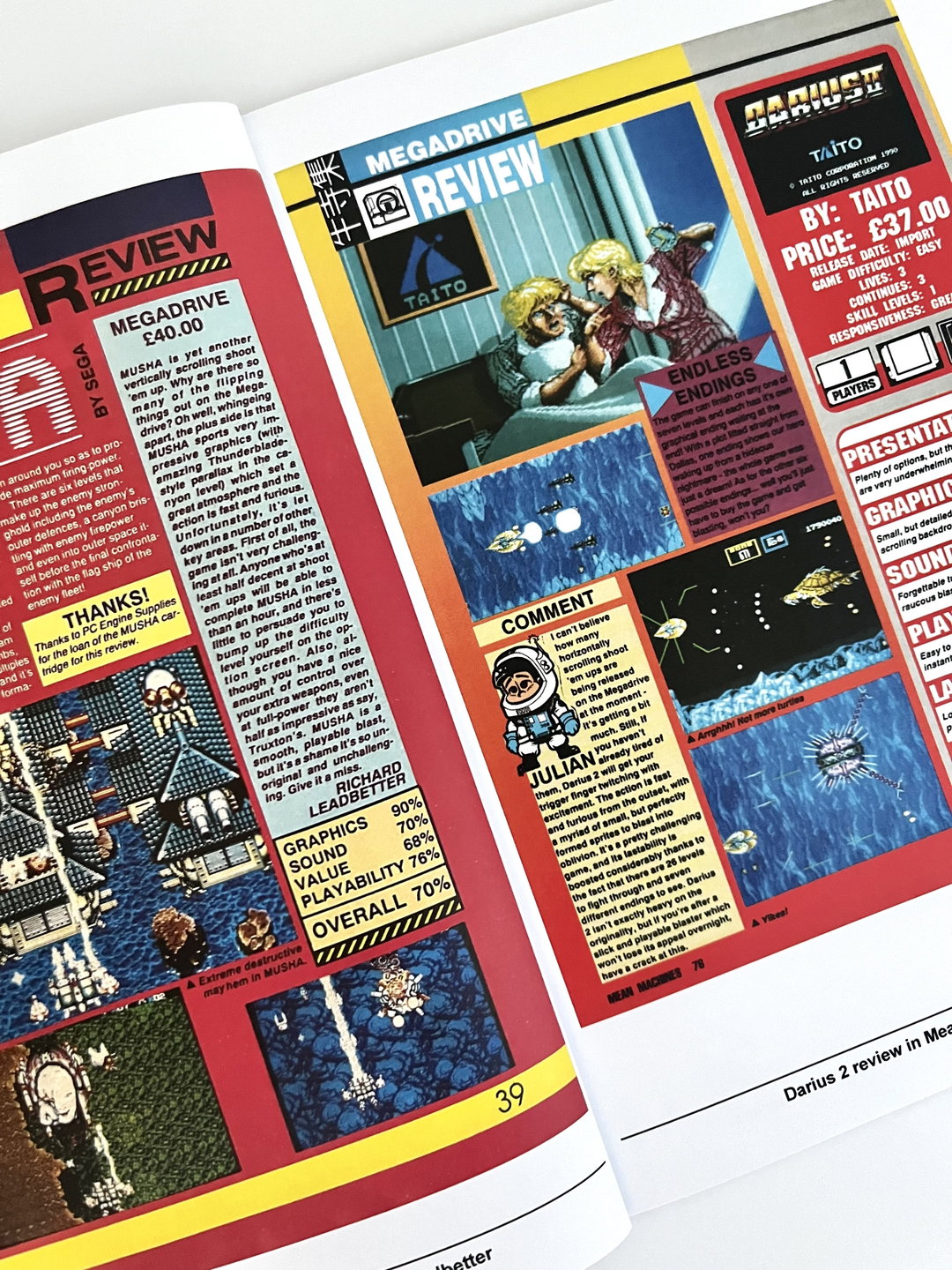
“Traditionally, video game magazines were viewed as cheap and disposable. But for a generation of kids growing up in the 80s and 90s, they were foundational texts,” says Mikolai Napieralski, the creator of video game magazine Forgotten Worlds. Mikolai has been making zines since he was a kid; a high school mag called NeoTech and later, a lifestyle mag called Team Evil in the 2000s – he’s always been drawn to independent publishing for its tactile nature and open-ended possibilities.
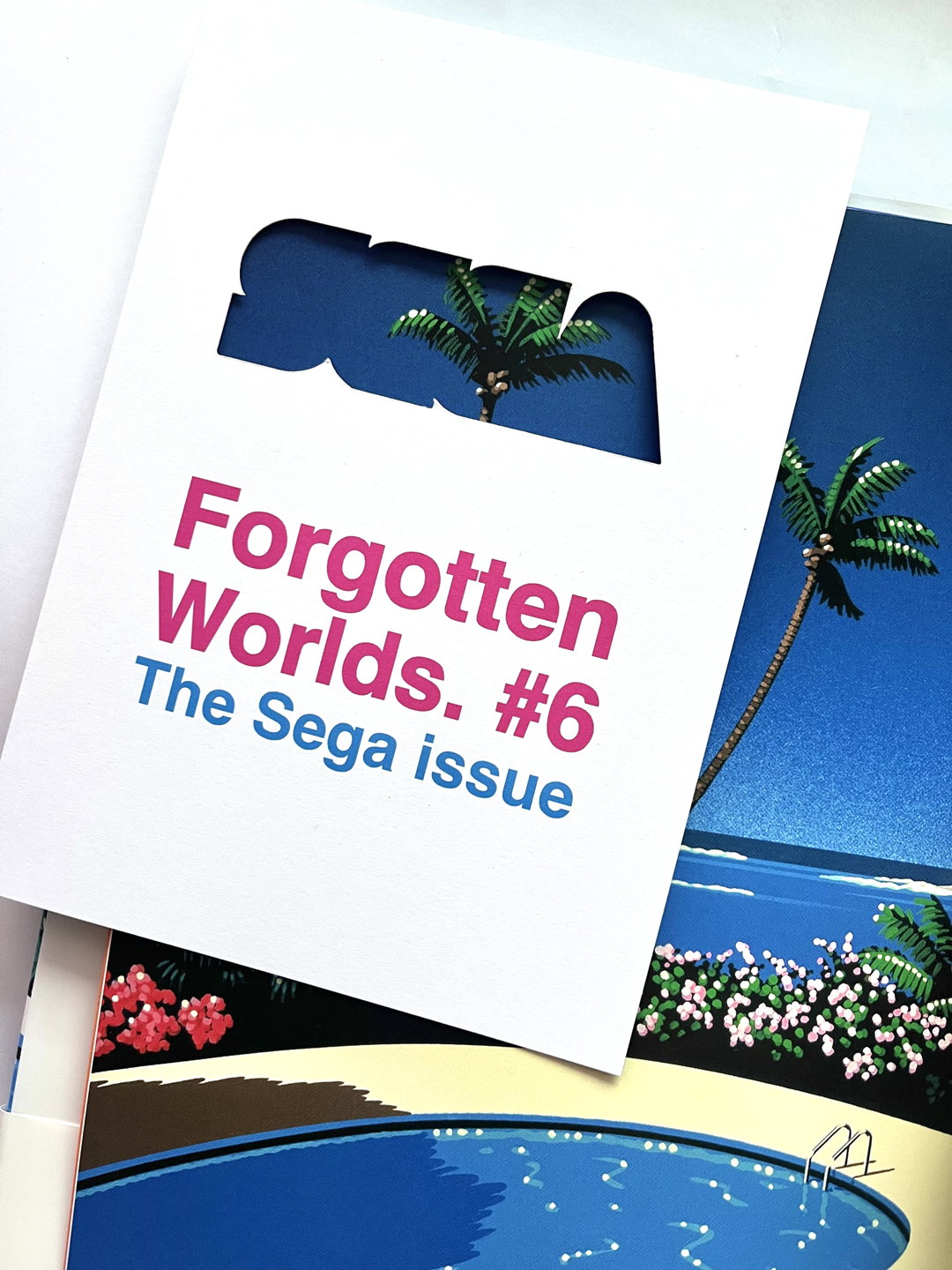
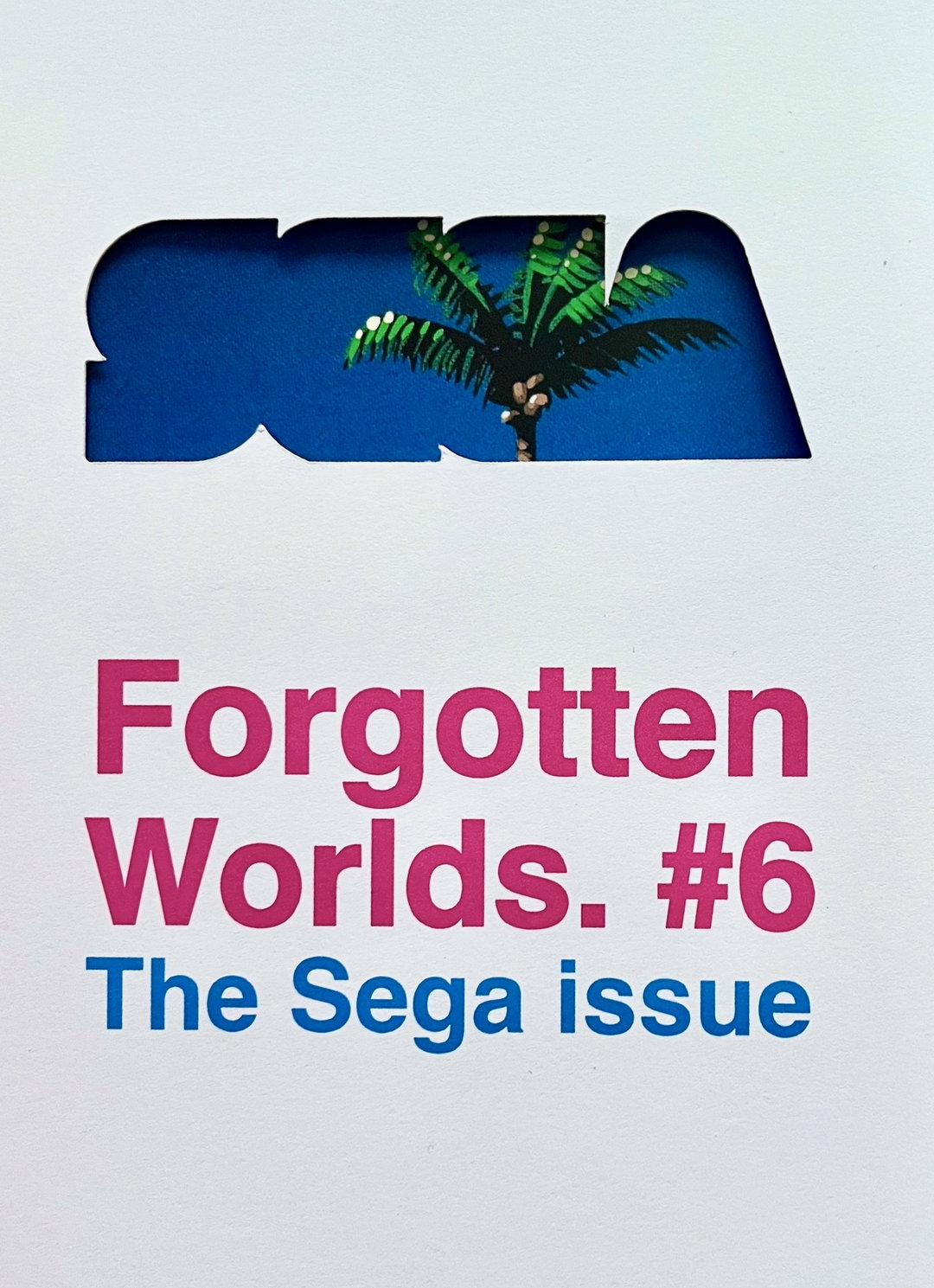
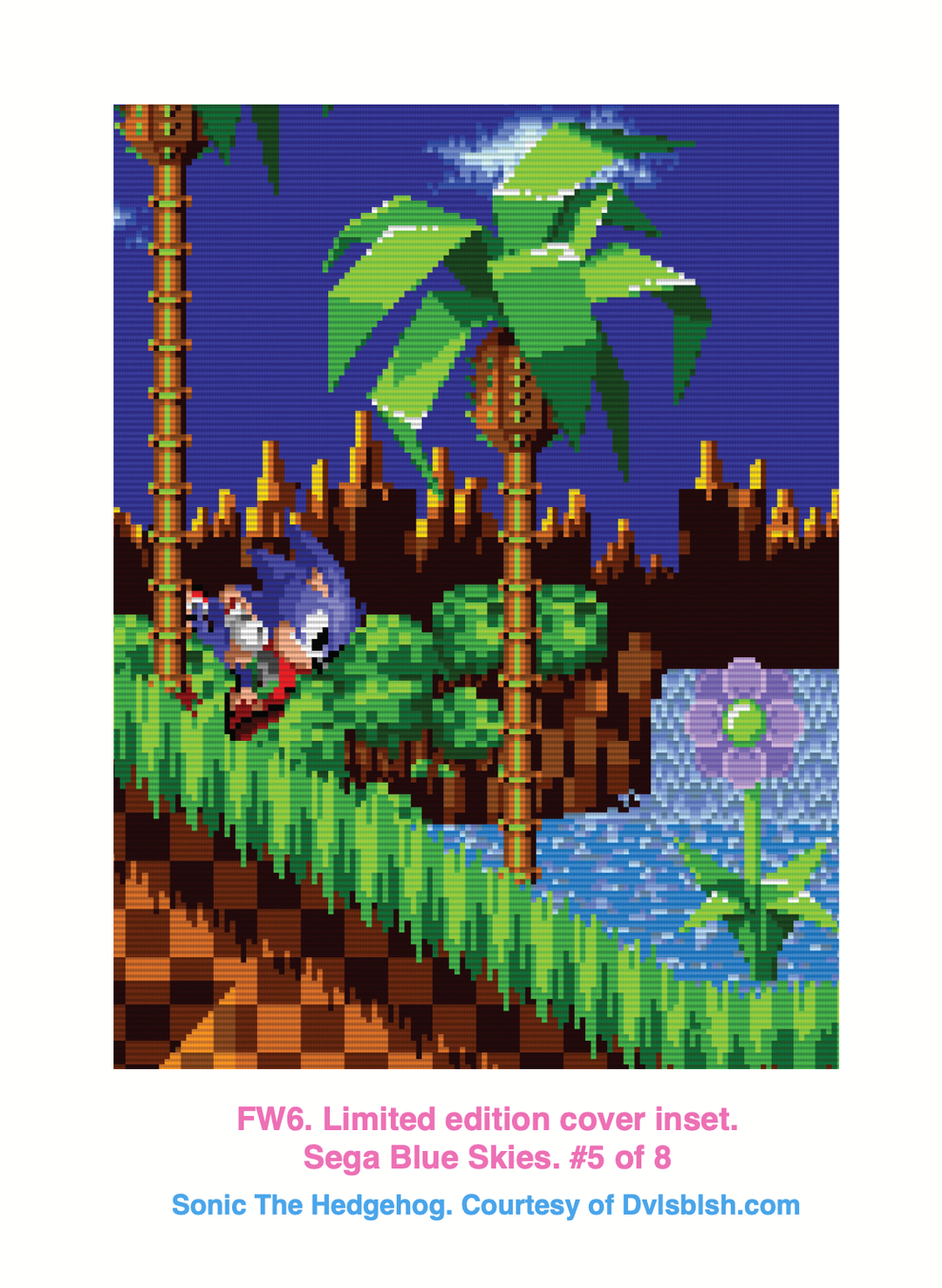
Forgotten Worlds is a magazine focused primarily on nostalgia, which is in of itself a type of bygone place. In Issue 6, the magazine focuses on the blue skies inside of Sega video games, referencing Japanese artist Hiroshi Nagai, “a man who understood the power of a blue sky”. Although a niche topic, anyone who has played Sonic The Hedgehog or racing game Super Hang-On will know the pixel painted skies of 90s video games elicited a certain response of true escapism. Bluer than real blue skies, they remain elements of video game landscape art that withhold a large part of our collective childhoods.
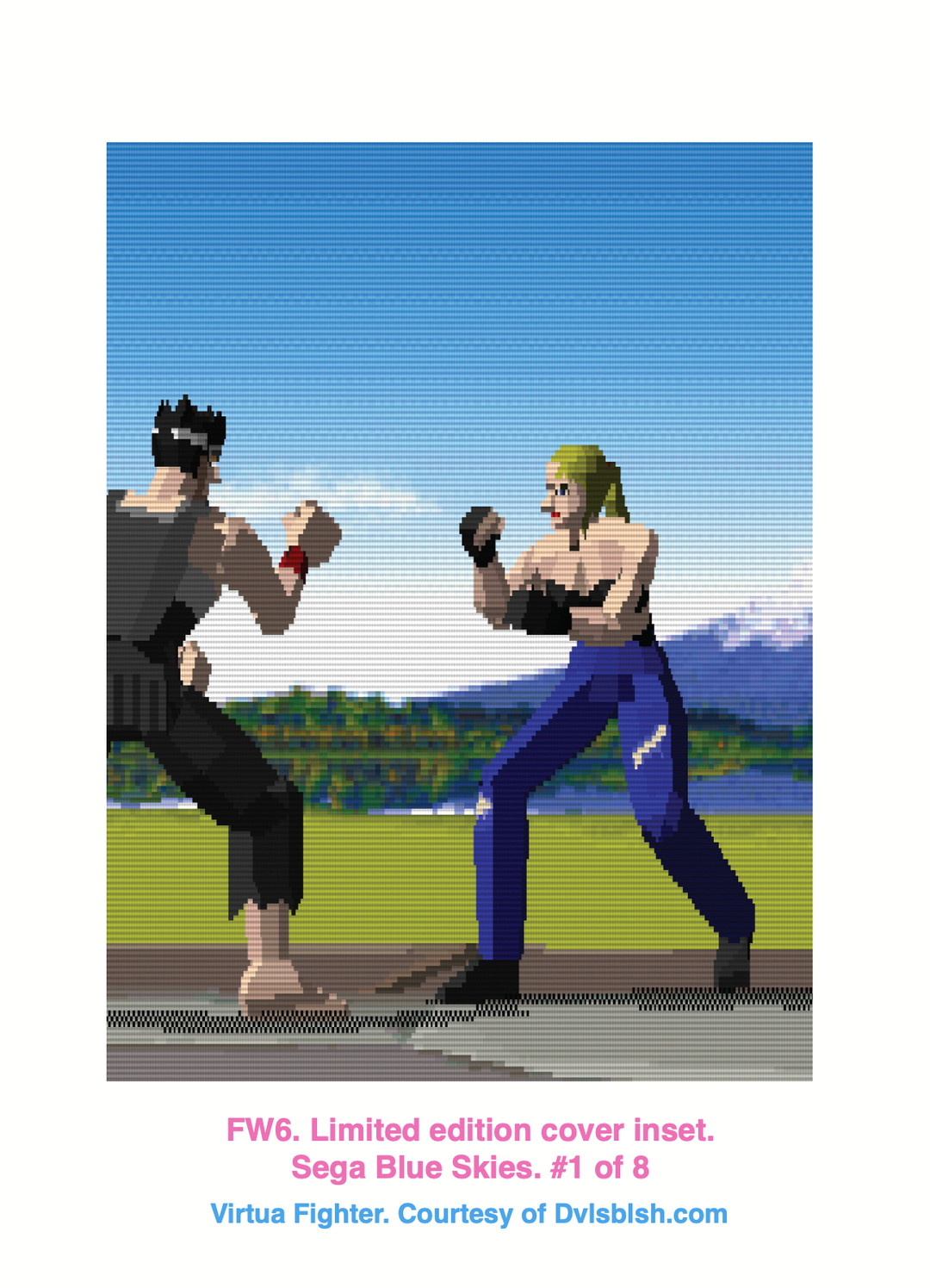
(Copyright © Mikolai Napieralski / American 80s, 2025)
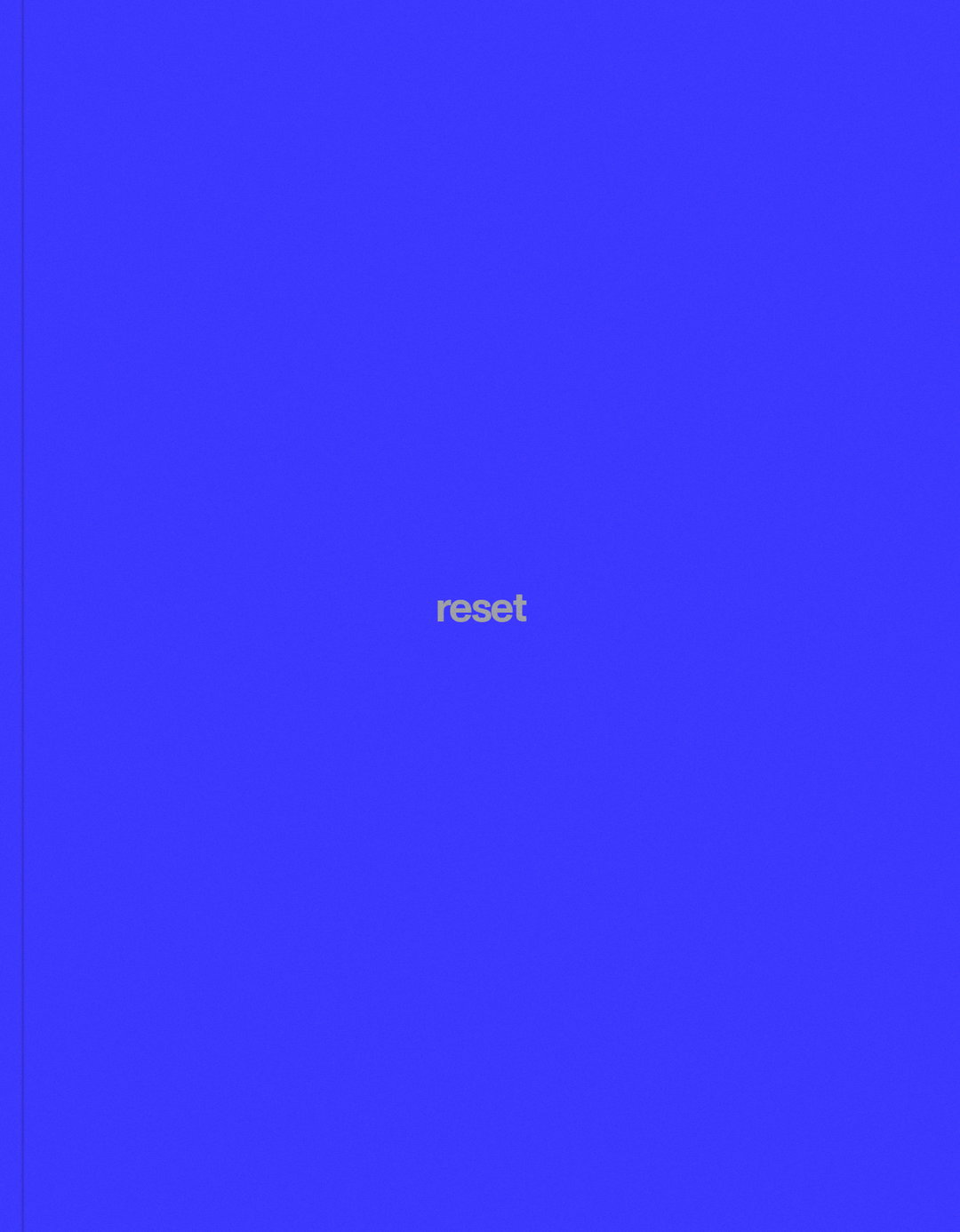
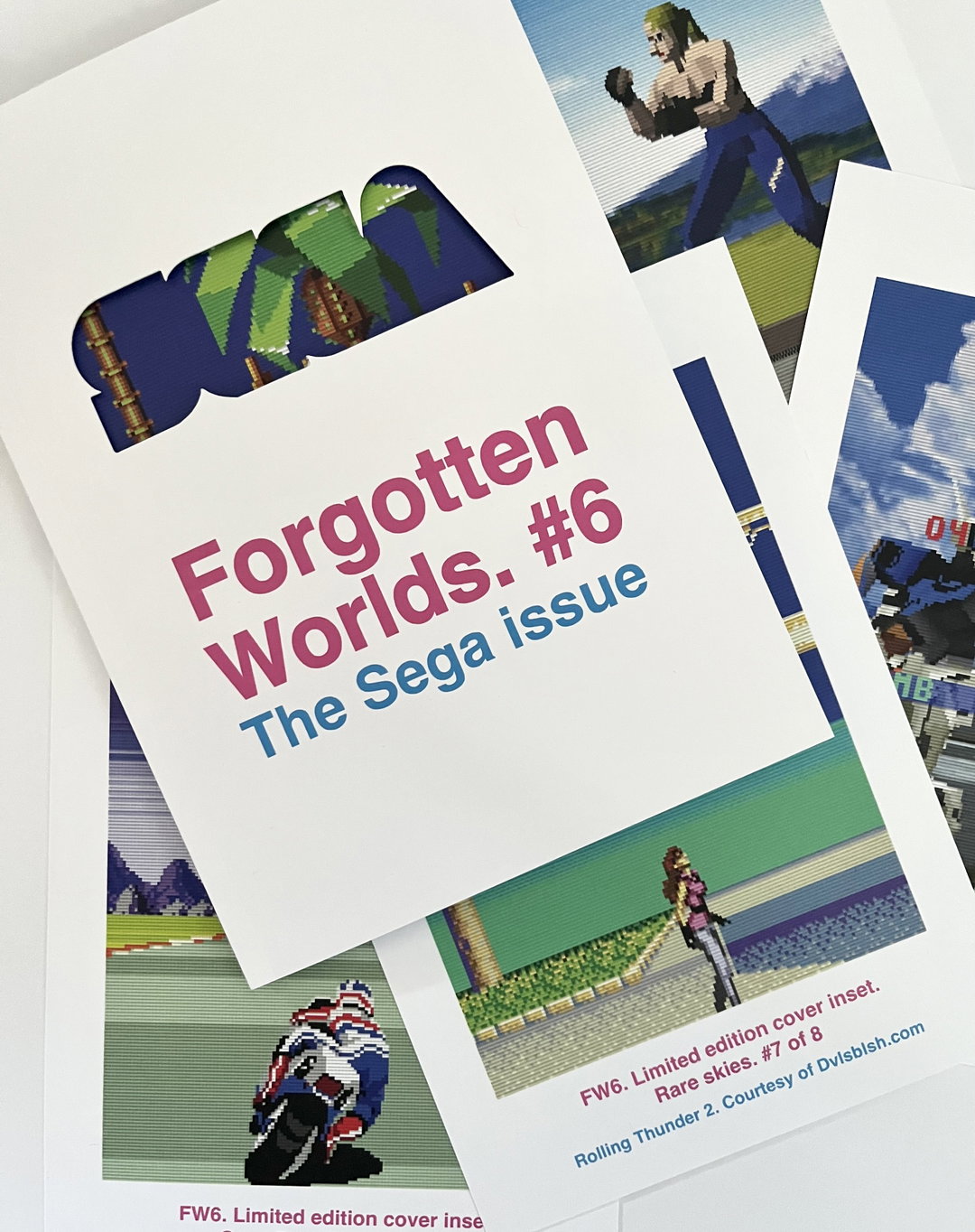
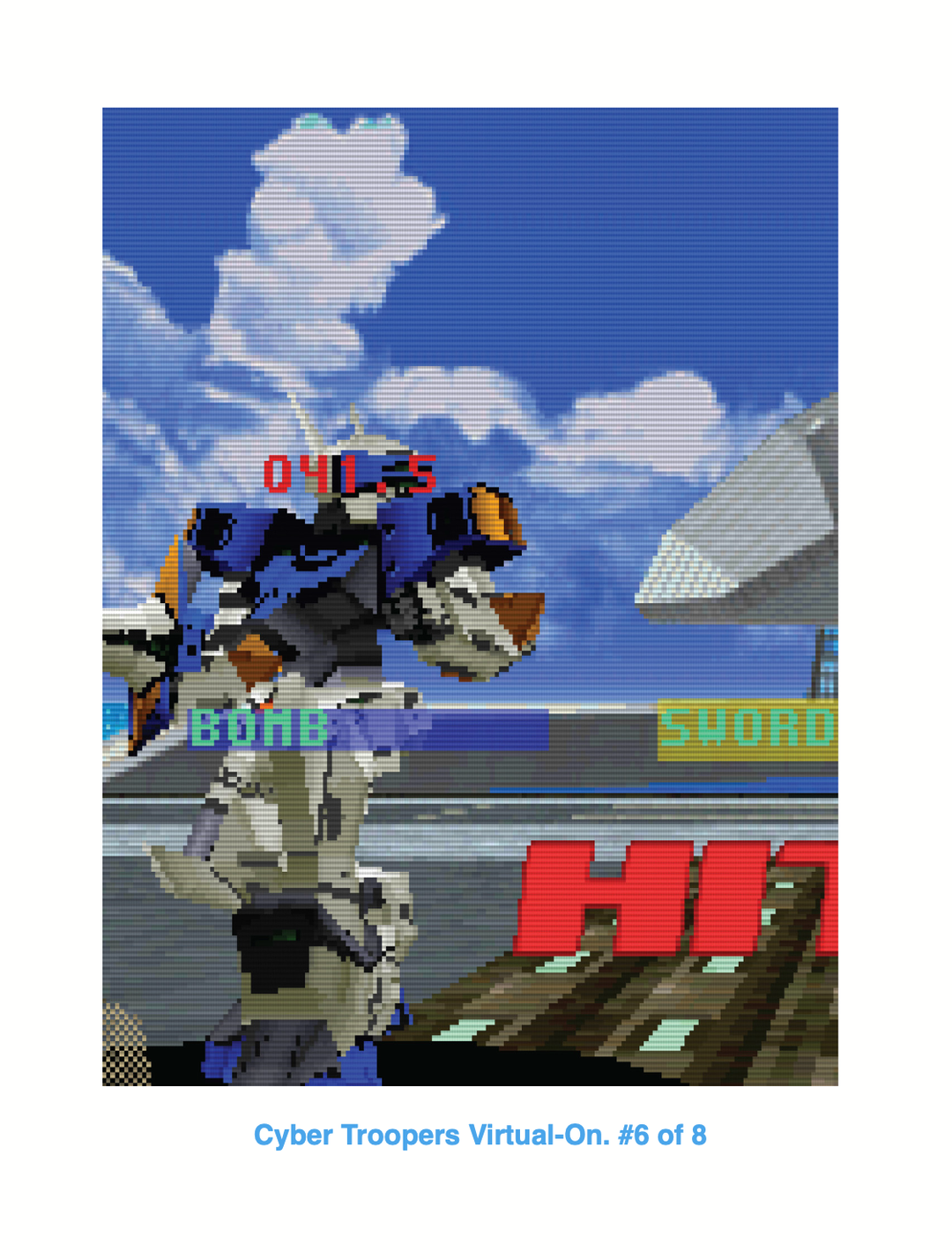
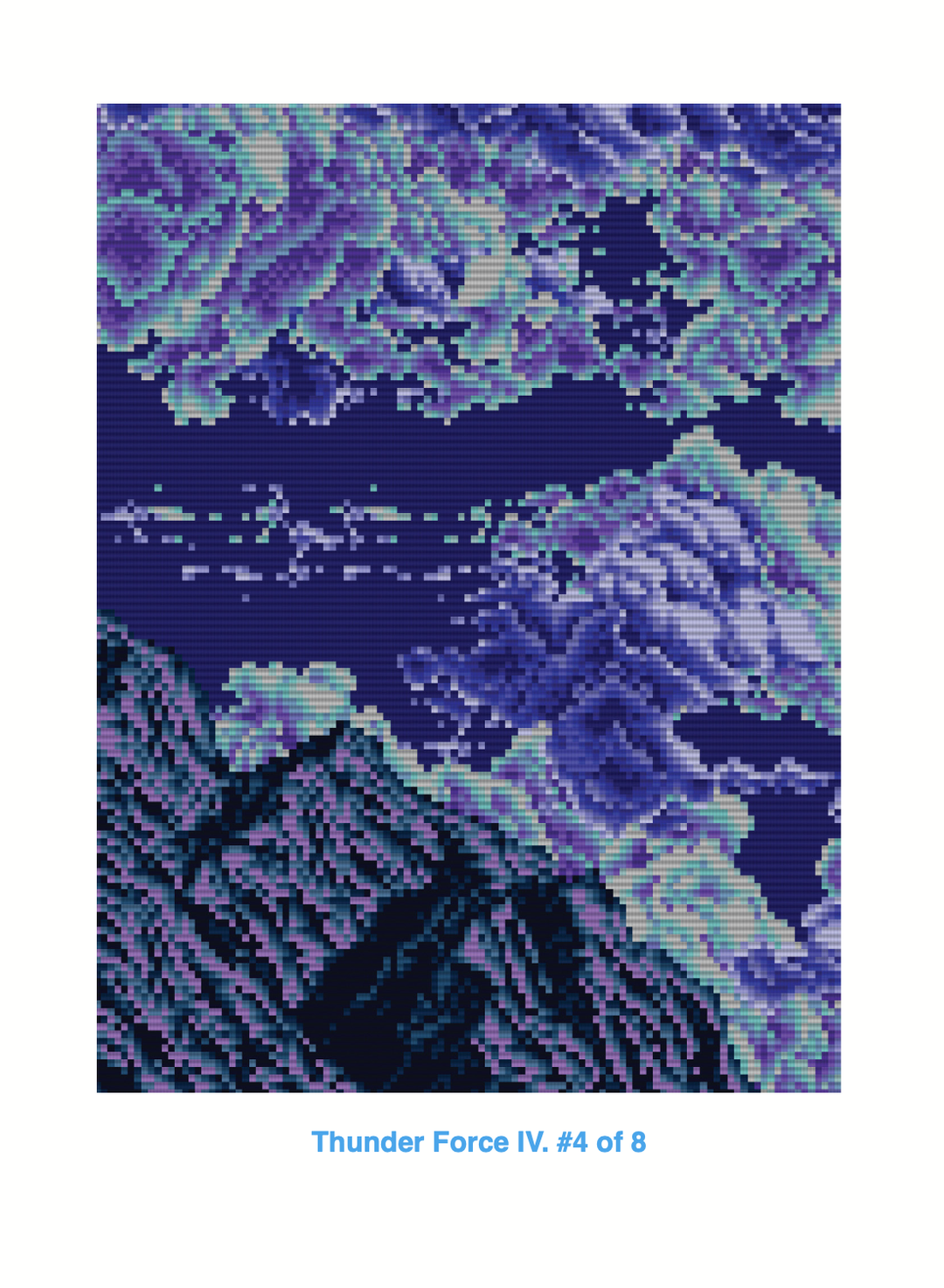
“The problem was I couldn’t decide on a single game that encapsulated that blue skies ethos. So eventually I decided that a series of postcards featuring different Sega games would be a fun way to let people choose and create their own front cover design,” says Mikolai. And that’s where Will ‘Devil’s Blush’ Stevenson comes in. “I’d been a fan of this work since I first came across it a few years back. He takes these amazing, scanline heavy images of classic video games. His images really capture the crunchy details of older games and often recontextualise them,” says Mikolai. Featuring these art works, Forgotten Worlds has four double sided postcards with a die-cut front cover design that lets you switch them out with a variety of Sega blue skies.
Mikolai argues that magazines are, at least in part, a response to the “increasingly horrible, online experience we all have to deal with” – AI slop, pop-up banner ads, SEO rubbish and the dead internet theory. “We’ve almost broken this amazing thing we invented,” says Mikolai. “As the world moves faster and gets more chaotic, there’s something nostalgic and comforting about sitting down with a coffee and a physical magazine you can read. The name Forgotten Worlds was chosen because it implies a world that we have left behind.” Hoping to recreate the optimism that the wider culture once had for the future – as seen in 80s movies (with their flying cars and utopian cityscapes and whatnot) – Forgotten Worlds brings back fond memories and allows us to take a step back from the noise of the online and return to a pixellated, but clear-eyed, vision of happiness.
Gallery(Copyright © Mikolai Napieralski / American 80s, 2025)
Hero Header
(Copyright © Mikolai Napieralski / American 80s, 2025)
Share Article
Further Info
About the Author
—
Paul M (He/Him) is a Junior Writer at It’s Nice That since May 2025. He has a strong interest in graphic design, digital kitsch, multimedia painting, collage, nostalgia, analogue technology and all matters of strange stuff. pcm@itsnicethat.com
To submit your work to be featured on the site, see our Submissions Guide.