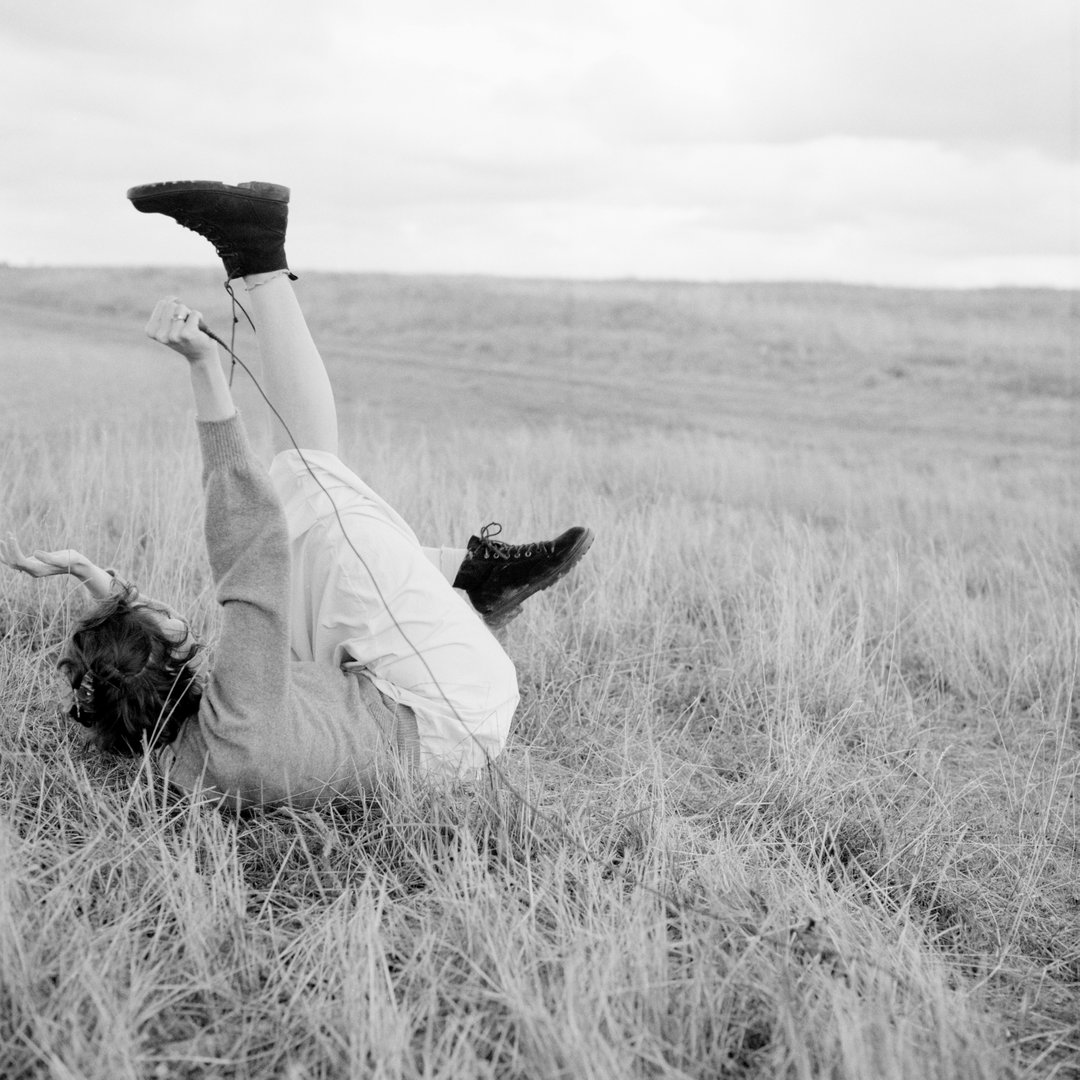
Emi O’Connell retraces her grandmother’s escape from a mother and baby home in Ireland
Drawing on personal history, this powerful series sheds light on a system that that institutionalised and abused thousands of women in Ireland.
According to a recent investigation, throughout the 1900s over 60,000 unmarried pregnant women in Ireland were sent to mother and baby homes. These secret institutions were run by religious orders and funded by the state; women endured harsh conditions, and were often forced to give up their babies for adoption.
Photographer Emi O’Connell’s father was one of these babies. “I had never asked too many questions around what had happened until I started making the project around my dad’s adoption,” says Emi. Her father had reconnected with his biological mother, Muriel, when he was 36 years old. Emi spent long hours on the phone with her, listening to her stories. Muriel was sent to a home at just 16 after her parents found out about her pregnancy. “At such a young age she didn’t quite understand what happens when you give birth, she just heard the screams and stories of her friends at the home having their babies taken, which led her to escape out of a window,” says Emi.
Muriel ran to the closest train station, using the last of her cash to catch a train back to Dublin. She found a hospital with a hidden private ward for unmarried women to give birth, but when the community found out, her baby – Emi’s dad – was taken away and adopted by a family in London. Muriel was 53 years old the next time she saw her child.
Gallery(Copyright © Emi O’Connell, and then I ran, 2023)
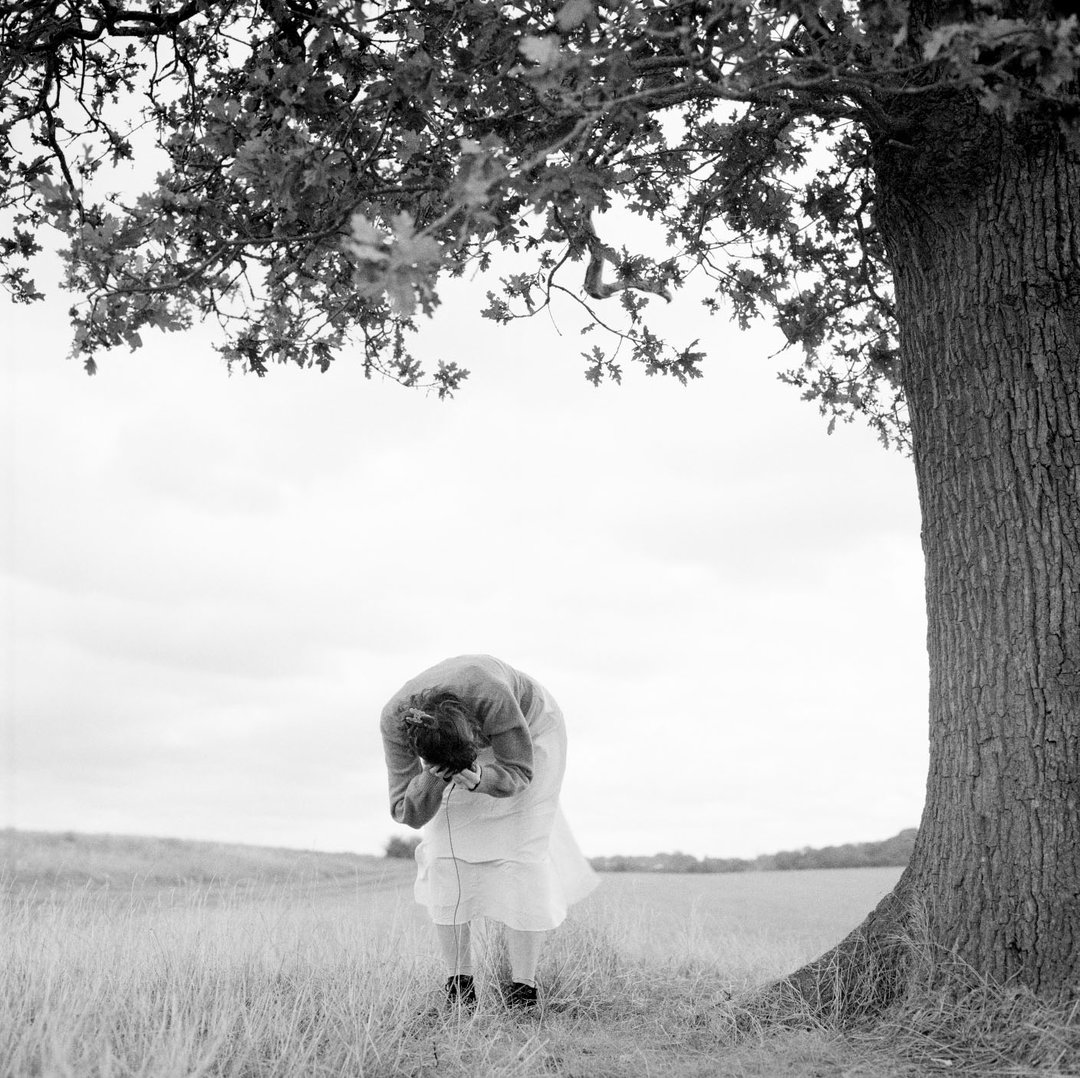
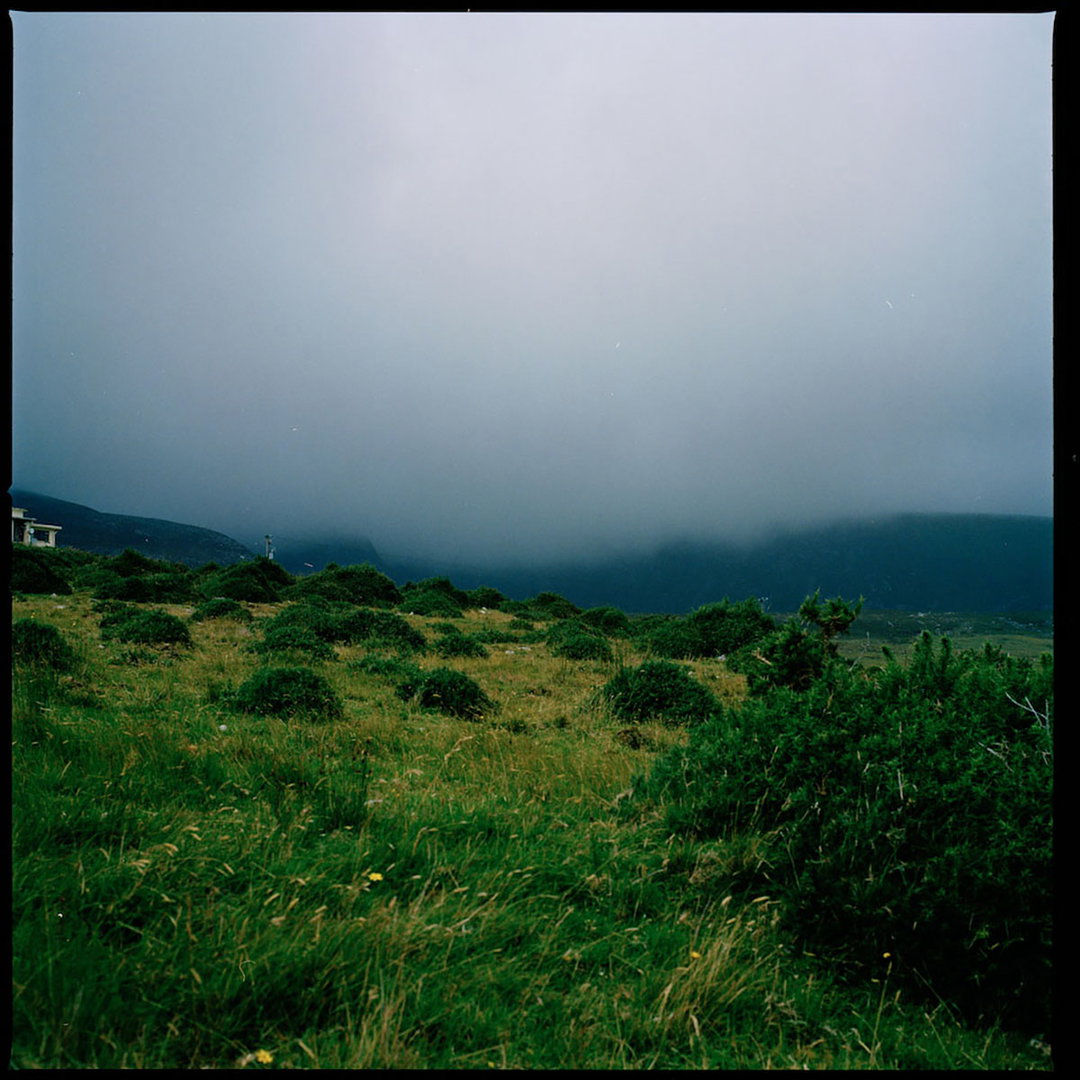
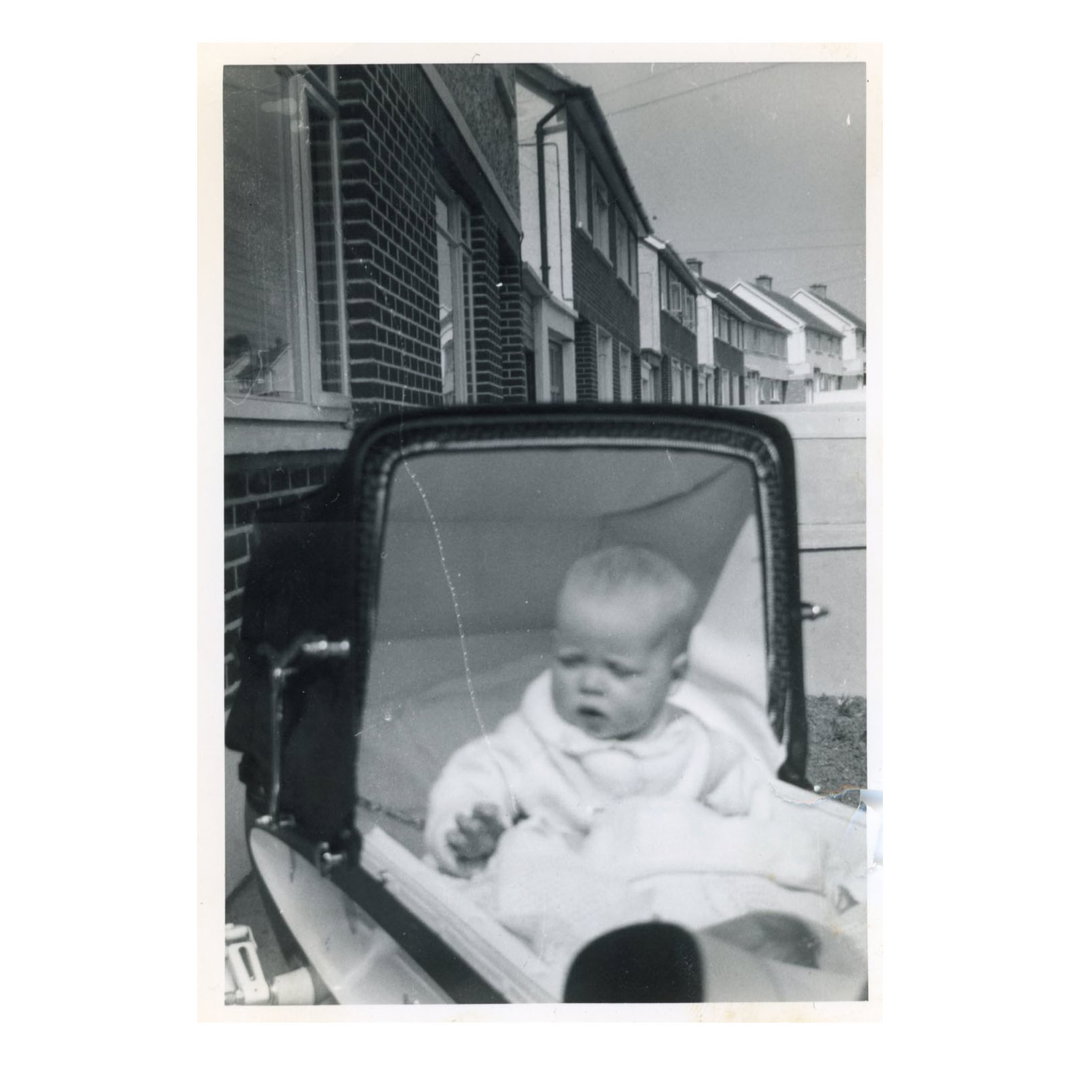
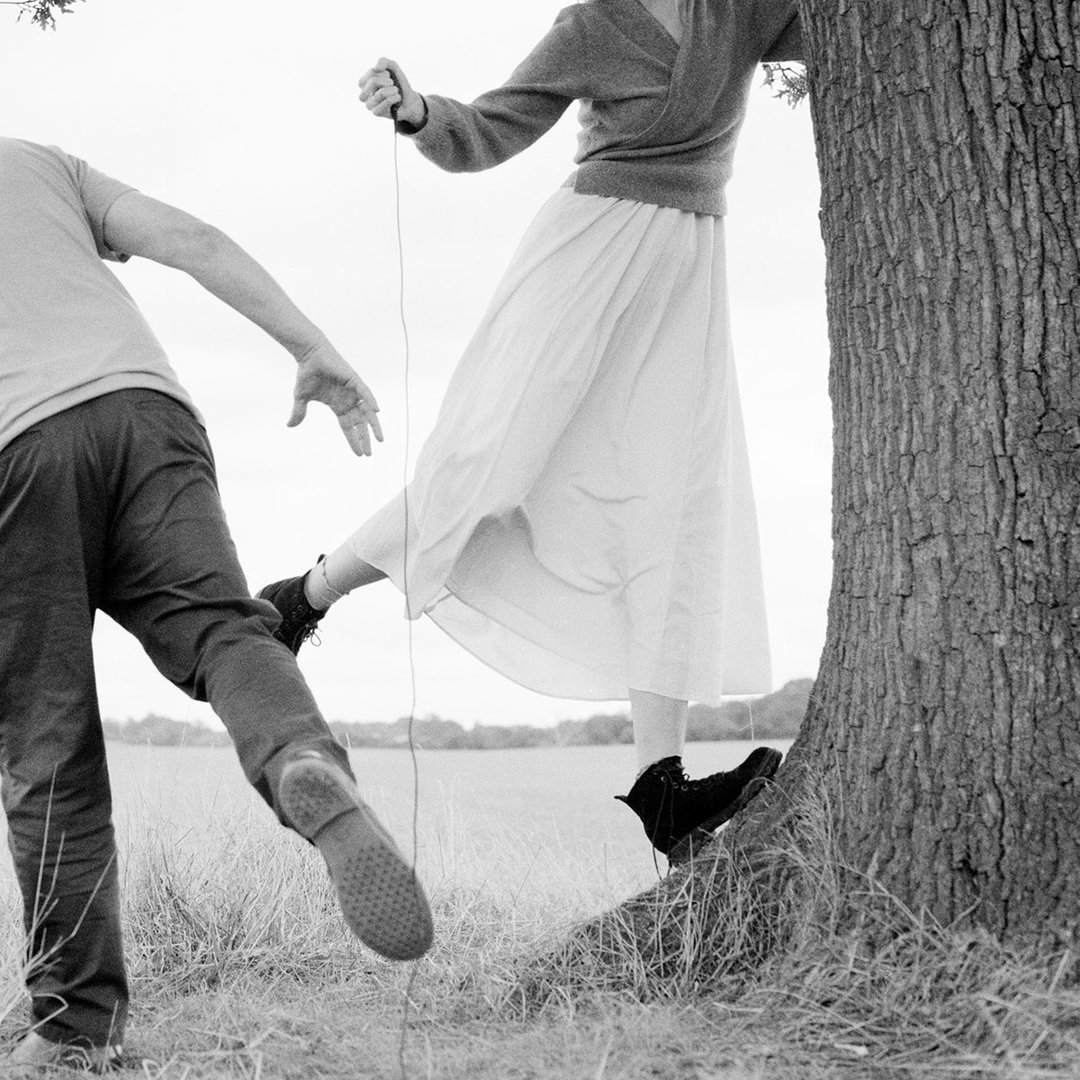
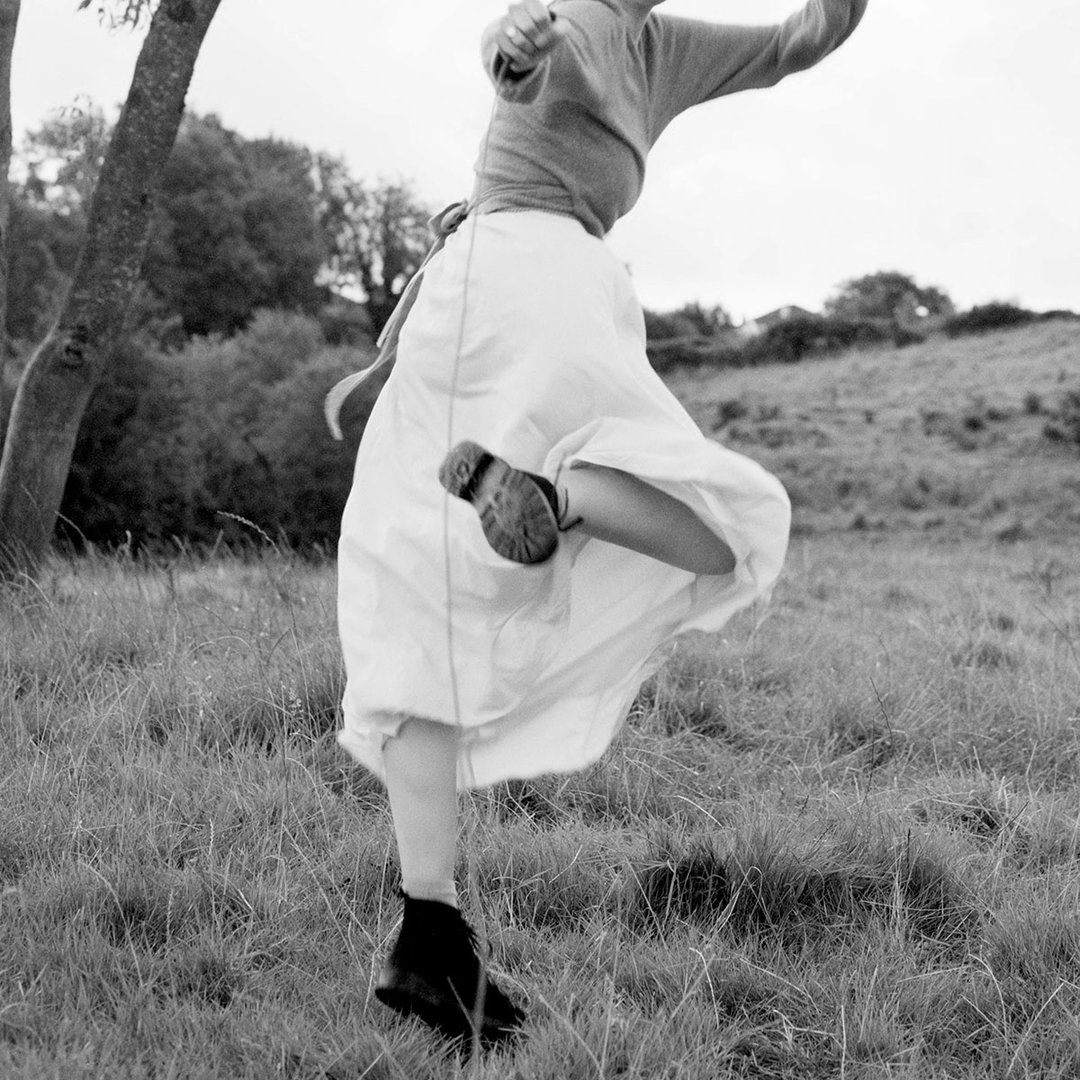
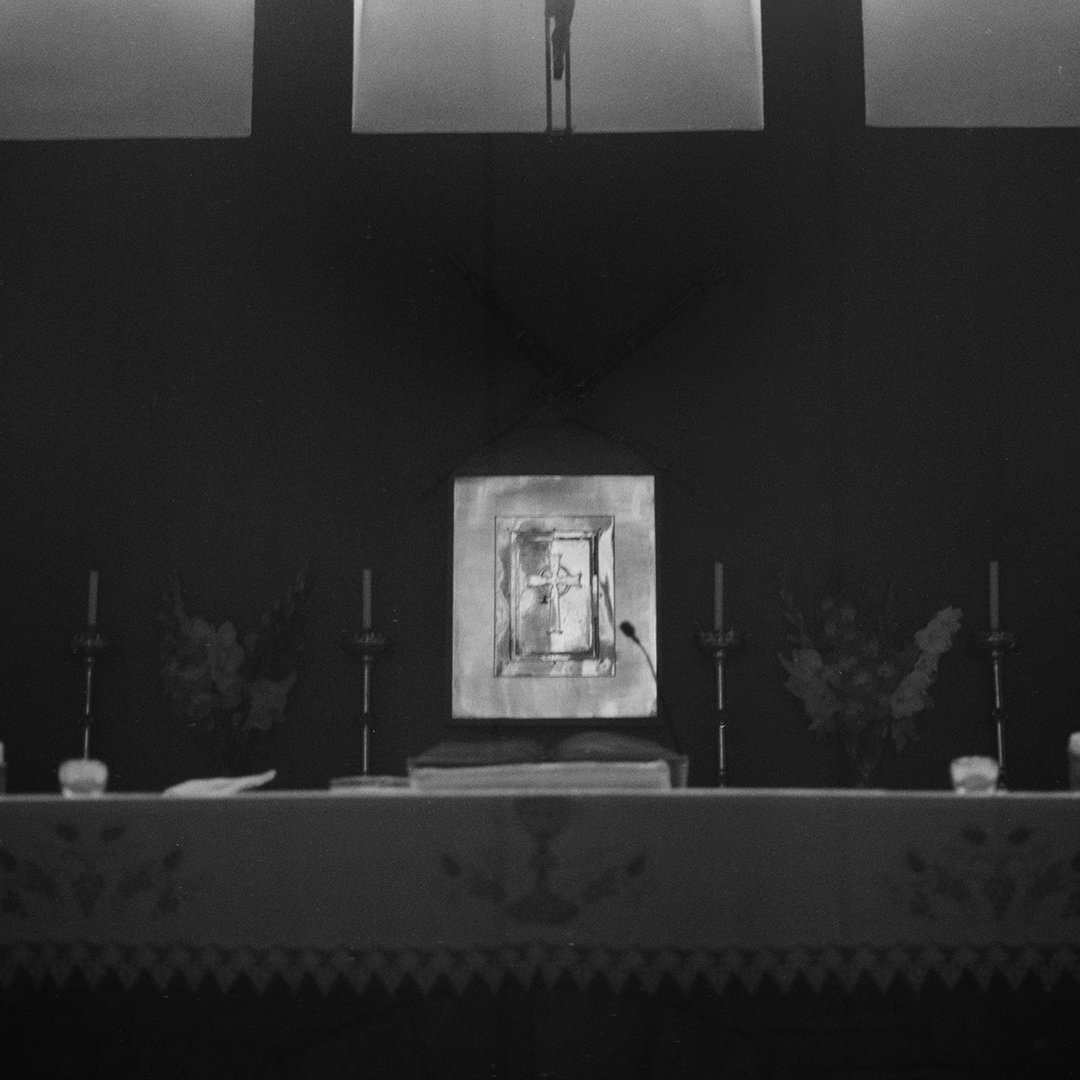
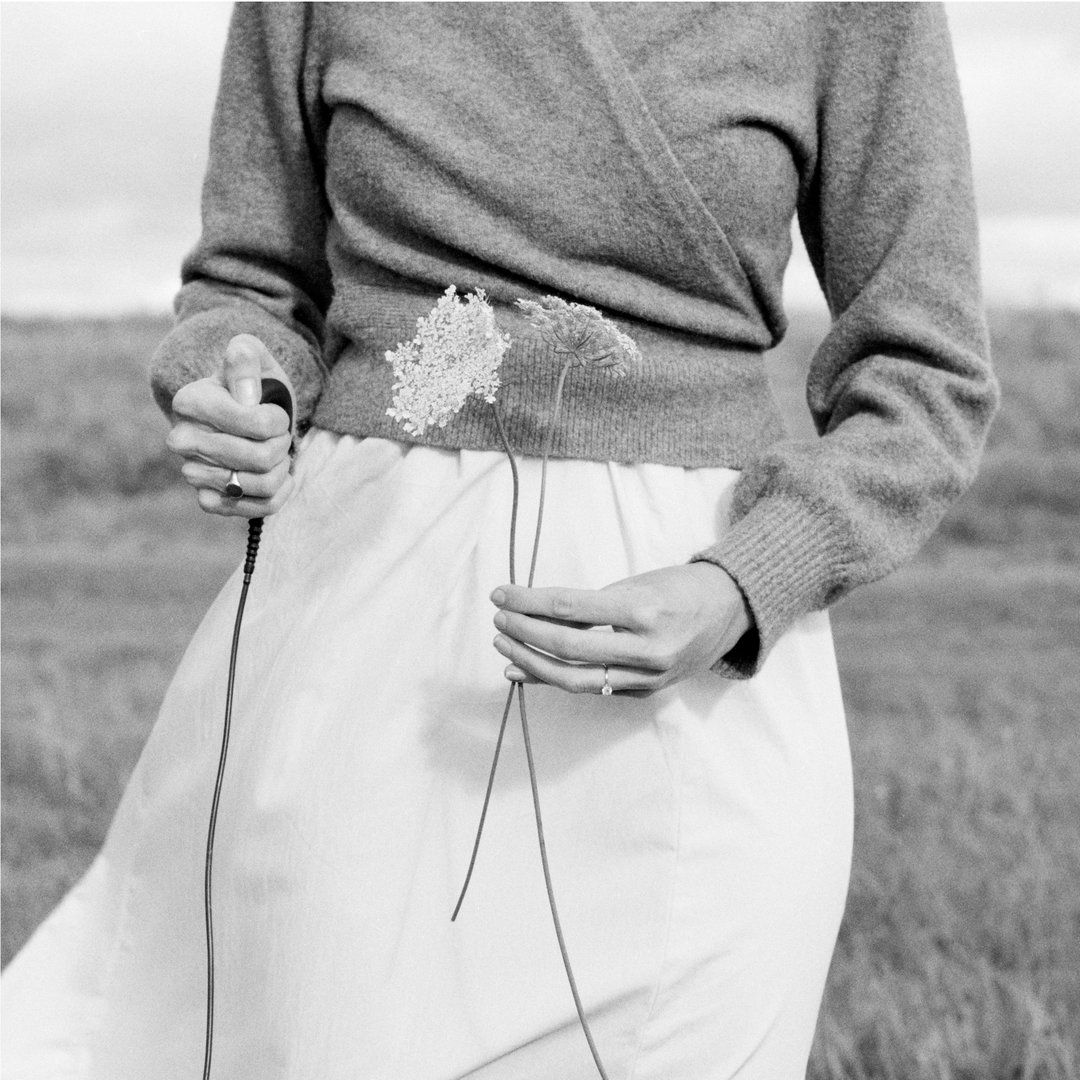
Emi’s project, and then I ran, uses self portraiture and performance to re-enact Muriel’s escape from the home in 1964. These re-enactments are shot in black-and-white, with Emi acting as her grandmother. “I felt it wasn’t right for me to use self-portraiture as ‘myself’ but symbolising my grandmother’s story,” she says. “By removing my individual presence, I invite the viewer to focus not on me, but on the broader narrative of loss, erasure, and resilience experienced by thousands of women sent to these homes.”
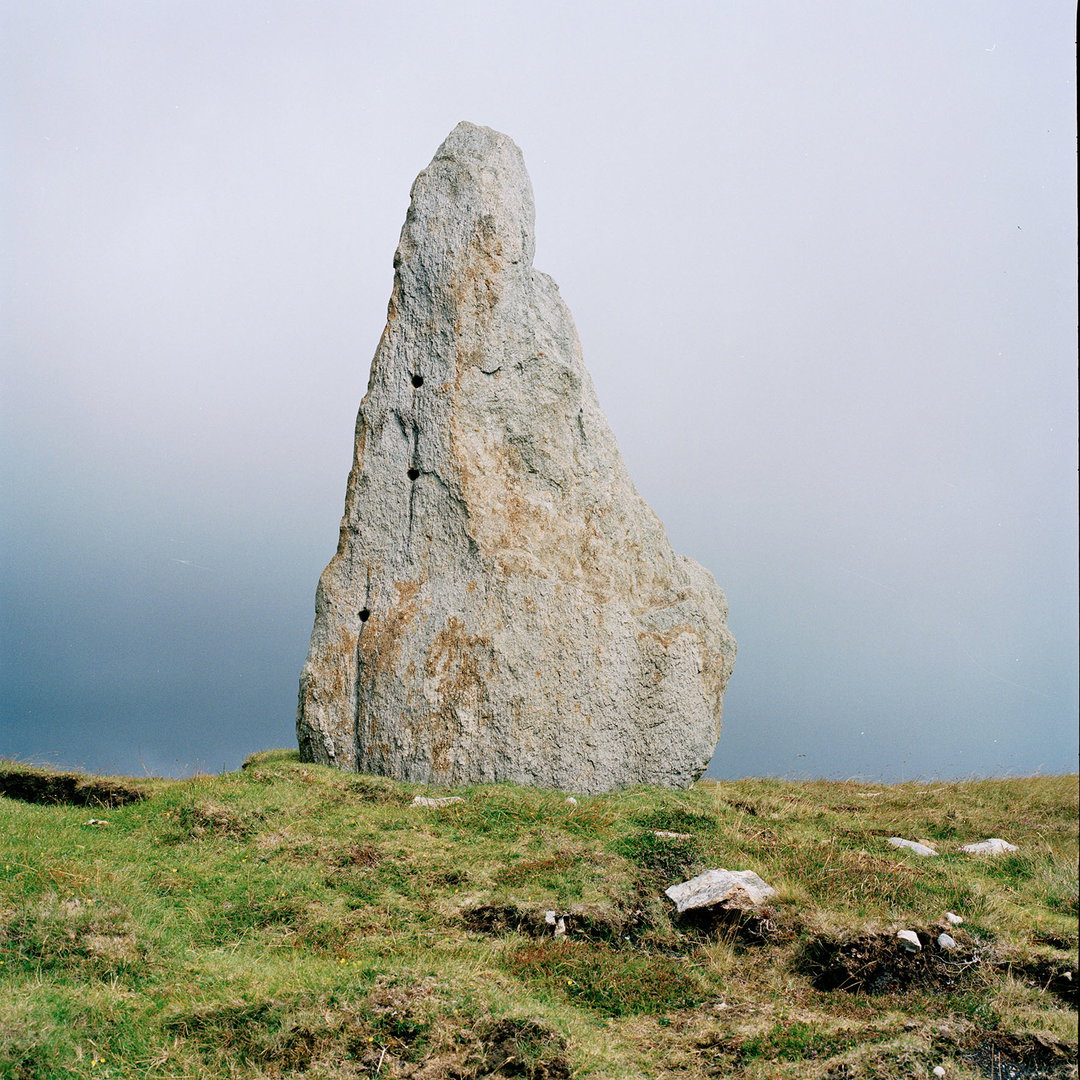
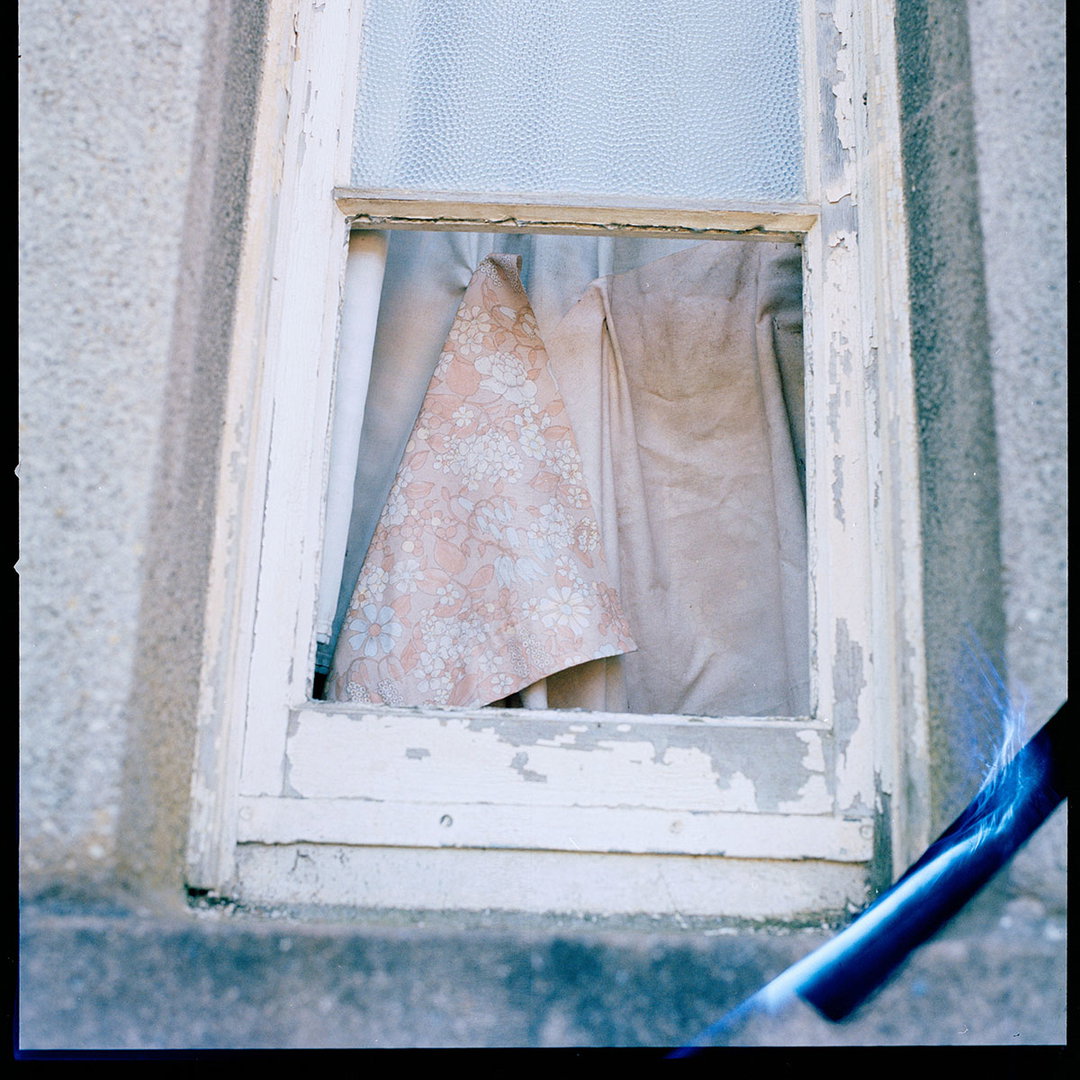
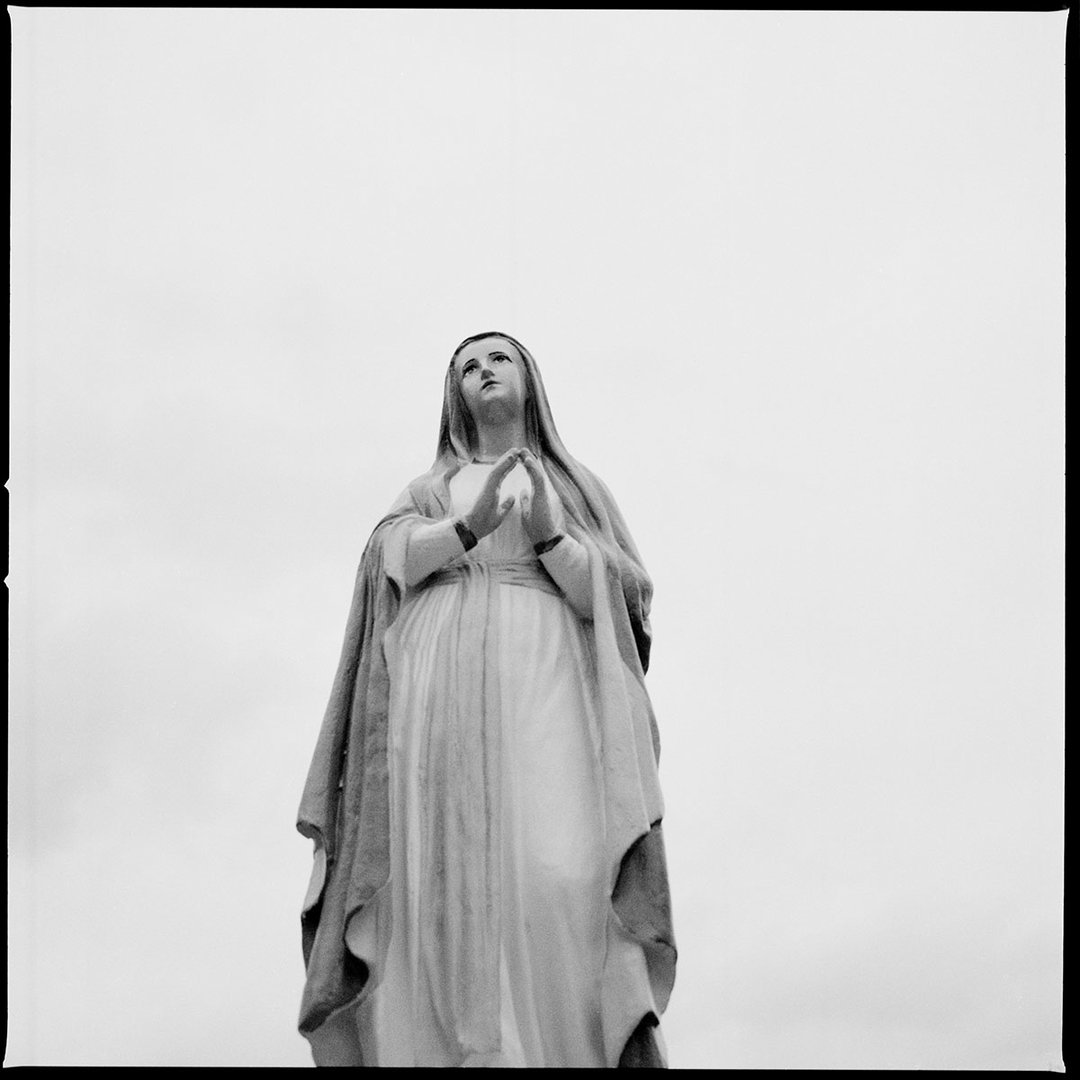
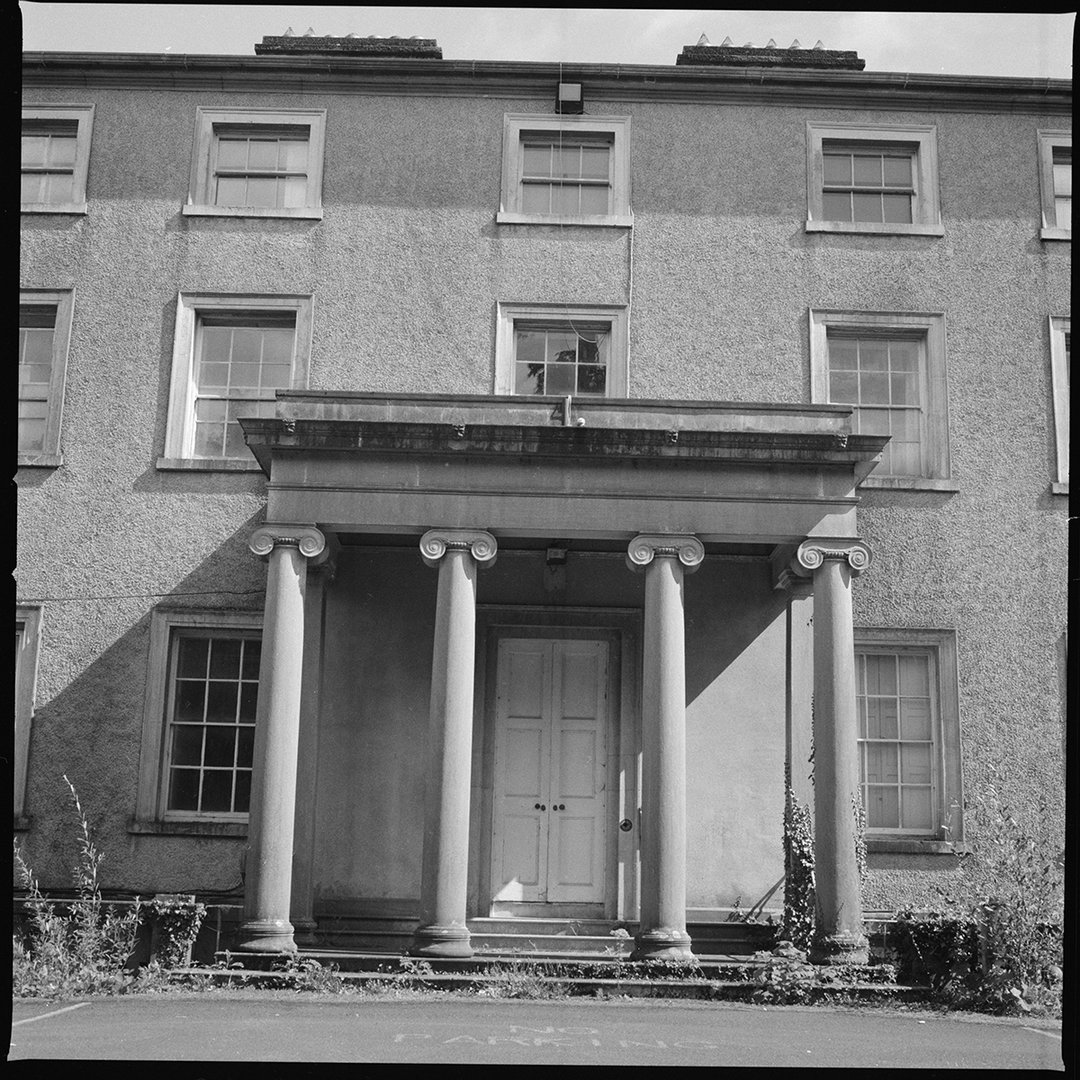
Along with the black-and-white shots are colour landscapes – an invitation into other aspects of the story through religious iconography or symbols of loss. “The two elements of black and white and colour flip back and forth to form a personal emotional narrative and wider conversation of power and suppression,” says Emi. “This work can’t speak for everyone's individual experience, but I try to reflect a broader pattern of institutional abuse and societal neglect.”
And then I ran is gentle and poetic, but it feels urgent. Especially in the context of Ireland’s fraught history with reproductive rights, and the ongoing control of women’s bodies today. “I hope this work encourages reflection and keeps the conversation alive in the pursuit of justice and reconciliation,” says Emi. “By keeping this part of history in focus, we ensure that younger generations, who may not be aware of these homes, continue to engage with the realities of institutional abuse from both church and state.”
Gallery(Copyright © Emi O’Connell, and then I ran, 2023)
Hero Header
(Copyright © Emi O’Connell, and then I ran, 2023)
Share Article
Further Info
About the Author
—
Marigold Warner is a British-Japanese writer and editor based in Tokyo. She covers art and culture, and is particularly interested in Japanese photography and design.