

Absurd, unsettling or erotic? Carl Ander’s archive of instructional imagery forms an obscure new photobook
The result of a decade of collecting, the publication frames didactic images from illustrated sports and self-help manuals as works of art.
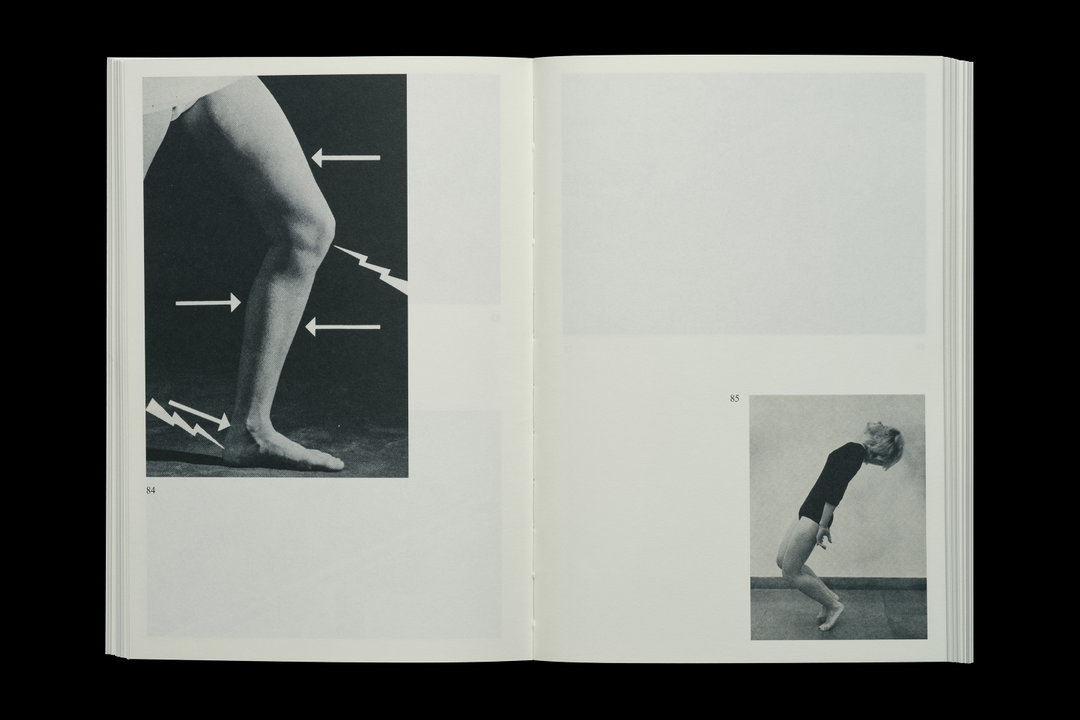
In 2015, photographer Carl Ander found a table tennis manual illustrating the sports’ game play with a series of static instructional frames. As is the case with most sport, health or self-help manuals, these images were embellished with an overlay of directional markings to insinuate some form of motion – a visual technique that became point of immediate fascination for the photographer: “The camera’s ability to freeze motion is often described as a beneficial feature,” says Carl. “But in this case it seemed to have caused problems and instead become a limitation.”
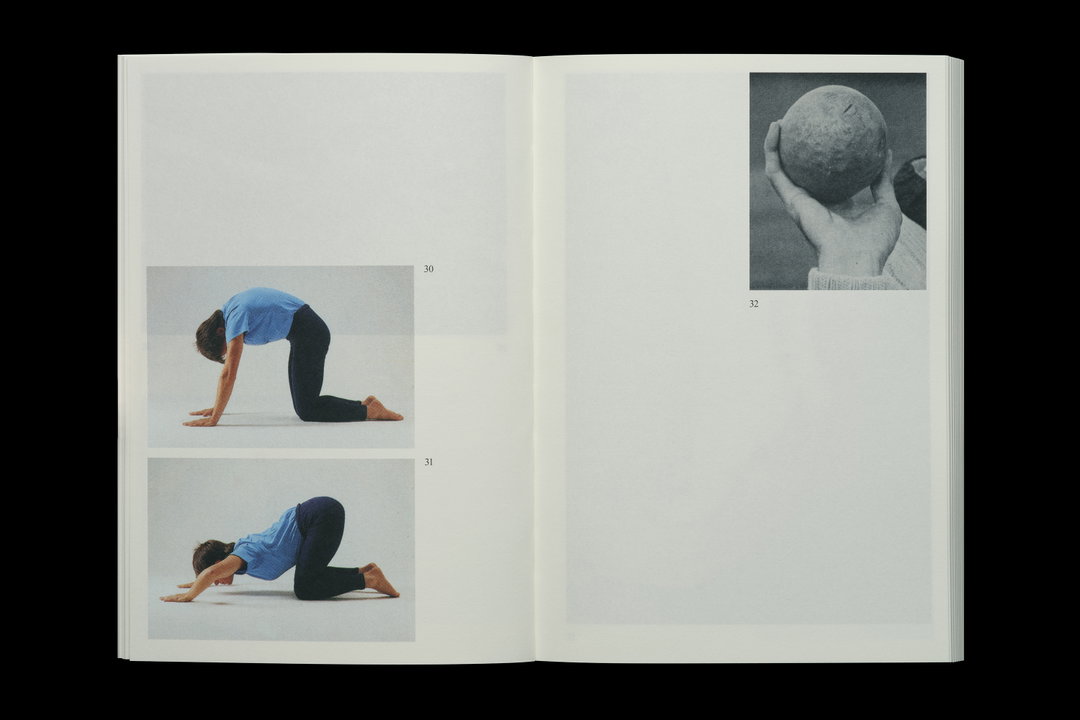
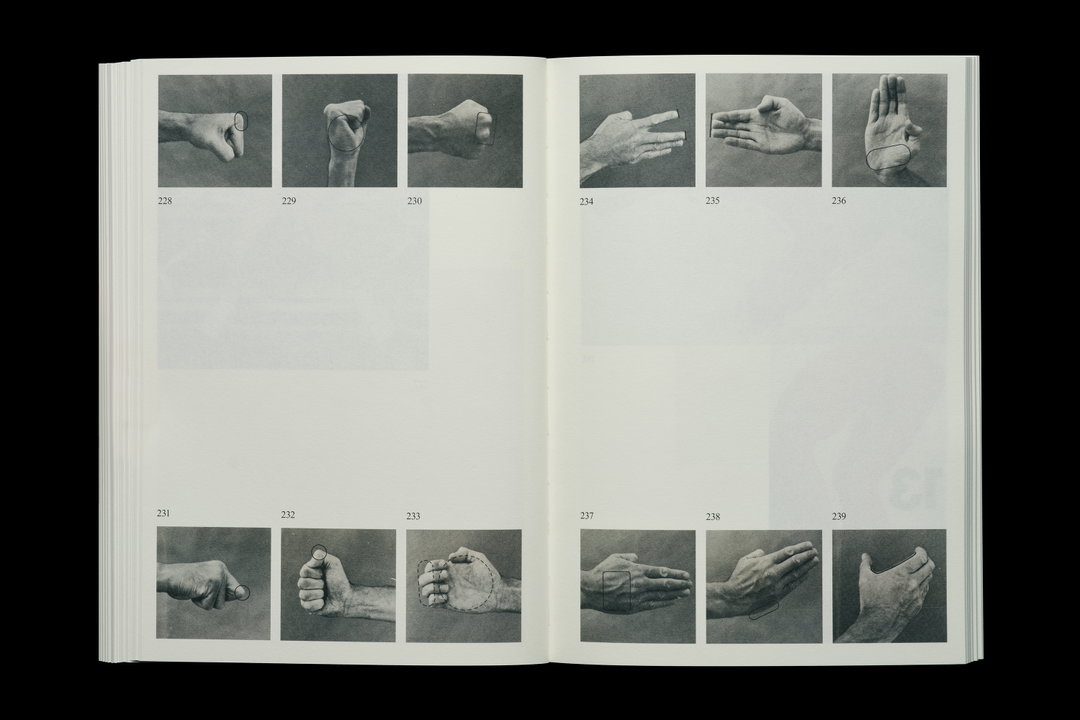
Over the last decade, Carl has slowly amassed a rather large collection of these images – his intrigue with photographs that teach you how to wrestle, stretch or ski folding into an obsession that has grown into a library of hundreds of volumes. As this archive of strange instructional images grew, the photographer started to see reoccurring framing, or regular motifs in how certain gestures of the body were conveyed. Cutting out images from the publications in order to “free them from their original purpose”, the photographer began to look at them in a way that was a bit more abstract and removed. Questioning: “Without instructional text, can these images still teach us something?”
Carl Ander: Static Motion (Copyright © Carl Ander and LL’Editions, 2025)
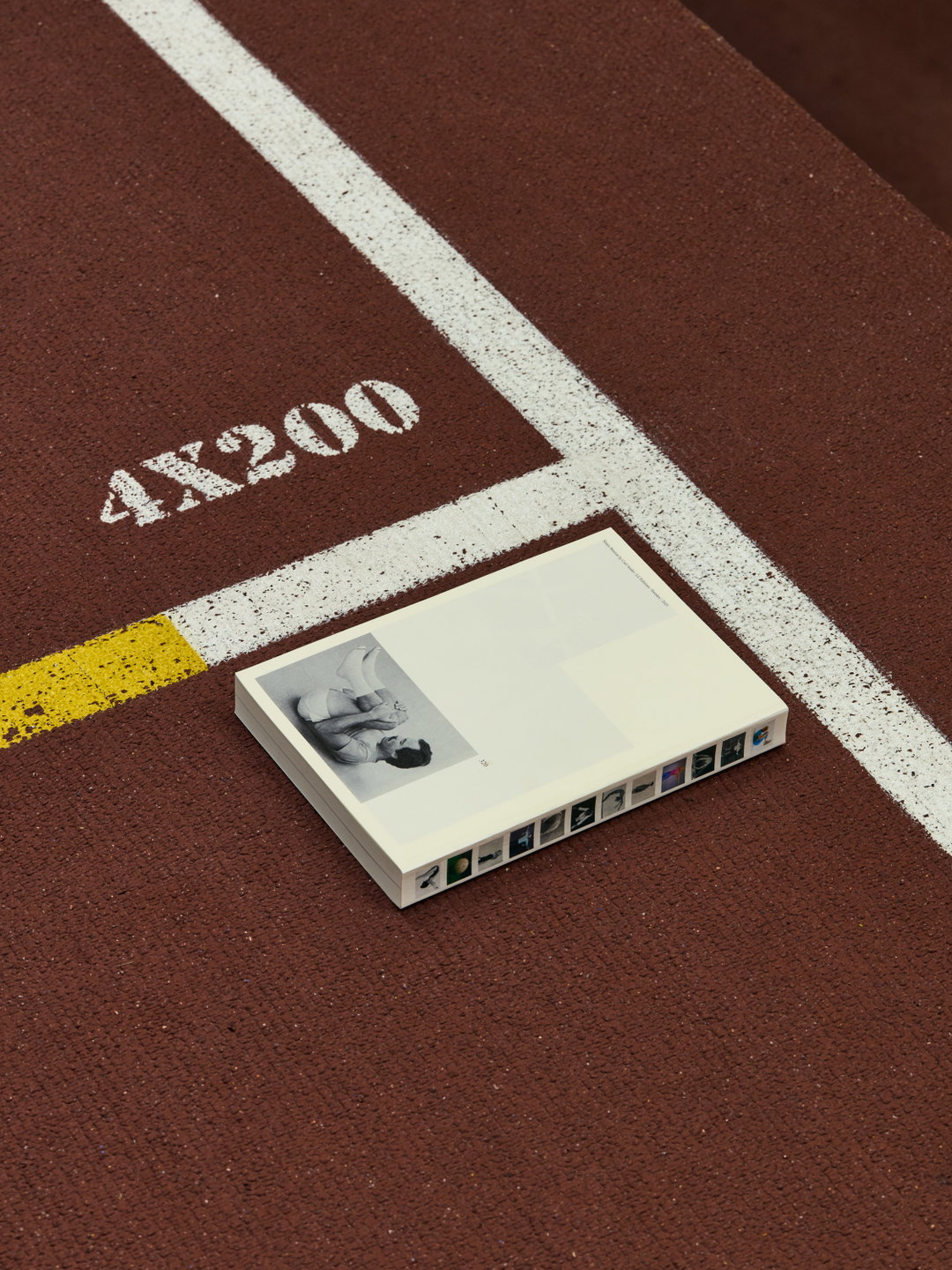
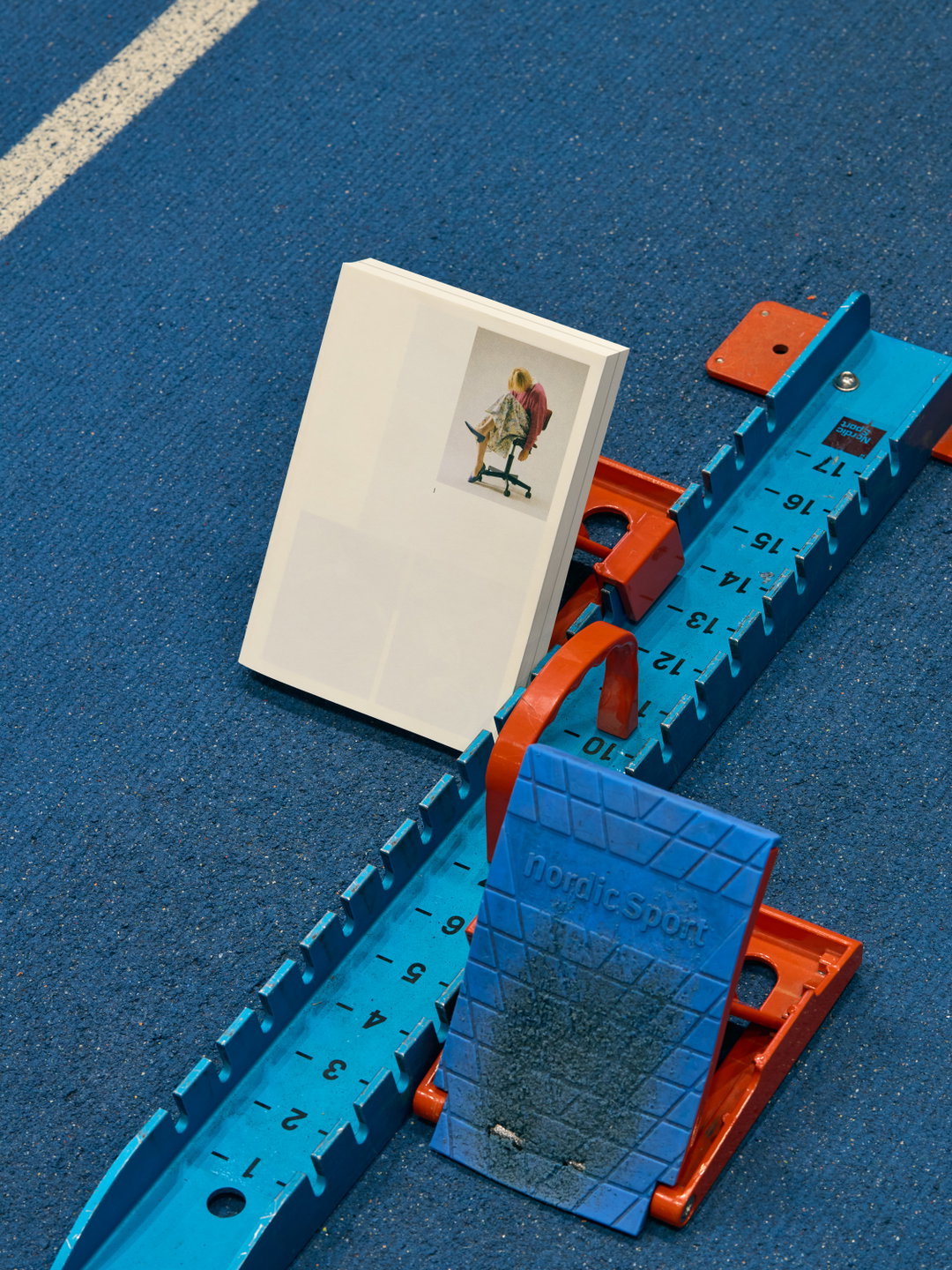
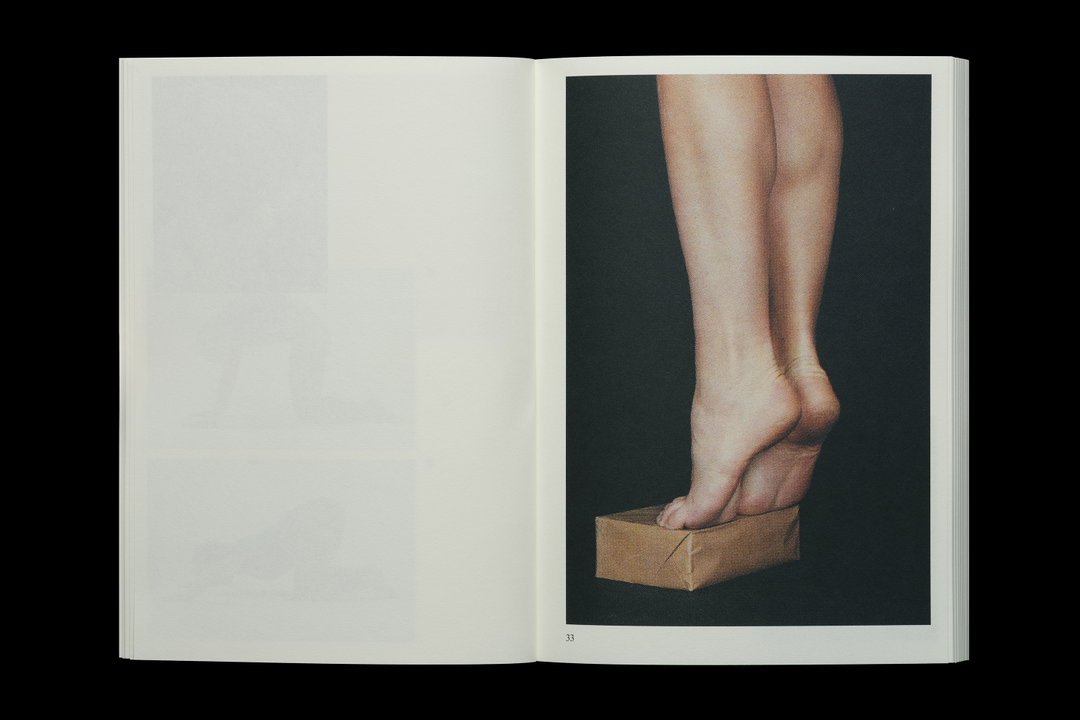
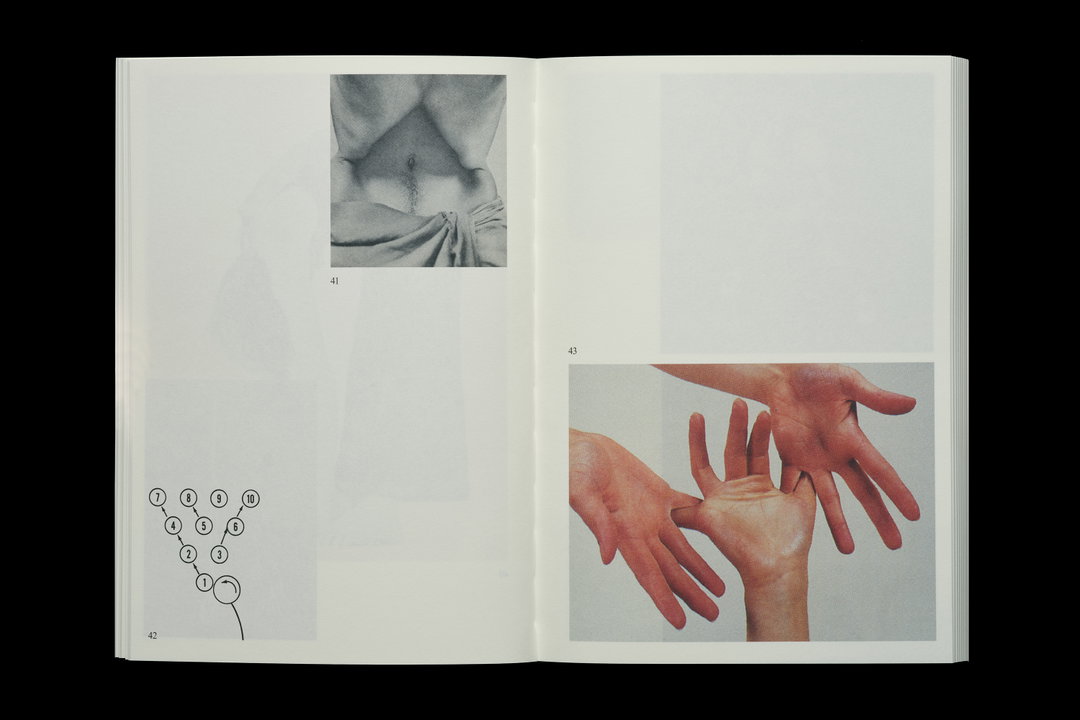
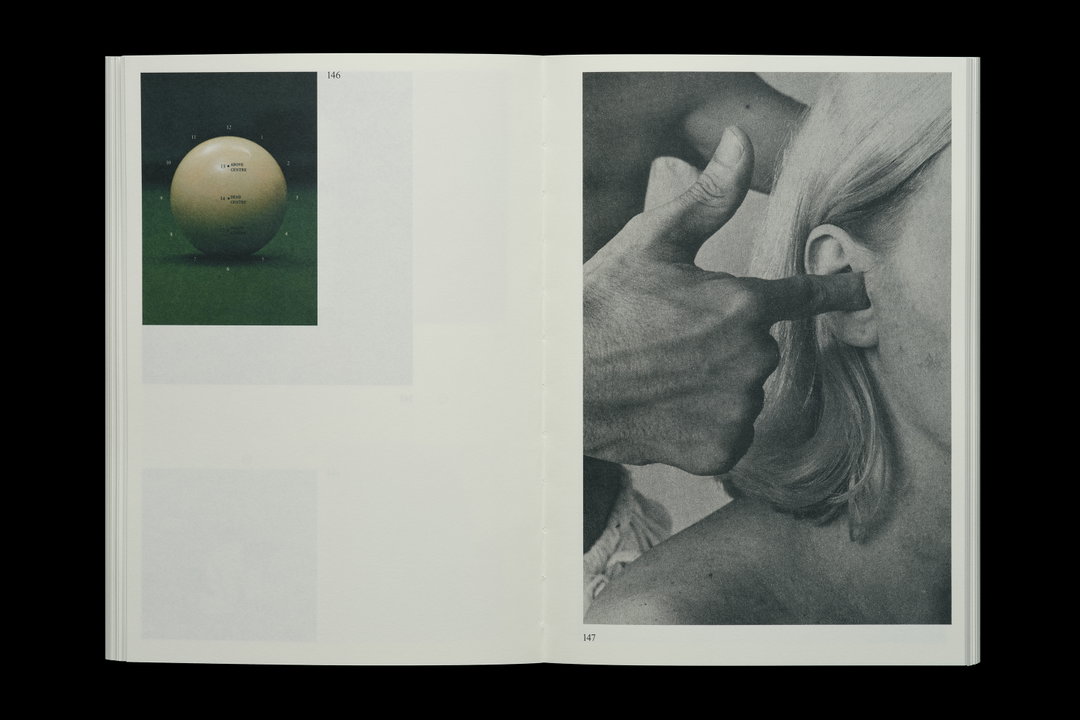
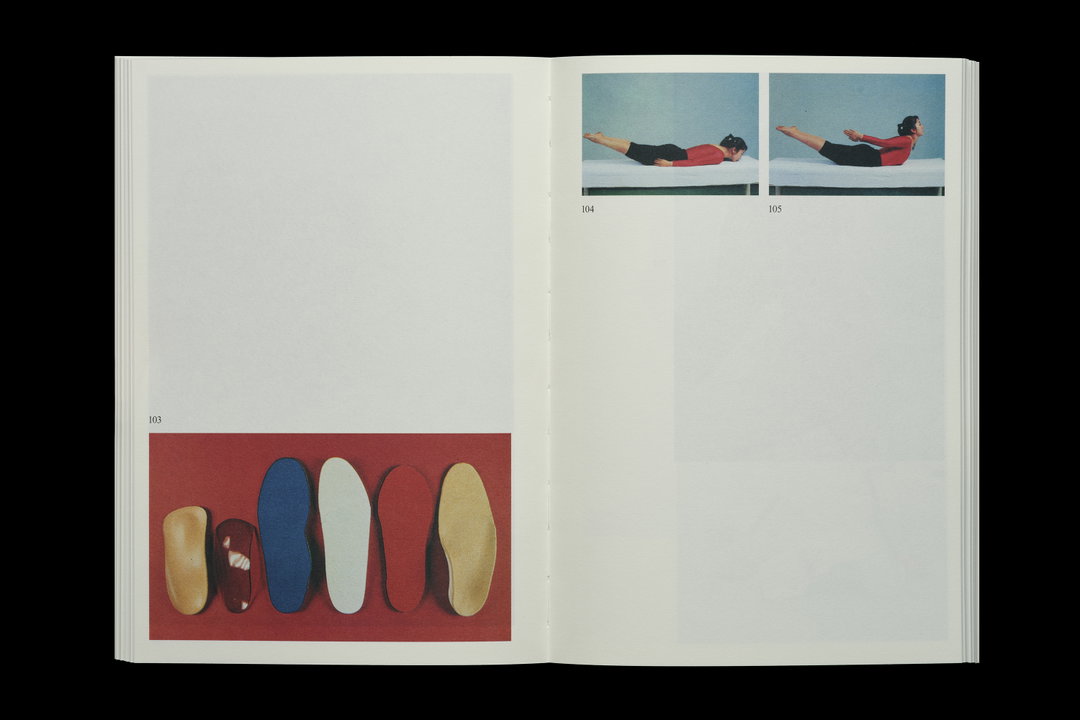
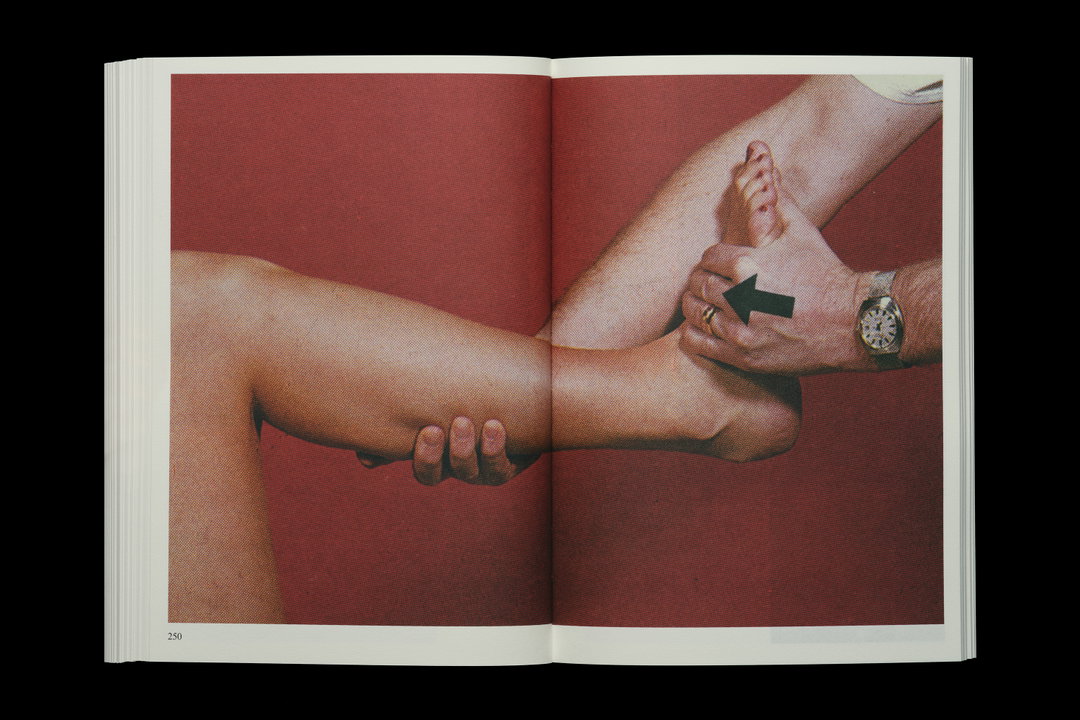
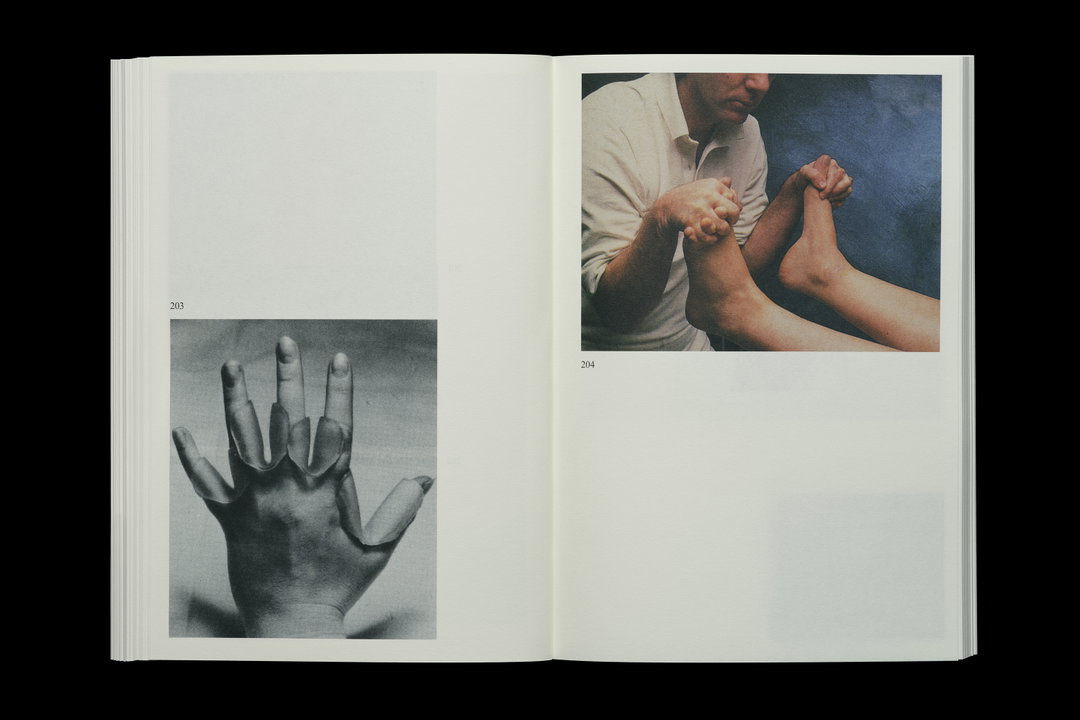
This visual investigation led Carl to collate a selection of images from the collection into a photobook: Static Motion. Published by LL’Editions and designed by Lundgren+Lindqvist, the publication re-contextualises this found imagery, encouraging viewers to look at it anew. Detached from their utilitarian beginnings, the photographs “invite new readings; at times absurd or humorous, at others unsettlingly violent or erotic”, shares Carl. “Here, they can be viewed in an alternative way and different meanings can arise.”
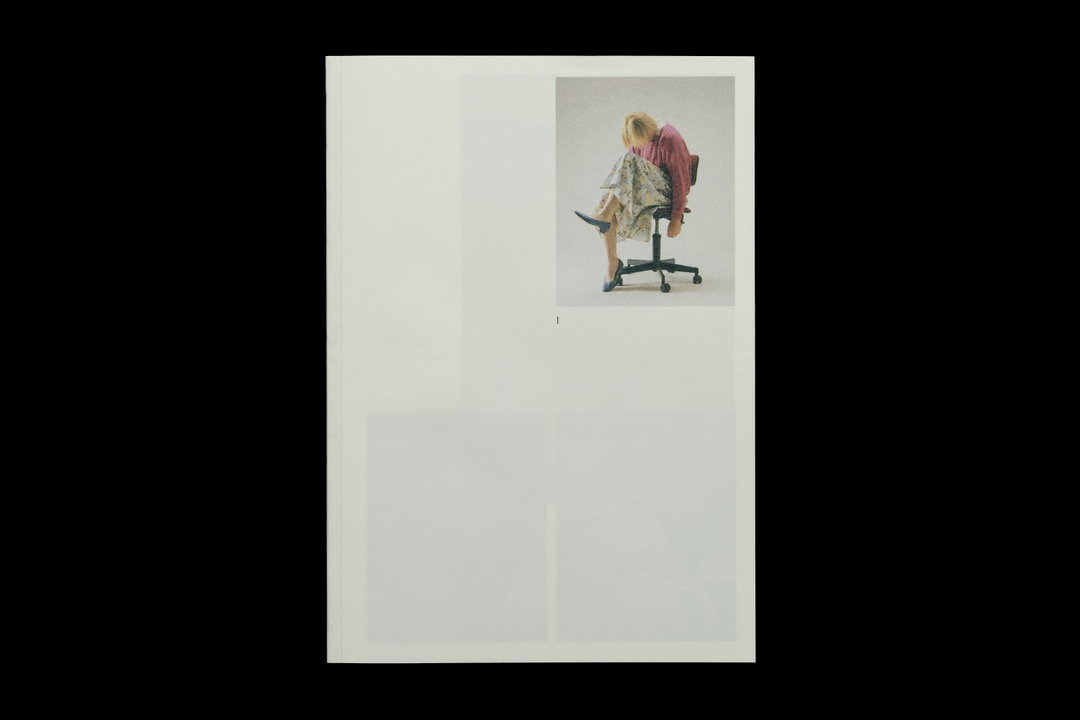
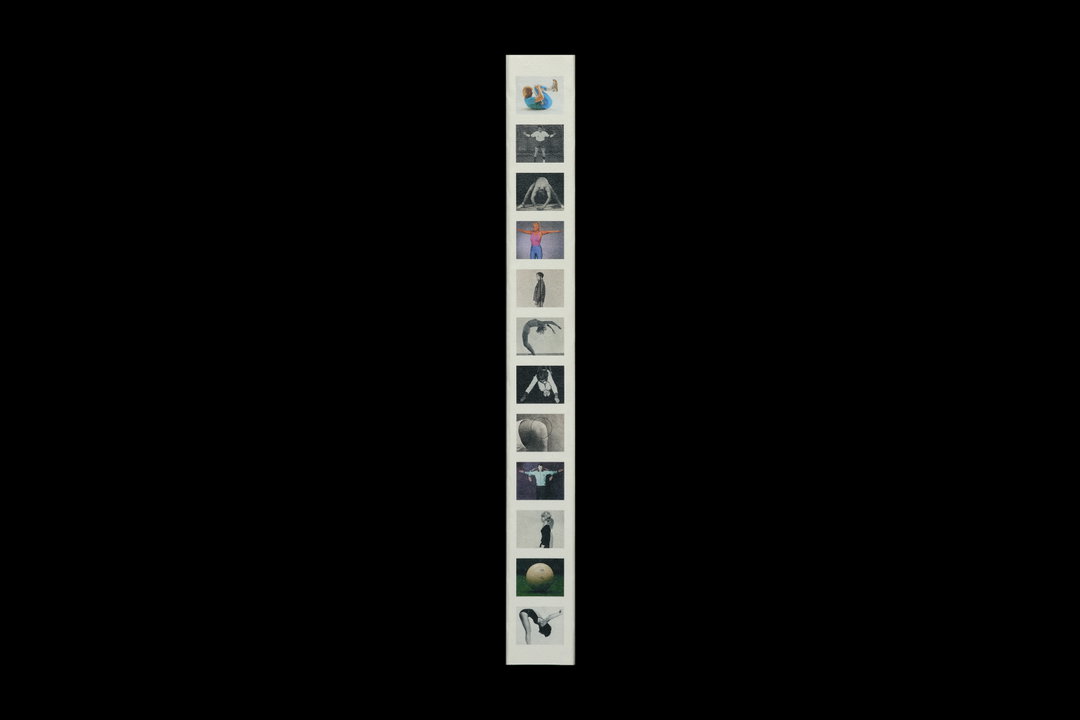
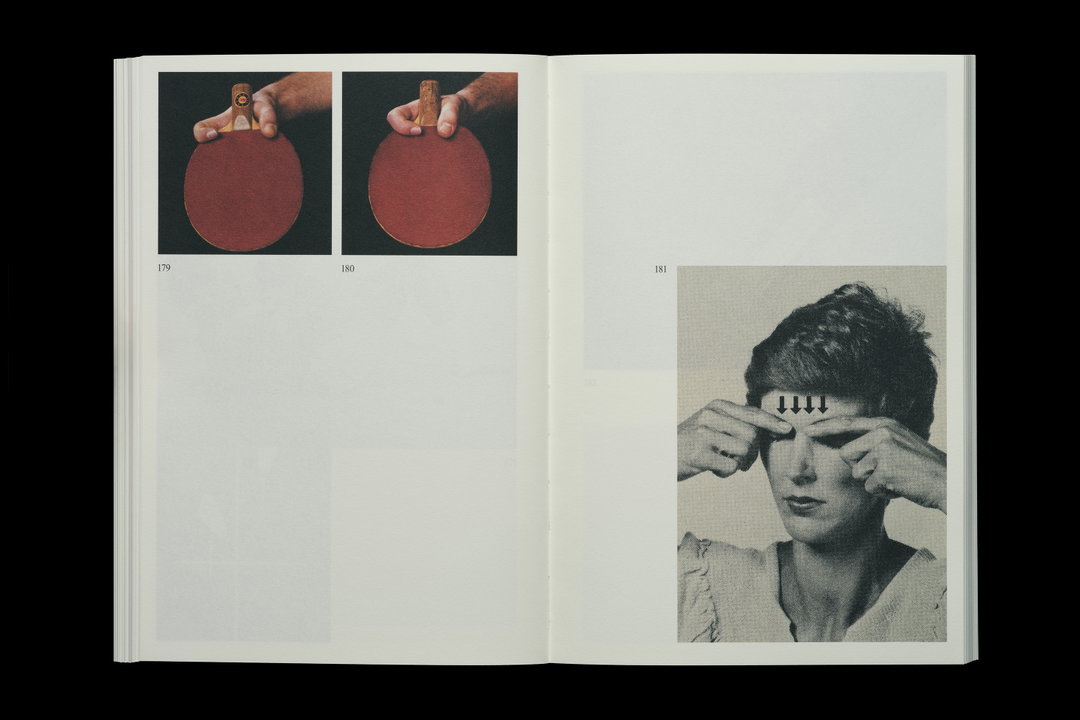
It’s not just the absence of instructions that changes the way we look at these images. The book’s strategic pairings across spreads create a dialogue between unrelated photographs: an image illustrating the correct way to hold a table tennis paddle is paired with a pressure technique that looks like it’s designed to tackle a migraine. Absurd and conspicuous combinations, that create new meanings when paired, these were something that quite naturally “emerged through the book’s sequencing process itself, where certain images naturally found their place and others were set aside, to serve the narrative and overall flow”, share designers Andreas Friberg Lundgren and Mónica Tomás of studio Lundgren+Lindqvist.
For the designers, the book’s layout was an intuitive process: “memory played a central role, as particular images resurfaced in our minds along the way as ideal pairings or counterpoints”, Andreas says. Despite its loose, flexible structure, one thing the pair did aim to preserve in the book was as much variety as possible. It was important that the book’s contents span across “subjects, gestures, body parts, genders, colours and layout”, says Mónica, “so that the book would be dynamic and reflect the diverse nature of the source material.”
Far from a rational framework to acquaint these images in, Carl’s aim was to highlight the sense of ambiguity and contradiction he found within many of the photographs. Essentially, the weirder the better: “When confronted with an image I wanted to find myself asking: What’s going on here?”. What once served as infographics might now function “as an index of the body’s gestures”, Carl concludes. “Or act as testimonials for limitations of the photographic medium. It’s up to each person to ponder on alternative logics and meanings.”
GalleryCarl Ander: Static Motion (Copyright © Carl Ander and LL’Editions, 2025)
Hero Header
Carl Ander: Static Motion (Copyright © Carl Ander and LL’Editions, 2025)
Share Article
About the Author
—
Ellis Tree (she/her) is a staff writer at It’s Nice That. She joined as a junior writer in April 2024 after graduating from Kingston School of Art with a degree in Graphic Design. Across her research, writing and visual work she has a particular interest in printmaking, self-publishing and expanded approaches to photography. ert@itsnicethat.com
To submit your work to be featured on the site, see our Submissions Guide.