


- Words
- Paul Moore
- —
- Date
- 25 February 2026
- Tags
Pokémon turns 30! Explore the archives of original artworks that defined our childhoods
The cartoon has dominated pop culture for three straight decades. In celebration of its birthday, we take a look back at some original designs, with insights from avid Pokemon art collectors.
Share
Share
Back in early 1996, the dual-released video games called Pocket Monsters Red and Pocket Monsters Green were unleashed in Japan. It would take no time before it became one of the most gigantic games the world has ever seen. Released on the Game Boy, a console that had enjoyed seven years of wonderful games, Pocket Monsters Red and Green immediately became the staple of the handheld system – and in the process, it captured the hearts of just about every child who ever held the game in their hands. The game expanded to the West two years later and became the household name of Pokémon. Let’s put it this way, even your grandmother knows who Pikachu is. Although the graphics were primitive even at the time, it didn’t seem to matter much when stacked up against the unlimited imagination of its world, which, much like our own, is filled with humans and their animal pets – except in Pokémon, the pets can breathe fire and create earthquakes with their fists.
We’re approaching not just the 30th anniversary of the original Pokémon – but what Pokémon used to look like. In the early days of the epic franchise, the creature designs were far from being standardised or finalised. Between 1996 and 1997, when Pokémon The Series aired, there was a pocket of time where legendary designers Ken Sugimori, Mitsuhiro Arita, Atsuko Nishida, Motofumi Fujiwara and Shigeki Morimoto could take artistic liberties with the franchise’s aesthetic. It’s Nice That spoke to the people who are keeping retro Pokémon alive: amateur historians Makio, one of the co-founders of Pokéos, a huge archival effort that aims to “rescue official Pokémon art” from obscurity across X, Tumblr and Patreon, and Maarten, whose Instagram account Nostalgia Provider has amassed over 60000 followers by becoming one of the largest original Pokémon art databases on the site.
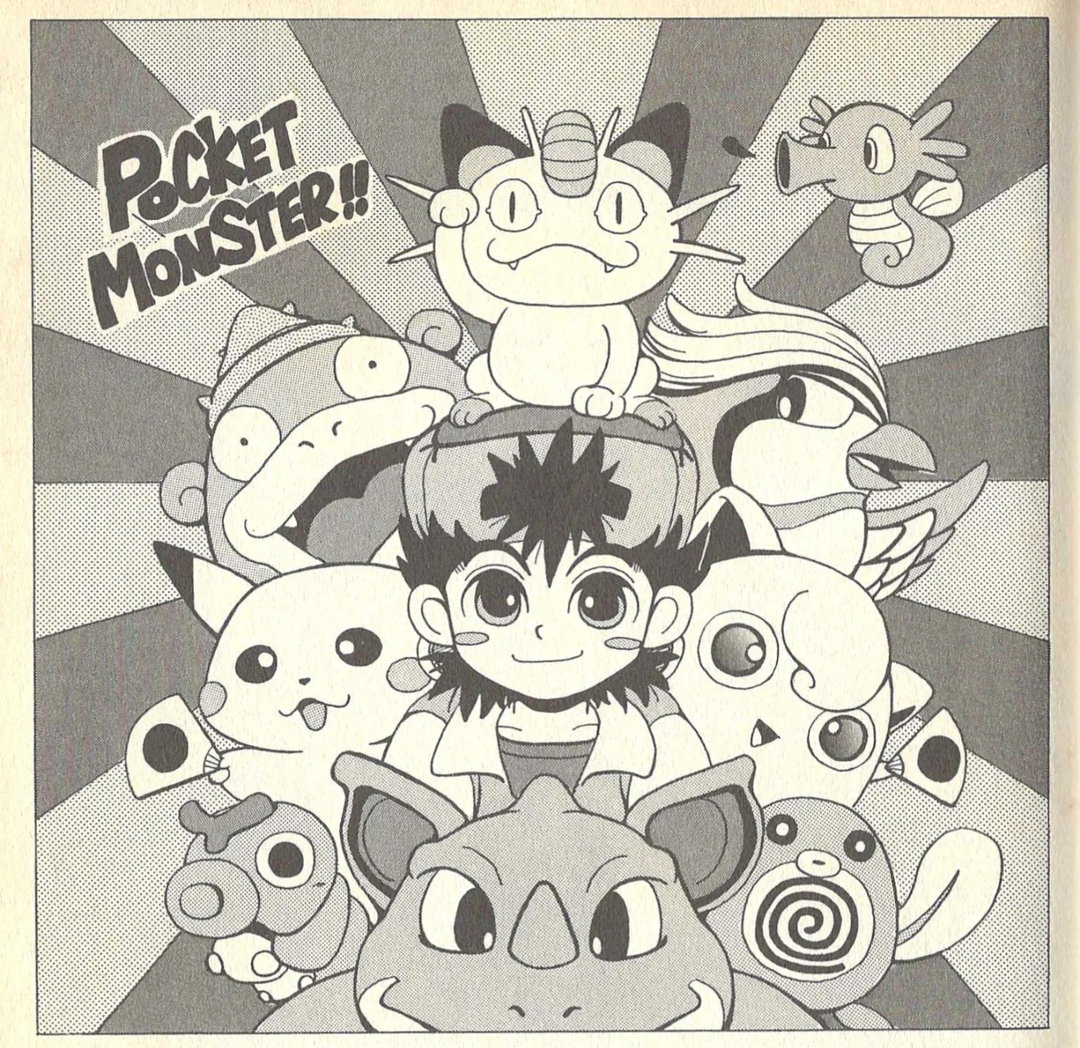
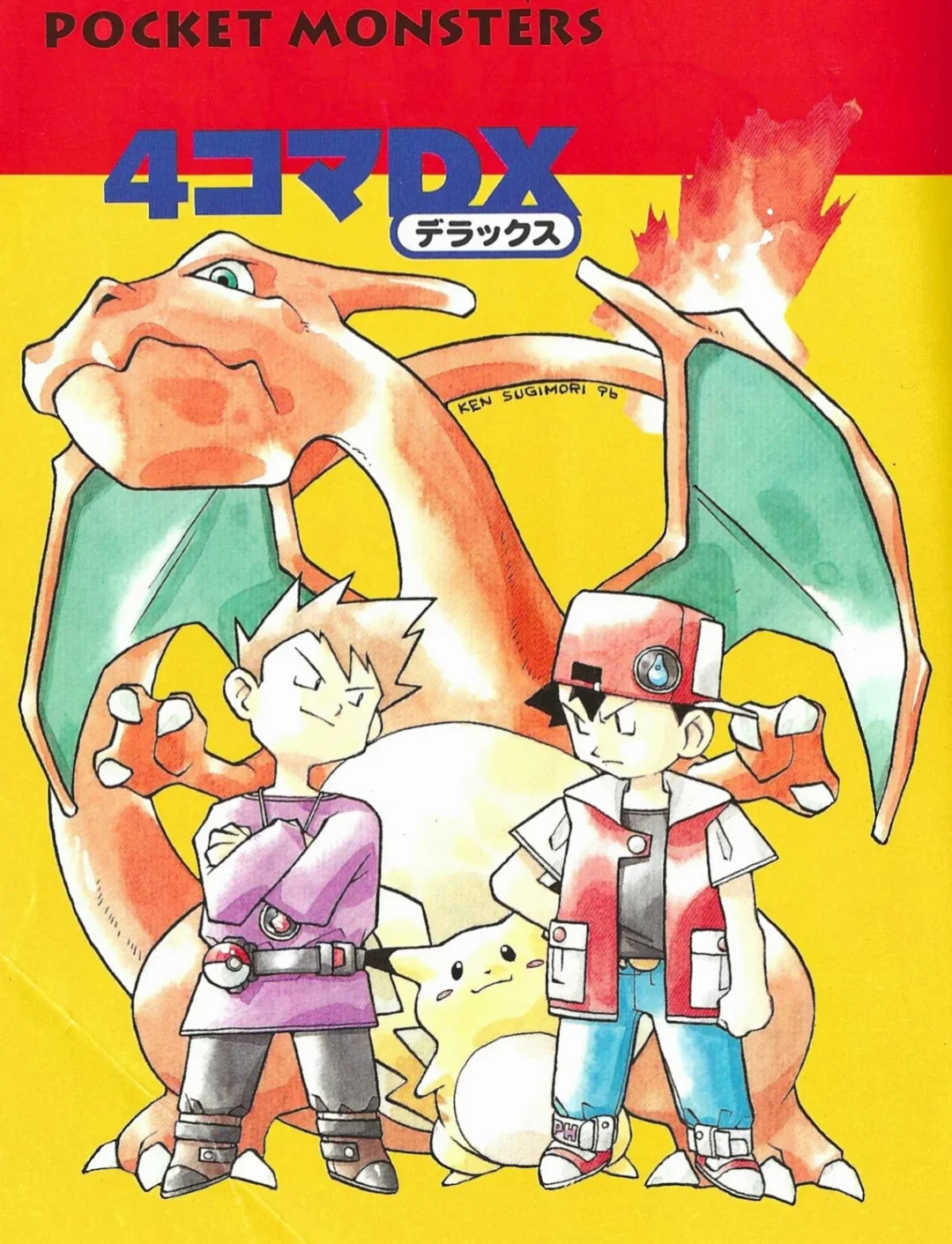
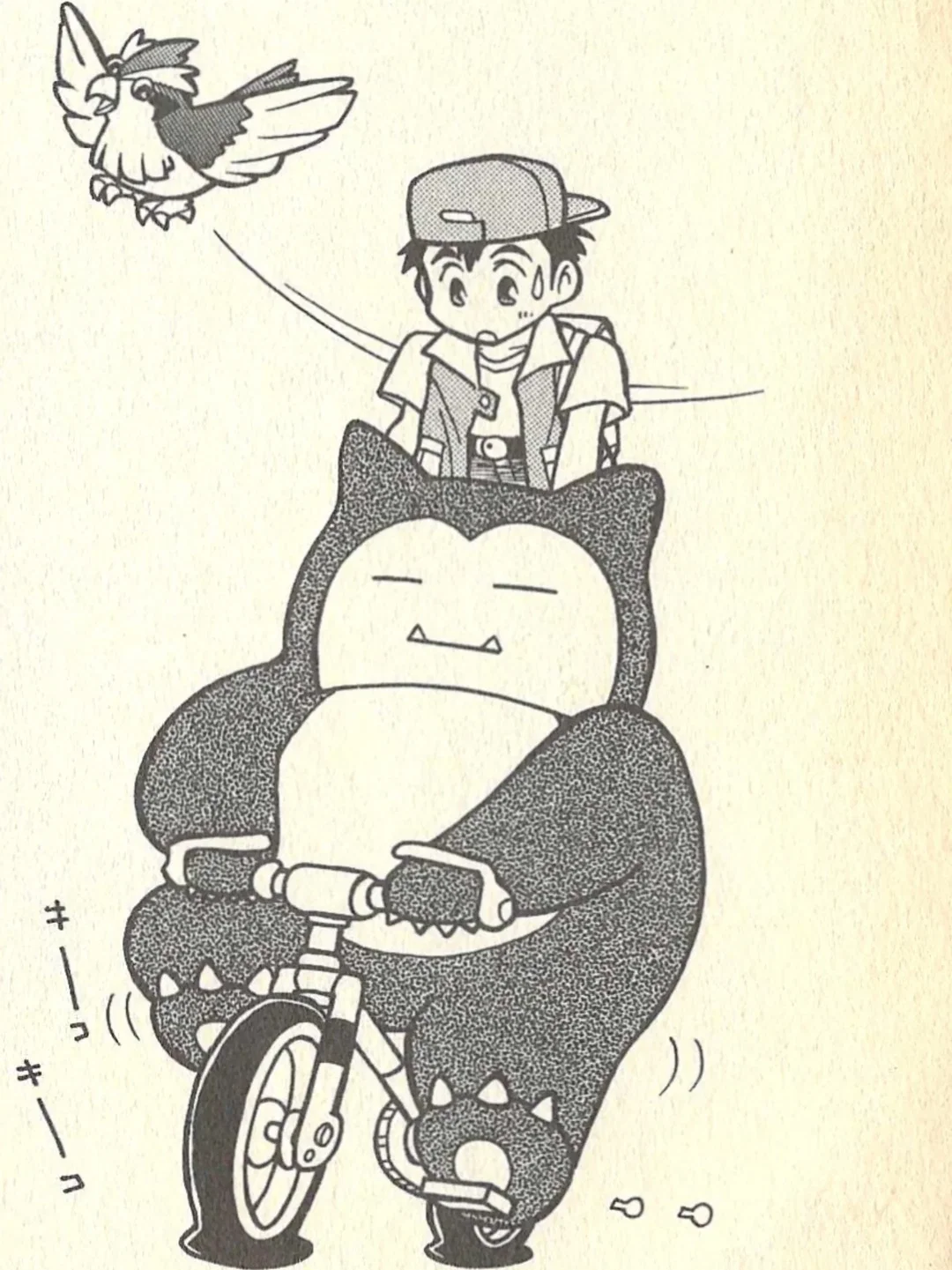
Pokémon 1P Comics (Copyright © GameFreak/Creatures/Nintendo, 1997-1999)
“In elementary school I used to create a small homemade magazine for my classmates with Pokémon news and updates. I called it PokéMagazine.”
Maiko
“I’ve been a Pokémon fan for about 20 years, and I’ve been emotionally attached to the brand since I was a child. In elementary school I used to create a small homemade magazine for my classmates with Pokémon news and updates. I called it PokéMagazine,” shares Makio. “The site began simply as a place to collect news. Over time, it evolved into a massive archive and database: cards, sprites, maps, illustrations, sketches, promotional material, tools, and historical assets. Pokémon is almost 30 years old now, and that’s a huge cultural archive. There’s so much to document, and the future of the franchise is still unfolding, so there will always be more to preserve. Today, I run the site together with my girlfriend!”
Although Makio’s personal obsession with Pokémon has lasted twenty years, Pokéos is relatively new when compared to some websites that have lasted for up to thirty years. Makio’s site was born almost by accident, without a long-term plan at first, but then it kept growing organically. Like Pokémon itself, the website is always in active construction as more and more vintage Pokémon art is collected, expanding to meet the needs of veteran fans hungry for the uniqueness of the franchise’s early aesthetic. “What fascinates me most is making these archives accessible and easy to navigate. Pokémon constantly evolves, but having a complete and organised historical record makes you appreciate just how much it has changed!” says Makio.
Likewise, Maarten’s love of Pokémon came about in childhood, specifically during a difficult time in school. “Back when I was about 14, I started getting bullied in school. My grades dropped and I became a bit depressed; I spent more time on the internet as a form of escapism. I watched tons of YouTube and accidentally stumbled upon the season one Pokémon theme song. I instantly started tearing up and I realised that I had repressed my love for Pokémon,” says Maarten. Rediscovering Pokémon was like rediscovering a part of his childhood. Not long after, he began scouring flea markets for old games, trading cards and promotional materials. Then it turned into magazines, postcards, posters, stamps – he couldn’t help but think about the younger version of himself who was represented in those early art styles.
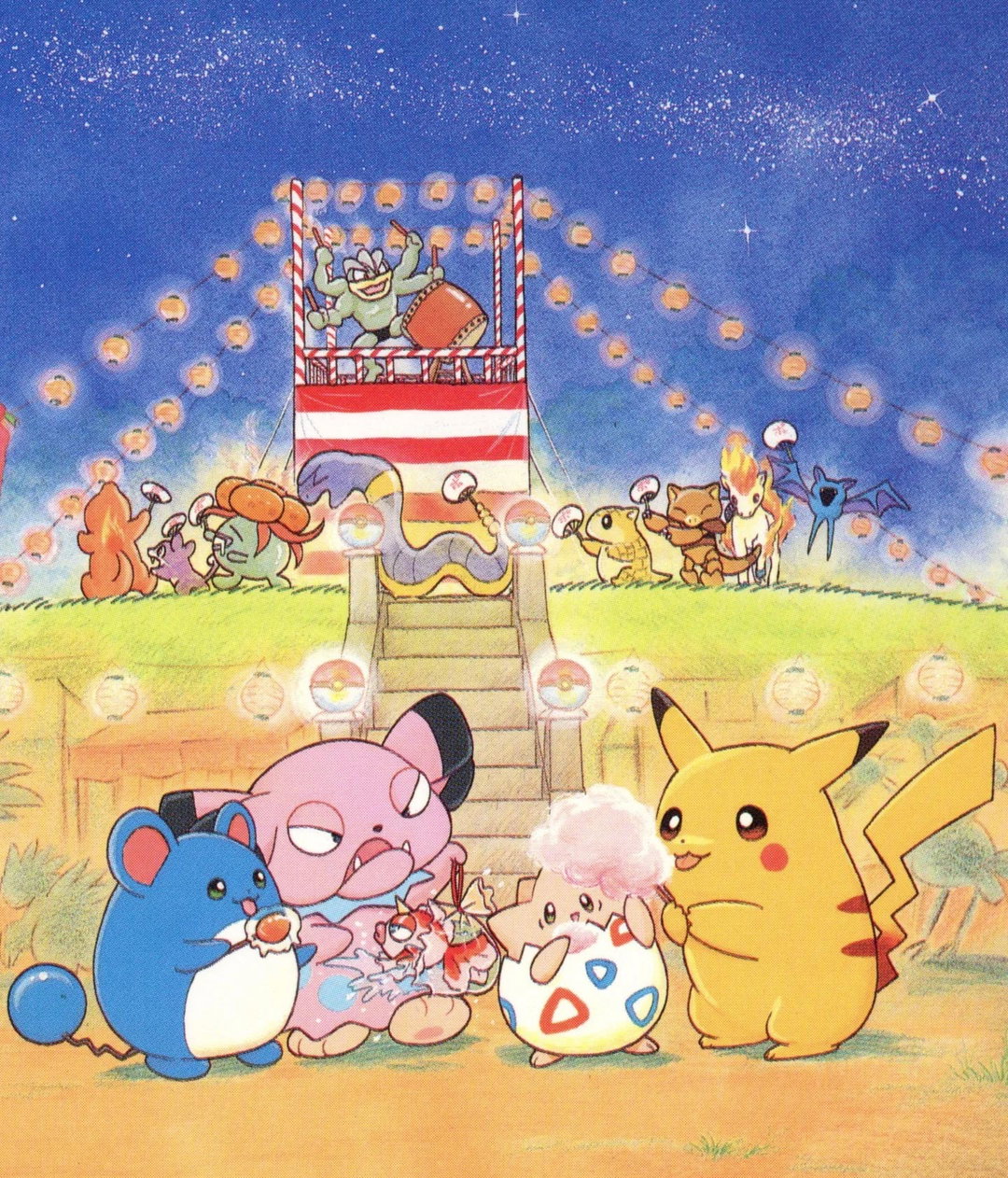
Keiko Fukuyama: Pokémon postcard (Copyright © GameFreak/Creatures/Nintendo, 1998-2000)
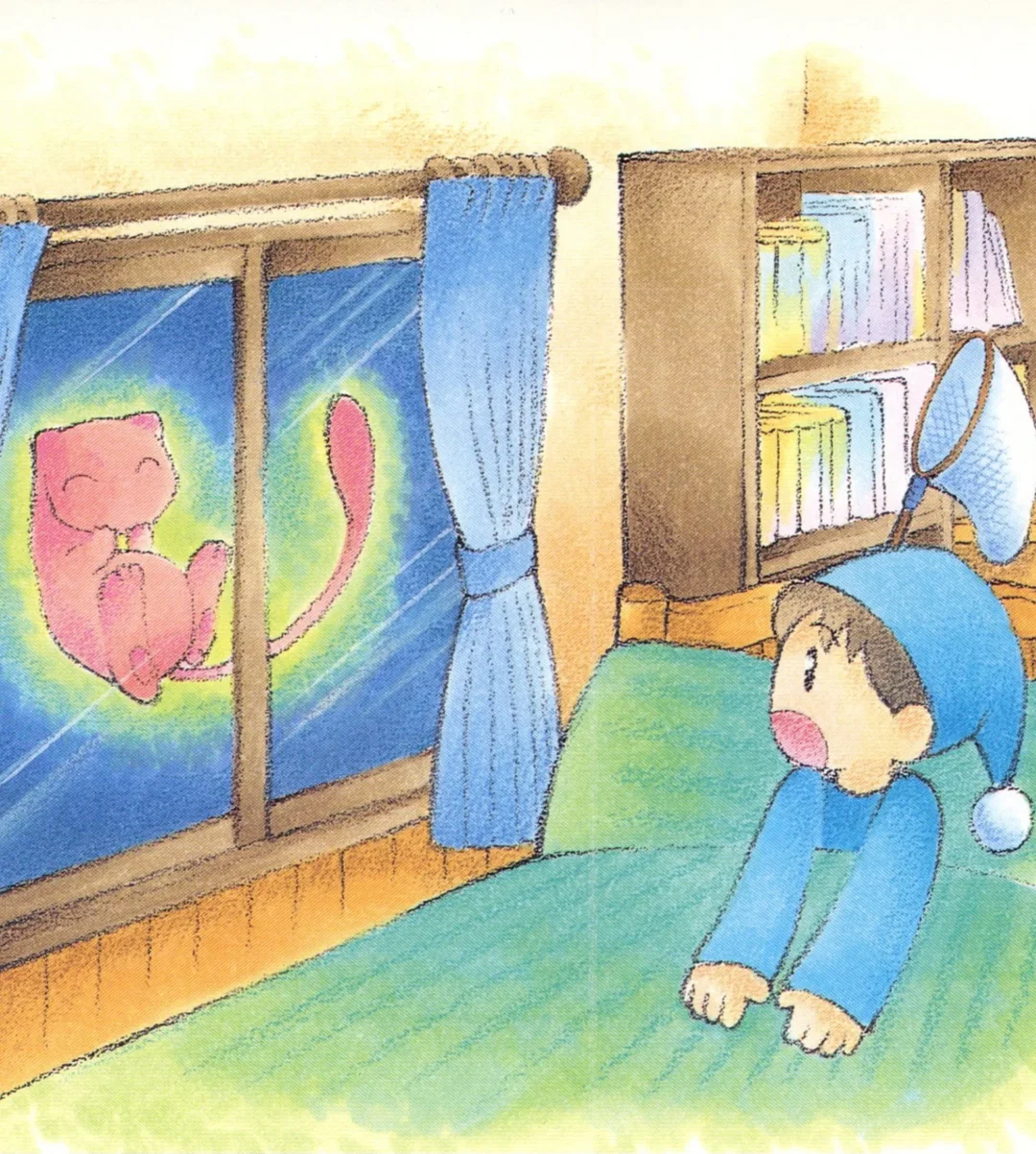
Kagemaru Himeno: Pokémon Tales #42 Mew Likes To Stand Out (Copyright © GameFreak/Nintendo, 1997)
Naoyo Kimura: Pokémon Tales #46 Don’t Laugh Charizard! (Copyright © GameFreak/Nintendo, 2001)
Naoyo Kimura: Pokémon Tales #46 Don’t Laugh Charizard! (Copyright © GameFreak/Nintendo, 2001)
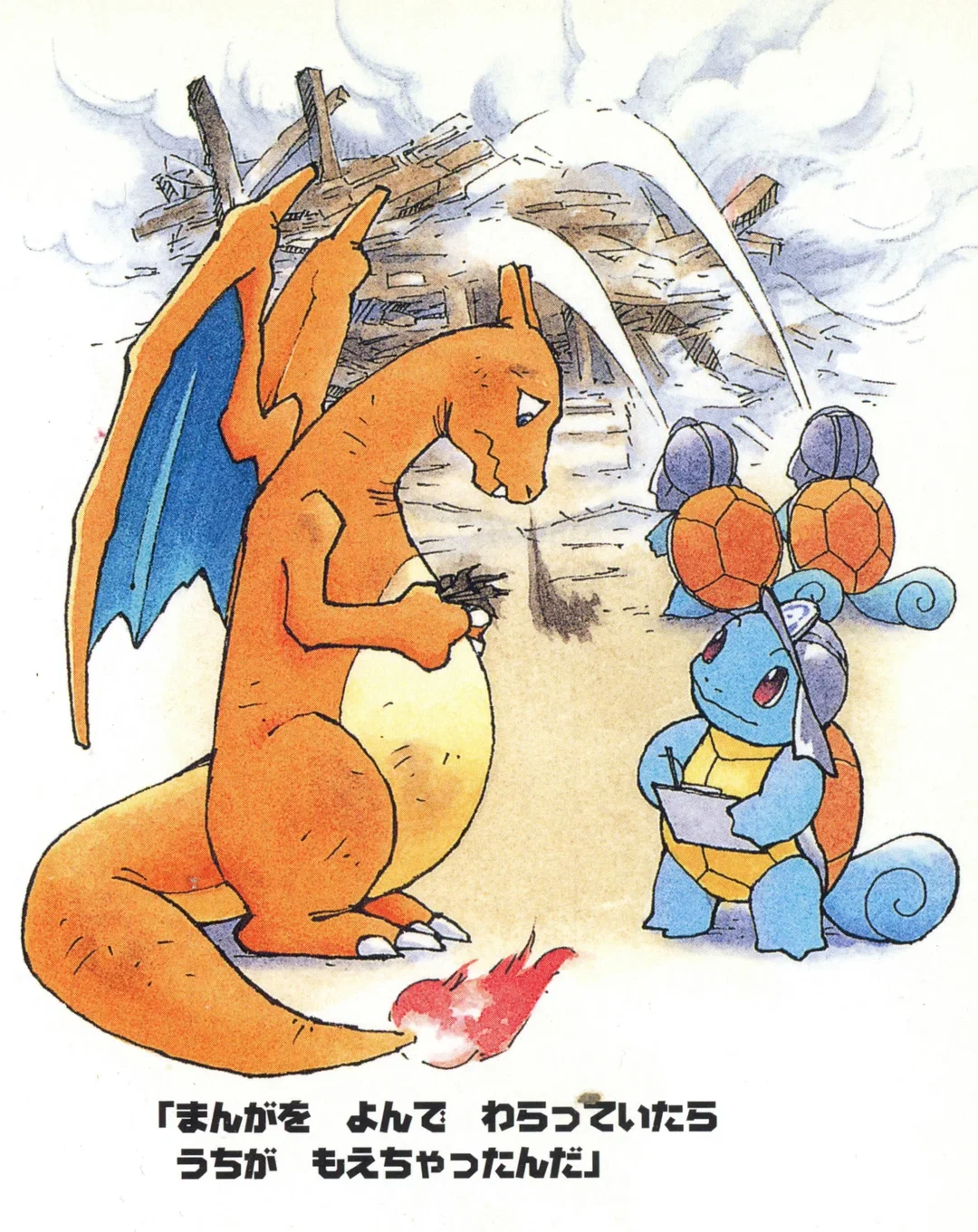
Naoyo Kimura: Pokémon Tales #46 Don’t Laugh Charizard! (Copyright © GameFreak/Nintendo, 2001)
Naoyo Kimura: Pokémon Tales #46 Don’t Laugh Charizard! (Copyright © GameFreak/Nintendo, 2001)
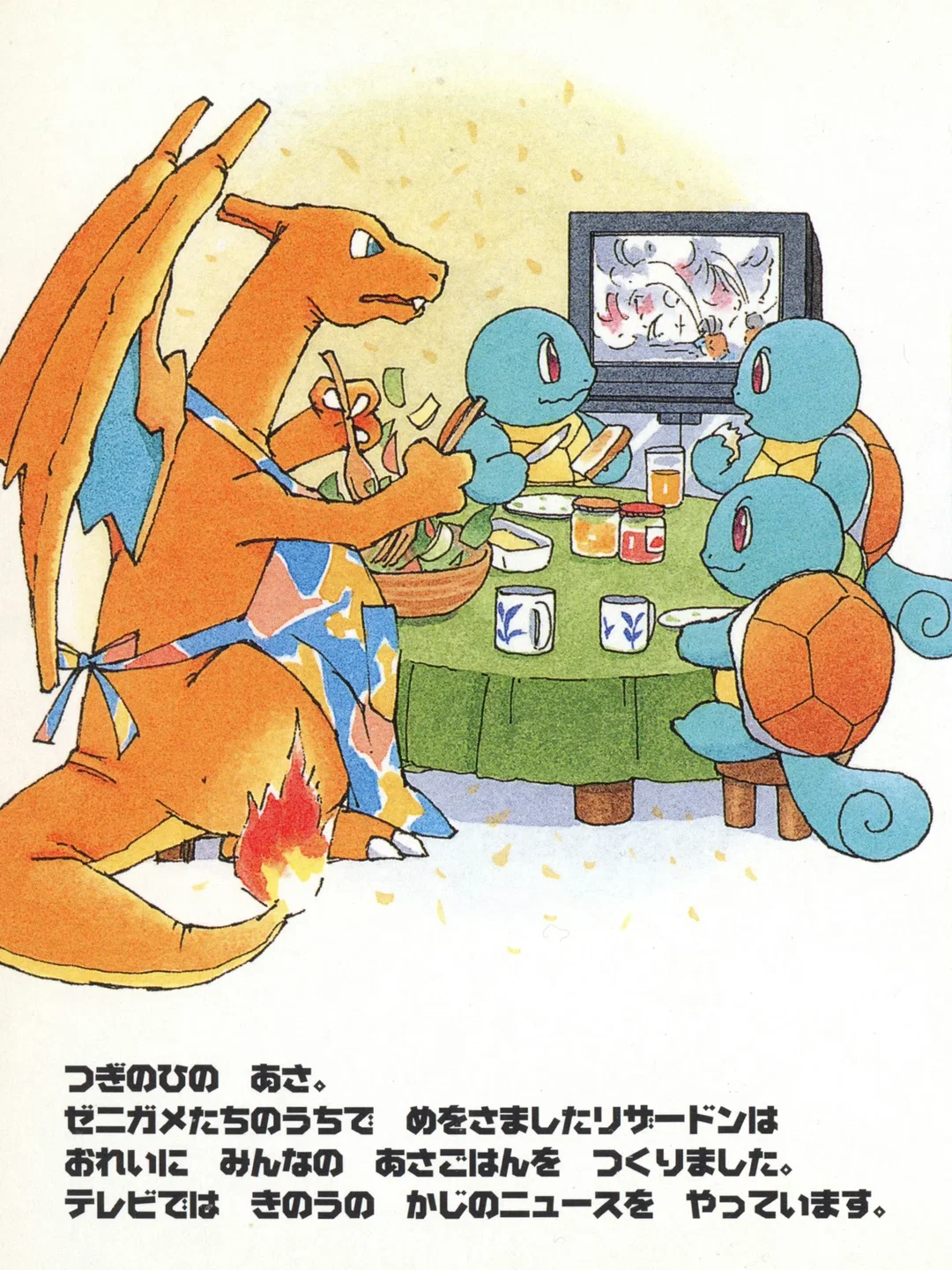
Naoyo Kimura: Pokémon Tales #46 Don’t Laugh Charizard! (Copyright © GameFreak/Nintendo, 2001)
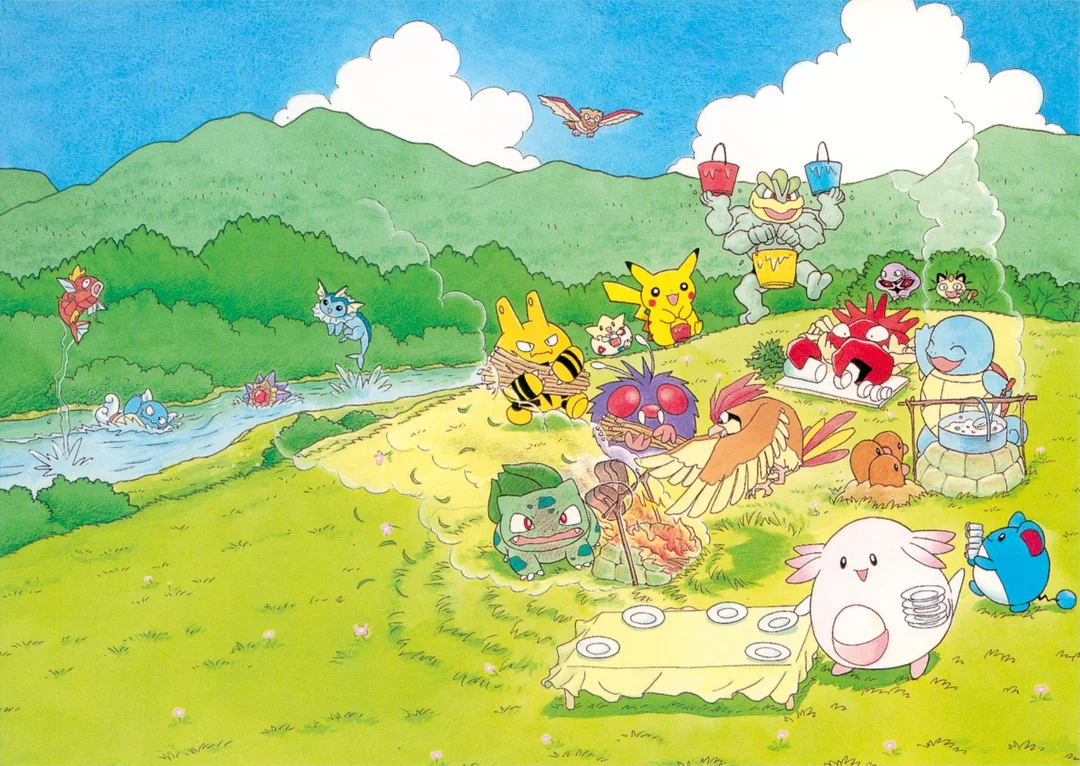
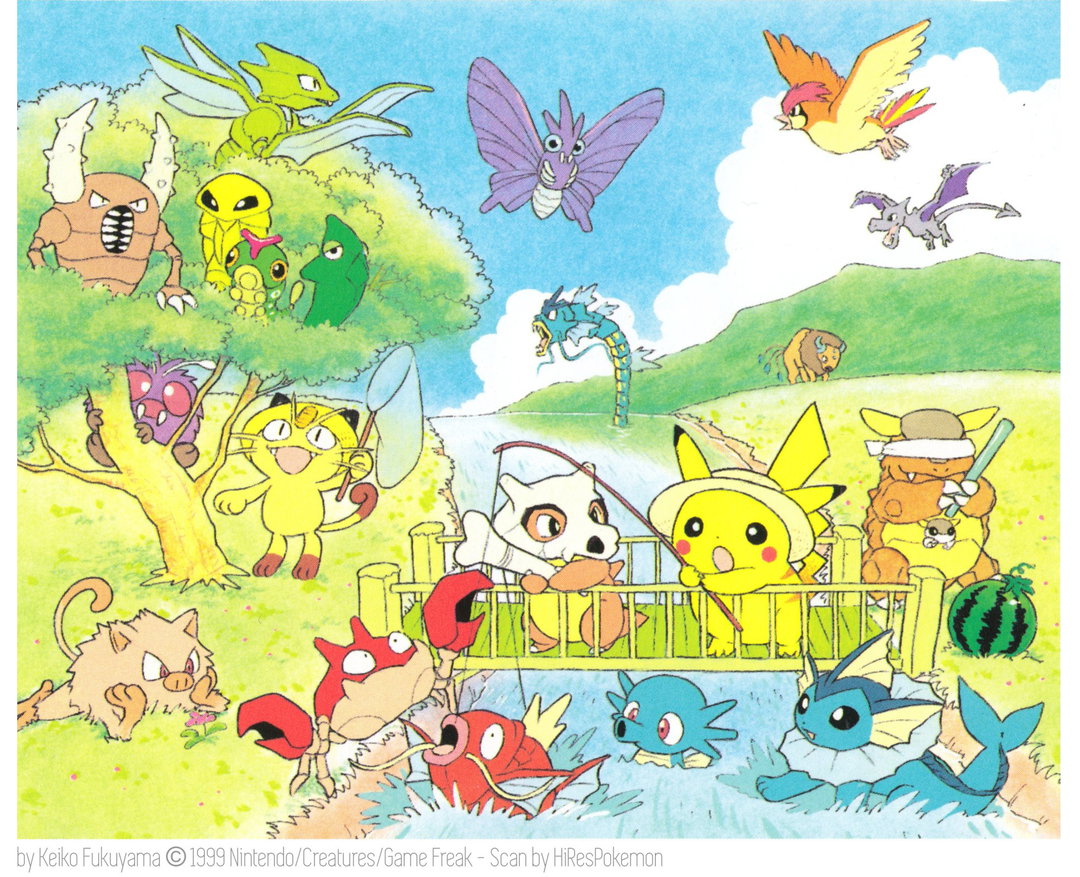
Keiko Fukuyama (Copyright © Nintendo/Creatures/Game Freak, 1999) Courtesy of HiResPokemon
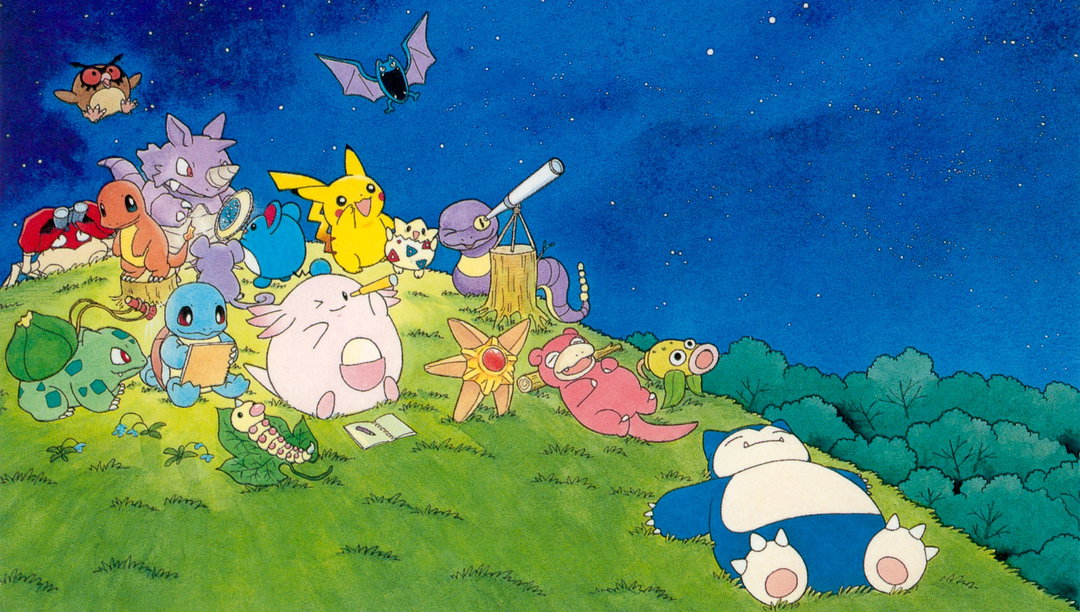
“The final in-game sprites were heavily restricted by Game Boy hardware: low resolution, strict pixel grids, and very limited color palettes. What appeared in the games was often a technically simplified version of a more complex artistic idea,” says Makio. “There was no unified global Style Guide, and The Pokémon Company did not yet exist. The games were developed by Game Freak, with Nintendo primarily acting as publisher. That structure likely meant looser supervision over merchandising, collaborations and promotional materials.”
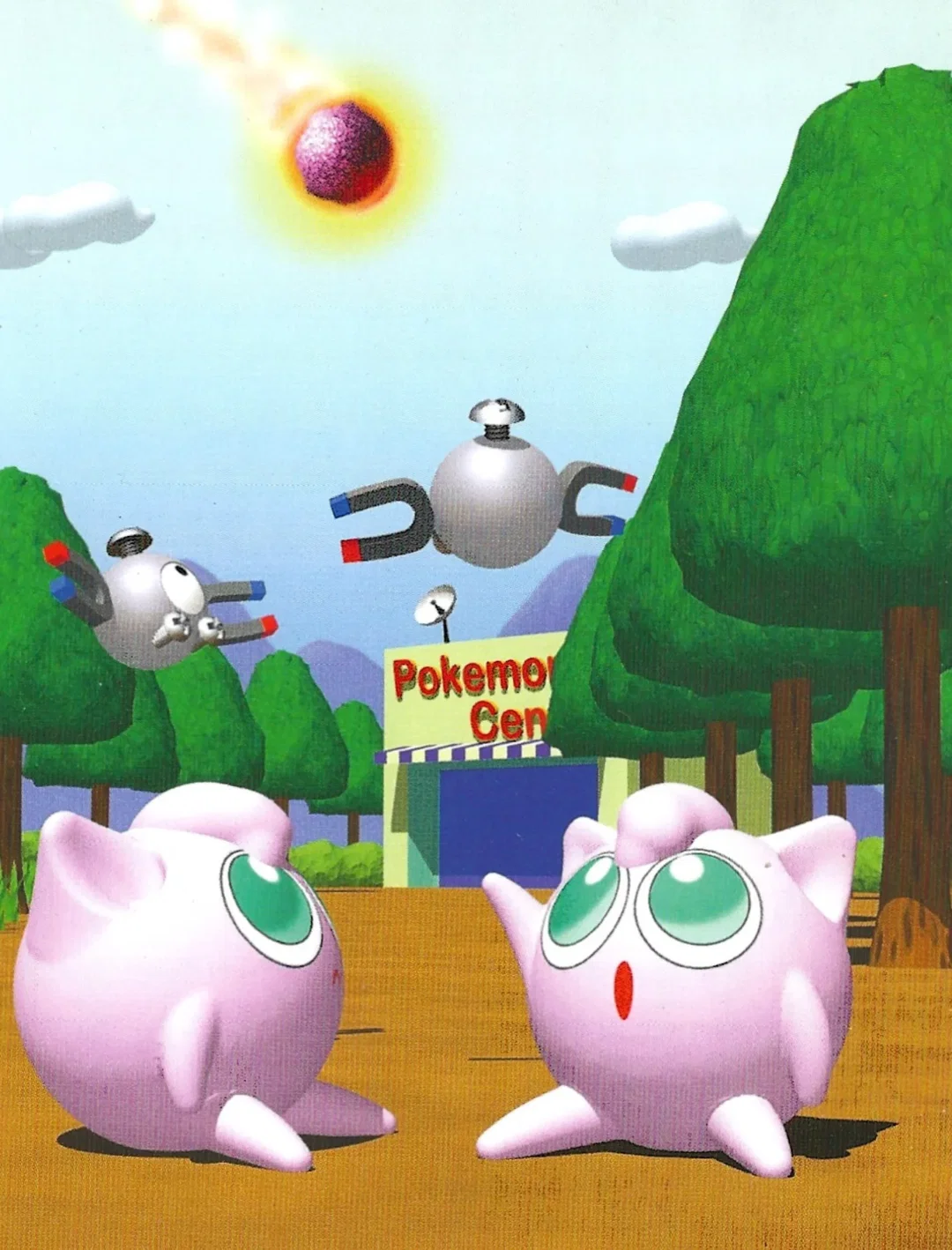
Early concept sketches showed creatures with much different proportions and shapes, like the famous ‘Round Pikachu’, and Pokémon were hand painted with watercolours – sometimes they were depicted in very early CGI or even clay. It was the ‘off-model’ era, shaped by endearing inconsistencies and plenty of space for quirky interpretations of the classic 151 creatures. Even the popular anime series had some wriggle-space in designs, as hand painted cell animation would leave room for human flaws – which as we all know actually means human features. “As the franchise grew, the designs became more ‘locked-in’ and we started seeing more consistency over the years. Still, the trading card game luckily allows huge variation in how Pokémon are portrayed and many different expressive art styles can be admired,” says Maarten. A fan-favourite example is illustrator Tomokazu Komiya, who depicted Psyduck in the style of Edvard Munch’s The Scream, as well as other Pokémon in densely coloured trading cards. According to Maarten, a name that’s often forgotten is Sayuri Ichiishi, who didn’t only design a few Pokémon, but also had a huge hand in bringing them to life and making creative decisions on how they move and express emotions during her work for the Pokémon anime.
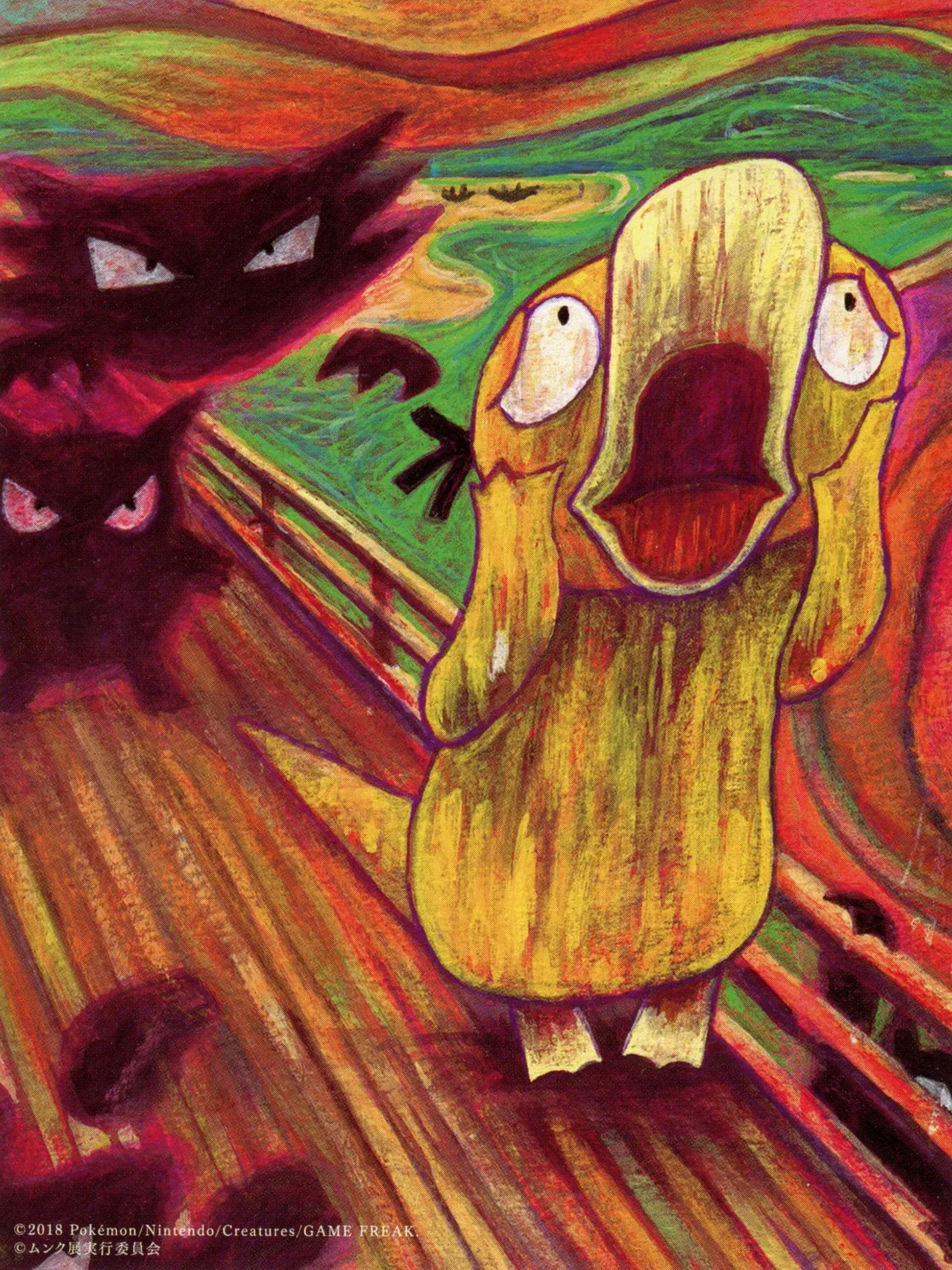
Tomokazu Komiya (Copyright © Nintendo/Creatures/Game Freak, 1996-2026)
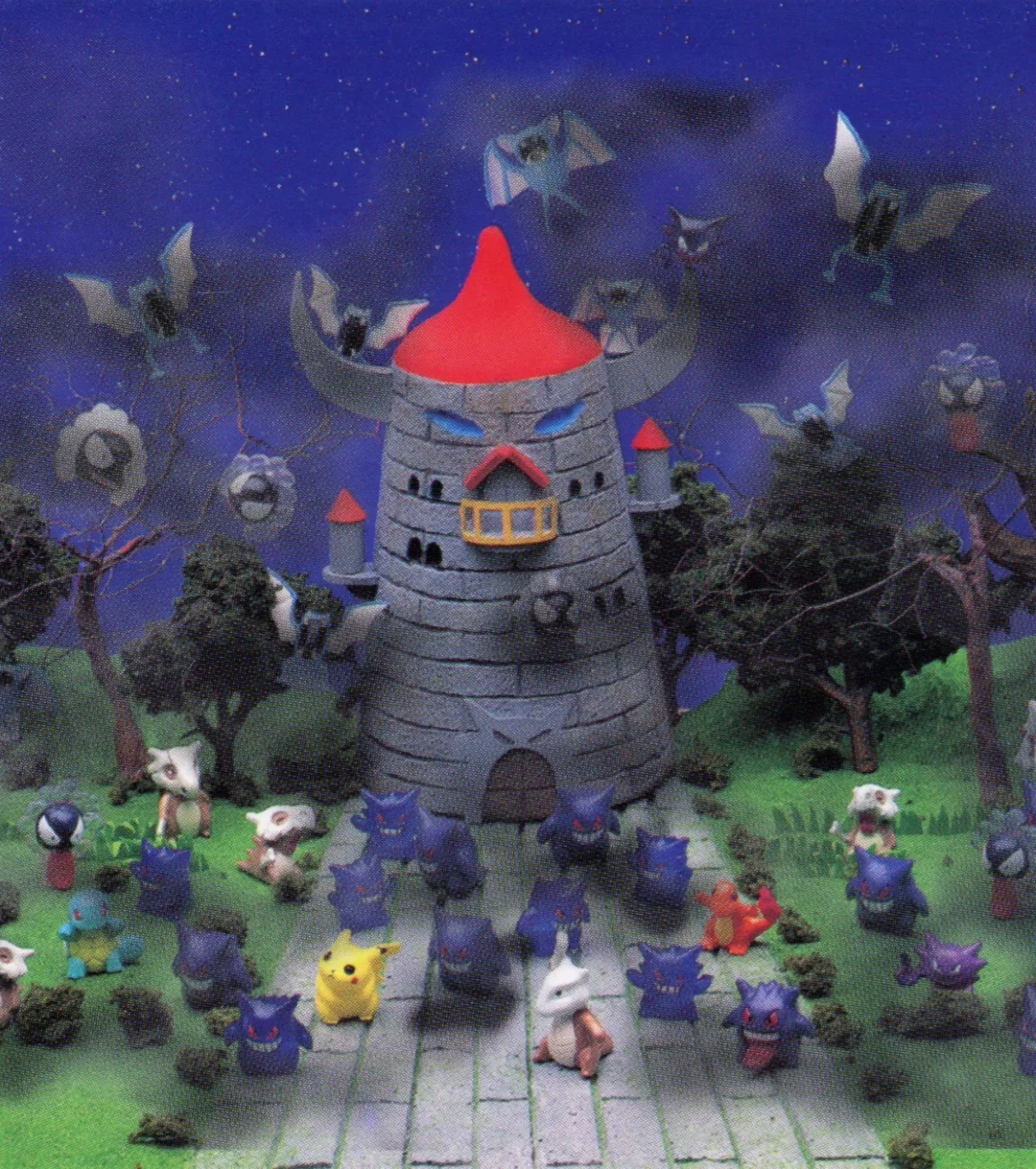
1 of 8
Keiko Fukuyama (Copyright © Nintendo/Creatures/Game Freak, 1999) Courtesy of HiResPokemon
1 of 8
Keiko Fukuyama (Copyright © Nintendo/Creatures/Game Freak, 1999) Courtesy of HiResPokemon
Key creatives at GameFreak (which began as a gaming fanzine) were drawing Pokémon way before Pocket Monsters was even in development – in 1990, the concept was called Capsule Monsters. This title didn’t last long, however funnily enough, it appears in Yu-Gi-Oh! Capsule Monsters – a series that undoubtedly took inspiration from Pokémon’s world of collectable duelling monsters. Pokémon creator Satoshi Tajiri took his childhood hobby of collecting insects (he was even nicknamed ‘Dr. Bug’) and merged it with an interest in gashapon machines (vending machines that dispense toys in capsules).
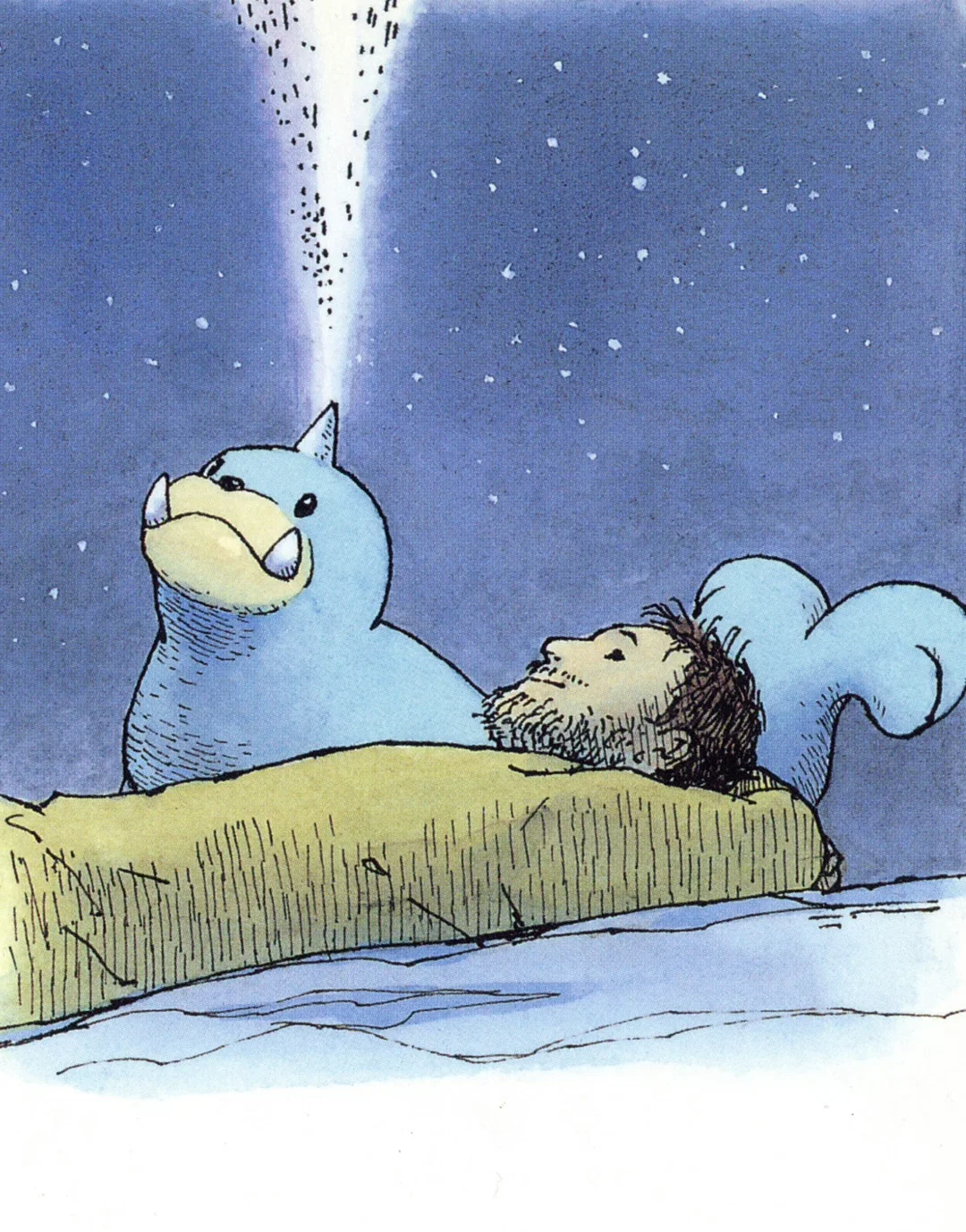
“Early Capsule Monsters sketches from around 1990 already showed primitive versions of creatures that would later become Lapras, Cubone, Gastly, Rhyhorn, Staryu, Gengar, Voltorb and others. Some designs were dramatically different. Some were scrapped entirely. Imagining the reasoning behind those changes is part of what makes archiving so interesting,” says Makio.
Satoshi Tajiri and Ken Sugimori: Capsule Monsters © Game Freak, 1990) Courtesy of Hi-Res Pokémon and Helixchamber
Satoshi Tajiri and Ken Sugimori: Capsule Monsters © Game Freak, 1990) Courtesy of Hi-Res Pokémon and Helixchamber
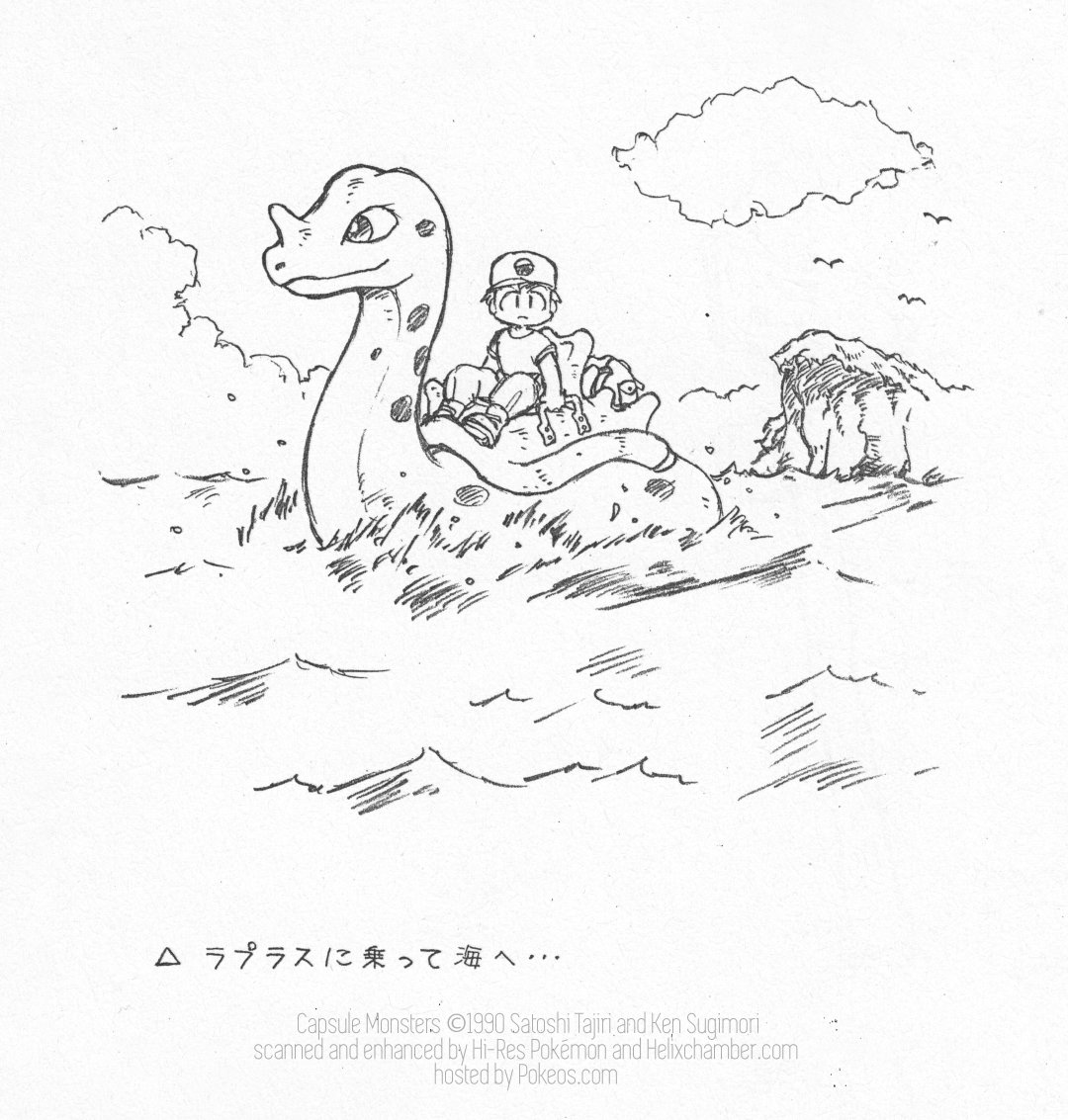
Satoshi Tajiri and Ken Sugimori: Capsule Monsters © Game Freak, 1990) Courtesy of Hi-Res Pokémon and Helixchamber
Satoshi Tajiri and Ken Sugimori: Capsule Monsters © Game Freak, 1990) Courtesy of Hi-Res Pokémon and Helixchamber
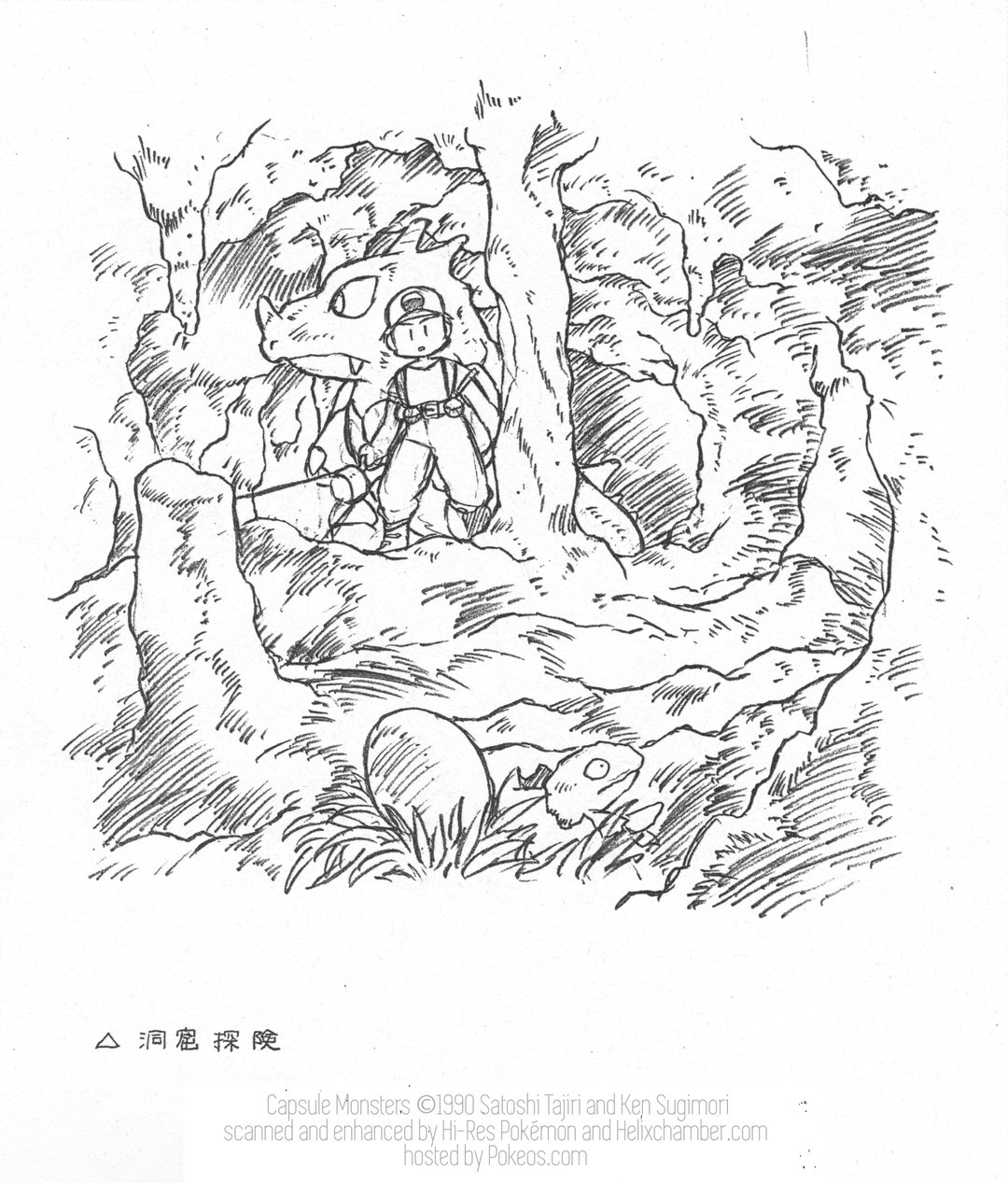
Satoshi Tajiri and Ken Sugimori: Capsule Monsters © Game Freak, 1990) Courtesy of Hi-Res Pokémon and Helixchamber
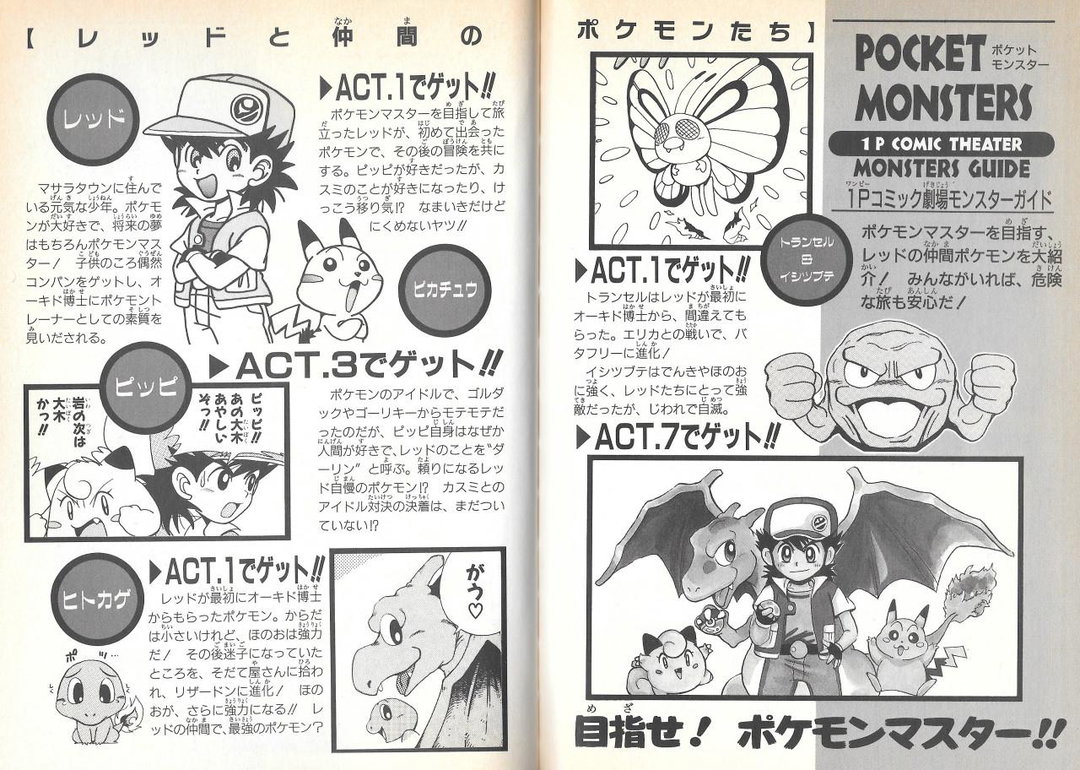
Pokémon 1P Comics (Copyright © GameFreak/Creatures/Nintendo, 1997-1999)
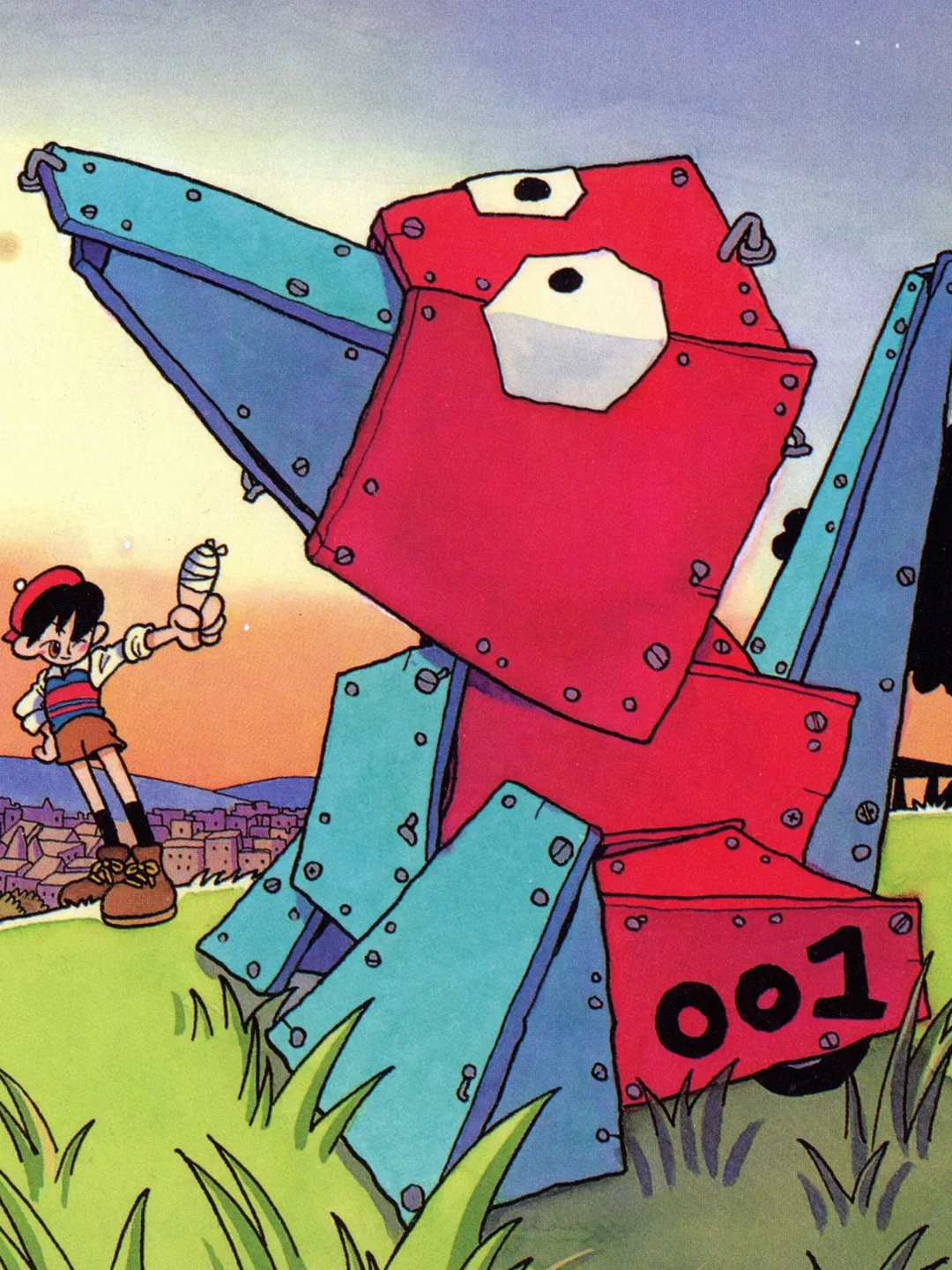
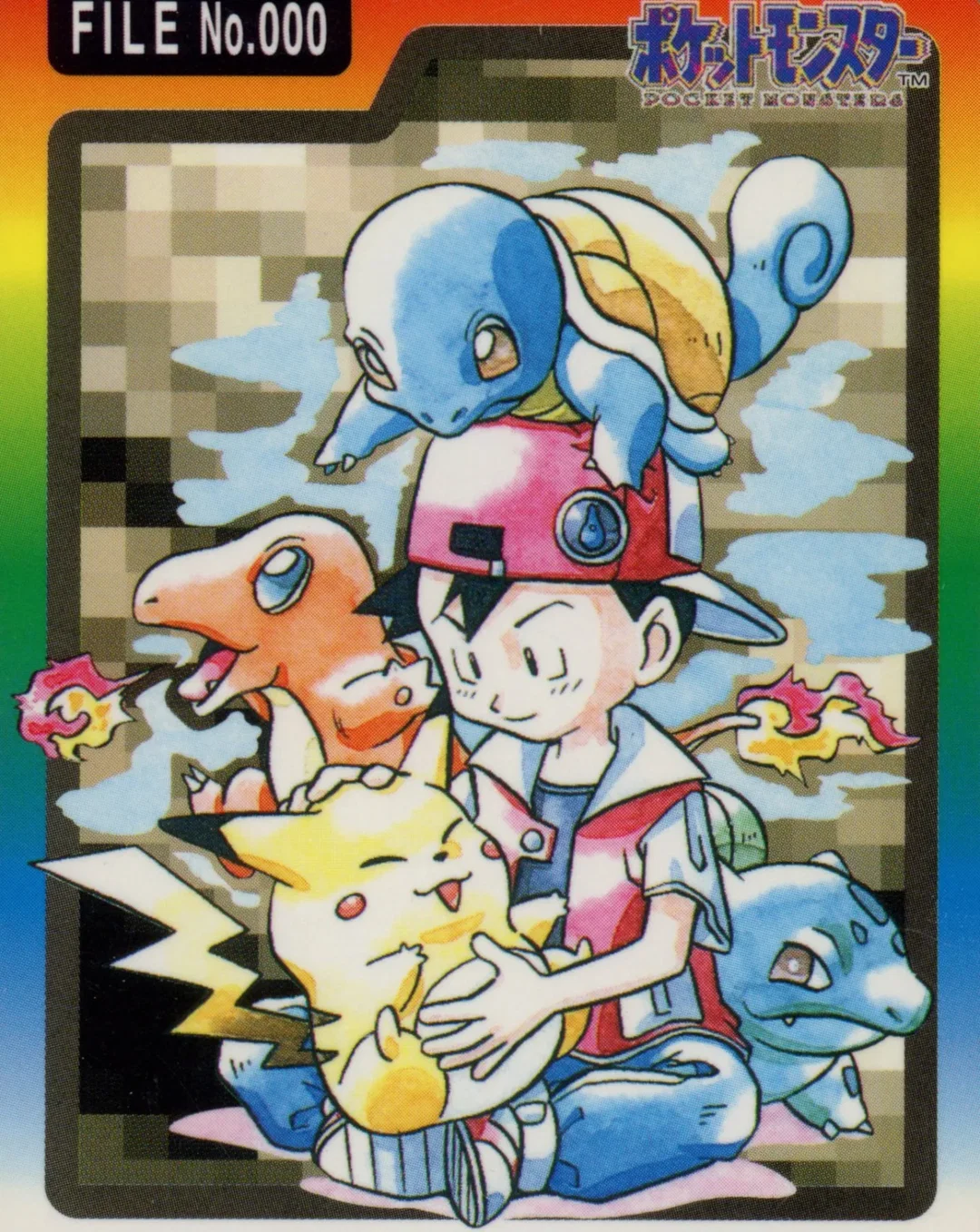
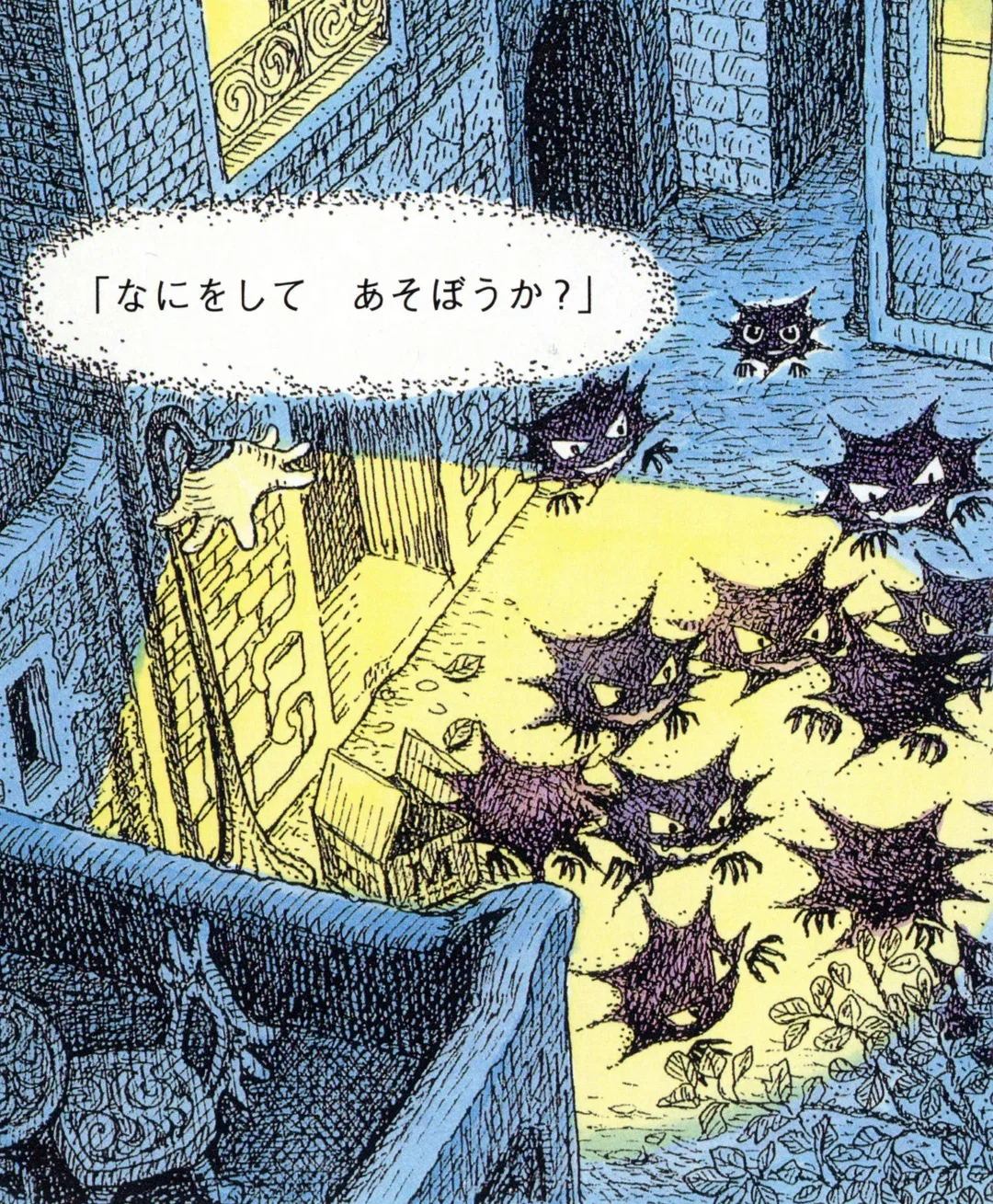
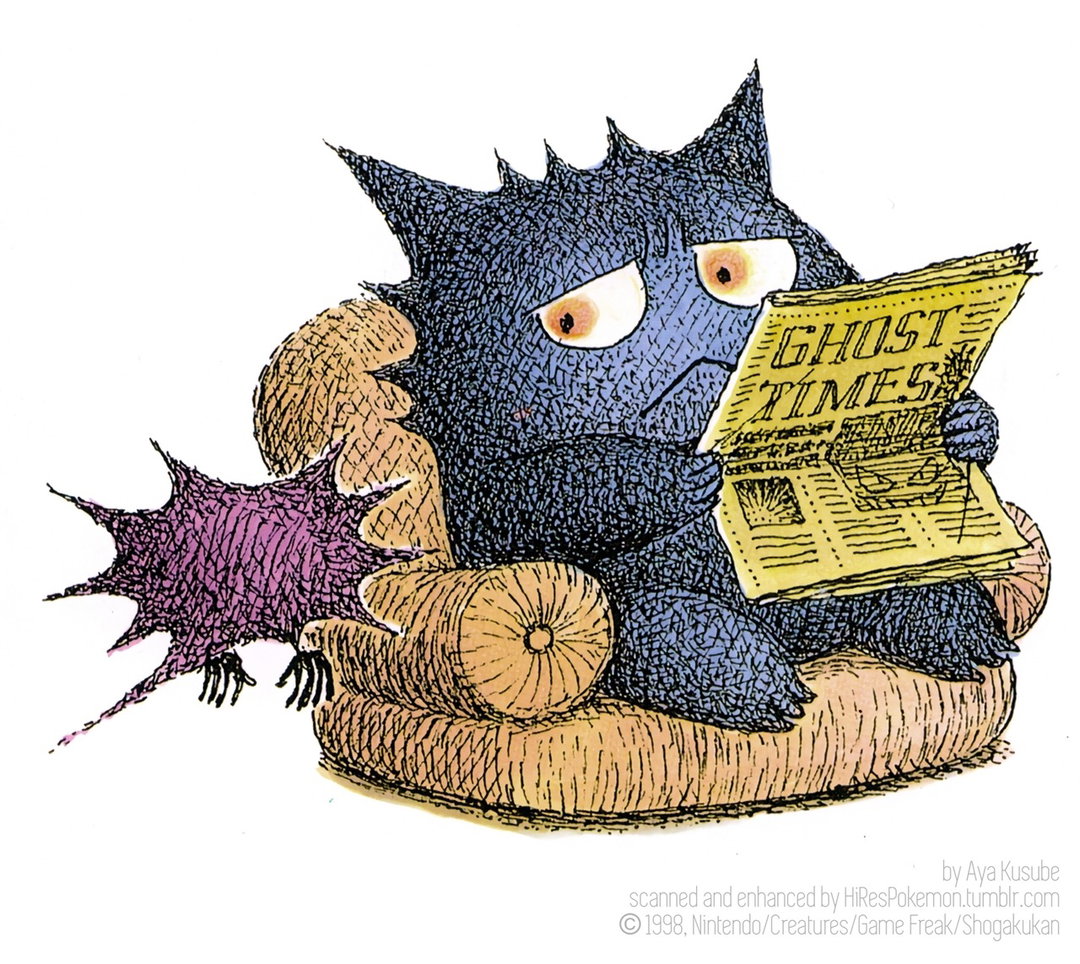
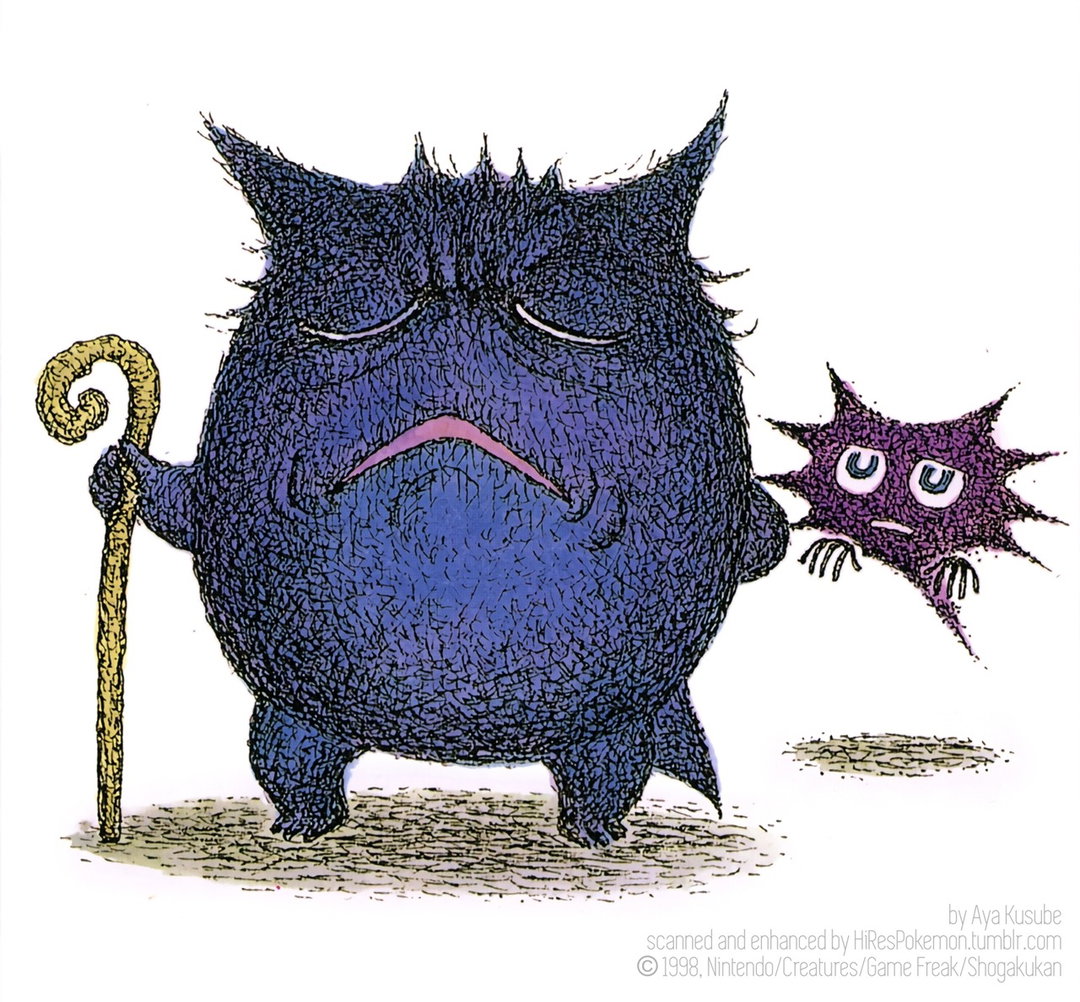
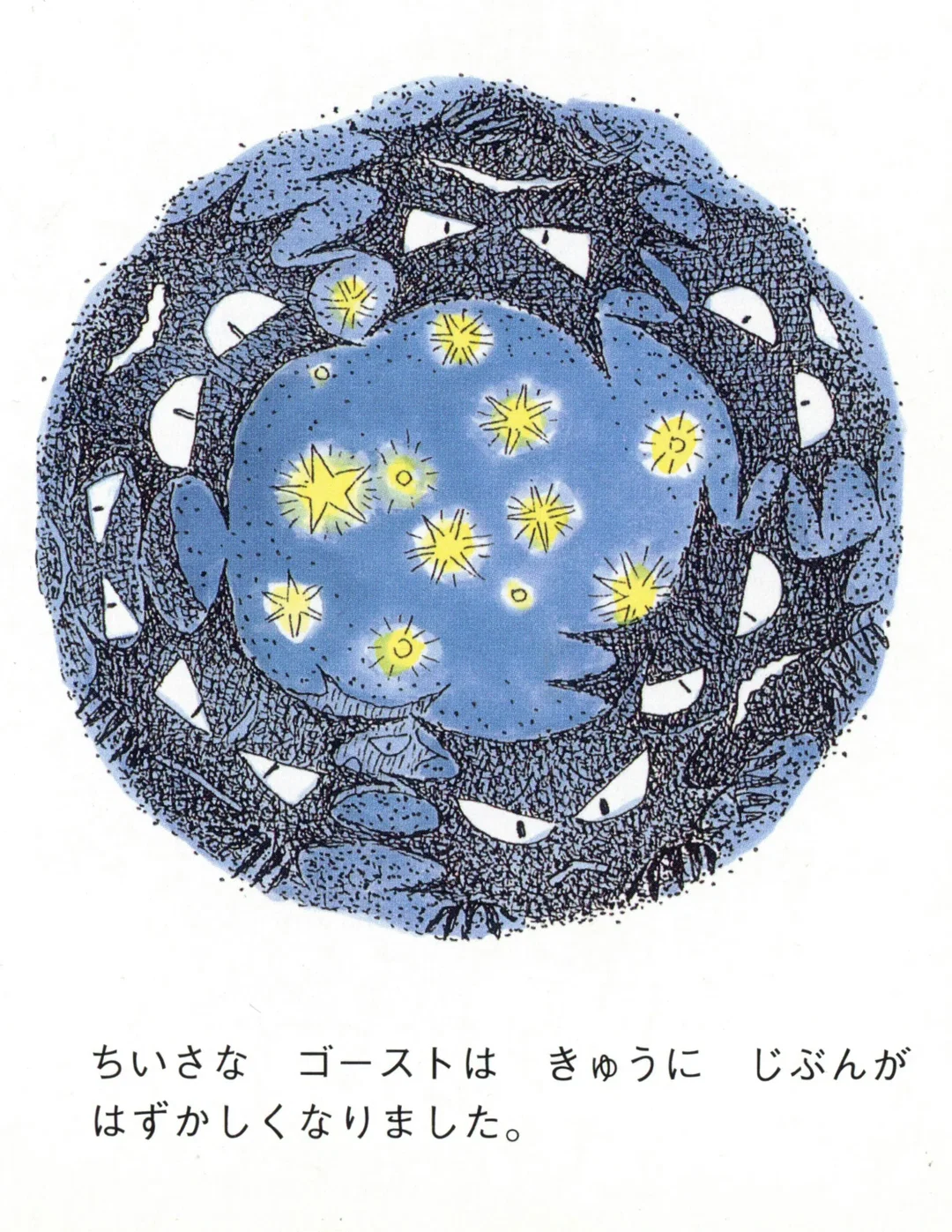
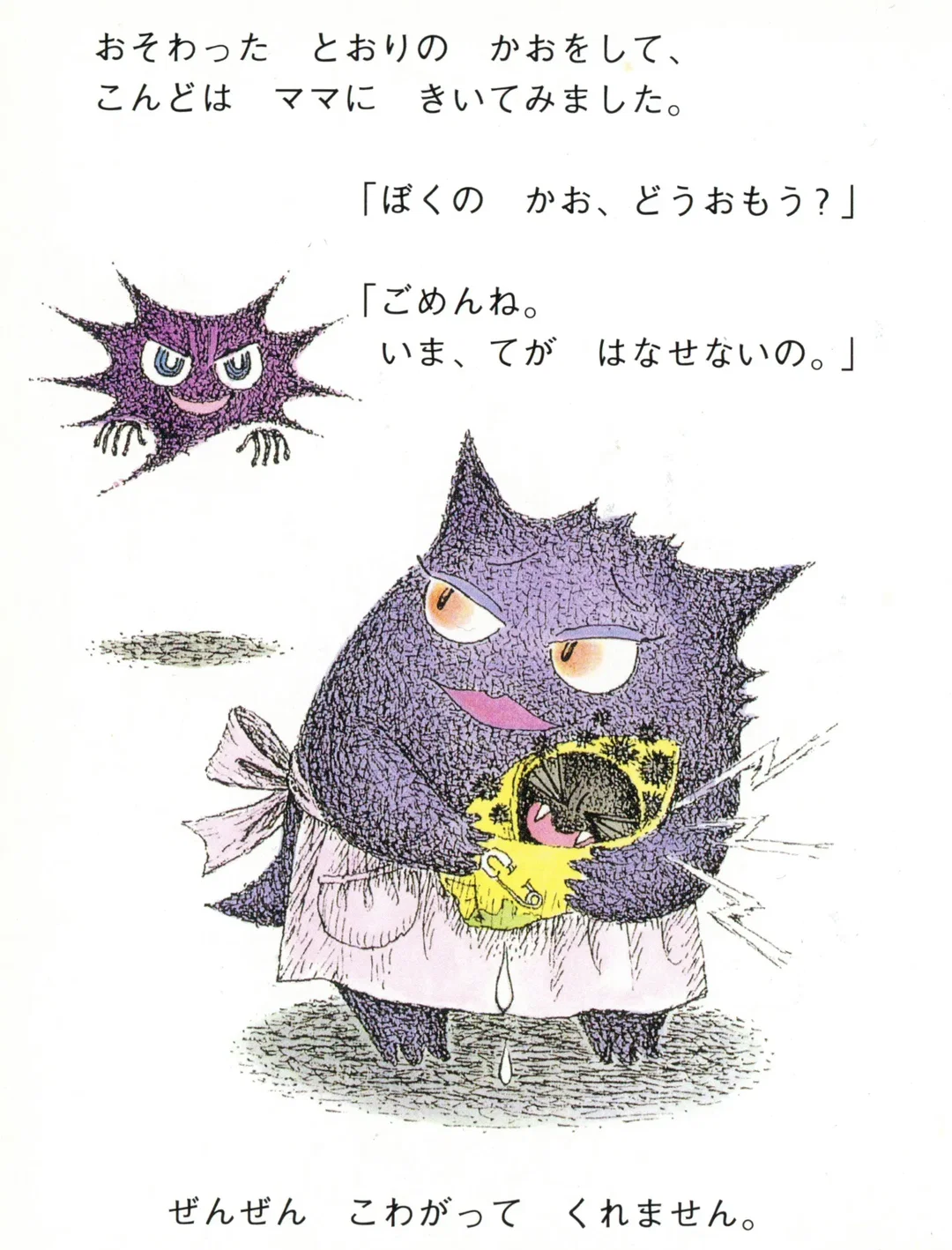
The now vintage art works of early Pokémon offer fans a portal to an alternative universe, especially younger fans who may have grown up with standardised character designs. Instead of Ash Ketchum, the anime series’ main character (and essentially: the human mascot of Pokémon), we see highly stylised versions of Red, the main character of the original game. Illustrator Aya Kusube depicts the ghost-type Pokémon Ghastly, Haunter and Gengar as cute children’s book spirits that look like creepy versions of My Neighbour Totoro characters. We also see a world where Pokémon aren’t necessarily fighting each other, but live in communities together: in one picture book by Naoyo Kimura, Charizard accidentally burns a house down and a gang of Squirtles put the fire out – then they have dinner together!
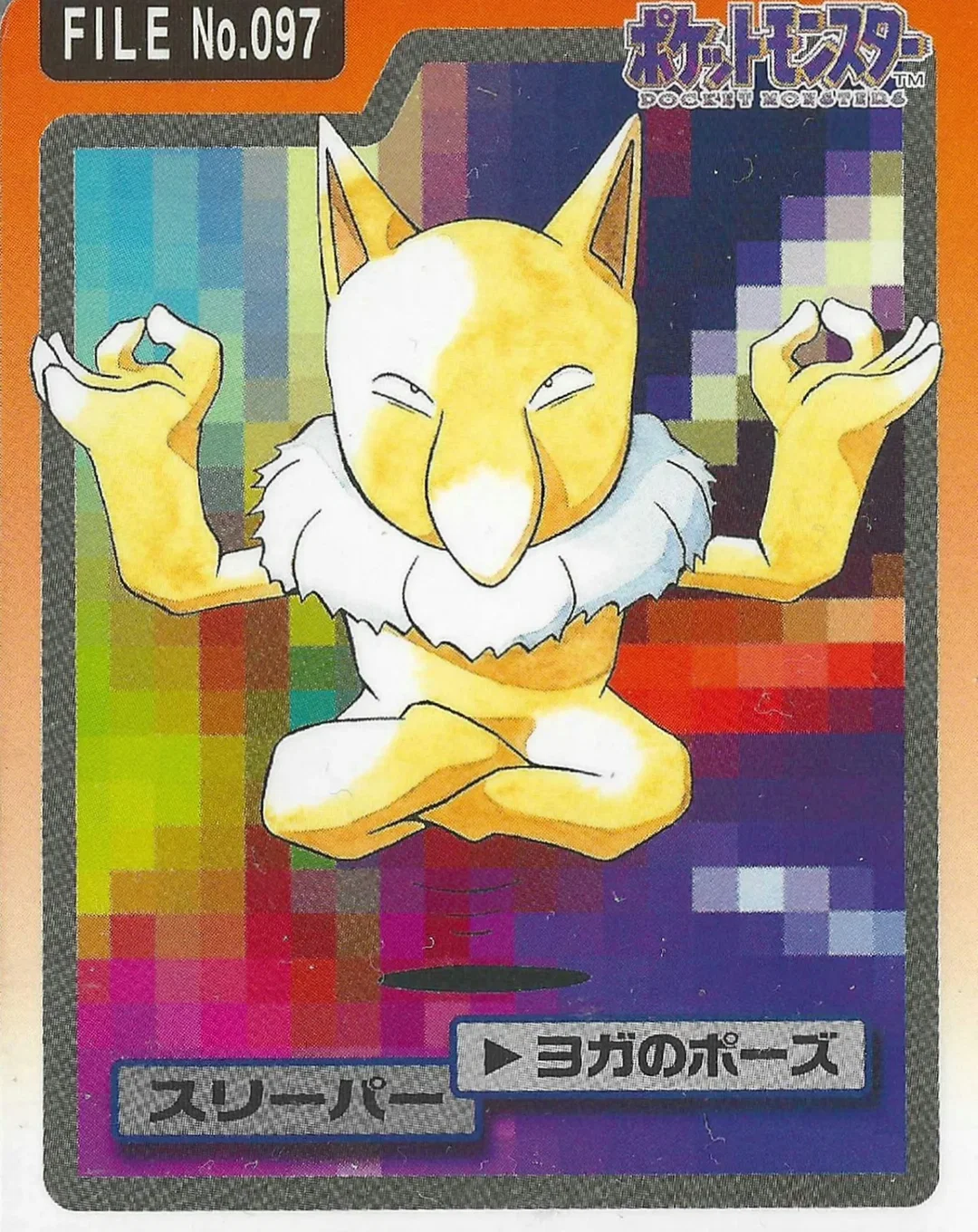
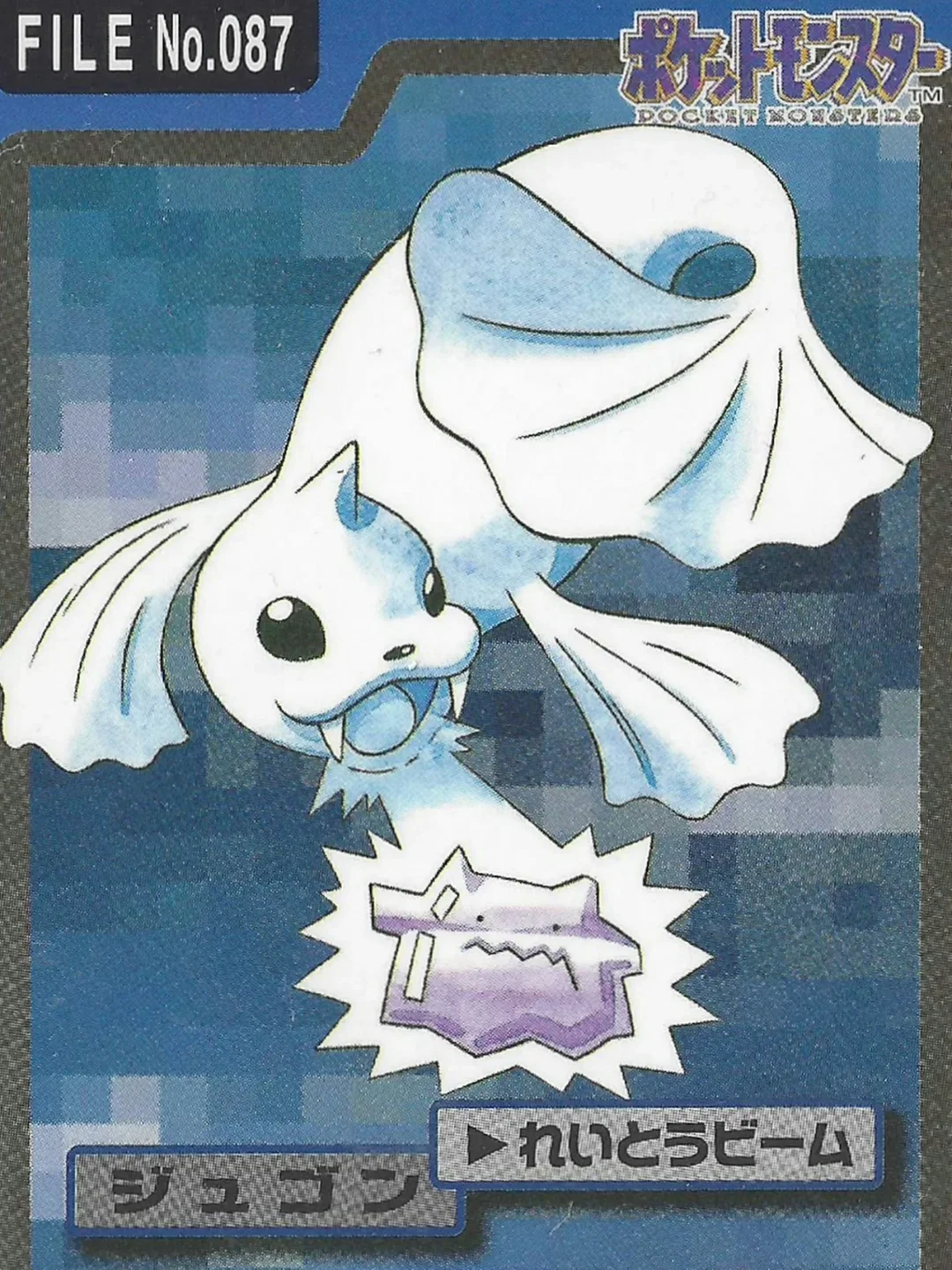
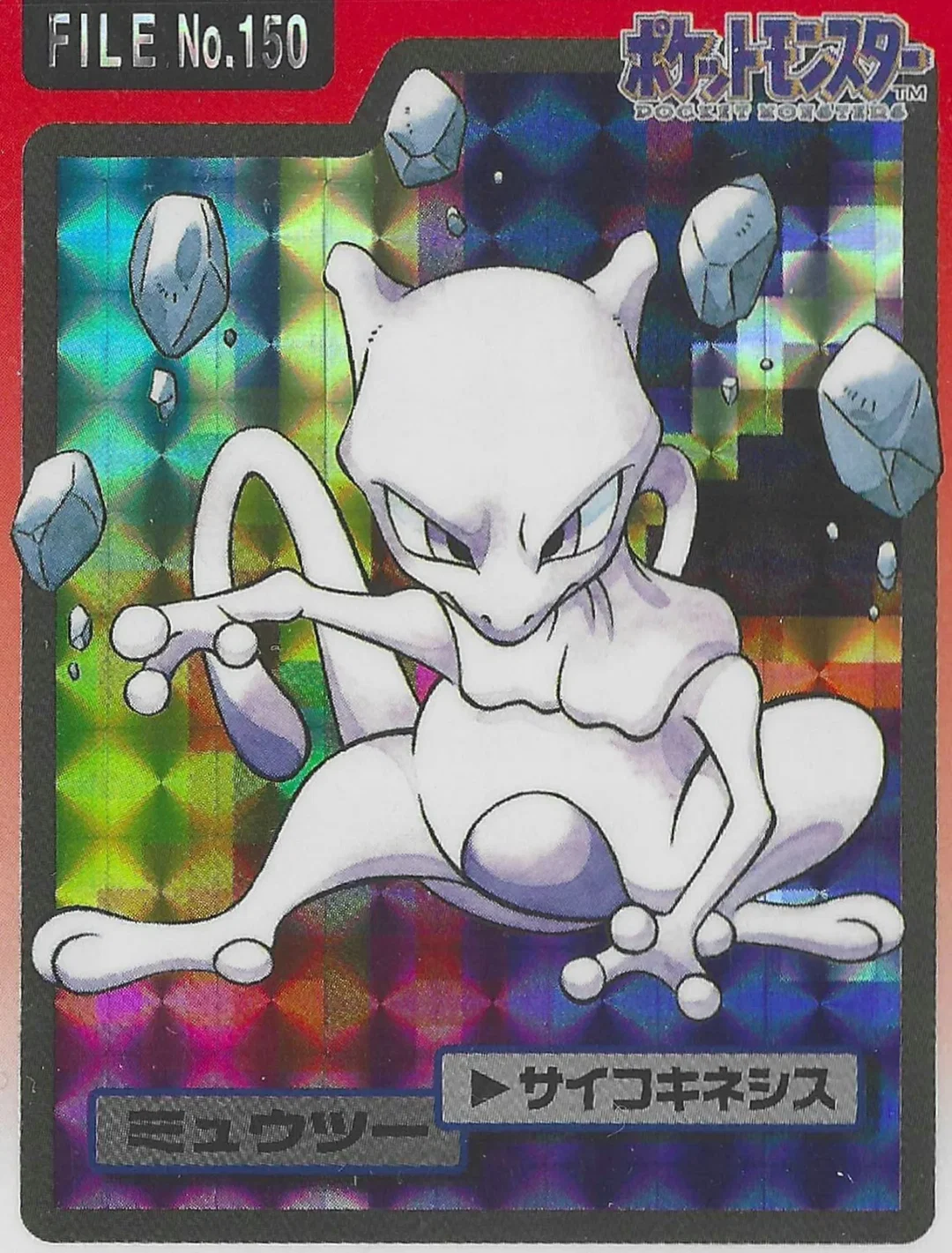
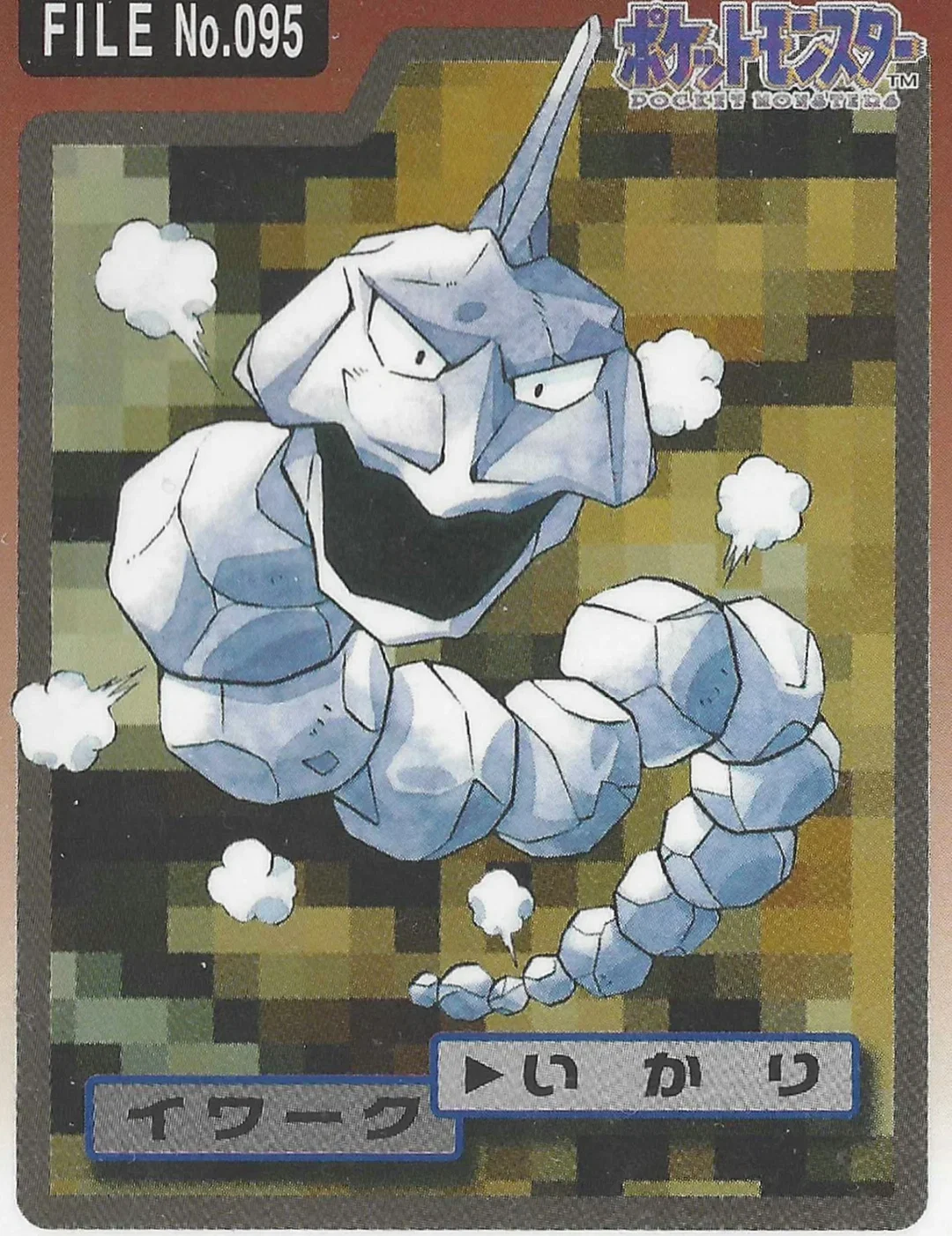
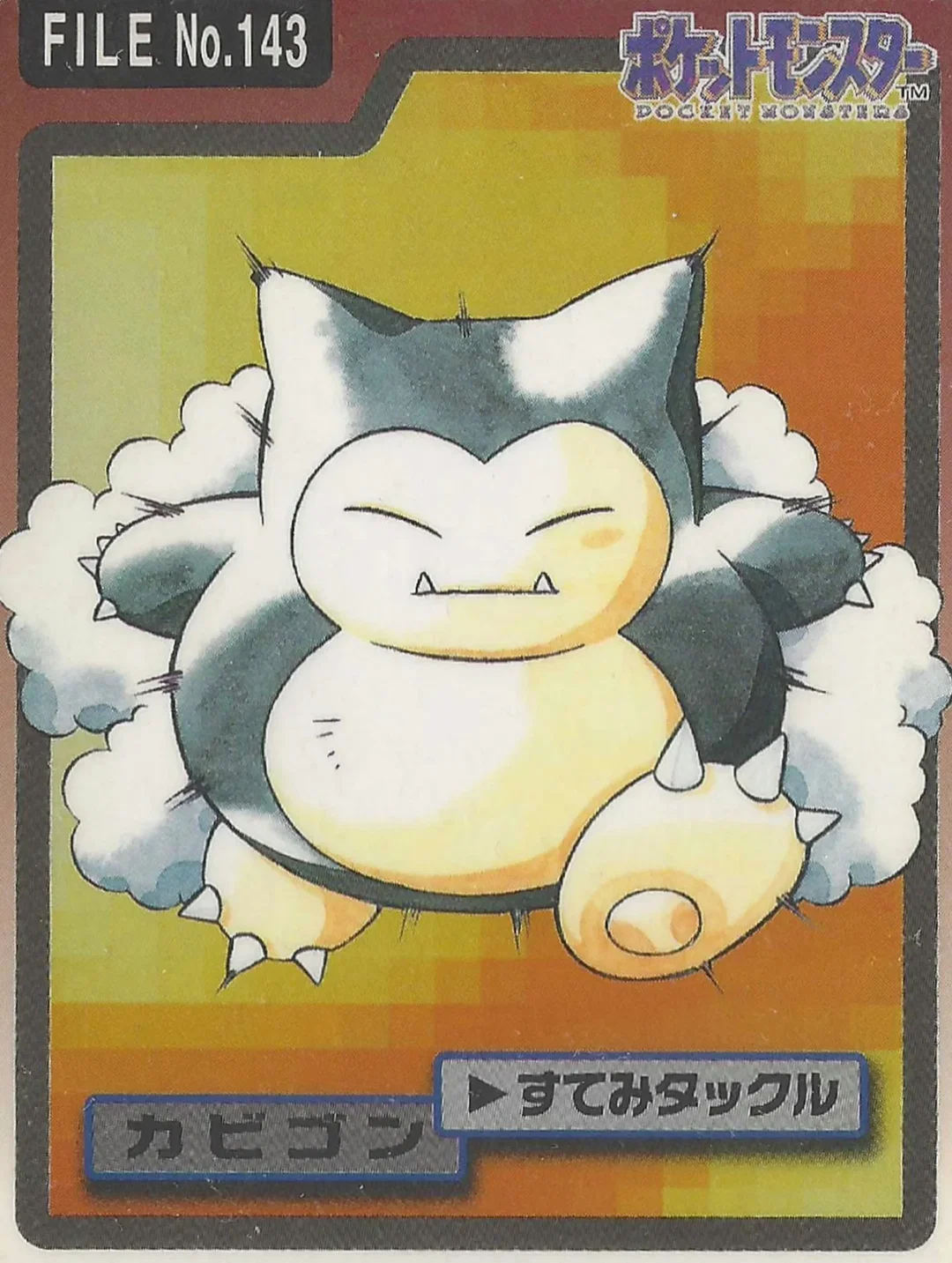
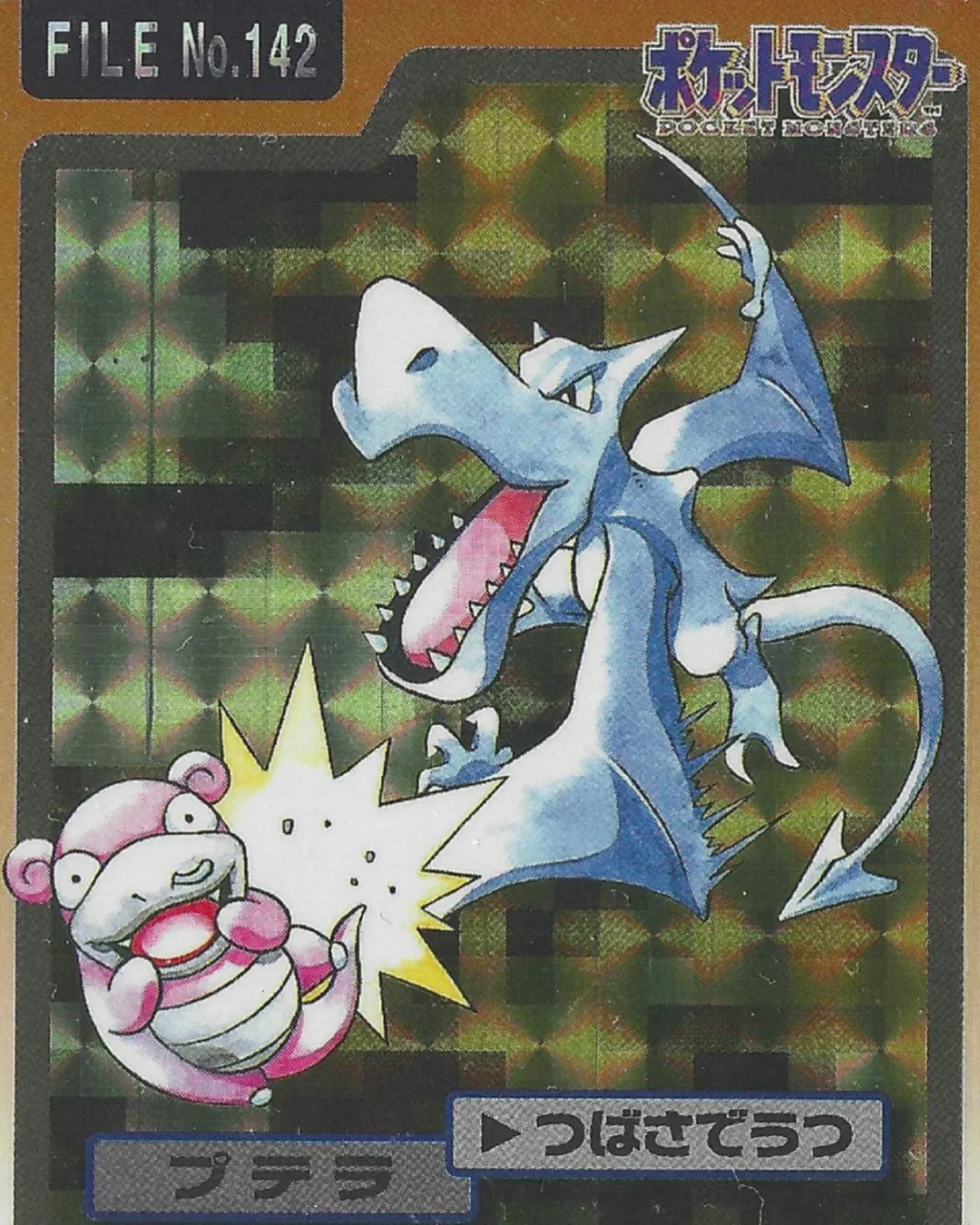
On the other hand, some vintage materials reveal a rougher, scarier side to Pokemon, which speaks to the artistic freedom that artists could have over the general feel of the series. “Pokémon were sometimes shown as genuinely predatory. For example, we’ve recently seen a card depicting Pidgeot grabbing Magikarp from the water, something that hadn’t been visually emphasized in a long time,” says Makio. “Even more striking are the Carddass Series 3 and 4 cards, which feature exclusive Ken Sugimori artwork. You see Arbok attacking Diglett with poison, Paras eating Weedle, Parasect overtaking Psyduck with parasitic mushrooms. The tone is more aggressive and more ecological.”
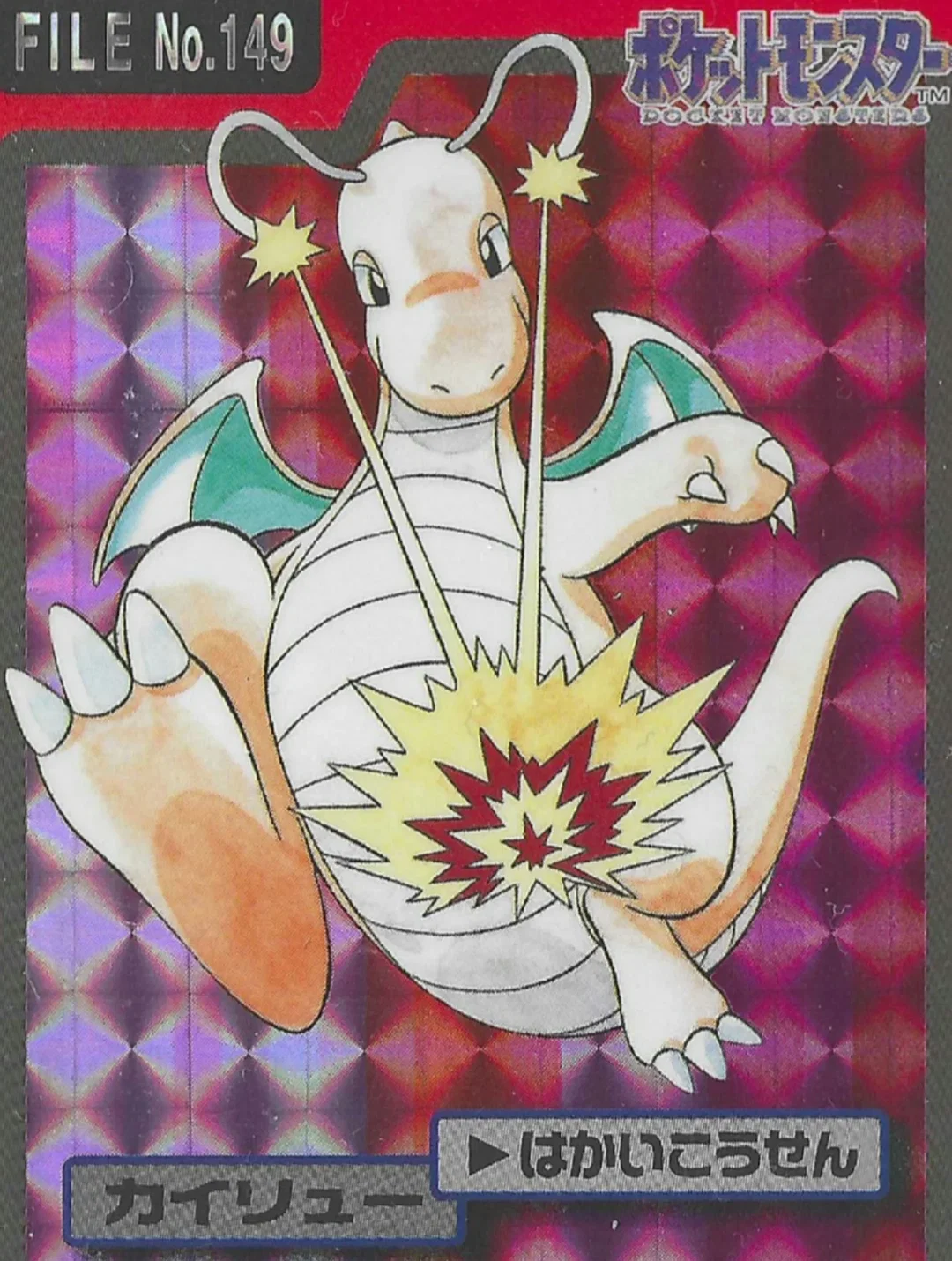
1 of 8
Ken Sugimori: Bandai Pokémon Carddass Cards (Copyright © Nintendo/Bandai, 1996-2000)
1 of 8
Ken Sugimori: Bandai Pokémon Carddass Cards (Copyright © Nintendo/Bandai, 1996-2000)
“Some designs were dramatically different. Some were scrapped entirely. Imagining the reasoning behind those changes is part of what makes archiving so interesting.”
Maiko
“I have to admit, my interests fully lie in the original Japanese side of this hobby. I’ve never collected many ‘americanised’ pieces of Pokémon merchandise,” says Maarten. “In general, the English art for trading card packages seemed a bit more flashy and ‘in your face’ whilst the original Japanese artworks seem to have more details and subtlety.” Nevertheless, Maarten says that ultra-fans like himself aren’t stuck in the past – if Pokémon art revolved solely around Ken Sugimori’s lovely, muted watercolours, then the fanbase wouldn’t keep growing. Modern Pokémon art is bombastic, glittery and always original – fans thrive on seeing Pokémon in new ways, just like how those same fans love to see older, funkier versions of the beloved creatures.
“That being said, some of my favourite vintage collectables are Keiko Fukuyama’s postcards, which were released as pre-order bonus gifts in Japan, for various old games from 1998 to 2000. They have a very cute watercolour style with tons of little details – her art radiates nostalgia and I can’t get enough of it!” says Maarten. “Another example is the Pokémon Tales books (1997 and onwards), because almost all of them are illustrated by various people who also created the early Pokémon cards we love, such as Mitsuhiro Arita, Kagemaru Himeno, Aya Kusube, Tomokazu Komiya and Naoya Kimura.”
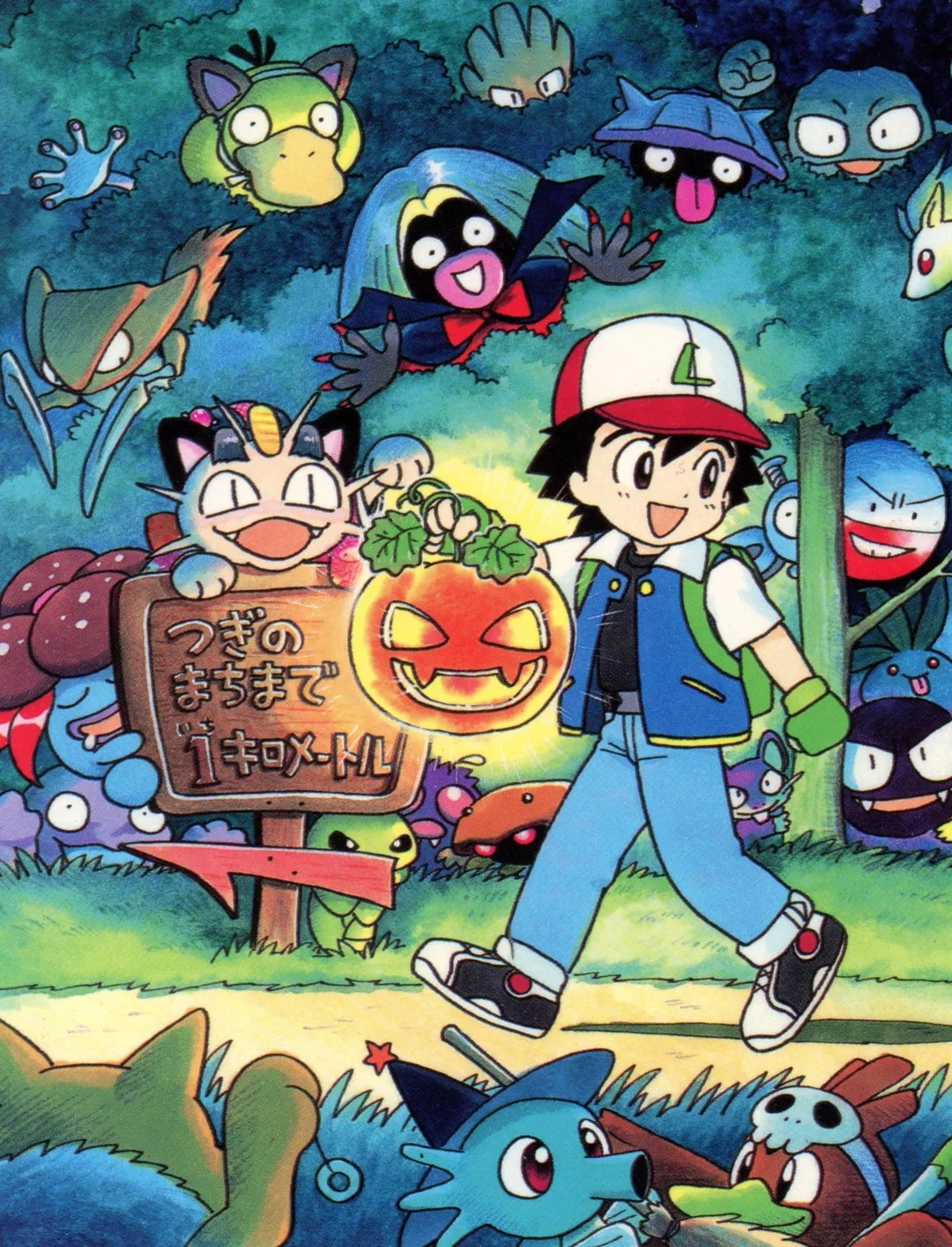
Keiko Fukuyama: Pikachu & Friends (Copyright © GameFreak/Creatures/Nintendo,
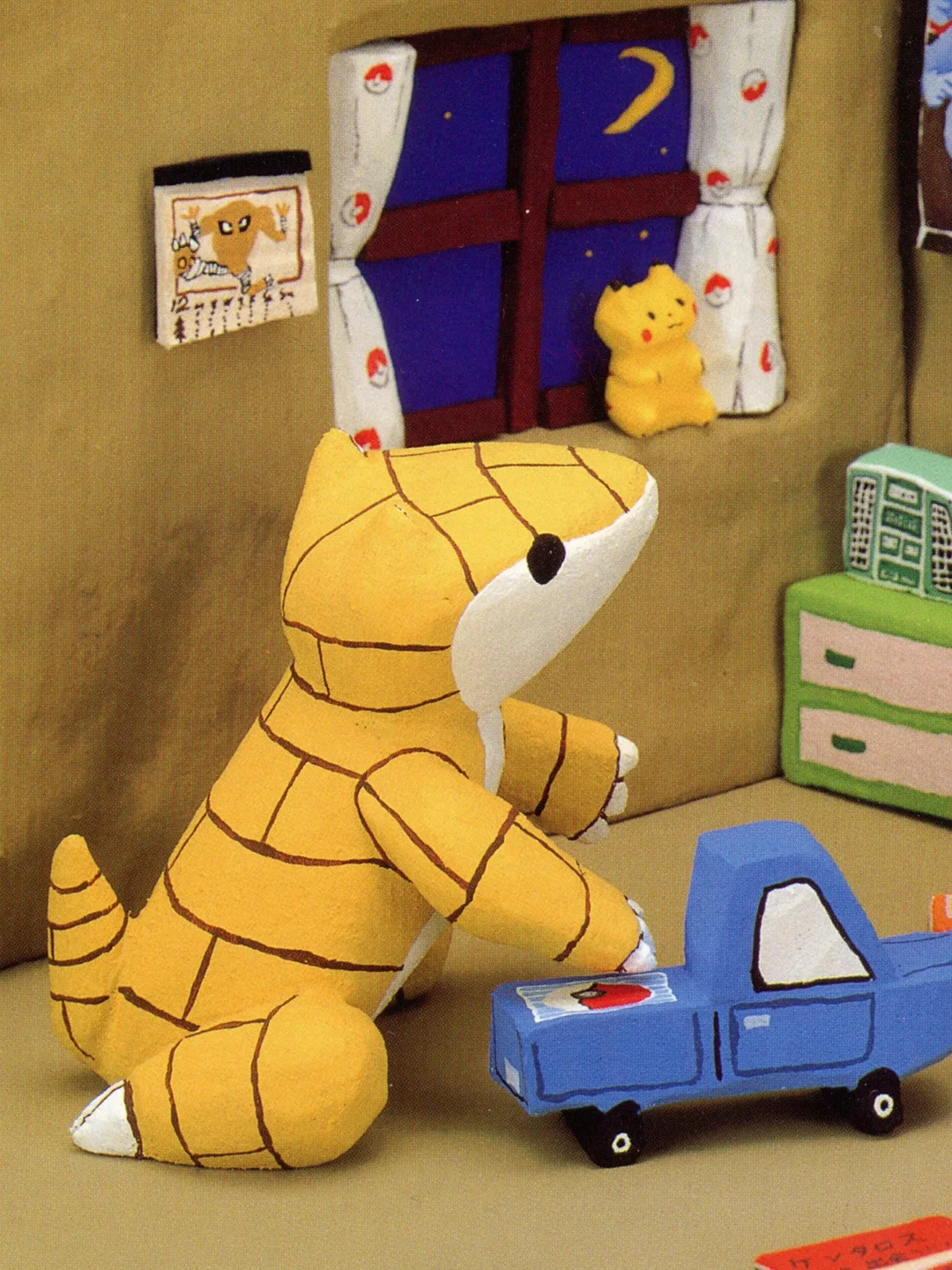
Tomokazu Komiya: Pokémon Tales #39 (Copyright © GameFreak/Nintendo, 1998)
Tomokazu Komiya: Pokémon Tales #39 (Copyright © GameFreak/Nintendo, 1998)
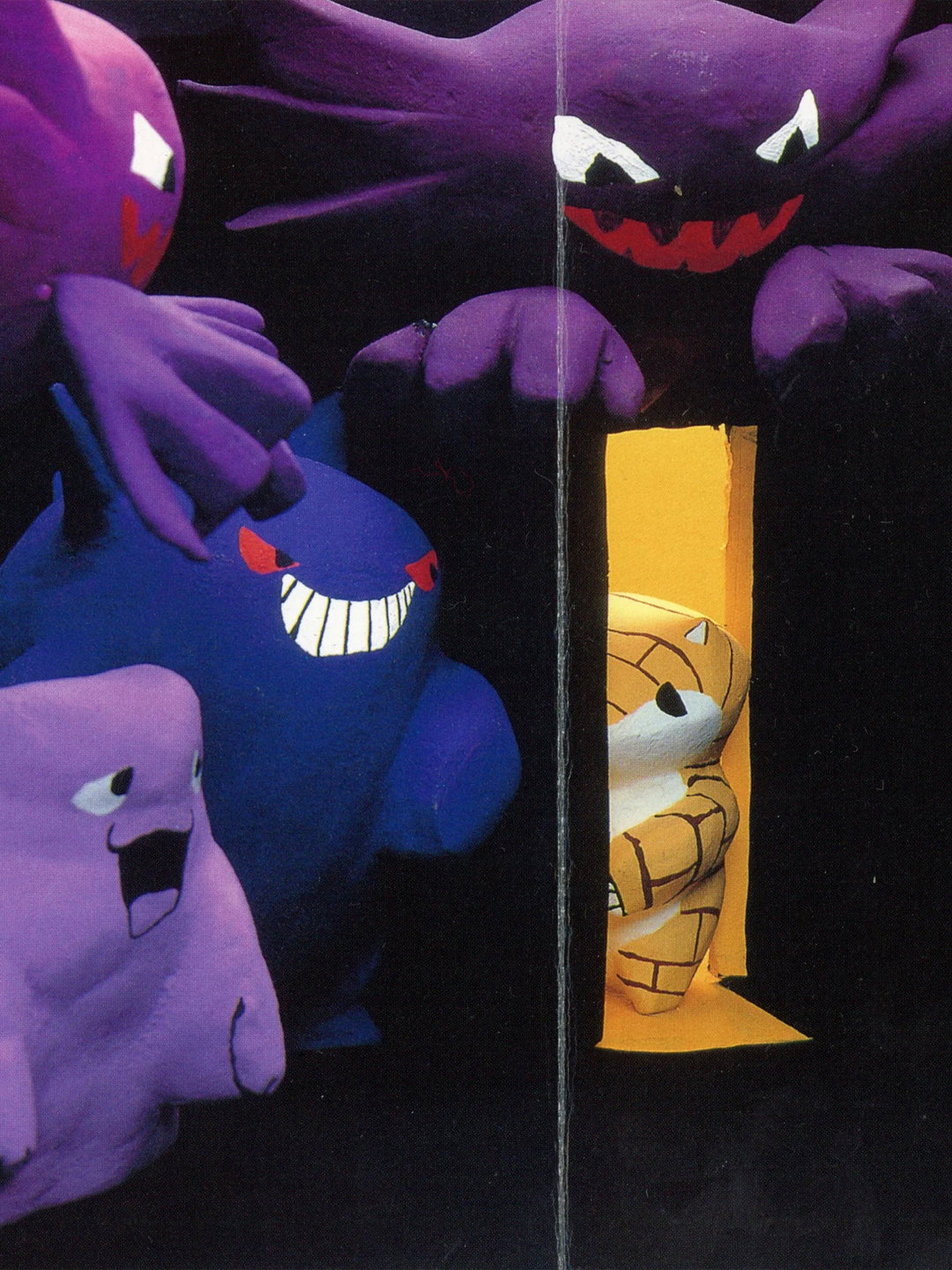
Tomokazu Komiya: Pokémon Tales #39 (Copyright © GameFreak/Nintendo, 1998)
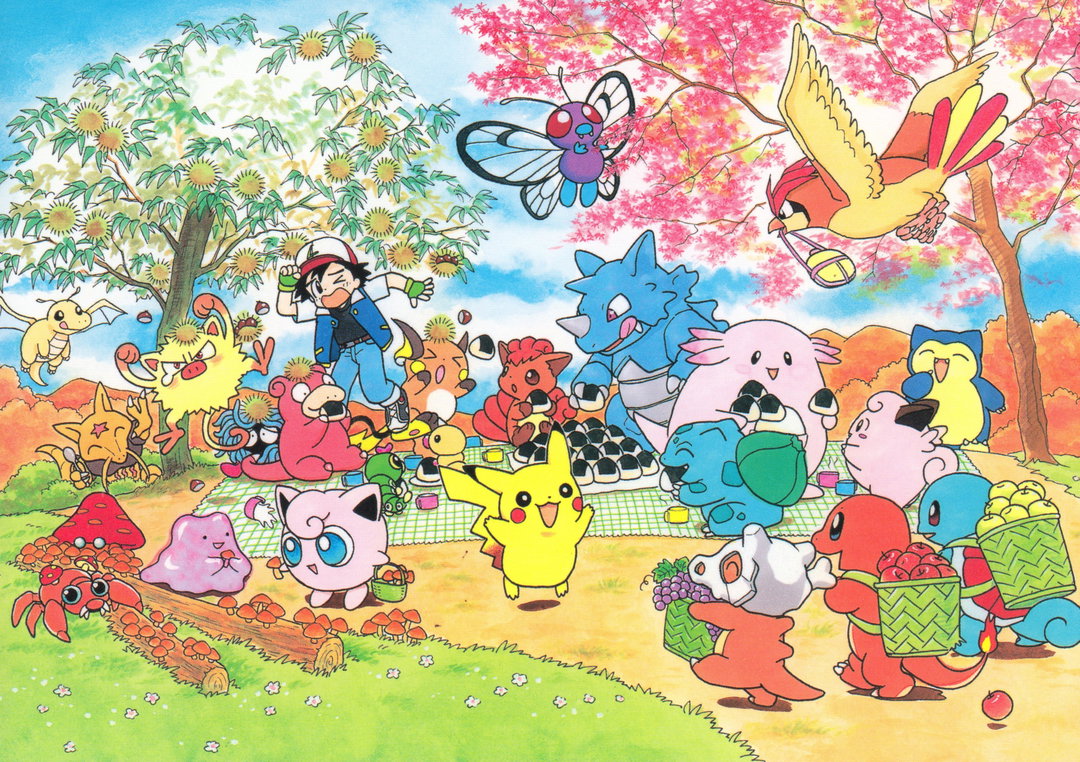
Keiko Fukuyama: Pikachu & Friends (Copyright © Nintendo/Creatures/Game Freak, 1998) Courtesy of Hi-Res Pokémon
In the early 2000s, everything changed: The Pokémon Company had become established and brand control became progressively centralised. “Today, the approval process is extremely strict,” says Makio. “There are TCG (Trading Card Game) illustrators explaining how detailed revisions can be: tail positioning, lighting direction, facial structure, shadow placement, even subtle anatomical angles are carefully reviewed.”
Since the Pokémon franchise is so enormous, the amount of art that existed in these early days almost feels infinite. Of course, the sad truth is one day we will have seen everything that was ever drawn – that is the inevitability (and drive) of being a passionate collector. However, Maarten and Makio have been collecting for more than fifteen years and still sees rare art pop up that they haven’t seen before. A personal favourite of Maarten’s is by Keiko Kukuyama – a drawing of Cubone, a famously cute Pokémon who traditionally wears the skull of its mother – except in this drawing, Cubone isn’t wearing it. “It’s not canon, since Pokémon never officially released a design of this variant,” Maarten tells me, but it gives fans a new and exciting look at such familiar characters. When Pokémon artists could still create their own picture books using the licensed characters, fan favourite moments were created in unexpected places.
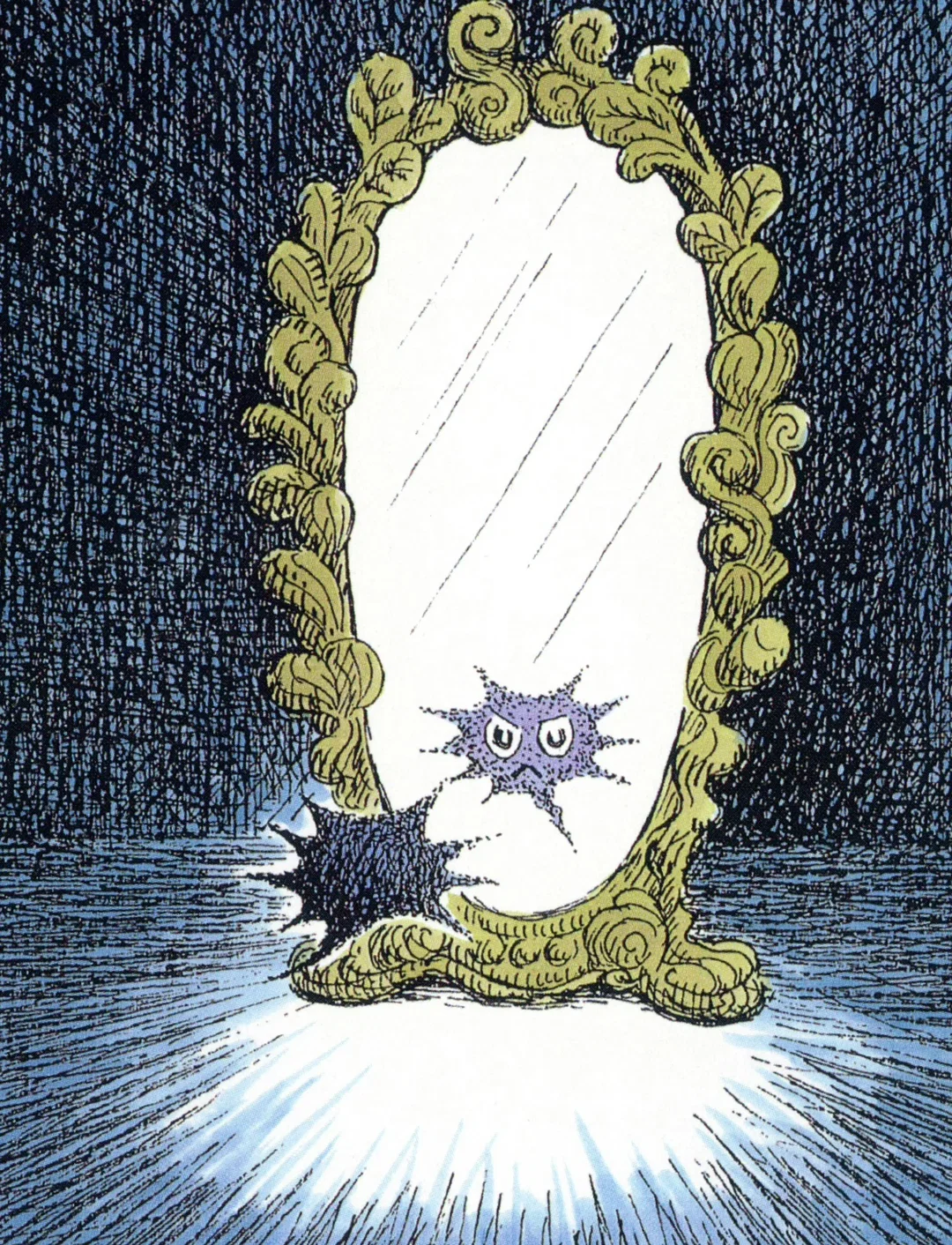
1 of 6
Aya Kusube: Pokémon Tales #20 Gengar’s Shadow (Copyright © GameFreak/Nintendo, 1999)
1 of 6
Aya Kusube: Pokémon Tales #20 Gengar’s Shadow (Copyright © GameFreak/Nintendo, 1999)
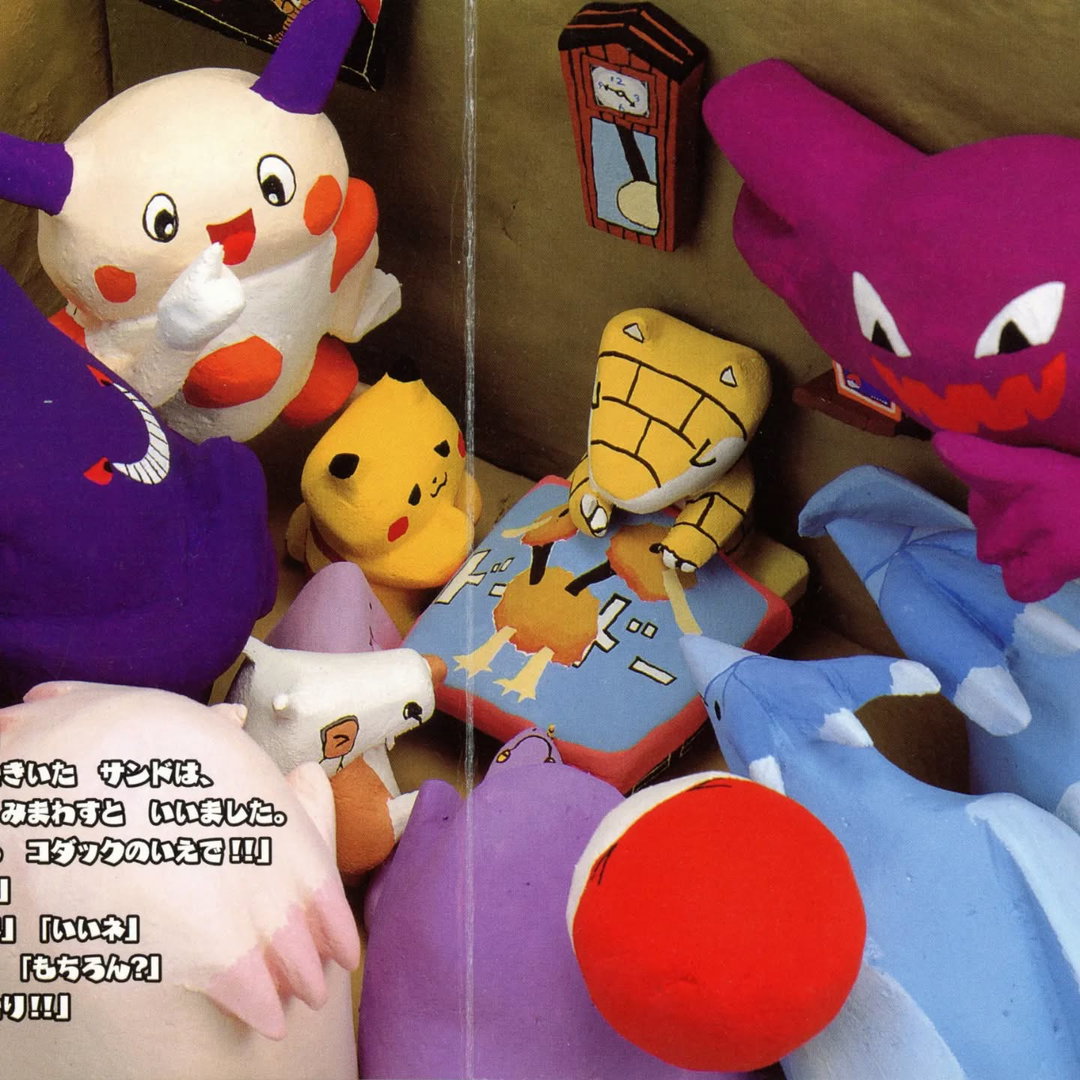
What drives Pokémon fans to this day is the unlimited imagination of the giant franchise. It’s practically baked into every corner of life, from Snorlax bean bags and Magikarp taiyaki presses to even a Pokémon perfume. The yin to Pokémon’s yang is the fans – fans who have played it, grown up and even passed it down to their siblings or children – not to mention young fans who are jumping in for the first time right now. At such a milestone, with an IP that has spanned at least ten different consoles and over 1300 episodes of primetime anime, it only makes sense to look back with fondness at the humble, sometimes bizarre, and other times gorgeous, beginnings of one of the most treasured video game series’ of all time. For what it’s worth, I’m always going to love these weird little monsters.
Hero Header
Keiko Fukuyama (Copyright © Nintendo/Creatures/Game Freak, 1999) Courtesy of HiResPokemon
Share Article
Further Info
About the Author
—
Paul M (He/Him) is a Junior Writer at It’s Nice That since May 2025. He has a strong interest in graphic design, digital kitsch, multimedia painting, collage, nostalgia, analogue technology and all matters of strange stuff. pcm@itsnicethat.com
To submit your work to be featured on the site, see our Submissions Guide.