- Words
- Charlie Filmer-Court
- Illustration
- Max Guther
- —
- Date
- 24 February 2020
- Tags
Photographer Sam Nixon talks spaghetti, style and self-teaching through YouTube
Working across fashion, documentary and now film, the New York-based photographer is a success story for learning on the job.
Share
Share
In partnership with

Spotify Design is a team of cross-disciplinary creatives committed to supporting game-changers who’re out to make an impact on the world.
Many people ponder for years about what they will devote their life’s work to, but for photographer Sam Nixon, there was only ever one avenue. “I always thought I had this sort of skill or hereditary closeness to photography,” he recalls.
Growing up around his father, who himself is a photographer, the New-Zealander was immersed in the medium extremely early on. “It was always in and around my household, from prints to the darkroom downstairs. Even when I was a little kid, I'd take family portraits and use the shutter release on a long string when I was like three or four.”
Now based in New York, the photographer has carved out a successful niche for himself that sees him working across editorial, commercial and documentary projects, not to mention a recent foray into film too. With the unique ability to produce both highly stylised work alongside organic and natural depictions of the day to day, he has firmly earned his spot on this year’s Ones to Watch list.
GalleryYafo to Jericho
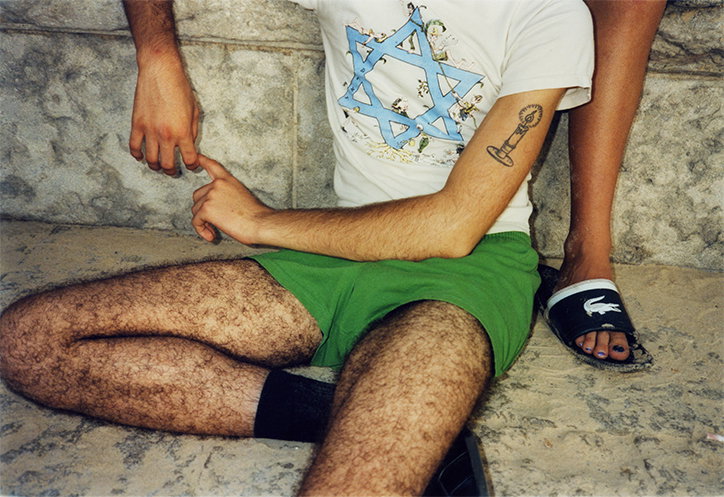
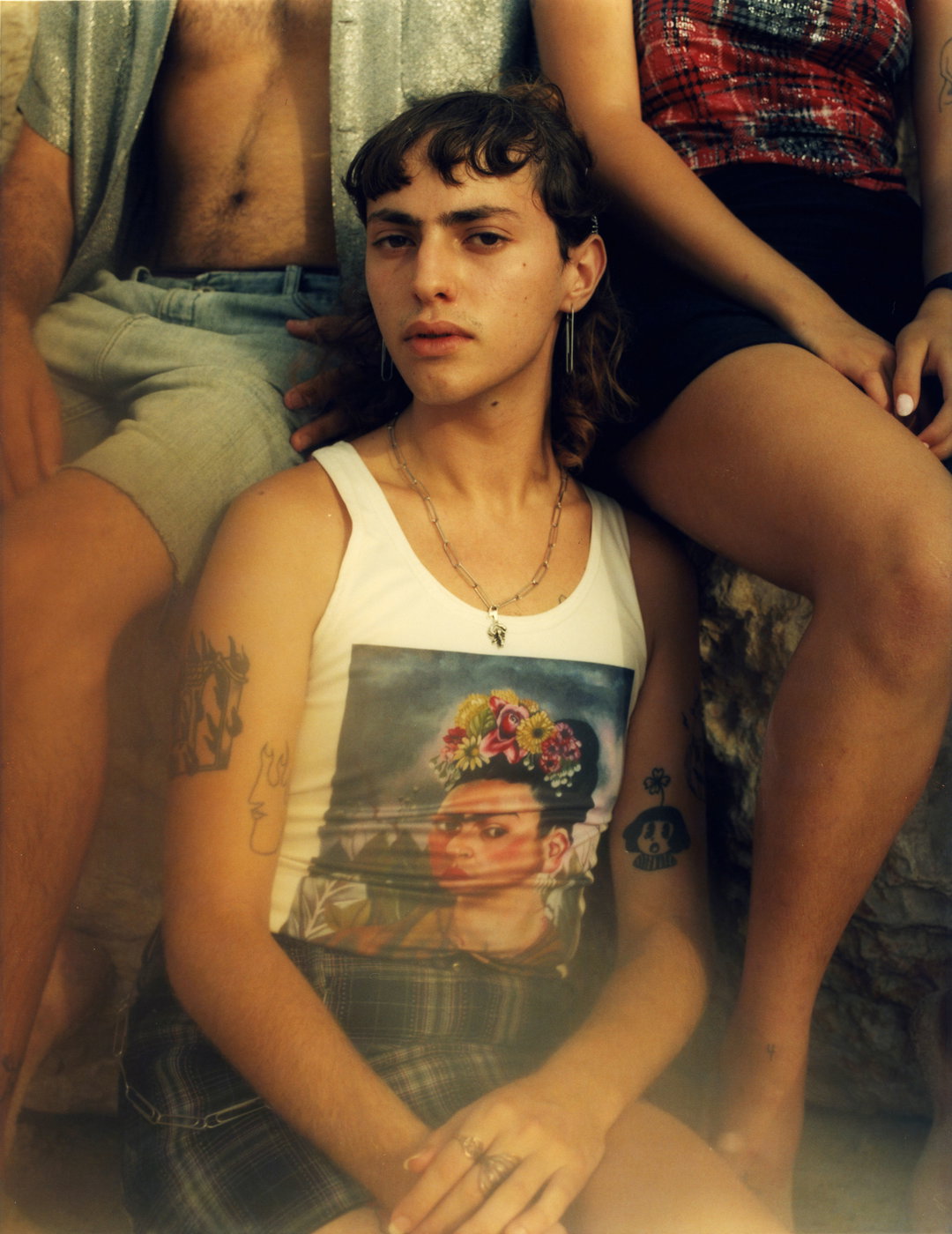
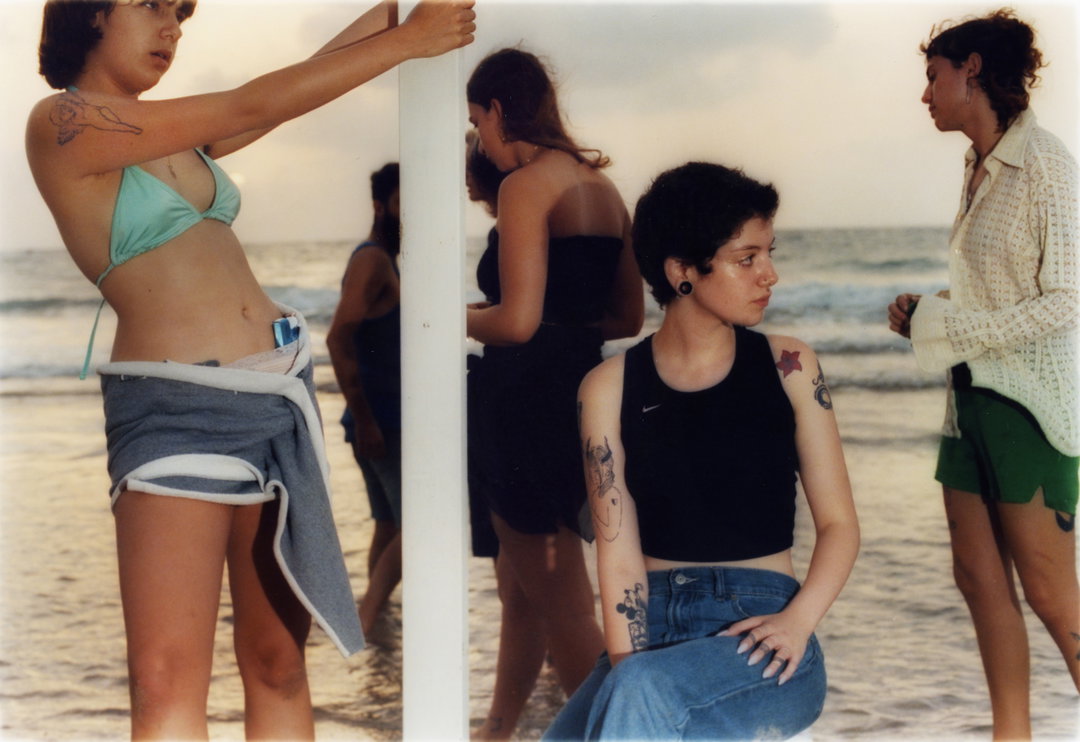
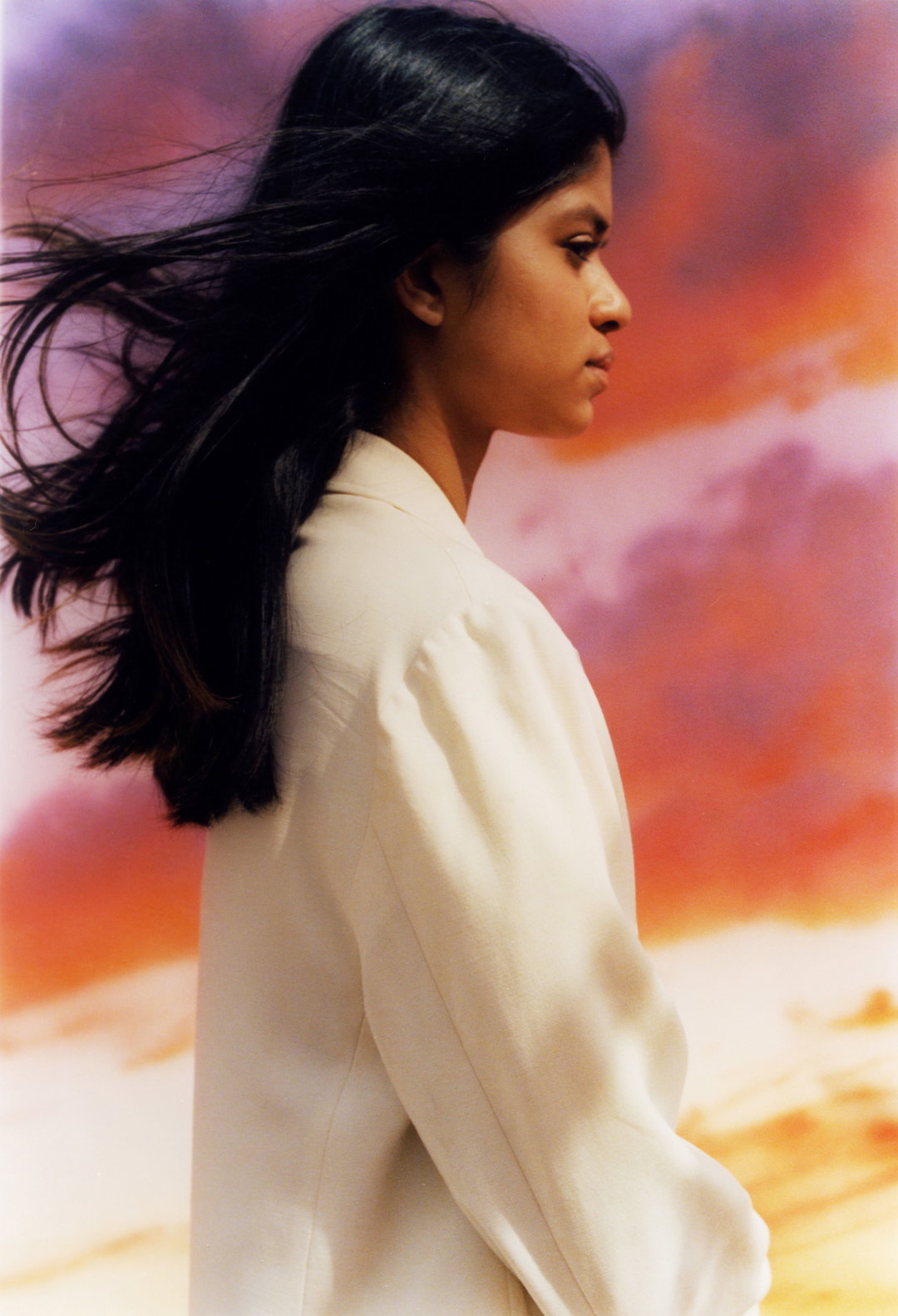
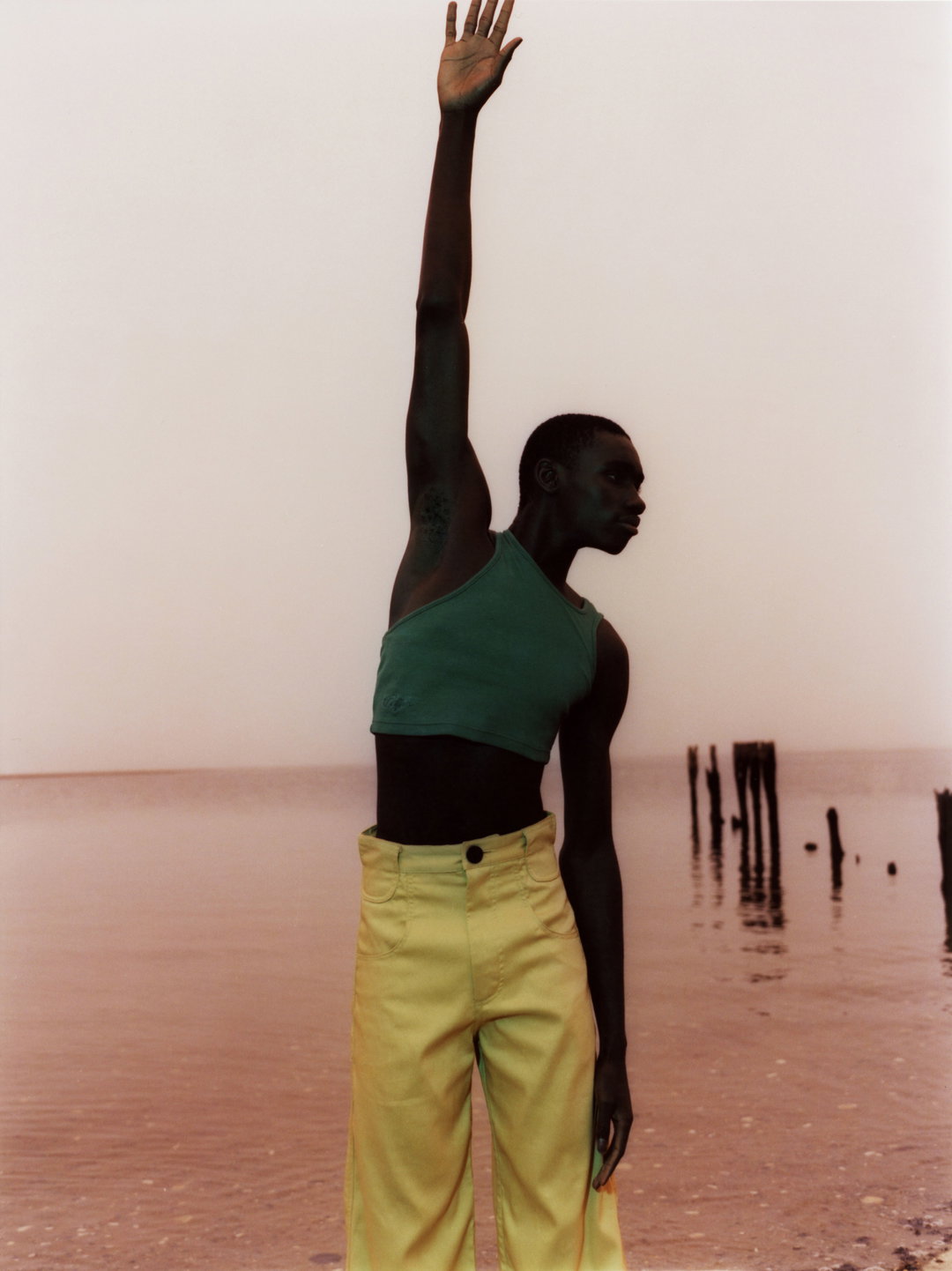
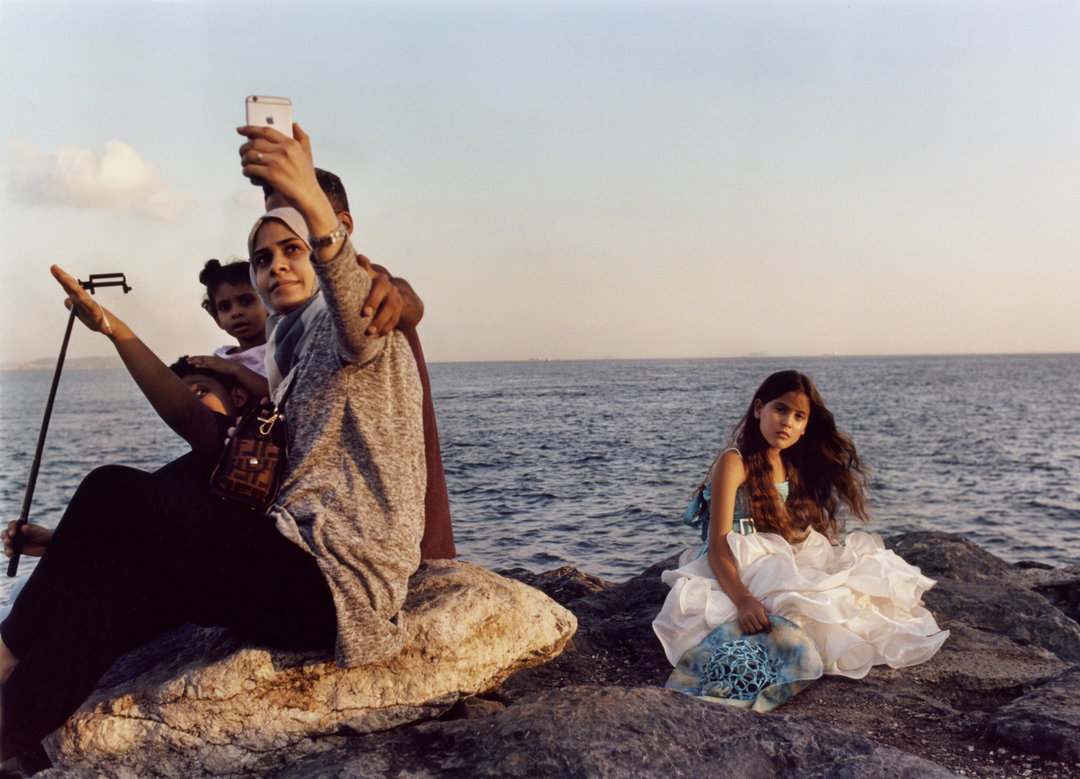
When observing a photograph of Sam’s, it’s usually pretty obvious that it is his. Certain aspects provide a signature stamp on things, most notably his muted sunset tones – that also present themselves in his film work too. He isn’t someone who overly manufactures this, for instance, his latest film did not use any artificial light whatsoever. Instead of making things predictable, it contributes to a well-rounded portfolio, that blurs the lines between documentary, commercial and editorial, in many ways making the three difficult to distinguish from each other.
Despite starting as young as is humanly possible, the confirmation that photography was going to be Sam’s career was not an immediate one. “I didn't realise it could be an actual job,” he explains. “By the time I was thinking about jobs I was 15 and my dad had moved back to London. So it wasn’t right in my face.” This changed soon after seeing his peers having success with a camera: “As soon as my friends started shooting and picking up little commissions around Auckland City I was like, ‘wait a minute, I'm the photographer in this crew, this isn’t fair!’”
This was seemingly the kick up the backside that Sam needed, making up for lost time by assisting commercial photographers in Auckland City, whilst paying the bills through hospitality jobs in the evenings. It was not long before his ambitions led him to seek opportunities elsewhere though, and he subsequently moved to New York: “I just wanted to escape New Zealand. It can be kind of a small insular place,” he says. “I think that my career would have been completely different if I hadn’t moved, because I wasn't into that much into fashion photography until I got to New York.”
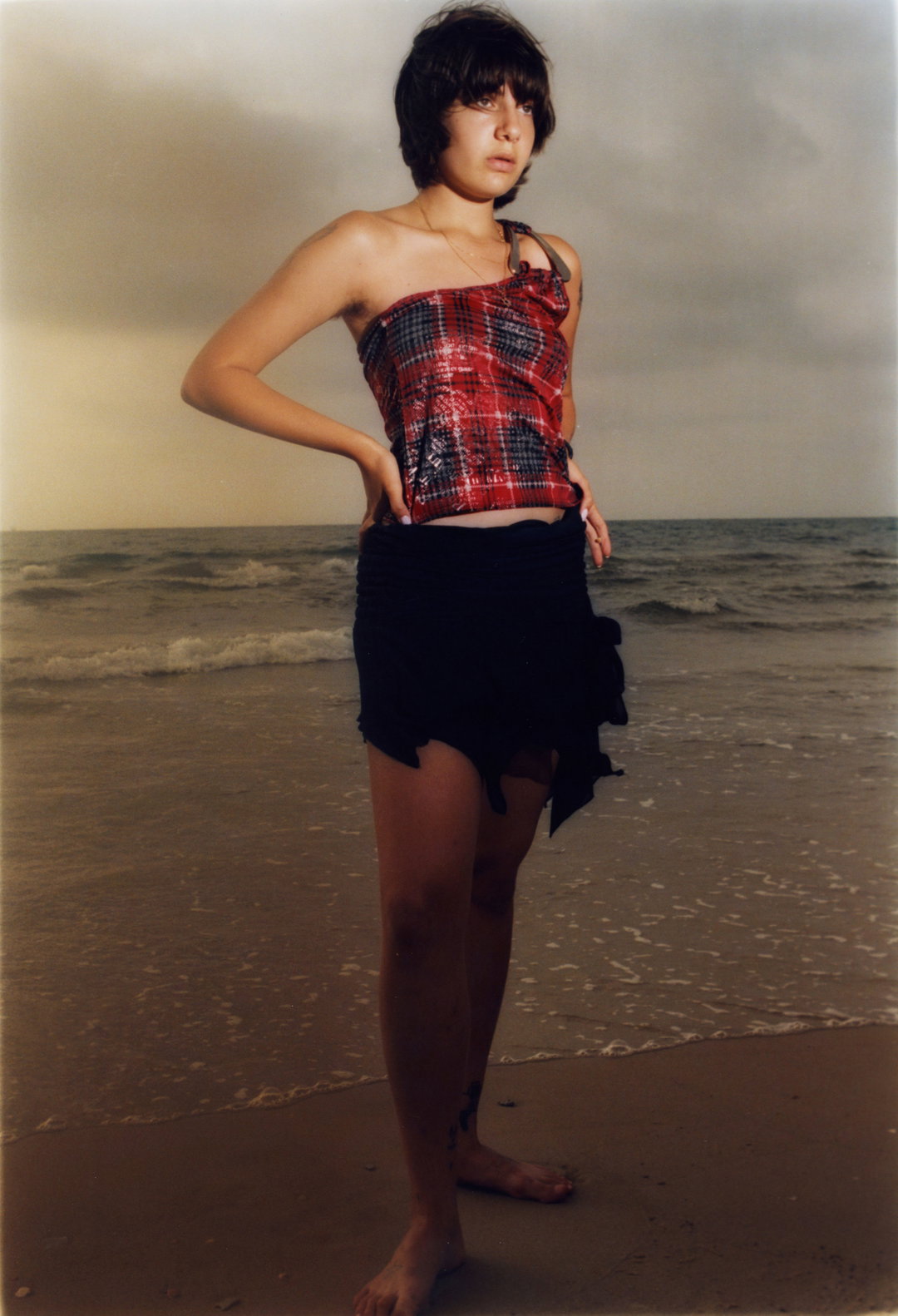
Yafo to Jericho
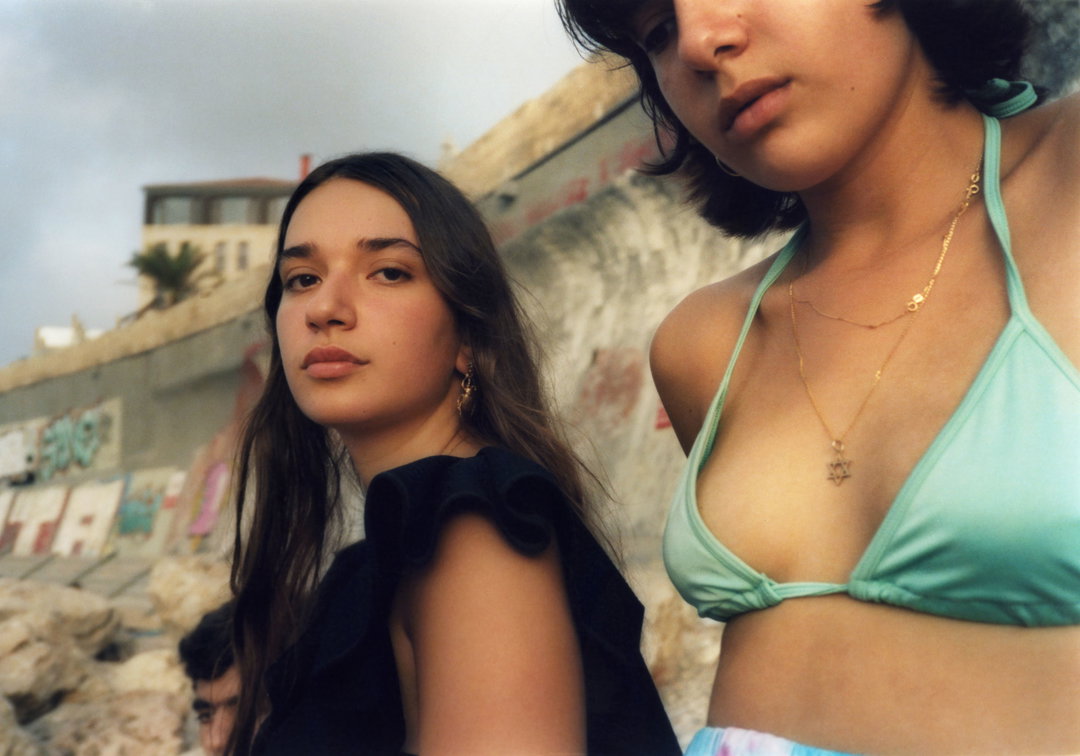
Yafo to Jericho
“I was just trying to make interesting projects. I would hire people from Craigslist to just come around and pay them 50 bucks and get them to do crazy things,” he explains whilst trying not to laugh. “There were just some really weird shoots, I would get a whole bunch of different types of people, all shapes and sizes, and make them play with food all over themselves – it's so embarrassing! I mean, like a big overweight guy with spaghetti bolognese lying on his tummy...” Although funny now, having not had any formal education in photography, this experimental phase was actually a huge learning curve. It wasn’t all silly either, he managed to produce some thoughtful projects that have definitely influenced his work today. “I would get people to bring an object from their house and talk about it, and I'd jot down a few sentences about why that object is so meaningful to them.”
Art school was never something that Sam considered, when asked about this he confidently explains that it just wasn’t for him. “If we’re just talking about technical things, there's no point in going to university. You just learn it all yourself off YouTube,” he says. “I guess it’s in my personality to find things that I like to do and just dig deep on them - it’ll probably catch me out one day!”
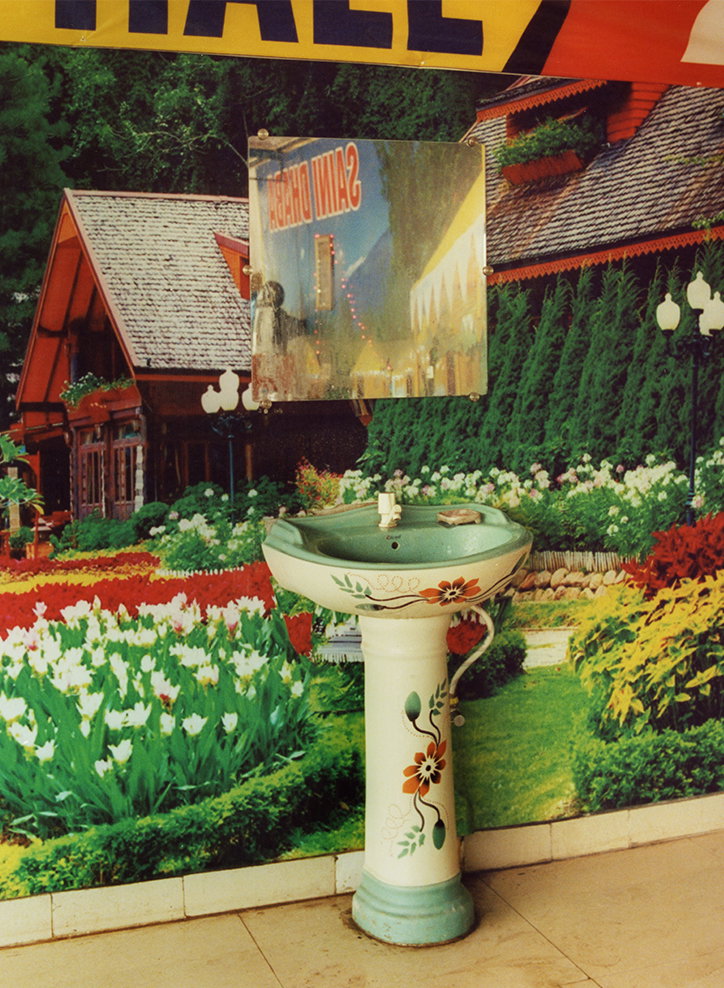
Delhi Pune
Xavier, Dazed Magazine, NY
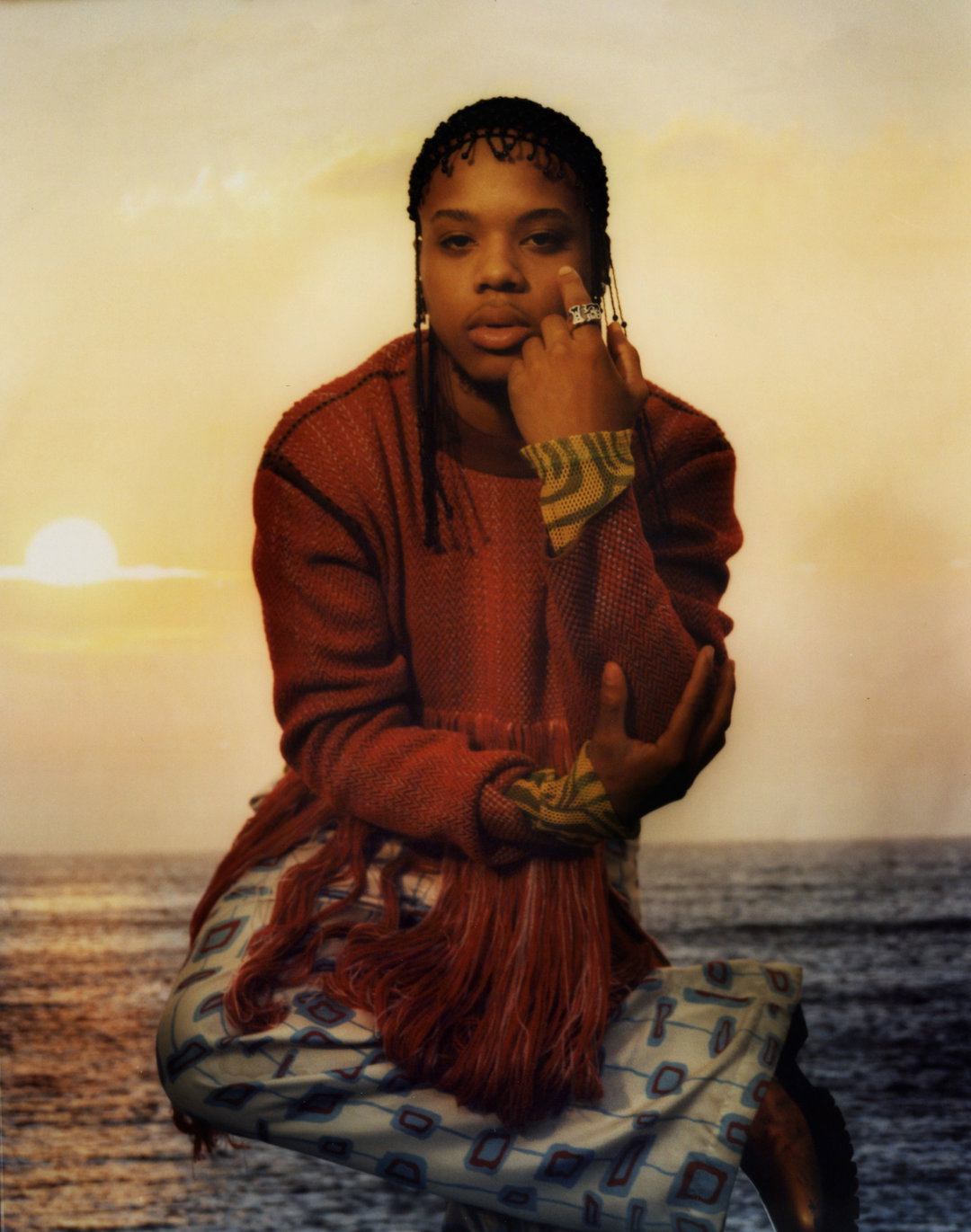
Xavier, Dazed Magazine, NY
“There were just some weird shoots, I would get a whole bunch of different types of people and make them play with food all over themselves.”
Sam Nixon
That’s not to say he doesn’t appreciate the benefits art school can give, as he points out that he would love to be able to talk about his work more eloquently from a theoretical and historical perspective. His openness to learning is something he hopes may remedy this: “I’m just one piece of the pie, and I’m going to collaborate with artists who have gone to school and maybe they can teach me something.”
One thing that has clearly had a strong influence on Sam are the people he has worked with, and bearing in mind the big names that are on this ever-growing list, it doesn’t come as a surprise. “Most recently I've assisted Collier Schorr, Ryan McGinley, David Sims, Alasdair Mclellan and Josh Olins,” he says. “These guys are really technical, so I’m dealing with trucks of equipment. It’s a lot of excitement to be on a big set like that, and for me, it’s fun problem solving and a great learning curve.” The biggest learnings, he continues, have happened when pushing himself out of his comfort zone. “You need to perform right there and then. You know those times when you say that you know how to do something, but you actually don’t? Well, I would do that all the time. I think it’s a healthy way to progress. A photographer would be like, ‘you're good with this, this and this? And I’m like, ‘Yeah, absolutely.’ Then I’d just study it online. I’d say that my training was all on set really.”
Victoria, NY
Demargo, Dazed Magazine, NY
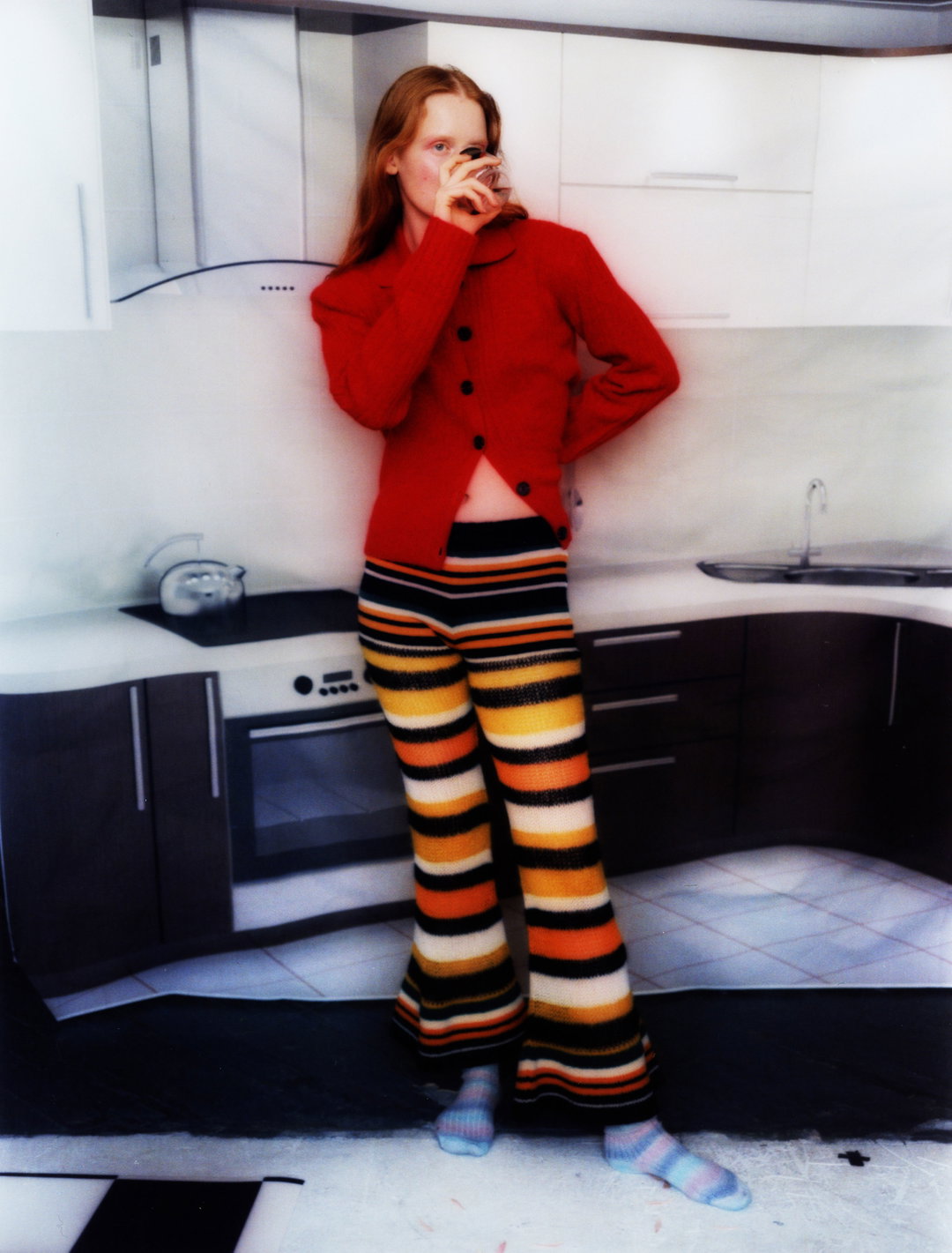
Victoria, NY
Demargo, Dazed Magazine, NY
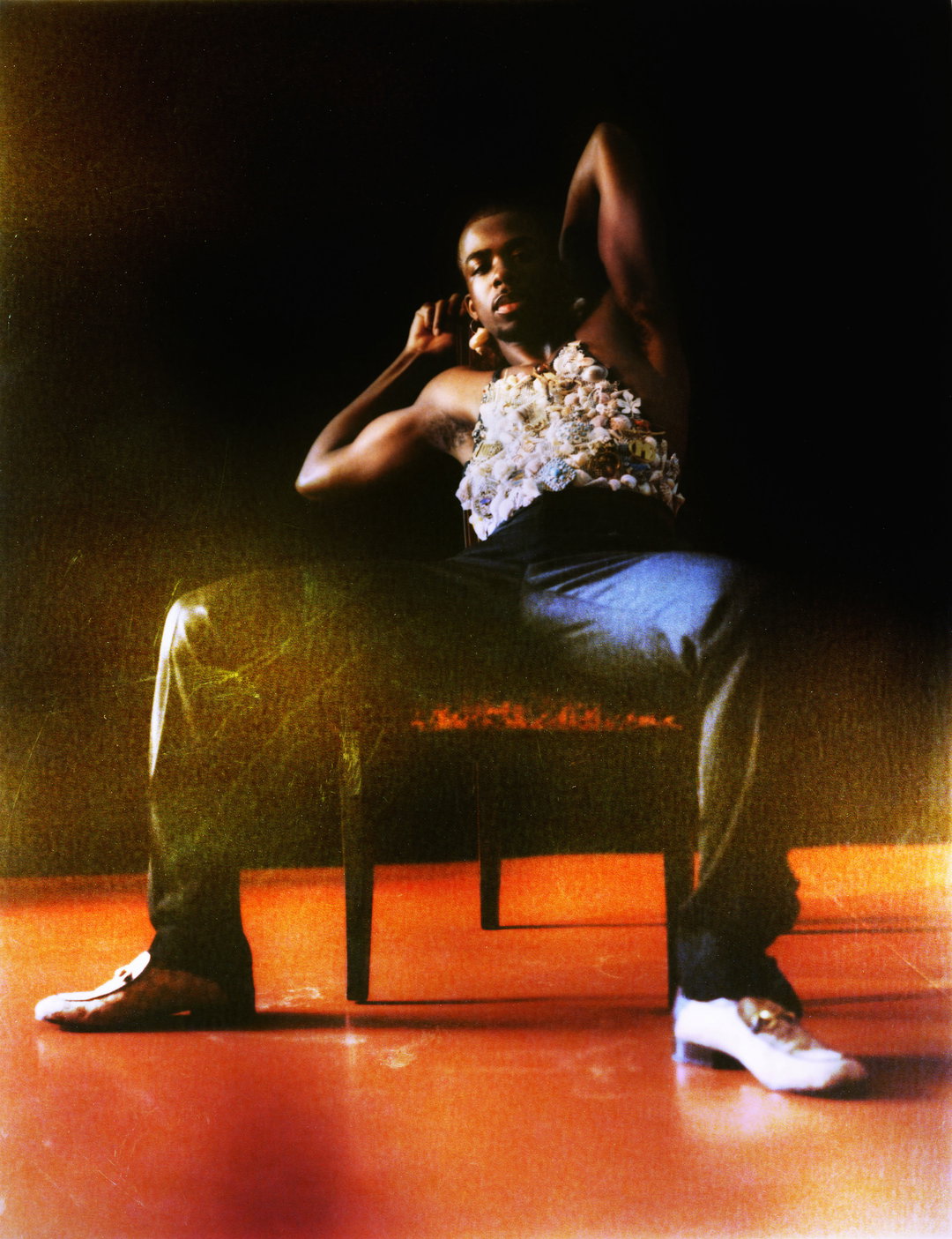
Demargo, Dazed Magazine, NY
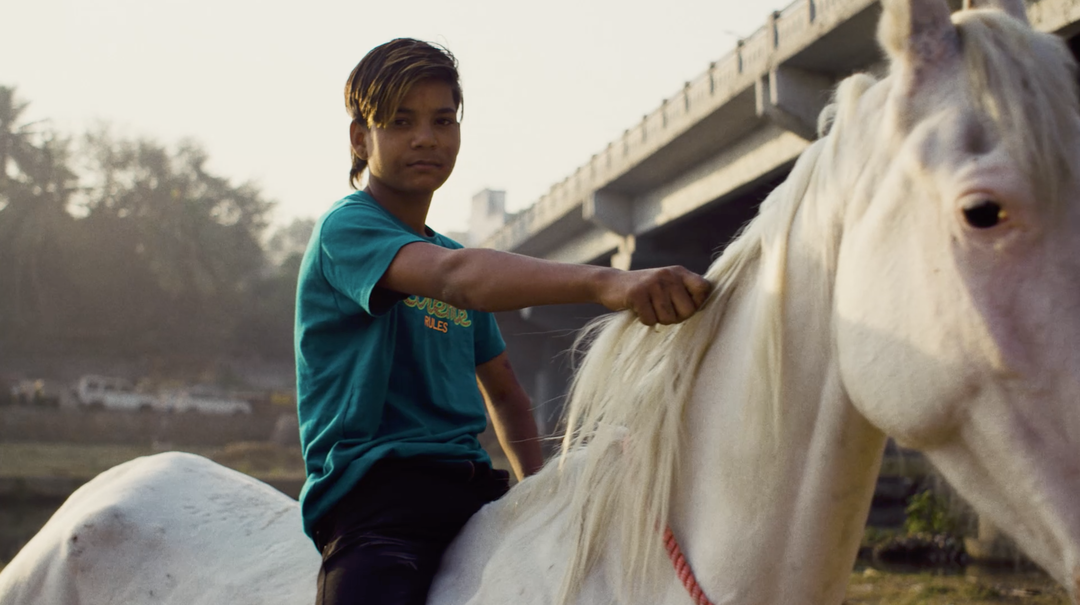
Akhada
“You know those times when you say that you know how to do something, but you actually don’t? Well, I would do that all the time.”
Sam Nixon
When working on these large editorials or commercial projects, Sam tries to look at them in the same way as he would a personal one, ultimately considering them one and the same. “So I would say the editorial stuff is generally considered personal, I approach them pretty similarly,” he says.
Style is one thing that he does not try to impose on every project, and he seemingly is not interested in adhering to one aesthetic throughout all of his work. In fact, when asked if he could describe his style to us, he shies away from it in a self-deprecating fashion, asking if we can describe it instead.
“I’m not seeking perfection,” he goes on to add. “I print next to people who are doing revisions on repeat revisions, getting the perfect colour and all that kind of stuff. For me, I’m not really as interested in that,” he says. “I just do what I want to do. People hold up colour guides to the eye and get the exact colour right, and just keep doing it. For me, I found a rhythm for myself, and I’m just comfortable with it.”
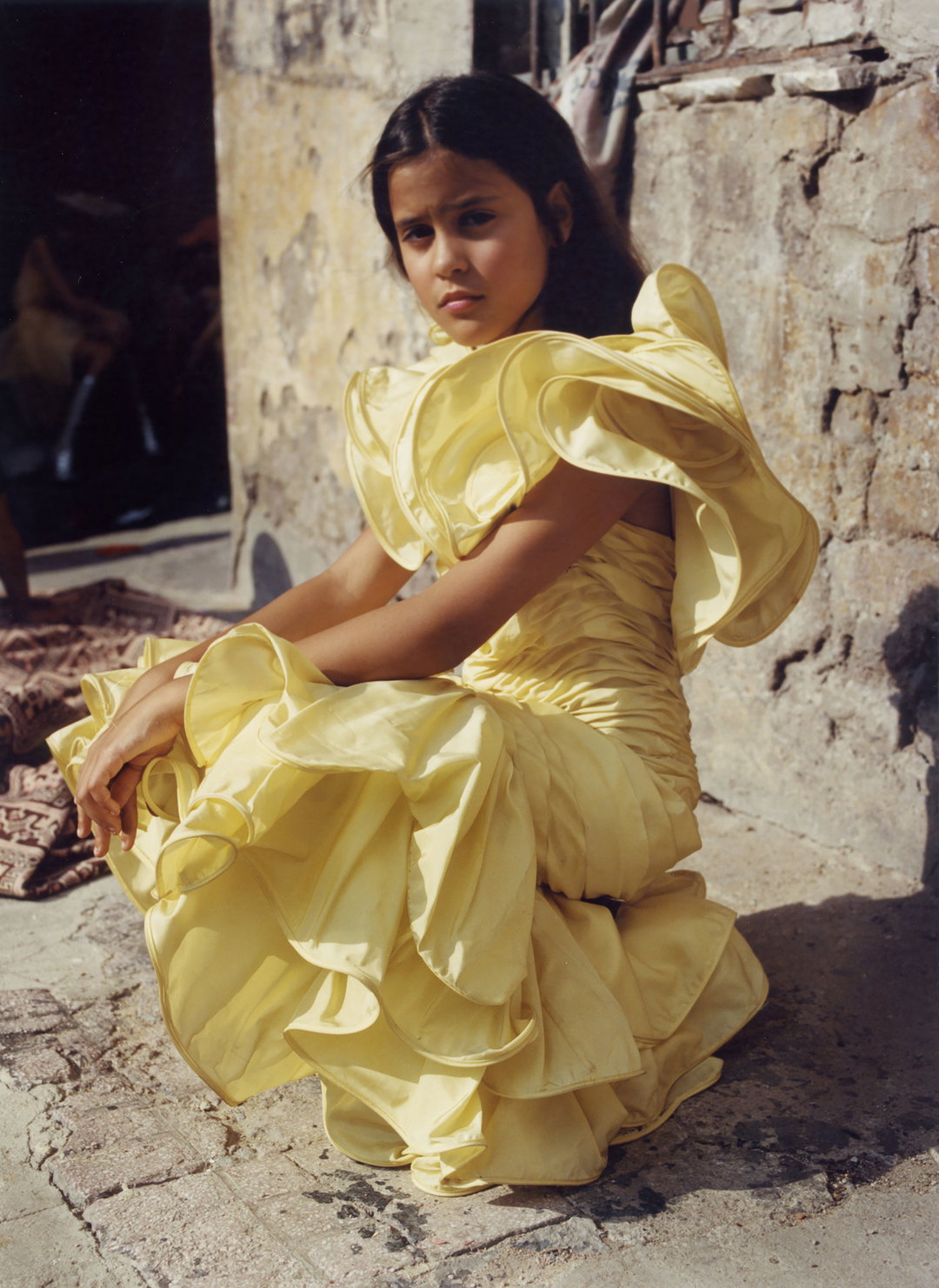
Ella, Sedition Magazine, Istanbul
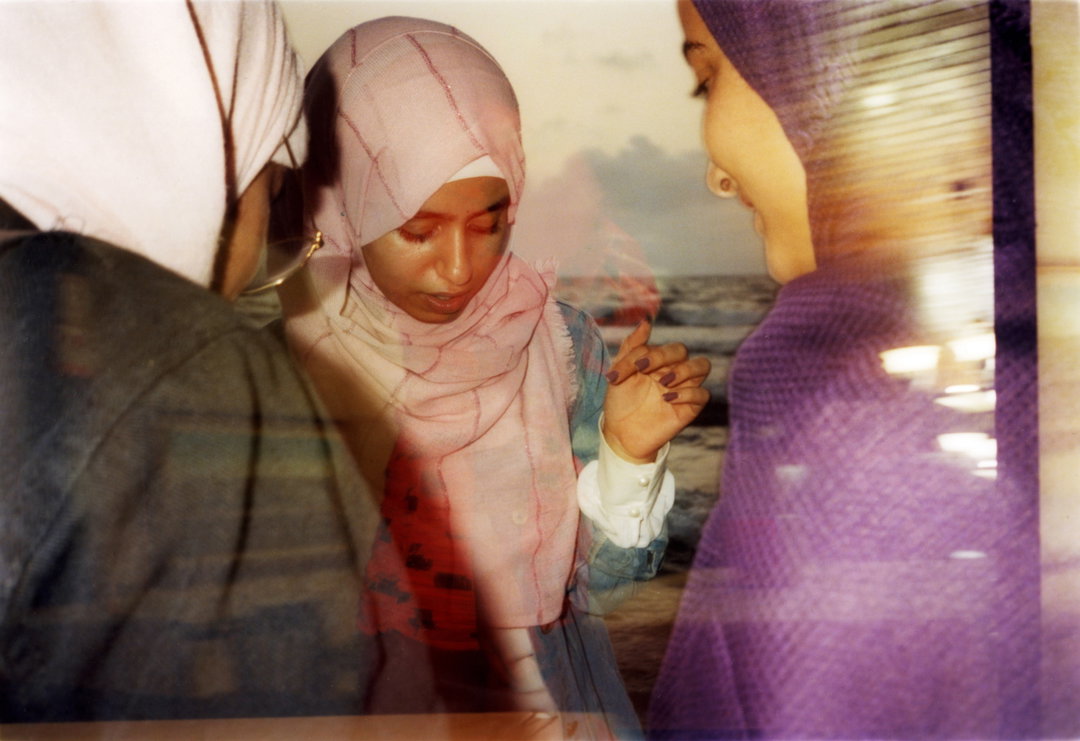
Yafo to Jericho
Akhada
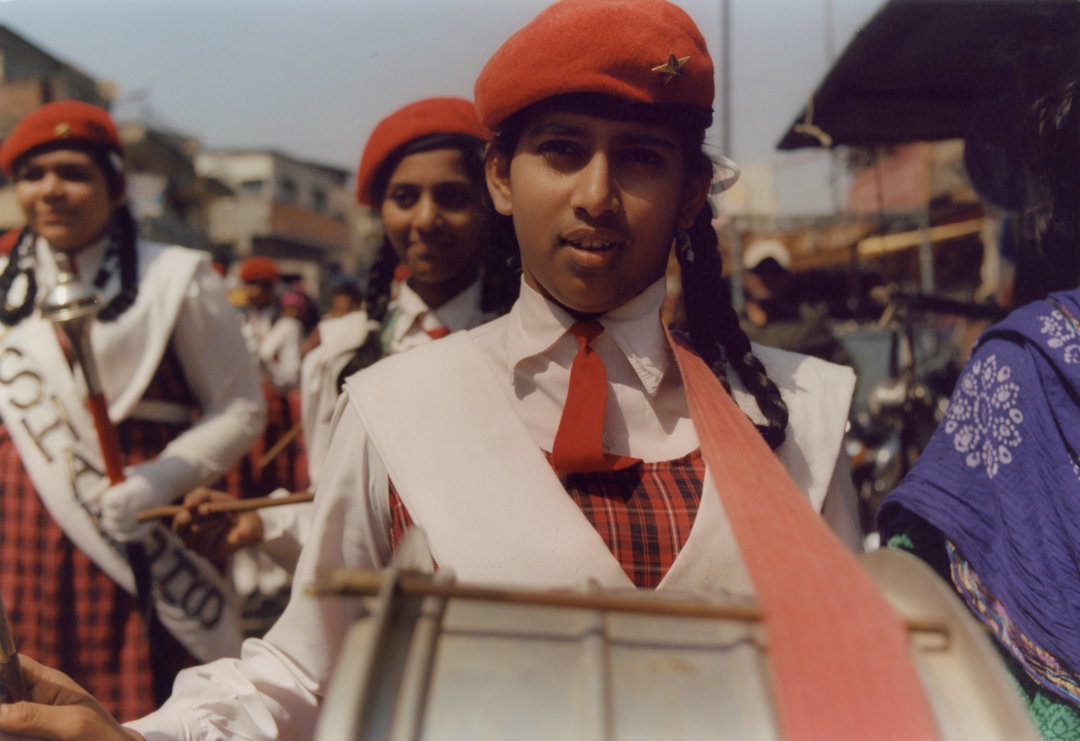
Akhada
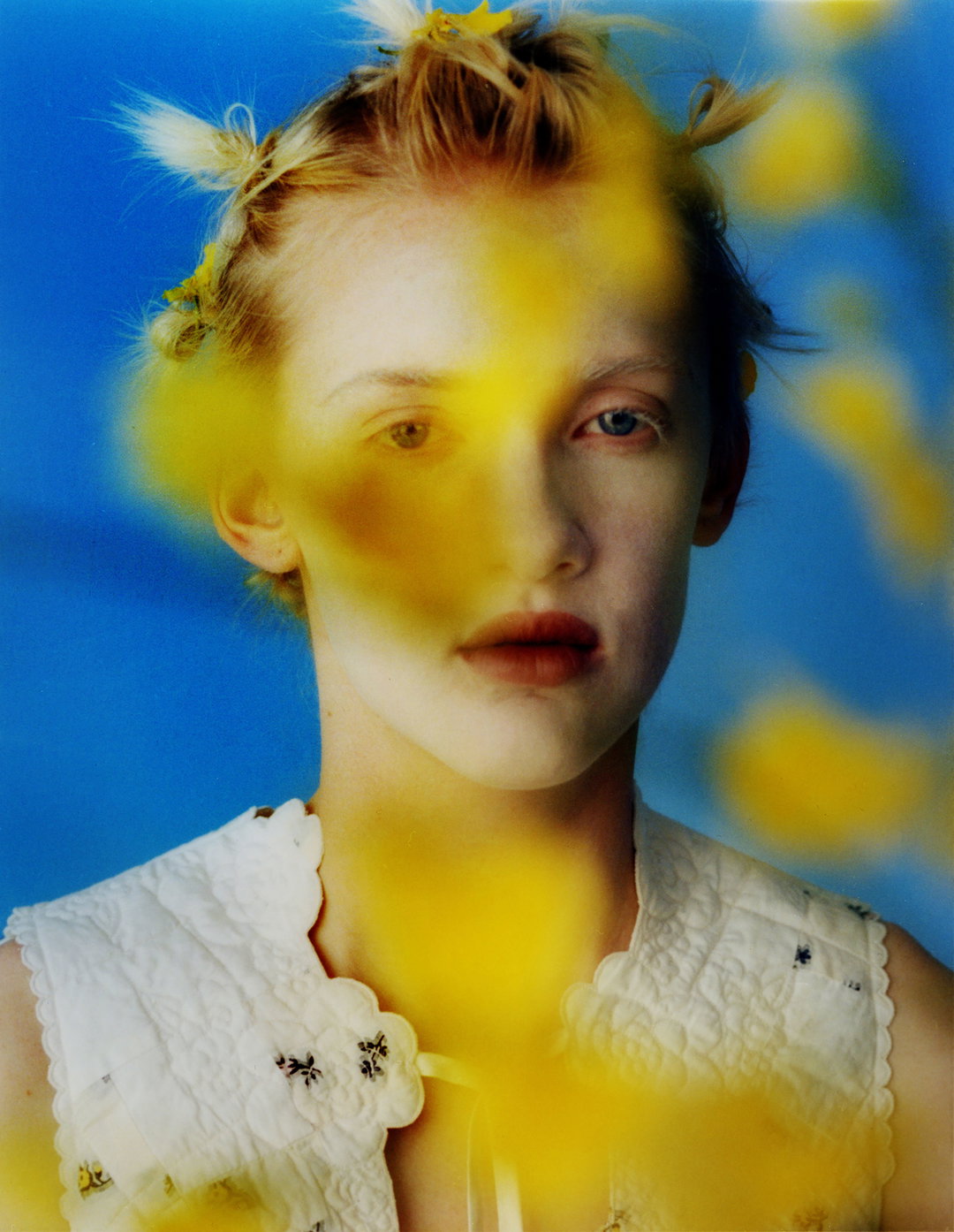
Sam’s more stylised fashion work utilises both light and dark, with a playful approach to shadow whether in or out of the studio. His work in Israel, on the other hand, could not be more different, an approach that is keeping things fresh for him. “It’s nice to have a balance. For instance, the Israel project is obviously quite documentary focused, and we were meeting people on the day and conducting interviews and shooting film,” says Sam. “It was nice to have that kind of separation from some of my other works because it does stand out as in a different field or category.”
Sam admits that one of his motivations is to produce work that will be appreciated in the future, which is one thing that keeps the desire for working on personal projects. “Not to say that my more stylised or staged stuff can't stand the test of time, but documentary stuff steps beyond seasonal fashion, it’s more timeless. If I can create projects that get better year on year, then I’m achieving my goals, because with fashion the last thing you want is to not want to ever see it again in a year,” he says. “The good thing about the documentary stuff is it can live in a book, it can live online, it can live in articles and will only get better as time passes – that’s the kind of work that I want to focus on.”
It isn’t just documentary photography that Sam is talking about though, his latest project Akhada, a collaboration with Michael Casker, is a film that tells the story of traditional Indian wrestlers hoping to make it into training schools. “I started quite late on in my career as far as the filmmaking goes. I’ve always loved film, I just didn’t know how to make it happen,” he says. “I like to direct, and I remember my mum saying when I was younger that she always thought that from my personality that I was going to be a director. I guess it turned out that she was kind of right!”
Sam’s filmmaking style is heavily based on beautiful visuals (not a talking head in sight), accompanied by sound. Much like his approach to the still image, the strong cinematography was not achieved by an overly precise method of working. “It was all very shoot from the hip and rogue guerrilla style, we didn't use one light for the whole film, and it was definitely not storyboarded.”
By approaching film and photography in the same way, there is a clear continuity between the two in terms of aesthetic. Just like his images, Akhada is centred around people, framing them as the main focus of the story. It also utilises the same golden hue, and dusk-style lighting that evokes such hazy emotions in his documentary photography work.
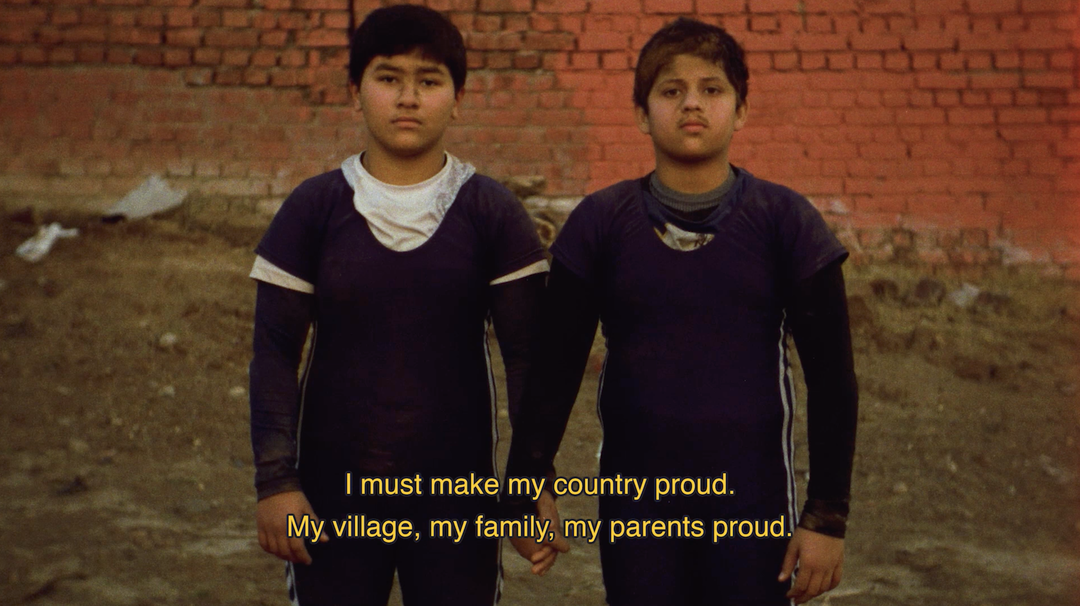
Akhada
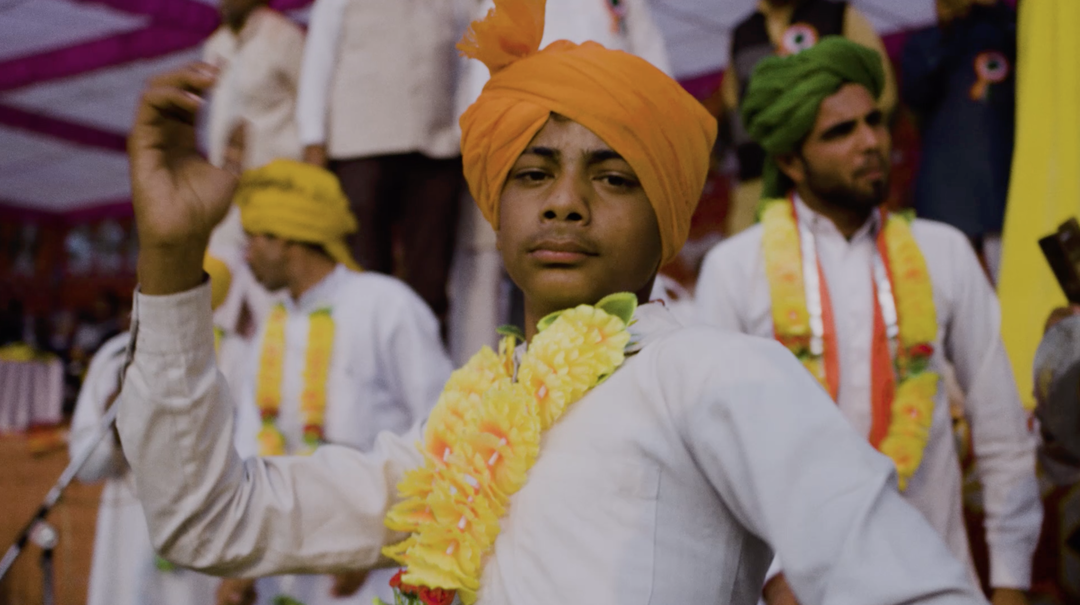
Akhada
“The good thing about the documentary stuff is it can live in a book, it can live online, it can live in articles and will only get better as time passes.”
Sam Nixon
Document
Nixon
Nixon
When making films, Sam is big on conversation and hearing what people have to say: “My subjects are generally people, so it’s all about the personalities you meet and the connections that you can make in a short period of time,” he says. “You might meet someone and in ten minutes you're shooting with them, and you have to break through walls and make people feel comfortable.” If you think about it, this is something he was practicing all those years ago when working with people from Craigslist – how else would you get a stranger to just lie there with food smothered on their body?
This conversation-led process now also defines his still work, recording speech even when working on photography projects. “The last few projects I’ve done I’ve made sure that I’ve conducted interviews with most of the subjects,” he explains. “Potentially for the voiceover to make a film, and at the very least for transcribing. That’s why it’s important to me to get good quality audio, because you just never know.”
Having put in the hard yards over the years, Sam is definitely now able to take stock of how far he has come. “I’ve been doing this nearly 15 years now. So yeah, it’s not been that fast really,” he says. “But in the last two or three years, I’ve really been figuring my own voice out, gaining a clear direction of what I like to do.”
Zoe, NY
It is clear that Sam still has a thirst to learn more in photography and film, and he most likely will do this in the same way he has learned everything else – through doing it. “I think you just build on your strengths over time and your projects that work, you try and replicate and at least improve too. I see it just like a year on year thing,” he tells us.
As well as this motivation to learn more, he can also appreciate how well he has done recently, and how much he has enjoyed it. “In 2019, I was able to make a couple of nice short films and do about three or four projects that I was really proud of,” he says. “For me, that’s a successful year, and if I can do the same thing this year then I'm a happy camper!”
Ella, Sedition Magazine, Istanbul
Spotify Design is proud to sponsor It’s Nice That’s Ones to Watch 2020, championing a diverse and inclusive creative community. We’re a team of cross-disciplinary creatives who love to design experiences that make meaningful connections between listeners and artists. We’re committed to designing for tomorrow and to supporting future-facing creatives who are out to make an impact on the world.
Share Article
Further Info
About the Author
—
Charlie joined It’s Nice That as an editorial assistant in December 2019. He has previously worked at Monocle 24, and The Times following an MA in International Journalism at City University. If you have any ideas for stories and work to be featured then get in touch.
Ones to Watch 2020
Read more profiles of this year’s Ones to Watch