- Words
- Owen Pritchard
- Illustration
- Rebecca Clarke
- —
- Date
- 3 January 2017
- Tags
Ones to Watch 2017: publication MacGuffin
Share
Share
In partnership with

Style doesn’t have to be superficial; it can keep you warmer, cooler, drier. Uniqlo creates LifeWear by evolving the ordinary, producing innovations that benefit you every day.
It’s Nice That’s Ones to Watch is our chance to showcase 12 creatives who we think will be making an impact in 2017. The people featured have been whittled down from a global pool of creative talent and have been chosen for their ability to consistently produce inspiring and engaging work. Each one practices across a diverse range of disciplines and continually pushes the boundaries of their creative output. Ones to Watch 2017 is supported by Uniqlo.
We caught up with each of our Ones to Watch, to talk about their work so far and their hopes for the year to come.
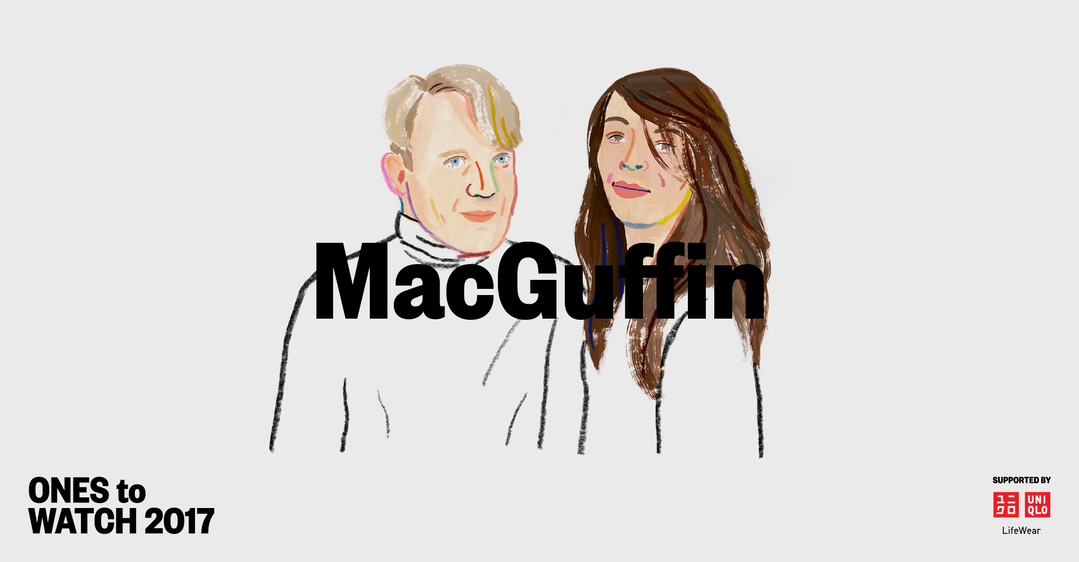
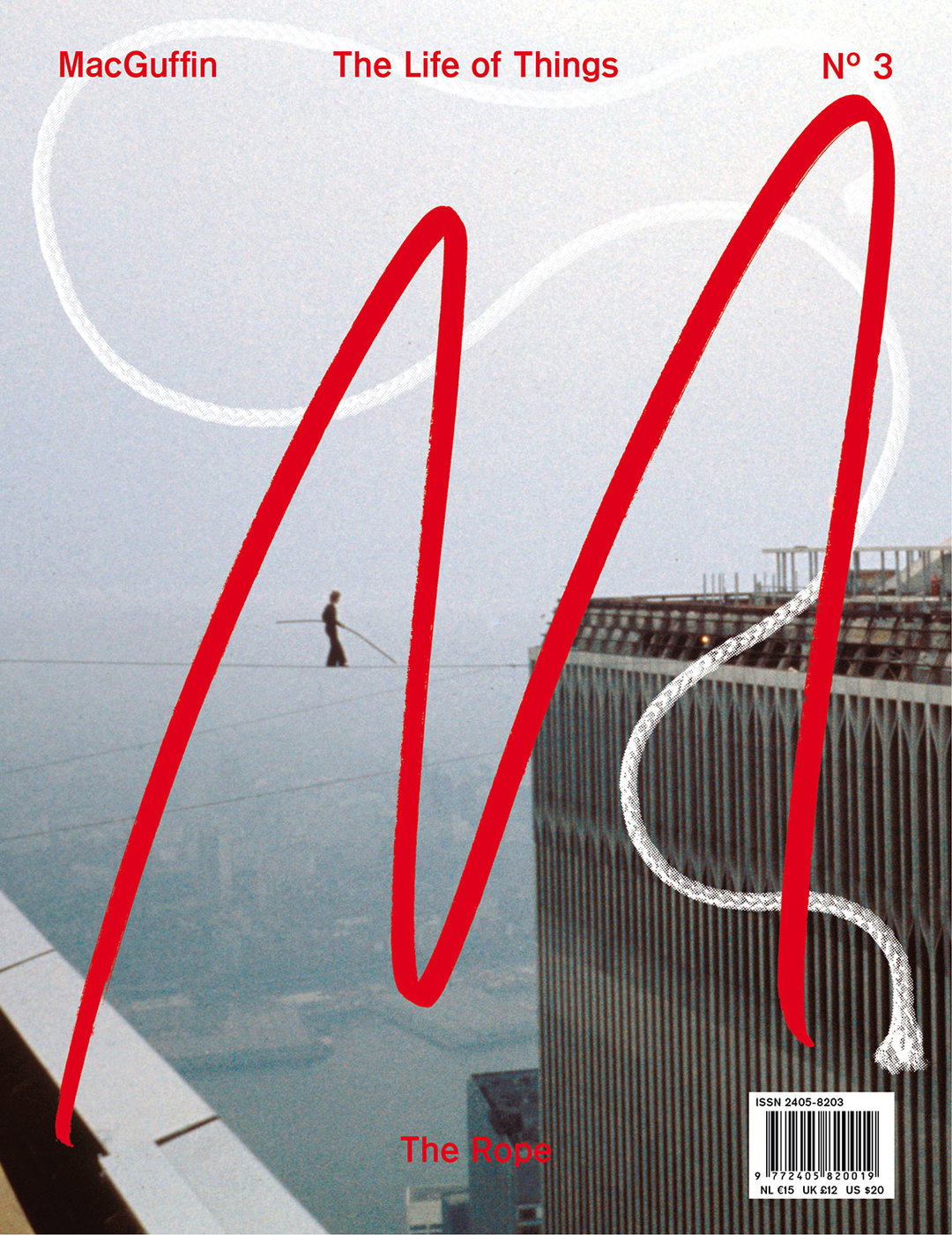
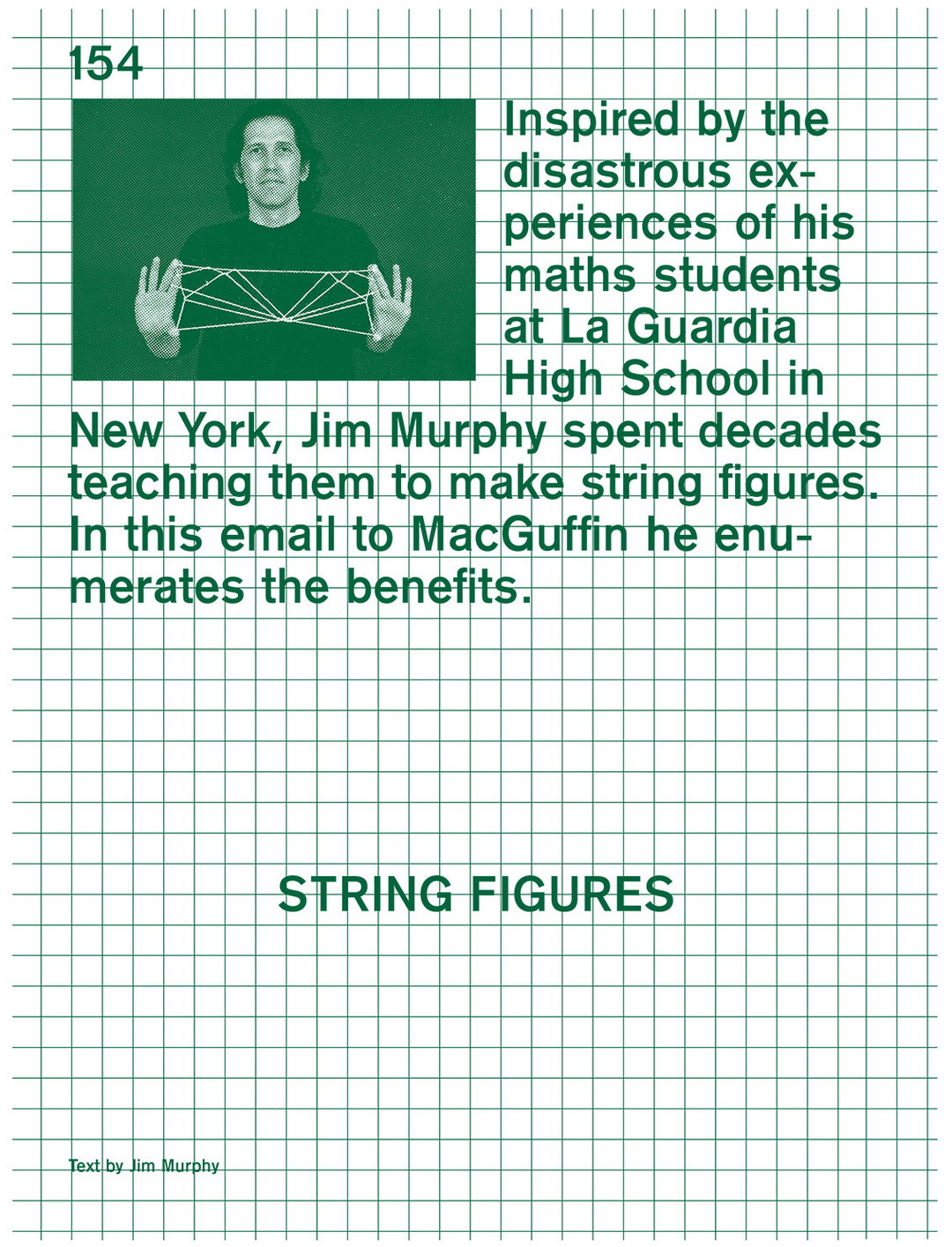
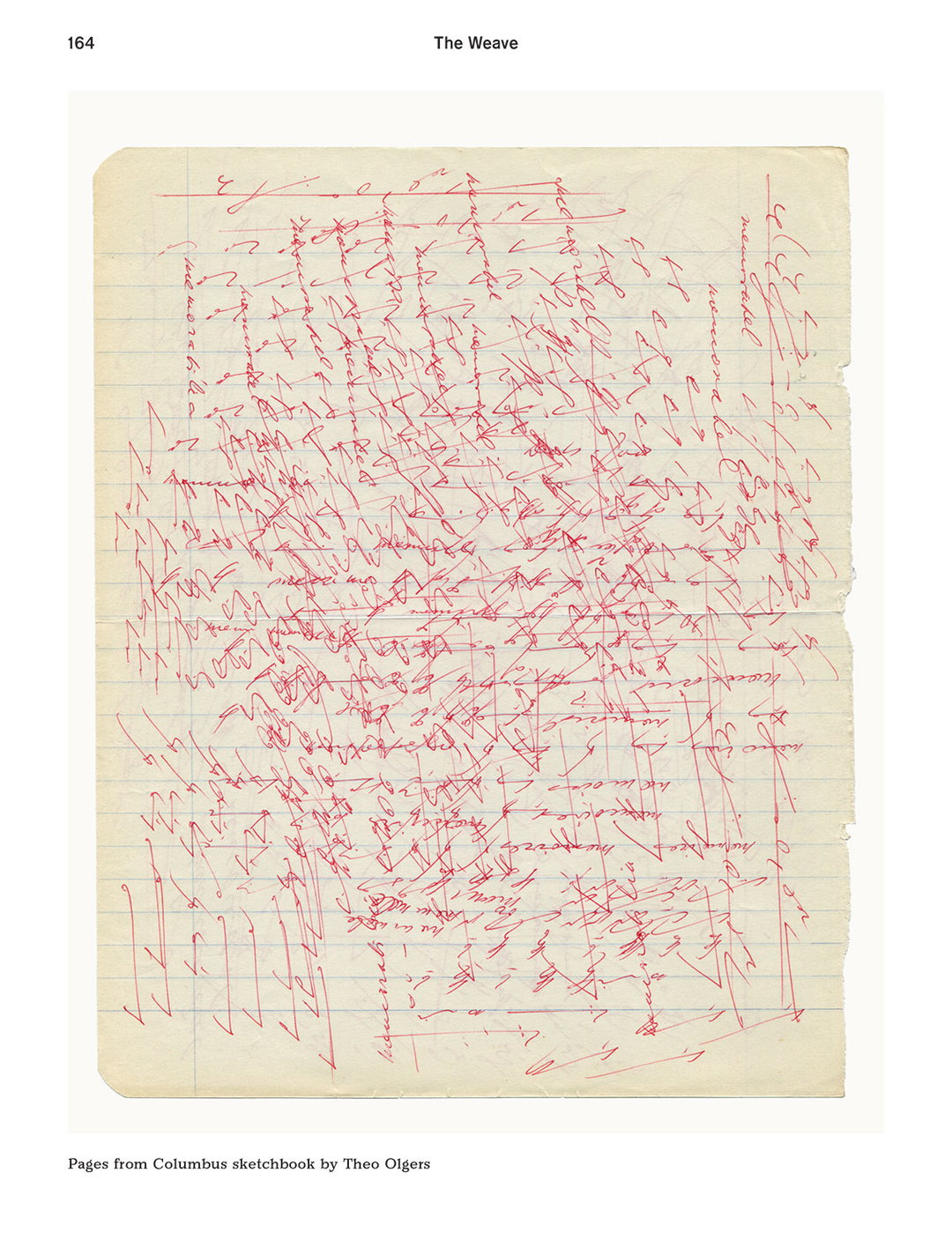
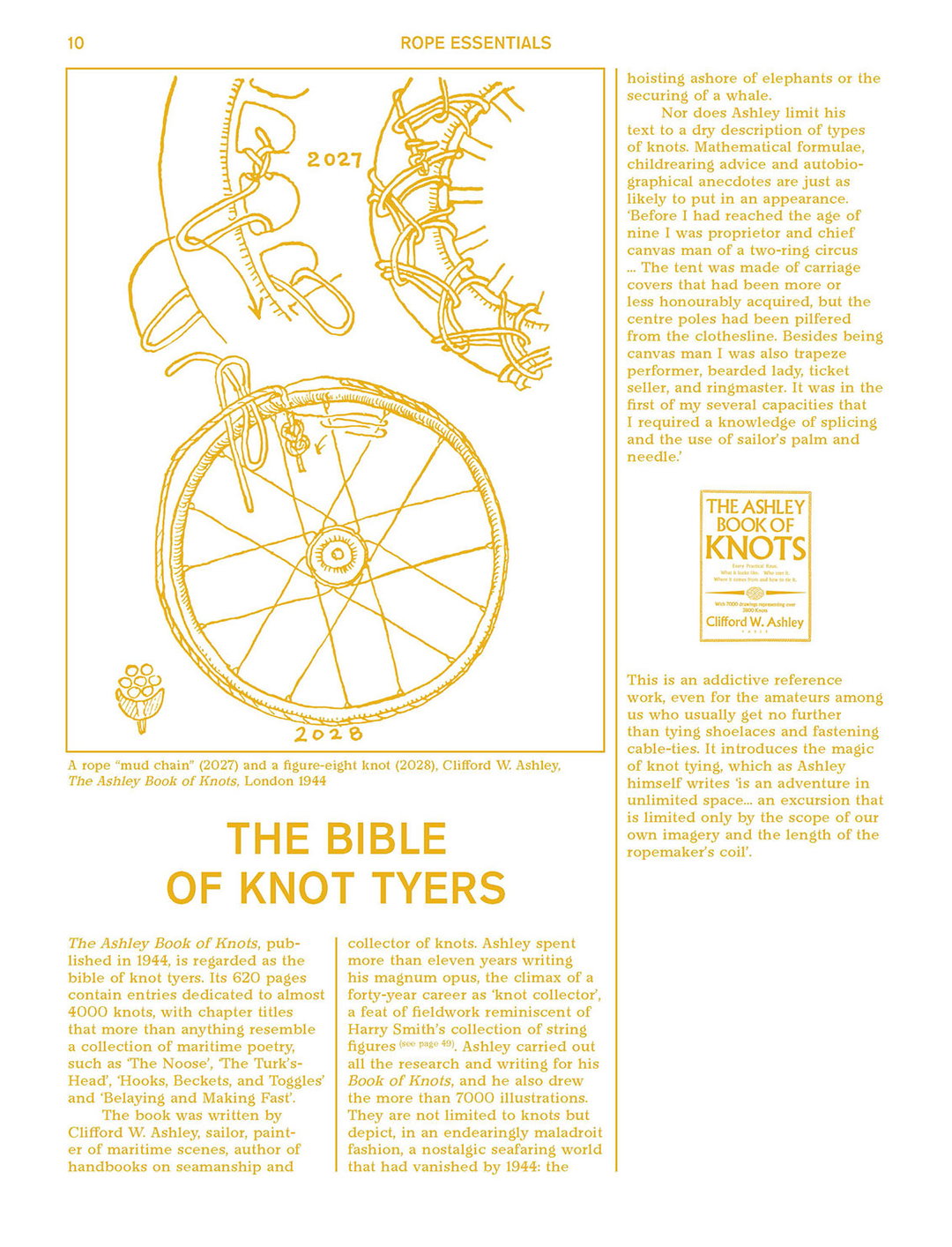
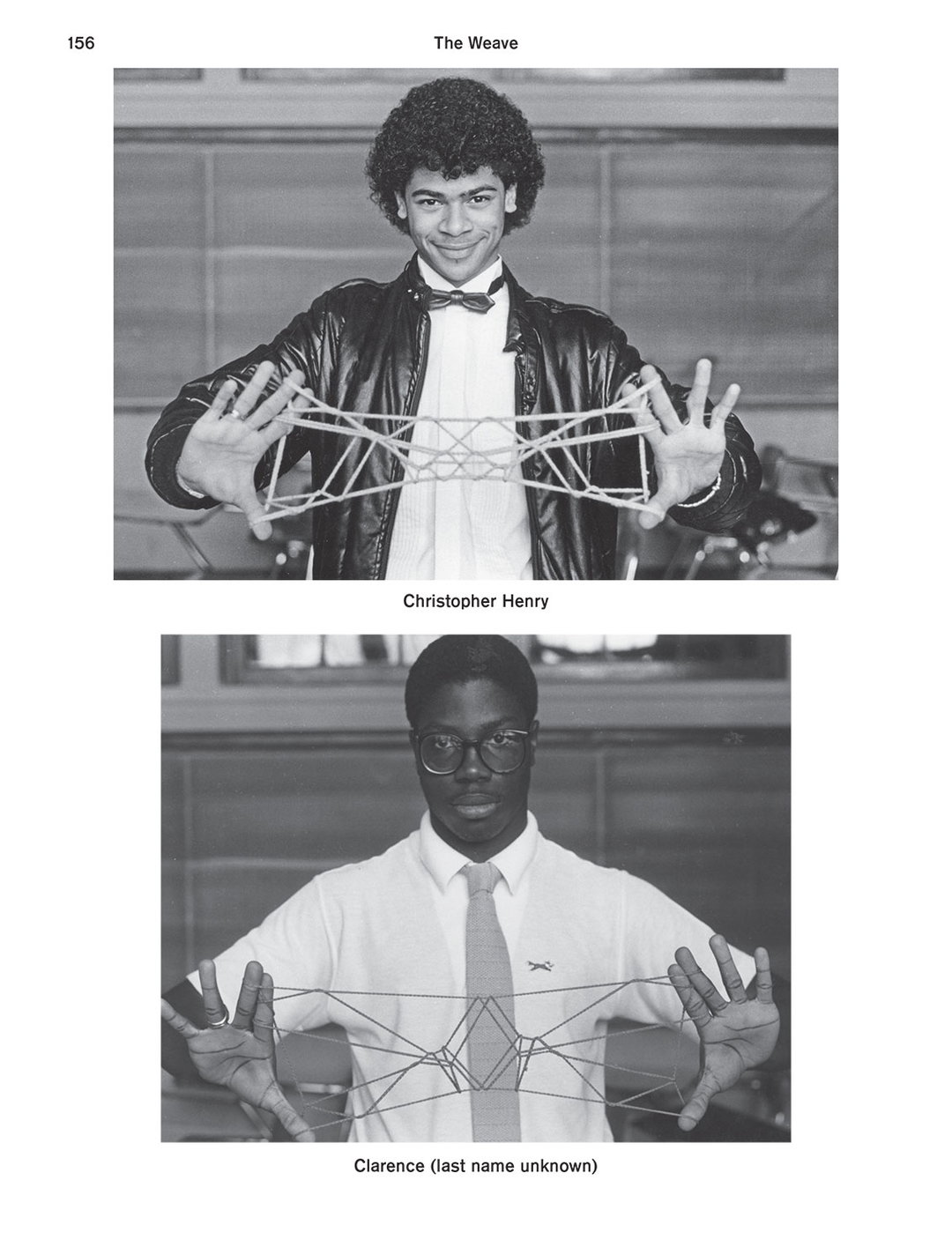
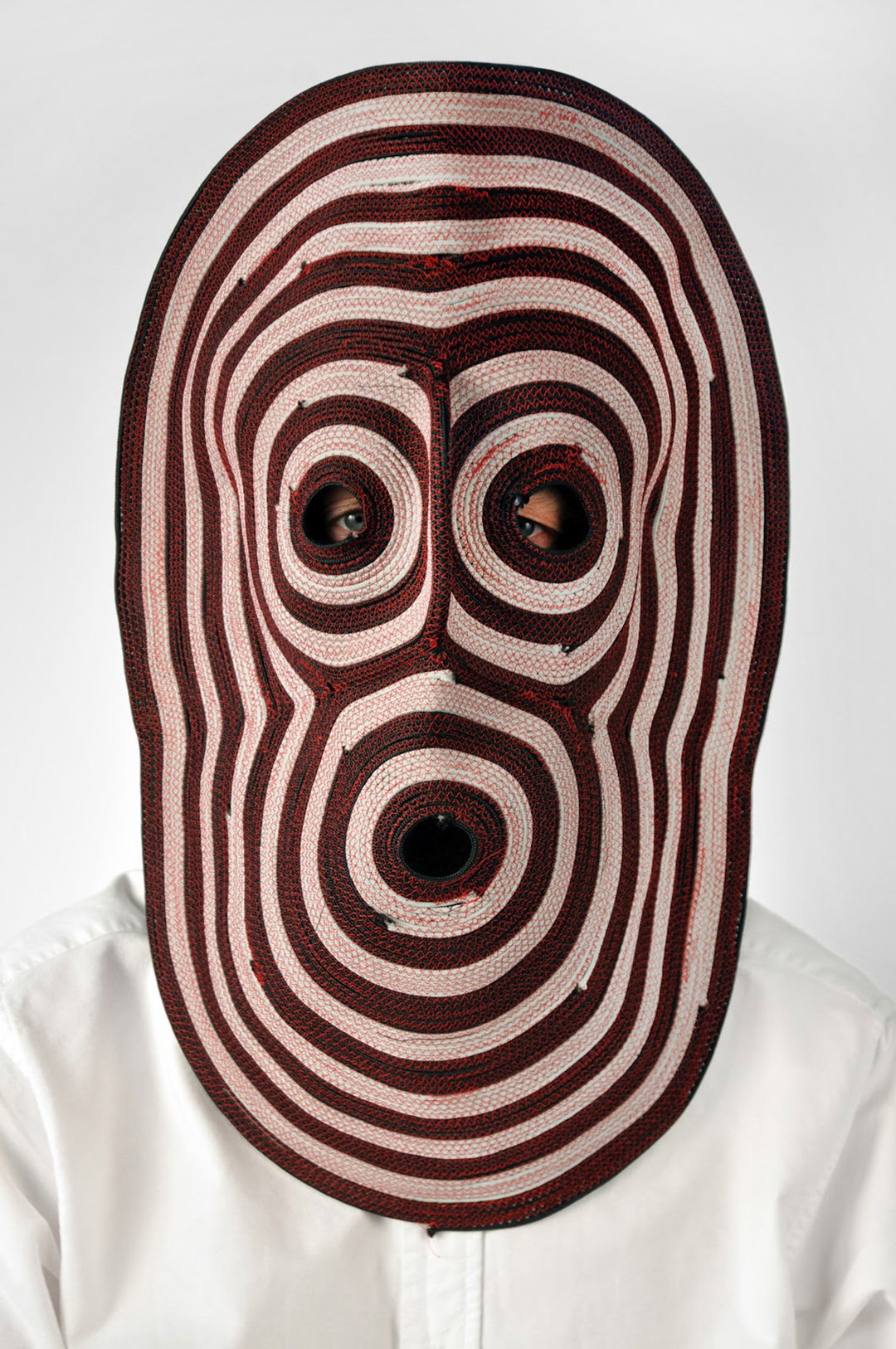
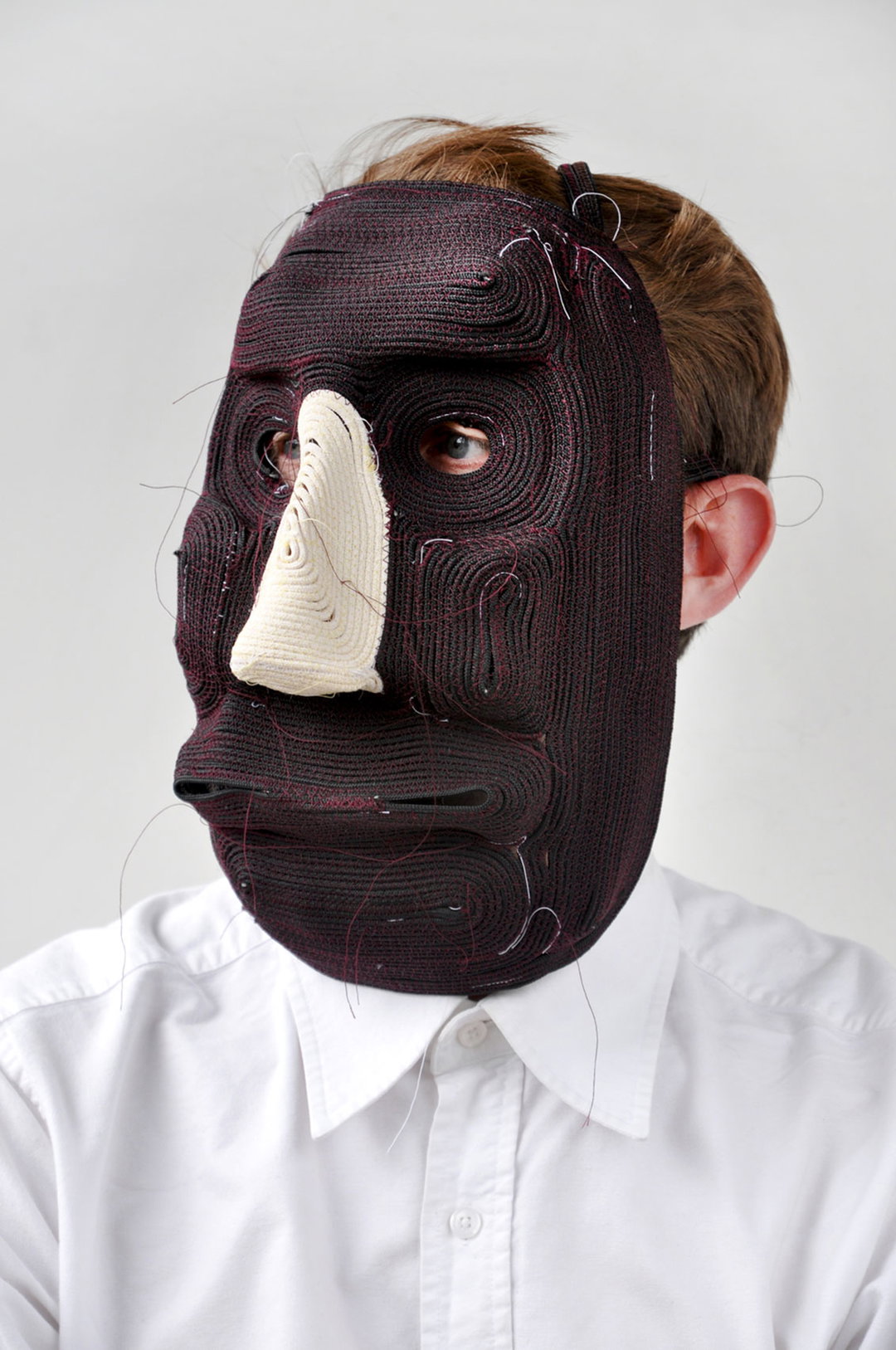
A “MacGuffin” is an object or device in a film or a book which serves merely as a trigger for the plot. Dutch magazine MacGuffin was founded by Kirsten Algera, a writer, art director and historian, and Ernst van der Hoeven, an artist, architect and architecture historian. The magazine uses the literary and cinematic devices as the underlying concept for each issue. It’s an intelligent, critical look at the world of design that takes one object as its subject matter and exhaustively explores its applications, history and use.
Now three issues in, the magazine interrogates objects to find latent and untold histories of objects and tell a different story of design, uncovering the stories that each generates as it is used. “What we regarded as a disadvantage in our 20s — the fact that we worked in so many fields and were ‘generalists’ in a way, started to turn out as a advantage later on: we are ‘living’ cross-overs and explorers of the relationships between the different disciplines,” say the founders. “This turned out to be the basis of MacGuffin, where different interests and qualities came together. For the first time in our careers, we had the idea that we didn’t have to dissipate our work.”
MacGuffin: The Rope
MacGuffin: The Rope
MacGuffin: The Rope
MacGuffin: The Rope
MacGuffin: The Rope
MacGuffin: The Rope
Ernst and Kirsten were stunned by the endless stream of new products on show at design fairs like the Salone del Mobile in Milan, and noticed that the media focussed on progress, innovation and commercial success. “We wondered why there are so few platforms to investigate the ‘afterlife’ of everyday life objects, or anonymous design, that already exist. We were looking for an alternative approach to design, one that would take an object as a starting point to explore the vast array of stories it generates when it’s used: from the mundane to the downright exotic,” they explain.
Since it launched, the print run of the magazine has quadrupled, and there are plans this year to improve the online presence of MacGuffin to archive all the great content that doesn’t make it into print. “You have to ask yourself what’s so special that you have to sacrifice thousands of kilos of paper for a magazine, and if a website wouldn’t be more apt,” says Kirsten. “But the fact that you can read, feel, smell, share and keep a printed magazine makes it a wonderful medium for specific subjects, long reads and image based research.”
MacGuffin: The Rope
MacGuffin: The Rope
MacGuffin: The Rope
As well as expanding the website, MacGuffin plans to launch a podcast and a field club that will increase the ways in which the title will reach its audience. “Kirsten used to make radio documentaries for Dutch Broadcast VPRO and we both think audio is such a great, eye opening way to describe visual things like design and crafts,” explains Ernst. “With the field club we would like to discuss ‘The Life of Things’ in a similar way – not in the auditorium, but on a day out in the field. For us, it is a way to create and animate a MacGuffin community among the readers of the magazine.”
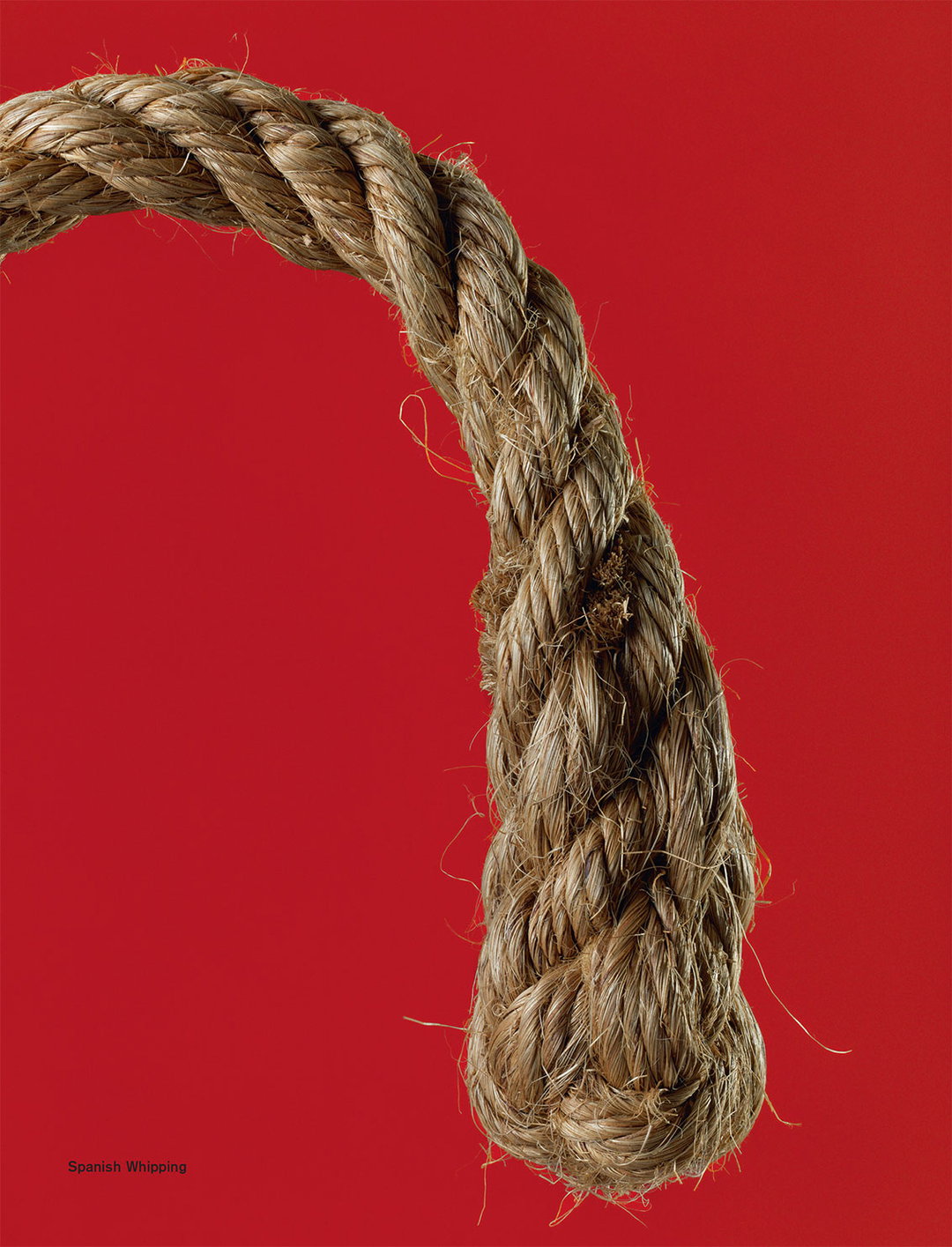
Having tackled the bed, the window and the rope in the first three issues – the kitchen sink issue is eagerly anticipated. As the success of the magazine grows, it is setting a benchmark for independent publishing. Each issue is compelling, entertaining and beautifully designed. Ernst and Kristen are looking forward to the year ahead and exploring more stories. “Any object can be a MacGuffin,” they say. “and we hope our fascination with them is contagious.”
MacGuffin: The Rope
MacGuffin: The Rope
MacGuffin: The Rope
MacGuffin: The Rope
MacGuffin: The Rope
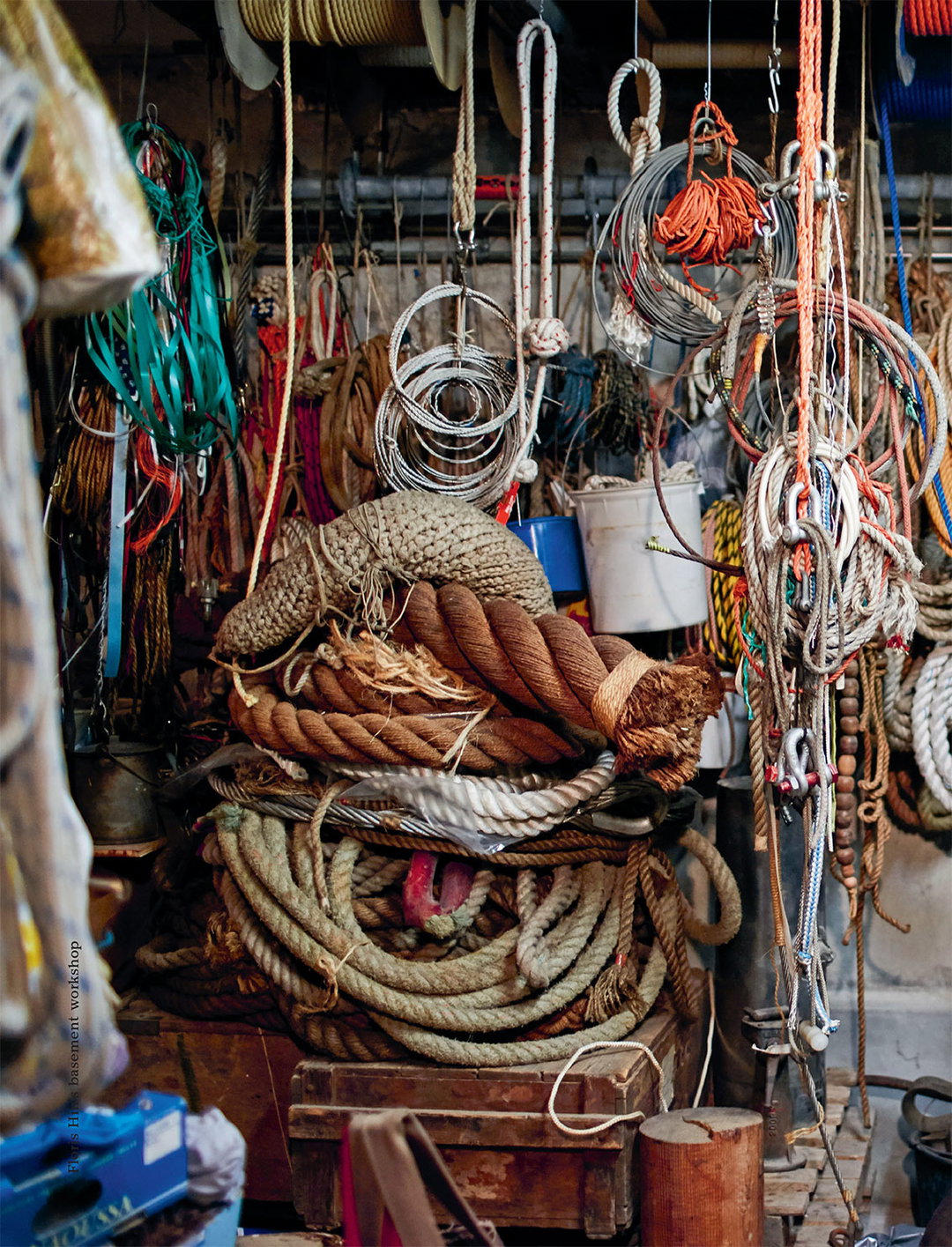
MacGuffin: The Rope
Share Article
Further Info
About the Author
—
Owen joined It’s Nice That as Editor in November of 2015 leading and overseeing all editorial content across online, print and the events programme, before leaving in early 2018.