- Words
- Billie Muraben
- —
- Date
- 12 November 2015
- Tags
Jasper Clarke photographs the cyclists in training at Japan’s Keirin racing academy
Share
Share
Jasper Clarke, a photographer and self-confessed “bike nut”, cut his teeth BMX’ing in the 1980s and has since chased everything on two wheels. Having read about Japan’s Keirin racing in various cycling magazines, and seen ex-racing bikes imported to the UK, Jasper came across a video of cyclist Shane Perkins taking part in a Keirin season, and with plans to visit Japan himself, took the film as the hook for the project he went on to shoot.
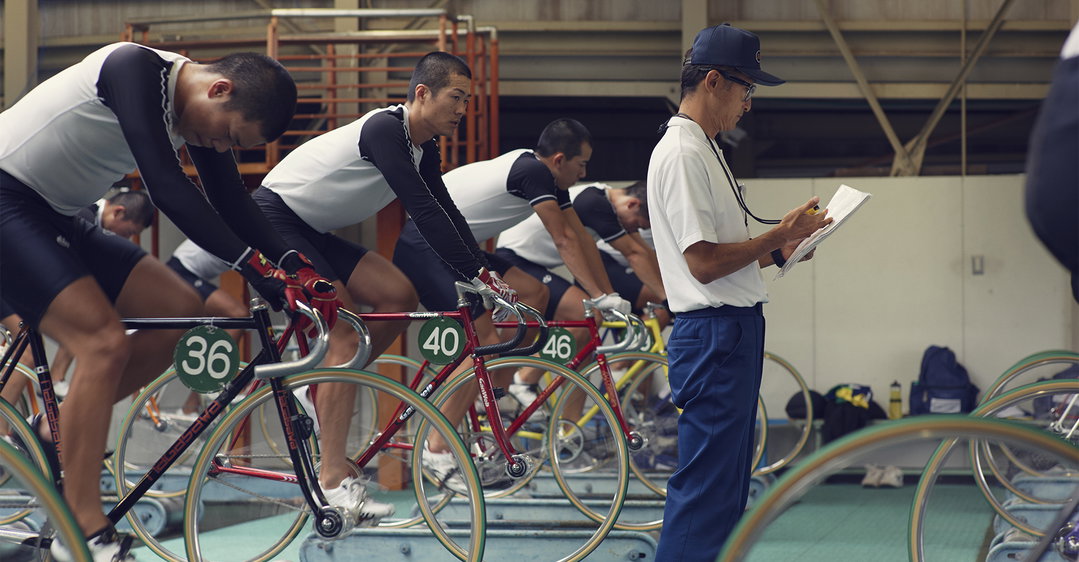
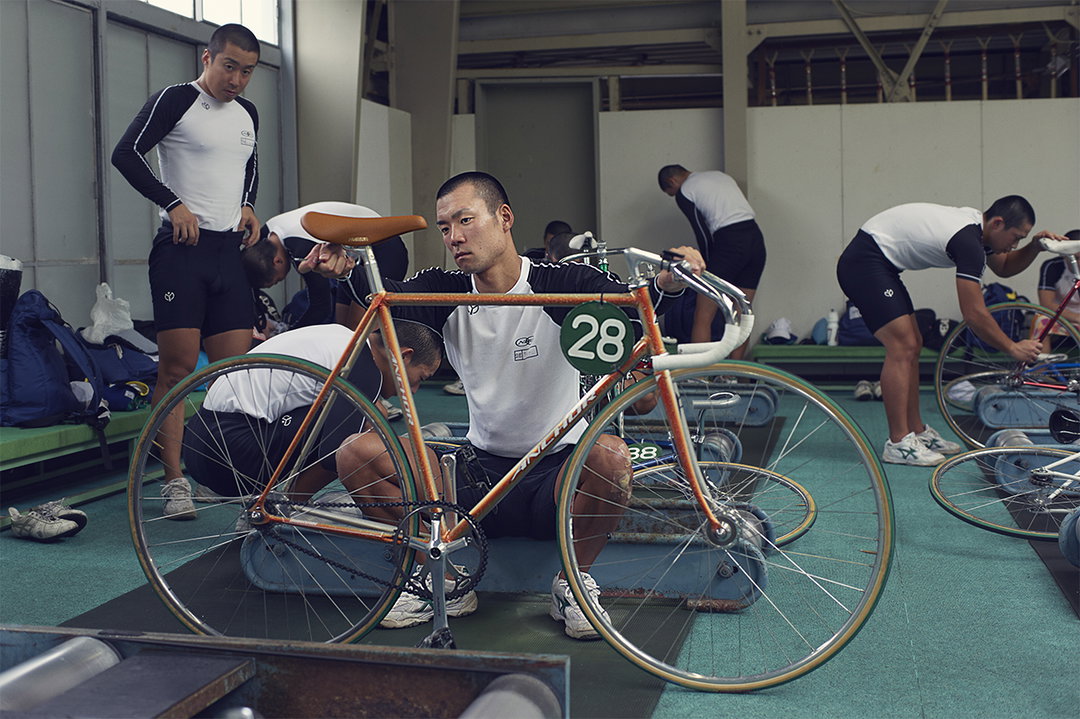
As well as the racing season, the film showed the Keirin Academy, which Jasper describes as a “singularly Japanese affair.” Rather than working their way up from amateur races and picking up sponsors, racers have to “train at the academy for a year before entering the lower league… They take a national exam to get in and attendees can include ex-firemen, office workers and all sorts, it’s seen as a way to earn good money that is achievable with hard work and some guts.”
Jasper Clarke: Keirin
Jasper Clarke: Keirin
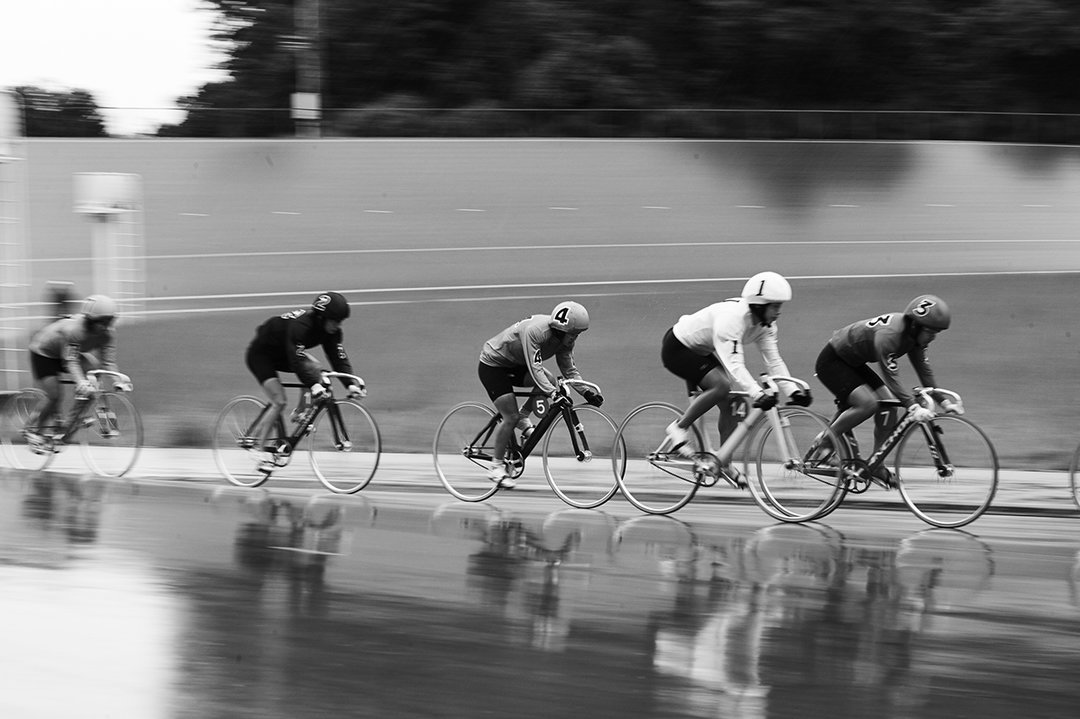
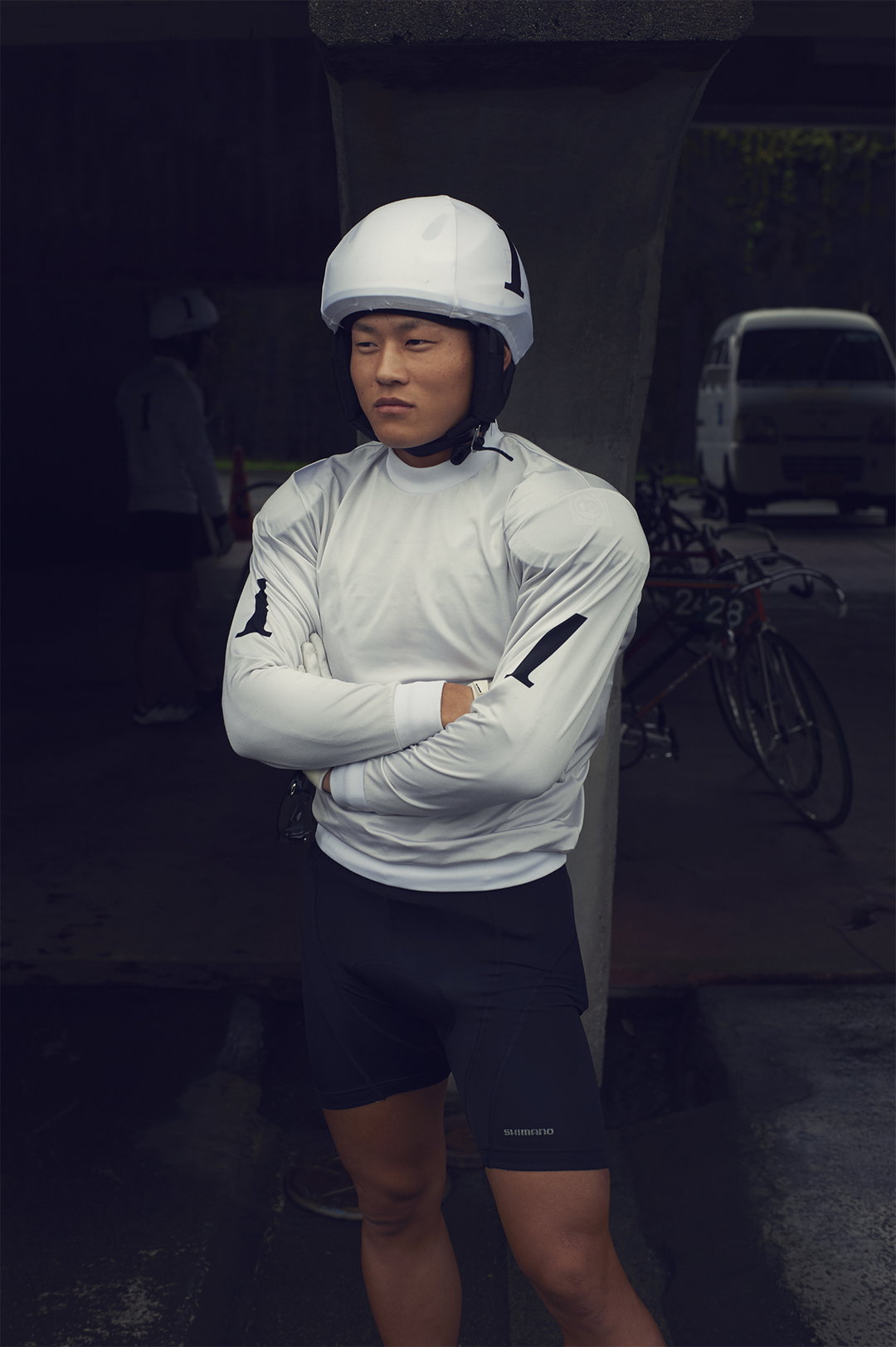
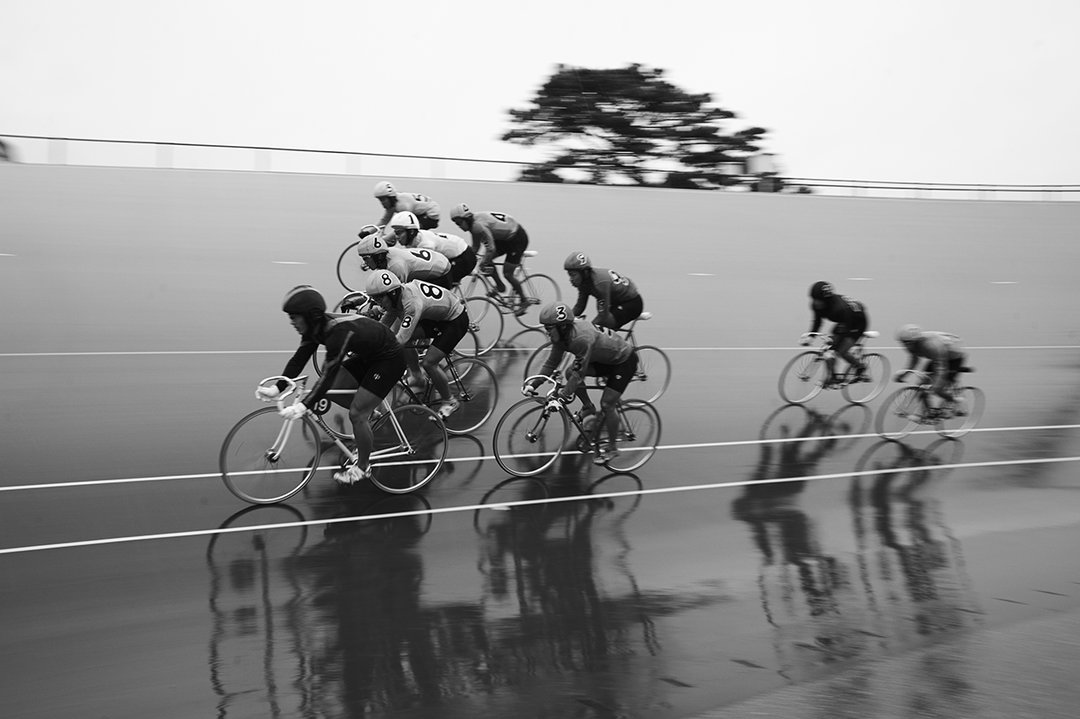
Keirin, directly translated as ‘racing wheels’, is a motor-paced track race on brakeless bicycles in which cyclists ride in excess of 40mph. The racing is in short heats and involves lots of physical contact with frequent crashes. Jasper describes the racing as “fast paced, with short heats. It’s also tactical, with various ‘plays’ available. Each racer will state before the race which play he or she will make and then betting is made on the outcome of their play,” he explains. “So racers will say whether they plan to do a last minute attack or sprint from the start for instance. This tactical aspect means racers can be very successful even if their age would mean they shouldn’t be able to keep us physically. Some of the most successful racers are in their fifties, which would be unheard of on the track in Europe.”
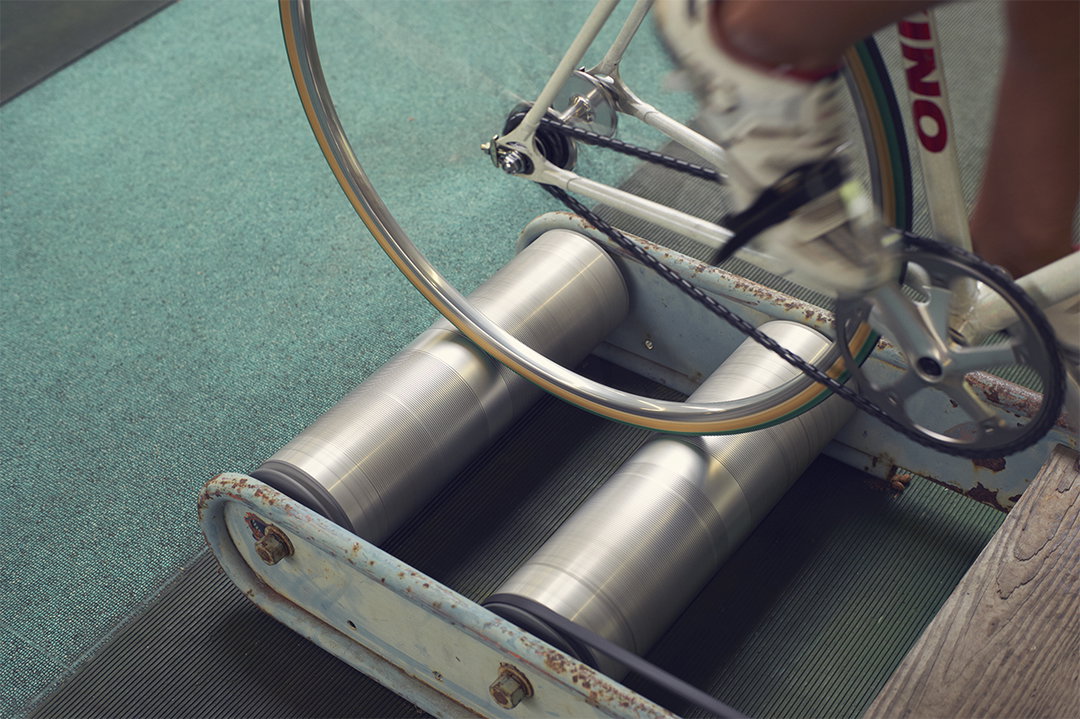
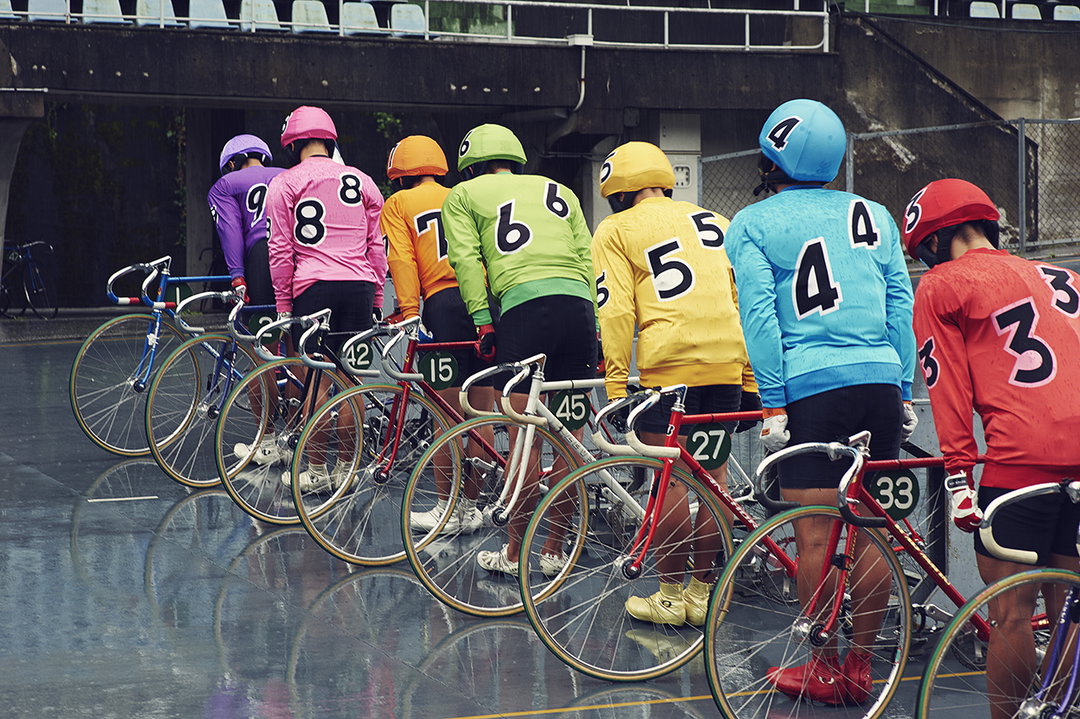
Life at the academy is spartan, it can take multiple attempts at the exam to earn a place and once there cyclists train six days a week, in all weathers; “They eat simple meals and train ten hours a day, mostly racing but also strength training and on rare occasions on rollers.” After meals of fish, rice and miso soup they train up in the mountains until lunch before spending hours riding laps at a steady pace, mastering the art of sprinting inches from each other. The cyclists are very involved with their machines, “doing their own mechanics, constantly fiddling and tweaking their bikes to try to get the most out of them.” They learn about key racing styles, including how to use a front rider’s slipstream and are taught about life as a professional Keirin racer; how to look after their health and deal with the pressure of the gambling culture attached to the sport. Keirin was developed in the late 1940s in an effort to encourage gambling and boost Japan’s economy after World War II, alongside a push in Sumo, horse racing and Pachinko parlours.
Jasper Clarke: Keirin
Jasper Clarke: Keirin
Jasper Clarke: Keirin
Jasper Clarke: Keirin
Jasper Clarke: Keirin
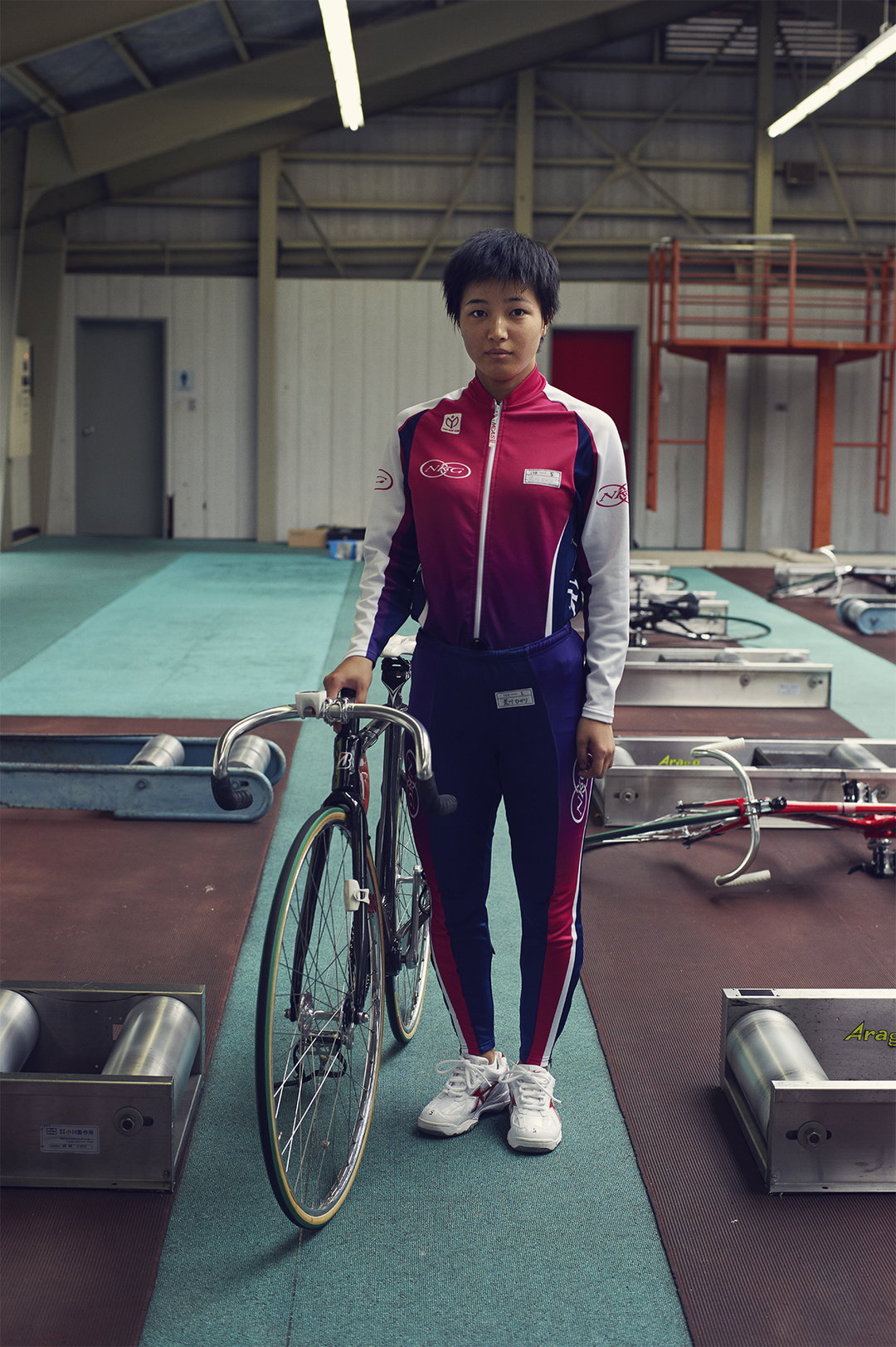
Women were only introduced a few years ago, with the intention of increasing the popularity of Keirin as the culture of gambling diminished with Japan’s younger generations, and the men and women of the academy aren’t allowed to interact. The life of the racers can be incredibly solitary, professional racers can compete up to 100 times a year and during each racing period are moved from city to city with no access to phones or the internet, and no contact with their families. The suspicion is that interaction with the outside world could lead to wrongdoing so riders are put up in hotels at the velodromes, which are very much like business hotels where each of them dines alone. Although the rewards for a successful Keirin racer can be of up to 100 million yen, the solitude, taxing training and racing seasons makes it a complex undertaking.
Jasper, whose work has been featured on AnOther and iD , and in Elle Decoration , Printed Pages and Frame Magazine amongst many others, photographed the individuals, their prized cycles and the Academy tracks, capturing the incredible skill and focus of those in training, their pride and the strange elegance of a sport that holds so much at stake. His documentation of an otherwise secretive sport gives insight to the dedication of those involved, and the details of their daily lives.
Jasper Clarke: Keirin
Jasper Clarke: Keirin
Jasper Clarke: Keirin
Share Article
Further Info
About the Author
—
Billie studied illustration at Camberwell College of Art before completing an MA in Visual Communication at the Royal College of Art. She joined It’s Nice That as a Freelance Editorial Assistant back in January 2015 and continues to work with us on a freelance basis.