


- Words
- Rob Alderson
- —
- Date
- 22 July 2026
- Tags
Hinge’s Jackie Jantos on inclusive design, trust and the path from creative to CEO
The CEO of dating app Hinge sheds light on the creative strategies behind everything from UX to ad campaigns and product research, and her personal approach to such an influential role.
Share
Share
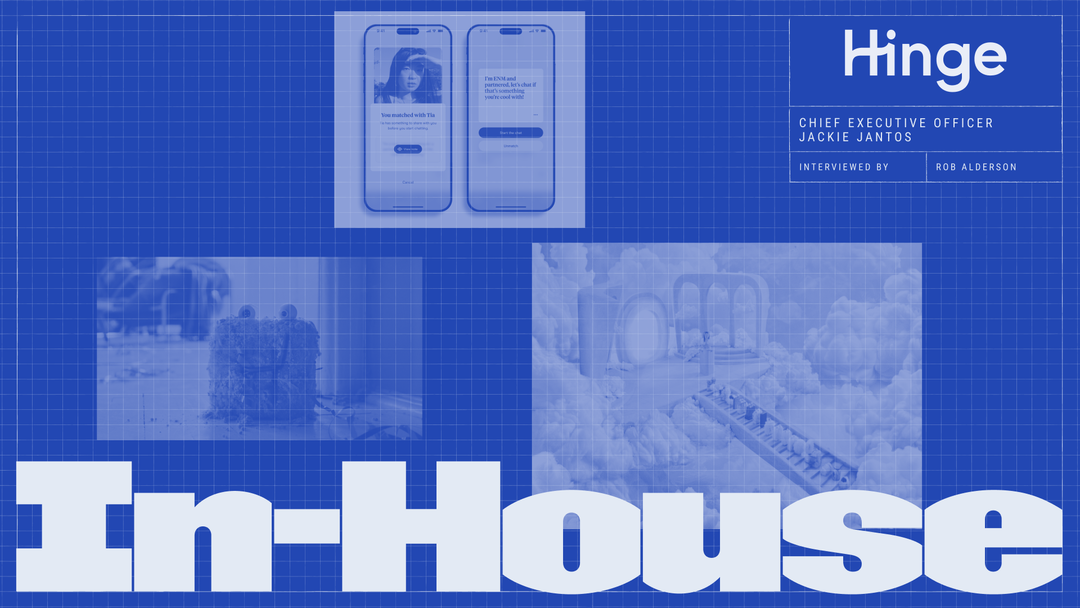
In-House is a new column from It’s Nice That where we go inside the workings of major brands, agencies and companies shaping the future of the creative industry.
Almost every week, there’s a new headline about Gen Z’s attitudes towards dating. As CEO of Hinge, Jackie Jantos has to make sense of this complex and fast-changing picture. Since the pandemic, Hinge has focused on Gen Z daters, who make up more than half of its users.
Jackie joined the dating app in 2021 as chief marketing officer, following senior roles at The Coca-Cola Company and Spotify, where she was VP global brand and creative. Elevated to CEO late last year, she is one of a handful of creative and marketing leaders who’ve taken on a big brand’s top role – others include Dr. Martens CEO Ije Nwokorie and Kickstarter’s Everette Taylor.
We sat down to discuss Jackie’s leadership style, Hinge’s long-running “designed to be deleted” campaign, and how to make design as inclusive as possible.

Hinge: Designed to be Deleted – Afterlife (Copyright © Hinge)
Rob Alderson:
We often hear that dating apps are at an “inflection point” – what does that mean?
Jackie Jantos:
Dating has always been really hard. You put yourself in this deeply vulnerable space, take a leap of faith, and try to show up as best you can. But I think dating has become even harder.
The former US surgeon general called loneliness an epidemic. In 2023, he highlighted that young people are spending 1,000 fewer hours in person than the same age group two decades prior. That’s more than two hours per day not spent with another human.
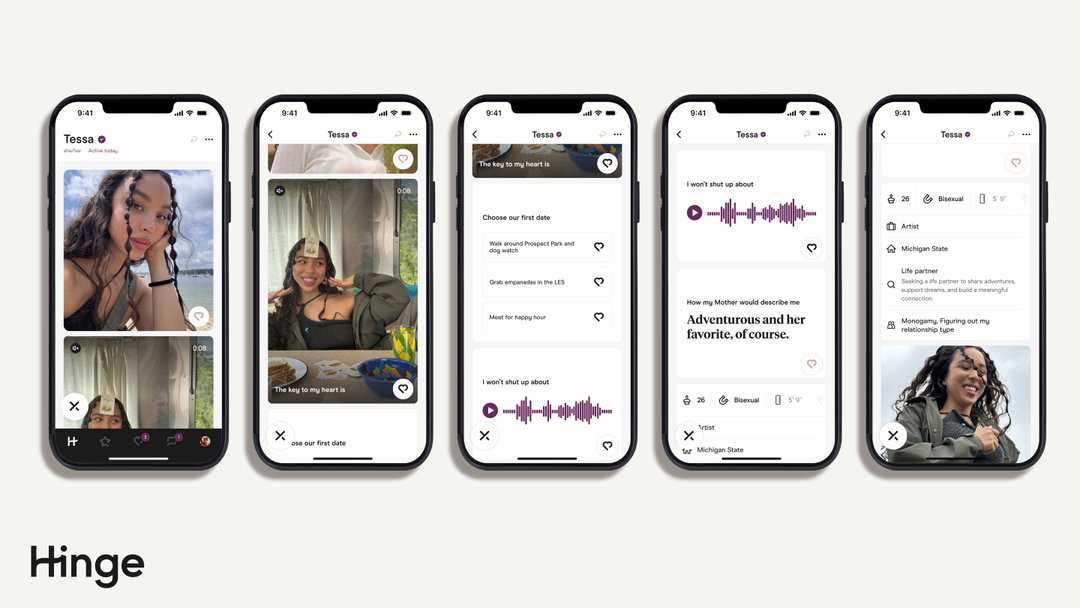
They’re also growing up in a world that feels heavy and uncertain, which is adding to their anxiety and the weight of what they’re carrying. And there are seismic shifts in what types of relationships they’re looking for – around gender fluidity, sexual preferences, and who you want to be in an intimate relationship with.
Dating apps have been around over a decade, but haven’t changed much to serve these evolving needs. Hinge has adapted, which makes it a bit of an anomaly in the category.
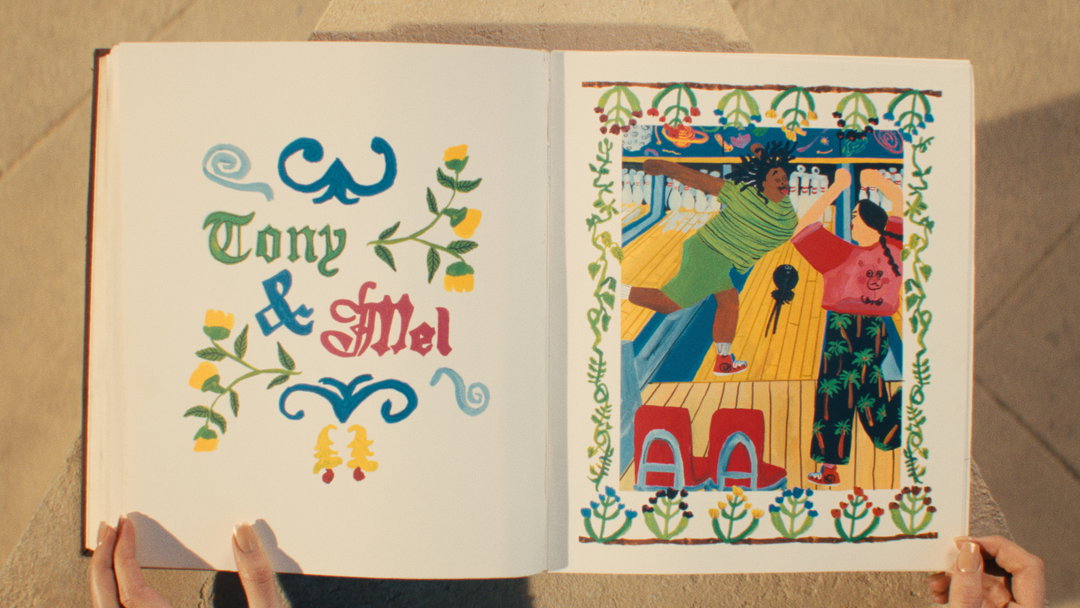
Hinge: Designed to be Deleted – Afterlife (Copyright © Hinge)
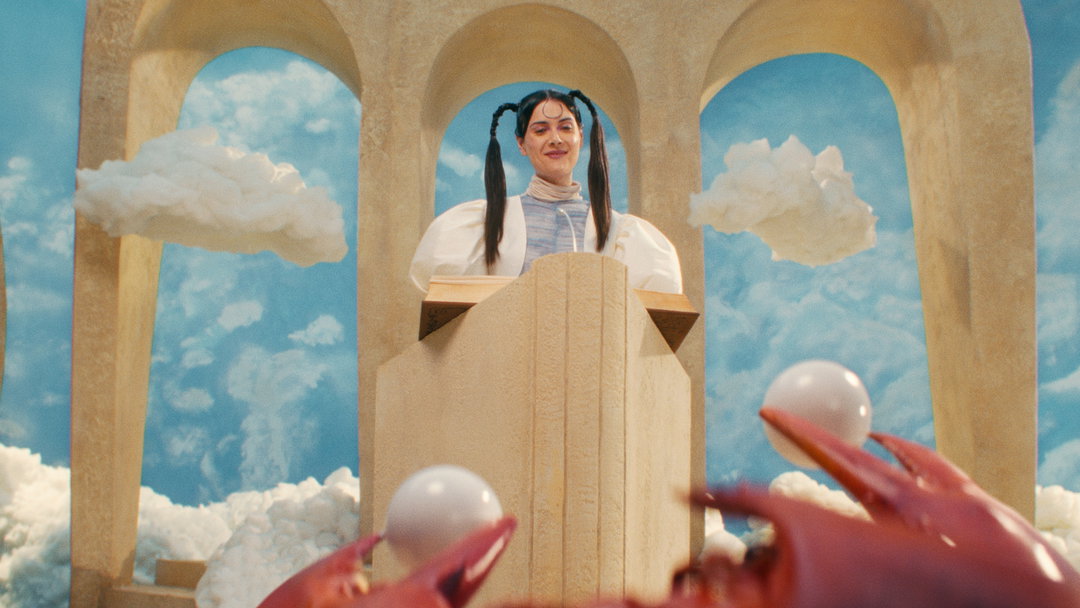
Hinge: Designed to be Deleted – Afterlife (Copyright © Hinge)
“Who can we learn the most from? And how do you make sure they’re sitting in the room from the very beginning?”
Jackie Jantos
RA:
How does creative thinking help Hinge navigate that complex landscape?
JJ:
For us, creativity is that eternal curiosity of solving a challenging and deeply human problem. There’s no more human problem than encouraging people to be in a relationship with one another.
One of the things I love about Hinge, which is dissimilar to many other technology products – it’s one app. It’s serving one core audience and when daters succeed, our business succeeds.
So the work we do is pretty contained – how do you help young people get off the app and on a date? I think every creative person knows the tightness of the problem you’re solving is awesome, because it allows for such focus. But within that, there are so many aspects you can dig deeply into.
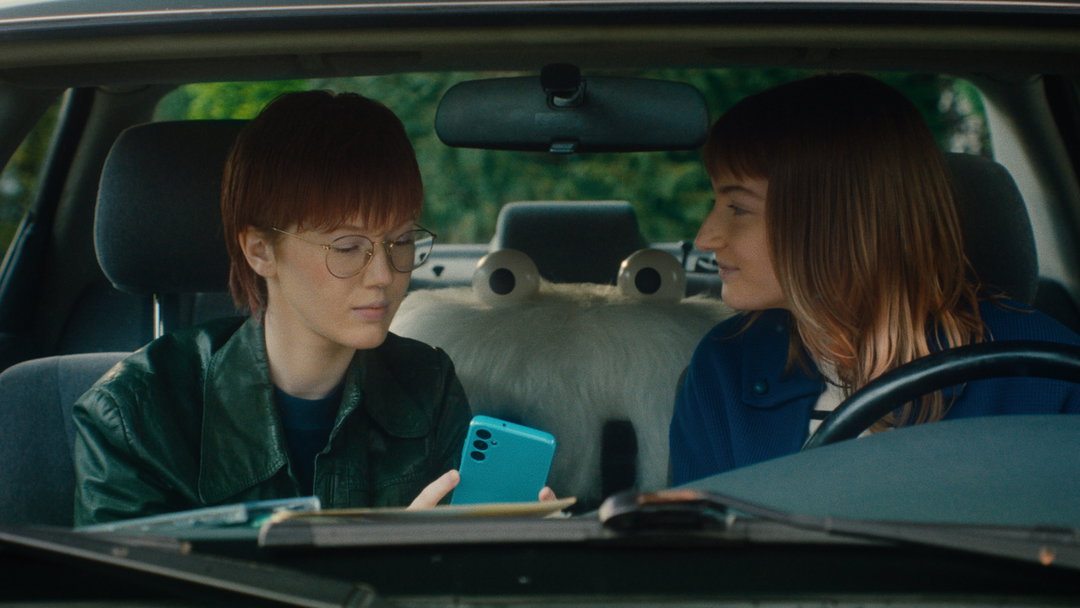
Hinge: Designed to be Deleted – Afterlife (Copyright © Hinge)
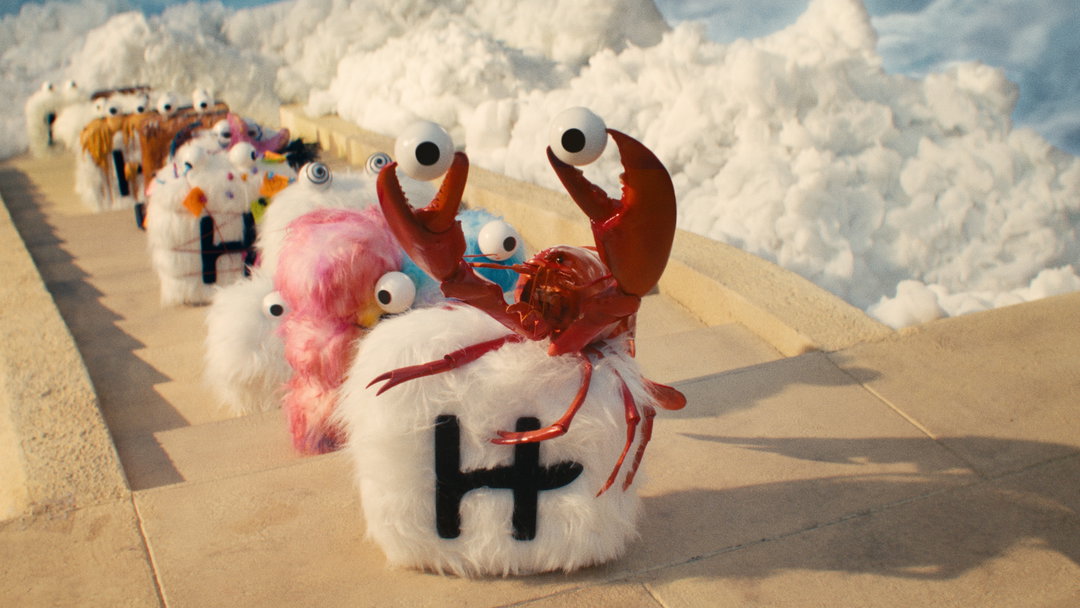
Hinge: Designed to be Deleted – Afterlife (Copyright © Hinge)
RA:
What does your creative culture look like in practice?
JJ:
Bringing unique audiences into the room, so we can learn about a problem more acutely and then solve it through a product experience.
We have a philosophy of designing with not for. Who can we learn the most from? And how do you make sure they’re sitting in the room from the very beginning?
For example, we know our young audience, more so than generations before them, define themselves as having ADHD. And so we work with Understood.org and Disability:IN and we bring them in the room to better understand the complexities of communicating back and forth with someone you haven’t met yet.
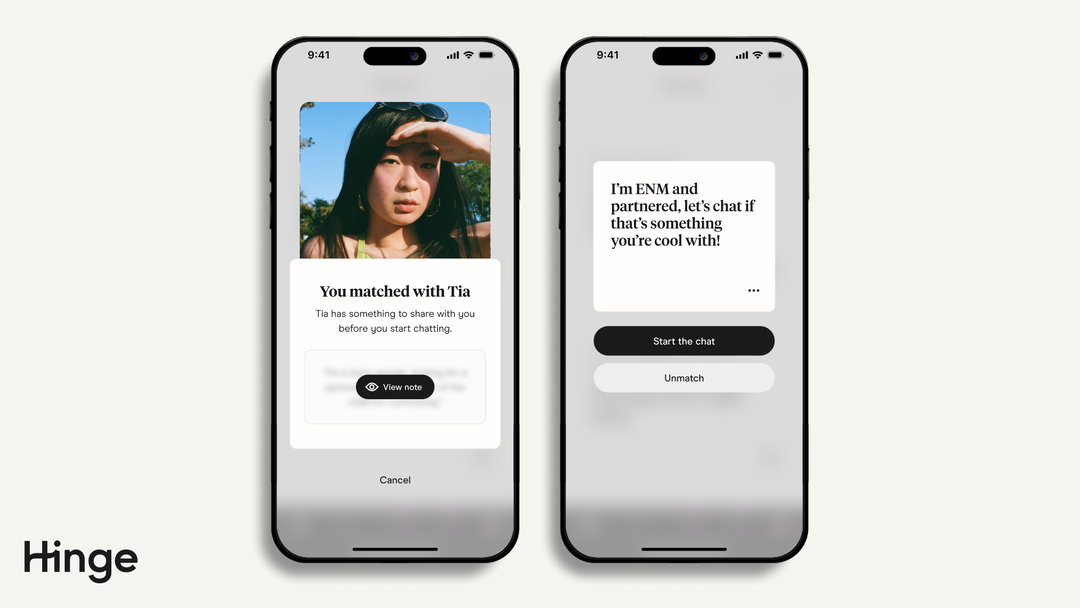
Therein lies enormous product innovation. Match Note allows people to share something personal, that they don’t want to write on their profile, with someone they’ve matched with. It’s a completely anonymised screen that appears before they start messaging each other. You can’t screengrab it.
We see people share things like, “Hey, I have ADHD and if I don’t respond quickly, I might have just forgotten. Don’t give up on me.”
“Designed to be deleted was created as a marketing line, but it’s actually a much higher altitude philosophy for how our product team designs our product.”
Jackie Jantos
RA:
The Designed to be deleted positioning was created with Red Antler before you came to Hinge – how pleased were you to inherit that?
JJ:
Someone on our board once asked me, “Are you the brilliant person that came up with Designed to be deleted?” And I was like, “No, I’m the brilliant person who realised we must keep it.”
Sometimes people come into an organisation with this orientation that everything must be redone. I come in with deep empathy around the solutions that have been put in place by the folks shaping the product and the brand that came before me.
Designed to be deleted was created as a marketing line, but it’s actually a much higher altitude philosophy for how our product team designs our product. It shapes every interaction on Hinge, from a very long onboarding – by the way, 20 per cent of people drop off because it asks too much, and that for us is fine – to limiting how many chats you can have at one time.
The entire journey is to build momentum, to help people actually get off the app. Ultimately, we’re only successful if you show up in person and meet someone.
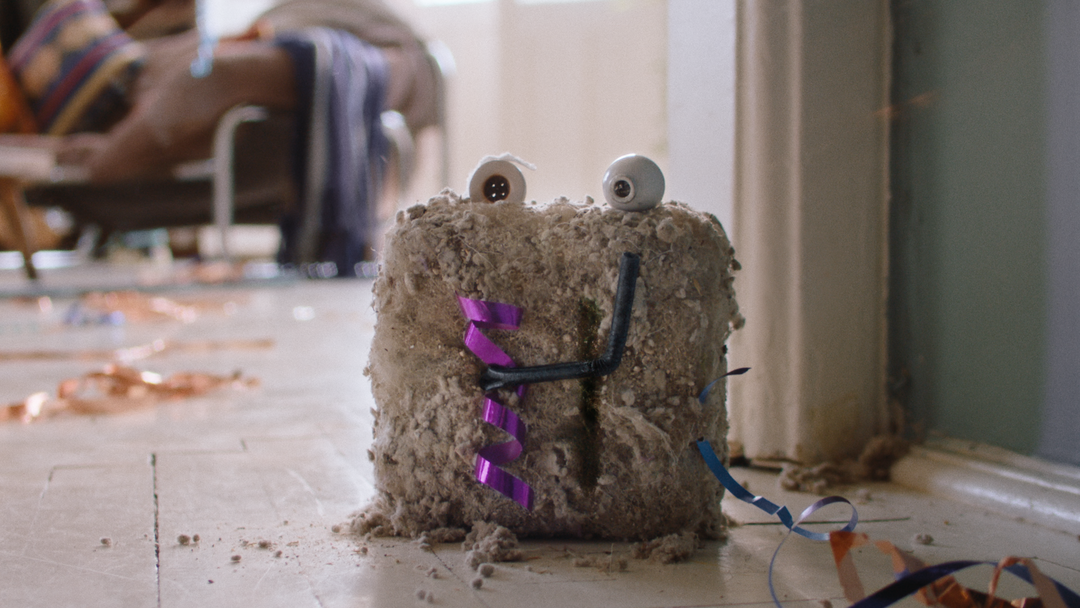
Hinge: Designed to be Deleted – Afterparty Cleanup (Copyright © Hinge)
RA:
What’s the most creative way you’ve seen Designed to be deleted come to life?
JJ:
When I joined, there was also this iconic character, Hingie, a furry white chicklet representing the app icon. It dies every time a couple comes together – it is deleted. And so the demise of Hingie is this silly, dystopian but comedic play, and a really telegraphic way to bring the idea to fruition.
We’ve done so many Hingie deaths – one of my favourites was The Afterlife, where all of the Hingies are arriving, and you can see what each one has done to help connect their couple. We had the amazing comedian Patti Harrison playing the role of the oracle, welcoming all these Hingies.
Given the weight of the category, and how challenging the dating experience can be, it definitely helps us stand out, the more visual and playful we can be.
“The intersection of ideas that comes out of a group of people who represent different lived experiences is far more compelling, and far more likely to create something that’s net new.”
Jackie Jantos
RA:
How do you create things that resonate with people?
JJ:
I always come back to how inclusive you are. You have to really be curious, and acknowledge that your lived experience is only so big. If you’re going to design for a next-gen audience, you need to constantly surround yourself with people who broaden your experience, and bring in unique ideas.
RA:
That feels a world away from two creative directors in a room deciding what gets made. Yours is a democratic version of creativity, isn’t it?
JJ:
I don’t think it’s democratic, I think it’s inclusive. Who was designing that model for creativity you just described?
RA:
Probably middle-aged white guys?
JJ:
Exactly. What diversity existed in that room? This is the world that I push against. As a creative person, you can always learn something from the past. There are always patterns that repeat. But it’s far more interesting to think about the future, to rethink the rigidity and rules of the past, around who did what and how they did it.
The intersection of ideas that comes out of a group of people who represent different lived experiences is far more compelling, and far more likely to create something that’s net new. What you can unlock blows my mind.
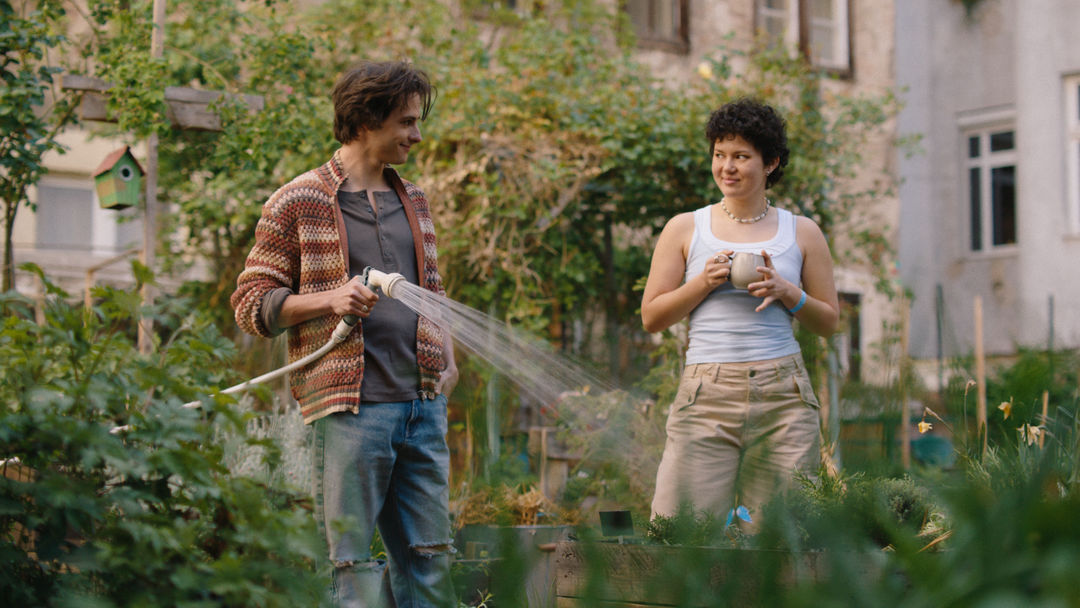
Hinge: Designed to be Deleted – Community Gardening (Copyright © Hinge)
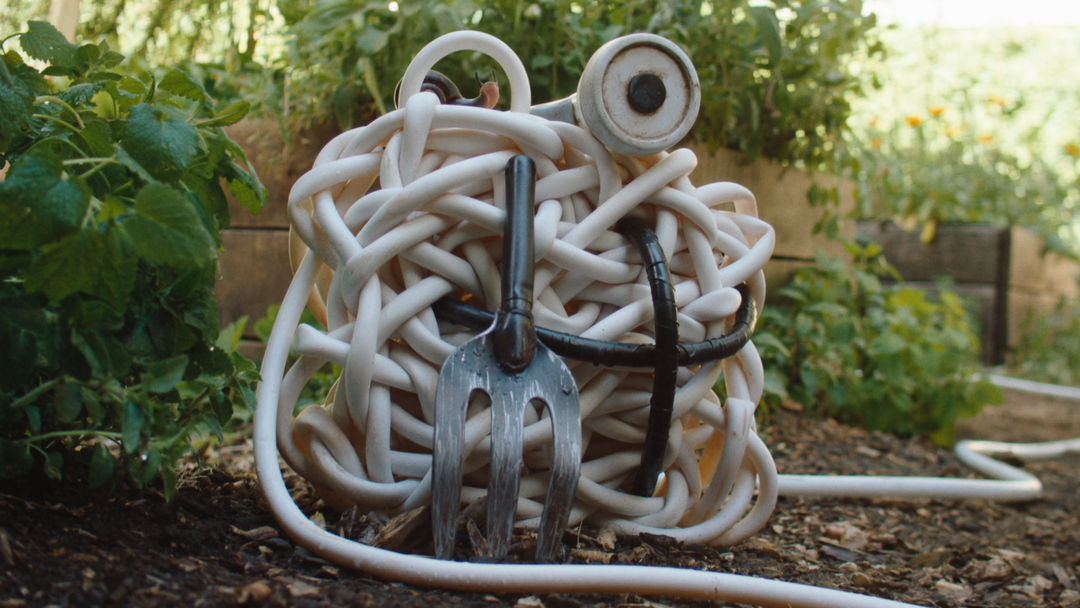
Hinge: Designed to be Deleted – Community Gardening (Copyright © Hinge)
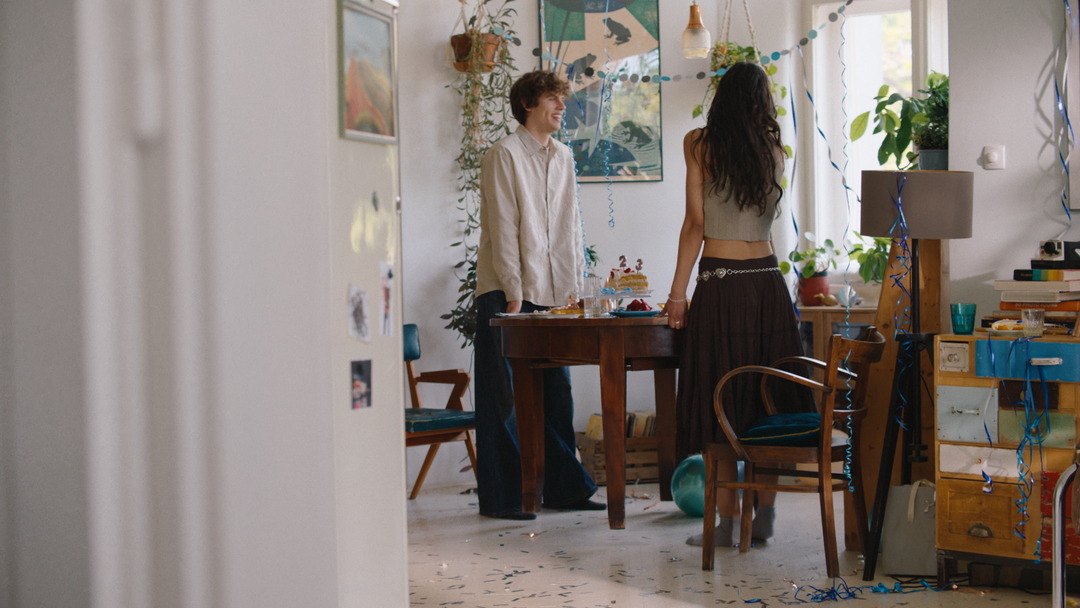
Hinge: Designed to be Deleted – Community Gardening (Copyright © Hinge)
RA:
How do your previous creative jobs shape the way you think about the CEO role?
JJ:
I’ve always seen myself as a strategist and a connector of people. I grew up in Tokyo and so I was a little bit of an outsider almost all of my life. I’m also the youngest of four kids, and you become an observer of what’s happening around you. You soak in a lot of the details.
One of the things that I’ve learned throughout my career is that bringing in deep curiosity and constant learning is critical.
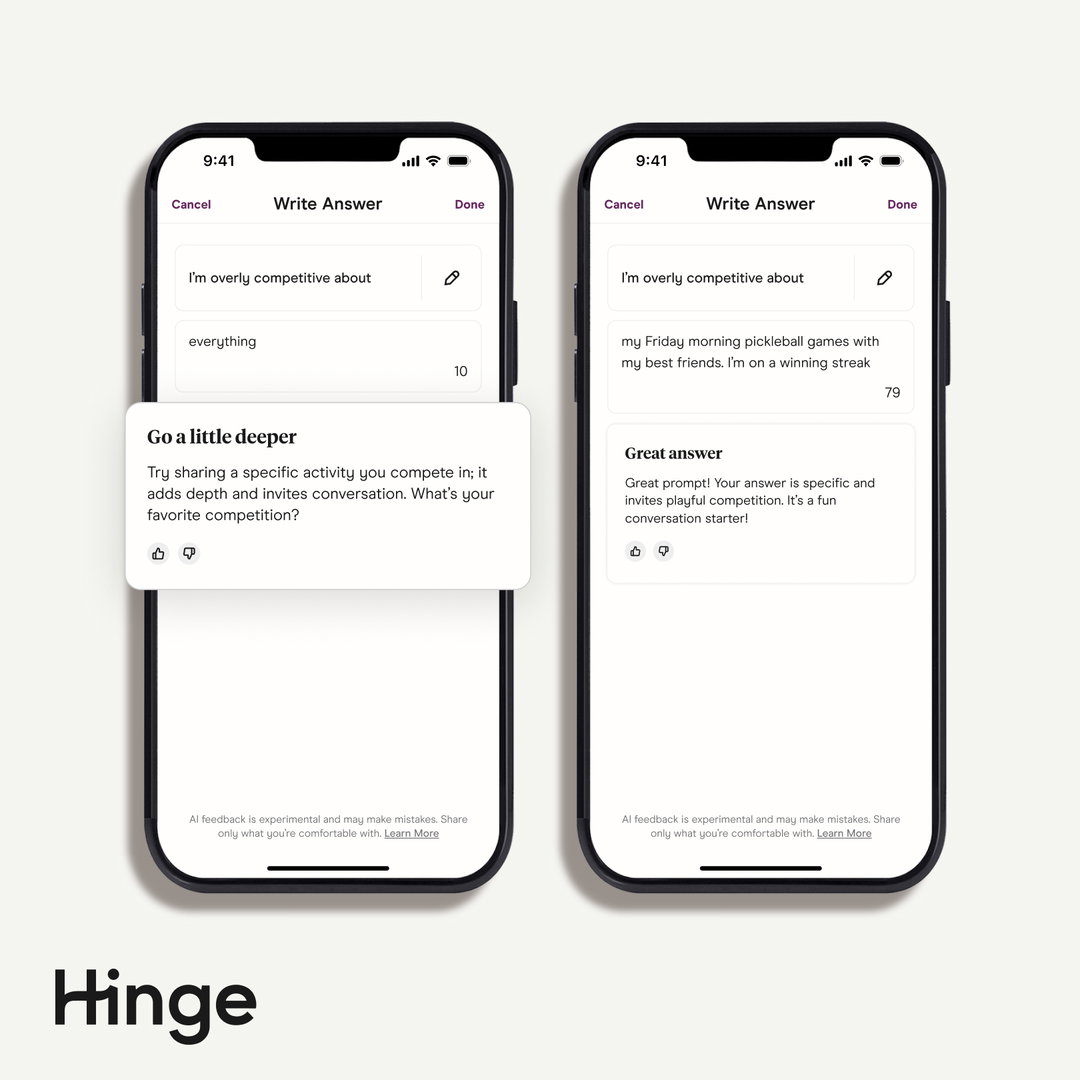
I can make sure we’re investing in doing cultural insight work with someone outside the building, so we don’t get stuck in our own ways of thinking. I can make sure we’re dedicating three hours a week for AI learning. It’s in the company calendar, every Tuesday from 3-6pm, these hours are blocked.
As CEO I get to distribute decision-making and leadership to the people who are most acutely capable of making the right decision in the right moment.
I hate that expression, “Disagree and commit.” I think it’s about agreeing who we want to trust. Who has the experience and the expertise to help guide a decision the group’s going to make?
“Bring that connection to culture, bring some reference or stimulus. These things get you invited into every room.”
Jackie Jantos
RA:
Do you find it hard not to meddle in the creative and marketing work Hinge puts out?
JJ:
I subscribe to the philosophy that your role as CEO is to make yourself irrelevant, by trusting and investing in your teams. It’s hard to do, but it makes your life far more fulfilling. It makes me so proud seeing the team run forward with conviction, even if I don’t necessarily always have the same level of conviction.
One of the biggest learnings for me over the past six months is to be careful about the power of my voice. I’m in lots of rooms with lots of people, and folks need to understand when I say something that’s just riffing, it’s not direction.
But learning how to plant little seeds of something that I see as a compelling opportunity is important. If that seed takes root and starts to grow, people will move it forward on their own, which is actually far more interesting than me telling people how to do things.
1 of 3
Copyright © Hinge
1 of 3
Copyright © Hinge
RA:
What’s one piece of advice you’d give a creative person who’s interested in taking a more general leadership role, like you’ve done?
JJ:
I tell people to be useful. Bring that connection to culture, bring some reference or stimulus. These things get you invited into every room. What I’ve done best throughout my career is gotten invited into rooms where I didn’t necessarily feel I had a right to belong yet. But I was very useful to everybody in the room.
RA:
That’s interesting because sometimes the advice is for creatives to cosplay as a different sort of leader, learn how to talk like a CFO…
JJ:
Cosplaying as someone else has never served me. I feel like an impostor.
I would rather prove my value through the wisdom and experience I have, and be open on where I’m learning and growing myself. It requires the humility to be like, “I have no idea.” That can be really disarming, especially coming from the CEO.
Share Article
Further Info
About the Author
—
Rob Alderson is a freelance writer, editor and strategist. He was previously editor-in-chief of It’s Nice That and WePresent, and editor of Design Week. He publishes the newsletter Undo, which tries to make sense of how AI is changing design work, the design process and the design industry.