


- Words
- Michelle Higa Fox
- —
- Date
- 12 January 2026
- Tags
The future belongs to the creative generalists
The more AI can do, the more creatives need to develop a generalist mindset towards building skills – Michelle Higa Fox shares how.
Share
Share
In partnership with

Residence is a network of world-class, independent creative specialists uniquely united to produce work that stirs hearts, changes minds, drives business, and moves the world.
The AI advances and industry upheaval of the past few years have sparked endless discussion among the creatives in my life about the future of our careers. Besides the general fear of replacement, I have heard people debate the best ways to avoid obsolescence. Does it perhaps involve learning some new speciality software or technique that AI has not yet, or cannot, master? If we pick up a new toolset or cross-train in a new discipline, will it be enough to stay ahead of the wave of change?
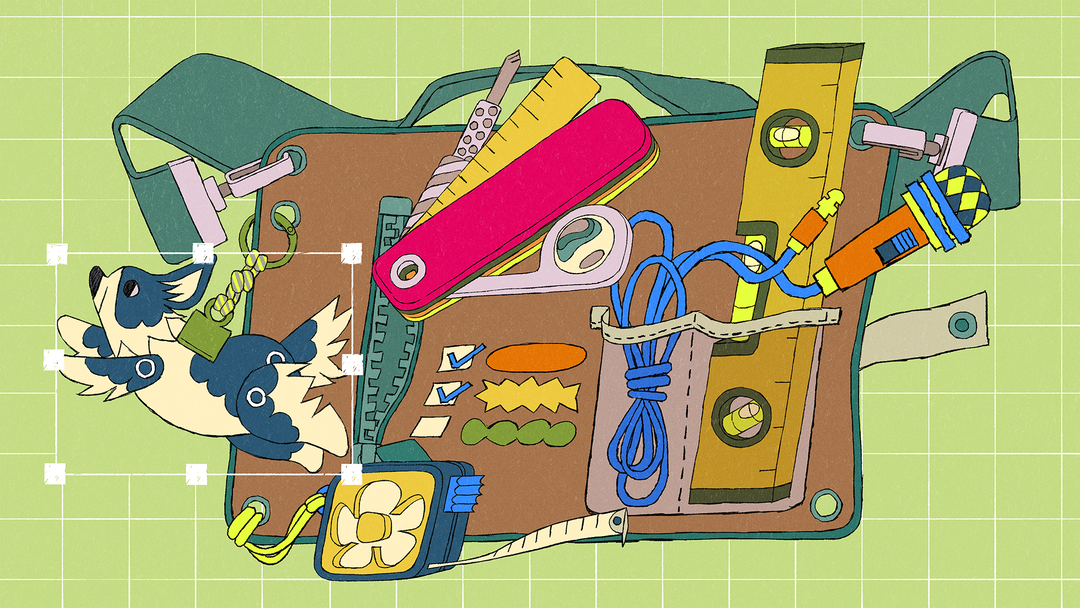
Tuo Kan: Generalist toolbelt for It’s Nice That. © 2026 Buck Design, LLC.
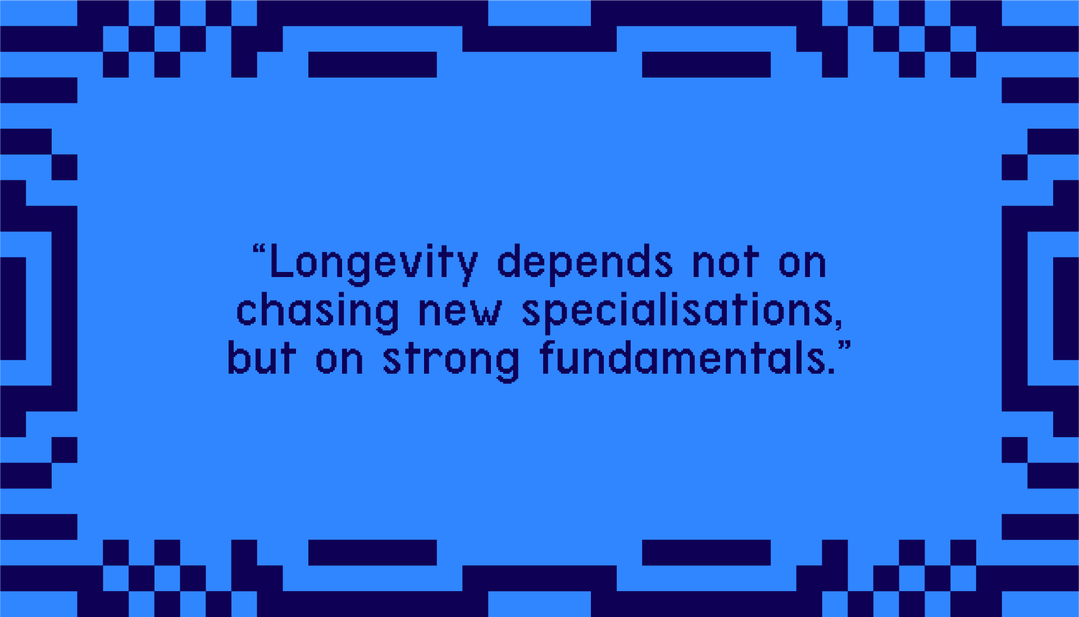
But the more I have worked with AI tools and AI companies, the clearer it has become that longevity depends not on chasing new specialisations, but on strong fundamentals and the ability to keep learning them over time. In effect, the future belongs to the generalists of a particular kind, not tool collectors, but people who curate and practice with intent. The real question, then, is how we define that word “generalist” and what it means in today’s creative world.
For the most part, when we talk about “generalists” we mean creative Swiss Army knives, polymaths who assemble and integrate a suite of different specialised skills. But the important bit isn’t the specific skills or tools at their disposal. The kind of generalist creative skillset I’m talking about is the ability to know why something should or shouldn’t be done. This is less technique, and more about discernment. It combines fundamentals and soft skills, and it has proven resilient to the changes brought by AI and, in many cases, supercharged by them.
Not that any of this is easy or simple. Like so many of us, I have spent a lot of my career mastering very specific software tools and very specialised production pipelines. But over time, it was a generalist mindset, fuelled by openness, curiosity, courage and tenacity, that gave me the foundational skills to keep going. When I look around at my friends and peers who have been with me since the beginning, it is their experience, taste, and ability to keep learning that has sustained their careers more than any single technique or program.
For me and my work, the core foundational skill is the craft of storytelling at scale. Storytelling involves the fundamental skills of understanding who your audience is and what might appeal to them, knowing how to make something that’s comforting or exciting or vibrant. It’s knowing which visual levers to pull to reinforce the emotional truth of a moment. For example, choosing between a continuous long take that builds authenticity through unbroken observation, or a cut to an extreme close-up that creates truth through revealing intimate detail. It’s colour theory, composition, knowing how the eye works and how people perceive the world. It’s also interpersonal attunement and knowing how to broker conversations, how to manage teams with different expertise and mindsets, and how to get everyone to work smoothly together.
Being forced to master these skills is how I nurtured my abilities as a generalist, growing from an After Effects animator focused on linear storytelling, to exploring interactive spatial experiences in TouchDesigner, and more recently to leading Buck’s Applied Research Group focused on how craft evolves and scales. It is the main reason I’ve been successful in my career, even as AI tools have entered the professional landscape.
This is because AI gives us infinite options at a speed and volume that makes the act of creation feel very different. With infinite options at our disposal, far more emphasis is placed on the question of why you picked this one solution, what led you to this one outcome. With AI entering creative workflows, discernment is becoming even more critical, and discernment only comes through understanding your craft and building those foundations.
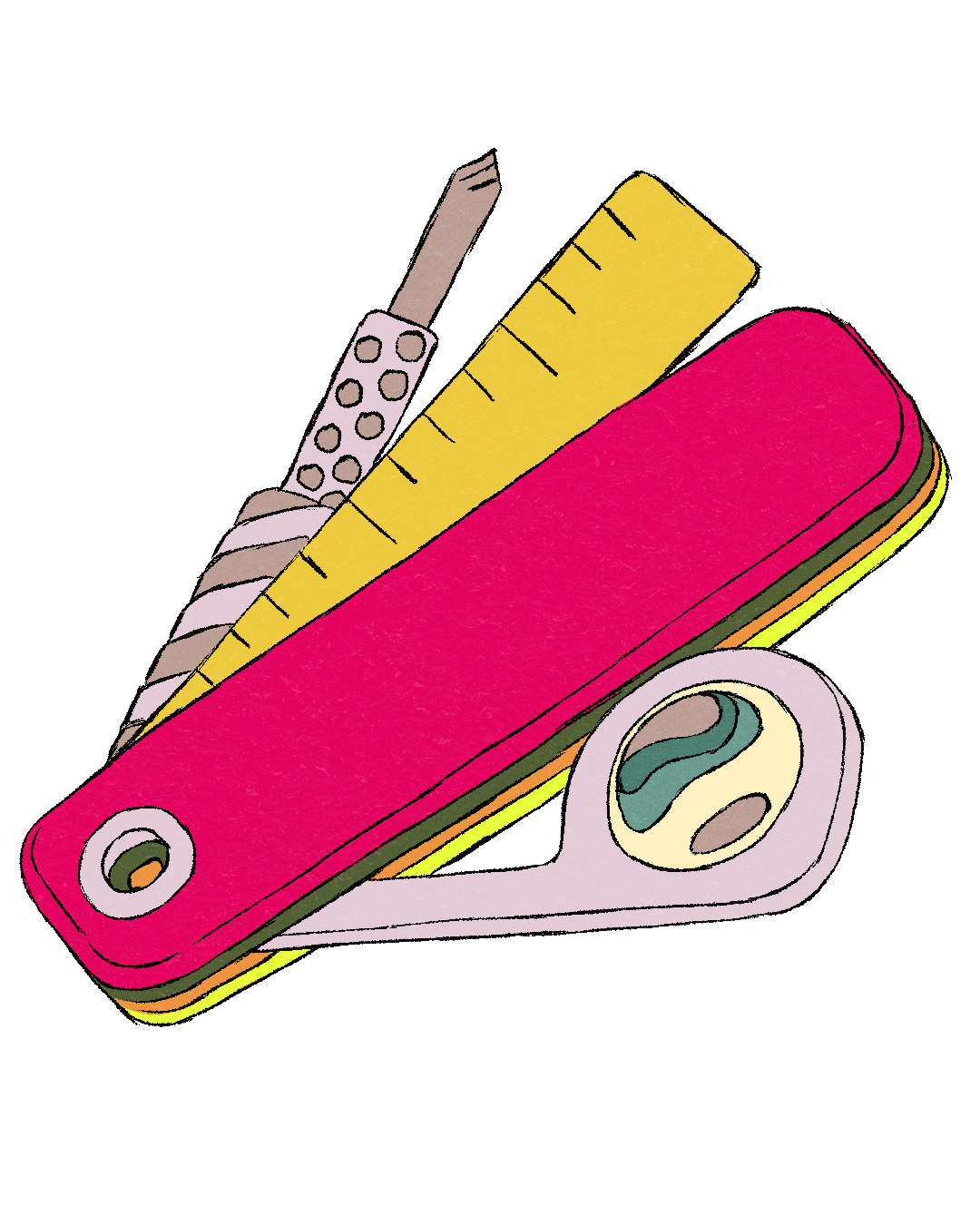
Tuo Kan: Generalist toolbelt for It’s Nice That. © 2026 Buck Design, LLC.
So, yes, I've spent thousands of hours mastering specific software tools. But at the same time, I was learning fundamental skills and developing a generalist mindset. None of us are born with these skills; we have to pick them up the same way we do anything else. Unfortunately, you can’t develop your personal sense of taste, understand an audience, or internalise these fundamentals instantaneously from a YouTube tutorial or a Discord channel alone. They emerge through openness and courage, applied consistently over time.
Real talk. The qualities I mentioned earlier, openness, curiosity, courage and the tenacity to follow through, are not easy. Learning new skills can be genuinely scary. Courage isn’t necessarily about new technology; it’s about stepping into things that sit outside your comfort zone. In my early 30s, I was deeply uncomfortable with public speaking. But then, I had a realisation: if I wanted to do this work long term, I needed to become a better writer and speaker. That realisation was terrifying, because I was truly inept at both. But my fear of losing a career I loved was stronger than my fear of learning (and failing at) something new. I had to learn what it meant to communicate effectively outside a visual medium. Along that journey I gave many bad talks, wrote many meandering presentations, and produced plenty of amateurish writing. But if my 30-year-old self saw me today, 15 years later, she would be genuinely surprised by the progress.
And sometimes, the best way to build career longevity and learn how to keep learning is by applying openness and courage to skills that do not seem directly related to our careers at all. About a year and a half ago, I started taking weekly improv classes. What began as a fun way to stay connected with a friend, ended up changing how I approach my work. Before improv, when I was scared, my instinct was always to draw back, to avoid, to become defensive or freeze. In improv, if a scene is going poorly, you make more eye contact with your partner, you become a better listener, you get out of your head and focus on connecting. Then the scene will turn and emerge. I wouldn’t have believed it if I hadn’t seen it work over and over again. Similarly, I’ve learned that if something is going poorly at work, I shouldn’t pull away; what I need to do is move even closer, listen harder, and focus on being on the same wavelength as the other people on the team. This is one of those fundamentals that AI can’t replace.
Maybe you’re a musician, and your fundamentals are musical theory and a great sense of rhythm. Do you have the courage and openness to try a dance class? Maybe you’re a developer, and your fundamentals are logic and syntax. Can you imagine what fundamentals about concision or flow you might learn from poetry or journaling?
Building a sustainable, fulfilling creative career means staying open to learning, growing and facing fears, especially when it leads you towards things that do not initially seem connected to your work. This is ultimately the core of a generalist approach: being open to the world and to the help different disciplines can provide. A courageously open mind looks everywhere for inspiration and growth, and broad fundamental skills ensure you can learn it whatever it is. The future of creative work isn’t about trying to outrun AI, it’s rooted in the craft fundamentals, interpersonal connection, and love of learning that captivated us in the first place.
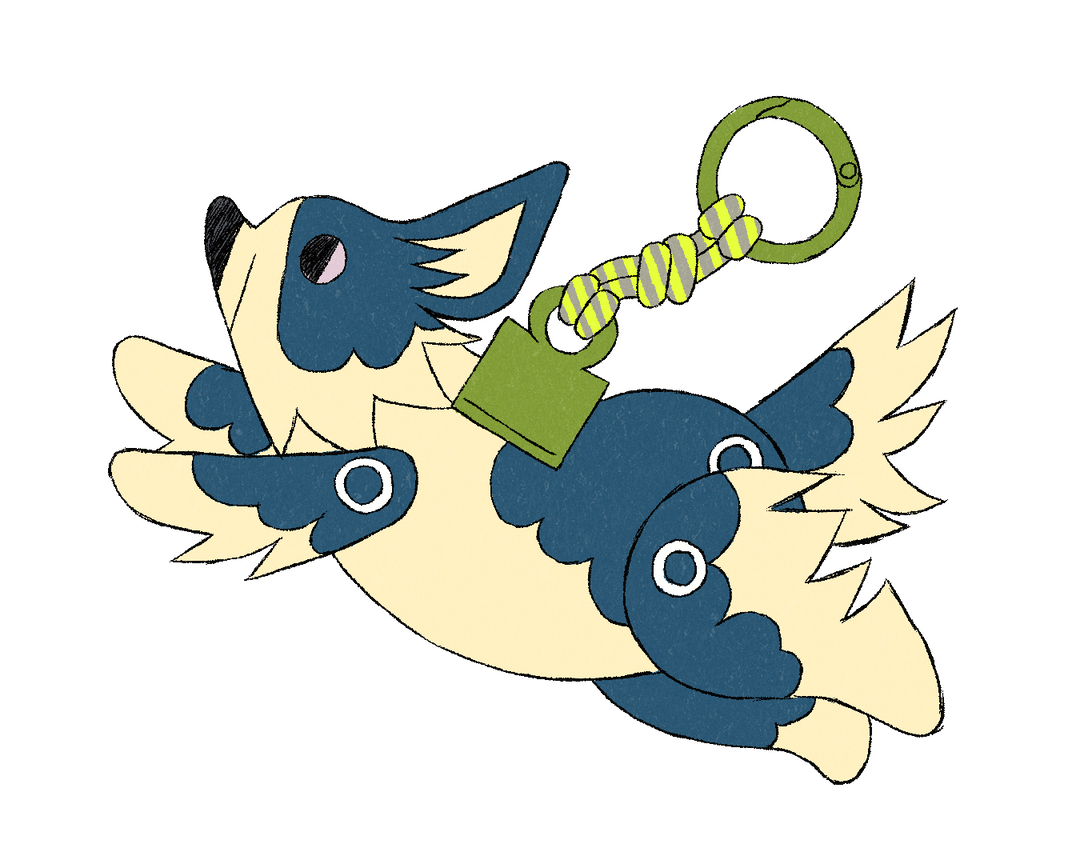
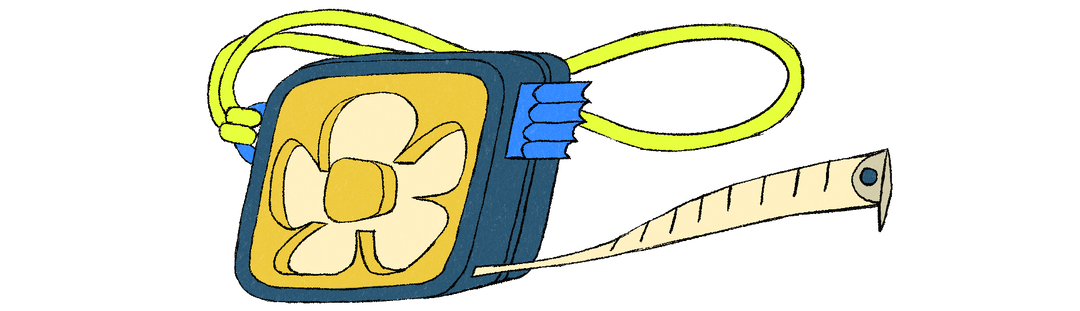
Tuo Kan: Generalist toolbelt for It’s Nice That. © 2026 Buck Design, LLC.

Share Article
Further Info
Pull quote typeface: Terminal Grotesque by Raphaël Bastide, with Jérémy Landes, for Velvetyne Foundry.
About the Author
—
Michelle Higa Fox is an Emmy Award-winning artist and filmmaker who combines code-based visuals with hand-made animation. With over 20 years experience across motion graphics, animation, and experience design, her work spans film, interactive public art, and emerging technology, and she currently serves as a group creative director and head of the applied research group at Buck.