

Open your laptop! The creatives designing a more inspiring internet
In a web culture increasingly pushing people to close their laptops for good, creatives are moulding new internets – the poetic web, gamified websites, digital archives, Geocities revivals and design manifestos – making the virtual world a place to play and explore.
Share
Share
In partnership with

Residence is a network of world-class, independent creative specialists uniquely united to produce work that stirs hearts, changes minds, drives business, and moves the world.
This is for everyone
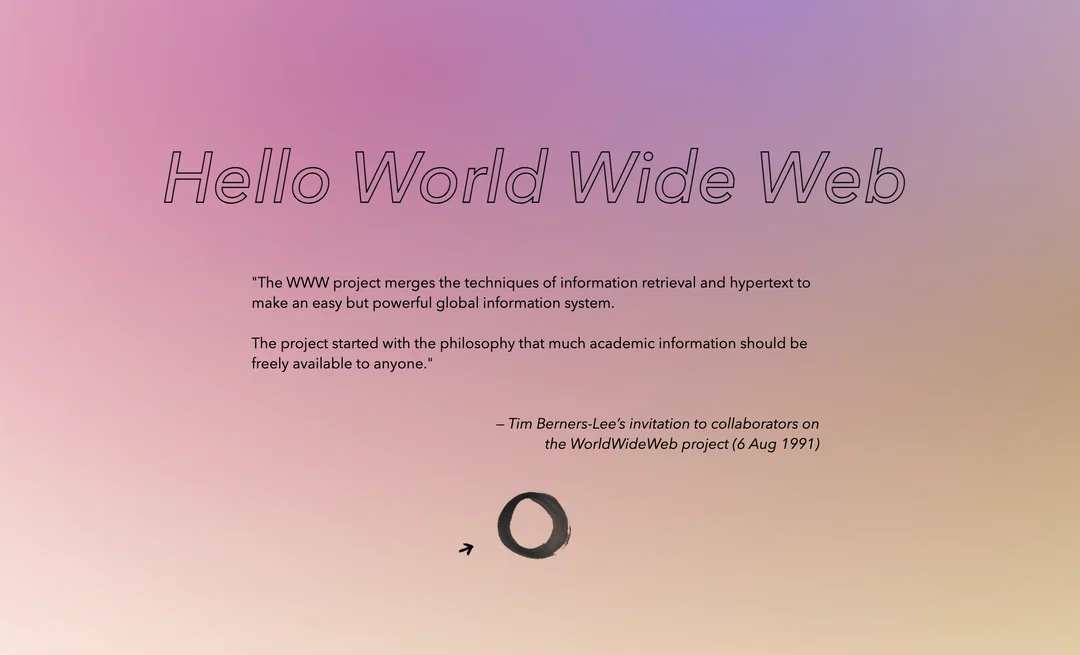
During the Danny Boyle-directed opening ceremony of the 2012 London Olympic Games, two true-to-size prop houses faced each other when suddenly, one lifted into the air to reveal a man sitting at his desk in front of a vintage NeXT computer. He tweeted the phrase “This is for everyone” before those same words fell from the unseeable cloud onto the entire length of the stadium, which appeared in LED lights attached to the audience’s chairs. The adjacent house lit up in cosmic projections, signifying the power and significance of instant messaging and global file sharing. That man was not just any of the millions of “tweeters” at the time, that man was Sir Tim Berners-Lee, the inventor of the World Wide Web, the most influential information system of all time – and his iconic tweet signalled the potential of a new and promising information age.
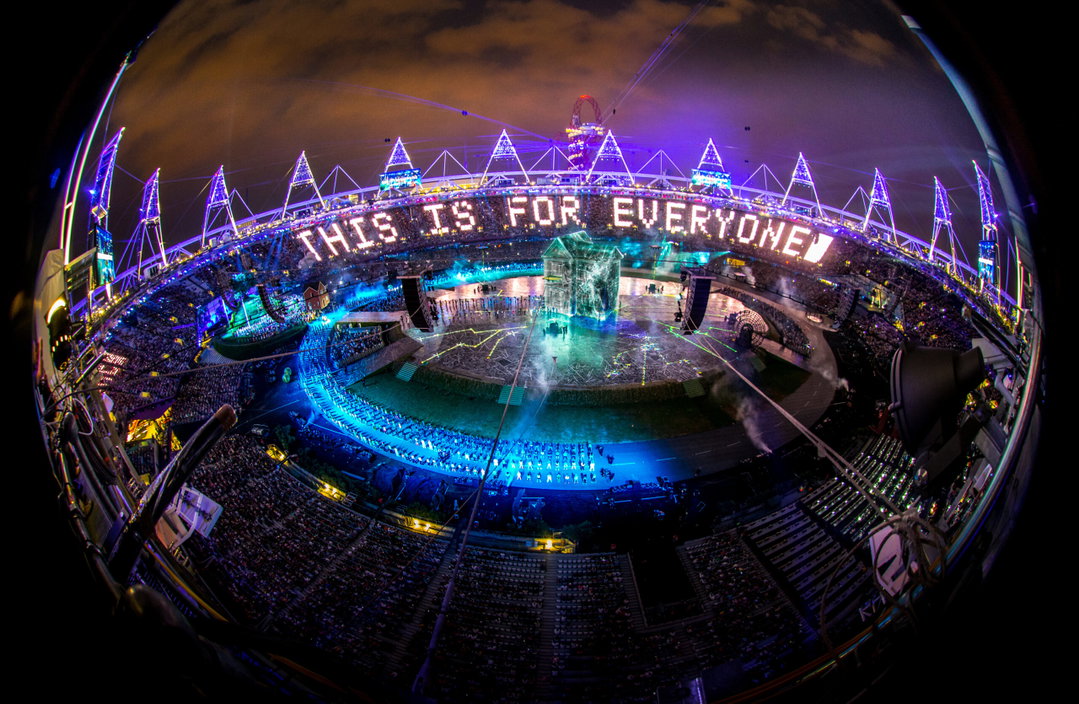
59 Studios: London 2012 Olympics Opening Ceremony (Copyright © 59 Studios, 2012)
[In Adam Curtis voice] But what happened to that promise?
I was watching Gangnam Style on my iPhone 4 (exercising my God-given right to irreparably beam what was essentially the first of the modern “brainrot” into my eyes) while the Nasa Curiosity rover landed on Mars, Austrian skydiver Felix Baumgartner broke the sound barrier and Facebook sold its shares to the public for the first time, reaching a peak market capitalisation of over $104 billion. It was a year full of technological innovation and better yet, the Mayan calendar reset and did not bring forth the end of the world as movies and sensationalist media predicted!
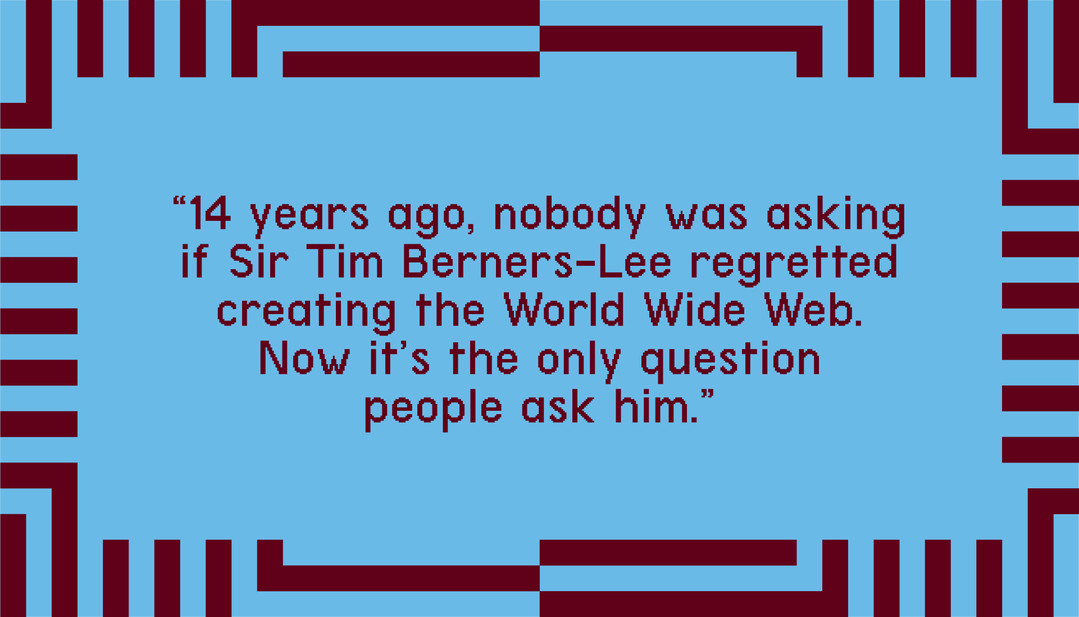
However, unbeknownst to most people, the World Wide Web, the invention that has single-handedly defined the 21st century, was beginning a slow process of mutating into what we know of it today: internet culture wars, accelerated disinformation, artificial intelligence “slop”, an onslaught of bots that would become the “dead internet theory” and mass enshittification – the term that writer Cory Doctorow coined to describe degrading online platforms. 14 years ago, nobody was asking if Sir Tim Berners-Lee regretted creating the World Wide Web. Now it’s the only question people ask him.
Fast forward to our present: artists, designers, inventors, writers, scientists, internet activists, archivists, data hoarders and even pirates (of the digital variety) are fighting to save the internet we once knew and loved. From hand crafted online communities to in-browser videogames, interactive and explorative website creators to e-philosophers who are redefining how we see the virtual world, here are the creatives who are telling you to open your laptops and be part of the online new wave.
1 of 5
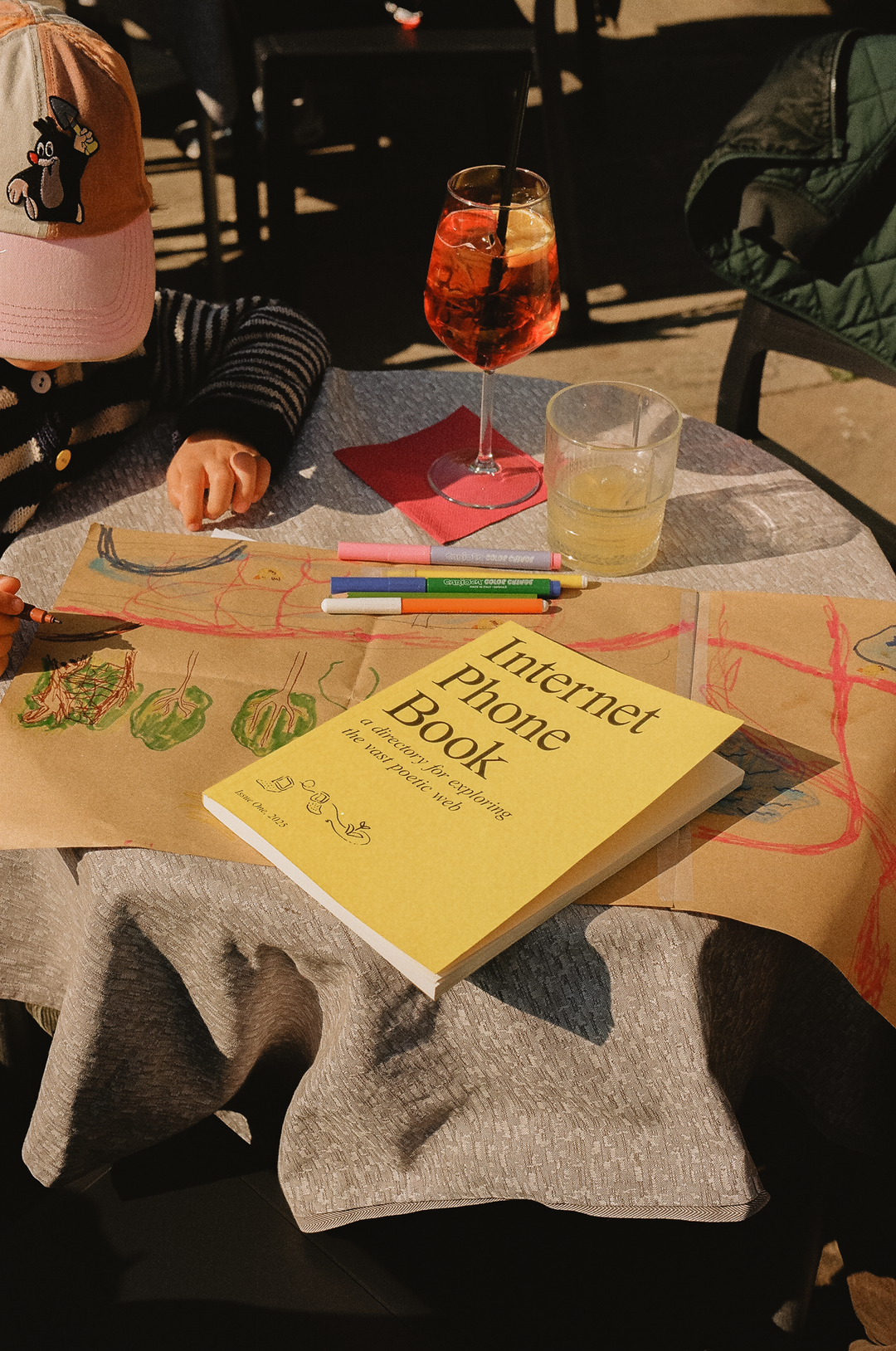
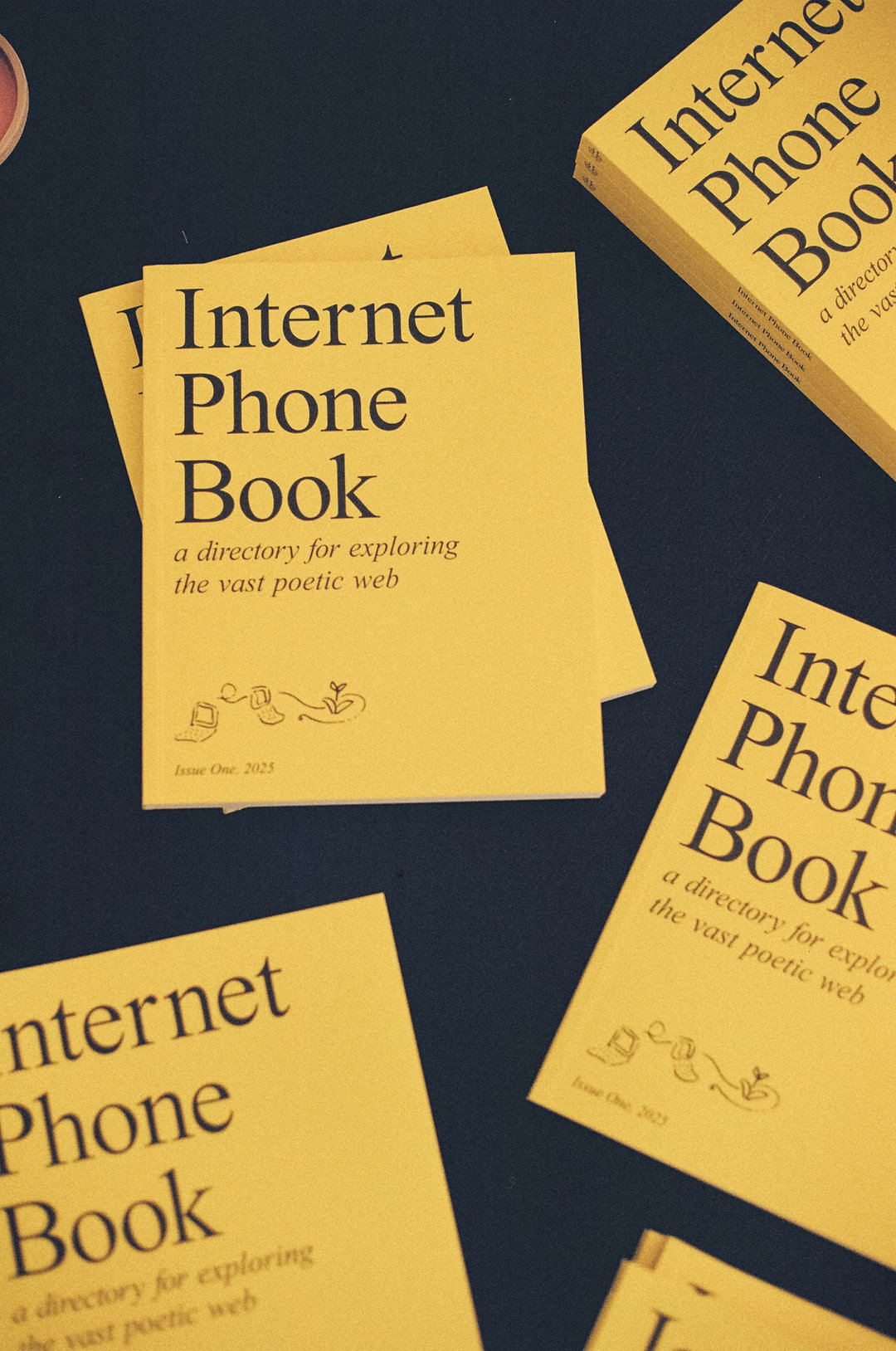
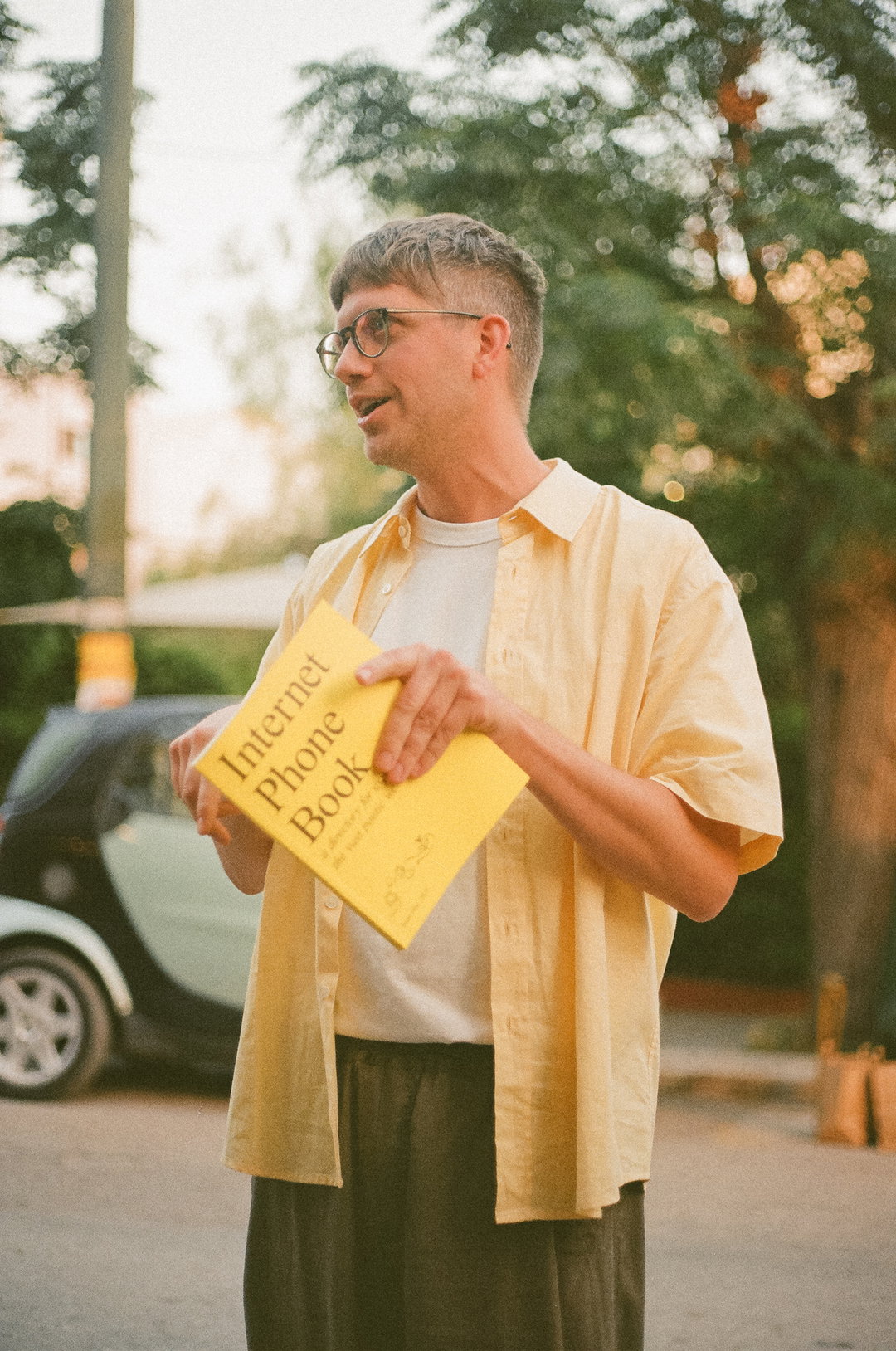
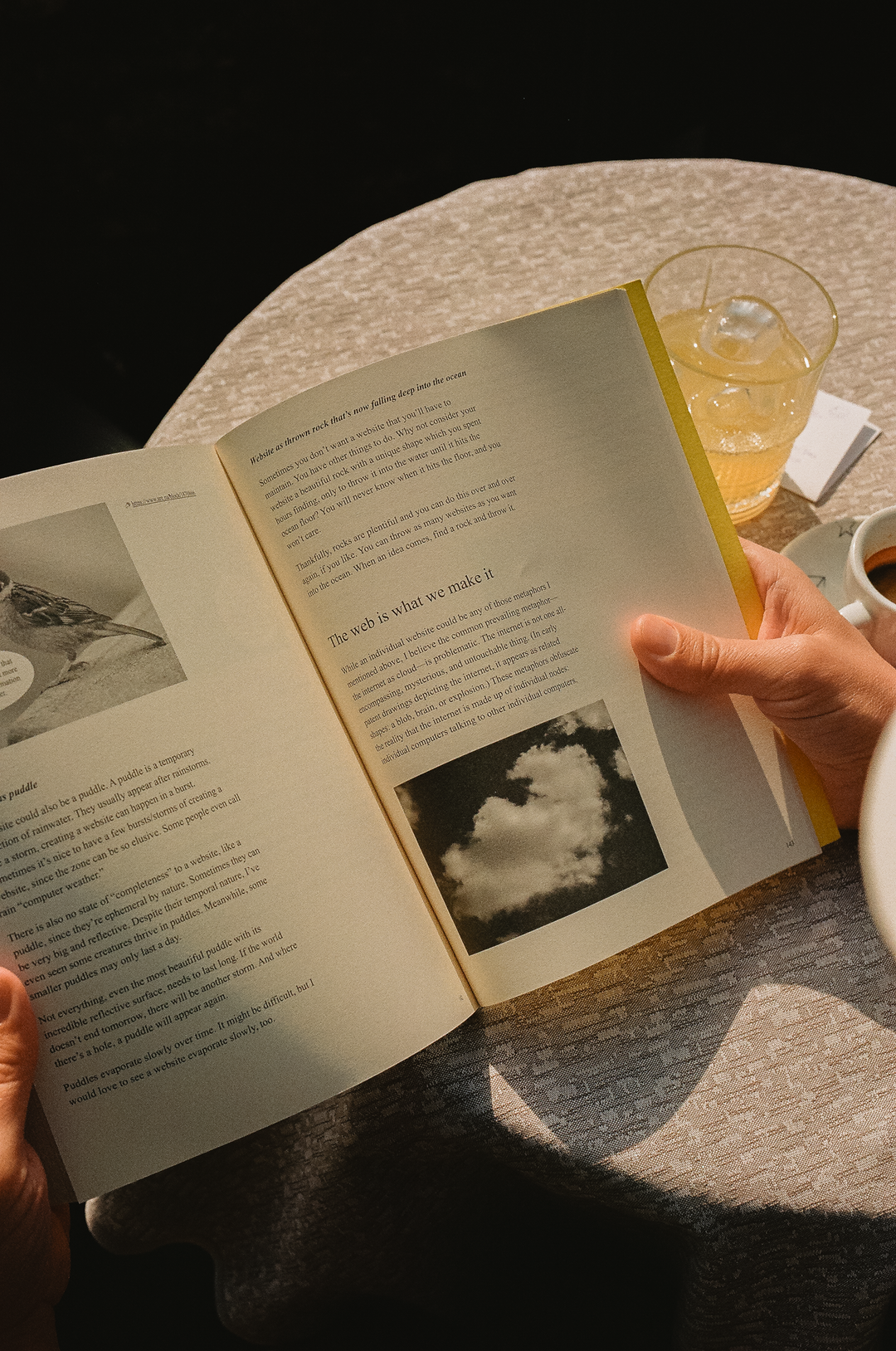
Elliott Cost and Kristoffer Tjalve: Internet Phone Book (Copyright © Ana Santl Andersen, 2025)
1 of 5
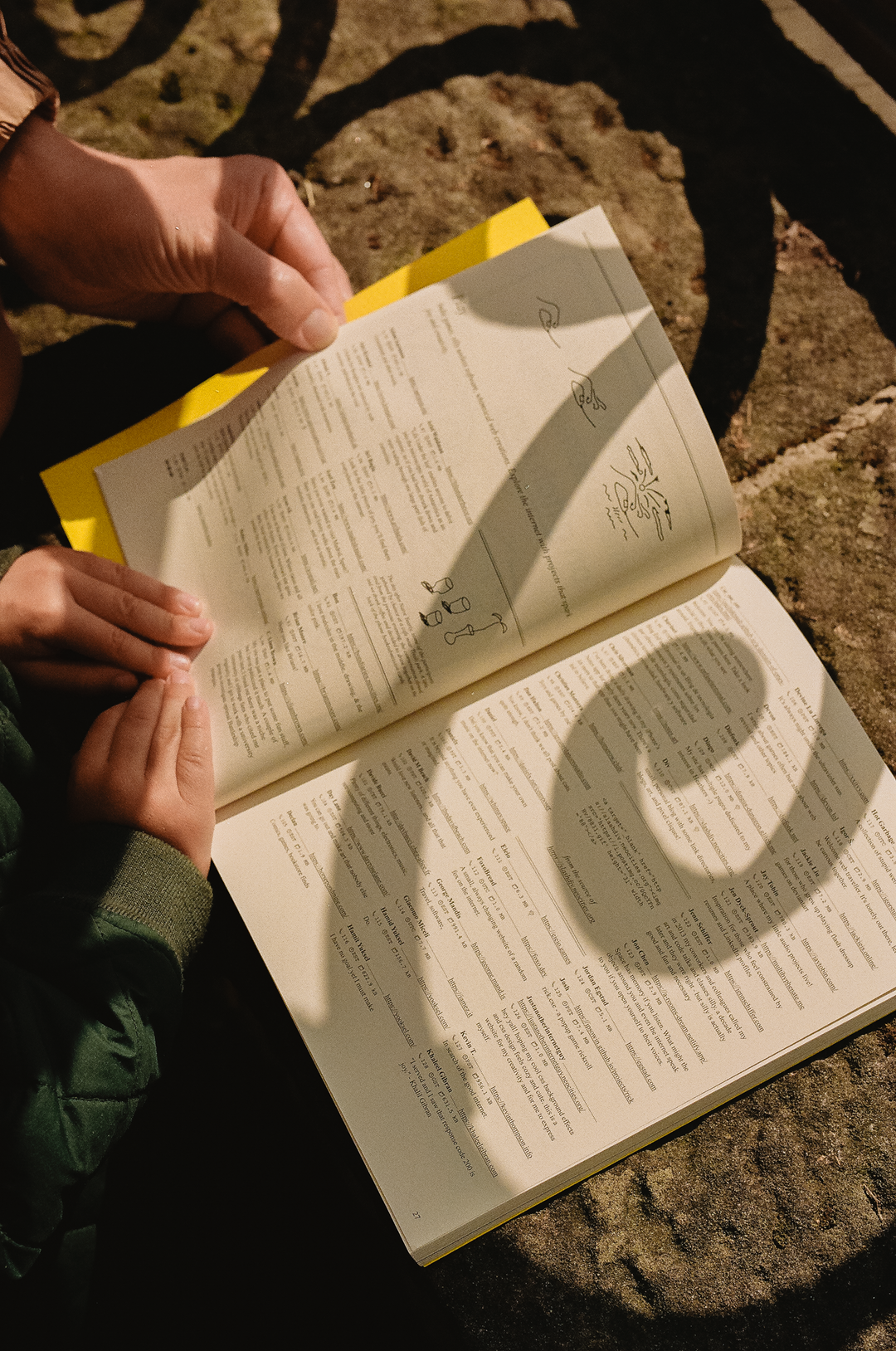
Elliott Cost and Kristoffer Tjalve: Internet Phone Book (Copyright © Ana Santl Andersen, 2025)
The Internet Phone Book
In the Internet Phone Book, created by Rotterdam-based internet enthusiasts Elliott Cost and Kristoffer Tjalve, the internet is for exploring – an idea posited back in 1994 by Internet Explorer creator Thomas Reardon. Although the browser was pretty janky (and almost always immediately replaced with something else), the name is, quite frankly, kind of beautiful in comparison to the corporate coolness of Chrome or Opera. Booting up my parents’ old hunk of computer, I was filled with the heroic sensation that I was about to begin an adventure.
The Internet Phone Book, which features more than 800 websites inside, is a Yellow Pages-inspired directory for users to explore the web in experimental and personal ways, allowing internet explorers to fall down rabbit holes that encourage creativity and adventure. Essentially, it’s a guide to find what you want to see on the internet, creating pathways to creative internet gems. Whereas modern internet culture seems to be dominated by a handful of major social media websites, Elliott and Kristoffer encourage “a diverse, public and experimental internet” through acknowledging the idea that the internet is something we make – and therefore we can always make it differently.
The alternative is the “poetic web”, a term coined by Chia Amisola, an extension of artist and educator Laurel Schwulst’s interest in the “poetic potential of the web”. On her website, Chia describes the concept as “a practice and process towards a place: a web that is more handmade, expressive, and intimate; where site-making is a political, personal, and poetic act. This is a growing collection of projects, tools, and teachings around it.” The poetic web pulses with metaphorical and suggestive potential – much like a poem, it is undefinable, moving through images and metaphors. The internet can be a fluid concept. “I think that spirit lives in the poetic web and the people contributing to it,” says Kristoffer. “Their sites defy the usual logic of the internet. They look a little different – idiosyncratic, sometimes silly, rarely mainstream. They ignore the conventional wisdom of web design, and that’s exactly what makes them interesting.”
Although social media is an integral part of the internet, it isn’t the whole internet. “Social media is to the internet what an apple is to fruit – only one among many. With the Internet Phone Book, we try to show that there are thousands (if not billions) of other internets. It comes in different sizes, languages, and flavours. And if you’re tired of apples, you can always try a lemon, or grow your own lemon-site,” says Kristoffer.
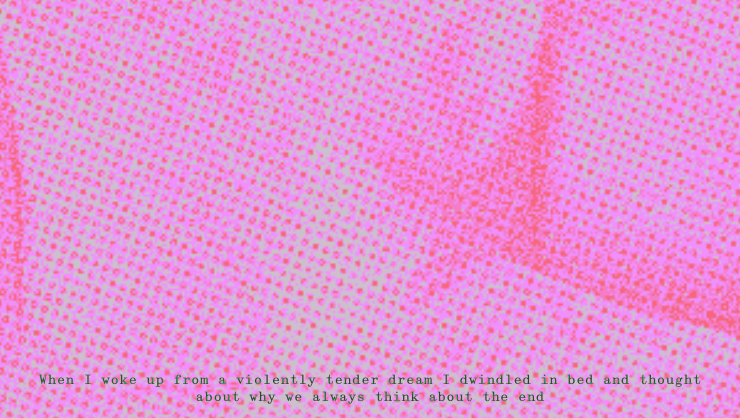
Chia Amisola: When We Love (Copyright © Chia Amisola, 2025)
Mimi Reyburn: Yeah Lemons (Copyright © Mimi Reyburn, 2025)
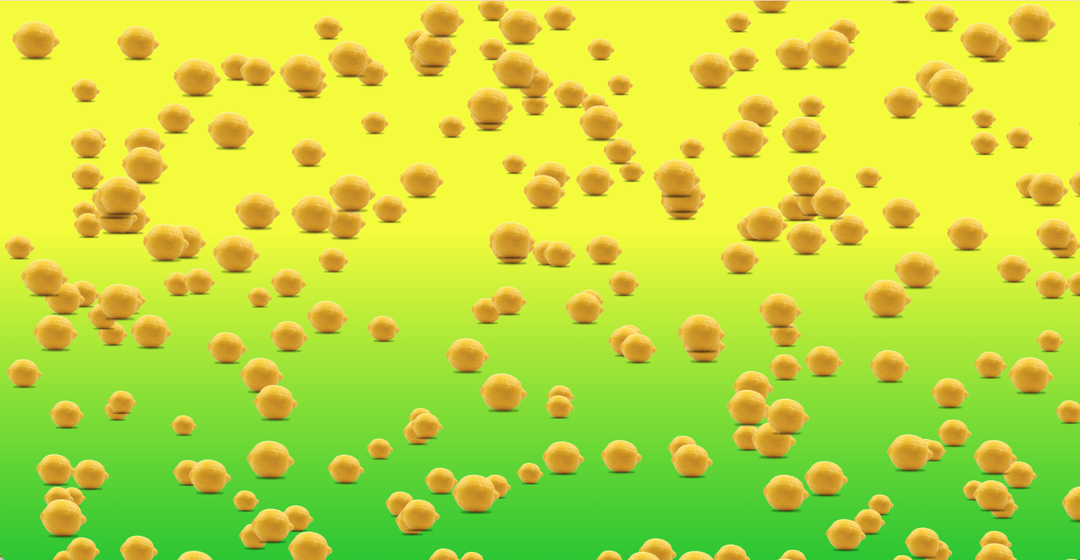
Mimi Reyburn: Yeah Lemons (Copyright © Mimi Reyburn, 2025)
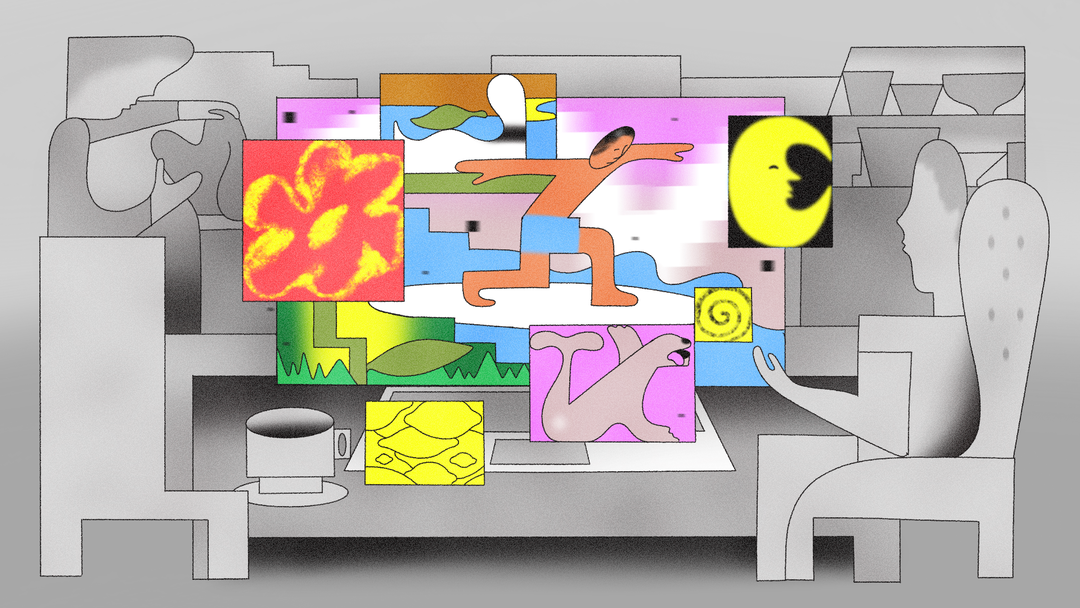
Jose Flores: Open your laptop! for It’s Nice That. © 2026 Buck Design, LLC.
The wild west of the internet
An aversion to an artsier, sillier internet has effectively killed websites like MySpace, hi5, Bebo and Piczo – these sites championed customisable, cluttered and confusing user interfaces, with pages decked out in glitter bombs of blinking gifs, hidden clicks, and in-browser music players that immediately began blasting Avril Lavigne and Crystal Castles before you even knew what you were looking at. I distinctly remember when my older step-sister taught me how to create my own blog on Piczo – I immediately created the most boyishly garish moodboard of Ghost Rider images this side of the web has ever seen. Then swept in Facebook and Tumblr, the former of which won over users with cleaner designs and streamlined experiences – and the latter standardised (and later sanitised) blog behaviours.
Daniel Murray, also known as Melon King, is a digital artist, website designer and computer scientist who, whilst repeating his final year in computer science in 2016, found himself at the epicentre of a new web aesthetics revival. It was happening in a community called Neocities, “a reincarnation of the early web pioneer community of Geocities; filled with artists, writers, furries, programmers, witches, geeks and all sorts of other misfits fleeing the doomed ship of social media,” as he says on his retro-styled blog.
Here, he outlines the Web Revival, an internet-based movement derived from the Folk Revival of the mid-20th century, which promoted humanity and creativity in the face of rapid industrialisation. The Web Revival faces rapid digitisation. Riding this wave is: the Wild Web – punky freeform art homepages and chaotic sites such as MelonLand; Net Positive – sites like 32bit Cafe, self-described as “a community of like-minded website hobbyists and professionals helping to make the personal web fruitful and bountiful again”; Small Web – minimalist sites such as Status.Cafe; Open Web – independently-run websites that oppose corporate internet behaviours like Indie Web; and the Garden Web – sites focused on reflection and gathering thoughts such as Naive Weekly (ran by the Internet Phone Book’s Kristoffer Tjalve!).
Using 2D and 3D worlds as a means of exploring “the mythos of technology”, these nostalgic websites are made of the same lo-fi fabric of memories, but “it's not about recreating a bygone web,” says Daniel. “The Web Revival is about reviving the spirit of openness and fresh excitement that surrounded the web in its earliest days.”
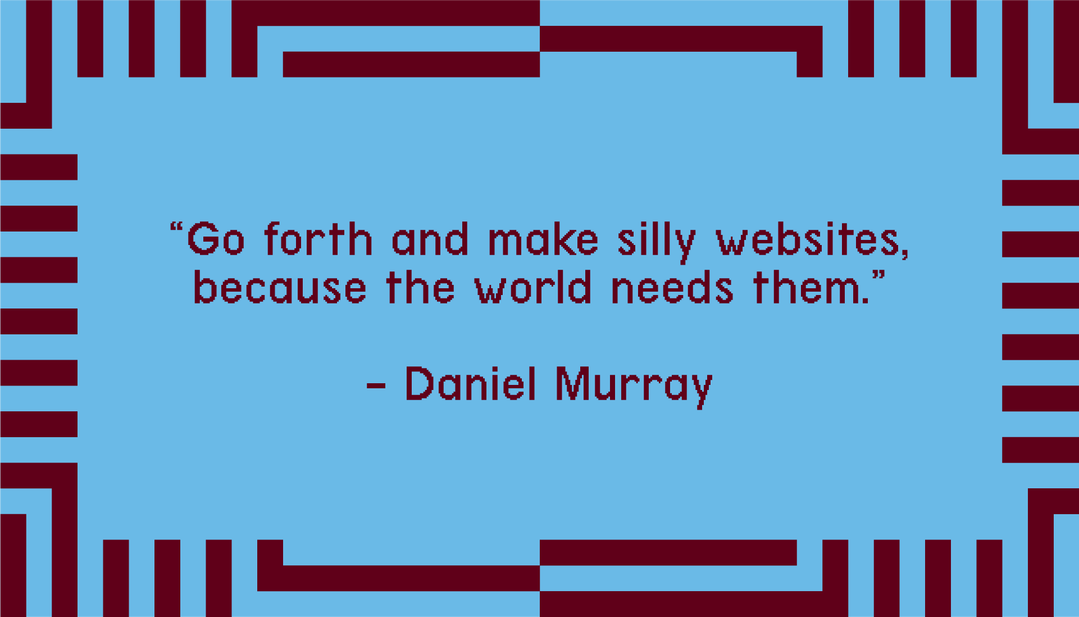
The key phrase here is “a bygone web”, which suggests it is dead and gone. Although websites such as Killed By Google, a type of digital graveyard, show just some of the hundreds of digital interfaces that get axed every year, what Web Revival designers show us is that this internet doesn’t have to be stuck in the past, accessible only through the means of nostalgic tourism – esoteric, fun and explorative websites can once again be the future of the internet. “Optimism means embracing both the past and the future, it's about believing that things can be cool; that old things can still have a role in the future, and that everything can be made better,” says Daniel. “Broken things can be improved, non-existent things can be nothing. Go forth and make silly websites, because the world needs them.”
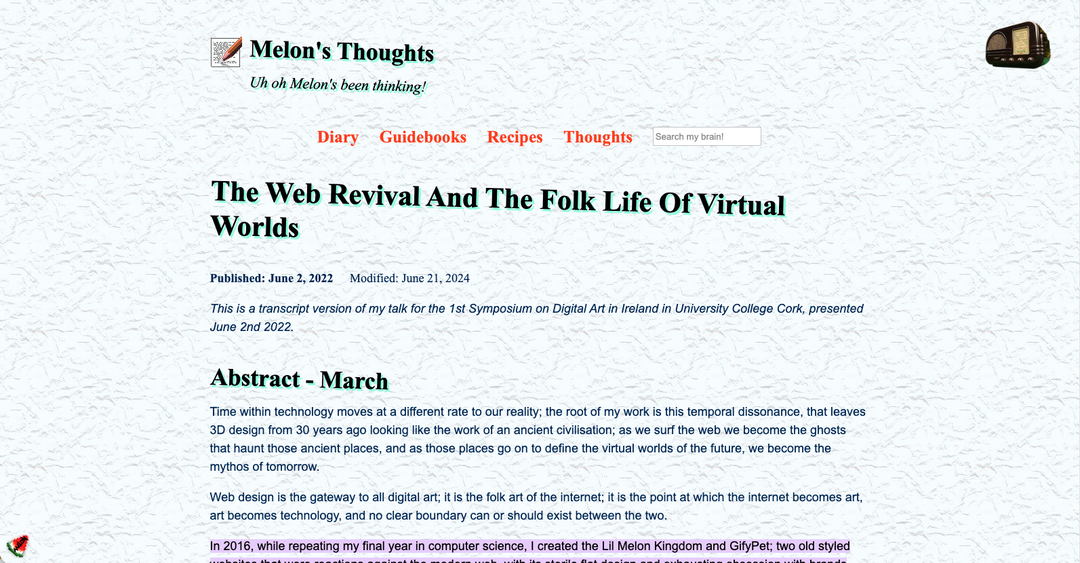
Daniel Murray: Web Revival Manifesto (Copyright © Daniel Murray, 2021)
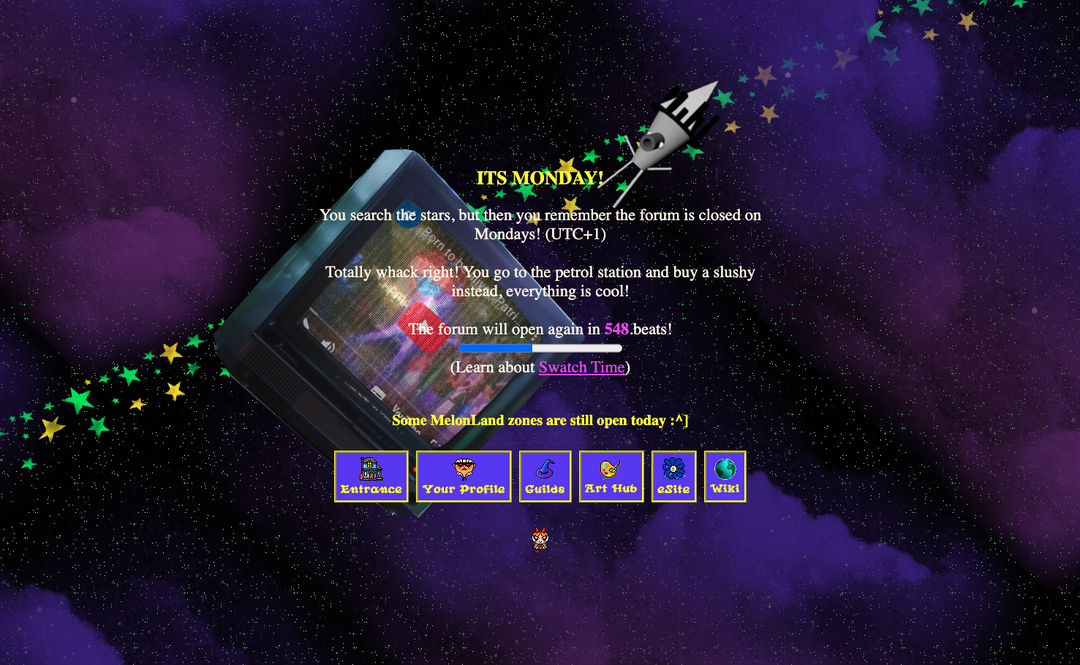
Daniel Murray: MelonLand (Copyright © Daniel Murray, 2021)
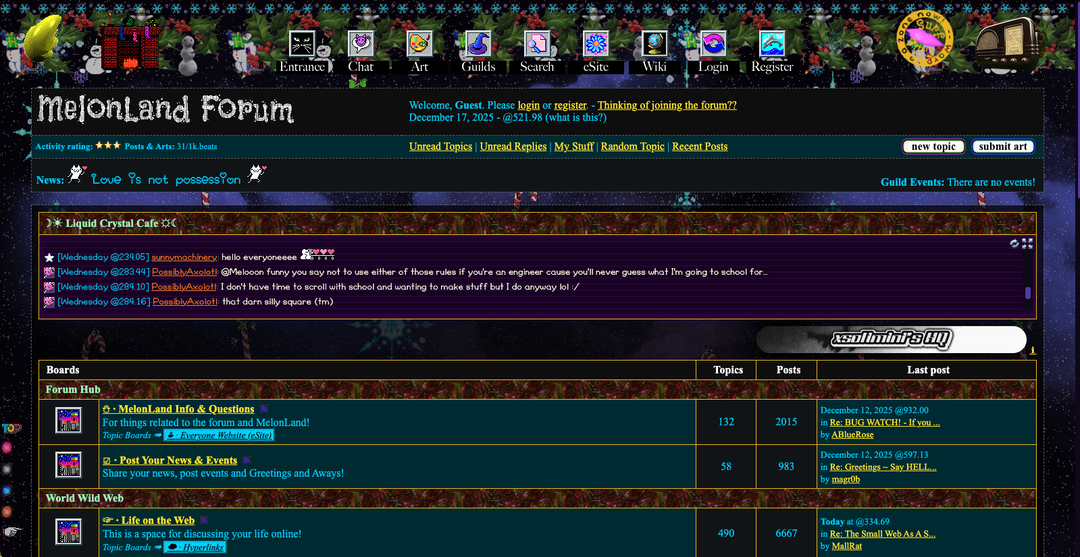
Daniel Murray: MelonLand Forum (Copyright © Daniel Murray, 2021)
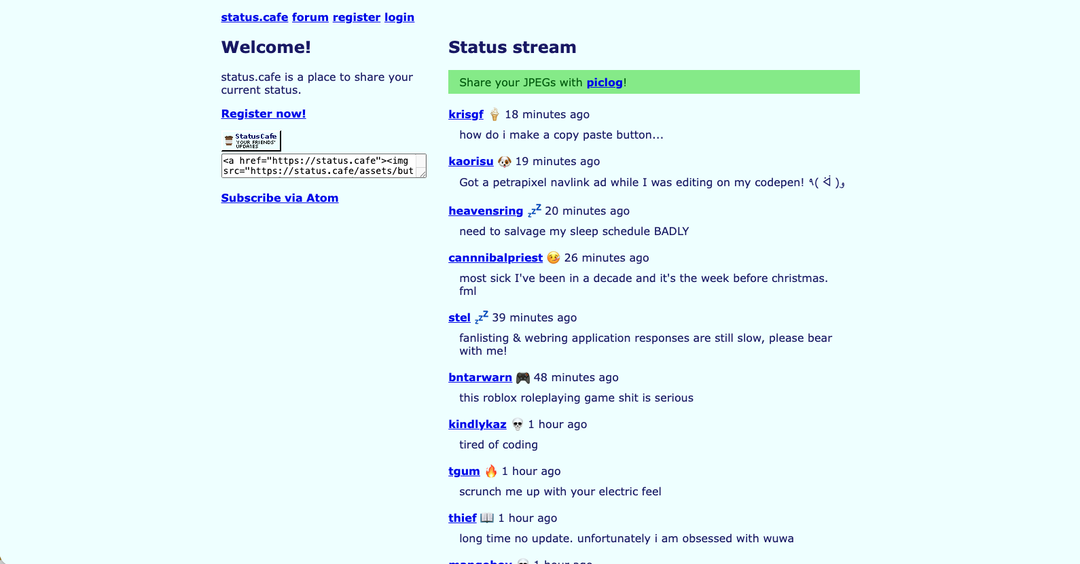
m15o: Status Cafe (Copyright © m15o, 2021)
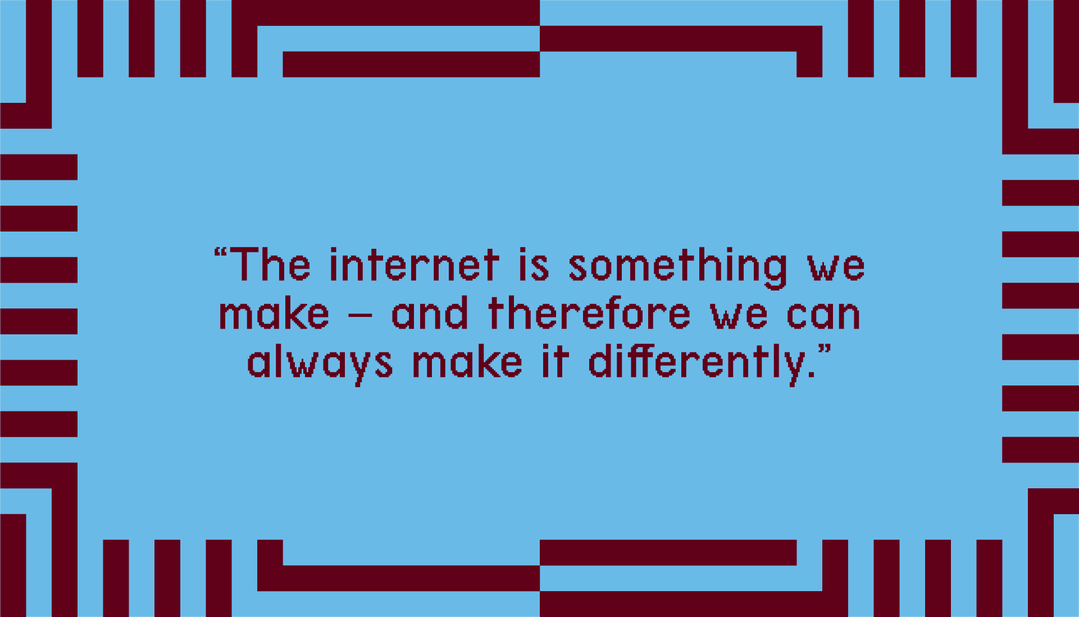
It’s alive!
Is it just a coincidence of geeky humour that in the comments section of the famous scene in the 1931 classic Frankenstein – when the eponymous doctor exclaims “It’s alive, it’s alive!” – most of the comments are about computers, codes, blue screens of death and internet connections? Computers are finicky machines, victim to internal breakages and random combustions – the internet is the same. In celebration of the Internet Archive reaching one trillion archived web pages, the site has partnered with San Francisco interdisciplinary arts and technology non-profit Gray Area to commission a series of original “net.art” works that engage with the vast holdings of the Internet Archive, to explore what it means to “create, preserve, and access culture online”. One of those artists is Spencer Chang, who argues the internet isn’t dead, it’s very much alive – and people are fighting for its survival every day.
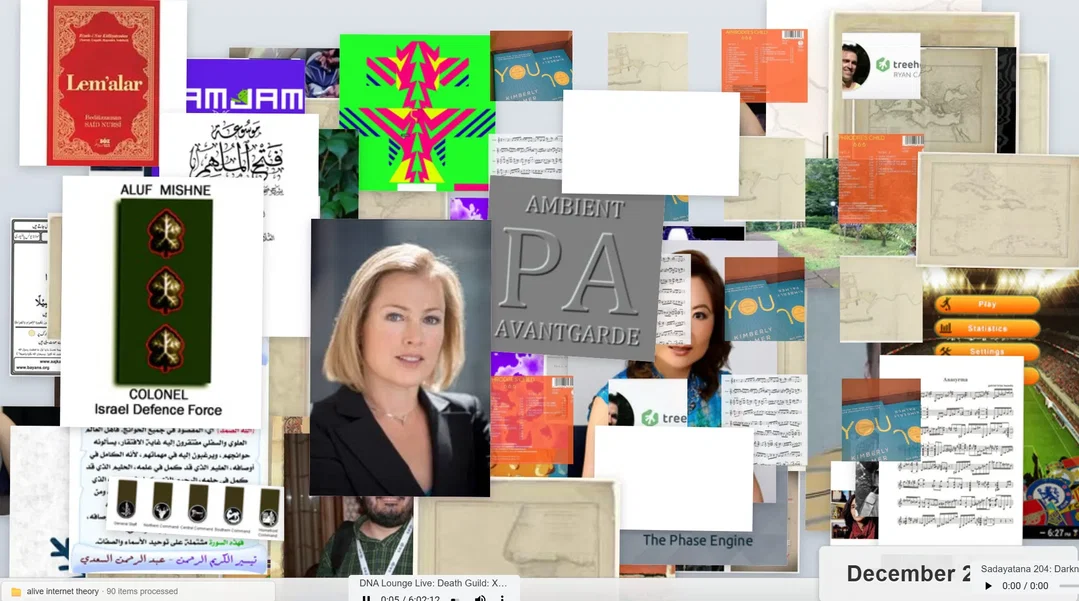
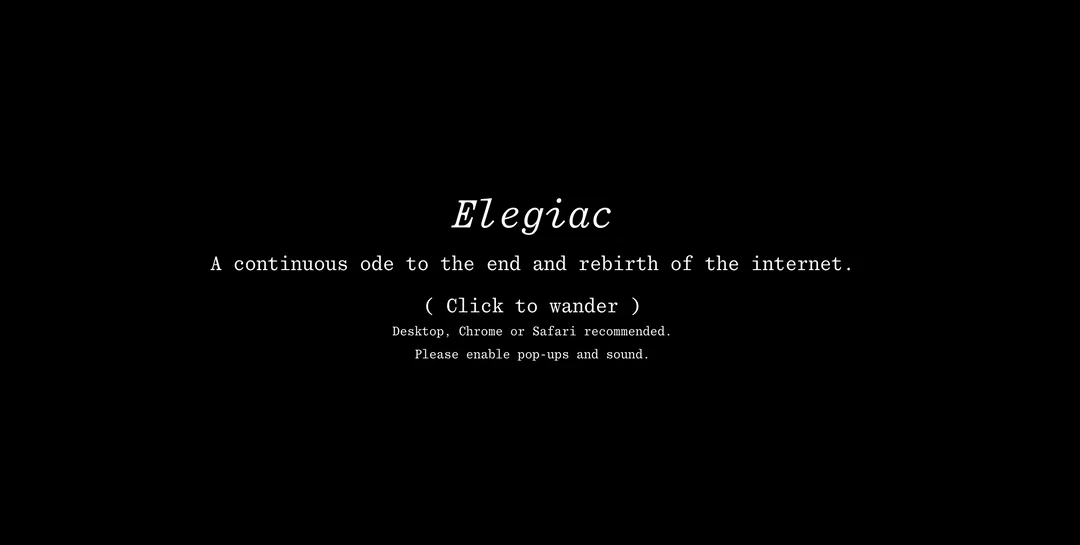
The Alive Internet Theory is a “séance with this living internet,” offering a counter-narrative to the widely proliferated “dead internet theory”, which argues that the internet is being overtaken by bots at a rapid rate and that we are witnessing the death of the open internet. What Spencer’s interactive art project suggests is a hopeful alternative: “ The internet will always be filled with real people: looking for each other, answering calls for help and sharing laughs even in the midst of arguing.”
The website mimics the appearance of the Internet Archive’s built-in mechanic of being able to slide back to the past, resurrecting older versions of current websites and visiting others that were taken offline years ago. From 2003 to 2025, every month of every year has its own homepage, where the screen becomes a complete mess of information, all retrievable via the Internet Archive. Choruses of musical ephemera and slews of images clutter the screen, fading away before being replaced with even more obscure elements of the internet. No single experience will be the same – the longer you stay, the more items are processed. On my visit to the interactive site, I saw hordes of data ranging from album covers, illustrations, entire episodes of television (Episode 4361 of New Tang Dynasty, an American-Chinese programming block founded by adherents of the Falun Gong new religious movement, to be exact), furry art, X-rays, maps, logos, livestreams of The City Of Edinburgh Council meetings, recipes, job listings, Tiger Woods PGA Tour ‘06, the pirated entirety of The Mandalorian, randomised slideshows of celebrities, anime, memes, comics – I’d say “you name it”, but you probably couldn’t. That was only 1600 images into the Internet Archive’s one trillion.
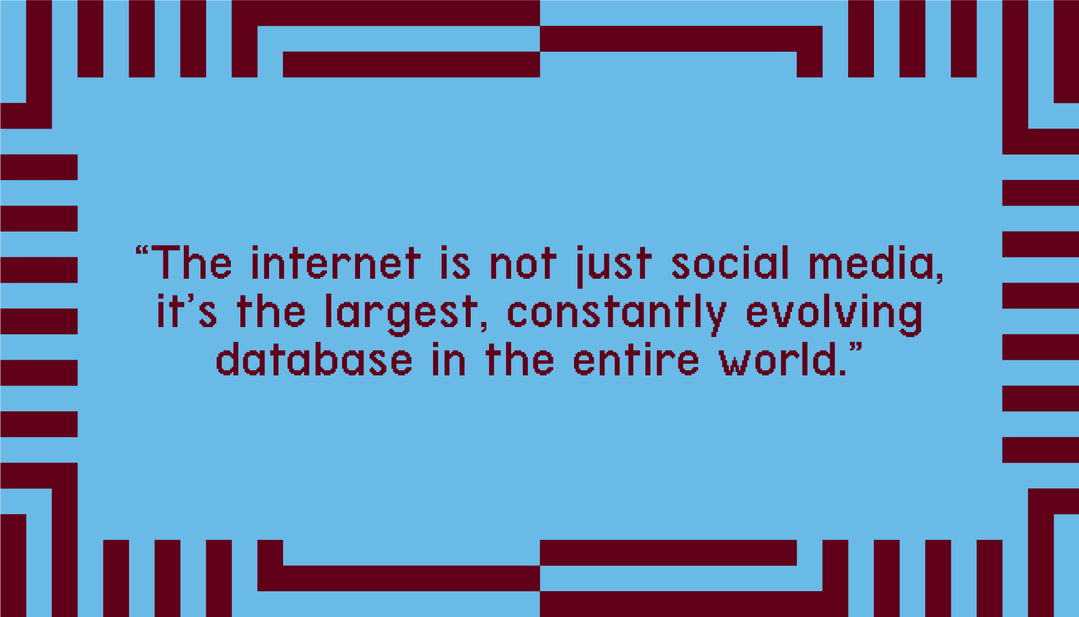
It’s living proof that the internet is not just social media, it’s the largest, constantly evolving database in the entire world. It’s a humble reminder that your timeline is not the entirety of current culture. The internet is not so much the semi-zombified patchwork creature from Frankenstein, but an explosively exciting, never-ending collage of global information all there for us to take for inspiration.
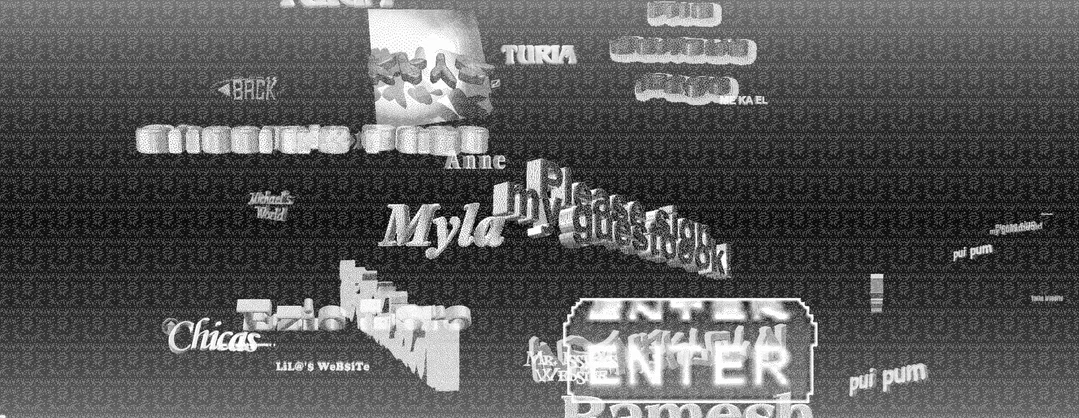
1 of 4
Rodell Warner: Ghosts of the Internet Archive (Copyright © Rodell Warner, 2025)
1 of 4
Rodell Warner: Ghosts of the Internet Archive (Copyright © Rodell Warner, 2025)
The internet can be fun and games
As designers and makers on the web, it’s important to not behave like tourists. Idly navigating the internet is all fine and well before you realise you’re sinking in the doomscroll quicksand. Gamification is a word that has become a hot buzzword to software designers such as Ross Vandenhoeck, partner at design and technology studio View Source. Everything from dating to language learning apps have co-opted a gamified design, but Ross is pushing the internet to adopt it too.
“A lot of homemade charm has been traded in for efficiency. Browsing around sometimes feels like we’re at a party where everyone has suddenly slipped into matching Patagonia vests and grayscale tech-wear, gossiping about conversion rates and frictionless onboarding,” says Ross. Function matters, of course, but Ross wants to see the wild west of early internet days to re-emerge. “At our studio, we operate in the space between function and fun – we’re translators in that way. We build the infrastructure, but we also sneak in moments of delight, even when we’re not exactly tasked to.” At View Source, the team always tries to create sites that are singular and long-lasting. No cheap tricks. Sometimes this takes the form of a scroll-based speedometer on banditrunning.com. Sometimes it’s a play-to-win obstacle game for Aura Bora. And other times it’s the studio’s own fleeting experiments – microsites and minigames like a Severance-inspired Wellness Experience, a puzzle game called Outlier or a goofy album site for Slonk Donkerson. “Each idea is a little love letter to the weirder internet,” says Ross.
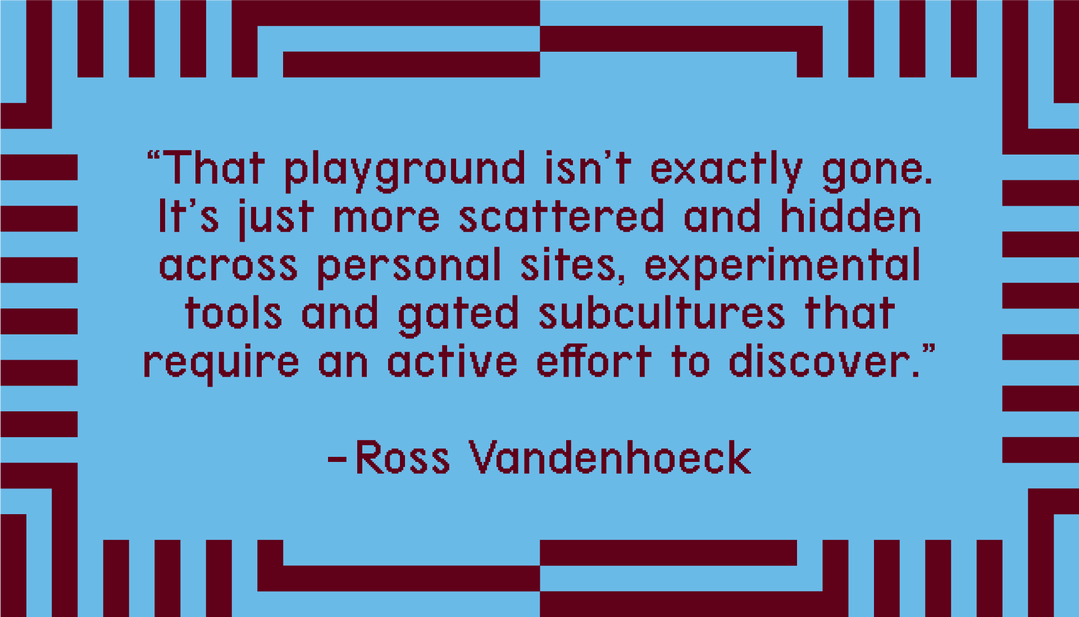
Early in-browser digital worlds “had a lawless joy to them,” Ross says. He’s still waiting for the day we can fully match the inventiveness for crazy Flash games of the 2000s, such as Habbo Hotel, Club Penguin, Bin Weevils – gamified chat rooms for young adults. However, some creatives are working hard to bring it back. Mimi Reyburn, a prolific website maker, makes sites that range from the "beautiful and useless", the "quite useful" and the "genuinely useless", revelling in the anarchy of web design. Other sites such as the digital graffiti project and the Internet Fridge Poetry website offer hope for spaces that accommodate creativity and interactivity. “As for today, I still think the true spirit of the internet remains in the unexpected, individual contributions,” says Ross. “That playground isn’t exactly gone. It’s just more scattered and hidden across personal sites, experimental tools, and gated subcultures that require an active effort to discover.”
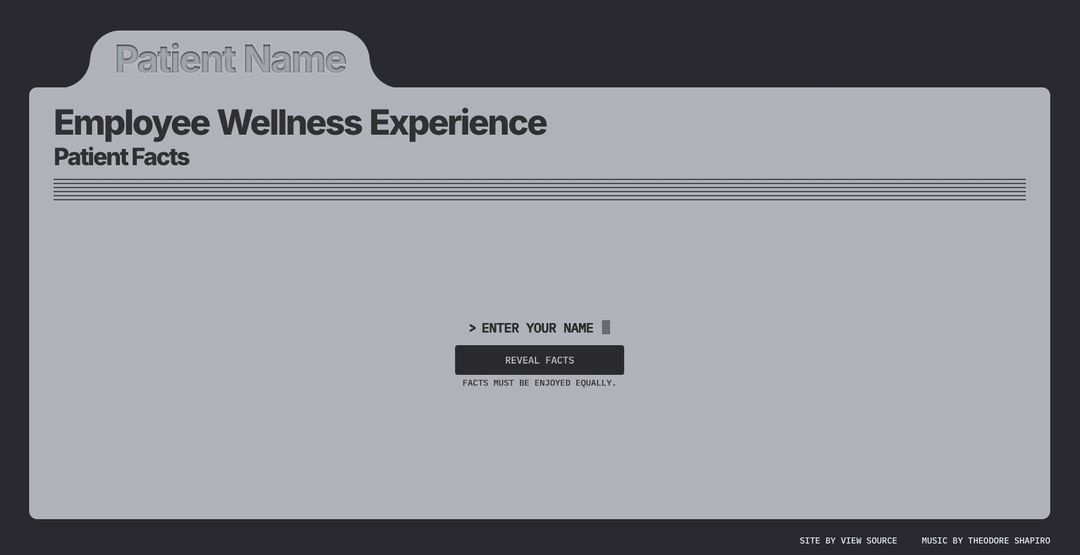
Ross Vandenhoeck: Employee Wellness Experience (Copyright © Ross Vandenhoeck, 2025)
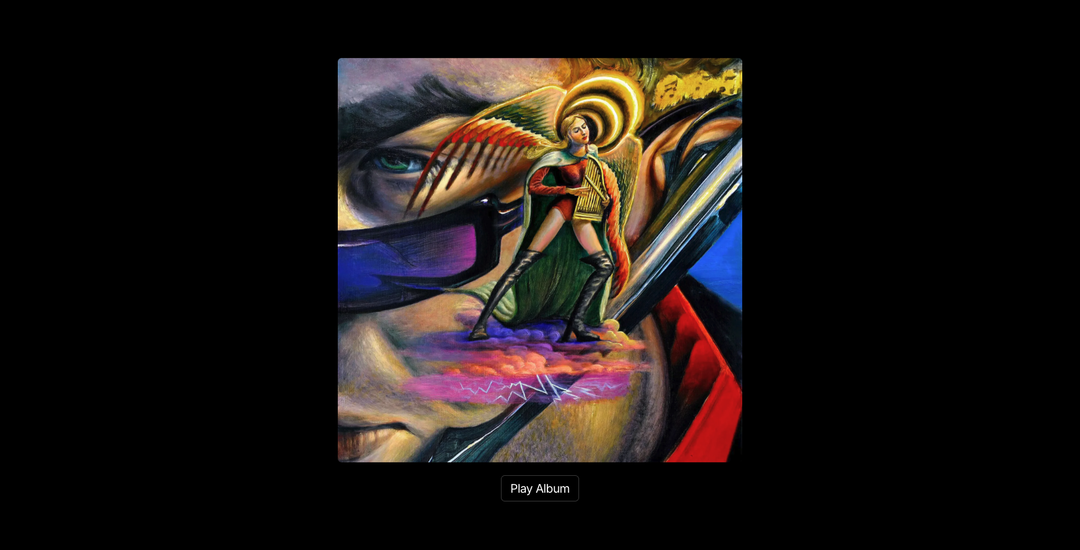
Ross Vandenhoeck: Slonk Donkerson album website (Copyright © Ross Vandenhoeck, 2025)
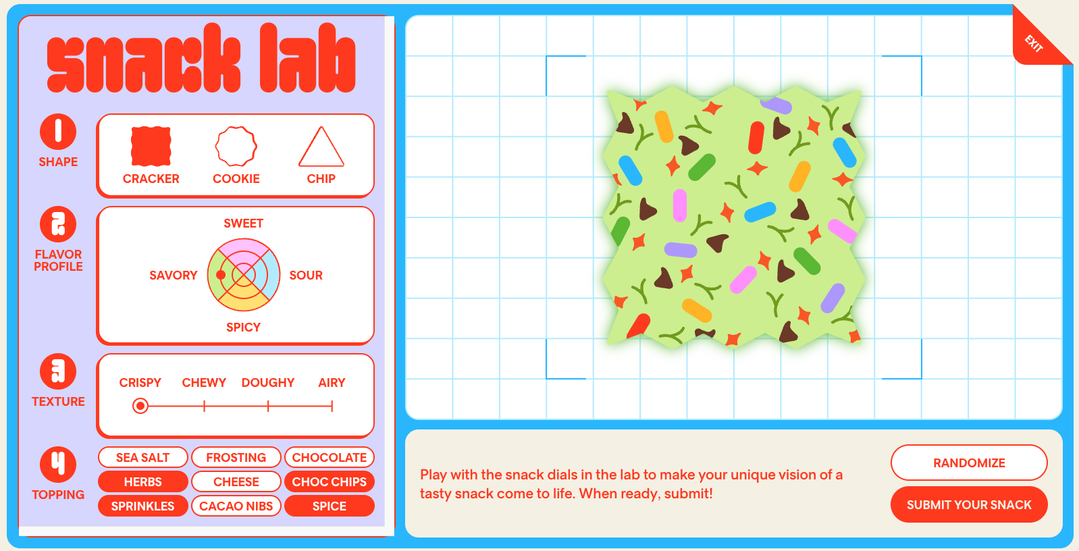
Ross Vandenhoeck: Snack Lab (Copyright © Ross Vandenhoeck, 2025)
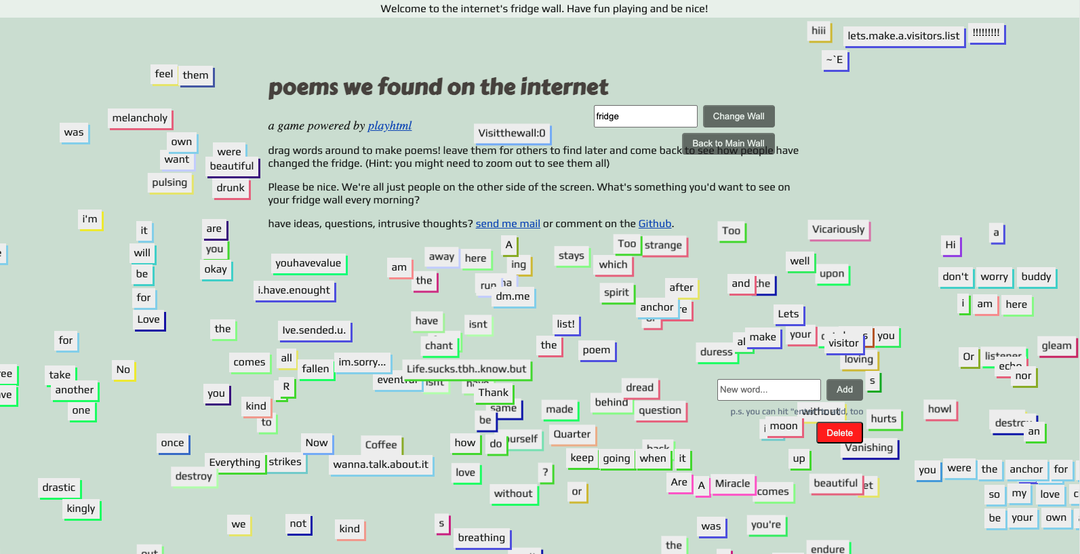
Spencer Chang: Poems We Found On The Internet (Copyright © Spencer Chang, 2023)
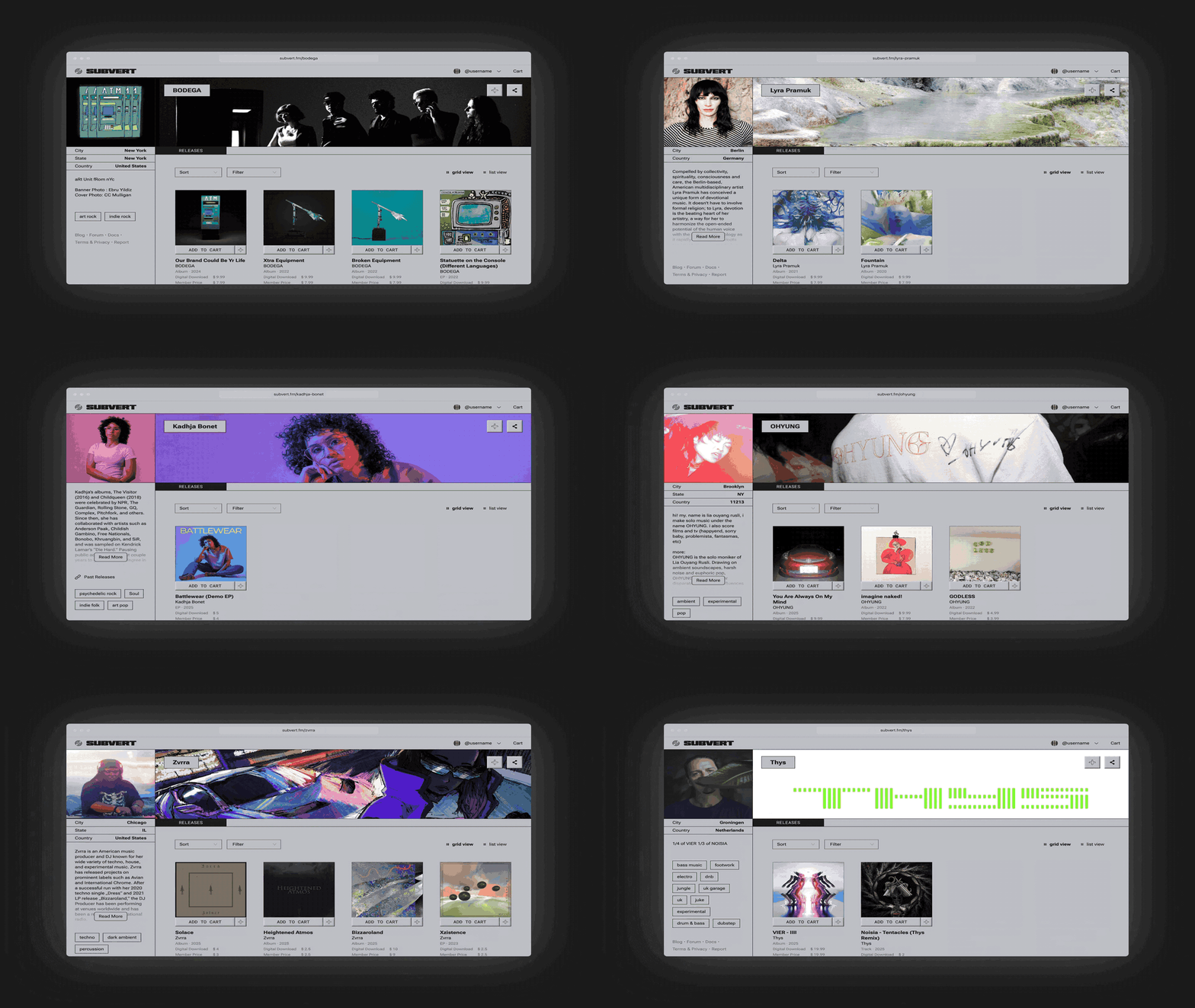
Subvert (Copyright © Subvert Cooperative, 2026)
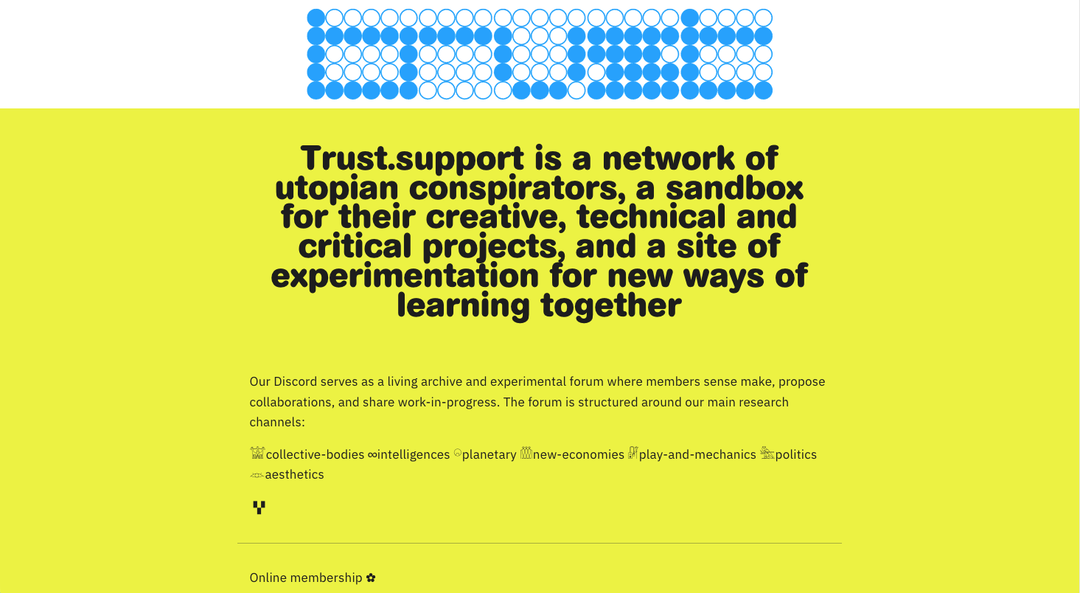
André Fincato: Trust.support (Copyright © André Fincato, 2026)
Mozilla Foundation: Nothing Personal (Copyright © Pentagram, 2025)
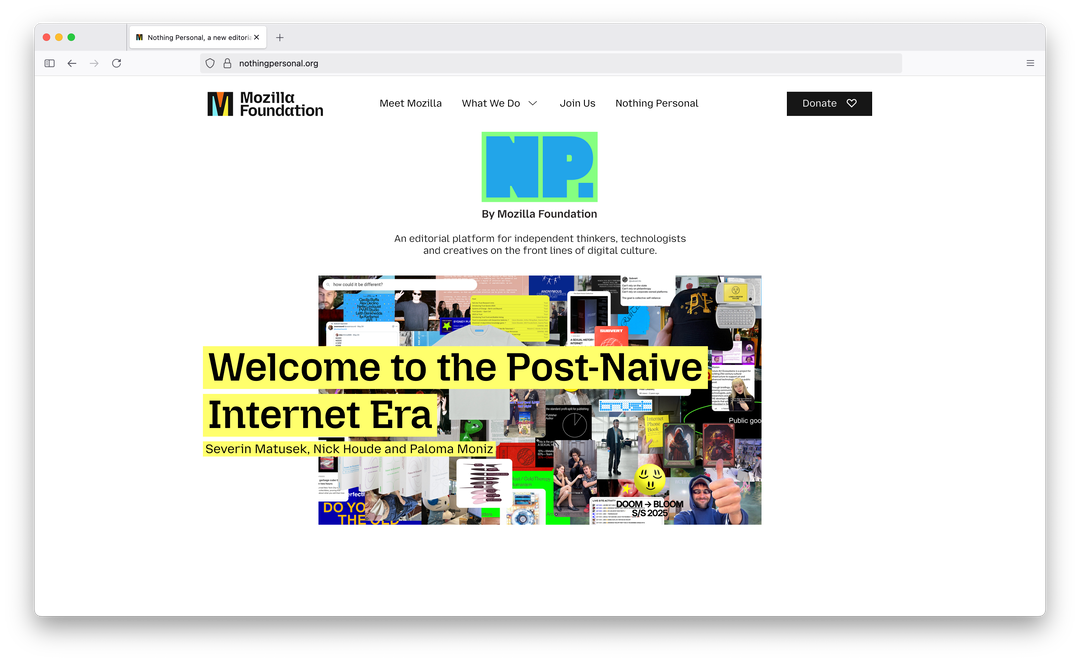
Mozilla Foundation: Nothing Personal (Copyright © Pentagram, 2025)
The post-naive generation
Mozilla Foundation’s editorial platform Nothing Personal gives readers a look into a promising new landscape of internet behaviours. Severin Matusek, Nick Houde and Paloma Moniz, three parts of Co–matter, a research and strategy studio in Berlin, penned a piece for the emerging publication on something they’re coining as the post-naive generation, a new wave of designers who are disillusioned with the idea of open internets – instead, they’re more interested in creating bespoke software for their direct communities. They think we can create the internet we deserve.
On a structural level, applications like Subvert (an ethical Spotify alternative) show that companies can be “collectively owned by its members rather than by venture capitalists”. The article also credits Metalabel, “which values creator collaborations and split earnings”, Perfectly Imperfect, “which designs its feed around human-created recommendations rather than algorithm-optimised content” and Trust, a Berlin-based online community which “experiments with decentralised governance structures to evolve along its community’s IRL needs”.
The post-naive generation is split into four categories: media, hubs, catalysts and platforms/protocols. It creates a type of map for the internet, but it’s not for navigation, it shows that the post-naive internet exists as a mindset within the endless sea of today’s internet. “It's the Internet you won't see if you just stay on the big platforms,” says the manifesto. “We might have traded idealism for realism, accepting the internet of today for what it is. A mirror rather than a portal. But more than ever, we believe that change can happen through digital infrastructure, that it has the ability to make our values real.”
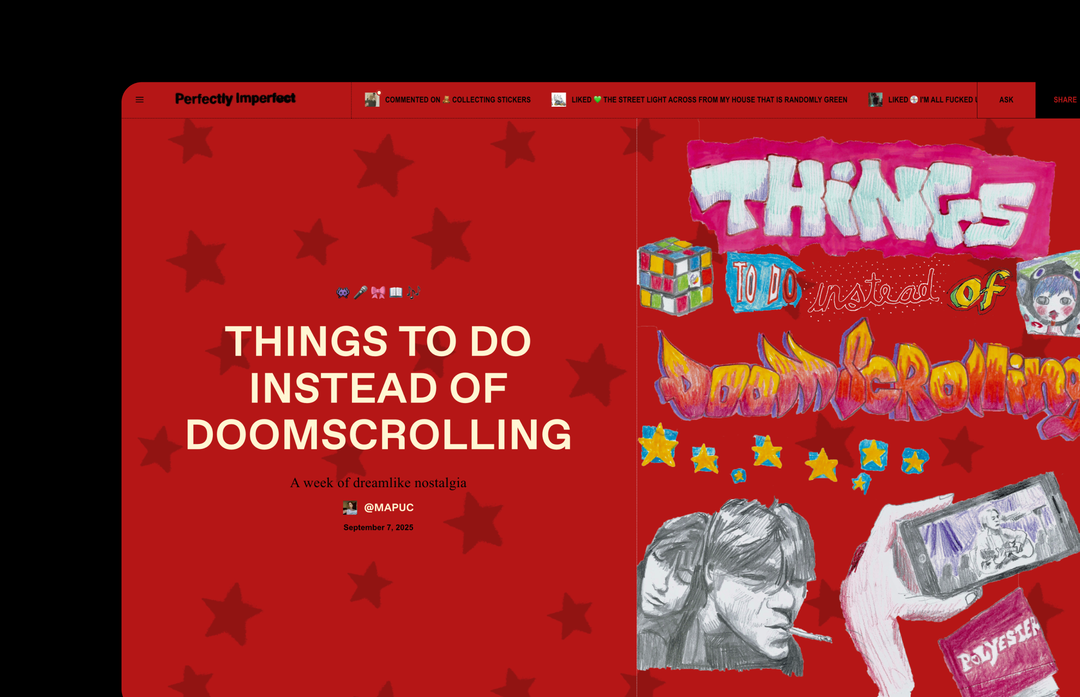
Imperfectly Perfect: Things To Do Instead Of Doomscrolling (Copyright © Imperfectly Perfect, 2025)
This is for us
As Brian Eno once stated, everything we find weird, ugly, uncomfortable and nasty about a new medium will surely become its signature. He’s right, for better or for worse. But unlike CD distortion, the pixellation of digital video or the naff sound of 8-bit, the internet’s unique defects are unlikely to ever be welcomed again in the future. One may like the sound of tape hiss, but no one likes the sound of a tape that doesn’t play anymore. The internet may sometimes feel like a breeding ground for unpleasantness, but the internet is an infinitely moldable material. If you open your laptops, you will witness changes that are starting in microscopic forms, but continuing to bloom and release creative seeds – from the poetic web to platform cooperatives, alternative social networks, internet-inspired art, music and media scenes, the plethora of new types of internets, interactive and explorative websites, retro-styled chatrooms, books that physicalise virtual worlds, crypto protocols and many, many more where ideas are experimental, collaborative and exciting.
When Sir Tim Berners-Lee tweeted out “this is for everyone”, he was referring to the still youthful open internet. But perhaps what we can do with his hopeful slogan is apply it to our own alternative internets – safe spaces of customisation and creativity, alternative not for the sake of it, but alternative because it’s necessary in order to save this miracle of technology. We can meaningfully exclude venture capitalists, cryptofascists, tech billionaires and megalomanics from ruining it. Perhaps, the new slogan for 2026 is “this is for us”.

Share Article
Further Info
Pull quote typeface: Terminal Grotesque by Raphaël Bastide, with Jérémy Landes, for Velvetyne Foundry.
About the Author
—
Paul M (He/Him) is a Junior Writer at It’s Nice That since May 2025. He has a strong interest in graphic design, digital kitsch, multimedia painting, collage, nostalgia, analogue technology and all matters of strange stuff. pcm@itsnicethat.com
To submit your work to be featured on the site, see our Submissions Guide.